All Activity
- Today
-
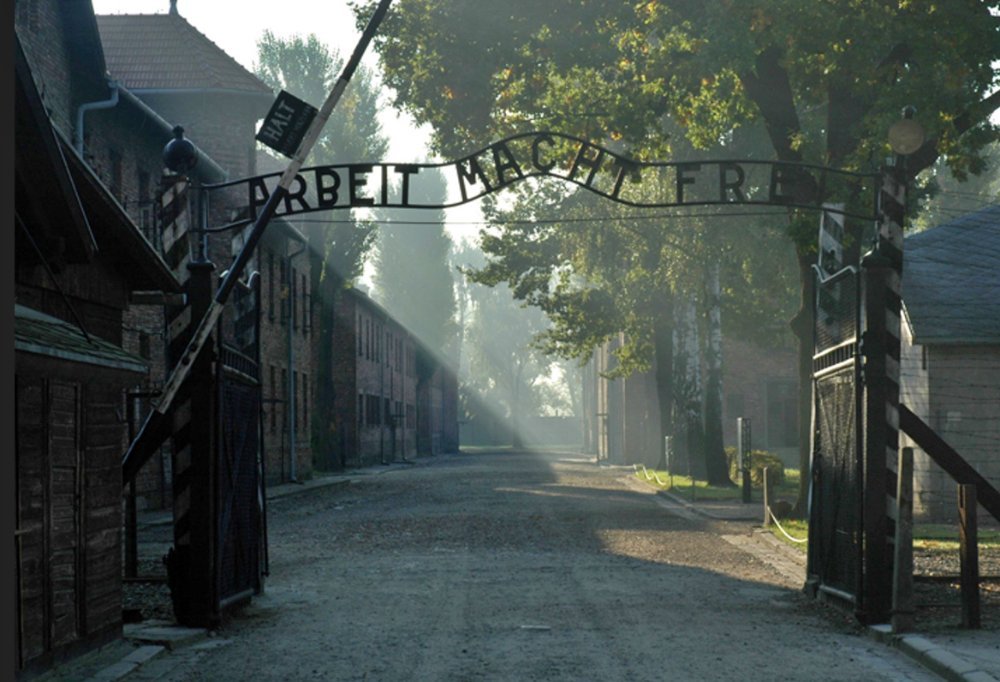
 Hi there folks. Welcome to episode 4. In this one: Section 1: F2 pics from Buxton & Taunton Section 2: Out and About – Poland part two - Auschwitz II Birkenau, the Wieliczka Salt Mines & scenes around Krakow. Section 3: Odds and Ends – Miscellaneous Section 1 Buxton Saturday July 5th A feature of this meeting was a big hit on Tom Bennett from Euan Millar: Heat 1 183 161 101 581 915 533 223 359 463 387 324 Heat 2 880 727 578 390 9 355 821 213 667 461 46 C 155 618 142 127 16 402 931 186 776 184 92 Final 880 727 101 931 9 355 183 155 533 223 GN1 727 101 183 7 387 127 667 581 161 618 GN2 578 390 355 16 8 405 931 1 9 461 Buxton Sunday July 6th F2 Nationals A great weekend for Jack: H1 (F2 Nat.) 184 880 355 578 142 46 183 127 581 Heat 2 880 727 161 127 618 183 213 8 9 Heat 3 727 101 7 461 324 355 581 180 16 Final 880 727 355 578 183 7 101 142 387 GN 727 155 183 992 7 324 355 101 180 Taunton Saturday July 20th The first of two days remembering stock car royalty featured BriSCA Formula Two Stock Cars contesting The Master Trophy, in memory of Bill Batten, for the third time. Fifty BriSCA F2 Stock Cars arrived at the track. As on this occasion in previous years, the cars were split by grade to contest four heats. There was a fitting win for Bill Batten’s great-nephew 667 Tommy Farrell in heat four, crucially pulling away from 127 Matt Stoneman on the final lap to prevent a last-bend challenge. Ahead of The Master Trophy Final, the now-traditional rendition of Hey Jude was a poignant reminder of the man the trophy is named after. A pile-up among the rear half of the field cost several a lap as 881 Jamie Ward-Scott made the early running ahead of 206 Matt Brewer. Both Stoneman and Farrell avoided the early chaos and broke into the top 10 within just two or three laps. It took them little longer to depose the likes of Soper, Brimble and Avery as they climbed to third and fourth and set about chasing down the lead duo. Into the second half of the race, Stoneman caught and passed Brewer, with Farrell doing the same a lap later. Ward-Scott offered little resistance to Stoneman as he took the lead with six laps remaining, and Farrell took second from the erstwhile leader on the following lap. As the laps wound down, Farrell made some progress into Stoneman’s advantage but he could not get close enough to mount a challenge. So it was Stoneman who took the flag and the £667 prize money, his first feature final since returning to action in his new self-built car. He celebrated in style with tyre-smoking donuts and was joined by customer Farrell for further nose-to-nose burnouts. Heat 1 844 881 206 53 131 Heat 2 605 654 454 235 Heat 3 578 315 126 960 468 980 Heat 4 667 127 155 83 184 C1 186 27 979 542 207 676 581 418 8 525 C2 324 856 Final 127 667 881 980 186 126 27 468 206 542 Saturday pics: Taunton Sunday July 21st Day two of the summer speedweekend at Smeatharpe featured the BriSCA F2 Stock Cars Colin Higman Tribute Trophy. 43 of the 49 drivers who had competed on the previous evening returned to the track. A torrential rain shower at the end of pre-meeting practice made the track conditions treacherous. The 32-car Colin Higman Tribute Final was halted early on with Farrell, Flecken, Goddard and Jimi Marshall stuck in the fence on the Honiton bend. 53 Phil Mann led the restart and created a gap at the front of the field but spun out of the race when he tangled with a backmarker on the back straight. 128 Jake Ralfs also spun on the back straight, coming to rest facing the fence on the entry to turn three, which necessitated another yellow flag stoppage. By now, Weston had hit the front and his restart was good, helped no end by Palmer, Vaight and Stoneman battling between themselves for second place with the positions swapping lap after lap in an extraordinarily entertaining bout of Stock Car racing. All the while though, that was allowing Weston to build an unassailable lead. 27 Kieren Bradford and 186 Kasey Jones tangled with a couple of laps to go, with Jones' car stopping on the middle of the pit bend as the race was completed. Weston reeled off a fine win to grab the £778 first prize, sealing a return to the star grade amidst plumes of tyre smoke following celebratory donuts. Vaight led home Stoneman and Palmer in the battle for second, but Stoneman was relegated to fifth after the race for passing a car on one of the restarts before the green flags appeared. Sunday pics: Sam Weston won the Colin Higman Tribute Trophy Section 2 Out and About AUSCHWITZ II BIRKENAU The close streets and heaviness of Auschwitz I are replaced by acres of grass, clear skies and two parallel railway tracks that come to an ominous, and very final stop. There’s a warped tranquillity in Birkenau. Yellow wildflowers grow beneath the guard towers. You can see nearby villages and rolling hills. There’s the warble of distant birdsong. It’s hard to imagine that up to 20,000 people per day were killed and burnt here. Apparently, the nearby residents, the ones who hadn’t been rounded up in the first few years of Nazi occupation, could see and smell the smoke for miles. They slept with the distant glow of the ovens outside their window. Until you stand in the gas chambers, hear the eerie silence around the ash pools of Birkenau and see the dusty wooden bunks where prisoners would huddle together – you won’t understand it. Birkenau was the largest of the more than 40 camps and sub-camps that made up the Auschwitz complex. In 1941 the SS authorities began expanding the Main Camp and building a new camp on the site of a neighbouring village called Brzezinka (Birkenau in German). First, they evicted the inhabitants of several nearby settlements and converted the evacuated area into a ‘zone of interests’, within which the camp had its own arable and animal husbandry farms. In 1942, on the site of the village of Monowice (Monowitz) they founded a third camp, called Buna (or Monowitz), near a chemical factory complex built by the German IG Farbenindustrie concern. In time, Auschwitz became the largest Third Reich concentration camp complex. During its three years of operation, it had a range of functions. When construction began in October 1941, it was supposed to be a camp for 125,000 prisoners of war. It opened as a branch of Auschwitz in March 1942 and served at the same time as a centre for the extermination of the Jews. In its final phase, from 1944, it also became a place where prisoners were concentrated before being transferred to labour in German industry in the depths of the Third Reich. The majority—probably about 90%—of the victims of Auschwitz Concentration Camp died in Birkenau. This means approximately a million people. The majority, more than nine out of every ten, were Jews. A large proportion of the more than 70 thousand Poles who died or were killed in the Auschwitz complex perished in Birkenau. So did approximately 20 thousand Roma and Sinti, in addition to Soviet POWs and prisoners of other nationalities. At Birkenau prisoners lived in brick barracks and wooden barracks. The former were built in sector BI, the oldest part of the camp. They had only one entrance and 17 barred windows. Inside there were 60 brick partitions, each with three levels of bunks, creating in total 180 bunks, on each of which four people were to sleep. According to SS plans, each of these barracks were to house over 700 prisoners. Initially these blocks had dirt floors, but with time these were covered with a layer of bricks or concrete. The entrance into these barracks was through double doors in the gable walls. The interior was originally intended for 51 horses. Two partitions nearest to the entrance were reserved for the prisoner functionaries, whereas two partitions at the very end of the barrack had containers for human waste. Prisoners in the brick barracks slept on straw strewn on the wooden bunk planks, whereas in the wooden barracks the wooden beds or berths were covered with paper mattresses stuffed with so-called wood wool. The prisoners were issued with blankets that were usually dirty and badly worn. They were practically unheated in the winter, apart from two iron stoves that were quite inadequate for such a large interior. The barracks lacked sanitary facilities, which only started being installed in 1944. DEPORTATION OF WOMEN AND CHILDREN TO AUSCHWITZ In March 1942 German Nazis also started sending women to Auschwitz. In total they accounted for some 30 per cent of registered camp inmates (130,000 out of the c. 400,000 registered) and presumably half the Jewish victims murdered in the gas chambers directly after arrival. Initially women inmates were held in an isolated part of the Main Camp, then from August 1942 onwards in Birkenau (first in sector BIa, and from July 1943 also in BIb). Also, in 1942 the Nazis started sending to the camp whole families with children, first Jewish and Polish and later also Roma and Belarusian. In total over 230,000 children and youths were deported, the decided majority Jewish. And most of the Jewish children and youths were murdered in the gas chambers. Those children and youths who became inmates were chiefly held in Birkenau, whereas smaller groups were held in the Main Camp and some of the sub-camps. Initially they performed odd jobs, but with time most of them worked together with the adults. Very young children, chiefly Poles and Belarusians were sent away from the camp to be Germanized. Moreover, some of the Jewish and Roma children became the victims of pseudo-medical experiments conducted by SS physicians, chiefly Dr Josef Mengele. When the women’s camp was first set up, pregnant women were deemed unfit to work and therefore, regardless of nationality, put to death. In the first half of 1943, the camp authorities stopped killing women who were pregnant or in labour, but they continued murdering the newborn babies. Then presumably in May 1943 newborn, non-Jewish children stopped being killed, too. However, on account of the camp’s extremely inhospitable conditions, most of these children soon died, anyway. The few infants that managed to live long enough were registered as ‘newly arrived’. With certain exceptions they, too, received prisoner numbers, which were tattooed on a thigh or a buttock and only very rarely on their arm. Children born to Jewish women had no right to live and were murdered immediately. This practice ceased only in October 1944. The Nitka sisters: Adèle aged 9 and Paulette aged 2 – Jewish girls born in France and until their arrest living in Paris. On 21 August 1942 deported from the Drancy camp to Auschwitz in a transport of 1,000 people, including 320 children aged 2 to 12. After selection on the ramp, they and all the other children from the transport were killed in a Birkenau gas chamber. The survivors accounts that follow throughout the remainder of the text make for harrowing reading. “As the first Kutscher [carter] I delivered building materials to the FKL [Frauenkonzentrationslager – women’s concentration camp] and transported rubbish out. There I saw the tragedy of those delicate women from the rich countries of Europe. Before they went to the gas chamber, they had to live out their terrible fate. They received striped uniforms or clothes that did not fit. At work and when they were being beaten, their trousers would rip at the hips. In the mud the wooden clogs would fall off their feet. They would also fall over in the mud and snow, hurried by female Kapos with blows and shouts. They were not really shouts but coarse roars that would terrify a man. Sick and weak, … the women’s lives ended fast. Onto my cart they would load dirty straw with spades. There were no pitch forks. During selections for the gas chamber … they were loaded onto heavy carts. With sticks, they were beaten and packed so tightly that no one could move. Once women bound for the gas chamber passed my cart … One of them, a blonde… stretched out her arms and with crazed eyes shouted in my direction. I still see the face of that distraught woman… .” ADAM STRĘK Born in Magnuszewice on 1 December 1920. Brought to Auschwitz on 8 October 1940 in a combined transport from Tarnów and Krakow. Registered in the camp as Polish political prisoner 5830. On 12 March 1943 transferred to Buchenwald, survived. “We, the children, were given improvised toys made by the prisoners. These were balls made out of rags, dolls with buttons for eyes, puppets out of plywood that performed various tricks with the pull of a string… The children were not idle. They did cleaning outside, wove straw mats which were next sewn together by elder children and sick adults, and valenki boots for German soldiers. I also have evidence of ‘mercy’ [of Marie Mandel] on my body. We were sitting and working, weaving straw mats, I and two Belarusian sisters, Nadia and Dusia Zhuravliev. She came up unnoticed, we did not manage to stand to attention in time and the crop immediately fell on the little sisters, whereas I got a boot kick in the arm, below the elbow. The pain shot through my body. I wanted to get up, but I could not support myself with my arm and then I was struck in the tailbone. A burning sensation ran through my spine, I couldn’t even cry out, the voice of pain and fear withered in my throat.” The first night in Birkenau: In the night they took us to the block. We were led by an inmate functionary holding a candle and in twos or in threes she would simply shove us into a wall. Unable to see anything, I was deafened and stupefied. ‘Climb’ screamed the functionary and went on… I stood there alone and at the level of my waist there was a huge slab. Then from deeper inside a voice said: ‘Come on, climb in.’ ‘But how and where,’ I replied. ‘Raise your leg and get on to what is here,’ I heard. So I raised my leg, clambered up and felt someone’s feet. ‘Move here, closer to the wall,’ said the same hoarse voice. Then the stench hit me, something so unpleasant that I wanted to run out of that block and sleep outside. ‘Maybe I should leave, it’s so cramped here,’ I said. The same voice said: ‘Don’t leave, for they’ll beat so, you won’t be able to pull yourself together.’ I somehow overcame that terrible revulsion. … ‘My God, you are so young,’ sighed the voice. And then she started to cover me up. It must have been an elderly woman. … Wrapping me up, she said: ‘I know it stinks here, the first impressions are terrible, but you’ll get used it and you’ll stink, too …’ ZOFIA STĘPIEŃ-BATOR Born in Radom on 2 June 1920. A girl guide who during the war served in the Grey Ranks (Szare Szeregi). Arrested on 16 October 1942 in Radom and transported from the local prison to Auschwitz, where she received prisoner number 37255. After the evacuation of Auschwitz in January 1945, she was held in Ravensbrück, then transferred to Neustadt-Glewe, from where liberated. In the summer of 1945 returned to Poland and together with her husband settled in Nowa Huta. “The camp’s sanitary conditions were terrible. There was no light. Only the block overseer had a candle. We recognised each other by only our voices. Under our feet there was just clay. Only later the women had to lay bricks to make a kind of floor that could later be cleaned. The room overseers, who had to look after this block, shaped the bricks to make it look a bit more respectable. When I arrived in 1943, it was an image of misery and despair. More lice than one could possibly imagine. Because I arrived in winter, we received only dresses made out of those nettles, in stripes, and an over garment with no lining, nothing. It was cold. Immediately after I came to Block 7, a prisoner offered to sell me a sweater. That is, in exchange for some bread. I was new to the camp, so I thought to myself that I would give up just one portion of bread and I would have a sweater. The winter then was so cold. I was so pleased that I had managed to acquire a sweater. I put it on and the next day I went to work. We were planting saplings and all the time I was moving. It never occurred to me that in the sweater there were lice. My arms were in motion all the time and I did not understand why my back was itching so much. This was Friday. It was not until Sunday, because on Sunday we did not work, that when I turned up that black sweater, I saw the other side was quite beige. In every single stitch sat a louse. At the time all [the other prisoners] were sitting there. My God, that image I’ll never forget, Sunday, this was the eradication of insects. I did not know what to do, should I or shouldn’t I put that sweater on. I killed as many as I could, but it was impossible to eradicate all of them.” In the first year or so water in sector BI was only available in the kitchen barracks, to which the prisoner had no access. This lack of washing facilities (though some did at least try to wash or rinse their clothes in puddles) meant that for a long time prisoners were constantly dirty. Physiological needs could be only attended to in uncovered trenches. Moreover, in the barracks, usually built without adequate insulation, the prisoners lived in exceeding dampness and were greatly troubled by lice and rats. It is therefore hardly surprising that there were such frequent epidemic outbreaks of infectious diseases. STANISŁAWA PAŁKA (in the camp RZEPKA) Born in Limanowa on 2 April 1921. During the occupation belonged to the ZWZ-AK [Union of Armed Struggle/Home Army], for which arrested on 17 September 1942. Transported from Tarnów prison to Auschwitz on 6 January 1943, where received prisoner number 28050. First employed in building Kommandos [work squads] and next as a clerk in the Politische Abteilung (the camp’s Gestapo headquarters). Evacuated from the camp on 18 January 1945 and three days later in the village of Radlin near Wodzisław Śląski, managed to escape. “In the morning, assembled in fives, we were led to the washroom. A block like ours, but instead of bunks, along both sides of the interior there were pipes with taps. All of us ran to the taps. For many days unwashed, we had longed for contact with water. To my delight the first droplets dripped from the tap. They had the consistency of mud and a yellowish colour from excessive rust. Taking no notice of this, I splashed my hands and face. To feel moisture it was so wonderful! Next to each tap there was a bar of soap … The bar of soap was too big to fit into my small hand. I rubbed it in various ways, but it wouldn’t lather at all. Well, I’d just have to wash without lather. The most important thing was to wash off the dirt. ‘Soaped up’, I turned the tap, but to no avail. I turned it one way, the other way, but the tap remained dry… The soap’s pungent smell was suffocating, it irritated my throat … And the tap was still dry. Then there was sudden movement around the blocks. Whistles summoned us to roll call. I had no choice and ran with everyone else towards roll call square. When I returned to the block, to my bunk, I felt quite dejected. With stinging, irritated skin, I still stank. Yet at the bottom of my heart there was still an ember of hope that next time, despite everything, next time there’d be water in the taps! Wasn’t that why they had installed the taps? …” The situation was not much better in other parts of the camp. For example, sectors BIIb, BIIc, BIId and BIIe each had 32 prisoner barracks for which there were only three washroom barracks and three barracks with toilets. In Birkenau, as in Auschwitz I, possibilities of using these sanitary facilities were further limited by inmate functionaries, who usually allowed prisoners only a few minutes in the washrooms or toilets before going to work and then after returning from work. Nor could they use these toilets at night. Instead, there were buckets in the blocks where prisoners slept. Although bathhouses were also built in Birkenau, inmates were allowed to use them only very rarely. And when they did, they had to undress in their barracks and go to the bathhouse, regardless of weather conditions, naked. For many this led to a rapid deterioration of health and death. FOOD The prisoners received three meals a day. In the mornings all they were given was half a litre of ‘coffee’ (a watery ersatz grain beverage) or ‘tea’ (a herbal beverage). The noon meal was about a litre of ‘soup’, usually comprising some potato, rutabaga as well as small quantities of kasha (groats), rye flour and Avo food extract. For supper the prisoners received about 300 grams of black bread and either 25 grams of sausage, black pudding or margarine, or a tablespoon of marmalade or some cheese. One must stress that the nutritional value of these meals (with inadequate animal protein, fat, vitamins and minerals) was very low. “We had these red bowls, red, half-litre tin pots into which we got our Kaffee (coffee), in fact chamomile or some other weed. At first we couldn’t drink it, we couldn’t put it to our lips, but later we fought over it, because it was hot. I also discovered that it could be used to least wash your face and hands a little. When we returned in the evenings, we got a little soup, it was with turnips of a dreadful kohlrabi sort [German Kohlrübe – turnip], it was like wood. It was ladled out by a woman who was simply bad, a room overseer. She would ladle out just thin, watery soup, and when she was getting near to the bottom of the large pot, where the turnips or kohlrabi had settled, which, however bad, the famished prisoners wanted to eat, she would close the pot and start ladling thin soup out of a new one. The thick soup she would later sell in exchange for bread and various items the women brought back from their Kommandos [work squads]. If someone complained or protested, they would be hit on the head with the ladle.” HALINA BIRENBAUM Born in Warsaw on 15 September 1929, a writer, translator and poet. During the Second World War she was initially in the Warsaw ghetto and subsequently in German concentration camps, first in Majdanek, then in July 1943 she was transferred to Auschwitz, where she was registered as prisoner 48693. From Auschwitz, transferred to Ravensbrück and next to Neustadt-Glewe, where she was liberated in 1945. In 1947 she moved to Israel, where she set up a family and lives to this day. “We chewed this clay-like bread, washing it down with a dark, cold and bitter beverage called coffee. A spoon sharpened by hand served as a knife. We cut the piece of bread in half and spread the margarine on it. Eating this ‘sandwich’ was a pleasure. The best [moment] of the day. Unfortunately, it ended with a strong and painful contraction of the aroused intestines that were now demanding more. I remember ‘arranging’ two loaves of Buna bread, 700 grams each, and two full bowls of thick soup, four litres in total, and this entire treasure I consumed in one sitting. The margarine tasted like almond butter, the spongy bread, what wonderful properties … Mine, for instance, tasted like the poppy seed roll I had on Saturday mornings at home. Hunger is the best cook.” DAN ARAD (in the camp TEODOR HERSCHDÖRFER) Born in Krakow on 8 September 1922. On 5 November 1943 brought from a labour camp in Szebnie to Auschwitz, where he was registered as a Polish Jew, prisoner number 161205. Initially held in Birkenau and next in Monowitz (Buna), from where he was evacuated on 18 January 1945. During the march through Gliwice he escaped with other prisoners. Provided shelter by a Polish family, he remained in hiding until the arrival of the Red Army. “The food here [in the Jawischowitz sub-camp] is even worse than in Majdanek. … It was on account of the smell that the soup was emitting. It comprised cooked rotten turnips and potatoes that were cut but unpeeled. With unfeigned envy we looked at what was given to the camp’s pigs, several dozen of which lived in a very decent pigsty.” Inadequate quantities of food and its low calorific value, combined with hard labour, inevitably contributed to the destruction of the body, which used up available reserves of fat, muscle protein and internal organ tissues. This led to progressive emaciation and starvation disease, the direct or indirect cause of a significant number of concentration camp deaths. Prisoners suffering from this disease were called ‘Muselmänner’ and fell victim to the selections carried out by SS physicians. As unfit to work, they were sent to the gas chamber. The situation somewhat improved in the second half of 1942, when the camp authorities allowed prisoners to receive food parcels. However, as stated earlier, this privilege did not include the Jews or Soviet prisoners of war. NATAN ŻELECHOWER Born in Warsaw on 8 October 1904. Transferred from the Lublin (Majdanek) concentration camp to Auschwitz on 1 July 1943. Registered as Polish Jew, number 127262. After a short stay in Birkenau, sent to Jawischowitz sub-camp, where employed in the construction of a power station and next in the Brzeszcze coal mine. In January 1945 evacuated to Buchenwald. “We were led to a huge amount of manure … Many horse-pulled carts drove up, onto which we loaded the manure with pitchforks. Work was at a very fast pace as the SS horse masters harried us with whips. Suddenly a flock of rooks cawed right above us and then flew down so low that we could reach them with our pitchforks. What was it? What had happened? … Three corpulent prisoners had pushed through a two-wheel tanker and started pouring out of it the remains of the SS canteen straight onto the manure. What was happening! Clamouring prisoners and the terrifyingly shrill cawing of the birds flying just above the heads of these paupers. The rooks audaciously sat on the heads and arms of these famished wretches, pecking at the bones clutched in their hands as they tried to return with this precious prize to their work place. Words cannot describe this struggle between starving prisoners and screeching birds over disgusting bare bones, dripping with stinking manure. Then SS men rushed in from somewhere, with a great racket chasing the prisoners away, then assailing a weakling that had fallen over… A typical concentration camp Muselmann: yellow complexion, no body, just skin and bone, slow, uncoordinated movements, visible teeth and those terrified, desperate eyes, pathetically gazing at the now lost huge bone. They took him away together with that hideous bone.” CLOTHING Clothing quite inadequate to concentration camp conditions also had a negative influence on prisoners’ health. When they were received in the camp, both men and women had to leave in deposit their clothes and underwear. Next the prisoners were sent to be washed, after which they were issued with concentration camp clothing, made of denim in grey-blue stripes (and popularly called ‘stripes’). The men received: shirts, long johns, tunics, trousers, caps and clogs completely out of wood or wood with a leather top. The women received: blouses, skirts, used underwear, tunics, headscarves and clogs. Coats were issued in winter, sewn out of a thicker material which nevertheless failed to protect prisoners form the cold. That is why, despite the danger of being punished, prisoners would frequently put pieces of newspaper or various types of material under their tunics. The lack of appropriate clothing, especially in winter, malnourishment and work in difficult conditions led to infections that resulted in the deaths of many prisoners. “The first rags I received were: a dirty, frayed, louse infested shirt, striped and disgustingly soiled panties, an equally dirty and unpleasant striped uniform, a striped tunic (over garment) that was torn, the stockings, one to below the knee, the other normal, and, moreover, one beige, the other black, while on my cropped head a cap that had once been white, with spots left by lice, their nests in the hem and to this well-worn clogs.” The inadequate number and low efficiency of laundries, the lack of disinfecting materials as well as limited access to sanitary facilities meant that prisoners rarely had the opportunity to change and wash their clothes. That is why clothes were louse ridden as well as soiled with mud, blood, excrement and urine. This compounded the suffering of prisoners and often became the cause of diseases. Moreover, uncomfortable clogs caused abrasions on the feet that developed into difficult to heal wounds. “… those cursed clogs were too large and caused blisters on my feet, and I could not exchange them with anyone in our transport. The constant movement, constant running did not allow me to exchange clogs with anyone from beyond our transport. We were all in the same situation. And those familiar with camp conditions know if you became less able to move quickly around the camp, you were just one step away from becoming a ‘Muselmann’ and death.” ZBIGNIEW DAMASIEWICZ Arrested on 3 May 1940 and subsequently sent to Tarnów prison. On 14 June 1940 deported to Auschwitz, where registered as prisoner number 260. Remained in Auschwitz until August 1944, when transferred as a punishment to Sachsenhausen and thence to Natzweiler. In April 1945 moved to Dachau, where on 29 April 1945 liberated by the US Army. “I arrived at Auschwitz dressed in beautiful, good quality clothes. I had trousers, a jacket and knee boots. On arrival to the camp all this was taken away. I only managed to keep my toothbrush and some toilet paper. … What I received ‘in return’ for my confiscated clothes was terrifying. The dress was too large for me and had a piece of string to serve as a belt. Moreover, I was given shoes that were not a proper pair. One… had a high heel and an incomplete fastening (lacking a button), the other … had a flat sole and shoelace holes but no shoelace.” WORK IN THE CAMP - ORDER OF THE DAY Slave labour was another means of destroying prisoners. With time, however, as the war dragged on and the Germans increasingly encountered setbacks on the front, the significance of work as a method of extermination decreased. Instead, the slave labour of Auschwitz prisoners became more important to the German economy. In the camp the workday began very early in the morning. At the sound of a gong the prisoners got up and, constantly harried by inmate functionaries, tidied their dormitories. Next, they tried to wash, attend to their physiological needs and finally drink some ‘coffee’ or ‘tea’. At the sound of the second gong they ran to the square to be counted during roll call. If there were any discrepancies in numbers, roll call dragged on, which, especially in times of bad weather, was exceptionally tiring for the prisoners. After it was over, the order was given to form Kommandos (work squads). These work squads of prisoners marched out accompanied by the music of the camp orchestra. Prisoners who worked far beyond the camp (and marched out earlier) or within the camp did not attend roll call. Morning roll call was abolished in February 1944 in order make full use of the working day. Both within and outside the camp the prisoners were often made to work beyond their strength. They usually had only their bare hands or primitive tools and no means of transportation. They worked demolishing the houses of evicted inhabitants, on various building projects (including the expansion of the camp and construction of the vast Buna Werke chemical factory complex), loading and unloading all sorts of materials, in the camp workshops, kitchens, warehouses, bathhouses and prisoner hospitals as well as sorting the property of Jewish victims. Starting in 1942, they were gradually employed in mines and industrial plants, chiefly in Silesia and western Lesser Poland. Some of them performed various ancillary tasks in the camp administration, in the construction division offices, surveying, draining fields as well as on arable, livestock and fish farms. Much of this work was also performed by women prisoners. At work and outside work prisoners were pitilessly forced to be absolutely disciplined. They were terrorised by SS guards and inmate functionaries, who shouted at them, beat them and applied various cruel forms of harassment to instil a constant feeling of fear and at the same time make them perform their work faster. Most prisoners succumbed to the pressure and quickly lost strength, which generally led to physical exhaustion and hastened their demise. “Movement begins. From all sides we hear cries: ‘Arbeitsformirung’, ‘form up’ … The Aufseherinnen (female supervisors) and Kapos of various Kommandos (work squads) already run to round up their people. The chaos is beyond description. Total frenzy… You have to get in line at once… Women jostle… mud splatters … They fall over … Crying… cursing… the sound of beatings, summoning… and haste, that crazy, nerve fraying haste… Kommandos, already formed, proceed swiftly to the Lagerstrasse, lined up one after the other. Tens of thousands of female prisoners of various nationalities have to assemble this way every day for ‘Arbeitsformirung’ and thus set off to work. They’re on their way… the orchestra begins to play… They march to the beat of the drum: links… links… links… links und links… Steady, steady, arms taut, heads held high, you cannot go out of step because you’ll get a fist in your face… Everything has to be korrekt. For an improperly knotted headscarf (we were allowed to wear them because all our heads were shaven), for an unsewn collar button, a dress belt, a torn skirt you are beaten, beaten, beaten. Ulcerated, blistered, sore feet in wooden clogs do not always keep to the beat of the drum and then woe betide their owners. Heads battered until blood flows from the nose. Eyes without tears, because you are not allowed to cry, as this provokes even greater rage. The SS waits for them at the gate, the guards, with dogs, and under their escort they set out into the field to work…” In the summertime work lasted for 10 to 11 hours, while in winter it was reduced to 9. At midday the prisoners had a break, during which they could consume a meal. The break usually lasted an hour but could be lengthened or shortened depending on the time of year. Initially, after the break, there was a roll call, but later this was abandoned. The exhausted prisoners returned to the camp before dusk, escorted by SS guards and, as in the morning, to the music of the camp orchestra. They would frequently carry the corpses of their colleagues who had died or been killed during work. After their return, there was the evening roll call, which like the morning roll call, could be extended if not all the prisoners were accounted for. Once roll call was finished, the prisoners received a portion of bread with some addition. From then on they had free time to try and wash, go to the toilet or meet friends in other blocks before the first gong, which gave the signal for all prisoners to return to their own blocks. At 21.00 the second gong sounded to signal night silence. “The prisoners assemble in ten long ranks. Every so often another group returning directly from work joins. Everyone is tired, dirty and soaked, for today it rained for a couple of hours. Alas, there is no time for rest, you have yet to survive roll call. This is one of the most tiring and hated by prisoners ceremonies, so much celebrated by the camp authorities. A group of prisoners from one of the Kommandos carry in their arms two of their colleagues. They proceed to the end of roll call square … and lay down those whom they have brought. These cadavers also must to be present at roll call. This is their last roll call. Tomorrow there will be nothing left of them. Already six corpses are lying there. The new arrivals are laid down evenly next to them in the same row. The Blockführer must see them, so that they can be easily counted. They lie there staring at the sky, eyes open wide. … Almost all the prisoners are here. Room overseers run in between the ranks, correcting them, the clerk counts. There is a discrepancy. He is clearly worried. It turns out someone was standing out of line. A sick, barely able to stand Greek [Greek Jew]. He gets a hard kick from one of the room overseers and is now standing in line with all the rest. … Most of the prisoners stand with lowered heads, staring vacantly at the grey, loamy soil. Before them appears the block supervisor. The sacramental ‘Stillstanden’ [attention], and soon after ‘Mützen ab!’ [caps off]. One movement and the closely cropped heads are uncovered. The block supervisor, standing taut, reports the number of prisoners in the block. At the front motionless figures, seemingly lifeless, dead for this moment in time, as the slim … SS-man with his dry look passes. It is the Blockführer. He stops at the end, casts a glance at those dead prisoners lying motionless on the ground. He checks the number recorded in the book, signs it and walks away. … Well, this time the numbers agree. Everyone’s satisfied. Nobody has escaped or got lost. We will not have to stand for an hour, two hours or more. PUNISHMENTS IN THE CAMP The system of punishments was another means of exterminating prisoners. In Auschwitz punishments were executed according to regulations on the basis of orders issued by the commandant or Lagerführer as well as reports submitted by SS guards or inmate functionaries. The most commonly punished offences included: any attempt to acquire additional food, evading work or failure to perform work properly, failure to perform any activity within regulation time or in the right place, wearing clothing items contrary to regulations or attempting to commit suicide [!]. The most frequent forms of punishment included: floggings, incarceration in Auschwitz I Block 11 cells, being suspended on a post or put into the penal unit. The punishment of flogging was generally performed in public, usually during evening roll call and most often on a specially devised table. The prisoner’s legs were held immobilised in a wooden box, his trunk rested on the table and his hands were stretched out before him. The flogging was performed by SS personnel or inmate functionaries with thick sticks or whips. The punished prisoner himself had to count the number of strokes in German. If he made a mistake in counting, the punishment was repeated. Officially, the maximum number of strokes was 25, but in practice it all depended on the SS or inmate functionary performing the punishment. As a result the prisoners often had phlegmonous abscesses on their buttocks, injured kidneys as well as torn muscles and skin. “… I received from a civilian worker, a Pole, two small packets of butter. I hid them in the attic of a new building under some bricks but did not realise that another prisoner had observed this. He informed the Kapo … Suddenly they started searching for me. When I entered the Kapo’s booth, my heart sank. On the table I saw the two packets of butter, standing beside it the Kapo and the SS man Kaduk … They took down my number and sent me back to work. Hence the penal report … Before my punishment they checked if I had any earlier wounds on my backside … There were five of us: apart from me, a Russian who had been caught shirking, a German who had stolen a parcel from a colleague … as well as two Poles who were being held in Block 11 … The flogging was conducted on a special bench … the actual strokes were administered by two block supervisors, while the bunker Kapo (a Jew called Kozelczuk) held down the prisoners hands and head. Our legs were put into a special box, so that when we were prostrate we could not straighten them. The first to be flogged was a Pole, he received 25 lashes and shouted to the high heavens. The other Pole also shouted. As did the Russian, for which he was given three additional lashes. The German got 20 lashes. I was to be punished last. I decided not to shout or cry. It is easy to make such resolutions, far more difficult to fulfil them. … They read out my sentence: 15 lashes. I prostrated myself on the special flogging bench, and although during the whipping a cold sweat came over me, I was silent … Not once did I shout. My fingernails dug into my palms and my teeth bit my lips so hard that blood trickled. … Then they examined us again to see what wounds we had after the flogging. … We performed a short gymnastic exercise to make the blood circulate faster. Next we were all sent back to our blocks, with the exception of the Poles, who were taken back to their cells, and later shot.” Prisoners were also punished in Block 11, in ordinary cells, in so-called dark cells, or in standing cells. Prisoners were put in these cells because they were suspected of sabotage, contacts with civilians, planning to escape or because they had been caught during an attempted escape. Ordinary cells usually had windows partly bricked up from the outside and those inside could sleep on wooden bunks. In the dark cells, instead of windows there were vents, metal shutters on the outside with punched ventilation holes. In these cells prisoners slept on the bare floor. Incarceration in these cells ranged from several days to several weeks. These cells were also used to hold those sentenced to death through starvation for attempting to escape or those taken as hostages for the successful escape of another prisoner. The standing cell was introduced at the start of 1942. There were four such cells, each with a surface area of 1 sq. m. The only source of air was from a 5x5 cm opening covered with metal sheet that had holes punched in it. The entrance was an opening near the floor which was closed with a metal grate and a wooden door. At night each such cell could hold four prisoners who the next day had to go to work. This punishment lasted from a few days to up to twenty days in a row. Some prisoners did not survive these conditions and suffocated from the lack of air. The so-called ‘post’ was an exceptionally painful punishment most usually executed in the attic of Block 11 or in its courtyard. The sentenced prisoner was suspended by his hands tied behind his back from a hook on the post at such a height that his feet did not touch the ground. This punishment lasted from one to a few hours, though longer punishments were usually divided into hourly stints. The intense, piercing pain caused the prisoners to lose consciousness. Other effects included ruptured shoulder tendons. Thus, some prisoners were unable to move their arms, deemed unfit to work and therefore sent to the gas chamber. “Working on the scaffolding, knocking down plaster from a block that was to have an added floor, I noticed that a passing SS man had discarded a cigar butt. I looked around to make sure no one was looking, climbed down and picked it up. At that moment I froze, for from behind the corner of the block came [Rapportführer] Palitzsch. He ordered me to show him what I had in my hand. In my fright I forgot to take off my cap. ‘Du Hund Mütze ab’, he roared, then struck me in the face, took down my number and left. At evening roll call my number was called out. The interpreter, Count Baworowski, translated Lagerführer Fritzsch’s words: ‘For evading work and failing to honour the Raportführer he is to receive the punishment of one hour on the post.’ After roll call, the Blockführer took me to Block 2, summoned the block overseer and led me up to the attic, where I was hung. My hands were bound behind my back with a chain and I was made to stand up on a stool while the other end of the chain was tied to a beam, and then they kicked the stool from under my feet. This was agony beyond description and as I hung there, they swung me. When I fainted, they poured water on me. After that terrible hour, I was untied, got kicked in the backside and fell down the stairs. In my collarbones I felt my arms were disconnected, I was unable to move them, and my wrists were wounded by the chain. For a couple of weeks I had to hide, not to fall foul, for I was unable to work. Thanks to the colleagues who looked after me, I survived and got better, though for a year I still felt pain in my collarbones.” EXECUTIONS AT BOTH CAMPS Auschwitz was also a place where the SS carried out executions. Officially, the decision to execute prisoners suspected of committing serious crimes was made by the Reich Main Security Office (RSHA). In practice, however, some of the executions were carried out on the orders of the Auschwitz Political Department. At first, sentenced prisoners were shot dead in gravel pits (from which gravel was also extracted) around the camp, but later these shootings were conducted in the closed courtyard of Block 11 (Auschwitz I). Those sentenced to death were led out of cells in the basement of this block and on the ground floor they had to strip naked. Next they were led out into the courtyard and made to stand before a specially constructed wall. There they were killed with a shot in the back of the head from a small calibre pistol. It has been estimated that almost 1,000 prisoners previously held in Block 11 cells were killed in this way as well as the previously mentioned 4,500 ‘police prisoners’ sentenced to death by the court martial. The number of executed inmates who had been summoned straight from the camp as well as the numbers of Soviet prisoners of war and Poles delivered from outside the camp to be executed are not known. “In front of the Block 11 courtyard brick wall there is a black screen. This screen, consisting of black insulation panels, became the final milestone for thousands of innocent people: patriots, who did not wish to betray their country for material benefit; prisoners who had managed to escape the Auschwitz hell, yet whom bitter fate had allowed to be caught; nationally aware men and women from all the countries occupied by Germans. They are shot by Rapportführer [Gerhard Palitzsch] or the jailer. They use a small calibre handgun with a magazine for 10 to 15 rounds. Aumeier, Grabner and their dog’s body lackey hiding behind his back the pistol ready to fire, stand nonchalantly, intoxicated with the sense of power. In the background a few terrified corpse carriers wait with a stretcher, ready to perform their sad duty. They are unable to hide the expression of terror on their faces. Near the black wall stands a prisoner with a spade. Another prisoner, a strongman selected from among the cleaners, brings out the first two victims, at the double. He holds them by their arms and presses their faces against the wall … . Although they are tottering skeletons – more than one has languished in a stinking basement cell where an animal would not cope – barely able to stand on their feet, many of them in the very last second call out ‘Long live Poland!’ or ‘Long live freedom!’. In such cases the lackey executioner hurriedly shoots the victim in the back of the head or forces silence with violent blows. … Regardless of whether they are men or women, young or old, almost without exception you saw the same picture: these people mobilised with what little strength they had left to die with dignity. No whining for mercy, but often instead with a final glance of utter contempt, to which those primitive henchmen murderers could only respond with sadistic rage. Shot after barely audible shot, the victims fall, wheezing. The executioner has to confirm that the shot fired several centimetres from the back of the head was accurate. He presses his boot against the victim’s forehead to see if the eyes were lifeless. Aumeier and Grabner observe professionally. If the victim continues to wheeze, one of these two SS Führers orders: ‘Do that one again’. A second shot in the temple or eye finally ends a miserable life. The stretcher-bearers run back and forth, loading the corpses onto their stretcher and dumping them on a pile at the other end of the courtyard. The pile of corpses rises. Long after they have been shot a steady stream of blood oozes out of the hole in the occiput and spreads out on the back. Mutely, showing no emotions, the prisoner with the spade covers the frothing puddle of blood with sand. He does this every time after the two corpses are taken away. The executioner mechanically loads his pistol and conducts execution after execution. When sometimes the handgun jams, he allows it to rest and whistles a tune or deliberately starts a quite phatic conversation with those standing next to him.” Every so often there were executions by hanging. These were usually the hangings of one or several prisoners who had been caught trying to escape. They were conducted in public, most often during roll call to terrorise the inmates. One of the most infamous executions was the hanging of 12 prisoners from the surveyors’ Kommando. This was carried out on 19 July 1943 as punishment for the escape of three of their colleagues. Equally well known in the camp was the execution of Edward Galiński and the attempt to execute Mala Zimetbaum, who had together escaped on 24 June 1944, but were a dozen or so days later captured. The very last hangings were carried out on 6 January 1945. On that day four Jewish women were hanged because they had provided the Sonderkommando with the explosives next used in their revolt. In 1941 the camp authorities retaliated against prisoner escapes by sentencing other prisoners to death through starvation. The victims were hostages selected during roll call from the same block or Kommando as that of the prisoner who had escaped. They were taken to the dark cells of Block 11 and left there without any food until the escaped prisoner was found. However, in all known cases the hostages died of starvation before this happened. During the selection of hostages on 29 July 1941 the Franciscan monk, Fr. Maximilian Kolbe volunteered to take the place of one of the selected prisoners. After two weeks in the starvation cell, he was ultimately killed with an injection of phenol straight into his heart. PRISONER ‘HOSPITALS’ Living conditions in the camp meant that a considerable number of prisoners relatively quickly succumbed to various diseases. The lack of sanitary facilities, being forced to wear dirty clothes and overcrowded living quarters led to the spreading of skin diseases, especially scabies. In the winter as well as late autumn and early spring there were numerous cases of colds, pneumonia and frostbite, often leading to necrosis of the extremities. As a result of vitamin deficiency and infections many prisoners had boils, abscesses and ulcers. The brutal treatment the prisoners received from the SS and inmate functionaries led to numerous cases of broken limbs, muscle and joint injuries as well as phlegmons on the buttocks. In the years 1942–43 there were epidemics of various diseases, above all typhus, which claimed the greatest number of victims. Many inmates suffered from tuberculosis, meningitis, pemphigus and dysentery. Another common problem was starvation, leading to extreme physical exhaustion. These diseases were usually terribly severe and in camp conditions very difficult to cure. The SS authorities did set up hospitals for the prisoners (so-called Revier – sickbay), but, on account of the terrible conditions and hopelessly inadequate medical care, in many cases becoming a patient resulted in death. Especially in the initial period of the camp’s existence prisoner patients had to lie in overcrowded hospital rooms, in dirty shirts or naked on paillasses saturated with faeces, urine and purulent secretions. In addition, the hospitals were infested with fleas and lice, whereas the barracks in Birkenau were also plagued by rats. In such circumstances the provision of medical treatment was extremely difficult, all the more so because these hospitals lacked medical equipment and medicines. And yet despite this, many a time the treatment provided by prisoner physicians had positive effects, while a stay in hospital also allowed some prisoners to rest and recover their strength. On the other hand, prisoner hospital patients were subjected to selections conducted by SS physicians until November 1944. The selected patients faced death in the gas chamber or by means of an injection into the heart, most usually of phenol. As mentioned earlier, these selections initially concerned all prisoner patients, but from the spring of 1943 only the Jews. “‘Show me that leg,’ says the physician. The prisoner raises his leg and shows it to him. ‘My, it’s swelled up like a bubble,’ interjects the Pfleger [male nurse]. The physician shakes his head and says: ‘We’ll cut!’ The Pfleger takes a large nearby stool … and turning to the prisoner: ‘Turn your back to it and place your leg on it.’ He points to the stool. … ‘But no comedy or shouting! It’ll hurt a bit!’ The prisoner grits his teeth and observes the physician as he selects from among the several surgical instruments lying on an adjacent stool a fairly large scalpel, immerses it in some solution … and approaches him. The physician grabs the prisoner’s leg above the ankle and with one motion cuts the swelling. The prisoner is struck by intense pain, he feels he is about to black out and fall over, but he doesn’t, supported on one side by the Pfleger. At the same time he experiences a sense of relief, the feeling of something being released from the swelling. It is a vast quantity of puss. Then another pain, even more intense than the first. That is the physician cleaning the wound with a tampon soaked in a very powerful disinfectant. ‘And that’s that,’ he says not even looking at the prisoner. ‘Bandage!’ The Pfleger responds by bandaging the wound … pats the prisoner on the back and says: ‘You were quite calm, you’re not yet the Muselmann you appear to be.’” EXPERIMENTS Some of the physicians at Auschwitz conducted diverse pseudo-medical experiments on male and female prisoners. Among them was Prof. Carl Clauberg, who worked on a method for the mass sterilisation of female prisoners. Under the pretence of carrying out a gynaecological test, he introduced a chemical into their genital tracts. This chemical caused inflammation and after a few weeks the fusion and effective obstruction of the women’s fallopian tubes. Other effects of these experiments carried out on his victims, Jewish female prisoners, included fever, peritonitis and profuse bleeding of the genital tracts. As a result some of them died, while others were deliberately killed in order to conduct post-mortem examinations. Sterilisation experiments on groups of Jewish male and female prisoners were also conducted by the medical doctor Horst Schumann. Using two Roentgen cameras he beamed x-rays onto men’s testicles and women’s ovaries to try and determine the optimum dosage of radiation required to cause total infertility. Consequences of this irradiation included severe burns, radiation dermatitis and hard to heal purulent lesions. After a few weeks some of the male and female prisoners were surgically castrated for the purpose of subjecting their organs to laboratory tests and obtaining comparative histological material. Other prisoners, however, as a result of selections in the camp, were sent to the gas chamber. Another physician, Dr Josef Mengele, conducted anthropological research into various racial groups, especially the Roma, as well as the phenomenon of twins and the physiology and pathology of dwarfism (hereditary traits in twins and dwarfs). The Jewish and Roma twins as well as people with other congenital anomalies at his disposal were subjected to medical scrutiny, including anthropometric, morphological, dental and surgical examinations. Next, they were photographed, plaster casts were made of their jaws and prints were also taken of their fingertips and toes. Once these tests were completed, those examined were killed with an injection of phenol into the heart, so that autopsies and comparative examinations of the internal organs could also be carried out. Mengele was also interested in people who had different coloured irises (heterochromia). He put various types of chemicals on their eyes, which caused numerous complications, including blindness. Moreover, Mengele studied the causes and possible treatment of noma faciei (gangrenous stomatitis or water cancer), a disease that affected the Roma in the so-called Gypsy camp. The sufferers, a large proportion of whom were children, for a while received pharmacological treatment and were given a special diet. Then on Mengele’s instructions selected children were killed and their bodies (or body parts) were next sent to the SS Institute of Hygiene in Rajsko for histopathological tests. In 1944 Emil Kaschub, a Wehrmacht physician, was directed to Auschwitz to study methods of scrimshanking (pretending to be ill) practiced by German soldiers. This was especially a problem on the Eastern Front, where there were cases of self-inflicted wounds, sores or induced fevers. In his research Kaschub injected or rubbed into the skin of prisoners all sorts of toxic substances. He also gave them oral medications to induce the same symptoms as were reported by German soldiers. His victims were dozens of Jews, in whom he induced inflammations, purulent lesions and hard to heal ulcers, leading to tissue necrosis. As a result of selections in the camp, some of these prisoners were later sent to the gas chamber. “They transported me to the Auschwitz camp in June 1944. At the start of August 1944 hunger had caused my legs to swell and as a patient I was put into Block 19 … in Auschwitz. Around 22 August 1944 a committee headed by the camp’s chief physician, Dr Klajs [Klein]came to our Block 19. With them came SS Senior Sergeant Emil Kaszur [Kaschub]. While reviewing the patients, they selected 20, all my age, and sent us to Block 28, where we were put in isolation ward No. 13. Emil Kaschub forbade the SS guards to let us out or have any contact with other people. We were let out of the ward only once every 24 hours to attend to the call of nature. For the rest of the time we had to make do with buckets left for us in the ward. The day after we were sent to ward No. 13, Emil Kaschub, accompanied by prisoner attorney Dr Sztern [Schtern] and Hungarian [prisoner] physician Szwarc [Schwarz], began conducting on us various experiments. Emil Kaschub personally took each of us and with a special saw removed the surface layer of skin on our calves. Into the wounds of some he rubbed in a paste, and into the wounds of others he rubbed in a liquid. This he did to all 20 of us and next he observed the progressive irritation or contraction of the skin. Every day he took photographs of our wounds and whenever the wounds he needed reached the stage of full decomposition in all our cases he cut out the affected cells together with the muscle tissue and took them away. Not only I was subjected to these experiments, but also my friends from the camp. … When taking photographs of our wounds, Emil Kaschub had each of us put on a table. The windows would be covered and he would take the photographs under the light of reflectors. Then he would ask: ‘Does it hurt?’ And we answered that it did, he would respond: ‘But the German soldier has to suffer all sorts of inconveniences for you, you filthy Jews.’ In the years 1941–44 SS physicians Friedrich Entress, Helmuth Vetter, Eduard Wirths, and to a lesser extent Fritz Klein, Werner Rhode, Hans Wilhelm König, Bruno Weber as well as Victor Capesius (pharmacist and head of camp’s pharmacy) tested the effectiveness of new drugs and medicines given in various forms and in various doses to prisoners suffering from infectious diseases. In many cases the prisoners were deliberately infected for the purpose of these experiments. Consequences of these experiments frequently included vomiting blood, diarrhea and circulatory disorders. When some of these prisoners died, autopsies were carried out to determine whether the applied drugs caused any changes in the internal organs. The photos: The “Gate of Death”/”Hells Gate” One of the numerous watch towers Railway wagon with brakeman’s cabin Within the camp here is where the trains unloaded Rows of barrack foundations with just the chimneys remaining as far as the eye can see The end of the line The gas chambers have been demolished and just rubble remains This set of gates led to another gas chamber This has also been demolished These barracks had a number of purposes 1-24, 26-29, 31-35 – Prisoners barracks: some of which were used for sick prisoners. 25 – Female prisoners selected by the SS to be murdered in the gas chambers (the Death Barrack) 28 – Barrack used as an ‘Infirmary’. Women as well as the babies born in the camp were murdered here by phenol injections into the heart. 30 – In this barrack prisoners were used for criminal sterilization experiments by SS doctors. 31 – In this barrack Jewish children were kept for use by the SS doctor Josef Mengele for medical experiments. Only the chimneys remain here of the many barracks The latrines Bunks One inefficient heater for the whole barracks which was usually not working Minimal washing facilities Rows and rows of bunks Between 4-7 people slept on each level on straw with some lice infested blankets. If you slept on the bottom you were sleeping in the mud. The wood felt damp to the touch Walking through these barracks you can feel the spirits of those who passed. What happened to these innocent people was horrendous. It is truly amazing that anyone survived with what they were made to endure. Beyond disgraceful, cruel and a totally pointless waste of human life. One of the most immediate feelings i felt upon leaving Birkenau was the realization that i had the freedom to walk away, a choice denied to millions who were brought to this same spot. The Wieliczka Salt Mine The mine is in the town of Wieliczka, near Kraków in southern Poland. From Neolithic times, sodium chloride (table salt) was produced here from the upwelling brine. Excavated from the 13th century the mine produced table salt continuously until 1996, as one of the world's oldest operating salt mines. Throughout its history, the royal salt mine was operated by the Żupy Krakowskie (Kraków Salt Mines) company. Due to falling salt prices and mine flooding, commercial salt mining was discontinued in 1996. The Wieliczka Salt Mine is now an official Polish Historic Monument and a UNESCO World Heritage Site. Its attractions include the shafts and labyrinthine passageways, displays of historic salt-mining technology, an underground lake, four chapels and numerous statues carved by miners out of the rock salt. The mine is so huge that you can visit only 2% of the salt labyrinth Over more than 700 years, 26 shafts were struck in and 9 million m³ of post-excavation voids were drilled 9 levels 150 miles of galleries 1100ft at the deepest point The pics: The salt resembles cauliflower Primitive roof supports Miles of underground rails Horse gins were used An upper gallery St Kinga’s Chapel is breathtaking It was created by miners who carved it by hand out of salt rock over 67 years, from 1896 to 1964. It was created to be a large, dedicated place for miners to pray and celebrate Mass, as a tradition of creating smaller chapels in the mine had begun much earlier. The chapel is entirely made of salt, including its floor, walls, ceiling, sculptures, and chandeliers. Some of the amazing sculptures The deepest level is almost completely flooded and inaccessible to the public except for divers Wooden supports are a crucial and prominent feature in the mine, serving both as a historical testament to the miners' engineering skills and a necessary structural component to prevent collapses. They are particularly impressive in chambers like the Michałowice Chamber, which features massive timber constructions that support the high ceilings. Beyond structural support, wood was also used for ventilation doors, lifts, winches, and graduation towers, with the salt preserving the timber. Above the mine now: The AM 50Z is a roadheader machine used in the mine and other underground mining operations for excavating galleries and roadheadings. It has a rotating cutter head at the front, used to cut and excavate rock and other hard materials. The AM 50Z-w was designed for: Excavating galleries: It was used to create underground tunnels and chambers. Mining operations: While the historic parts of the mine used simple hand tools, modern mining and maintenance operations employ advanced machinery like the AM 50Z-w Winding mechanism The lift shafts A steam locomotive has been set as a technical monument: Tkp "Slask" Steam locomotive 0-8-0 - This type were produced in the Locomotive Factory in Chrzanow. "Slask (Silesia - a region in southern Poland - R.K.)" It was used at the mine during the years 1957-1980 for manoeuvring works at the inner side-track, for transportation of goods and coal, and for putting aside the produced salt to the side-track of the railway station in Wieliczka (Currently the station is being demolished) Despite being designated as TKp-2316, this is actually TKp-2816. The LD31 is a type of electric narrow-gauge mining locomotive which was used at the mine. It was manufactured in Poland by the company FUM "Fabud" (Fabryka Urządzeń i Maszyn Górniczych), located in Rybnik. Its primary use was for transporting salt ore and materials within the mine's extensive network of underground passages and was part of a historical underground railway system which included horse-drawn railways in earlier times. Parked at the salt mine There are many old buildings around Wieliczka Park Station EN76B is the classification for a specific configuration of the Pesa Elf 2, a modern electric multiple unit (EMU) train used by regional operators in Poland, such as Koleje Małopolskie. The "EN76" designation refers to the four-section version of the original Pesa Elf train, and the "B" denotes a specific variant or operator's series within that family. Type: Electric Multiple Unit (EMU) for commuter and regional service. Manufacturer: Pesa SA, a Polish rolling-stock manufacturer based in Bydgoszcz. Sections: The base EN76 class consists of four sections or cars. Top Speed: The design speed is up to 190 km/h (118 mph), though the operational speed for most units is around 160 km/h (100 mph). Power System: It uses a 3 kV DC overhead electric system, which is standard in Poland. Low Floor Design: The "Elf" (Electric Low Floor) name highlights its accessibility, designed for platforms with a height of 55 cm (22 in). Operators: Various Polish regional operators use Pesa Elf units, including Koleje Małopolskie, Koleje Dolnośląskie, and others. Around Krakow: The transport system runs rings around anything in the UK. Clean, well maintained, on time, plenty of options, and very cheap. The electric buses charge up at designated stops on each route A great tram system C & A still going strong here As soon as any undesirables start gathering the police are there within minutes to remove them Bendy-buses are used Some magnificent buildings A very relaxed atmosphere Rolling stock passing through Krakow Glowny Station: At the end of the 1980s, the PKP needed a new locomotive series for fast passenger service between Warsaw and Kraków that could cope with the demands of continuous service at 160 km/h. The EP05 locomotives, converted from the EU05 in 1973, were limited in number and showing their age. Therefore, Pafawag constructed a new 104E locomotive in Wrocław. The locomotives comprehensively met the expectations placed on them, prompting the PKP to purchase 45 more locomotives by 1997. The EP09 was used nationwide and almost completely replaced the EP05. EP07s have driving cabs at each end of the locomotive. The locomotive is equipped with a multiple unit control system, which allows a single driver to drive two coupled engines from one cab. This engine is able to pull passenger trains of up to 640-long-ton; 720-short-ton weight with a speed of 78 mph and freight trains of up to 2,000 long tons; 2,200 short tons weight with a speed of 43 mph. Alstom EMU250 (series ED250) is a seven-car standard gauge high-speed electric multiple unit from the Pendolino family, manufactured by Alstom at the factory in Savigliano, Italy, as the Alstom ETR 610 model, commissioned by PKP Intercity. A total of 20 units were produced, and since 14 December 2014, they have been operating Express InterCity Premium trains on routes connecting Warsaw with Bielsko-Biała, Gdynia, Gliwice, Jelenia Góra, Katowice, Kołobrzeg, Kraków, Rzeszów, Wrocław and Szczecin. Pesa Acatus Plus is a family of electric multiple units (EMUs) manufactured by Pesa in Bydgoszcz, Poland. Designed as an advanced version of the Pesa Acatus II, it serves as a cost-effective alternative to the Pesa Elf. The Acatus Plus is operated by Polregio and Koleje Małopolskie, with a total of 13 units produced: nine 3-car and four 2-car units. A friendly wave as the EP07 departs At night the buildings are illuminated. Everywhere is very clean. On the Vistula River Krakow is well worth a visit 👍 Odds and Ends Cars parked on the platforms of the closed Blackpool Central station in 1966 West Coast Main Line - The Ribble Viaduct at Preston Also known as the North Union Railway Bridge, this bridge carries the West Coast Main Line over the River Ribble and Miller Park towards Preston Railway Station. It was originally built 1837-8, for the North Union Railway Company. As the railways expanded, the width of the viaduct was doubled in 1879-80 which can be seen in the pic above. In 1862 A good view of the doubled width Miller park was opened in 1867 and was created on land extending from the East Lancashire Railway to the North Union Railway embankments and was laid out on eleven acres of land which was donated to Preston Corporation by Alderman Thomas Miller, a principal partner in the firm of cotton manufacturers, Horrocks, Miller & Co. Miller Park was designed by Edward Milner the landscape designer from London and was assisted by out-of-work cotton operatives during the cotton famine. A manhole cover survives from the early days Not as old as they look but still visually appealing This urn is an original Victorian masterpiece. The detail is still sharply defined even after years of weathering. The Ivy Bridge Every effort was maintained to protect the quiet and serene ethos of the park and in particular the East Lancashire Railway bridge, known as Ivy Bridge, was no exception. This bridge was purposely designed to fit in with the surroundings with its picturesque stone bottle type balustrade and the ivy which festooned its whole structure to ‘create an impression of a walkway in the grounds of a country mansion’. When Victorian and Edwardian visitors to the parks strolled along the walkway towards the bridge they would only really notice that it was a railway bridge by virtue of the occasional steam train blowing its whistle whilst crossing the bridge. The image above is of the Ivy Bridge in 1906 and under the bridge are the old iron gates that were locked each night. The bridge carried the East Lancashire Railway line to Preston Junction (Todd Lane) and beyond. Following closure of the line in the early 1970’s the bridge became redundant. It has now been fully restored as part of the ‘Remade Project’ and carries a cycle and walkway. The policeman in the image looks as though he is about to close the gates for the day. With this we leave the park and move on to: Volvo FH540 from Guy Crane Hire UK moving a container into position in our yard Sunset through Blackpool Tower Lightning strike Busy for a fireworks event At Park Royal we have Routemaster RM2201 – CUV 201C when brand new in April 1965 Two pics from Paul Redmond when in service At Victoria in 1987 (Paul Featherstone) Anyone familiar with the route to St Day from the north along the A30 will recognise this location: 50007 + 50049 rush past Wheal Busy just to the east of Redruth with the historic Hallenbeagle Engine House behind the train. This was the final run in GBRf livery before both were repainted into large logo livery. The grey primer is starting to appear on 50007. To finish we have a lovely atmospheric winter shot of Rose Hill Garage, Isfield, This now has houses on the site (Credit Tim Heasman) Next time: Join me as we look for a long-abandoned engine shed residing lost and lonely hidden deep in the woods:
- Last week
-
Remembering the drivers that we lost this year. GEOFF GARTSIDE MICK O'HARA STEVE BIRD BRIAN SPEIGHT BARRIE HOLMES NEIL POKORNY TONY NEAL WAYNE HELLIWELL DEAN WHITWELL ALAN GOTT BRIAN WHORTON BARRY JOHNSON GEGGS STEVENSON RON COTTRELL DUNCAN SCHOFIELD GRAHAM MOULDS JOHNNY PRATT JOHN STIRK DAVE TAPPING MICK STECKO
- Earlier
-
 Dom148 changed their profile photo
 -
 William Reed joined the community
 -
Hi there folks. Welcome to episode 3. In this one: Section 1: F2 pics from Aldershot & Knockhill Section 2: Out and About 1 – The Harrington Gathering Out and About 2 - Extwistle Hall Odds and Ends – London Transport posters, the Pressed Steel Company of Great Britain, Routemasters on the 159 Run. Section 1 Aldershot - Sunday May 18th 2025 - WCQR 43 cars on hand for this WCQR: The DLRD Volvo FL618 is coming up for 30yrs old The Burgoyne Scania is always immaculate Gordon had been racing at King’s Lynn the previous evening On the Phil Mann wing Jessica Smith – Rebecca in front won Heat 2 Josh Weare Ryan McGill in the ex-183 car scored two victories Charlie Guinchard The Philp Scania A 20yr old beauty Charlie Lobb needed some repairs to the front corner after his first race George MacMillan Jnr Kasey Jones Craig Wallace Aidan Grindey had some repairs to do on the front corner after crashing out of the Final Reece Winch won the Final Heat 1 463 514 213 155 543 569 390 629 16 239 Heat 2 931 915 183 7 674 100 667 186 578 411 Consolation 355 12 776 895 821 285 903 8 223 315 542 53 Final 411 16 7 915 213 390 569 667 183 674 GN 463 915 569 514 667 100 7 183 315 155 Knockhill – Wednesday June 18th 2025 The first of the two Wednesday evening meetings for the F2s drew a large crowd. It was Team Burgoyne all the way as they won three out of the four races. The magnificent transporters and cars of Team Burgoyne Brian Hogg had a run out in John’s car Paul Moffatt – Troy the Plumber Graeme Leckie’s very smart WRC#95 Relatively local lad Reece McIntosh Adrian Finnegan from Downpatrick NI Ray Weldon – Chester-Le-Street Drivetrain work on the 7 car The top 3 in the Final 3rd place takes 1st & 2nd around on the victory lap The next meeting here would not see such friendliness between 7 and 647 however! Heat 1 647 514 463 7 674 547 402 16 213 100 Heat 2 647 7 674 100 463 16 213 514 629 402 Final 674 647 7 100 16 463 514 387 213 629 GN 514 100 463 647 7 16 547 629 213 402 Section 2 Out and About 1 The Harrington Gathering Harrington was the most fondly respected coachbuilder of the 20th century. To celebrate this roughly every five years there is a ‘Harrington Gathering’. It all started back in 1986, a mere 20 years since the last Harrington product – a Grenadier-bodied AEC Reliance – left Sackville works to join the long-established fleet of Greenslades Tours of Exeter, Devon. Even back then, there was a feeling of loss with respect to the Hove based coachbuilder. The mention of a Harrington product brings back memories to many people. From the iconic ‘Dorsal Fin’, to going on holiday on a coach belonging to one of the operators who staunchly supported the coachbuilder for decades – such as Maidstone & District or Southdown. The history of the company: In 1897 Thomas Harrington (1859-1928) started building light horse drawn passenger wagonettes, flys, and landaus at his premises in Church Street, Brighton. Within three years the original works was expanded, and new showrooms were acquired in King Street. The increasing popularity of the motor car meant that this became the mainstay of the business, although commercial vehicle bodywork remained as a sideline. Unlike many, Harrington adapted well when standardisation of body designs by private car manufacturers in the twenties caused the decline of that part of activities. What work there was tended to be for bespoke chassis such as Bentley or Bugatti and this perhaps led to the upmarket image that Harrington continued to foster throughout their existence. In fact, cars continued to be a feature of Harrington work right up to the end of the company, but they were very much the minority. Production of luxury coach and bus bodies became the major occupation of the firm, with commercial vehicle bodies a smaller but significant proportion of the output. In 1930 a purpose-built factory known as Sackville Works was constructed at Old Shoreham Road, Hove. Not as bold as some new factories of the time the cement rendered facade could be described as falling somewhere between art nouveau and art deco. Displayed in large but elegant letters on one side was "Motor Coach Builders" and on the other side, "Automobile Engineers". The front was the narrowest part, and the production area, of conventional construction, spread out behind, on the triangular site. The factory occupied an area of seven acres and by the late forties over six hundred employees staffed the works. The factory may have seemed grand at the time but from the start there was no room for expansion. A railway bound it to the rear and East, a major road to the front and there was a graveyard on the West flank. The site area always limited production to approximately 200 vehicles a year and would be one, although not the main reason that Harringtons ceased trading. As an aside, rather than the factory expanding, widening of the road gate into Harrington's frontage and the spot where many vehicles were photographed later became a very risky place to stand. During the Second World War, work other than war effort stopped completely. The very few passenger vehicles that emerged from the works may be presumed to be either repair of damaged vehicles or for supply to the armed forces. Harrington certainly constructed a number of special vehicles for the Army, Navy and RAF. Part of the works was converted to manufacture air frame components. It is believed that this was primarily for the Westland Lysander aircraft, famed for its ability to land and take off in a small area and much used in contacts with the French Resistance. Another activity where Harringtons were proud to contribute was the production of prototype aircraft components and this eventually became a major part of war work. The techniques such as light alloy construction and jig manufacture were incorporated into post-war coach production, thus ensuring quick and accurate assembly. Prototype work such as this continued even after the war and through the fifties. During the 1950s, a greater use of glass fibre was successfully applied to their products, thus saving on the costly panel beating process. The early process with its use of an oxidising catalyst was particularly risky with regard to fire, or even minor explosion so the glass fibre components were constructed in a separate building behind the main works. Sometimes when curved repair panels for older coaches were required a fibreglass alternative was supplied to replace the original aluminium one. By the early sixties, when the success of the Cavalier coach was resulting in batches of large orders, the limitations imposed by the factory size were becoming more and more apparent and Harrington once again turned to the car side of their business in an attempt to maximise production area. Fortunately, eschewing the complete fibreglass replacement body so popular in the fifties they started modifying production sports cars and making fibreglass "GT" conversions (the "fastback" top was part of the bodywork and was not intended to be removable). Base vehicles were the Sunbeam Alpine, and Triumph TR4. Although hardly a GT, fibreglass was also extensively used in the PSV conversions to the Commer 1500 twelve-seater minibus. These were particularly successful. For the purchaser the attraction of this was that although the conversion cost more than the standard minibus full PSV specification vehicles were exempt from purchase tax and this helped make the project viable. Commercial vehicle bodies were also produced but these tended to be very specialist in nature with most bulk orders being Government contracts of some type. This had taken the form of specialised vehicles, such as a batch of Green Goddesses, Black Marias and RAF crew buses. Harrington had always been a family firm. Ernest G. Harrington and Thomas R. Harrington (the sons of the founder, Thomas) were Joint Managing Director and Chairman until 1960 and were very old indeed. (Thomas R. was 80 when he died in 1963). Arguably, in terms of business development things had been left to stagnate, but the small factory had always provided a good living. The company had made the decision to continue within the limits set by its production facilities at Sackville works. There were other members of the family on the board; Clifford Harrington had been a joint director since the fifties in charge of coach building. It was Clifford who was keen to embrace the best continental influences and was the prime mover behind the styling of the Cavalier and Grenadier. However, it was clear that things had to change. The bespoke work that had "filled in space" around the coach production was beginning to dry up. Harrington had been a Rootes agent since the thirties, the car dealership being run separately from the coach building side (there were showrooms in Hove and Worthing). The result of this special relationship was an intense interest when Harrington approached Rootes to see if there was anything they could do for them on the strength of their initial efforts with the Alpine conversion. It happened that Rootes were being lured into the exotic and expensive world of competition motoring and were looking for a closed body for an Alpine at Le Mans (presumably realising the Harrington output would enable it to be deemed a production model). Unfortunately, dark clouds were beginning to gather over the Rootes Group which would have dire consequences for many companies associated with them. Contrary to an often-reported story, Harrington never became part of the Rootes Group. Early in 1961 the Rootes family gained a financial stake when the Robins and Day group purchased Harrington. Robins and Day were owned by the Rootes family, but privately and outside the Rootes Group. As far as the Harrington family was concerned this should have provided a steady stream of specialist work from Rootes companies and potential for cash injection. Sadly, this was to be far from the case. Later there were some changes in management. George Hartwell came in to take charge of the Harrington Le Mans project. In November 1962, Desmond Rootes came on to the board as Director of Motor Trading. Clifford Harrington resigned from the board and left the firm. Gordon H. Harrington took his place as General Manager, Manufacturing (including coach building). At the same time Geoffrey Harrington was appointed to the Board as Sales Manager, Manufacturing division. The time of the Harrington Alpine was about over by then (an expensive diversion for Rootes which together with the Le Mans programme fell victim to the 1960's recession). The coupe was deleted from the Alpine range in 1963. The conversions on the Commer minibus kept the Rootes connection ticking over until near the end and in fact after the closure of Sackville works the fibre-glass conversions continued to be produced at Rootes in Maidstone although no longer badged as Harringtons. The firm was in a deadlock situation. As far as coaches were concerned no money was made available to develop new models, even though preliminary plans had been made for a replacement for the Cavalier / Grenadier range. The Crusader IV had seen a return to composite construction in order to reduce costs. It was also quite clear that the bespoke method of production that had served Harrington so well on its small site could no longer be made cost effective. This situation draws comparisons to the asset stripping that claimed many well-respected names in the motor industry during the 50's and 60's - especially since Robins & Day kept the Harrington car dealership sites running until the 1980s. Geoffrey Harrington had resigned in April 1965. Late in 1965 it was announced that the coach-building activities would be discontinued in the following year. The last coach was body number 3218, a Grenadier registered FFJ 13D delivered to Greenslades Tours of Exeter. It took part in the 1966 Brighton Coach Rally. It no longer exists, and it is believed that there was no particular feature on it that might have marked it as the last Harrington. Unfortunately, on the closure of the works most of the archive material relating to bodies built and photographs and drawings were destroyed. Later it is reputed that Harrington's official photographer lost much of his saved material in a house burglary. It is unlikely that it will ever be possible to compile a complete record of all the vehicles that left Sackville Works. The factory passed to British Telecom as a motor fleet service centre and was finally demolished in 1999. Plaxton took over the supply of repair panels for Harrington bodies and most of the fibreglass moulds went to Scarborough and in the fullness of time were scrapped. The Harrington name continued in motor sales, following the Rootes empire to Renault, and then as BMW agents until the 1980s. © 2005 N.L.E.Webster Taken from a 1955 edition of Commercial Motor. An advert for the Harrington Contender, featuring the Commer TS3 engine, the maddest diesel engine this side of a Deltic. A few more oldies: This particular gathering was held on a glorious day at Wythall and below are the pics of the magnificent vehicles that had journeyed from all areas to take part. Leyland Cheetah LZ5/Harrington C31F EYA 923, art-deco personified in a coach with its distinctive dorsal fin. EYA 923 was registered in March 1939 in the fleet of Porlock Weir, Porlock & Minehead Motor Services Co. Ltd., whose fleet name was Blue Motors. The chassis is a Leyland Cheetah LZ5 with a petrol engine, and the body work is by Thomas Harrington of Hove. It has an observation coach body with sunshine roof incorporating their famous dorsal fin. It seats 31 passengers. With the season just starting in early 1939 the coach operated on excursion and tours such as “over Dunkery”, “Lynmouth and Doone Valley”’ “Tarr Steps”, “Quantock Hills” and many other day, and half day/evening tours that Blue Motors operated. Later in 1939 when war was declared Blue Motors’ buses were requisitioned so EYA and other coaches began work on the bus service with coach excursions re-commencing immediately after the end of hostilities. EYA continued in service with Blue Motors until 1953 when it was sold to Sherrins of Carhampton (about 4 miles from Minehead). It was Leonard Sherrins first vehicle and Mr Eric Tarr one of Blue Motors’ drivers spent a week teaching him to drive to PSV standards. The next owner was a lady in Swiss Cottage, London who purchased the coach in 1959. She used it to go on holiday in the West Country and eventually purchased a property in St Tudy in Cornwall. EYA was parked on blocks as a sort of summer house in her garden. In 1989 it was given to the West of England Transport Collection at Winkleigh, Devon followed by purchase by its present owner in 1991. A total overhaul of the chassis and bodywork has been completed. A set of correct Harrington seats were fitted and all interior trimmings are now exactly as they would have been when the vehicle first appeared in 1939, including a set of matching knee rugs. A truly remarkable and stunning survivor, this 84 year old vehicle was driven to Wythall and back from Sussex without missing a beat. A magnificent line up Leyland Leopard L2 with 32-seat Harrington Cavalier body new in June 1961 These coaches were introduced in 1961 to replace the 1953 Royal Tigers on extended tours. They had high quality interiors with 32 reclining seats whereas the later batch for express services had 41 seats. They also had air suspension which was unusual at the time and not repeated in any subsequent Ribble Leopard coaches. The tour coaches were only used in the summer months being delicensed in the winter. Most like 1036 were based at Aintree depot. 1036 was first registered on 29 May 1961 and withdrawn after the 1971 season. It went to Norths (dealer), Sherburn-in-Elmet in Feb 1972 soon passing to Regent Coaches of Redditch in May. They withdrew it in Feb 1974 and it was acquired in May 1974 by Jacksons Coaches of Chorley who used it until 1986 mainly on the Works Service from Chorley to British Nuclear Fuels plant at Salwick. In October 1987 it passed to Maypole Coaches who planned to restore it. However, things did not progress, and it was sold to a Ribble Vehicle Preservation Trust member in 1988. For the next 10 years the vehicle owner almost single handedly overhauled all the chassis, axles, suspension, fitted new cross members and renewed much of the bodywork. The vehicle then went to Preston Bus for repaint into Ribble ivory and red livery. The vehicle then came to the RVPT depot where work was finished on the interior. This was completed in 2009 and 1036 has been a front-line vehicle since then. ABO 145B was one of a batch of six AEC/Harrington coaches delivered to Western Welsh in 1964 for extended tour work. Originally ABO had the AEC AH470 engine and AEC 5-speed synchromesh gearbox. She was delivered in the livery carried today with the stylish Harrington Grenadier coach body at a length of 31ft 10in and only 36 luxury seats. After approximately three seasons (the coaches being mothballed each winter), the livery for all Western Welsh coaches was changed to Peacock Blue and Ivory. As four new tour coaches arrived in the late 60s ABO 145B and a number of its sister vehicles went on to work for Greenslades Tours where she stayed for a number of years. ABO is known to have spent at least one full summer season on the Isle of Wight on Greenslades Island Tour work. After leaving Greenslades she passed through a number of independent operators before finding her way to Hall’s Coaches of Biddulph Moor, near Leek, Staffordshire who at that time operated a number of other Harrington bodied AEC coaches. In this 1980s pic it is seen passing through Goldenhill, Stoke on Trent working a mill contract on hire to fellow local operator Turner's. It is believed that whilst with Hall’s the original engine and gearbox were replaced with an AH505 engine and the AEC 6-sped constant mesh gearbox both of which are retained today. It was also whilst with Hall’s, and it is said that Mr Hall was driving, that ABO came together with the stone wall of the village church severely damaging the coach front. The ever-resourceful Mr Hall grafted on the front of a similar Grenadier coach (CIUW 560C new to Timpson’s) to return ABO to the road again. She is an example of the touring coaches seen up and down the country in the 1960s and 1970s, and to some eyes does not look too much out of place today. Entering preservation during 1987 she received the benefit of retrimming of the seats with a period moquette followed by a full repaint in 1989 – its next repaint was completed in September 2014. ABO is now currently based in the north-west having previously been garaged at the same location in Kent for 32 years. 1959 Seddon Diesel Mk19/Wayfarer IV VHO 200 new to Liss and District, one of just 30 examples of the Mk19 chassis. This Seddon chassis was built in 1958 to right hand drive and exhibited at the Commercial Motor Show, London in 1958. The 30 following production vehicles were all left-hand drive and exported. The remaining right hand drive exhibition chassis was purchased by Creamline Coaches of Borden Hampshire who had the Harrington body fitted (seen here) in 1959. This is the ONLY right-hand drive Seddon of this model in the world and she is still working for a living. Purchased by Thornes Independent in 1961 when only 2 years old she has remained with Thornes since. The vehicle is Tachograph fitted and will happily cruise at 55mph. At the 1959 Brighton Coach Rally It is 1963 and Lucy Thornes has prepared Seddon Harrington VHO 200 and Commer Plaxton (HHE 446) for a private hire 1958 AEC Reliance/Wayfarer IV 390 DKK, a Maidstone and District example. When first built this had been exhibited on the Harrington stand at the 1958 Commercial Motor Show. 1961 Bedford SB3/Crusader II 326 CAA new to King Alfred. This was the middle one of a trio of 1961 Harrington Crusader bodied Bedford SB coaches, which were sold off in 1969 and 1970 to Porter of Dummer, thus all three stayed together. At Amberley Chalk Pits alongside sister to 390 LKK above An AEC Reliance 2U3RA with Harrington Grenadier coachwork, new in 1965 as Surrey Motors, Sutton no. 52. It later joined the fleet of Classic Coaches, High Wycombe. With Surrey Motors inside the Maidstone & District Bus Garage, Hastings, East Sussex. Saturday afternoon 24th July 1971. Picking up in Bedford bus station A Leyland PS1/Harrington C33F dorsal fin. JYC 855 is from 1947, and was also a Porlock Weir coach from new and stayed with the company until its amalgamation with Scarlet Pimpernel of Minehead in 1954. It retains their red livery today. Withdrawn in 1960 it passed through a number of operators until John Brenson of Brentwood Coaches undertook a full rebuild. Seen abandoned in a yard From the early years of Harrington coaches, this Leyland Cub LZ2/Harrington C31F CUF 404 exhibited 1936 styling with a normal control/bonnet forward body. New to Southdown Motor Services and originally fitted with a roll-back canvas roof. Post war it revisited Harrington’s and was rebuilt with glass cant windows, with only the roof centre remaining in canvas. Following years of neglect it was rebuilt, a remarkable vehicle to see today. The early Leyland Cub was built between 1931-39, at their factory in Ham, South West London with the name later revived by Leyland for a 1979-87 model. A 1957 Harrington bodied Dennis Lancet UF that was new to Hutchings & Cornelius (H&C) of South Petherton, Somerset. It was withdrawn in 1974 and sold to Tor Coaches of Street who only used it for a couple of months before selling it on to The Brutonian Bus Co. of Bruton, Somerset. It was operated until 1976 when it was withdrawn and left unused in the yard. It was purchased for preservation in 1980 and for the next 24 years was comparatively unchanged standing in a yard near Slough. It passed to a new owner in 2004 and although some panels were removed by way of determining the overall condition of the bus, actual restoration work did not get underway until 2009. YYB 118 is one of only two Lancet UF known to survive from a production of just 62 chassis and is the only one that is anywhere near roadworthy. A set of pics showing the various stages of restoration: Dennis Lancet UF engine before and after Fuel tank before and after Rear end interior Progressing well Refurbished interior The finished vehicle looks magnificent 1963 Leyland Leopard L2/Grenadier C28F 750 DCD is in fact a ‘Grenalier’. Southdown liked the Cavalier front that permitted the use of an illuminated ‘Southdown’ name panel. Subsequent Grenadiers had similar fronts fitted. This ‘front end swapping’ was not a rare occurrence with these coaches. This dorsal fin is a very recognisable coach that has been immortalised in a 1:50th scale model, 1950 full-fronted AEC Regal III/Harrington FC33F KDD 38. Two of these coaches entered service with Soudley Valley in 1950 (one a Leyland Comet). This AEC spent its entire working life working in the Forest of Dean until laid up in 1973. Bought by its current owner, Nick Helliker, it was restored to its current condition, another remarkable survivor. The final dorsal fin is 1951 Leyland Tiger PS2/3/Harrington C35F HVJ 583. This coach was purchased new by Wye Valley Motors with whom it remained until 1972 when it passed into preservation. Harrington had a relationship with the Rootes Group, and Triumph illustrated by the legendary Harrington Sunbeam: 1962 Sunbeam Harrington C-Type with the complete set of Harrington optional extras of the time and owned by the same person for nearly 40 years. Having created a hatchback rear end for the Le Mans, Harrington redeveloped its Alpine to accommodate the much better boot-opening solution of the new design, while maintaining the ease of production of its initial model. The result was the Series C Harrington Alpine. “This is the earliest-known example of the Series C,” says owner Derek Hewitson. “The lady who first bought it was clearly quite forceful. She went to the 1962 Earls Court Motor Show and demanded to buy the very car featured on the stand. “The Harrington team wouldn’t sell it to her but made her one exactly the same. So it isn’t the motor show car, but it is an exact copy of it.” Derek has owned the Alpine for more than 40 years, having bought it in 1984 when struggling to find a decent Volvo P1800: “I had no idea what it was – I just liked it.” “After I’d had it a while I did some research and discovered how rare it was,” he explains. Derek had the Series C restored in 1987. The job wasn’t cheap but has stood him in good stead, and the car remains in much the same condition today. Looking after it has proved relatively simple because it is mechanically almost identical to an Alpine, but there are still challenges. “I’ve been looking for an overdrive switch for 30 years,” laughs Derek. “It was also fitted with a Clayton Dewandre brake servo unit by Harrington as an optional extra. “I’ve not been able to find new seals for it, so I’ve had to use a Girling servo instead.” A superb case of Harrington models Some non-Harrington vehicles now: The rear end of 472 Birmingham Corporation BON472C Daimler Fleetline CRG6LXSD Marshall new in 1965. Although it might look like a double decker that has lost its top deck, BON 472C was one of 24 purpose-built single deck Fleetlines that entered service with Birmingham City Transport between March and September 1965. After undertaking trials with Atlanteans and Fleetlines in 1961/62, Birmingham plumped for the Coventry built Fleetline, standardising on the type for its double deck requirements and large batches with Metro-Cammell and Park Royal bodies would arrive over the next few years. Meanwhile, a batch of 1949-built half cab Leyland Tiger single deckers were in need of replacement and a search was made for a suitable single decker. There was a desire to have a bus with level gangway and as few entrance steps as possible, meaning that underfloor engine types with their high floors and multiple steps would be unsuitable and that a rear engine chassis would be needed. However, the newly introduced types, such as the Daimler Roadliner, Bristol RE and AEC Swift, were too long for many of the maintenance pits at the garages where the buses were to be allocated, so the final choice came down to the Daimler Fleetline and the first order for single deck Fleetline buses (there had been a pair of Yeates bodied single deckers built for Shell-Mex BP as mobile racing car tenders in 1963). The bodywork order was placed with Marshall of Cambridge, a new name for Birmingham, but they produced a neat 37-seat design that incorporated the standard Fleetline engine cover and features that gave a family resemblance to the double deckers in use, although the side windows were set somewhat higher than usual and the BET curved windscreens were unusual for Birmingham. However, these would have been familiar to Marshall on the many BET single deckers they built. As the interior ceiling height was greater than their double deck cousins, these Fleetlines were able to have high mounted forward facing seats over the rear wheelarches. the 24 single deckers were delivered between March and September 1965 and were used on special services for disabled children as well as other routes. All passed to the West Midlands PTE upon its formation in 1969 and some went on to spend time in unfamiliar places away from Birmingham. A handful were reallocated to Walsall and others were loaned to Wolverhampton and former Midland Red garages to cover shortages. In later years they found useful employment on the Centrebus service around Birmingham city centre, but all 24 had been taken out of service by the end of 1981. Happily, two of them, 3472 and 3474, are now preserved. The picture shows 3457 in Dudley Bus Station in late 1974 probably on loan to the former Midland Red Oldbury Garage. Alongside 3457 is former Midland Red 6290 (YHA 290J), an Alexander J-Type bodied Daimler Fleetline that was new in January 1971 and spent most of its life at Dudley. Midland Red began taking Alexander bodied Fleetlines from 1963, building up a fleet of over 300, and 6290 was from the last batch which were equipped for one person operation with dual doorways. It was one of 50 Fleetlines that passed to WMPTE on 3rd December 1973 when the PTE acquired Midland Red’s operations based in what was to become West Midlands County the following April. 6290 was finally withdrawn in October 1982. (Photographer Roy Marshall, copyright The Bus Archive, ref RMMSB-16) A 1967 Bristol RELL6L - Cheltenham District Underfloor engined single-deckers, with their high floors and difficult entrances, became unpopular by the mid-1960s. Operators called for rear-engined single-deckers. Manufacturers rushed out poorly developed models which were mostly disasters. One reliable exception was the Bristol RE with variants covering two chassis frame heights for bus or coach work, two engines (Gardner or Leyland) and three lengths. This bus is to the most popular length of 36 feet (11 metres). The RE remained available to home market customers until the mid-1970s, by which time Bristol was owned by British Leyland which insisted on its replacement by the Leyland National. The first four bus bodied Bristol REs delivered to the Bristol Omnibus Co. were allocated to its Cheltenham District subsidiary. No 1000 was first licensed in June 1967 and, like Bristol's other early REs, was rebuilt in 1969 to front entrance and centre exit, popular at the time for urban driver only buses. It remained in Cheltenham until withdrawal in 1981, by which time it carried standard National Bus Company green livery. No 1000 came directly to Wythall and was rebuilt to original single door form and returned to Cheltenham livery. Western National (Royal Blue) 1411 Bedford OB Duple C29F 1950. This bus appeared in the 'Agatha Christie's Marple' episode called 'The Moving Finger'. 1947 Leyland Titan PD2/3 - Southport Corporation This bus is an entirely Leyland product. It was one of 12 delivered in 1947 to Southport Corporation and is a very early example of the legendary PD2 model, indeed the batch was the first to 8 feet width. It carries Leyland's own coachwork, originally with orthodox covered top. Being a coastal operator, Southport maintained a small fleet of open-top buses. By 1962-3 these Leylands were getting on in years but quite capable of easier work. Six were therefore converted to open-top for town tours but, unlike most such conversions, they became convertible rather than permanent open-toppers. The roof and upper deck windows could be refitted so that the buses could be used in the winter. It was claimed the conversion from open to closed top could be achieved within half an hour. This bus was sold in March 1974 to Banham International Motor Museum, Diss and resold in April 1983 to the London Toy & Model Museum, Craven Hill, London where the upper deck was used for children's parties. It was donated to Wythall in November 1992 but set an interesting extraction job as a building had been erected in front of it! Body restoration has steadily continued since it arrived. Principal mechanical attention has included a replacement engine and full overhaul of the cooling system following major frost damage with a previous owner. 1953 Guy Arab IV - Metro-Cammell DD (27 ft) This was the final development of Birmingham City Transport's classic design of front engined bus. There were around 600 buses built between 1951 and 1954 with this style of body which was one foot longer and featured deeper windows. Internally the straight staircase, polished wood and stainless steel brightwork remained but there was less moquette in favour of cheaper leather cloth. They were the first standard Birmingham buses not to have the upper and lower decks built separately. They were based on Daimler and Guy chassis with easy change preselective gearboxes and bodies by Metro-Cammell or Crossley. Most Guys at home and abroad had crash gearboxes but, after the Second World War, an easy change gearbox was an option although a rarity outside the West Midlands. Initially this took the form of a Pre-select design, attracting the attention of Birmingham City Transport which standardised on such gearboxes. Birmingham purchased 301 Guys of which only six had crash gearboxes. 2976 is a typical Birmingham Guy with Pre-select gearbox and entered service in February 1953 from Acocks Green garage. It moved to Miller Street in October 1967, to Harborne in May 1969, and to Washwood Heath in August 1971. It had been absorbed into the West Midlands Passenger Transport Executive in October 1969 and received the new fleet names but still carried its old colours when retired in January 1972. It was purchased for preservation in June 1972 and sold to the Museum in January 1983. Both the original preservation owner and the Museum have carried out a considerable amount of work, including removal of an offside illuminated advertisement panel fitted in the early 60s. The effort was rewarded by successful passing of the appropriate test, allowing 2976 to join the Museum's fleet of full pcv licensed buses in the 2000 season. A 1934 Midland Red Single Decker SOS CON - SOS 8.028 litre with a Short Bros body HA9483 was new in September 1934 as a SOS ON ('ONward') with a BMMO 6.37litre petrol engine and Short Bros 38-seat body. Later, it was fitted with a BMMO diesel engine, returning to service in February 1938 as a type CON ('Converted ONward'). Diesel engines were more economic than petrol, having about one-third the fuel consumption per mile, and a lower rate of tax on the fuel oil. It was based at the following Midland Red garages: Leamington and Hinckley (1935-42), Worcester (1943), Leamington (1944), Leicester Sandacre Street (1944-45), Rugby (1946-1952), Birmingham Sheepcote Street (1952-53), and Redditch (1953-56). Fleet number 1532 was applied in March 1944. Its body was rebuilt by Nudd Bros & Lockyer, returning to service in November 1949. Withdrawn from service in November 1956, it was sold four weeks later. HA9483 was the last of three SOS single-deckers bought by Birmingham Corporation Water Department as staff transport for its works in the Elan Valley. One was later converted into a lorry for carrying pipes. However, HA9483 had a luckier fate by being acquired by the Digbeth S12 Group for preservation in April 1968. Preservation While little or no work was done, HA9483 was fortunately placed into secure undercover storage where it remained for half a century, largely complete, gathering a multitude of cobwebs! HA9483 was donated to the Museum in November 2022 but initially remained in its existing accommodation. It arrived at Wythall in March 2023 after several weeks of preparation to extract it from the corner of the building and manoeuvre it along a narrow track onto a low-loader. AEC Matador 7.7 litre towing Lorry Midland Red bought this World War Two AEC Matador from the War Department in 1947 for use as a recovery vehicle. The company gave it a new body in 1962 using bus and coach parts. The distinctive windscreen was identical to Midland Red's original motorway coaches, nationally famous at the time. The rebuilt Matador soon became a celebrity vehicle among bus people in the area. The Matador was based at Birmingham Digbeth garage for many years and, after the old company was split, passed to Midland Red West. It was eventually sold to North Birmingham Busways as their recovery vehicle. A 1940 SOS SON – 8 litre – Brush SD Midland Red, which served nearly every town and village across the Midlands, had to give up building its own buses and coaches during World War Two. This bus is from the last series of 50 single-deckers in production as war broke out in 1939. Fuel could barely be spared for private cars during the war but there was a huge growth in demand to factories on war work so public transport took the strain. In 1939 Midland Red carried 210 million passengers but this increased to 327 million by 1944, despite the shortage of new buses and loss of staff to the forces. Buses were subjected to continuous heavy overloading, and shortages of maintenance staff and materials. Make-do-and-mend ideas kept them on the road. Heavy renovation was required when peace returned, the body of this bus being rebuilt by Nudd in 1950. GHA 337 finished passenger service in 1958 and found a new career with a showman. GHA 337 was discovered in a scrapyard at Worksop; the body was rotten but it retained most of the key mechanical parts and was bought for preservation in 1978. The bus was stored for many years as it needed total restoration, this being completed in 2012. It has been restored to 1950 condition. CBD 778K No 778 Ex United Counties Bristol VR, new in December 1971 as a series 2 VR but later converted in 1984 to Series 3 spec with a new round front. 1951 Daimler CVD6 Metro-Cammell DD Many enthusiasts refer to the Birmingham Standard Bus but, in truth, they were far from standardised and subject to constant evolution. Operators had to accept different types of bus in the years of shortage after World War Two. Birmingham renewed its fleet with around 1750 buses and the most numerous type, with 438 received, was the Daimler CVD6 with Daimler's own engine - renowned for being smooth but thirsty for fuel and water in comparison to the Gardner engines often fitted. This bus belongs to a contract for 150 buses that introduced the second generation of Birmingham's 'New Look' body with concealed radiators. The upper and lower decks were now built together instead of separately. Deeper windows were introduced, and the interiors were reduced in quality - bus operators were coming under financial pressure, not least due to increases in fuel tax. This bus, number 2707, spent most of its working life from Liverpool Street garage and passed with the rest of the fleet to the West Midlands Passenger Transport Executive in 1969. Alongside is a 2002 Dennis Trident 2 Alexander ALX400 2000s West Midlands Low Floor Double Decker From January 2001, the Public Service Vehicle Accessibility Regulations required that all new buses on scheduled services should have easy-access low floors, with specific provisions for the carriage of wheelchairs and priority seats for passengers with limited mobility among other features. Travel West Midlands ordered a total of 360 Dennis Trident 2 chassis fitted with Alexander bodywork to satisfy its need for PSVAR-compliant double deckers. They were delivered in several batches, during which time the manufacturers' names changed from Dennis and Alexander (separately) to Transbus to Alexander Dennis: 4125 to 4224 (April to August 2001), 4305 to 4404 (February to December 2002), 4405 to 4414, always based in Coventry (January 2003), 4425 to 4474 (June to August 2003), 4535 to 4584 (January to March 2004), 4585 to 4634 (July 2004 to January 2005). While Travel West Midlands would have specified its choice of seats, destination equipment, interior colours, etc., this was a combination of chassis and body to be found in many fleets around the country. In the next bay the back end of a mid-1960s Midland Red single-deck bus is visible: A 1966 BMMO S17 fitted with a BMMO 10.5 litre engine and Plaxton SD body Midland Red's first single-deck design built from 1962 to the newly permitted length of 36 feet (11 metres) was the BMMO S16. This was a stretched version of earlier buses, retaining the 8 litre engine and manual gearbox. The extra weight and length meant S16 drivers were hard pressed to cope. The S17 was introduced in response in 1963 and, although looking very similar, the mechanical components were significantly updated by employing the 10.5 litre engine and semi-auto gearbox first seen on the D9 double-decker. The result was a competent and reliable service bus which remained in production until 1966, by which time over 260 had been built. With a modest unladen weight of around 6.5 tons, the S17s were lively and rugged with plentiful reserves of power, well suited to all areas of the company's operations. To speed construction Midland Red sent most S17 bodies to Plaxton or Willowbrook for completion. 5767 entered service from Leicester (Sandacre Street) in September 1966. It was moved to Wigston garage in October 1967 and survived to become one of the last half dozen S17s in service, retiring in September 1979. A 1966 Daimler Fleetline CRG6 - Gardner 6LX - Alexander DD While BMMO was manufacturing its own D9 double-deckers at Carlyle Works, it supplemented its double-deck fleet by purchasing Daimler Fleetline chassis from 1963 onwards. These were fitted with Alexander bodywork, based on a style introduced for Glasgow Corporation, but with two-piece flat windscreens on both decks instead of Alexander's usual curved screens. (BMMO no doubt had a view on cheaper spares!) There were 50 in 1963, designated DD11 type, 149 from 1966 to 1968, designated DD12 type, and 103 from 1969 to 1970 designated DD13 type. There were detail differences between the types, most notably that the DD13 type had a centre exit. GHA 415D (fleet number 6015) is one of the DD12 type and was new in November 1966. It served at Leamington, Kidderminster, Worcester (twice), Evesham (twice) and Tamworth before a few months in store at the end of 1979. It then resumed service at Coalville in 1980 and became part of Midland Red East when the company was split in 1981. Finally, it was withdrawn in December 1983. In 2026 the Harrington Gathering returns and is well worth coming to if you are free that day: Out and About 2 Extwistle Hall Extwistle Hall is a historic Grade II listed mansion which stands on a ridge of land between the valleys of the Don and Swinden Water in a bleak and commanding situation high on Extwistle Moor in Briercliffe, Burnley. The hall was built in the 16th Century in 1585 in the Tudor style by the Parker family, a prominent family at that time and although not medieval it does have medieval connections. Robert Parker had bought the land, which had previously belonged to Kirkstall Abbey, in 1537 after the Dissolution of the Monasteries. The Parker family occupied it for some 200 years before moving to Cuerden Hall around 1718. John Parker was High Sheriff of Lancashire for 1653, and Robert Parker for 1710. The house was remodelled in the late 18th century. Extwistle Hall was, first and foremost, designed as a place in which to live. The family who lived there might have regarded it as a Manor House, with Manorial functions, but its primary object, when built, was to provide a home. During the reign of Queen Elizabeth I the dubious sport of bullbaiting was at its height and a bullring was situated in the vicinity of the hall. The bullstone, a bulky piece of millstone grit is now built into a nearby wall. The Hall remained the home of the Parkers from the 16th Century to the early 18th Century. It was a curious but tragic accident that severed their association with Extwistle. On Thursday, March 17th, 1718, Captain Robert Parker went out shooting on a day that turned out to be wet and stormy. Consequently at the end of the day's sport he returned to the house thoroughly drenched with rain. He removed his greatcoat and laid it in front of the fire to dry. Unfortunately, he had omitted to remove his powder flask that still contained a large quantity of gunpowder and the result was that an explosion took place. Captain Parker, along with two of his daughters, Mary Townley and Betty Atkinson, and a child, were seriously injured, and there was considerable damage to the dining room in which the accident happened, with two other rooms also set on fire. Unfortunately, Captain Parker succumbed to his injuries and died a month later. A more unlikely tale records that the same Captain Parker, when returning from a Jacobite meeting late one evening, saw a goblin funeral procession pass through the gate at the top of Netherwood Fields. The ghostly cavalcade passed on in deep silence, a train of little men bearing the coffin, on top of which, as it passed, he saw his own name inscribed and this he saw as an omen of his own death if he did not renounce the Jacobite cause. According to the story he severed his Jacobite connections but alas he could not save his life. After this tragedy the family moved to another residence, Cuerden Hall, and the old house at Extwistle appears to have been abandoned to dilapidation, although part of it was occupied as a farmhouse. A former wing on the west side fell down some-time during the first half of the 19th century destroying what is said to have been one of the best apartments, and others known as the ladies' rooms. It is now owned by an Isle of Man based property company, has been unoccupied for more than 50 years, and is listed in English Heritage's Heritage at Risk Register. In early 2012, £2million plans were revealed to save and restore the hall to its former glory, then afterwards to be sold off. The pics: In the surrounding countryside some of the footpaths have been paved with reclaimed mill flagstones The River Don is crossed Followed by the very quiet Houghton’s Farm which appeared deserted The outbuildings, and adjacent Extwistle Hall come into view As it was: And now: The north side wall with moulded coping In front of the house is a small, flagged courtyard 43 ft. long by 33 ft. in width partly enclosed on the west side by the north-west wing, and on the east by the lower buildings. It is now heavily overgrown. The great hall, which is 24 ft. by 21 ft., occupies the eastern end of the first floor of the main block and is approached from the forecourt by a wide flight of stone steps. Again, all this is slowly becoming buried by nature. The stonework, door, and window frames are magnificent. The flight of stone steps The five-light mullioned window above the lower floor This one has small fragments of the original glass and lead remaining A solid archway in to the lower floor A more recent attempt at stabilising the structure has seen the use of Accrington bricks The Enfield Brick & Terra Cotta Co. Ltd was founded in 1893 by Stephen Holgate, quarrymaster, Charles Foster, builder, and others. By 1900 they employed 100 people and produced engineering, and rustic bricks and terra cotta specials. The works were sold to the Accrington Brick and Tile Co Ltd in 1938 when the Enfield company moved to new works at Deerplay. Production continued here until 1978. Internal wall structure The main hall Central joists Corner lintel Stairs to the second level Upstairs Ceiling on the second floor Entrance to the outhouse The south wall of the hall is occupied almost entirely by the fireplace, the Tudor arched opening of which, however, is now bricked up, and the room is in a more or less dilapidated state. A Towneley brick remains. The Towneley Colliery worked to 1948 and was situated along with the brickworks adjacent to the Todmorden to Accrington railway line, on the southern flank of Burnley by Towneley Park. The south side of the hall A high recess with a small window The east face The old gateway to green pastures In the distance an enclosed barn The adjoining stone cattle barn A later brick addition to a doorway An old entrance has been blocked up. Note the wooden lintel. A fascinating place that i very much doubt will ever be restored. Odds and Ends London Transport Posters The London Transport museum at Covent Garden recently held an exhibition of posters from the past: Too much of a good thing – 1910 Bluebells at Kew Gardens – 1920 The new Rose Garden at Regents Park – 1920 The Zoo Alphabet – 1928 Zoo – 1930 Between 6 and 12 – 1930 Power – 1931 - I thought this one stood out really well Aldershot Tattoo - 1934 More light - brighter travel – 1935 Your fare from this station – 1936 Chestnut Sunday at Bushy Park – 1936 See London’s parks and rivers – 1938 Memories of Plough Lane with this one: Torchlight Tattoo – 1939 Please stand on the right of the escalator - 1944 London Transport at London’s Service – 1947 Buy stamps in books – save time - 1955 Books of stamps save time – 1956 Tomorrow to Fresh Woods and Pastures New - 1956 London Transport conducted coach tours – 1960 Fly the Tube to Heathrow – 1987 The Pressed Steel Company of Great Britain Established in 1926 as a joint venture between William Morris, the Budd Corporation and an American bank. The new venture started up by supplying car bodies to Morris's Morris Motor Company, with its plant being located alongside. By the 1950s, the company was making bodies for most of the major car companies in the UK including Rolls-Royce, Rootes, and the Standard Motor Co. The company later diversified into rolling stock, and refrigerators under the brand name Prestcold. In 1966 The company merged with Jaguar and the British Motor Corporation (BMC) to form British Motor Holdings (BMH). When production started at Pressed Steel in 1926-27 the technology was new and untried, thus there was a steep learning curve before anywhere near perfection was reached. The first cars at Cowley using the all-steel technology saw the first Morris Oxfords with ripples in the panels, doors that did not properly close, and windscreen apertures that were so badly formed that rain water would have poured into the car. Poor quality steel was a major problem, and it took until the May of 1927 before the quality was satisfactory. Seen here is a Morris all-steel body that has been transferred to the moving production line and where the operatives are using a jack to adjust the body in order that the doors properly hang and close. A process which improved the quality and speed of the all-steel technology was electric welding. Pressed Steel erected its paint shop in 1926, but between 1937 and 1938, new paint and trim shops were built in preparation for the war effort. The painting process was still a manual operation as can be seen here, but note the absence of protective clothing, goggles and mask. Once the painting was finished the body was ready to be mounted on the waiting chassis. The post-war years gave way to a new generation of cars with then modern styling. In this instance the Morris ‘MO’ Oxford reveals its close relationship with the smaller Morris Minor, the MO being a scaled-up version in styling as well as engineering. The monococque bodyshell has arrived from elsewhere at Pressed Steel to be prepared for the ‘Rotodip’ rust-proofing process. The Rotodip facility was based in the E-Block at Cowley and was one of the most significant investment programmes at the works. The MO Oxford was a lethargic performer with its side-valve engine of 1,476cc developing a very modest 40.5hp to attain a top speed of 67mph via a glacial 0-60mph acceleration of 41.4 seconds. Photographed in 1961, this is the Jaguar line where soldering Mk X bodyshells was undertaken. It is interesting to note the level of clothing and goggles worn by the personnel. The car suffered from poor aerodynamics and was far too heavy. When Rolls-Royce developed its post-war models the firm’s traditional coachbuilders were without the capacity or facilities to produce coachwork in the volume that was required. Nevertheless, Rolls-Royce remained a strictly low-volume car maker, and an approach to Pressed Steel resulted in a contract to produce what were known as ‘standard steel’ bodies for the Bentley Mark VI, Rolls Royce Silver Dawn and, from 1955, the Silver Cloud and Bentley S. In 1975, Rolls-Royce introduced the Silver Shadow with its monocoque bodyshell. The expense of the car demanded it be produced in far greater numbers than previous models. Pressed Steel’s cost for the tooling was £1.4m. Once the unpainted bodyshells (known as ‘body in white’) were built at Cowley they were transported to Rolls-Royce at Pyms Lane, Crewe where they were checked for defects and measured for accuracy. Any imperfections were corrected at Crewe, and once addressed the bodyshells were adapted for right- or left-hand steering as appropriate, and then subjected to anti-corrosion processes, primer and final painting before being united with running gear and interiors. Routemasters on the 159 Run – 20th Anniversary Celebration! This year marks 20 years since the final Routemaster ran in public service on Route 159. For two decades that historic day in 2005 has been commemorated, and while it’s usually a relaxed get-together, this milestone year deserved something special. Last Saturday (Dec 13th) at the Ace Café near Wembley, North-West London, there was exclusive use of the car park from 08:00— perfect for displaying vehicles, meeting fellow enthusiasts, swapping stories, and soaking in the rare sight of so many Routemasters gathered in one place. While this was not a public running day, and the Routemaster Association was not organising free rides, many owners traditionally offer spare seats informally — so there was often a chance to hop aboard. The Ace Cafe was established in 1938 on the then brand new North Circular Road surrounding London. It was a simple roadside Cafe catering to travellers, particularly truckers. With its proximity to Britain’s fast arterial road network, and being open 24 hours, the Ace Cafe soon attracted motorcyclists too. In world war two, the building was badly damaged during an air raid on the adjacent railway marshalling yards. After the war the Ace Cafe was reopened in temporary accommodation and subsequently rebuilt in 1949. Changes in the social order, the growth of the car market at the expense of the motorbike industry, and the expansion of the motorway network saw the Ace Cafe serving its last egg and chips in 1969. The Ace Cafe Reunion is the brainchild of Mark Wilsmore. In 1993 he shared his ideas for an annual event to mark the closure of the original Ace Cafe, a book and film documenting the history of the Ace Cafe, and endeavouring to ensure that the original Ace Cafe re-opened, with relevant products being available. To mark the 25th anniversary of the cafe’s closure, Mark, with friends, formed the organising team for the Reunion and arranged for motorcycle runs to converge at the former Ace Cafe site on Sunday 4th September 1994. They got the planning permission, and ACE CAFE LONDON bought the original Ace Cafe site. As from December 7th 1997, a part of the original and legendary Ace Cafe site was re-opened on Fridays, Saturdays, Sundays, Bank Holidays and on the first Wednesday of every month. 2001 - and the Ace Cafe is alive and kicking. No – it´s not 1964, welcome back Ace Cafe! The 75th Anniversary in 2013 As it is today Plenty of events Some views inside The timetable for the day: The first to arrive was RM158 RM158 was one of 184 buses fitted with air pipes for suspension but this was never used on the central fleet of buses. Poplar, Walthamstow, West Ham, and Battersea were early allocations. The late 70s/early 80s saw spells at Upton Park and Willesden from where it was withdrawn in 1985. RM848 (on the left) was new in 1961 at Edmonton, later moving to Wood Green. In 1966 she was at Stamford Hill garage, and in 1967 received a new Leyland engine. She was sold in 1986 to Blackpool Transport, working there for 10 years. In 1997 the vehicle was acquired by Reading Mainline Buses, remaining there until 2000. In that millennium year she was bought back by Transport for London and refurbished at Marshalls of Cambridge. In 2001 the bus received a new Scania engine. By 2004 she was on route 9, then transferred to Arriva for route 38 out of Clapton. In 2005 she was re-registered to 448 UXS, and the following year went into private ownership. She was acquired for preservation in 2007, re-registered WLT 848 and is now in London United livery (no cream band). RM2217 was new at Willesden garage in 1965. In 1984 she became a showbus for London Transport, and was fitted with an Iveco engine in 1991. In 1994 she received a branded livery for route 159 out of Brixton. In 1995, when London buses were privatised, she went to Arriva, where she continued working. The vehicle was fitted with a Cummins engine in 2001, was refurbished at Enfield, and returned to Brixton garage. In 2004 she ran on the last day of route 137, and the last crew day of route 73. The same year she was given a Harry Potter livery and sent round the UK on a promotion tour. She has been recently repainted into the South London Esque LBC livery. RML2583 was built 44 years ago in 1966. RML stands for Routemaster Lengthened – it is 30ft long and seats 72. It was originally fitted with an AEC engine but this was replaced by a Cummins C in the RML refurbishment program of the early 90's. This is a slightly unusual Routemaster as it was used by London General to do trips outside London so was fitted with a high-speed diff which means it can quite happily cruise at 50/55 mph compared to the normal speed of 40mph. It began service in London on Route 14 operating from Putney Bus Garage in November 1966. In 1994 the process of privatisation of London bus services began, and the Routemasters were transferred from London Transport to twelve new operating units. RML2583 moved to New Cross Garage in October 1994 under London Central. In July 1995 it was branded for Route 36. In March 2002 it moved to Camberwell Garage for service on Route 12. In August 2002 it began service on Route 11 from Stockwell Garage until 31st October 2003 when it returned to Camberwell and Route 12. Its last day of service was on 5th November 2004 after 38 years on the streets of London and was bought by Ensignbus. In December 2004, Ensignbus held a raffle for thirty-two Routemasters available for £2,000 to those who could prove they had the finances to store and care for them. RML 2583 was bought by the Welsh Museum of Transport in Swansea. In June 2008 London Bus 4 Hire bought RML2583 for advertising and preservation. It was a tight squeeze parking her up Sorted RM5 was the first of the production Routemasters (the first four being prototypes). It began work at Willesden in 1959 on route 8, but was transferred to West Ham as part of the trolleybus replacement programme. She was also operational at Peckham, Sidcup and Palmers Green where she spent eight years on route 29. In 1984 she became a showbus but occasionally worked on passenger services. In 1994 she was transferred to the privatised Leaside Buses which became part of Arriva in 1998. In 2002 she was fitted with a new AEC engine and was seen on the final Routemaster days of various routes in 2004. She was restored to as near original condition as was practical by Arriva London in 2008. Raising the flag A lone RF in the form of NLE 600 arrives RF600 (NLE 600) is a London Transport Country Area Regal Mark IV and was built in June 1953 by AEC at Southall. After 18 years of service with LT at Hertford and St Albans garages, and four years in service with independent operators the bus was sold and has been preserved by a succession of enthusiasts. It was purchased by its current owners in September 2010. RF 600 is a regular at bus running events in London Country and Southdown territory. Alongside NLE 600 is RM2116 RM2116 was delivered to London Transport in December 1964. It operated in standard red livery until 1983 when it was one of several buses of different types to be given a special livery to mark London Transport's 50th anniversary (all buses received the anniversary logo seen to the front of the side of the bus). RM2116 by then a showbus for Seven Kings (AP) bus garage, was one of the batch of buses to receive a red/white/black/silver livery which resembled the 1933 version of London Transport's livery. It was also given the name "Forest Ranger" at this time (applied on the forward part of the white lower deck side window region). Unlike all the other anniversary buses, which were eventually repainted back into standard liveries, RM2116 was withdrawn from service in May 1984 and sold to the LT Sports Association, still in the commemorative livery. It has since passed through a number of owners. RM188 entered service at West Ham in February 1960. After allocations to six garages it was sold to East Yorkshire Motor Services in 1987. After withdrawal by East Yorkshire, it was saved for preservation in 2005. This beauty was my transport for the day. At Aldenham Works RM188 is seen undergoing a tilt test. (Credit to Richard Simons) In Hull in 1995 (Credit to Walsall 1955) The arrival of RCL2233 (Routemaster Coach Lengthened) A brief history: RCL2233 was one of 43 Routemaster coaches built for Green Line use and entered service in June 1965 from Romford on routes 721, 722, 726. Repainted into a simpler Green Line livery in May 1968 it worked route 704 & 705. In January 1970 transferred to London Country, and in 1972 downgraded to bus services. CUV233C was bought back by LT in December 1977 and the following month became a trainer vehicle out of West Ham still wearing her green livery. In December 1978, 2233 was repainted red although still on trainer duties. In 1980 RCL2233 was converted to a bus (doors removed, bell chord installed, re-seated, stanchion fitted) and entered service on the 149 from Stamford Hill until December 1982 when she was withdrawn from service. Brought for preservation by Alan Brown in February 1984 but due to a mix-up the vehicle was nearly scrapped by Norths in Sherburn. Alan restored CUV233C back to her early Green Line livery and rallied her for many years. New owners purchased her from Alan in July 2005 and have since carried out internal re-painting of the drivers cab, stairs & rear-platform area, complete refurbishment of the luggage racks, mechanical work including in late 2006 replacing the B-frame (rear subframe). In addition, all the tyres have been replaced, the registration plates changed to the correct font, the indicator ‘ears’ replaced and a complete new set of destination blinds purchased. Whilst the AEC AV590 (9.6ltr) bus engine fitted to 2233 was a good engine the RCL was under powered being much heavier (8 tons 3cwt) than a standard Routemaster (7 tons 7cwt). It was originally built with an AV690 (11.3ltr). It was decided to find an AEC AV690 engine that the RCL would have had when new. Eventually one was found and it was fitted in February 2010. Now 2233 cruises beautifully with little effort. In 2012 all the seats were refurbished and reupholstered with new foam cushions and the original-style grey Routemaster Coach moquette. In early 2013 the platform flooring was replaced with new ‘Treadmaster’ slats. During 2014 some repainting was done both internally and externally and the underneath silvered again, along with the refurbishment and repainting of the wheels. Many running components have been replaced or refurbished including the gearbox, accumulators, diff oil seal, brake cylinders and rear shock absorbers which are different to standard RM/RML as the RCL has air suspension on the rear. June 2015 was the 50th Anniversary of RCL2233 and the RCL class of vehicle. RM545 (WLT 545) is a unique, one-off AEC famously fitted with a DAF engine in 1988 for London Buses' experimental trials, making it distinct from standard Routemasters. It is a popular subject for enthusiasts, often appearing at rallies and in heritage collections, showcasing unusual engine swaps. It's a standard-length RM model, known for its distinctive engine and preserved condition. RML2440 (reg. JJD 440D) was delivered to London Transport in May 1966, in the dark green livery for use in the outlying 'Country Division' garages. In January 1970 it passed to the newly created London Country Bus Services when the country area was passed from London Transport to the National Bus Company, with the dark green livery retained but the cream band replaced by yellow, and with the application of yellow London Country fleetnames and logo. It lasted in service long enough to be one of the several London Country Routemasters bought back by London Transport, of RML, RMC and RCL class. After being bought in June 1979, it was stored and then overhauled, finally entering service in red Central Area livery in August 1980. As with all RML buses, in the early 1990s it was re-engined (Cummins) and refurbished. It saw use in London into the privatisation era, passing in 1994 into the fleet of London Central, who in July 1995 route-branded it for use on route 12. In April 2004 it was sold to dealer Ensignbus, and a year later sold into private hands for preservation. After restoration to its original London Transport Country Area livery, it has been an active participant in rallies and events ever since. The contrast in the colour green A quality line-up A photo shoot for the drivers With the offer of a donation to the fuel fund I was welcomed aboard RM188 with a choice of seats. It just had to be the front seat where the engine can be heard in all its glory. Before leaving driver Tim announced he was going to make her fly and boy was he right. No quarter was given to any car drivers dithering about, or changing lanes on roundabouts either. He just sent it up the inside! Our destination was the Bull at Streatham 15 miles away which would normally take around 50 mins. With the Christmas shoppers, and Lambeth Bridge closed it added around 30 mins on to the journey but that was a bonus travelling on such a classic vehicle. Bus lanes were only used when it could be seen that they were empty up ahead. A couple of times early in the journey we got delayed behind a service bus that was picking up so we tended to merge in with the traffic at this point. A convoy of four left the Ace and we headed down the A40 Western Avenue towards Paddington. Behind RML2744 on the A40 We soon got split up however owing to the many traffic lights. From there it was along Oxford Street, Marble Arch, Park Lane, Victoria Street and over Westminster Bridge which was absolutely heaving with people. The tourists were loving seeing a proper London bus with the Houses of Parliament as a backdrop. Plenty of pics were taken on their phones, some even standing in the road in front of it! Approaching Parliament Square with the Elizabeth Tower just coming into view on the right behind the tree, and the London Eye on the left. From there it was down to Brixton via Vauxhall for a photo stop of RM5 & RM2217 inside the old tram depot. This was a London County Council Tramways built structure which was opened on 6th March 1924. It was originally intended to house trailer cars that had been used by the LCC on busy routes in South London since 1913. However, before it could open trailer operation was discontinued in 1924 and it instead became a tram depot. There was a conduit change pit at the entrance with power inside the shed being taken from overhead wires. It closed on 7th April 1951. The subsequent history of the depot building is a bit more unusual as it was used for commercial purposes for a number of years following its closure as a tram depot, including a long period as a car showroom. It remained in the ownership of London Transport (and its successors) however so when Ken Livingstone expanded the bus services in the 1990s it became an outstation of Brixton Telford Avenue bus garage (itself a new building built on the site of an old tram depot). Today it is owned by Arriva London and is used for the training bus fleet and overflow from Telford Avenue. The tram tracks are clearly visible in the floor of the depot and appear to be in good order A short distance further along and we come to our destination of the Bull at Streatham. The Bull in Streatham is an historic Young's pub built in 1768 and formerly known as The Pied Bull. They have kept its heritage with the original bar and stained-glass windows. RM2217 joined us Followed soon after by RM158 & RML2583 After returning to the Ace around 16:00 we had a couple of hours before setting off for the Christmas Lights run. A fine end to a fabulous day👍 Next time: Auschwitz II Birkenau
-
Theyve arrived! A3 - £15 plus postage 😍 Last day for shipping in time for Christmas is Monday - limited amount available! message or contact Jacklyn
-
Lap boards are out for christmas posting! https://www.ebay.co.uk/itm/177553603073?mkcid=16&mkevt=1&mkrid=711-127632-2357-0&ssspo=ytdrcybmsx6&sssrc=4429486&ssuid=4REhoG7FR7e&stype=1&var&widget_ver=artemis&media=FB_MSG&fbclid=IwY2xjawN7XKdleHRuA2FlbQIxMQBzcnRjBmFwcF9pZBAyMjIwMzkxNzg4MjAwODkyAAEeoThmUGY7W3FSyEcID2b5TaYZ8INun2XQjmhWnFze9w4X58_N5waWz61VZHs_aem_QUd3UQ2tKmyJXB7zTn7s4A
-
 Twisty51 joined the community
 -
 ianbanny joined the community
 -
Hi there folks. Welcome to episode 2. In this one: Section 1: F2 pics from Bristol Section 2: Out and About 1 – Poland part one - Auschwitz I Out and About 2 - Craven Lime Works Section 3: Odds and Ends – Newton Aycliffe Bus Event & Miscellaneous Pics Section 1 Bristol – Sunday April 20th 2025 - WCQR + the Gerry Dommett Memorial Trophy A high turnout of cars for this Easter Sunday opener as is the tradition being a qualifying round. The booking list saw lots of travellers from north of the border headed by the Burgoyne clan, Chris (647), Steven (674) and Lewis (547). Reigning champion and Mendips regular, Luke Wrench (1) topped the booking list along with track champion Dan Roots (776). Roots came out on top of a stellar 2024 season finale trading blows and knock outs! The Gerry Dommett Memorial Trophy was up for grabs, that brief visit over the skies in the late Sixties in his aeroplane, led to the very creation of this raceway. The quarry alongside The Scottish visitors: Steven Burgoyne Chris Euan Millar George MacMillan Jnr Tommy Farrell’s new Matt Stoneman built car: MSR 002 Fresh colours for Aaron Vaight Neil Hooper Simon Young’s very bright WRC Jake Ralfs’ damage from his first race Likewise for Charlie Fisher Adjusting the nerf rail on the Richie Andrews car Another with nerf damage was Ben Spence Pulling it back in with the winch Gibbo with a rearranged front end Take two with identical problems following the Consi for Jake Pushing the 100 car onto the scales after winning the Final Well worth the journey for George with some valuable WCQR points earned, and the Gerry Dommett Memorial Trophy Results: Heat 1 – Gordon Moodie 7, 183, 674, 976, 736, 931, 915,629,979,856 Heat 2 – Dan Roots 776, 100, 239, 213, 355, 980, 679, 12, 890, 525 Heat 3 – Adam Rubery 700, 647, 126, 405, 1, 186, 16, 155, 895, 235 Cons – Charlie Knight 525, 925, 184, 667, 890, 468, 235, 463, 895, 856 Final – George MacMillan 100, 355, 976, 700, 647, 674, 126, 183, 16, 931 GN – Steven Burgoyne 674, 976, 700, 1, 7, 629, 16, 647, 213, 915 Section 2 Out and About 1 Last March my son and I took a trip to Poland to visit Auschwitz I & 2, and the Wieliczka Salt Mines. Part One: Auschwitz I All over the world, Auschwitz has become a symbol of terror, genocide, and the Holocaust. It was established by Germans in 1940, in the suburbs of Oswiecim, a Polish city that was annexed to the Third Reich by the Nazis. Its name was changed to Auschwitz, which also became the name of Konzentrationslager Auschwitz. The direct reason for the establishment of the camp was the fact that mass arrests of Poles were increasing beyond the capacity of existing "local" prisons. The first transport of Poles reached KL Auschwitz from Tarnów prison on June 14, 1940. Initially, Auschwitz was to be one more concentration camp of the type that the Nazis had been setting up since the early 1930s. It functioned in this role throughout its existence, even when, beginning in 1942, it also became the largest of the extermination centres where the "Endlösung der Judenfrage" (the final solution to the Jewish question - the Nazi plan to murder European Jews) was carried out. Auschwitz I. The first and oldest was the so-called "main camp," later also known as "Auschwitz I" (the number of prisoners fluctuated around 15,000, sometimes rising above 20,000), which was established on the grounds and in the buildings of prewar Polish barracks. More than 1.5 million people lost their lives here between 1940 and 1945. View of the main entrance to the Auschwitz camp. The sign above the gate says "Arbeit Macht Frei" (Work makes one free). As it was Hundreds of prisoners, and Soviet prisoners of war died here quarrying gravel for the expansion of the camp. Severely malnourished, many were to weak to do the backbreaking work; others were beaten to death by the SS guards or prisoner overseers. The SS also carried out executions by shooting here. In June 1943, on the premises of the Auschwitz main camp, in block number 24, “Puff” was created, which in German means a brothel. The price of using the services was two marks, which is exactly the price of a pack of cigarettes in the camp. You also had to have a coupon. All prisoners could use the brothel once a week, except for those of Jewish origin. There were also attempts to use the brothel in other ways, for example by sneaking or breaking into it, for which a penalty was imposed. The puff was open for several hours after the evening roll call, and a little longer on Sundays. About ten women worked at Puff. They could only be Aryans, Jewish women were not accepted. It was possible to apply voluntarily, and according to one of the former prisoners, Ella Lingens, the recruitment sounded very attractive in the context of everyday living conditions. The employees were promised a separate room, better food rations, daily bathing, cigarettes, clothes, and possible release from the camp. For the women who worked under very hard conditions and got meagre rations of food, this was the promise of a better world. It is not known, however, whether all the employees volunteered or were somehow forced to do so. There are avenues and neat brick houses with bare dormitories, old corridors, and – everywhere – double lines of razor wire poles, each equally spaced from its neighbour. Twenty brick buildings of the former barracks were adapted, of which 6 were two-storeys, and 14 were single-storey. At the end of 1940, prisoners began adding second storeys to the single-storey blocks. The following spring, they started erecting 8 new blocks. This work reached completion in the first half of 1942. The result was a complex of 28 two-storey blocks, the overwhelming majority of which were used to house prisoners. As a rule, there were two large rooms upstairs and a number of smaller rooms downstairs. The blocks were designed to hold about 700 prisoners each after the second storeys were added, but in practice they housed up to 1,200. During the first several months, the prisoners rooms had neither beds nor any other furniture. Prisoners slept on straw-stuffed mattresses laid on the floor. After reveille in the morning, they piled the mattresses in a corner of the room. The rooms were so overcrowded that prisoners could sleep only on their sides, in three rows. Three-tiered bunks began appearing gradually in the rooms from February 1941. Theoretically designed for three prisoners, they in fact accommodated more. Aside from the beds, the furniture in each block included a dozen or more wooden wardrobes, several tables, and several stools. Coal-fired tile stoves provided the heating. In the first months, the prisoners drew water from two wells and relieved themselves in a provisional outdoor latrine. After the rebuilding of the camp, each building had lavatories, usually on the ground floor, containing 22 toilets, urinals, and washbasins with trough-type drains and 42 spigots installed above them. The fact that prisoners from the upstairs and downstairs had to use a single lavatory meant that access was strictly limited. Prisoners received three meals per day. In the morning, they received only half a litre of “coffee,” or rather boiled water with a grain-based coffee substitute added, or “tea”—a herbal brew. These beverages were usually unsweetened. The noon meal consisted of about a litre of soup, the main ingredients of which were potatoes, rutabaga, and small amounts of groats, rye flour, and Avo food extract. The soup was unappetising, and newly arrived prisoners were often unable to eat it or could do so only in disgust. Supper consisted of about 300 grams of black bread, served with about 25 grams of sausage, or margarine, or a tablespoon of marmalade or cheese. The bread served in the evening was supposed to cover the needs of the following morning as well, although the famished prisoners usually consumed the whole portion at once. These meals were of very low nutritional value. The combination of insufficient nutrition with hard labour contributed to the destruction of the human body, which gradually used up its stores of fat, muscle mass, and the tissues of the internal organs. This led to emaciation and starvation sickness, the cause of a significant number of deaths in the camp. A prisoner suffering from starvation sickness was referred to as a “Musselman,” and could easily fall victim to selection for the gas chambers. Prisoner nutrition improved to a certain degree in the second half of 1942 when the camp authorities permitted the receipt of food parcels. Jews and Soviet POWs, however, did not share this privilege. The working day began at 4:30 in the summer and 5:30 in the winter. The prisoners got up at the sound of a gong and carefully tidied their living quarters. Next, they attempted to wash and relieve themselves before drinking their “coffee” or “tea.” At the sound of a second gong, they ran outside to the roll-call square, where they lined up in rows of ten by block. The prisoners were counted during roll call. If the numbers did not add up, roll call was prolonged. This could be especially tormenting for the prisoners, particularly in bad weather. Finally, the order came to form up by labour details. The prisoners walked out to working groups, with musical accompaniment in the form of marches played by the camp orchestra. Prisoners labouring in places several kilometers distant did not participate in the roll call—they left for work earlier. Nor did the prisoners from such internal labour details as the hospital, kitchen, or orchestra attend roll call. Morning roll call was abolished in February 1944, in order to maximize the time spent labouring. From then on, the second gong was a signal to form up by labour details. Prisoners performed various kinds of labour inside and outside the camp boundaries. From the end of March 1942, the minimum working day numbered 11 hours. This time was extended in the summer and shortened in the winter. The break for the noon meal lasted from 12 until 1 o’clock. Depending on the time of year, it might be extended to 2 hours or shortened to half an hour. In the early days, a roll call followed the noon meal, but this was abandoned over time. Prisoners returned to the camp under SS escort before nightfall. They frequently carried the corpses of those who had died or been killed while labouring. The evening roll call began at 7 o’clock and, as in the morning, could be prolonged by discrepancies in the number of prisoners. After roll call, the prisoners received their evening bread with its accompaniment. They had free time after the evening meal. Until the first gong, the signal for everyone to return to their quarters, prisoners waited their turn for the washrooms and toilets. Men were kept in block 4 in the parent camp from autumn 1941. Bodies of Russian captives were removed from block 3, and in March 1942 a female camp was created in blocks 1 to 10. In this case all prisoners from a given block were moved to the remaining part of the camp. This block is now used for the Zaglada (Extermination) exhibition: This section shows the reasons why prisoners of various ethnicities were imprisoned in the camp, and the deportation and mass killing of the European Jews. These issues are presented with the help of photocopies of camp records, photographs taken when the camp was in operation, large-format plans, maps, and texts, models and mock-ups of the extermination facilities, and original exhibits including canisters of the Zyklon B used for mass killing in the gas chambers and metal parts from the destroyed crematoria. Victims hair, one of the most dramatic proofs of the atrocities, are also exhibited. The taking of photographs within this area are strictly forbidden but there are images online. The Ash Urn Memorial containing cremated human remains Thousands of inmates (mainly political prisoners) were executed against this wall during the German occupation. The executions were perpetrated by the Gestapo and SS. Block 21 was home to the surgical department of the concentration camp. Numerous experiments were carried out on prisoners here. From 1941 to 1944, the camp SS physicians used Auschwitz prisoners in tests of the tolerance and effectiveness of new medical preparations or drugs. They gave these drugs in various forms and doses to prisoners suffering from contagious diseases. The patients forced to take them suffered from disturbances of the digestive tract and impairment of the circulatory system. The medical experiments included the operations carried out by SS physicians who did not possess qualifications as surgeons. The operations were completely unnecessary from the medical point of view and were only carried out for practice. Other procedures carried out for training purposes included inducing pneumothorax (collapsed lungs) in prisoners with tuberculosis and performing spinal taps on prisoners with meningitis. The prisoners were already living under conditions that were extreme in every imaginable way, and these experiments were a death sentence for many of them. The fate of their experimental subjects was a matter of indifference for the SS physicians. In order to cover their tracks they often ordered the victims of their experiments killed by lethal injection of phenol to the heart, or in the gas chambers. Block 19 The foundation of the extensive network of camp hospitals at Auschwitz was the infirmary set up in the second half of June 1940 several days after the arrival of the first transport of Polish political prisoners. The first patients were prisoners who had been badly beaten or who were near the point of collapse because of the murderous exercises (called “sport”) that were characteristic of the preliminary quarantine period. As more transports arrived and the number of patients rose, the hospital expanded. In the final form assumed by the hospital in the Auschwitz I main camp, it was made up of block 19, the Schonungsblock for convalescent prisoners; block 20, the contagious diseases block; block 21, the surgical block; and block 28, the internal medicine block. The conditions for patients in the camp hospitals were an affront to every known concept of caring for the sick. The prisoners, most of them extremely exhausted, often unconscious or in agony, lay in overcrowded rooms, in shirts darkened with filth or, often naked, on paper pads soaked with excrement, urine, and pus. Fleas and lice filled the hospital premises. In addition to this, rats prowled the Birkenau hospitals. At night, they gnawed the limbs of the dead women and attacked the unconscious or weakest prisoners. Patients received smaller food rations than prisoners with work assignments. All of them, but especially those with fever, suffered torments of thirst. The overall conditions of camp life ensured that many people fell sick from the very first months, and their numbers rose steadily over time. Physical harassment of the prisoners resulted in numerous broken limbs and suppurating sores on the buttocks, usually after flogging. The winter, and also late fall and early spring, saw numerous cases of colds, pneumonia, and frostbite which developed not infrequently into gangrene. The dreadful sanitation conditions caused skin diseases, and above all scabies. Almost all prisoners suffered from boils, rashes, and abscesses that resulted mostly from vitamin deficiency and infections. 1942-1943 (and especially 1942) went down in the history of the camp as a period of raging epidemics, and especially typhus, which claimed the greatest number of lives. Many prisoners suffered from tuberculosis, ague (malaria), meningitis, pemphigus, dysentery, and Durchfall, a disorder of the digestive system caused by improper and inadequate food. In camp conditions, all these illnesses were highly acute. A characteristic camp illness was starvation sickness. It was usually accompanied by diarrhea, swollen legs, impaired vision and hearing, memory loss, nervous breakdown and, above all, exhaustion to the point of collapse. The majority of prisoners suffered from several medical conditions simultaneously. Selections and lethal injections The first selection in Auschwitz, within the framework of the euthanasia program, took place on July 28, 1941. A special medical commission came to the camp that day and chose 575 disabled, chronically ill, and elderly prisoners, mostly from among the hospital patients. The commission sent them to the Sonnenstein mental institution in Saxony, where they were put to death with carbon monoxide. As a follow-on to this selection, there were trials in 1941 of killing seriously ill prisoners by injecting highly concentrated solutions into their veins, using hydrogen perhydrol, ether, hydrogen peroxide, benzene, Evipan, and phenol. SS physicians found that the most efficient killing method was injecting phenol into the prisoners’ hearts. A room in block 20 called the Behandlungszimmer soon became the place for the regular killing of prisoners in this way. The method was also applied in Birkenau (barracks 8 in sector BIb and barracks 25 and 28 in sector BIa). At almost the same time as the introduction of phenol to kill prisoners, the SS began testing the effectiveness of Zyklon B. This method was used in the cellars of block 11 to kill some 250 sick prisoners selected from the hospital, along with about 600 Soviet POWs, on September 3, 1941. As a way of combating a typhus epidemic, SS doctors selected 746 patients suffering or recovering from typhus in the hospital blocks on August 29, 1942. They sent them to the Birkenau gas chambers. When carrying out selection in the hospitals, until November 1944, SS doctors sometimes picked several thousand prisoners at a time. On the 19th July 1943 a large gallows with 12 nooses was built on the square in front of the Auschwitz I camp kitchen. After the evening roll-call, around 18:20, 12 prisoners, handcuffed and wearing only in overalls, were brought from block 11. They were 12 Poles from the surveying squad. They had been locked in the bunkers on May 21, 26 and 27, 1943. The nooses were placed around the necks of the prisoners. The camp commandant Rudolf Höss stepped forward from the group of SS men present and started to read the sentences. He did not finish. Janusz Skrzetuski, as an expression of protest, pushed away the stool on which he was standing and hanged himself. SS officers then ran to the condemned men, yanked the stools from under their feet and finished the execution. The booth where the SS man responsible for conducting the roll-call and collecting reports on the number of prisoners took shelter during inclement weather. Electrified barbed wire everywhere. Some prisoners threw themselves on the fence rather than spend another day in this hell. In mid-August 1940, Auschwitz concentration camp authorities put into operation a crematorium adjacent to a morgue. This building was located just outside the boundaries of the Auschwitz main camp. In September 1941, the morgue was converted to a gas chamber for mass murder where several hundred people could be killed at a time. The poisonous gas Zyklon B was used for the first time in the history of Auschwitz on 3 September 1941 to kill a group of 600 Soviet prisoners of war, and approximately 250 sick Polish prisoners. The crime was perpetrated in the cellars of Block No. 11. As using them entailed certain “inconveniences” for the SS, especially the need to relocate the inmates living in the block for the time of the “operation”, the mortuary by the crematorium was then used. This gas chamber was used until December 1942, though the crematorium remained in operation as late as July 1943. In 1944, camp authorities dismantled the crematory furnaces and transformed the building into an air raid shelter for the SS hospital and for SS officers working in camp administration buildings nearby. The hole in the ceiling is where the pellets of Zyklon B were poured in For this purpose four openings were made in the chamber’s beam, on top of which short chimneys were constructed and sealed with felt lined, metal lids. In this gas chamber were murdered several successive groups of Soviet prisoners of war and – for the first time – sick and emaciated Jews brought over to Auschwitz from forced labour camps in Upper Silesia. The Jews were led in columns straight from the railway station to the square next to the crematorium, which was surrounded by a high wall of concrete slabs. Next an SS officer standing on top of the crematorium building ordered them to undress and leave any luggage they had; he assured them that after being washed and disinfected they would be put into a labour camp where jobs appropriate to their qualifications would be given. Once the Jews, unaware of the dangers, had all entered the chamber, the doors were closed. An SS man in a gas mask would next take off the chimney lids, open the Zyklon B cans and pour the contents straight onto the heads of the victims. The engine of a nearby lorry would be started to drown out the cries of the dying people. Yet the SS only used the gas chamber adjacent to Crematorium I when there was need to kill a small number of people, as its role was limited by the furnace capacity: originally burning 200 bodies a day, and later, after adding the third furnace—340 bodies a day. If far larger transports of Jews were sent for extermination, the crematorium would not be able to burn the bodies of inmates who were murdered in the camp for two or three days. On the order of Commandant Höss, a residential house standing on the edge of woodland in Brzezinka/Birkenau, which had previously belonged to an evicted Polish family, was remodelled into a gas chamber (so-called Bunker I) in March 1942. The initial works, entailing the walling up of the windows, breaking holes in the walls for dropping Zyklon B, and installation of a powerful door had been completed by around 23 March, because on that day, a few hundred Jews were probably killed inside. The gas chamber by crematorium I at the Auschwitz I camp was used for the last time in December 1942, while the crematorium ovens themselves operated until July 1943. The crematoria were connected directly to the gas chamber The camp Gestapo was located close to here. Prisoners suspected of involvement in the camp’s underground resistance movement, or of preparing to escape were interrogated here. Many prisoners died as a result of being beaten or tortured. The first commandant of Auschwitz, Rudolf Höss, who was tried and sentenced to death after the war by the Polish Supreme National Tribunal was hanged here on the 16th April 1947. This was at the request of former camp prisoners. Approximately 100 witnesses were present, including former prisoners and various high-ranking officials of the Polish government. Höss' was the last public execution in Poland. His body was cremated and the ashes scattered in the forest. Part two later this off-season Out and About 2 The Craven Limeworks Once an industrial site with “grim” working conditions, the former Langcliffe Quarry and Craven Limeworks near Settle has been quiet for decades and reclaimed by nature. Above the site is Stainforth Scar. It is hard to miss, being a tower of limestone rising above the Ribblesdale road between the villages of Langcliffe and Stainforth. Most people think it’s a natural cliff but it is a quarry face nearly all the way up to the top. As with so much else in the dale, the story of Craven Limeworks, also known as Stainforth Sidings, is bound up with that of the Settle-Carlisle railway. The creation of the Settle to Carlisle line (1869-75) created a new industrial opportunity. The railway brought in coal to burn the limestone quarried from the scar, and took away the finished product, lime for building and agricultural use. It is a pretty vast industrial monument. A colossal amount of stone was burnt. It has had various uses since it stopped being a limeworks. There was a recycling centre here for many years, and part of the quarry floor is not accessible because it was used as a landfill site in the 1970s and 80s. Some of the structures have bats in; there are all the bee orchids; cave spiders live inside the kiln; and the quarry face has had peregrines nesting on it at points. As you move through the site from south to north, a modern set of light industrial buildings and the railway are on the left, with the monumental remains of the ‘Spencer kilns’ on the right. However, the highlight is the lozenge-shaped, 22-chamber Hoffmann kiln. This industrial scale lime kiln was built in 1873 for the Craven Lime Company. The Hoffmann Continuous kiln was patented in 1858 by its German inventor Friedrich Hoffmann. The version built under licence at Langcliffe had 22 individual burning chambers. Limestone was burned continuously in a circuit around the kiln and it took an average of six weeks for one whole circuit. Limestone blocks from the nearby quarry were barrowed in and carefully stacked by hand in the burning chamber. Coal was mixed in, and once lit, more added through small coal chutes from the top of the kiln. The complicated flue system allowed the heat and speed of the burn around the kiln to be carefully regulated. As one chamber burned, waste heat warmed limestone blocks in the next two or three chambers. Behind the burning zone, two or three chambers were left to cool down before the lime could be shovelled out and loaded onto railway wagons waiting in the sidings beside the kiln. The kiln is lined with firebricks to withstand the intense heat. Behind the firebricks is a limestone rubble core, which helped to keep the heat in. In the roof are the small chutes down which crushed coal was dropped to keep the limestone burning. At floor level in the walls are the flue holes. Air was drawn from the outside under the burning limestone and the smoke went up the central core of the kiln to the chimney. Iron dampers on the roof allowed workers to regulate the draught in the flue system. The lime produced was used for many things ranging from papermaking, the manufacture of steel, sugar refining and even making chocolate. In 1931 competition from elsewhere, and a general downturn in sales led to the closure of the Hoffmann kiln and its associated quarry at Langcliffe. The kiln was fired up one more time in 1937, but in 1939 it was closed down permanently. In 1951, arrangements had been made to ceremoniously demolish the chimney, but it came down of its own accord the day before with no one there to see it. A map from the late 1800s shows the layout of the site: 1 Triple draw kilns 2 Stainforth Scar 3 Hoffmann kiln To enter the Hoffmann kiln you have to stoop through one of the chamber entrances, once used by workers shovelling burnt lime onto wagons waiting a few feet away in sidings constructed either side of the kiln. From the north end of the kiln to the south end on both sides you can see ten entrances with shafts of light coming through each. In between, you’ve got strips of darkness. While it was in use it was a formidable place. Lime is really nasty, caustic stuff to work with. The lime burners who worked in here had to cover every inch of their body with rags and clothing to try to keep the lime dust out. When lime dust meets moisture or water it reacts and generates a lot of heat. If you have got lime dust on your body, and you’re shovelling and starting to sweat, then you’d start to blister and burn quite quickly. The limeburners’ hair would turn ginger. The men packing the lime smeared themselves with goose fat or lard to protect their skin from getting the blisters. Looking up while inside the kiln you see the holes where coal would be dropped through. These have now been taken over by rare cave spiders, their egg sacks suspended around them. Foolishly I put my hand up inside one of the holes and touched something furry which clicked and squeaked. It was a brown long-eared bat and my first thought was have I caught rabies as it nipped the end of my finger! The kiln has different phases of lining. The intense heat affects the bricks, and they start to become glasslike and lose their insulating properties. Fairly regularly throughout the lifetime of the kiln they’d have to peel off these bricks and reline the interior. The reuse of them all around the site is very noticeable. Spent fire bricks are found in structures all around the local area as well. The pics: Walking to the site from Settle you cross over this bridge: The River Ribble runs between Giggleswick and Settle A fast current on the day On the way to the site was this farm gate with an old LNER sign attached These bricks found embedded in the ground were fired at the Bingley Sanitary Tube & Lime Co. The "Sanitary Tube" part of the name suggests the company produced clay pipes and other sanitary ware, a common product for brick and tile manufacturers at the time. The "Lime" portion indicates production of lime, a key material in building and other industries. The kiln site is at Eldwick, 1 ¼ miles north of Bingley, West Yorkshire on Walsh Lane. The old works chimney was visible for miles but has now been demolished. All brick-making activity was confined to a period of about 50 years. In 1870 coal and lime merchant William Barron bought site land to establish a private brick making business. In 1889 the public company of Bingley Sanitary Tube and Lime Co. Ltd. was formed at the same premises. Bricks marked [BST&L Co] are common in the Bingley area and have been found in the Dales. In 1892 £442 was spent on machinery and plant and the company made a gross profit of £1766. The 1893 O.S. map shows the brickworks complex as the B.S.T & Lime Works, whilst the 1921 O.S. map shows the works together with a tramway. The company was last listed in a trade directory in 1922. The works chimney was a local landmark for many years but has since been demolished. 1921 on the left with current view on the right An old entrance gate remains The Ribble drops over this weir close to Langcliffe. Before the weir was constructed the river was shallower here and could be crossed by a ford. The remains of this can be seen to the right. From the B6479 is this unusual view from an overbridge of the Hellifield to Garsdale line. Notice the five course blue engineering brick in the arch ring. The skill of the dry-stone wallers can be seen here. A patchwork of dry-stone walls as far as the eye can see. Before the age of the motor vehicle this green lane would have been a main route The moss on this tree harbours many strange creatures. One of which is the Tardigrade. You can boil them, bake them, deep-freeze them, crush them, dehydrate them, or even blast them into space. It doesn’t matter—tardigrades can survive practically anything. These eight-legged aquatic animals may be small, but they’re nearly indestructible. In fact, these invertebrates are so tiny, you need a microscope to be able to see them. But despite being smaller than a poppy seed, tardigrades look pretty fierce when you view them up close. They have claws like bears, and daggerlike teeth that tear into and suck the juices out of moss and algae. They’ve even been nicknamed “water bears” for their resemblance to the furry predators. Tardigrades can be found almost anywhere on Earth, from the top of the Himalaya mountain range to the bottom of the sea, from icy Antarctica to bubbling hot springs. The tiny creatures can survive extreme temperatures, ranging from minus 328°F up to 304°F. Tardigrades need only a drop of water to thrive. Without access to water, a tardigrade will curl up into a dry ball called a tun. Their body systems slow down so much that they’re almost—but not quite—dead. They can survive like this for decades. Scientists call this extreme type of hibernation “cryptobiosis.” When they’re re-exposed to water tardigrades can come back to life in just a few hours. Once, when dried moss that had been in a museum for a hundred years was moistened, tardigrades inside the moss came crawling out, totally fine. Tardigrades haven’t only survived extreme conditions on Earth. They’re the first animals to survive the vacuum, radiation blasts, and freezing temperatures of space. In 2007, scientists placed the tiny creatures into a satellite and shot them into space. There they floated in special containers 167 miles above sea level for 10 days before plummeting back to Earth. Upon inspection the water bears were OK. They had survived radiation blasts 700 times stronger than the sun’s rays on Earth. We have arrived at the lime works: As it was many years ago The main line runs close by The location of the Stainforth Sidings The sidings at Stainforth were installed to serve two separate businesses, namely the Craven Lime Company (at the south end of the Langcliffe Quarry site) and Thomas Murgatroyd (a little further to the north). In both cases limestone was extracted from quarry faces driven into the nearby Winskill Crag, then processed on site (as required to suit customer orders) before being loaded into railway wagons for delivery via the Midland Railway Company's steadily expanding system. Lime and limestone were being despatched from the site by rail during 1873 and the traffic flow may have begun as early as 1872 (while the Settle & Carlisle Railway was still being constructed, and several years before the through-route officially opened). By April 1876, both companies had their own dedicated railway facilities on this site. The Craven Lime Company had "extensive sidings" to serve its massive (state-of-the-art) Hoffmann kiln, while Thomas Murgatroyd had a single siding to serve its more traditional draw kilns. Thomas Murgatroyd found it difficult to compete with its larger neighbour and ceased trading within 20 years of opening. The Craven Lime Company ceased lime production in the 1930s and, in 1939, the site was transferred to Settle Limes Ltd. It was used to store crushed stone, which was initially transported by rail from the Helwith Bridge quarries just a few miles to the north. Rail traffic to / from the sidings ceased completely at some point prior to 29 Sep 1963 (when Stainforth Sidings Signal Box was officially closed). This building used to be the workshop for repairing the railway wagons. One siding went through the door at this end These two buildings were the engine shed and stables for ponies that pulled the carts around the Hoffmann kiln An old gate post remains where the access road entered the site A surviving piece of wall at the back of the stables The Hoffmann kiln with chimney. Arrowed is the water-balance hoist. A water-filled tank would drop down lifting a cart of coal to the top of the kiln. When the empty cart was lowered the water tank rose automatically. All that remains are these stone pillars which supported the hoist The south end of the Hoffmann kiln A tramway ran around the kiln on a raised platform Prepare to be amazed as we go inside Inside the kiln is split into 22 sections or firing chambers. When the chamber was filled with limestone it was sealed with steel sheets, bricks, and clay to ensure everything burned evenly. This is the west side looking north. Inside looking out Waste heat and gases were drawn out through these flue holes at floor level Coal was dropped down these chutes to keep the fire burning. This is where I came into contact with the bat. The bat on the left hand side! As in old railway tunnels rainwater has dissolved the lime from the core creating these formations When the kiln was used as a chemical store for explosives during World War II some of the entrances were bricked up The east side looking north The radius at the ends West side looking south this time The top of the kiln also had a tramway around it for the coal drops The old tramway tunnel No access into here as it is well secured We now come to the triple draw kilns The three large draw kilns were built in 1872 but they were already old-fashioned and the superior technology of the nearby Hoffmann kiln provided strong competition. These kilns were cut directly into the solid rock and have brick lined bowls. Limestone and coal were tipped into the top of the kiln and once lit the process relied on gravity to bring the finished lime to the base of the kiln. It could then be removed through iron doors let into the floor of the burning chamber. From there it could be hauled out and loaded directly into railway wagons which were brought up the bank on a siding from the main railway line. The main body of the kiln included three separate kiln bowls all within the single structure. The north and middle base tunnels are cut into the natural rock. At the base the three tunnels lead to the bowl. Each tunnel has a brick wall at the rear with an arched recess and small opening through which fired lime was drawn out. The three could be worked independently. Limestone and coal were tipped into the top. The fired lime was then barrowed out and loaded onto rail wagons on a siding from the Settle – Carlisle railway. A substantial end wall remains At the top of the kilns are the three circular openings A tramway looped around the three openings allowing horse-drawn carts to tip the limestone and coal in The dried out remains of a reservoir These two stone walls are all that remains of the winding house which housed the mechanism for moving materials via the tramway. The pillars supported the wheel that wound the steel cables used to haul carts up and down the tramway. Crushed limestone from the quarry was lowered down on the tramway to the sidings below Sections of rail remain to this day Situated in this area were the massive Spencer kilns which reached a height of 90 feet. The inclined tramway can be seen to the right. The kilns consisted of two vertical metal cylinders with a chimney at the top. Limestone was loaded at the top, coal was added in the middle, and the burnt lime was extracted from the bottom. The firing chamber was constructed with huge steel plates. This kiln produced purer lime than the earlier kilns on site because the coal and limestone were kept in separate chambers. Consequently, it became the most widely used type of kiln anywhere in the 20th Century They were used here for the final time in 1927. The steelwork was sold for scrap in 1942 for the war effort. Only the bases remain today A long time since vehicles parked on here Evidence of reused bricks in this wall. A couple of used fire bricks in the upper part are visible with their molten glass-like surface. The weigh house Here they weighed loaded wagons from the Spencer kilns to calculate how much to charge customers. Most of the lime and limestone went away by railway, but some was collected by horse and cart for local use. The weighbridge no longer exists. In this grainy photo you can just make out the weigh house in the bottom right As we leave this fascinating place an old sign comes into view It has been repurposed from an earlier road sign Two sides of the railway bridge at Parkers Wood close to the limeworks Odds and Ends The Aycliffe and District Bus Preservation Society The original focus of the society was the restoration of any bus that delivered services to the general public in the North East of England. The collection has seven vehicles including five buses, one coach and a tow truck. Six of the vehicles were originally registered to, and maintained by United Automobile Services. United operated a workshop in Grange Road, Darlington, and ran a bus terminus also located in Darlington. They were nationalised in 1948, one year after the foundation of Newton Aycliffe new town. The company was broken up and privatised in 1980. Last Saturday (29th Nov) the society held their last open day of the year at their Burtree Road, Newton Aycliffe premises. Here a few pics from the day: FHN 923 – Bristol Tow Truck The Old Darling Purchased by United on the 5th June 1940 as a 'K' type double decker bus, it spent its first 10 years at Redcar. In 1950 it transferred to Jesmond, Newcastle upon Tyne. In 1956 the vehicle was converted by United's Central Works, Darlington as a tow truck. Working from Darlington as a recovery vehicle it then transferred to Middlesbrough in 1958, and then on to Scarborough in 1975. Withdrawn in 1978. During its time it became the longest serving vehicle in United's fleet, a span of 38 years. LHN 860 Bristol L Type, LHN 860 Also known as The Heartbeat Bus was built in 1949. The chassis was produced by Bristol Tramways & Carriage Co. Ltd and was supplied to United Automobile Services with a Standard Eastern Coach Works (ECW) body. After operating for many years in the local area in 1960 it was converted to one man operation, along with thirty others of the same batch. During this overhaul changes included: Driver and rear passenger doors sealed up. New power door fitted at the front. Cab side screen angled to allow a ticket machine to be fitted. Bulkhead behind the drivers' seat cut away. In 1966 United sold LHN 860 to J.T. Bell (now Bellway Homes) for a workmans bus. Purchased by the Aycliffe and District Bus Preservation Society in 1983 and restored between 1989 and 1996. LHN 680, is the only surviving example of the 30 modified and is unique. LHN was made famous in the Yorkshire TV Series 'Heartbeat', and Catherine Cooksons' TV drama "Round Tower". Work is currently taking place to restore parts of the engine, and the underneath of LHN 680. Work include new springs, new exhaust pipes, and so much more. Before the current work was started as listed above the bus reached speeds of 50mph, and cruised at 40mph with no problems. 304 GHN 304 GHN Delivered to United on the 1st June 1958. Originally equipped with 34 reclining seats she was used until 1961 on United’s prestigious weeklong tours to Scotland, Ireland, and the West Country. In 1961 the layout was changed to 39 fixed seats for day trips out of Scarborough. (Credit to Paul Redmond) In Swansea on the 28th July 1971 after passing to Morris Bros of Swansea (Credit to Alistair Holt/KDH Archive) With Morris Bros when in Swansea (Credit to the Transport Library) United 1452, NDL769G This is a 1969 Bristol LHS6L with unusually styled Marshall bodywork. This bus carries a special livery for town service in Newton Aycliffe. The bus was originally 833 in the Southern Vectis fleet. This style of Marshall body was also bought by Devon General, and Western National. A few in service pics: Newport bus station in 1974 (Credit to Andrew Warton) (Credit to the Transport Library) At Ripon in 1978 (Credit to Graeme Phillips) Here she is on a cold start: GHN 189 The story of GHN 189 is one of survival. It is the oldest remaining United double-decker. The chassis was assembled in 1942 from parts produced before Bristol switched to war work. It was fitted with a utility body built by Northern Counties. In 1954, the current 1949 ECW lowbridge body was fitted. Registered as GHN 189 on the 10th August 1942, Fleet No. BDO29 changed to BGL 29 on Ist May 1951. The bus was sold to Silcox of Pembroke dock, South Wales in March 1959. It was withdrawn in November 1969 and bought by the Reverend Phillip Battersby in 1970 for preservation; later passing to this Society in 1981. In the mid 1980's considerable restoration work was undertaken to keep the vehicle roadworthy; it has recently had new rear springs fitted and oil seals renewed on the back axle. Further substantial bodywork and engine refurbishment will be needed for the next ten years of active life. GHN 189 has been seen on YTV's Heartbeat dramas along with its L type single deck stablemate LHN860. With Silcox (Credit to Paul Redmond) Further history of this vehicle: Over-night stop - 27 August 1973. In a layby used by the party aboard for sleeping, when the bus attended the Dunbar rally in eastern Scotland. Bus and breakfast - 27 August 1973. A party of both enthusiasts and non-enthusiasts made the journey from Teesside to the Dunbar bus rally. The party slept in the bus on the overnight stops, and here Mrs Amy Thraves is seen cooking breakfast for some of the party. Ready for restoration - 16th June 1975. Before full restoration, in Acklam Road, Middlesbrough (Coronation Hotel). Tow job - 14th March 1977. About to be towed from its previous winter's home at Rufforth, to an opposite outskirt of York. Farm yard - 14th March 1977. After the previous winter in a hangar at Rufforth, York, where extensive bodywork renovation was carried out, she was towed to a farm near Wigginton, York. Seen here newly arrived at the farm. New platform and pillars - 14th March 1977. During the winter of 1976/77 the rotten platform, pillars, wheel-arch gusset panel, and platform riser were all removed and replaced with new. The gusset panel and riser were made by local engineering firms, the pillars were 'home-made' from mahogany, and the platform was re-layed with hardwood planks. The treads came from the platform of ex-Middlesbrough Guy Arab GDC 317. Preserved at Wigginton - 14th March 1977. Three preserved buses at Wigginton, York. On the left Middlesbrough Leyland PD1, XG 9304, on the right Guy Arab IV, EXG 892, both with Northern Counties bodies, and United Automobile Services Bristol K/ECW GHN 189 in the middle. Tandem tractors - 1st September 1977. Two tractors in tandem drawing the old engine from GHN 189. Engine extraction - 1st September 1977. The broken engine being removed. Dangler - 1st September 1977. Old and cracked Gardner 5LW engine, now removed. Progress - 15th/16th April 1979. During restoration of the rear end. New pillars, platform, bearers and panels have been fitted. Seen at Wigginton near York. A layby in Hull - 5th September 1980. At a layby in Hull between passing its MOT and a new coat of paint. With council lorry - 14th January 1981. Freshly repainted, at Middlesbrough Town Hall. (Credit to Wood’s Library for all the above) AHN 451B 1964 Daimler CCG5 double decker Darlington's number 7 was delivered in 1964, one of a batch of twelve purchased by the Corporation. The bus has a conventional chassis and separate, built-on double-deck body. The chassis was built by Daimler, with type designation CCG5. All post-war Daimlers had model designations beginning with a 'C'; normally the next letter was a 'V' but others - as here 'C' - were used to indicate variations from the basic pattern. A Daimler CVxx had a front-engine, usually with an epicyclic gearbox (mostly pre-selector but sometimes later direct-acting) but always with no manual clutch. Where the designation is CCxx, as with number 7, the second 'C' indicated that a Guy drive-line with manual clutch and four speed constant-mesh gearbox was fitted. That option came to be offered since by that time both Daimler and Guy marques were part of the Jaguar group. The last two digits - here 'G5' - indicate the engine make and type, so here a Gardner 5-cylinder (7.0 litre) diesel is fitted. That was very unusual by that date, since the trend since the war had been towards much larger engines: the standard of the London Routemaster, for example, was 9.6 litres. By 1964 Daimler's established standard was the corresponding Gardner 6-cylinder (8.4 litre) unit; an example of that type, CCG6, from the South Shields' fleet is also preserved, but by another group. The power output for the Gardner 5-cylinder engine was quoted as 94 bhp at 1700 rpm. Its performance is limited to 38 mph with the four speed gearbox. This was ideal in its day for urban routes. Nevertheless, a driving shift would have been very hard work, with neither power-assisted steering, nor synchronised gears. The lack of power and very slow gear change meant that the bus would be a poor performer on hilly terrain, but then Darlington is not known for steep hills! The body was built by the firm of Charles H Roe of Leeds to its standard double-deck pattern, with open rear platform. It seats 61; 63 or 65 would have been more normal by 1964, so the smaller total gives both more leg room for passengers and less challenge to the engine. It has the high step from the platform to the lower saloon to surmount the transmission and rear axle, so it falls well short of the modern accessible standard. With the open platform, too, it assumes a two-person crew, with the conductor's role divided between supervision of the platform, and roaming of both decks to collect fares and sell tickets. The only means of communication between driver and conductor was the bell signal. The batch lasted until 1980, when the buses were replaced by single deckers. Most of them were sold by auction, but number 7 was retained for a short period longer until sale in January 1981 to a London busman's kidney machine appeal - the appeal raised over £10000. The vehicle was purchased by the Society in May 1981, with funds donated by local firms. It was then restored over a period of fifteen months to its original livery on delivery. It represents the end of the era of the half-cab double decker, with its two-person crew and open rear platform. Seen in Darlington on training duties on the 6th of November 1980. (Credit to Ado Griff) M73 WYG, a 1995 MAN 11.190 single-decker with Optare Vecta bodywork new in February 1995 to Crowthers, Morley trading as Black Prince. A spell with Lodge's Coaches pictured at their 90th anniversary rally. This one may look a bit well-worn but it is a flying machine. A trip around the area on this was a highlight of the day for sure: YSF 87S is a Leyland Leopard PSU3D/4R with Alexander AYS bodywork. New in 1977 as Alexander Fife FPE87 it later passed to Strathtay in 1987 along with sisters YSF 75/9/88S, as no. 560, becoming Stagecoach 25787 when the latter group acquired Strathtay as part of the Yorkshire Traction Group. It is preserved carrying it's Stagecoach Fife fleet number 25787 and is carrying battle scars and other embellishments from when it had partaken in an epic journey from Edinburgh, Scotland, to Rome, Italy, via the French Alps, in the "Rust2Rome" event in 07/2023. Despite its looks, it runs and sounds really well. At Dunfermline 1979 (Credit to Trotskee) Miscellaneous: London, 1959. A different sort of crash in the City of London's infamous banking district finds RT2821 partially embedded into the frontage of a shop on King William Street on Monday April 13th 1959. Accounts of the incident tell of the driver of the bus needing to make a quick, safety-critical decision and took evasive action to avoid a collision with an oncoming Bedford lorry. There are no reports of serious passenger injuries to be found, whilst both driver and conductor were also only lightly scathed. This image depicts the scene shortly after the arrival of the emergency services, London Transport officials not having had chance to hide the route details of the bus, ironically on route 13! A pair of Daimler DC27 ambulances and an AEC Regent/Merryweather fire appliance are in attendance. The offending lorry, and a fire brigade wrecker sit in the foreground. Note also the smartly dressed professionals, including numerous London Transport inspectors. RT2821 - new in February 1952 - was duly repaired and overhauled by the fine staff at Aldenham following the incident and lasted in service until August 1977 when sold for scrap. (Credit to Reminiscing Britain) Getting the job done back in the day! Three views of the old Ribble Bus Depot on Talbot Road, Blackpool: 4 Jan 2001 (Credit to Ian 10B) As of 2025 Pete Carter said: "I used to live a few doors away from there, on Talbot road. As a sixteen year old boy, I would scrounge nuts, bolts and other consumables from the fitters on the late shift for my motorbikes. In return, I helped one of the fitters with his safety checks. On one particular occasion, I was sat in the cab counting the notches on the handbrake as the mechanic adjusted it from underneath. When he had finished he asked me to start the engine, reverse out into Talbot road, turn the bus around and then back over the pit that was at an angle of about 30 degrees, I thought he was joking until he started to guide me back, fortunately, I managed it without dropping the bus in the pit." A few scenes from Welwyn Garden City: A varied line up in the sidings A class 700 approaches from the north An old cabin remains Next time: Another double bill of Out and About: The Harrington Gathering A world in ruins high on the moors
-
Both original listings sold out, more here if you still want them : https://www.ebay.co.uk/itm/227105533741
-
Top car counts on the Tracks pages. Photo of Freddie Bird. Photos from Sheffield 20th October 2019. Photos from Sheffield 2nd August 1987. Photos from White City 1st August 1981. Photos from Rochdale 26th July 1981. Photos from Sheffield 21st July 1980. Photos from Aycliffe 20th July 1980. Photos from Bradford 11th July 1980. Photos from Belle Vue 25th July 1981. More photos from Northampton 24th July 1982. Photos from Sheffield 19th July 1982. Photos from Hartlepool 17th July 1983. Meeting report and updated results for King's Lynn 11th September 1955.
-
Skegness, 15th November 2025 Driver Of The Day - 96 Tom Holcroft
-
Stoxnet Awards 2025 Driver of the Year Joint 1st - 138 Dave Polley and 555 Frankie Wainman Jnr Jnr (4 Driver Of The Day wins each) Joint 3rd - 515 Frankie Wainman, 368 Callum Thornton, 418 Niels Tesselaar, 1 Tom Harris (3 Driver Of The Day wins each) Track of the year (Average RR scores) 1st Mildenhall (8.44) 2nd King's Lynn (7.73) 3rd Bradford (7.57) Meeting of the Year (Highest RR score) 1st Scunthorpe 28th September (9.21) 2nd Mildenhall 18th October (9.12) 3rd King's Lynn 17th May (8.67)
-
Original listing sold out. Few more have been added. New listing here https://www.ebay.co.uk/itm/227104487771
-
Hi everyone, There was some interest in a stickers post recently. Sharing here the link to ebay if anyone is interested in the sticker picture I posted. My husband has made some more up. https://www.ebay.co.uk/itm/227103078163
-
Hi folks, Welcome to the first episode of this off-season. In this one: Section 1: F2 pics from Taunton Section 2: Out and About – A railway walk along the disused Beighton branch Section 3: Odds and Ends include - Road Transport Expo Scotland - Taking Blackpool’s PD3 for an airing - Early arrivals for the 2025 Ploughing Championships Section 1 Taunton – Sunday March 16th 2025 – Final winner – Dan Roots (776) Smeatharpe Stadium’s 2025 racing season kicked off with a terrific session on a sunny, albeit cold and chilly, Sunday afternoon. Before racing commenced, there were three trophy presentations for the 2024 season. National Banger points champion 186 Lewis Fasey paraded his silverware, and 128 Jake Ralfs was presented with the Plymouth Stock Car Association Trophy for being the region’s leading novice in BriSCA F2. Completing the trio was 720 Archie Brown, who received the Trevor Redmond Trophy, as voted for by Autospeed officials, in recognition of his multiple championship-winning season. A minute’s applause then celebrated the lives of two-time BriSCA F2 world champion Colin Higman, and Terry Gilbert (father of Peter and grandfather of Steven, F2 stars past and present) who had passed away over the winter off-season. Thirty-five cars were present, although 777 John Vickery didn’t make it beyond pre-meeting practice, while Ministox graduate 207 Alfie Flecken never intended to take part in the meeting proper as he awaits his 16th birthday. A trio of F2 debutants came in the form of 771 Alan Morrison Jr, former Saloon Stock Car racer 00 Brad Morgan, and 1300cc Stock Car ace 409 Joe Giles at the wheel of sidelined racer Jon Palmer’s machine. The heats were won by Jake Ralfs (128) and Sam Weston (468) with Vinnie Neath-Rogers (121) claiming the Consolation. All 26 qualifiers gridded for the final, in which Ralfs soon relieved 509 Jordan Butcher of the early lead. 578 Mark Gibbs managed to get in front as they negotiated backmarking traffic just after half-distance, but by that time the stars were closing in. 542 Steven Gilbert had led the charge from the front of the red grade but he was demoted by 776 Dan Roots as the pair chased down the lower-graders. Roots passed Ralfs for second and closed up to Gibbs with three laps remaining, but the result was no foregone conclusion. Roots dislodged Gibbs on the pit bend but the Staffordshire racer immediately hit back half a lap later as Gilbert got himself into third. The three then circulated in close order with Gibbs able to keep the stars at bay until the final bend. Roots charged in with a lunge that unsettled the 578 machine and, in a three-way drag race to the line, he just prevailed to win the MDP Services trophy. Gilbert also snuck inside to snatch second in a thrilling finish that left all three drivers with big grins on their faces. Wrench took fourth from Ralfs on the final lap, but the Somerset man had driven a strong race to fifth ahead of Neath-Rogers. The F2 day finished with a win for Luke Wrench (560) in the GN. (Words by Crispen Rosevear) The pics: The 2024 World Champ’s car looking good in the bright sunlight Ex-ORCi Minstox racer Alfie Flecken was out in practice in the ex-James Rygor (783)/Sy Harraway (83) car. Alfie was 15 yrs old at the time so unable to race in the meeting proper. Sy himself had purchased the ex-Graham Leckie (975) car over the closed season Former Saloon Stock Car driver Brad Morgan was out in a new WRC A 2nd place finish in the Final to start the year off for Steven Gilbert Southampton based 1300cc Stock Car driver Joe Morgan was using the 24 car A return for Matt Brewer in the ex-Julian Coombes (828) car Dan Kent has a handy fuel cut off switch on the 976 car Another good-looker was the Luke Johnson car Likewise for the Dan Fallows car Al Morrison Jnr made his debut in the ex-Shane Hector (528) car Section 2 - Out and About The Beighton Branch Join me as we have a walk along the former Beighton Branch of the Lancashire, Derbyshire & East Coast Railway from Killamarsh South Junction, near Rotherham to Spinkhill Tunnel. Plenty of brambles and security fences to deal with on our journey! Like many others, the Lancashire Derbyshire & East Coast Railway had foundations built on coal. When plans were developed to establish collieries on his estate in the 1880s William Arkwright determined that the best way to fully exploit them was by laying an independent railway, driving eastwards and westwards from his seat near Chesterfield. The original Act authorised a main line from Warrington to Sutton-on-Sea, an extensive network of branches, and a new docks complex. Landowners generally welcomed the plans and Arkwright acquired rights to the proposed Newark & Ollerton Railway to form the core of his new line. Whilst Robert Elliot-Cooper, a pre-eminent civil engineer was appointed to take charge of construction, critical to achieving corporate success was Emerson Bainbridge, himself a distinguished engineer and local mining mogul who advised on the best route. He had immediately seen the potential behind Arkwright’s big idea. The railway emerged from its Parliamentary passage in August 1891, however the associated euphoria soon subsided when the necessary capital proved difficult to secure. The Great Eastern Railway stepped in, seeing an opportunity to cut itself a slice of the region’s lucrative mineral traffic. The price was a severe curtailing of the scheme, with activity focused only on the line’s central section, connecting Chesterfield to the Great Northern & Great Eastern Joint Railway at Pyewipe, as well as an 11-mile branch to Beighton, south-east of Sheffield. Ground was broken in Chesterfield on 7th June 1892, the work having been divided into three contractual parts. By far the heaviest was that secured by Messrs S Pearson & Son; this comprised the Chesterfield-Warsop section – including several viaducts and more than 3,100 yards of tunnel – and the 12-mile Beighton branch. The latter, which pushed northwards from Langwith Junction, was key to capitalising on Sheffield’s heavy industry. As late as 1896, the branch looked set to terminate in the middle of nowhere. However, that year saw an Act passed for construction of the Sheffield District Railway, diverging from the Beighton branch near Barlborough to reach Attercliffe, the city’s northern industrial centre. The Midland Railway then intervened, offering the use of its metals for part of the route and creating a connection to Attercliffe at greatly reduced costs. The Beighton branch suddenly became strategically important. The LD&ECR operated the passenger service, although the Midland Railway later ran passenger trains. It closed to regular passenger traffic in 1939. It is now completely abandoned following the closure of Westthorpe Colliery. The biggest development of the LDEC was the construction of the Derbyshire Lines. The first section of the main line, from Beighton to Staveley Works, was brought into use in December 1891, being operated by contractor engines. Public traffic between Beighton and Staveley Town began on June 1st, 1892. Three days later the section from Staveley Town to Chesterfield was opened. On the new line the intermediate stations were Killamarsh, Eckington & Renishaw, Staveley Works, Sheepbridge, & Brimington. The next section from Staveley Town to Annesley junction, was opened on 24th October 1892, when goods and coal trains began running to Nottingham. Springwood and Annesley tunnels were threaded on the way. The line was constructed within the flood plain of the River Rother, which repeatedly led to problems, resulting in the tracks at Beighton Station being raised to platform level in an effort to combat this. After nationalisation, the line became part of British Railways Eastern Region but was transferred to the London Midland Region in 1958. By this time the service was already in decline with the increasing popularity of the car, and it was unable to compete with other north - south routes. The section of line through Spinkhill Tunnel closed to freight traffic on 9th January 1967, however the tracks up to the north portal remained in use until 1984 for the shunting and storage of colliery wagons. Three maps first: Our location with Killamarsh South Junction, Spinkhill Station, and Spinkhill Tunnel arrowed An 1890 map shows the route of the line in the course of construction Following completion with the station and tunnel arrowed Rother Valley Country Park Rother Valley Country Park was first suggested in the 1960's as the areas of Mosborough, Beighton and Sothall began to expand. In 1972 Sheffield City Council commissioned a full feasibility study during which the National Coal Boards plan for extensive opencasting of the area were discussed. Since the area in question covered parts of Rotherham, Sheffield and North East Derbyshire a Joint Committee of the local councils was set up. By guiding the restoration work following opencasting the requirements for the areas use as a country park were met. Opencasting of the 740 acre site began in 1976 and removed a total of 1.8 million tons of high-quality coal, the last being taken off site in 1981. Throughout this period public consultation on the final shape of the park continued with a Development Options report being published in 1977. Following extensive public consultations a Development Proposal was published in 1978 which shaped the final form of the park. Restoration following the coal extraction had 3 main objectives:- 1 Create four main lakes and open land to provide a wide variety of recreational pursuits, both water and land based. 2 Provide several different habitats for the many different plants and animals that inhabit or migrate through the Rother Valley. 3 Create an efficient flood control system to protect areas of housing and industry downstream. Following the ending of coal extraction restoration work began in earnest. Areas for the lakes were lined with a three-foot thickness of compacted mud stone and filled with clean water pumped in from the Moss Brook 1.5 miles away. In total 480,000 trees and shrubs were planted on site. Underneath the Beighton branch. In the far distance can be seen another bridge. This was the former Stanton branch Now on the Beighton branch as we approach the bridge over the River Rother the former Great Central line can be seen Looking in a westerly direction along the river towards the GCL On the bridge We are 60ft up Looking back There were a number of converging lines in this area (Staveley to Beighton, Shirebrook to Beighton, and Treeton to Beighton) going over and under each other We’ll take a walk along one of the trackbeds here. Plenty of ballast remains. A concrete sleeper A couple of rail clips A three-aspect colour light signal The view from the top of the signal ladder. The sleeper indentations are well defined. The scene the other way with the rails still in situ ahead This double light signal has seen better days If these can be avoided there are a few control boxes remaining Further along the track bed are another set of signals The corresponding electrical boxes We have now come to the bridge over the Chesterfield Canal The canal has dried out Up top it is well fenced off A balancing act to cross what is left of the bridge deck On the other side She was not impressed! A little further along we come to the location of where Upperthorpe & Killamarsh Station once stood. The bridge in the background of the old station pic above is still here Only bricks of the station buildings remain today. In 1895 the Red Bank Brick Company was at Atherstone Road, Measham, Swadlincote, Derbyshire along with two other brickworks - Measham Terra Cotta & Coronet. The company may have taken its name from nearby Red Bank Farm. In 1955 the company produced bricks and pipes. 1983 saw the company expand to produce tiles, chimney pots and terracotta. Now owned by Hanson this works closed in 2009 to be replaced by an ultra-modern automated 50 million brick factory built on the landfill and stock site of the old Red Bank brick works. The business is now owned and operated by Forterra with the capacity to produce 100m bricks a year with just 28 people. In the early 1900s, and what is on the sites today: The works in 1933 showing the railway alongside Boiley Lane overbridge On the approach to Spinkhill a branch went to Westthorpe Colliery WESTTHORPE COLLIERY 1923 – 1984 The first sod was cut on the Westthorpe site on St. Patrick’s Day, 17th March 1923. Prior to this there had been three Holbrook shafts sunk in the early 1890s, and two for the Norwood Colliery in 1866, all to access coal in the Eckington area. A single shaft was sunk by a local mining company, J. and G. Wells Ltd. The company already owned the two other mines in the area, Holbrook and Norwood Collieries, and it was to Holbrook that the Westthorpe shaft was linked, acting as an intake airway for a section of the Holbrook workings. In later years these roles were reversed when, after Holbrook Colliery had ceased production in 1944 its shaft continued in use to provide ventilation to the Westthorpe workings. Between the sinking date and the time of nationalization in 1947 the Westthorpe shaft had three different owners. In 1941 it was taken over from the Wells Company by the Tinsley Park Colliery Company who retained it for only three years before ownership passed to United Steel Companies Ltd. At about this time the Wells Company itself became part of the Rother Vale Collieries Group and remained so until nationalization. The depth of the seam to which the Westthorpe shaft was sunk was 450 feet. Production started in the seam in 1928 and for the next 23 years the pit won its entire output from that seam only. From the outset extraction was by the longwall method of mining. In 1949 work started on the drivage of two drifts at gradients of 1 in 4.5 from the pit bottom into the Thorncliffe seam. As they progressed the drifts passed through a section of the Parkgate seam, and a decision was taken that this intermediate leaf of coal should also be worked. Production from the Parkgate started in 1951. However, the seam’s potential was limited by faulting and washouts and it was replaced by the Thorncliffe seam two years later. From this time output from the Thorncliffe and the original seams continued for almost 20 years –until 1971/72. When the reserves in these two seams neared exhaustion, drifts into the Chavery seam were started in 1968. This seam was developed in 1970 and its first face brought into service in March 1971. During the following 12 months the Thorncliffe, and original seams were phased out leaving the Chavery as Westthorpe’s only production seam for the remainder of its life. Regrettably the quality of the Chavery was never the same as that of the earlier seams and this was a factor which weighed heavily when the eventual closure decision was taken. In the same year that the cross-measure drifts were started (1949), the pithead baths, sufficient to accommodate 1,252 men, and a medical centre were also constructed. This was a period in which the comforts of the employees were being improved quite considerably. For example, in the previous year the pit’s first manriding system was installed. In 1950 a Meco-Moore cutter loader was introduced and while this might not be regarded as a ‘comfort’ it certainly made the lot of the Westthorpe miner a lot easier. For 11 years after coal production had ceased at the Holbrook mine, a Holbrook shaft was used to extract air from the Westthorpe workings. In 1953, however, worked started on the construction of a 1 in 3 drift from Westthorpe pit bottom to the surface. The drift was completed in February 1955 and equipped with an electric ventilating fan which did away with the need for the Holbrook shaft as a return airway. Nevertheless, the shaft was still retained in use, submersible pumps installed at the bottom helping to keep the Westthorpe workings clear of water. It continued to provide a pumping service for the still active mines to the east. At the time of the surface drift construction new headgear was also erected. EXPLOSION There was an unusually dramatic incident at the colliery on a bleak wintery March night in 1964 – an occurrence which resulted in the death of one of the London Underworld’s top gelignite experts. The London based criminal known as ‘The Expert’ because of his special knowledge of gelignite was trying to blast is way into the Westthorpe explosives store, his attempts being covered by a driving blizzard. Unfortunately for him his plan went wrong and all the explosives in the store, about 700 kilos, were blown up. The brick and concrete store was totally demolished and the would-be thief killed by the blast. Fortunately, no-one else was injured although debris was flung more than 450 metres away, crashing through roofs and windows of nearby houses. In some cases the damage was so severe that the occupants had to be temporarily evacuated. Westthorpe’s had a ground-mounted steam winding engine manufactured and installed in 1924 by a Lincoln Company, Robey & Co. Ltd. The cost of the installation was £3,330, plus an extra £70 ‘for the services of a skilled man to supervise the erection.’ Throughout its life the engine had been used to wind two single deck cages through the shaft. One of the advantages of the winder is that it is a very compact piece of equipment and it generates a great deal of power for its small size. It was one of only three steam winders left in the North Derbyshire coalfield, with the exception of the now closed Pleasley Colliery, where the other two steam winders were located. All the local mines had converted to electric winding gear. For the technically minded, the Westthorpe winder had two double acting cylinders which build up a working steam pressure of 145 psi. The winding drum was a semi-conical type controlled by twin vertical post type spring hydraulic brakes. PIT CLOSURE In line with a decision taken jointly in November 1983 by the National Coal Board and representatives of all the mining unions Westthorpe Colliery officially closed on 31st March 1984. It ceased to produce coal seven weeks earlier. The decision had been taken in order to protect as fully as possible all coal industry employees within the northern sector of the NCB’s North Derbyshire Area. Apart from those men who elected to take early retirement or voluntary redundancy, all the Westthorpe men were guaranteed jobs at other local pits. (Info taken from Killamarsh Heritage Society) The approach to Spinkhill station The signal post base for the station sidings As it was: The bridge in the pic above It is now a private residence The goods shed has also survived Nearing the tunnel another base appears A fully loaded coal train enters the tunnel. The photo was taken from the Station Road overbridge. A vastly different scene today as the tunnel comes into view Spinkhill Tunnel The 9-mile post is found in Spinkhill Tunnel which extends for 492 yards and was the most significant engineering work on the line. From the south, trains approached through a vertically-sided rock cutting. For almost 200 yards, the tunnel curves on a radius of around 36 chains; thereafter it straightens. The gradient throughout is 1:100, falling to the north; the maximum width is 26 feet and height 22 feet. Horseshoe-shaped in profile, the lining at the crown varies in thickness between 1 foot 10 inches and 4 feet 10 inches. This considerable variation was a function of the very heavy ground encountered through the northern half of the tunnel. Refuges are inserted every chain on alternate sides, offering an extra 18 inches clearance from passing trains. Construction was attended by a typical collection of accidents. On 14th January 1896, a labourer named Burke was moving a wagon in the tunnel when he lost control of it due to defective brakes. This resulted in his shoulder being crushed between a prop and one of the wagon’s buffers. He was taken to a navvy hut where a doctor tended to his injuries. The north portal is substantial, with the loose cutting slopes held back by curved wing walls. These are typically 6 feet 6 inches in thickness at their bases. Behind the headwall is a brick channel with gratings at either end, allowing water to reach the track drain via 6-inch diameter pipes. Unlike at the south end, the sides of the northern approach cutting are battered to improve their stability. The tunnel entered operational service on 21th September 1898 and was absorbed into the Great Central’s empire nine years later. However, services through the tunnel were disrupted in February 1937 due to a slippage of the bank on the east side, forcing the introduction of single line working. Gangs were carrying out remedial works when there was a collapse on the opposite side, completely blocking the line. A replacement bus service had to be laid on. Local passenger services were withdrawn at the outbreak of World War II but the route continued to be used for excursions and diversionary purposes. The section of line through the tunnel closed to freight traffic on 9th January 1967. Before the tracks were lifted a set of buffer stops were installed in the entrance to the tunnel. The tracks up to the north portal remained in use until 1984 for the shunting and storage of colliery wagons. In the far distance is the bridge adjacent to the station. Precious little railway furniture remains in the tunnel. Towards the north end are two brackets on the west sidewall which might have held a gong, providing an audible indication of Spinkhill’s Home signal. The tunnel is generally dry except at the northern entrance. Structurally the tunnel appears in very good condition, however cracks have developed in one of the buttresses at the north portal and a bulge is apparent at the haunch on the west side. Wedges have been inserted into the brickwork in an effort to prevent this worsening. The tunnel is privately owned and, over the winter, is used for cattle storage. On the day of my visit the tunnel was waterlogged at this northern end so a repeat visit in drier conditions is on the cards That completes our look at this disused delight 👍 Odds & Ends We’ll go back to January with these pics from OSWU 5. An early start fully loaded with cars from Blackburn to Corby ended abruptly at junction 21a of the M6 where the M62 joins. With heavy and slow-moving traffic approaching the junction a couple of vehicles in lane two were oblivious to what was ahead. Needless to say an Audi A3 ended up hitting the corner of the cab. It took until March before the go ahead came through to repair it: We replaced the damaged parts ourselves but it still cost approx £3000 in the end Road Transport Expo Scotland 2025 I had a trip up to Glasgow on Wednesday to attend the first RTX Scotland. It is a new expo for the Scottish road haulage and transport industry which took place at the SEC in Glasgow. It was a free-to-attend, business-to-business event that showcased the latest vehicles, equipment, and technology, and included seminars, networking opportunities, and demonstrations for fleet operators. The event is specifically designed for professionals in Scotland's road transport sector, including HGV fleet operators. It was organised by the team behind the award-winning RTX in Stoneleigh, Warwickshire. Here are a few pics from the show: Close by is the Finnieston Crane, or Stobcross Crane. It is a disused giant cantilever crane in the centre of Glasgow. It is no longer operational, but is retained as a symbol of the city's engineering heritage. The crane was used for loading cargo, in particular steam locomotives, onto ships to be exported around the world. The Clyde Auditorium or Armadillo as it is known Steam-cleaning the surface MV Commercials out front The Scottish Event Campus is the UK's largest integrated conference and exhibition center and is huge inside with multiple halls and levels On the Volvo stand was the XXL780 Iveco had A.M.Phillip’s 70th Anniversary truck on show Enviro – Clean is a waste management and industrial services company A smart tipper from Angle Park Likewise from Malcolm Iveco’s range of commercial vehicles that run on Compressed Natural Gas (CNG) instead of diesel were represented by this green machine RS Henderson are based in Shetland providing haulage links to the UK Mainland Fitted with a Palfinger crane A Pollock’s Actros on the Totalkare column lift Three stunners at the show from well-known companies: SNT from Shotts brought this Renault Malcolm with their MAN "In Ardua Tendit" is a Latin phrase meaning "He has attempted difficult things," which serves as the motto for the Scottish Clan Malcolm/MacCallum. It reflects the clan's ambition and willingness to tackle challenges. My favourite livery of all trucks is the Robert Summers fleet colours. At the show was this gorgeous Actros L ProCabin: Established in 1970 and based in Buckhaven – a town located in Scotland’s curiously named ‘Kingdom of Fife’, Robert Summers Transport Ltd is a family-owned company which has a well-established reputation for offering a total quality transport service. Operating throughout the UK, the business caters for its customers’ distribution requirements and can handle anything from single pallets through to full loads to destinations anywhere in the UK. Storage and warehousing facilities are also part of the comprehensive service package available to customers. With a fleet ranging from 7.5 ton vehicles through to 44 ton articulated vehicles, Robert Summers Transport operates a fleet of curtain sided trailers, as well as a number of flatbed trailers. Instantly recognisable and rather resplendent in their turquoise, red & cream livery, Robert Summers Transport’s trucks are all named after makes of aircraft (preceded by the word “Kingdom” – from Kingdom of Fife). This new style of Actros has gained a “marmite” reputation owing to the truck's redesigned, more aerodynamic front end. While some find it looks "sad" or dislike it, others are drawn to its efficiency-focused design. The new model is praised for its fuel efficiency and improved driver comfort but is polarizing in terms of appearance. I think with the right livery they look pretty decent and certainly stand out on the motorway. A class act Just a couple of trailers on show outside. The organisers are going to expand the outdoor exhibits in future years. Taking Blackpool’s PD3 for an airing: Blackpool Corporation 501 (HFR 501E), an MCW Orion-bodied Leyland Titan PD3A/1 new in 1967. This was one of a batch of 25 of these 71-seaters new in May and June 1967. Another 15 followed in July/August 1968 with F- and G-suffix registrations - they had the last halfcab rear platform bodies that MCW built. A line up of Blackpool Corporation PD3's at the depot c1983. CFR 598C No.398. CFR 599C No.399. HFR 518E No.518. LFR 531F No.531. HFR 501E No.501 is on the far right. Leaving Rigby Road garage In Blundell Street The side wall of the tram fitting shop adjoins Blundell Street The immaculate interior with Blackpool Corporation seat moquette At Cleveleys bus station The corporation crest Equally fine from the rear The A4 approaching Hammersmith Gyratory, looking west in 1958 Classic vehicles include a Sunbeam Rapier Series I, Triumph 1800/2000/Renown, a prewar Riley Lynx, an Austin 12 or 16, and a Rolls Royce Silver Dawn Netherlands Steam Roller Owned by Heijmans Civil Solutions who carry out all the road surfacing in the Netherlands (Pics courtesy of Bas-NL) Early arrivals for the 2025 Ploughing Championships at Boston Park Farm, Hatfield Woodhouse, Doncaster, South Yorkshire ‘Rosie’, a Volvo FH from P & L Barton She brought along this sixty-year-old International Harvester and a backplough dating from 1954 Alongside was this Fordson The practice field Next time: A time for reflection as we take a walk around Auschwitz
-
Pics in the gallery 👍
-
 Stu Rob joined the community
 -
Bradford, 8th November 2025 Driver Of The Day - 1 Tom Harris Racin' Ratin' - 7.35
-
Hednesford, 2nd November 2025 Driver Of The Day - 124 Kyle Gray Racin' Ratin' - 6.25
-
Results - Skegness - Saturday 15th November 2025
Roy B replied to nic's topic in Essential Information
Many thanks to Nic for his sterling results service once again this year. Have a great off-season folks 👍 -

Results - Skegness - Saturday 15th November 2025
nic replied to nic's topic in Essential Information
Meeting Results Summary BriSCA F1 Stock Cars Under 25 Championship Winner - 96 Thomas Holcroft Second - 368 Callum Thornton Third- 124 Kyle Gray 526 569 399 22 H248 550 525 - 8 453 532 Heat 1 Winner - 124 Kyle Gray 368 101 526 524 515 H248 318 295 525 - 3 544 Heat 2 Winner - 96 Tom Holcroft 1 569 550 101 399 368 H248 525 554 - 295 523 Heat 3 Winner - 96 Tom Holcroft 524 8 399 124 569 1 515 544 318 - 523 453 Gala Final - (All In) Winner - 96 Tom Holcroft Second - 1 Tom Harris Third - 318 Rob Speak 8 399 H248 132 555 550 569 - 123 577 Grand National Winner - 1 Tom Harris 399 569 96 523 318 554 H248 123 554 - 515 200 National MiniStox Heat 1 - Whites and Yellows Winner - 51 Oscar Roach 640 353 613 435 77 63 72 101 202 Heat 2 - Yellows, Blues and Reds Winner - 86 Rocco Trent 642 929 103 204 213 105 666 174 115 Heat 3 Winner - 105 Danny Bonner 29 104 174 848 41 242 77 72 117 Heat 4 Winner - 102 Rhuben Hardwick 848 642 86 174 204 115 29 51 220 Heat 5 Winner - 86 Rocco Trent 929 102 51 103 105 353 642 882 72 V8 HotStox Heat 1 Winner - 445 Nigel Green in Sophie Maynard car 269 328 329 355 618 222 376 29 24 Heat 2 Winner - 329 Thomas Brighton 13 445 269 355 376 477 618 29 162 Final Winner - 445 Nigel Green Second - 328 Michael Boswell Third - 29 Gracie Squire 329 ? 618 165 355 222 13 Grand National Winner - 328 Michael Boswell 376 329 24 335 ? 618 29 165 445 -
Results - Skegness - Saturday 15th November 2025
nic replied to nic's topic in Essential Information
Grand National resukt 1 399 569 96 523 318 554 H248 123 544 - 515 200 That’s all folks Back next year Merry Christmas and a prosperous new year to everybody. And big thank you to Roy for pits and race reports. -
Results - Skegness - Saturday 15th November 2025
nic replied to nic's topic in Essential Information
1 Tom Harris wins the Grand National and the last race of the 2025 Season -
Results - Skegness - Saturday 15th November 2025
nic replied to nic's topic in Essential Information
Grand National on Track Whites 66 523 550 569 Yellows 43 132 399 544 Blues 124 554 Reds H248 Superstars 1 318 515 Half Lap Handicap 96 Novices 123 200 252 577 -
Results - Skegness - Saturday 15th November 2025
Roy B replied to nic's topic in Essential Information
As the GN lines up, "I Wish It Could Be Christmas Everyday" is playing 😀 -
Results - Skegness - Saturday 15th November 2025
Roy B replied to nic's topic in Essential Information
Pit News: 525 - Front axle sheared: 101 - Half shaft inspections 515 - Changing battery
-
Results - Skegness - Saturday 15th November 2025
Roy B replied to nic's topic in Essential Information
A highlight of the 2nd half of the race was Jason Cull coming back at 318 & 1 into turn 1 sending both wide with Jason bouncing off and collecting 515 down the back straight. -
Results - Skegness - Saturday 15th November 2025
nic replied to nic's topic in Essential Information
Gala Night Final Result 96 1 318 8 399 H248 132 554 550 569 - 123 577
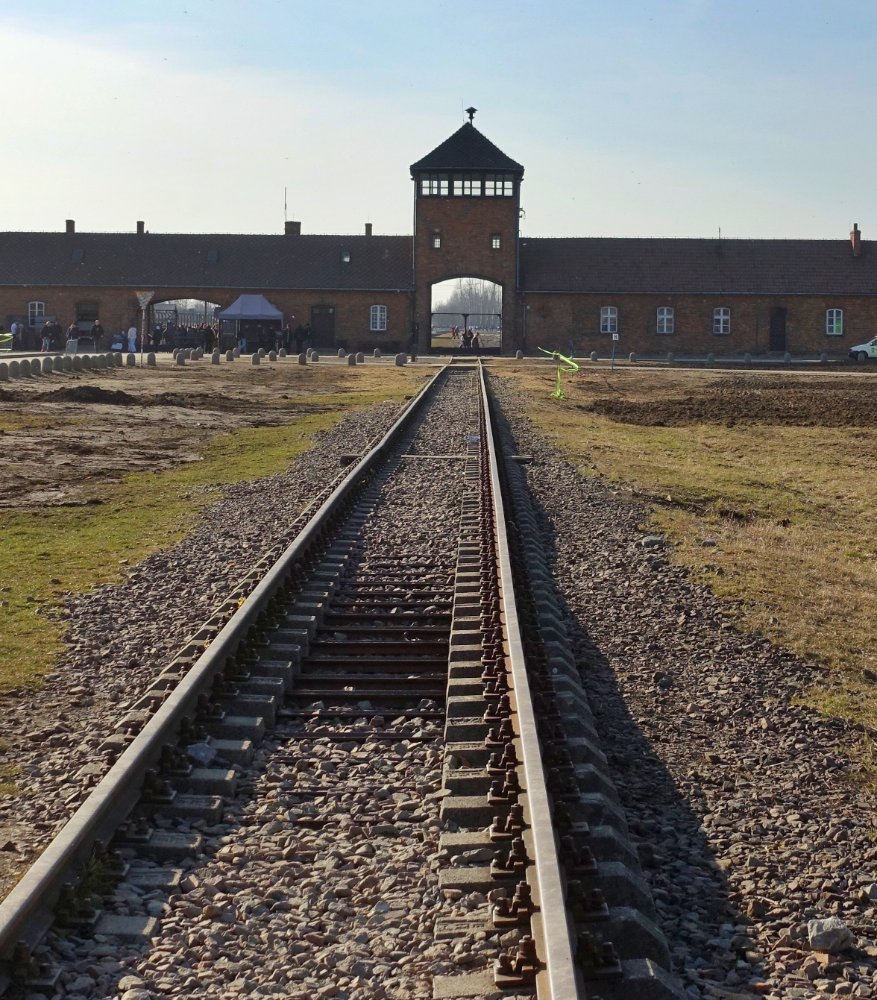
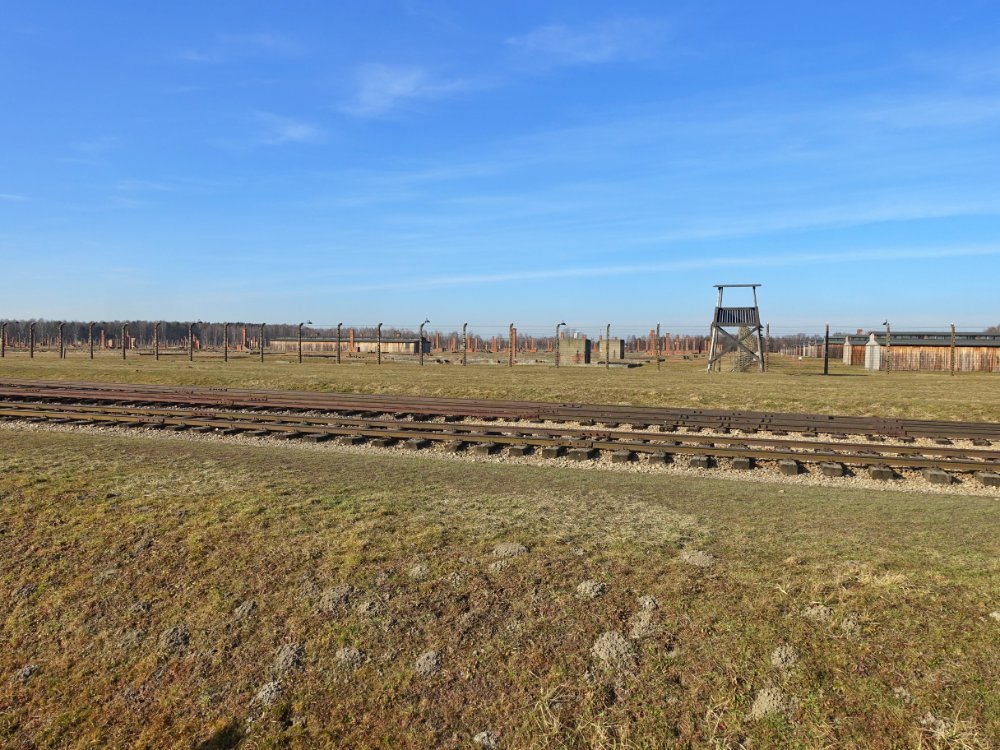
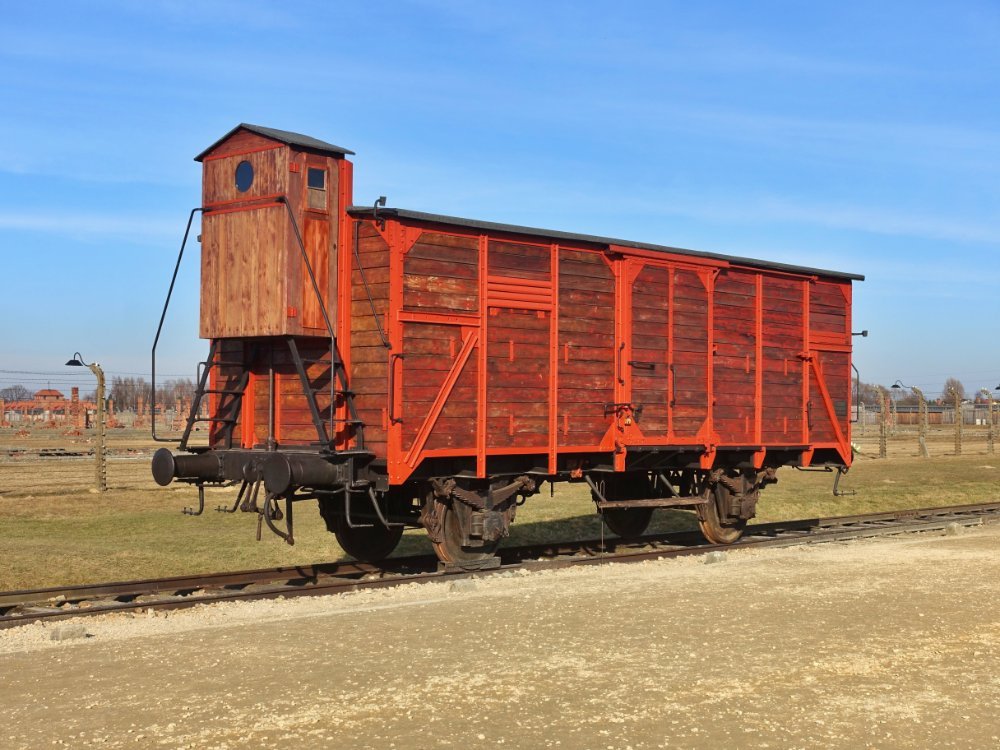
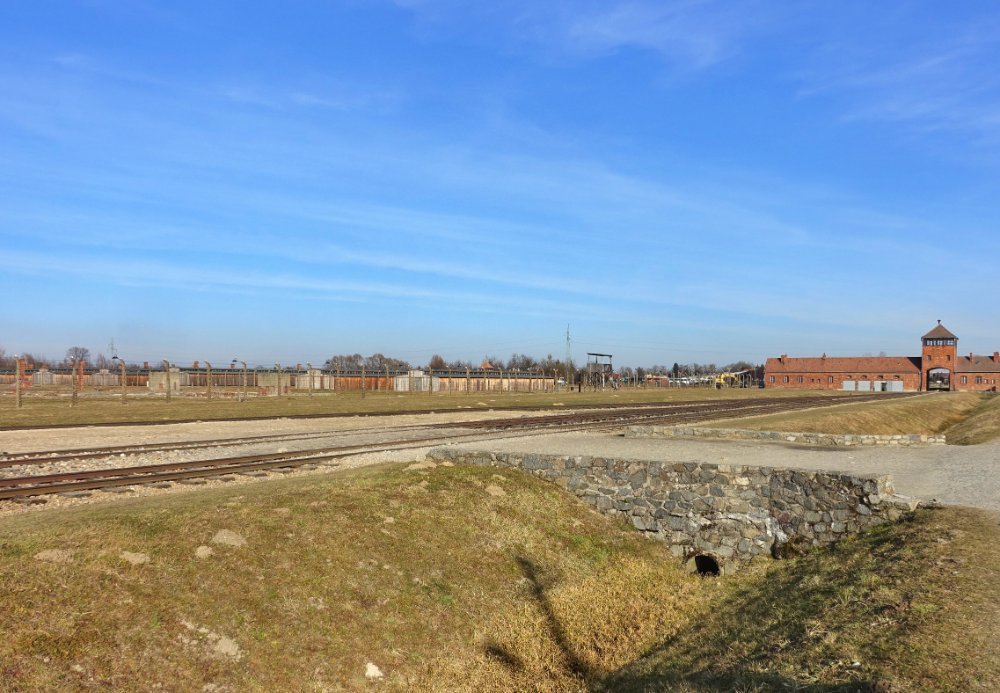
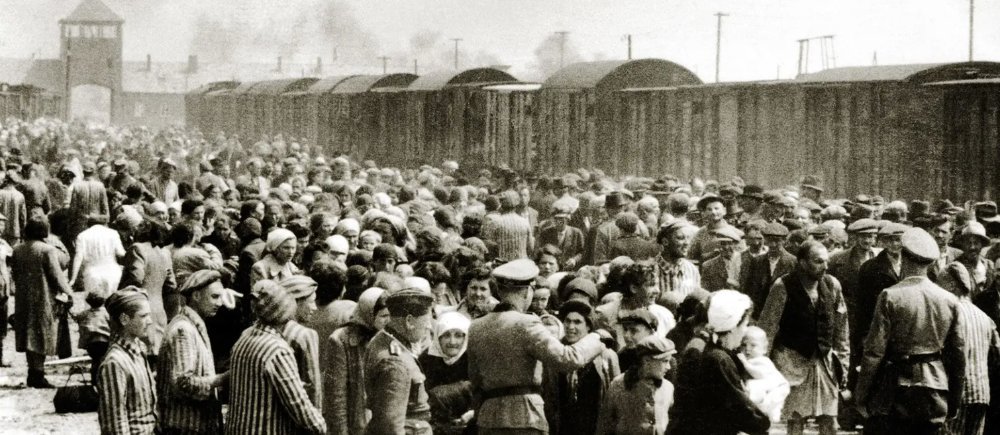
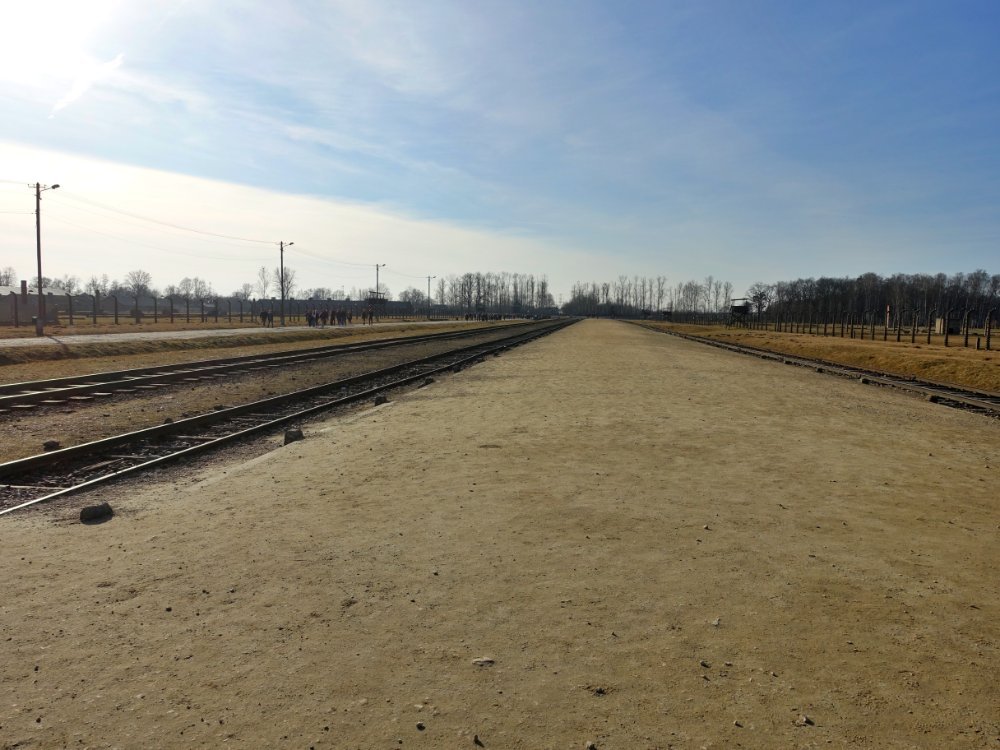
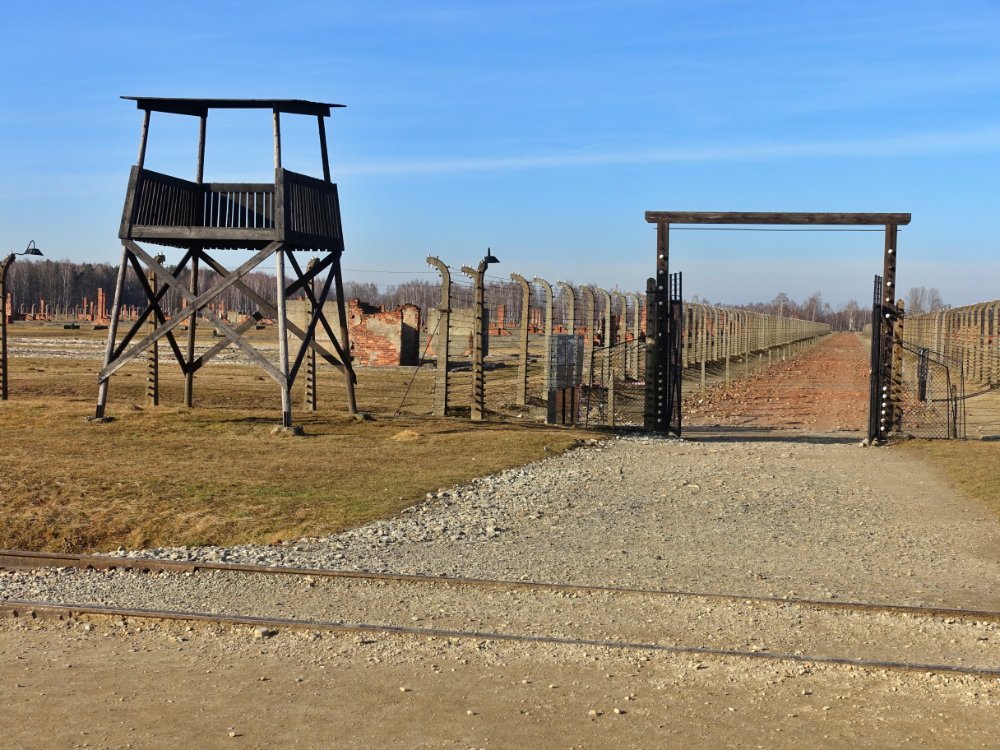
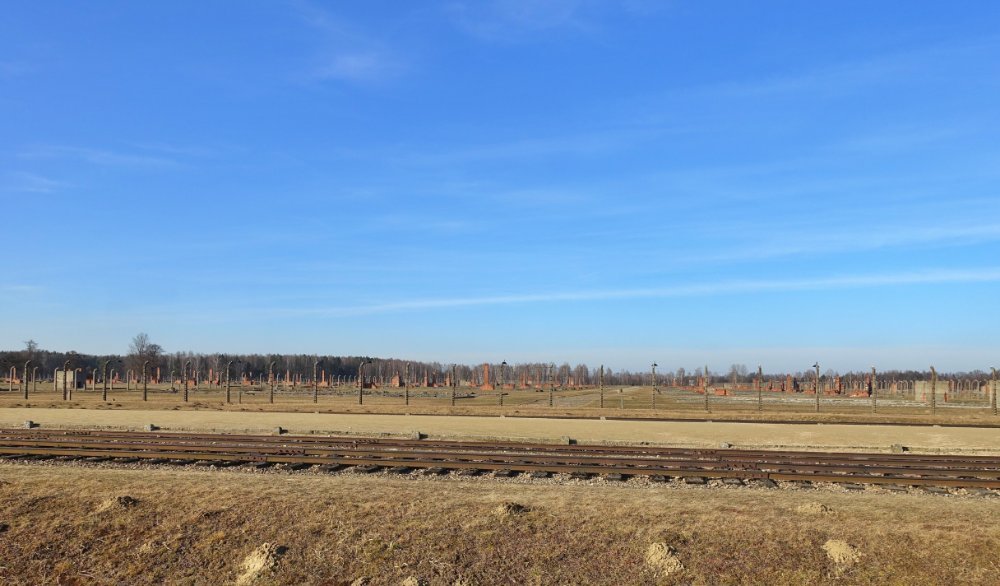
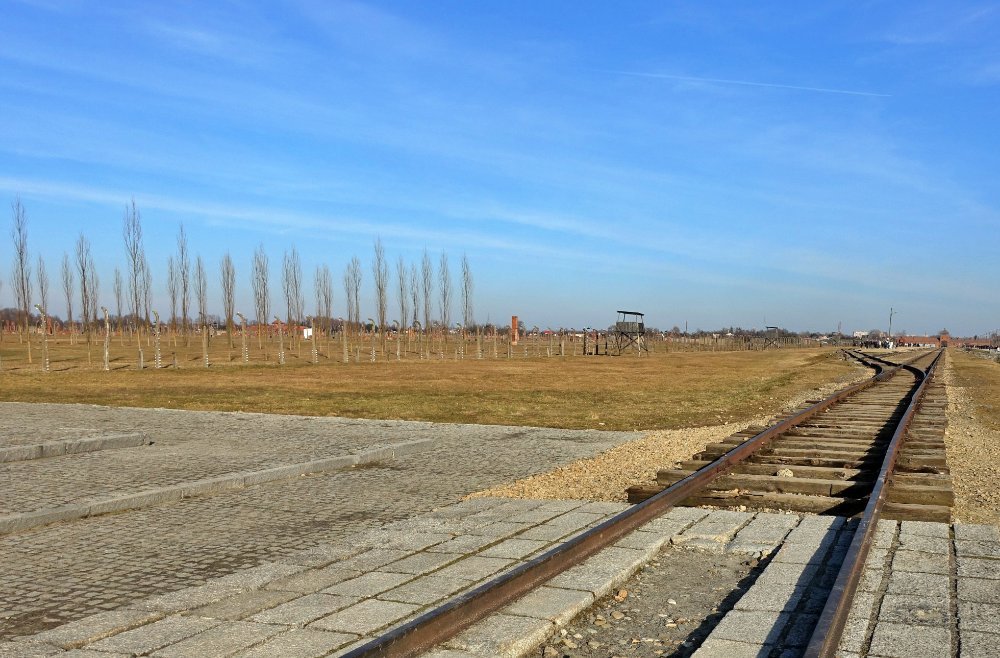
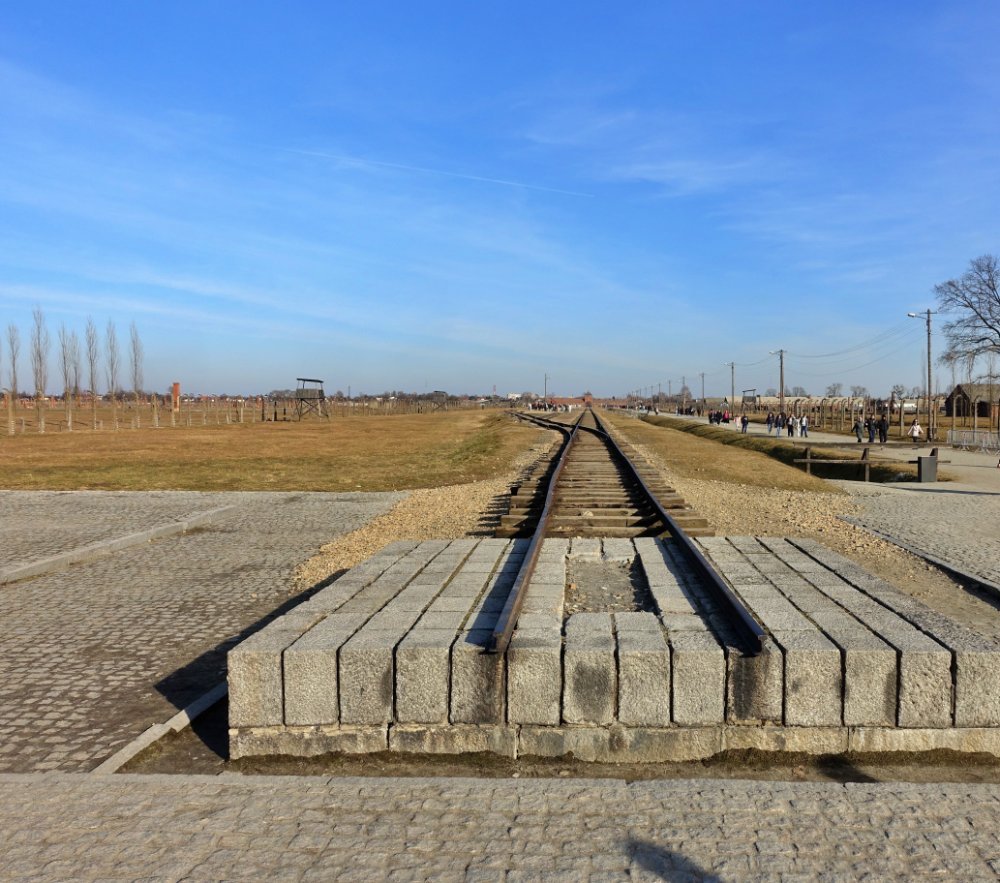
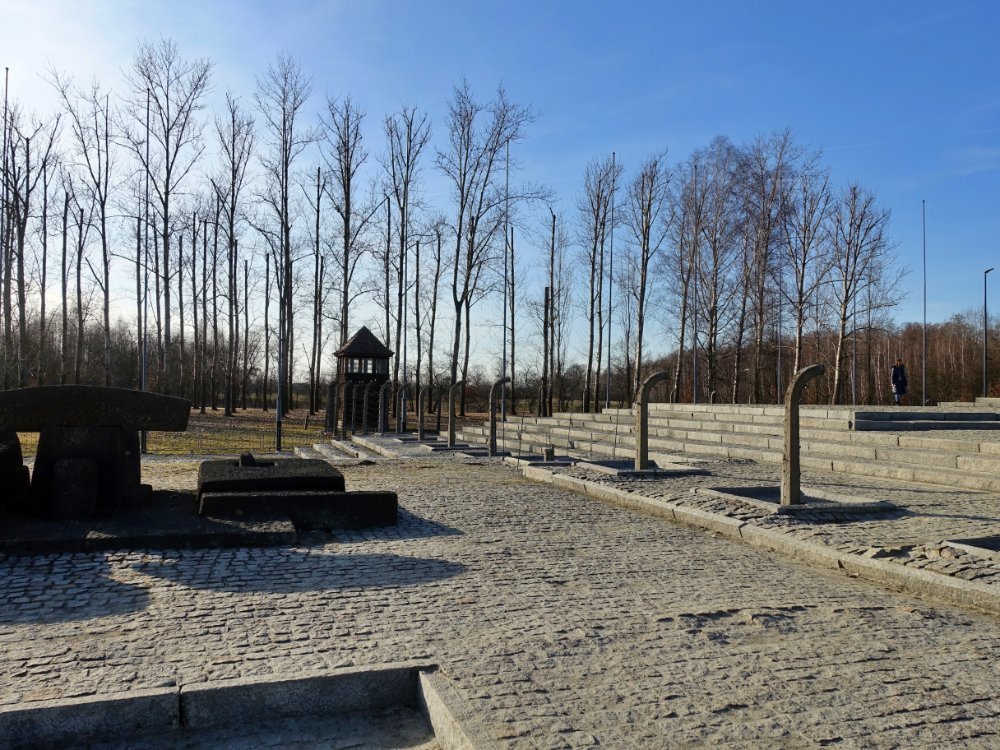
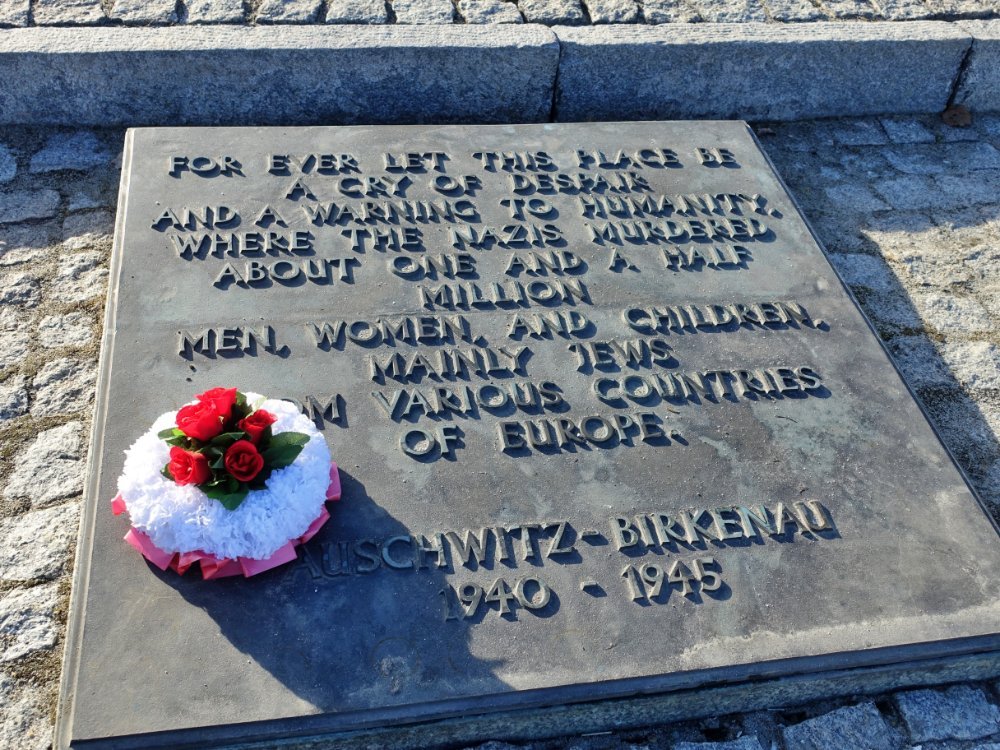
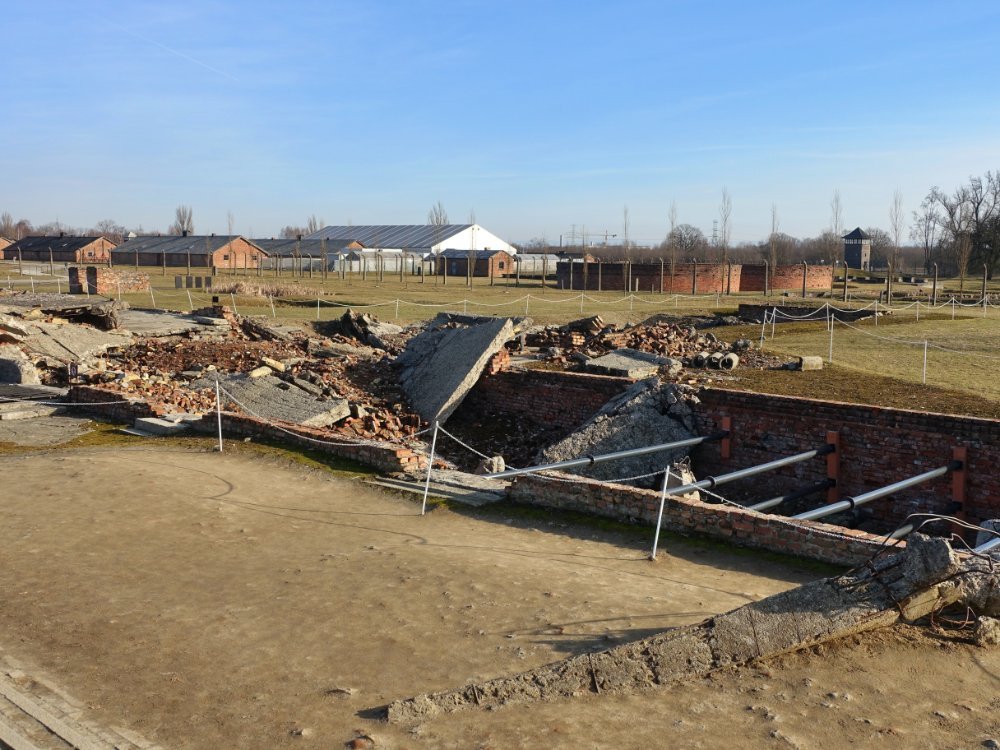
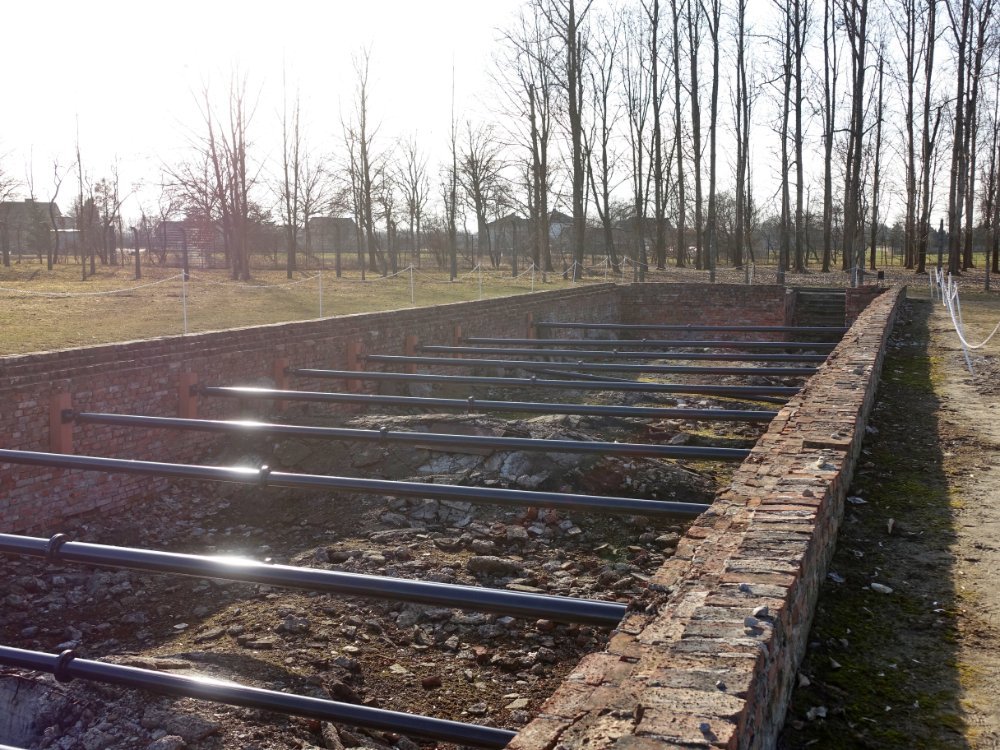
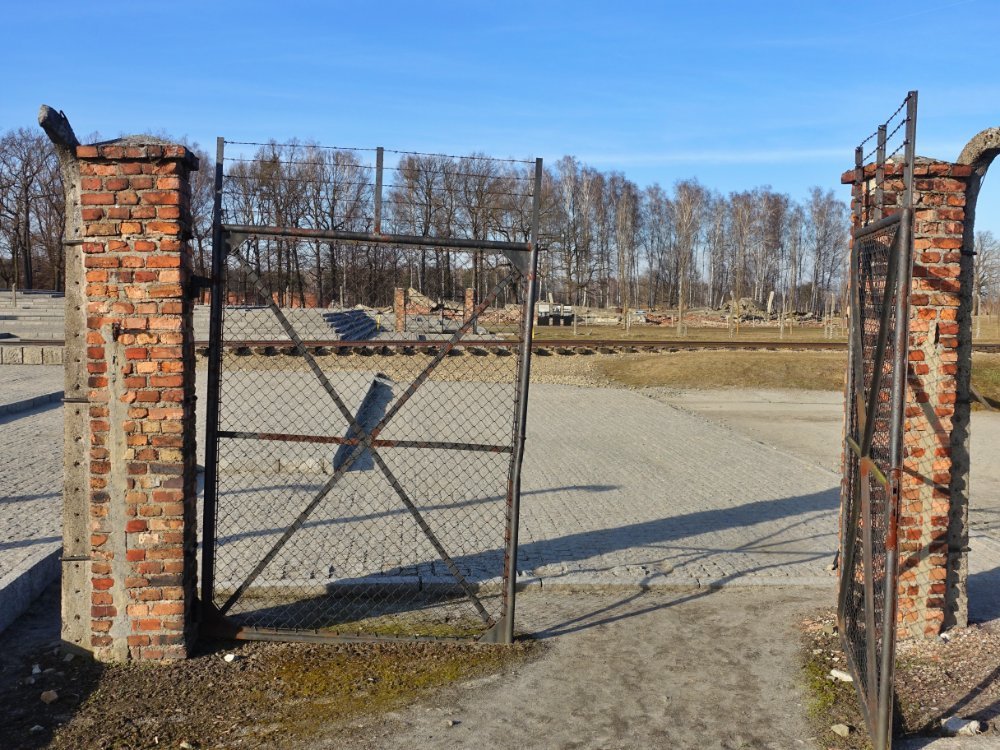
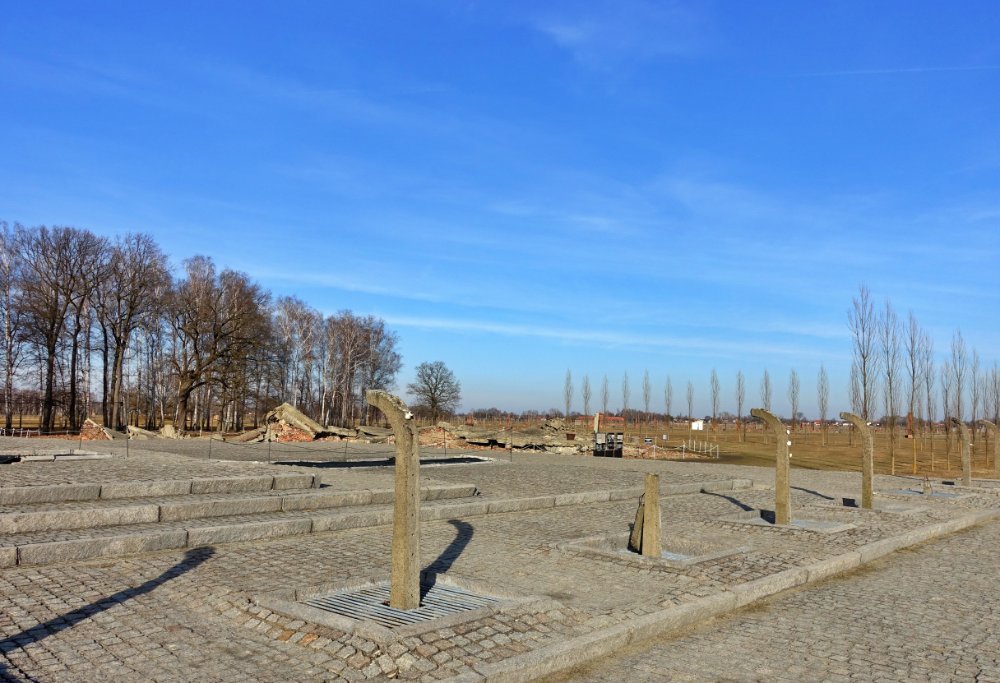
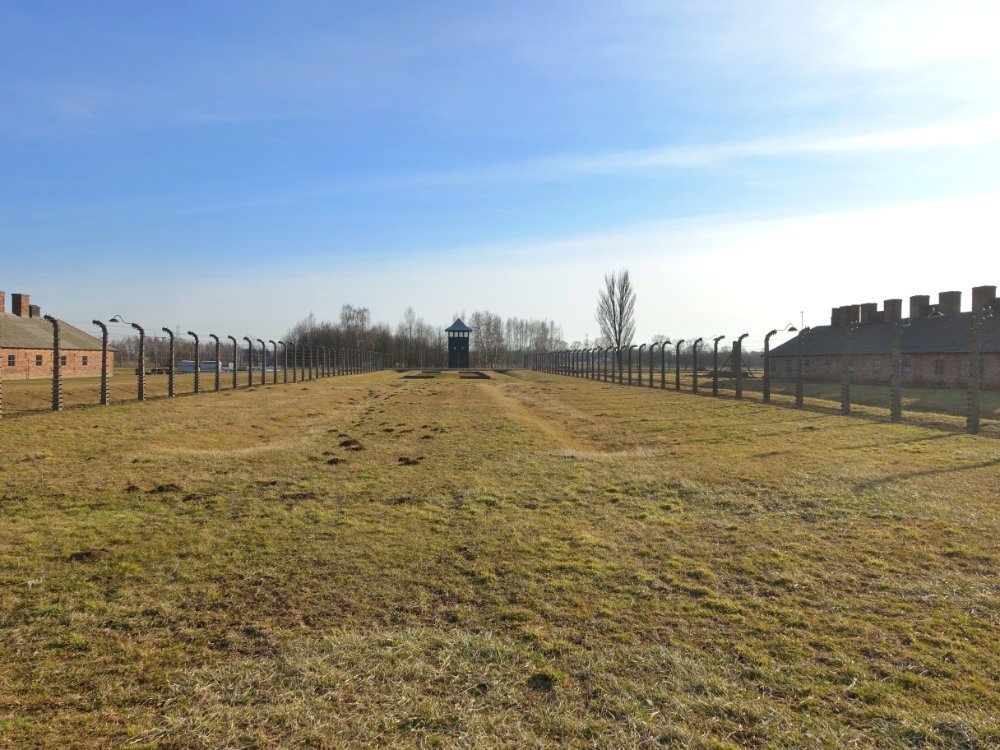
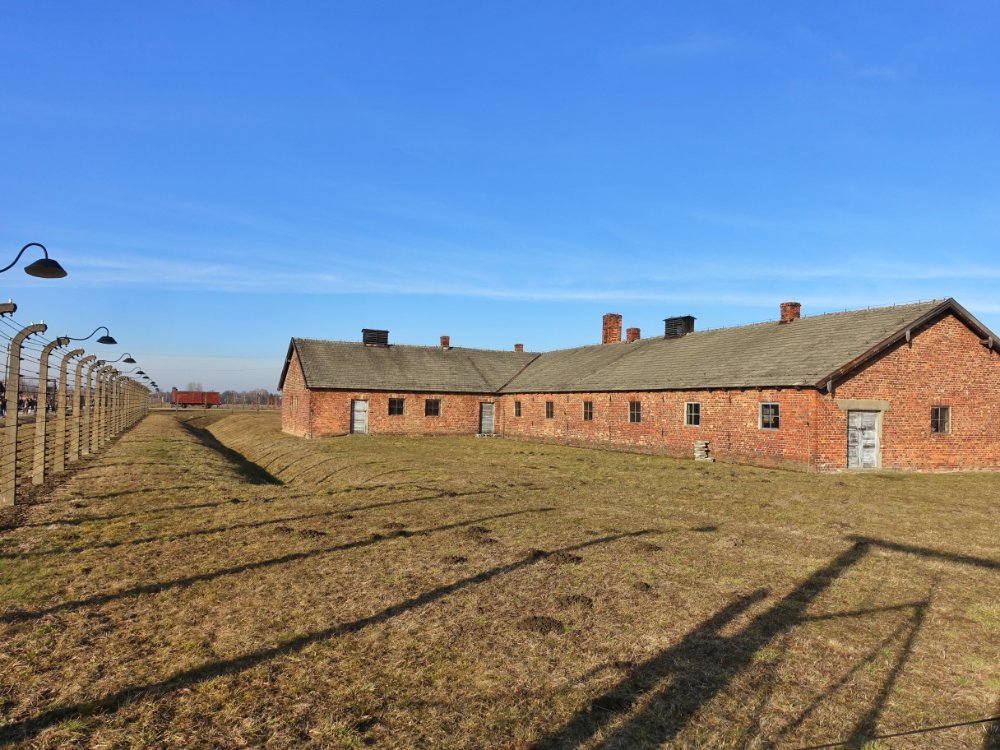
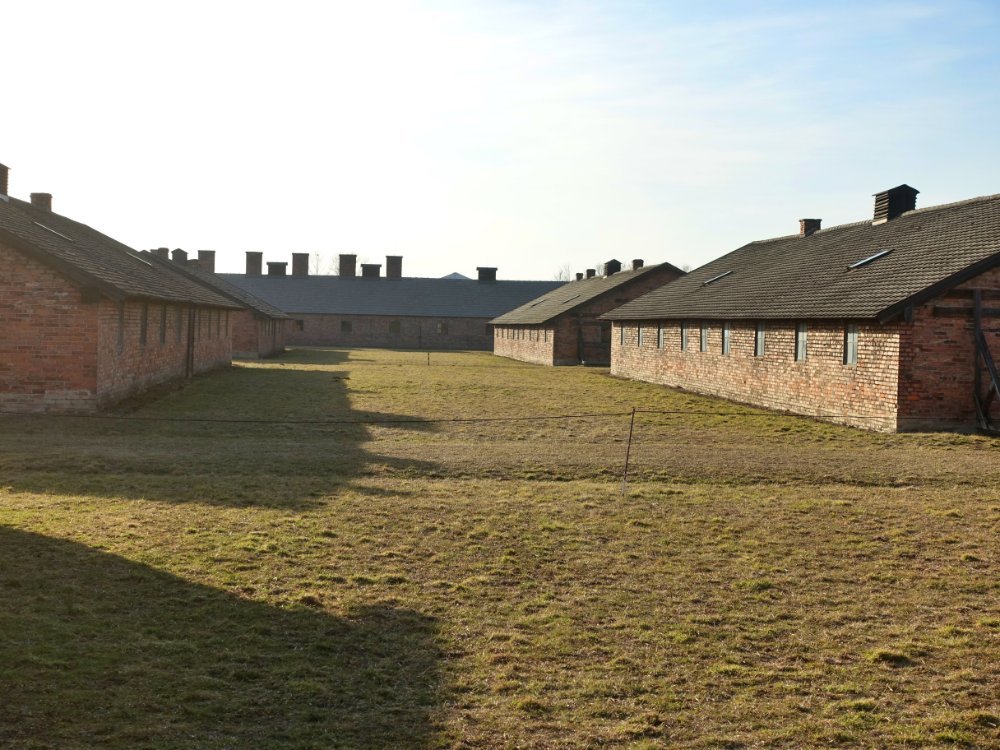
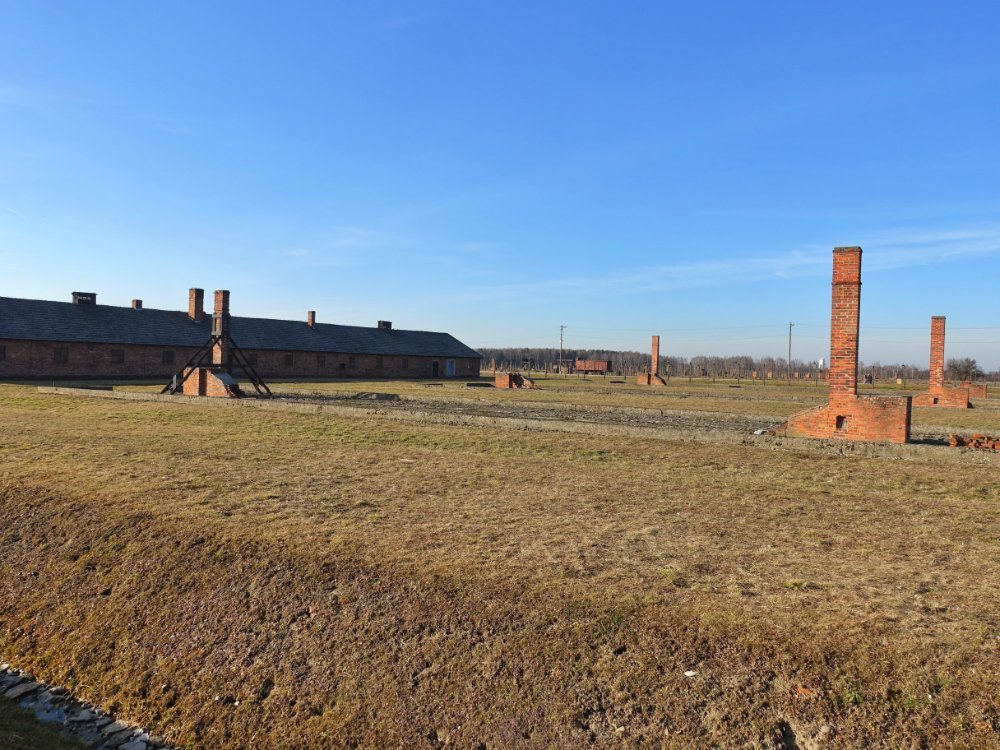
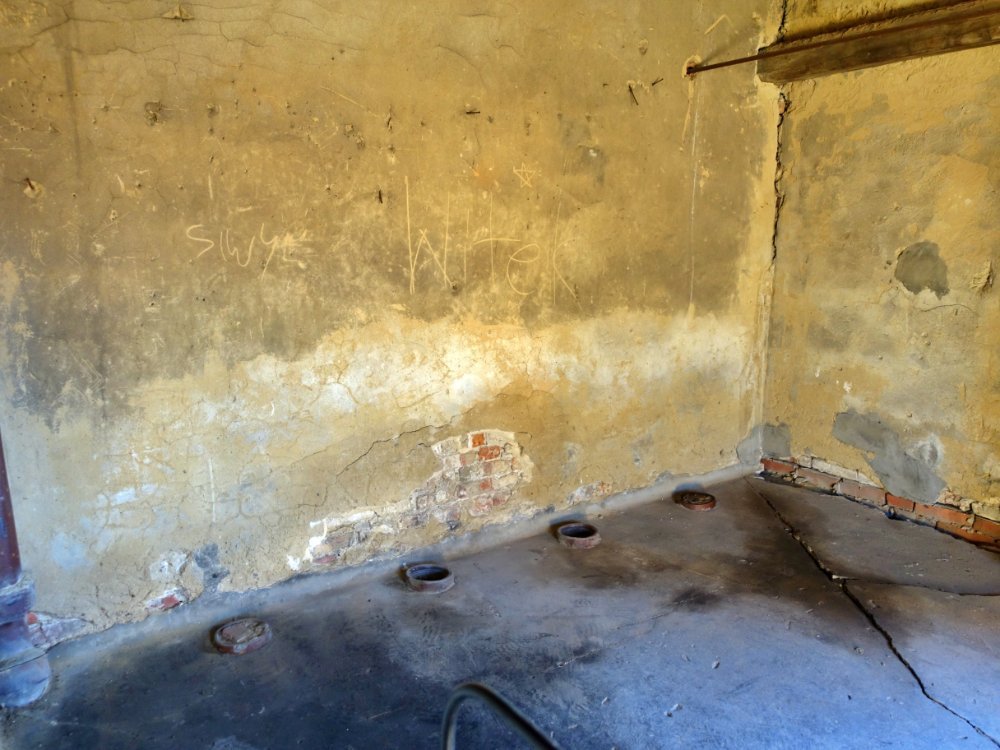
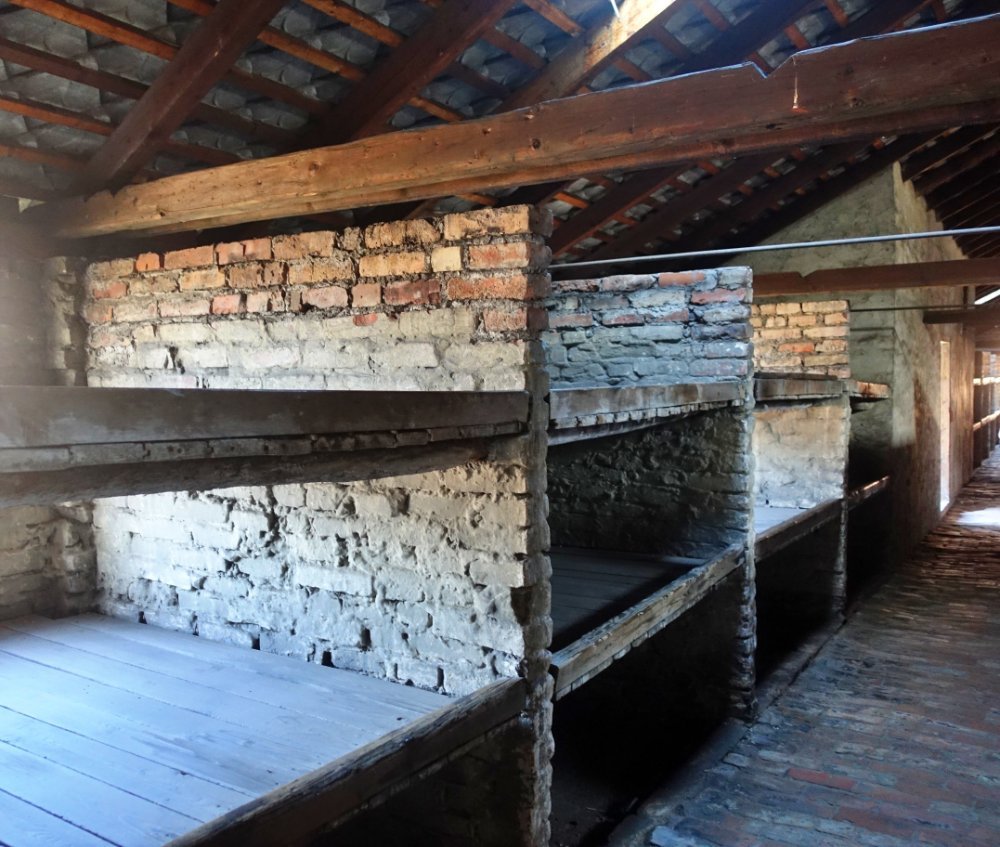
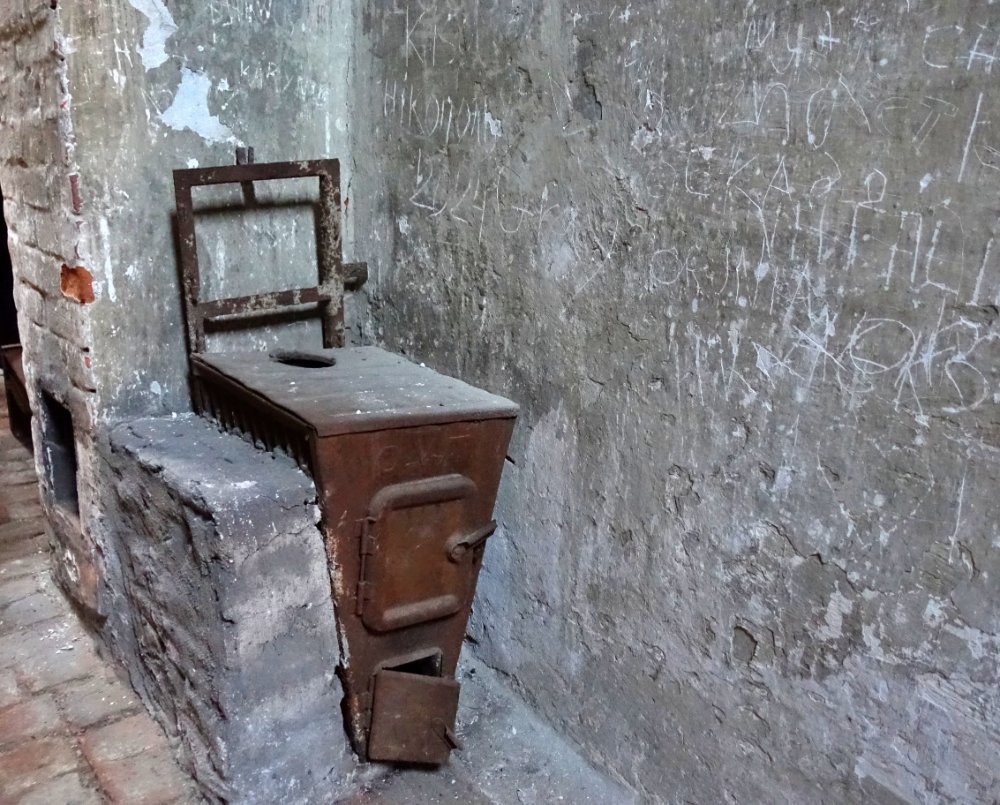
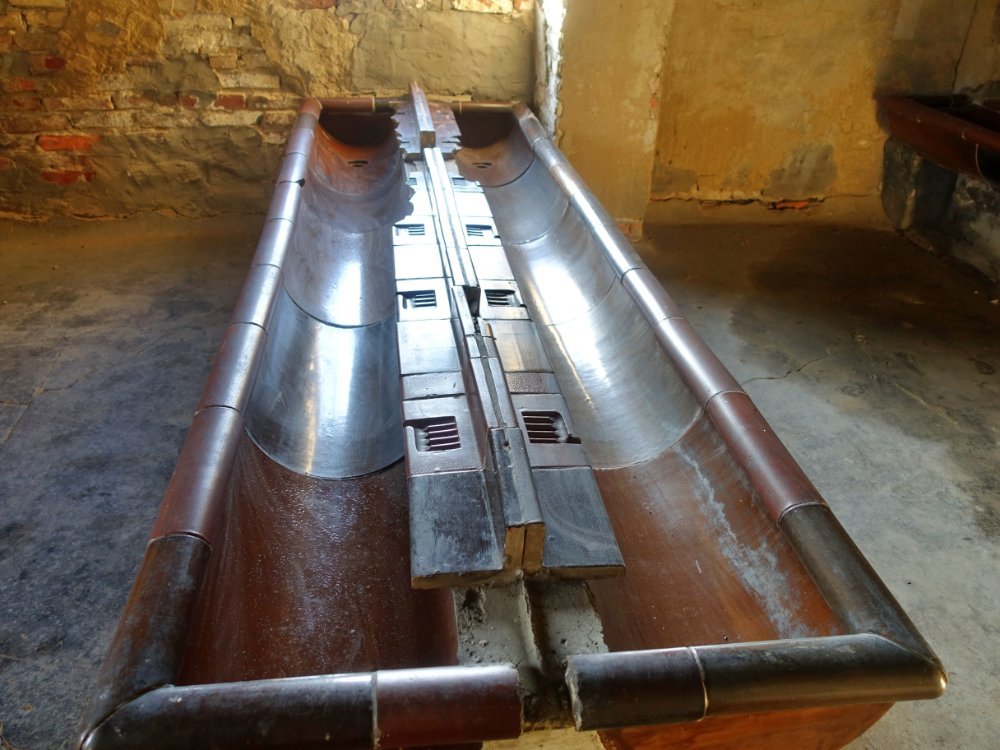
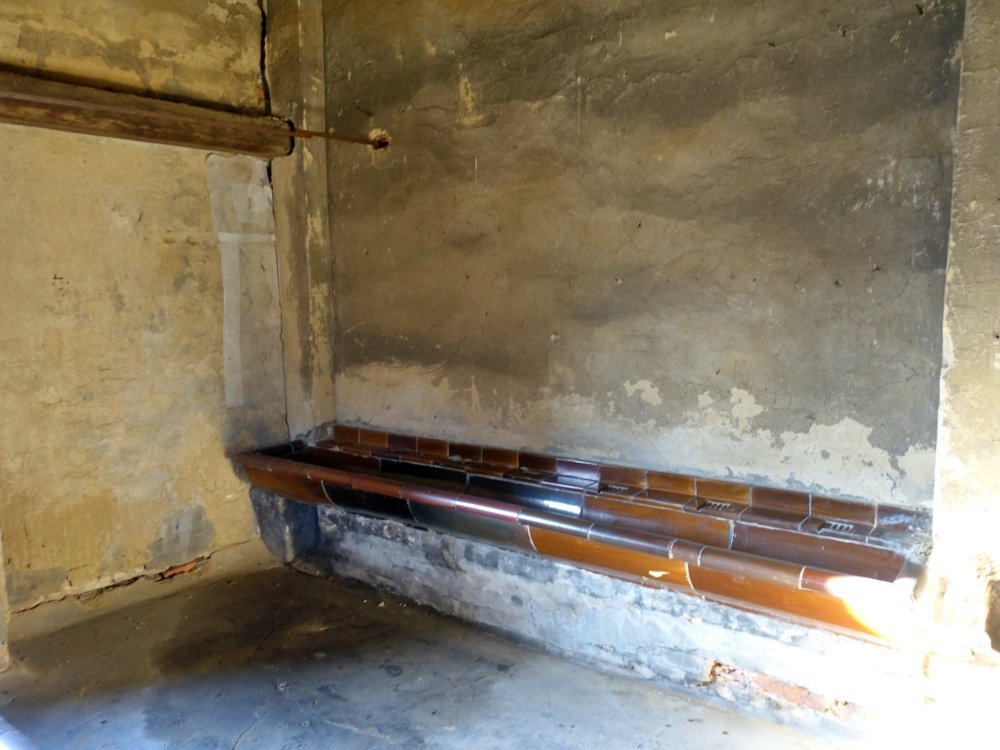
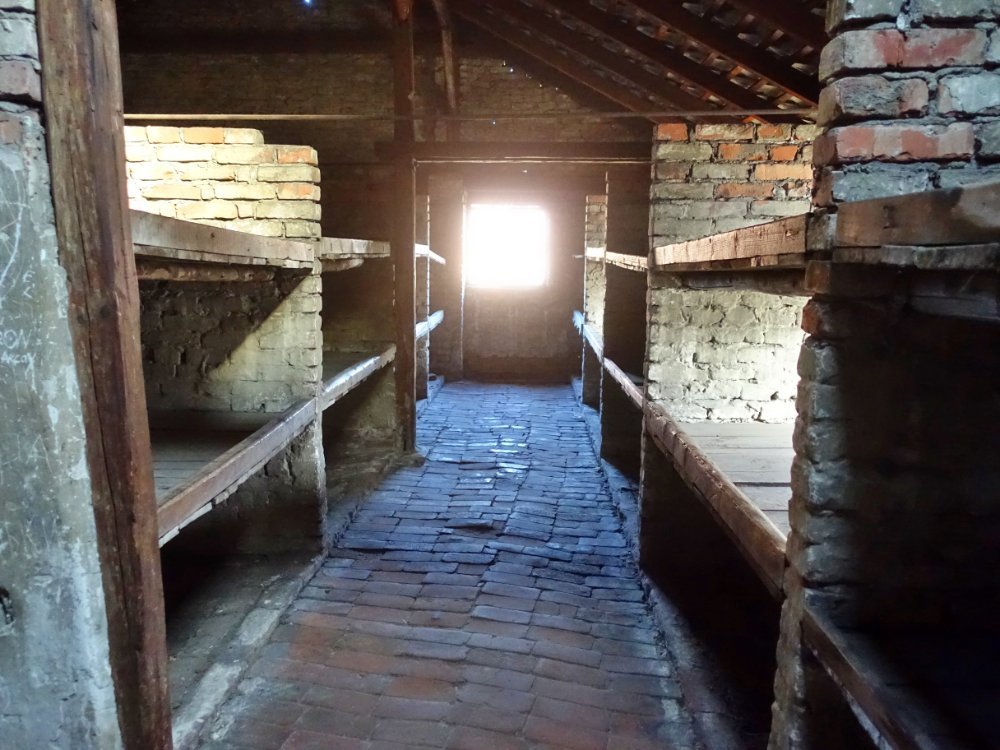
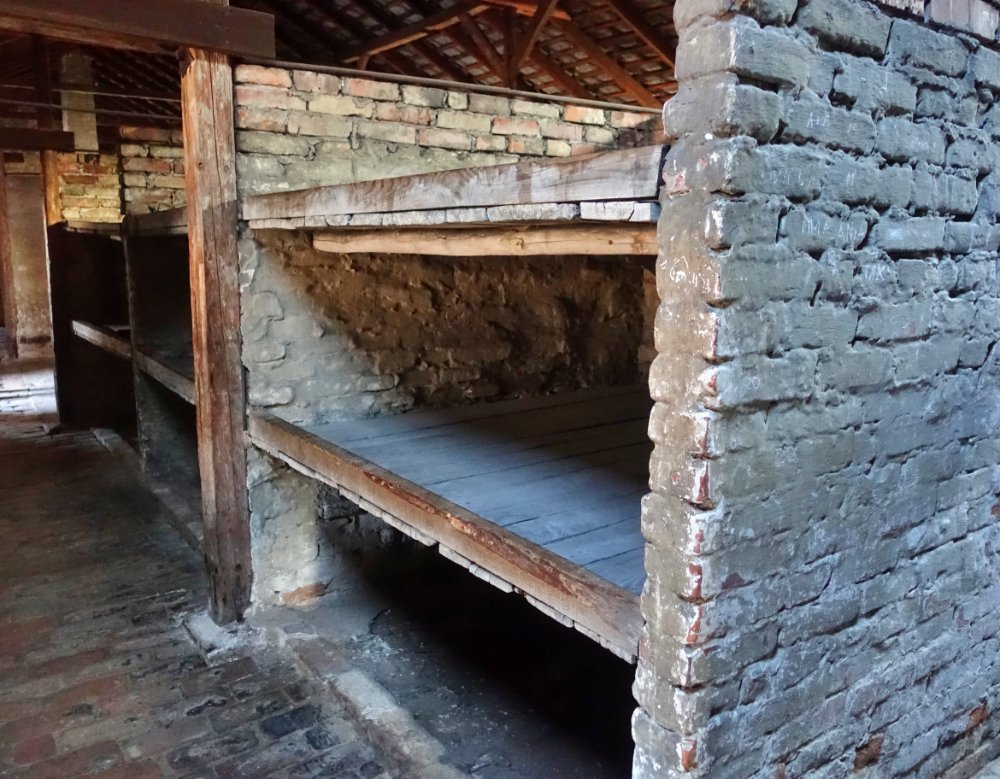
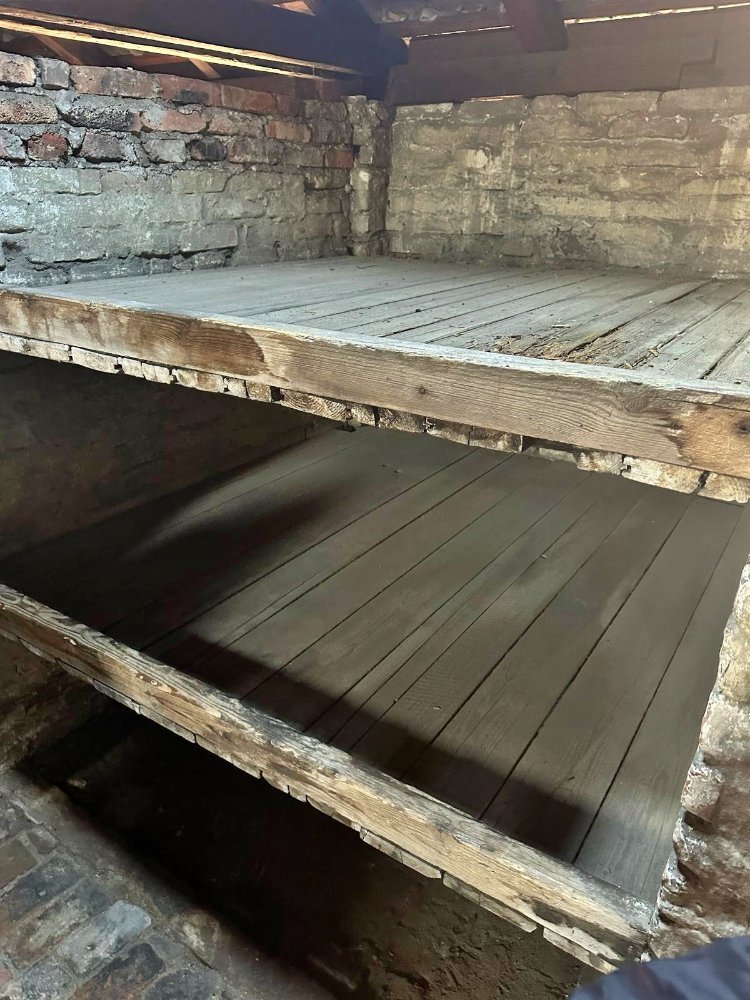
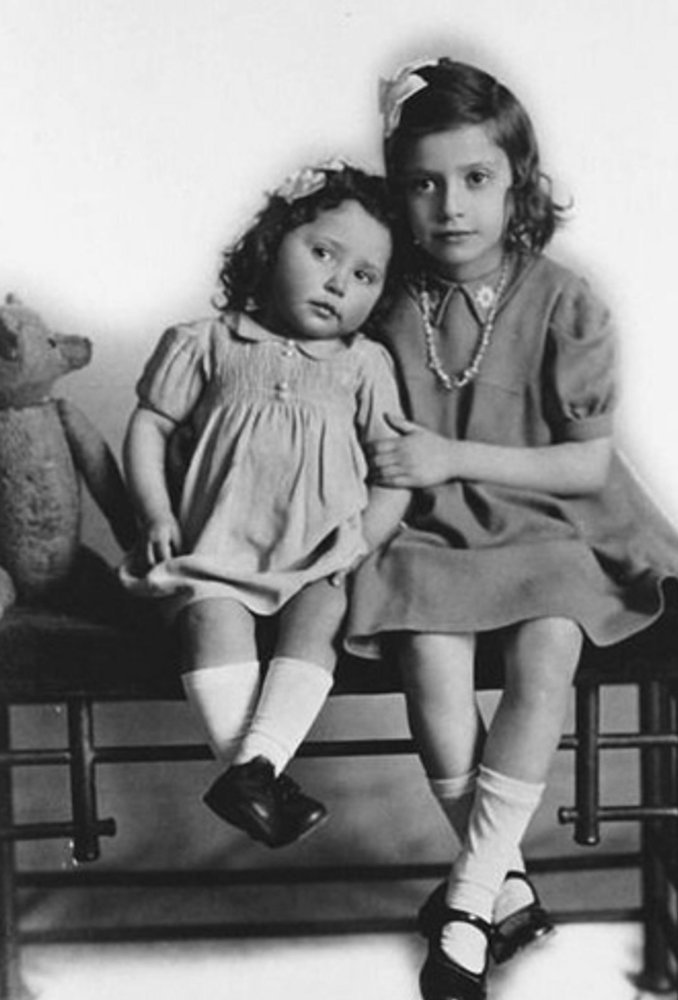
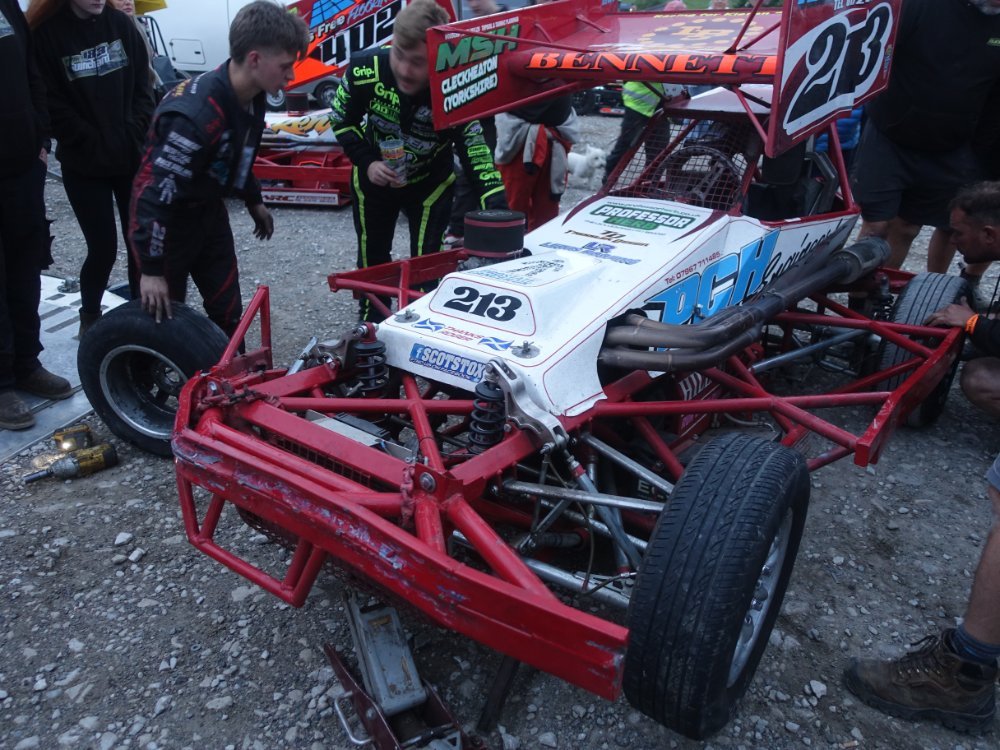
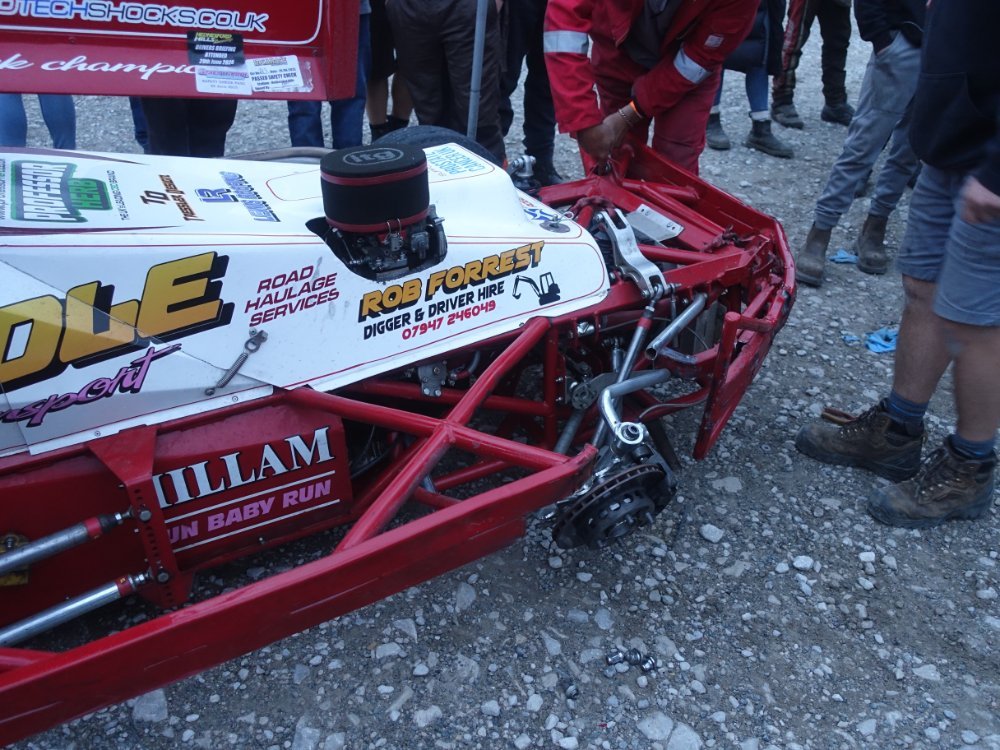
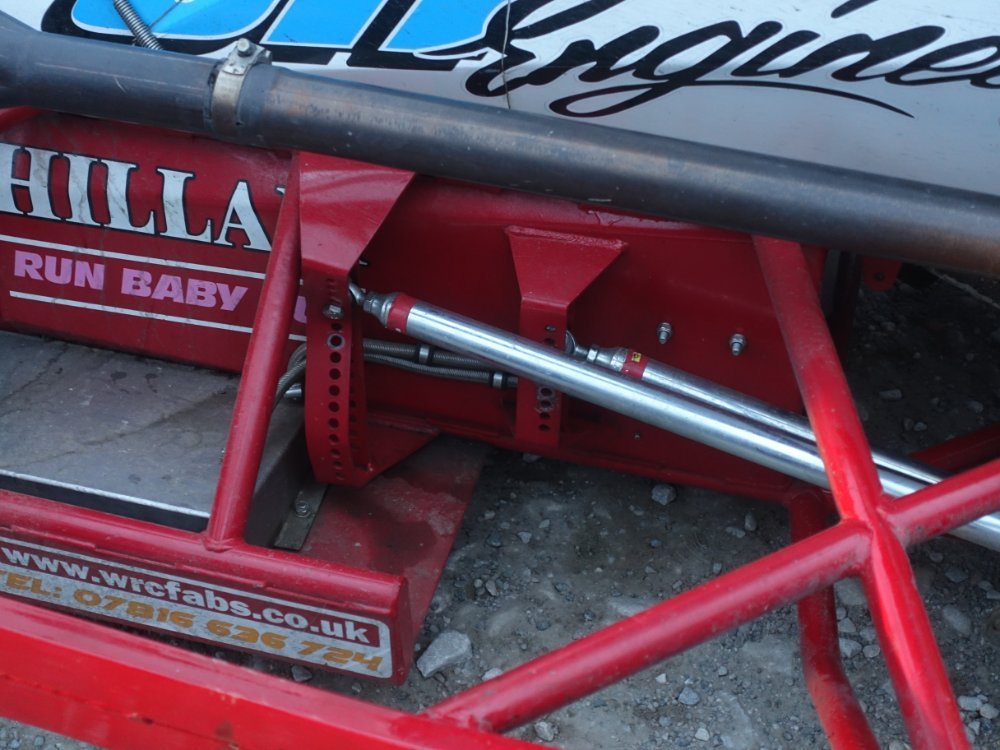
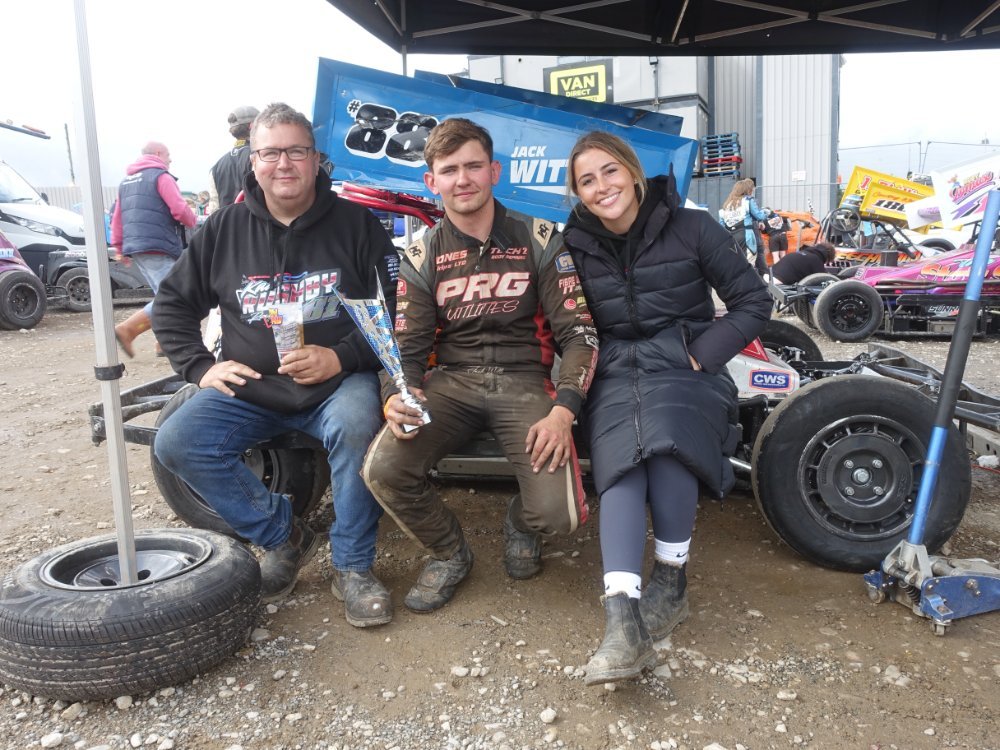
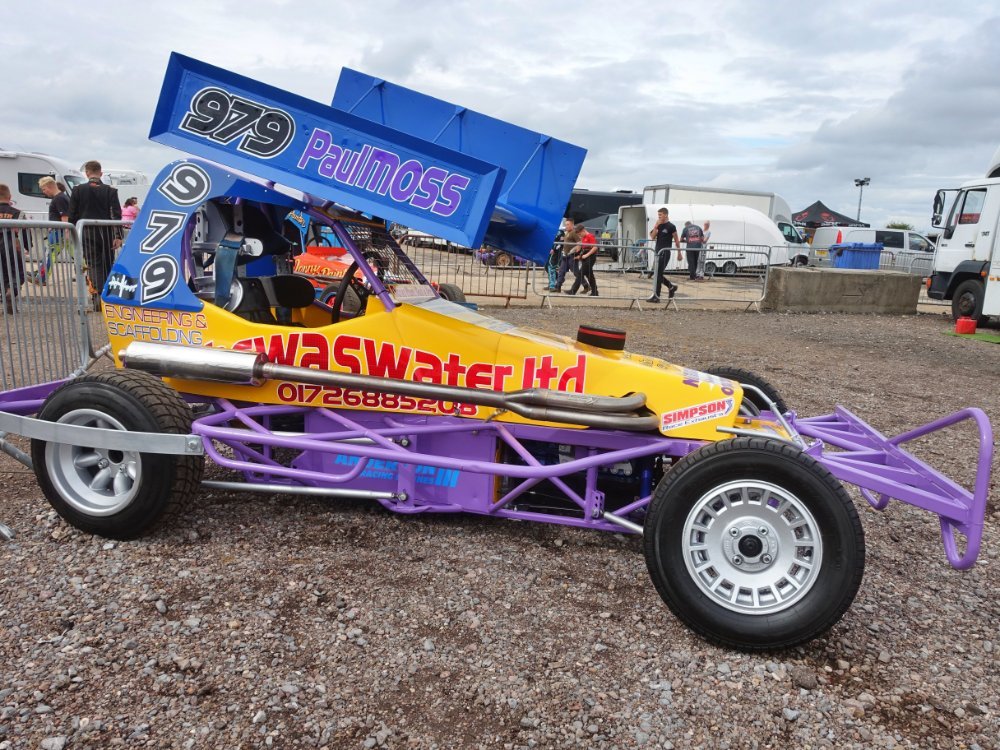
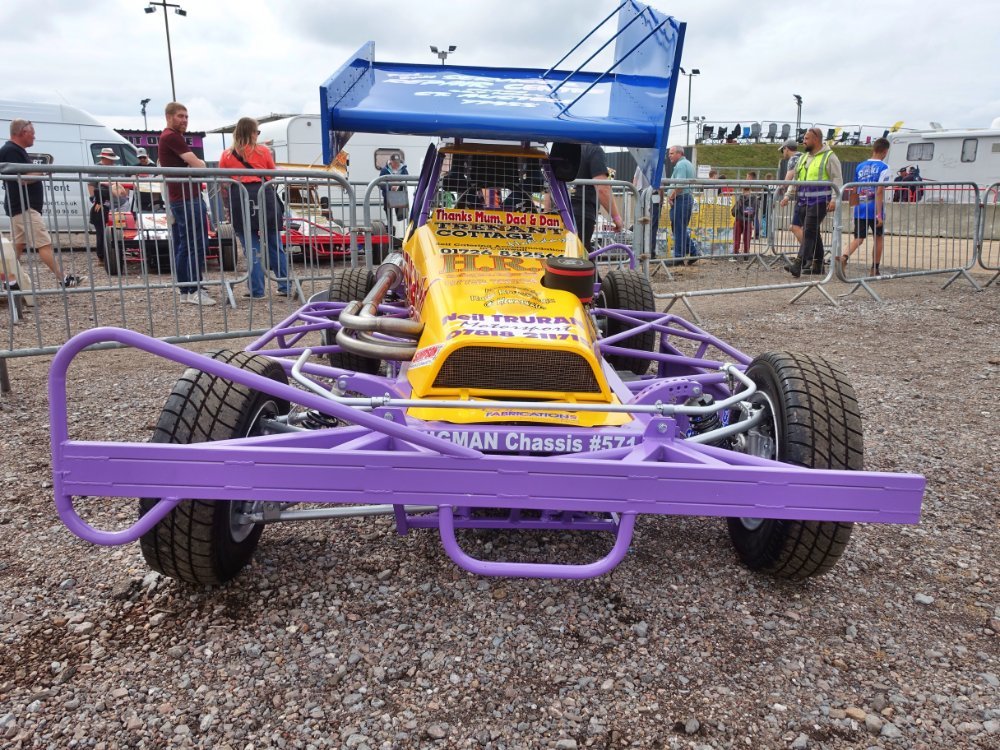
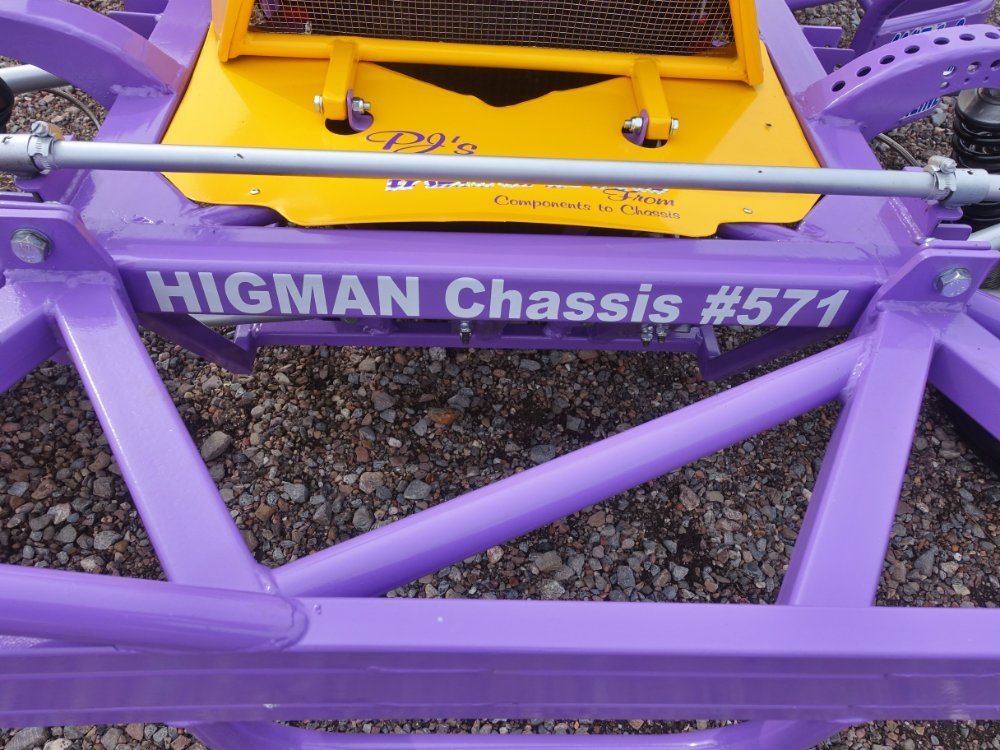
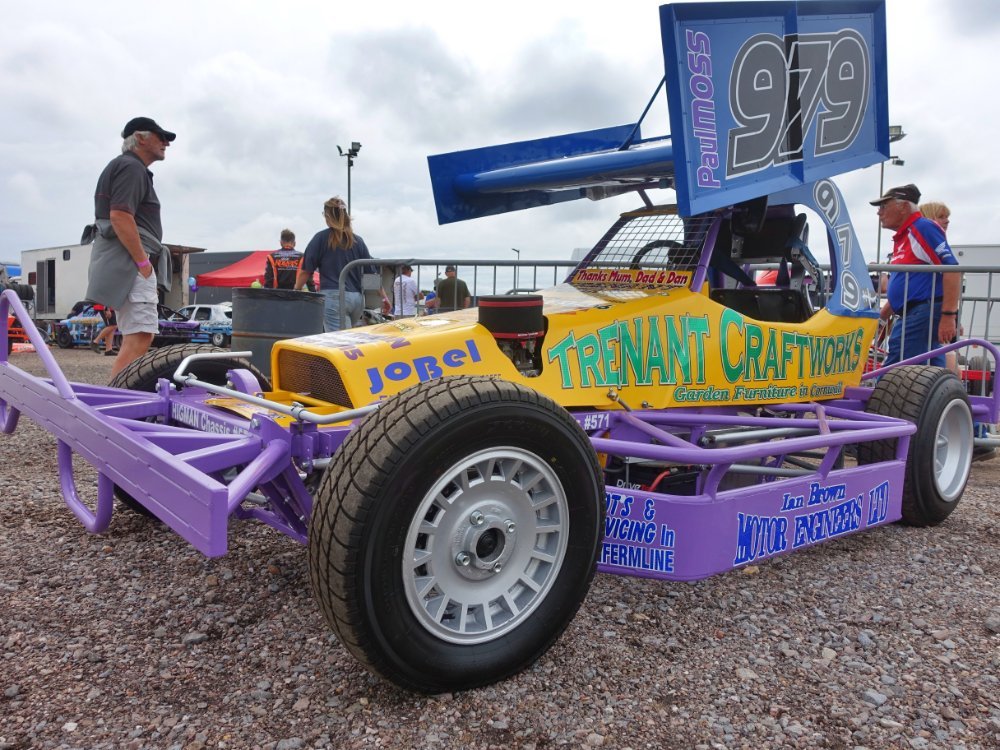
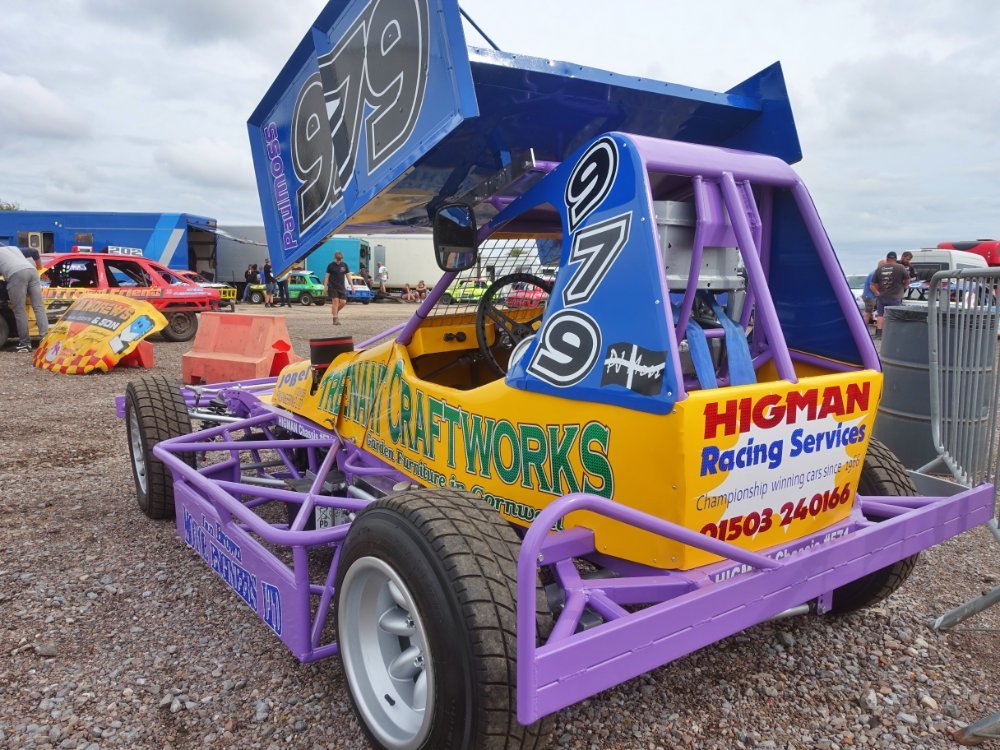
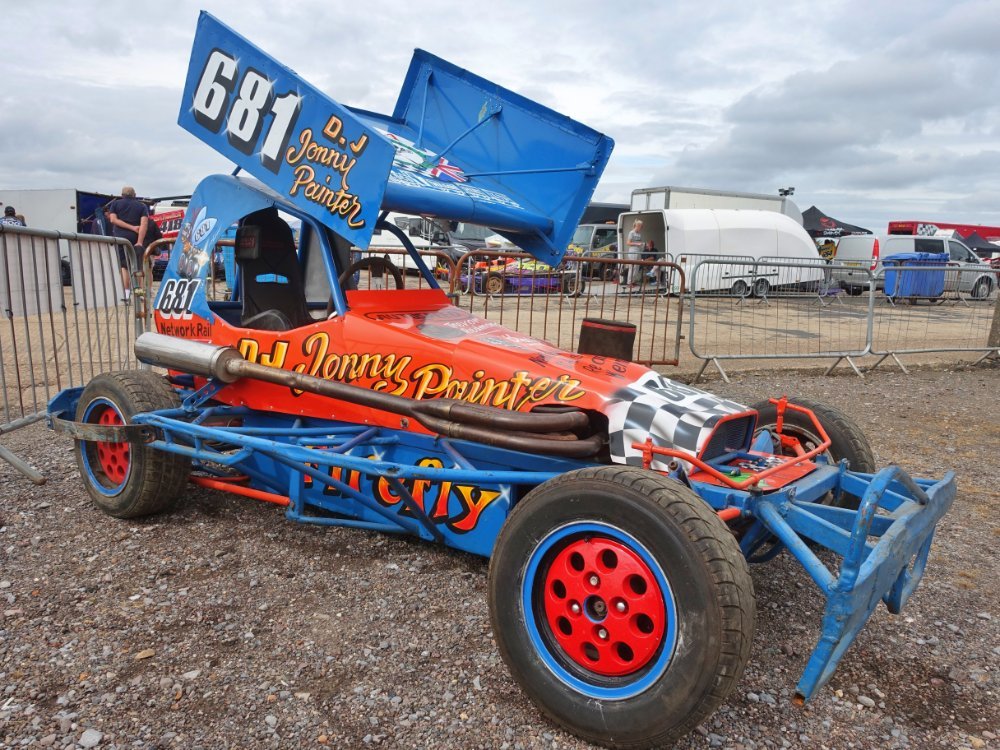
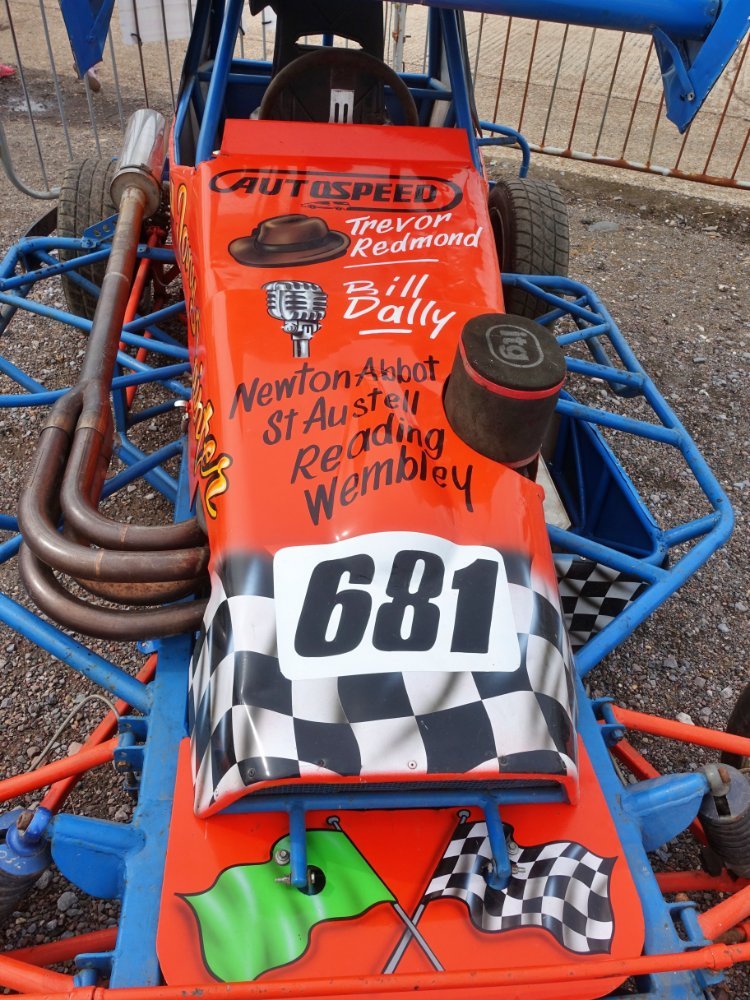
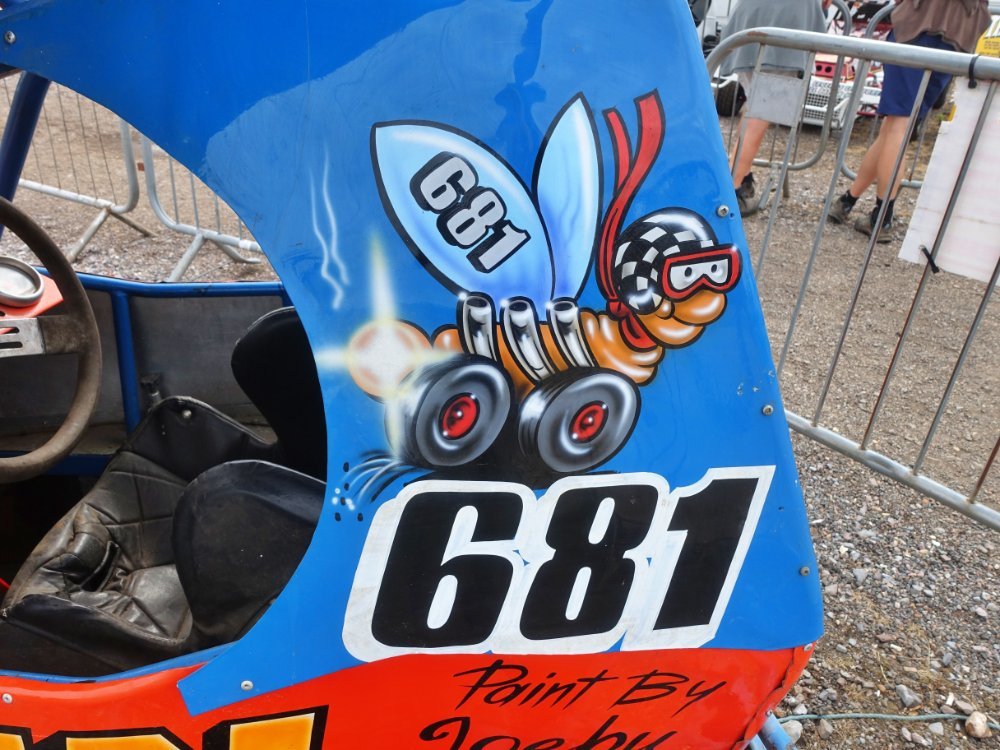
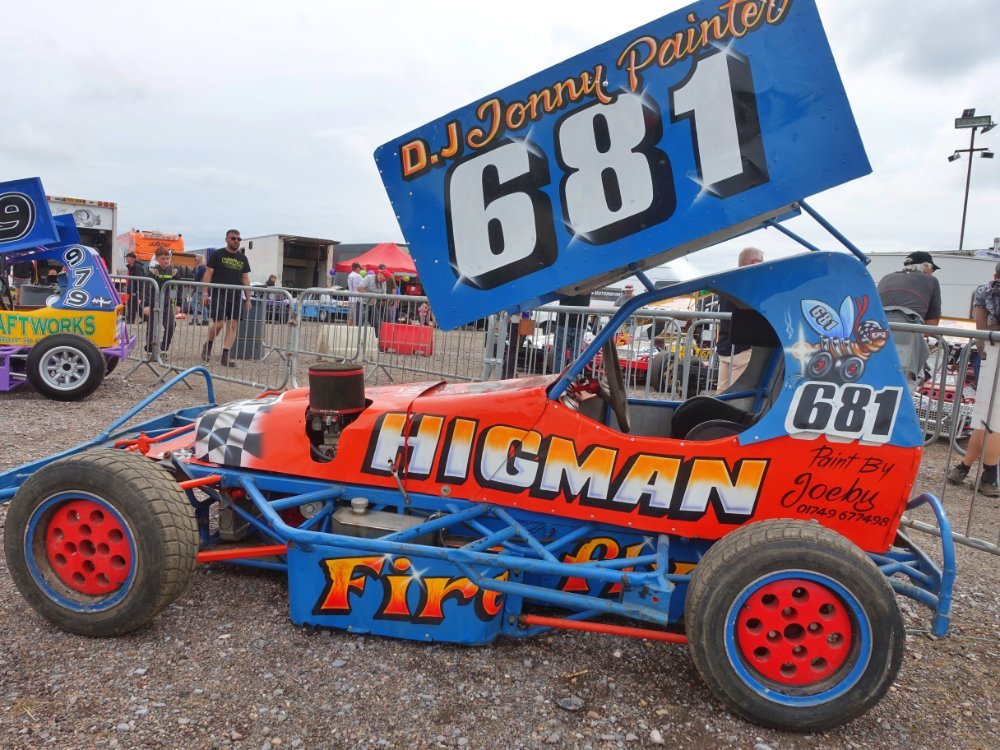
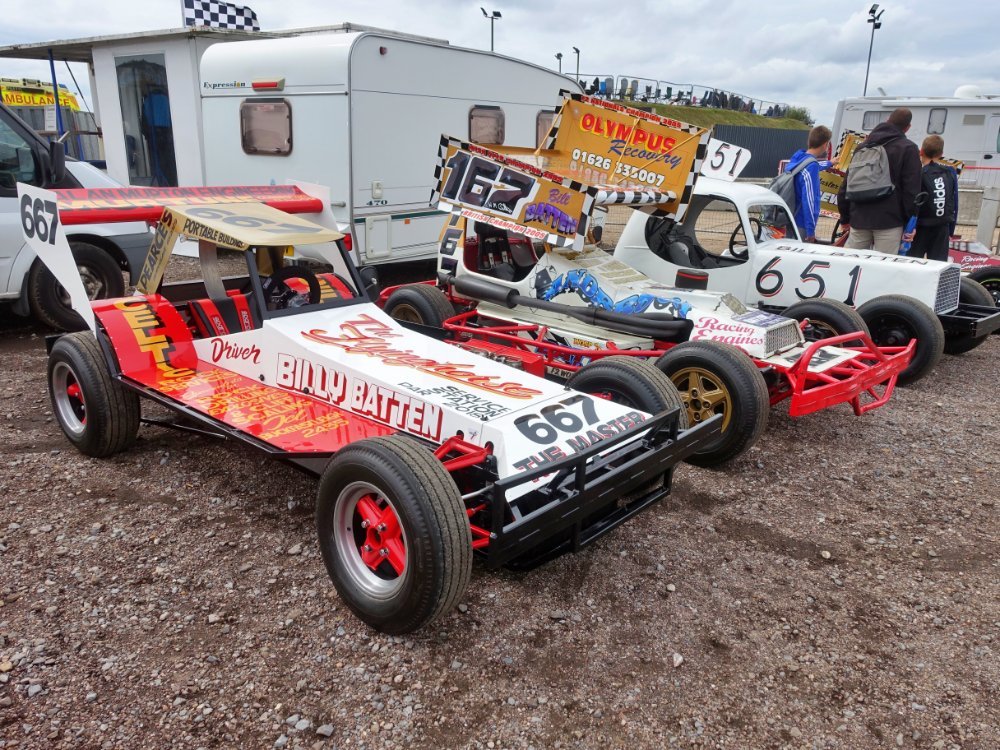
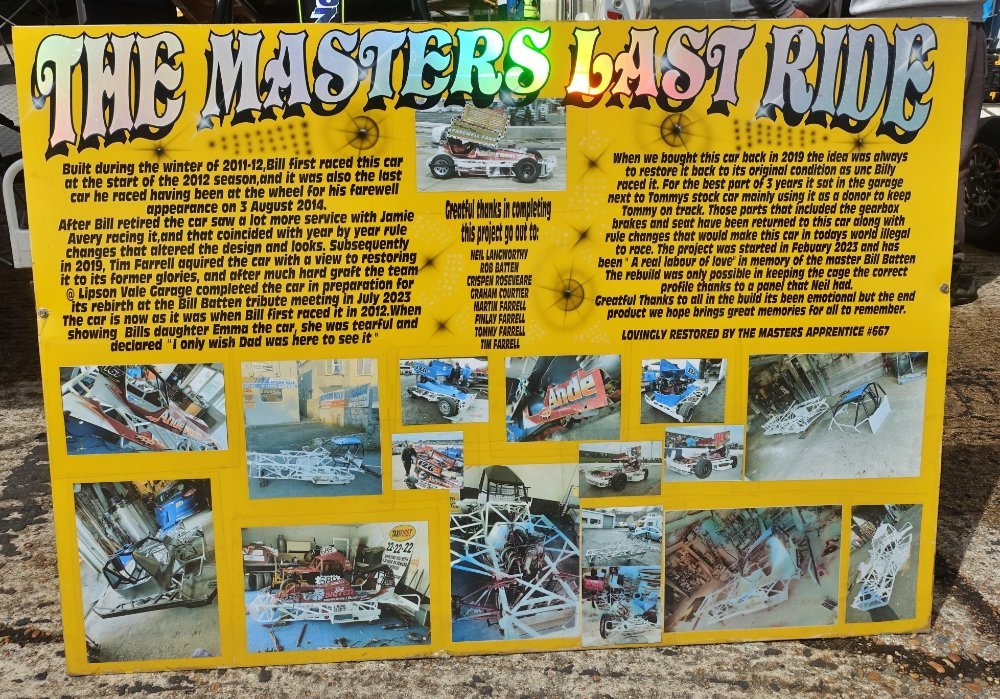
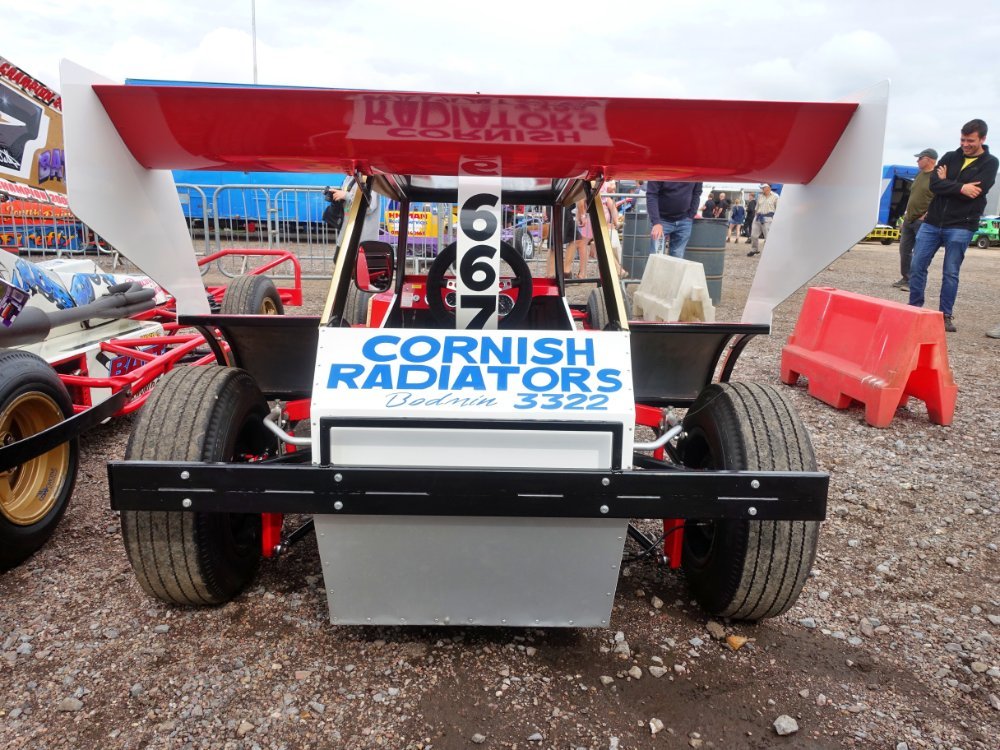
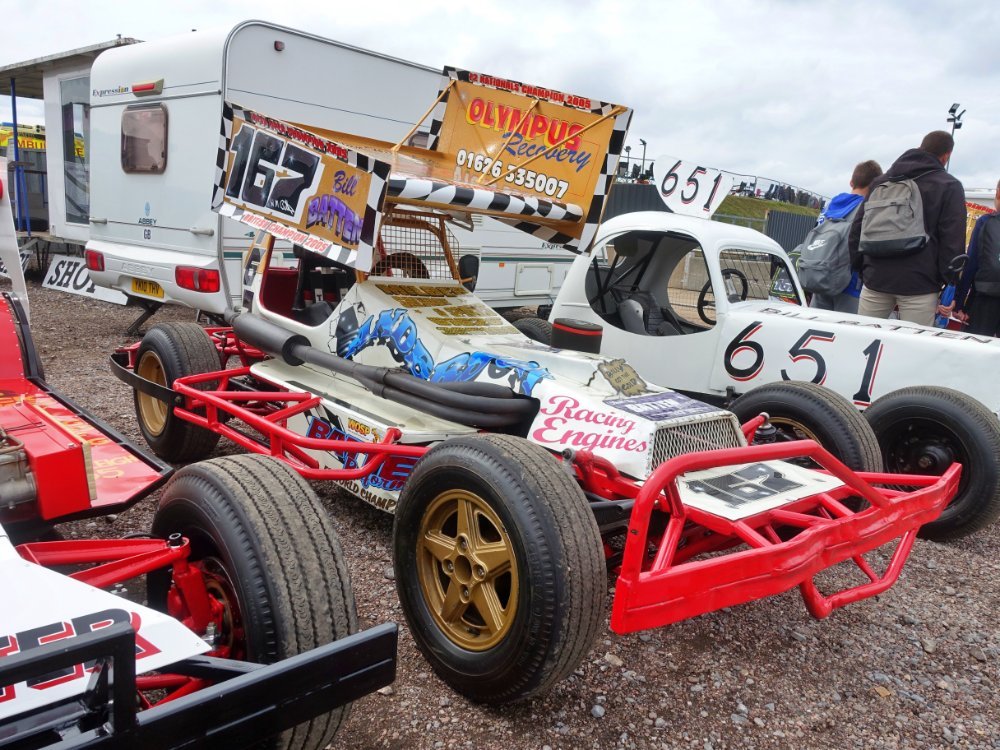
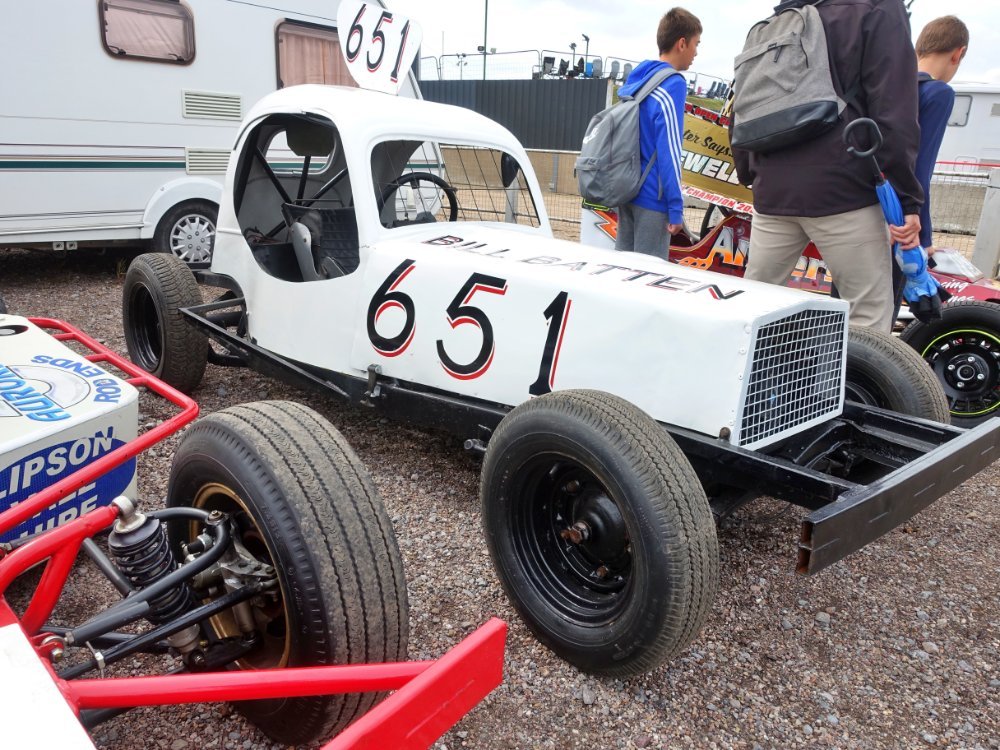
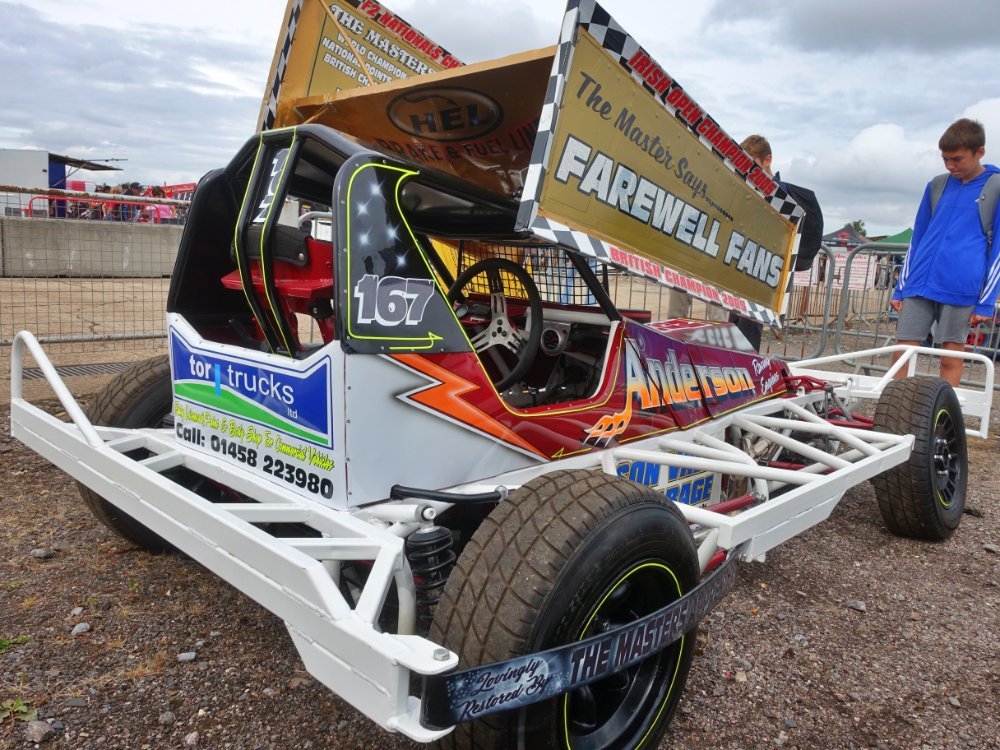
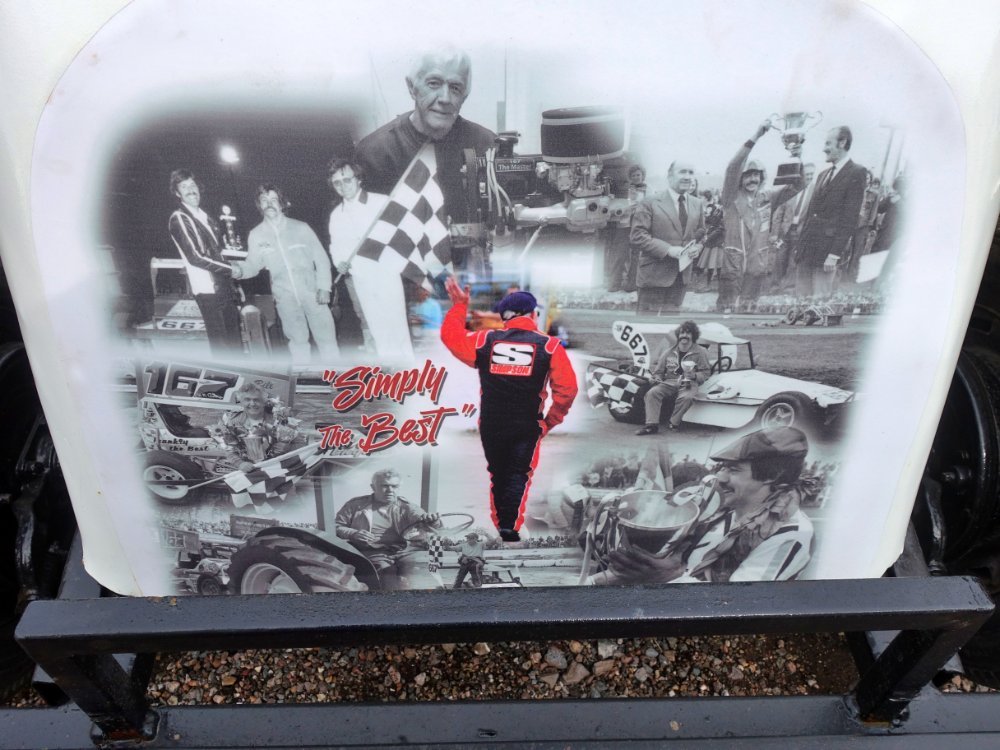
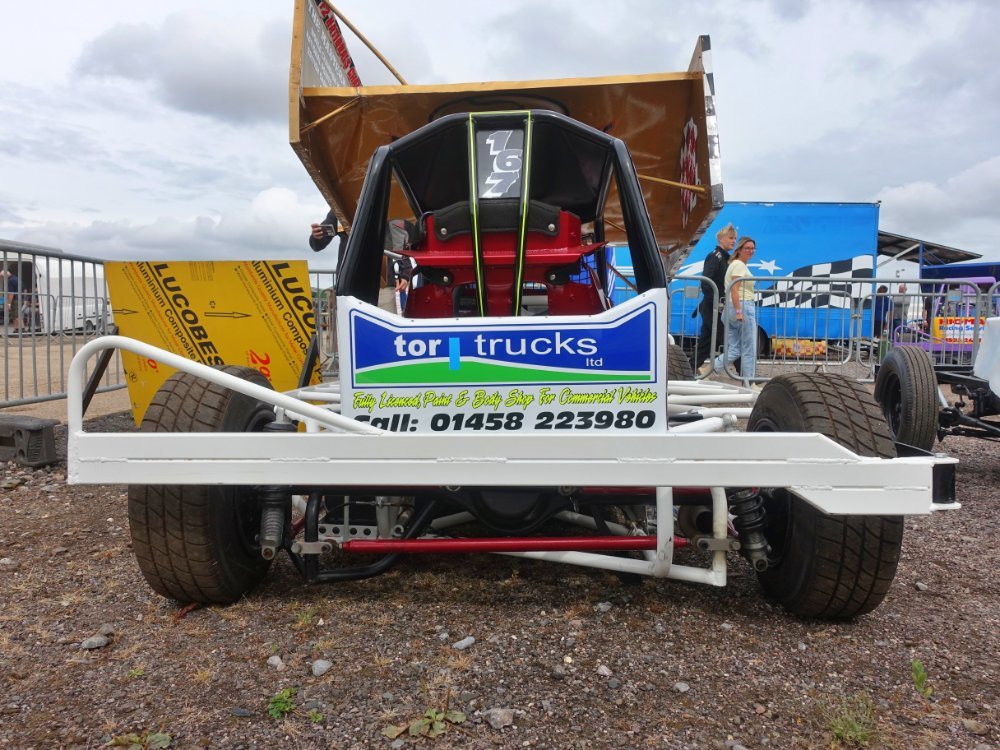
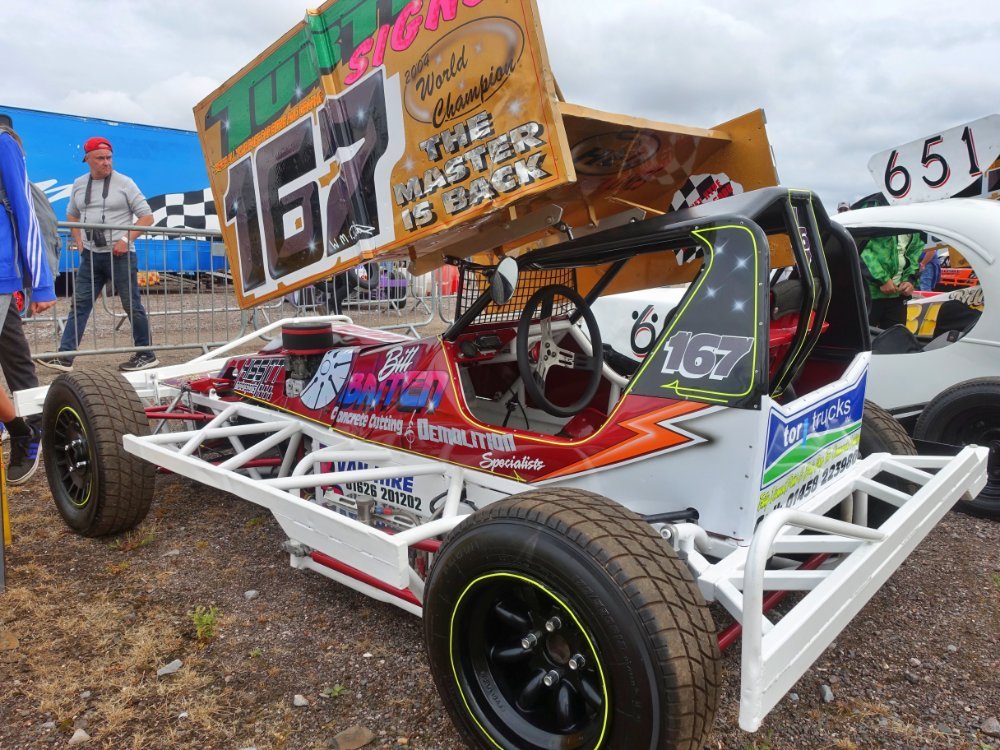
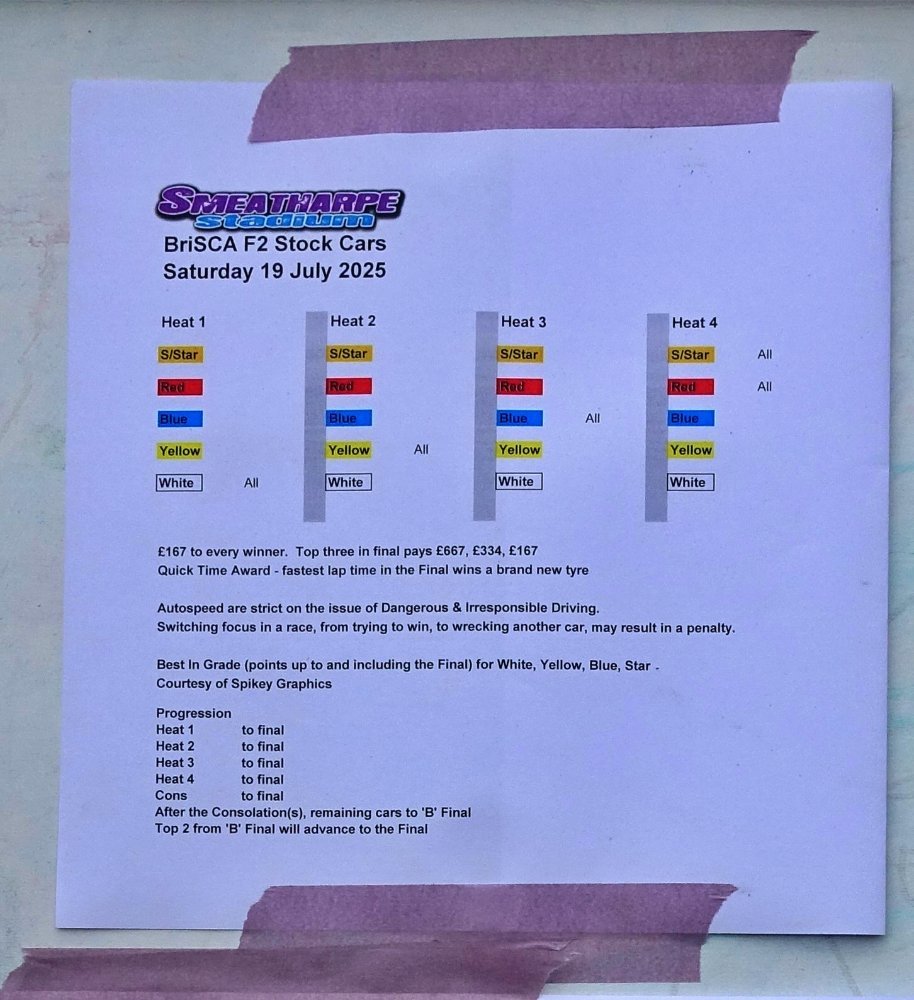
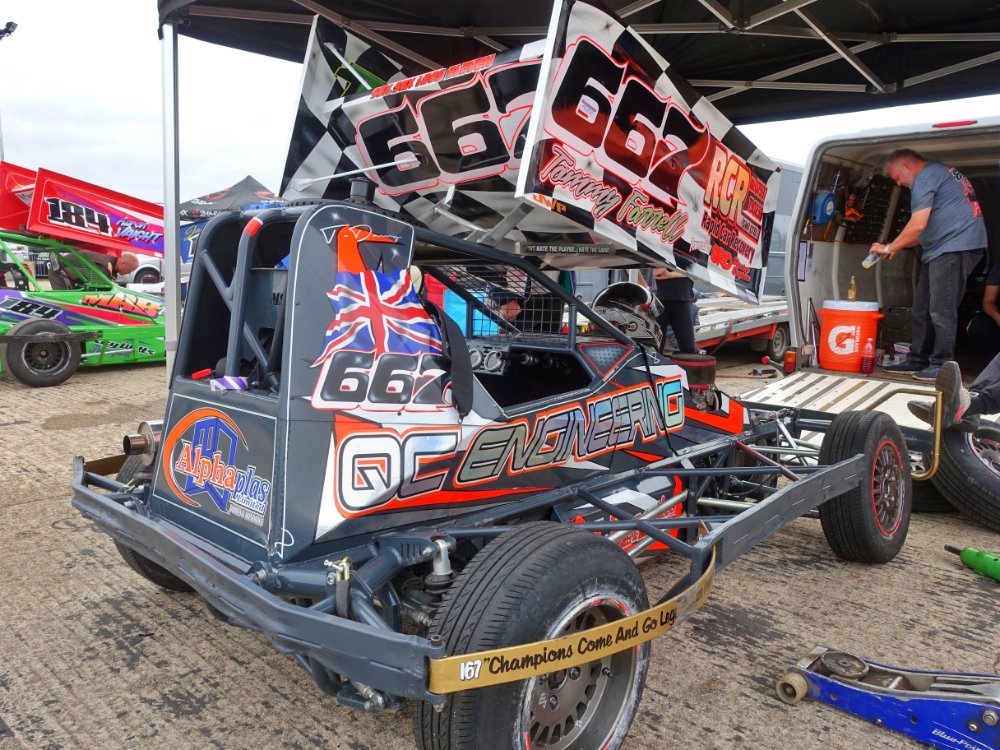
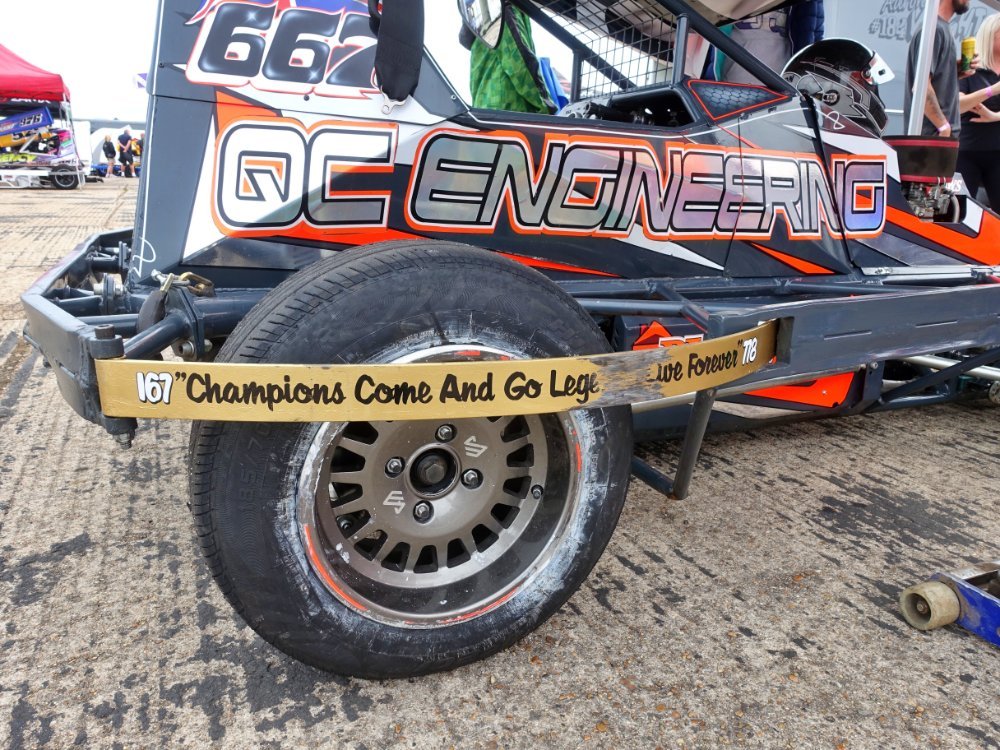
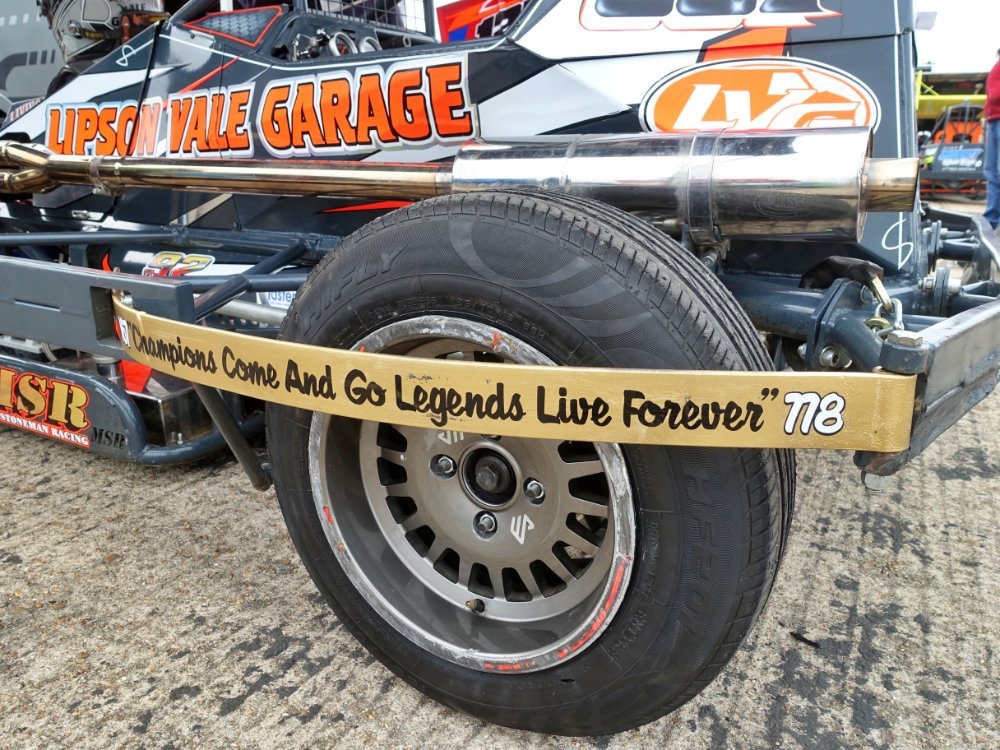
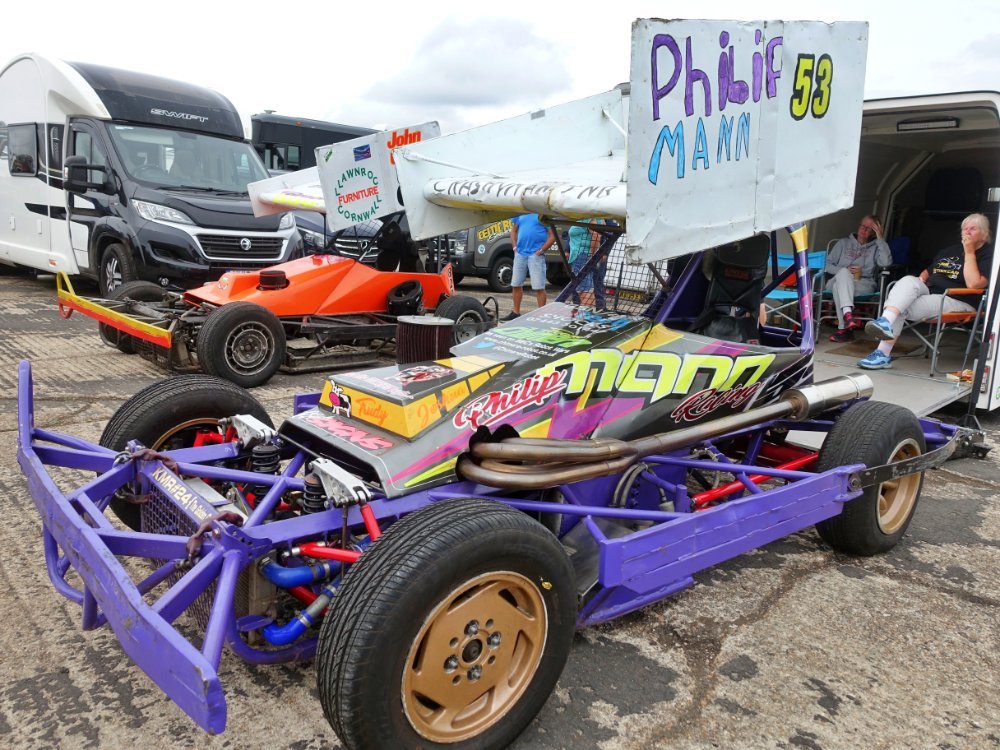
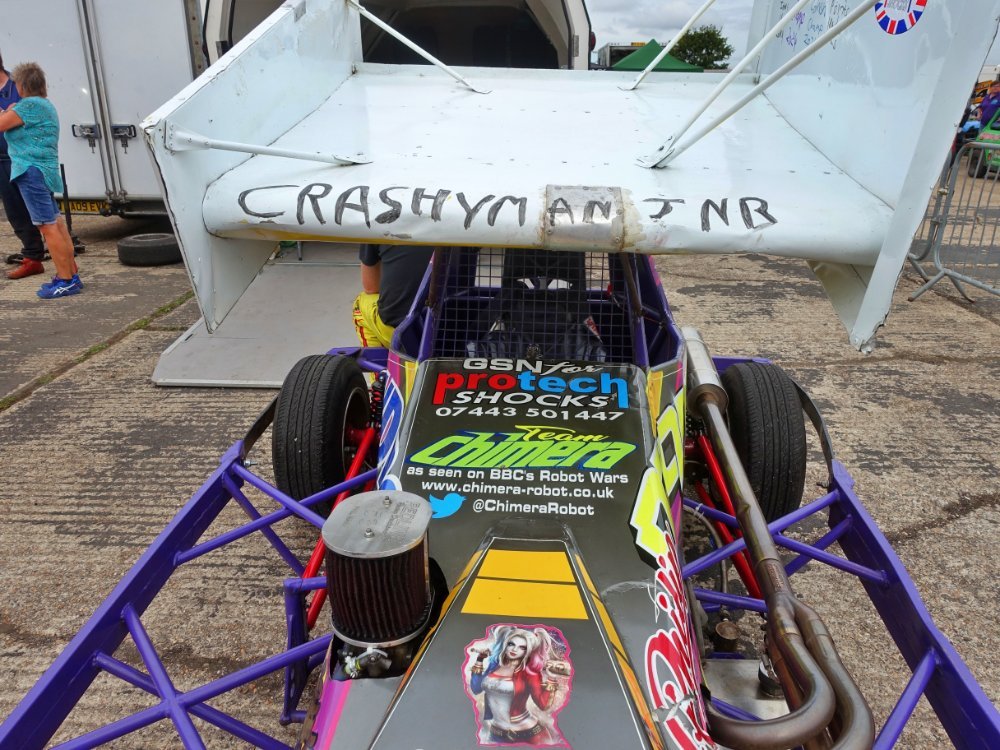
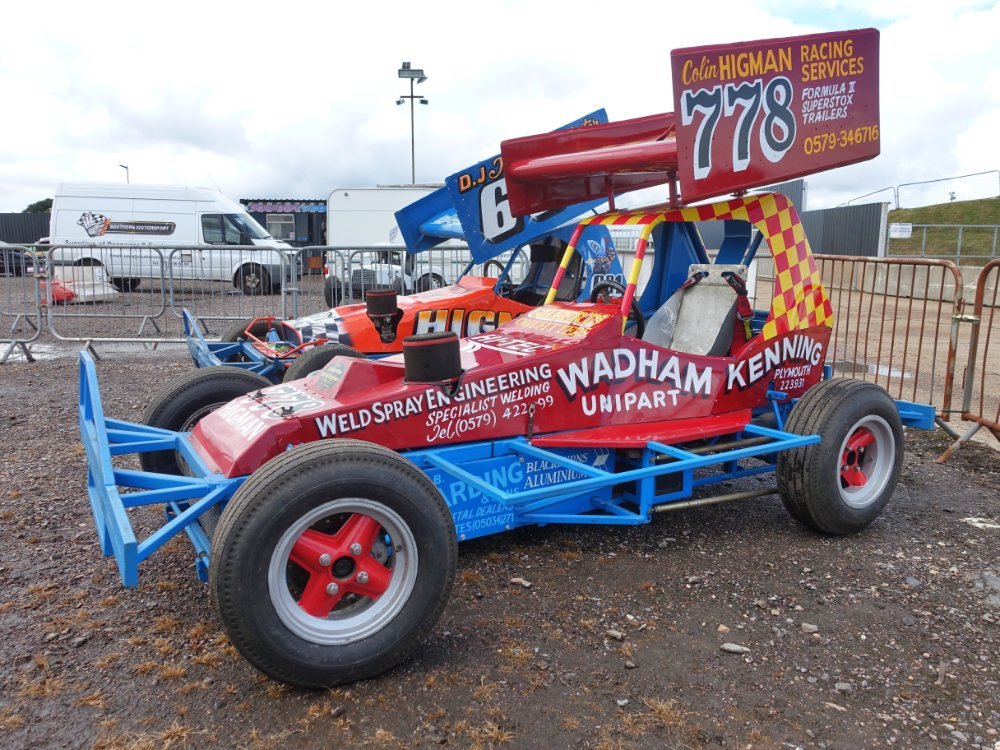
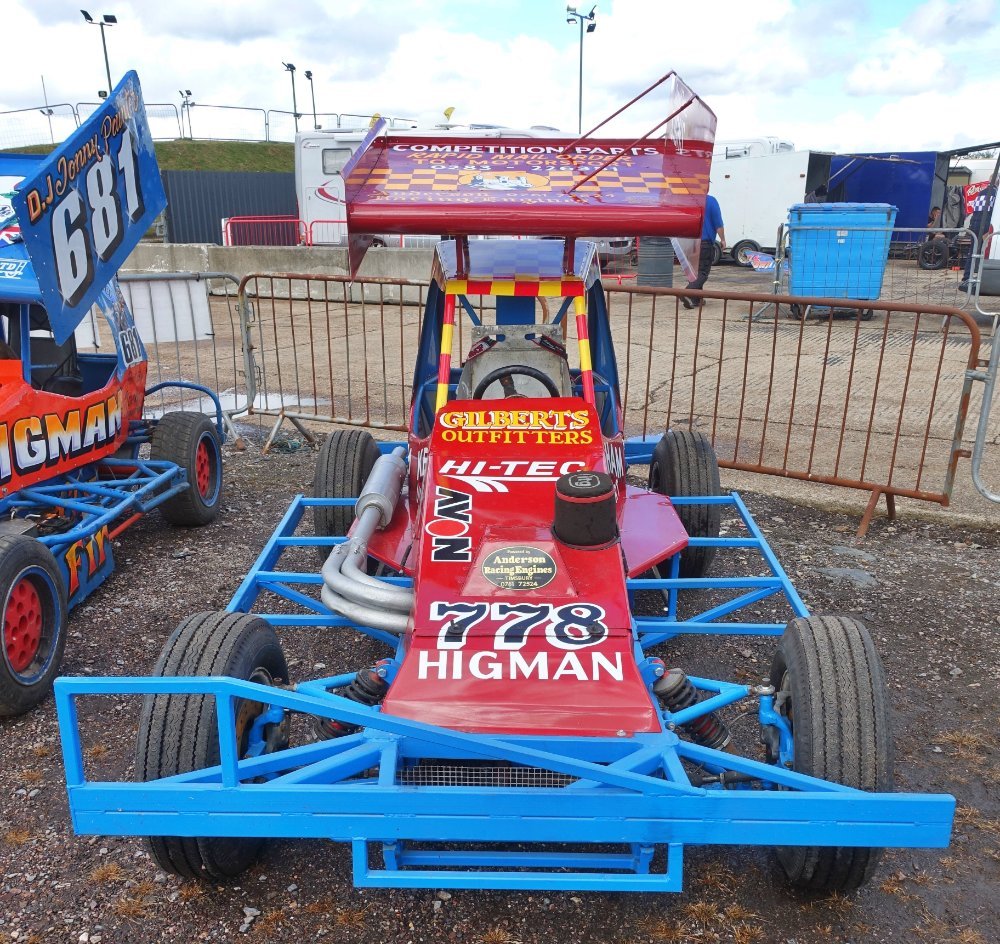
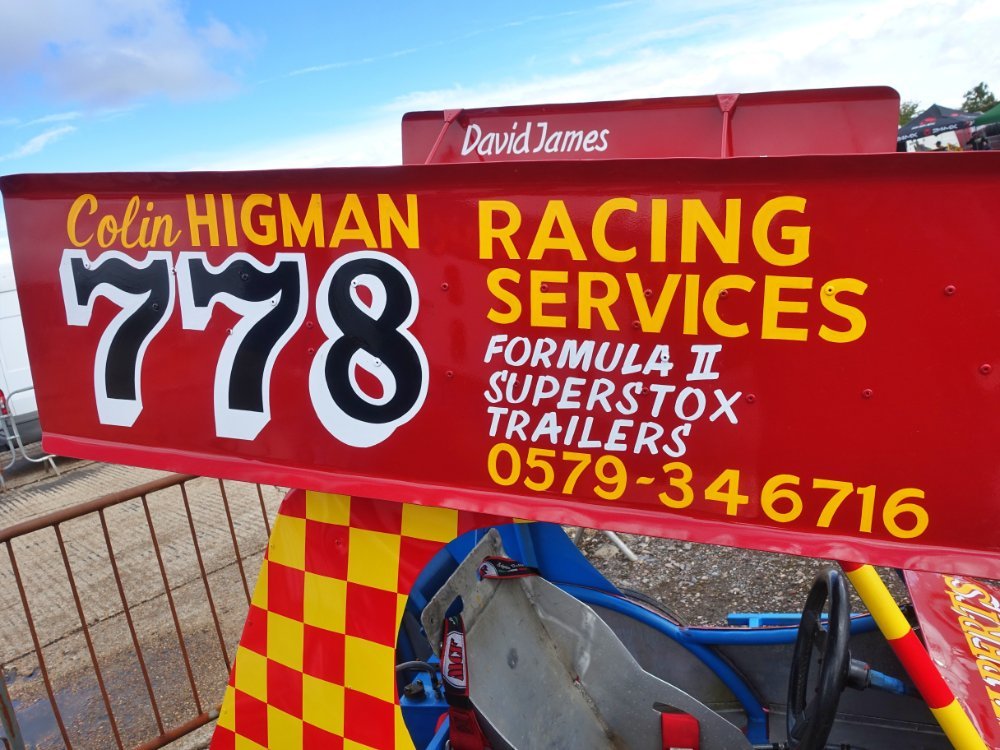
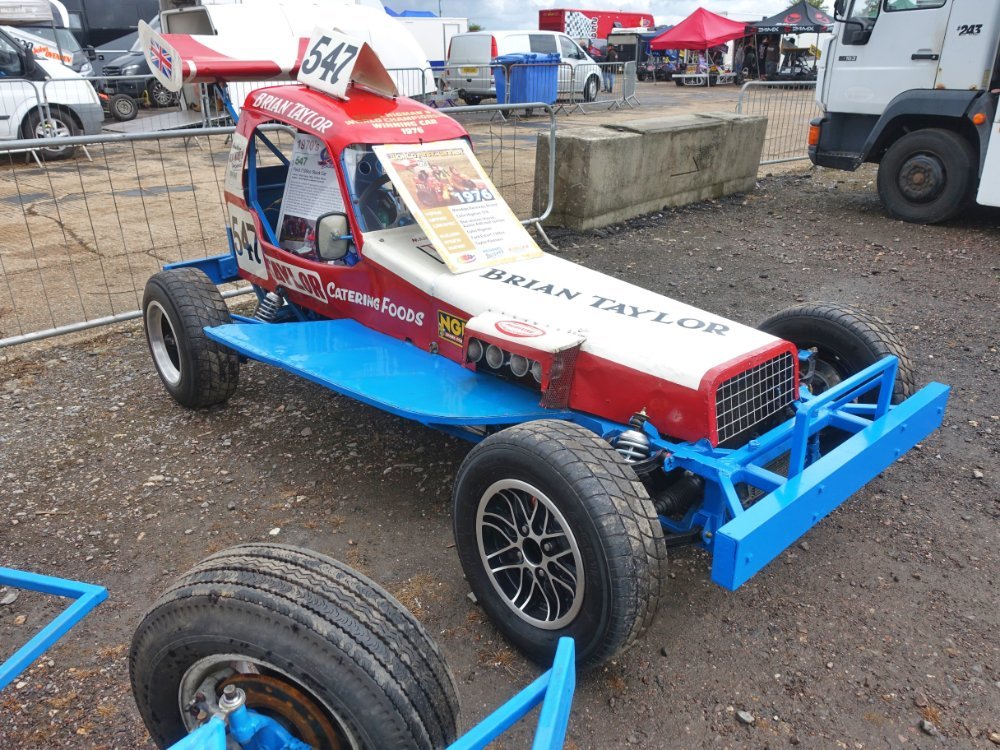
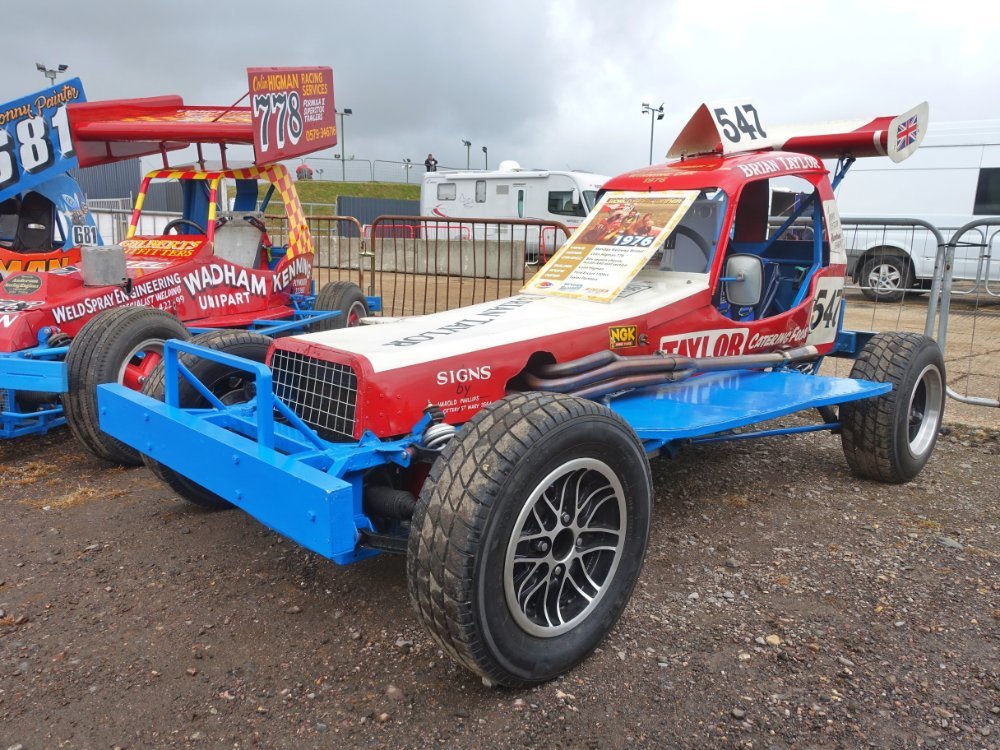
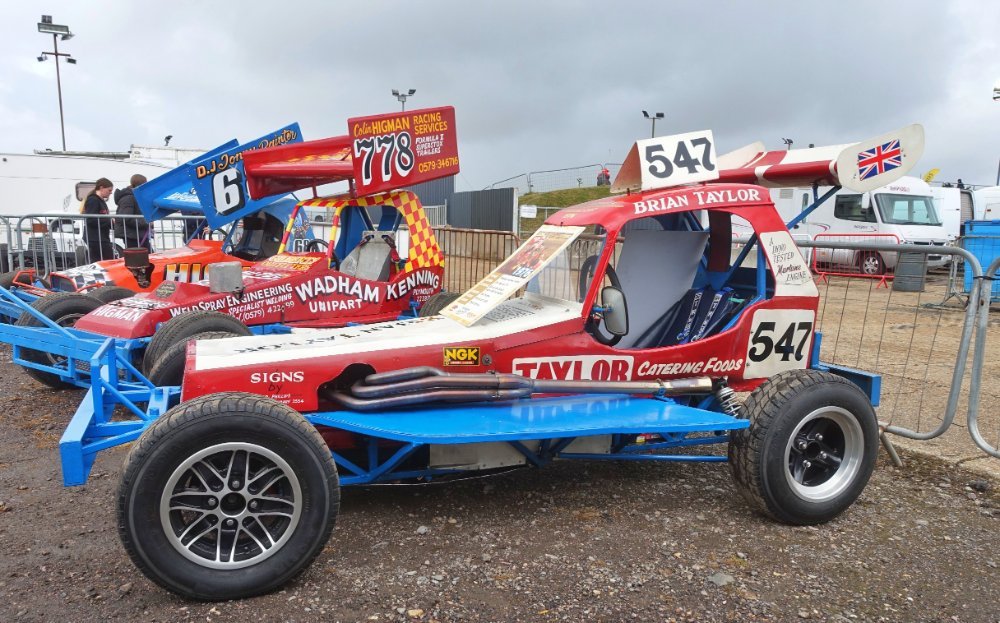
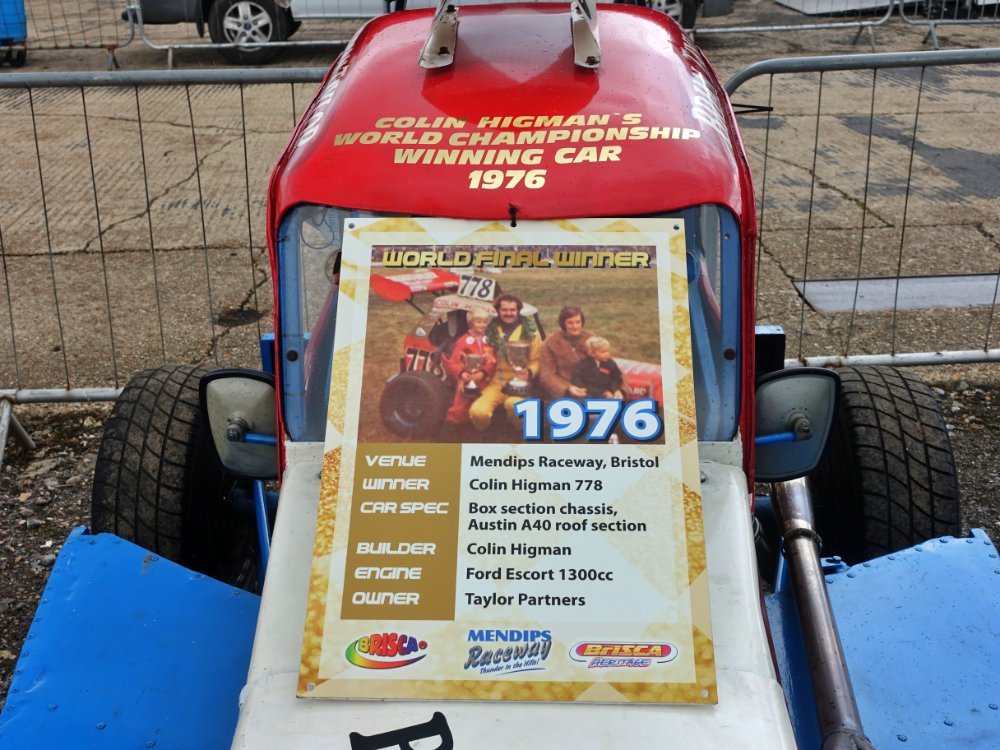
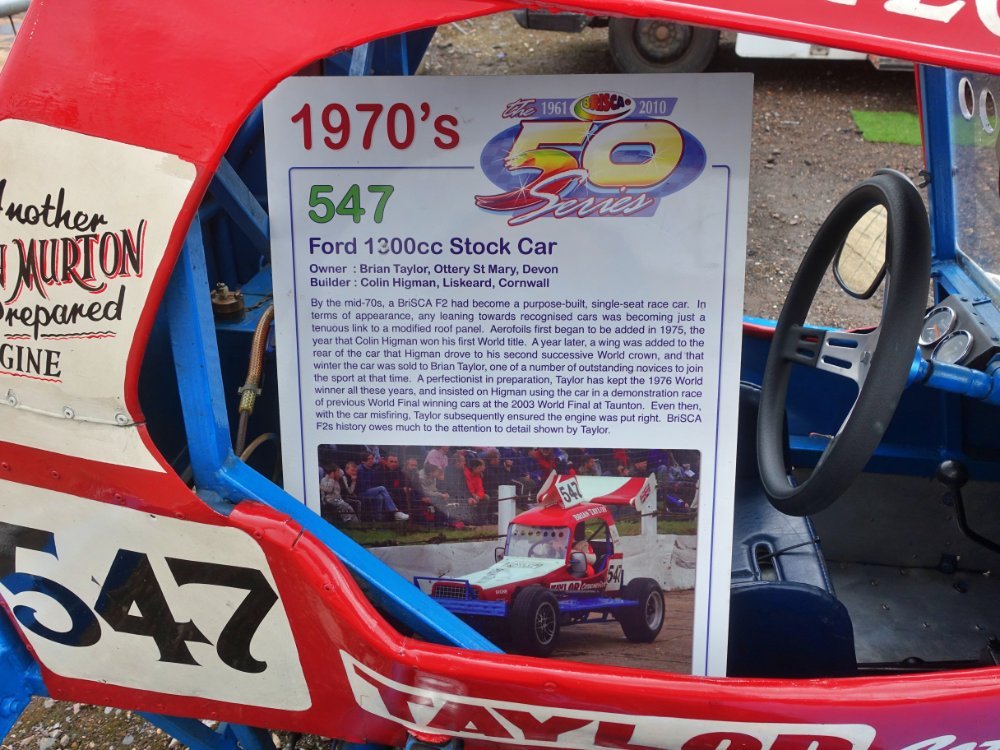
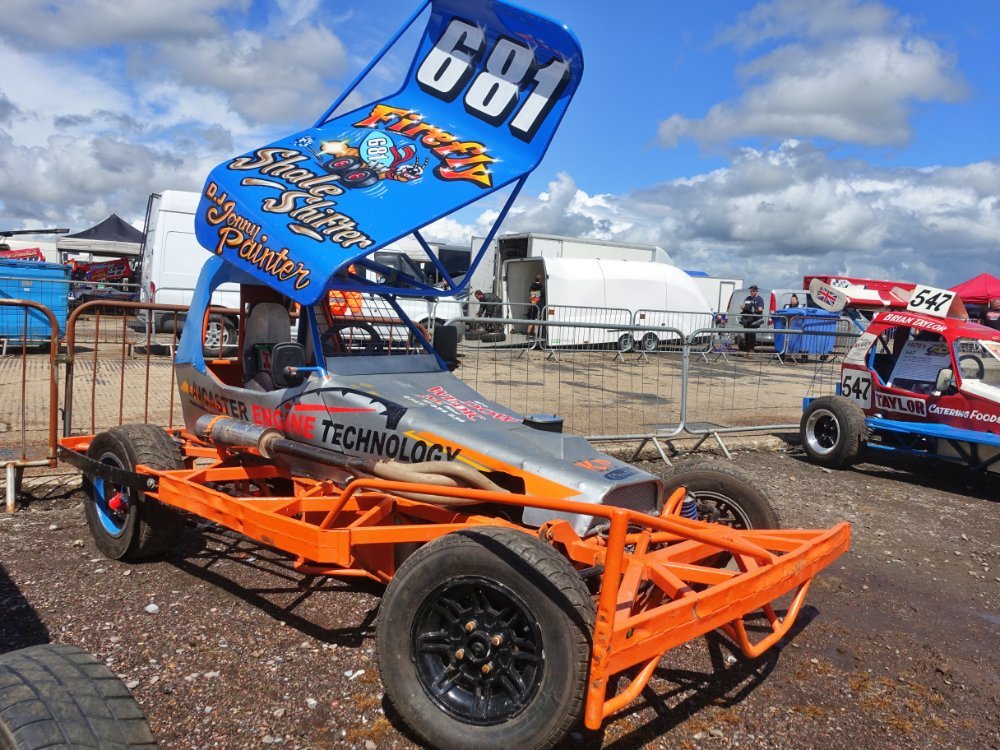
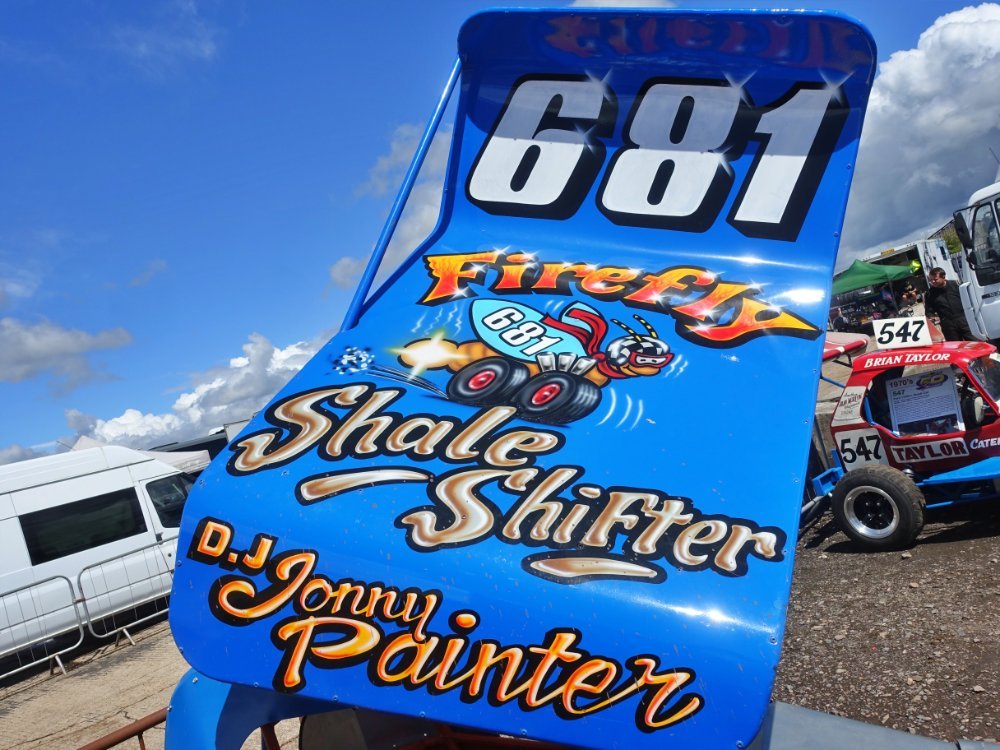
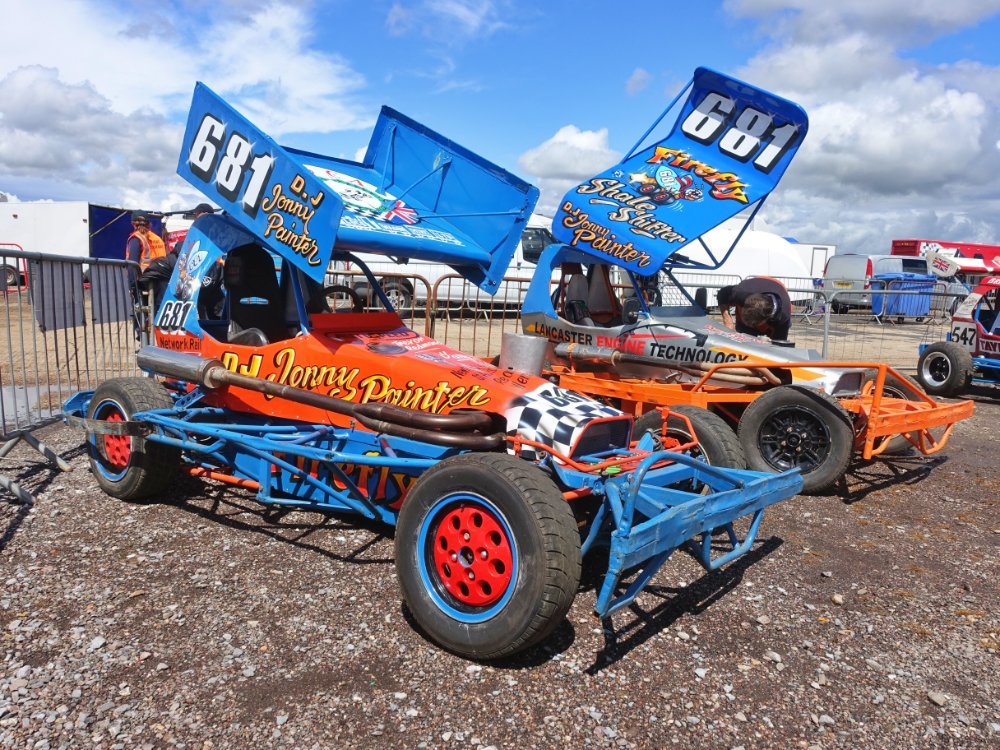
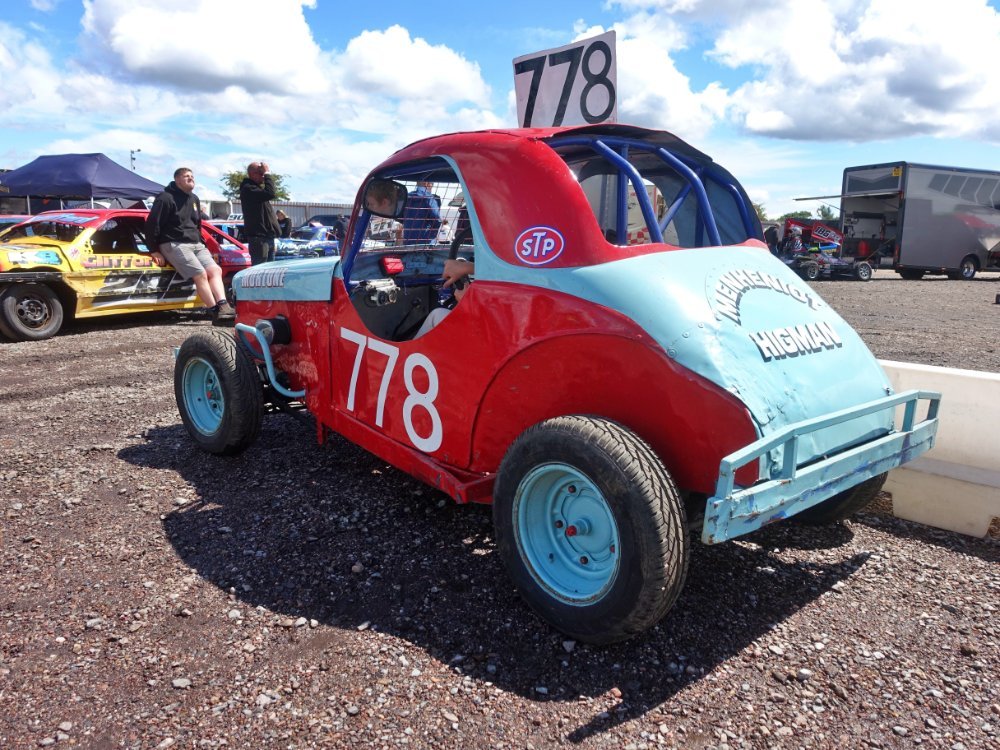
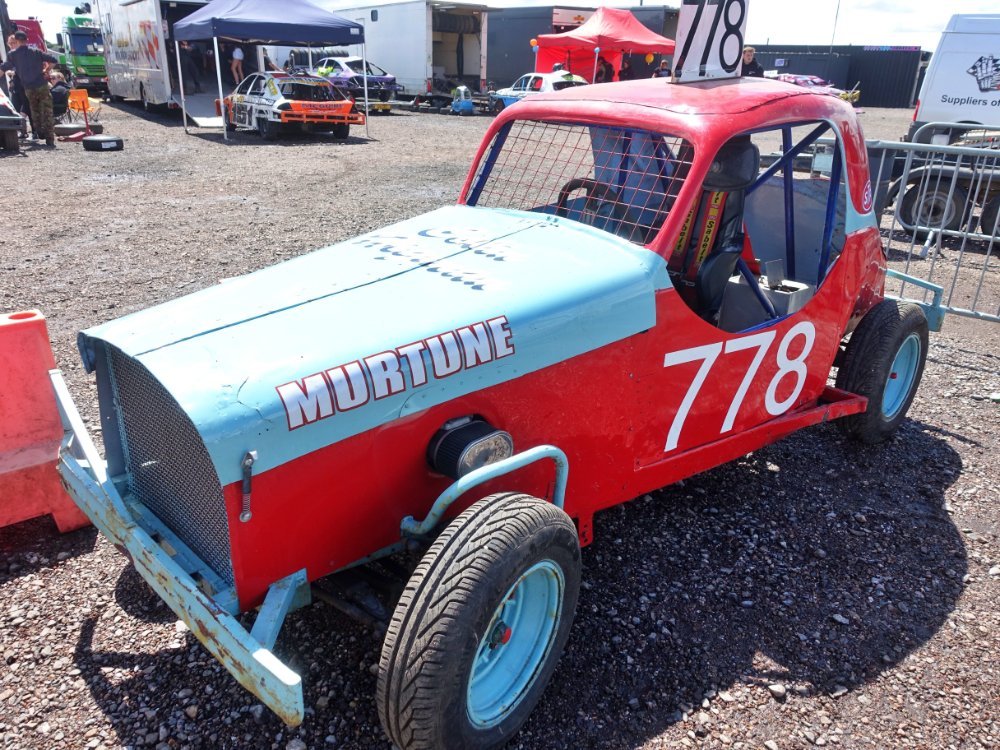
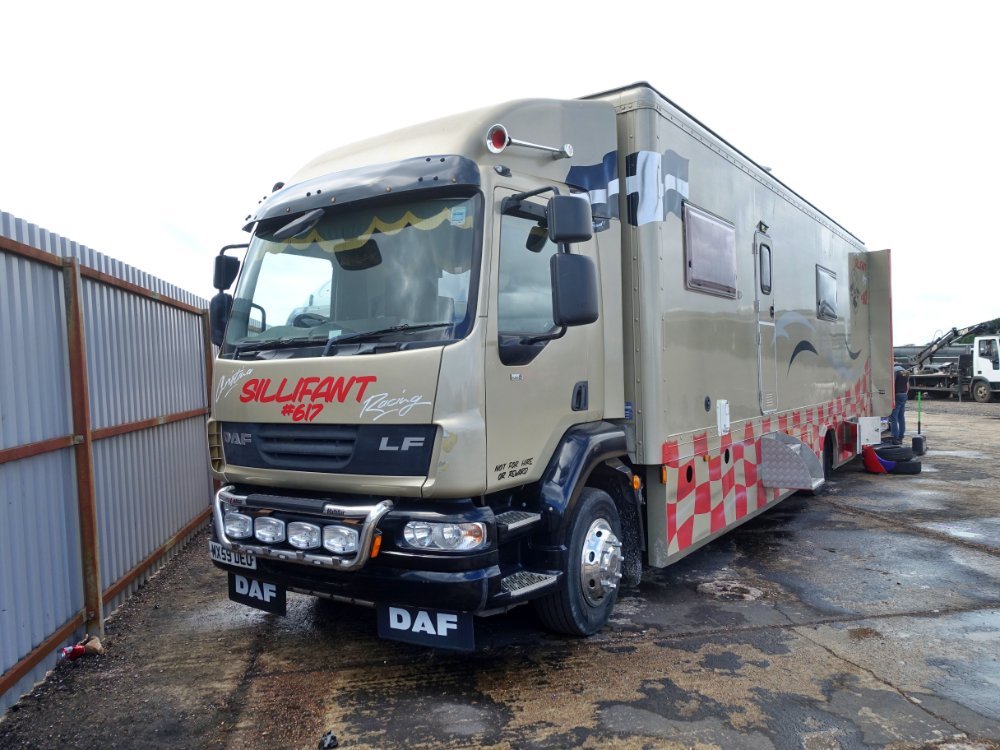
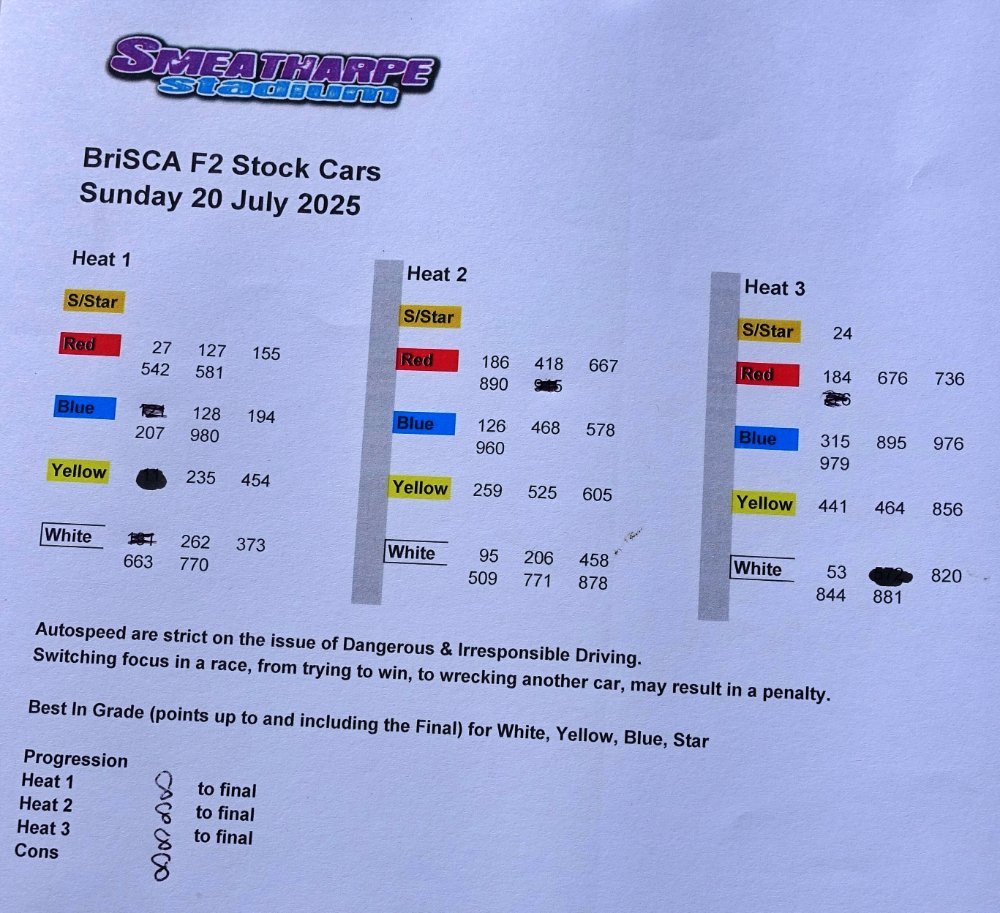
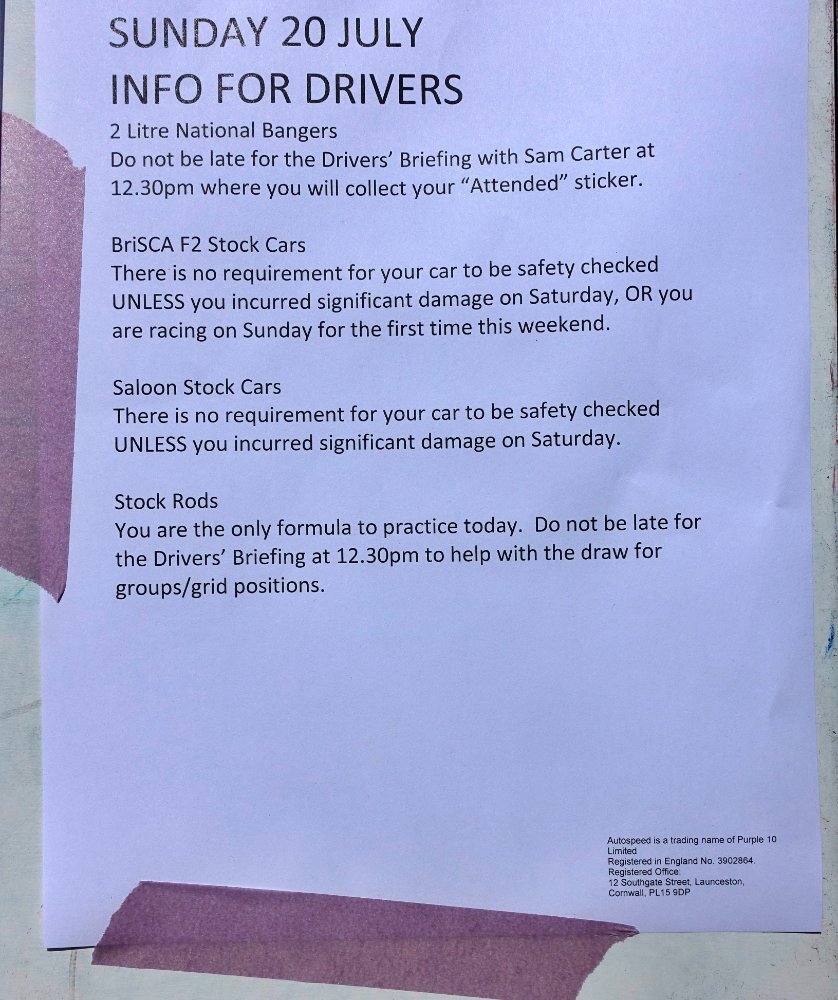
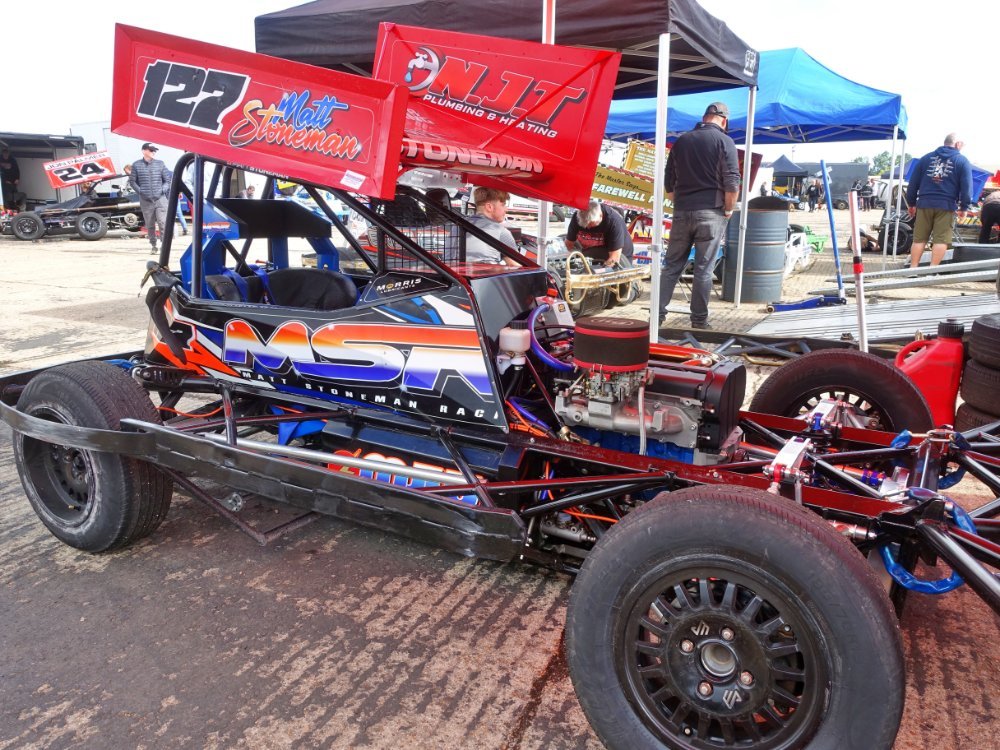
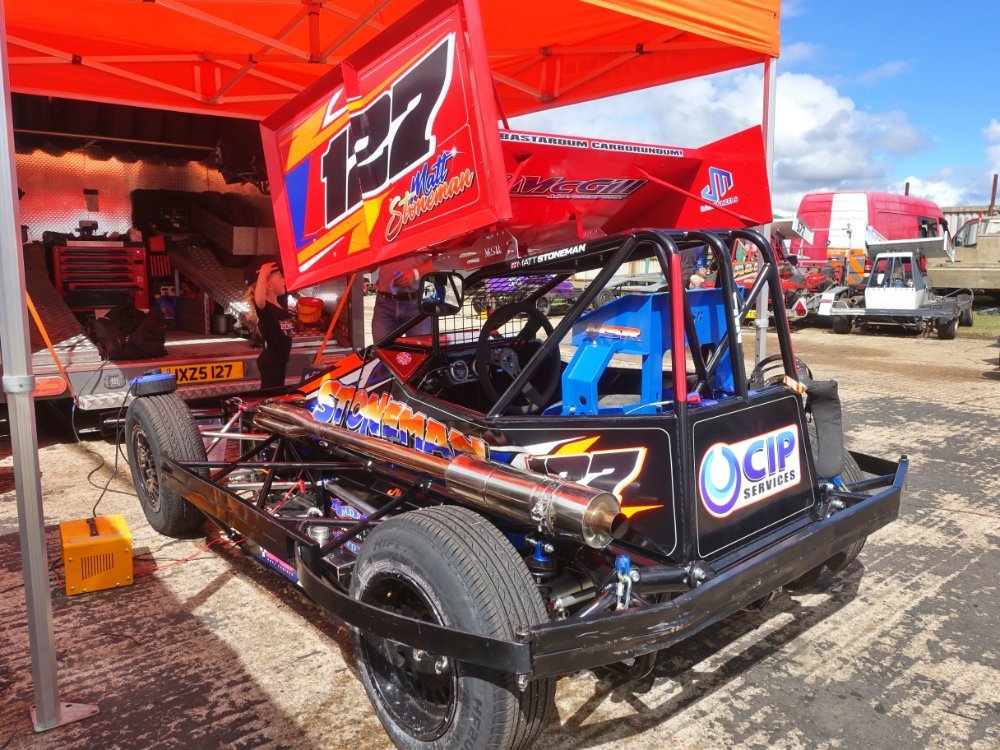
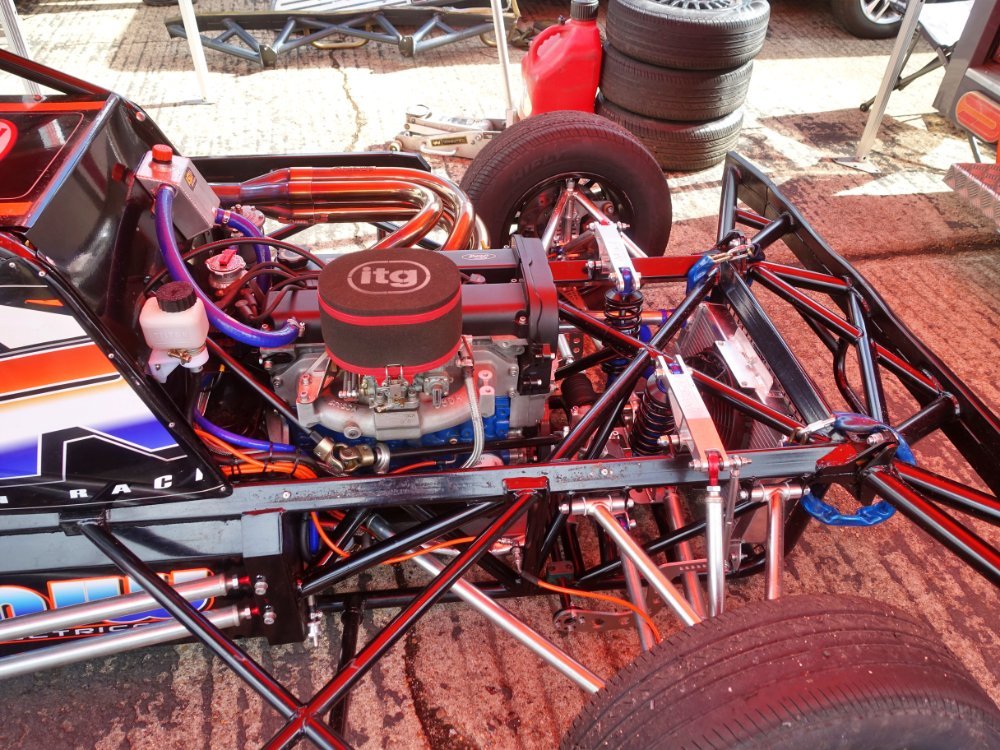
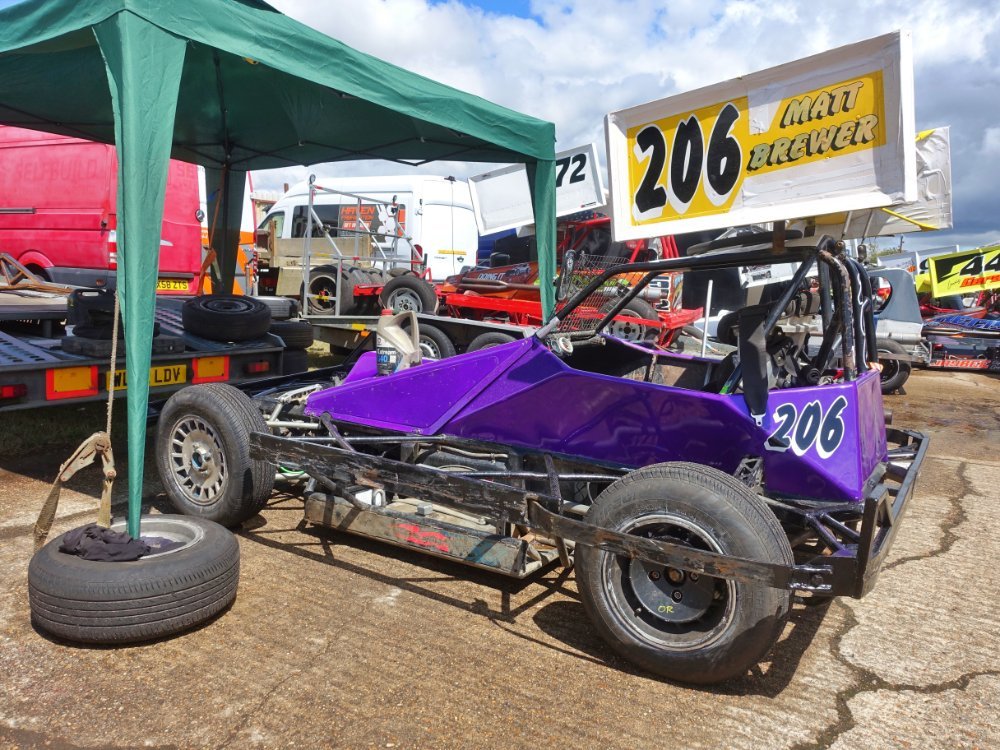
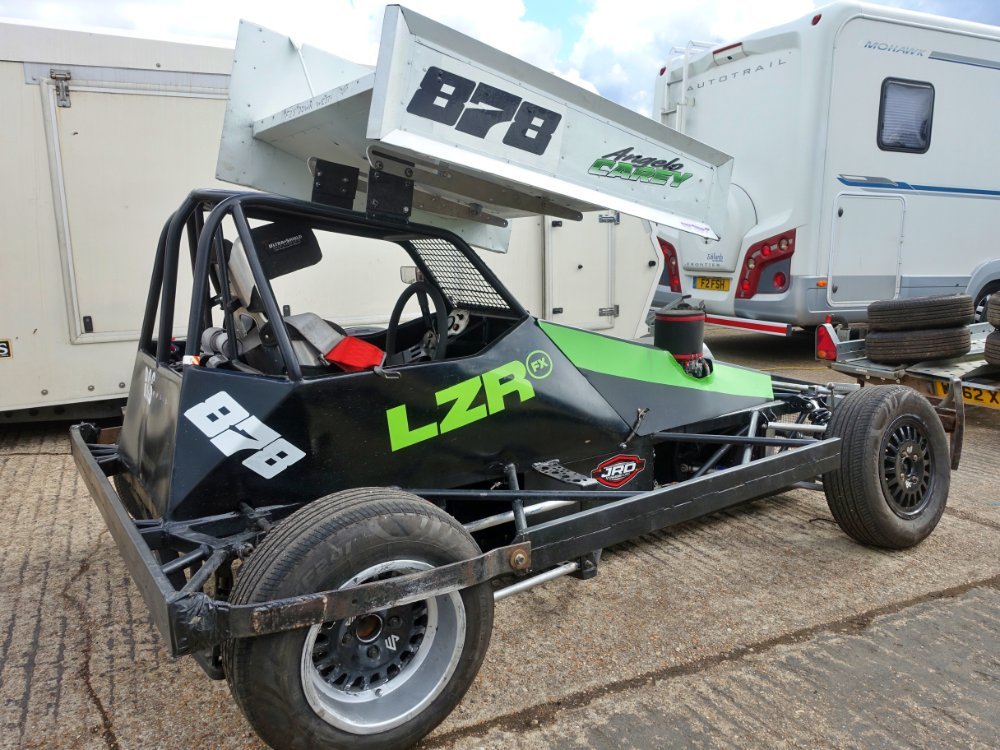
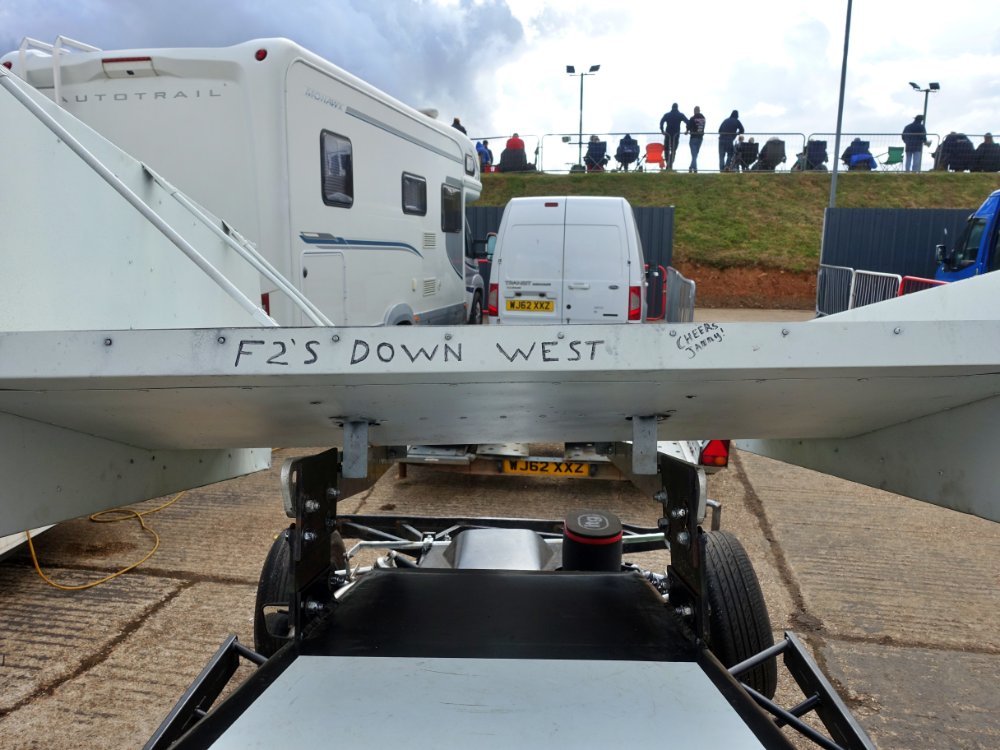
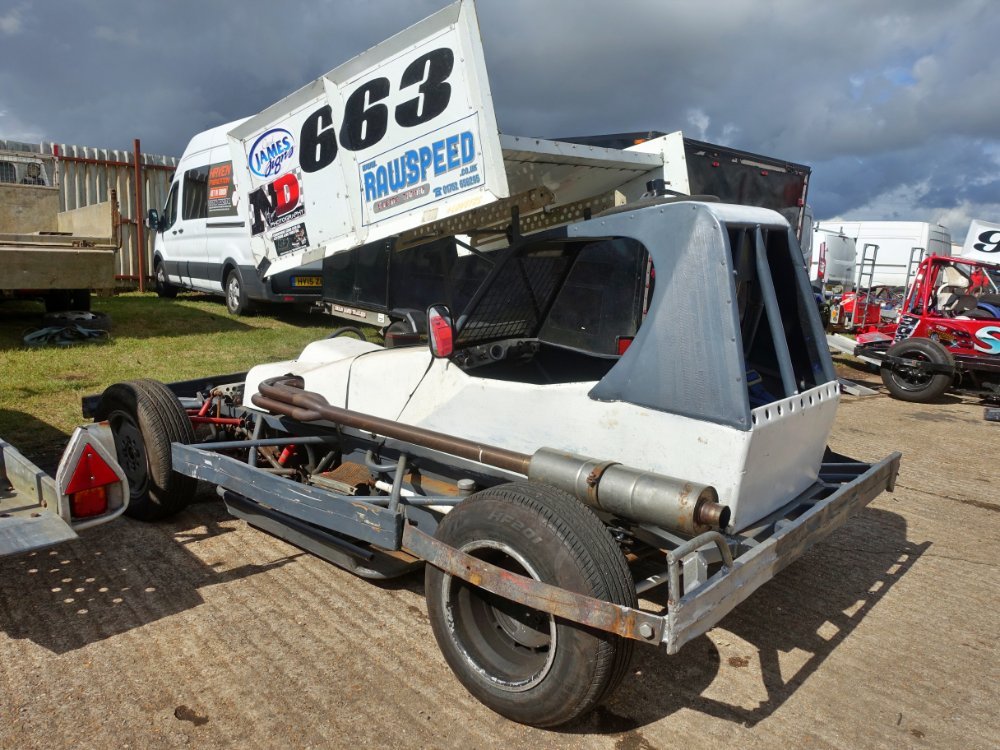
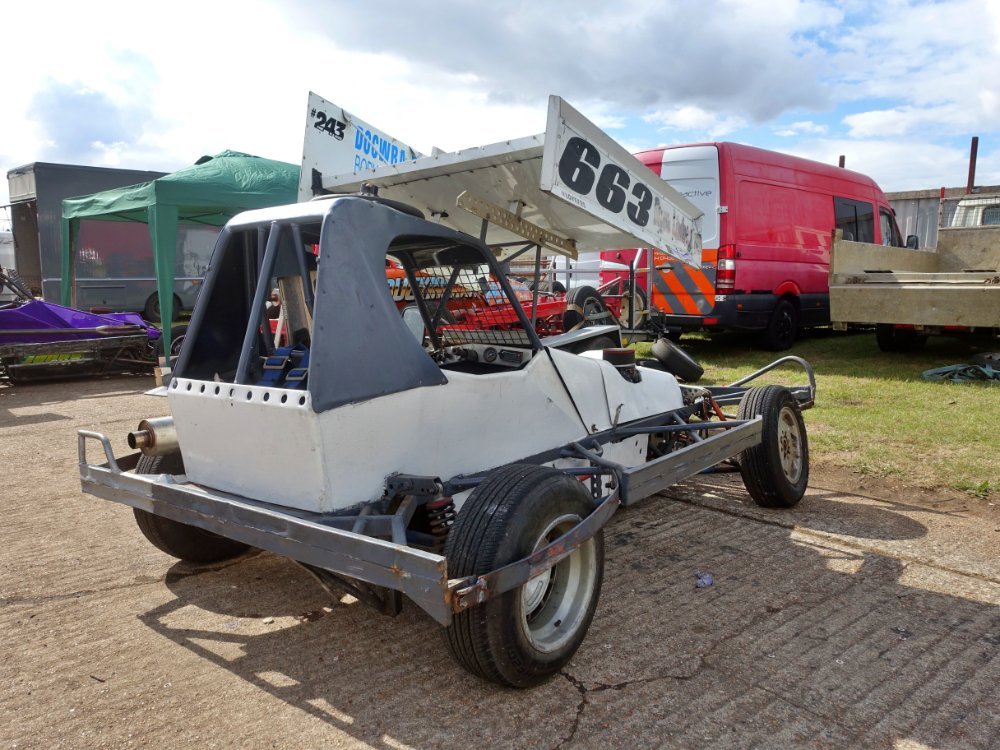
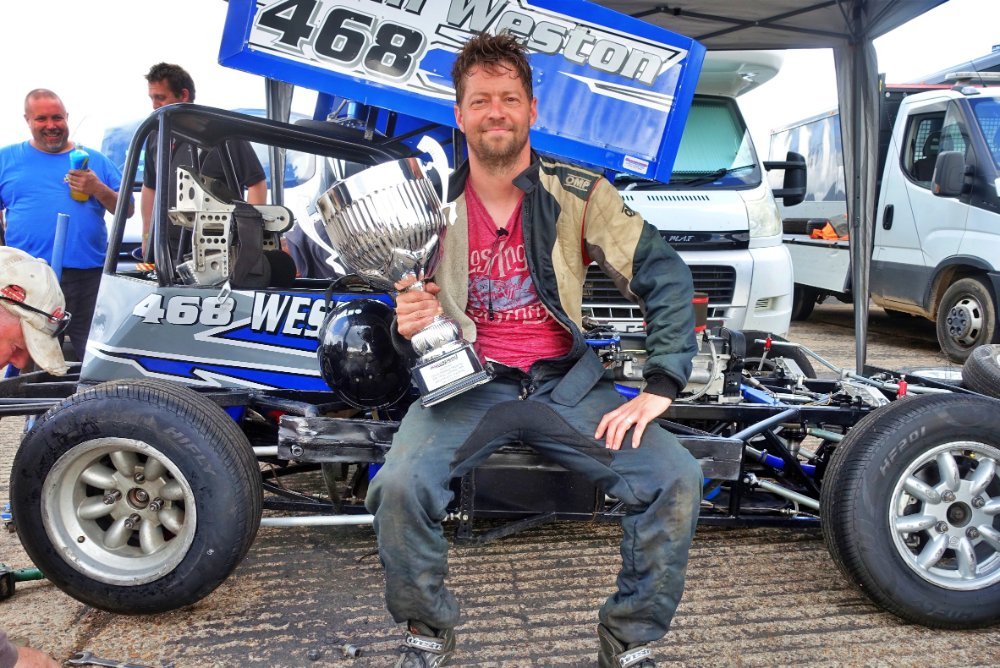
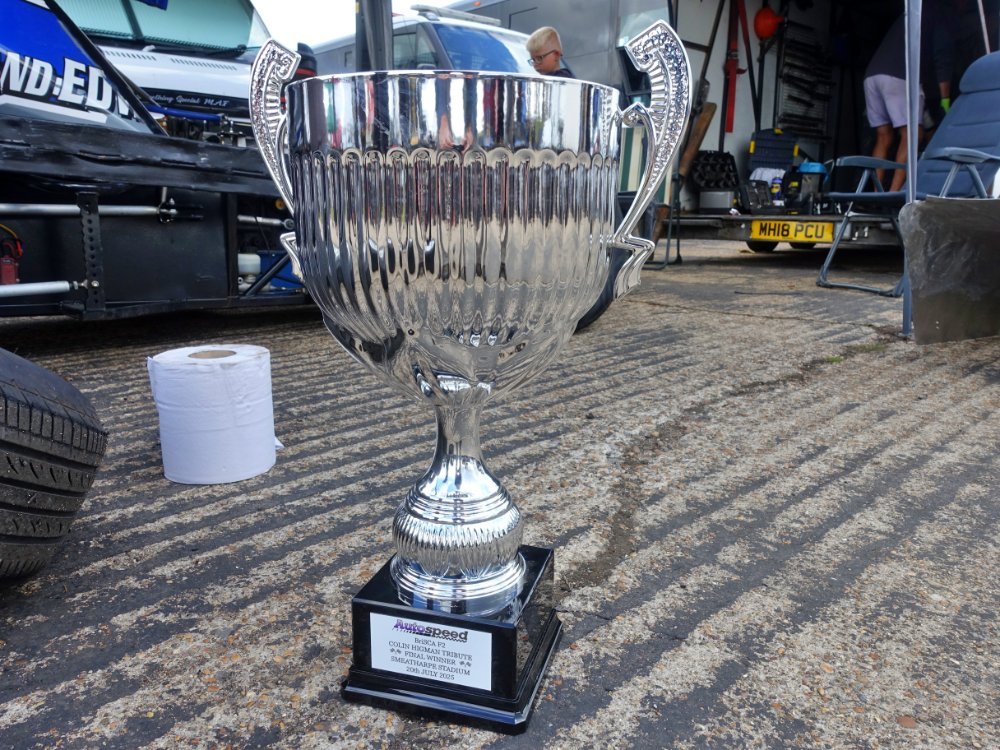
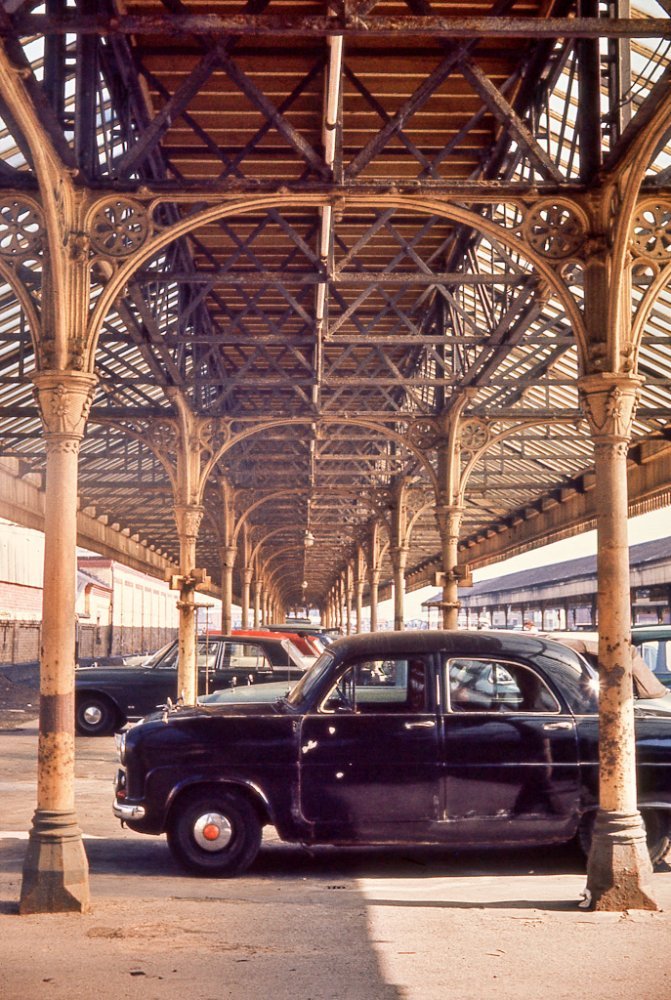
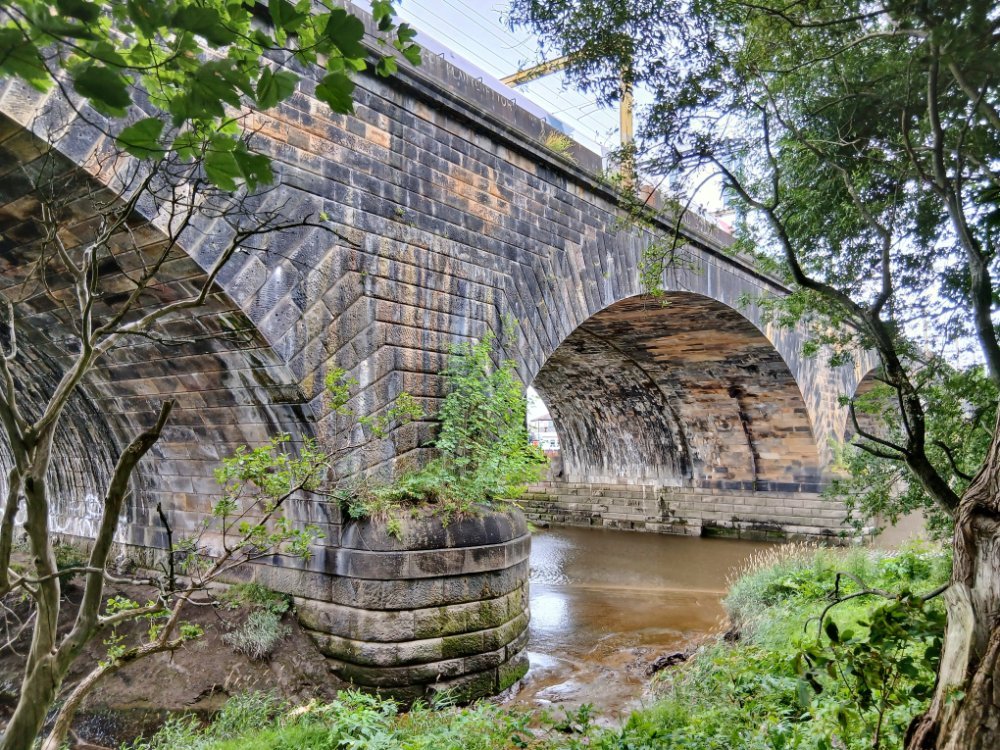
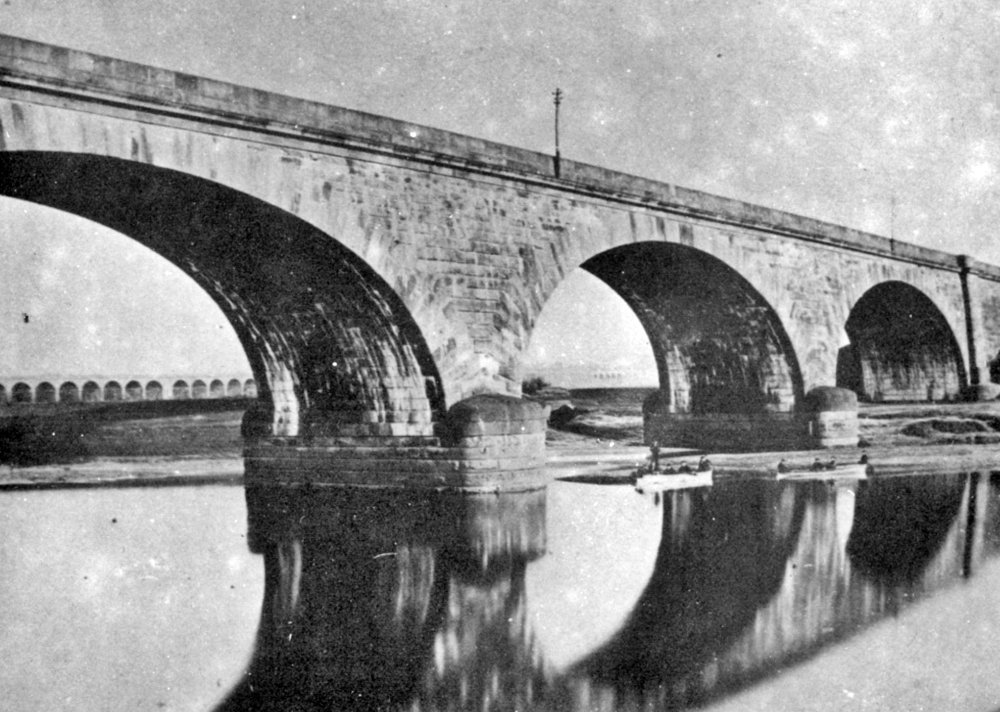
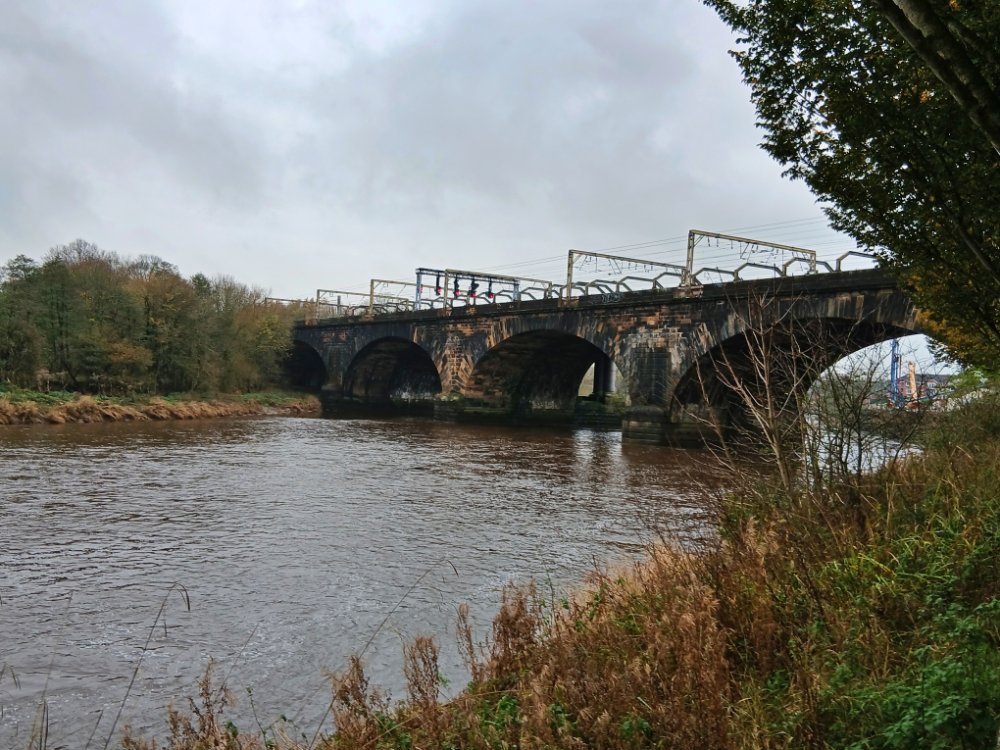
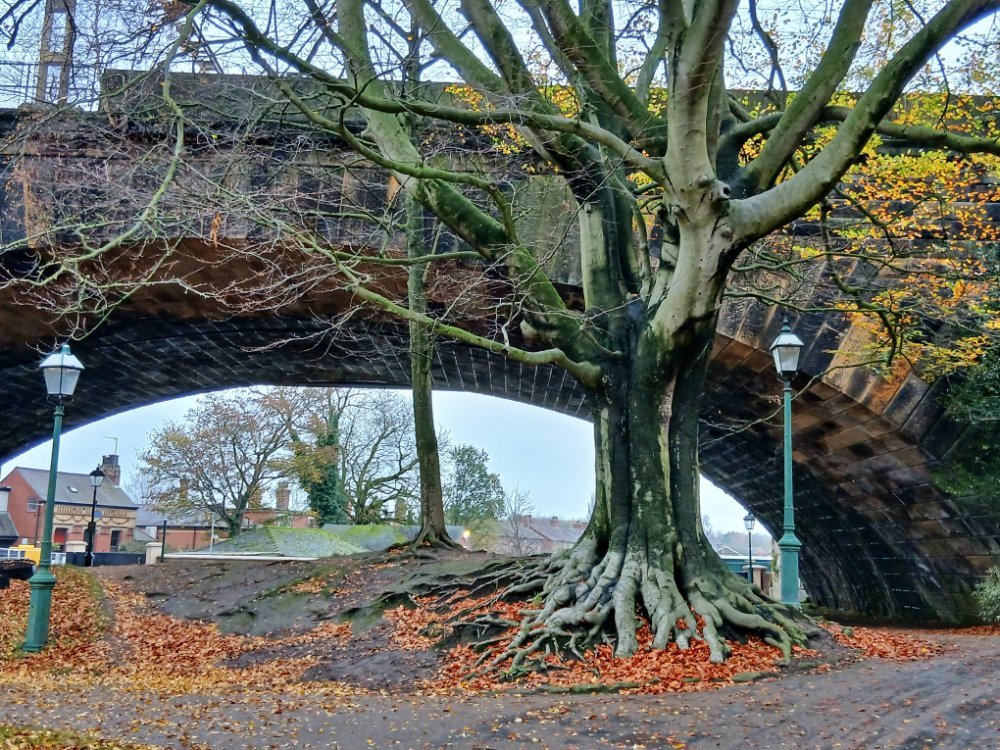
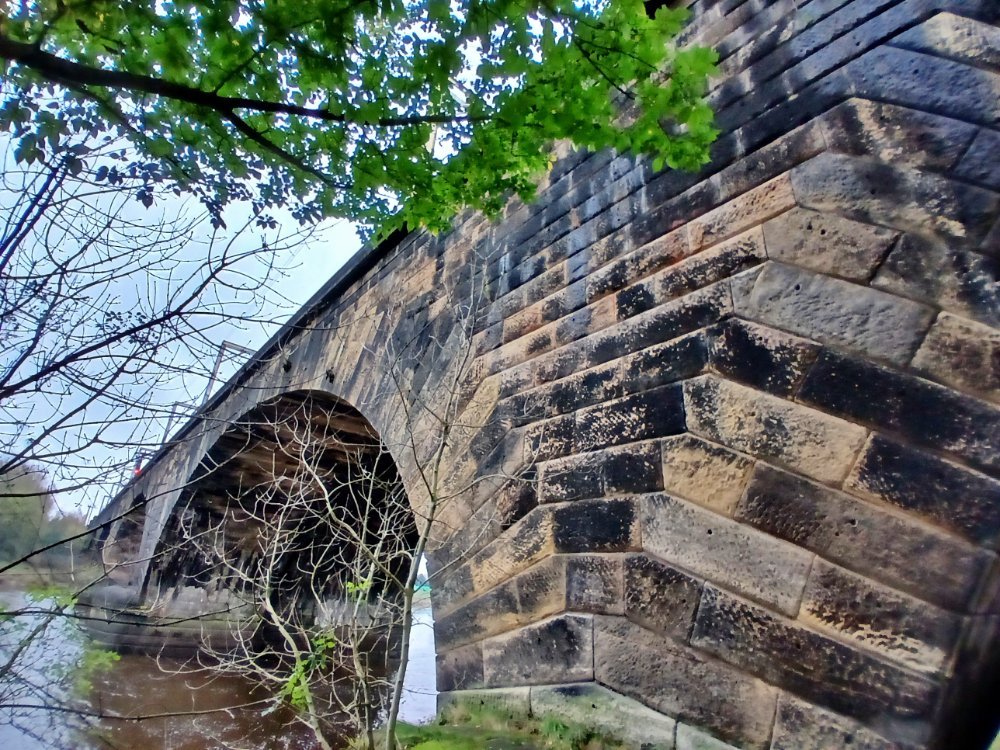
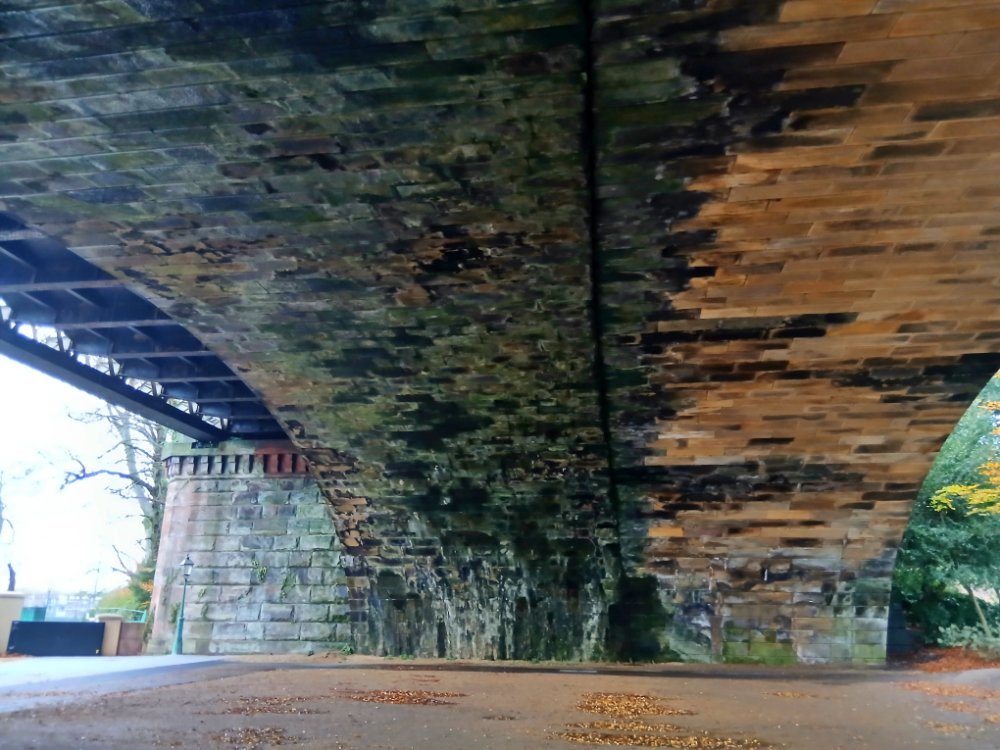
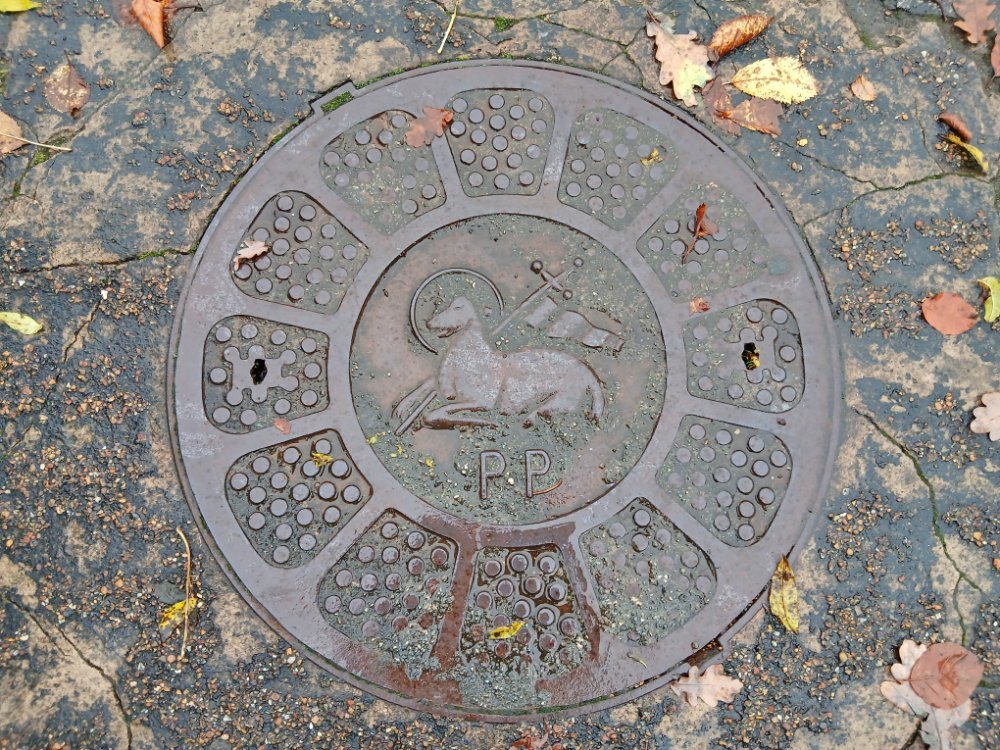
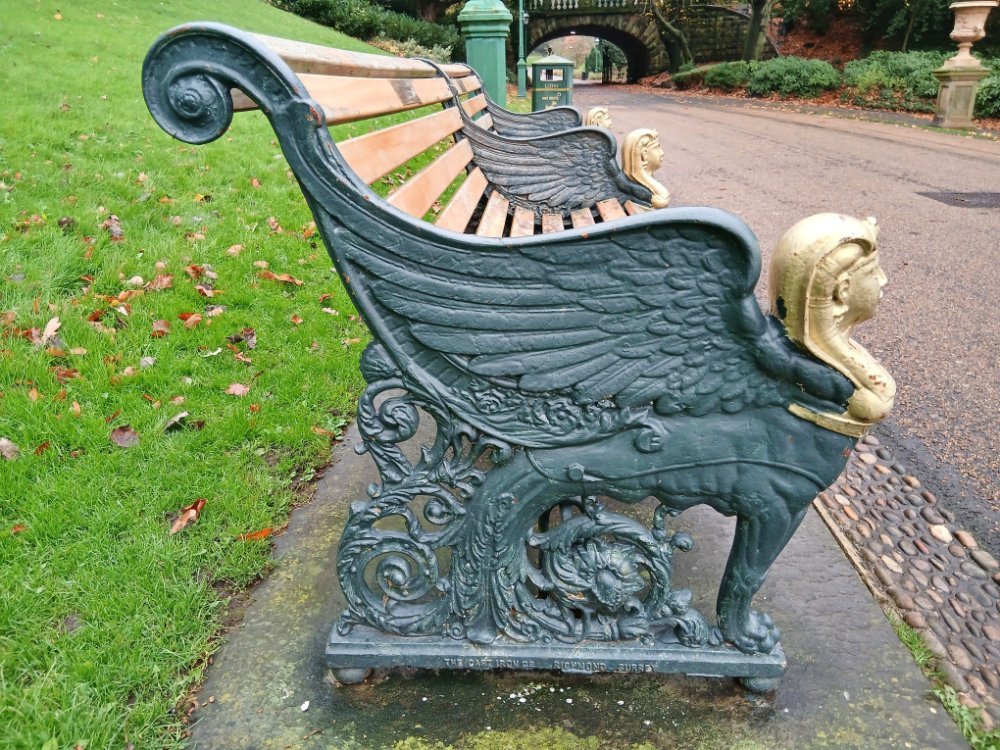
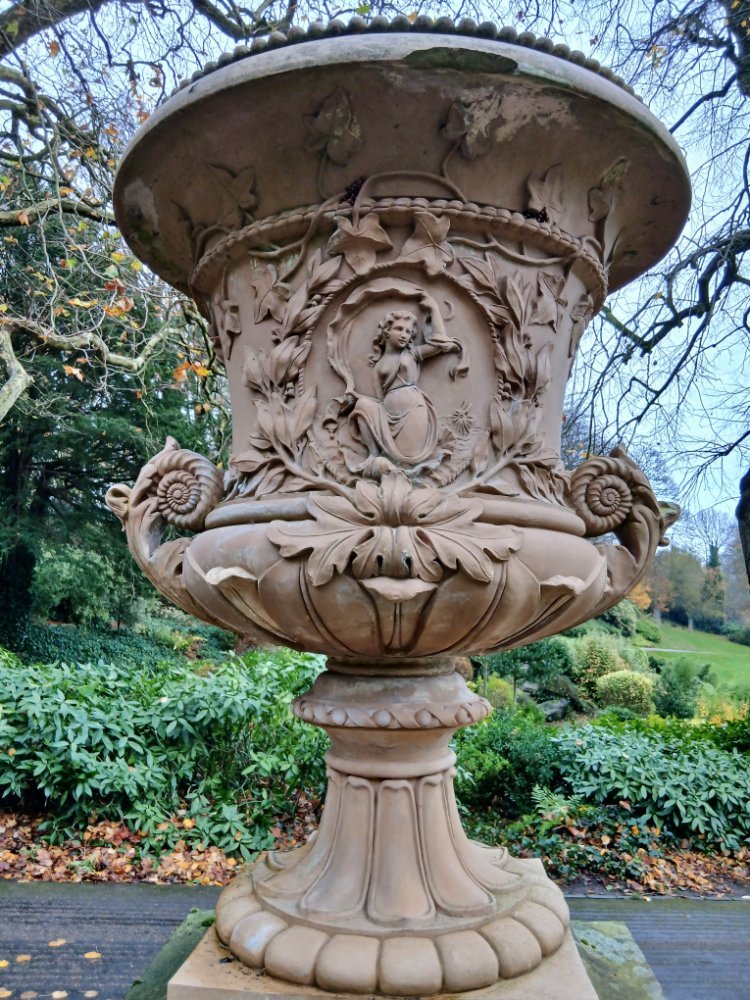
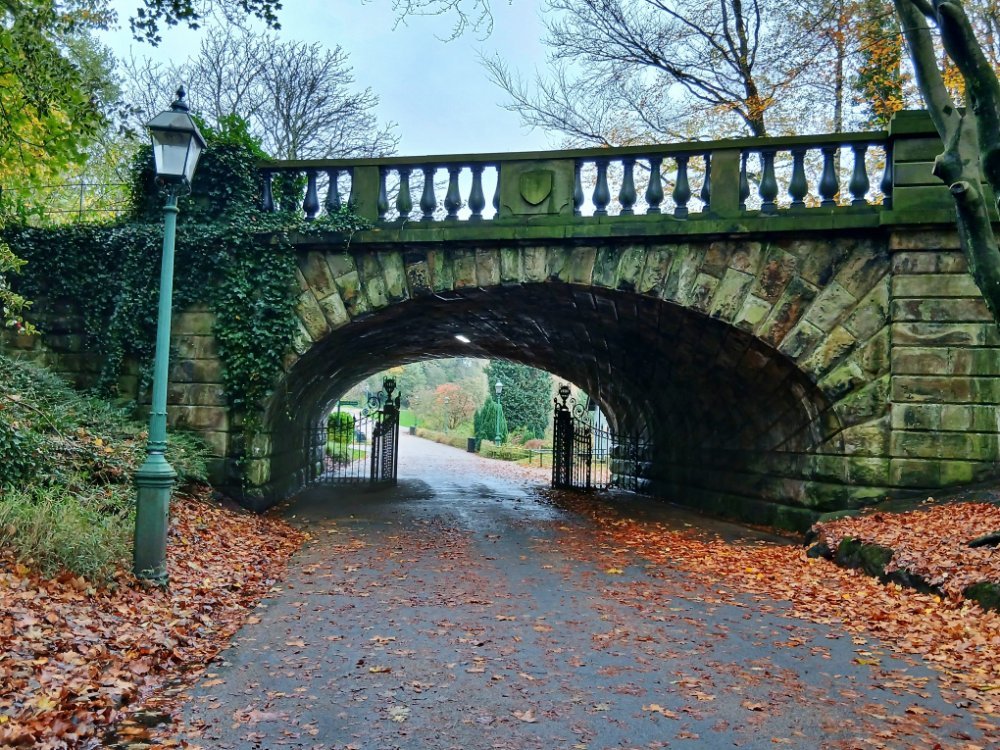
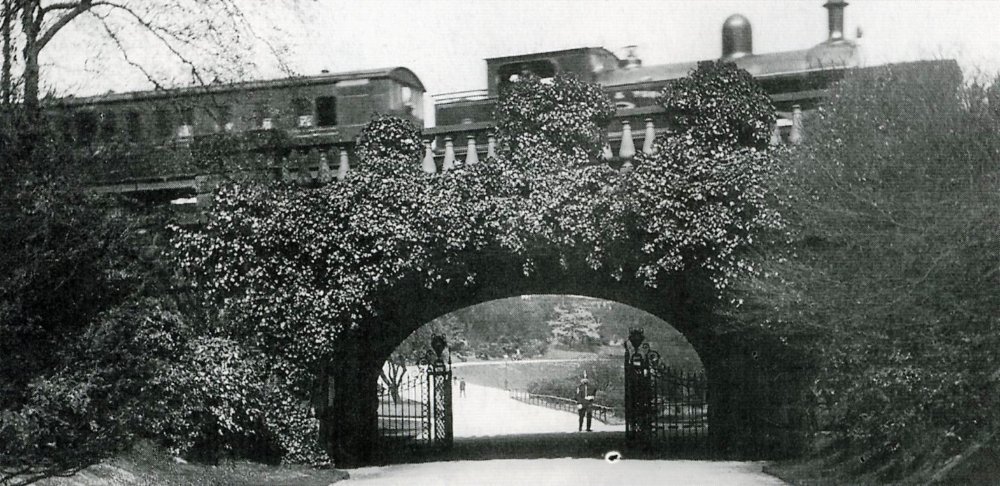
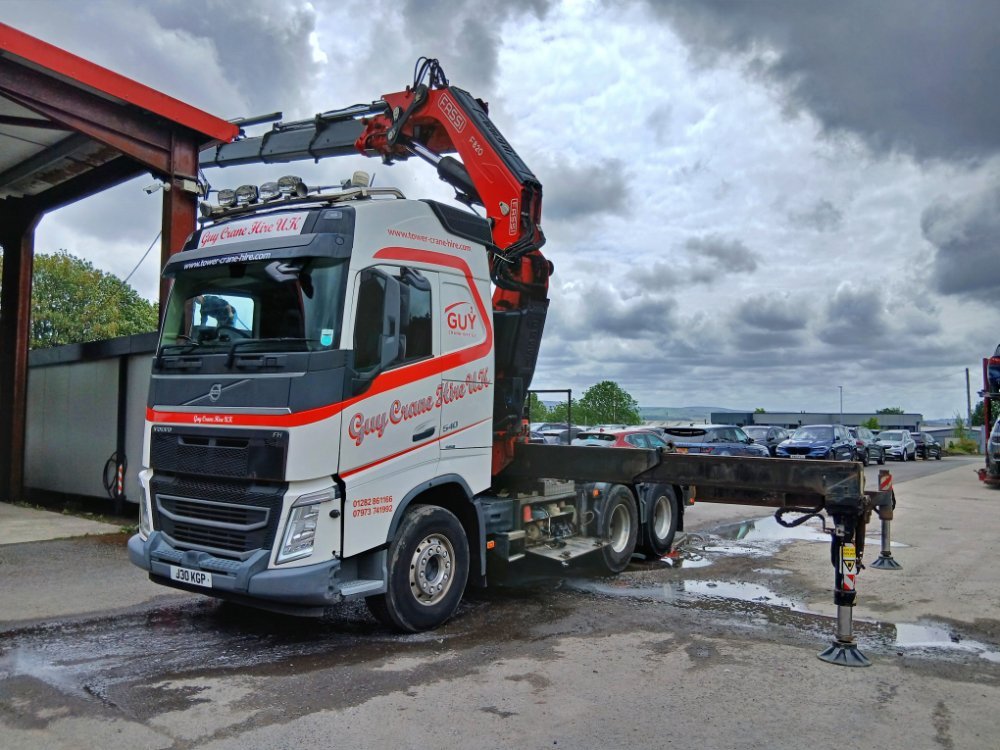
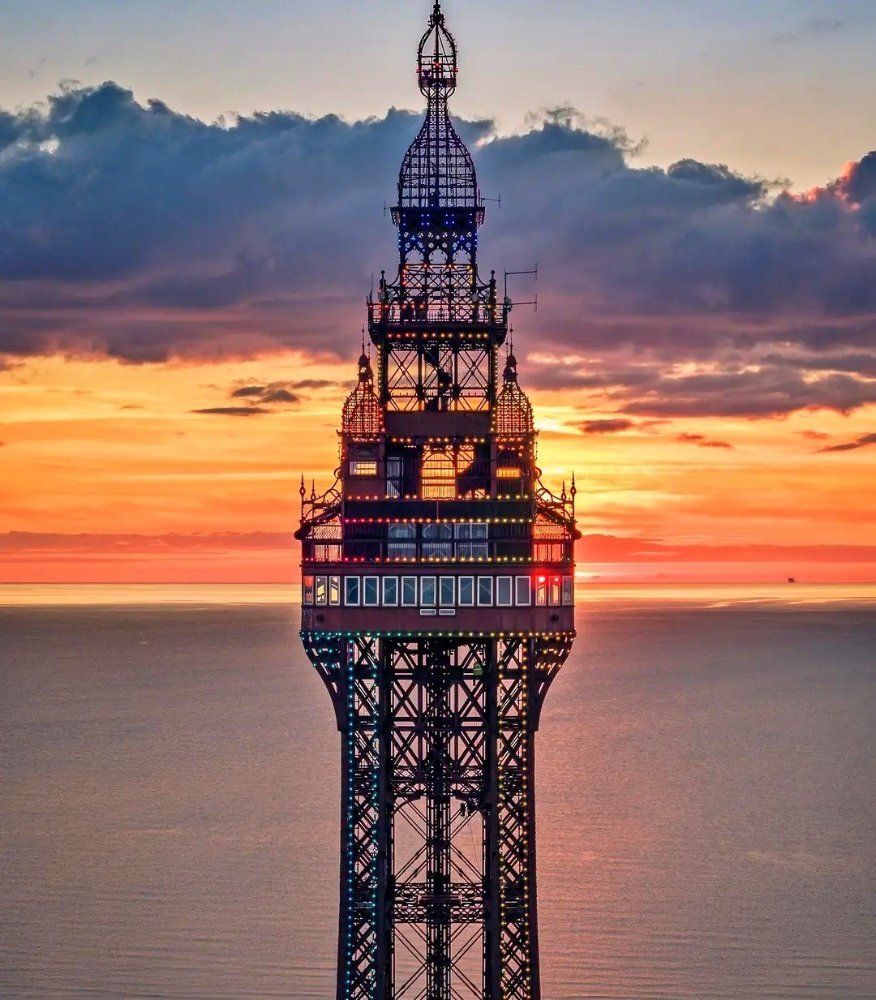

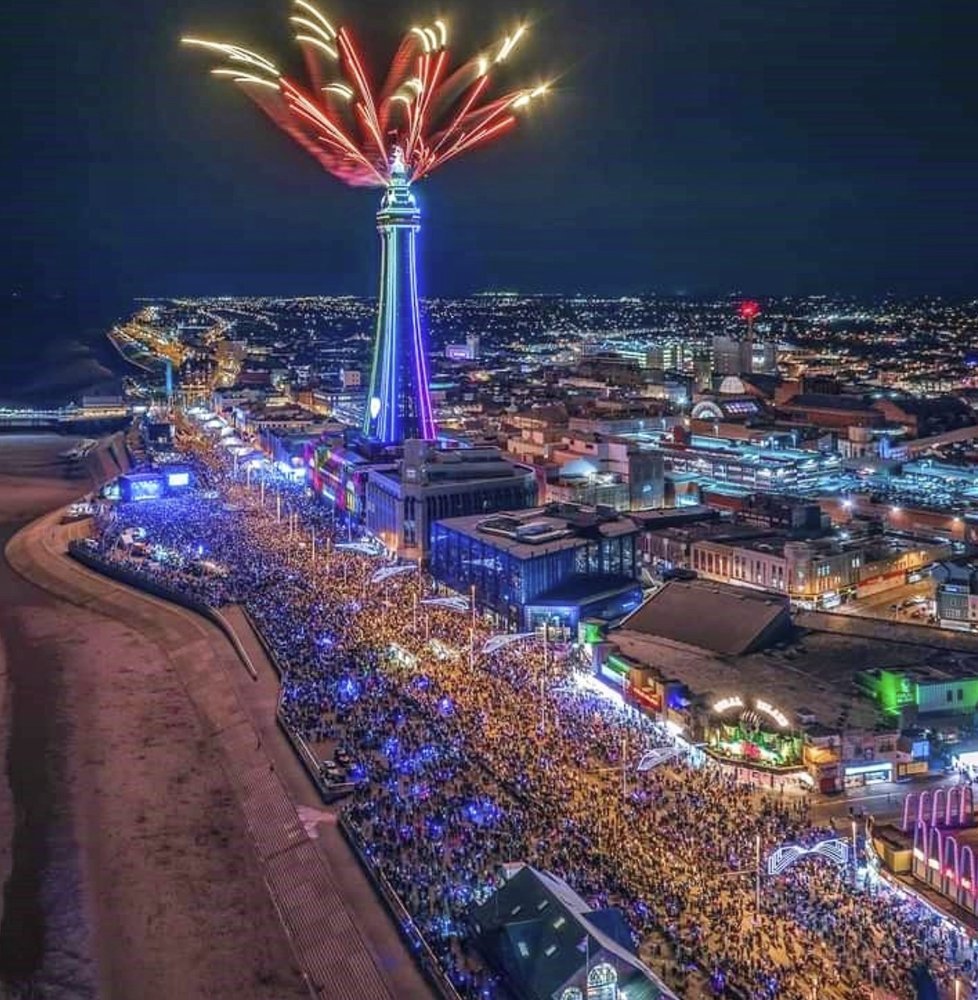
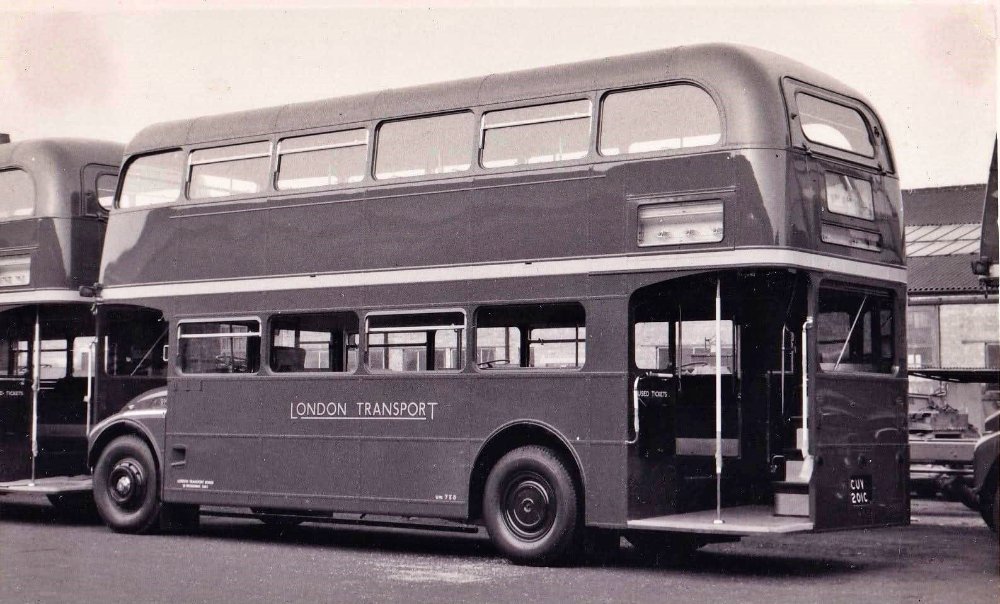
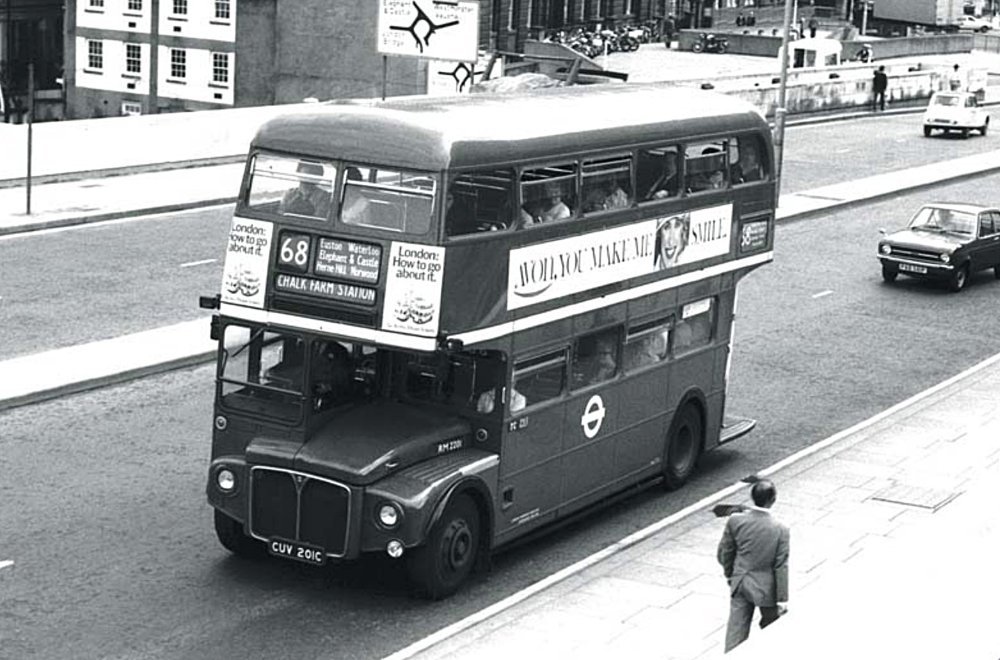

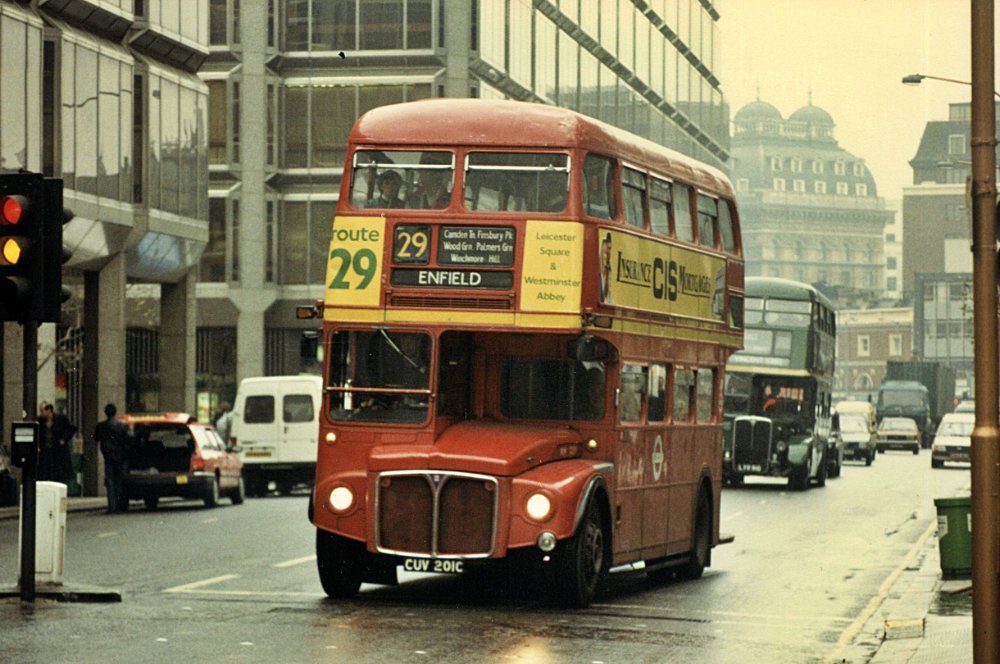
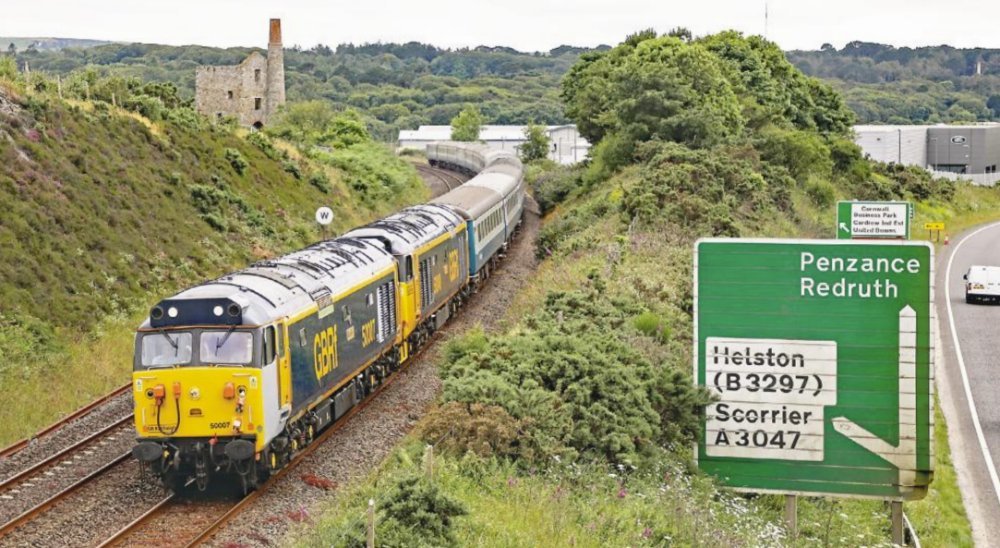

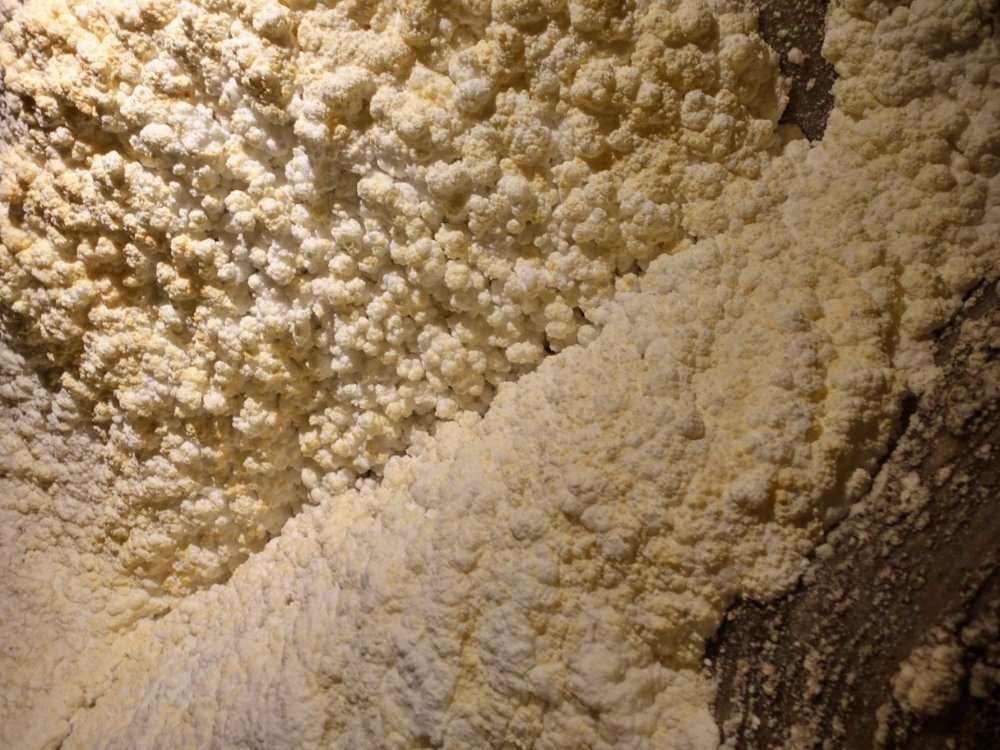
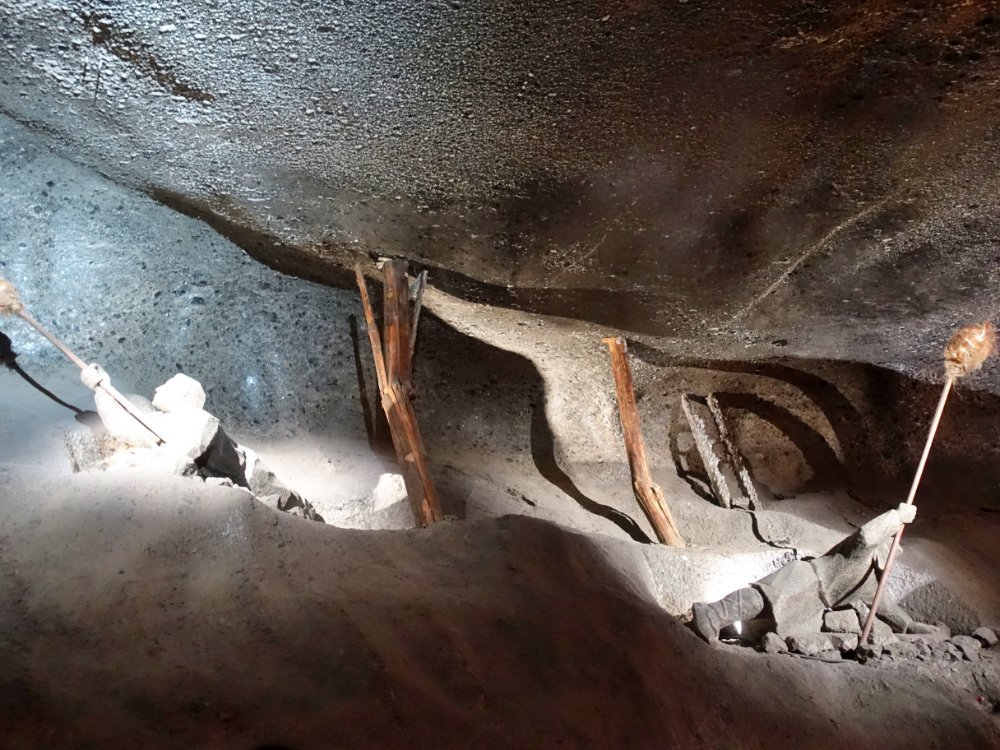
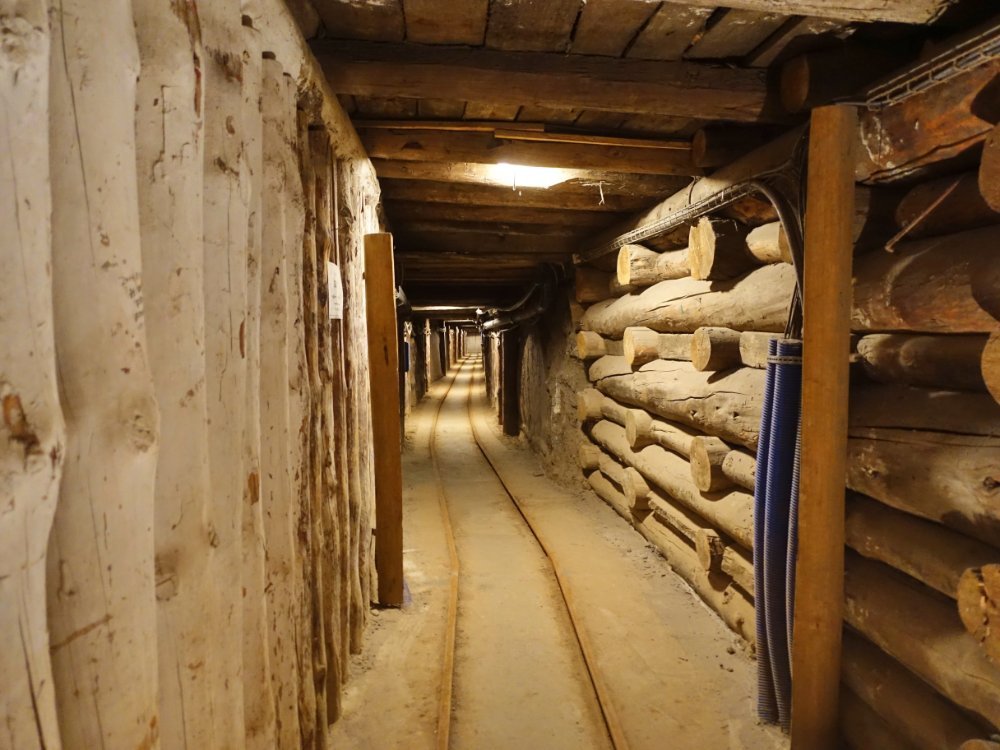
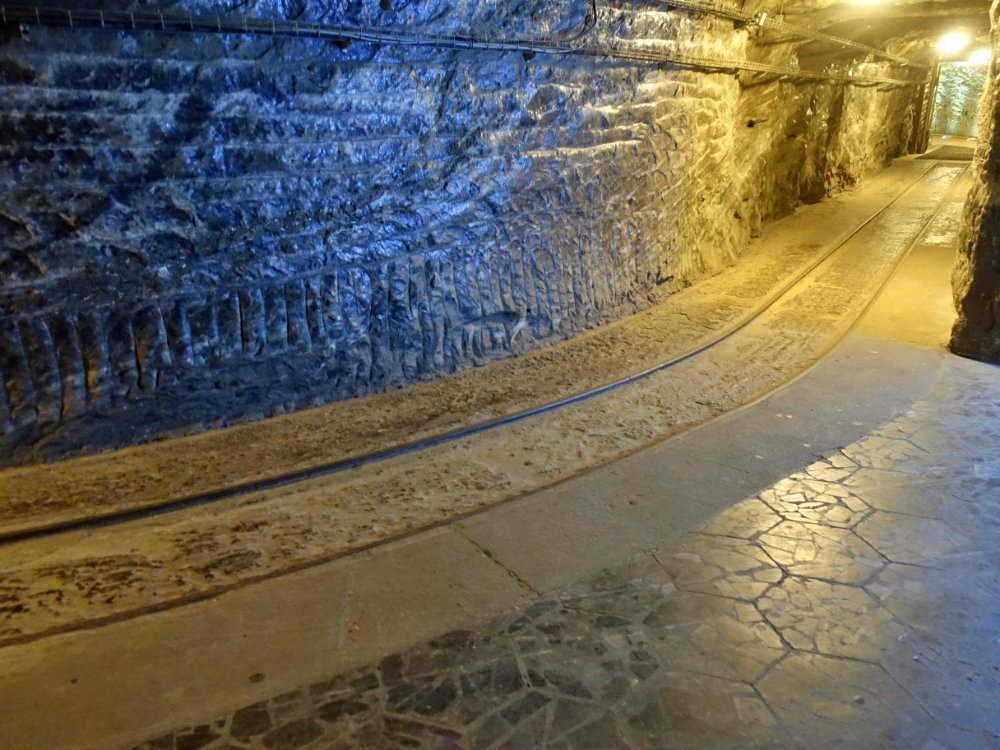
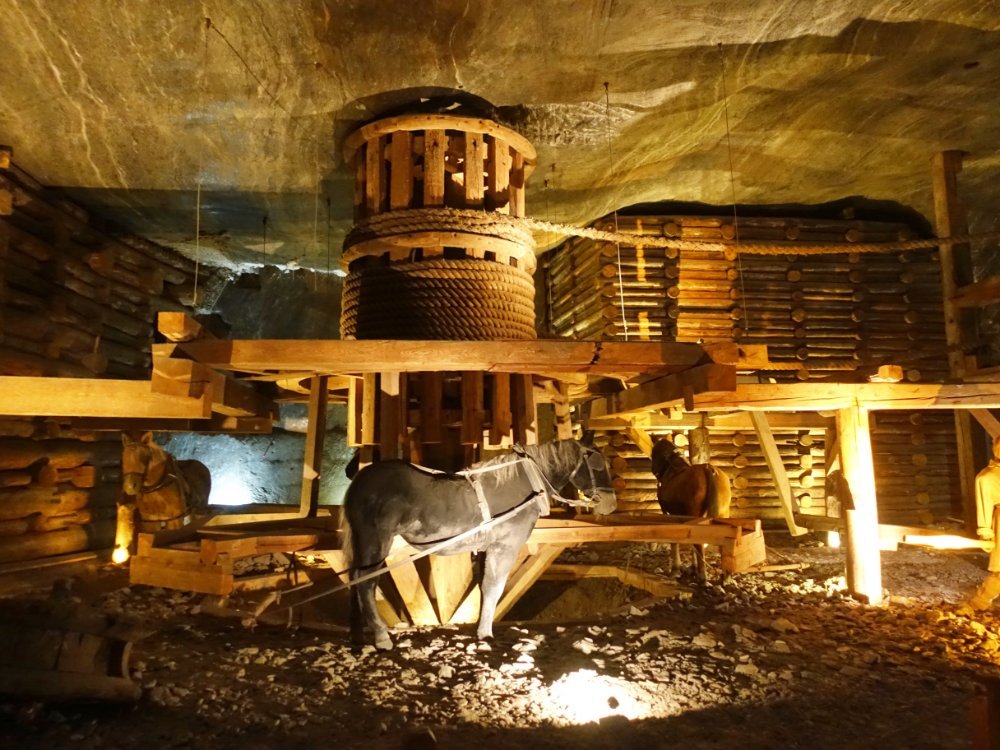
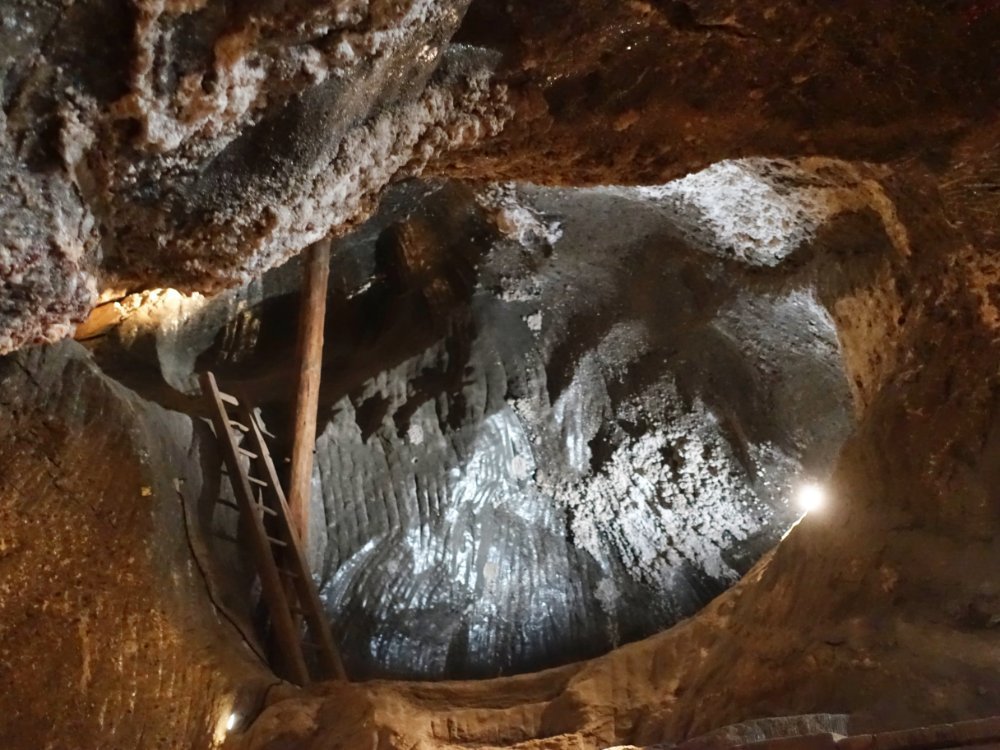
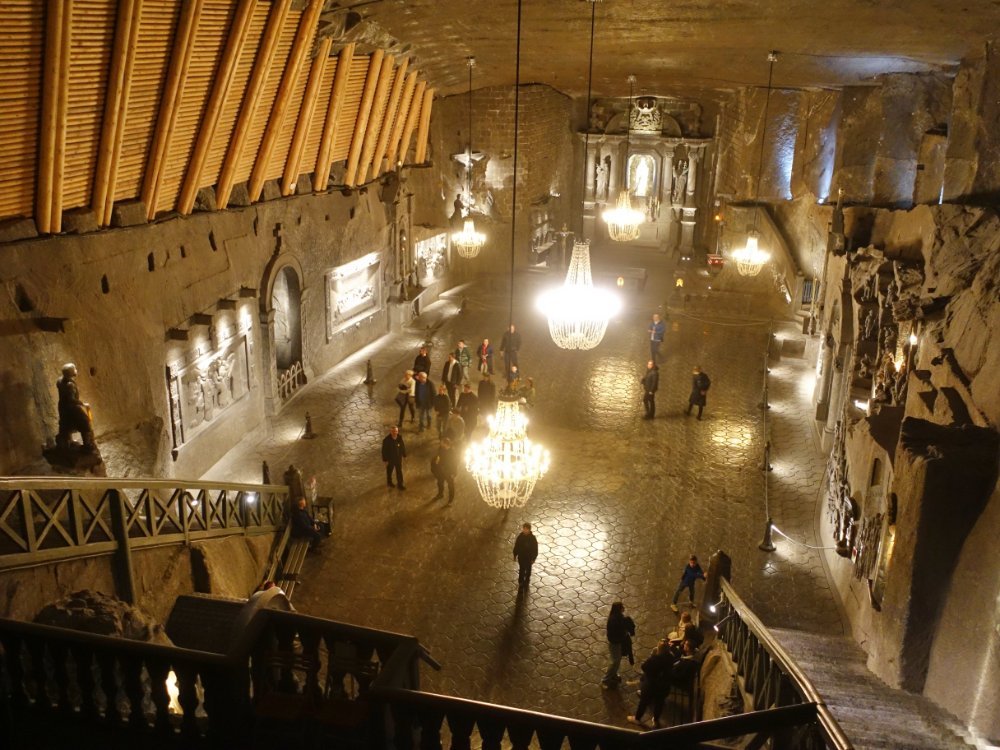
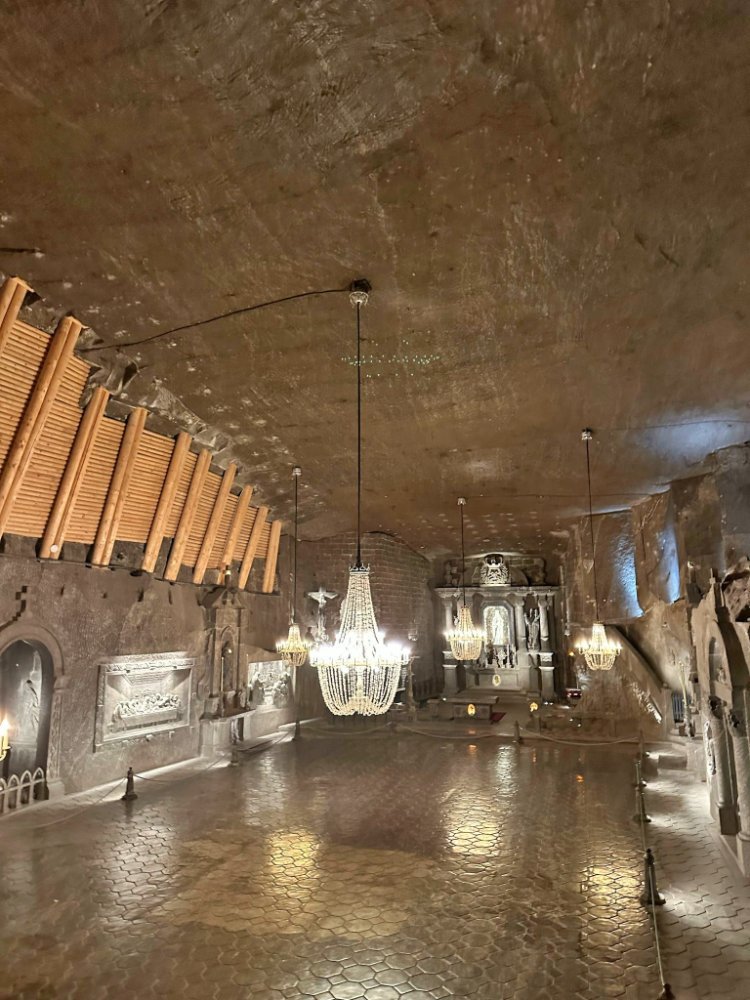
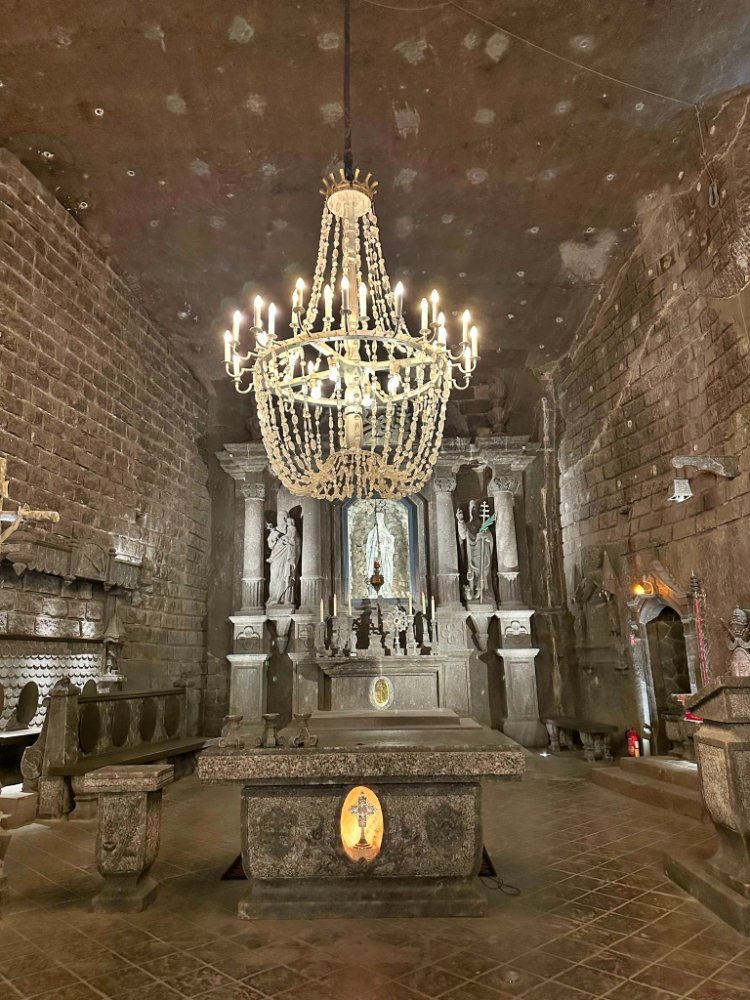
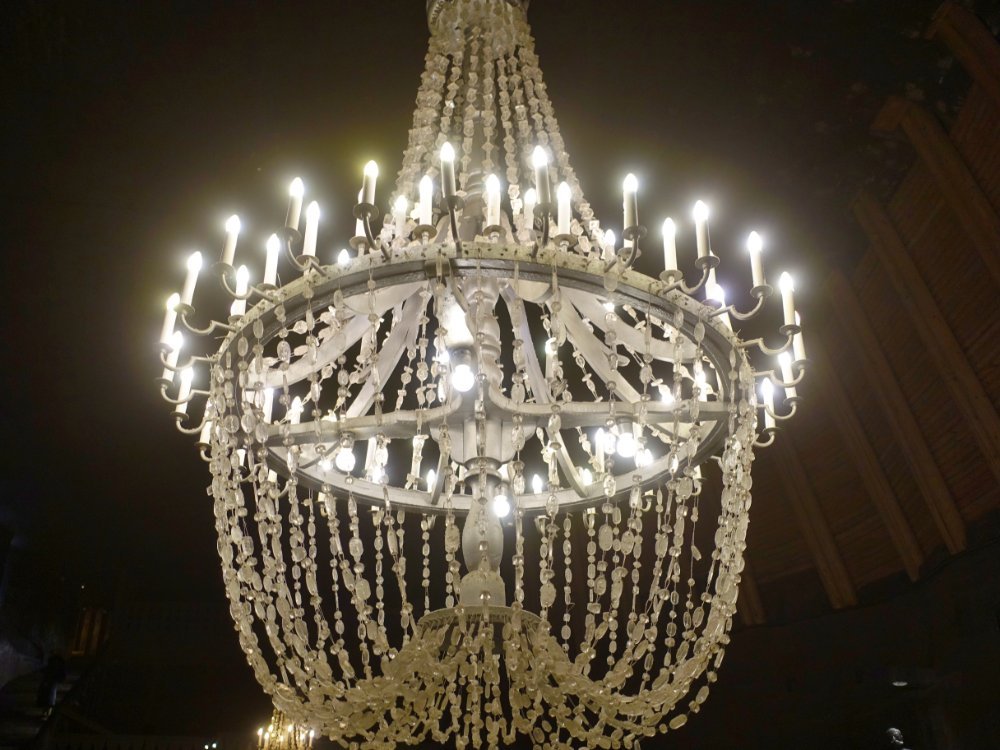
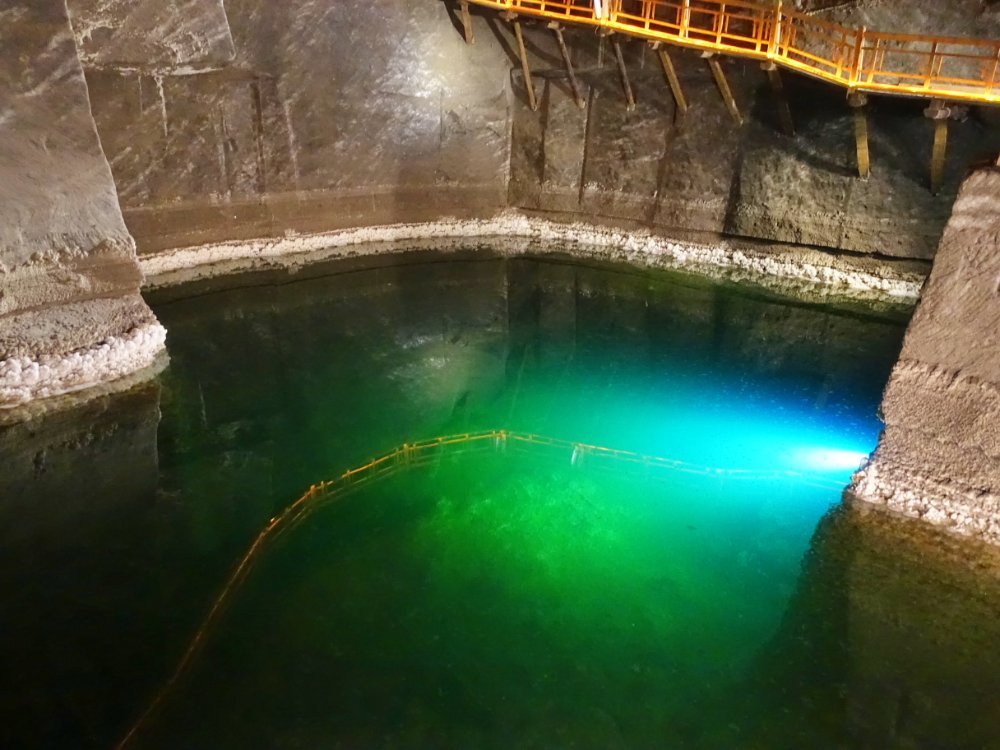
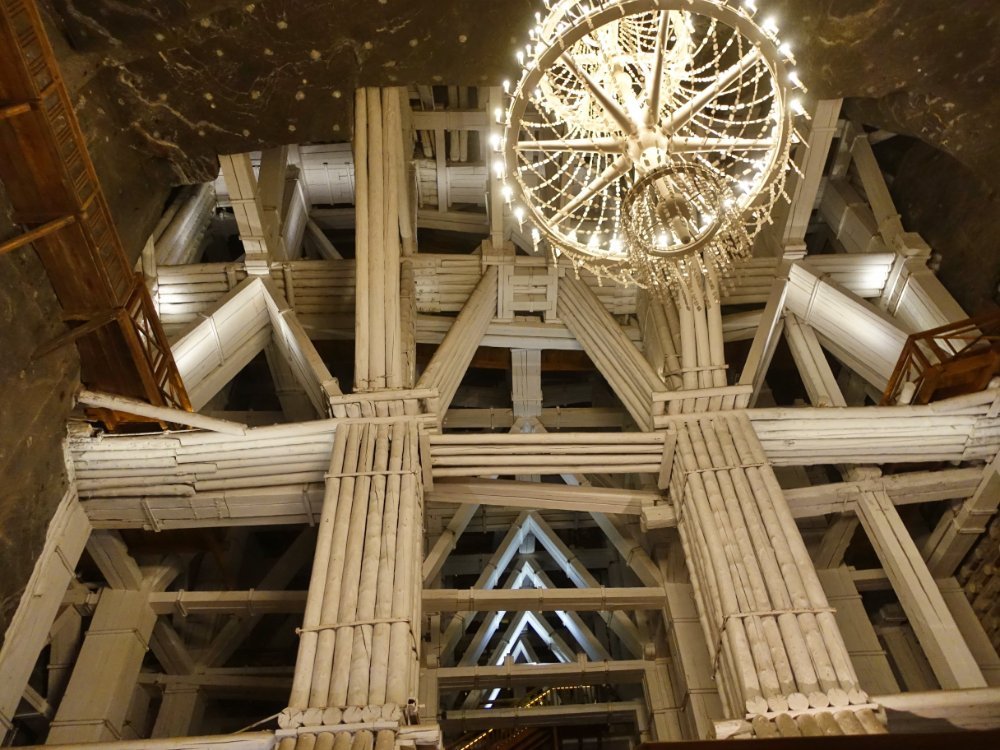
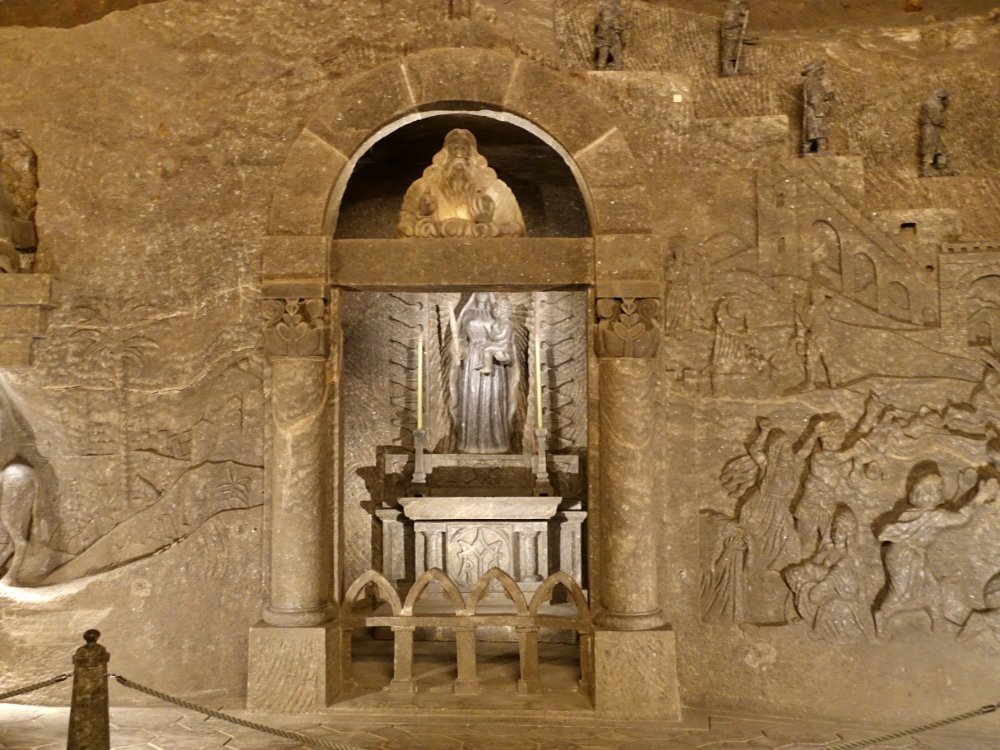
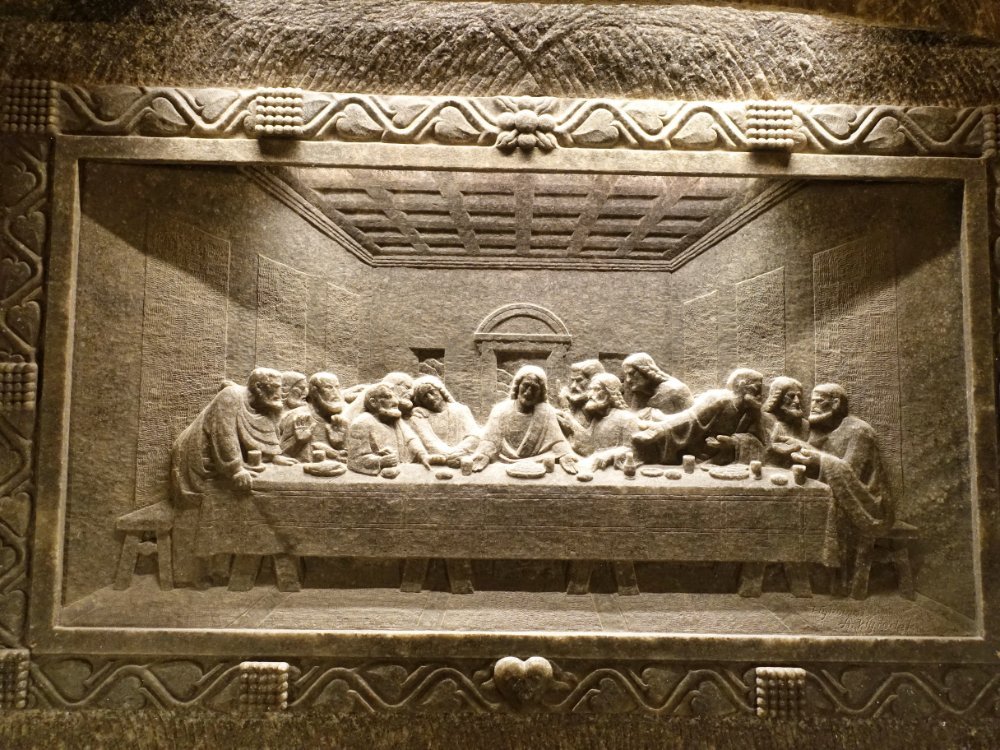
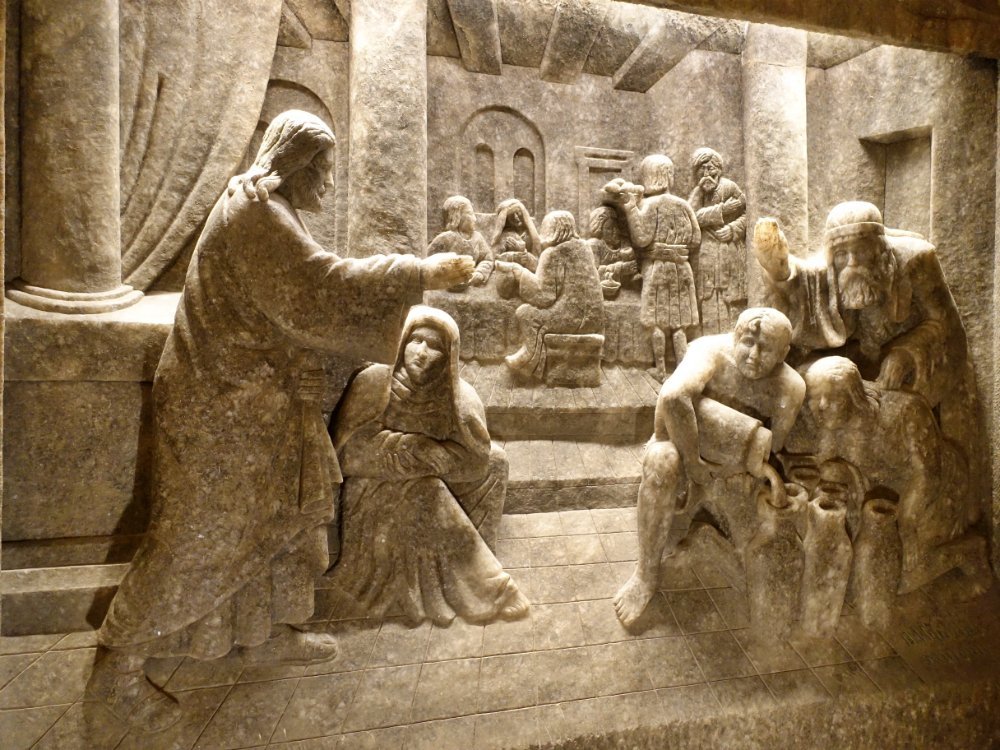
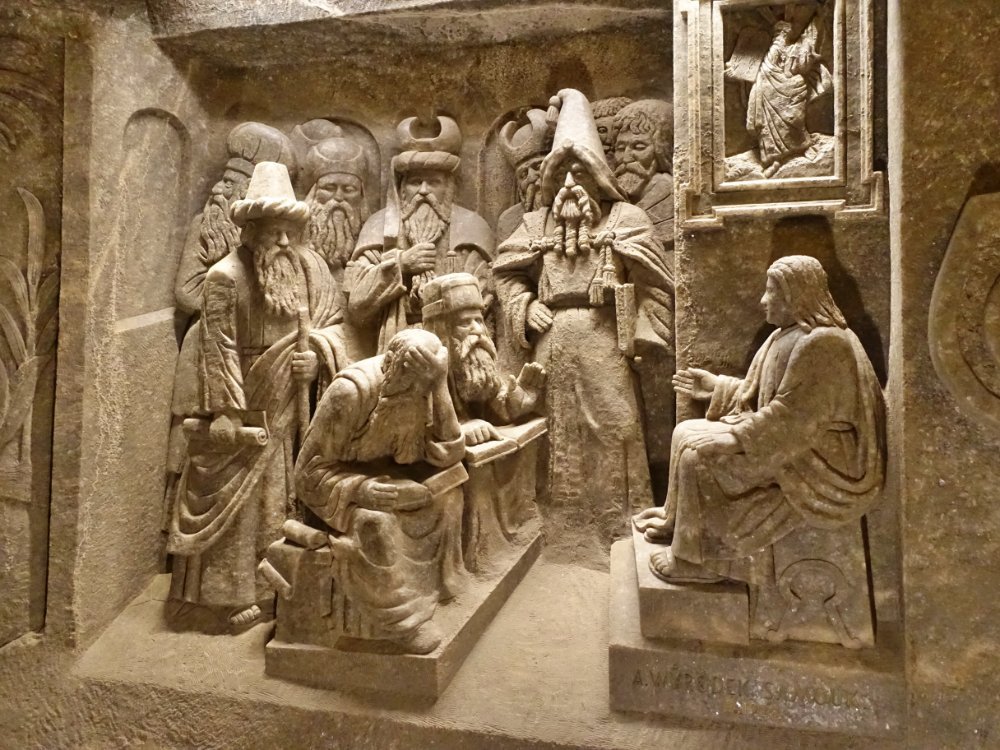
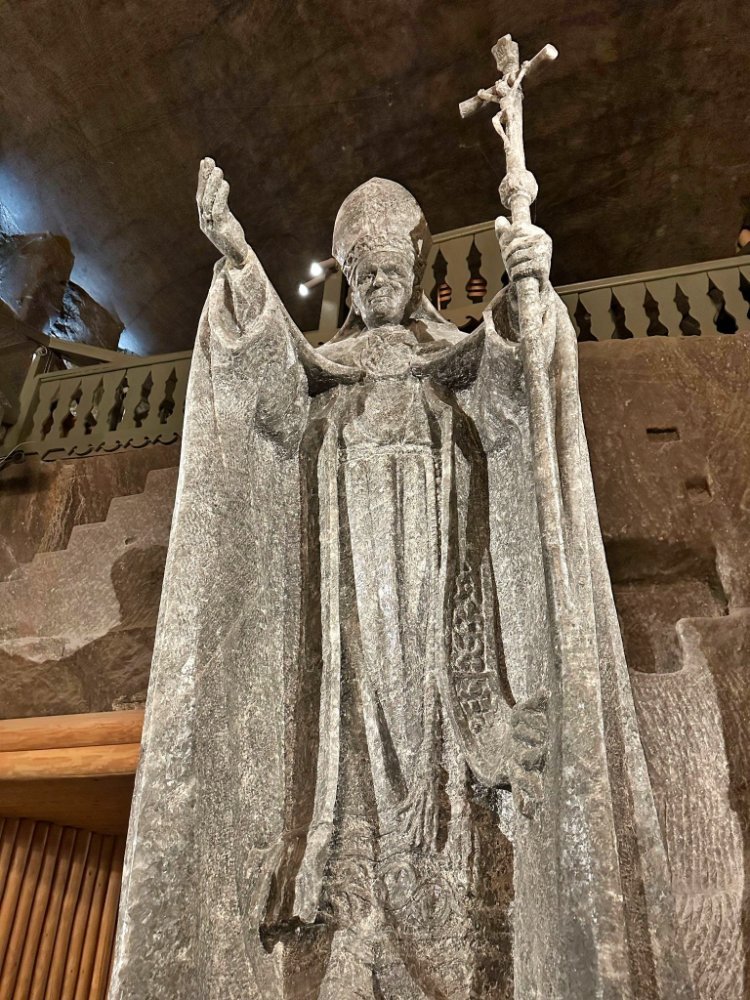
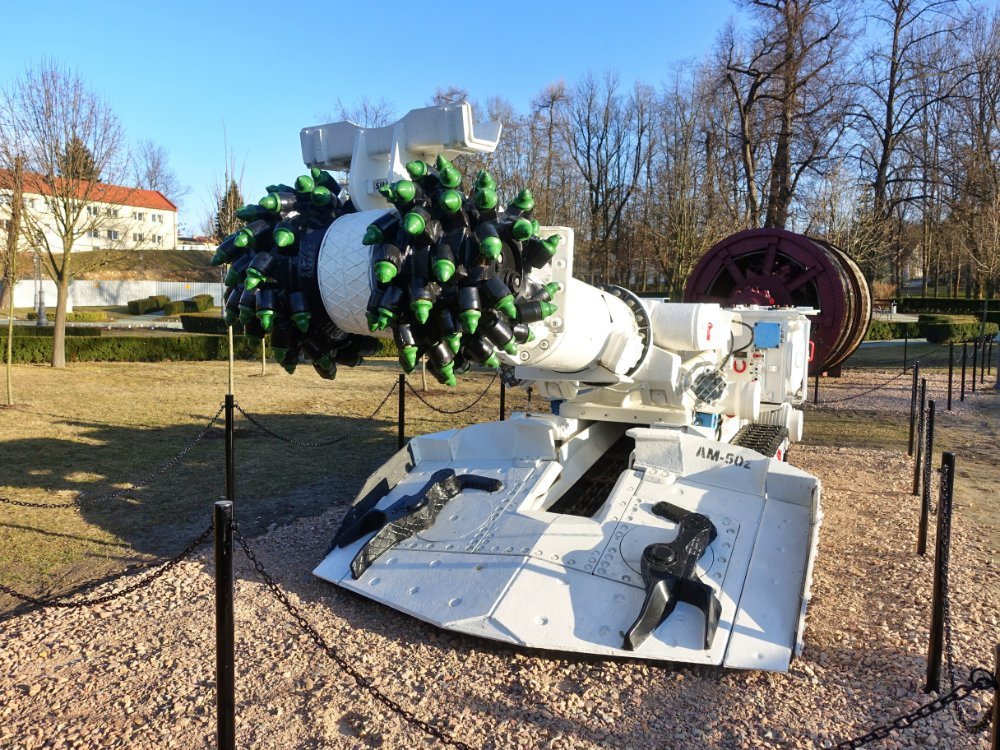
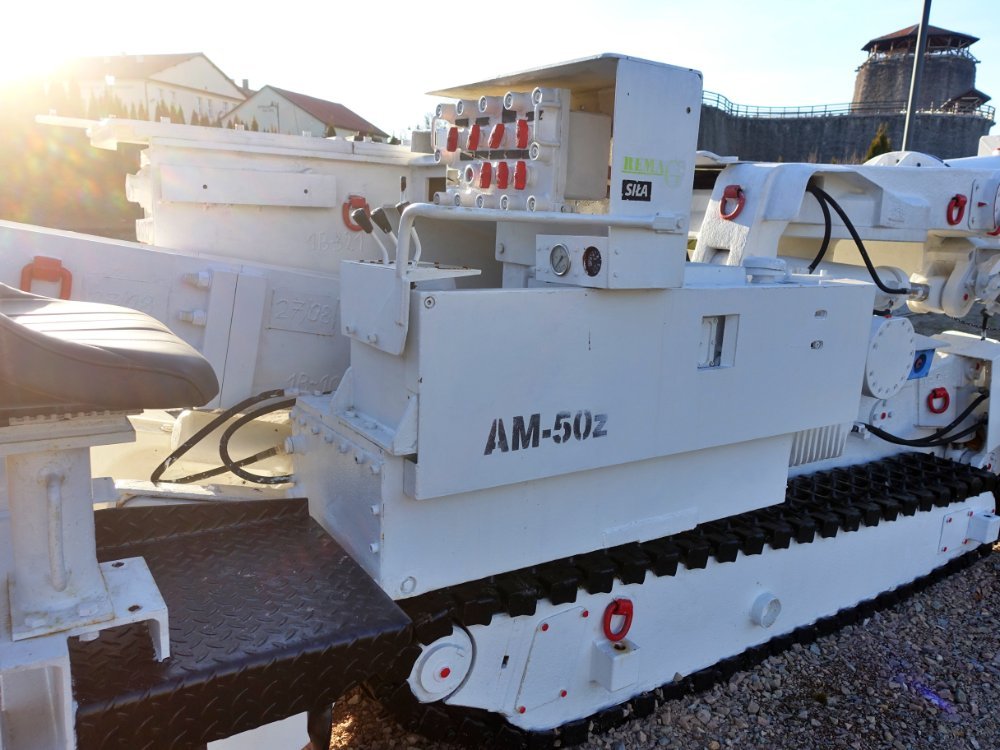
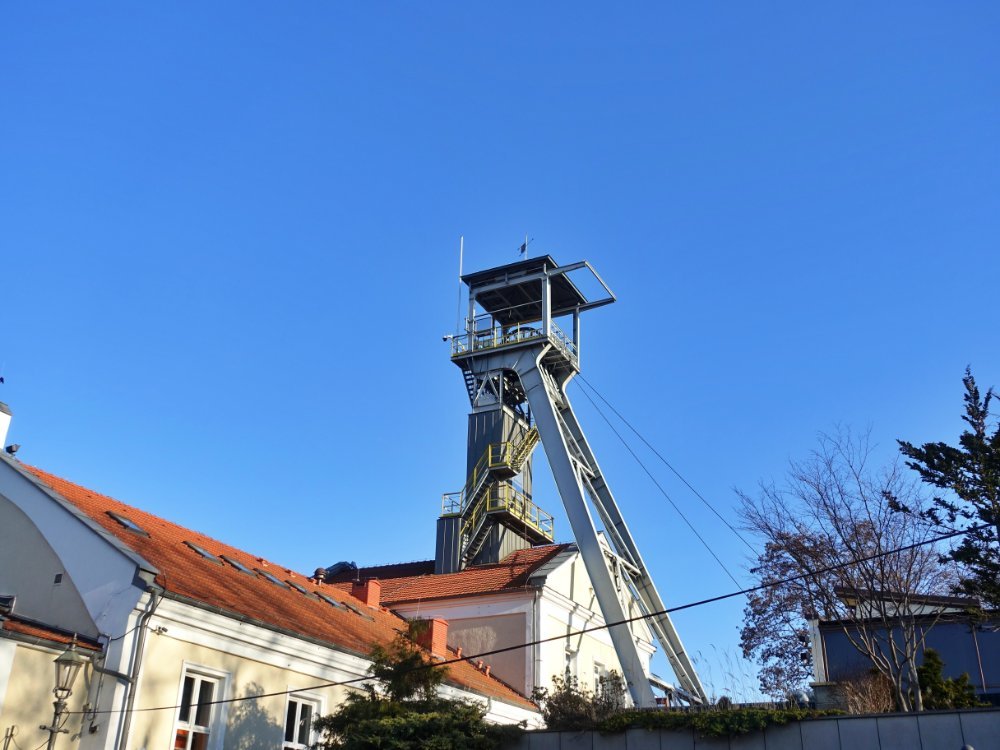
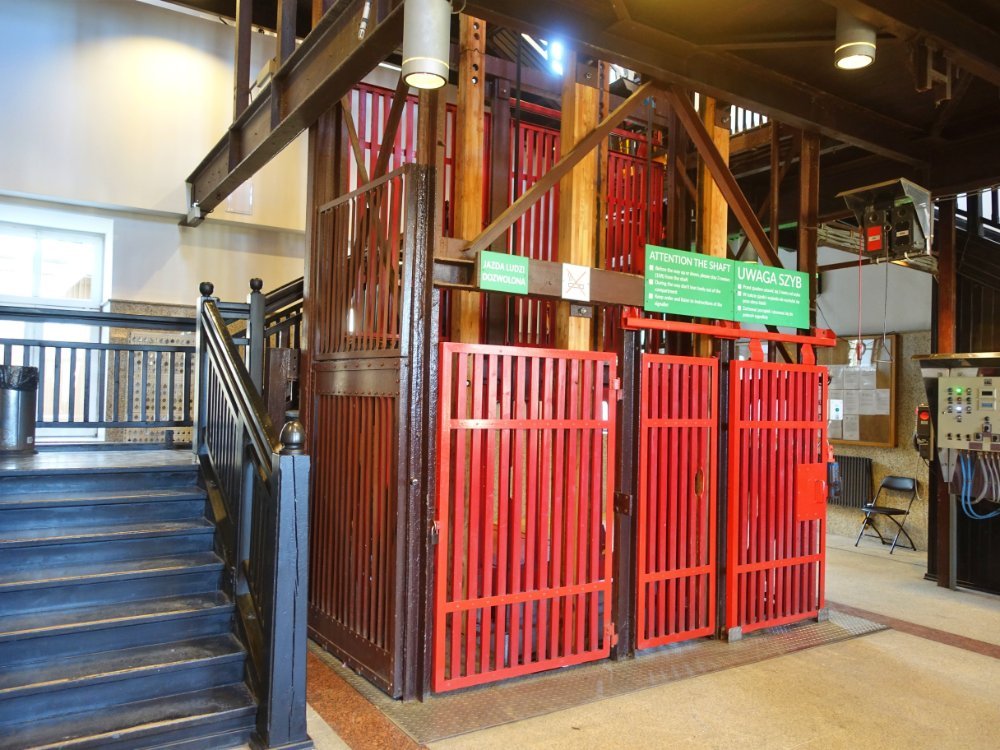
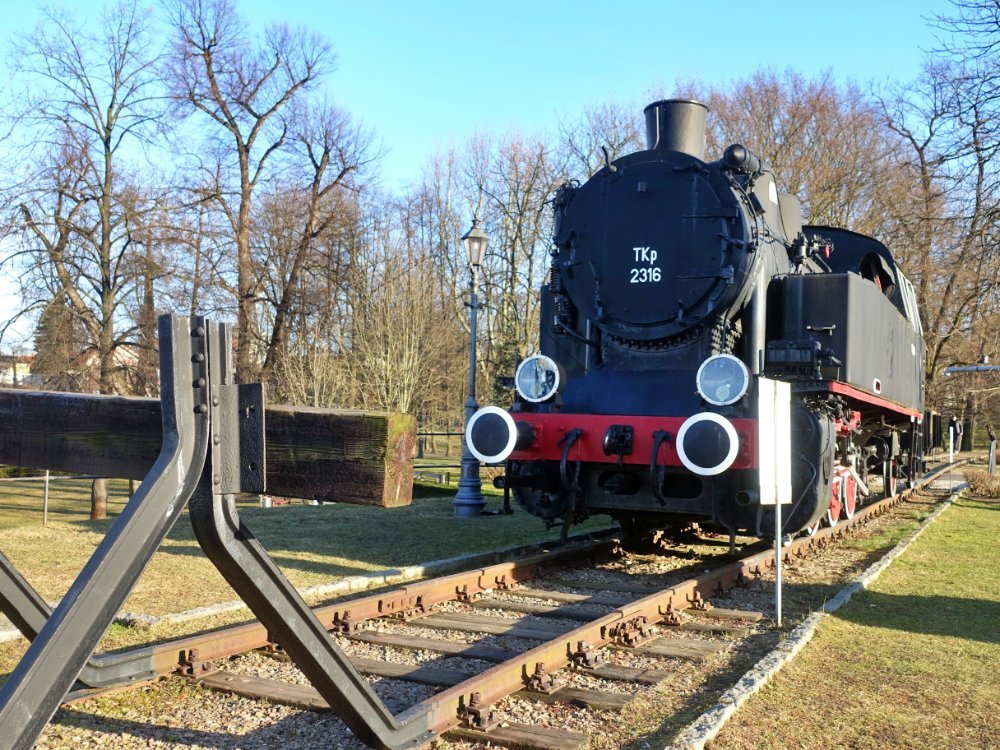
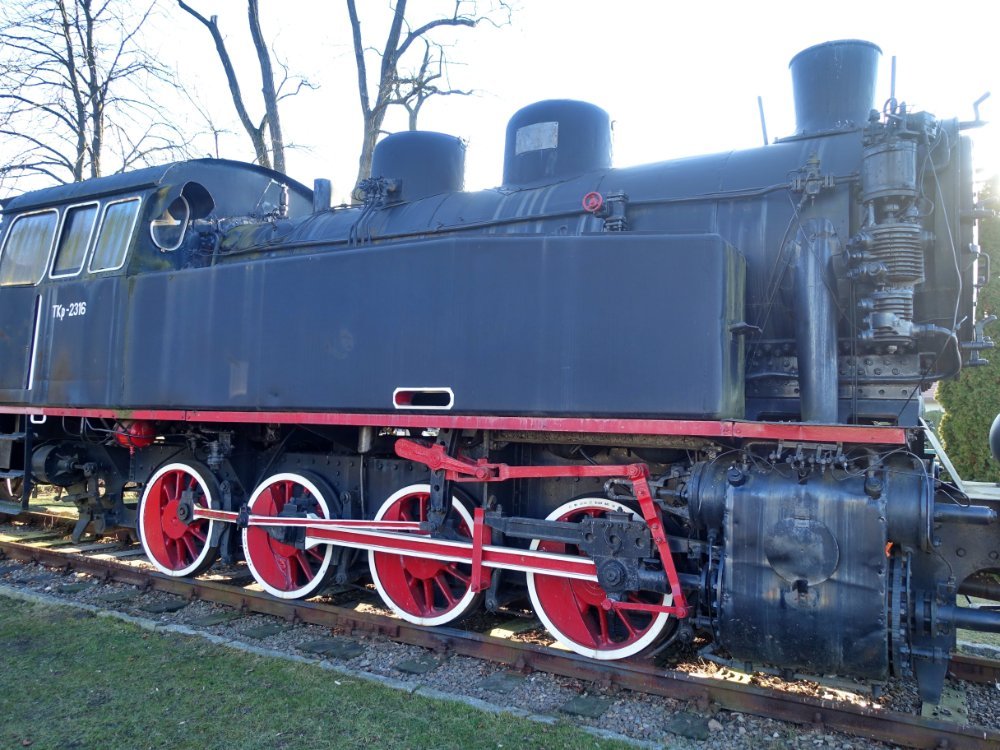
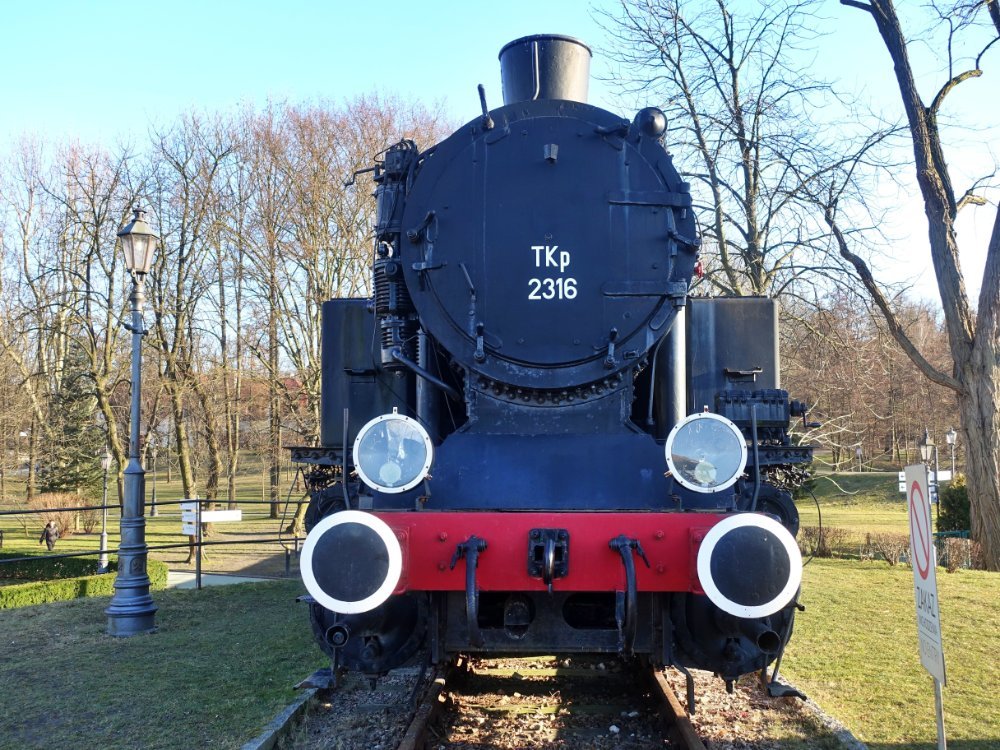
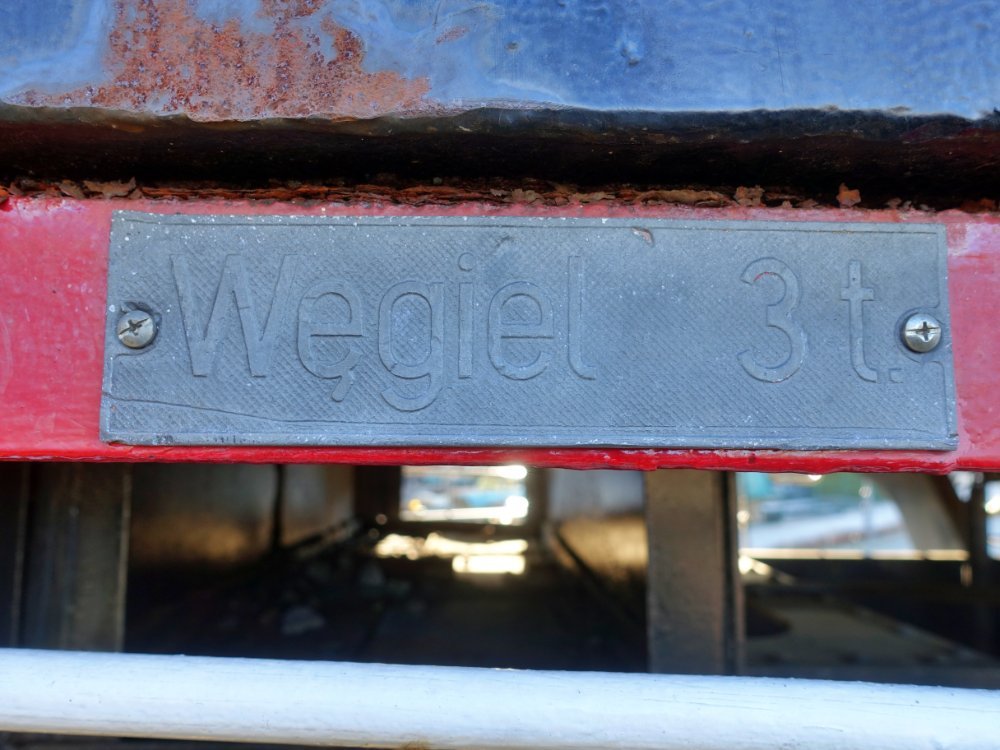
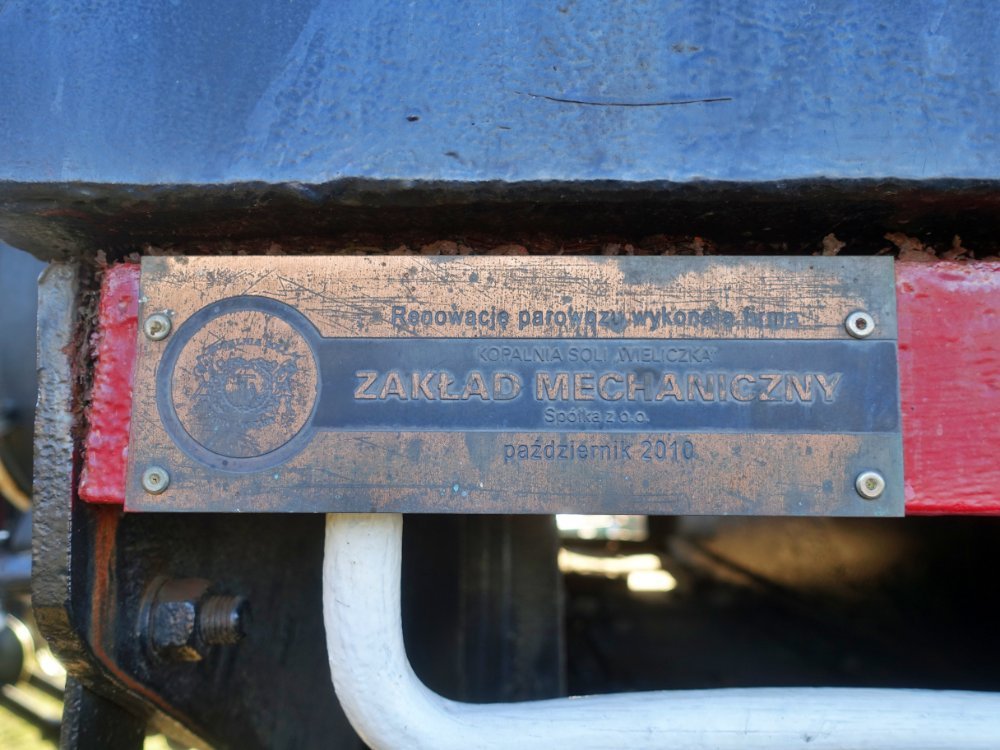
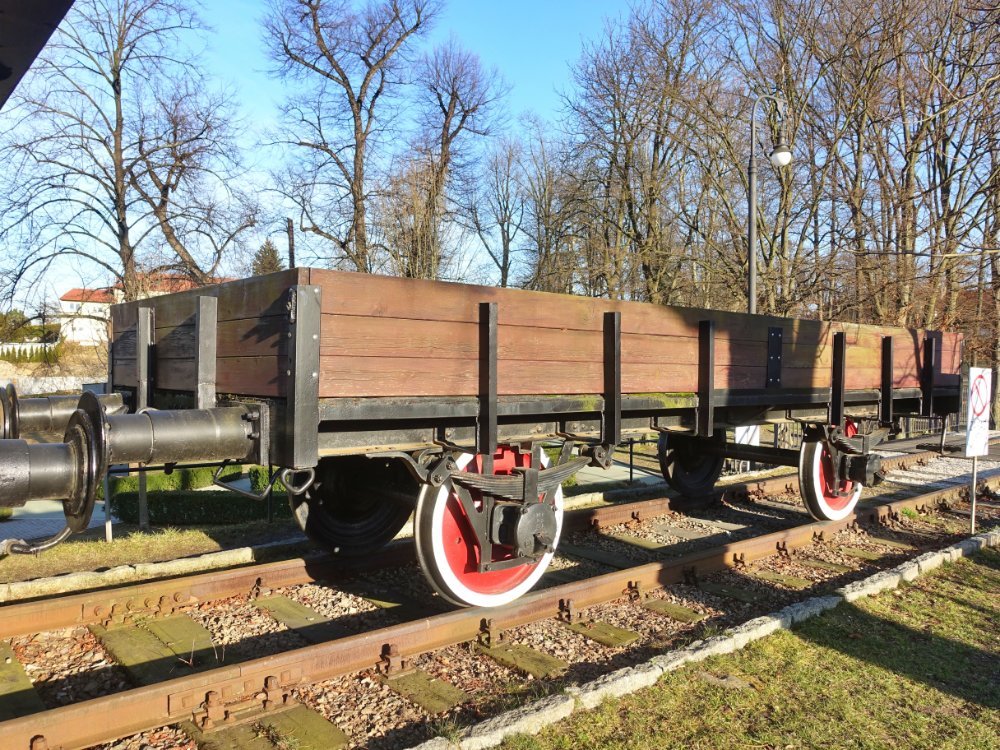
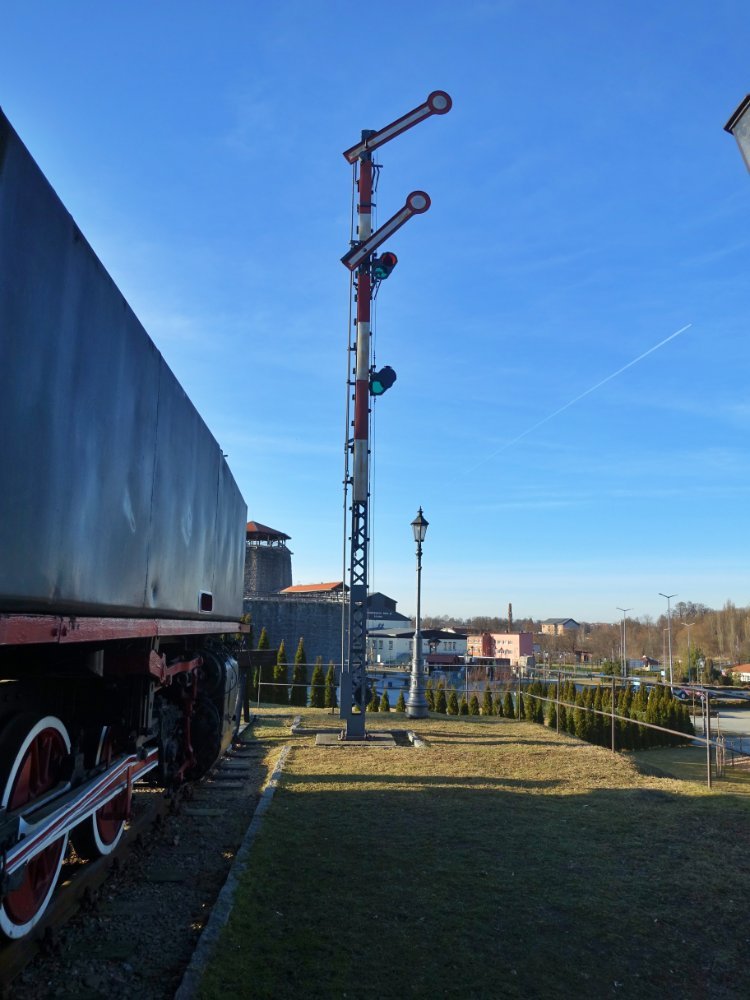
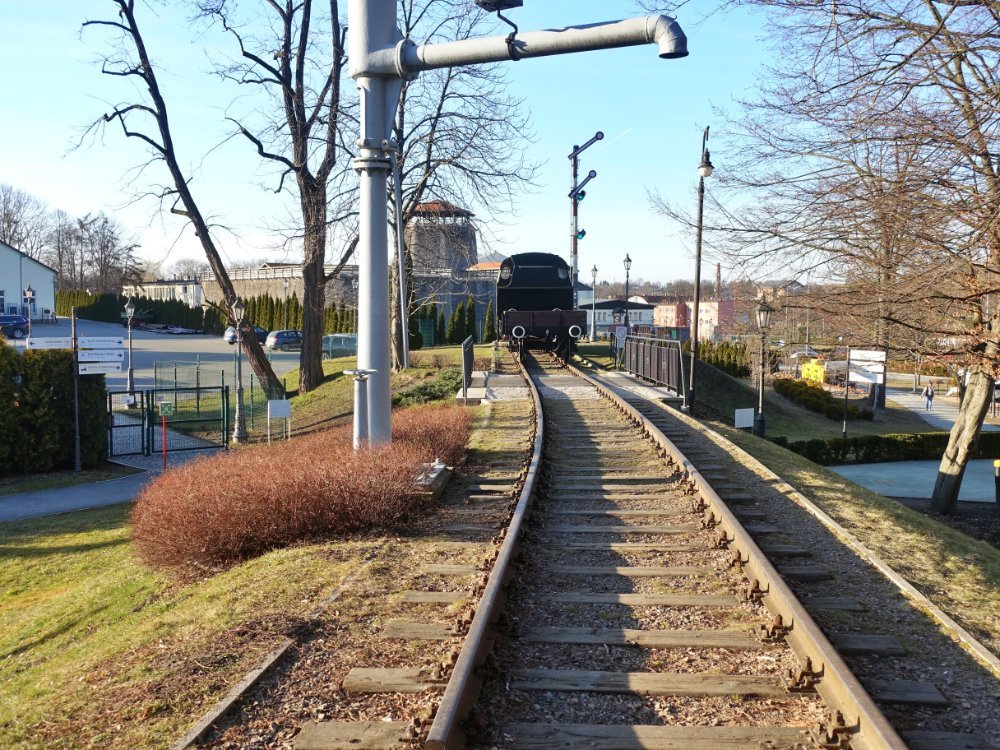
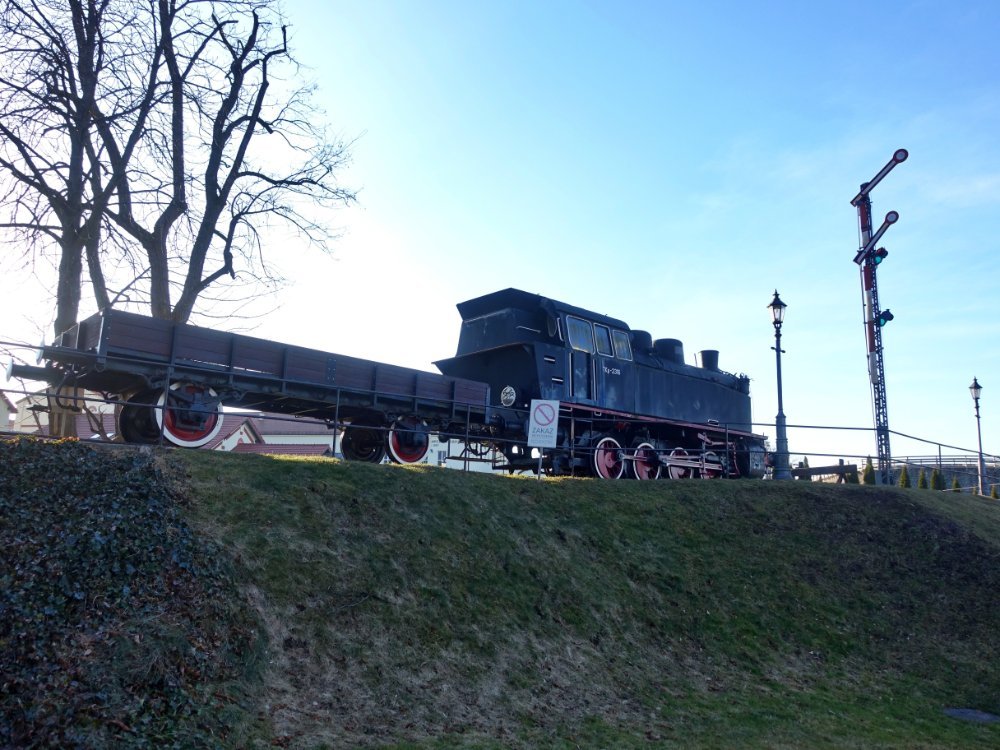
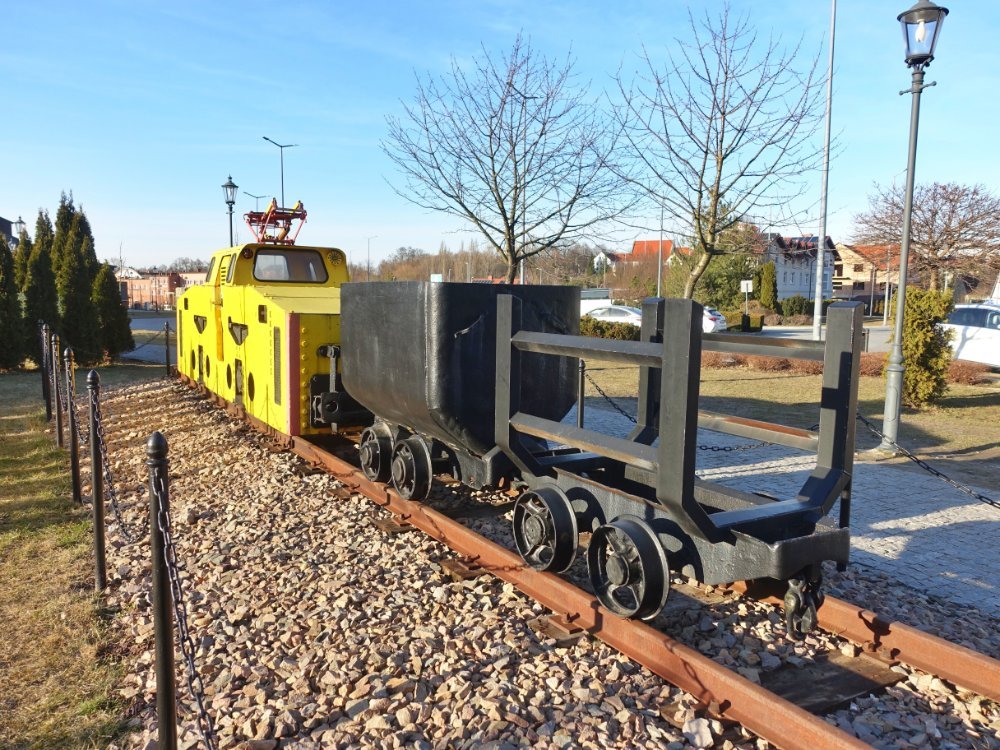
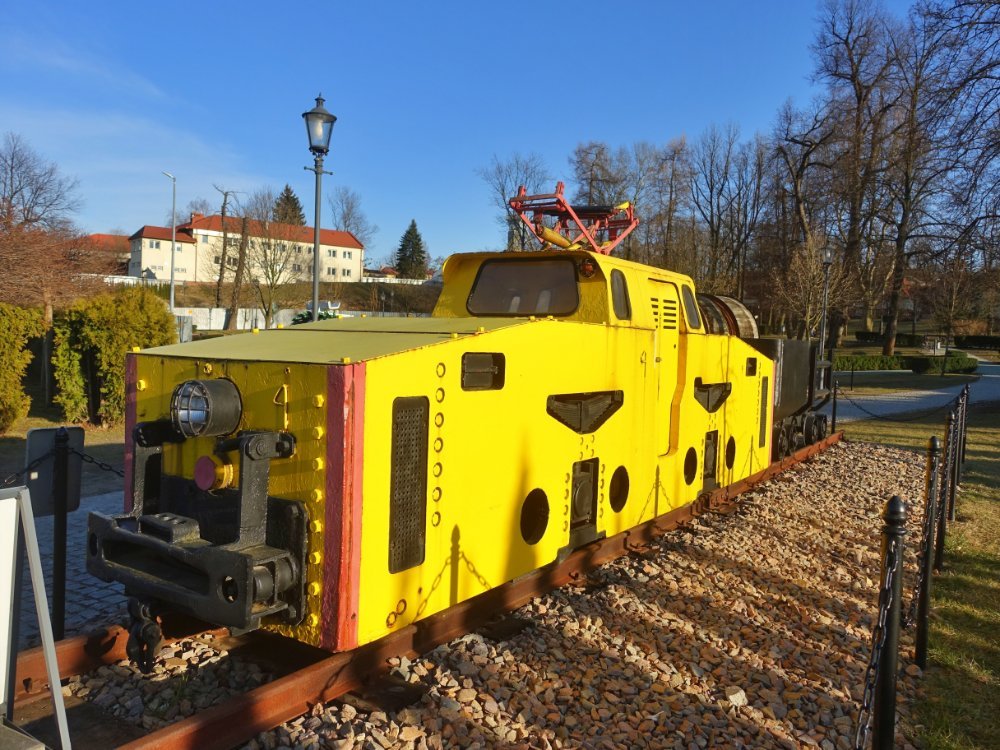
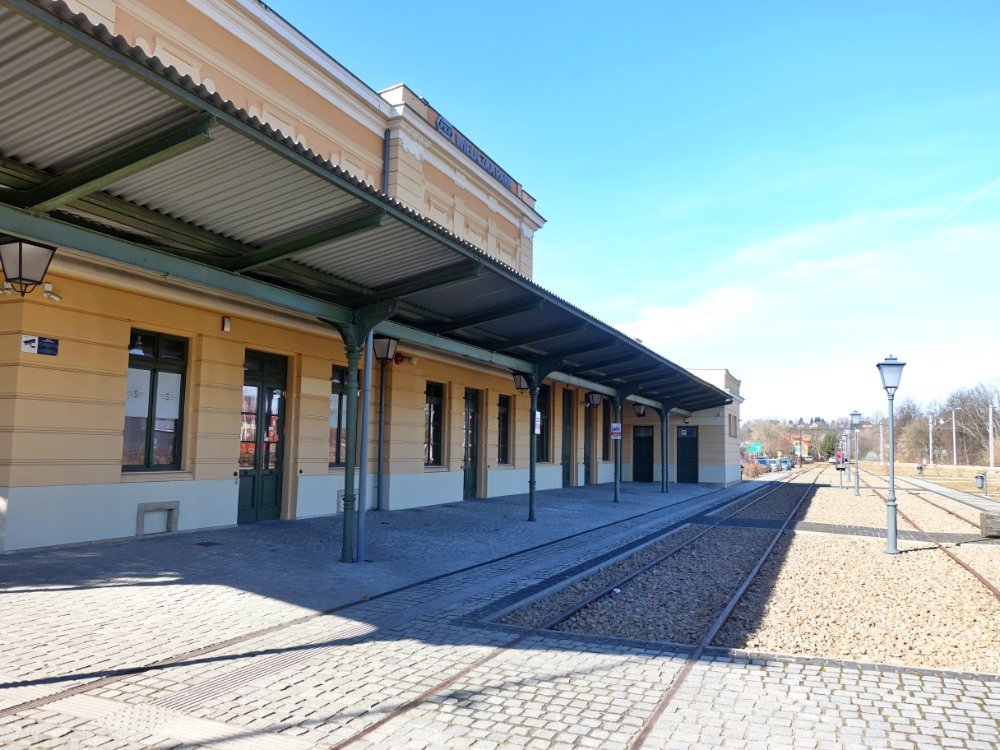
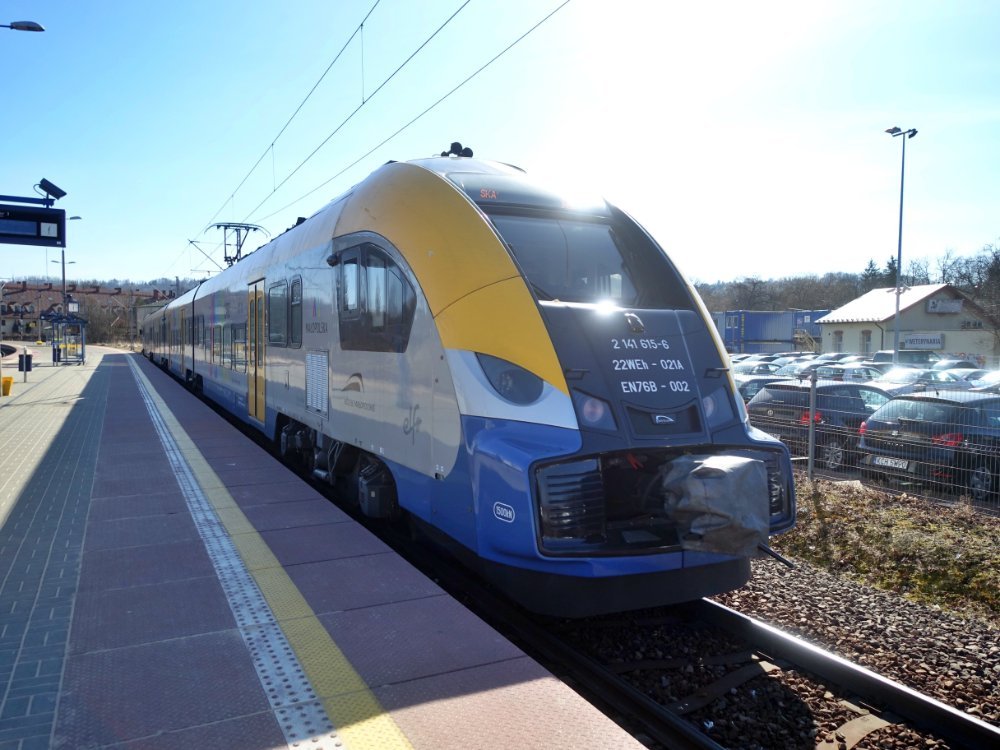
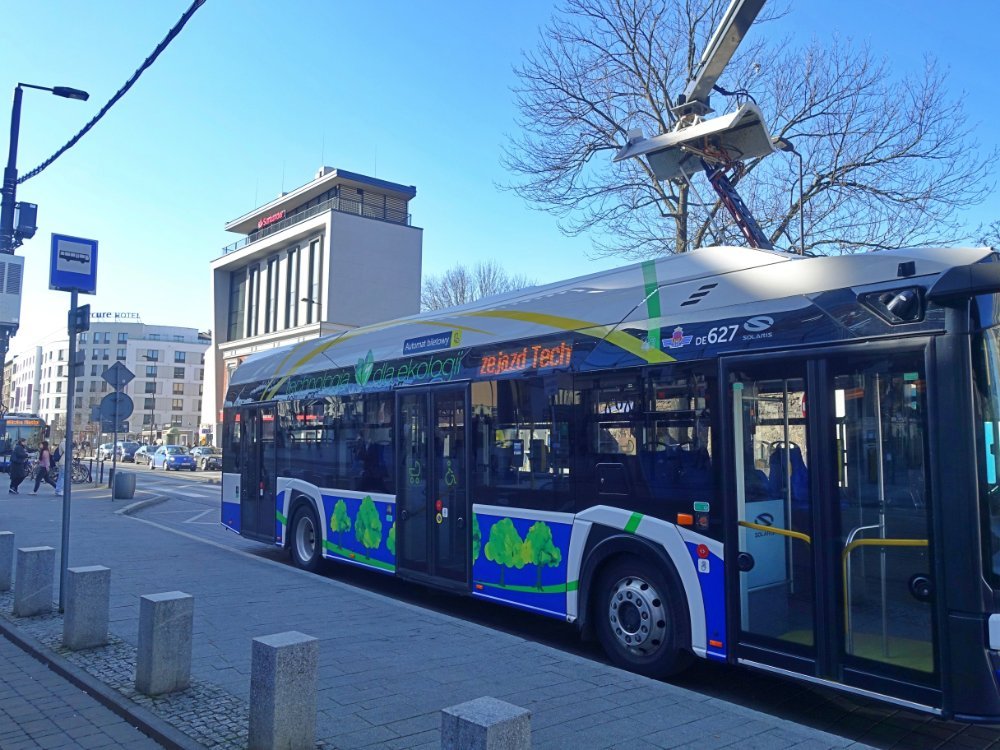
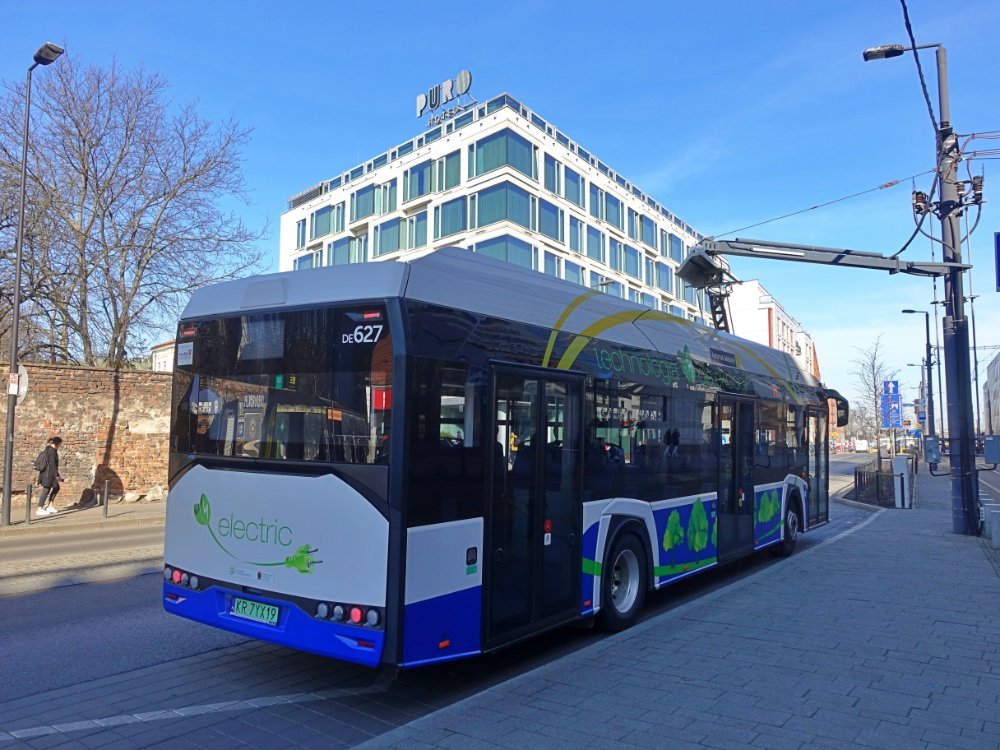
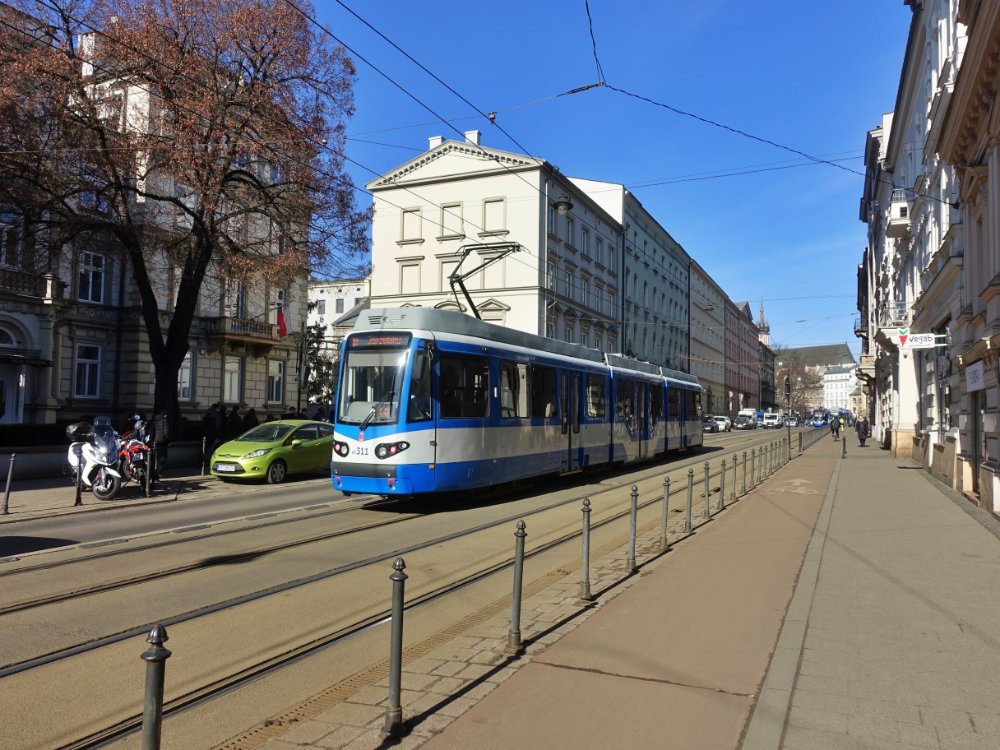
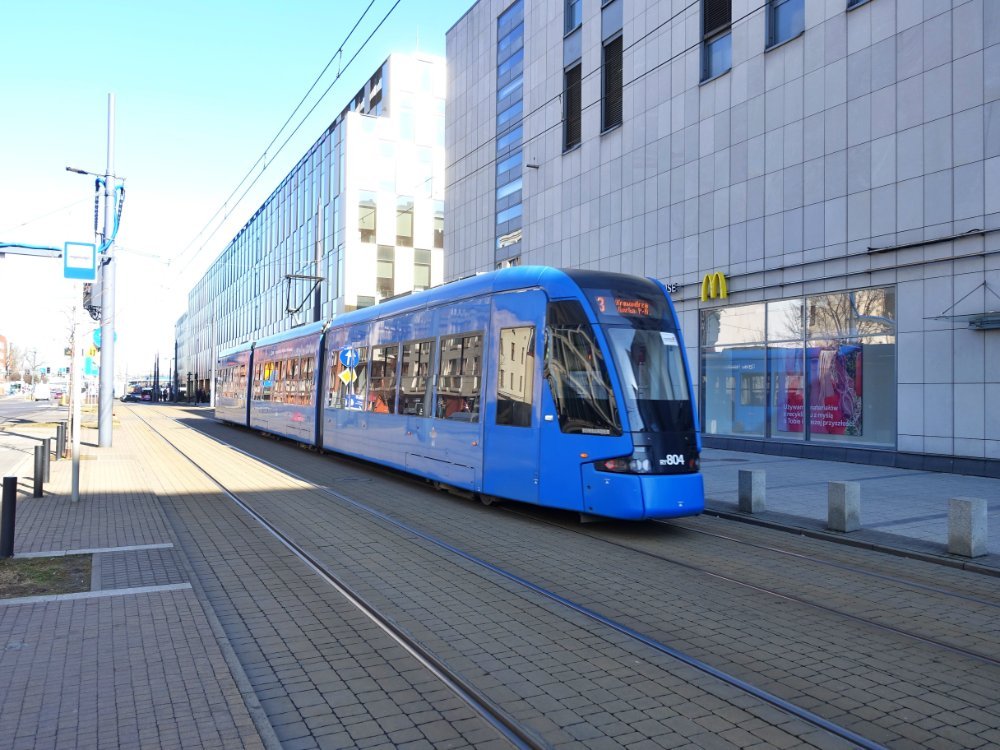
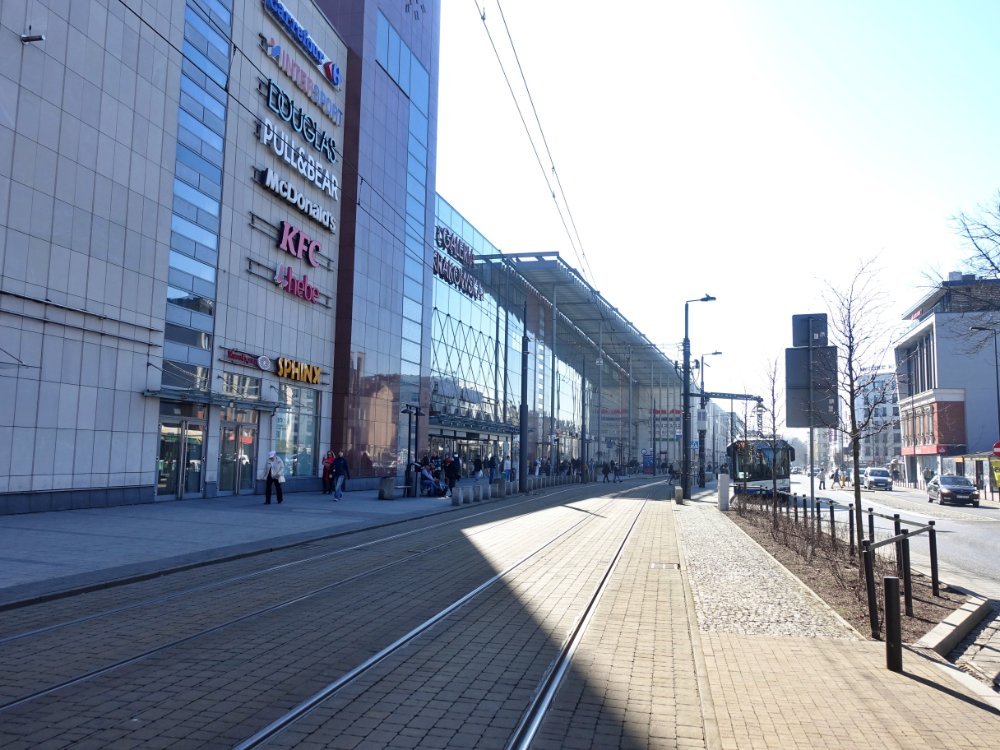
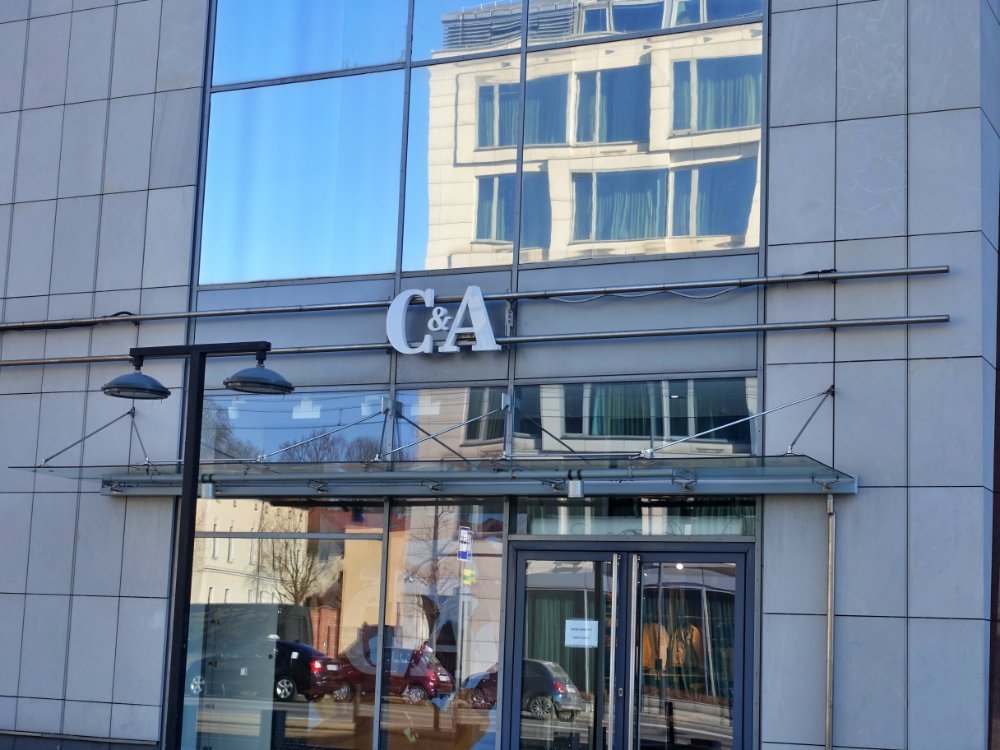
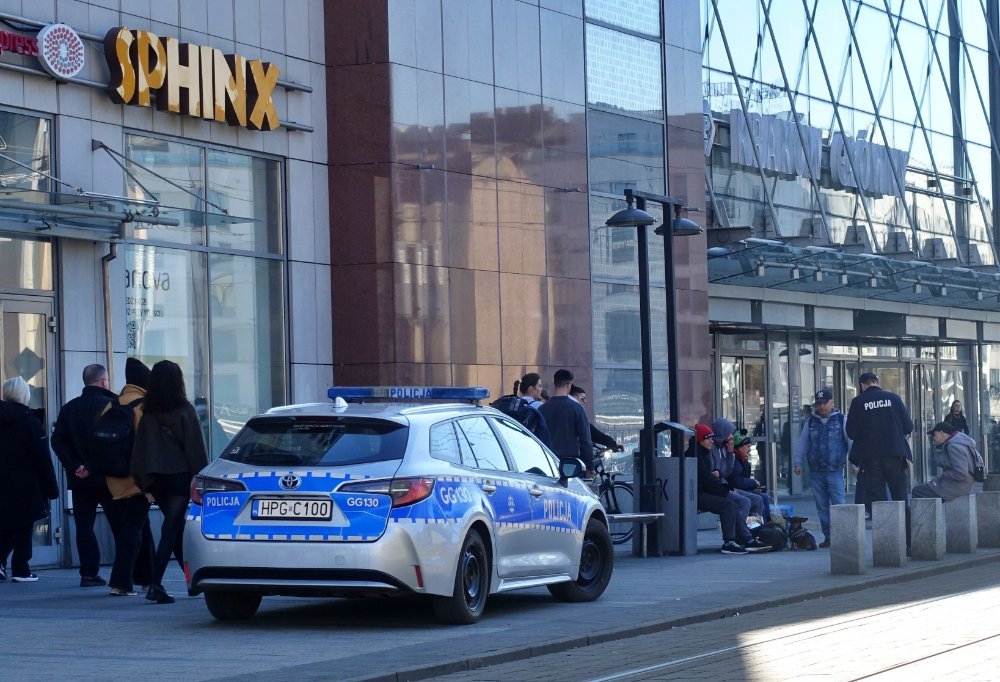
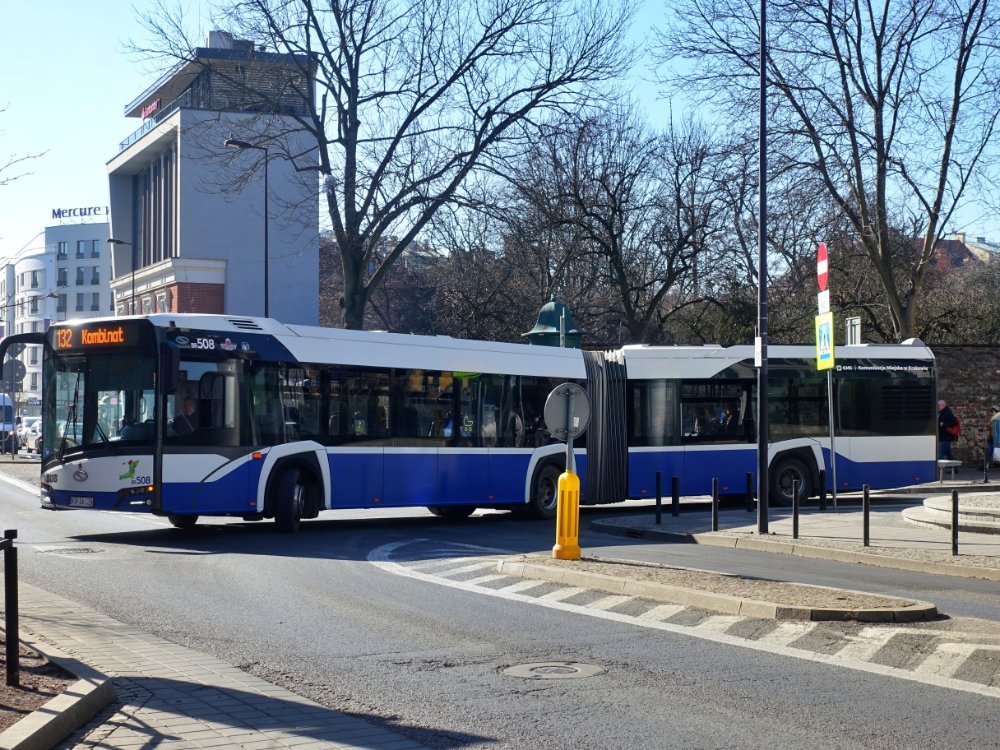
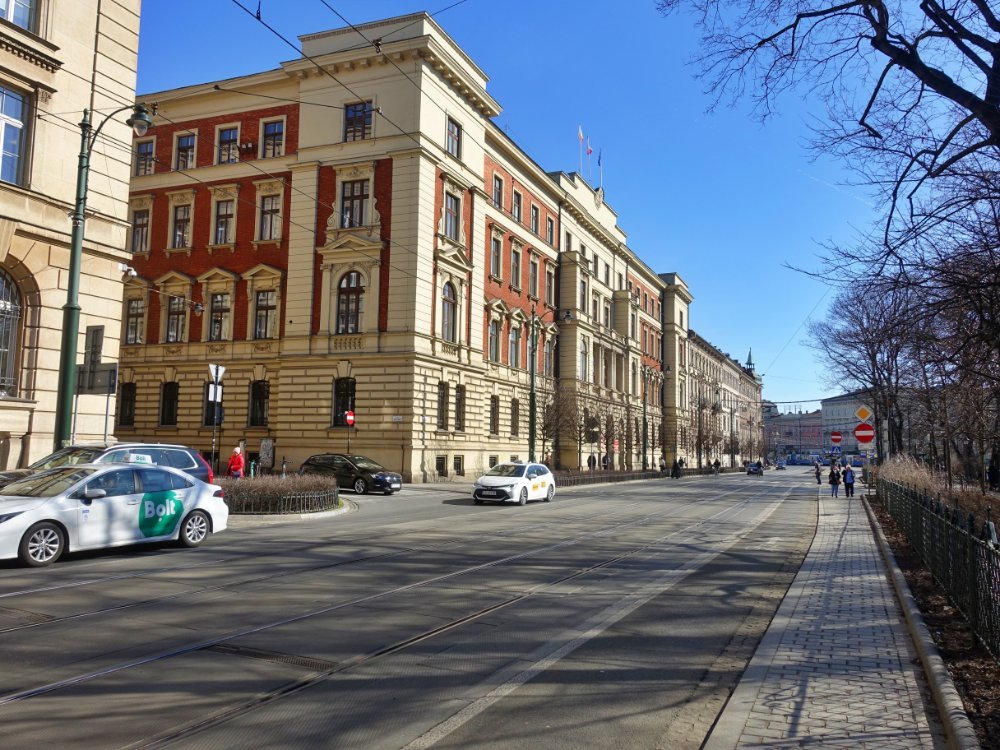
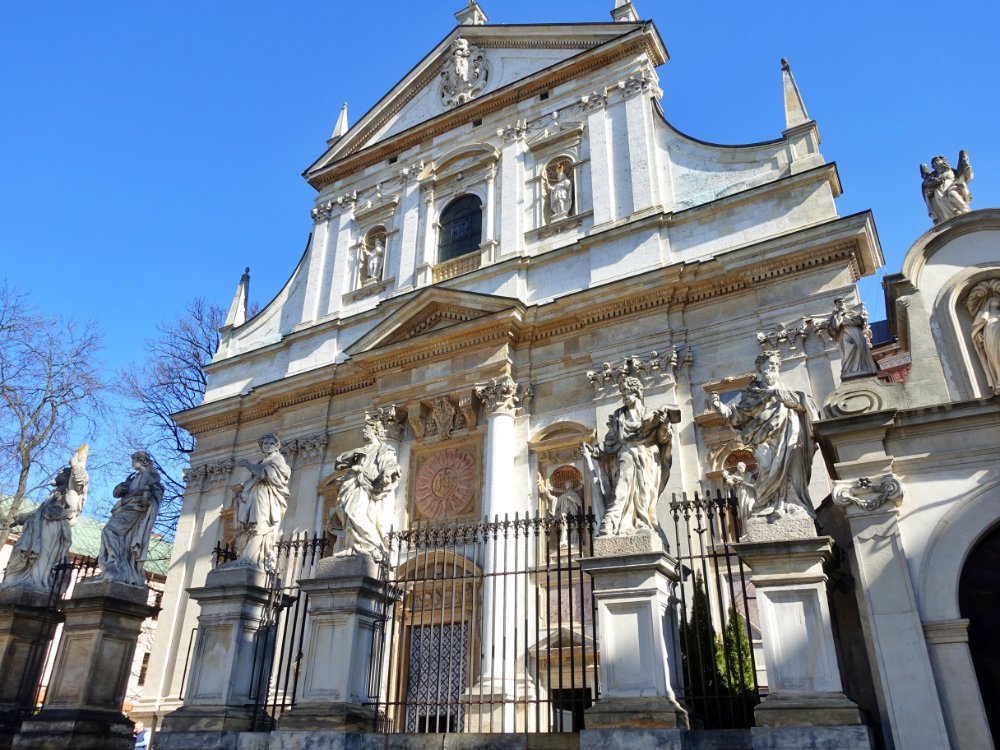
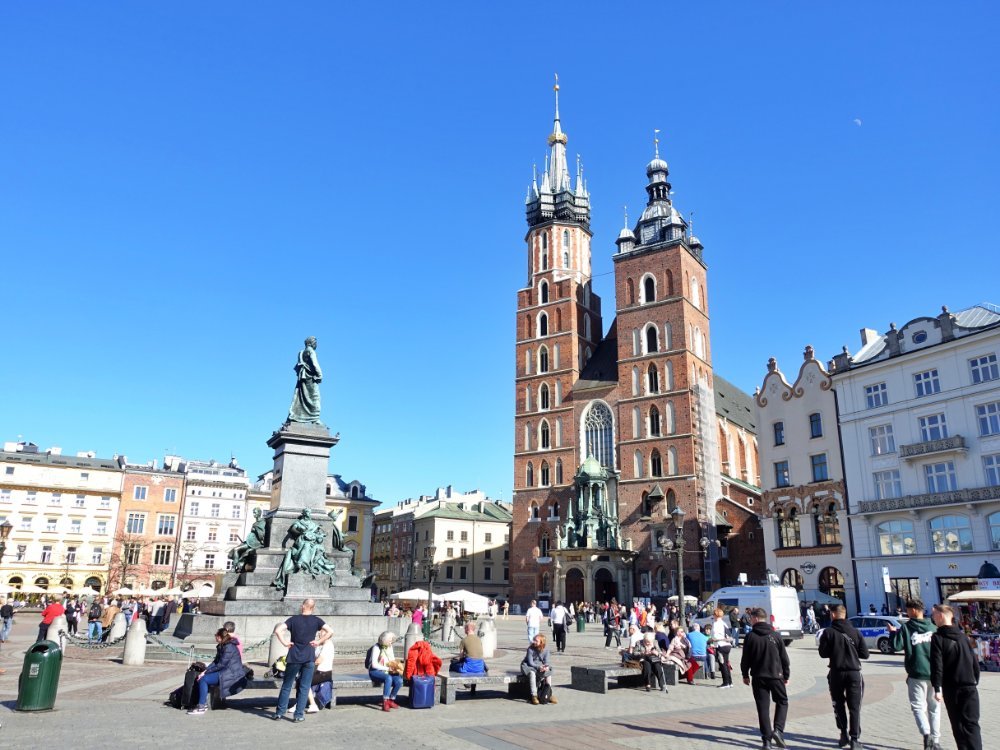
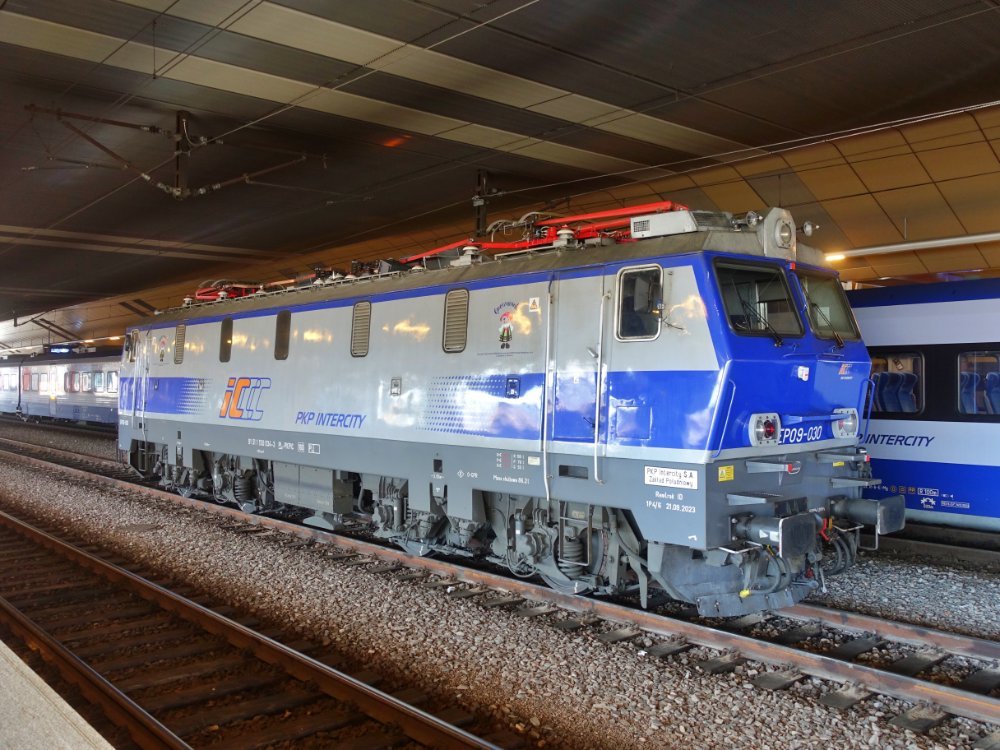
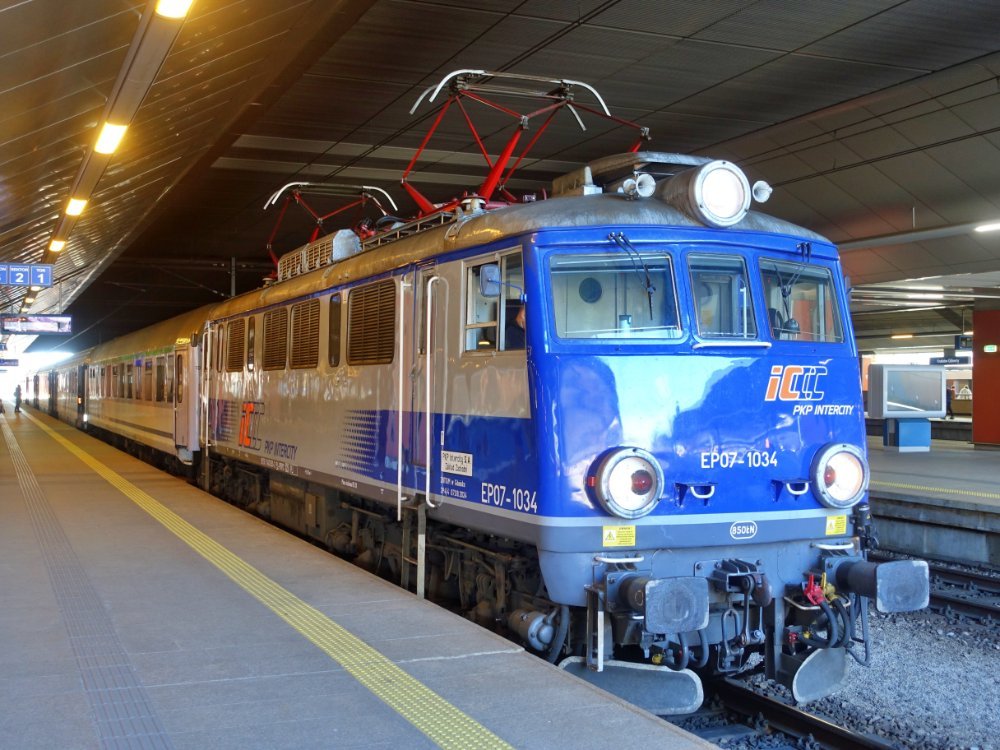
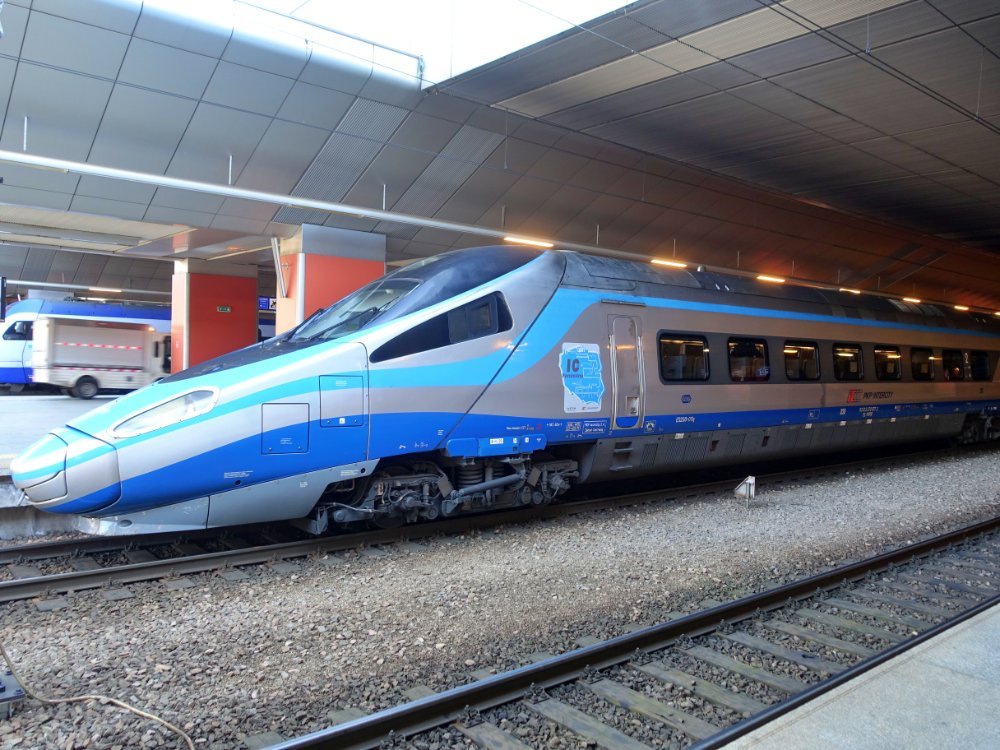
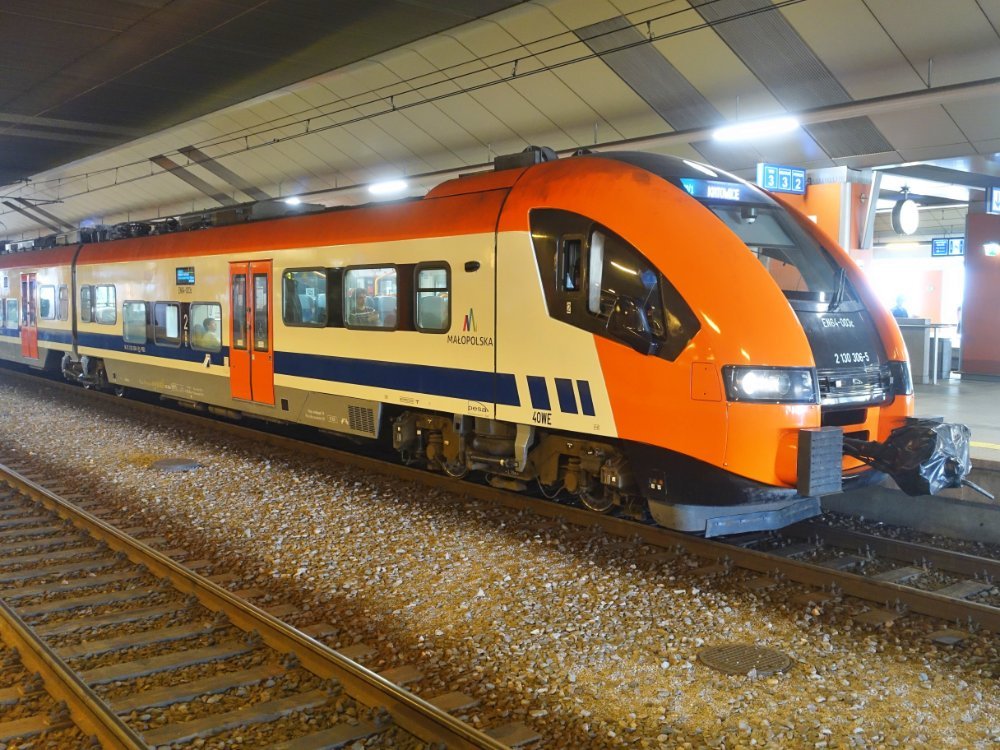
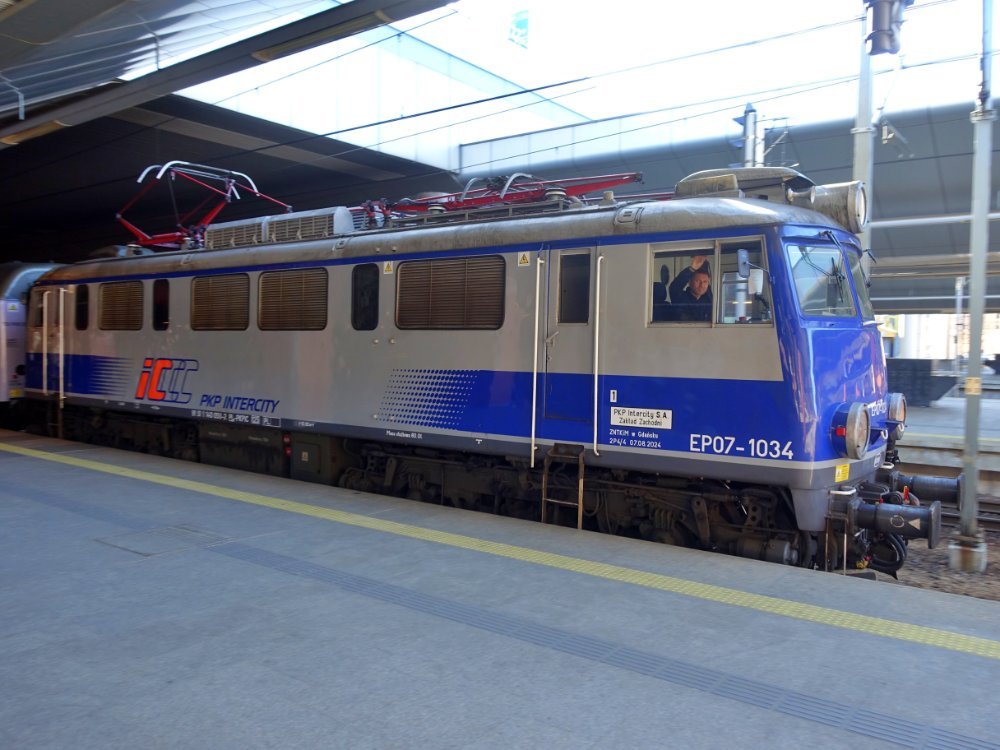

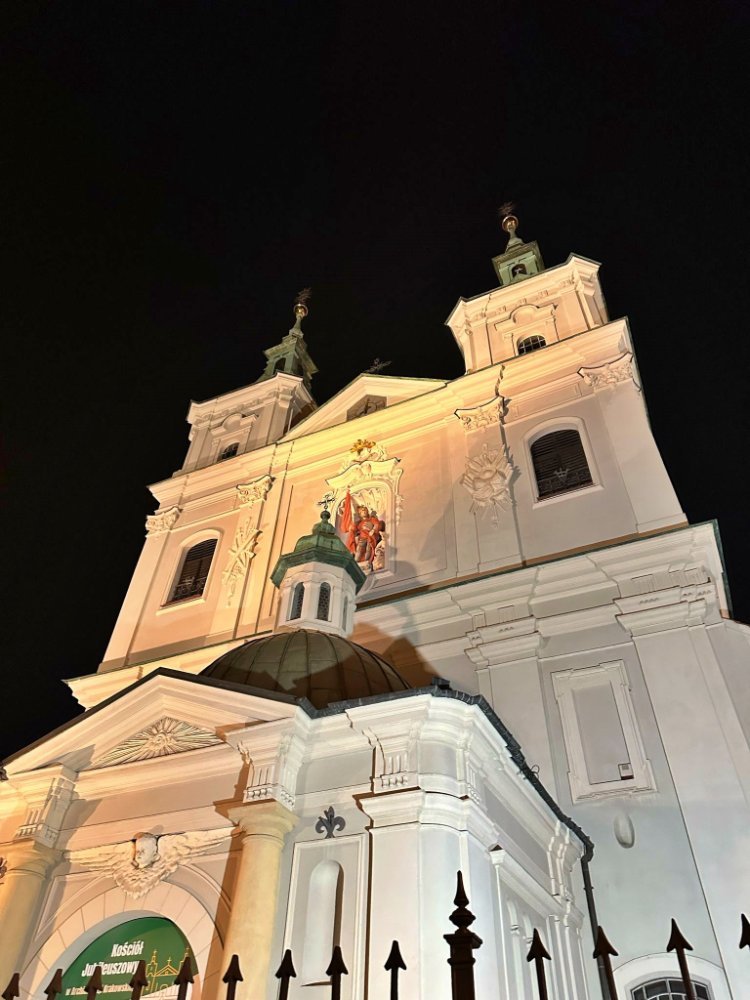
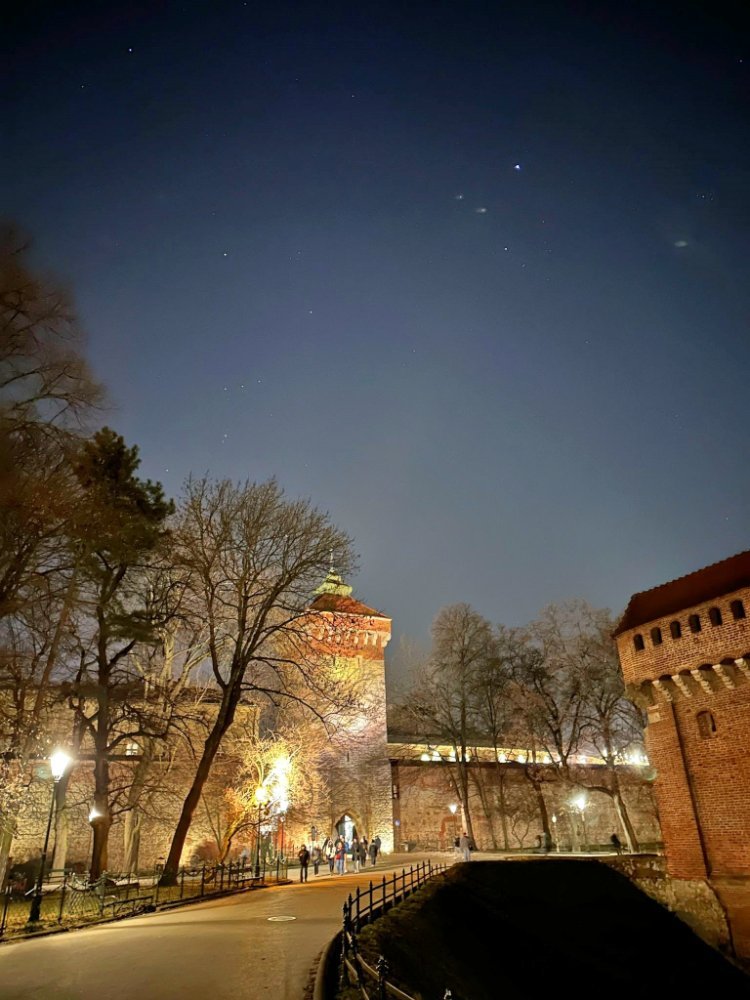
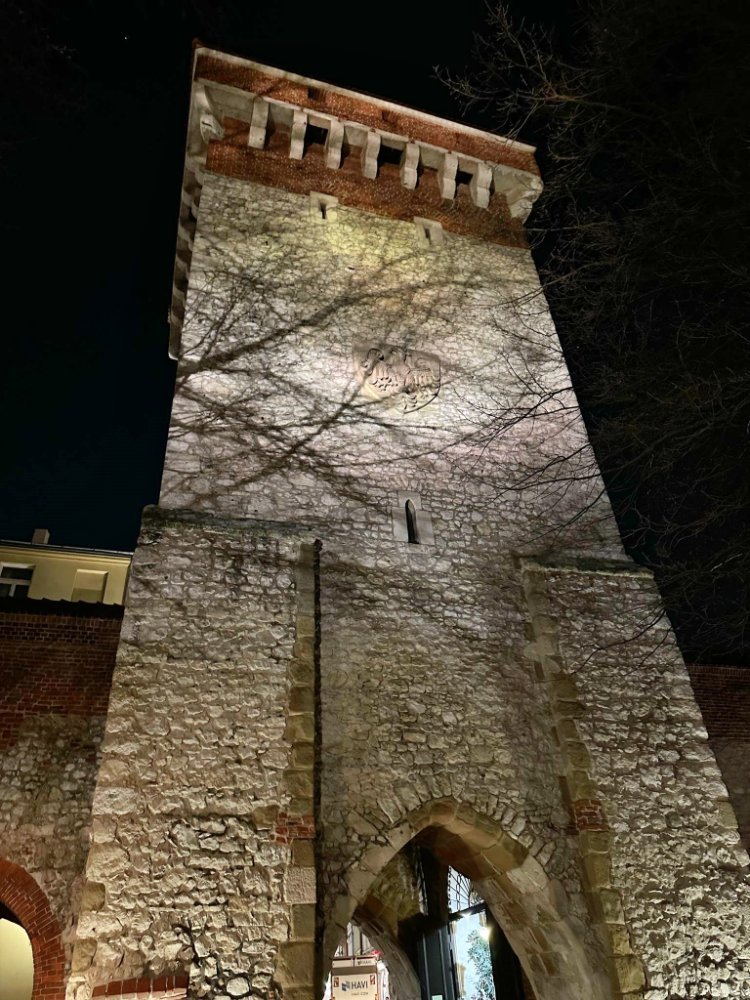
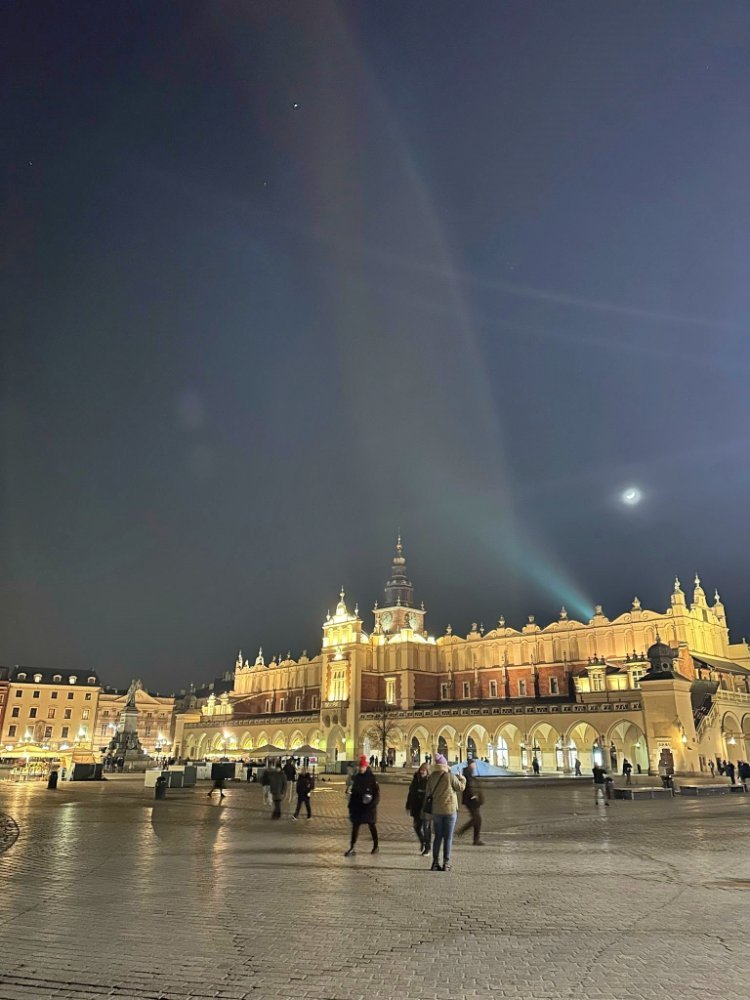
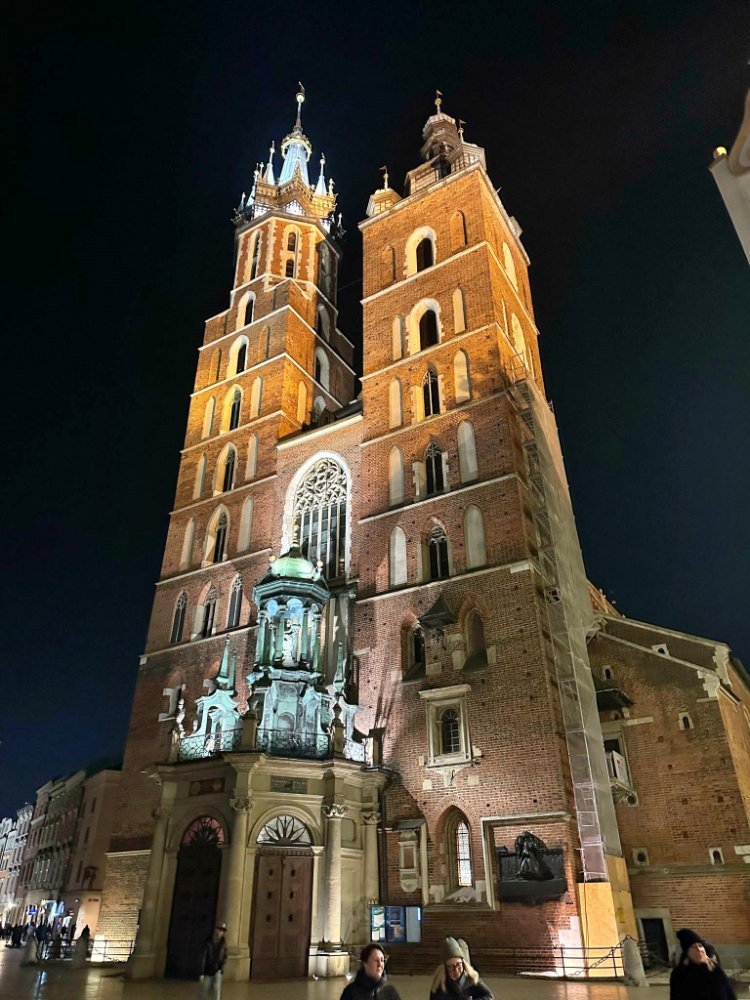

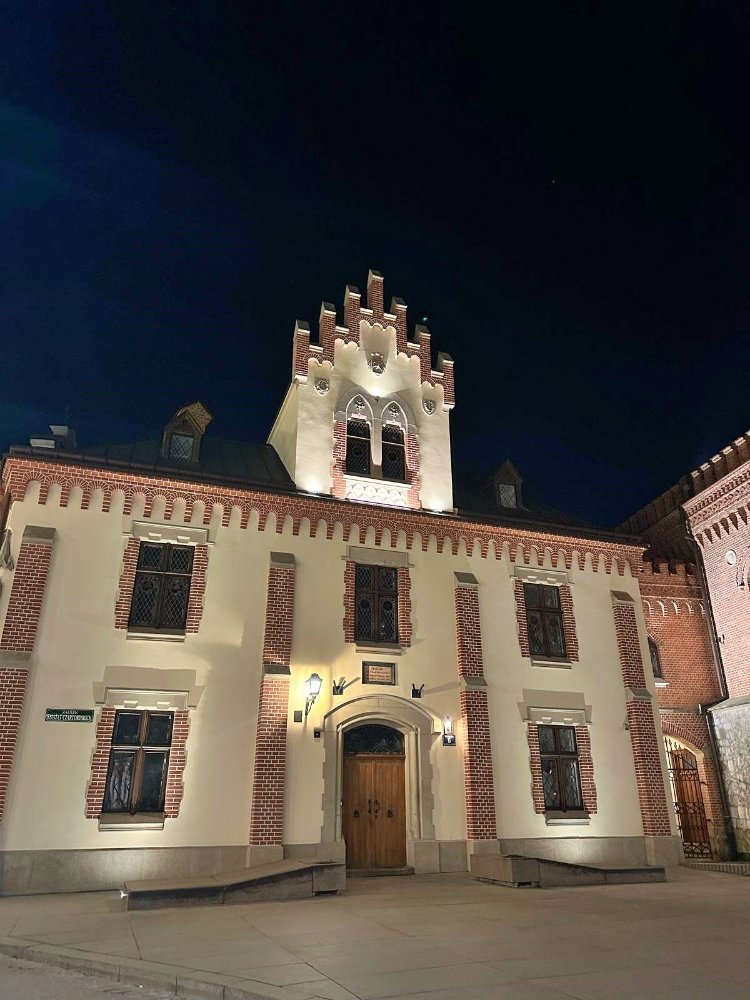
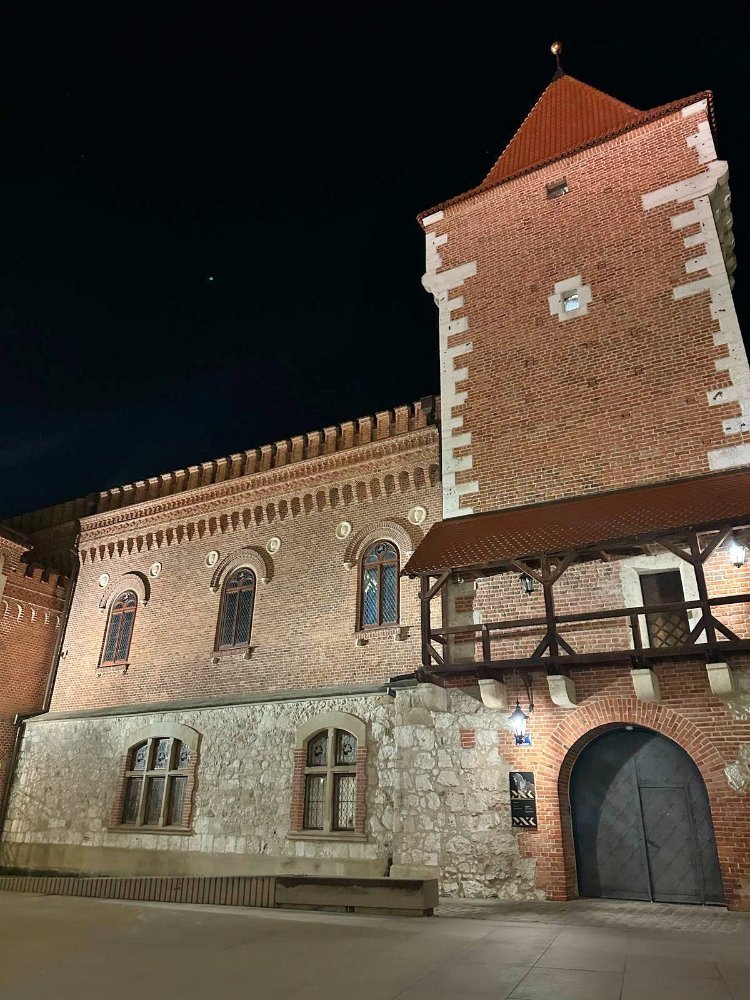
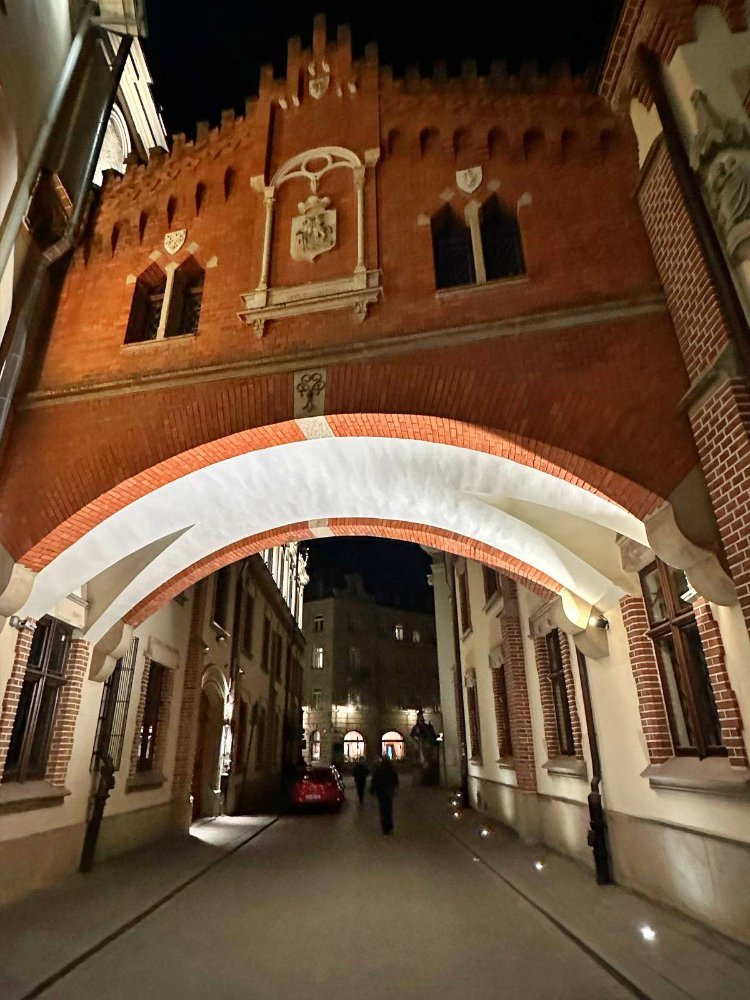
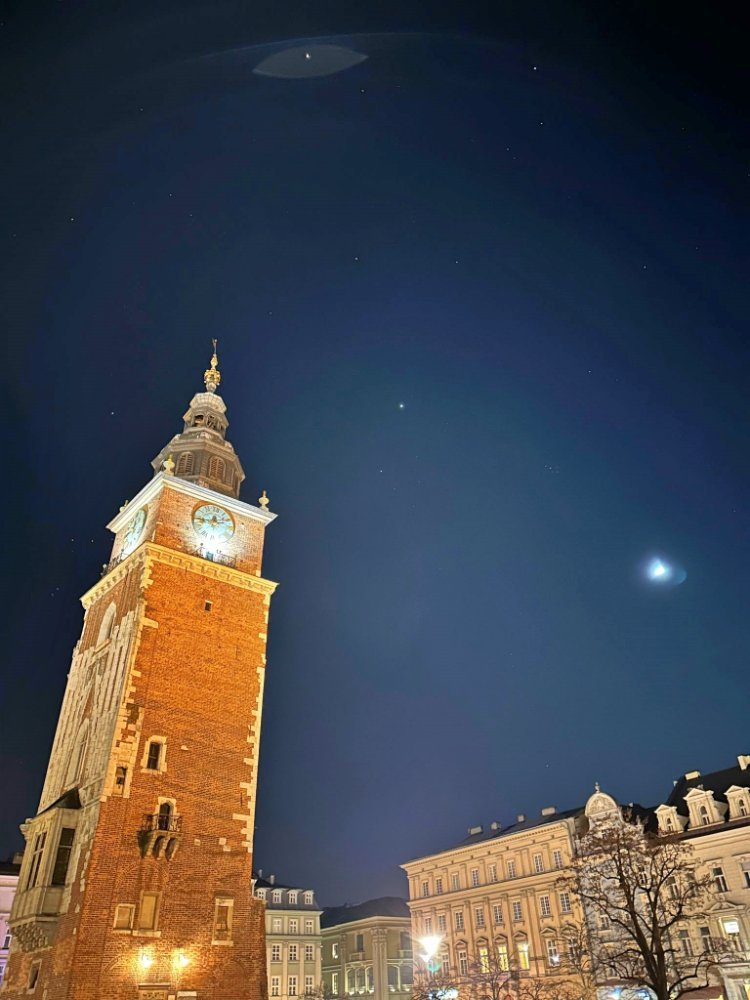
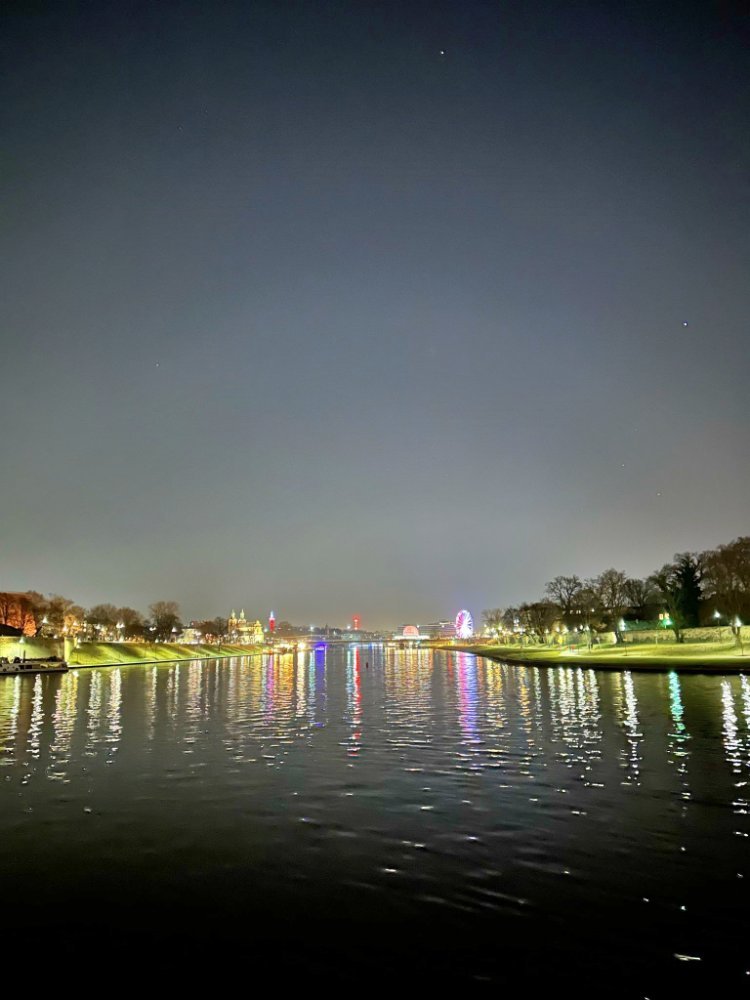
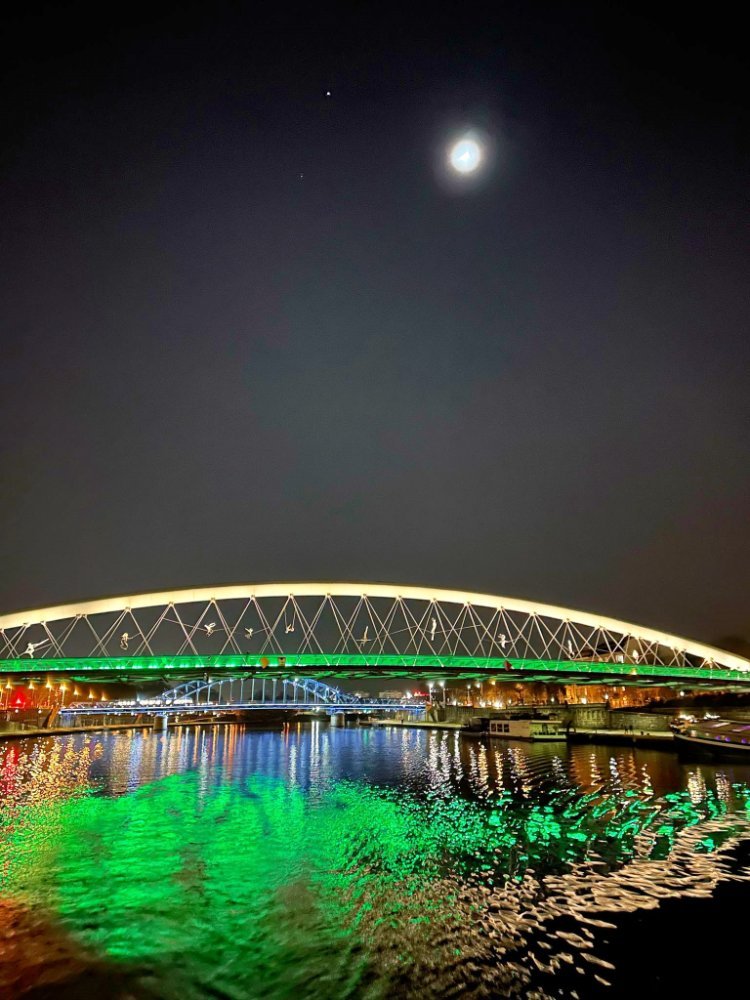
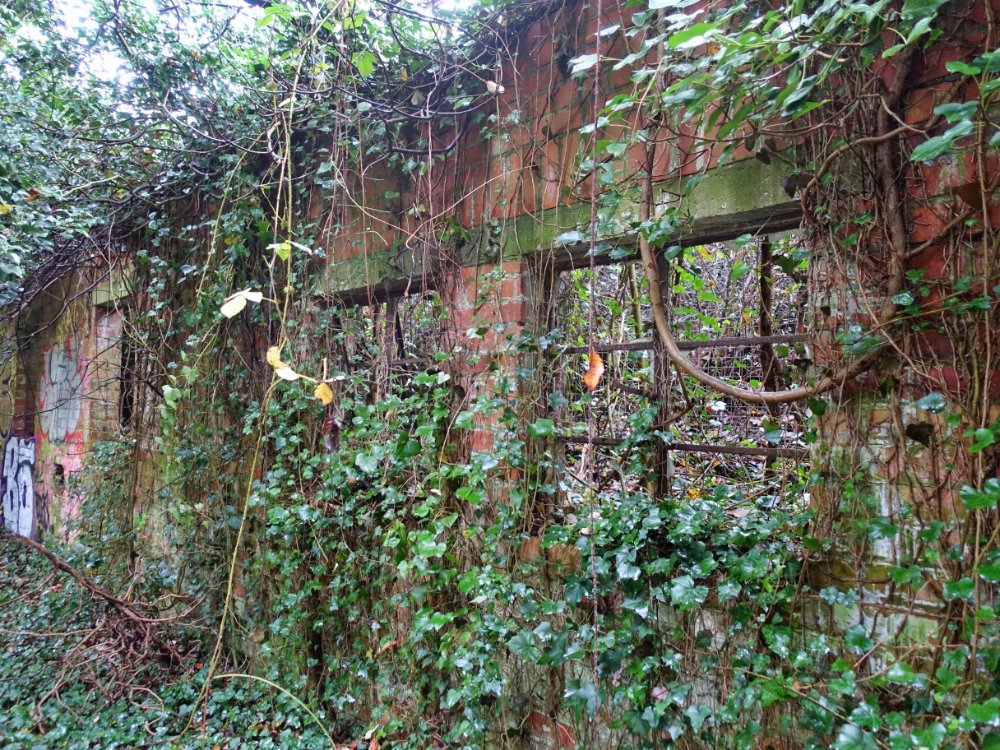

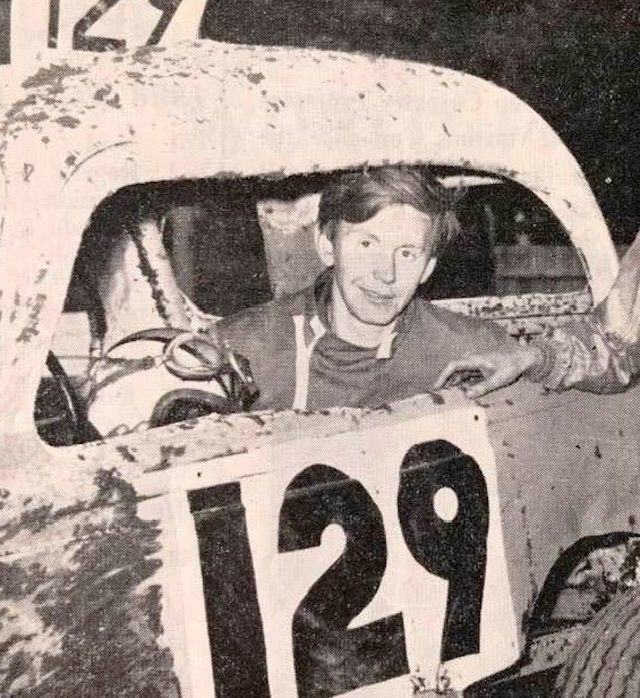
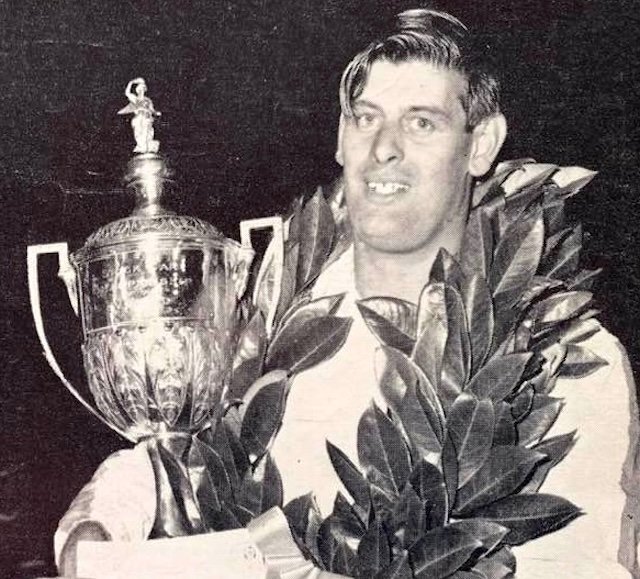
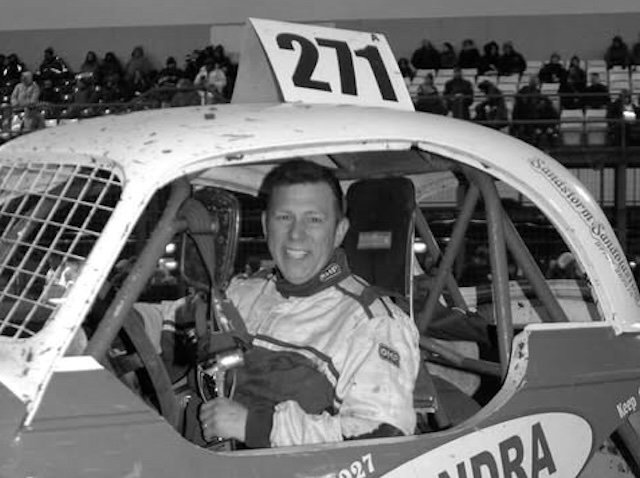
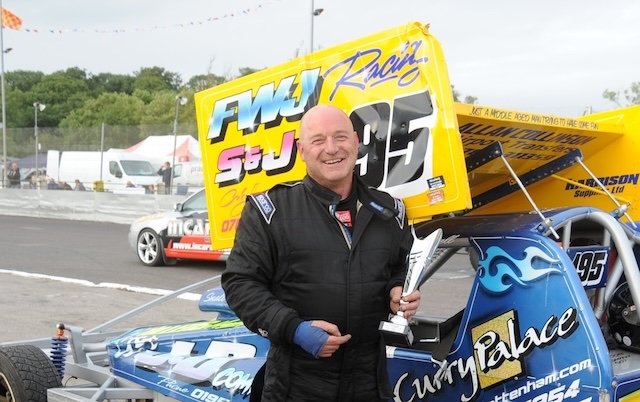
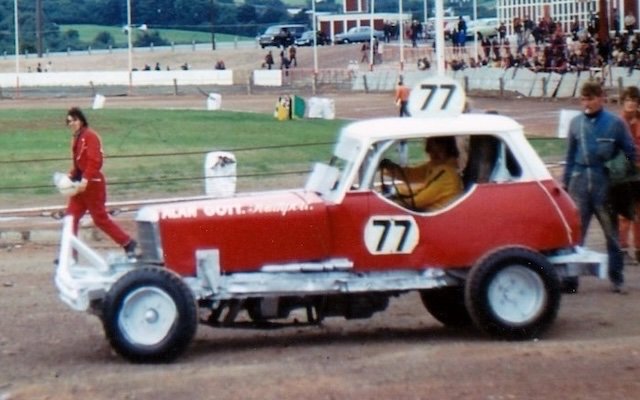

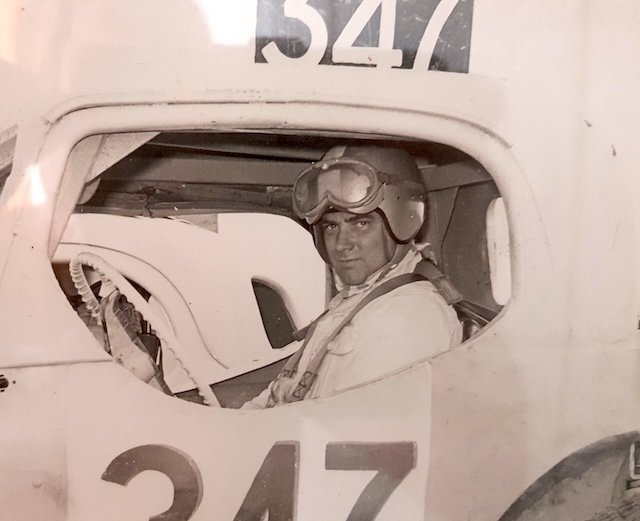
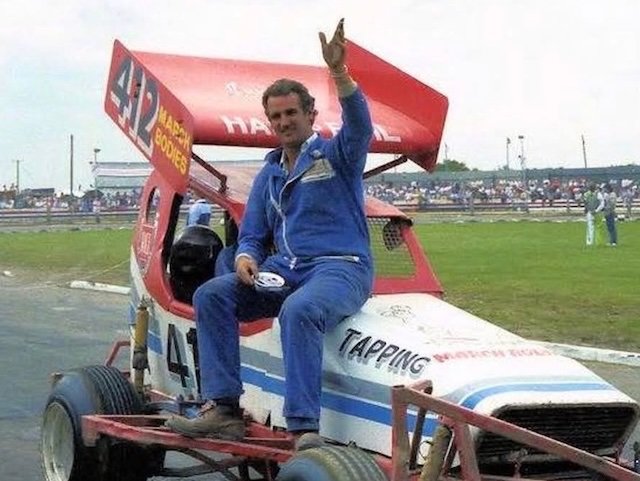
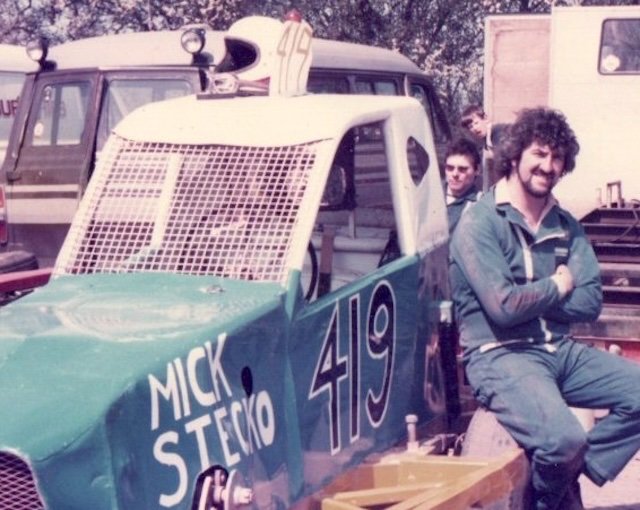
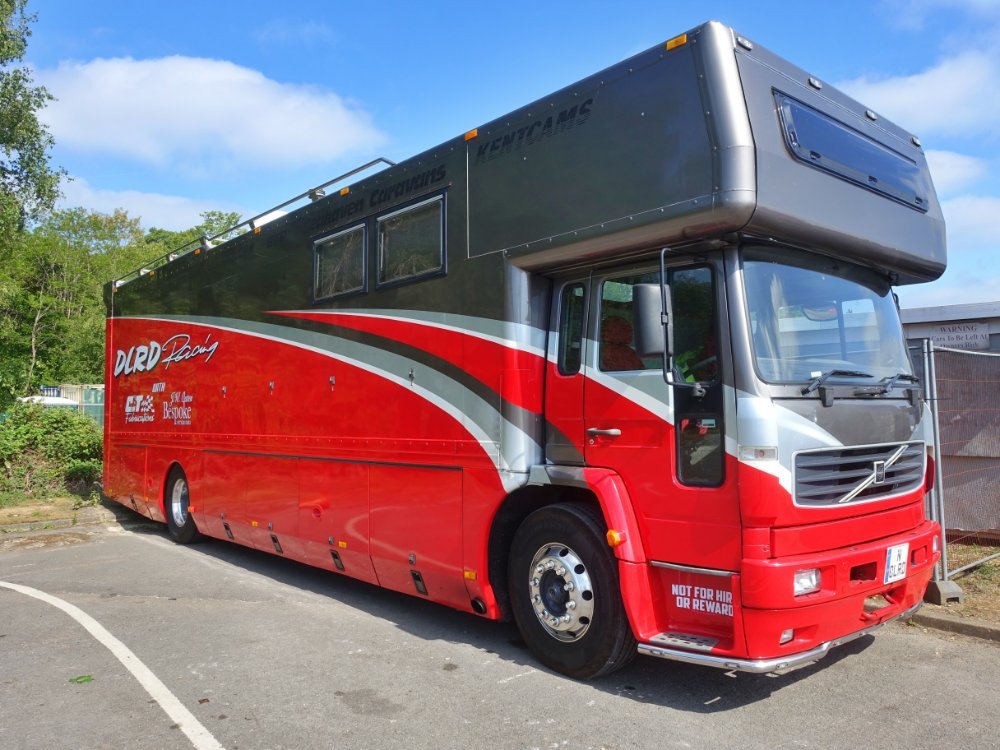
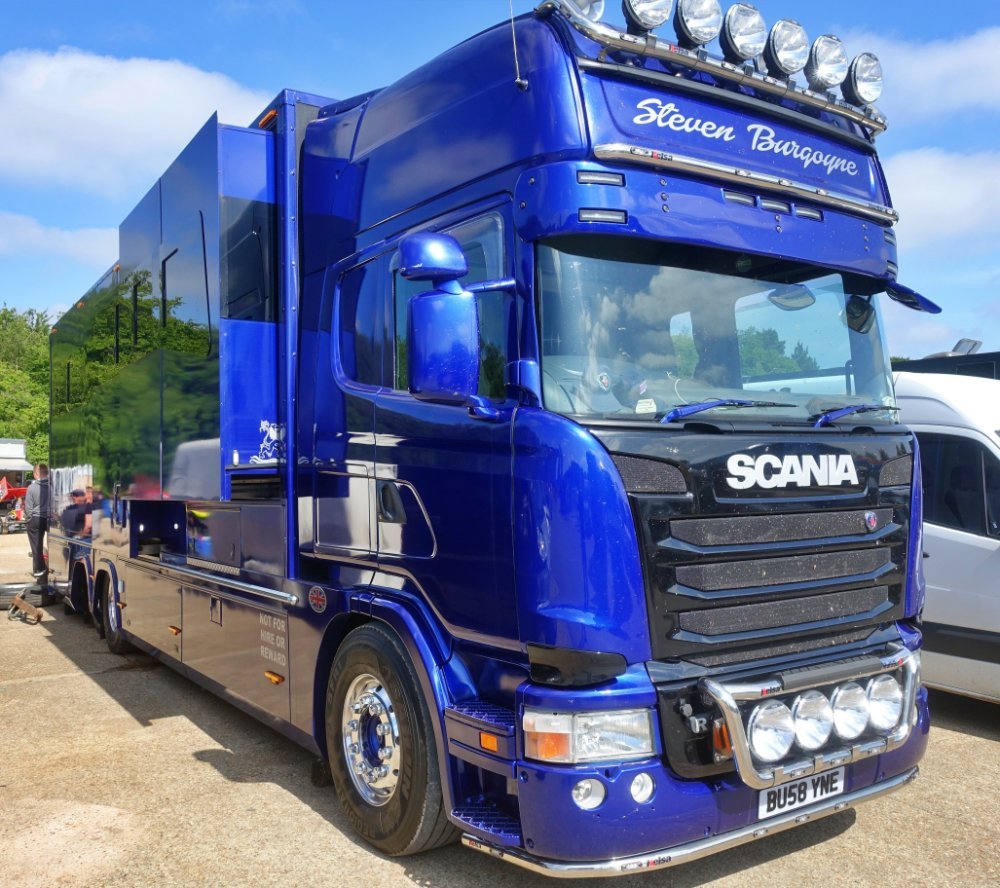
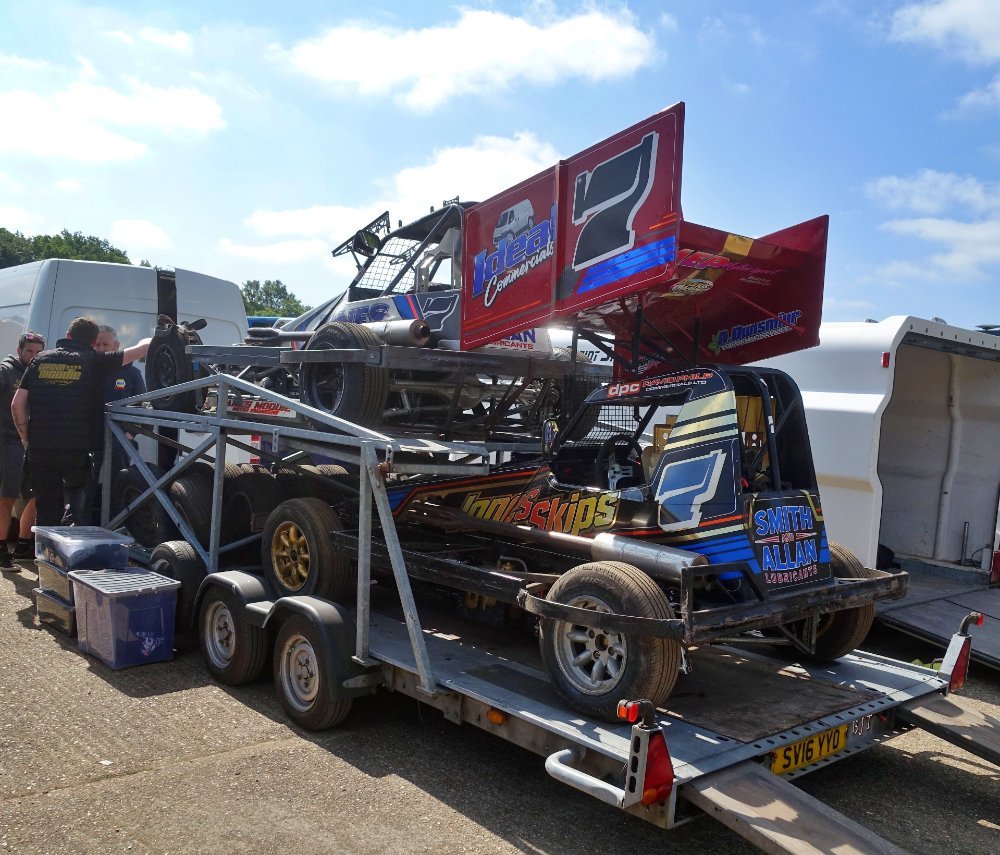
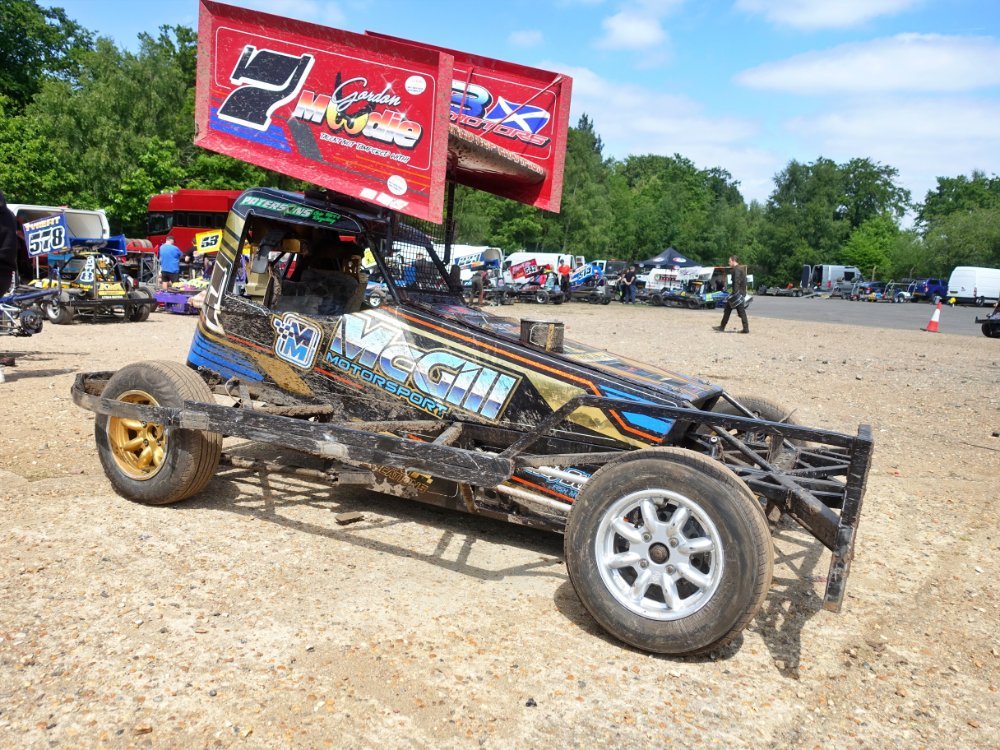
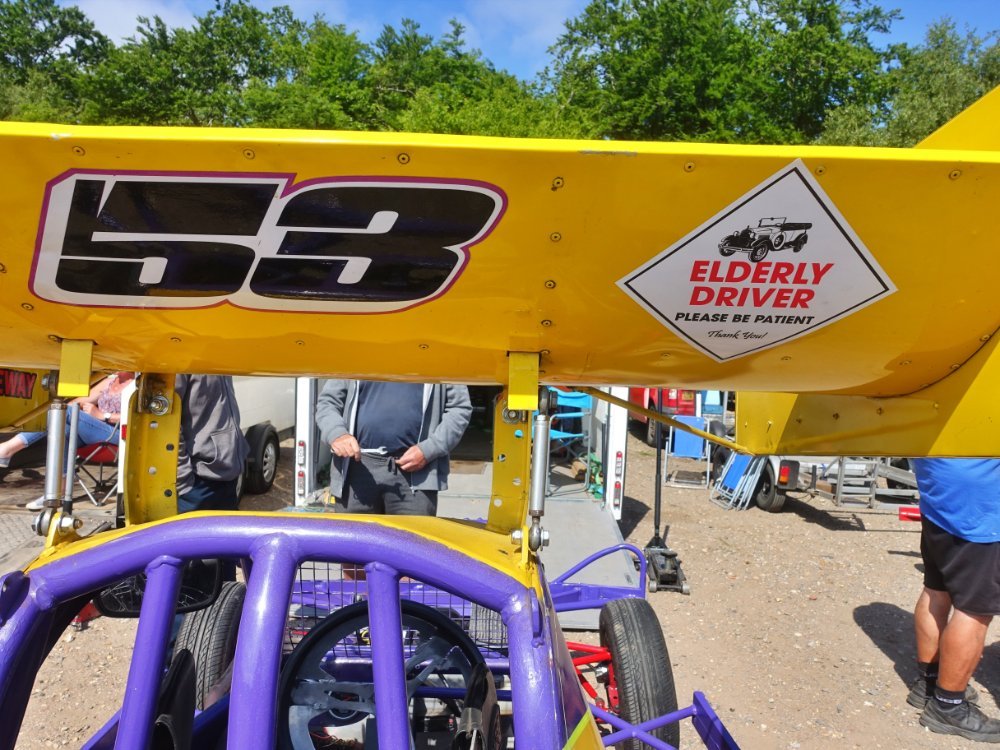
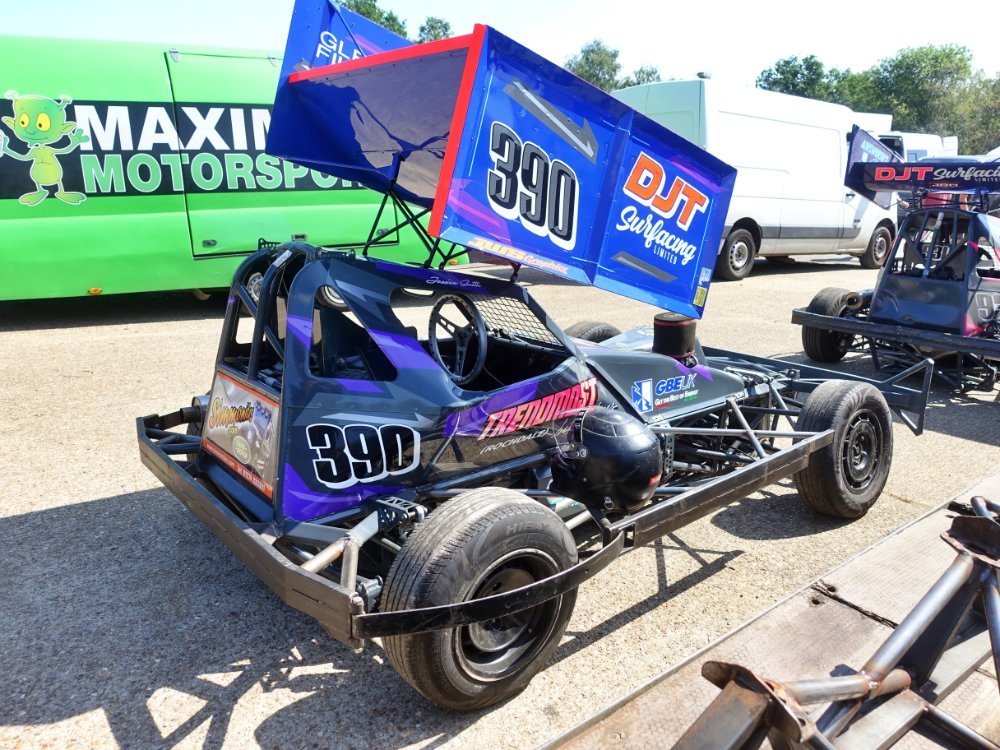
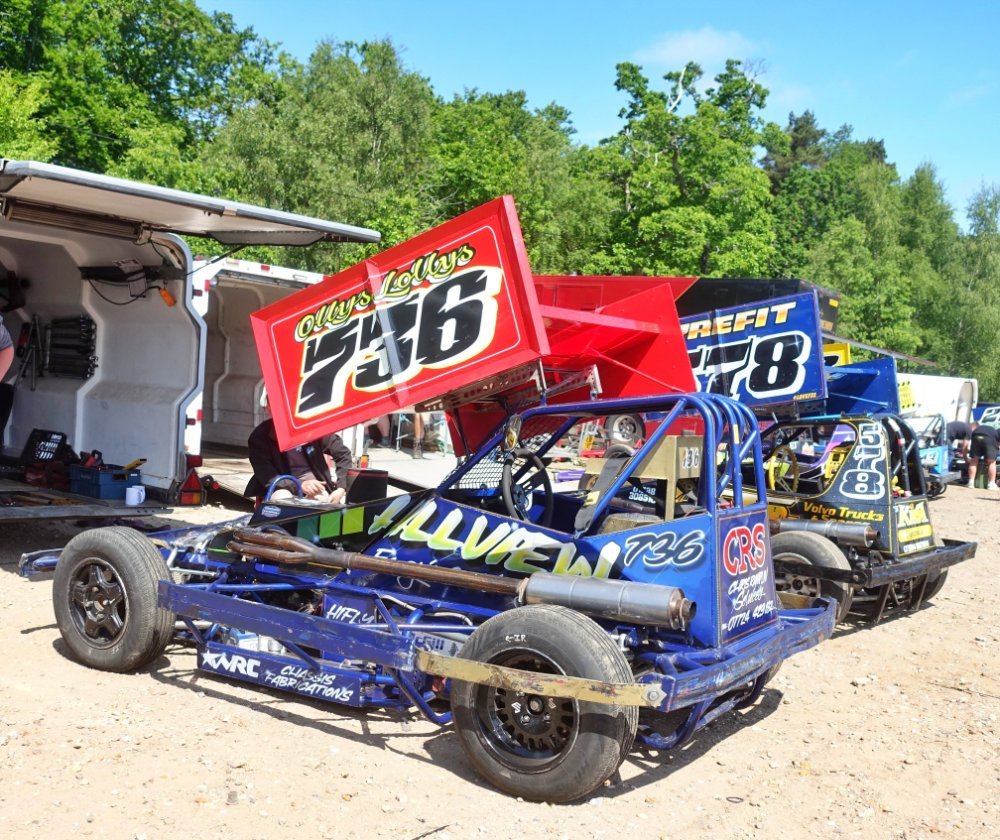
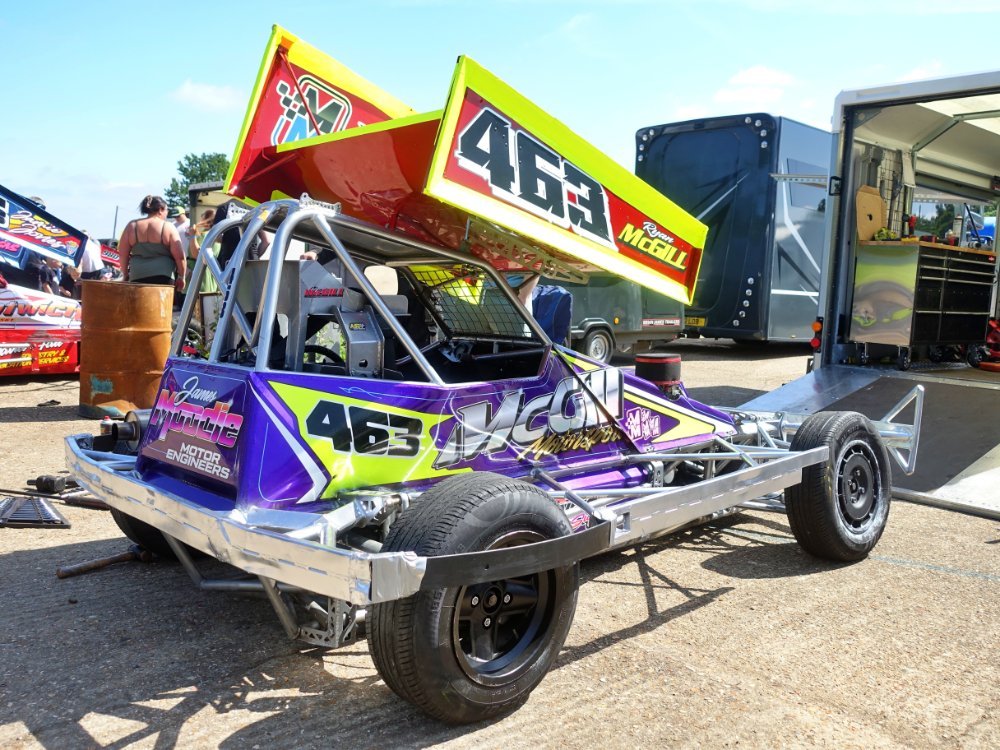
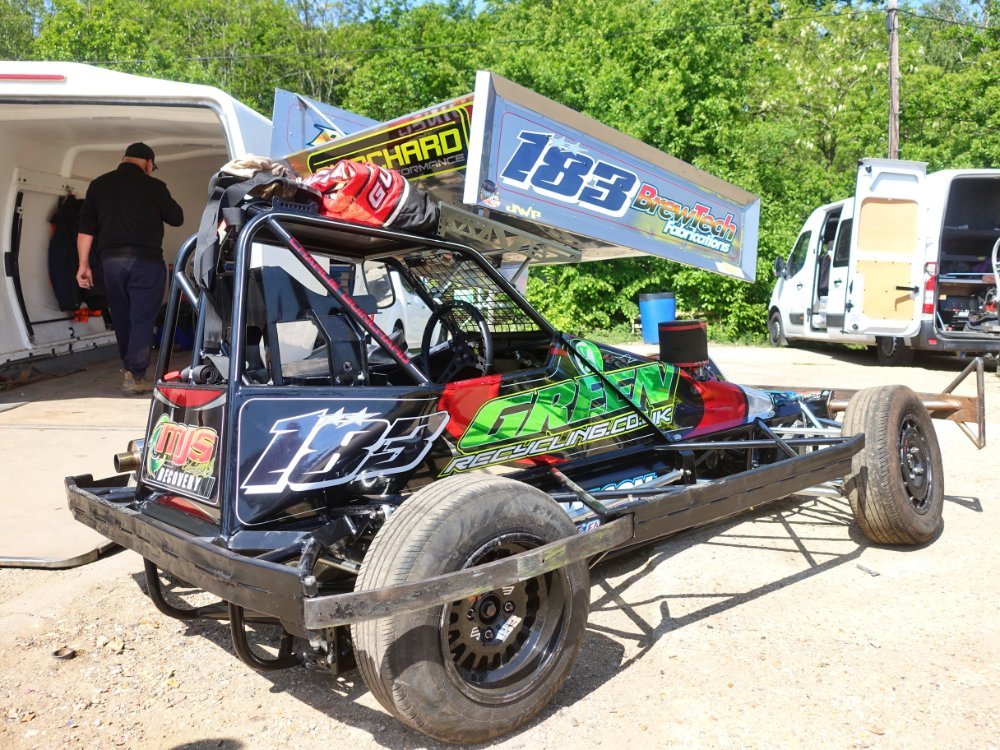
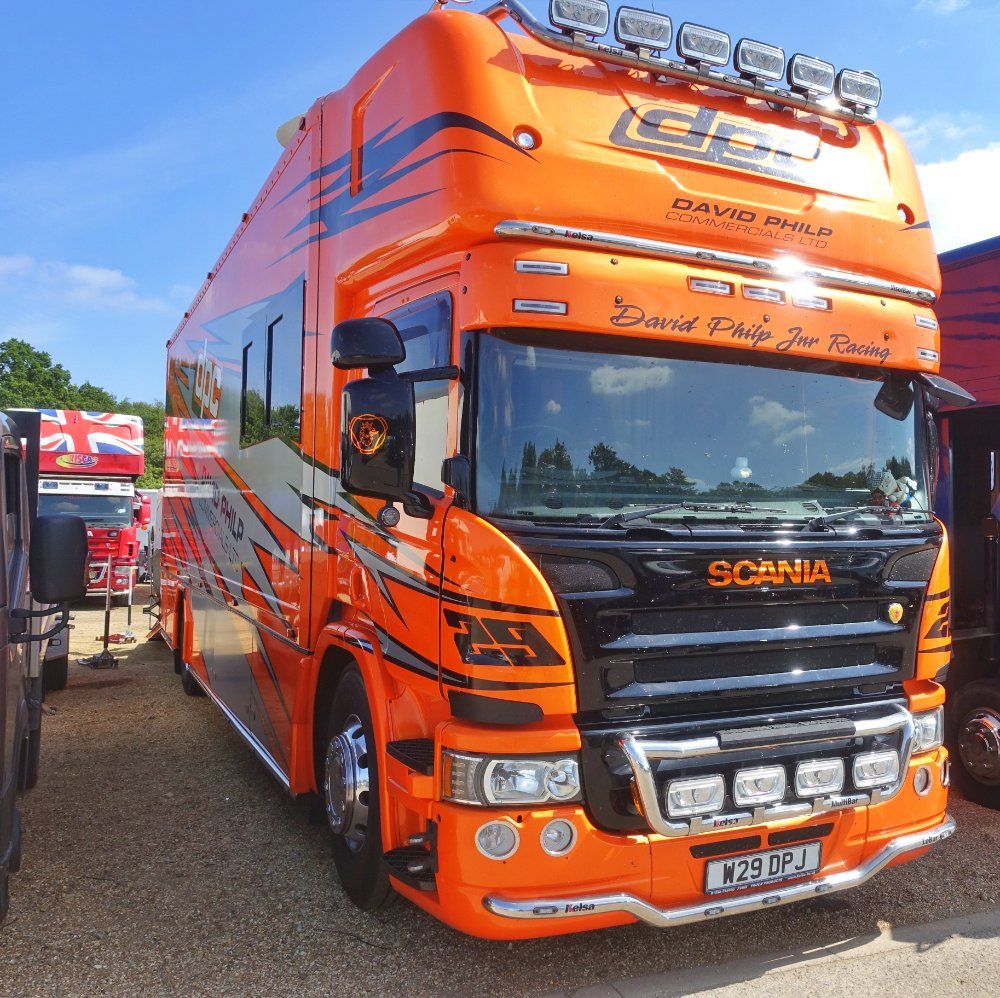
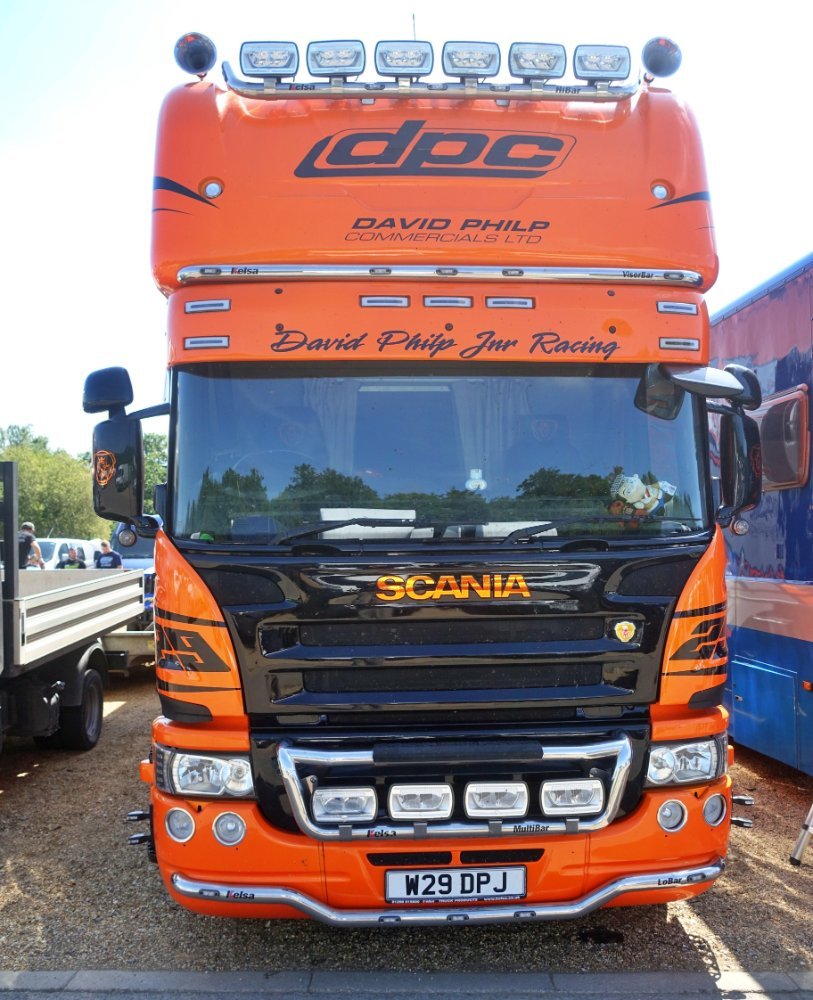
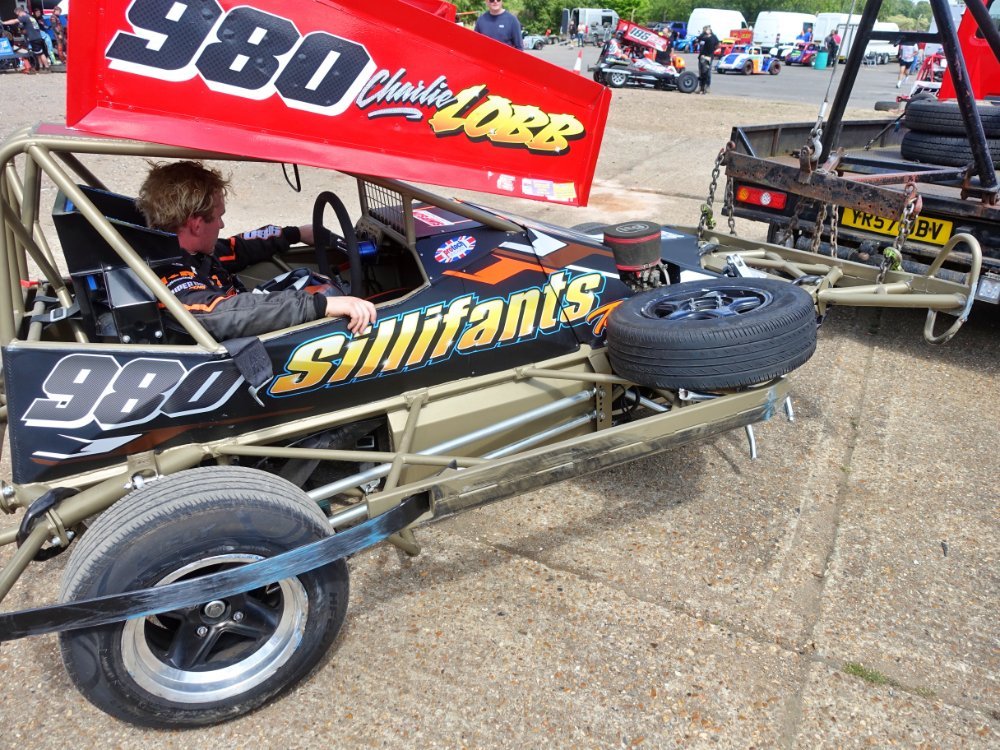
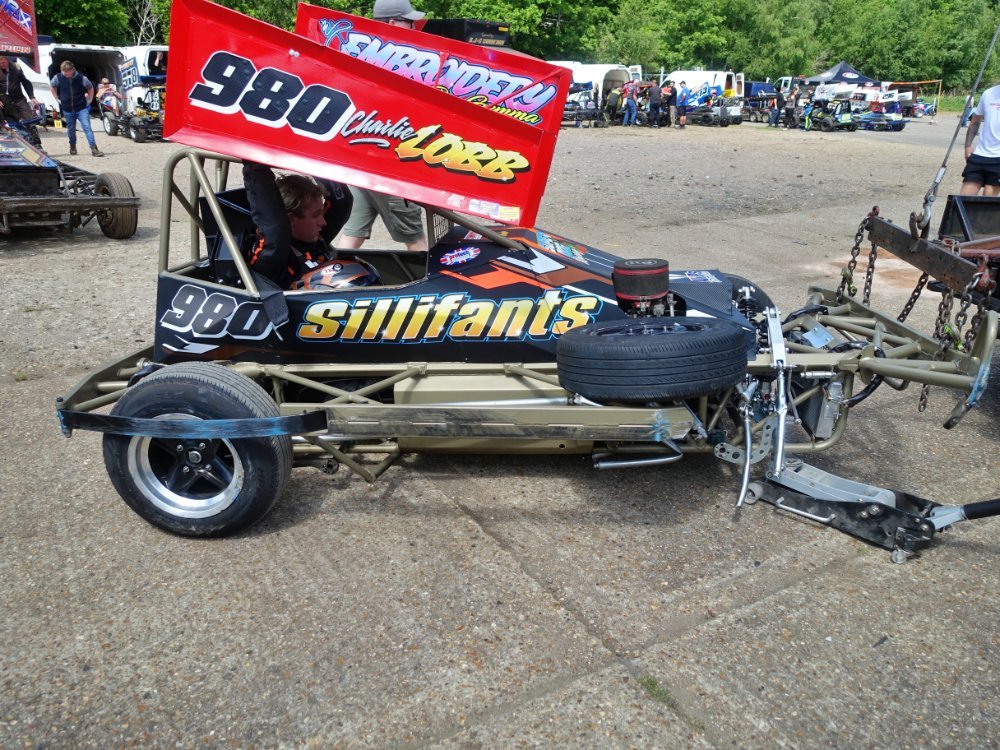
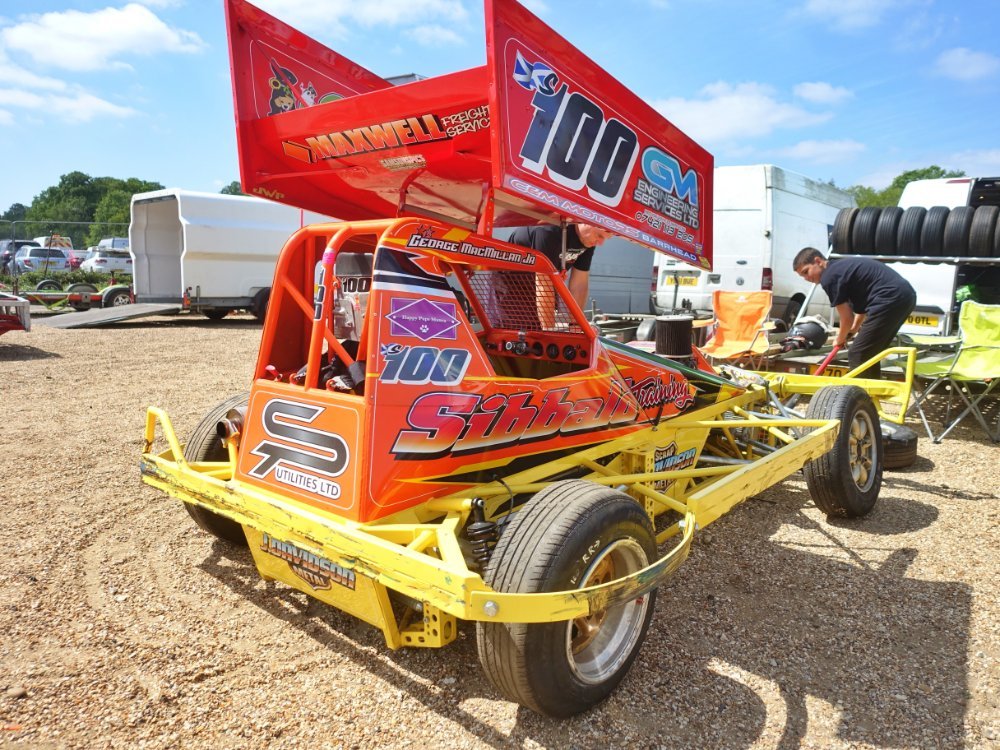
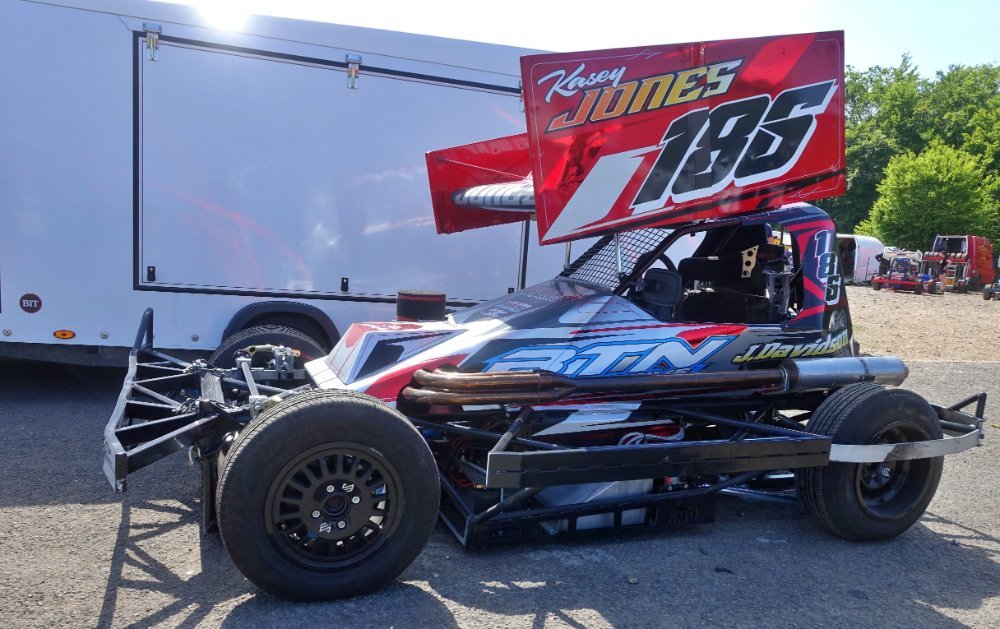
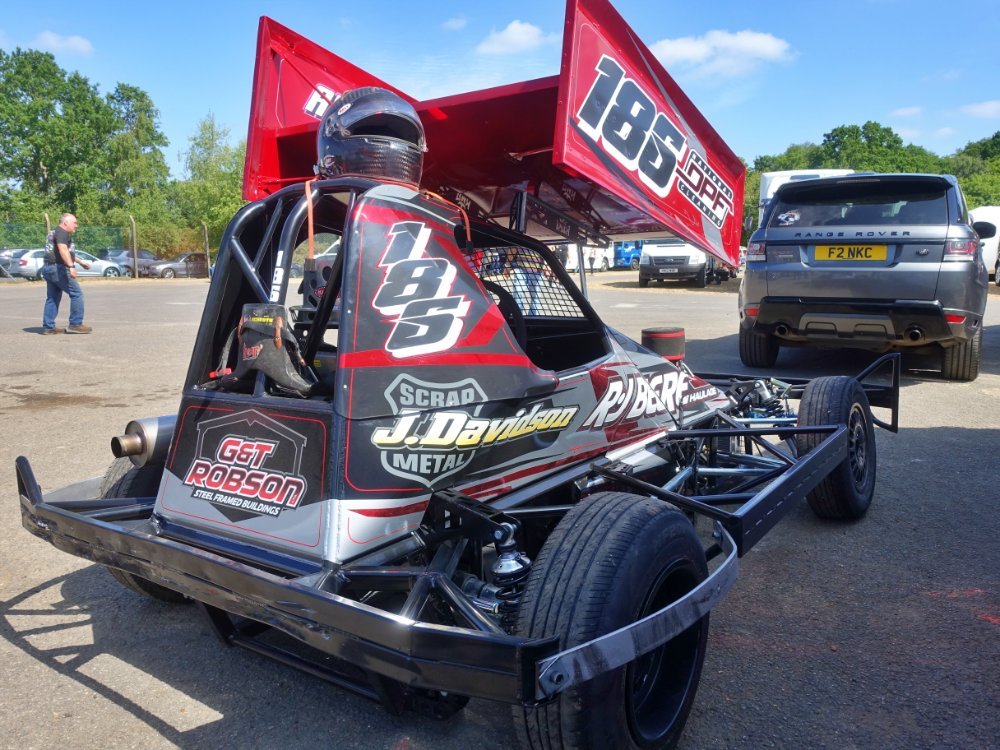
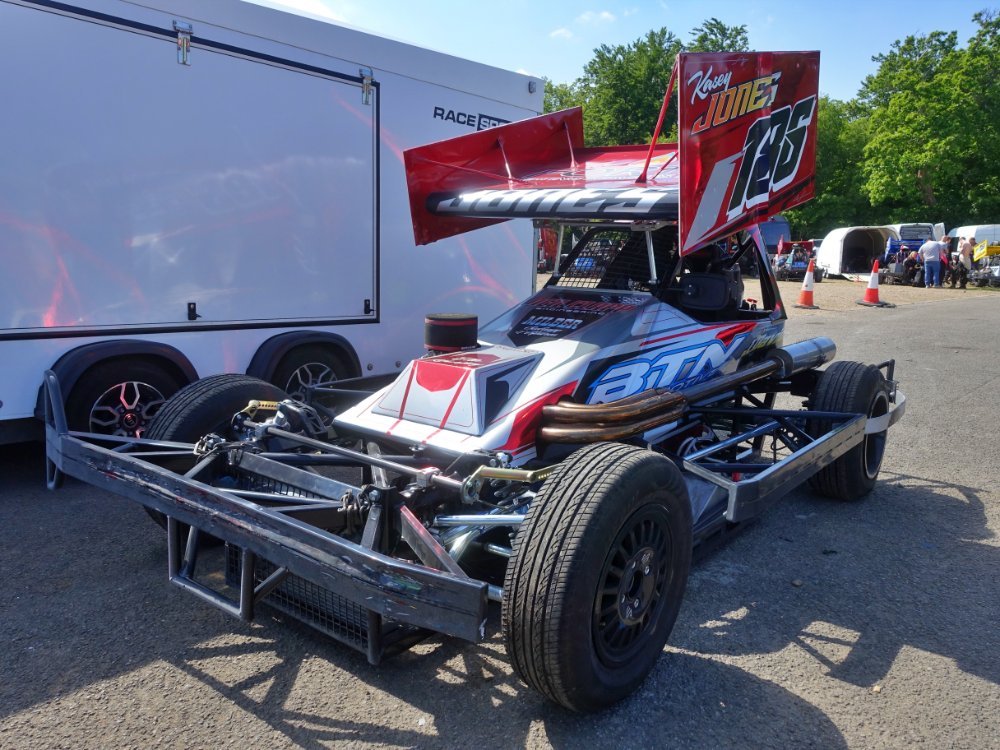
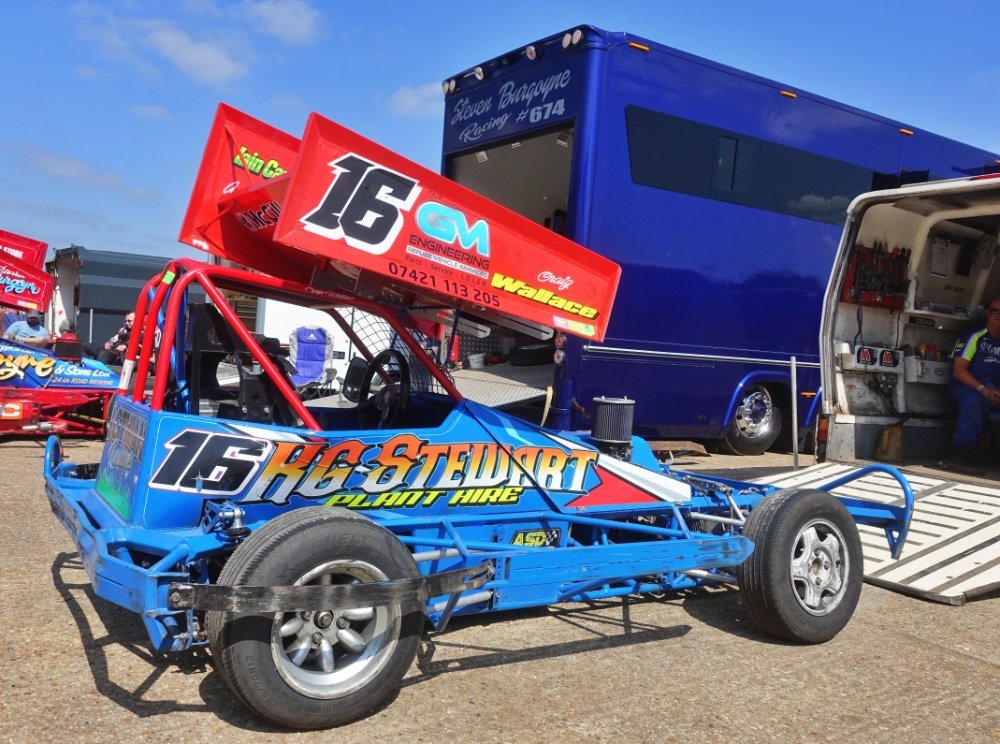
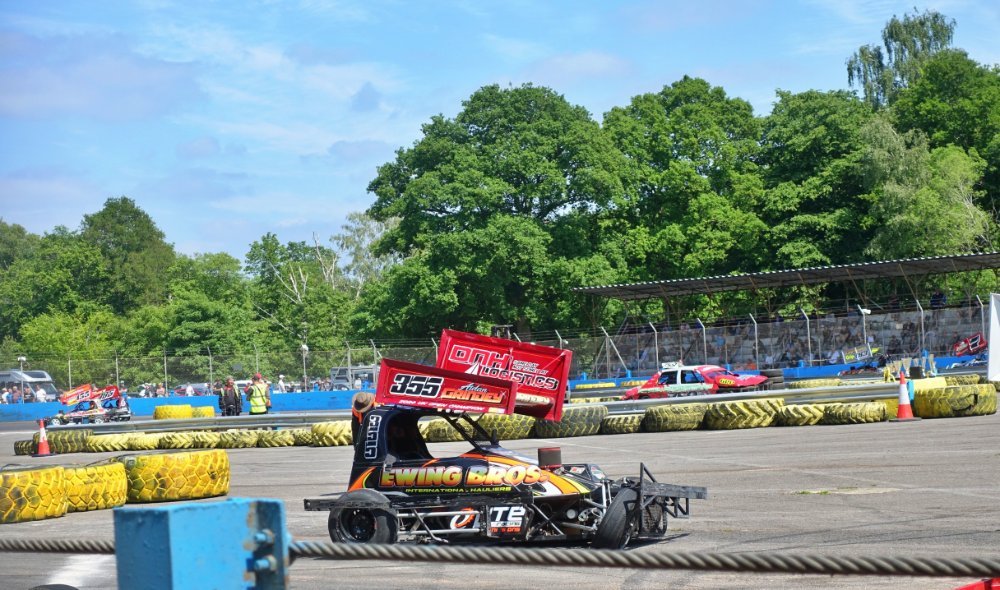

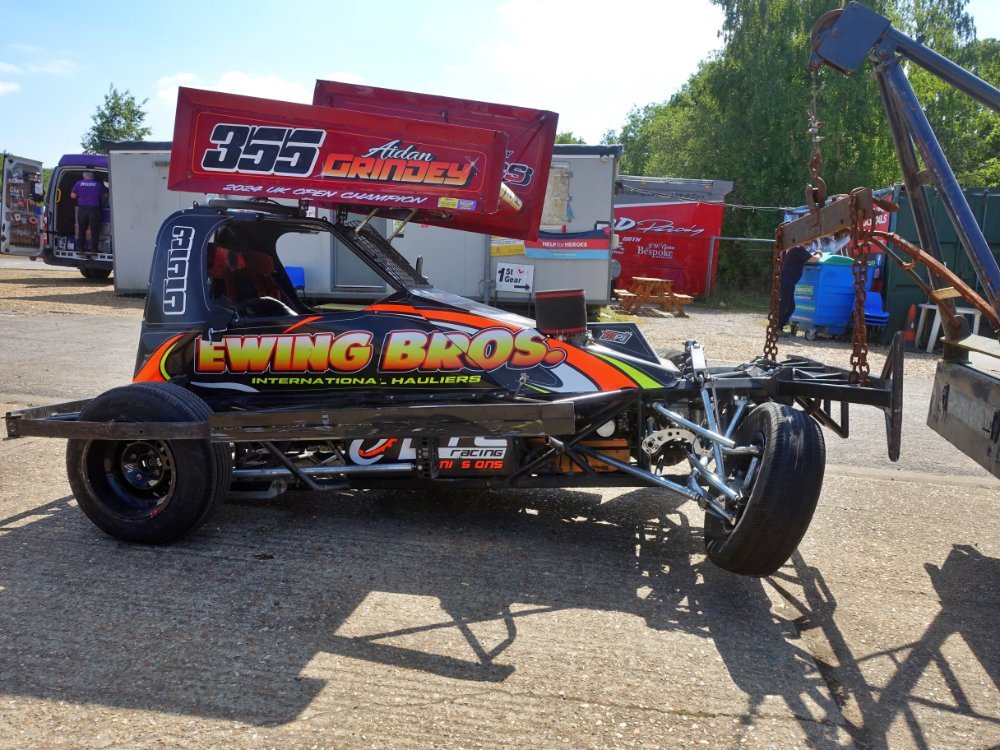
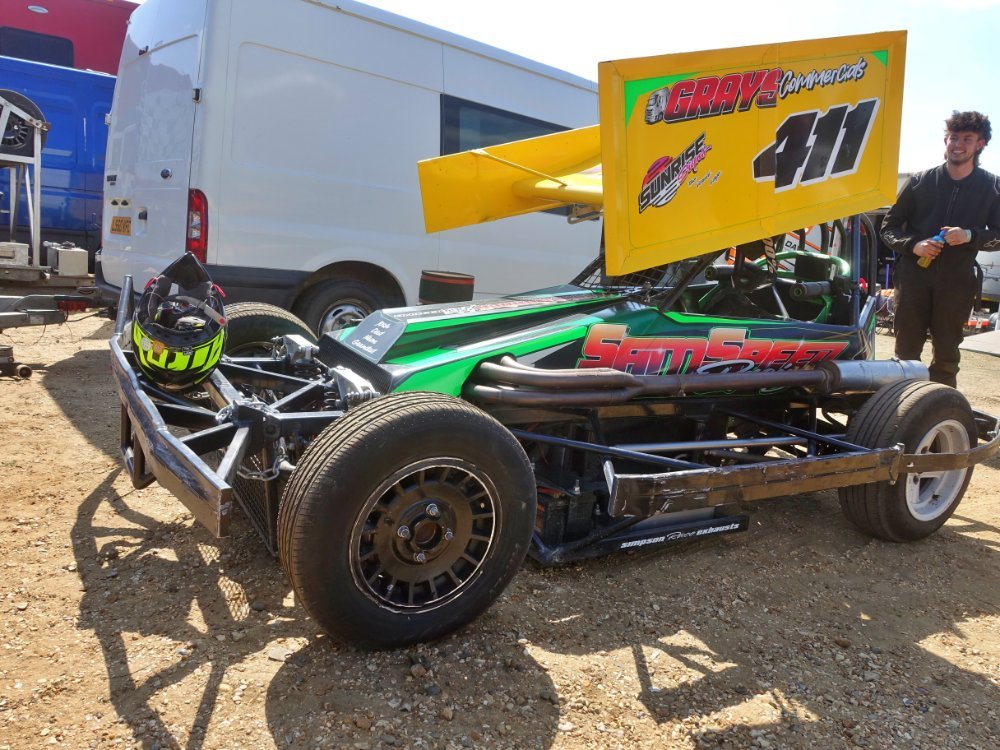
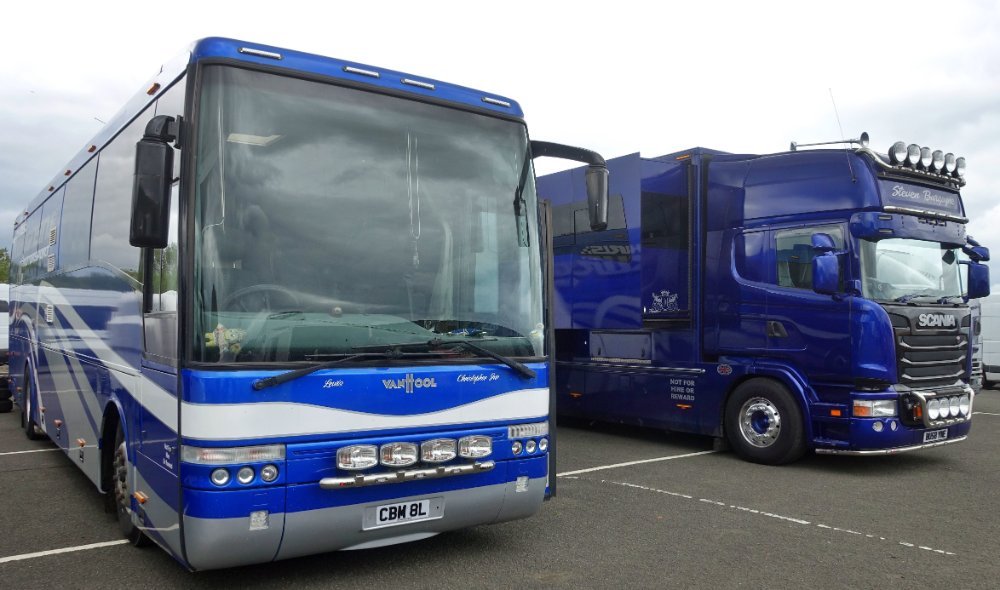
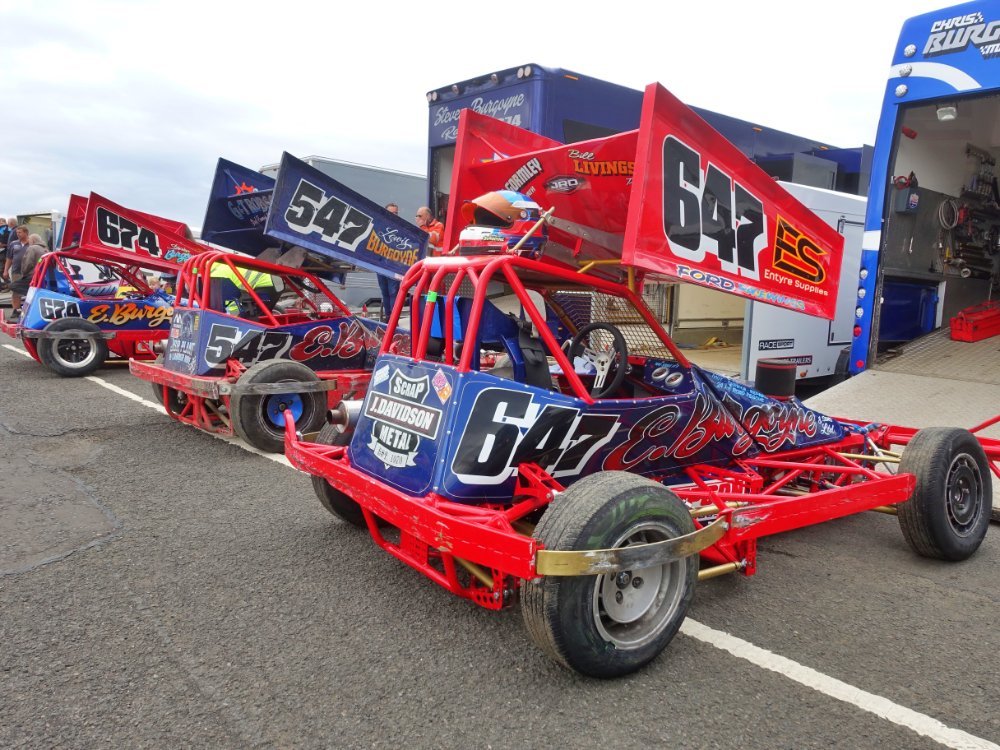
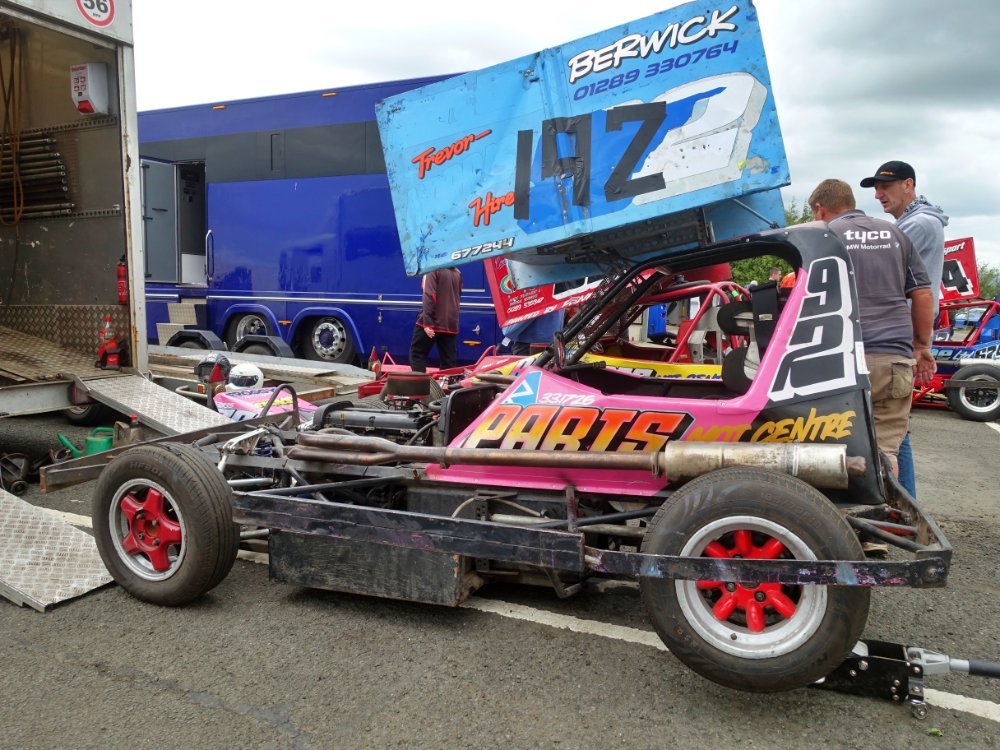
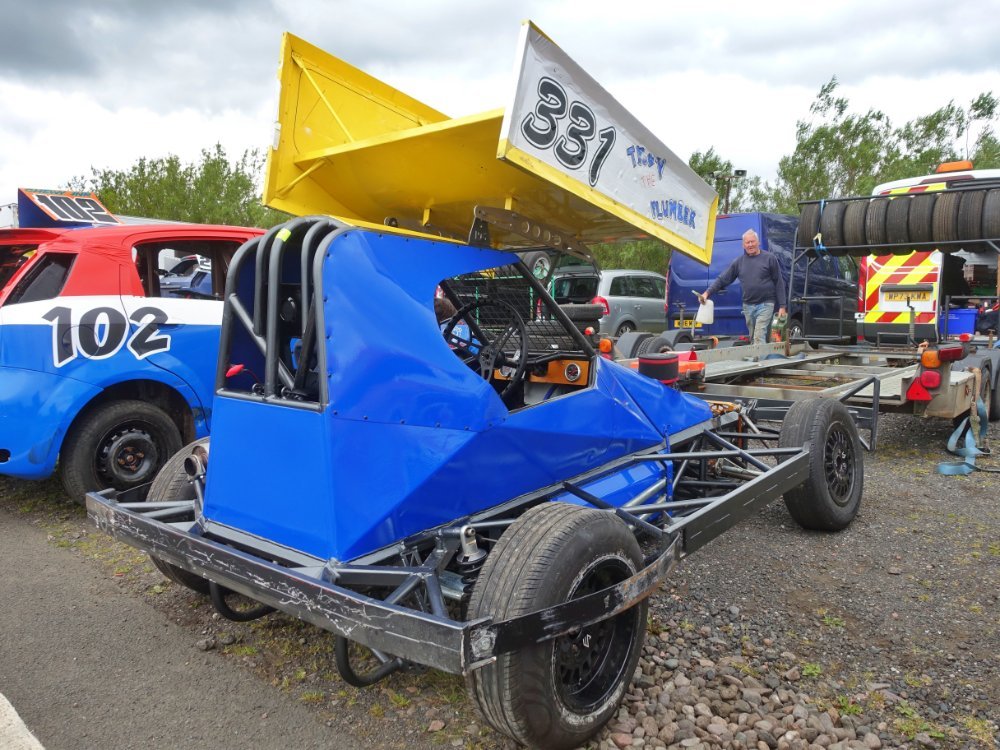
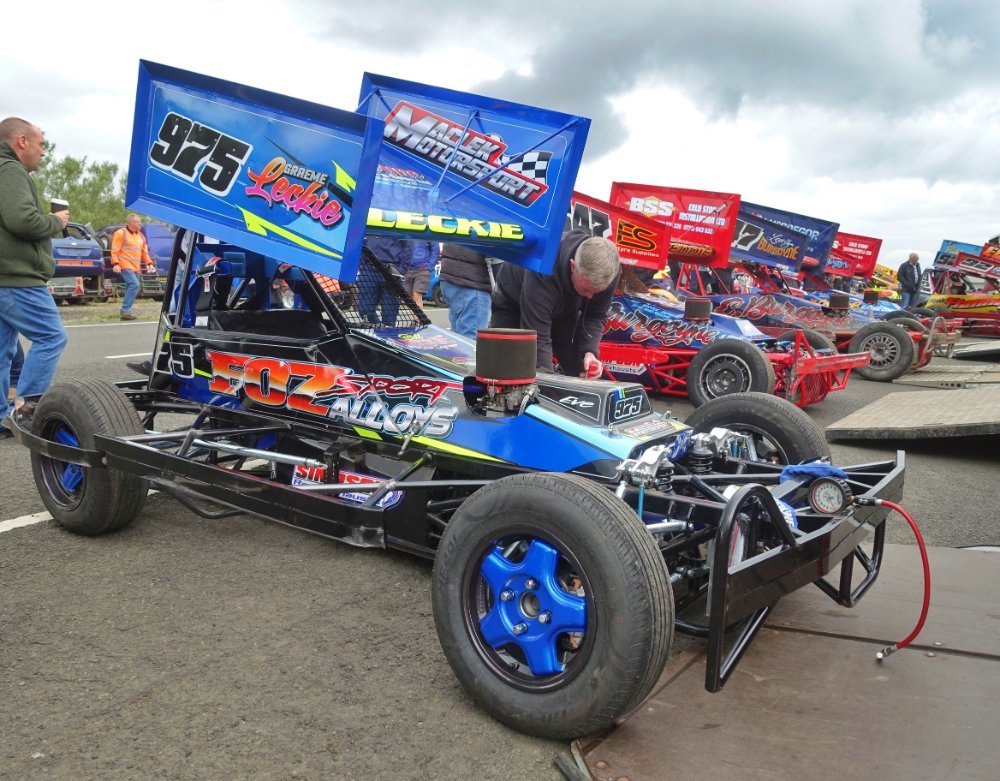
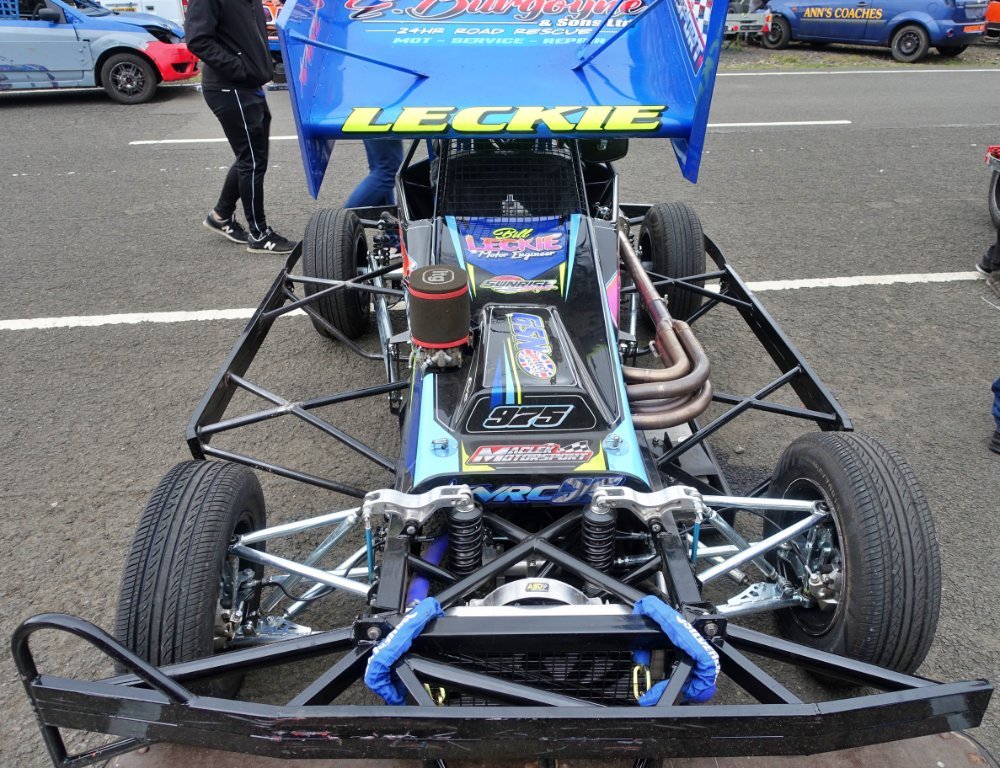
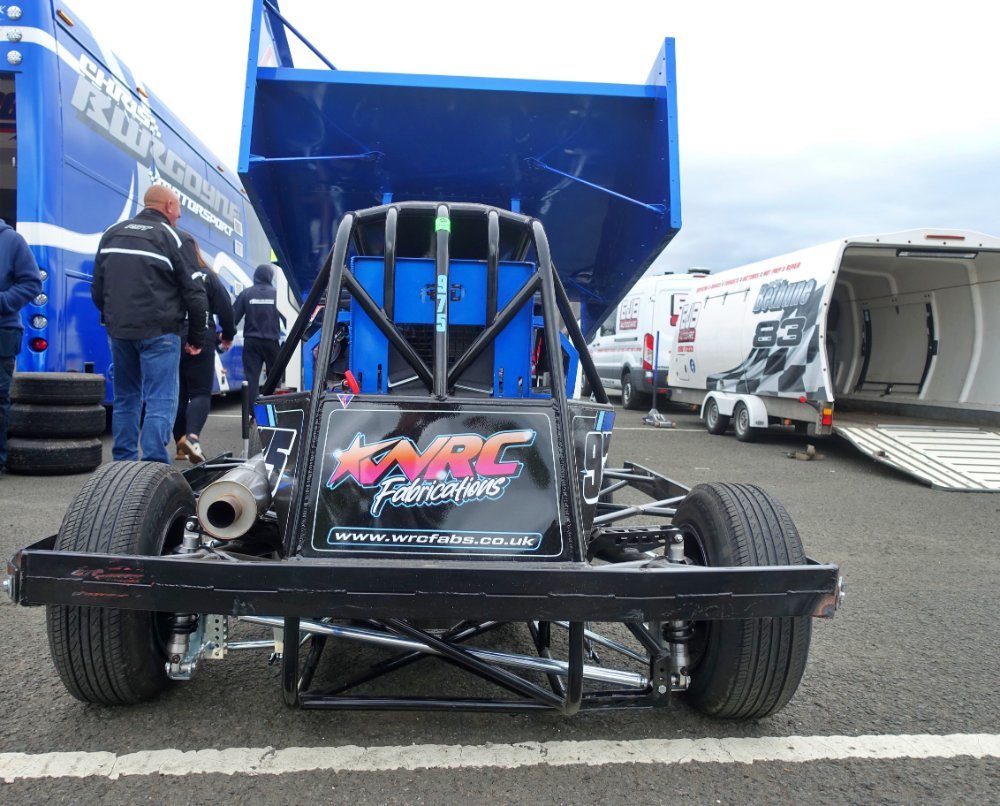
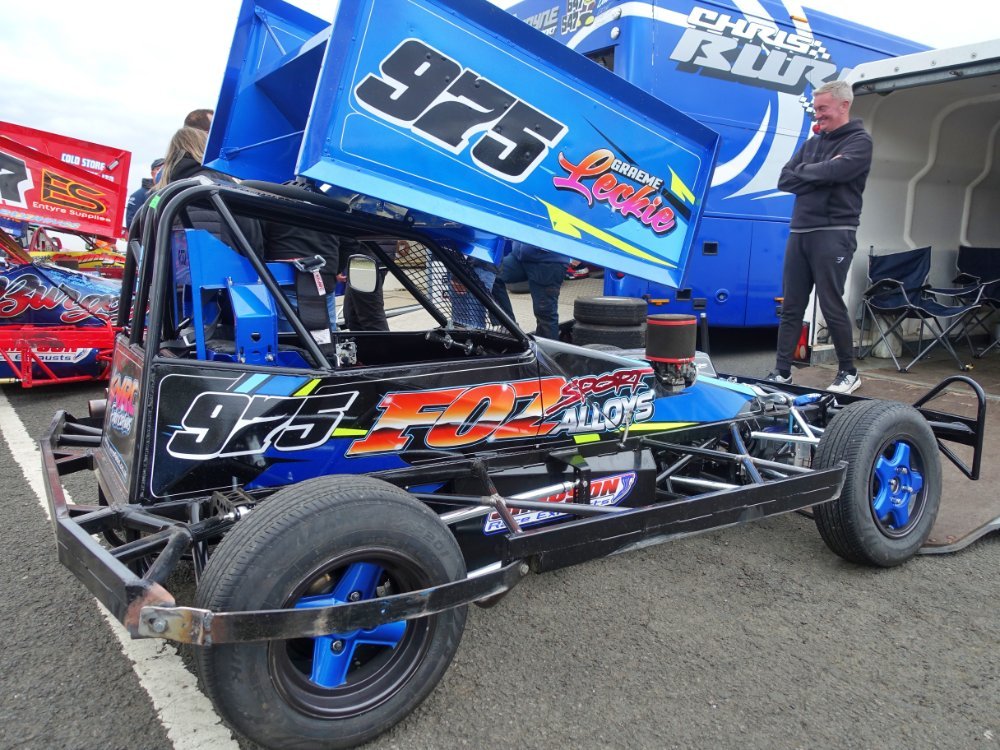
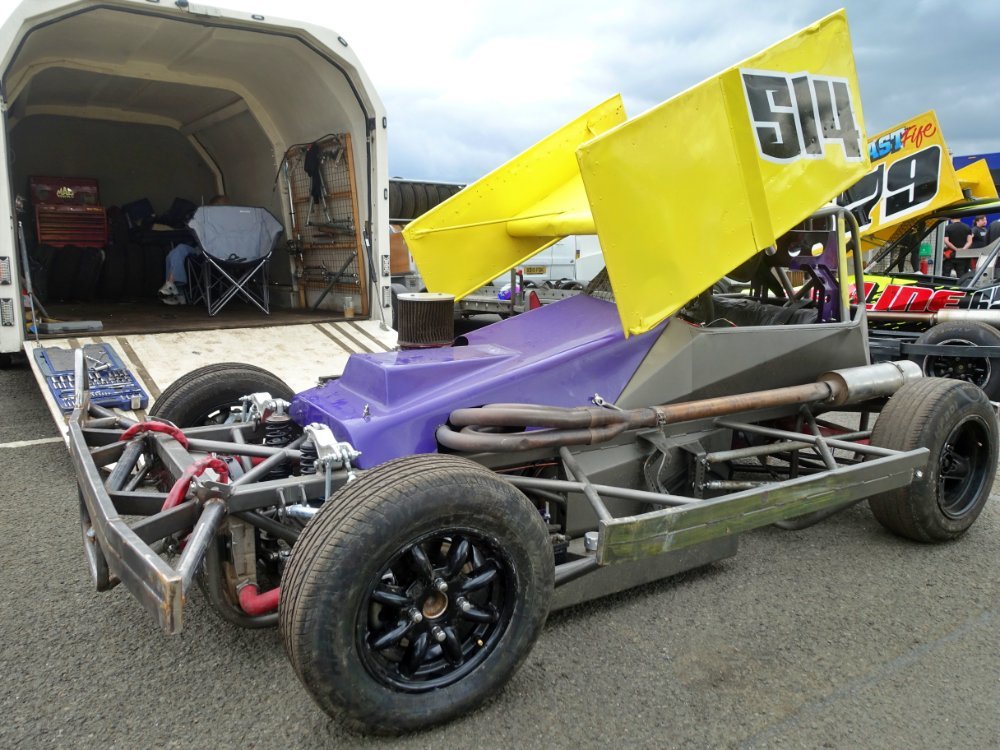
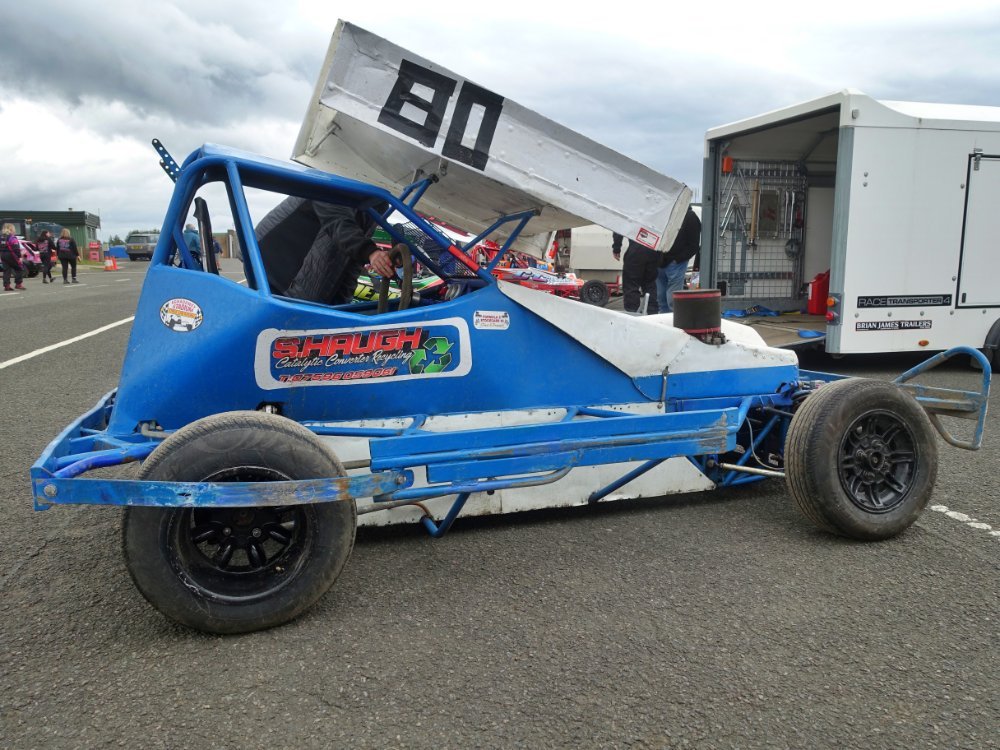
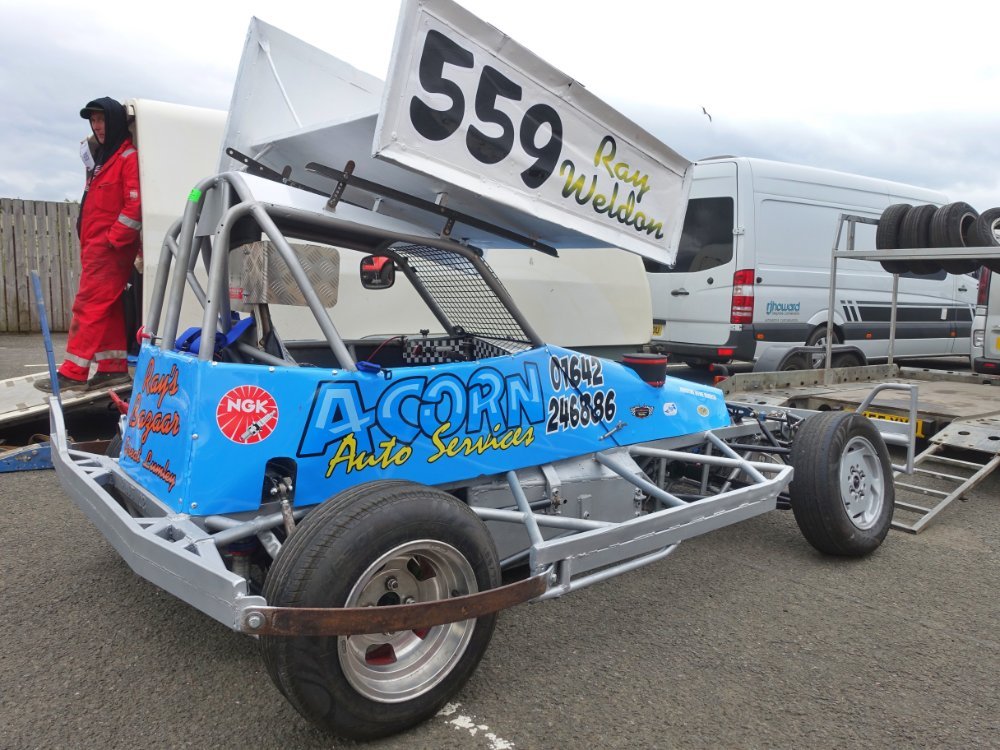
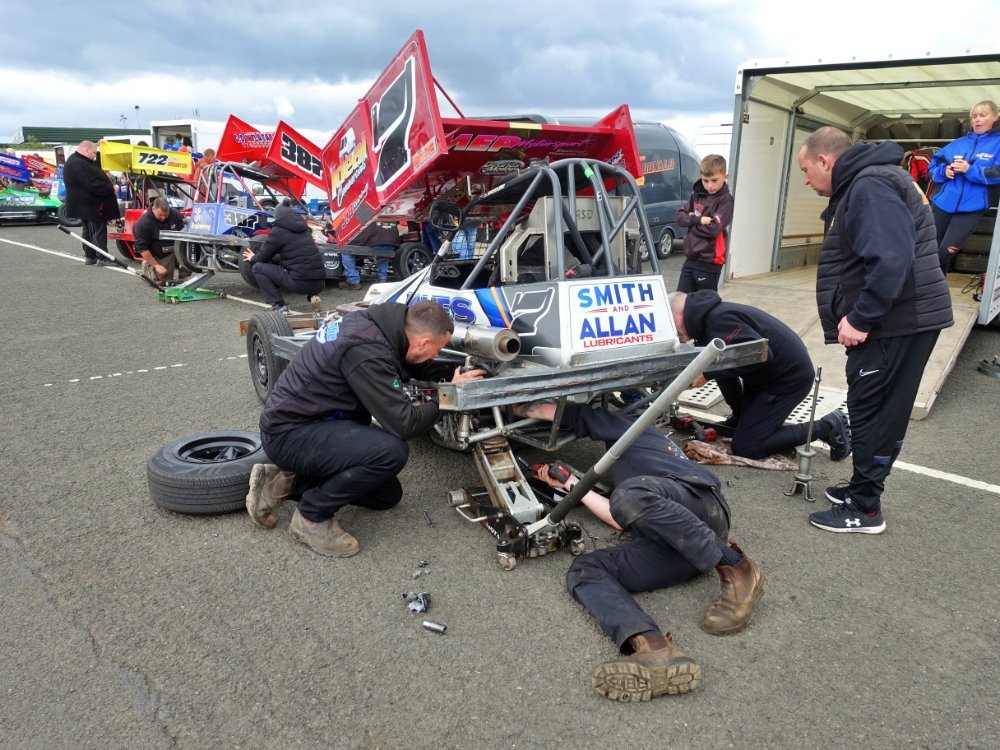
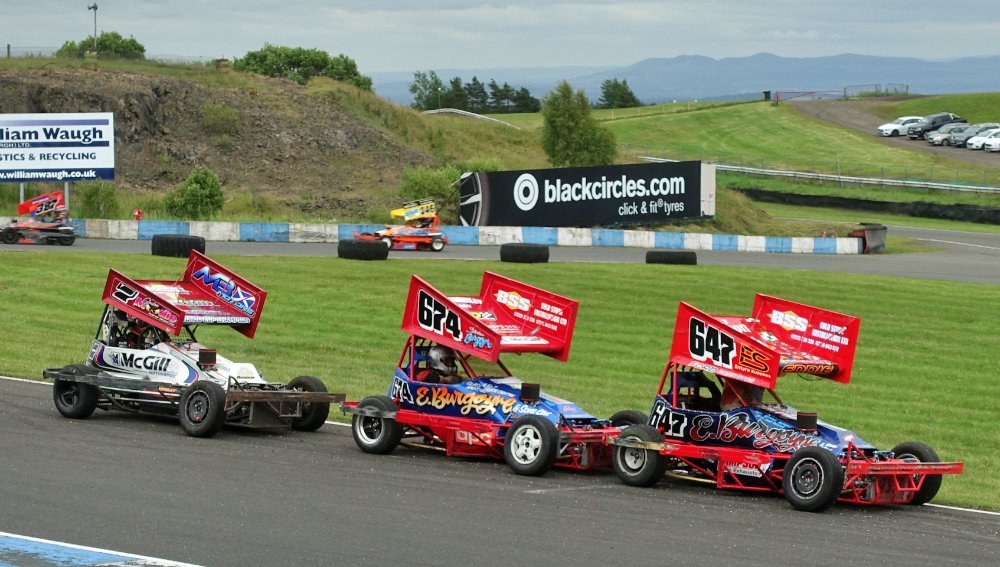
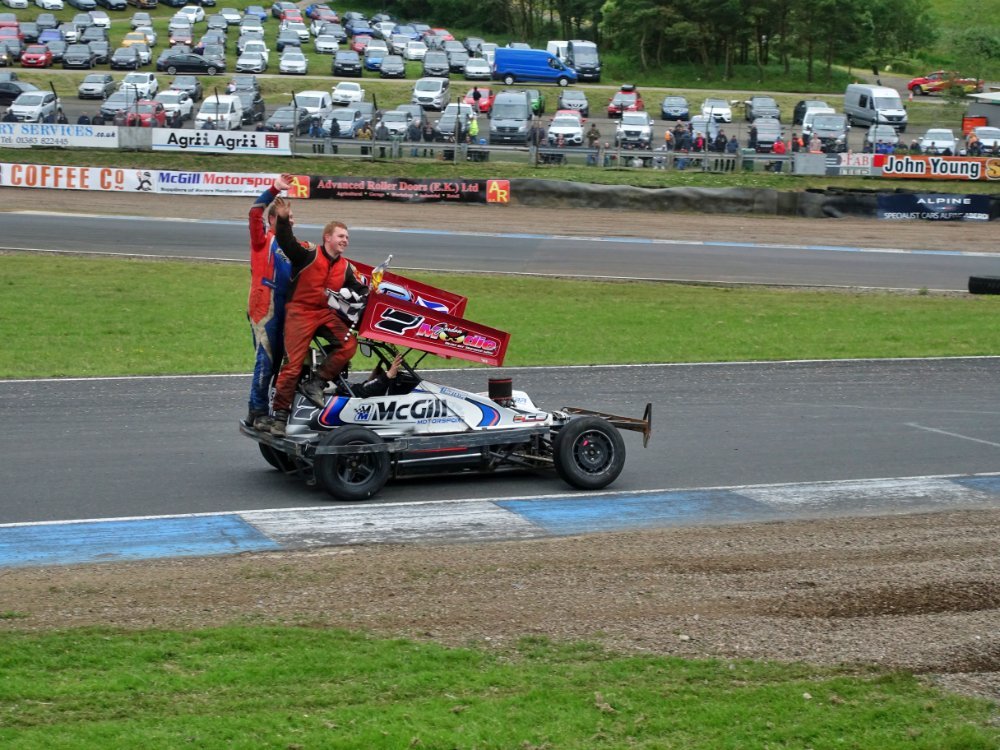
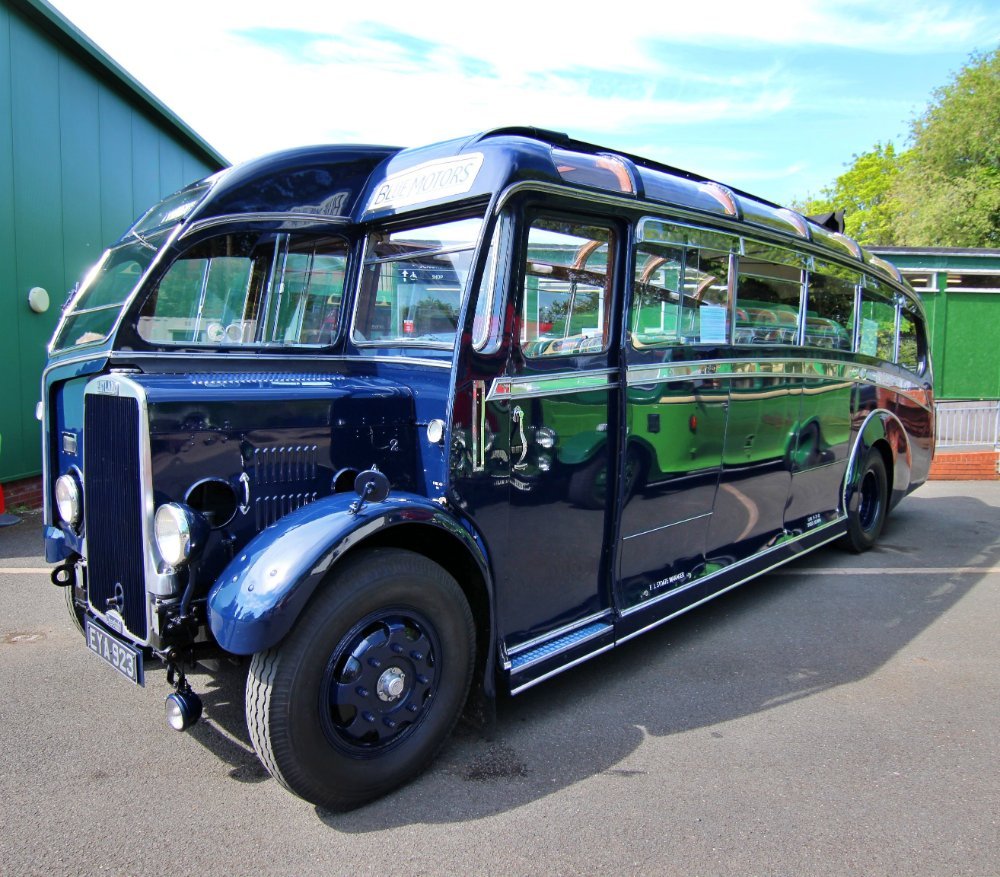
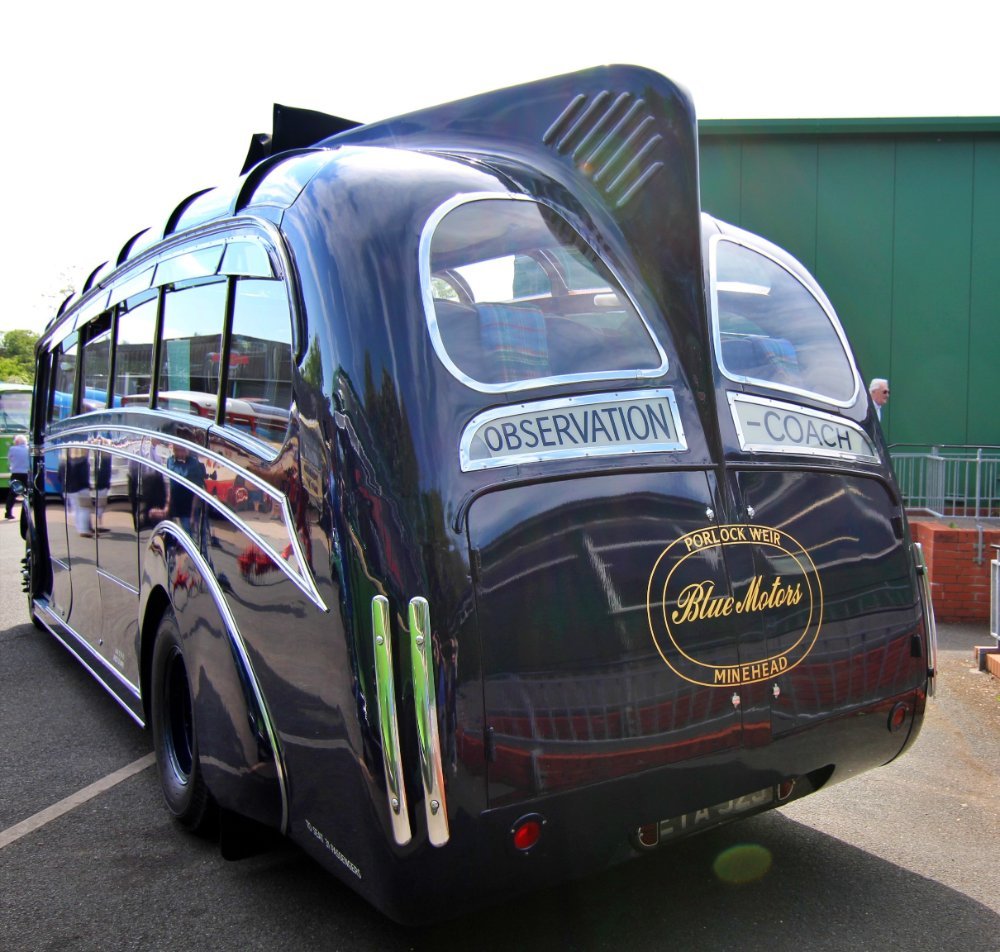
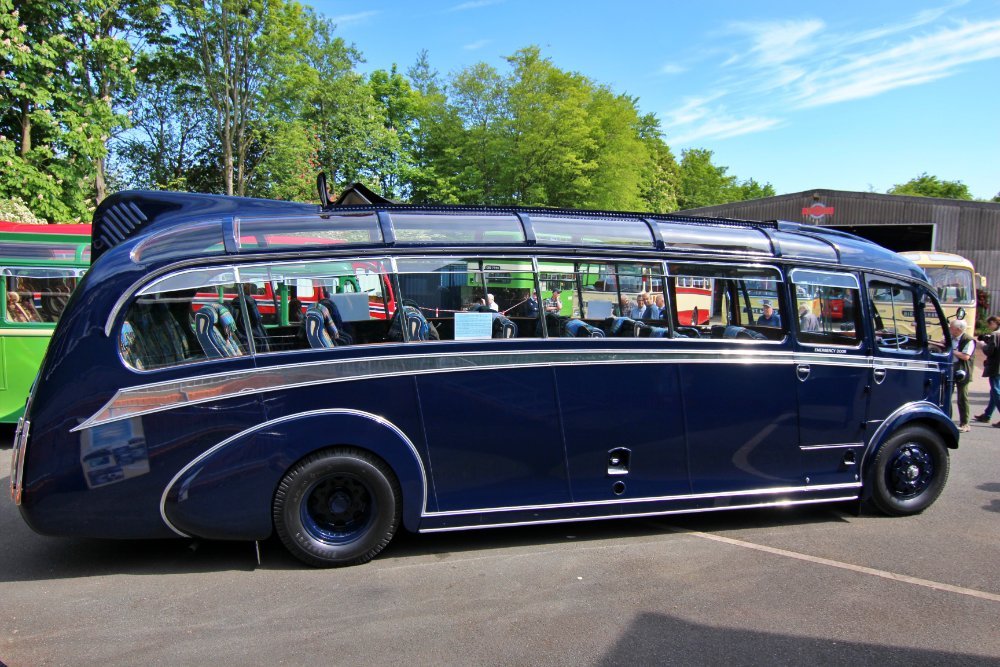
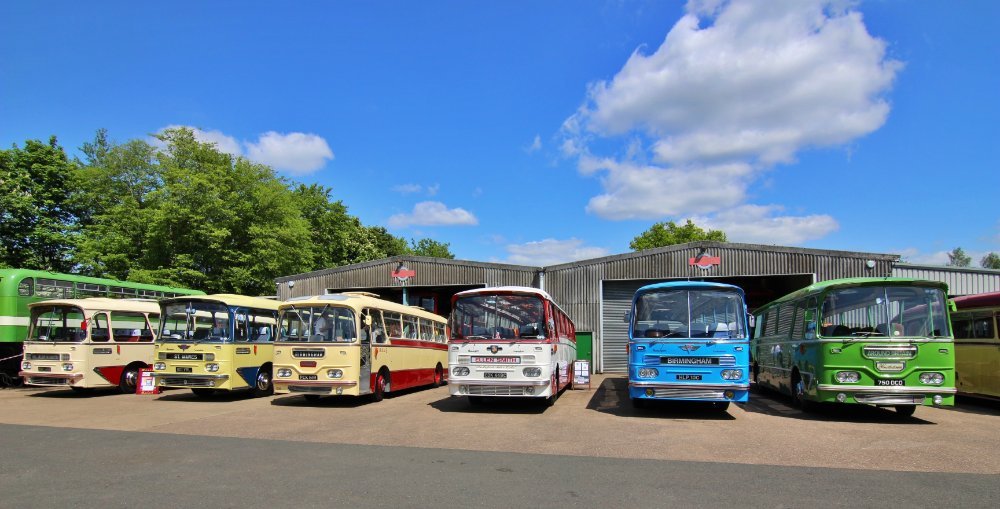
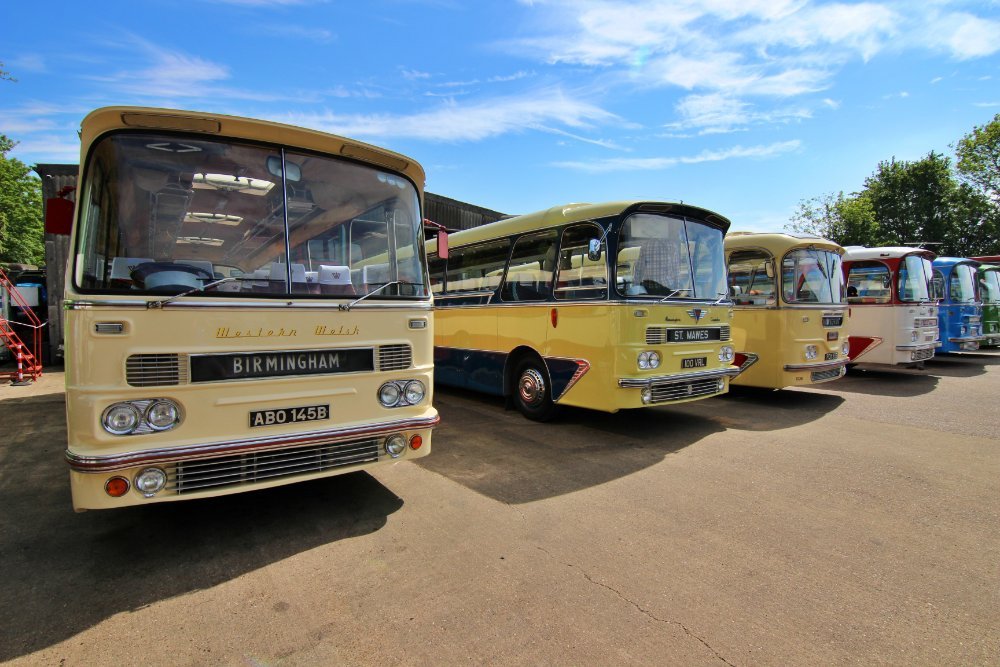
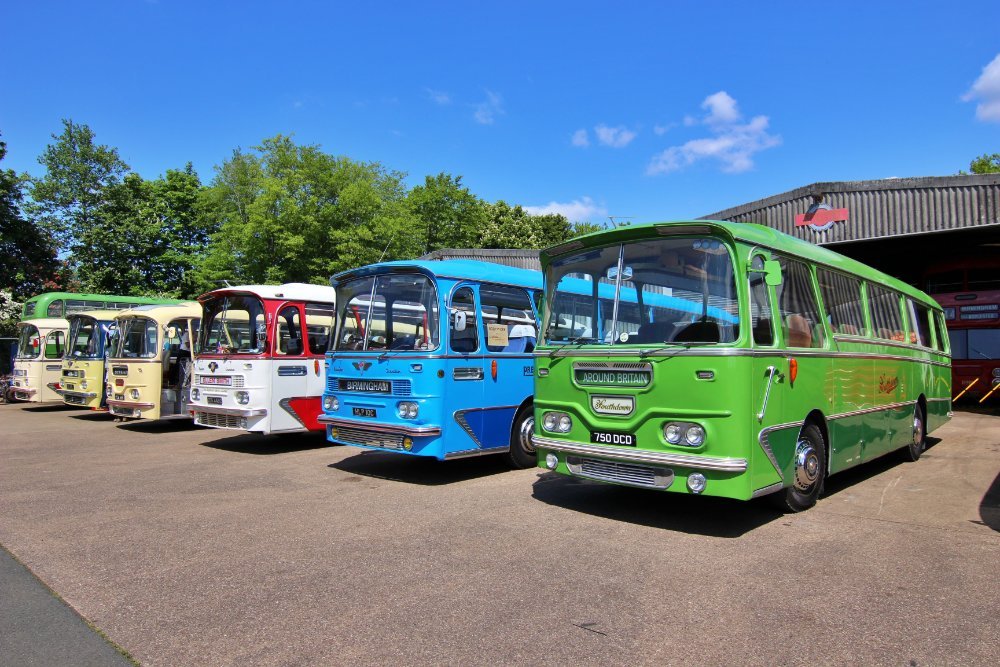
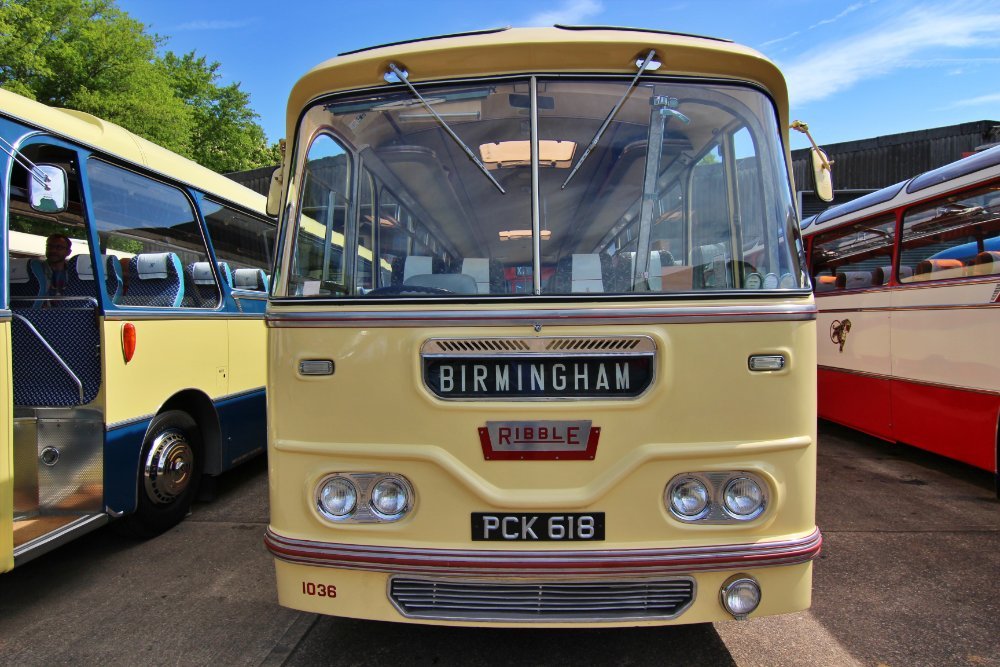
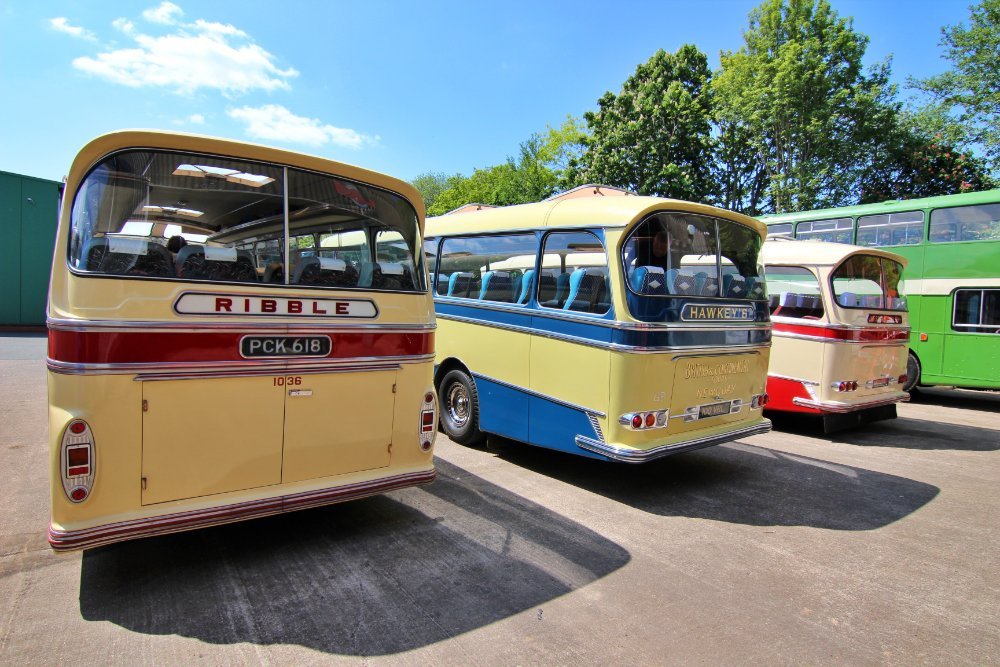
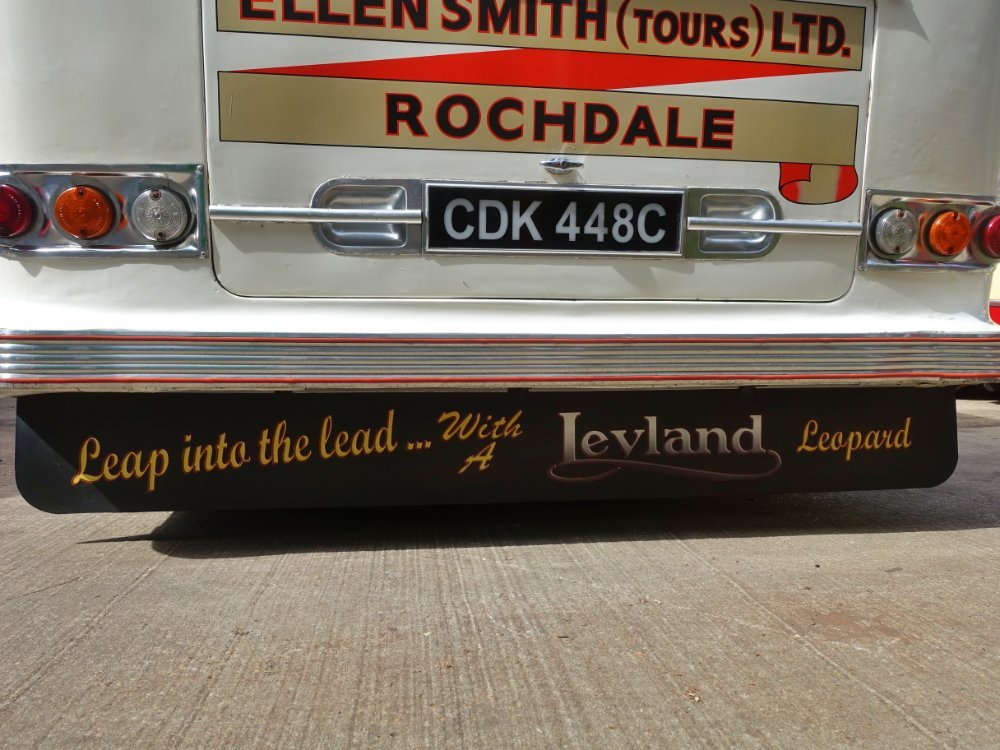
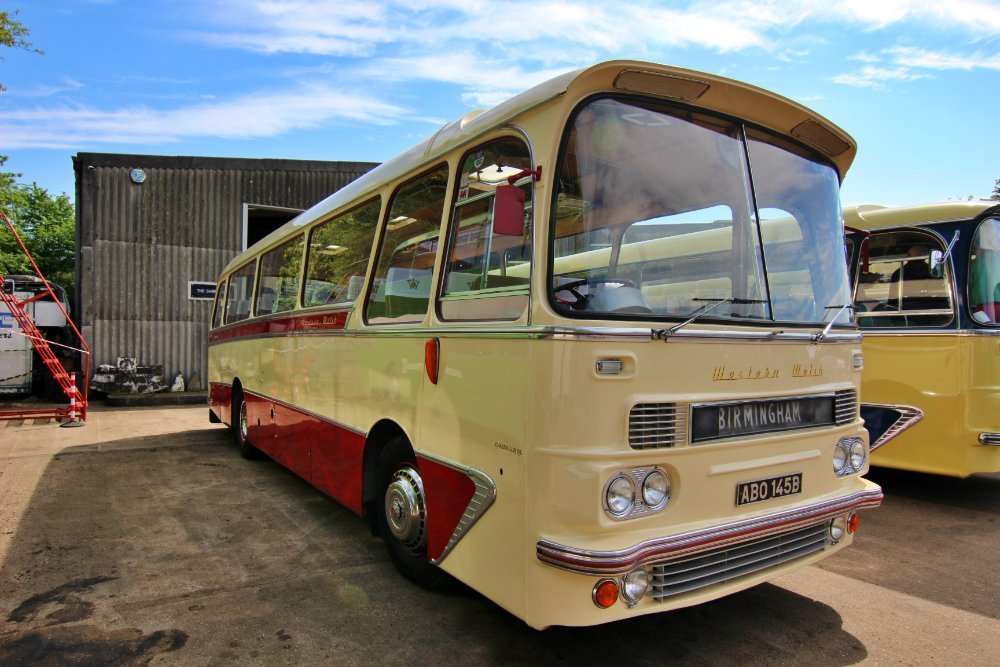
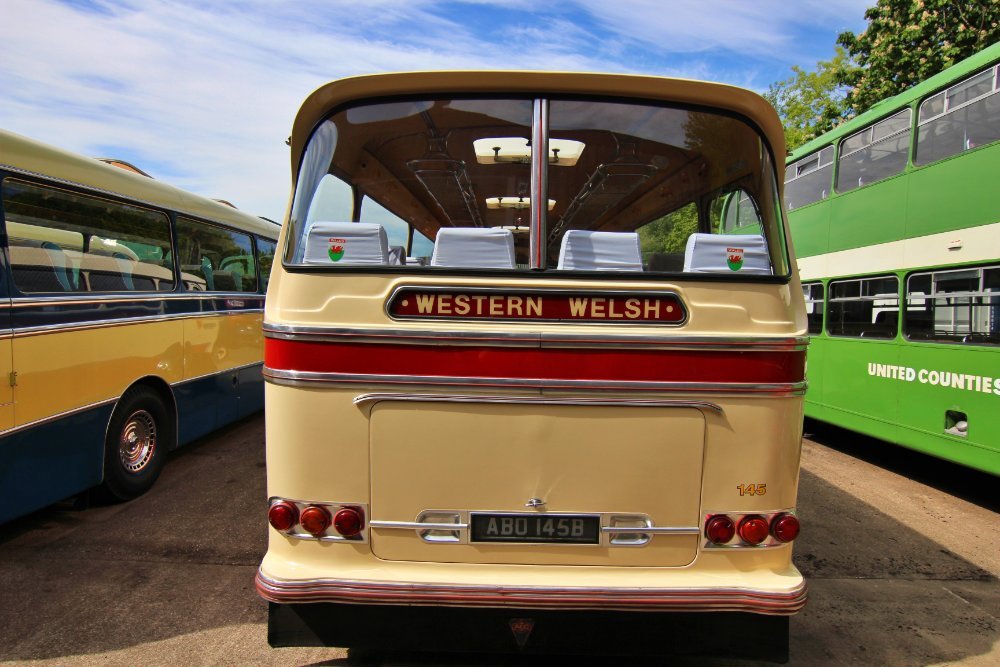
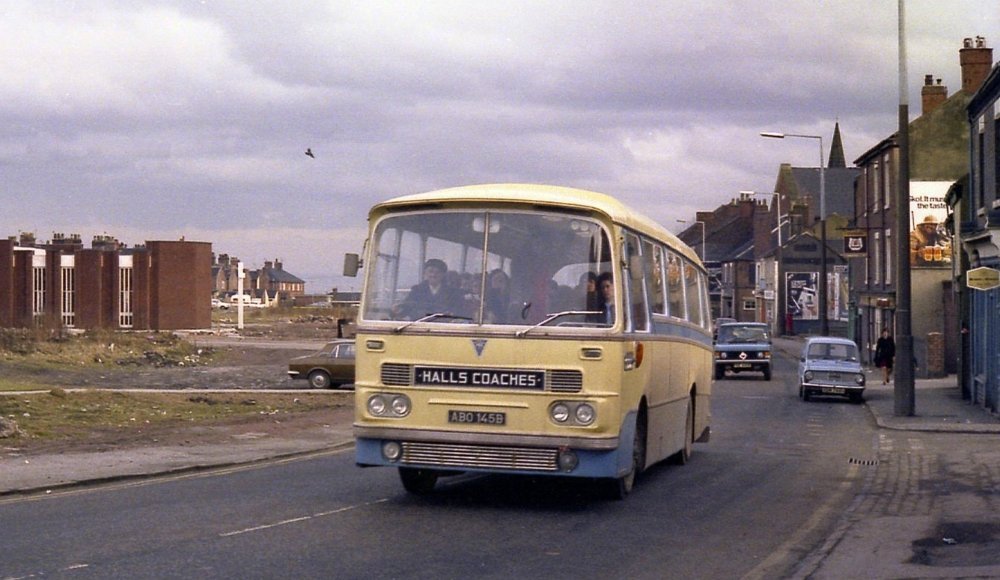


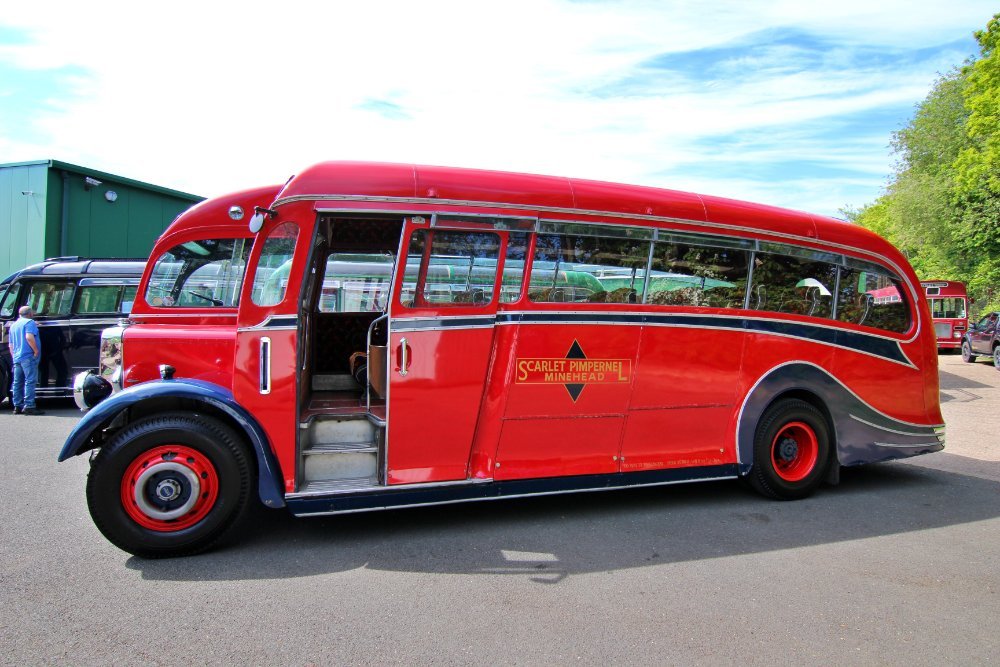
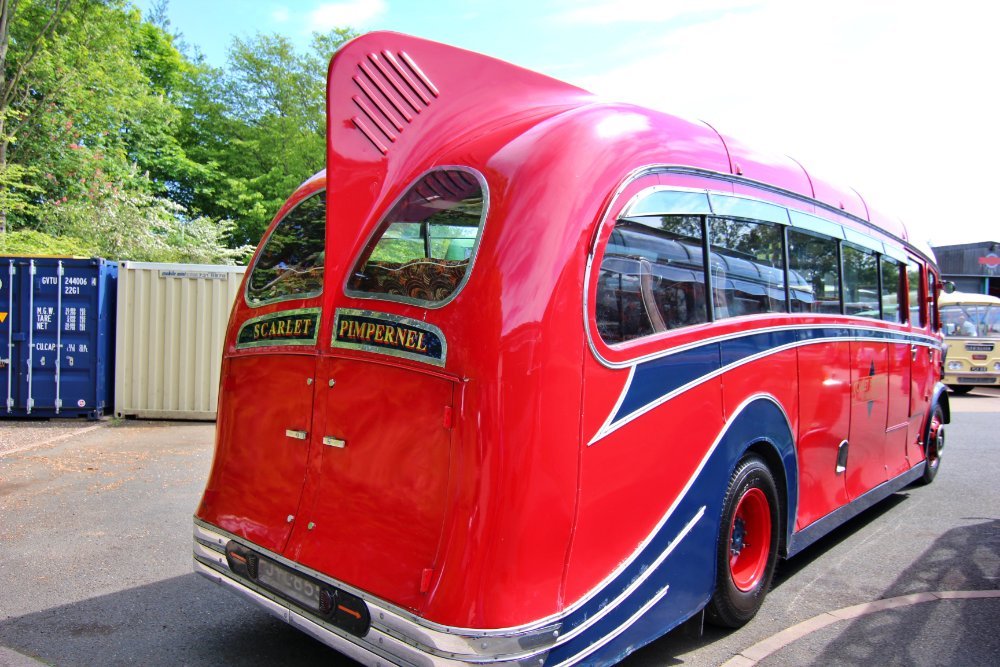



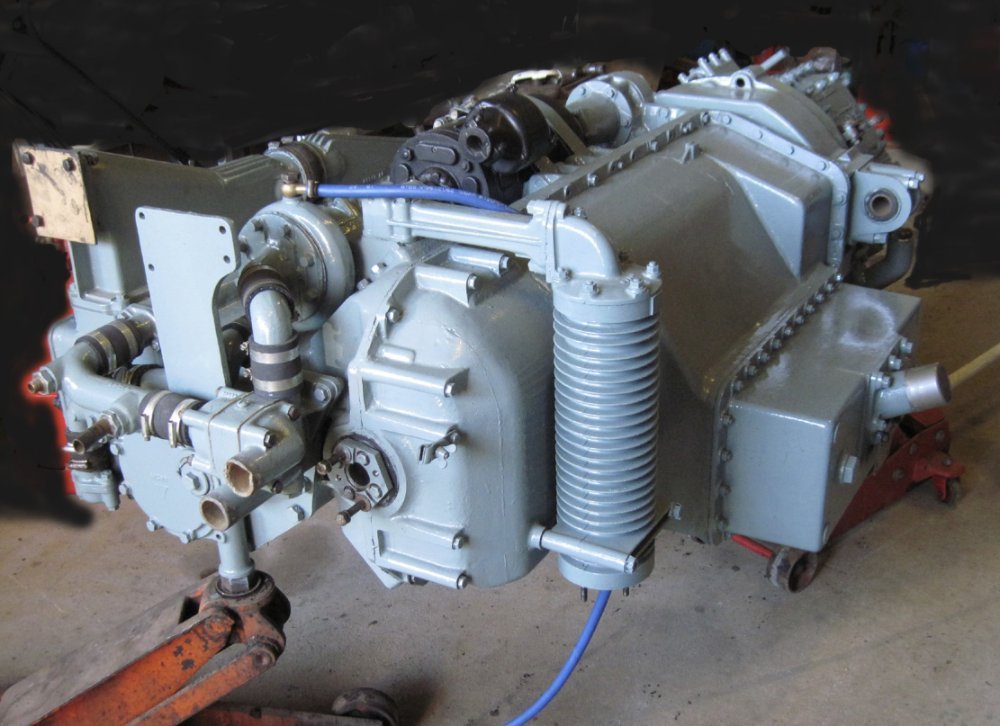
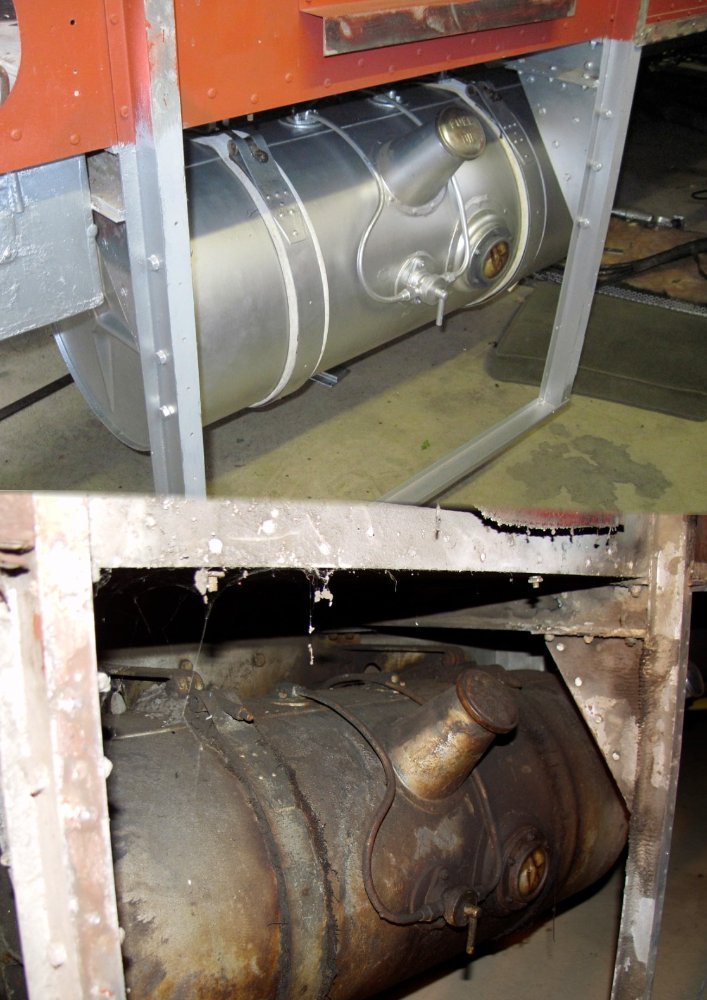
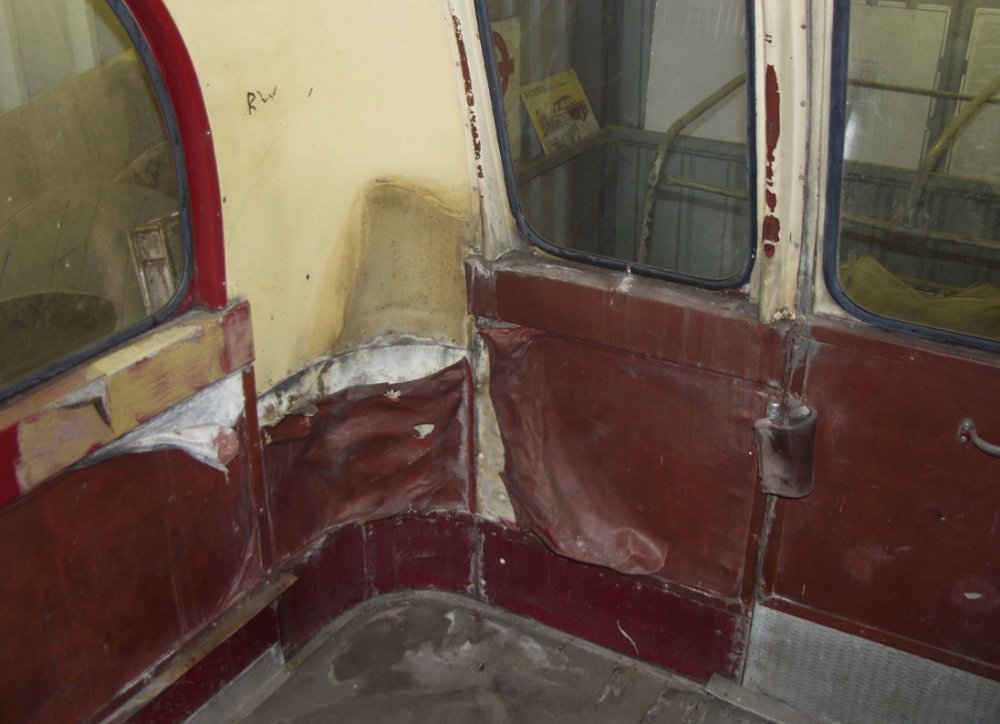
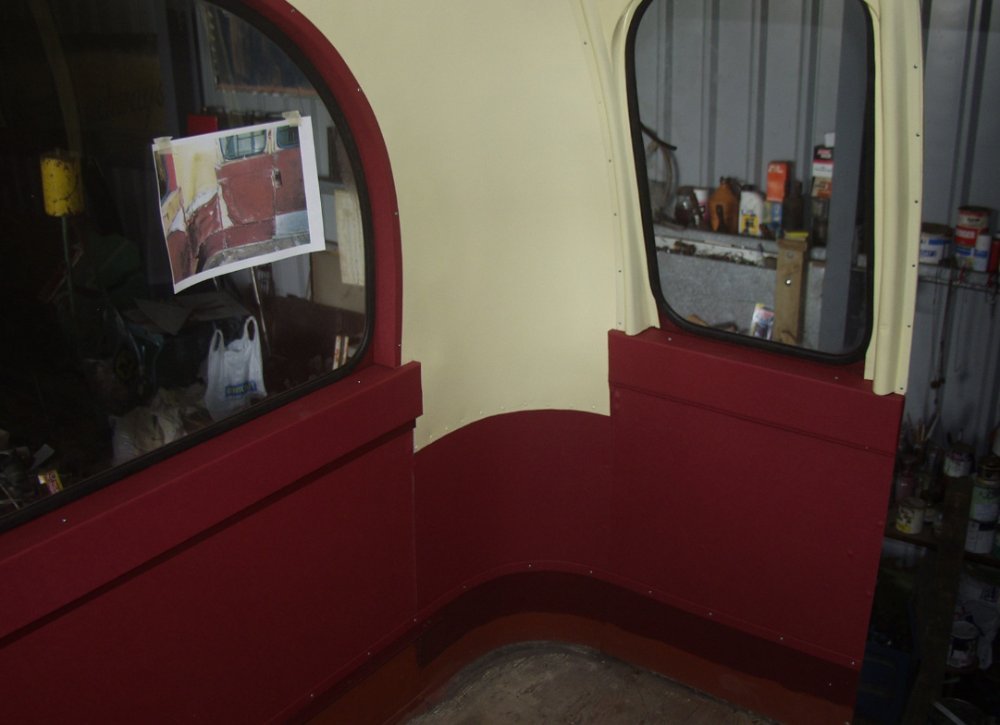

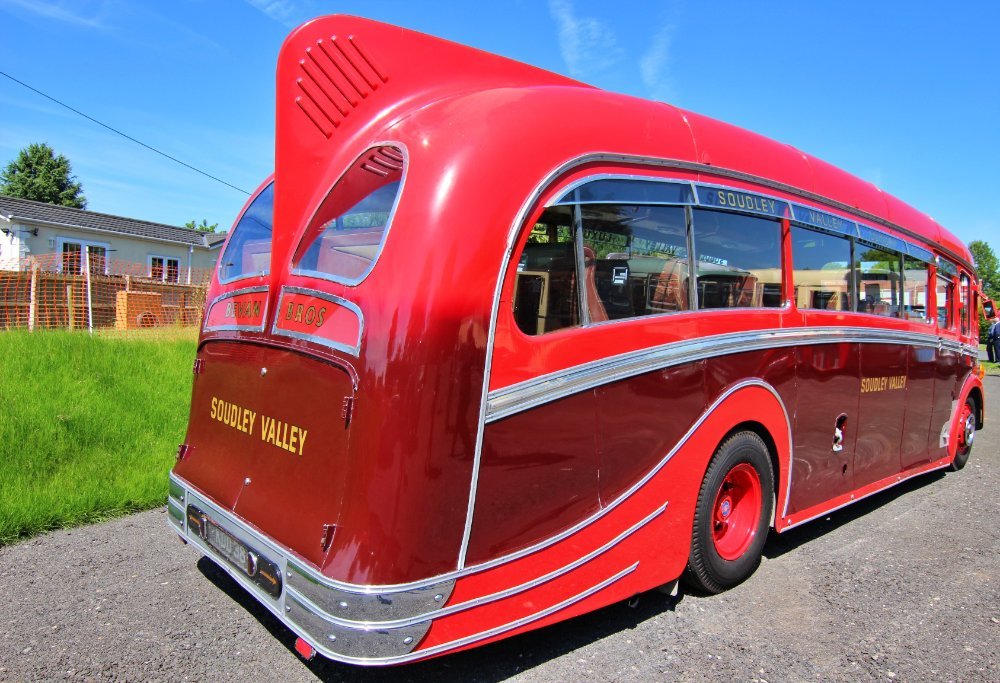
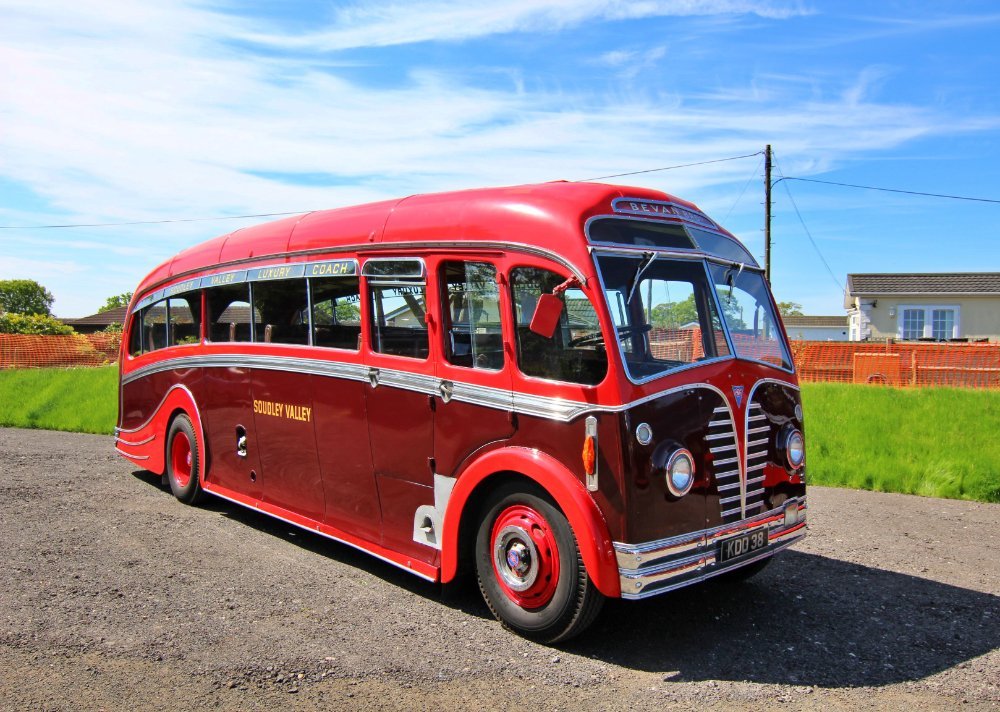
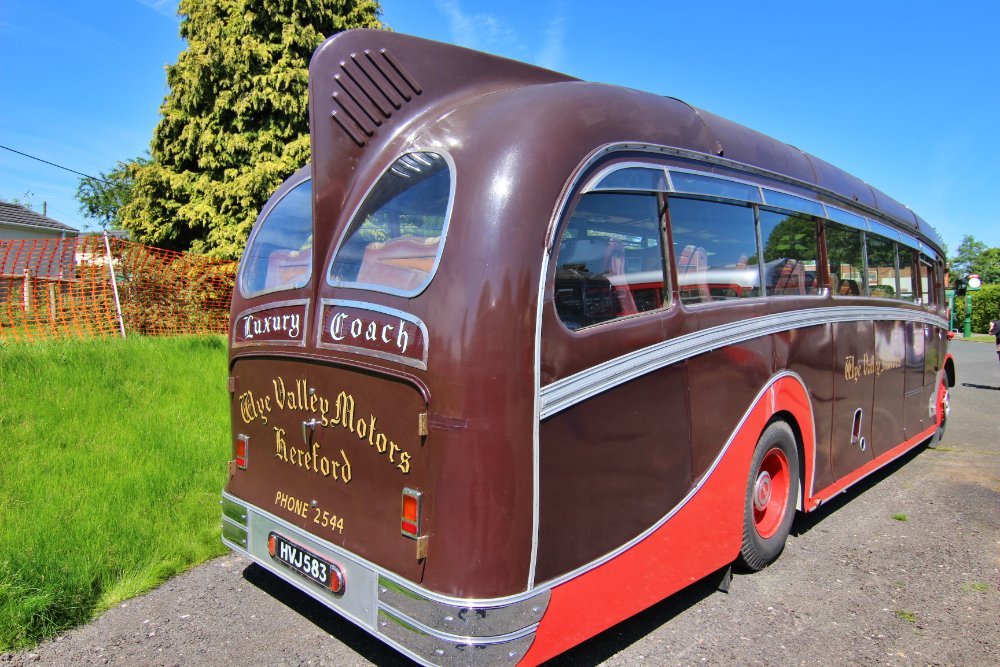
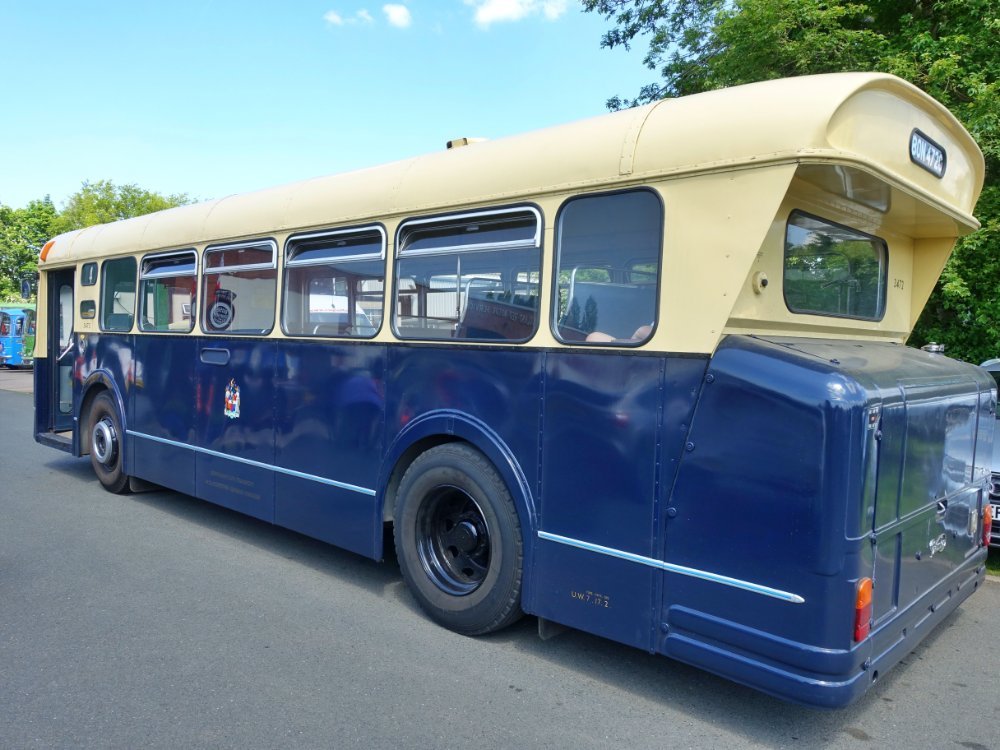
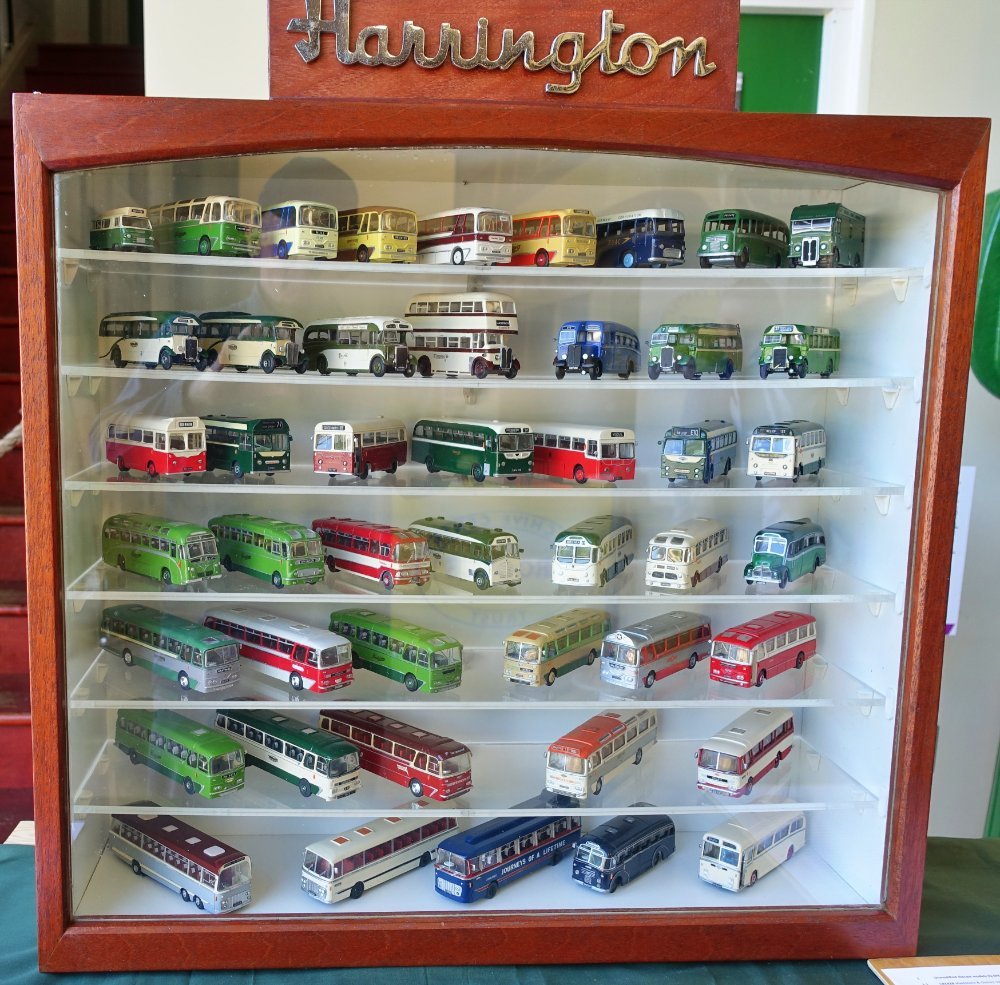
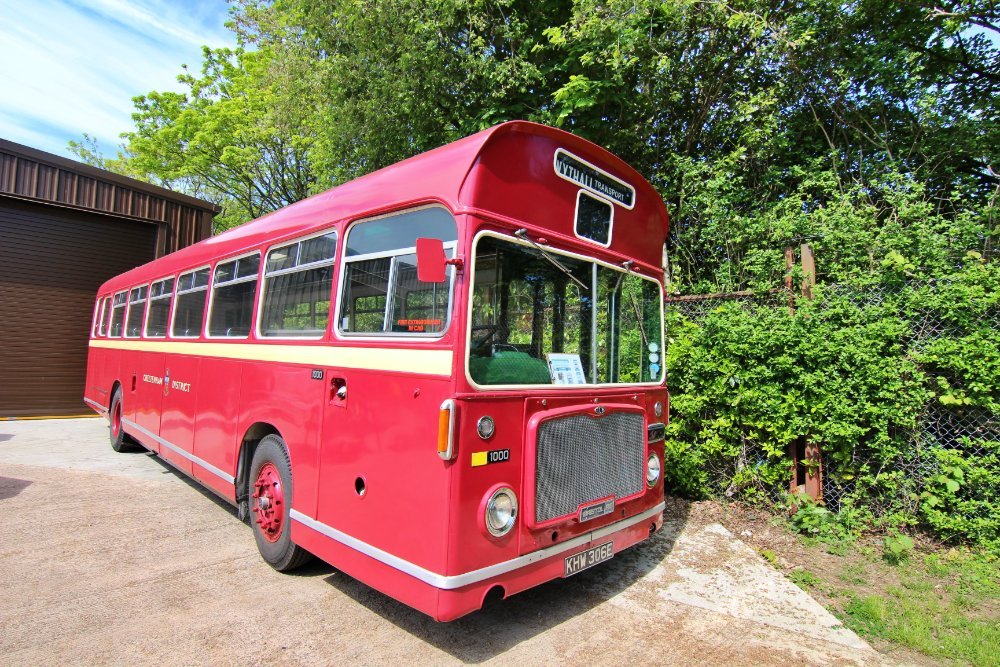
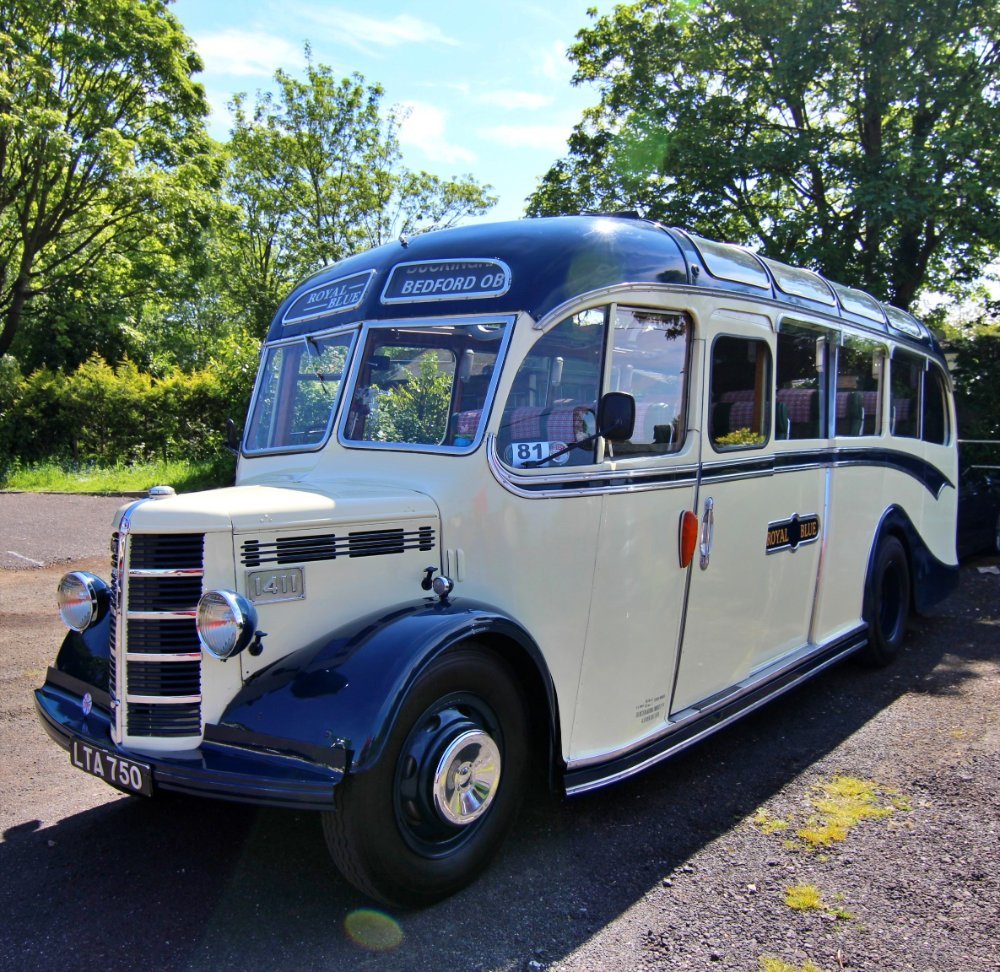
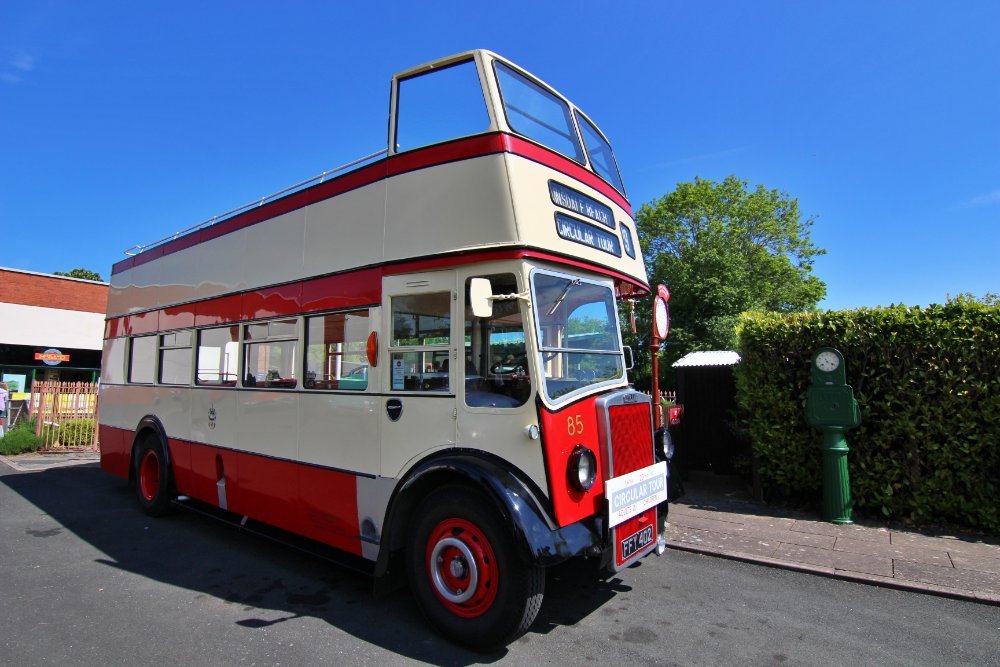
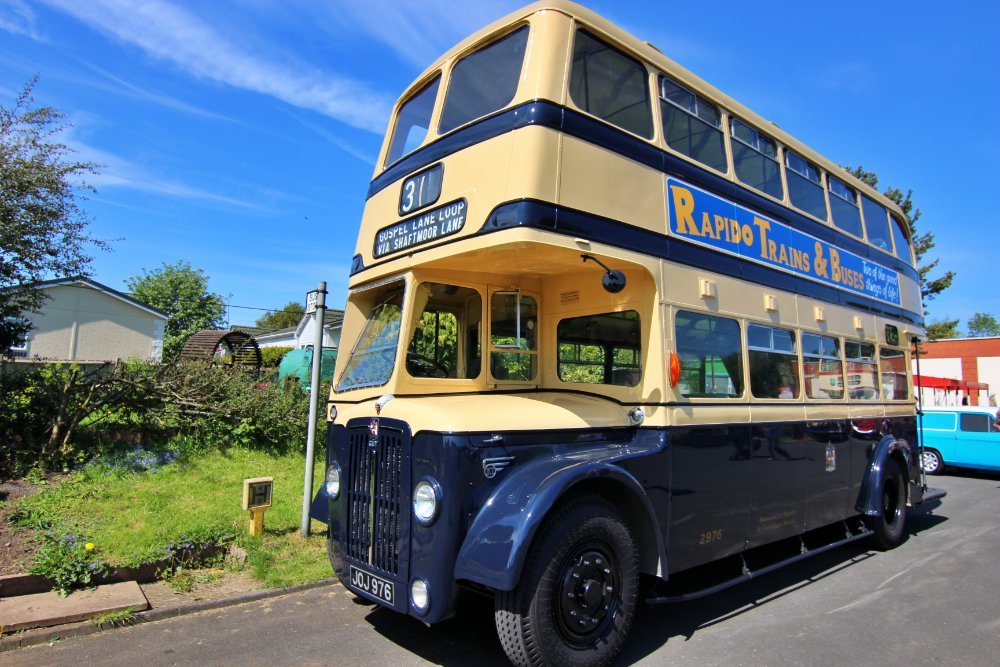
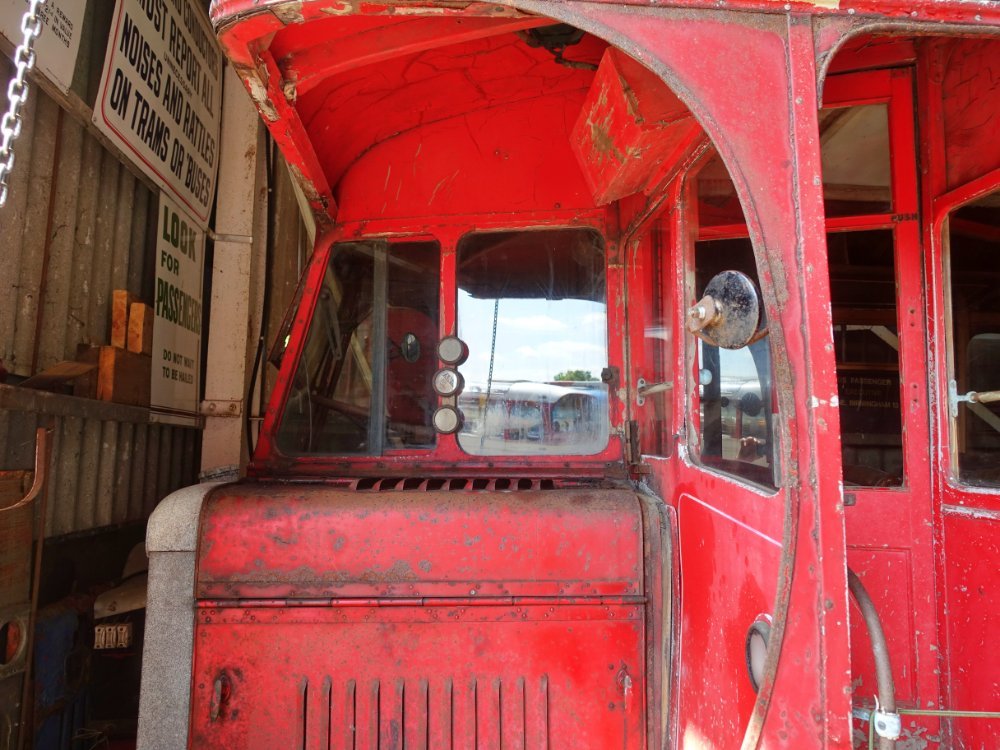
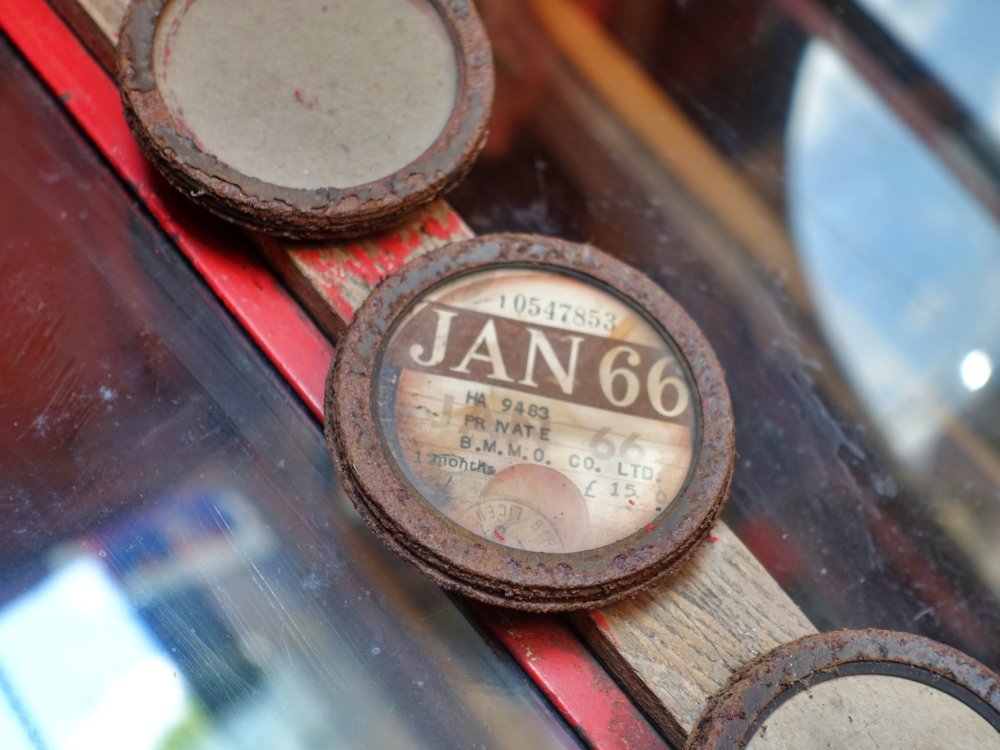
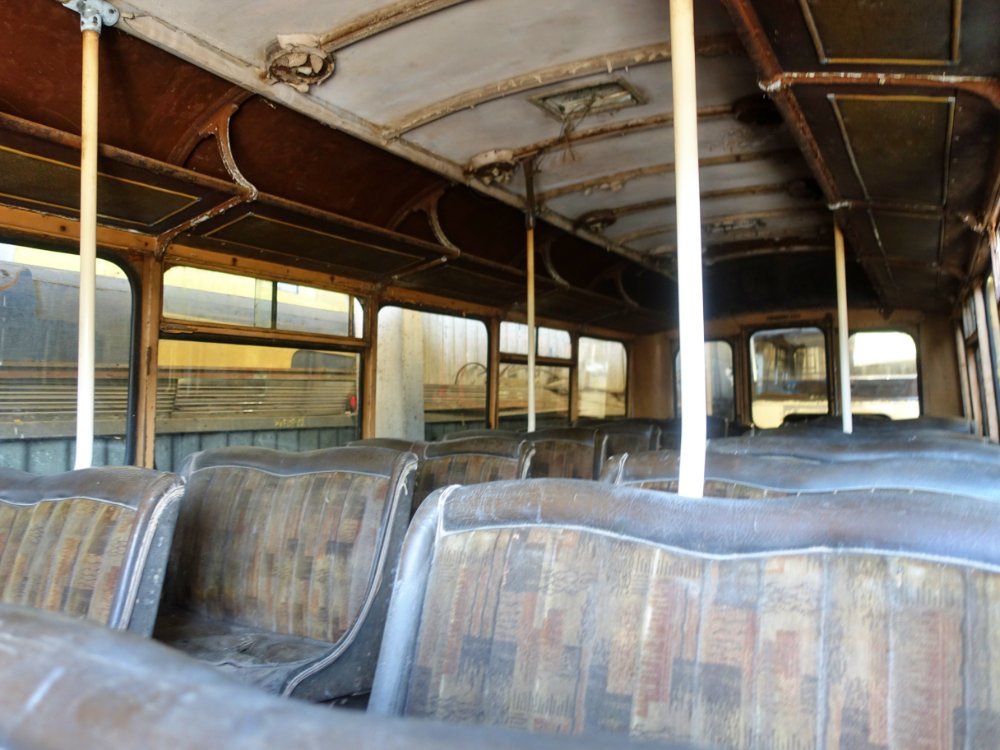
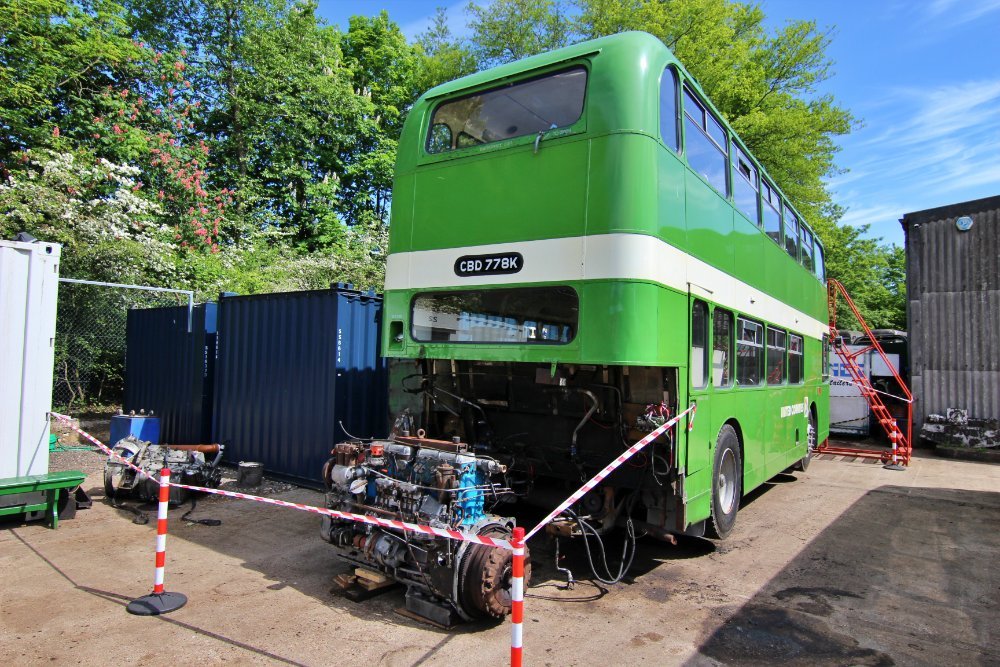

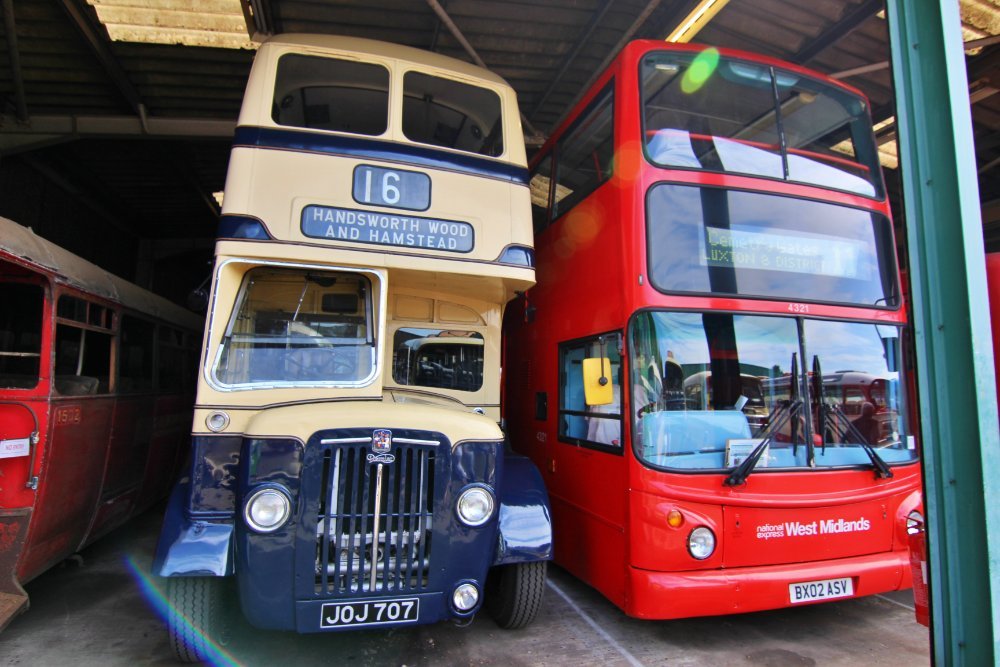
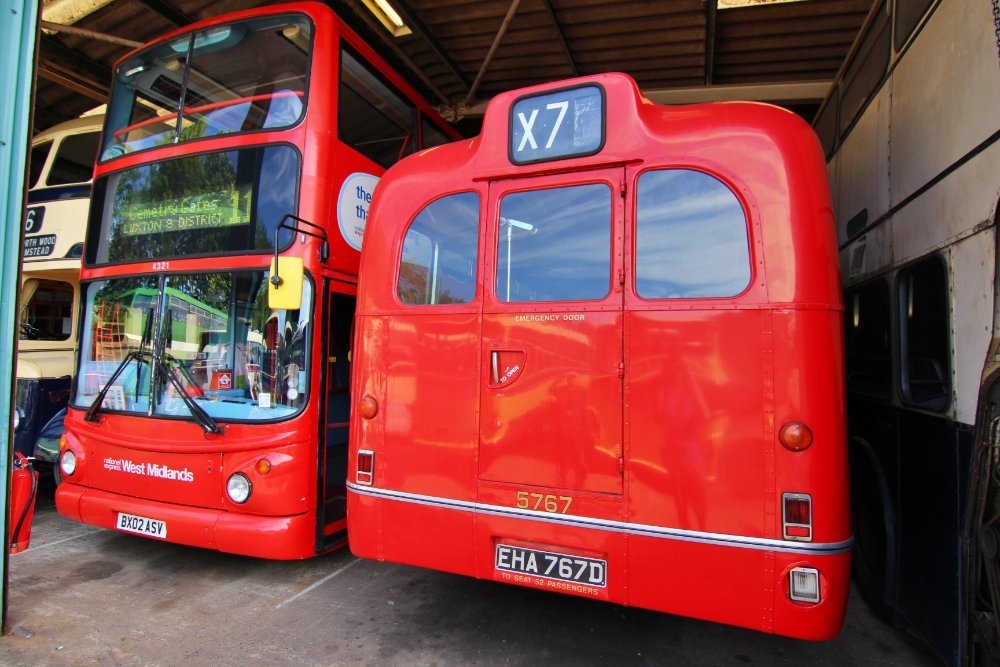
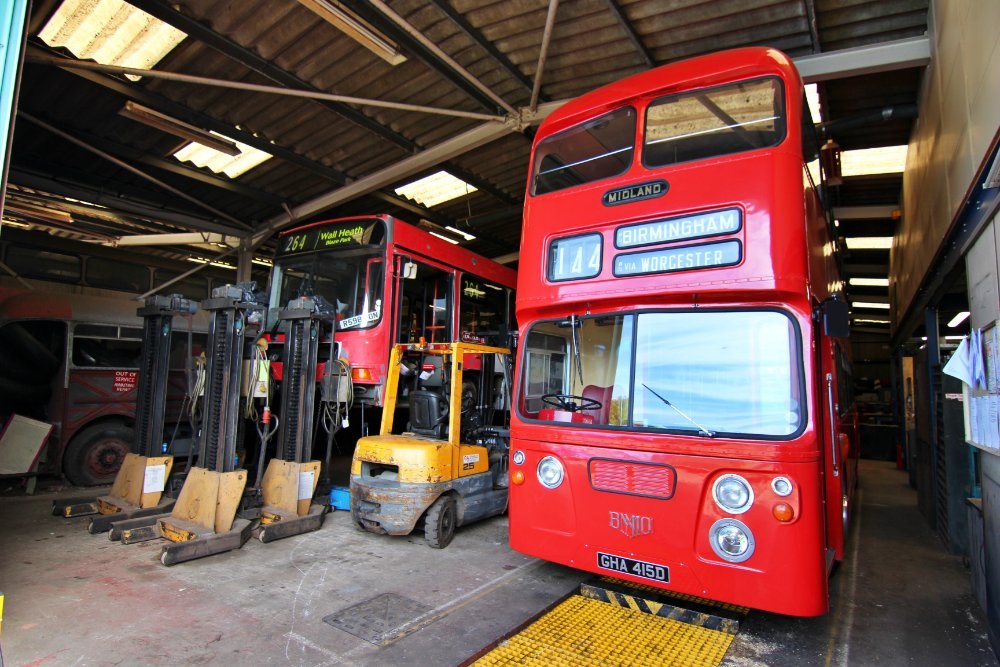


.jpg.aec3b4d94500bd12769fc10a1236b946.jpg)




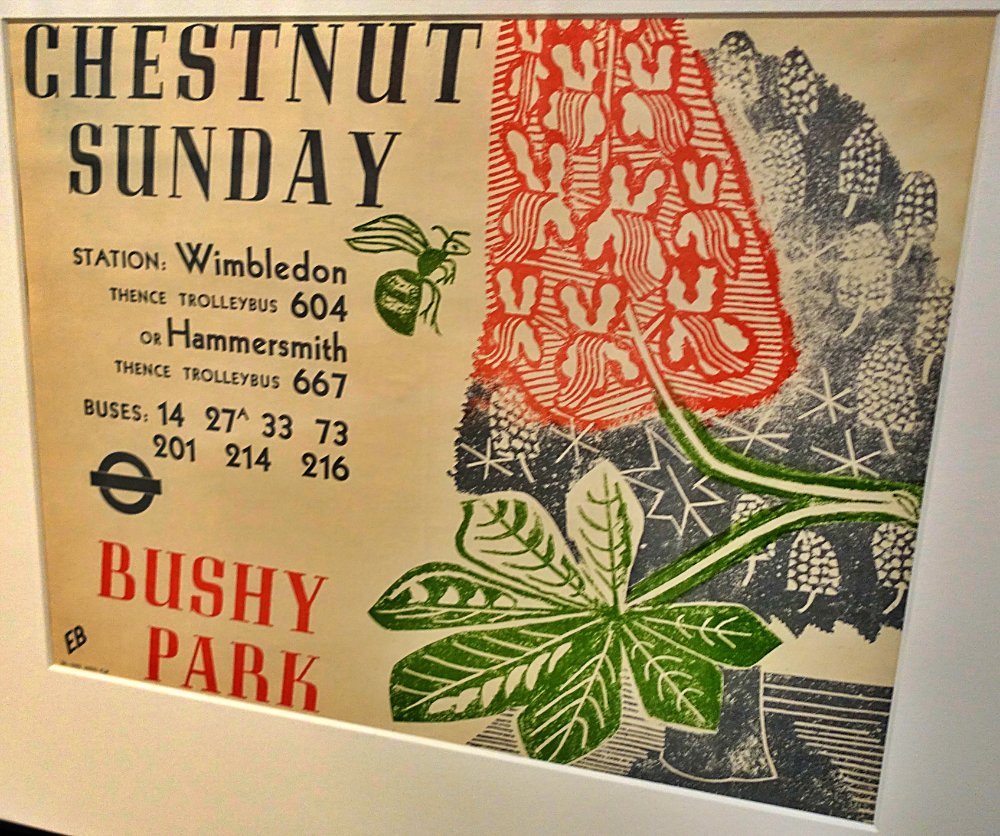
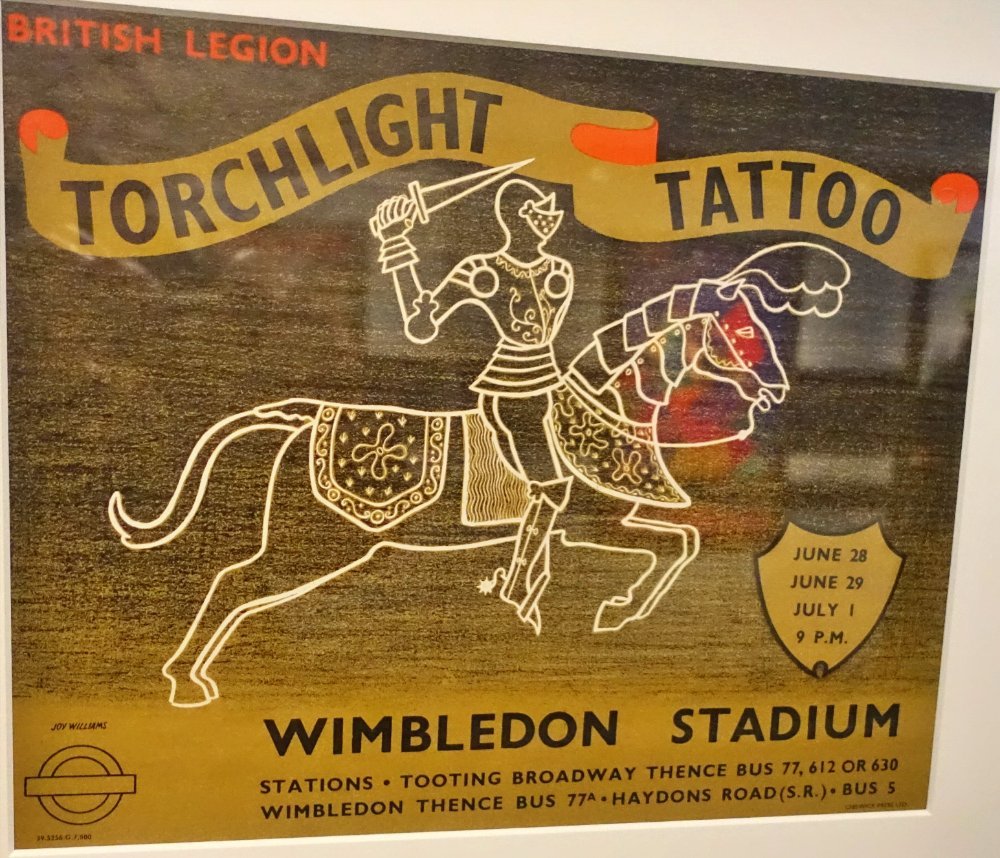
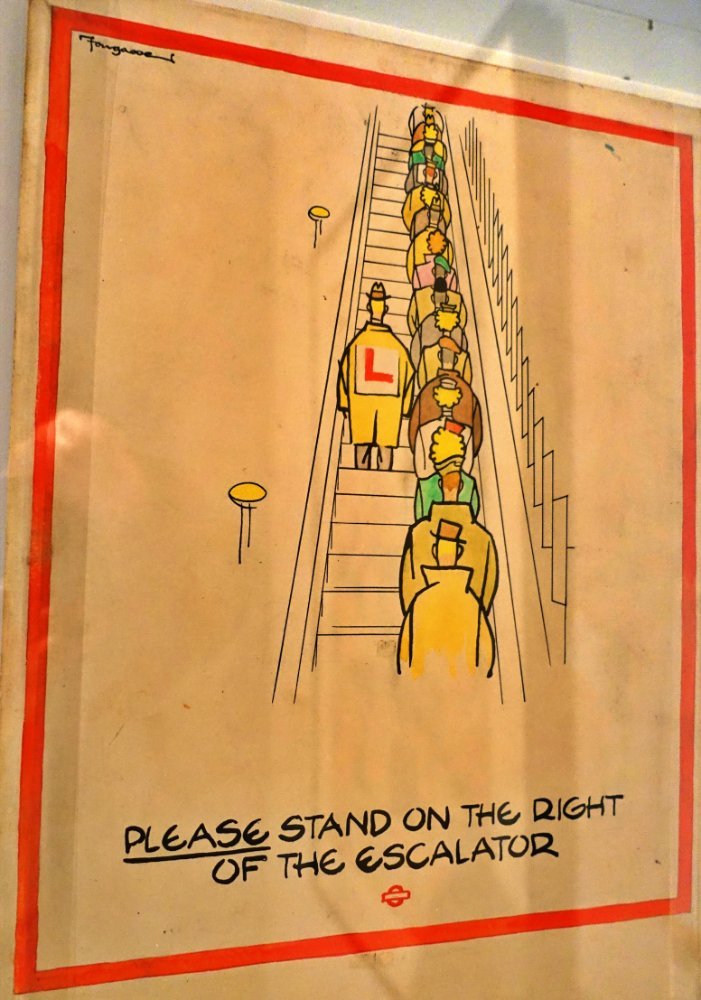


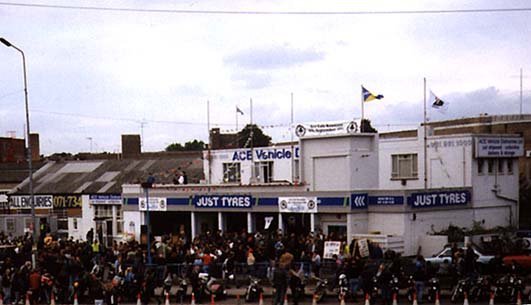

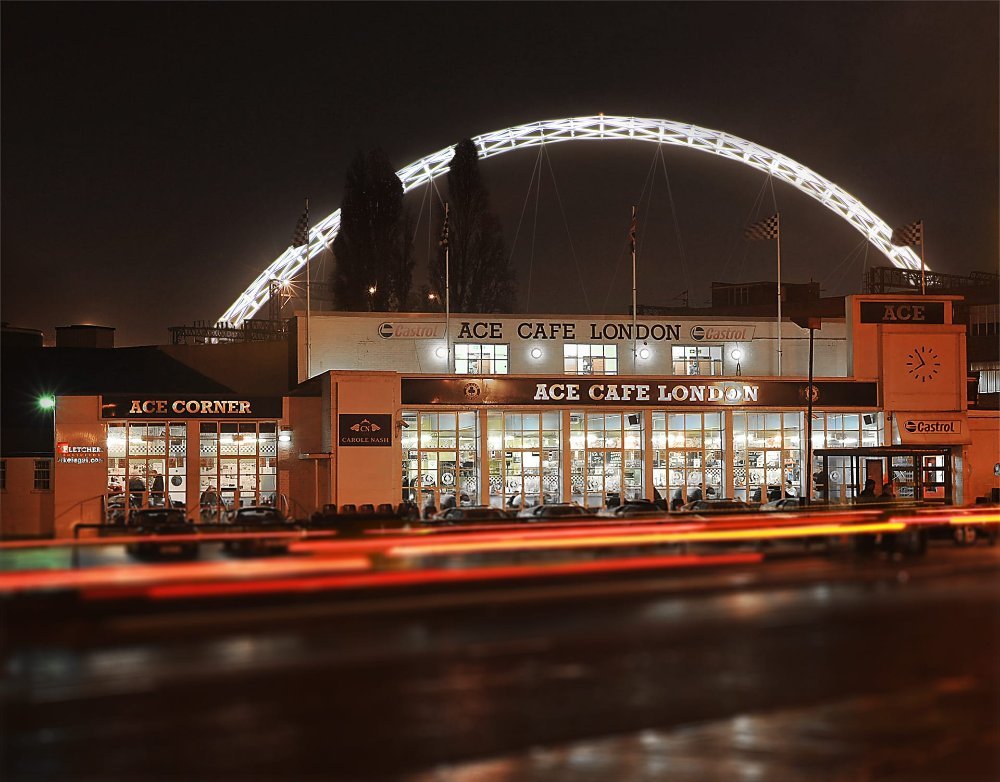
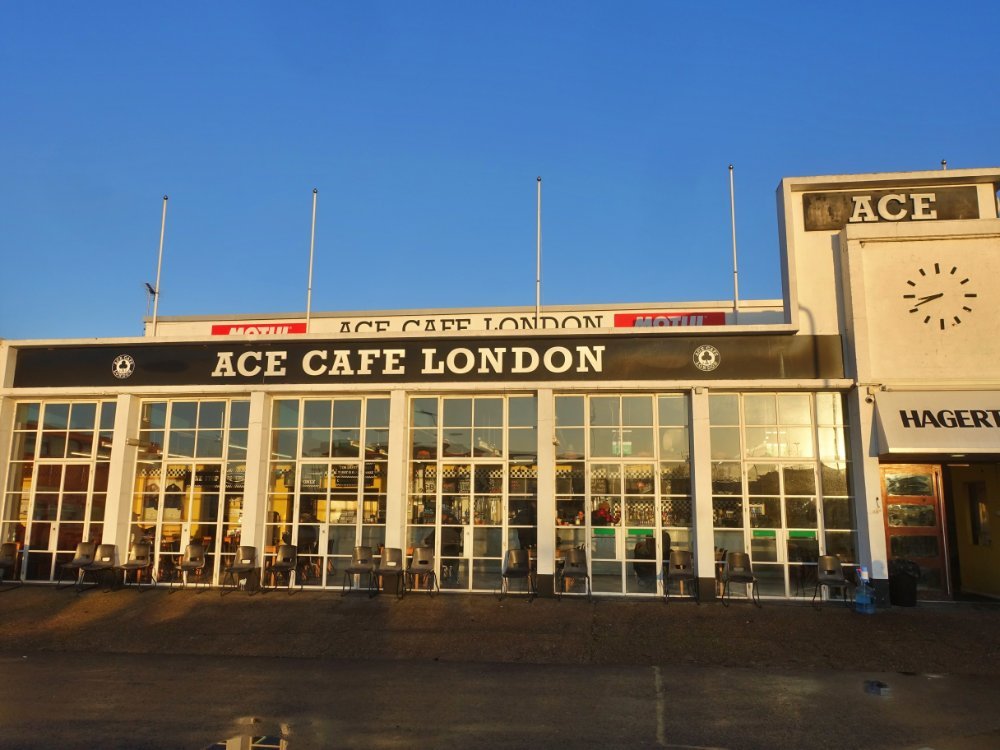




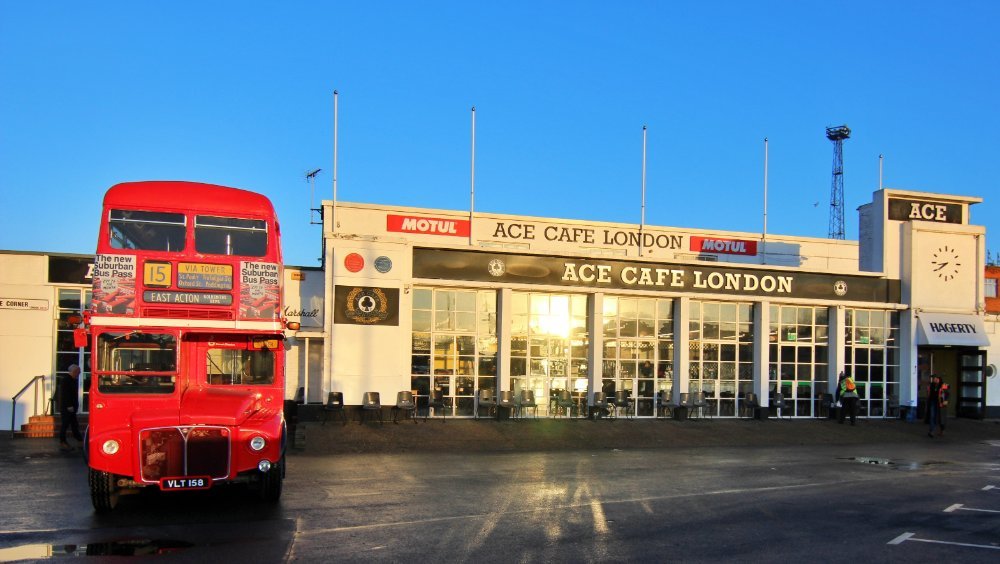
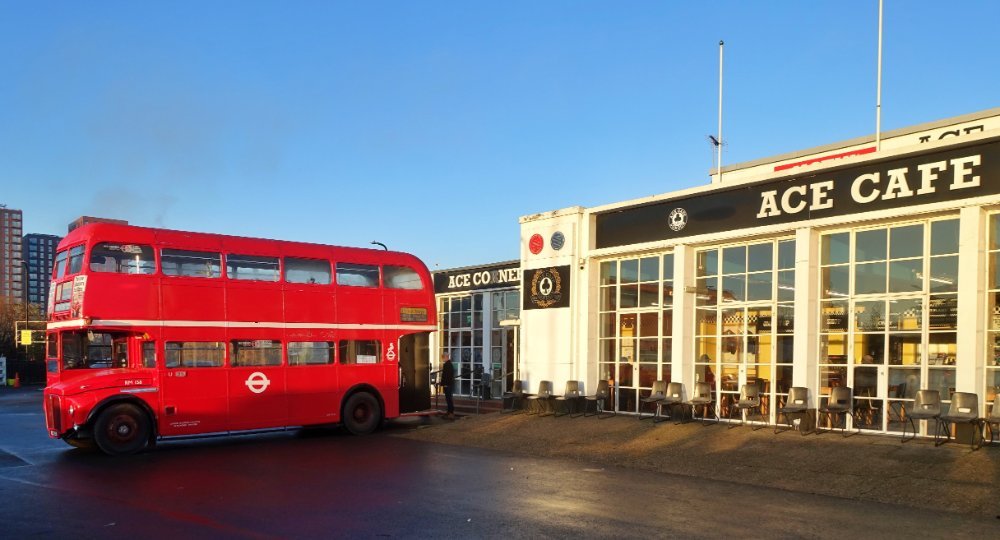
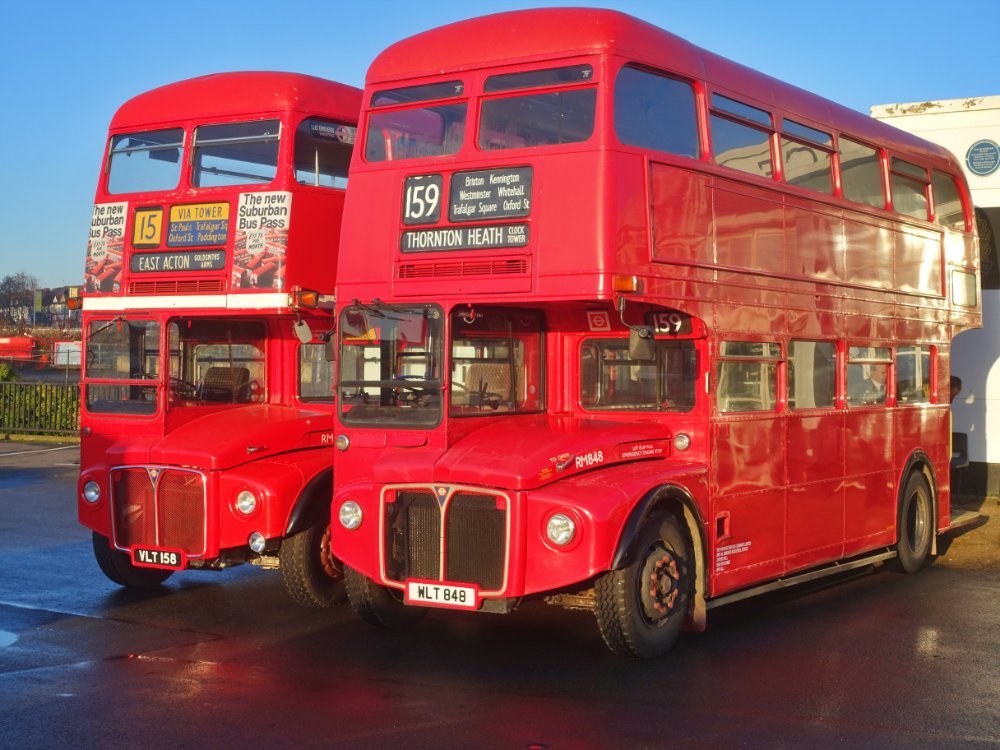
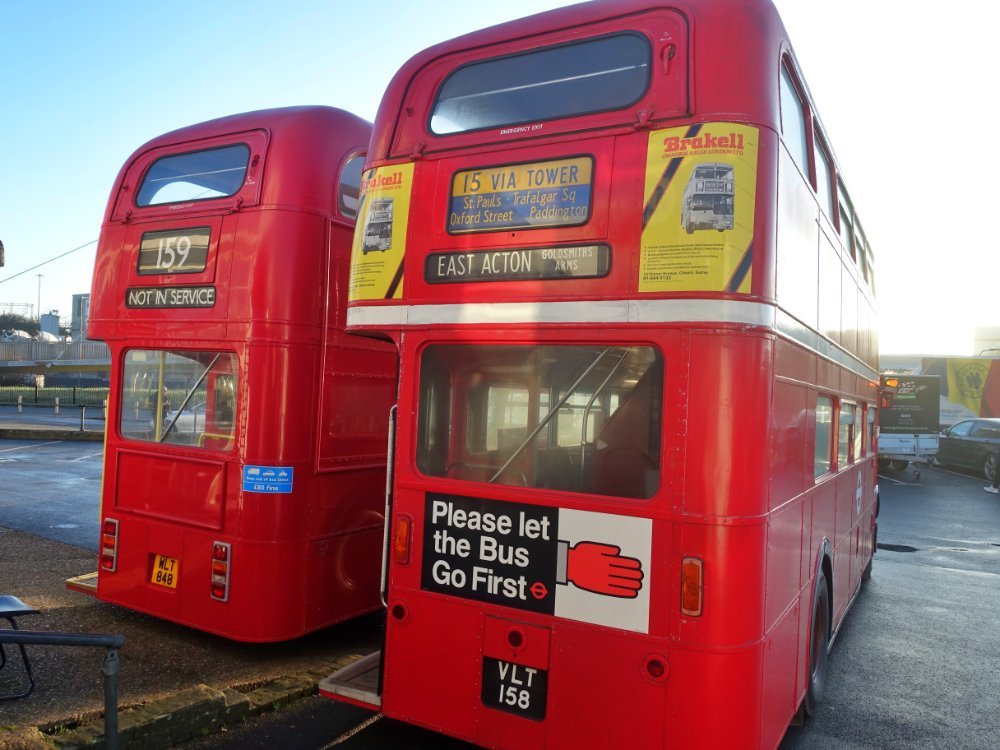
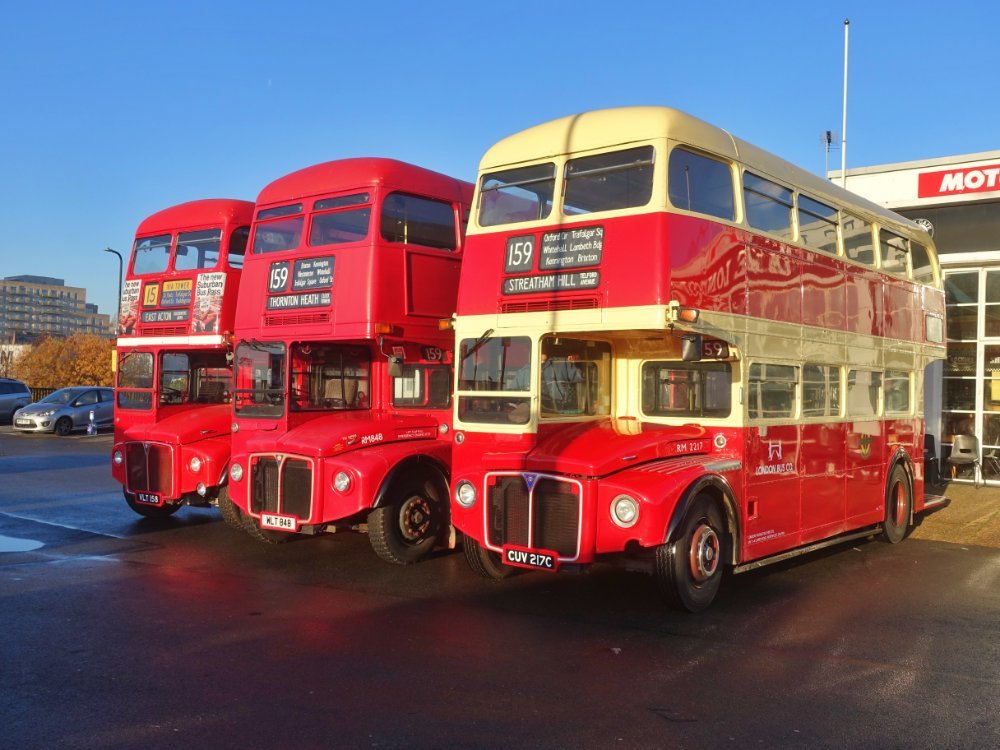
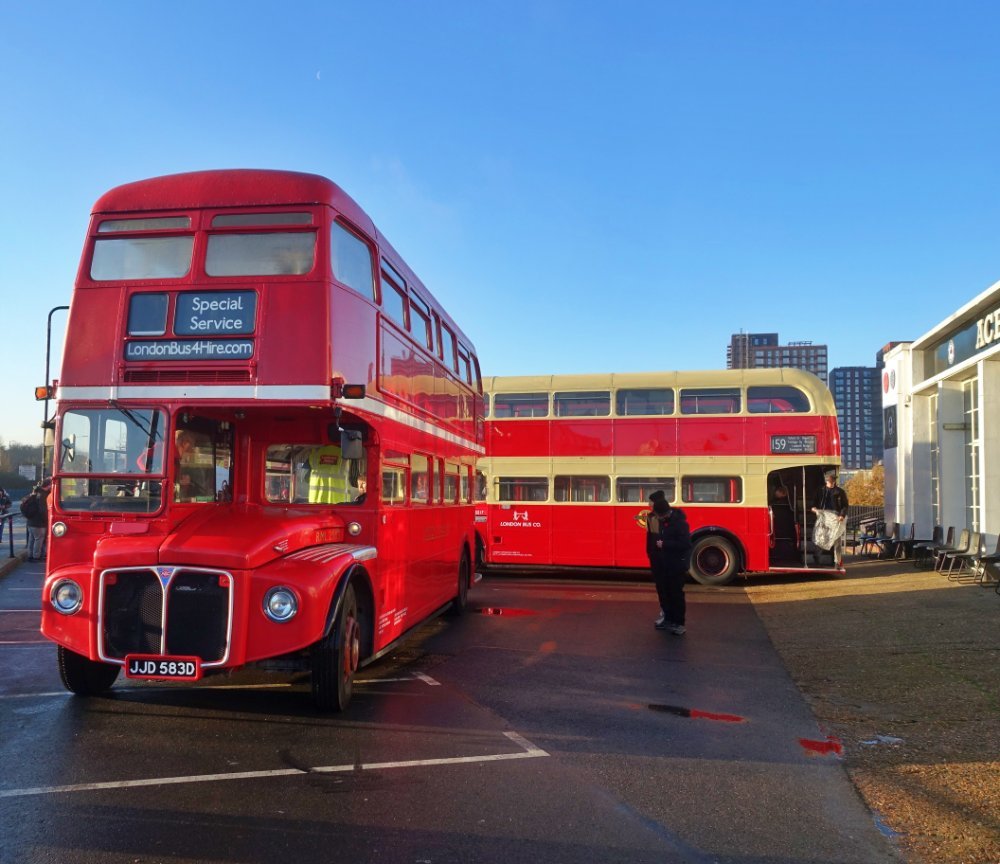
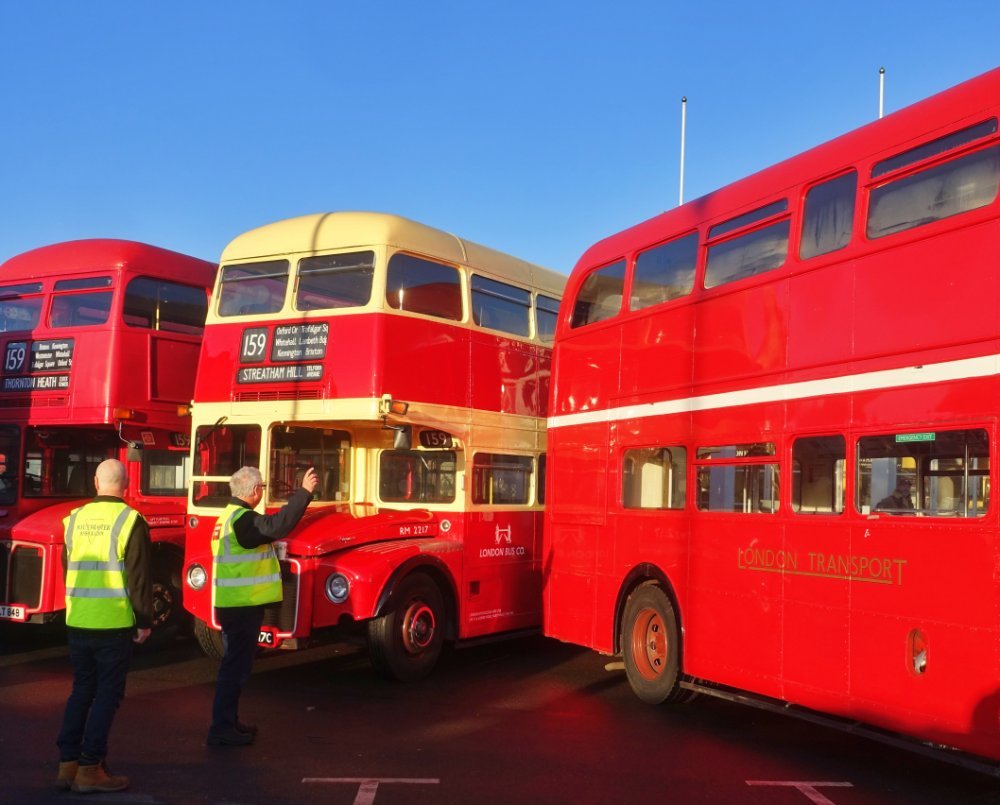
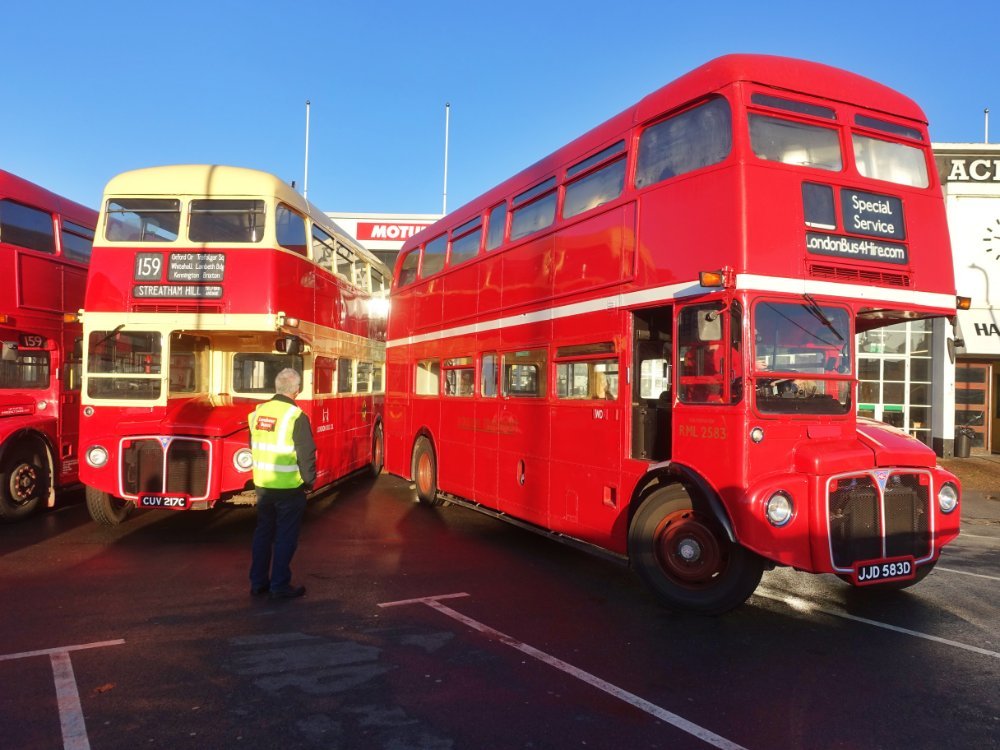
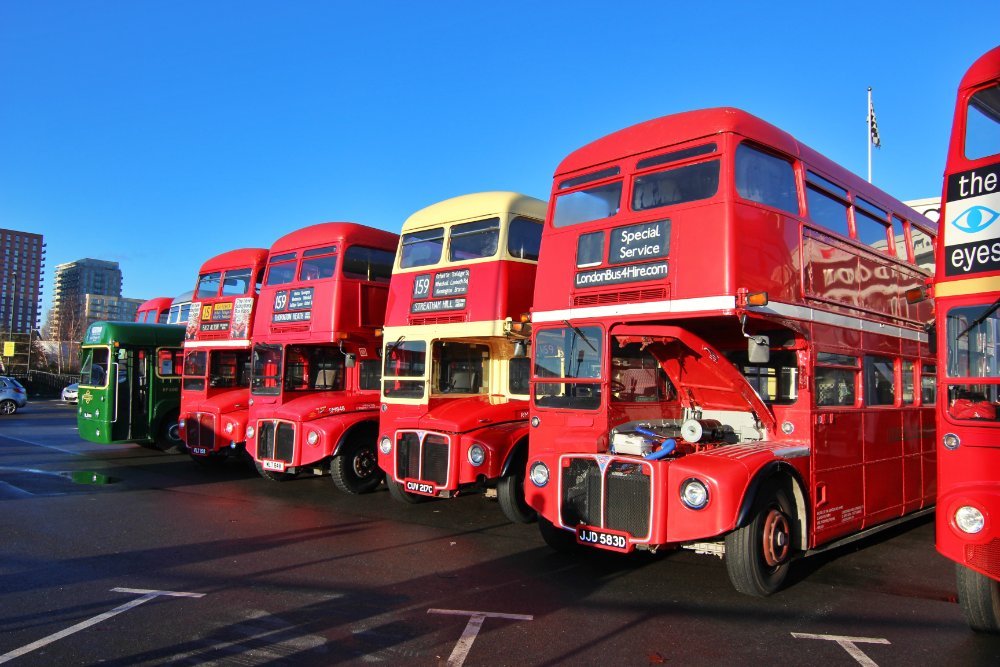
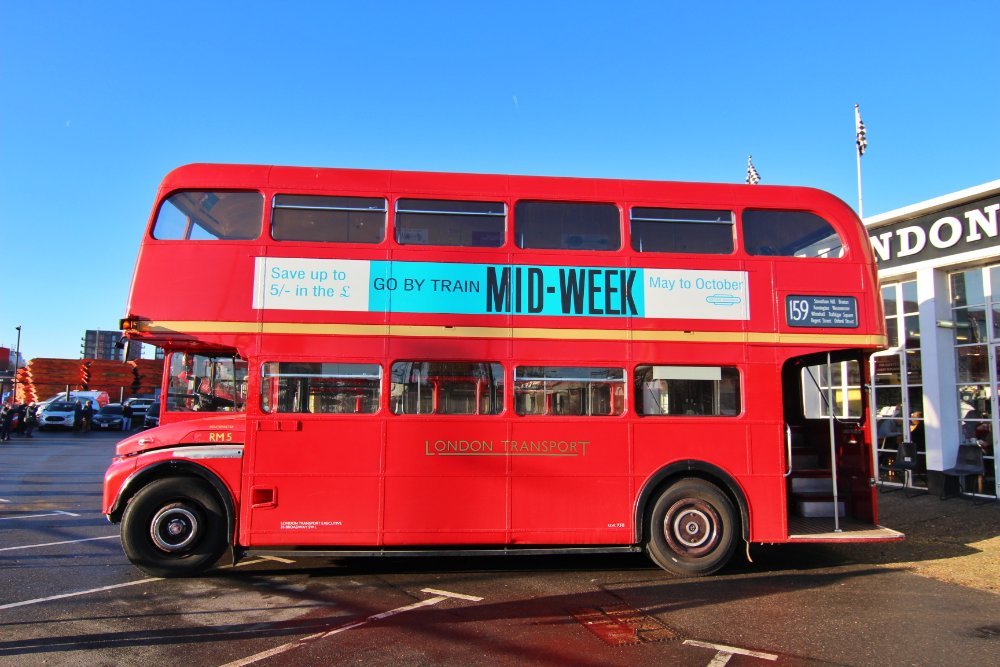
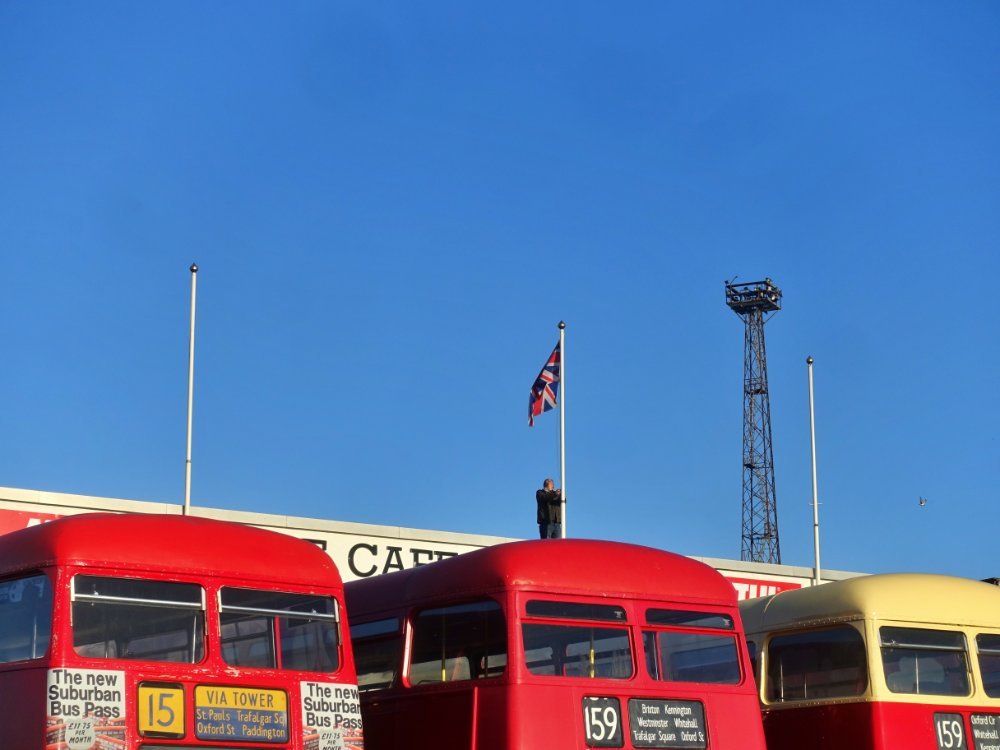
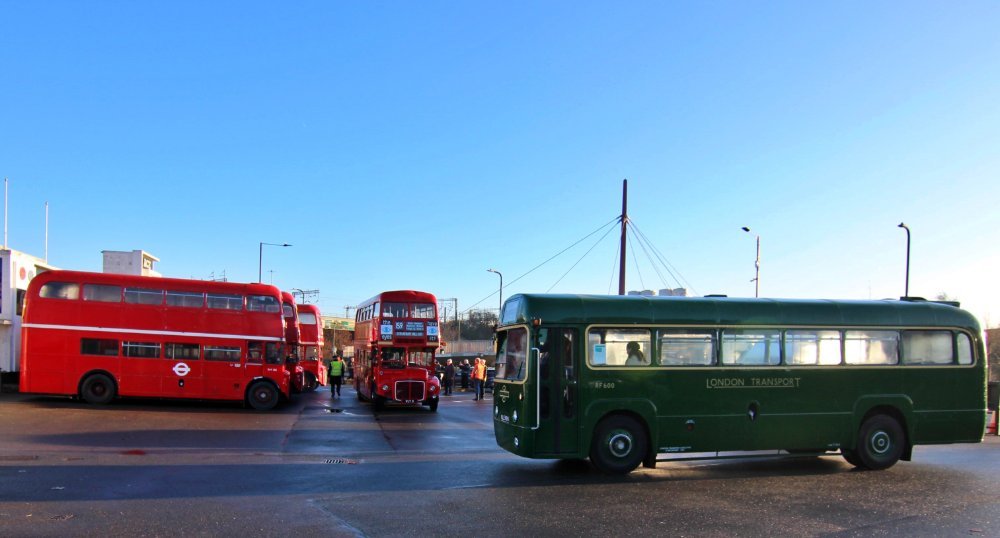
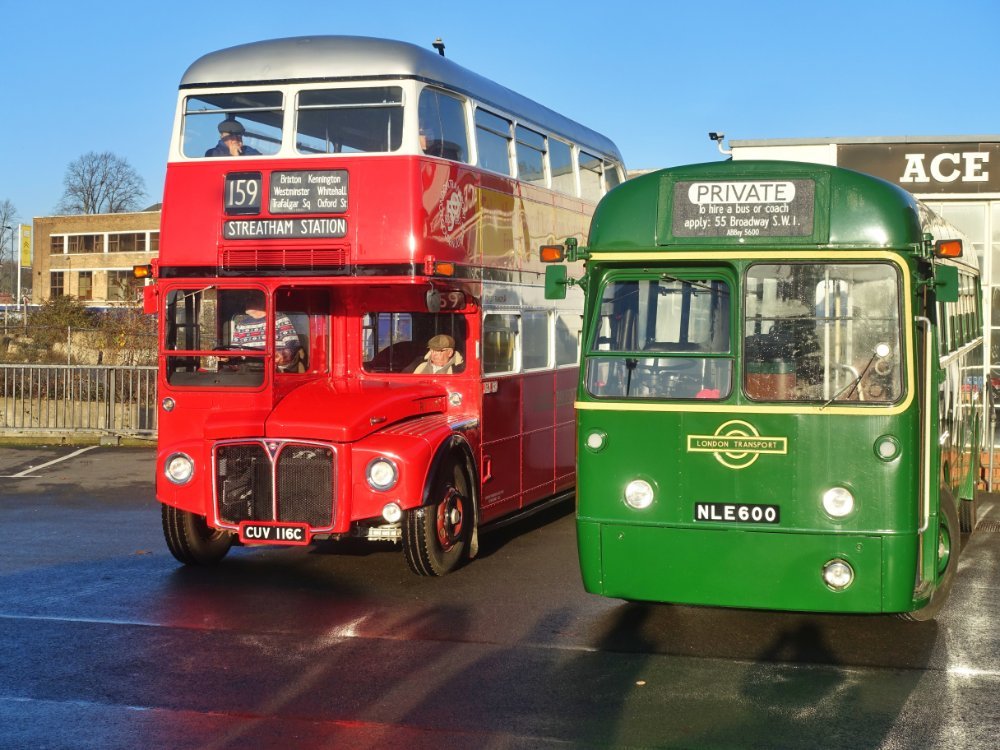
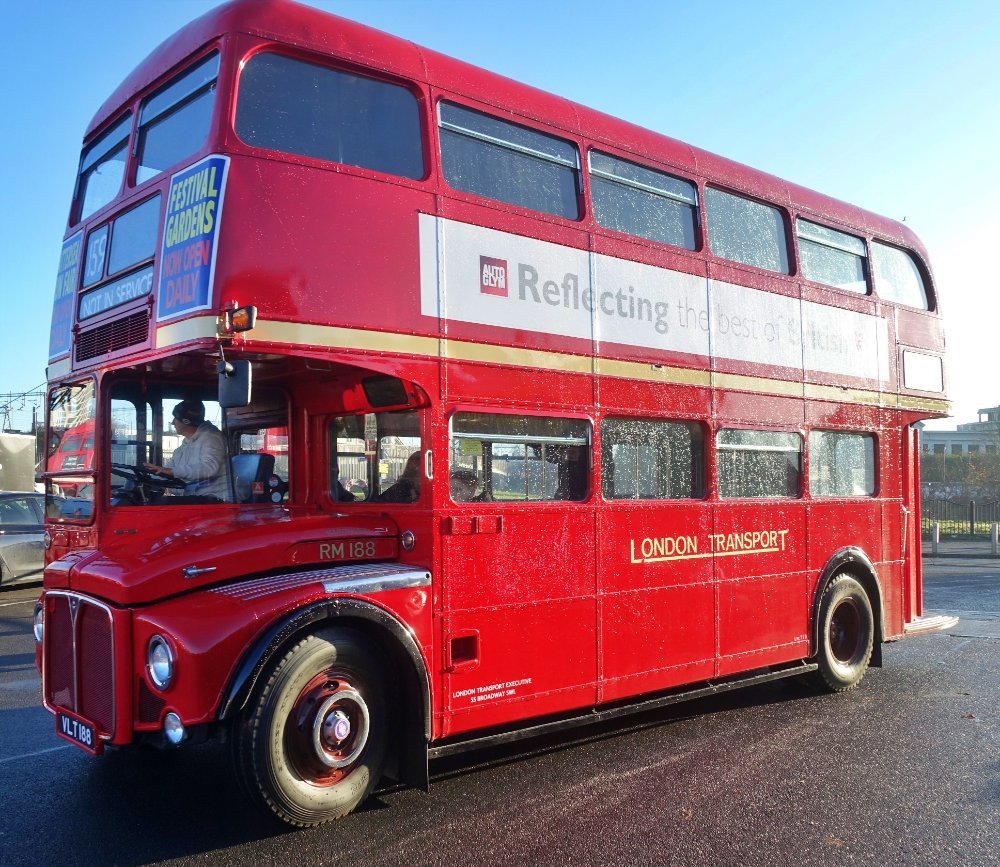
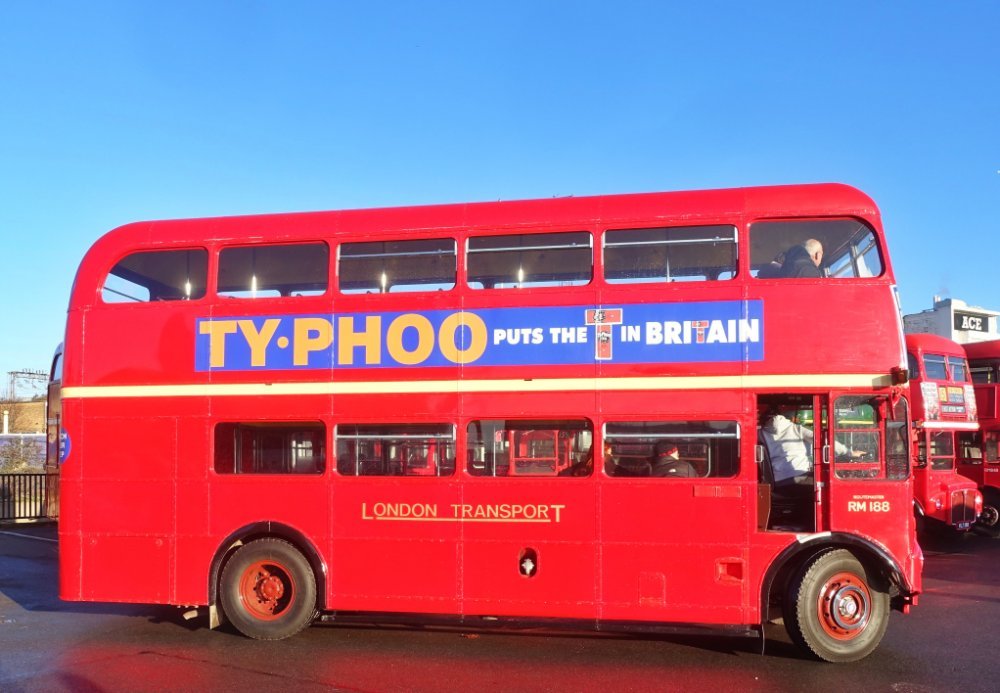
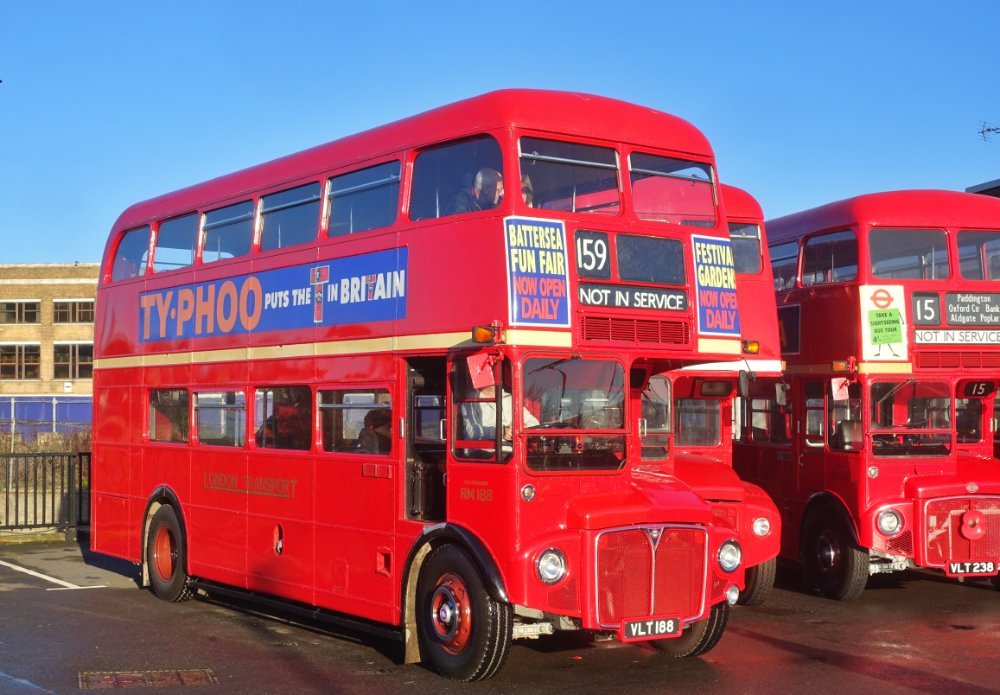
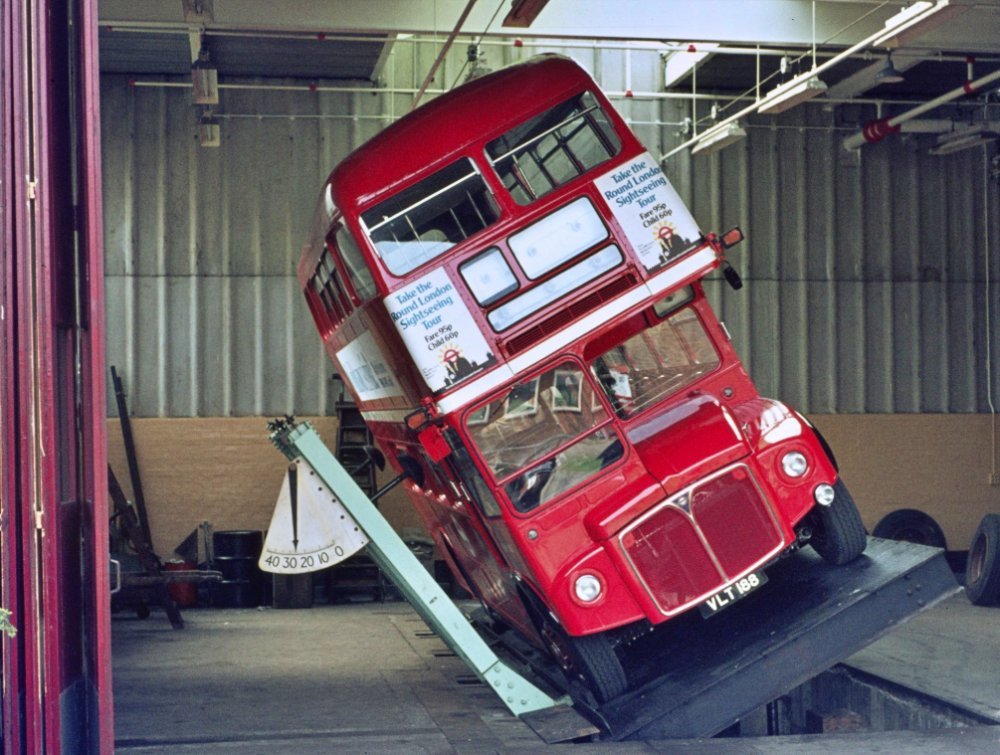
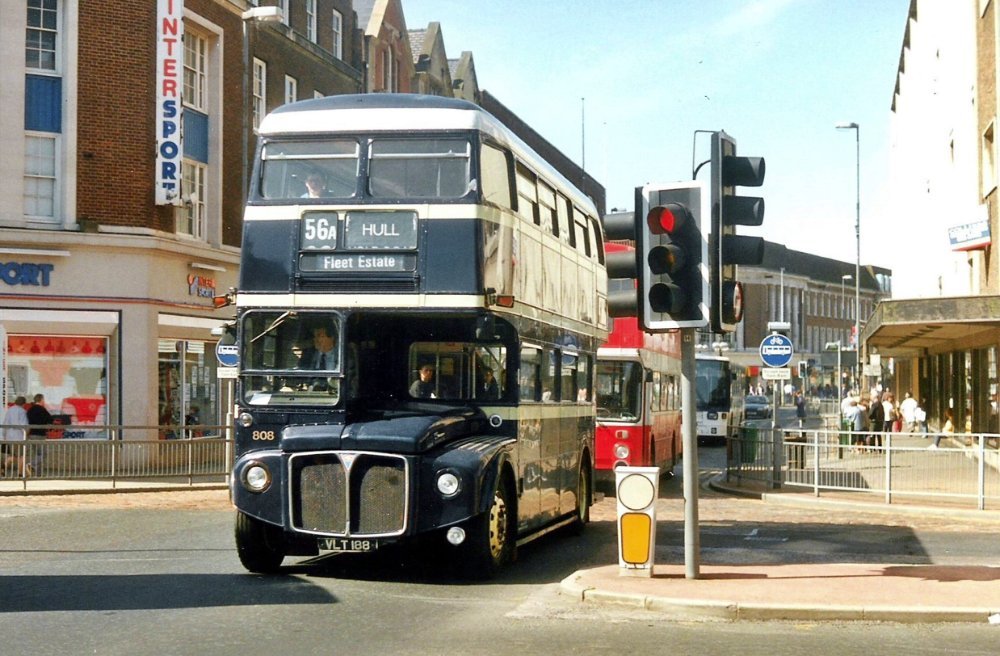
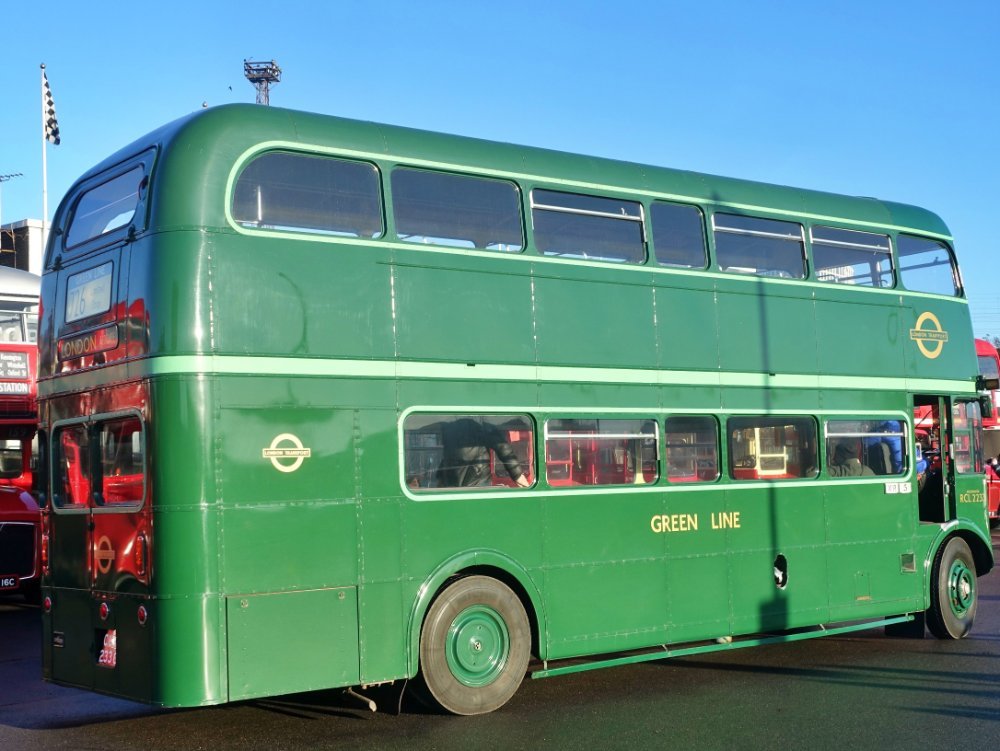
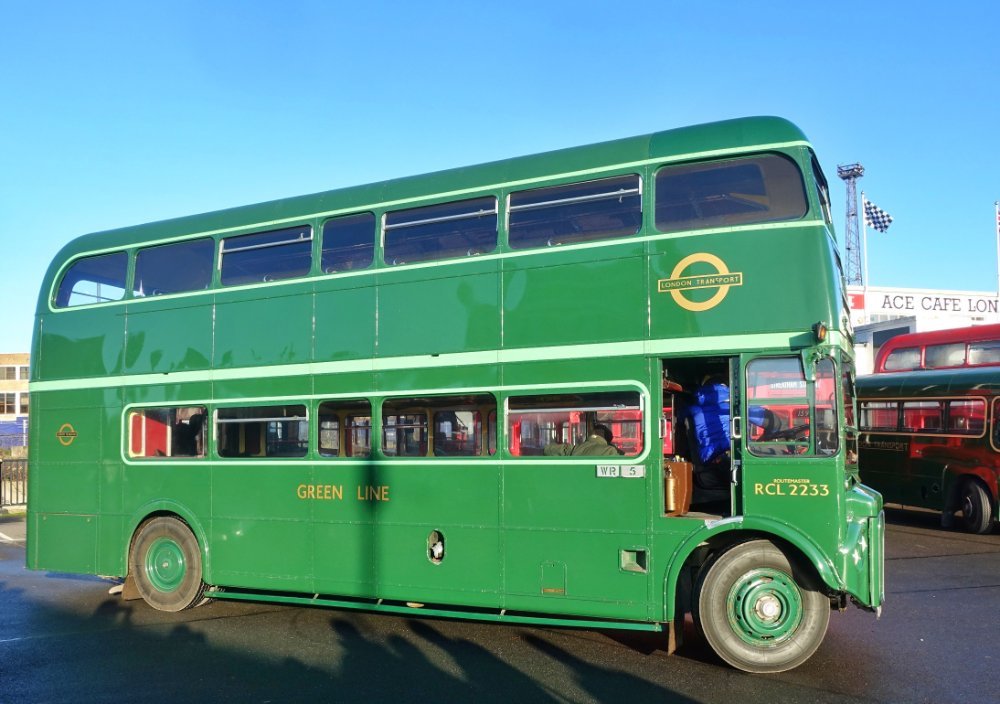
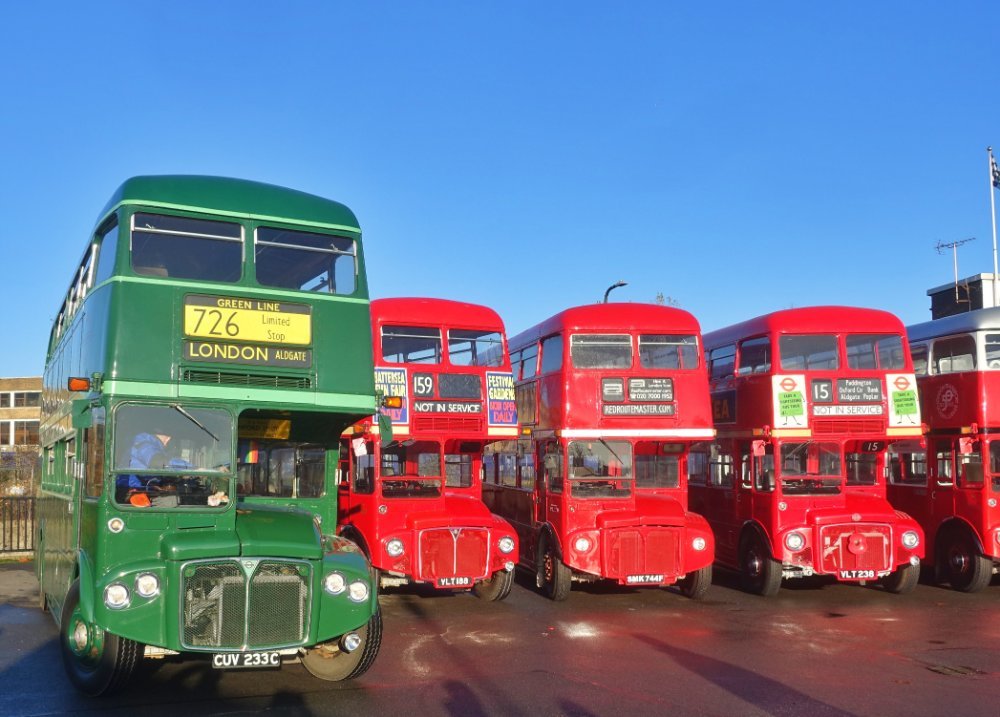

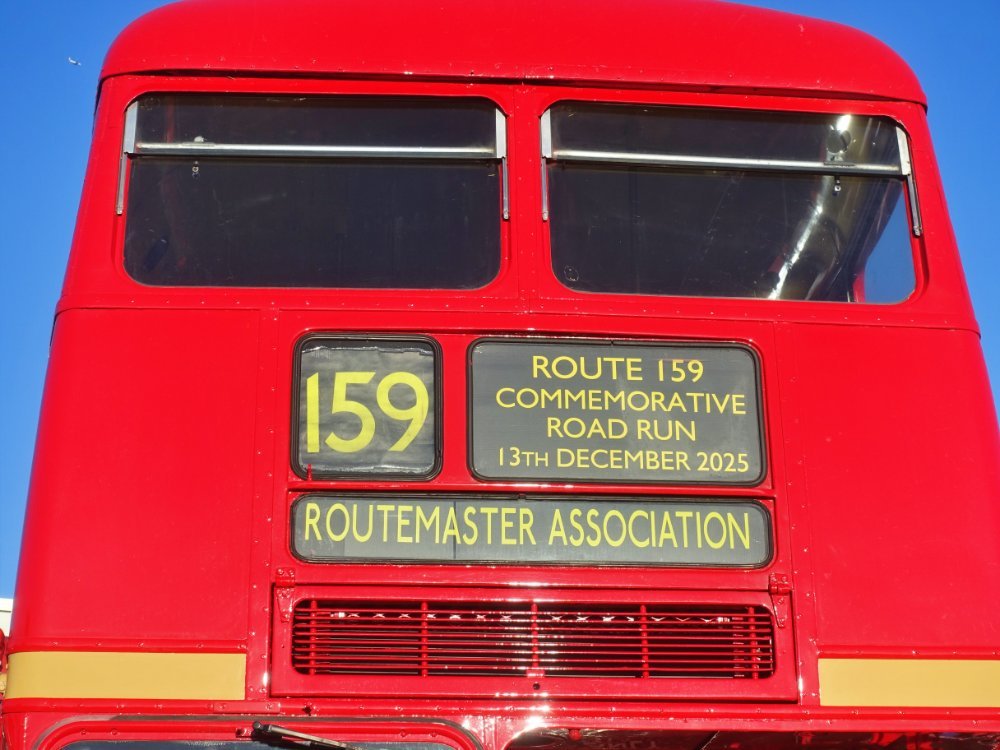

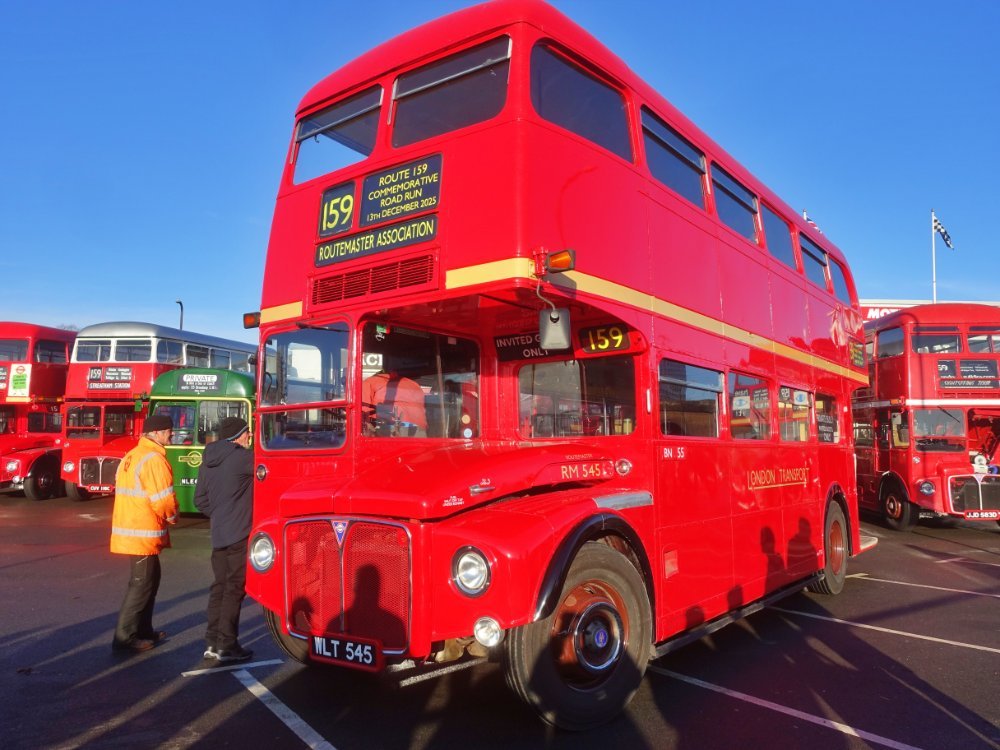
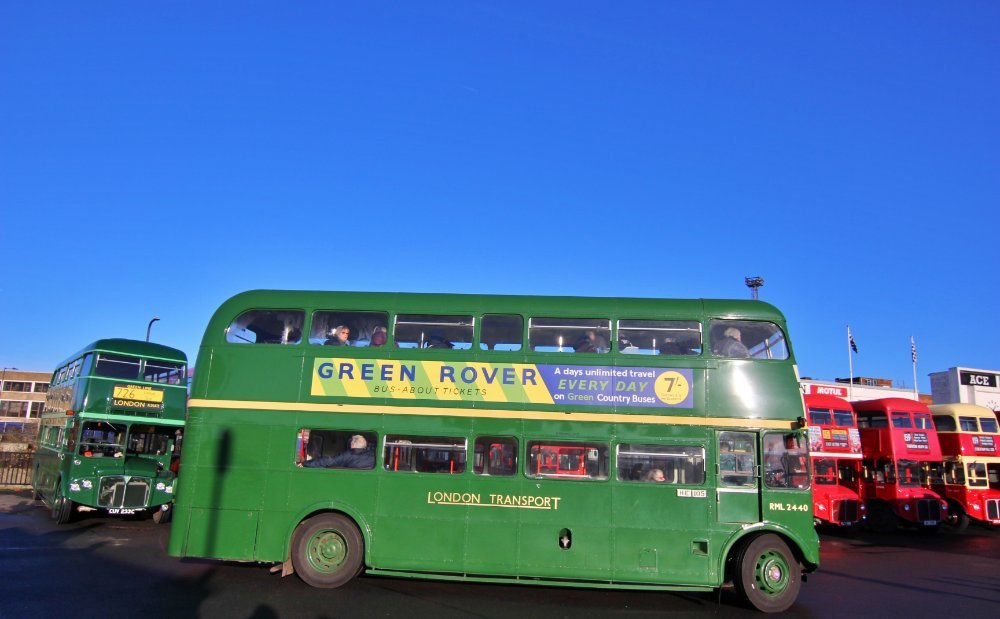
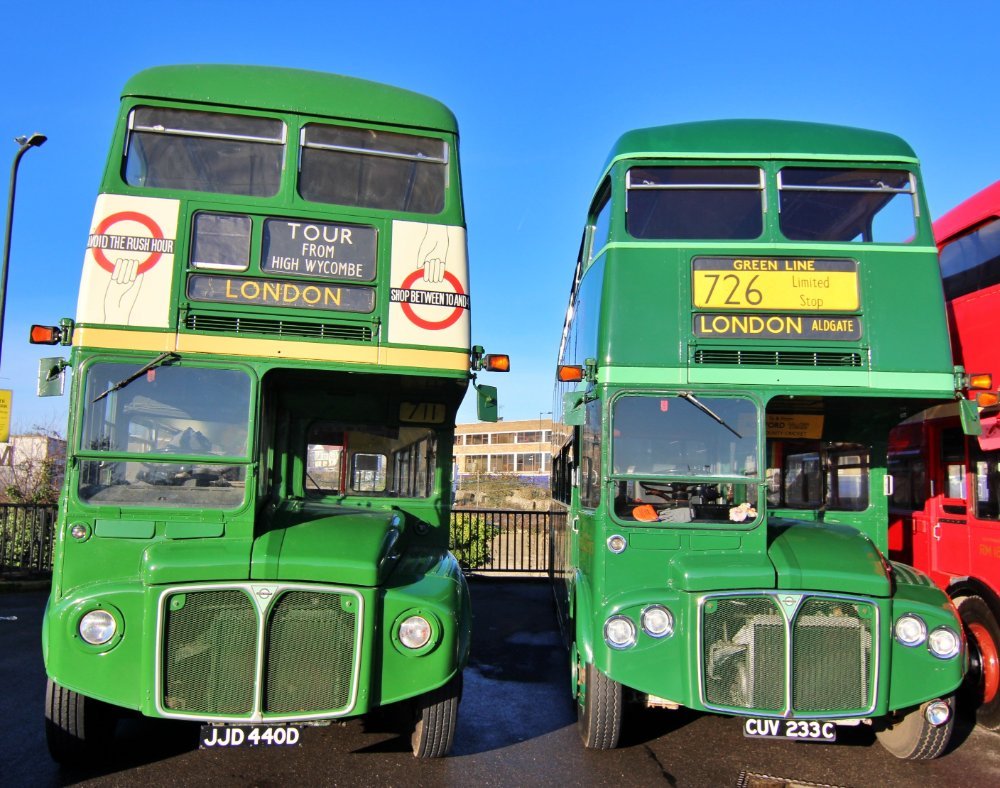
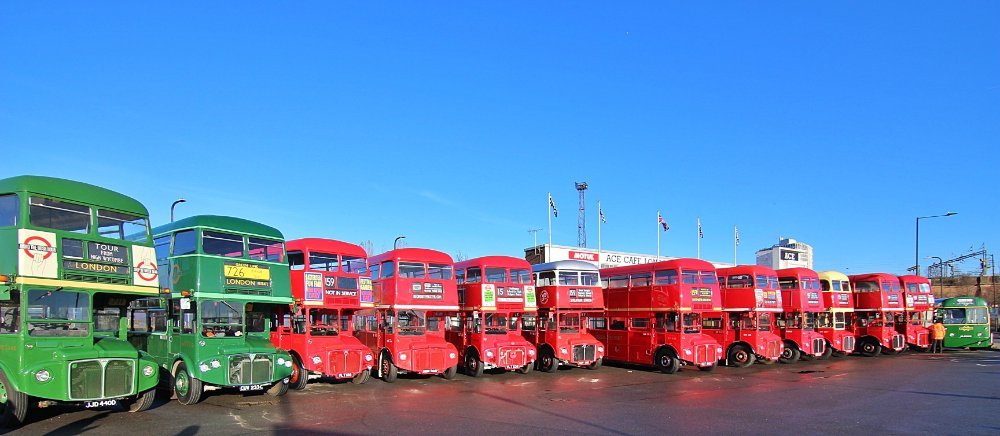
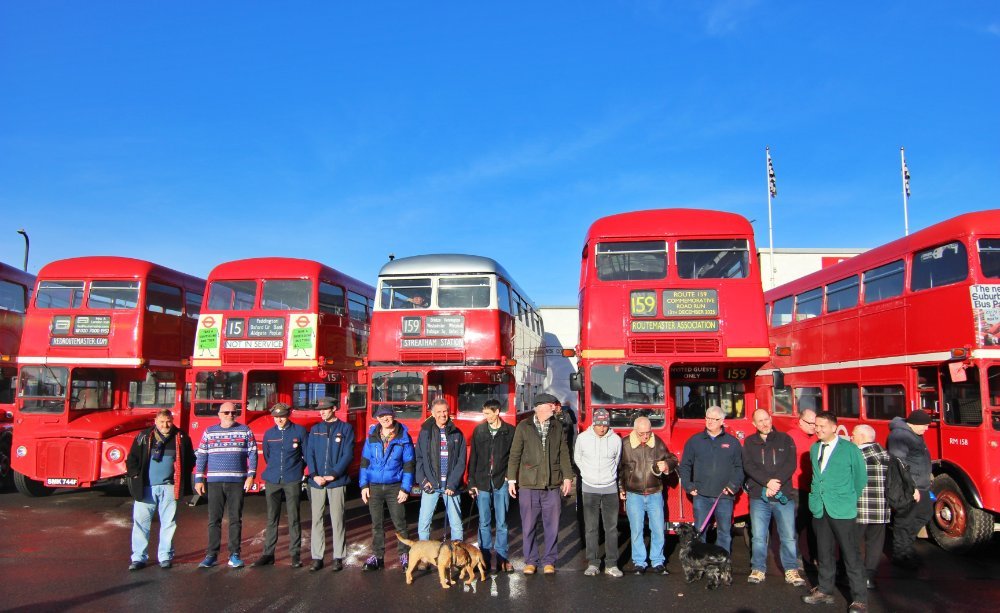
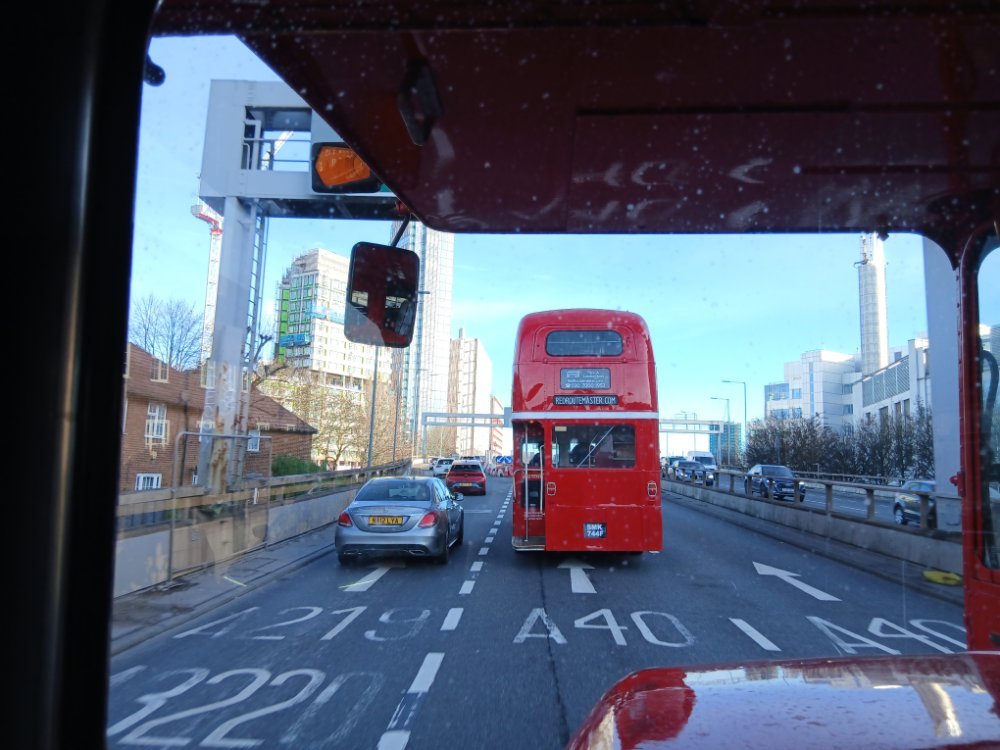
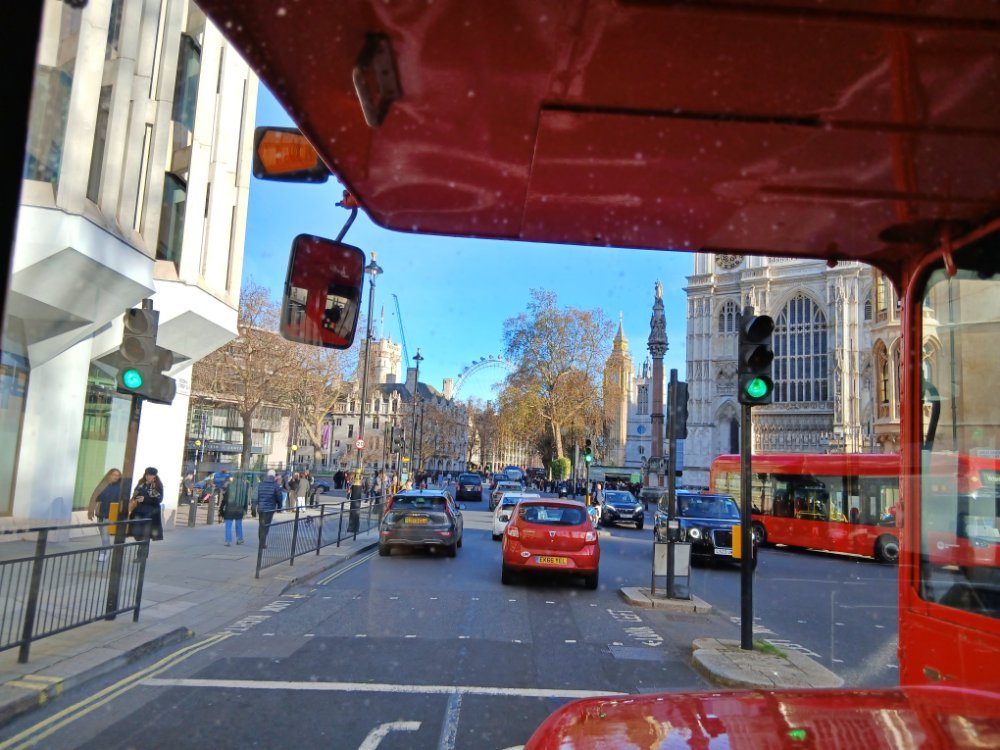
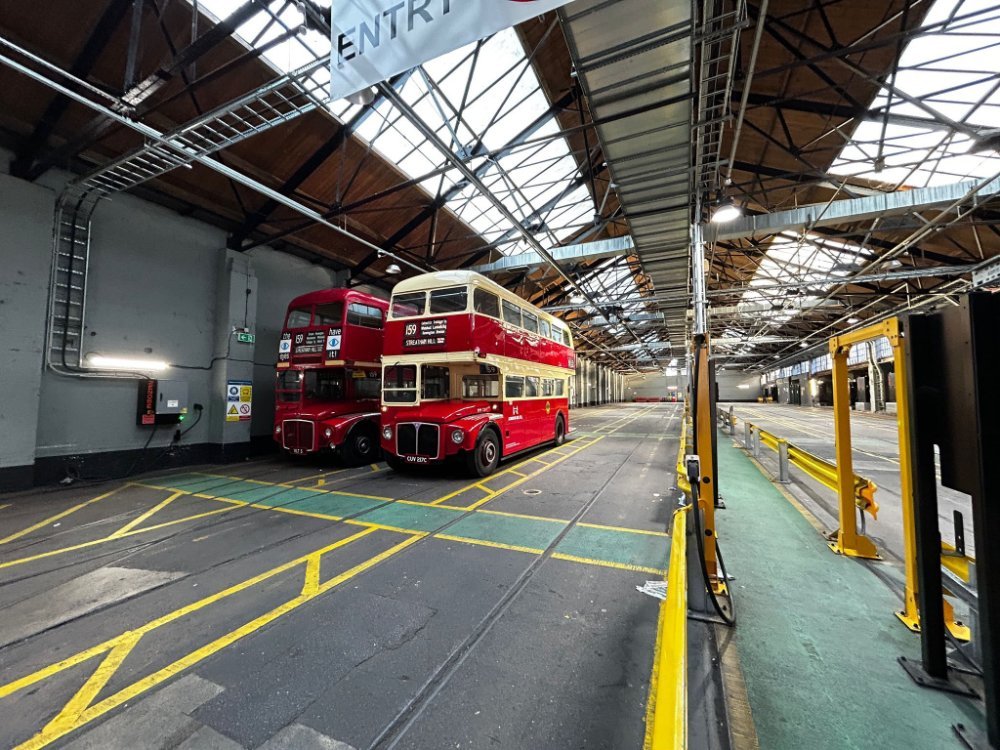
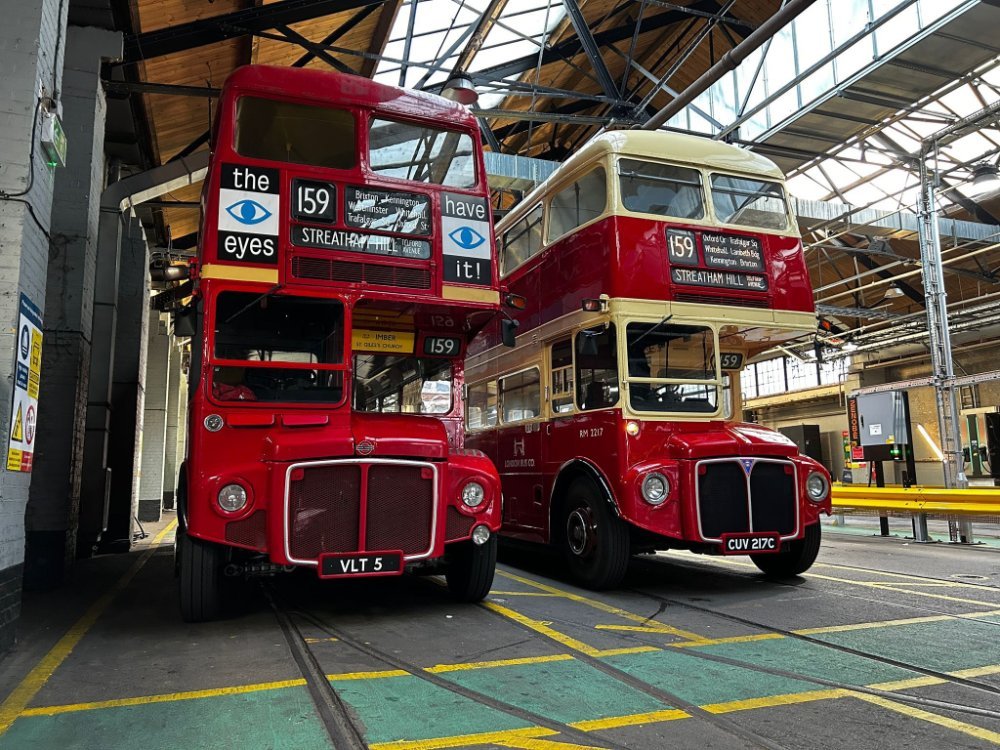
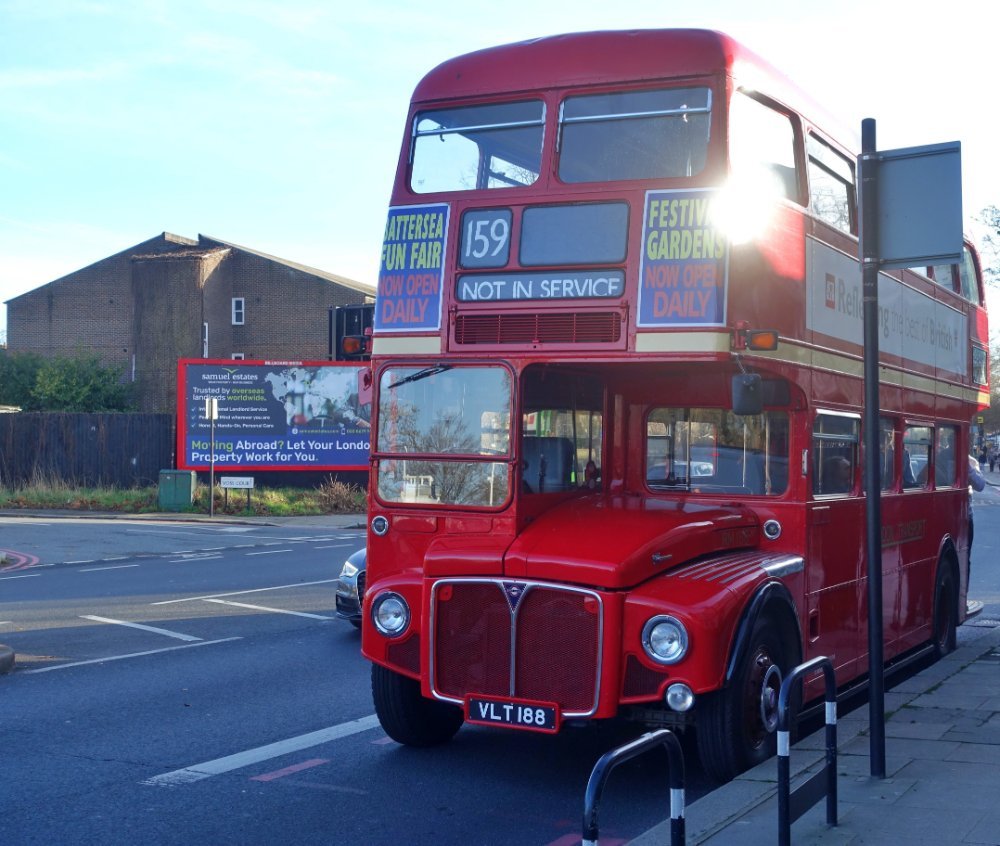
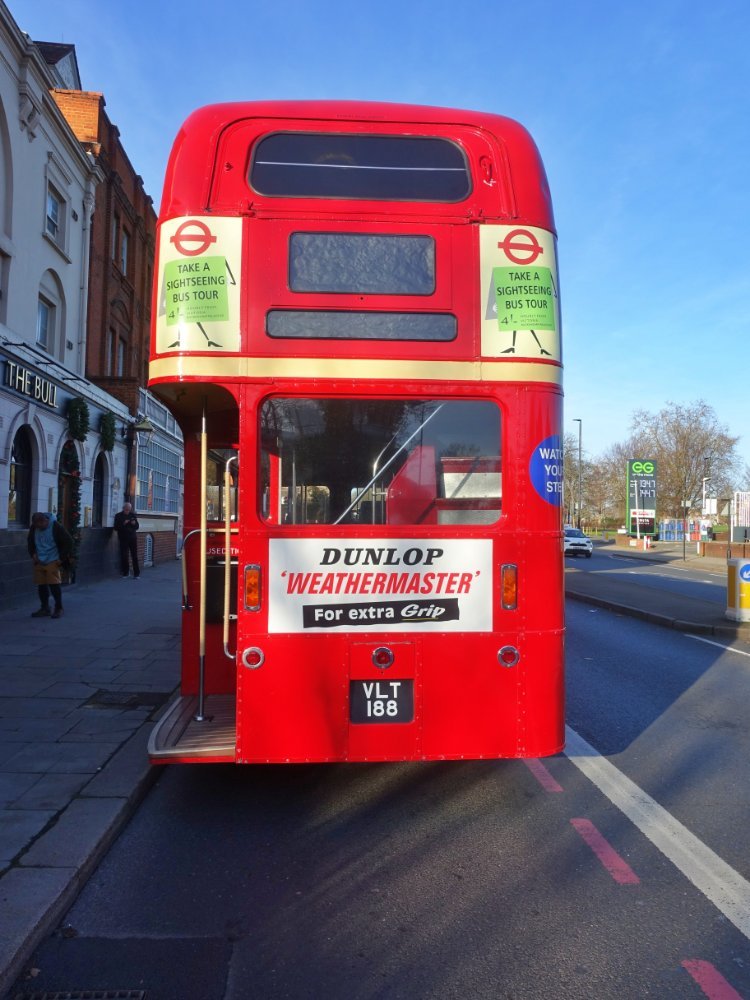
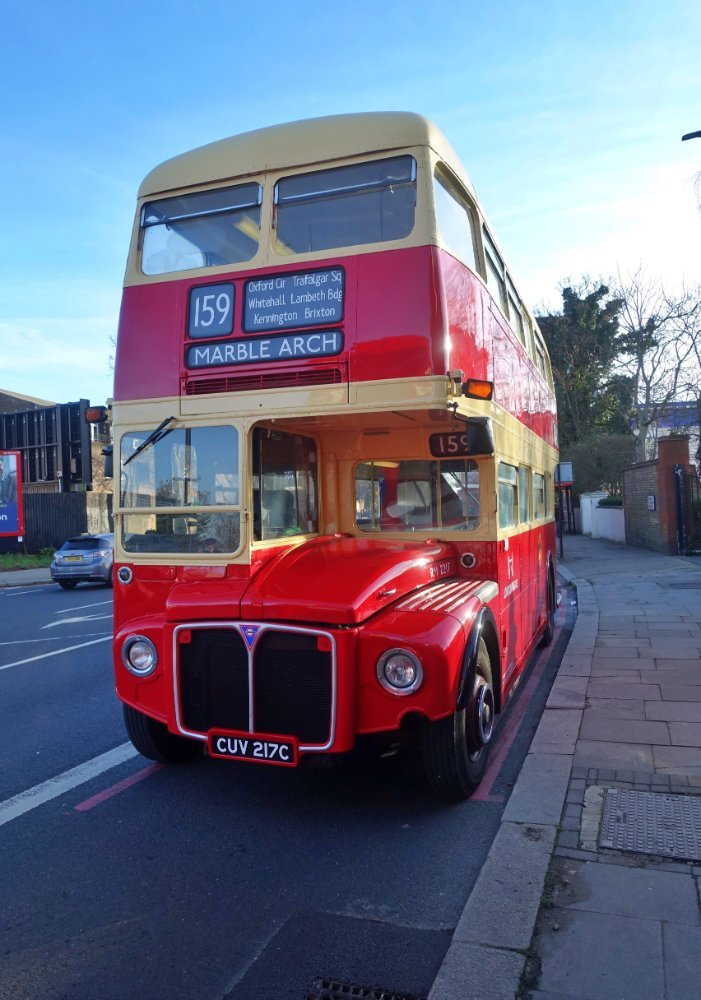
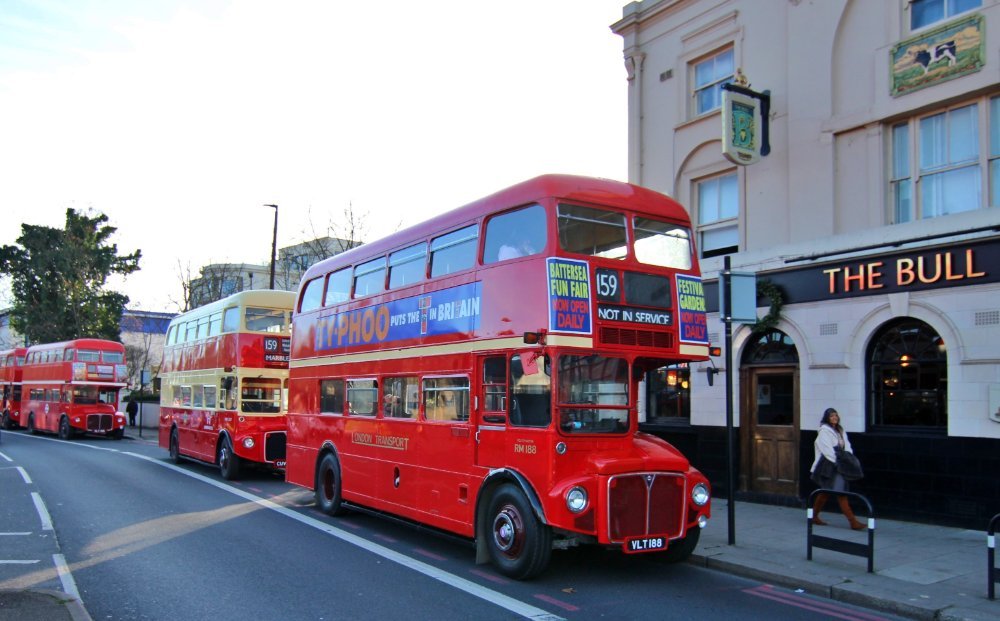
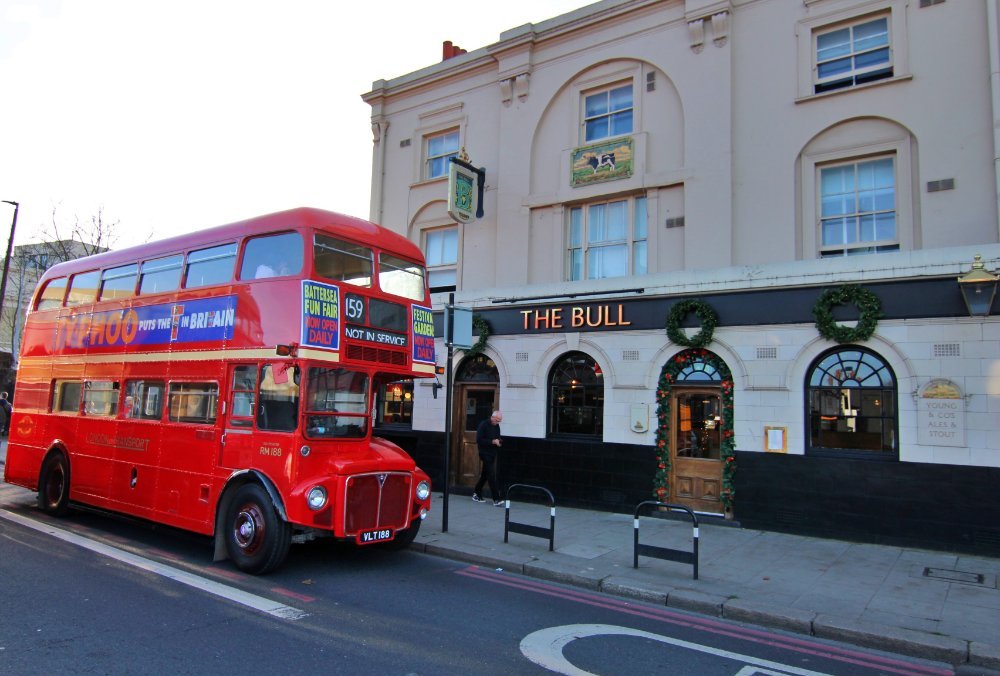
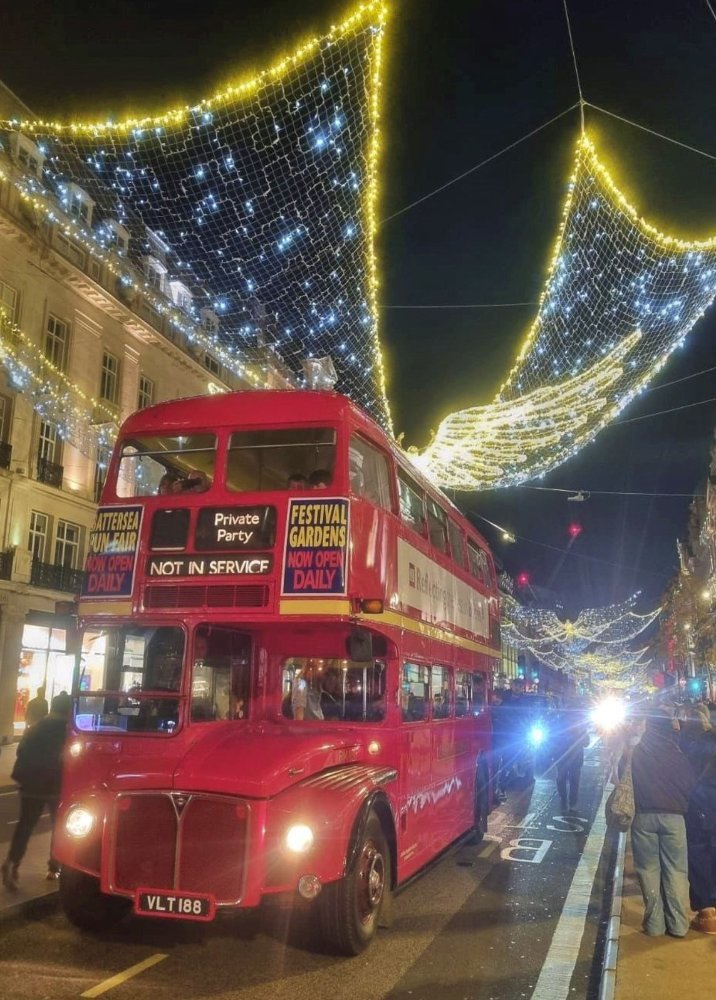
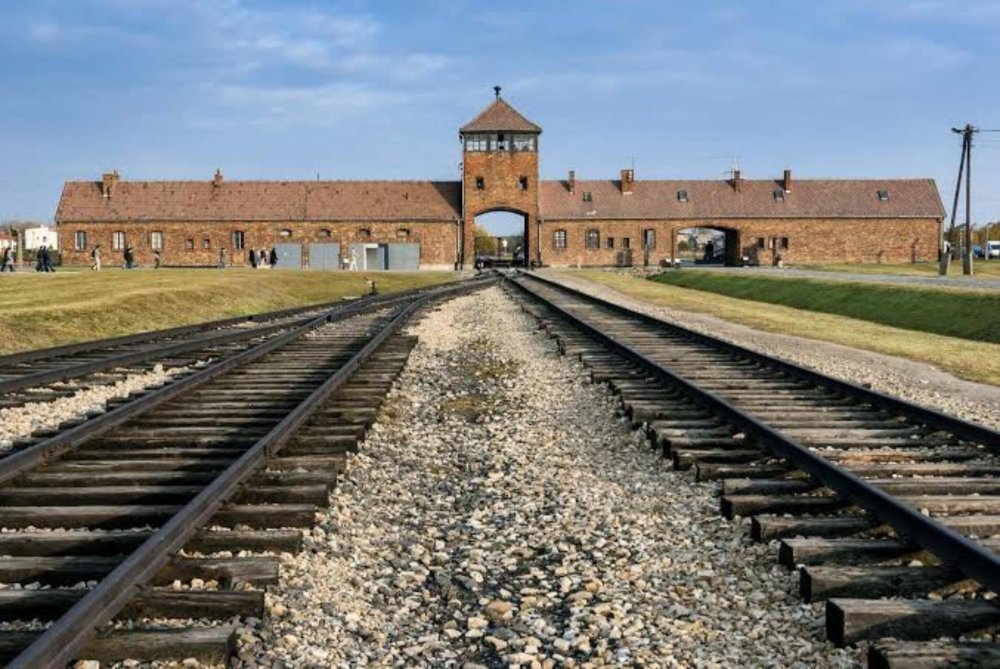
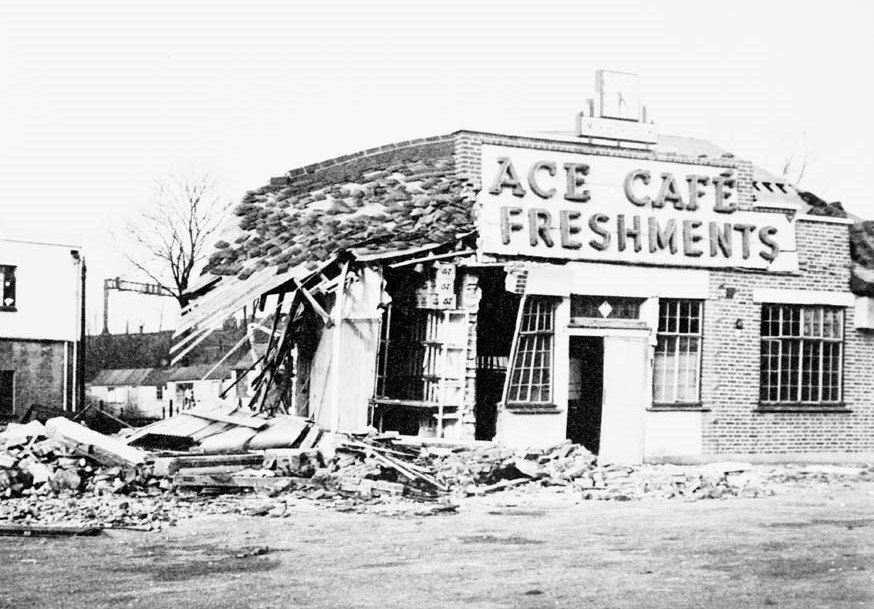

.jpg.e54622f8ae64150978e608ccd8c2eeed.jpg)
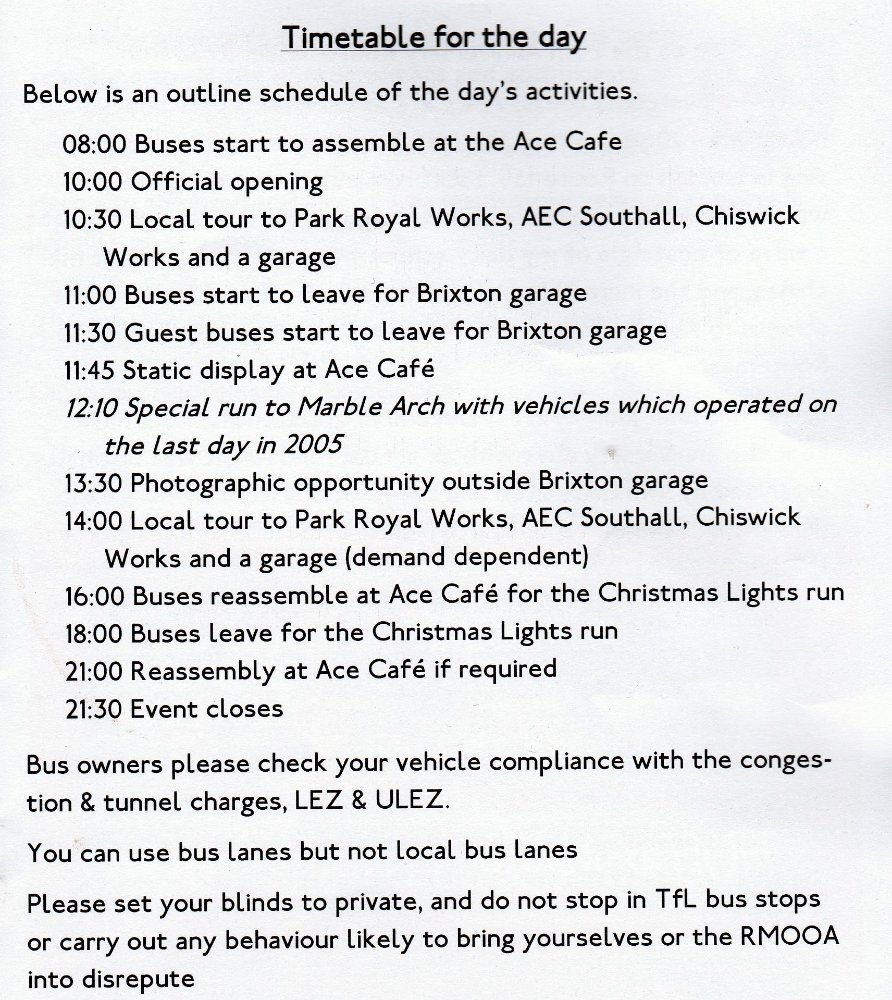

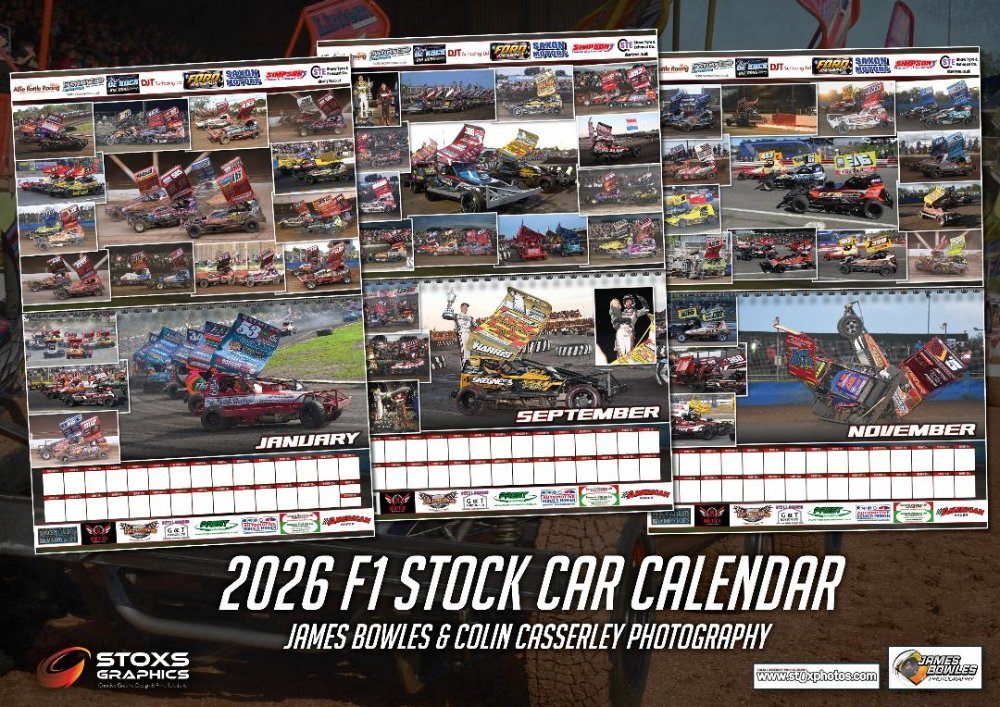

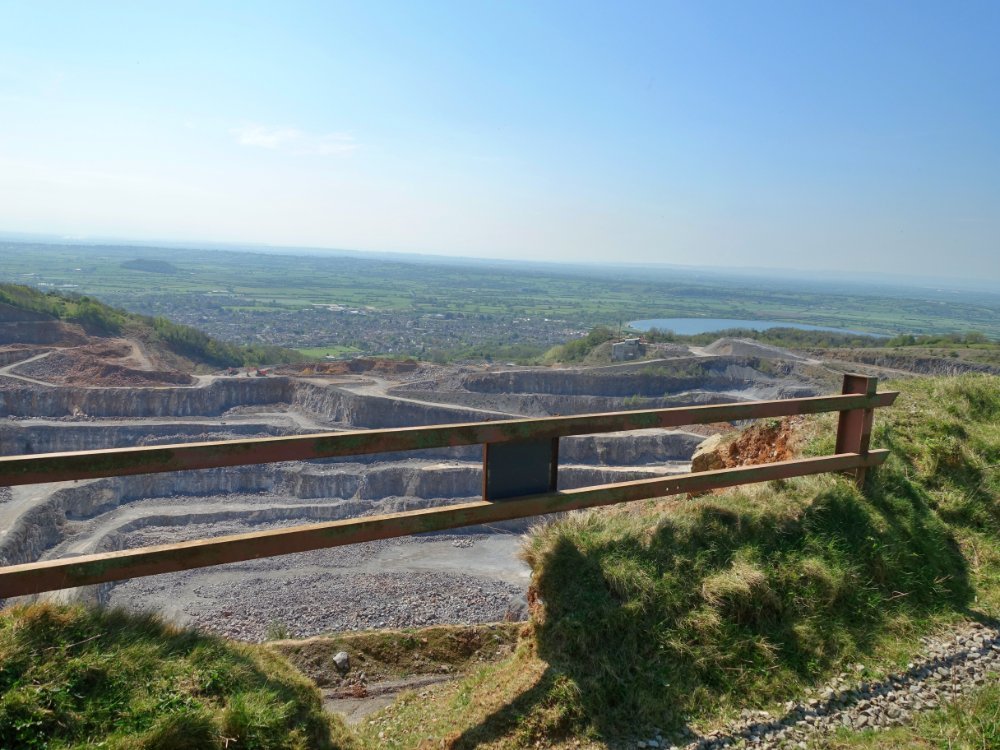
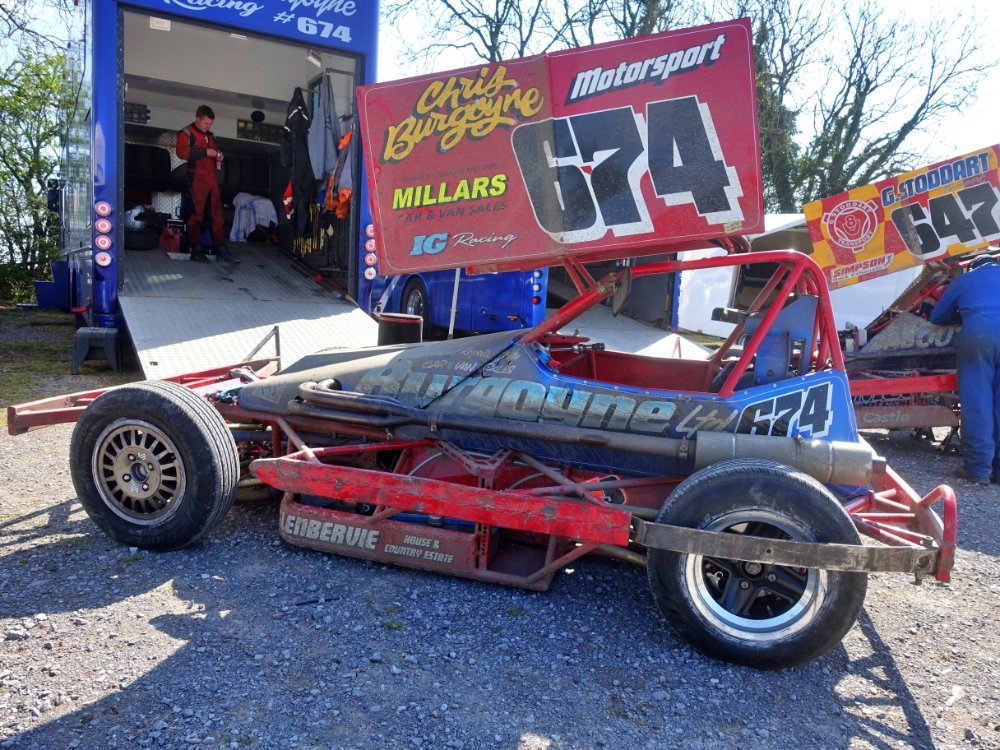
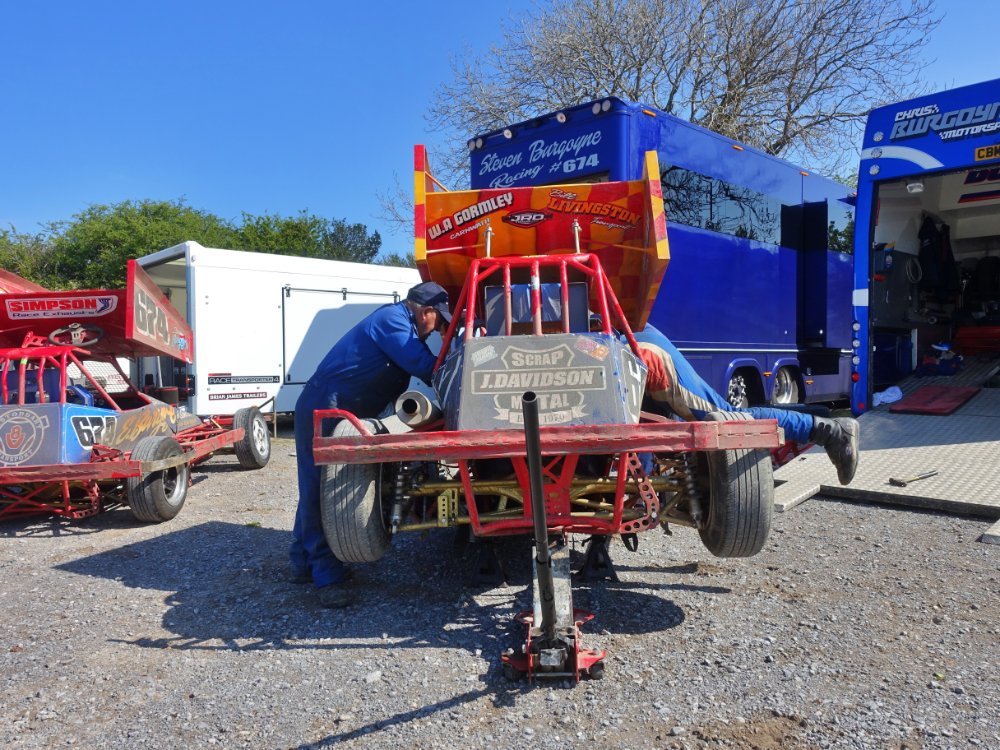
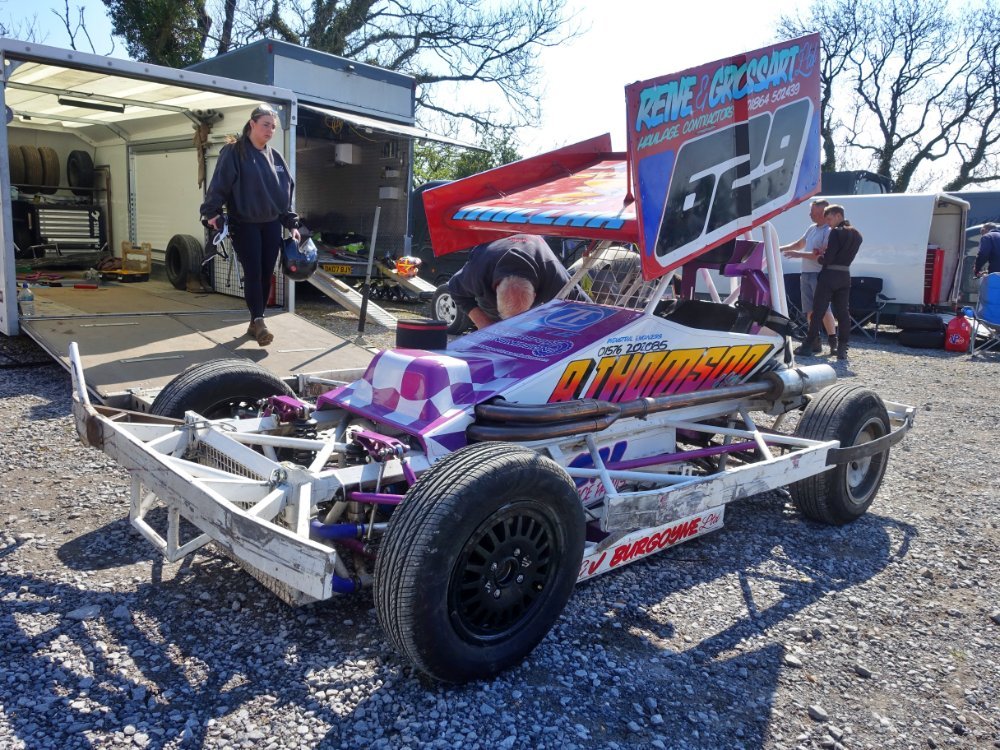
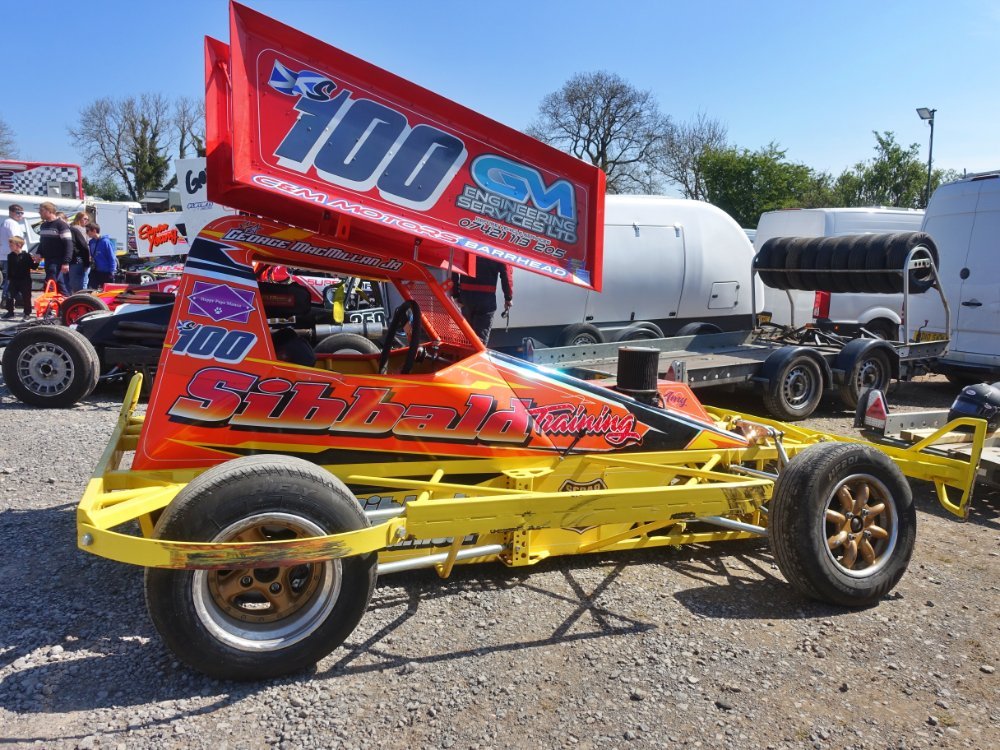
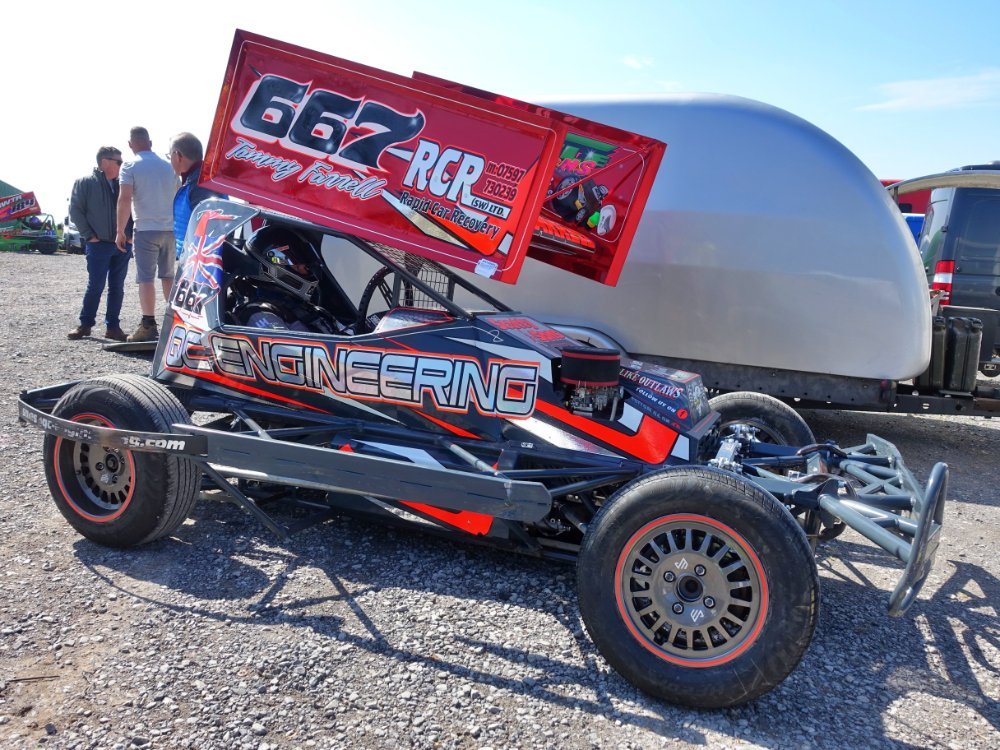
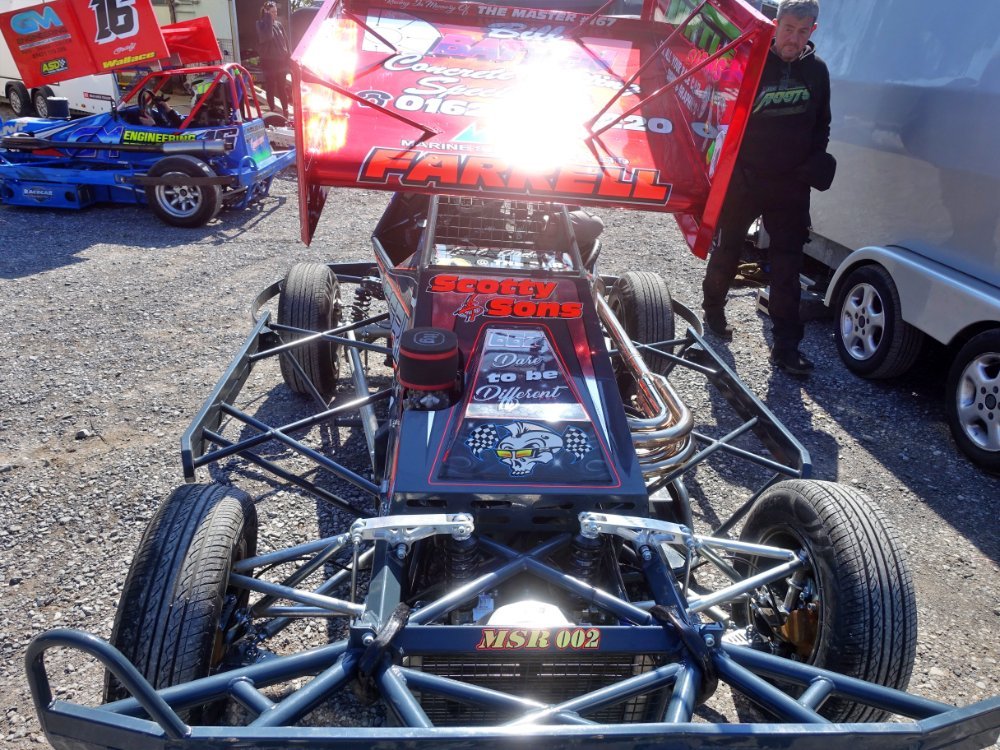
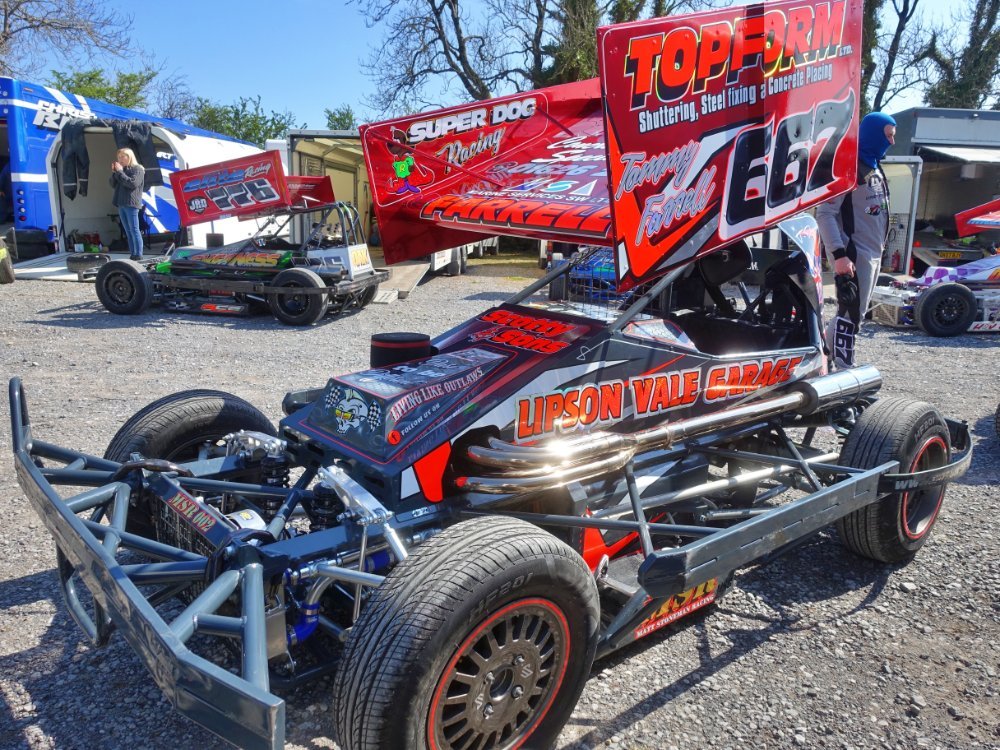
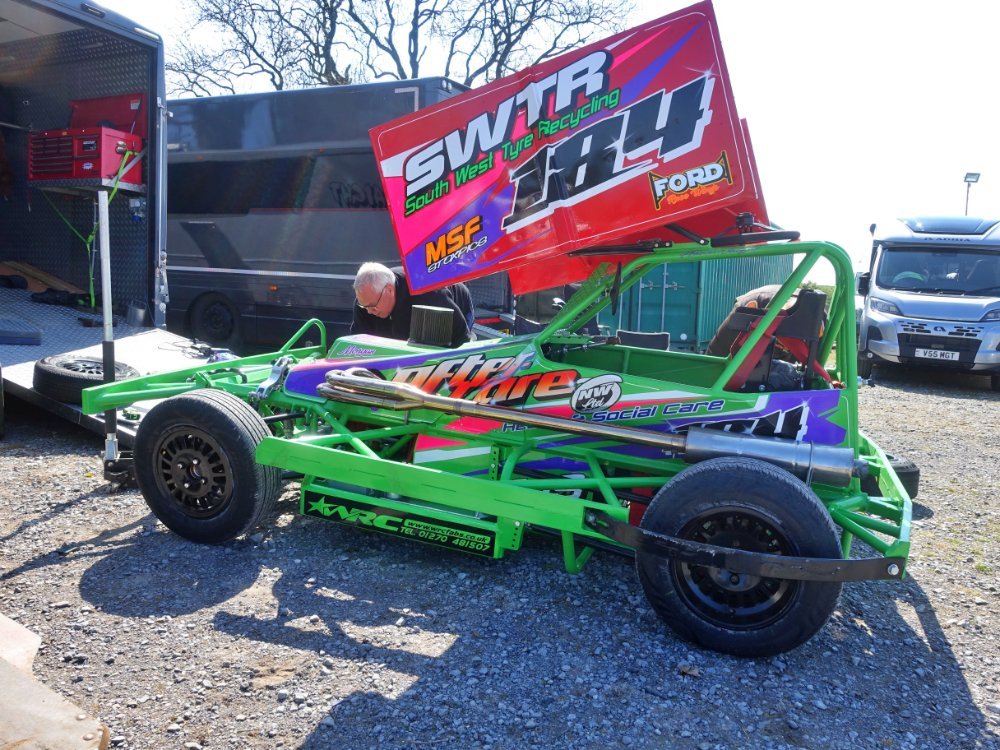
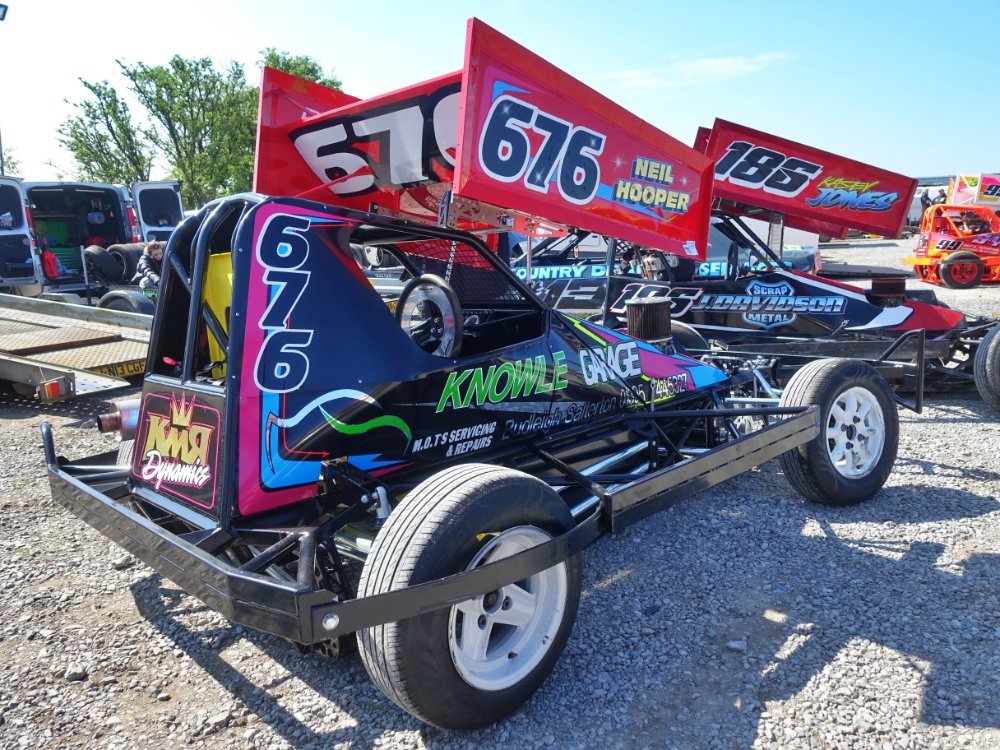
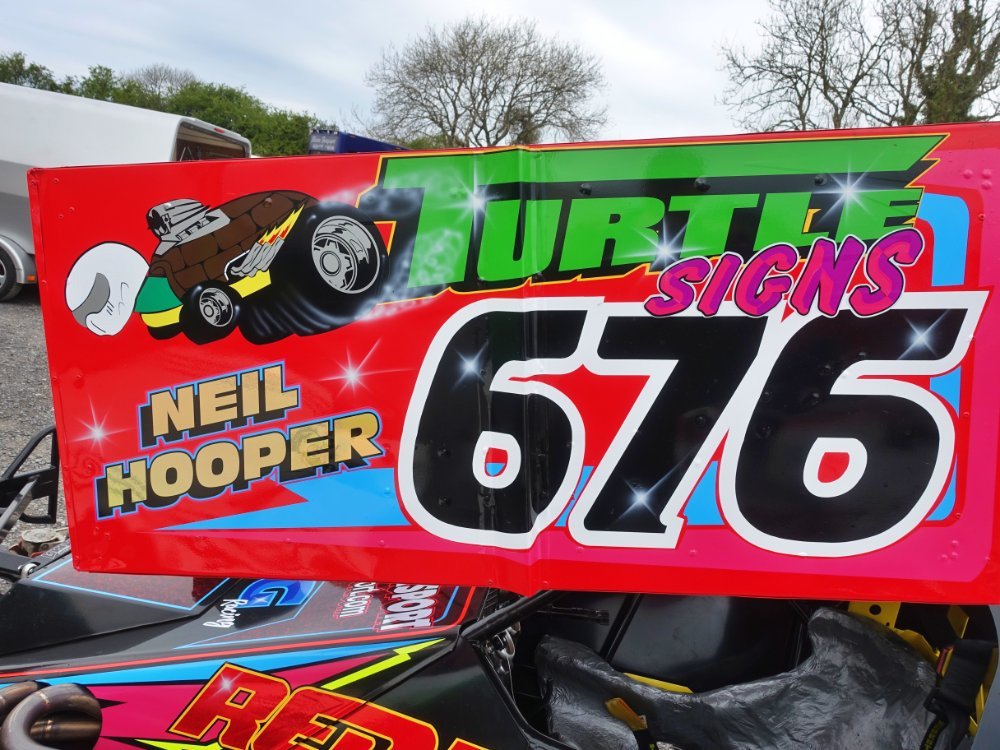
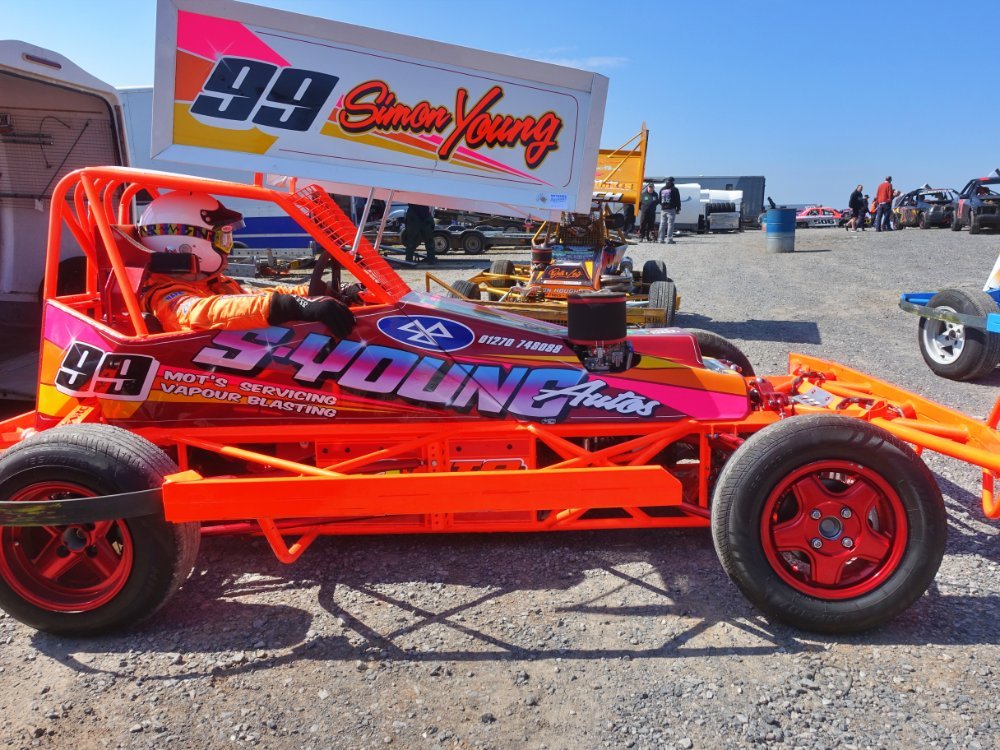
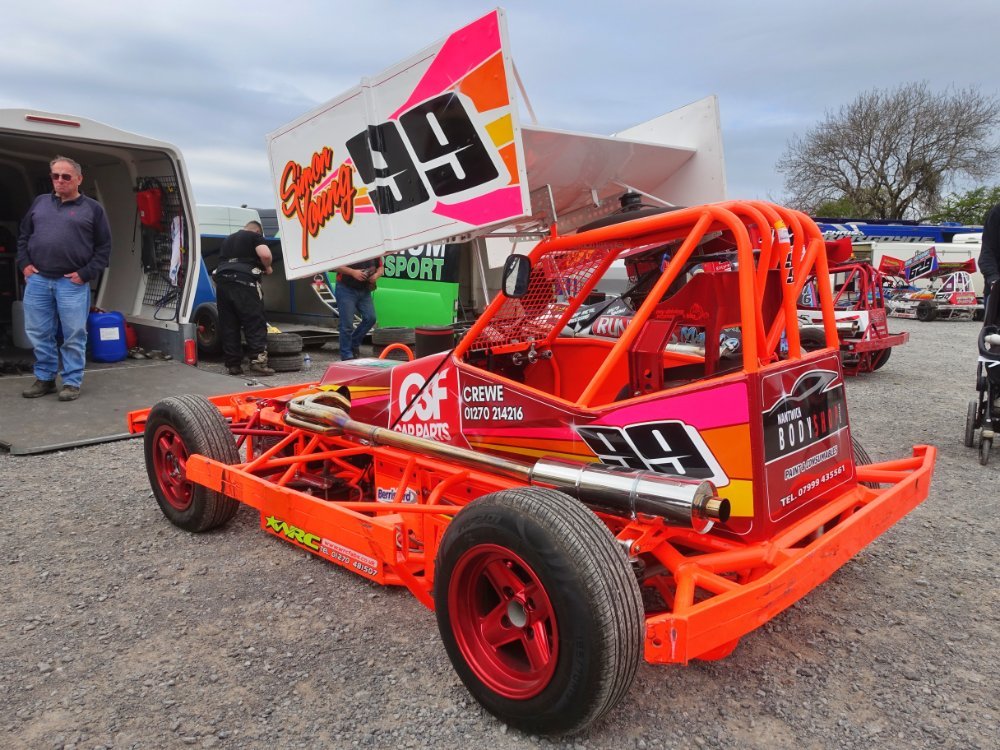
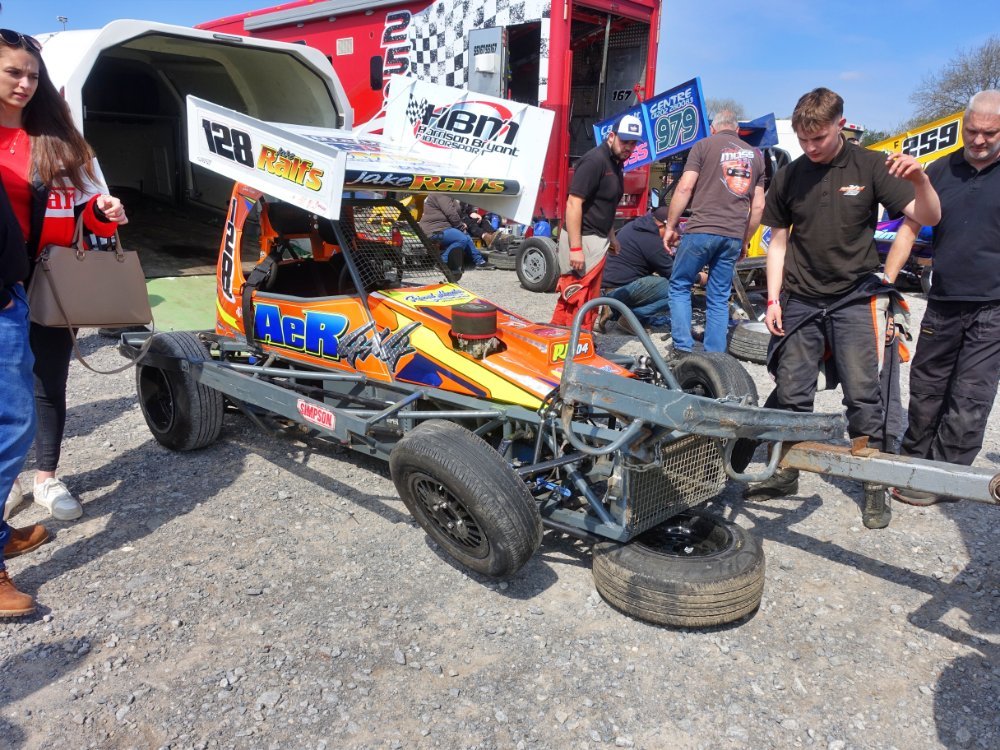
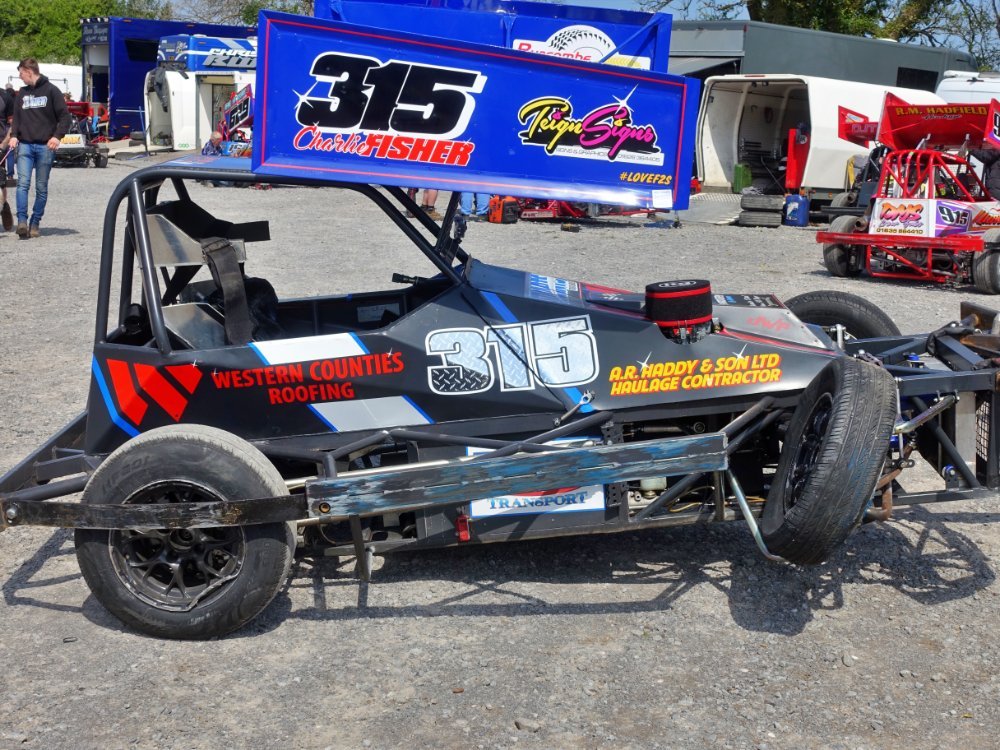
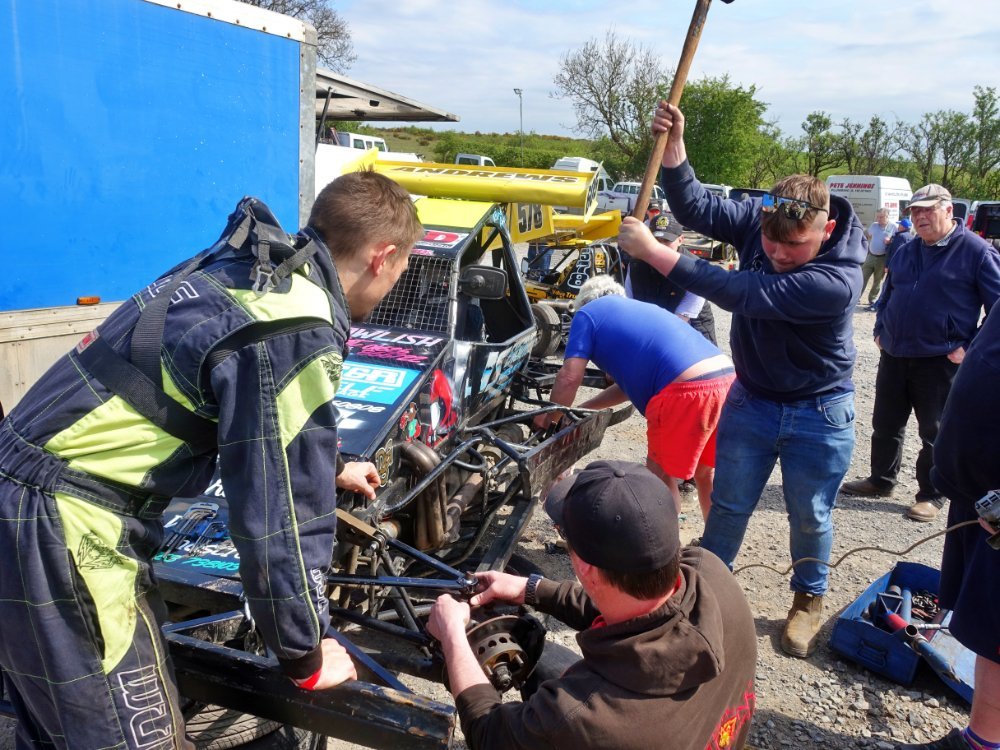
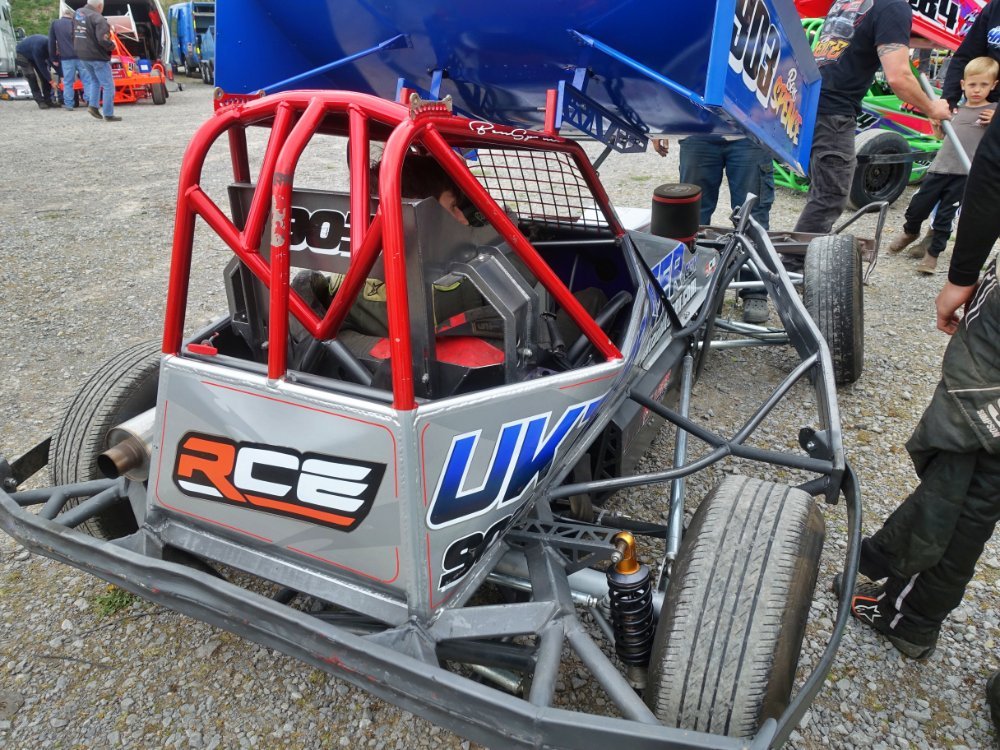
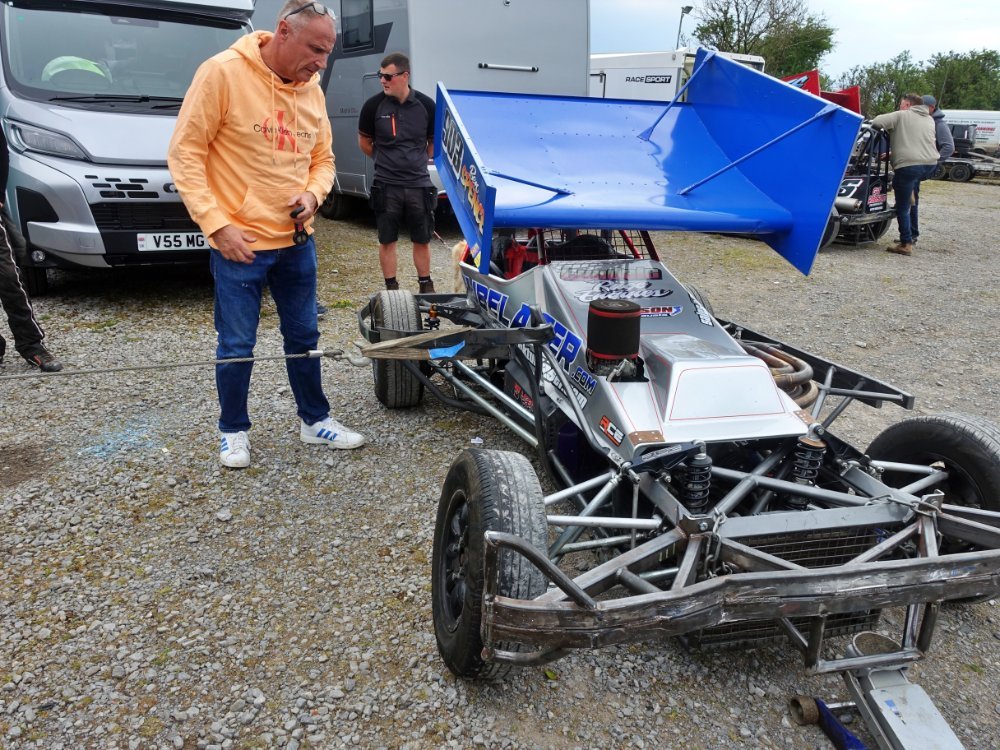
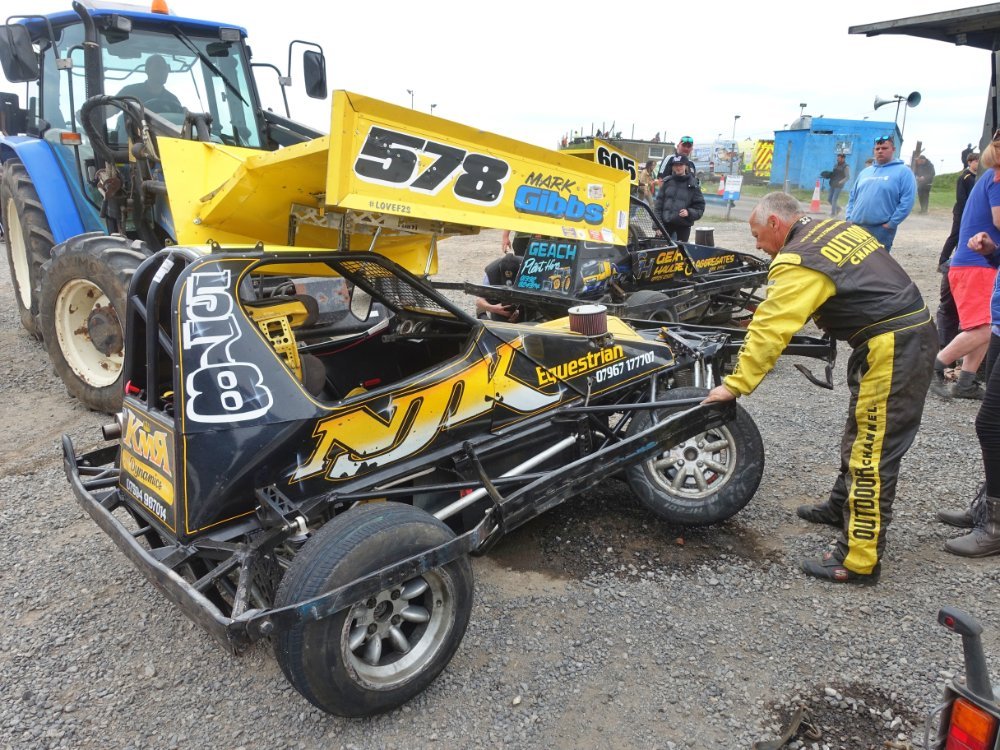
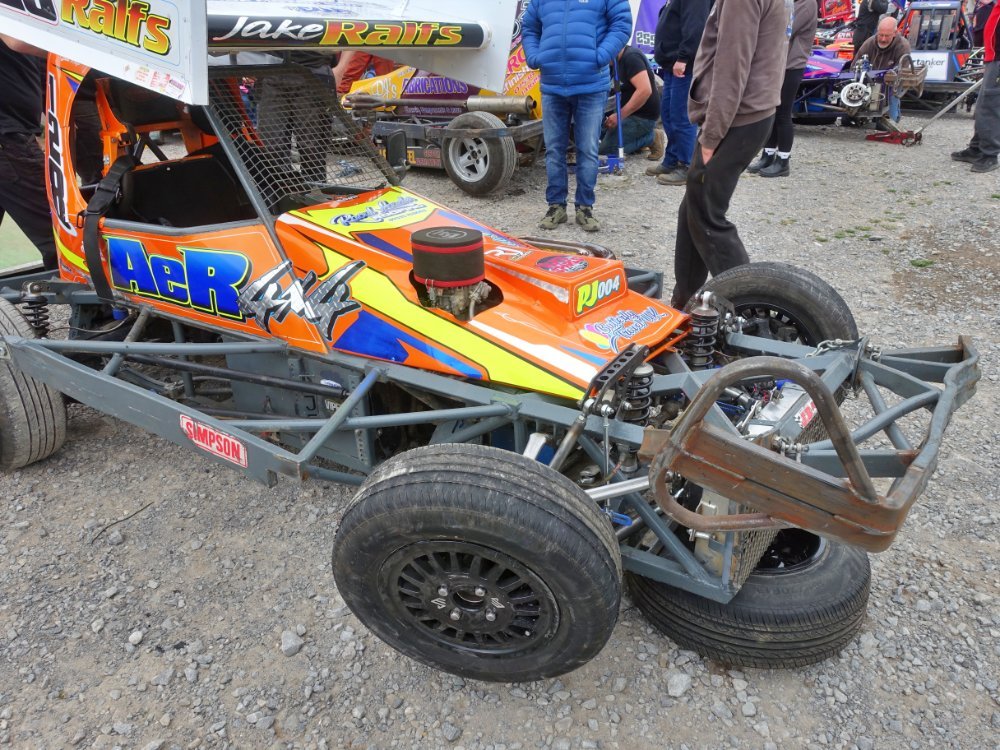
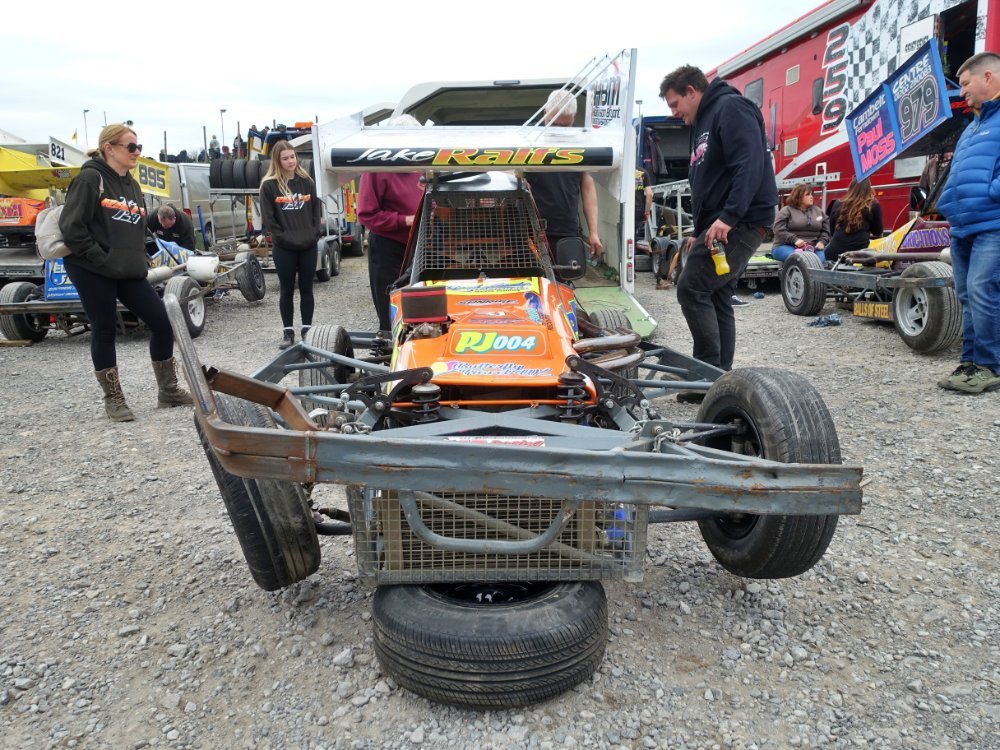
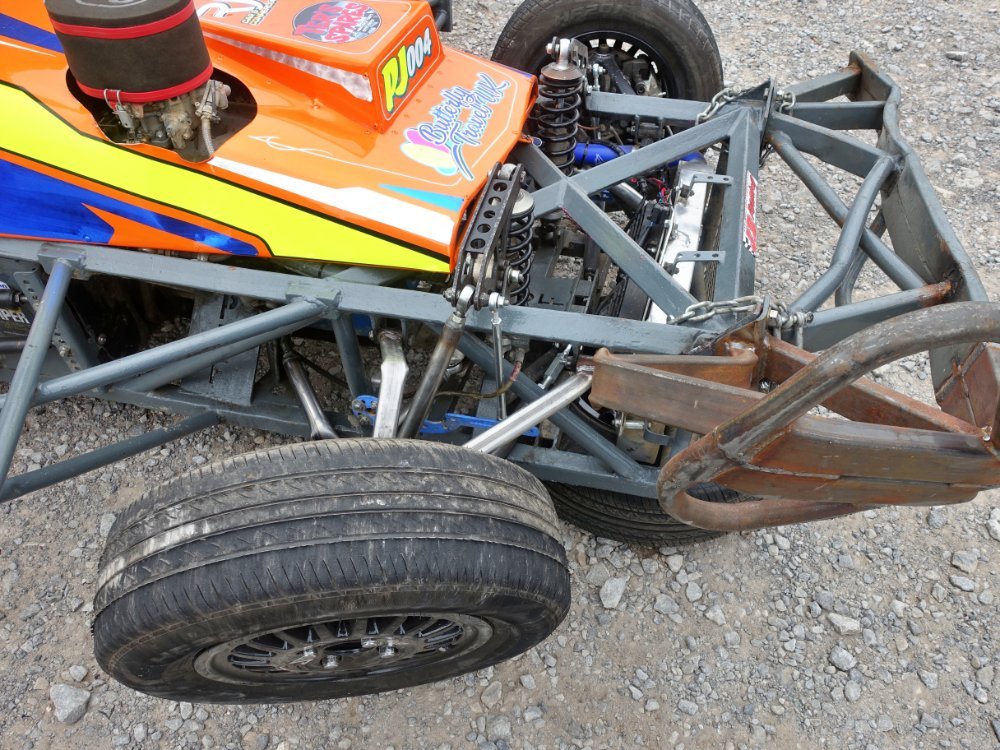
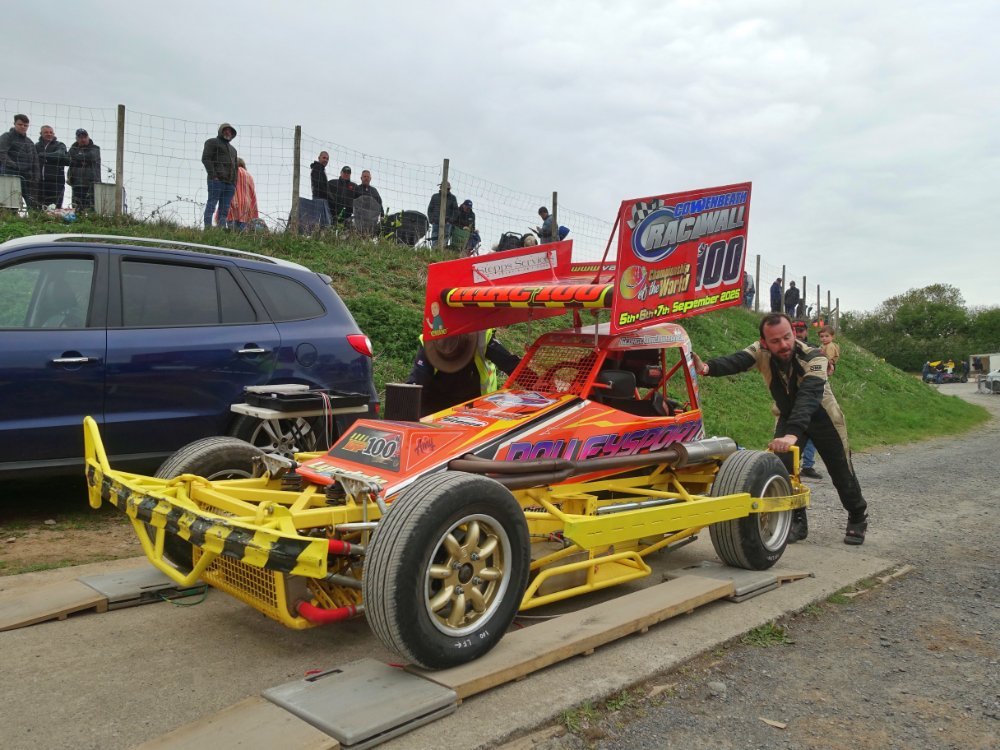
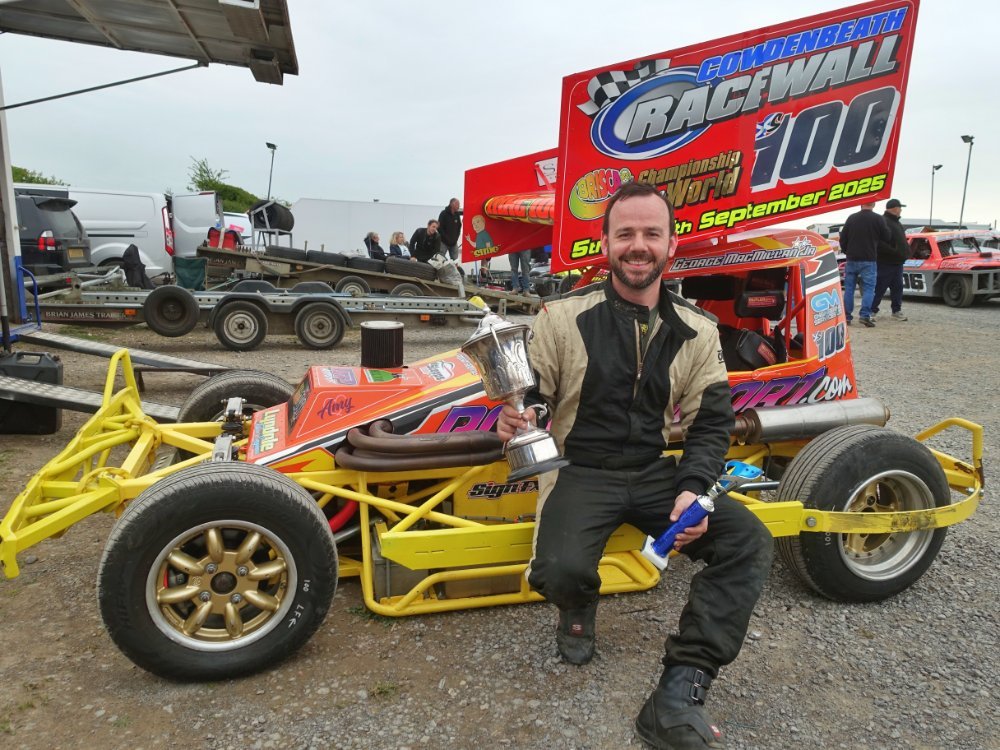
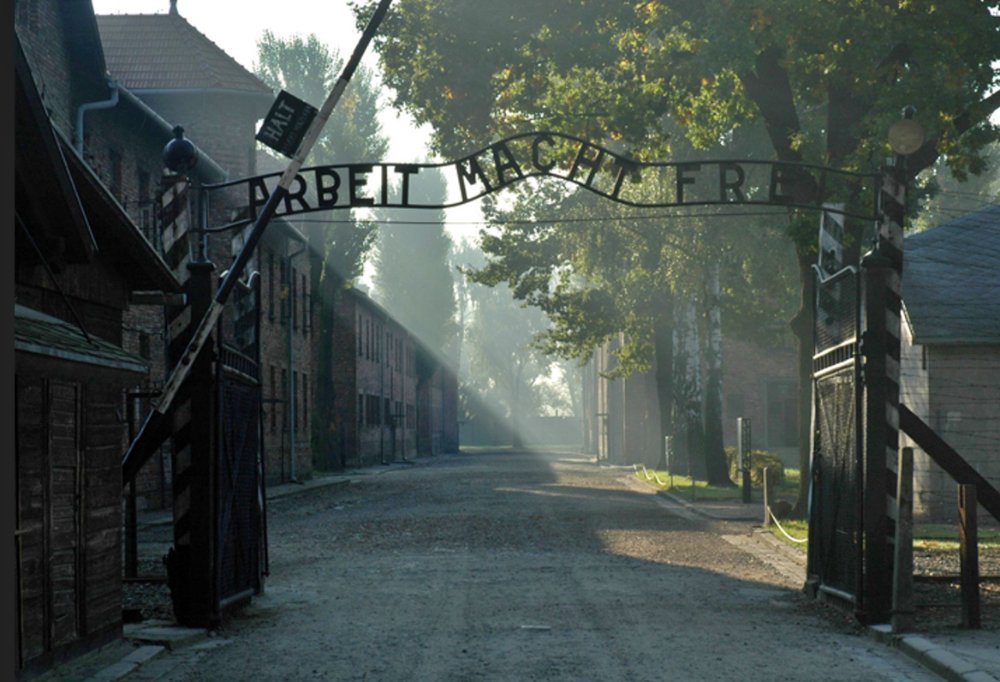
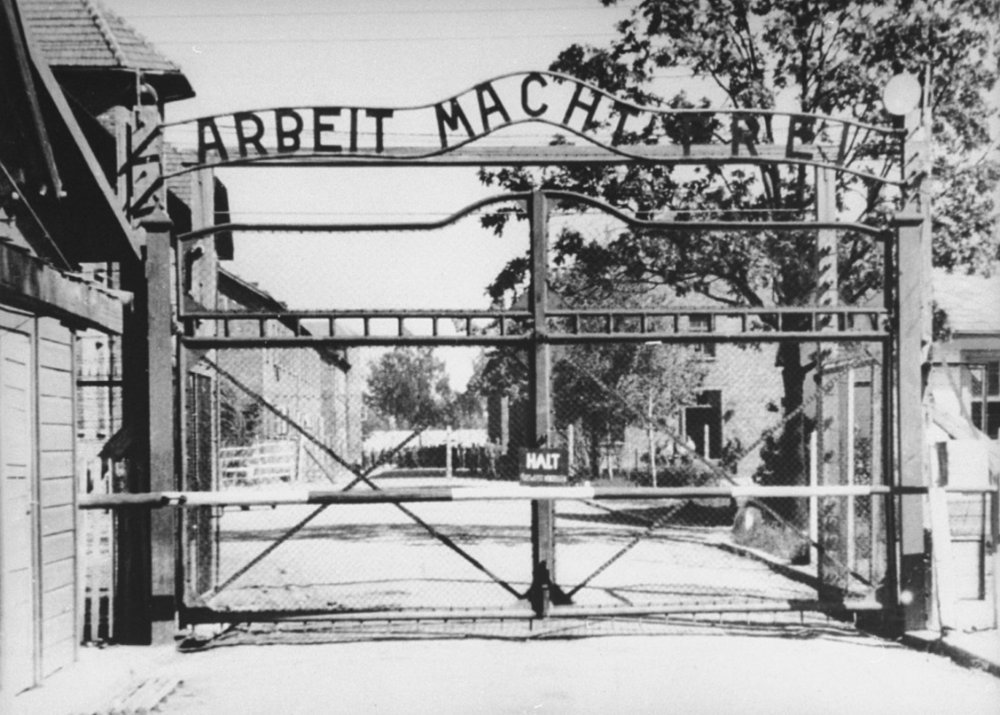
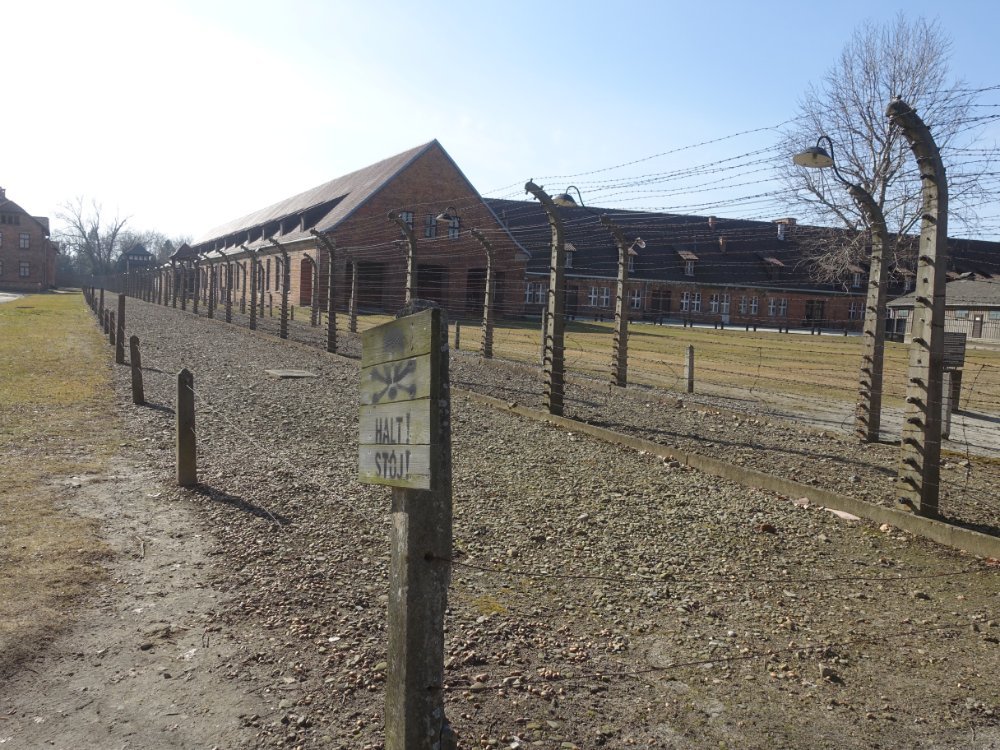
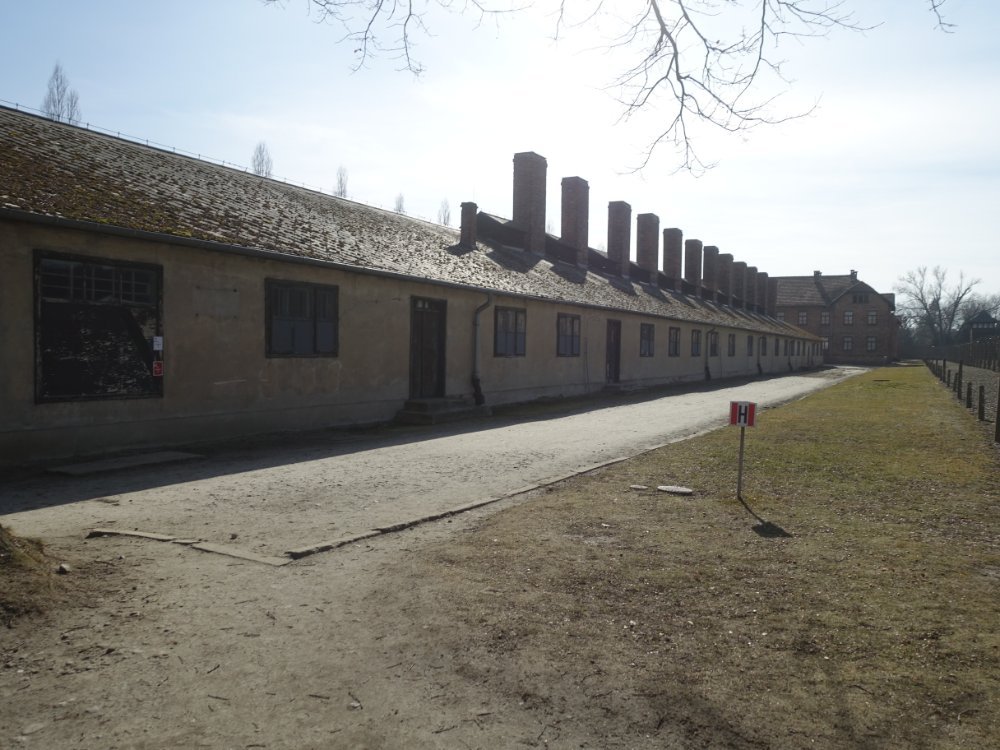
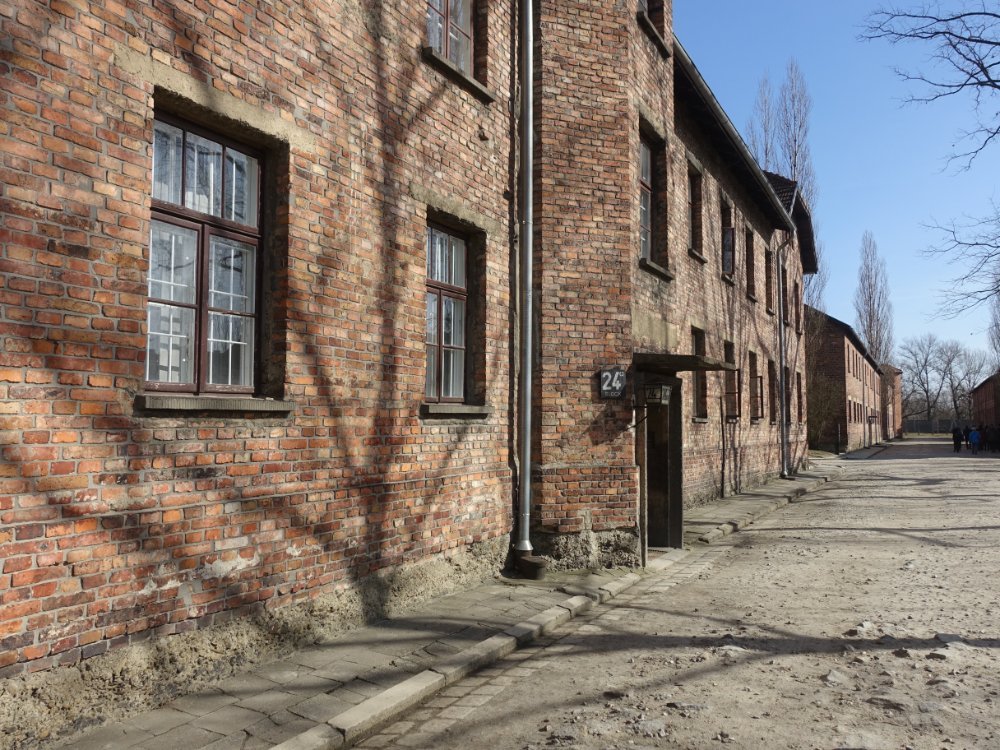
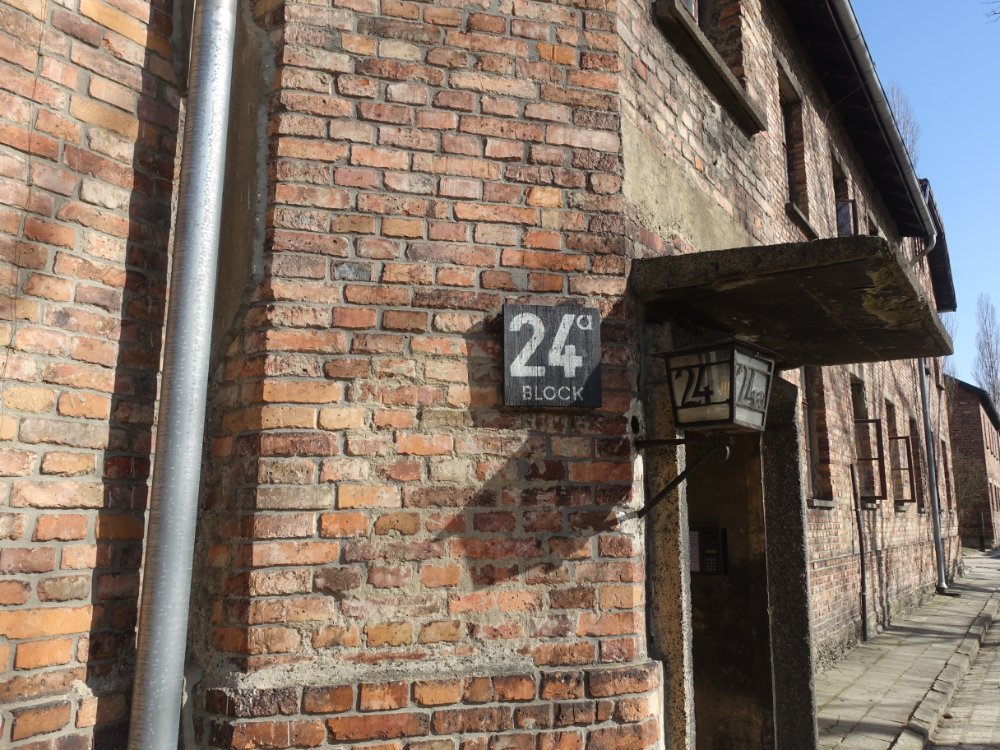
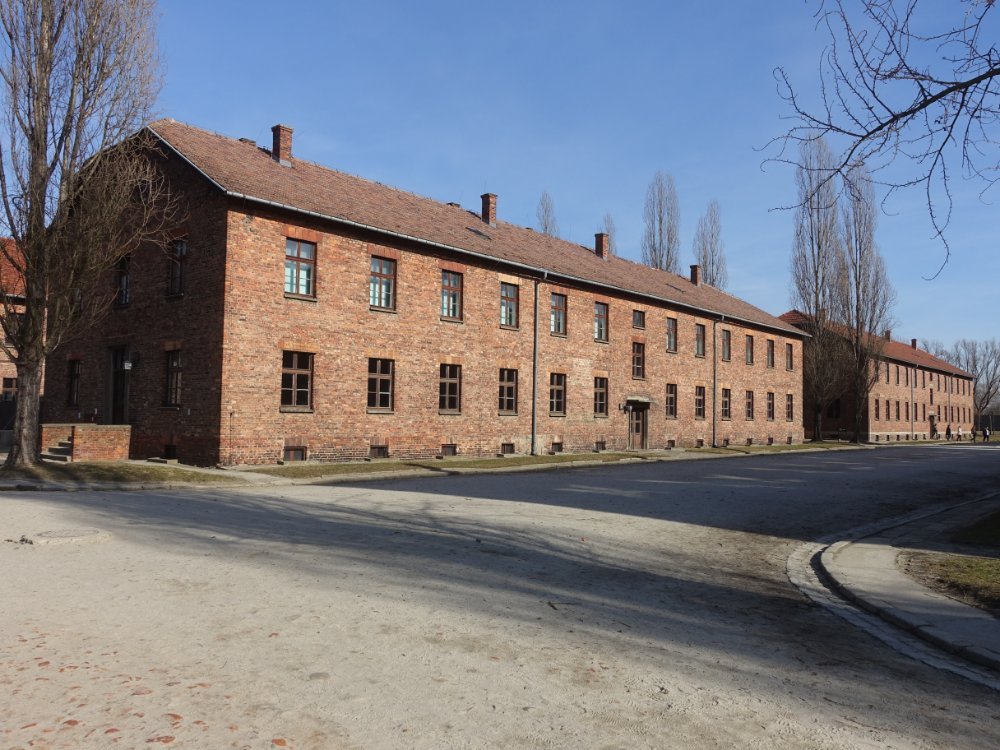
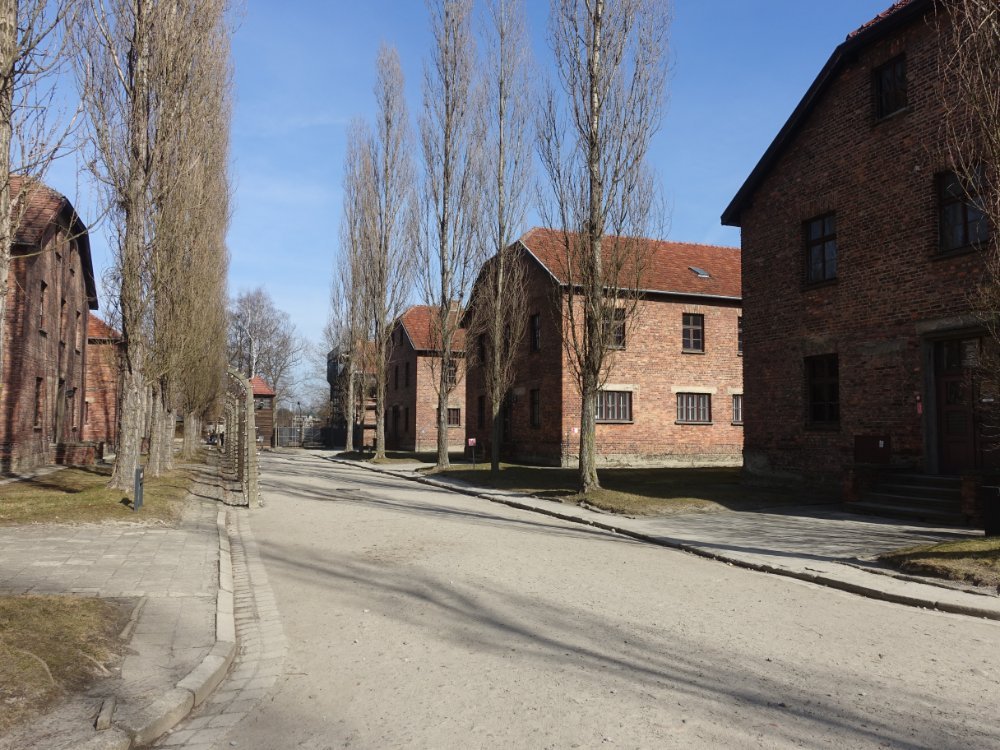
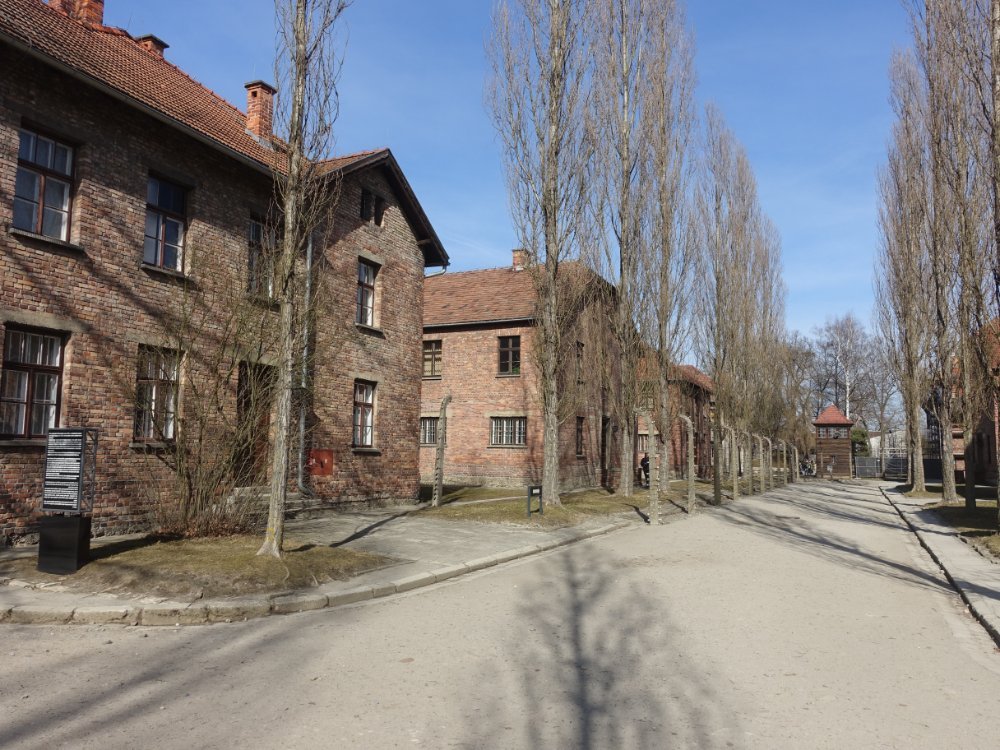
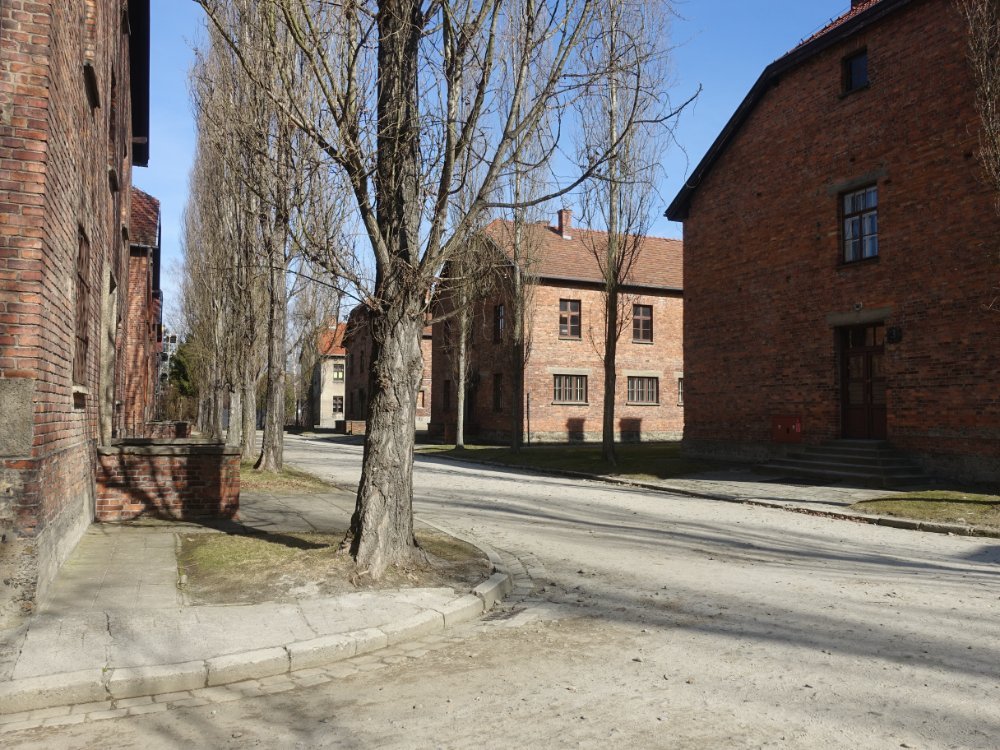
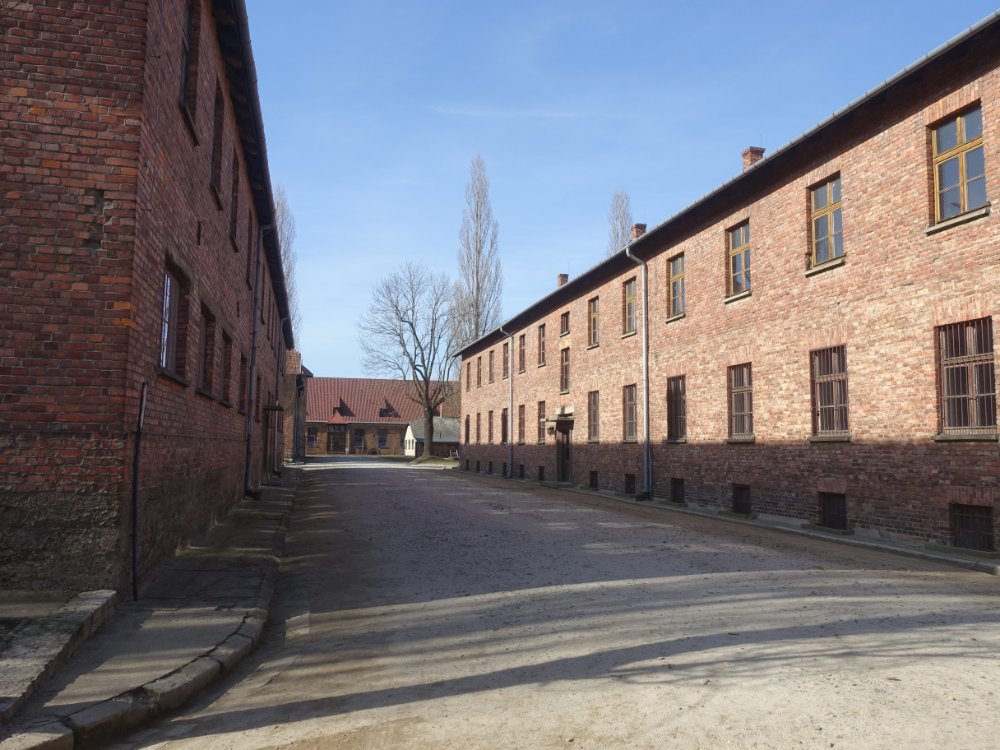
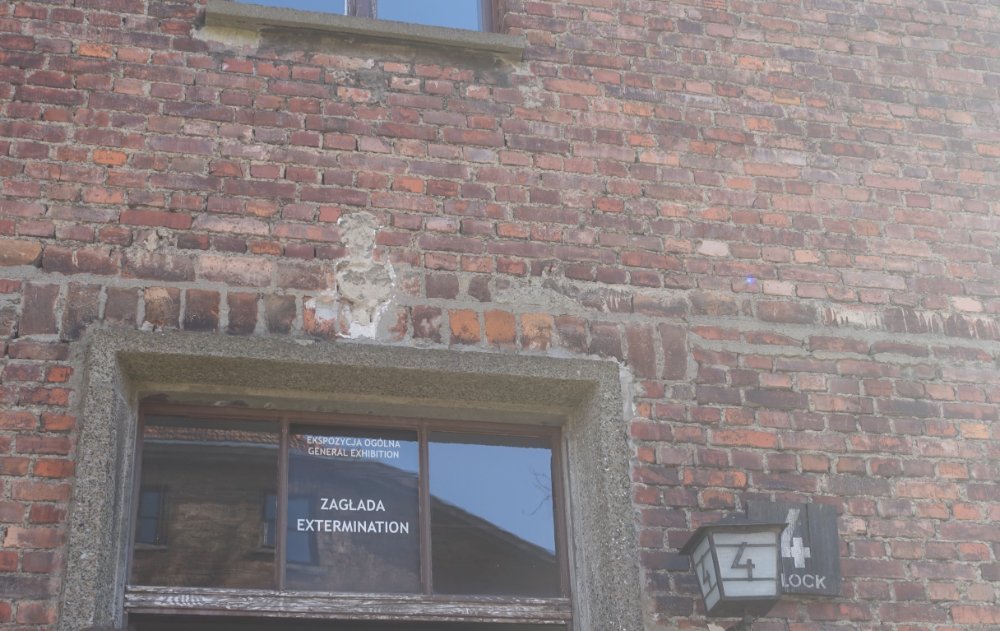
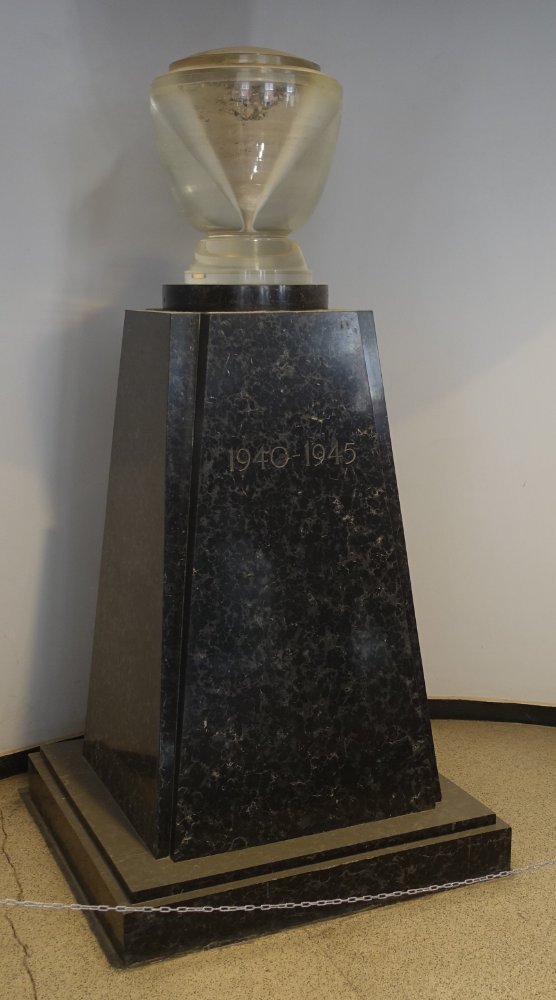
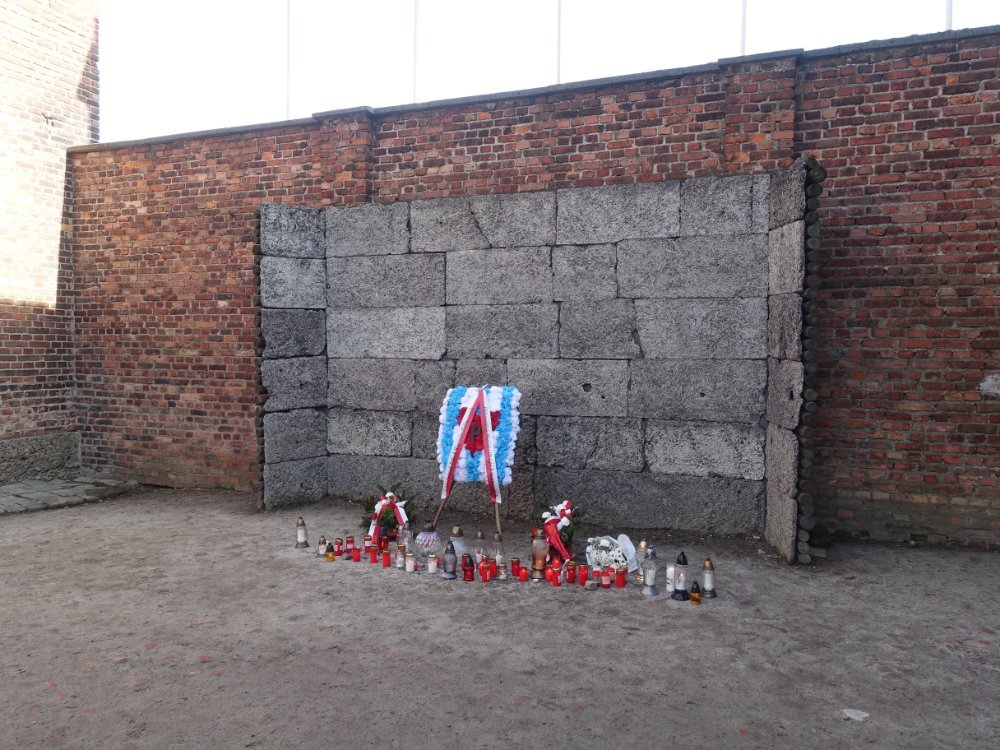
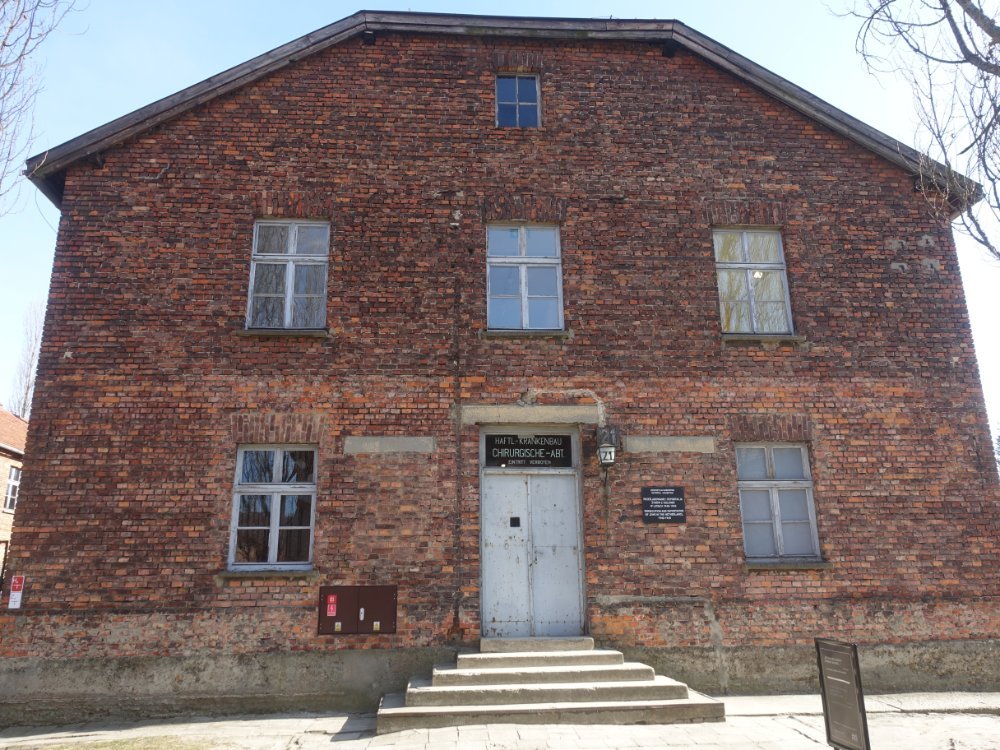
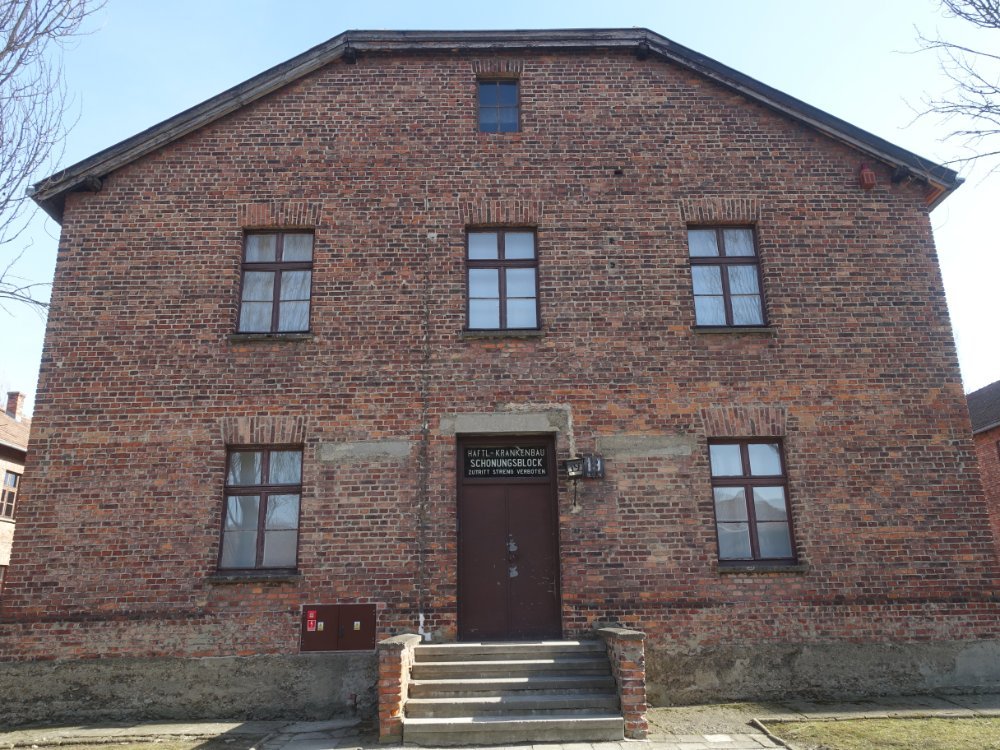
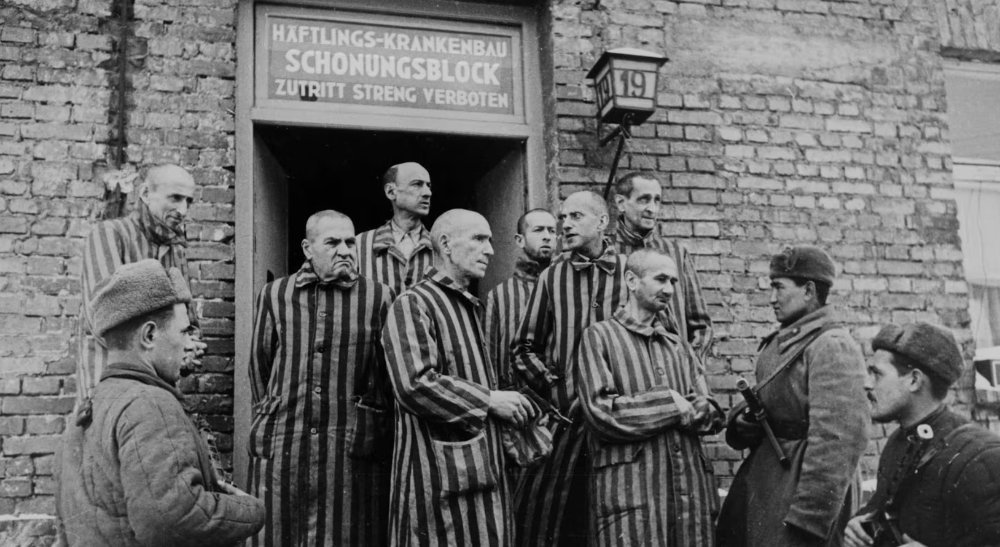
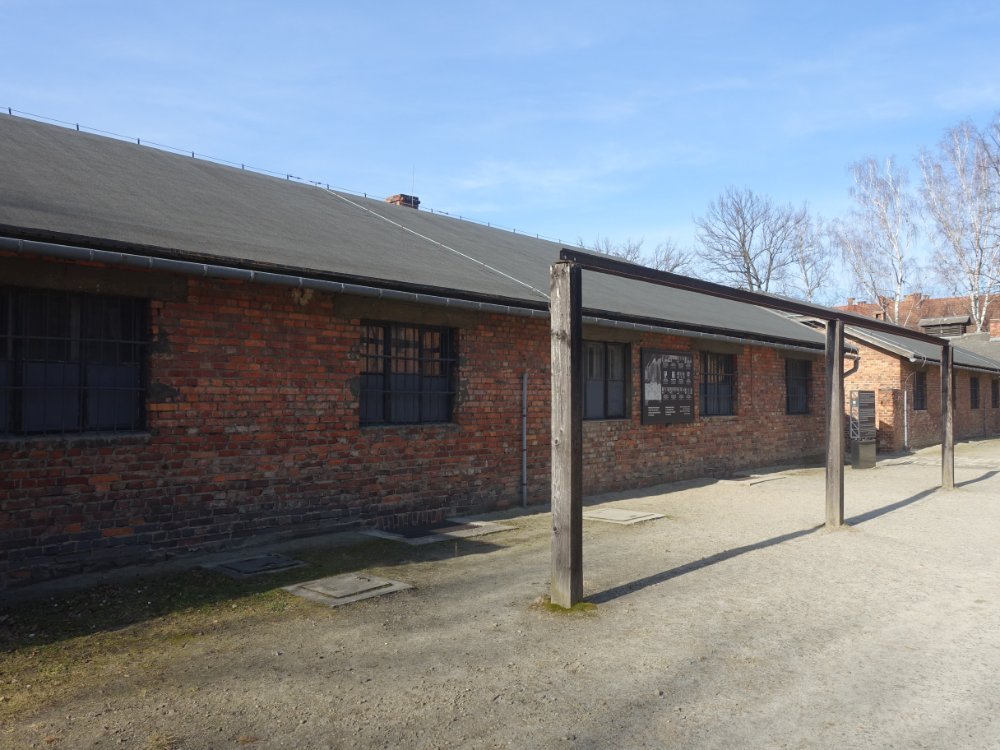
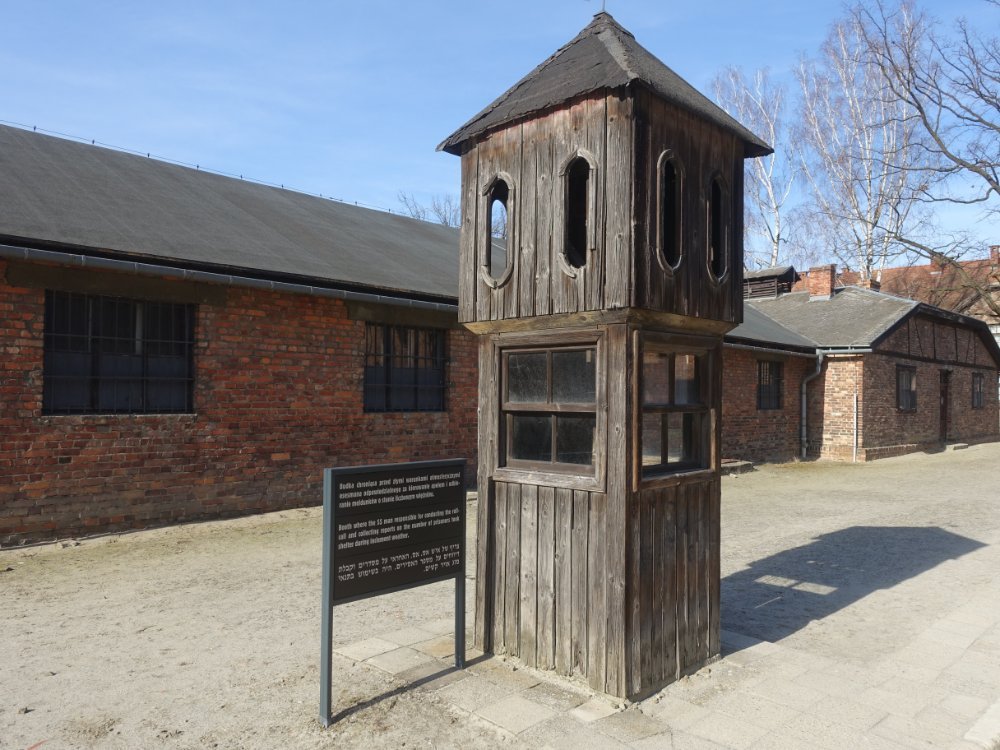
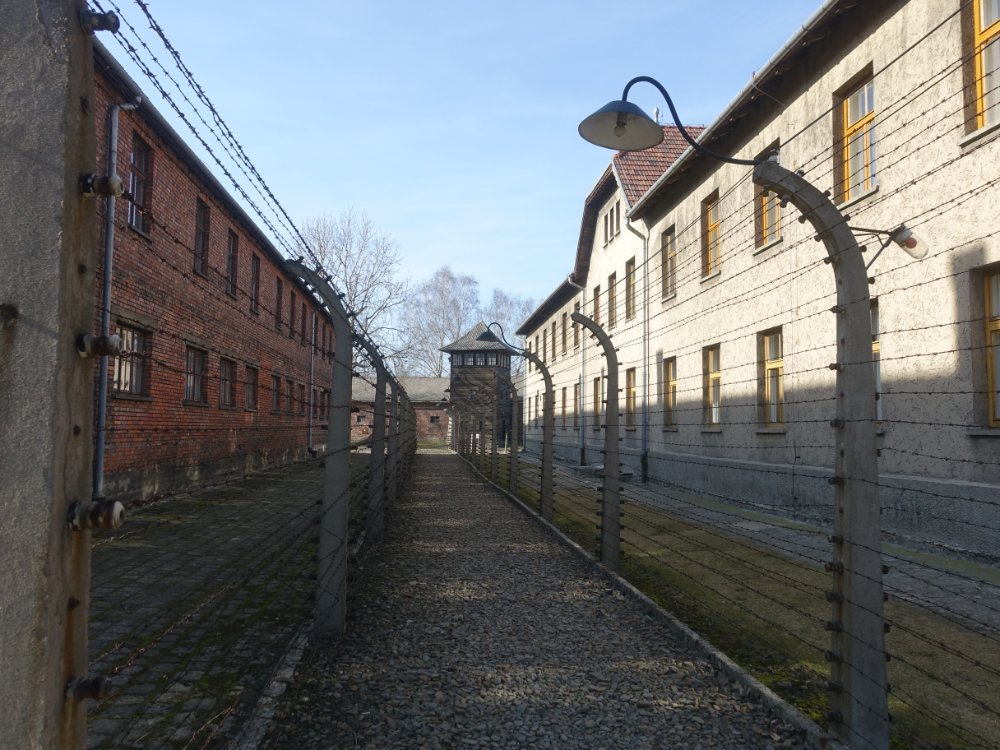
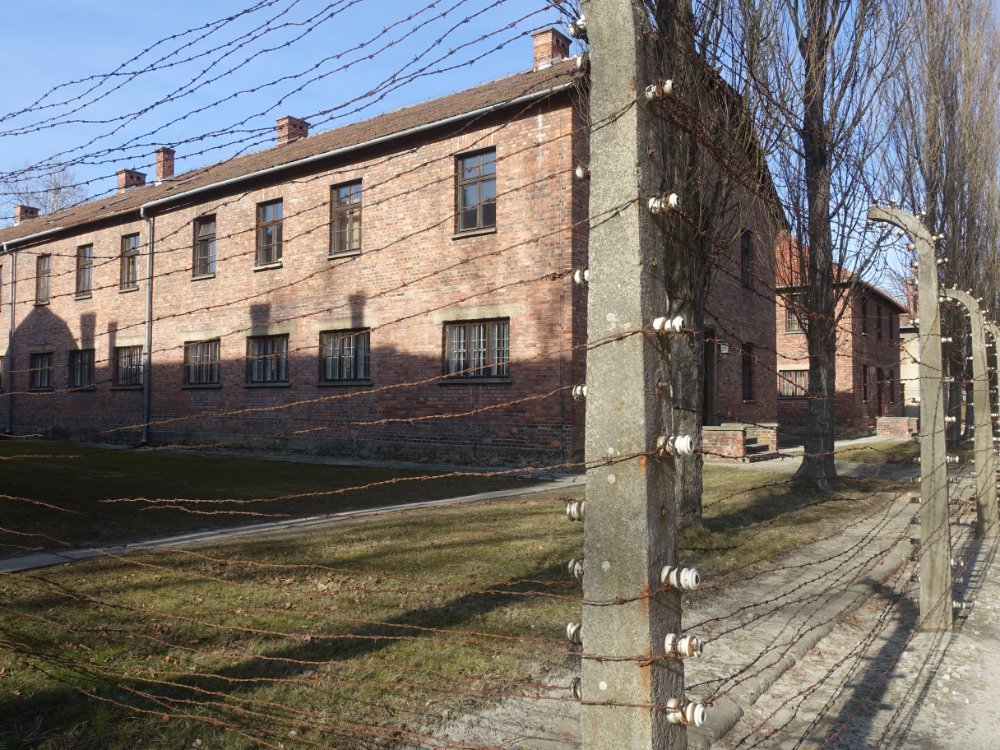
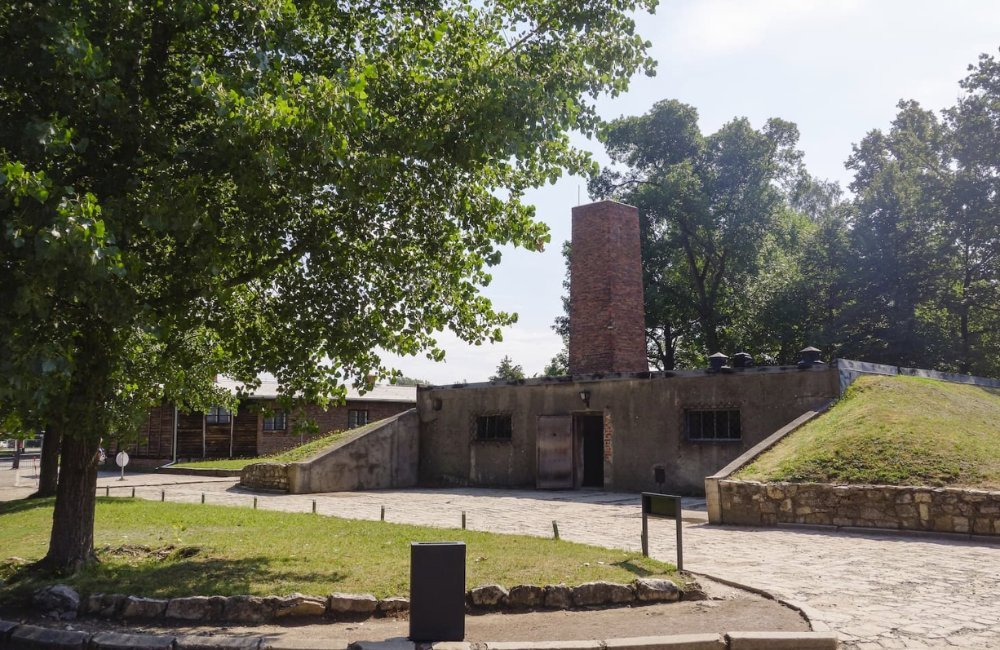
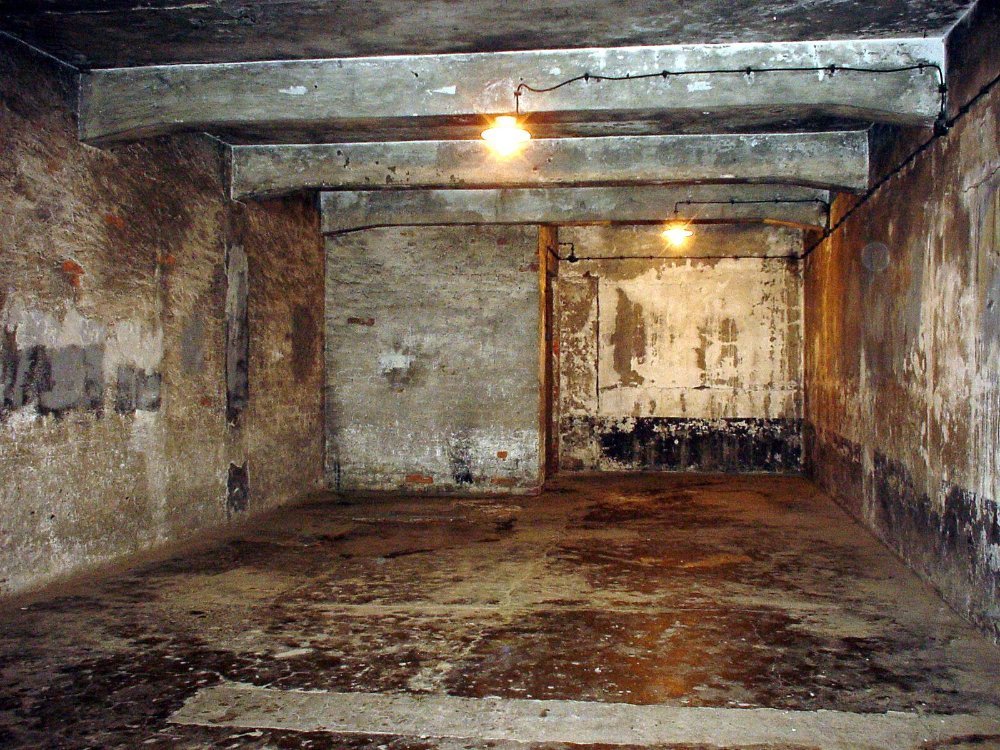
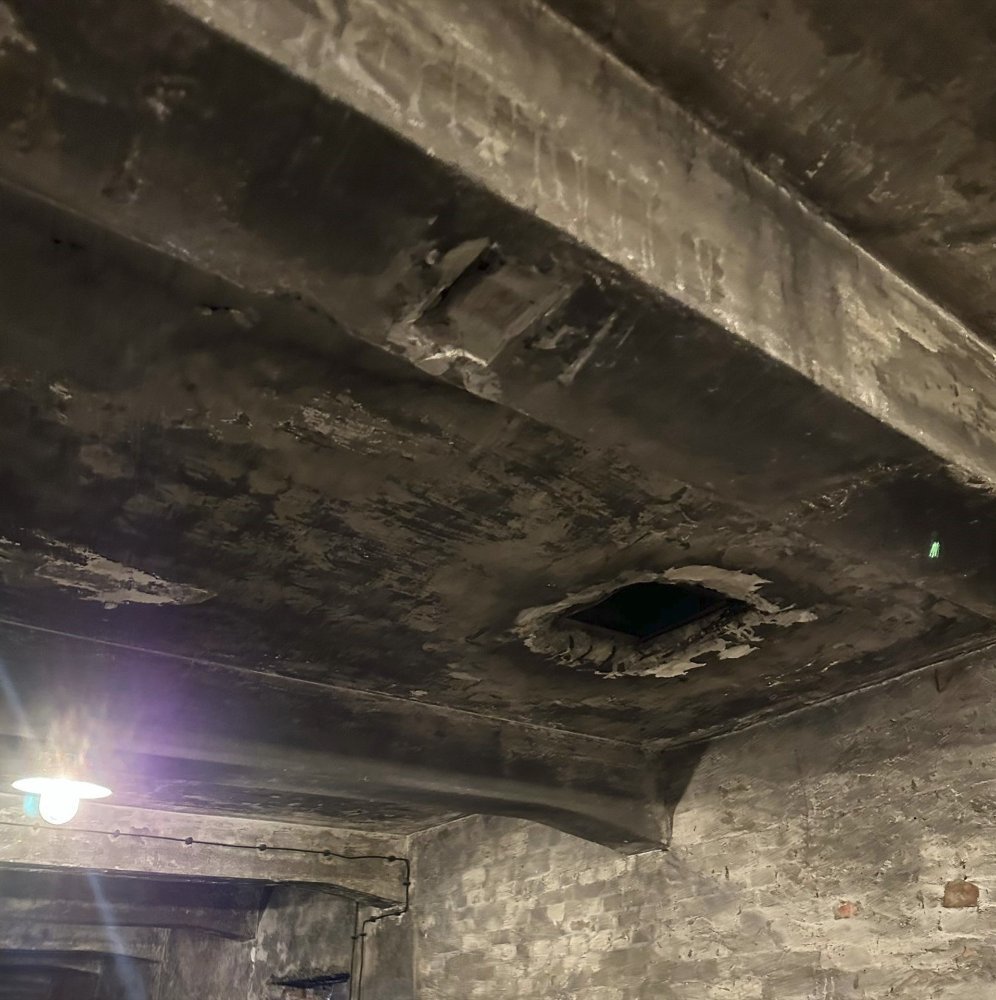
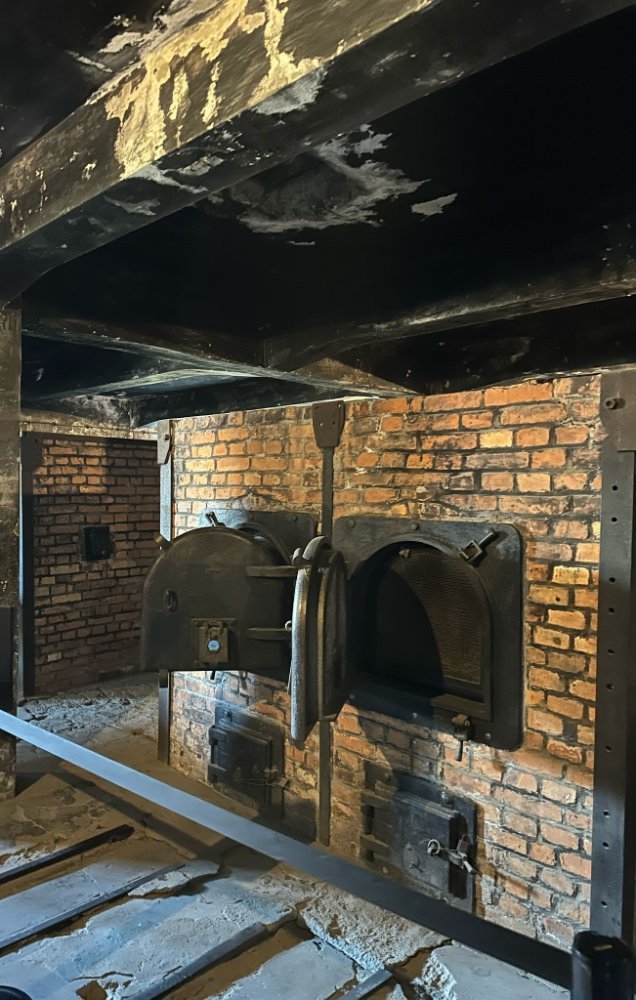
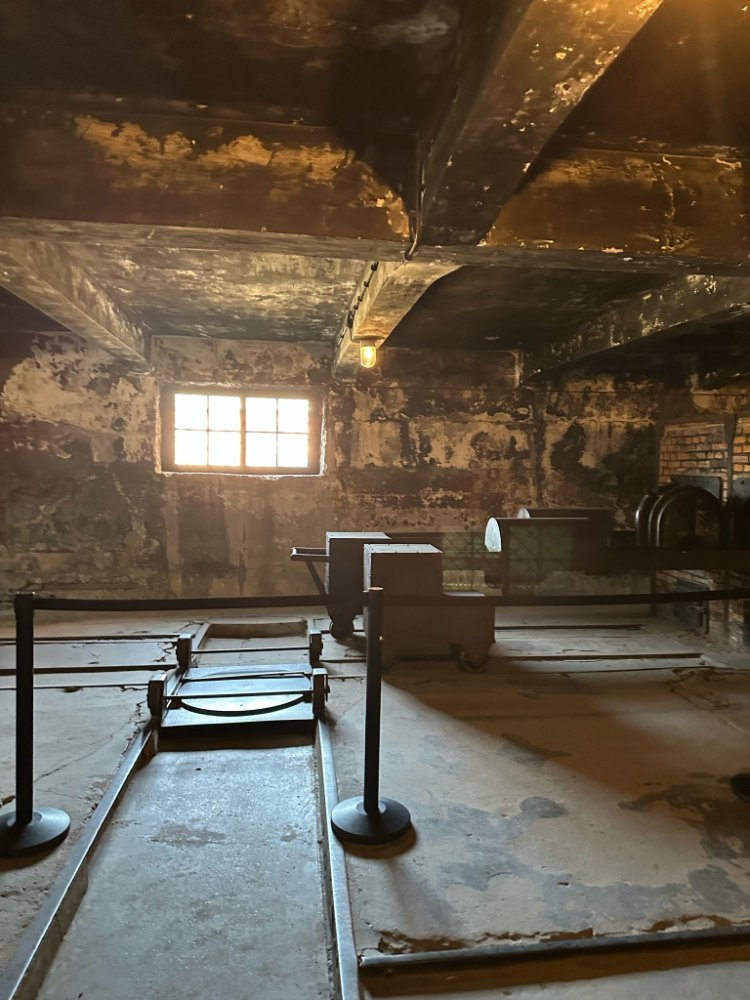
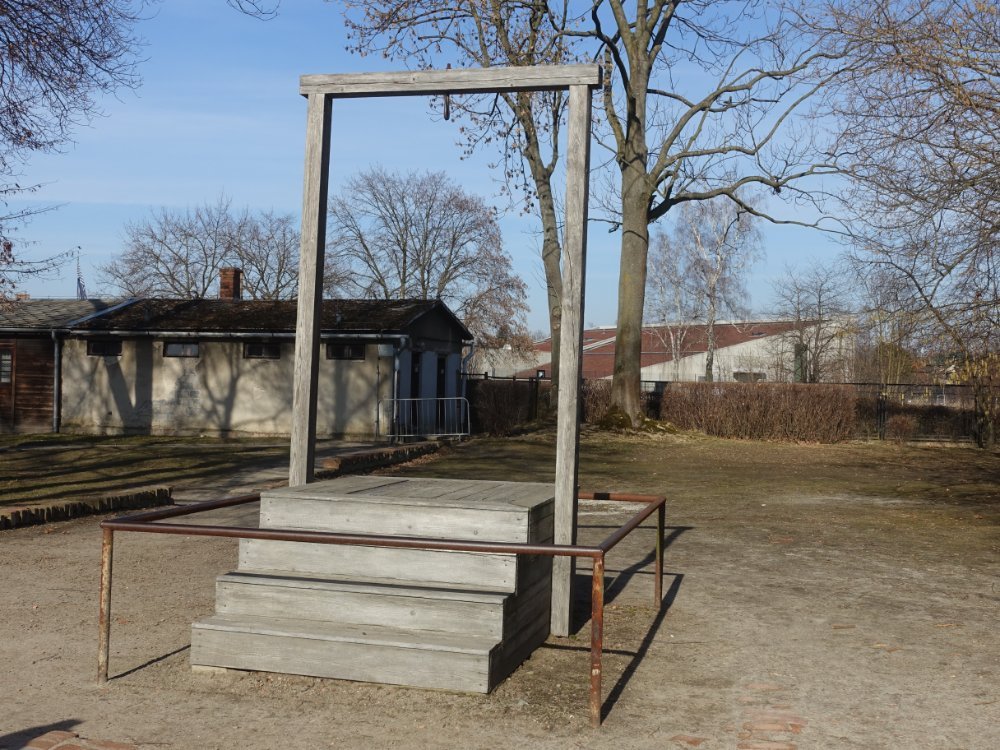
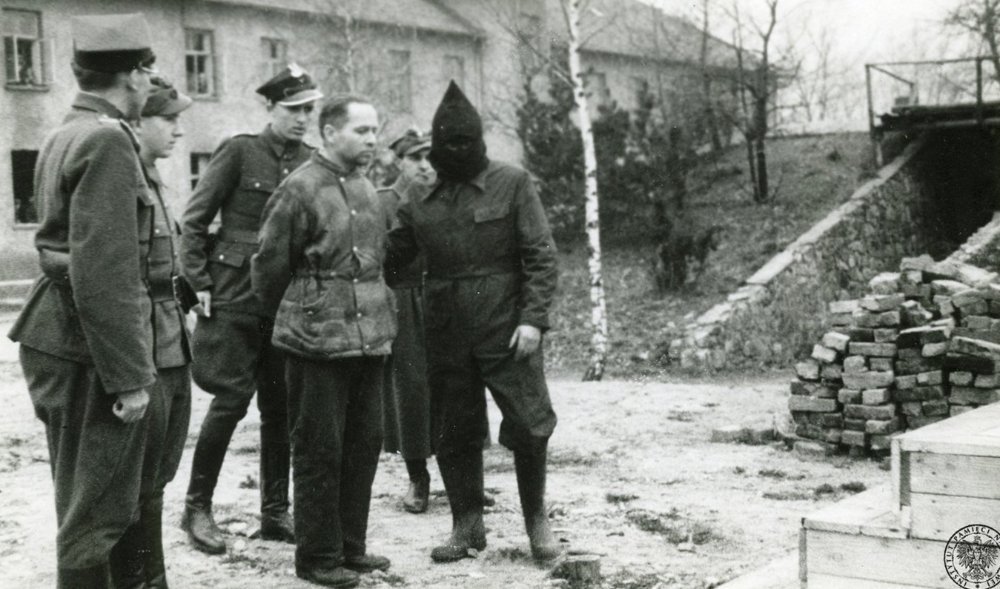
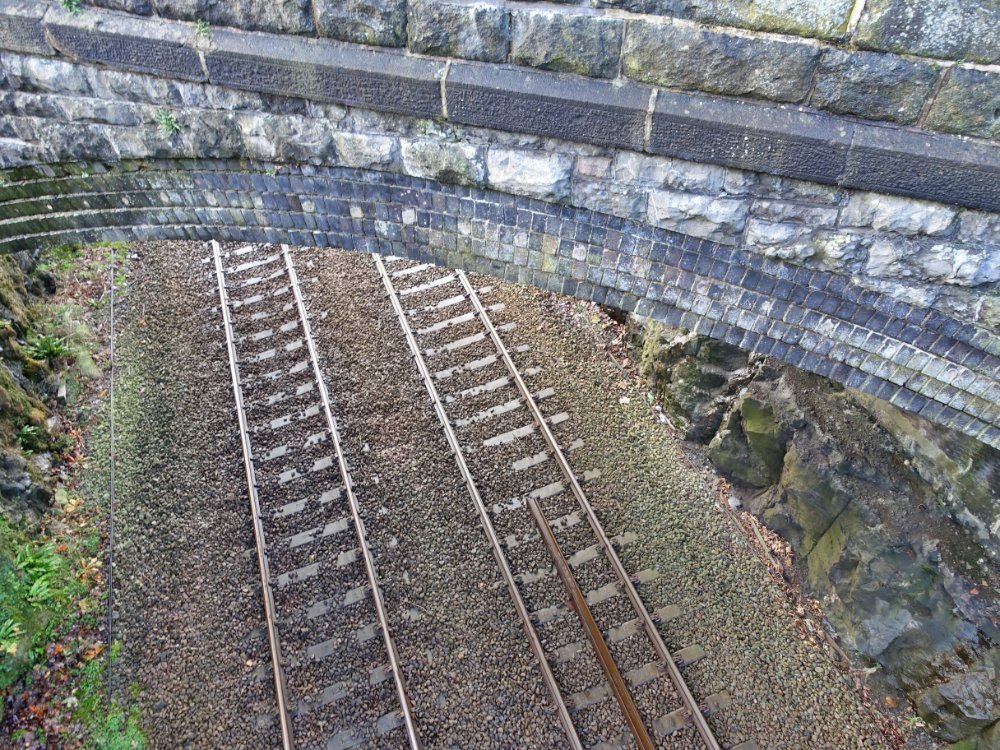
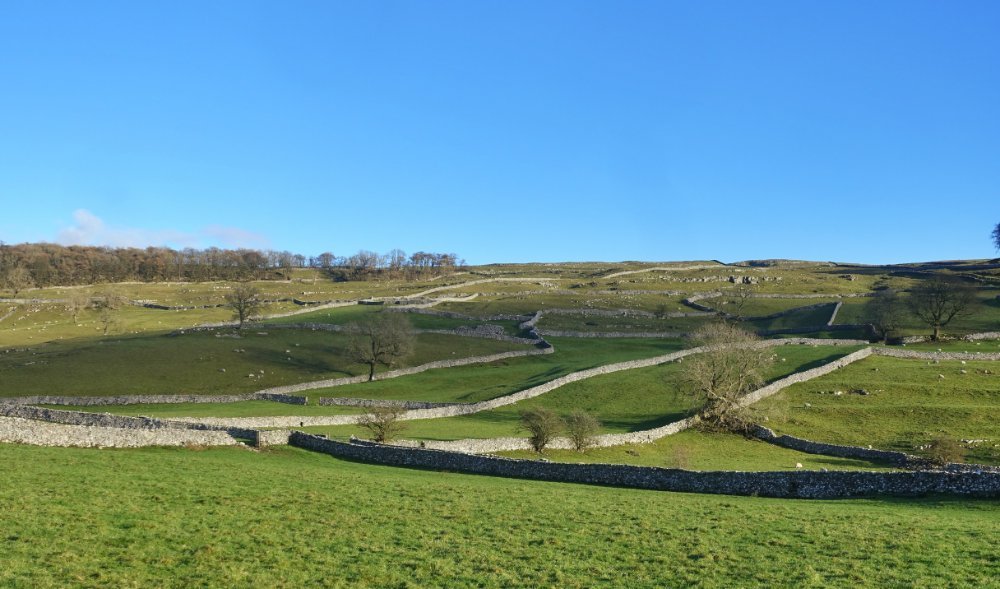
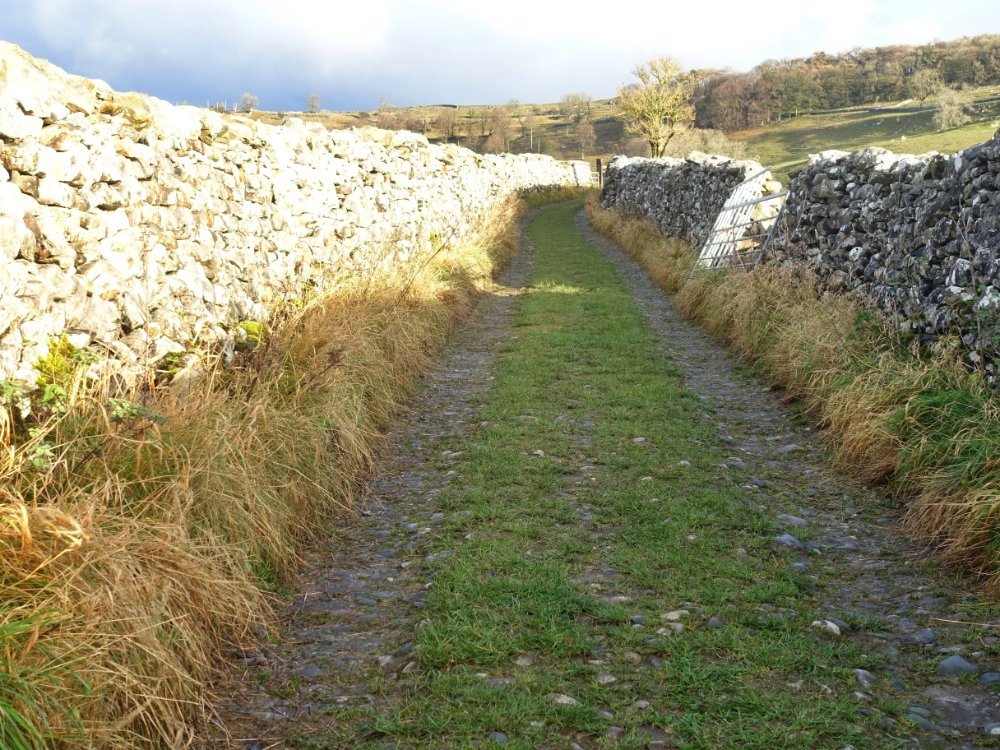
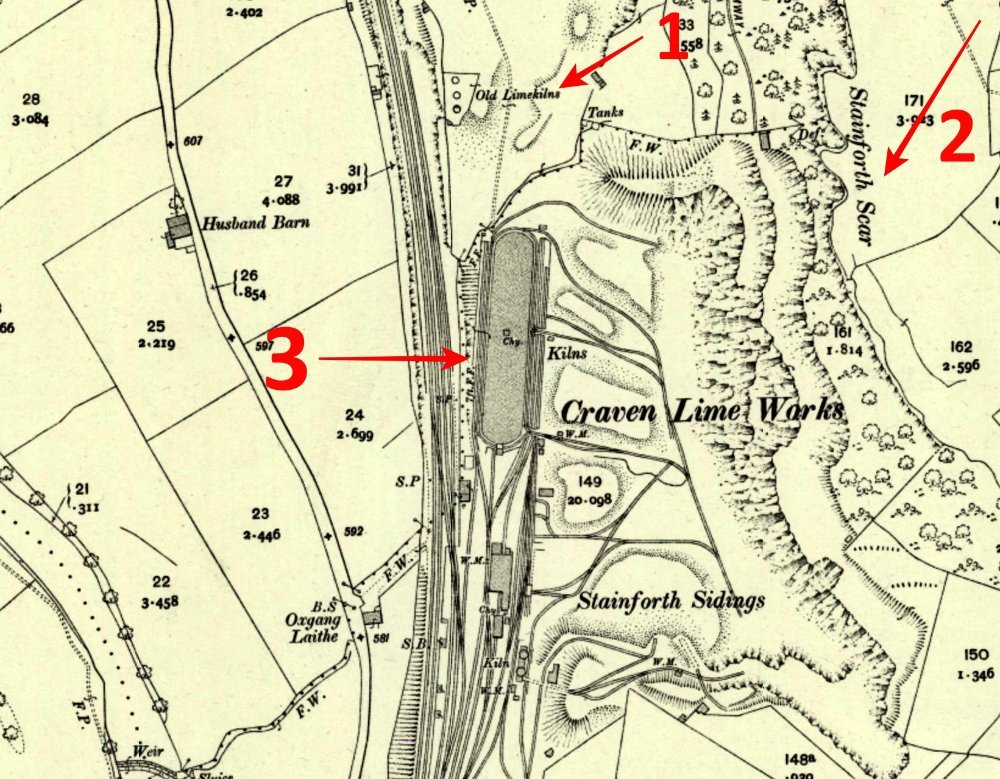
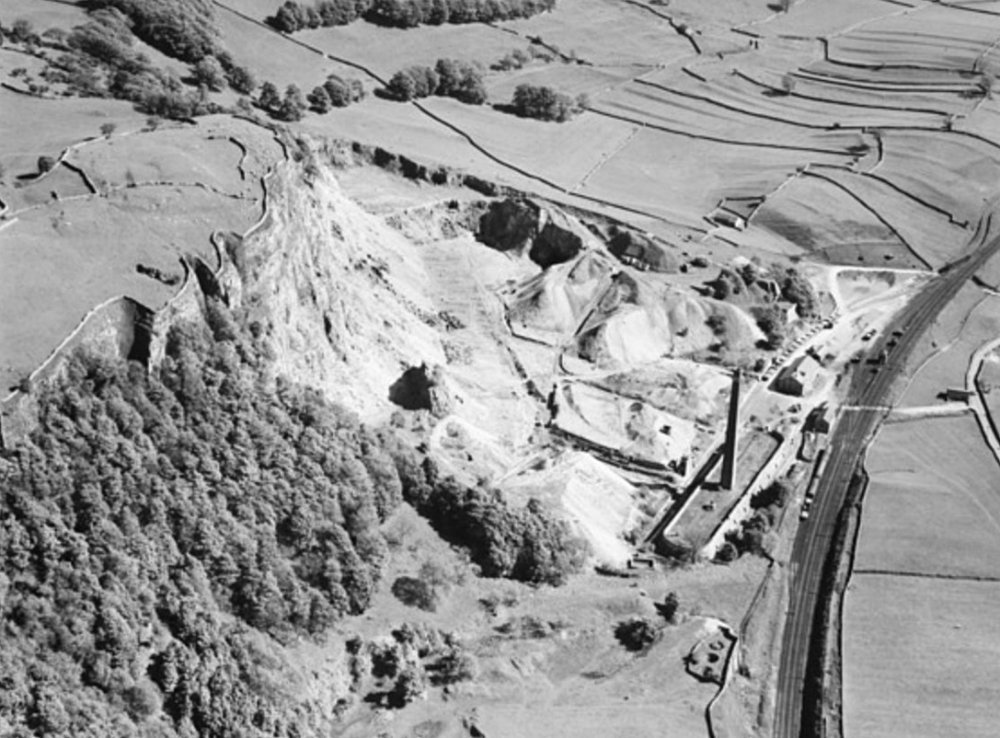
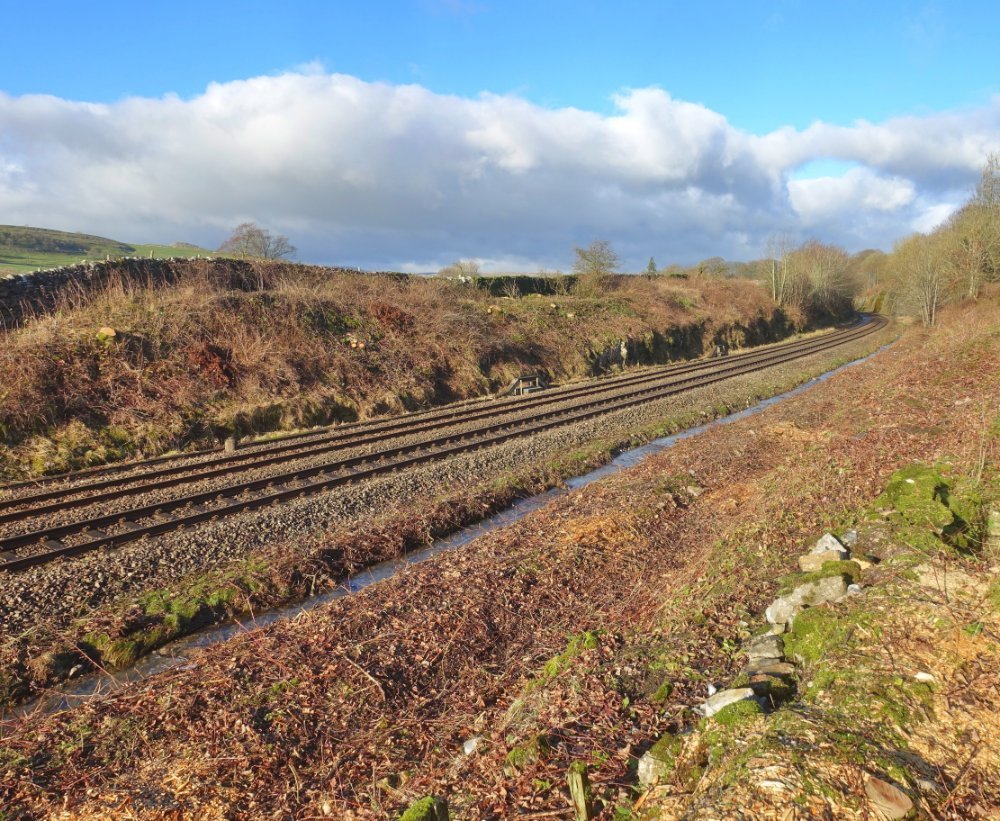
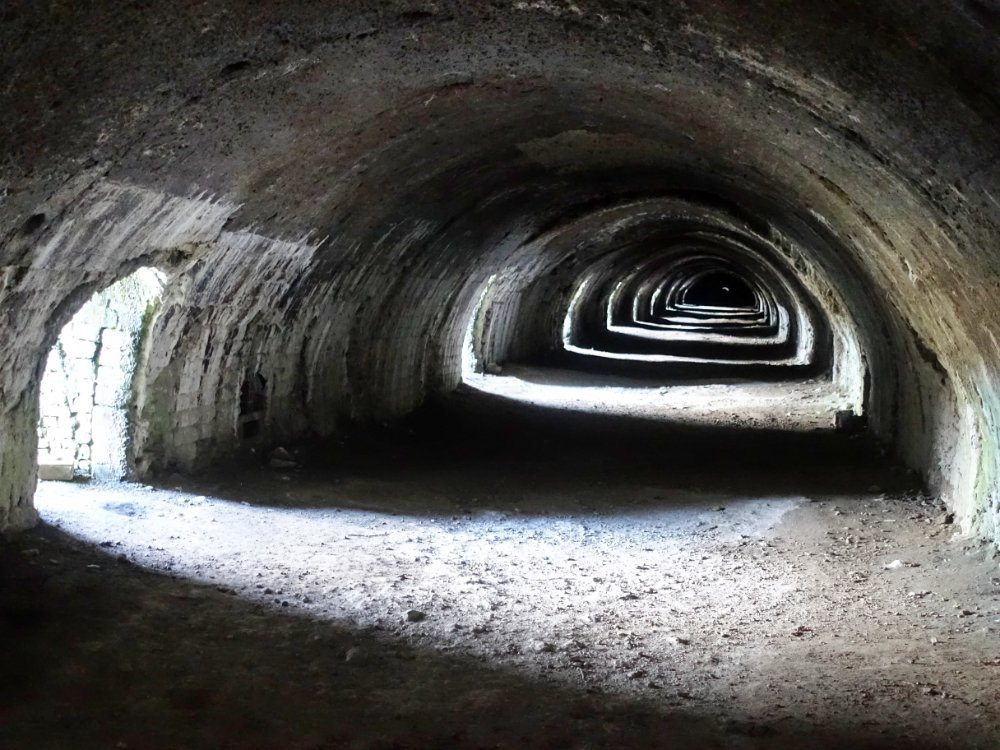
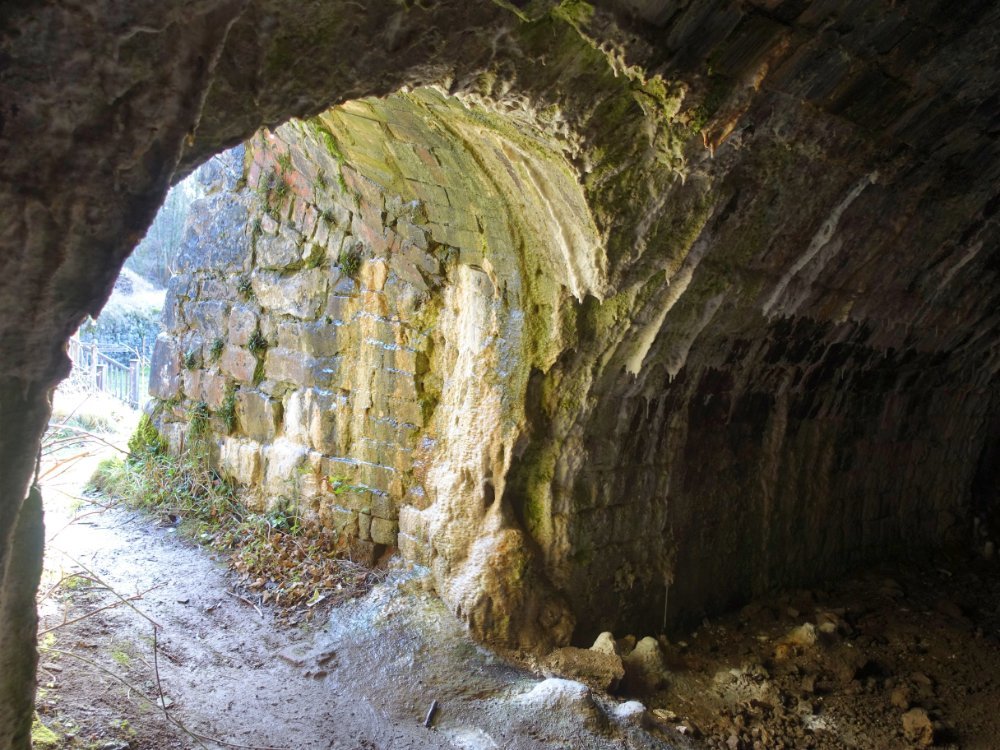
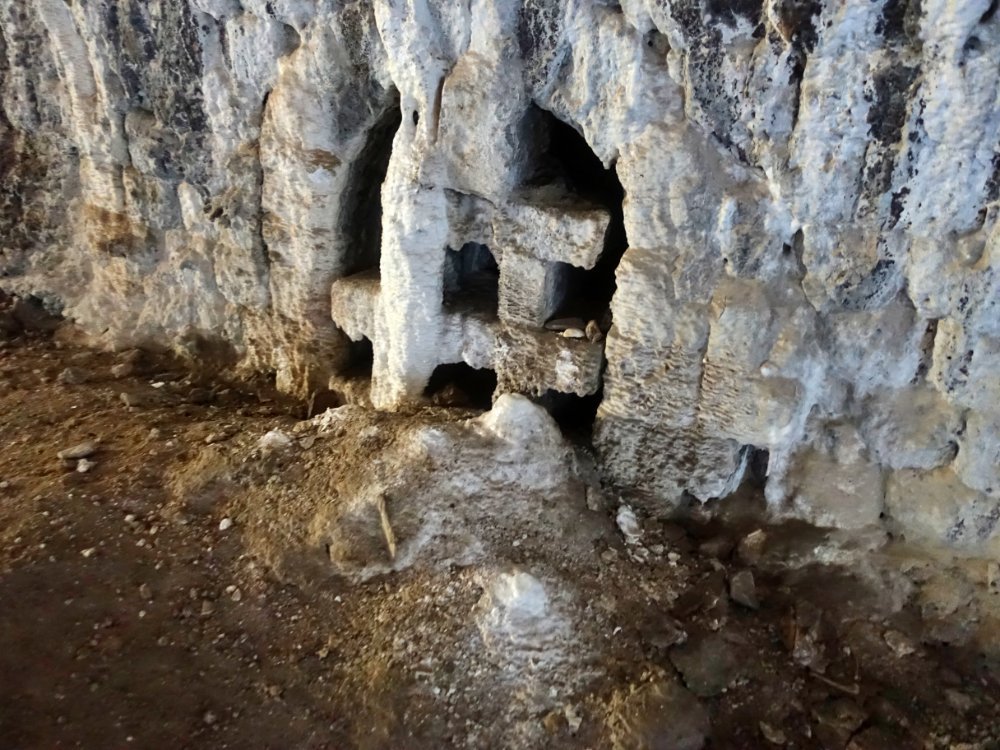
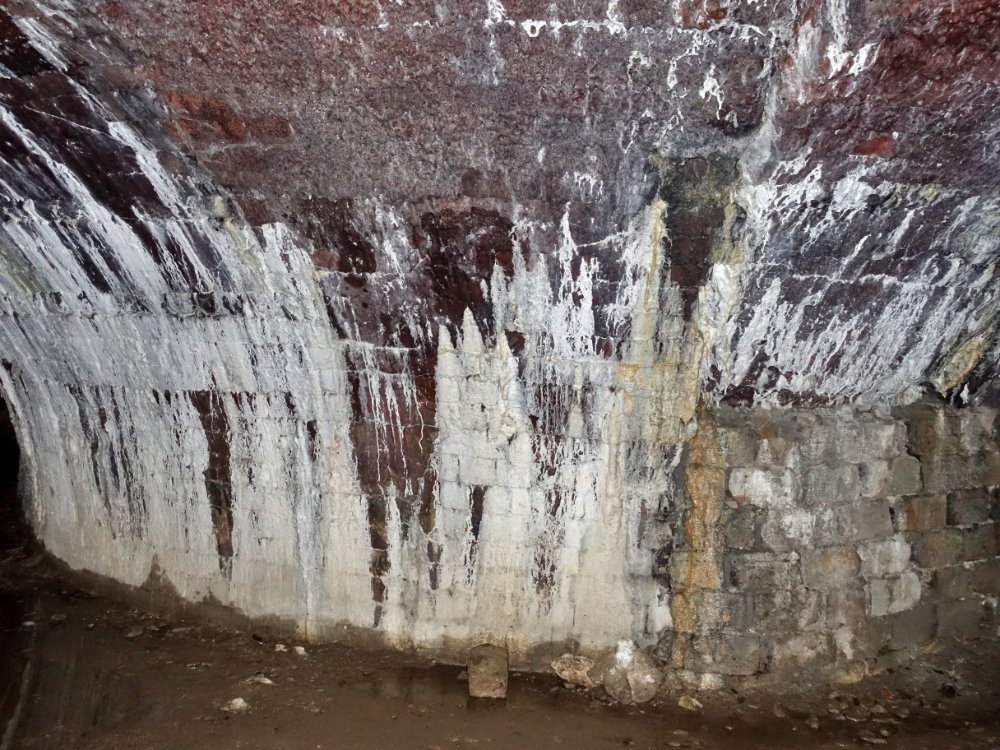
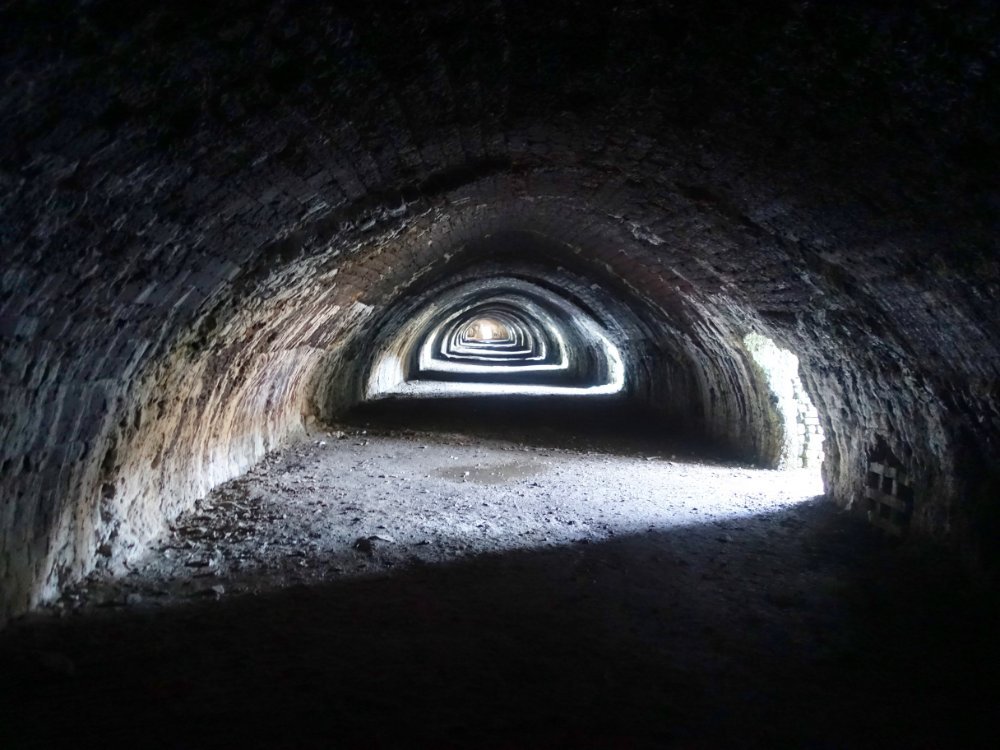
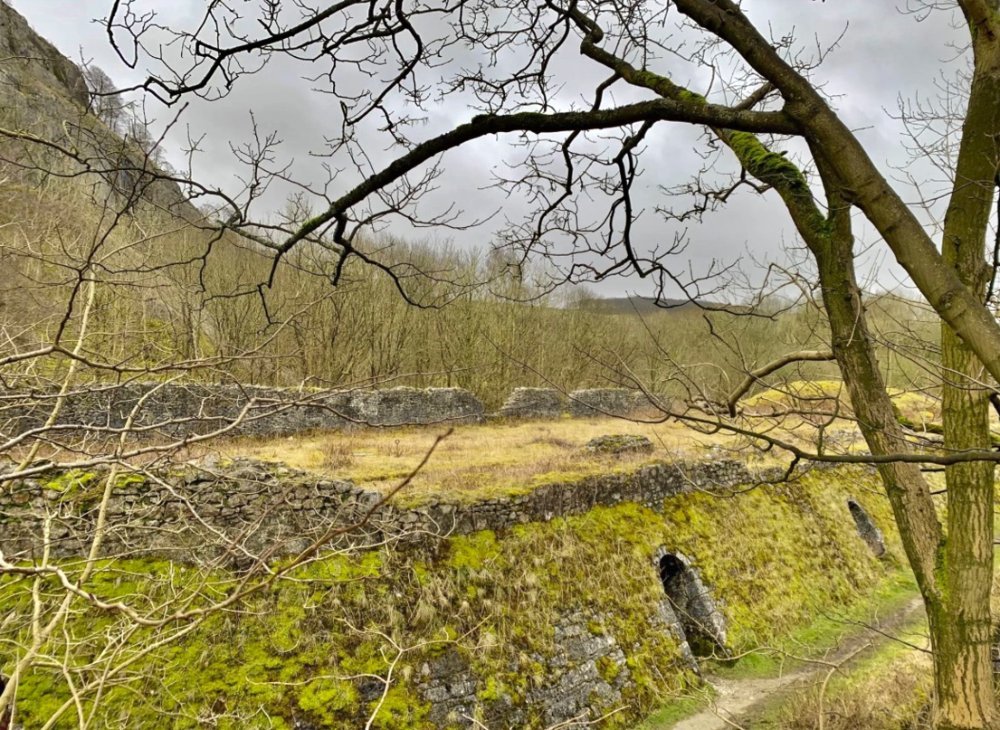
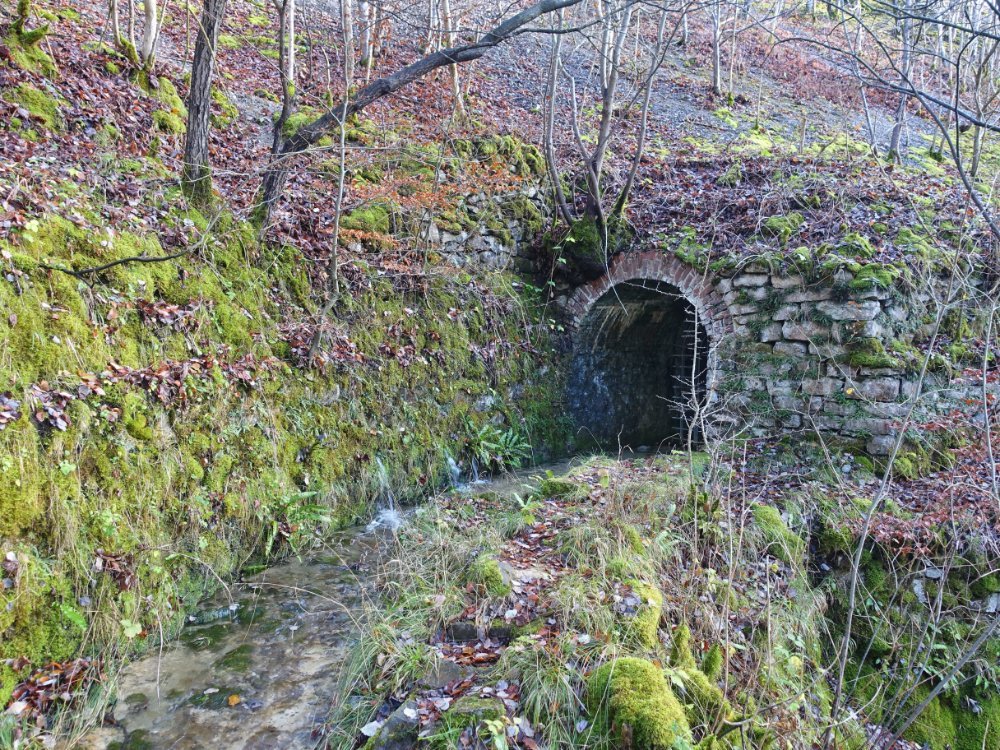
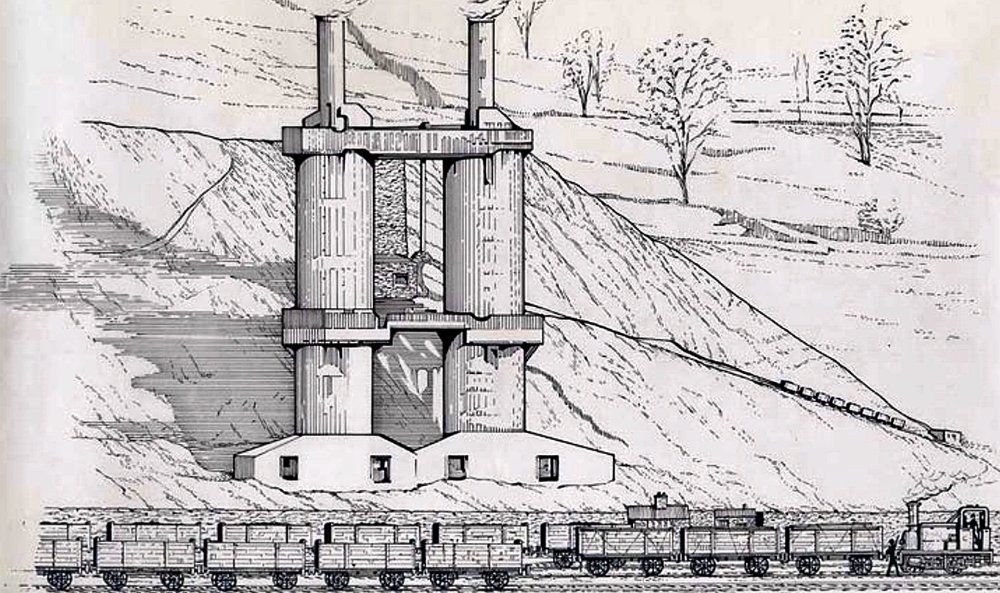
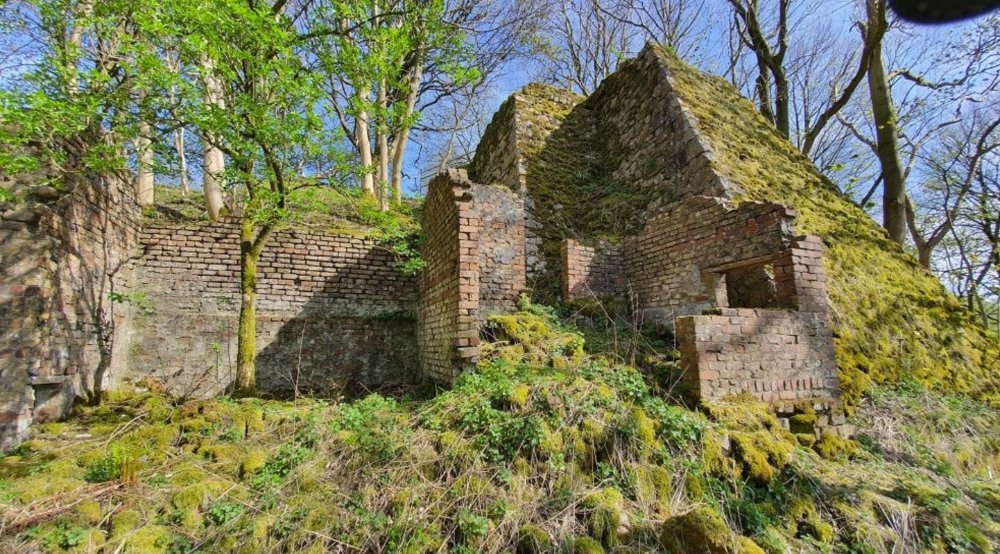
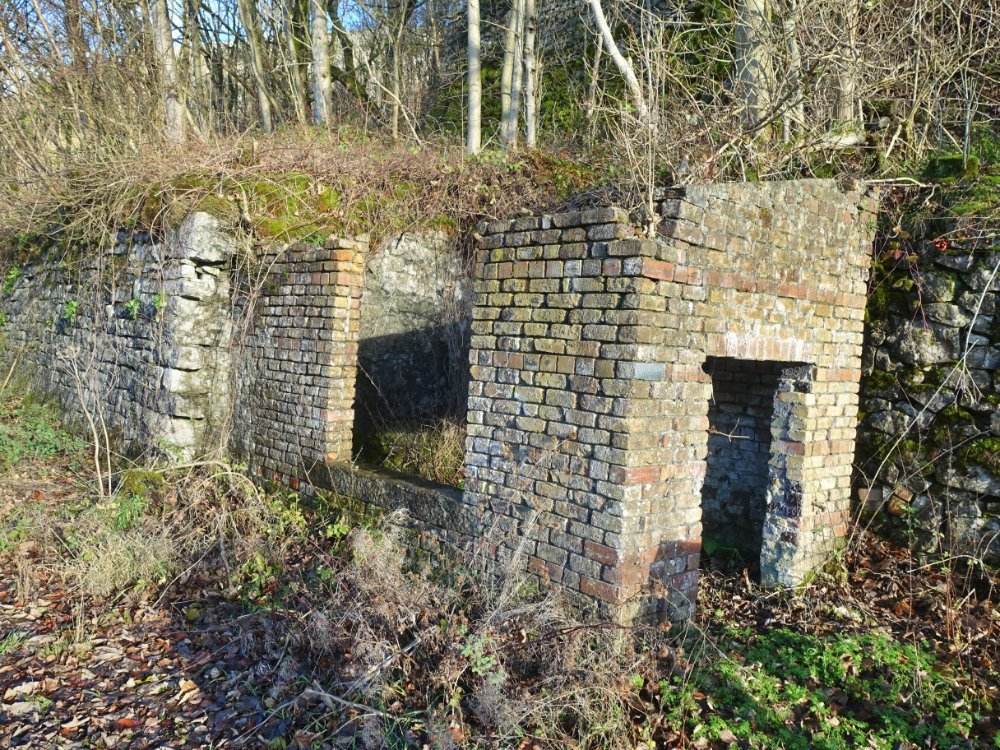
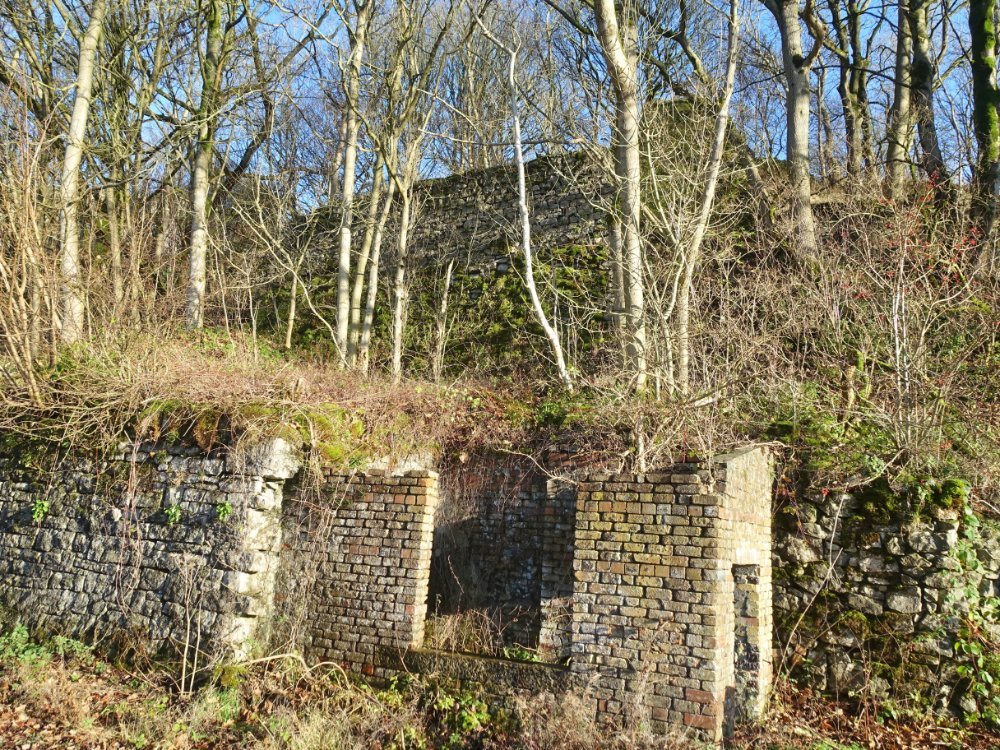
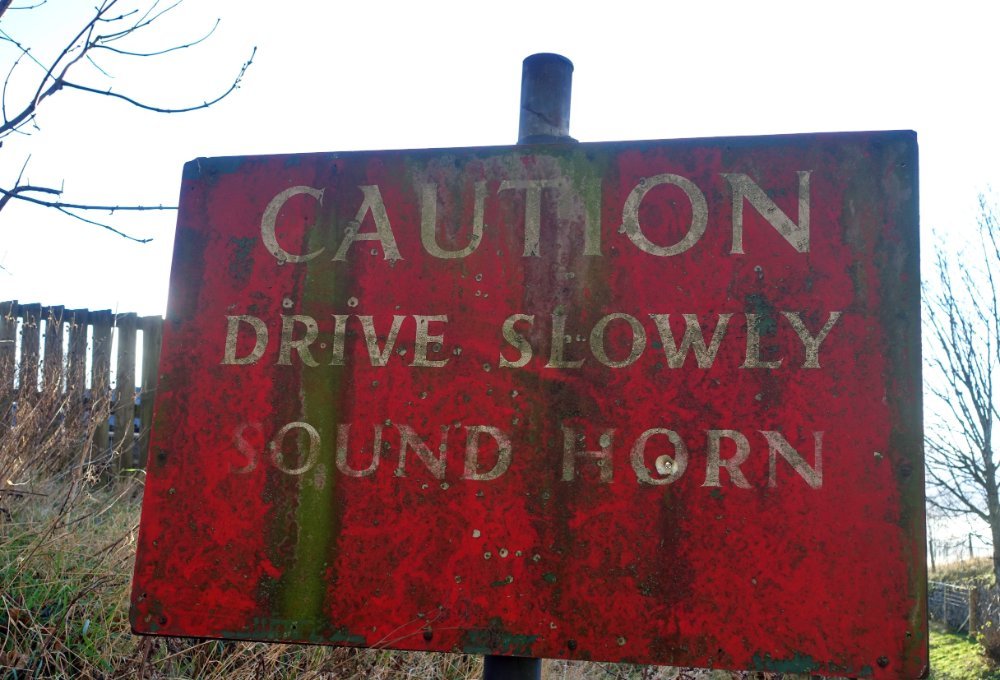
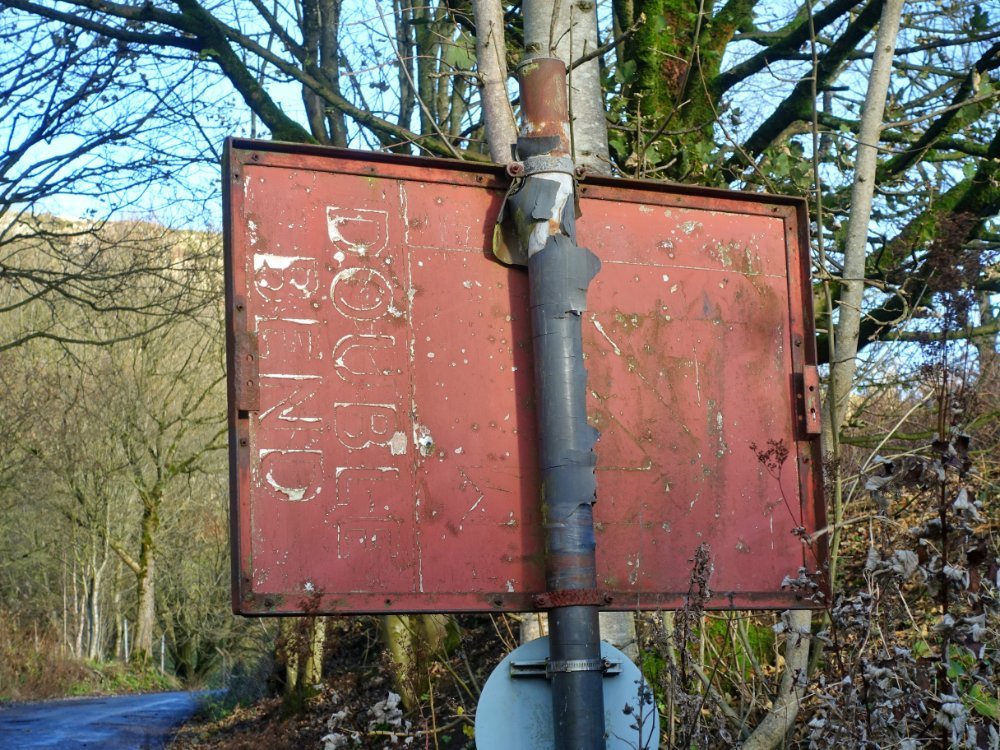
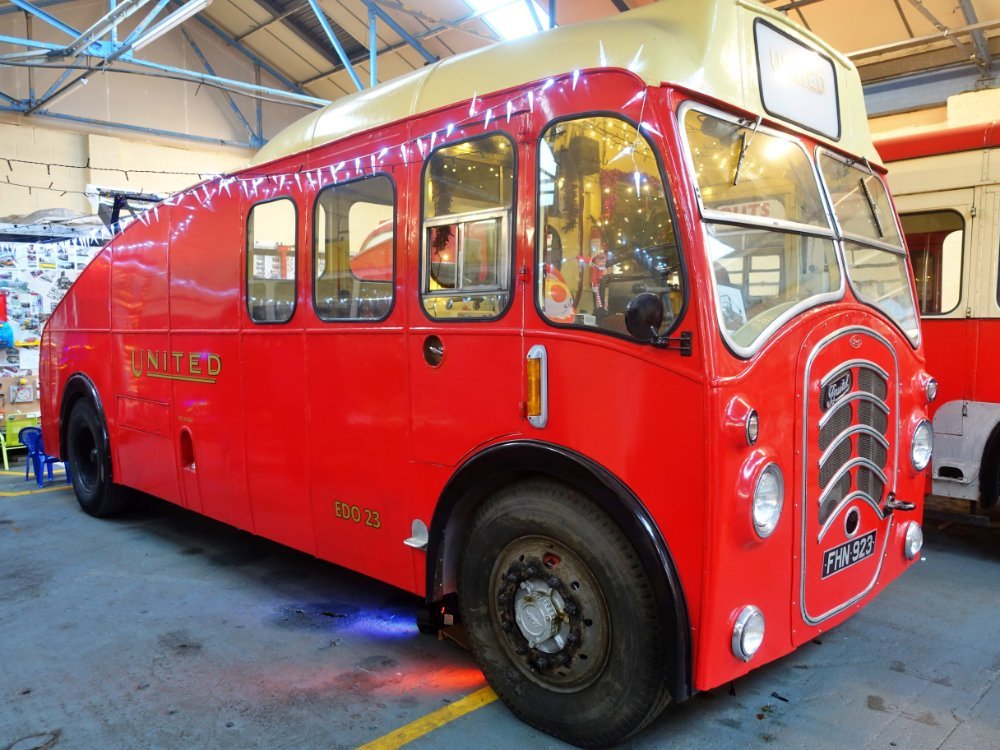
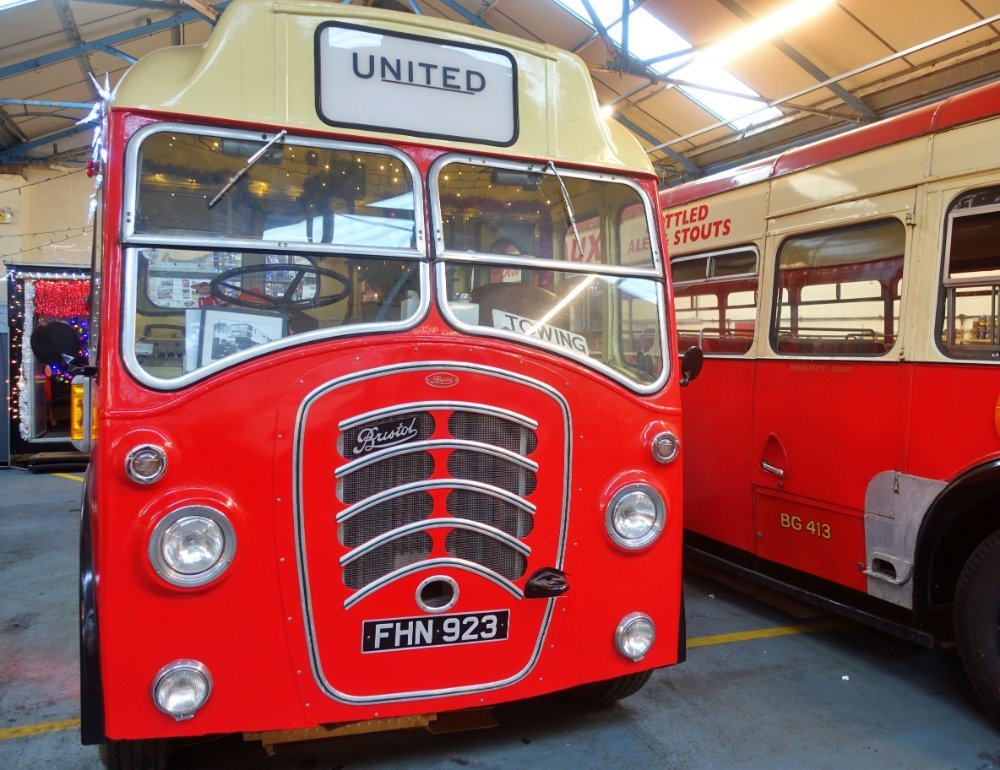
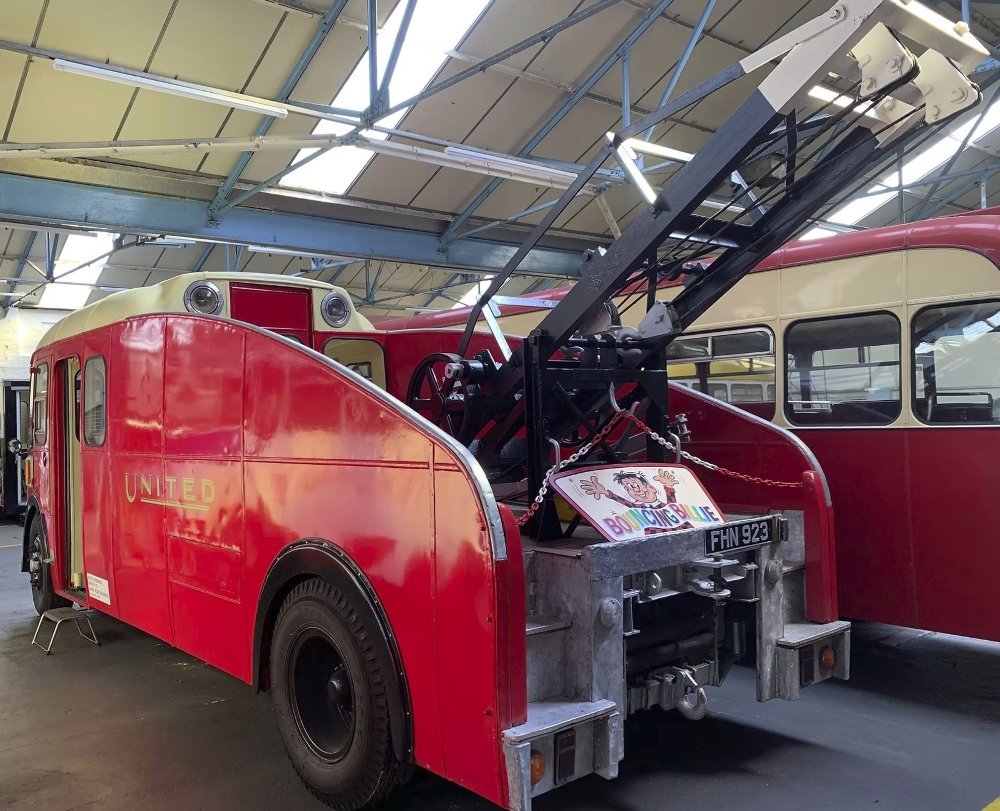
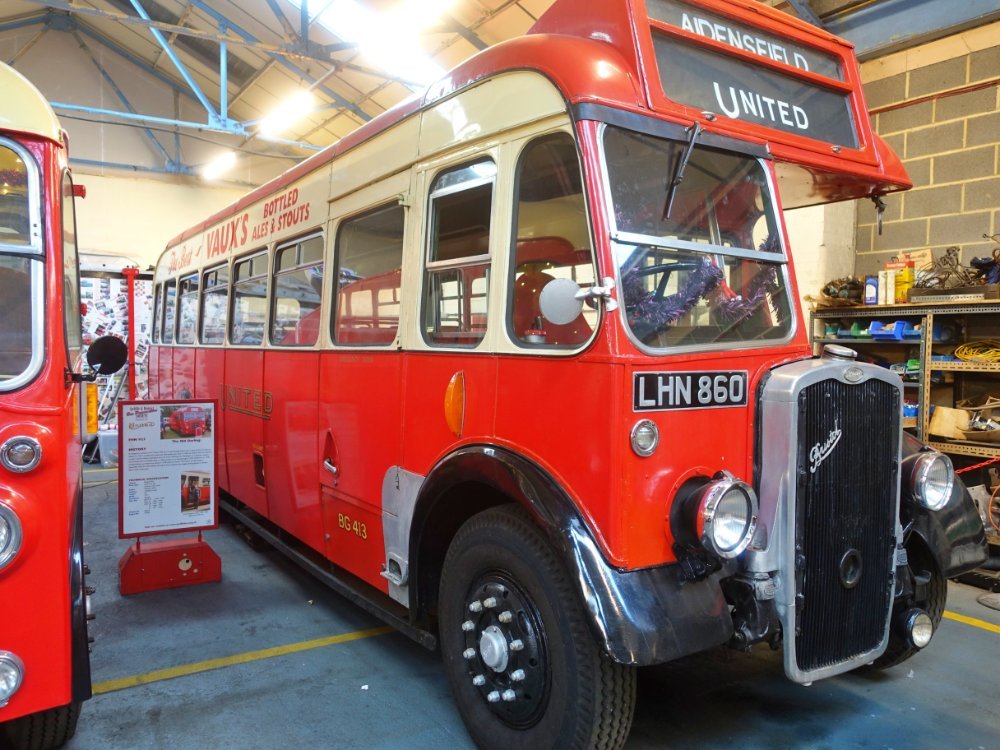
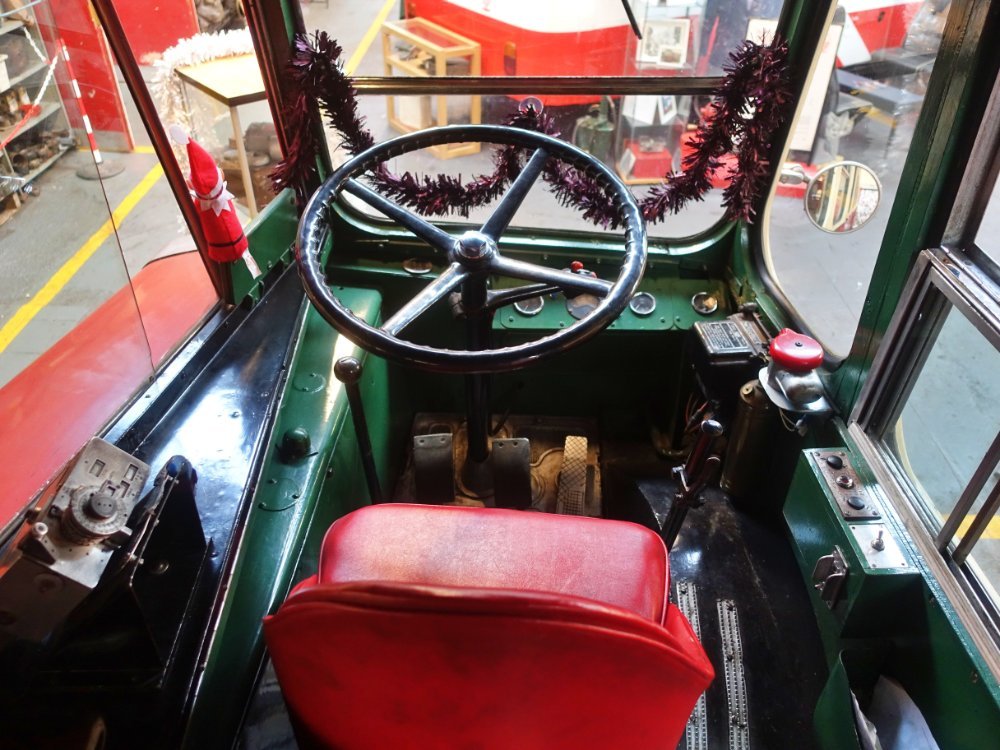
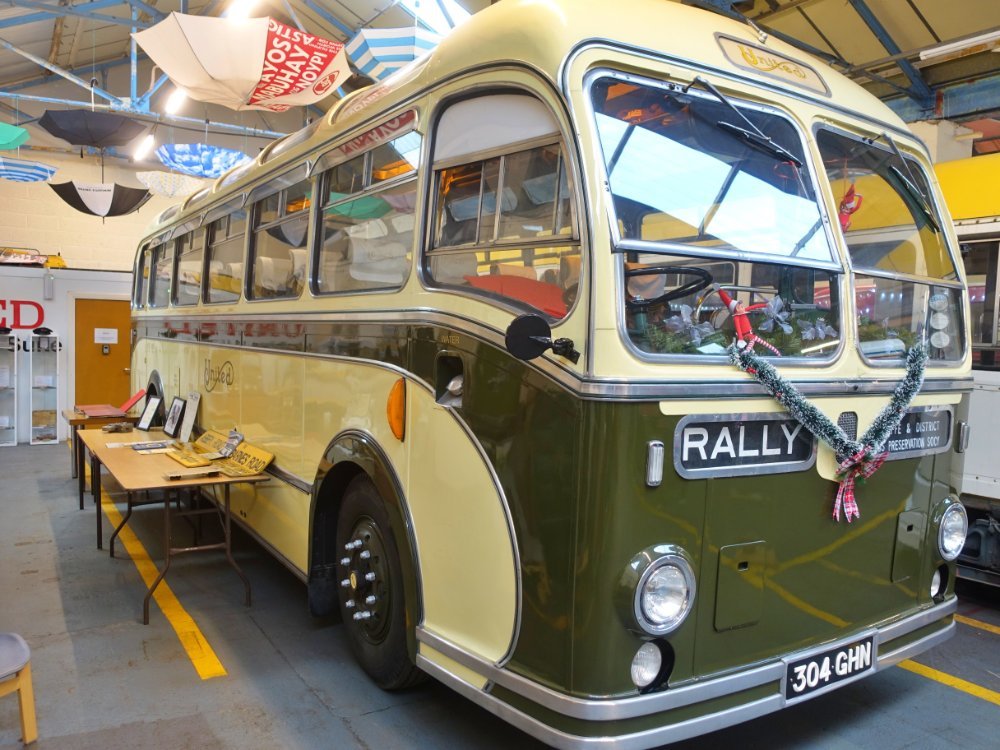
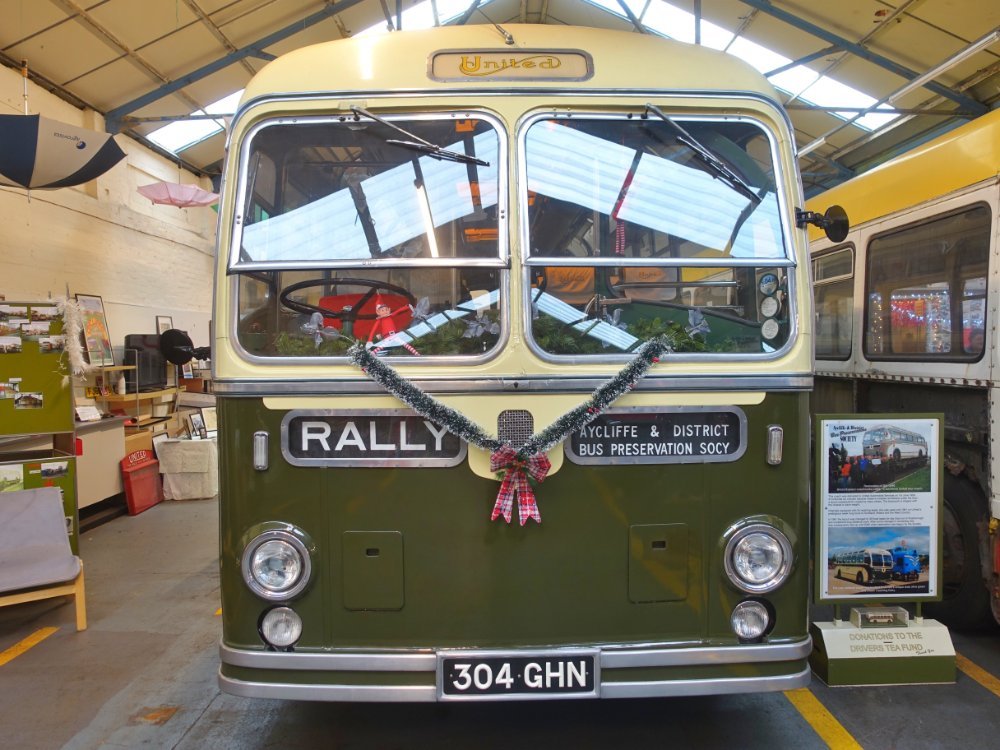
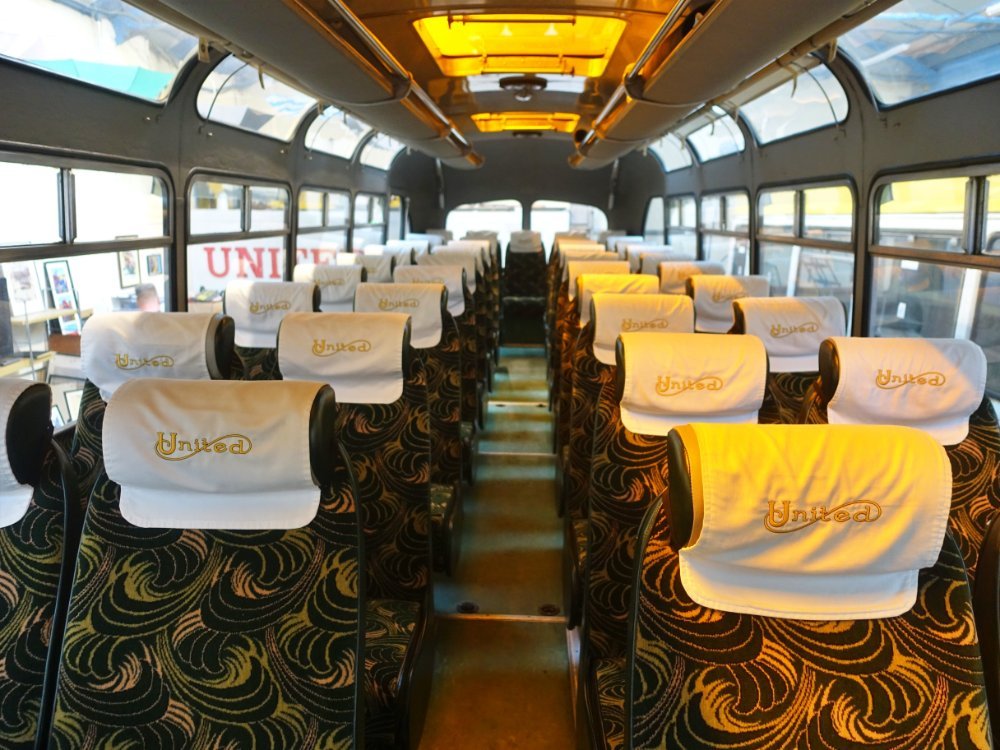
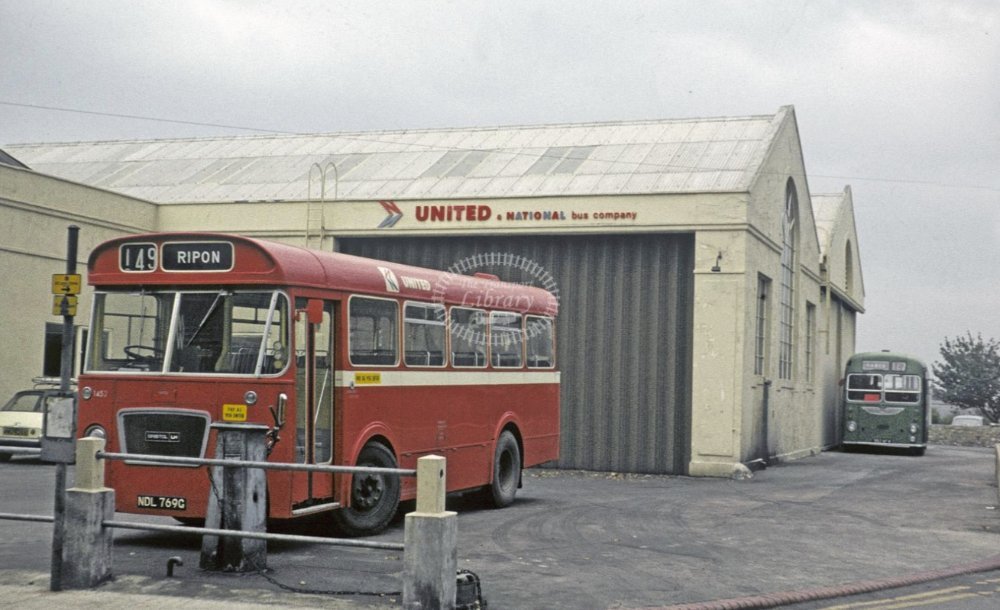
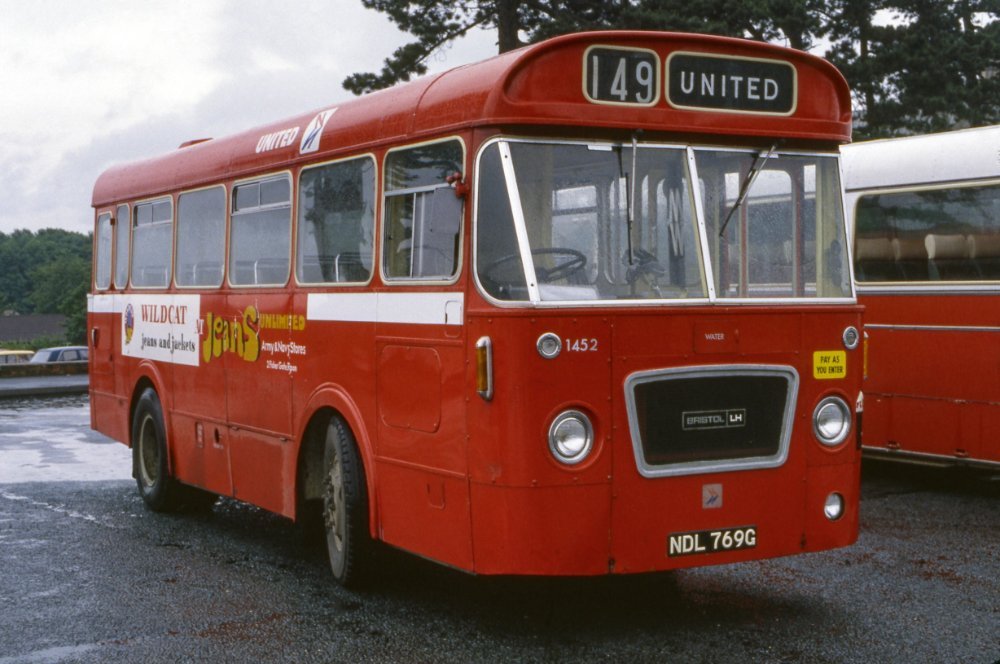
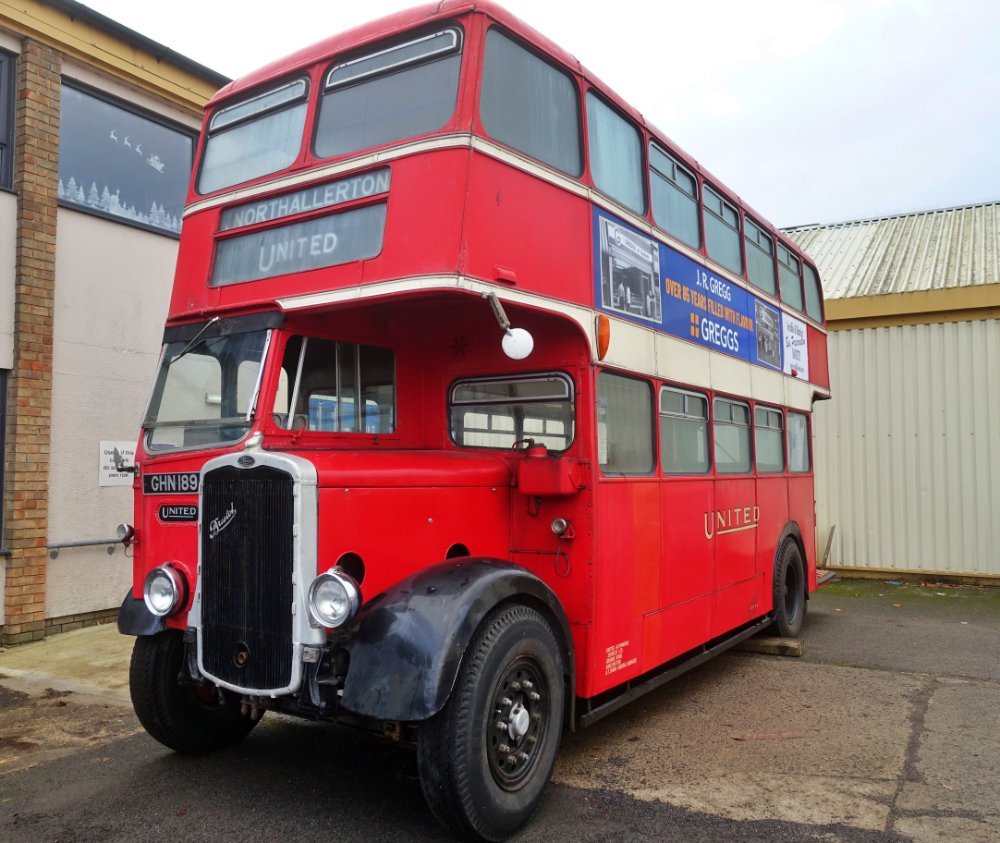
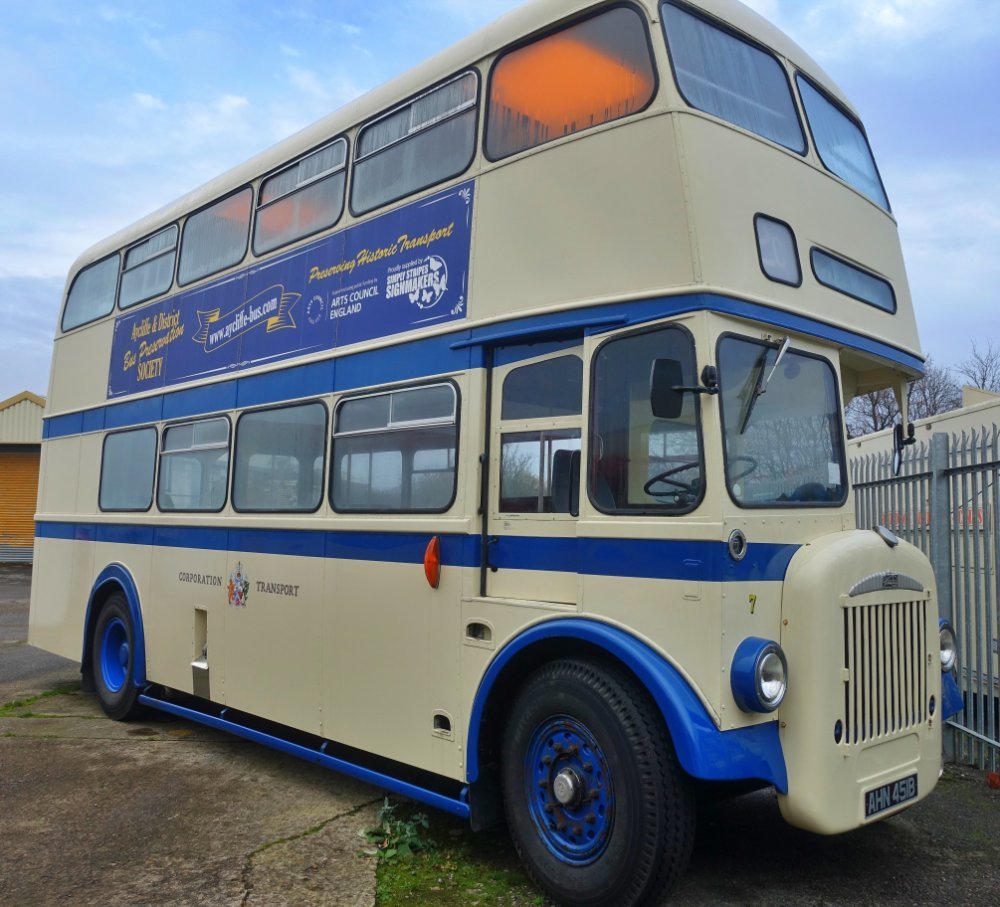
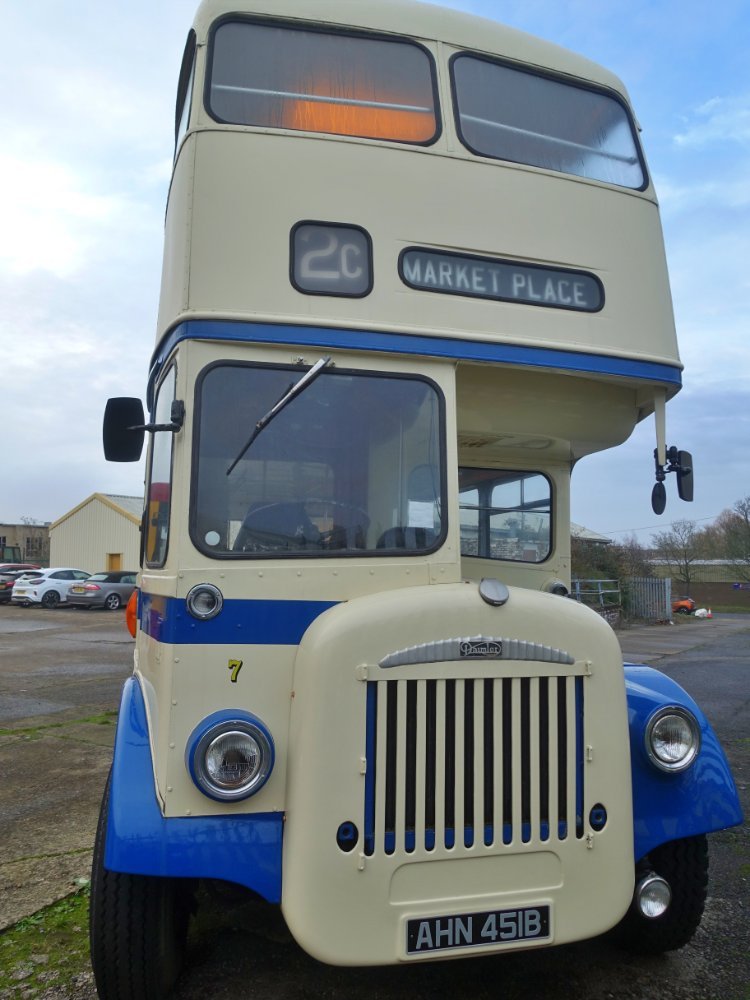
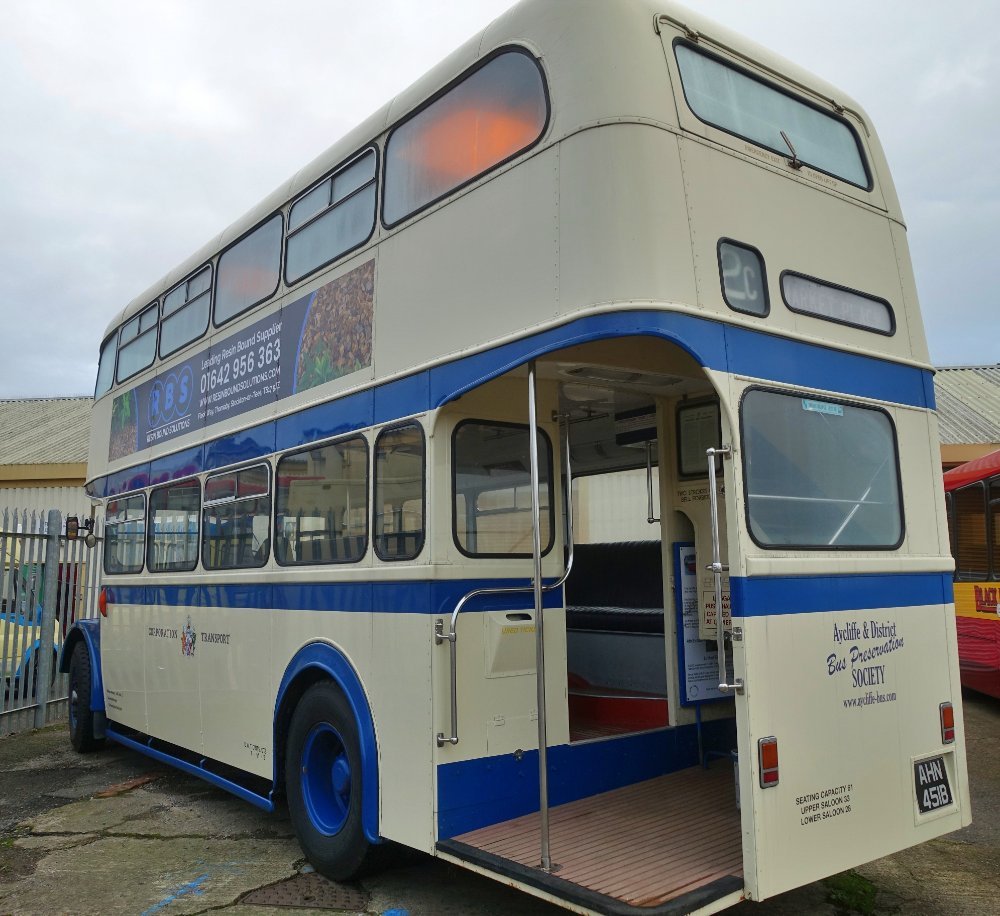
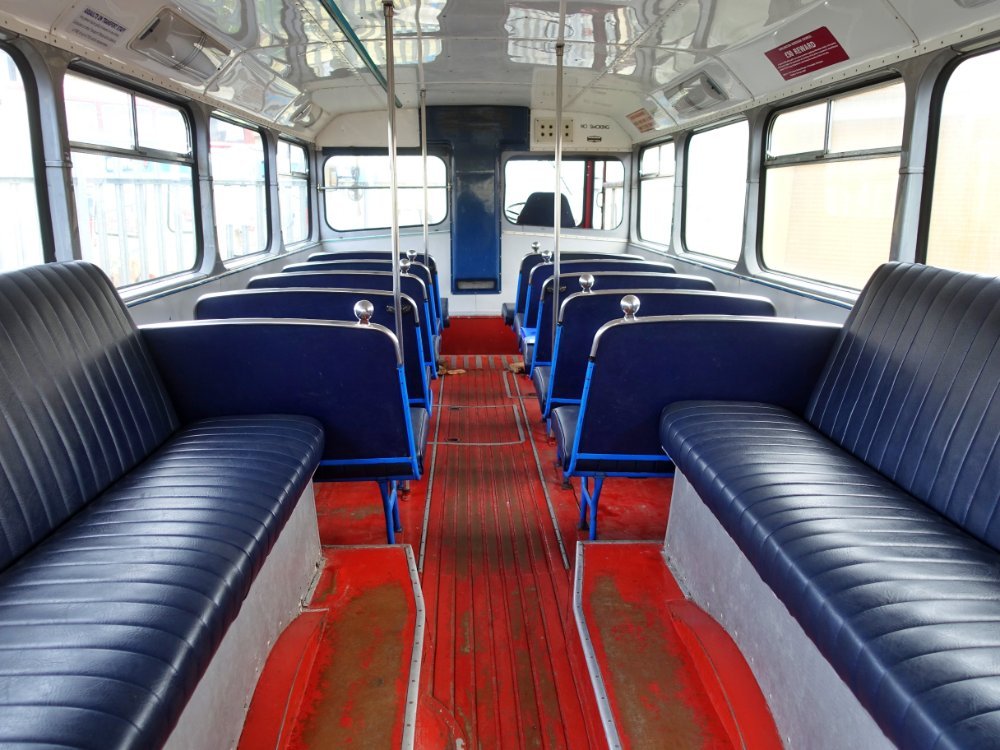
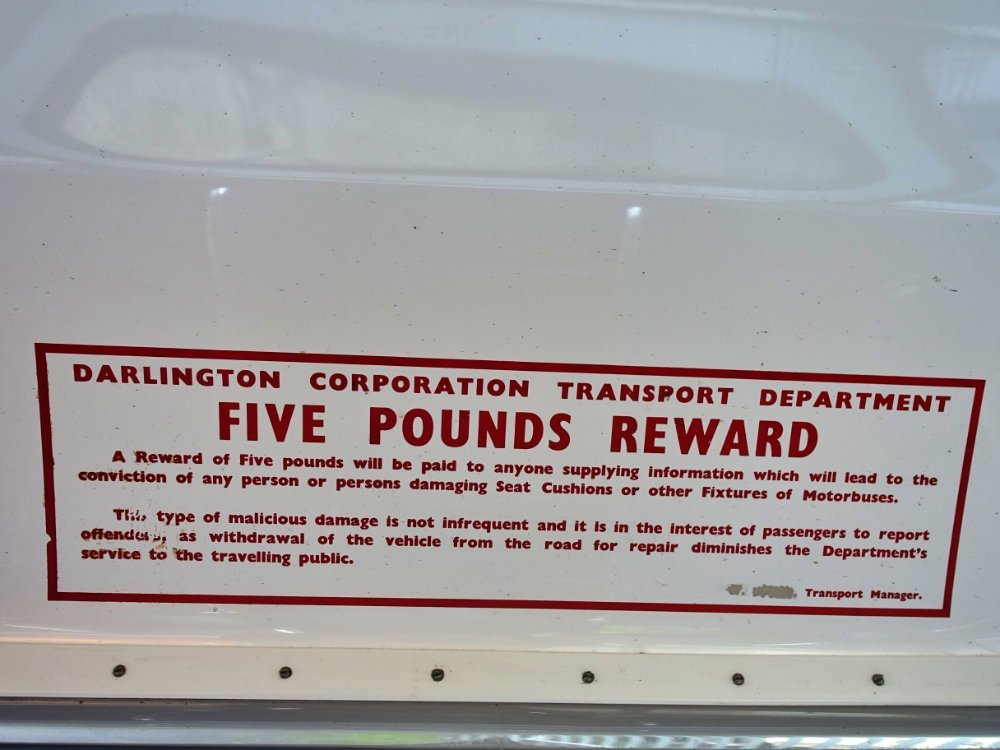
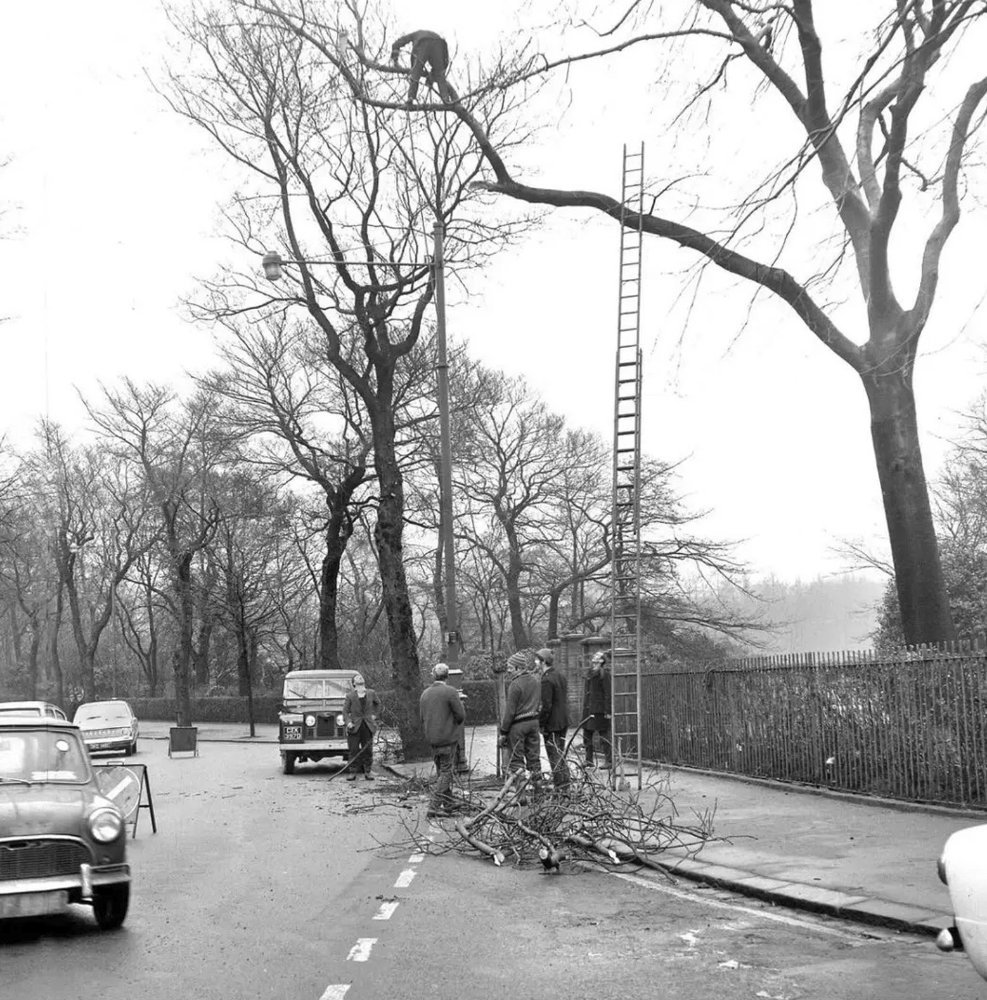
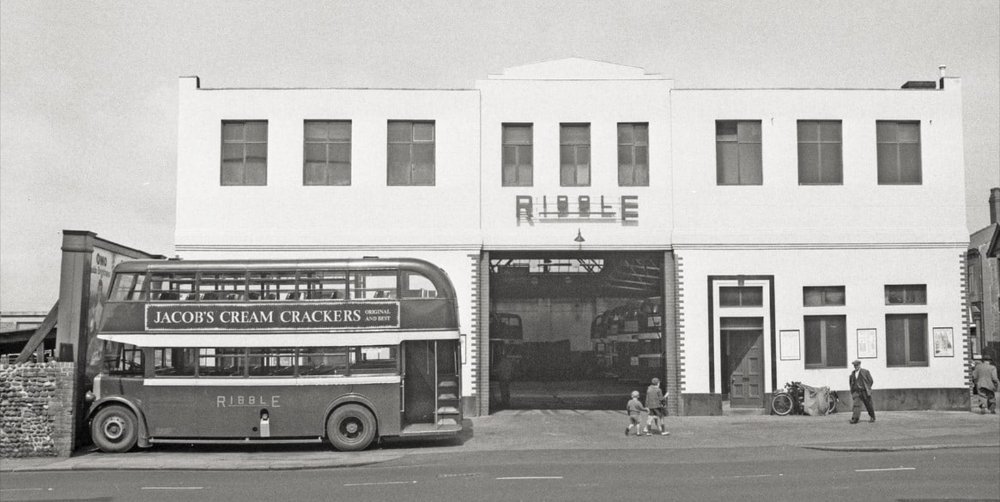
.jpg.ad3c86077af22ccd5d27a3d371ef02ac.jpg)
.jpg.fc8645511ea486da1389a205e3322230.jpg)
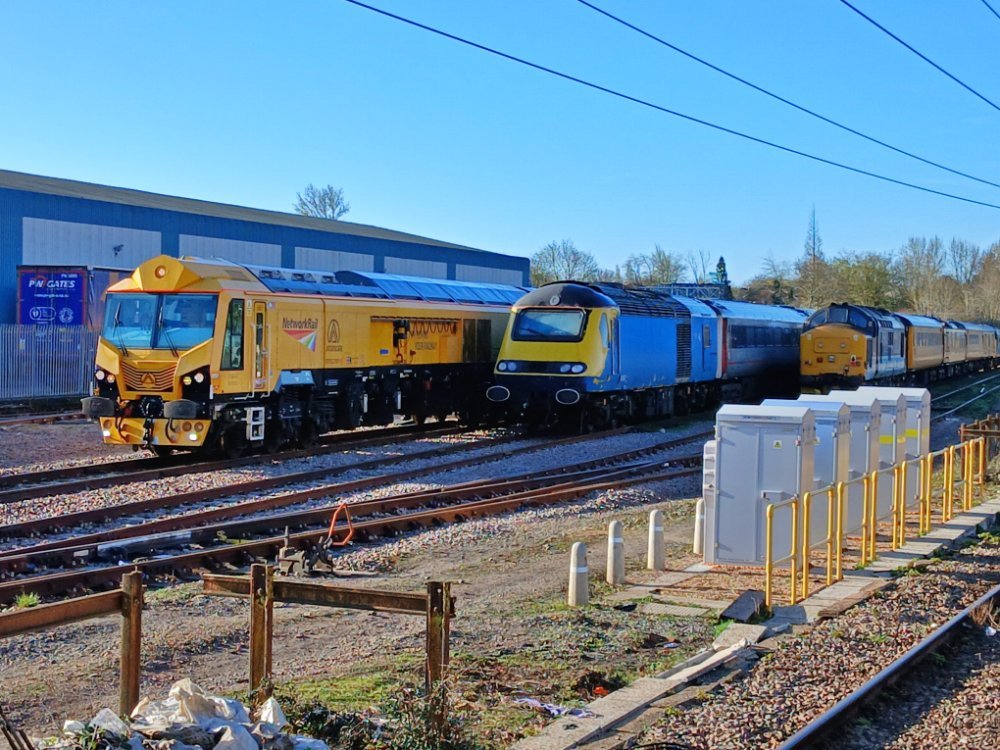
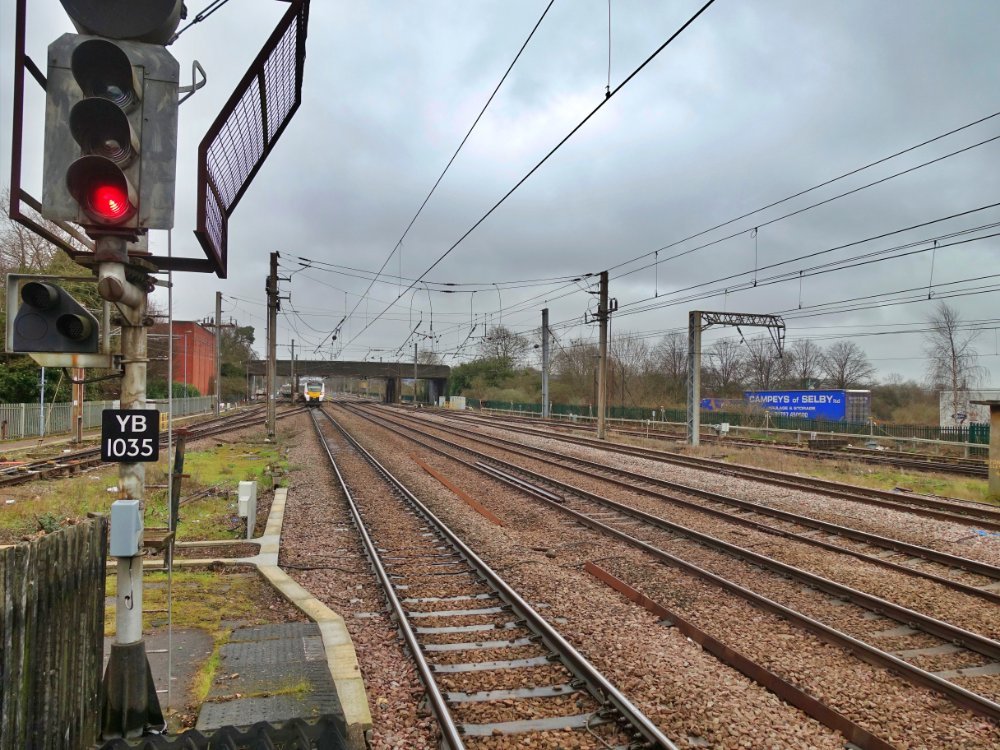
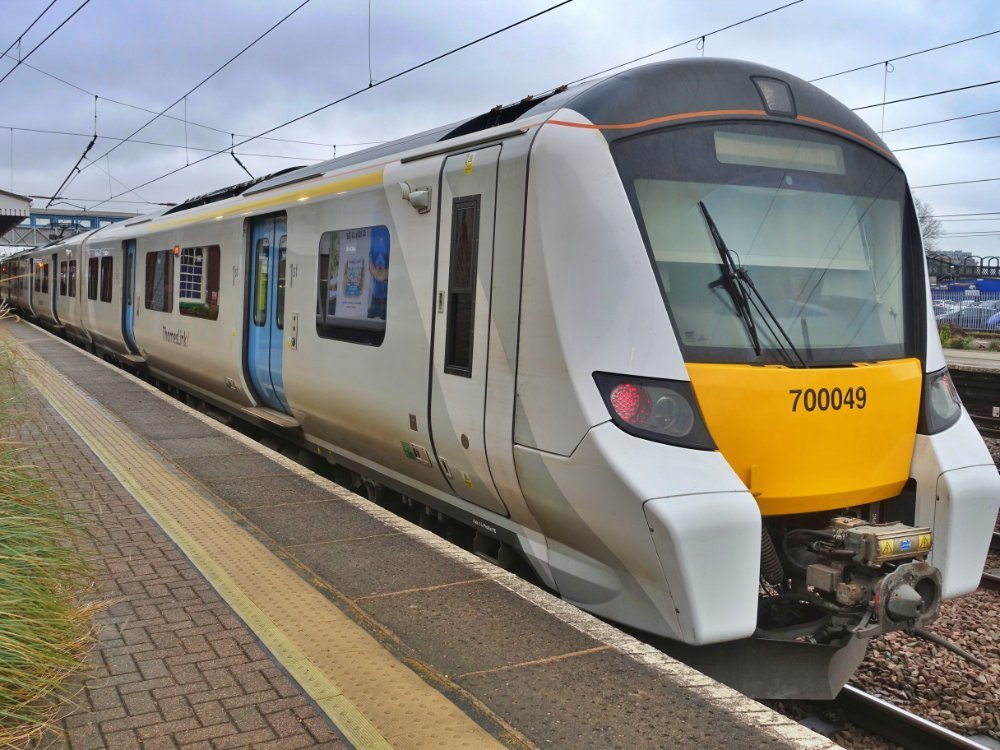
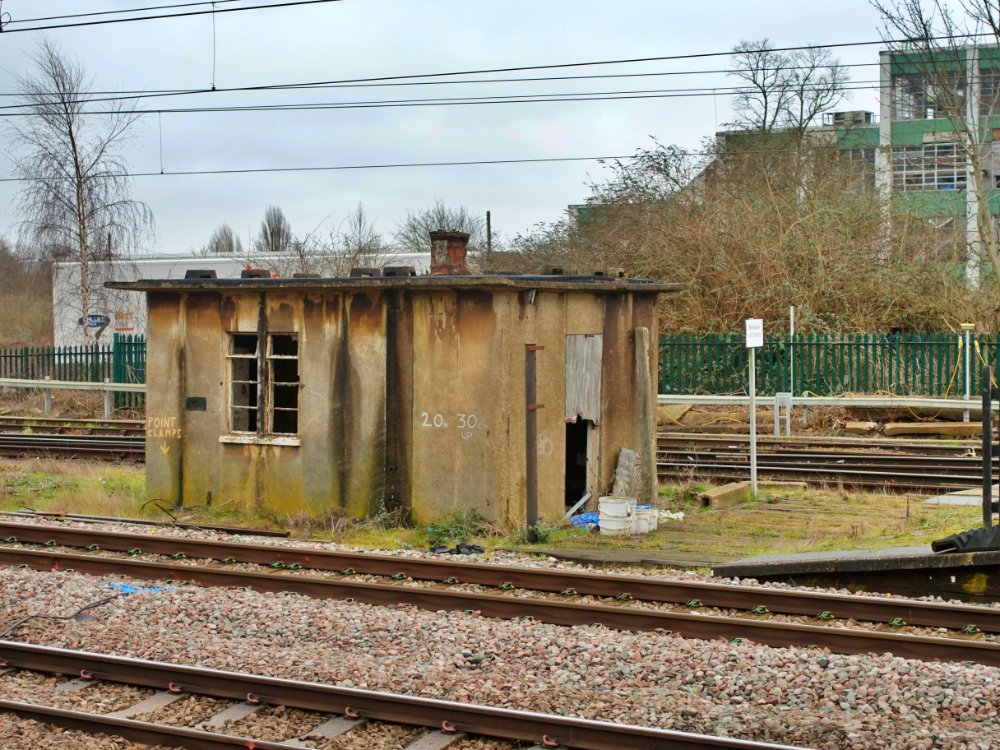
a.jpg.9d91e271a06c41377cb332d315605b1b.jpg)
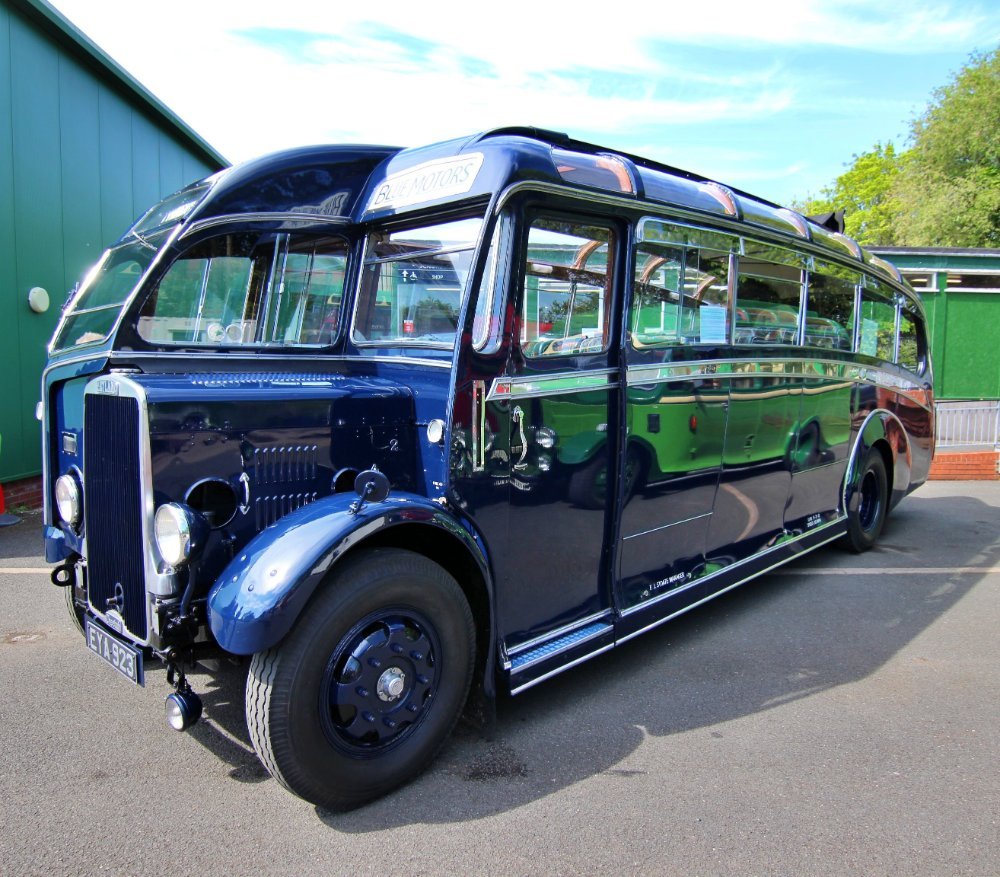
.jpeg.ebab8231232c7d005af1cef4bd0e0314.jpeg)
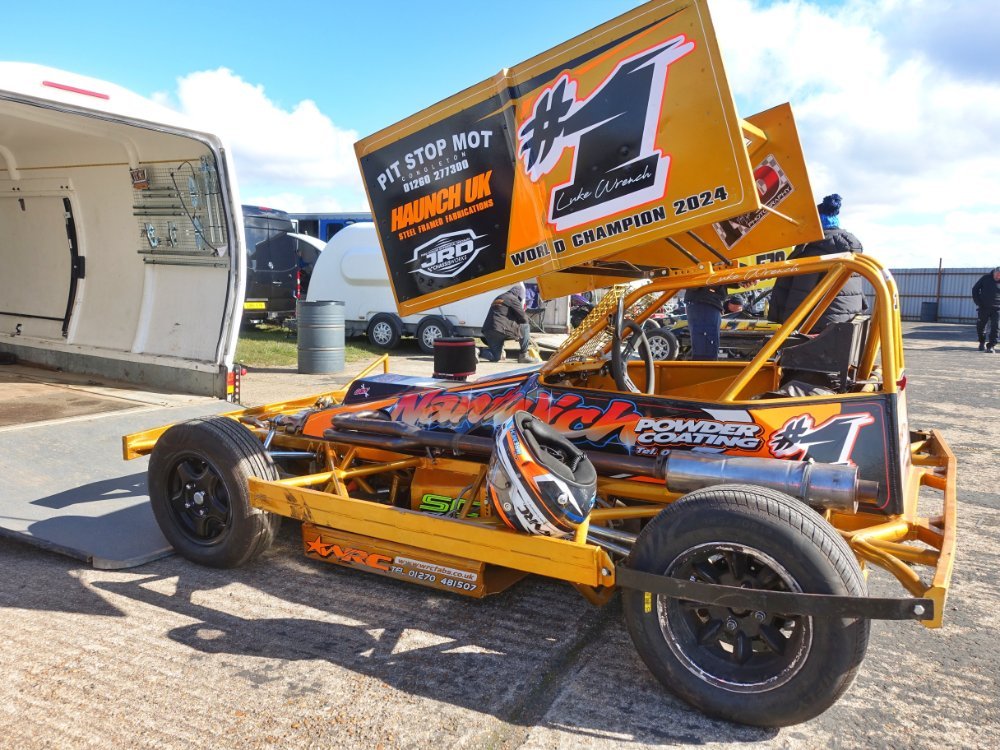
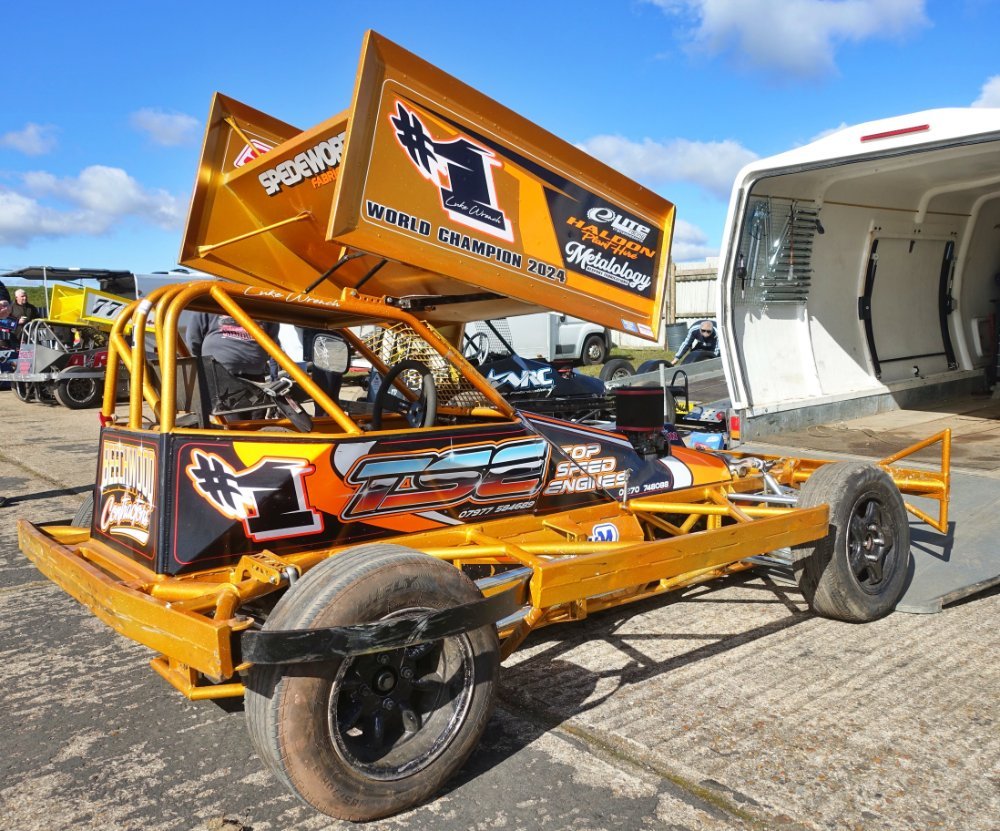
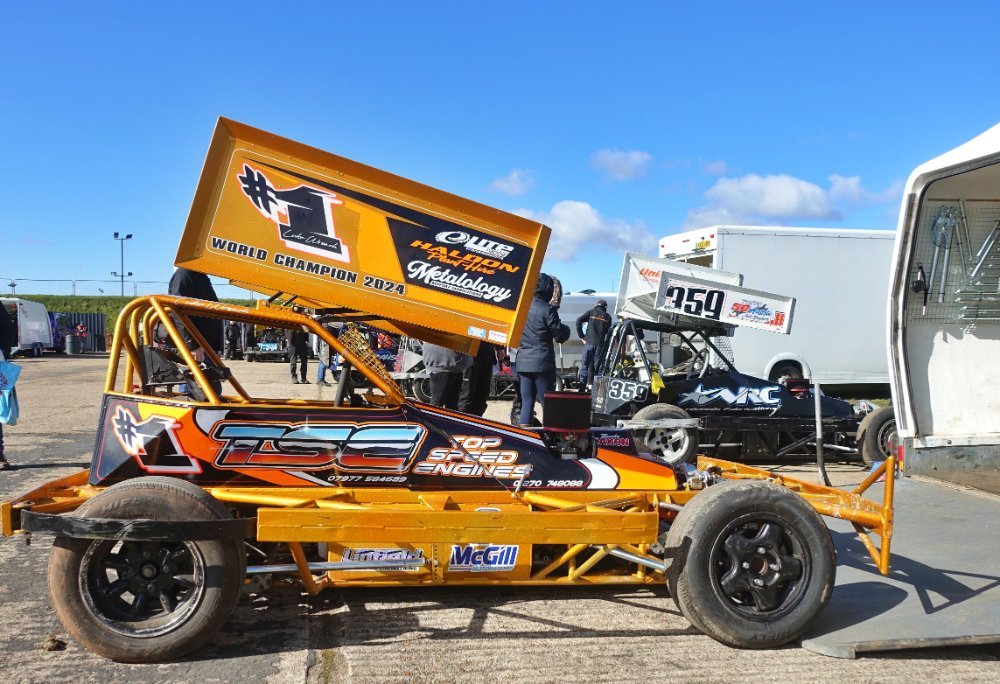
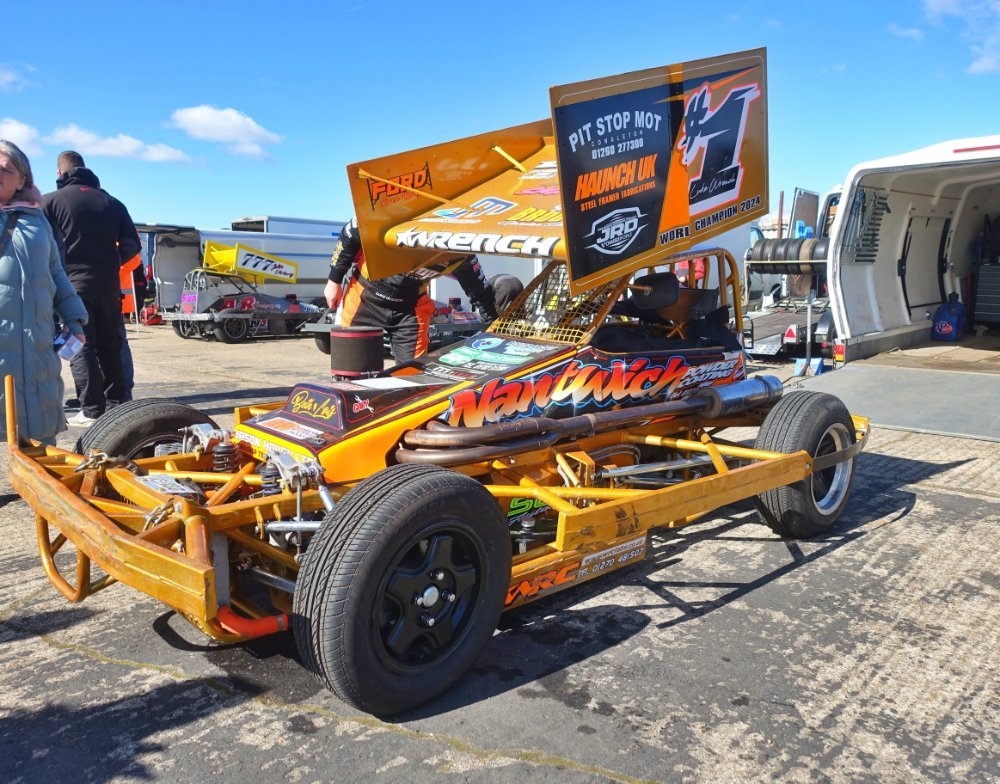
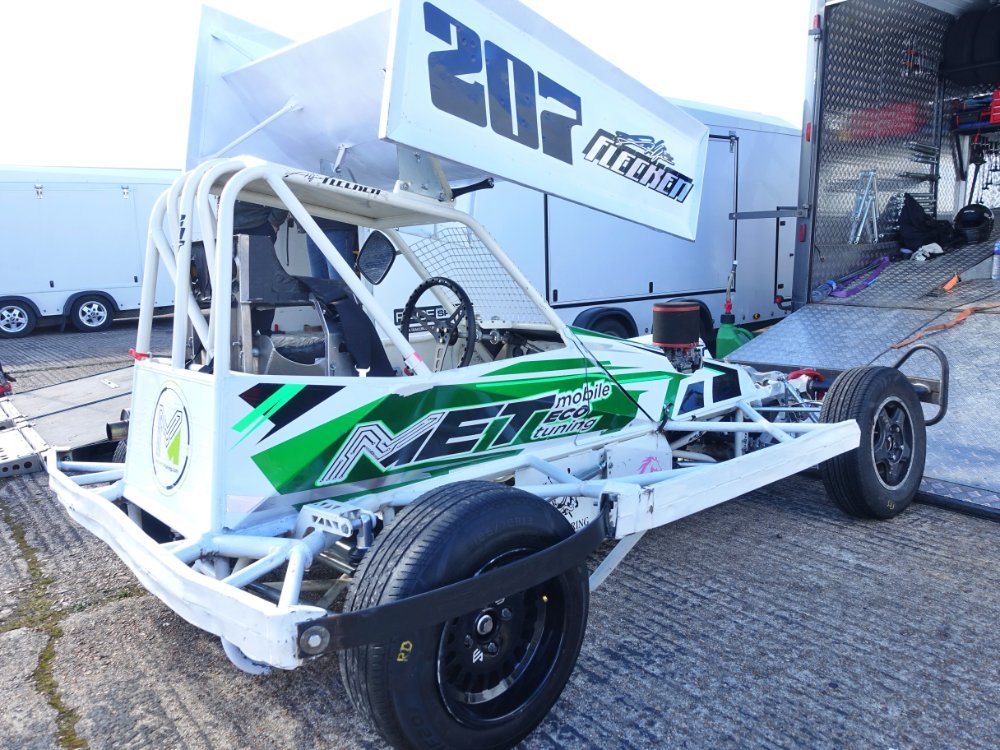
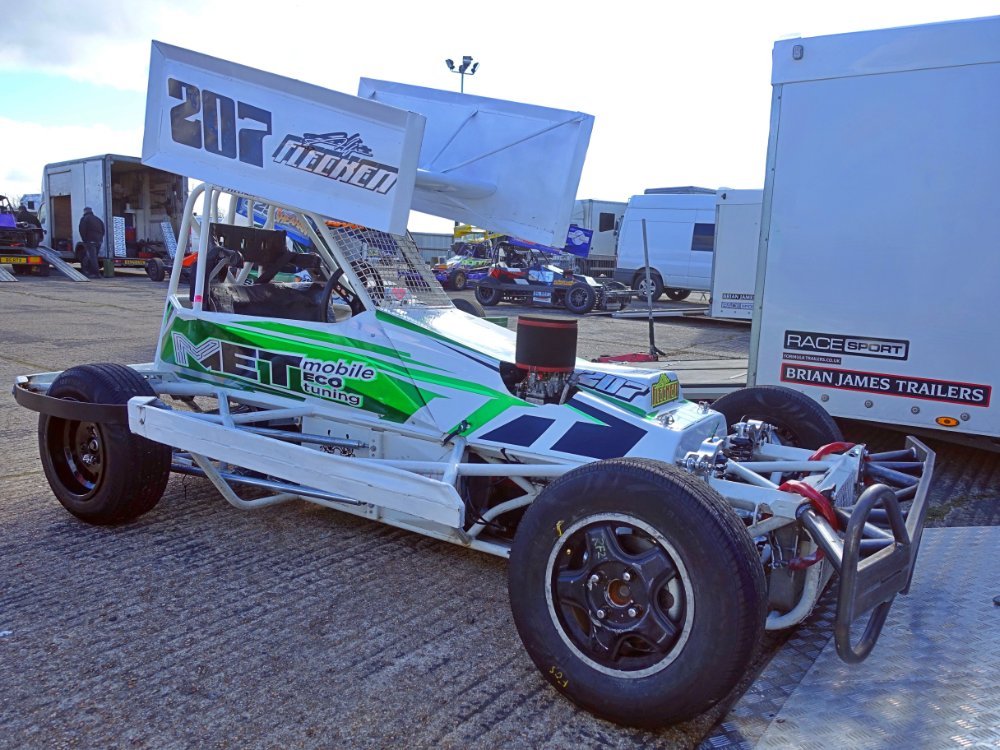
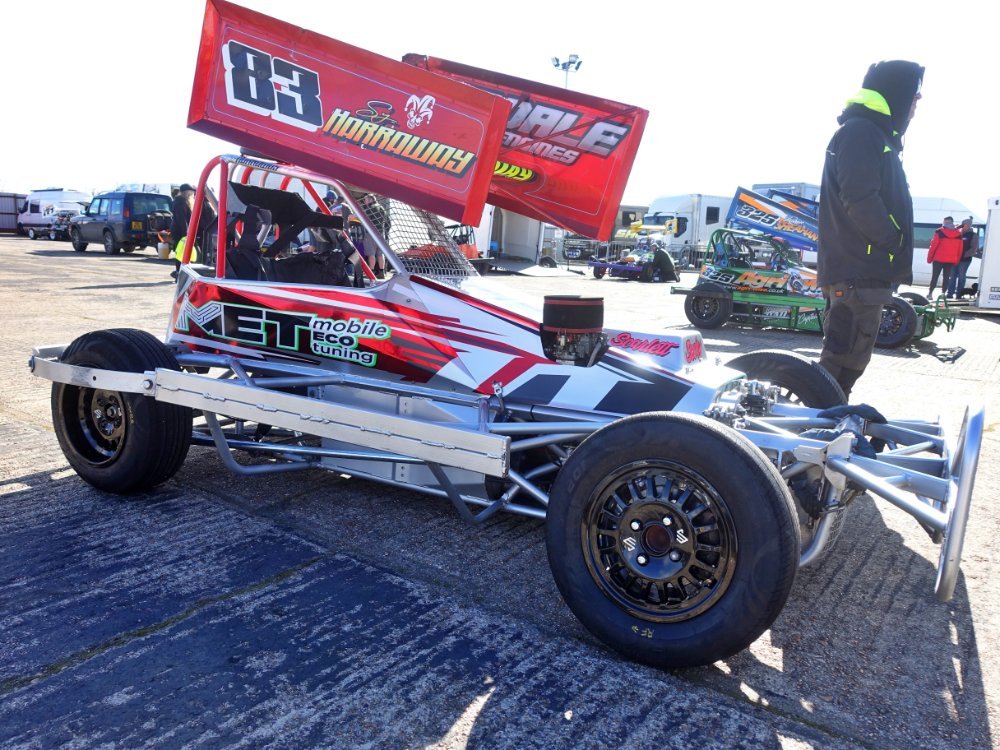
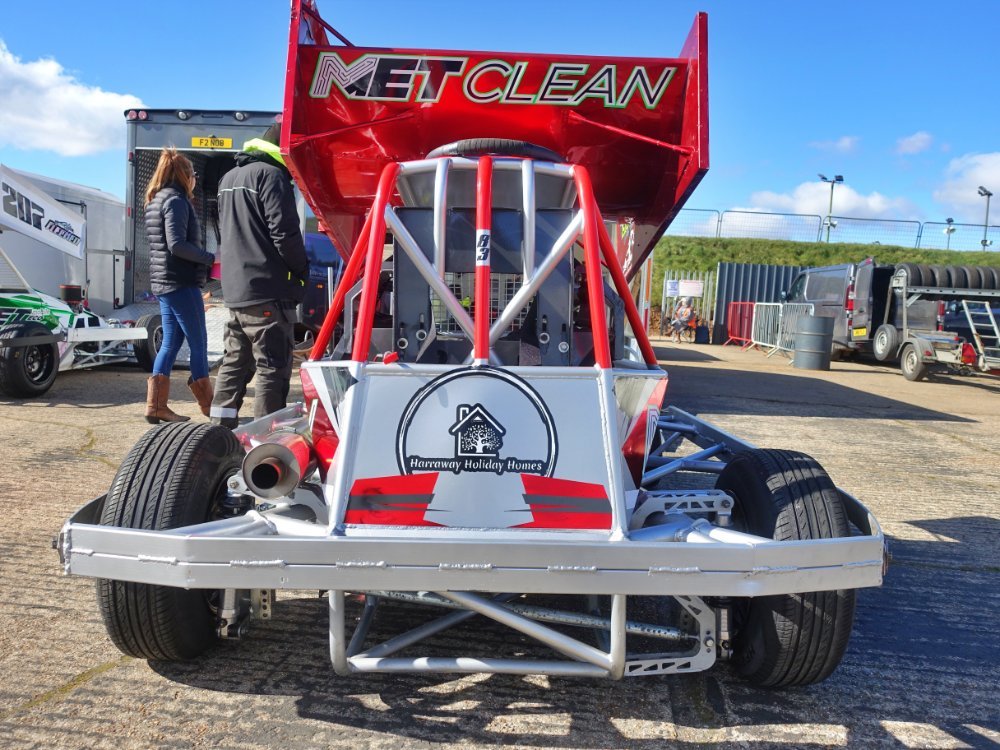
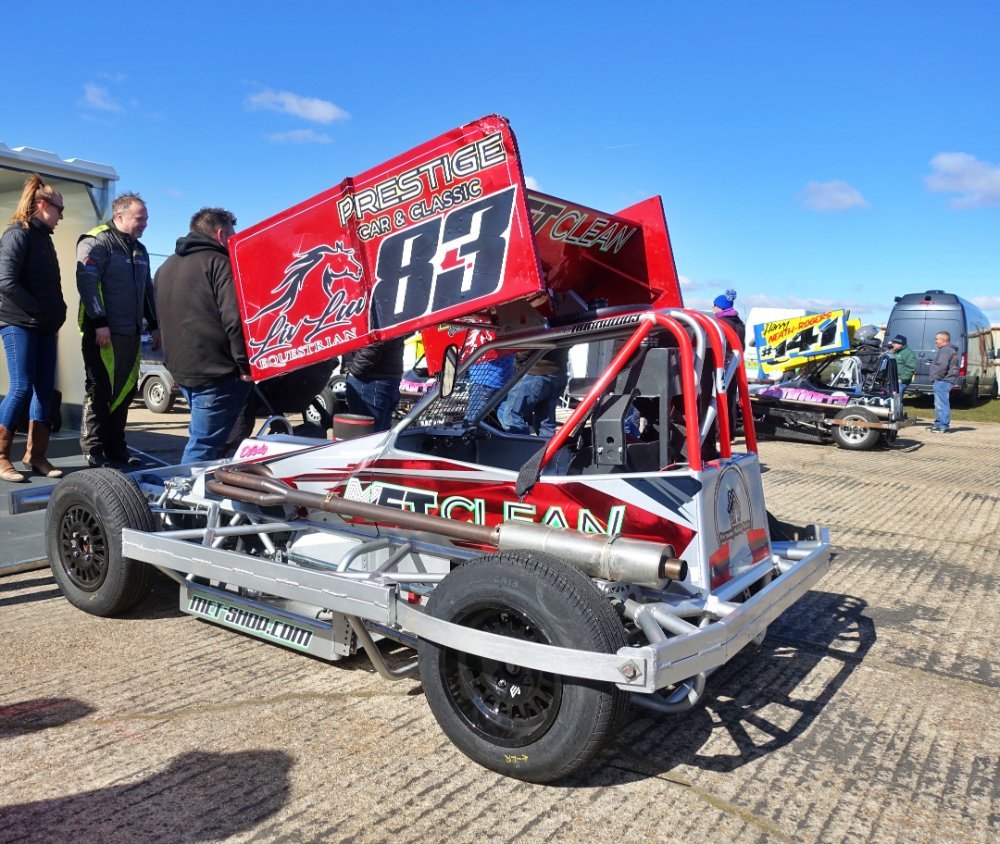
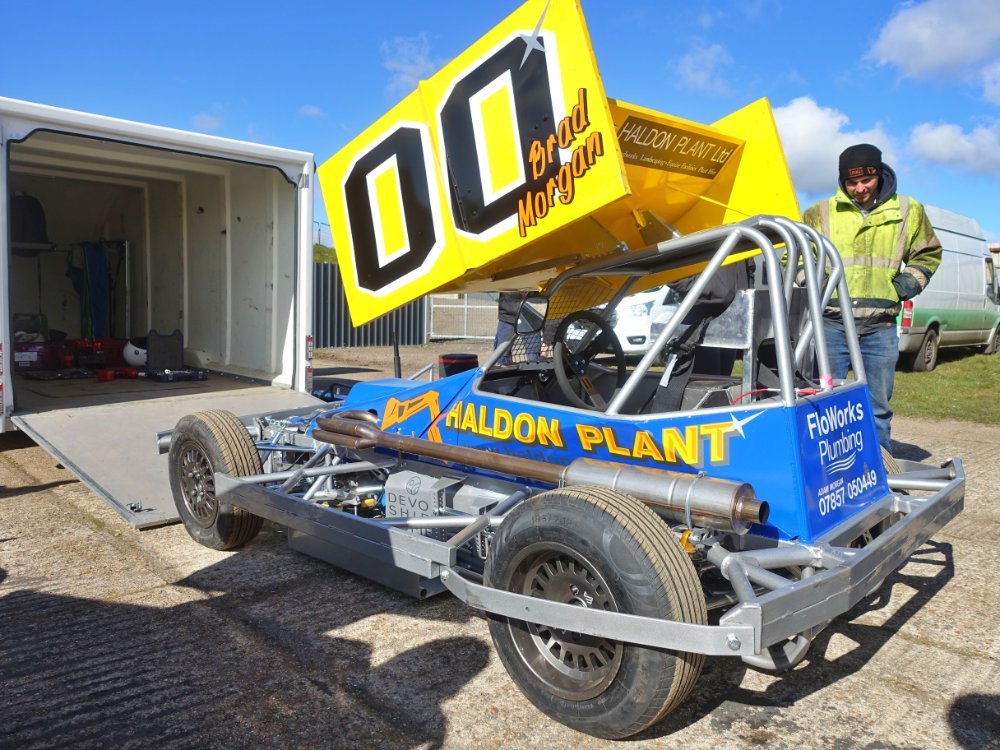
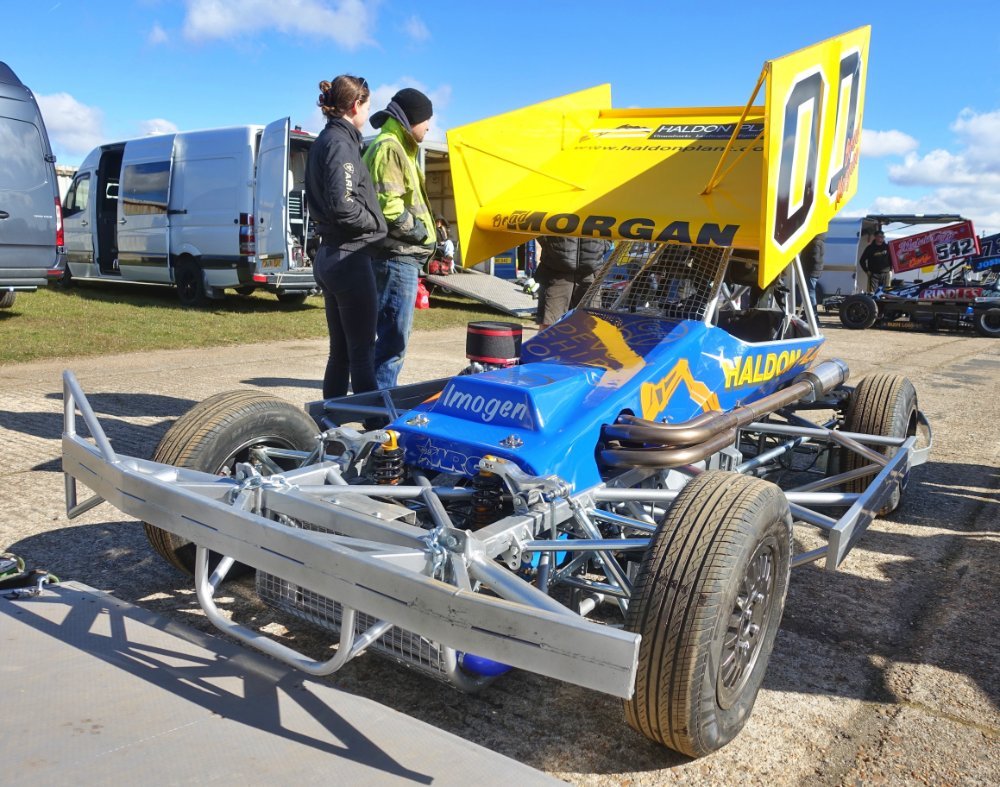
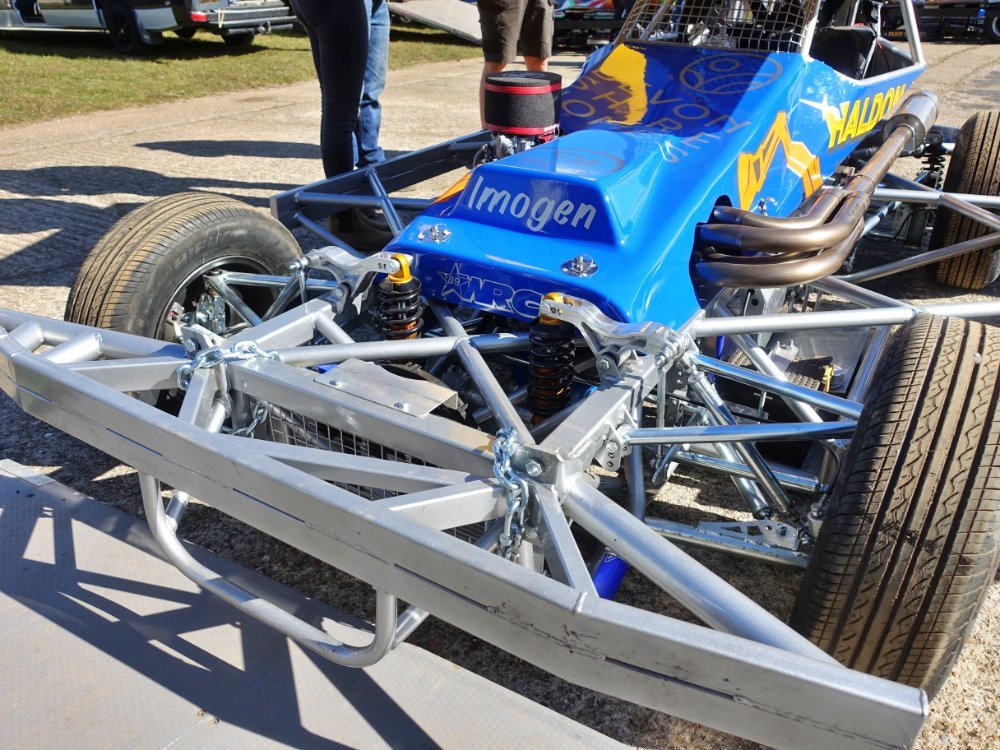
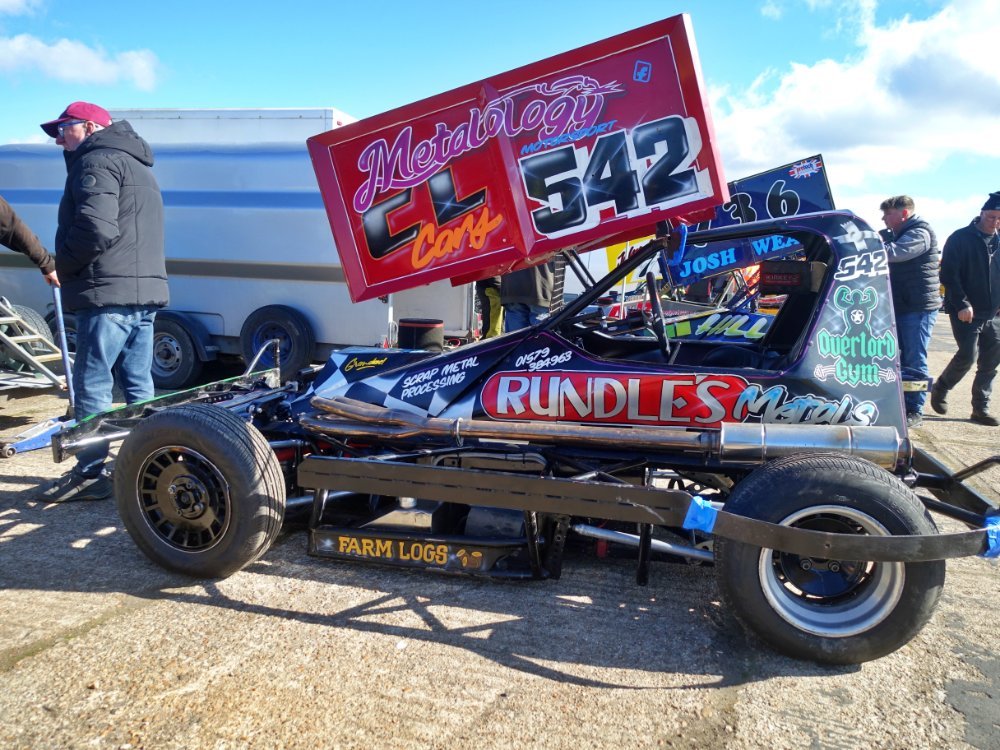
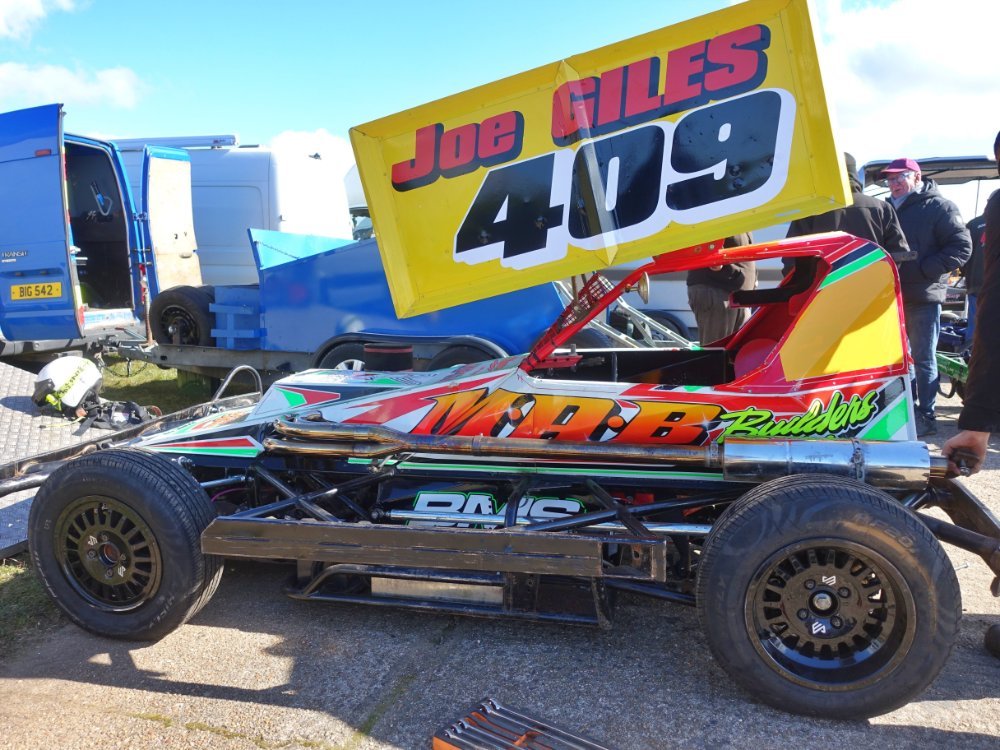
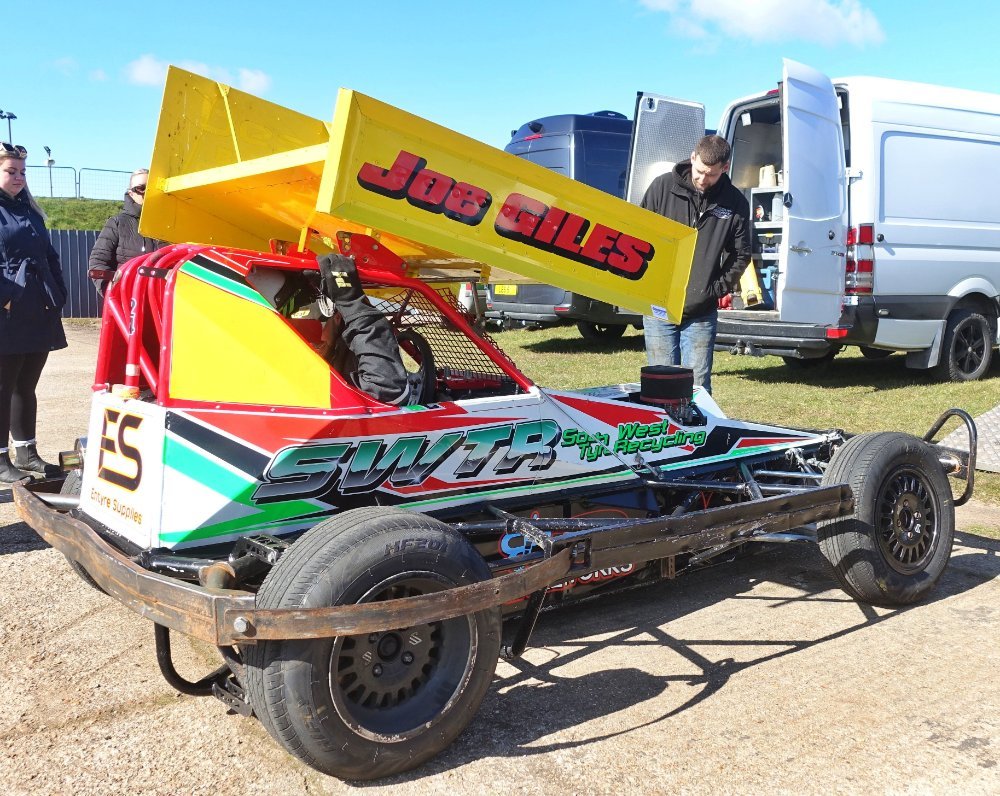
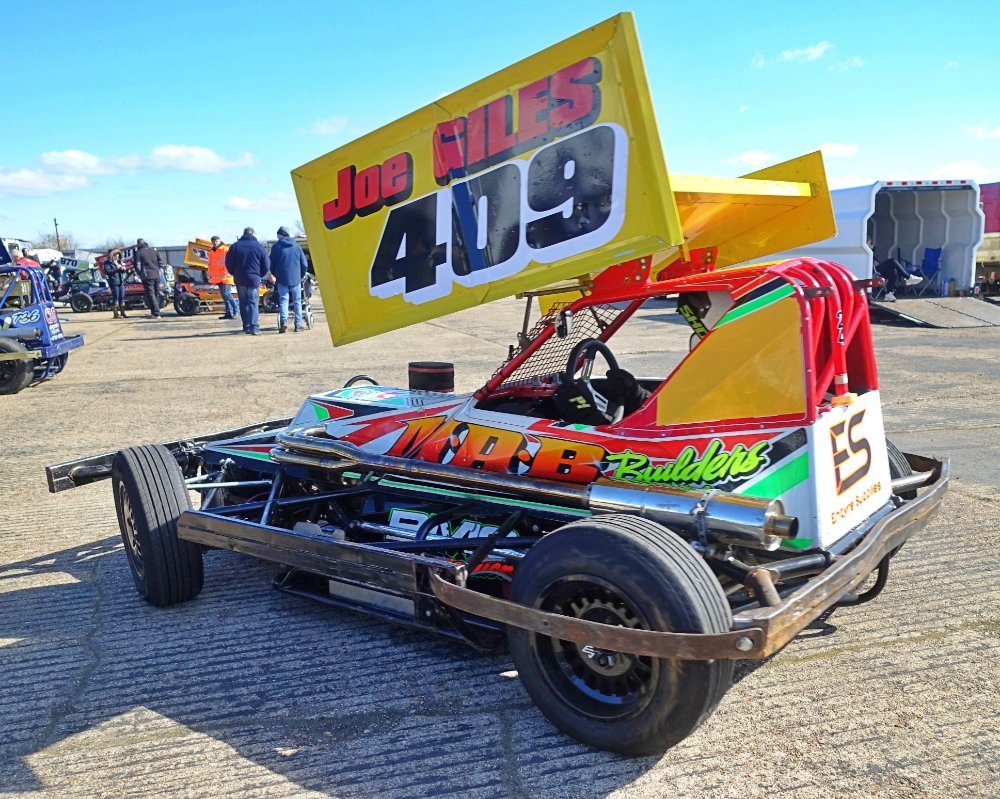
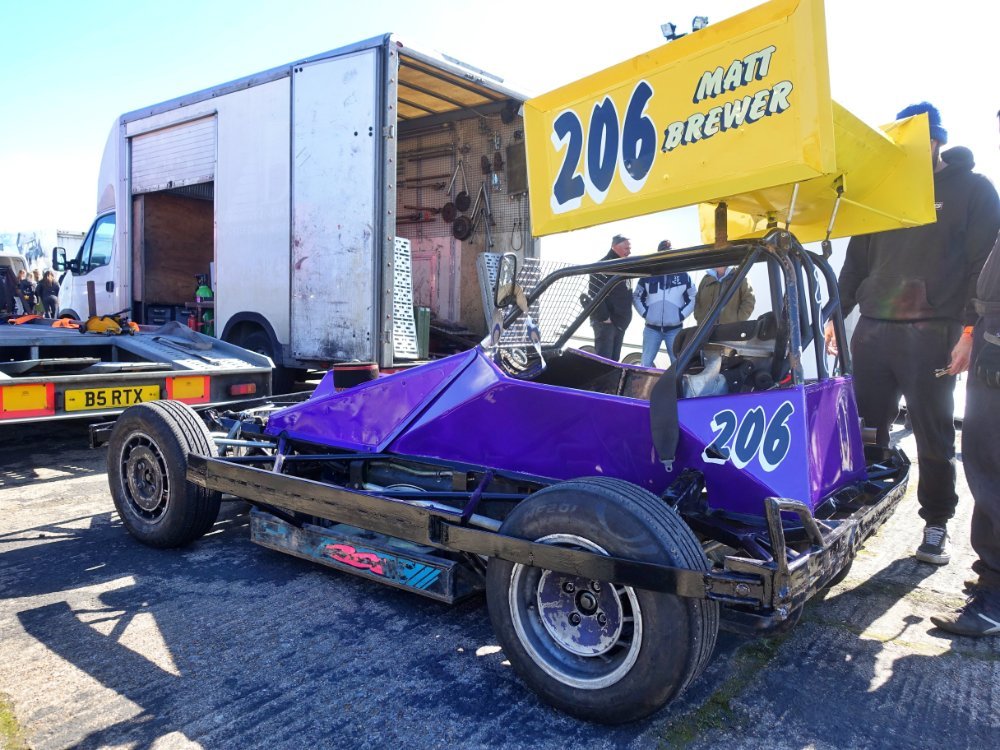
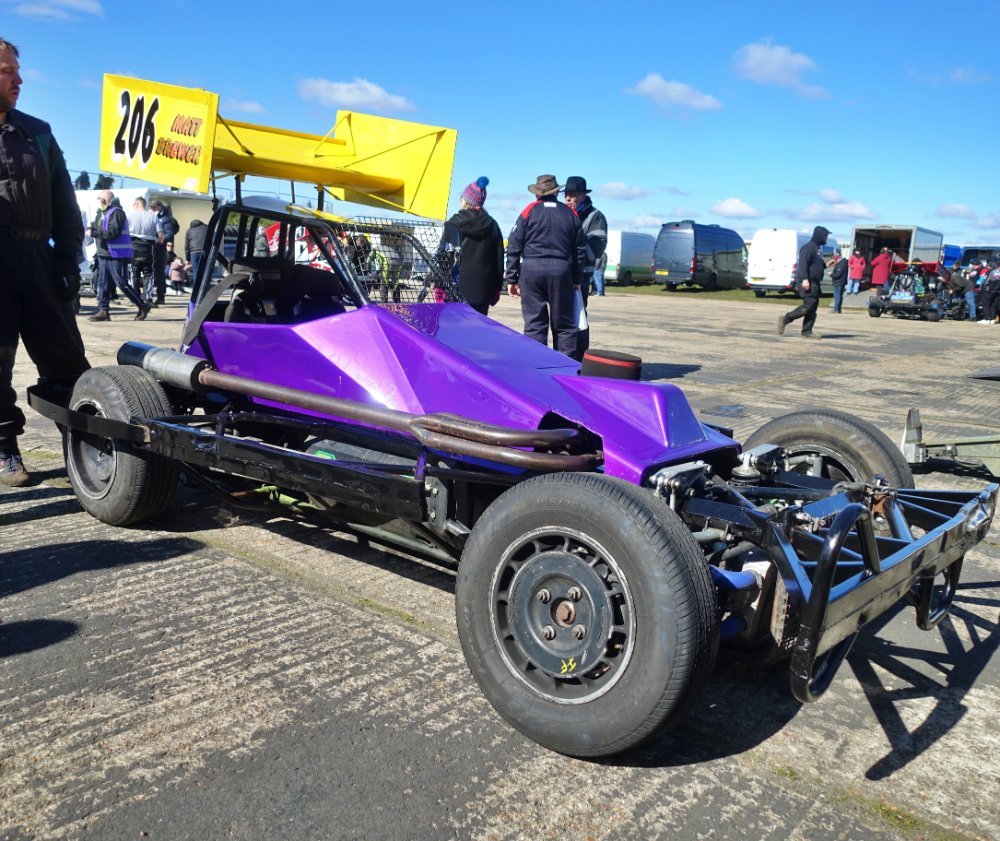
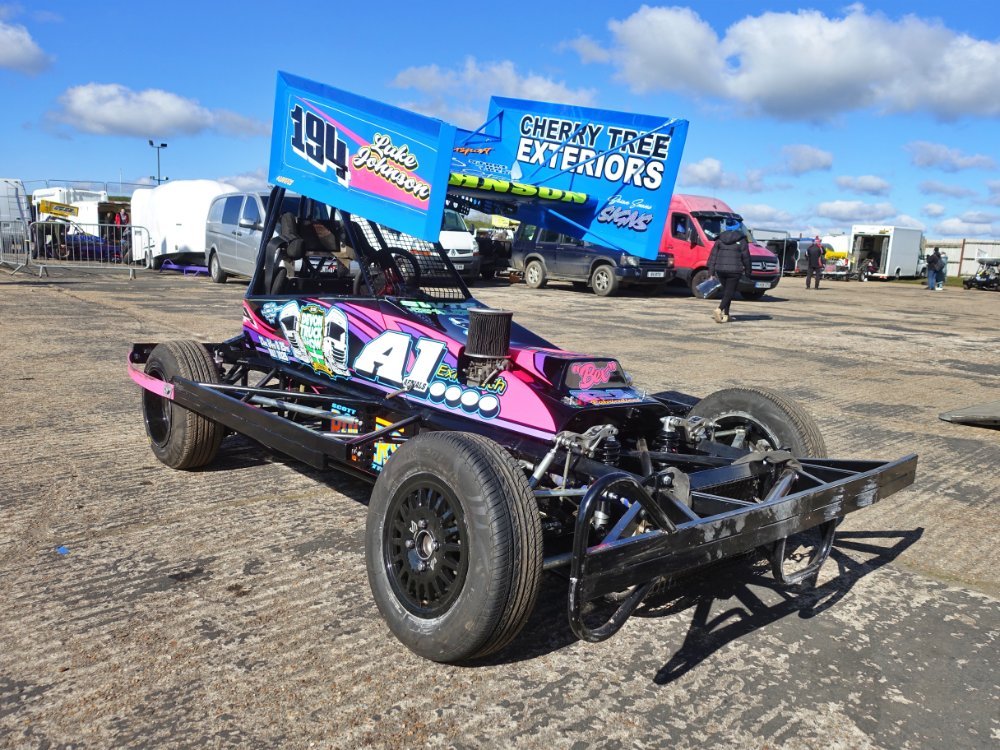
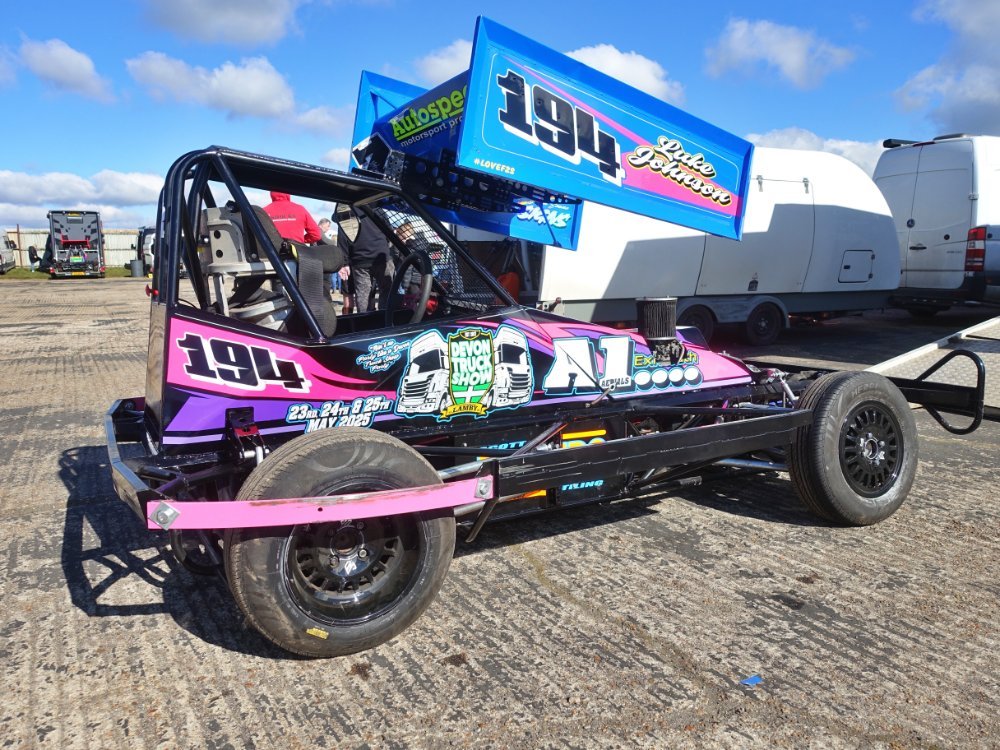
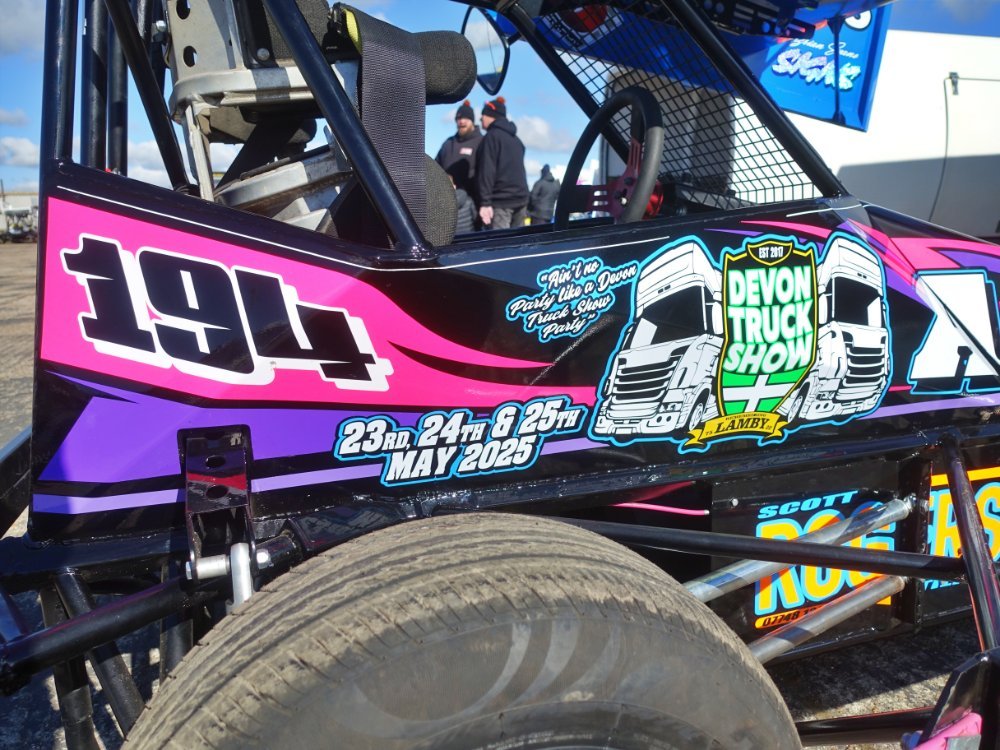
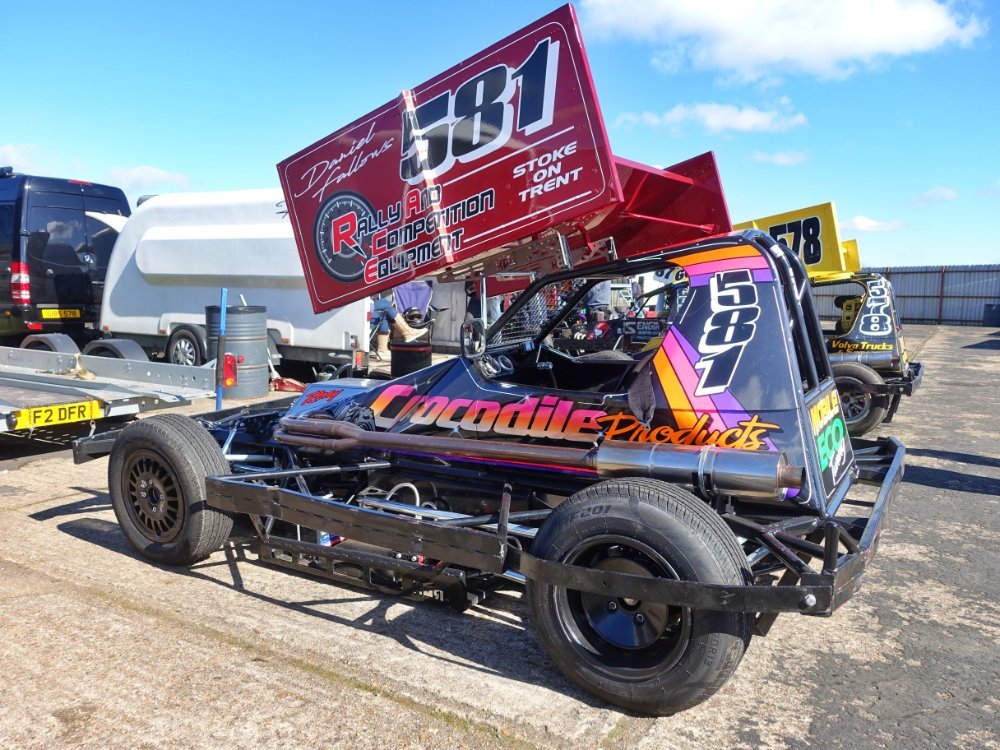
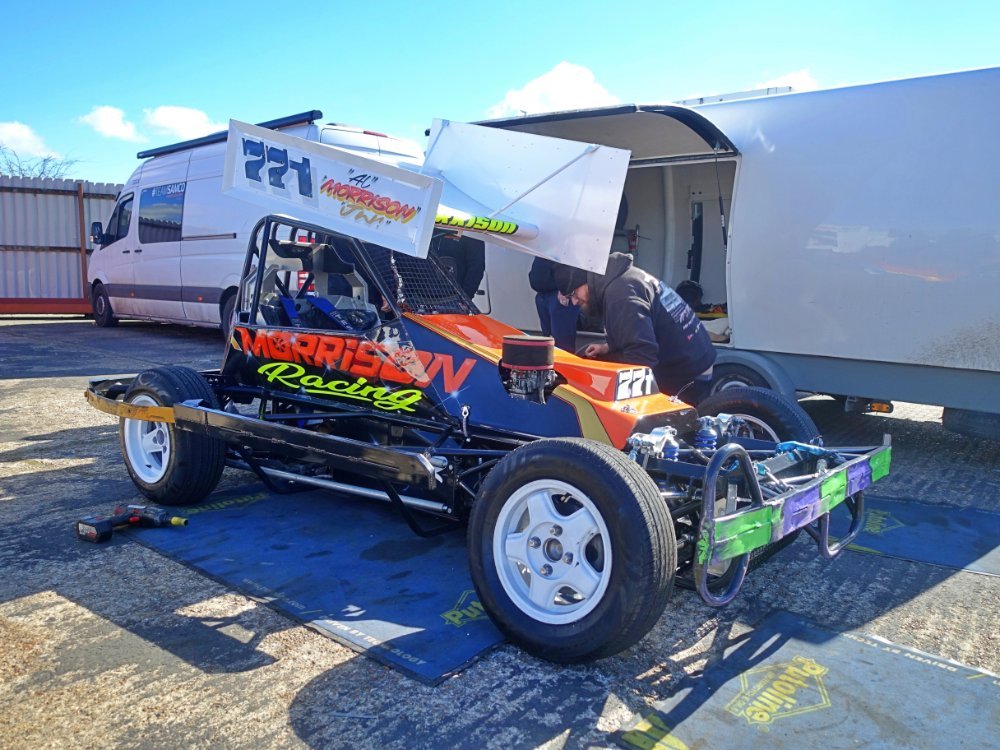
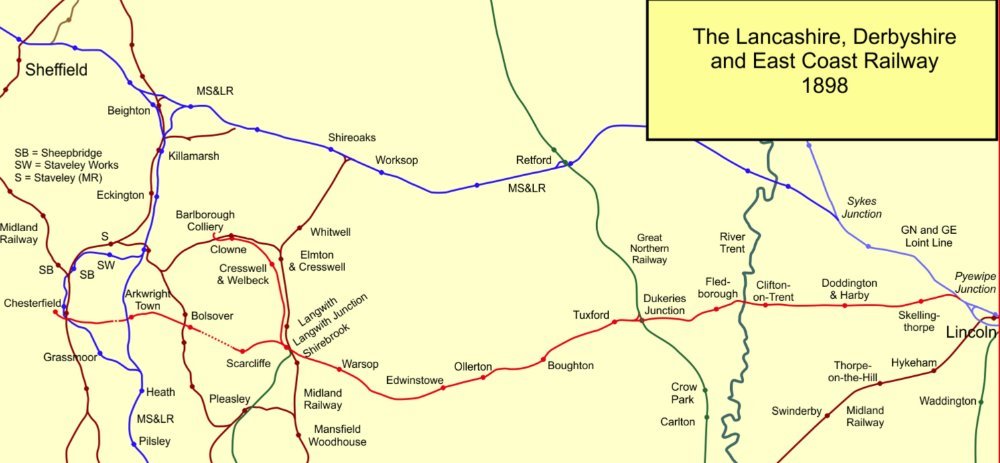
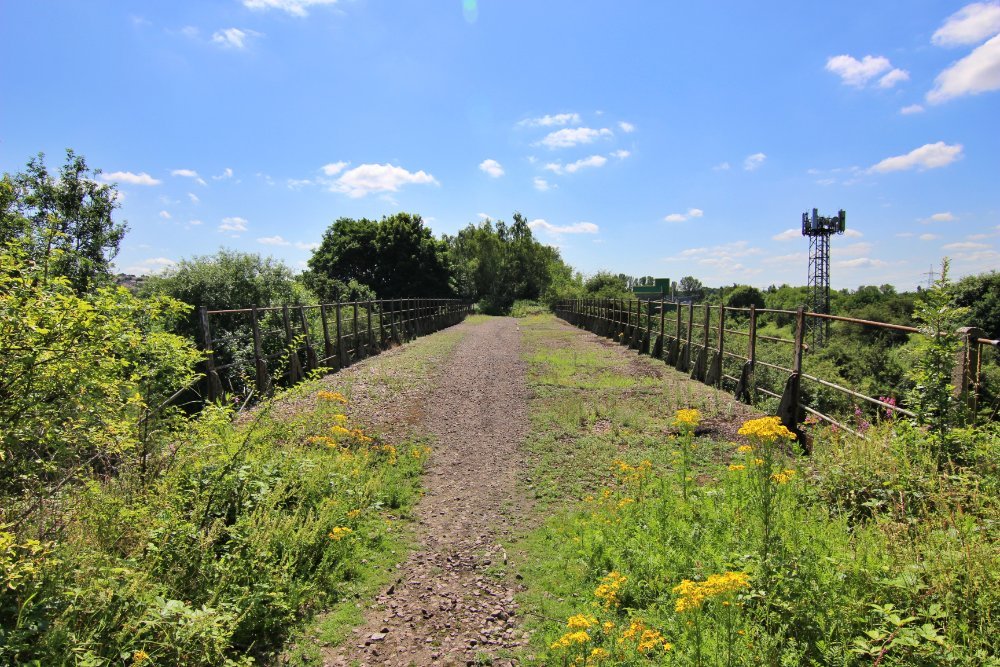
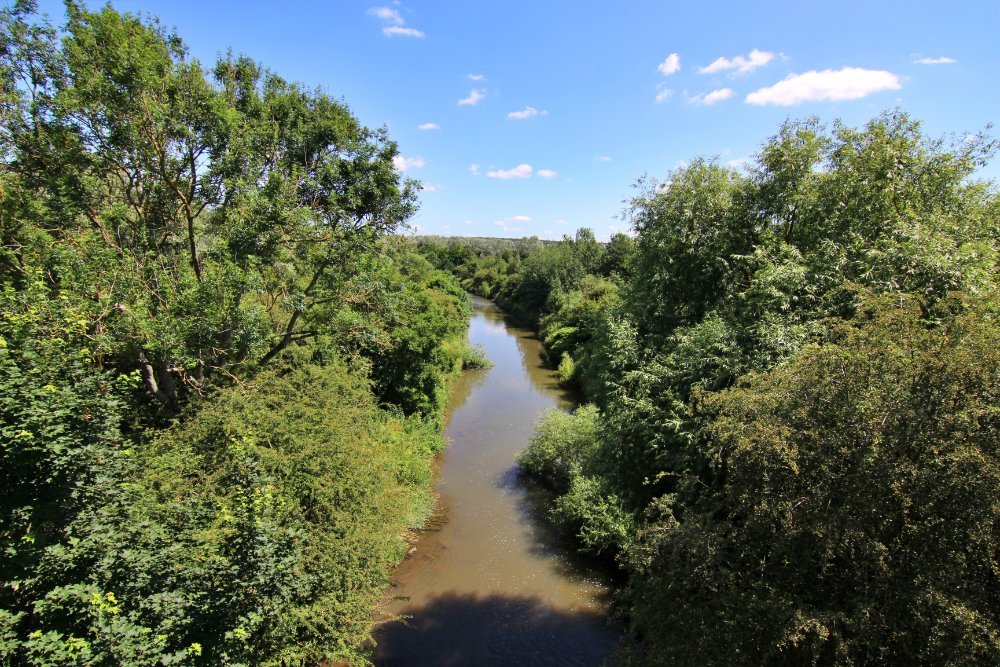
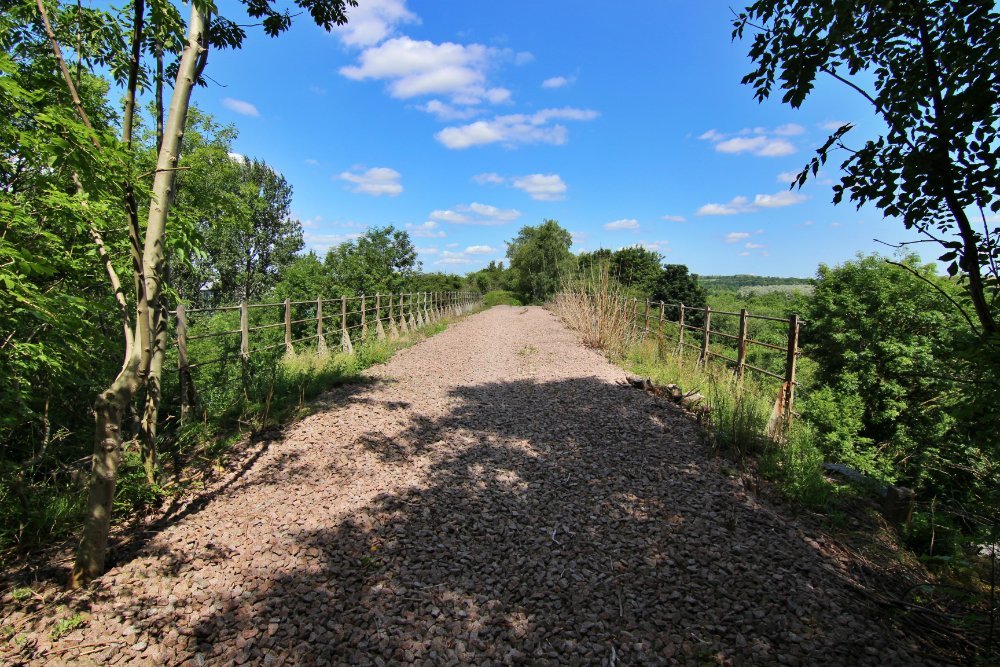
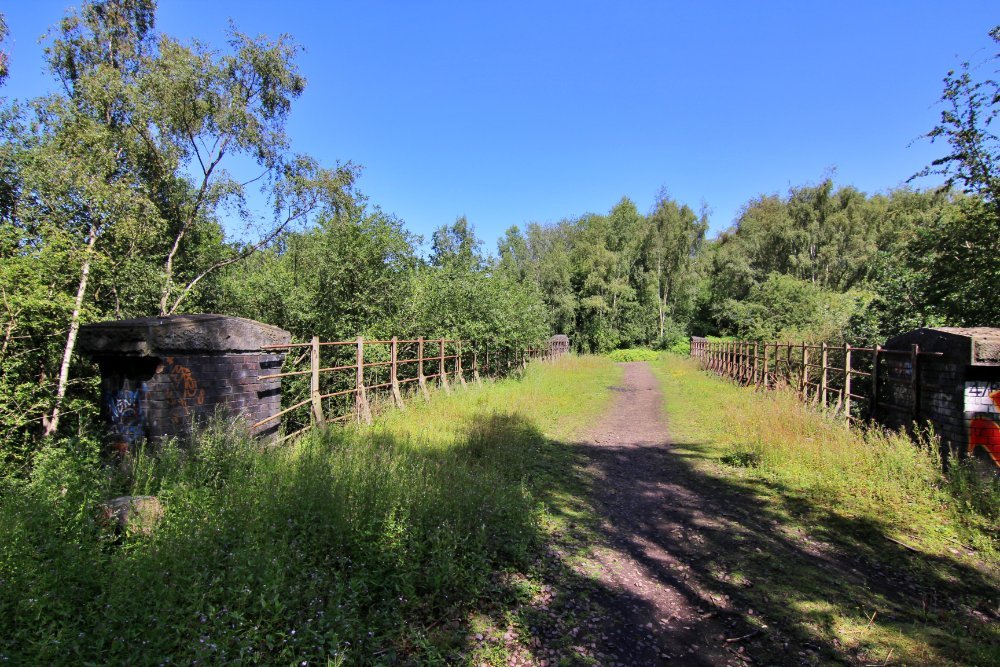
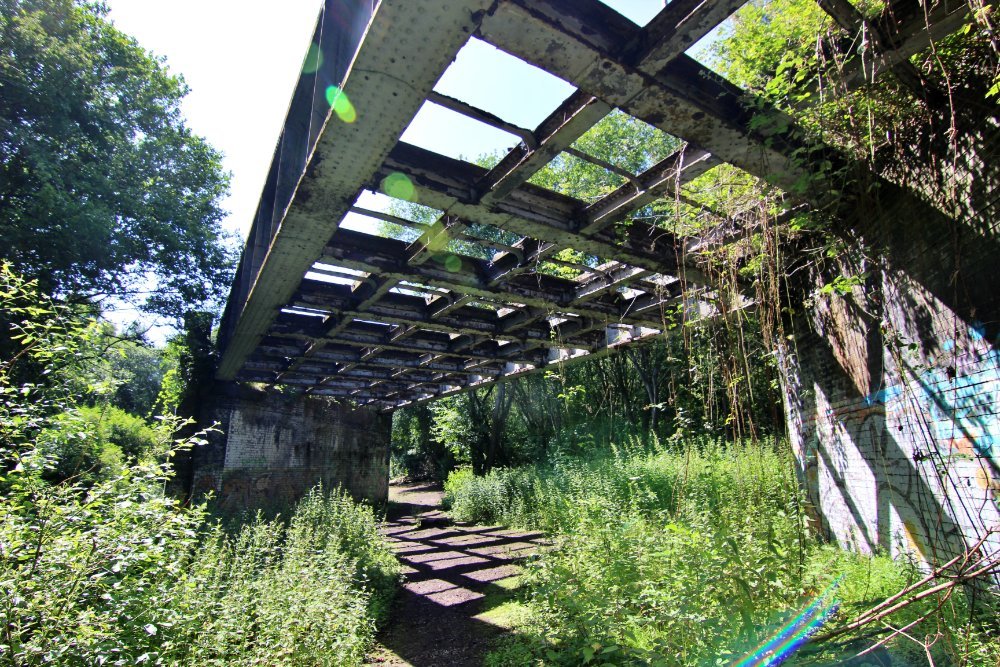
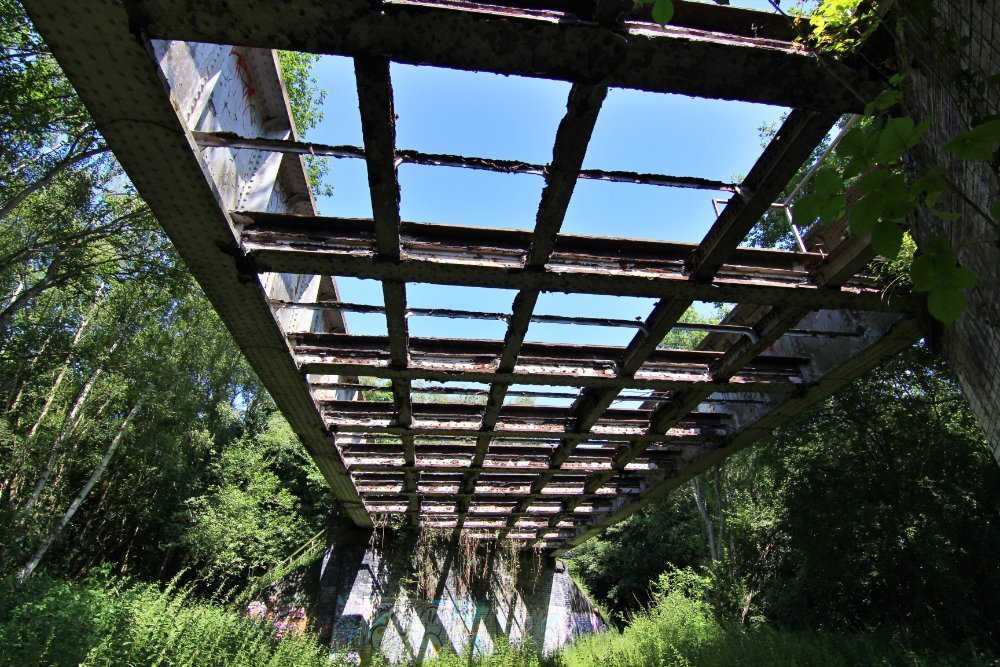
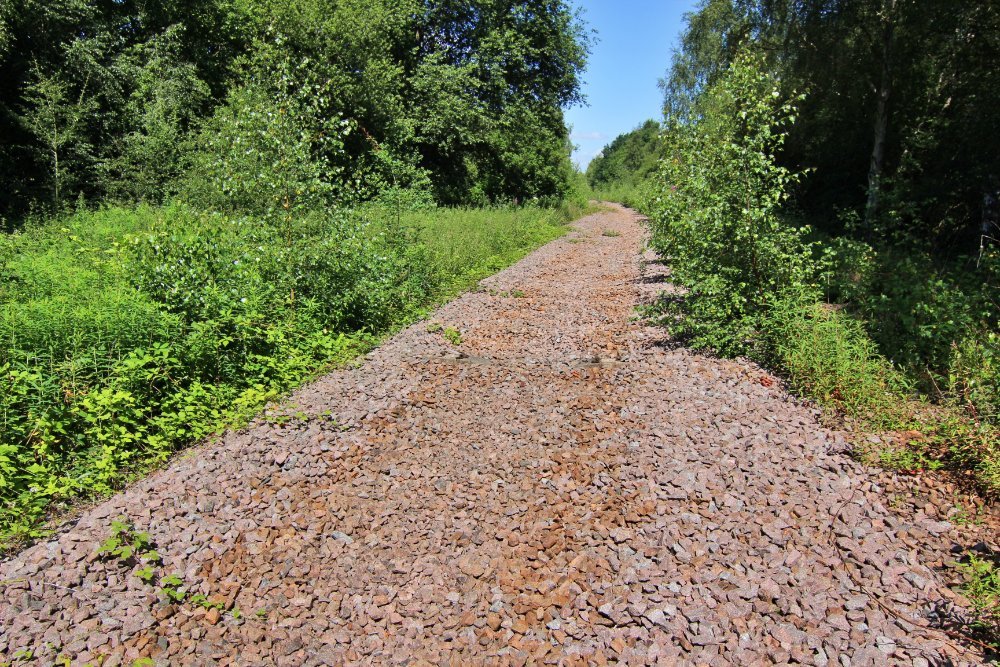
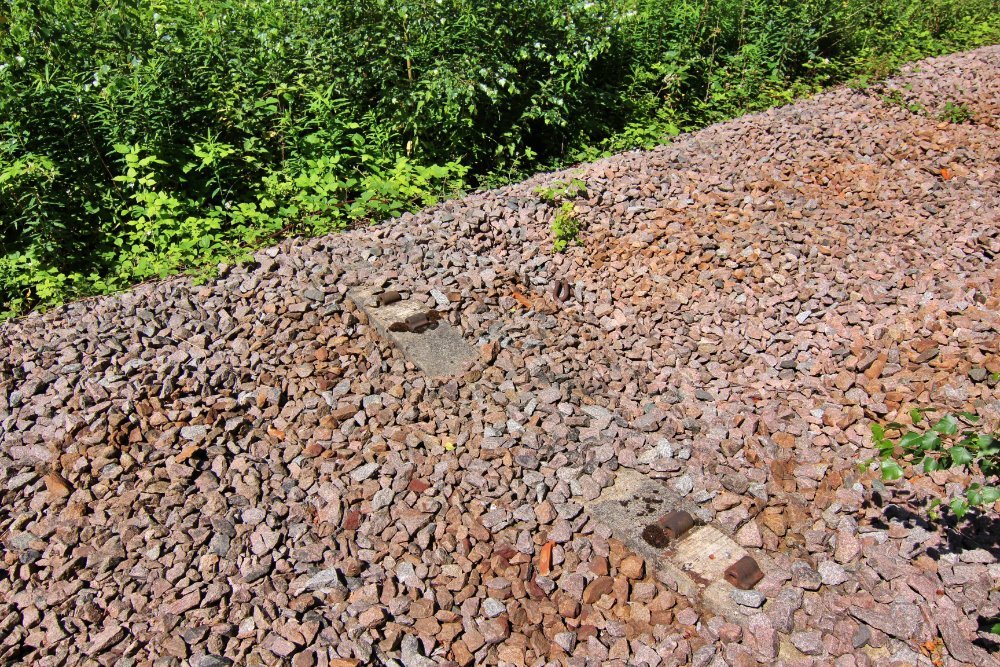
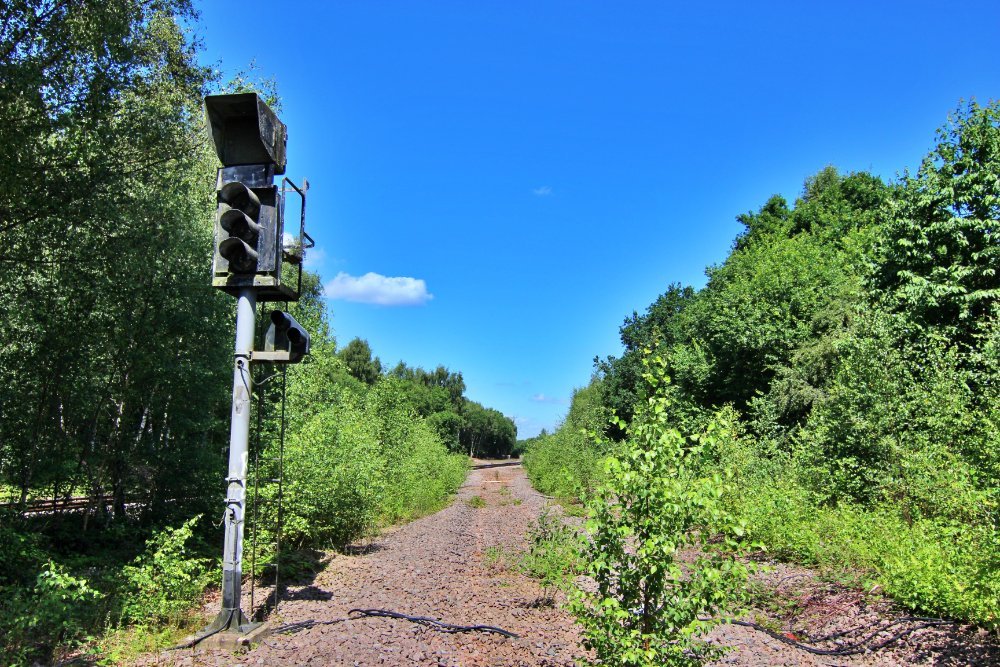
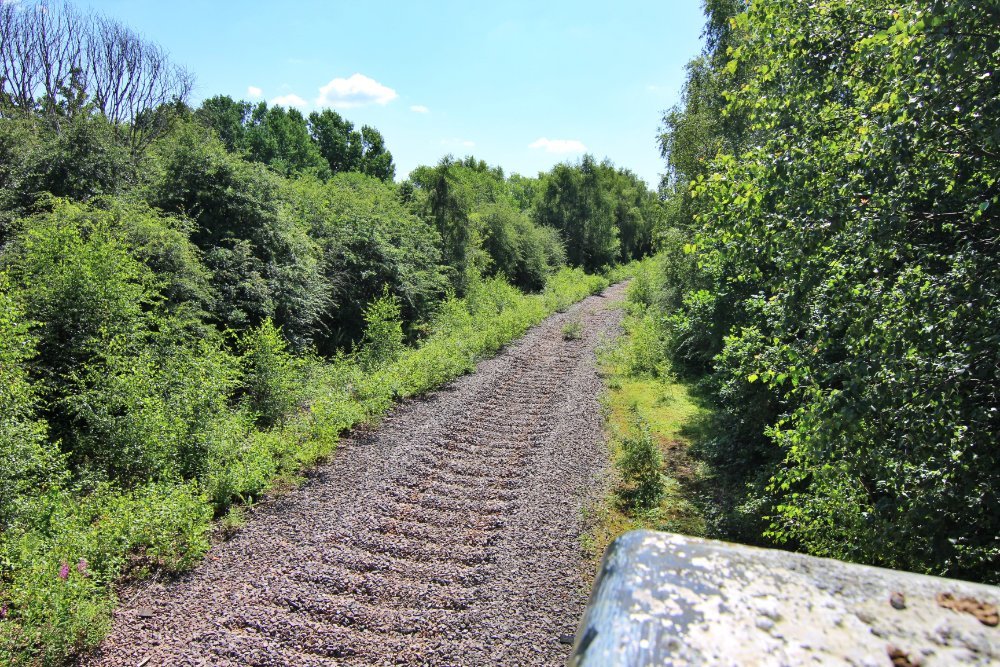
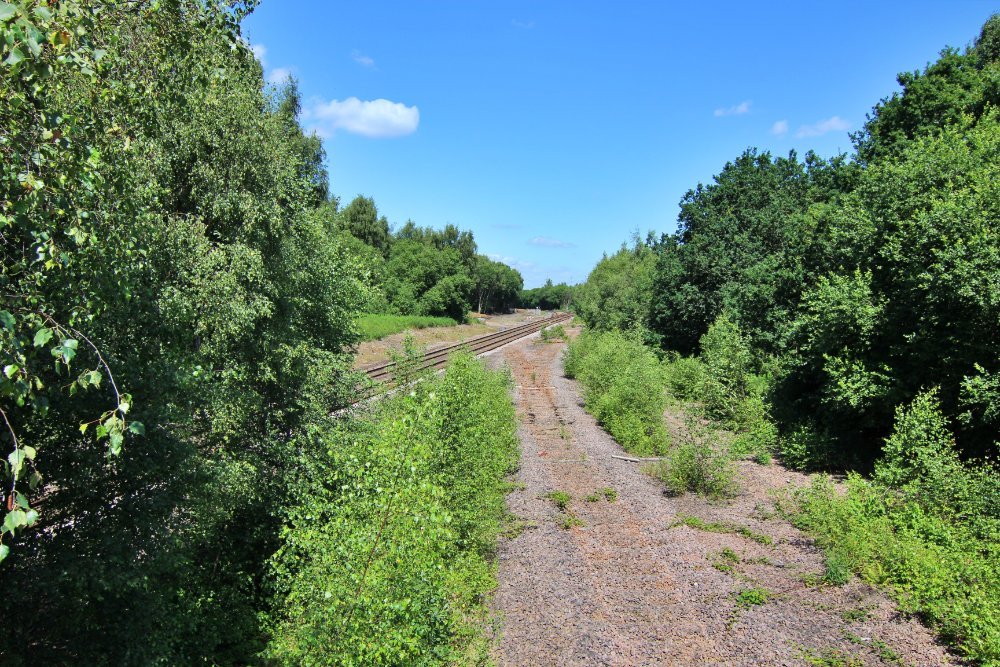
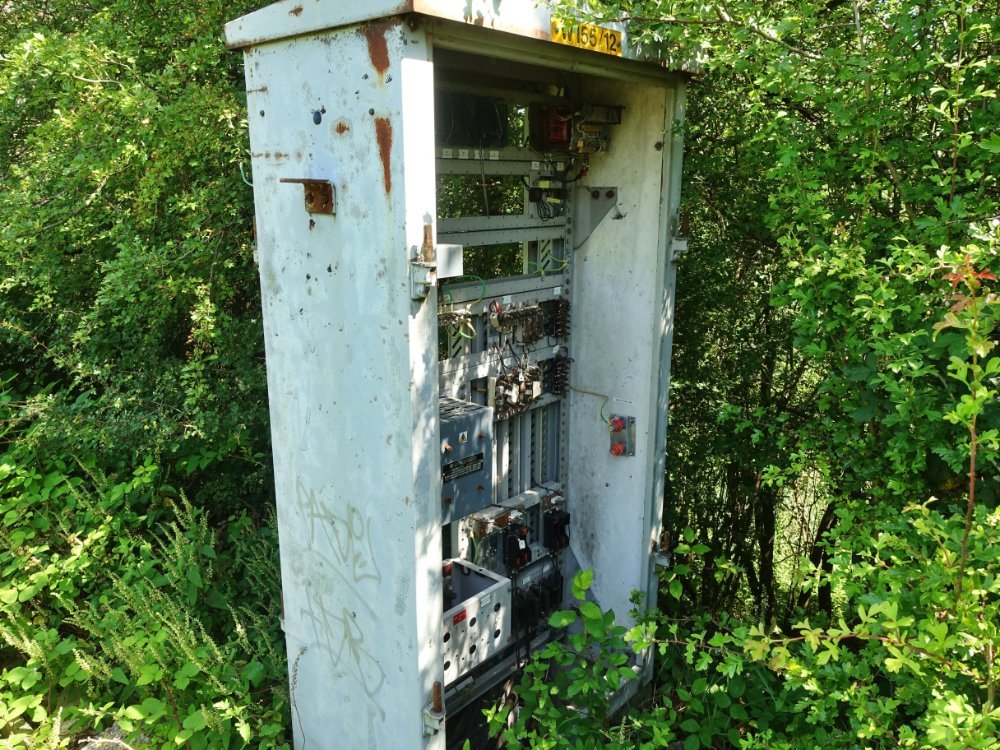
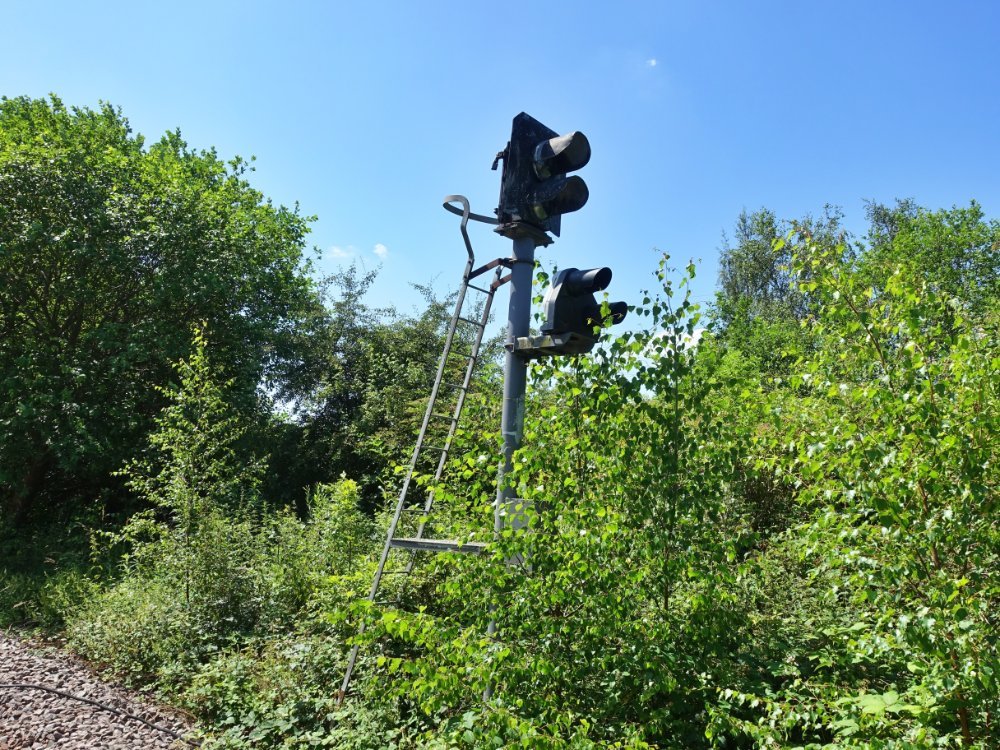
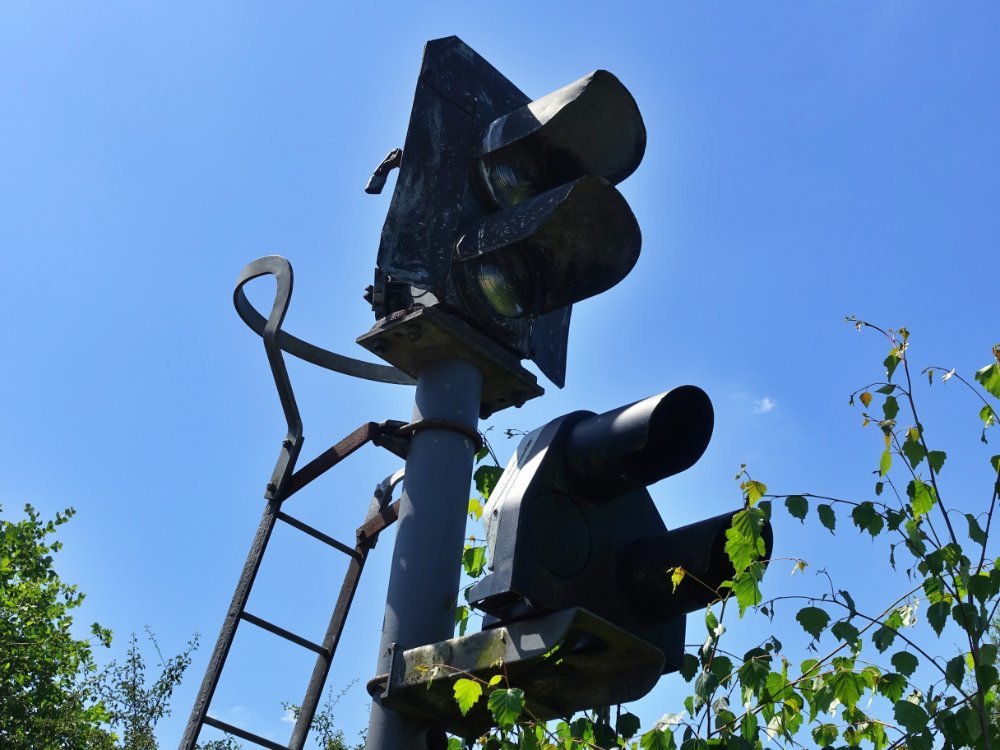
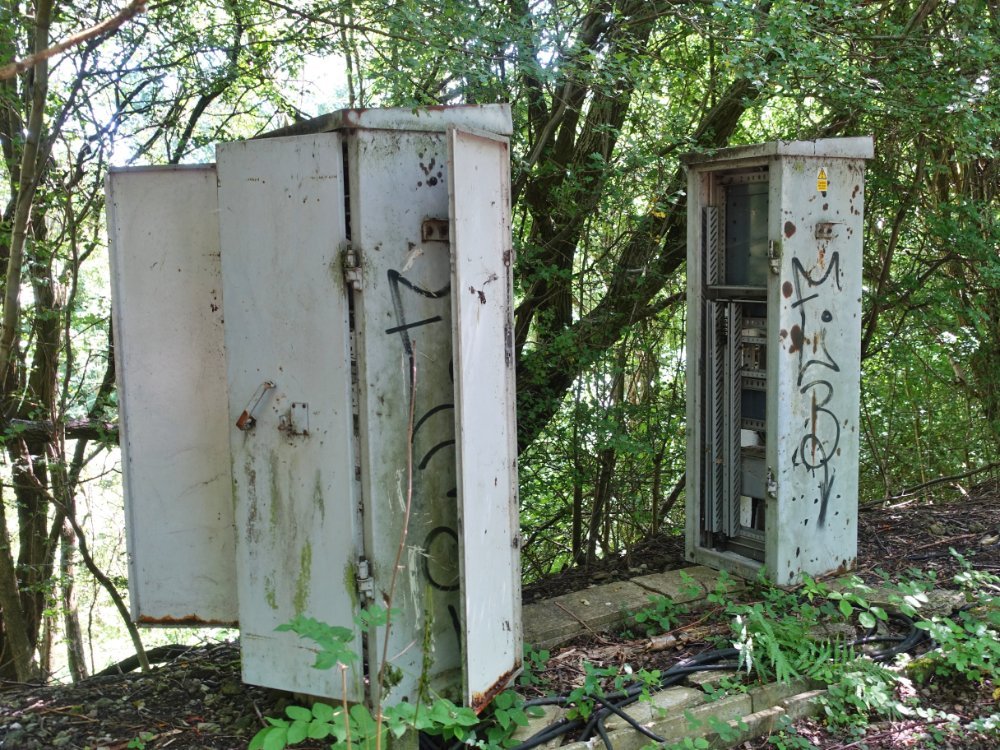
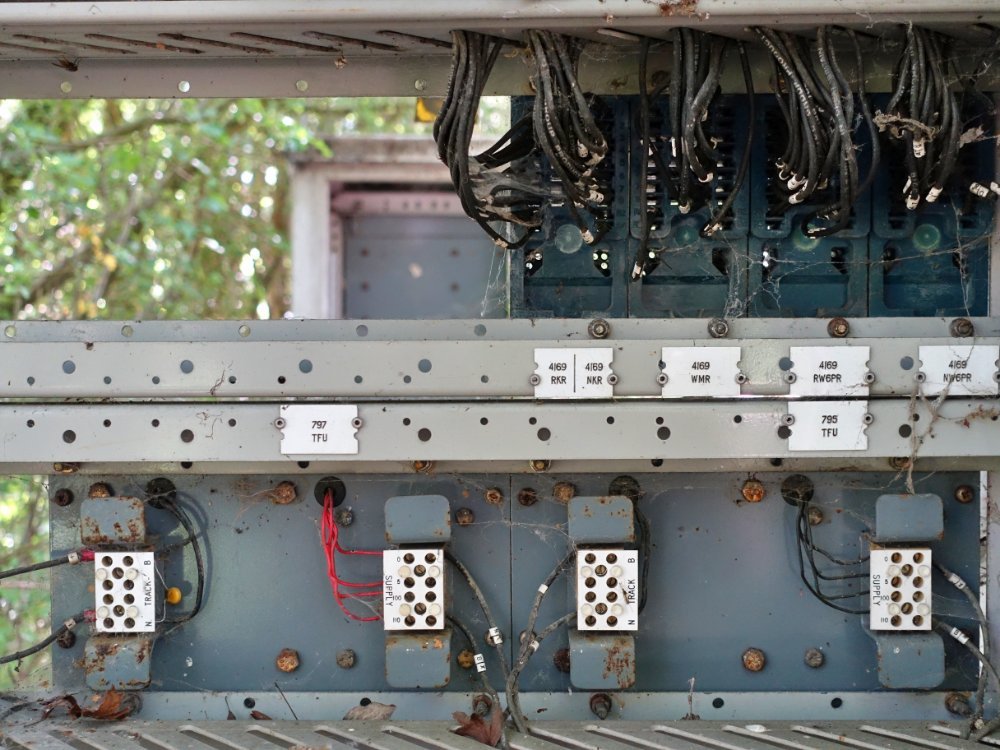
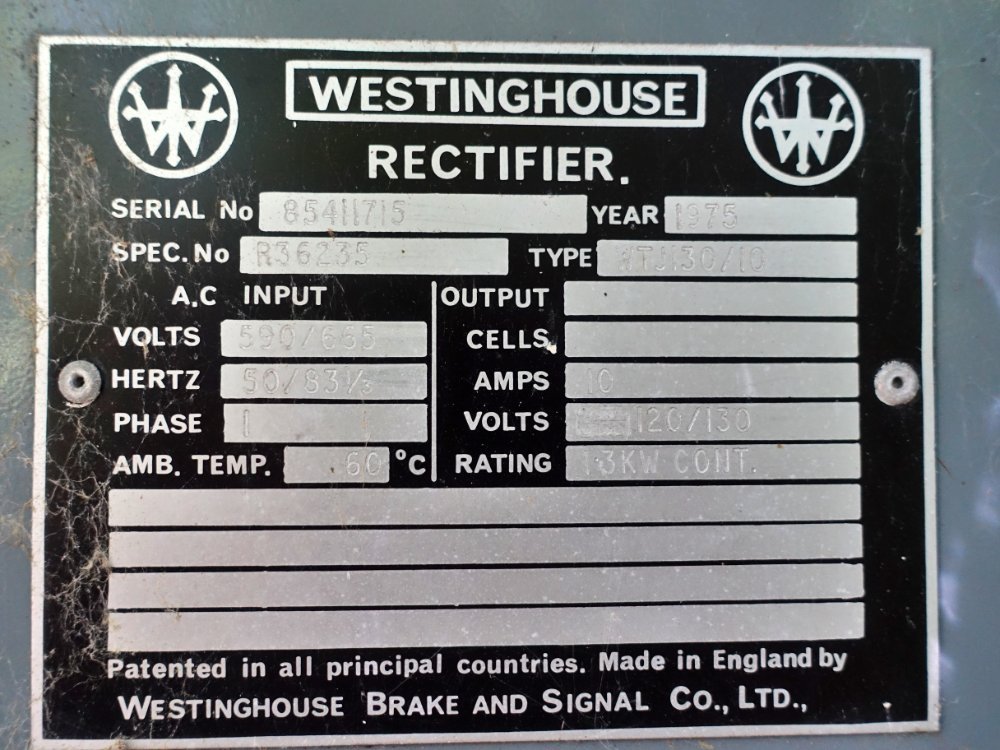
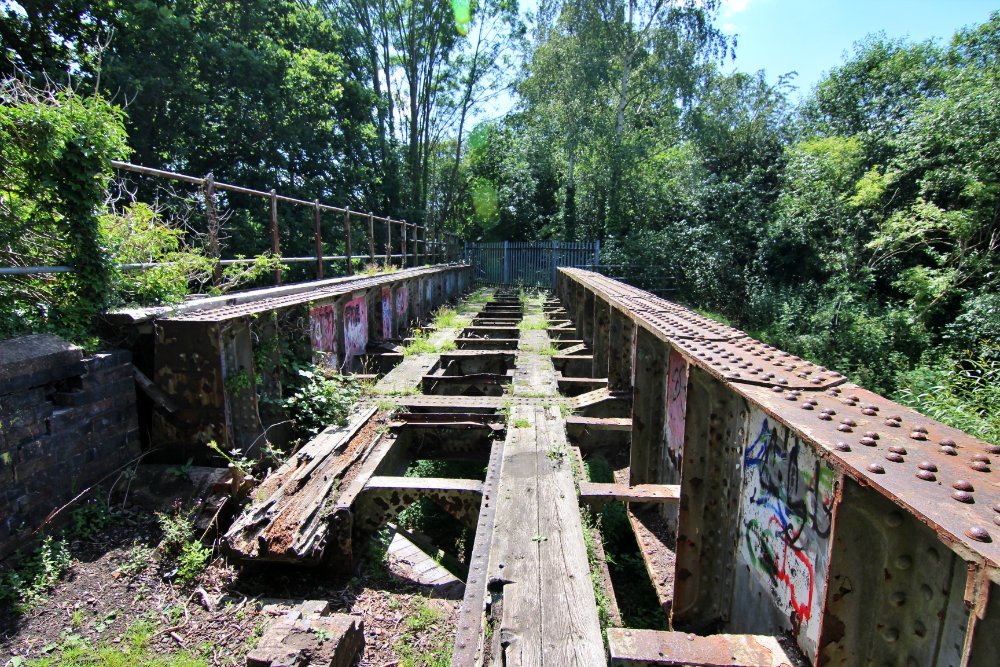
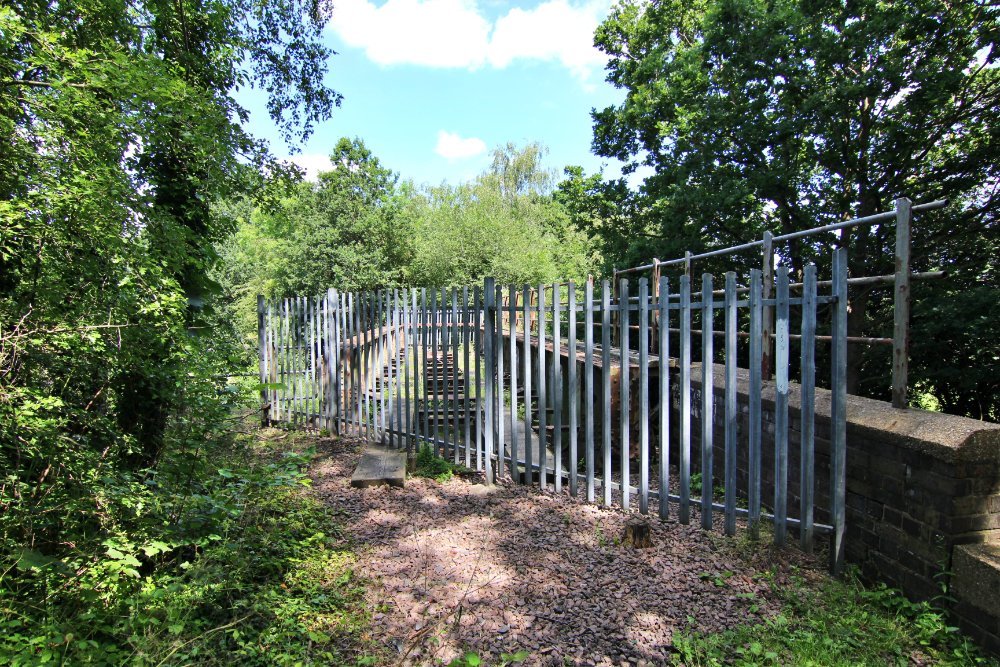
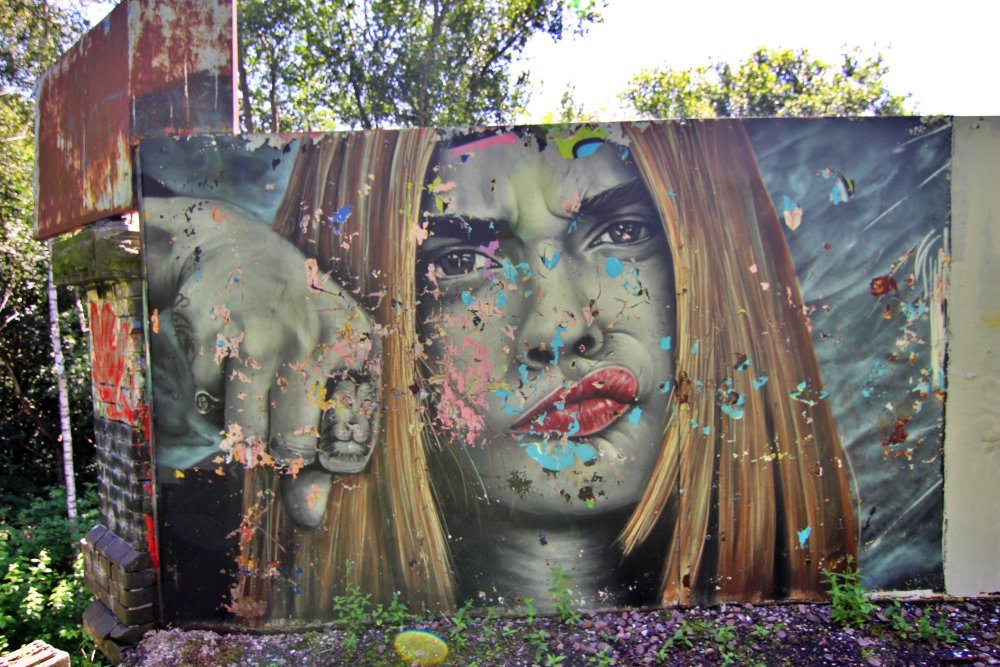
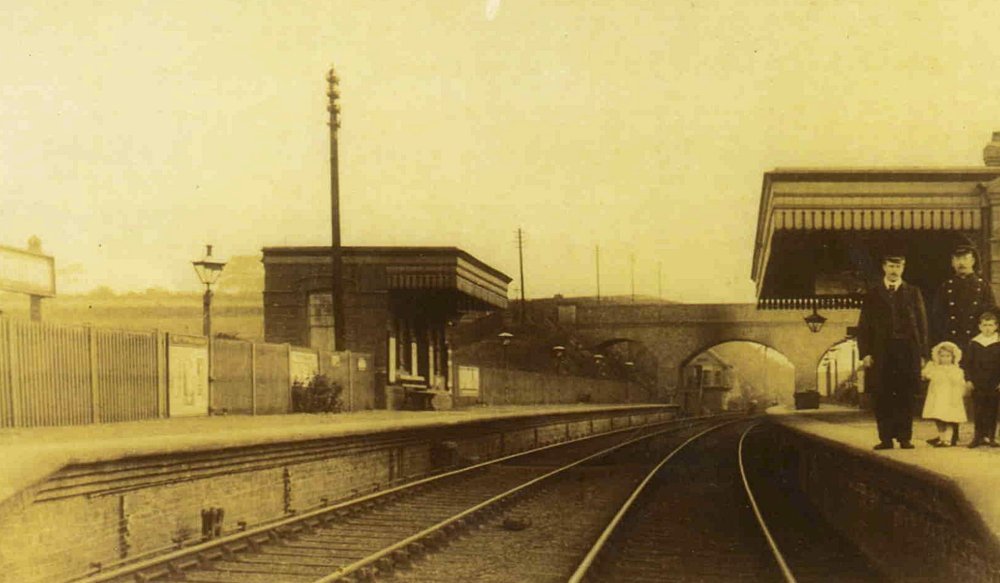
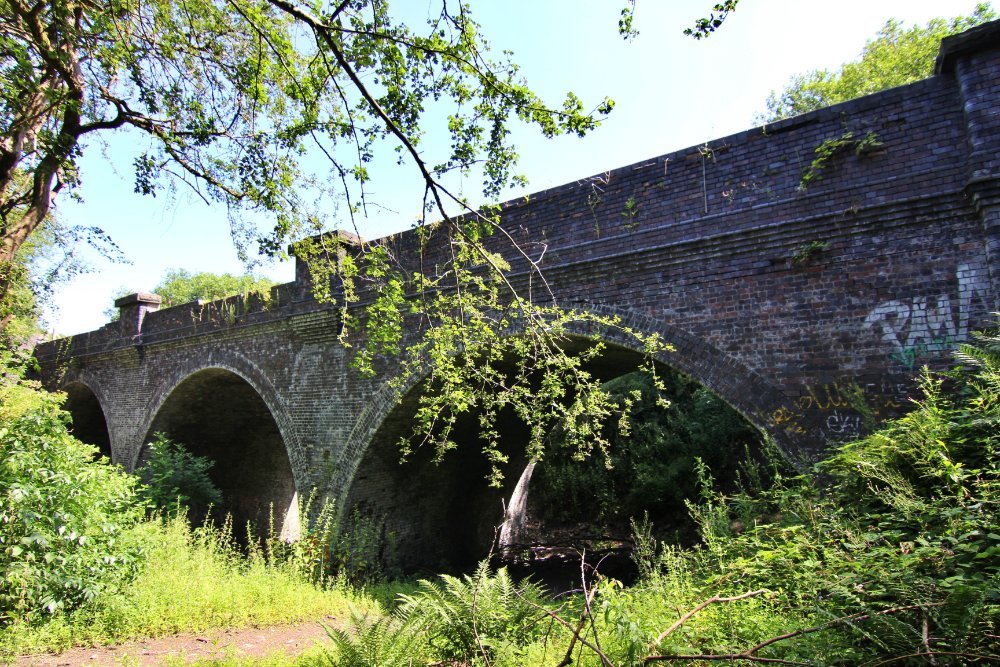
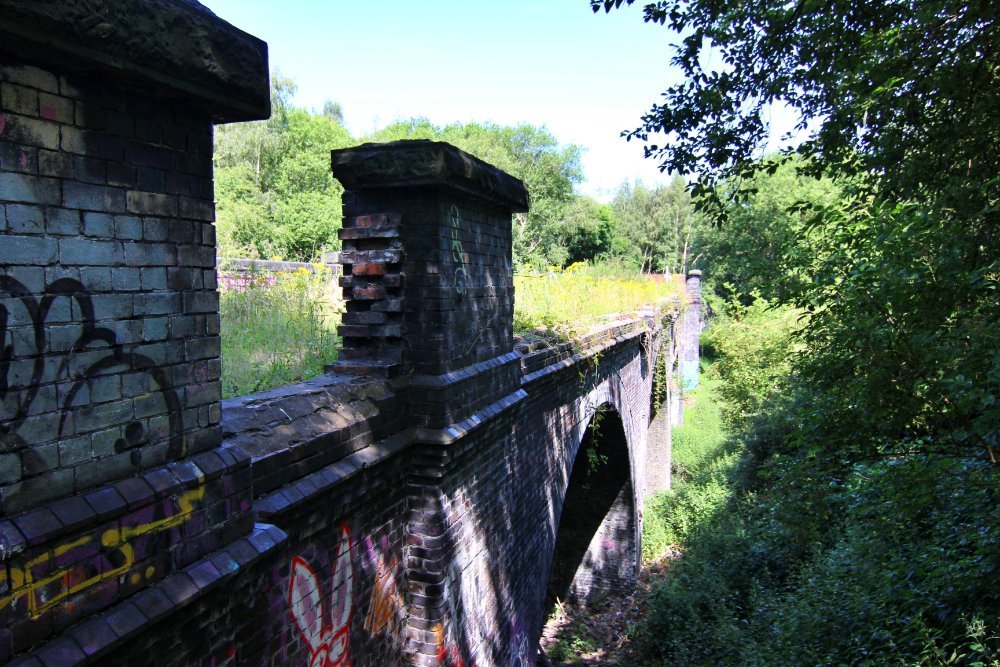
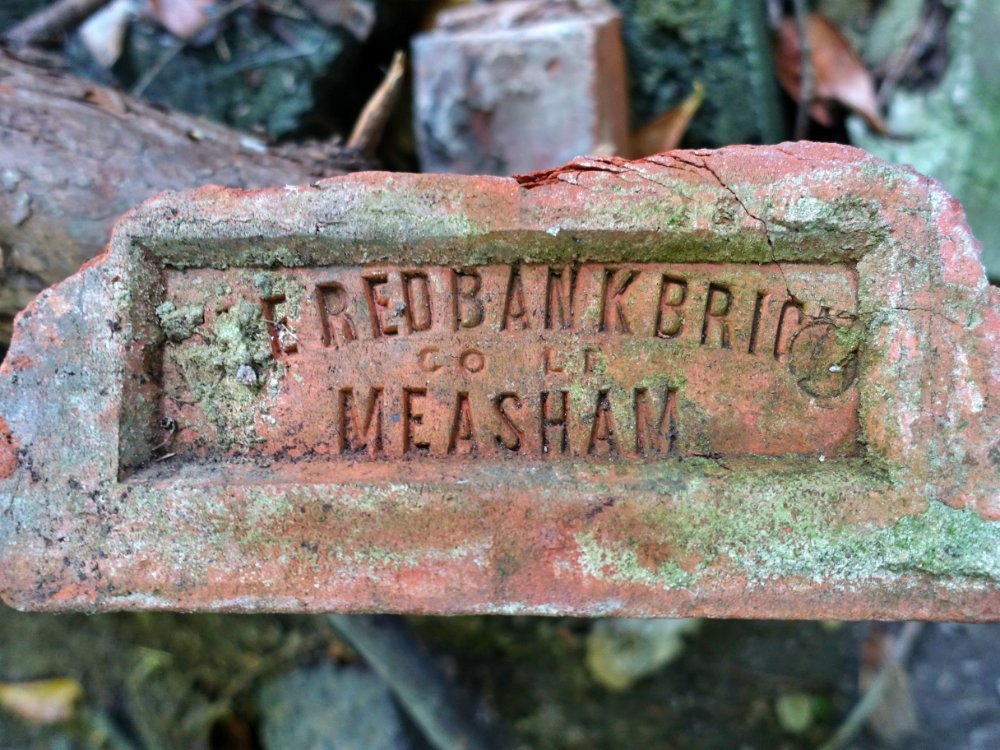
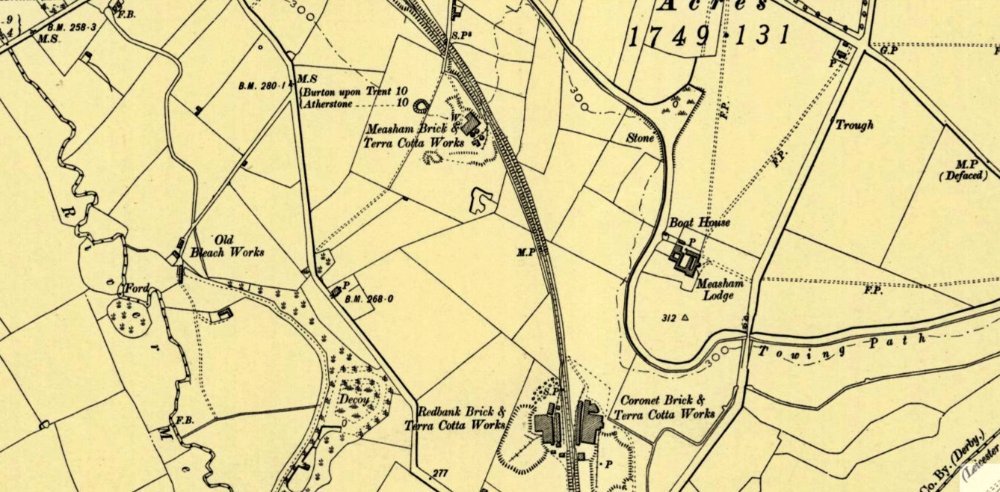
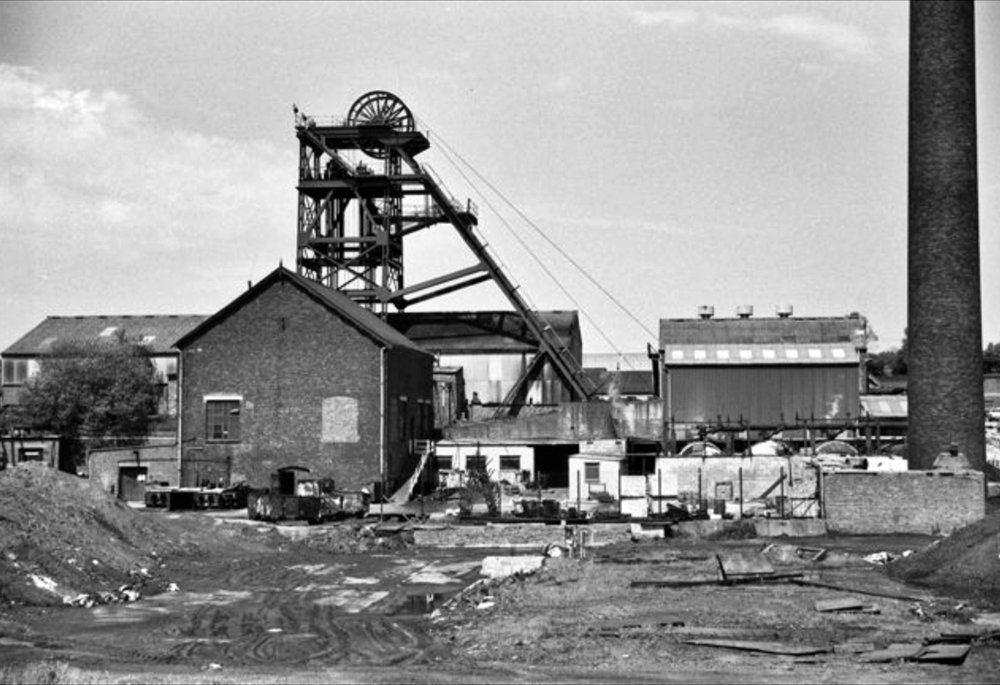
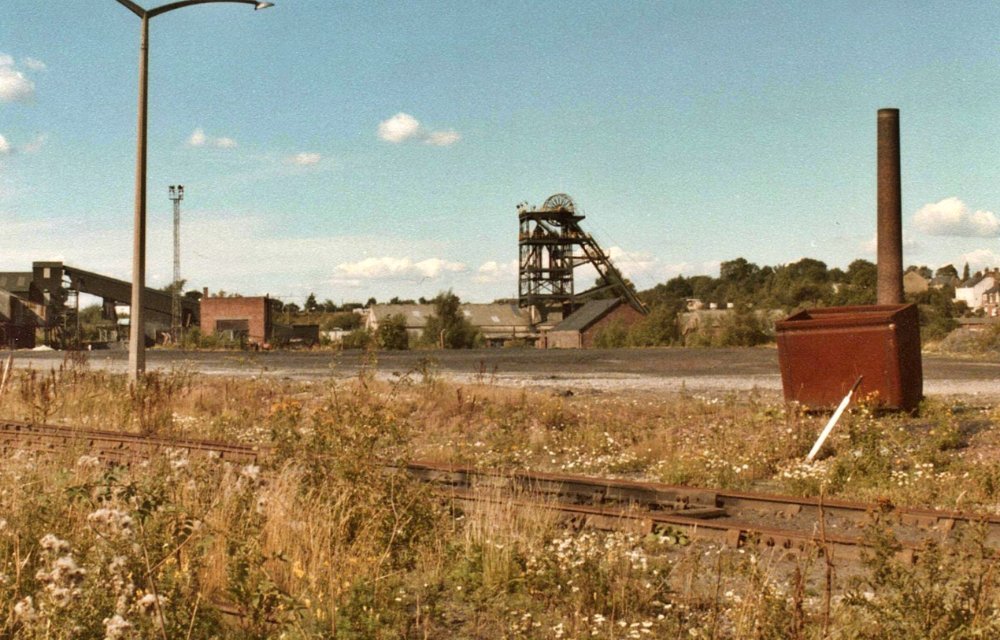
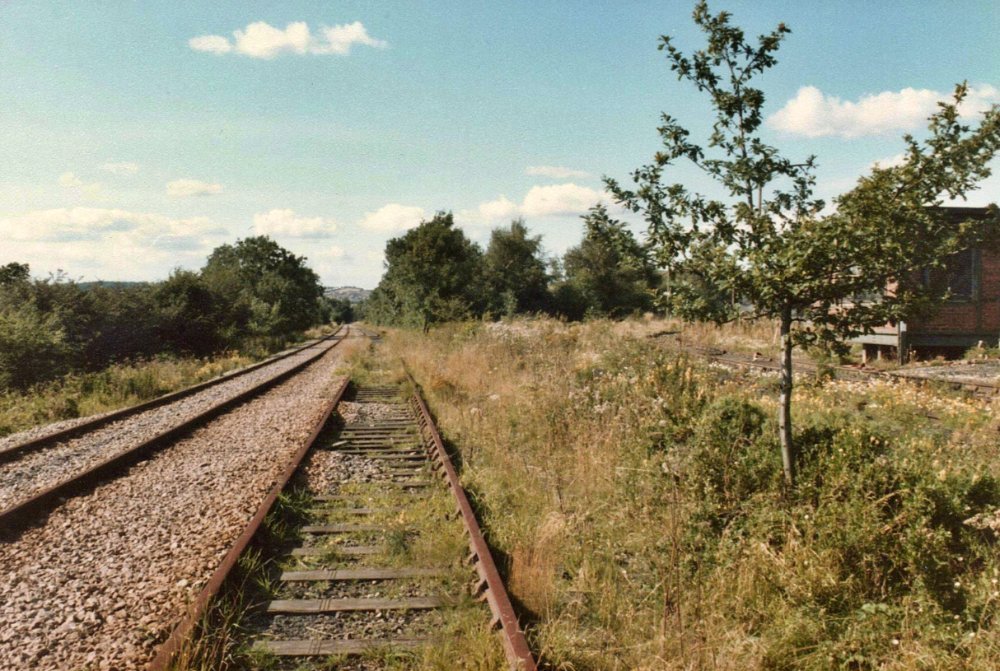
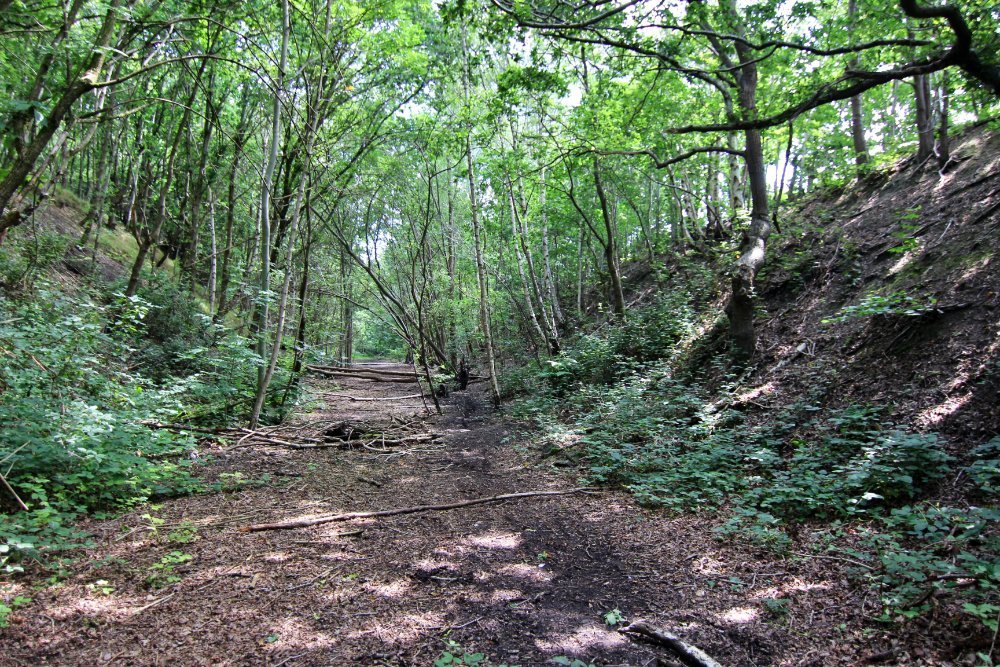
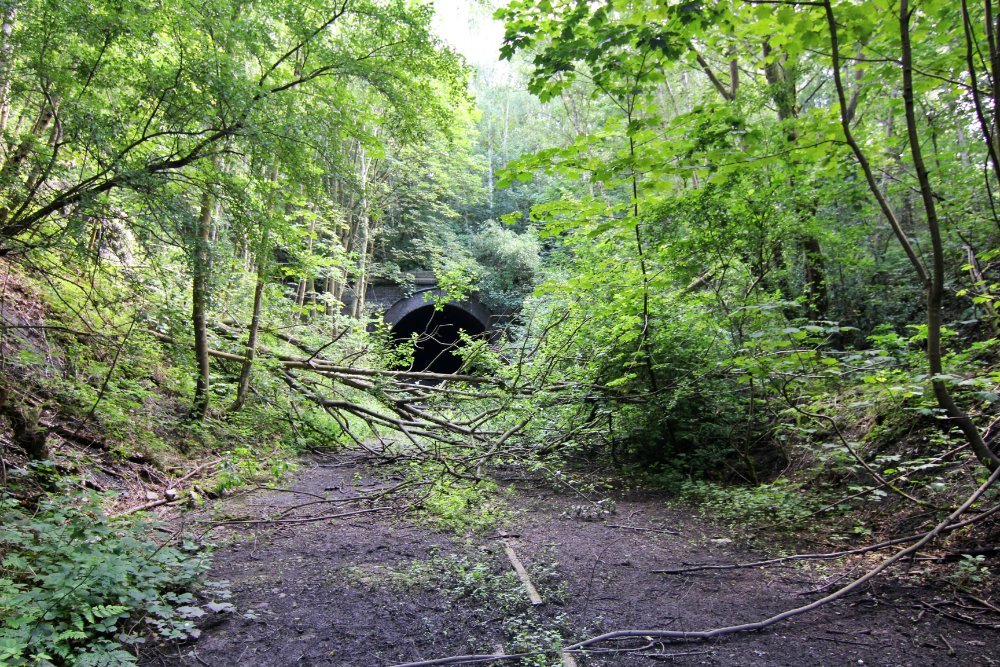
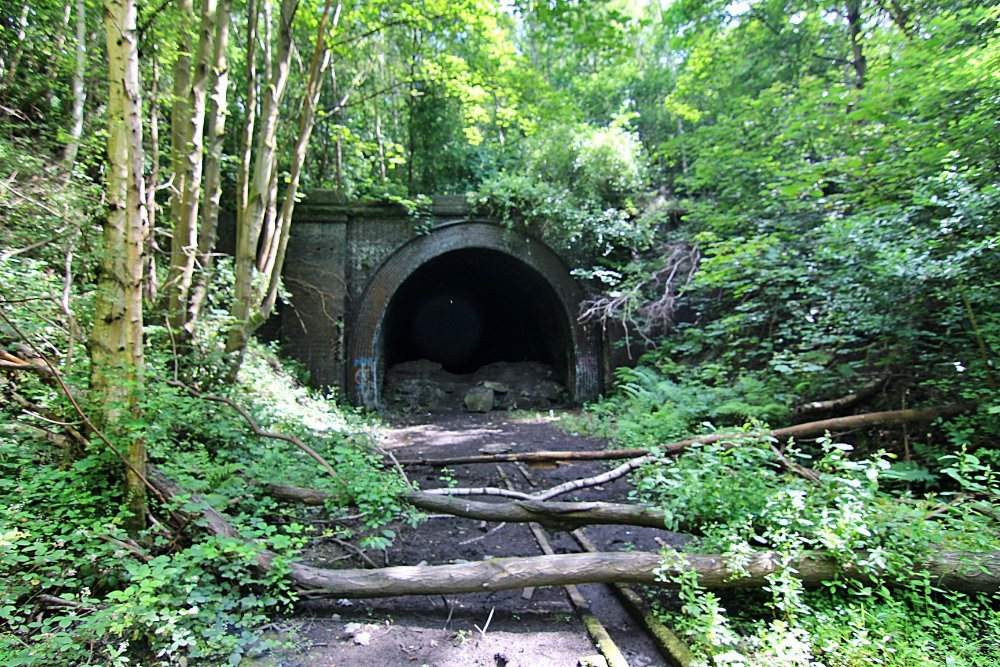
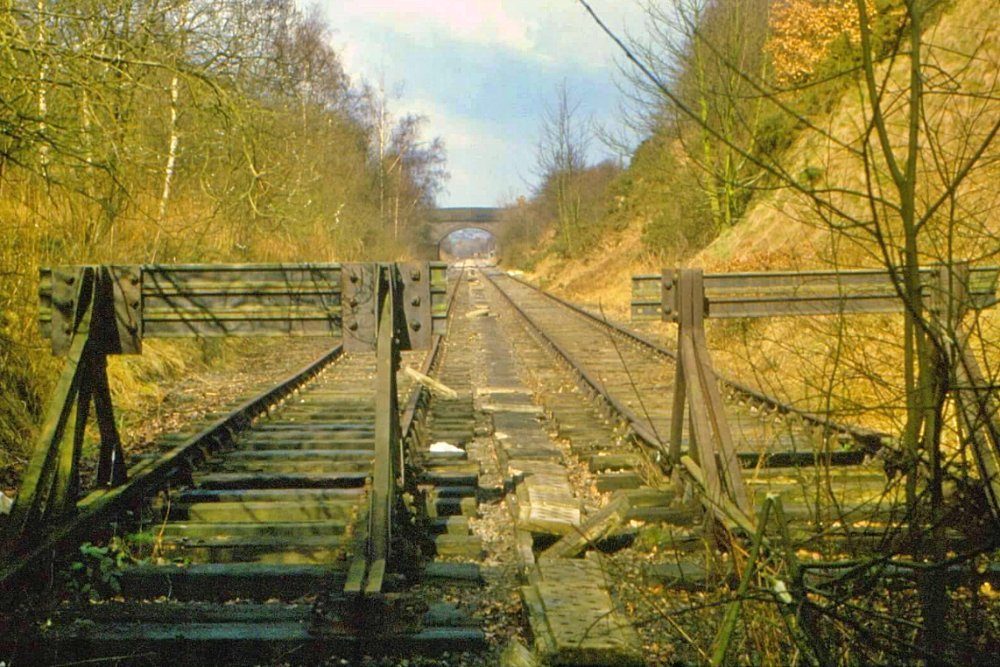
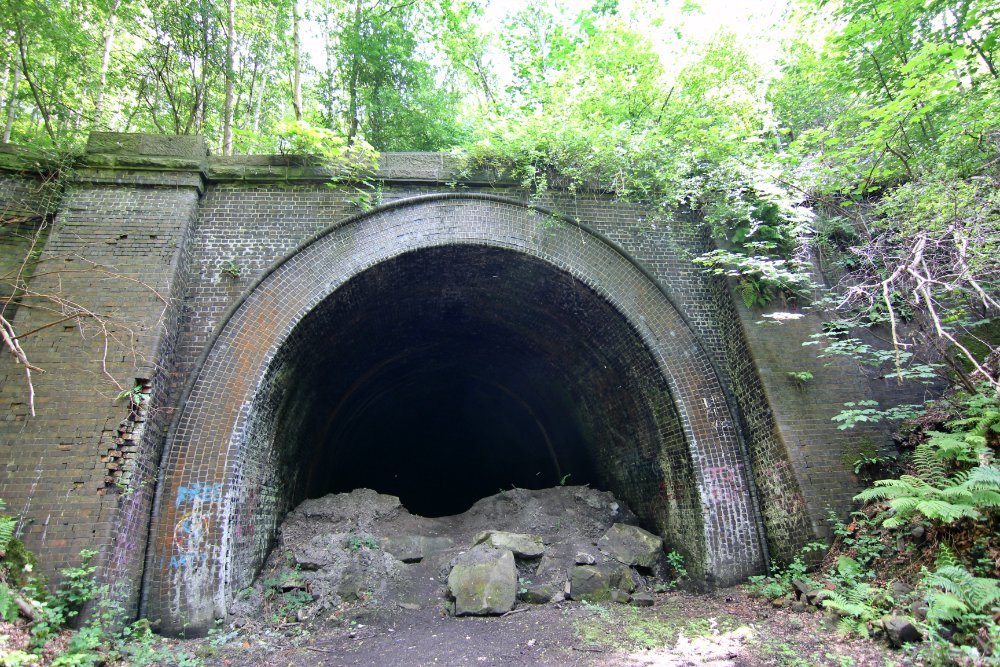
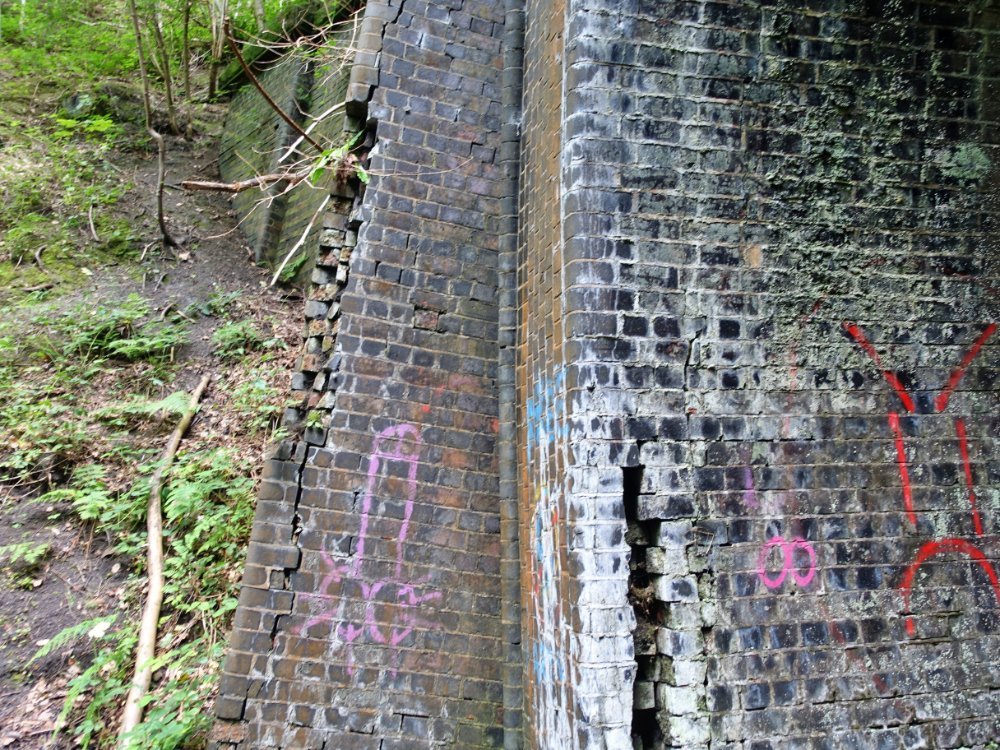
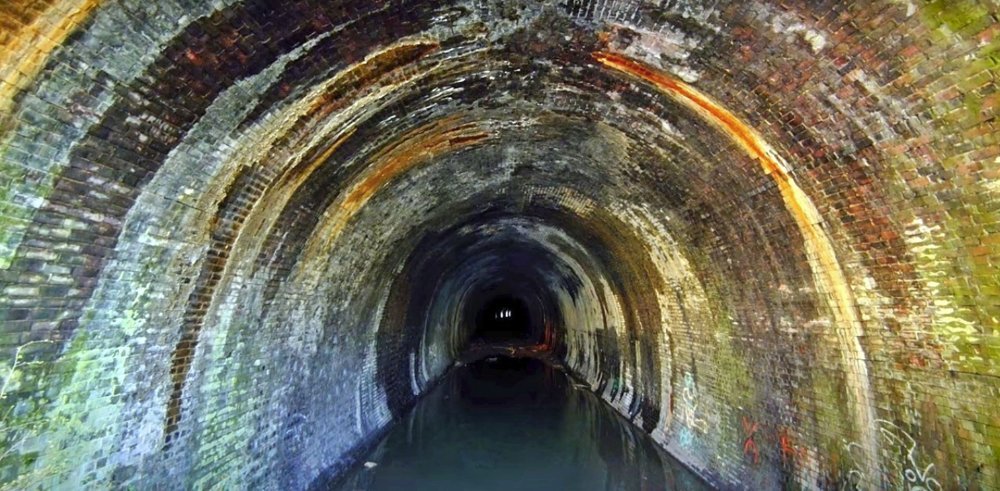
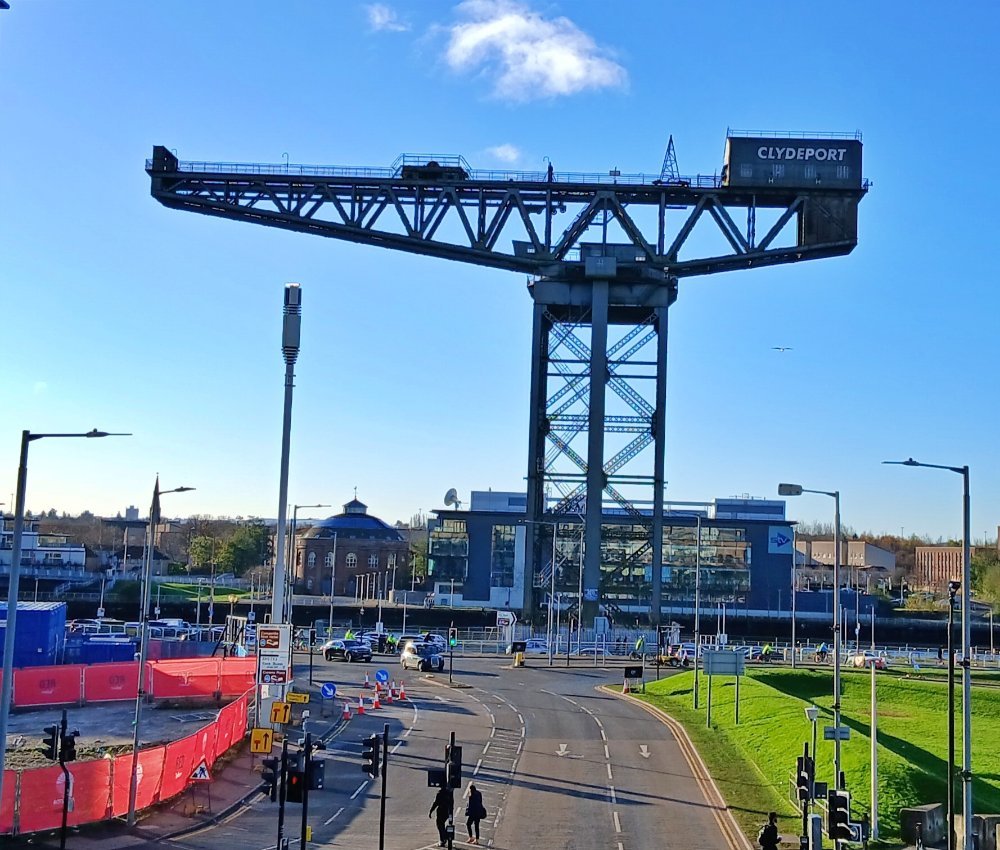
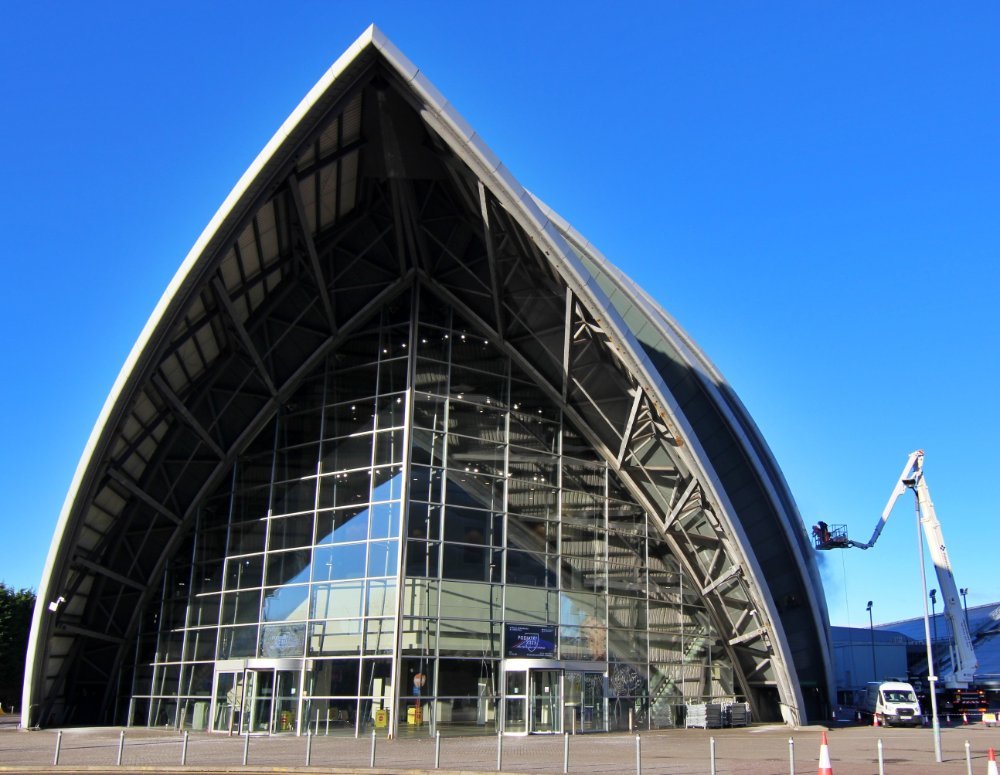
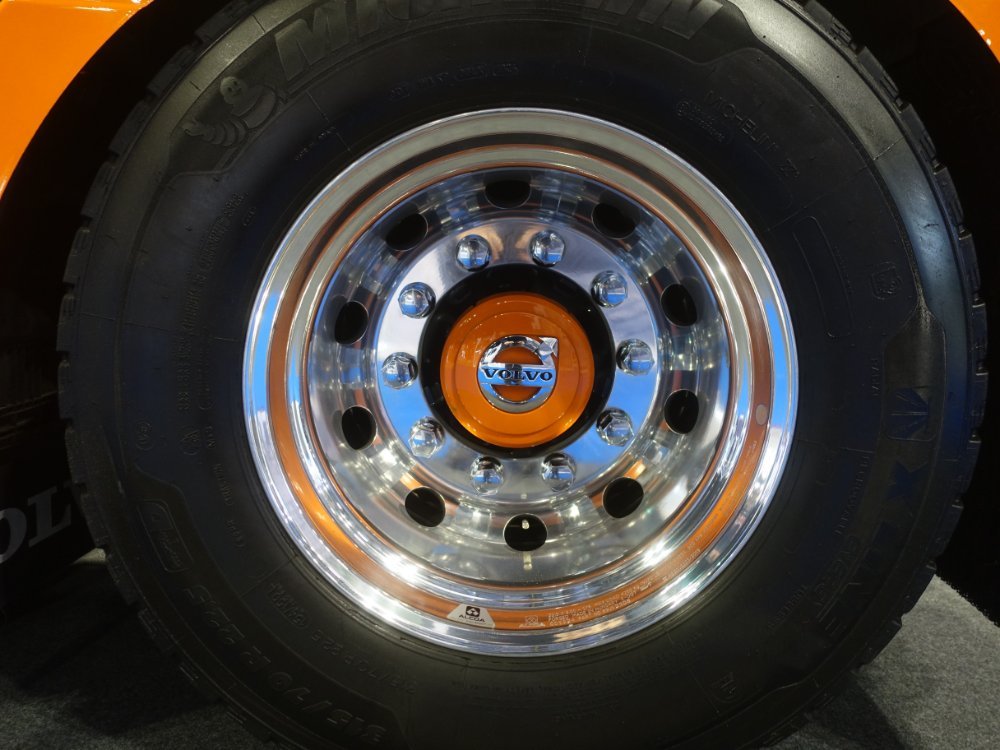
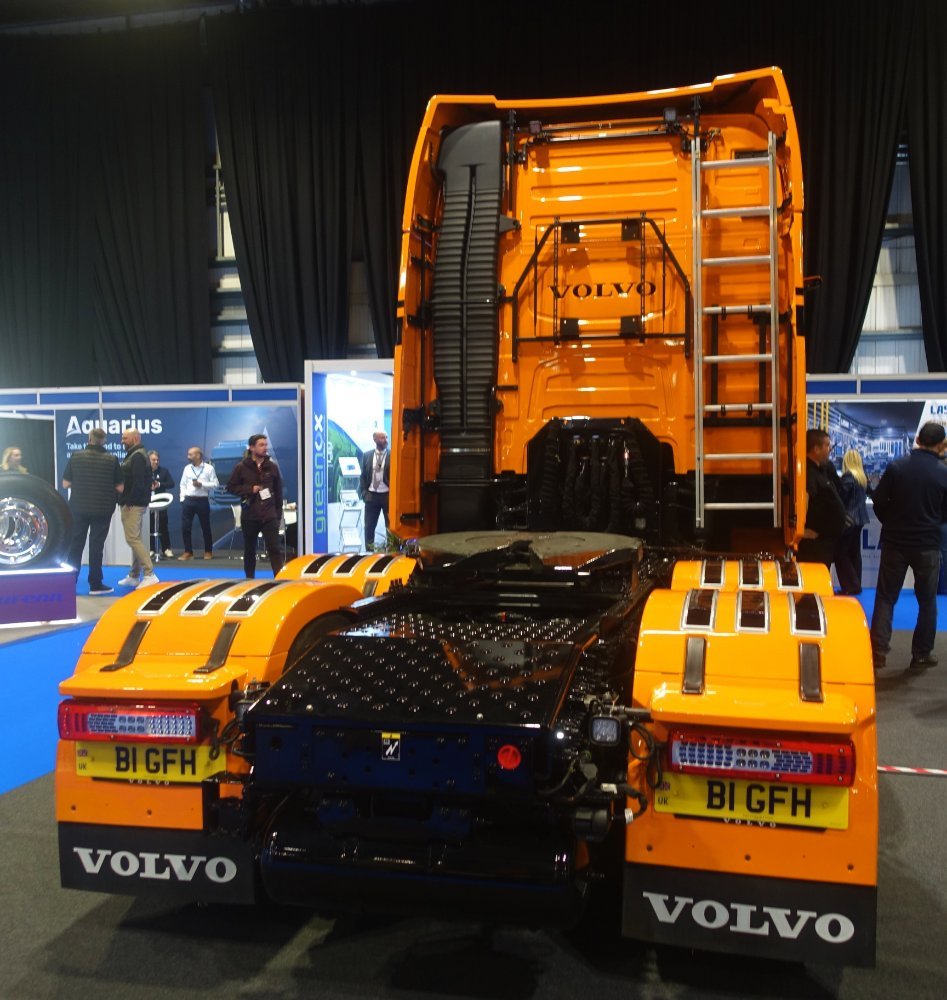
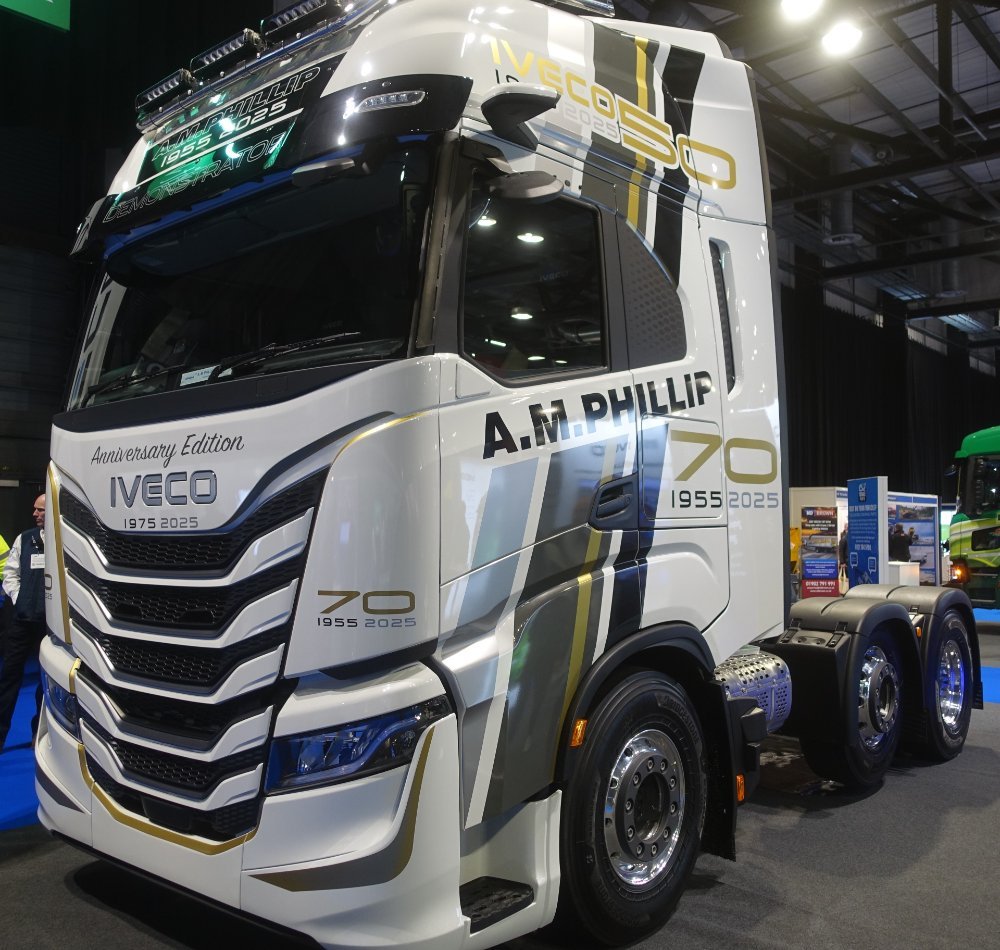
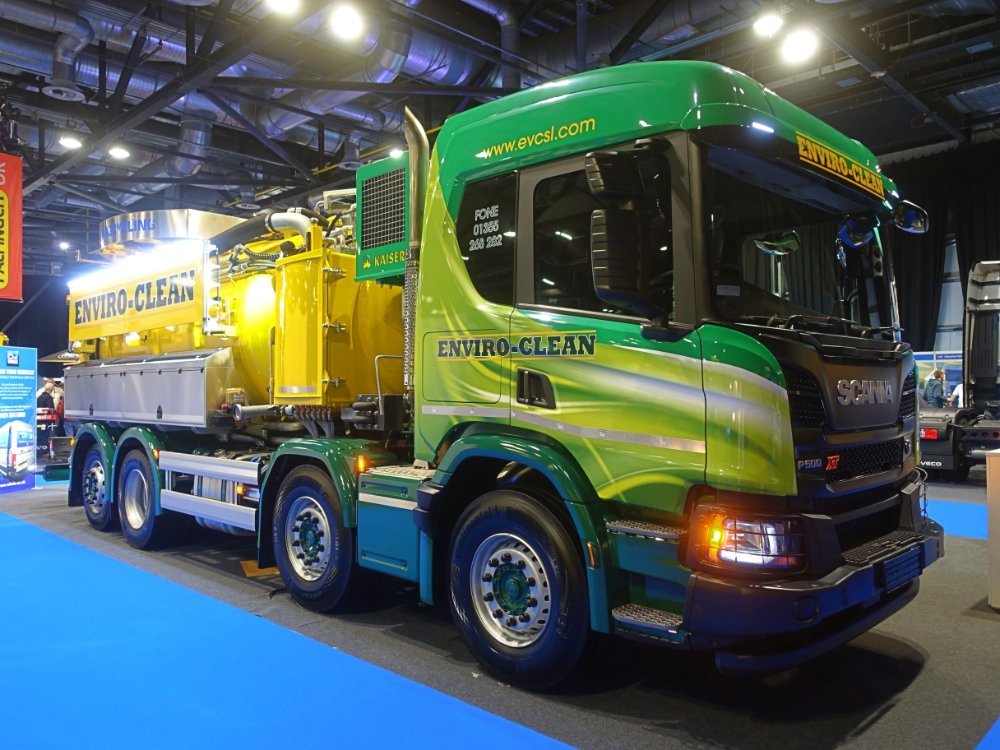
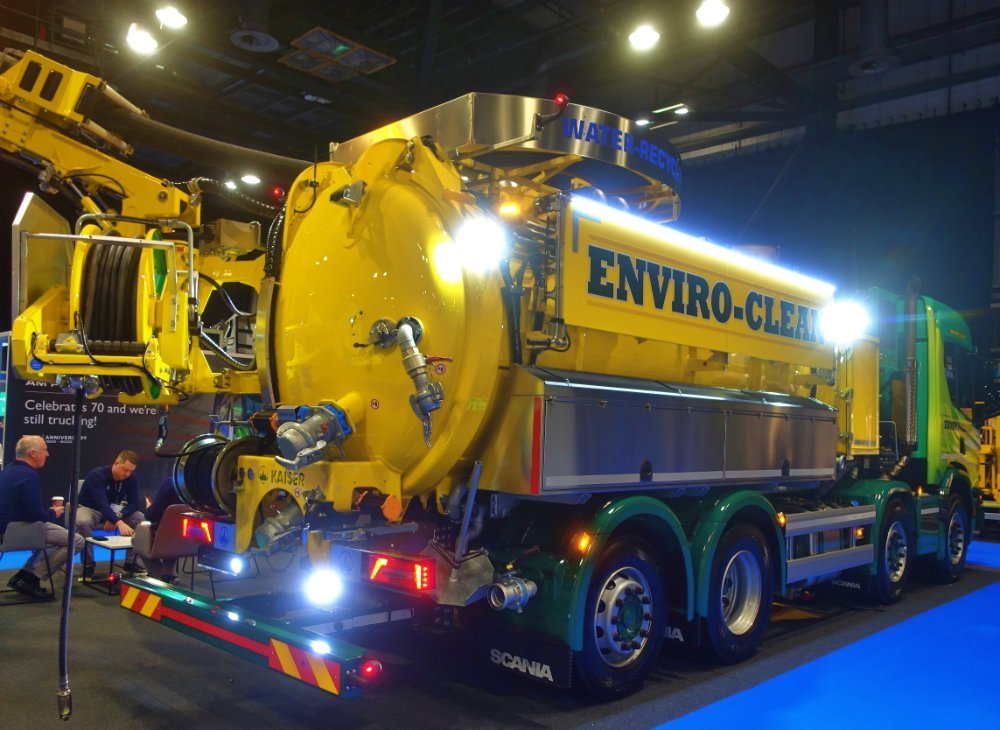
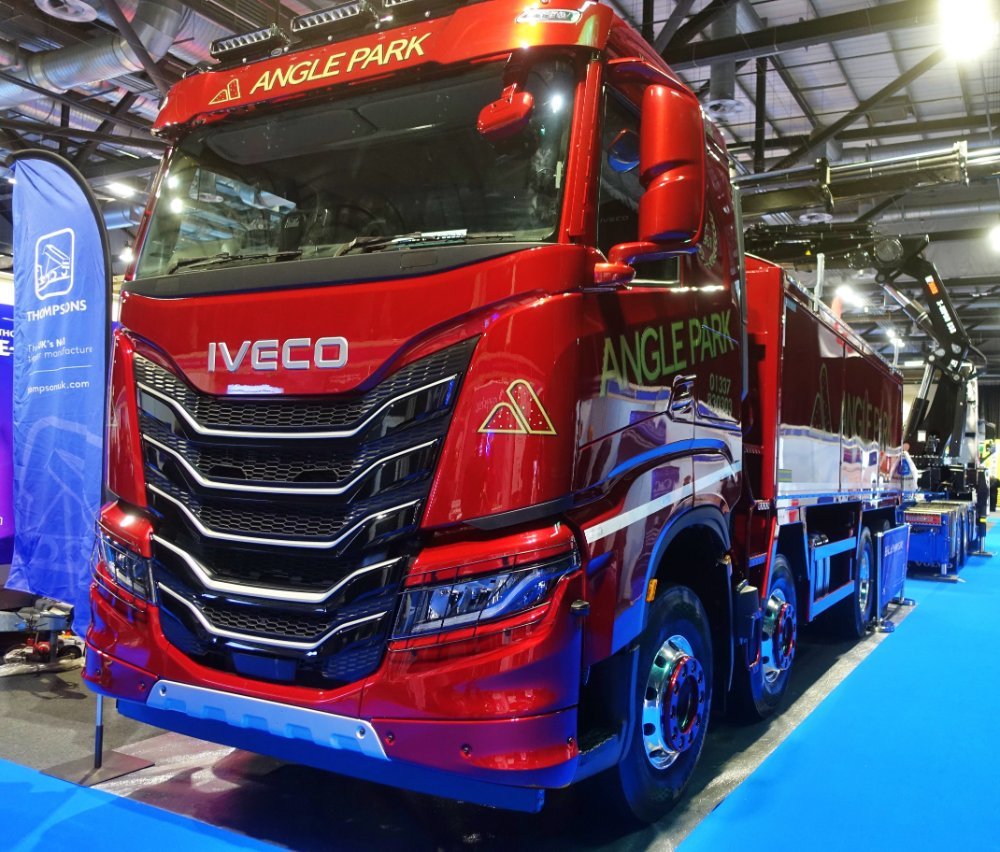
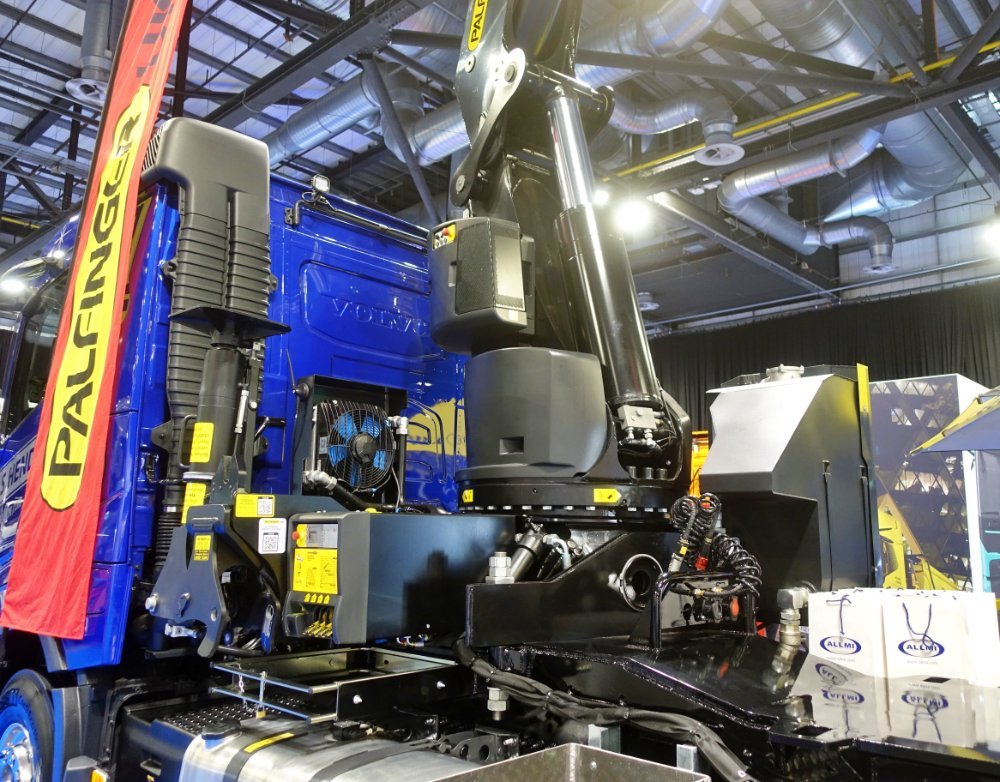
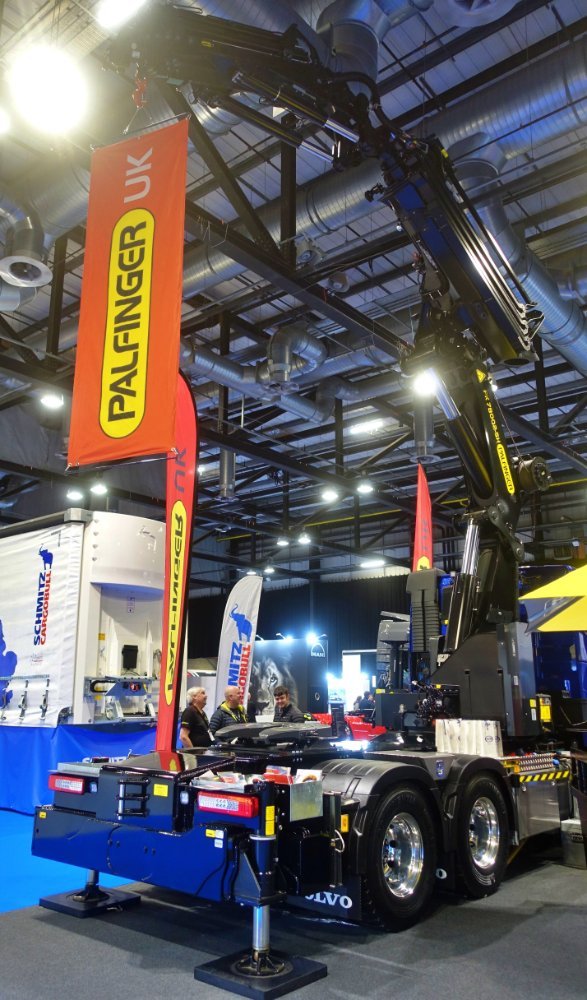
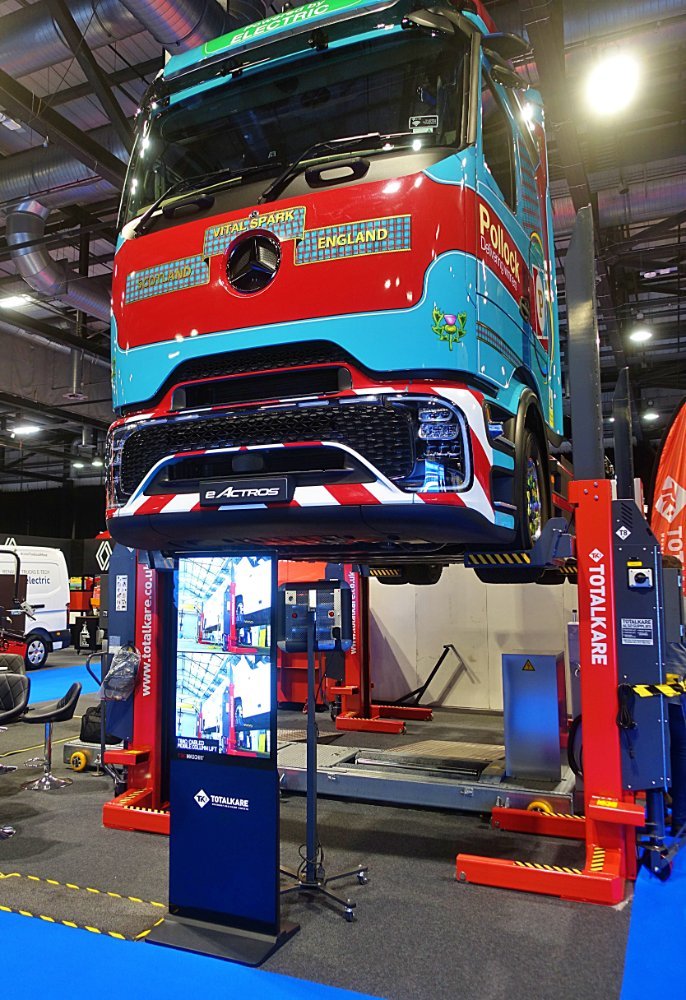
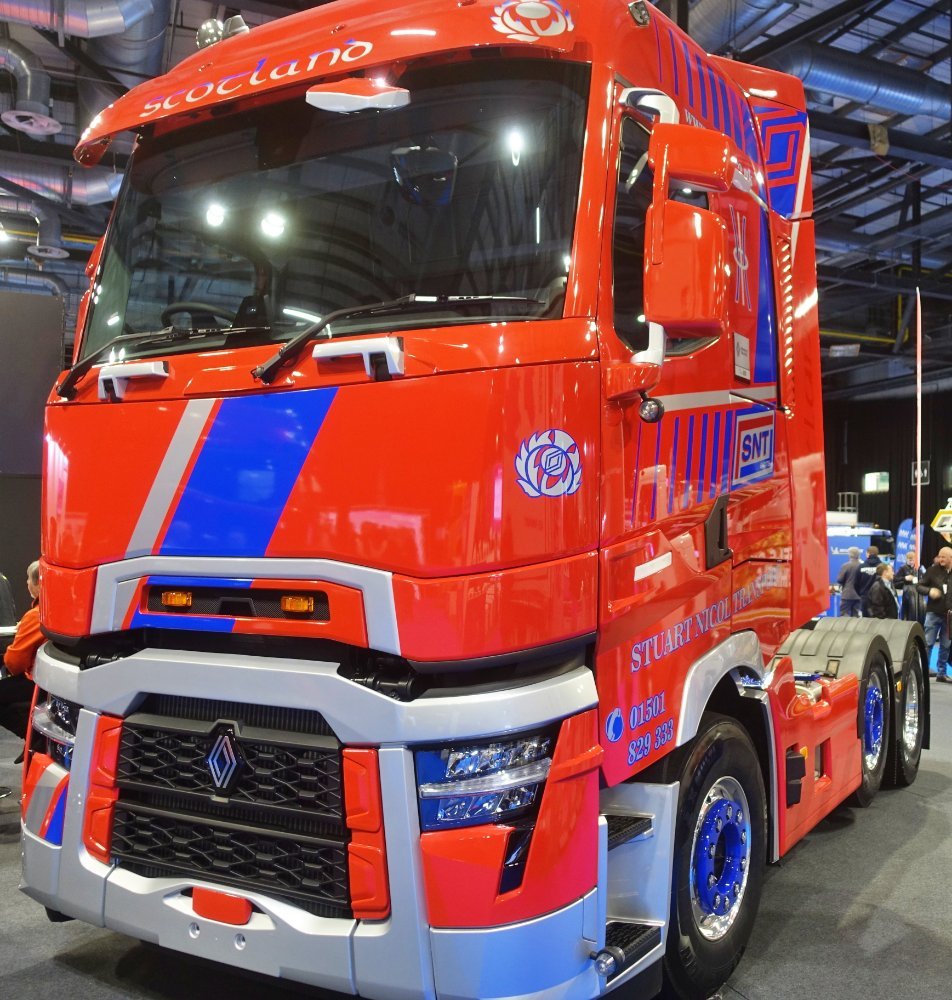
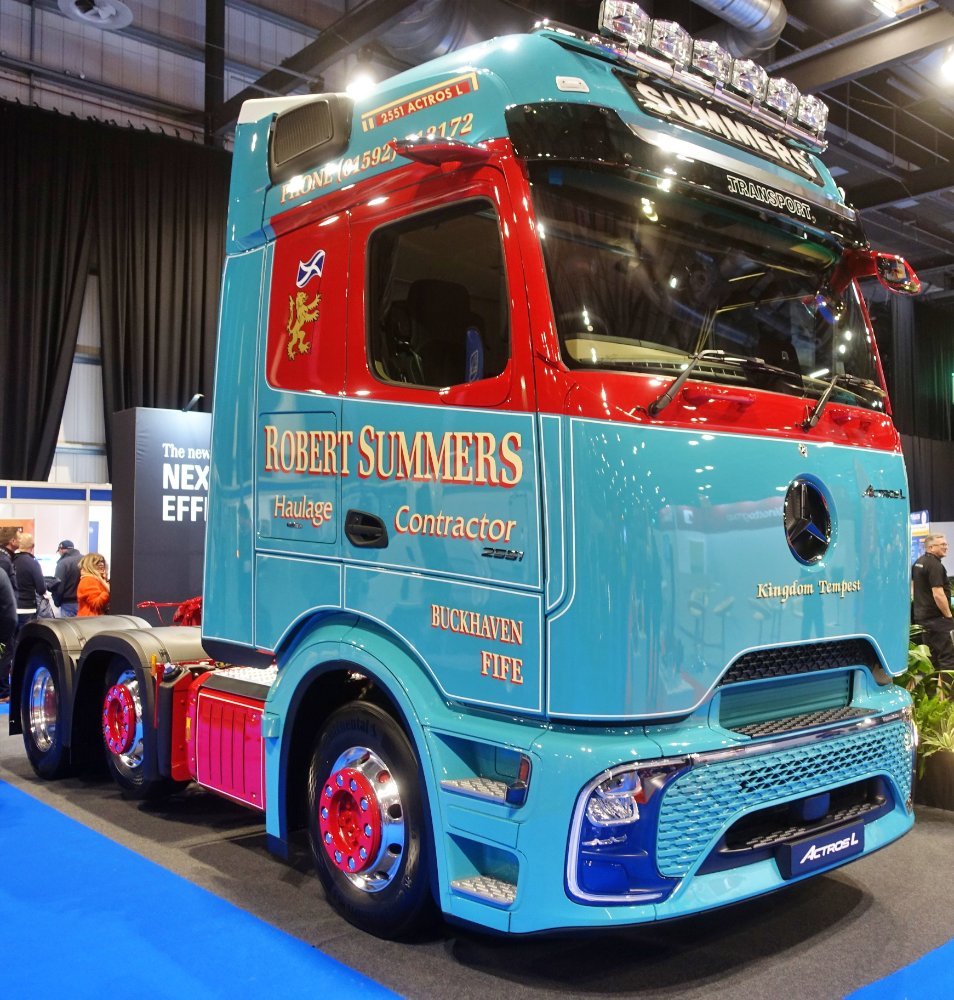
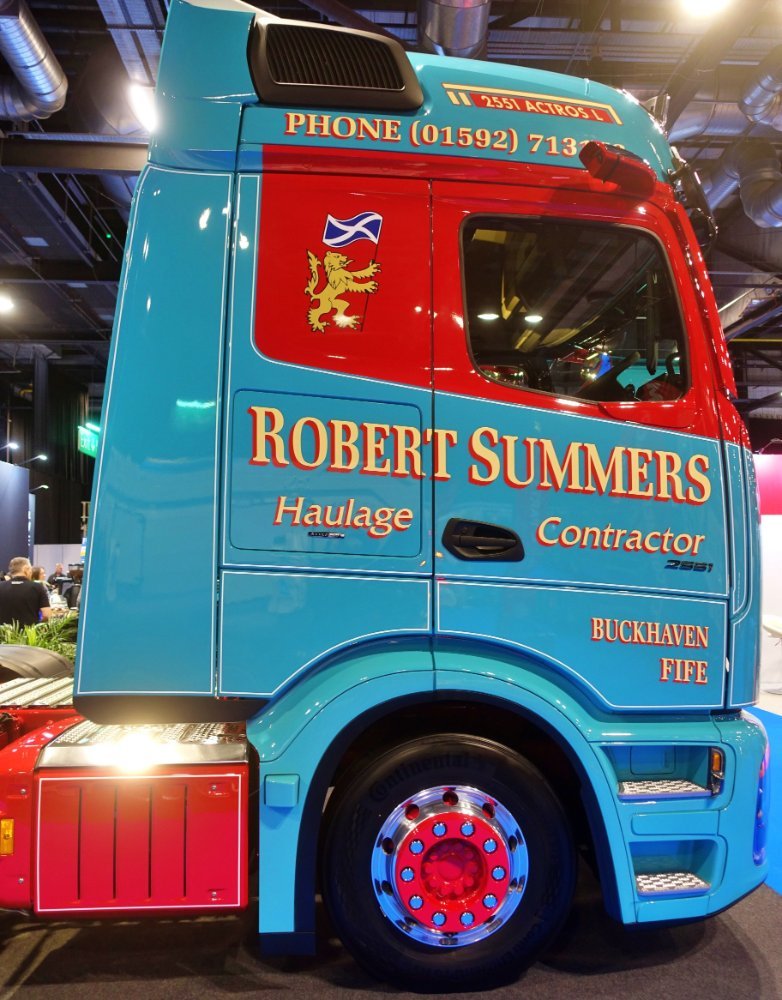
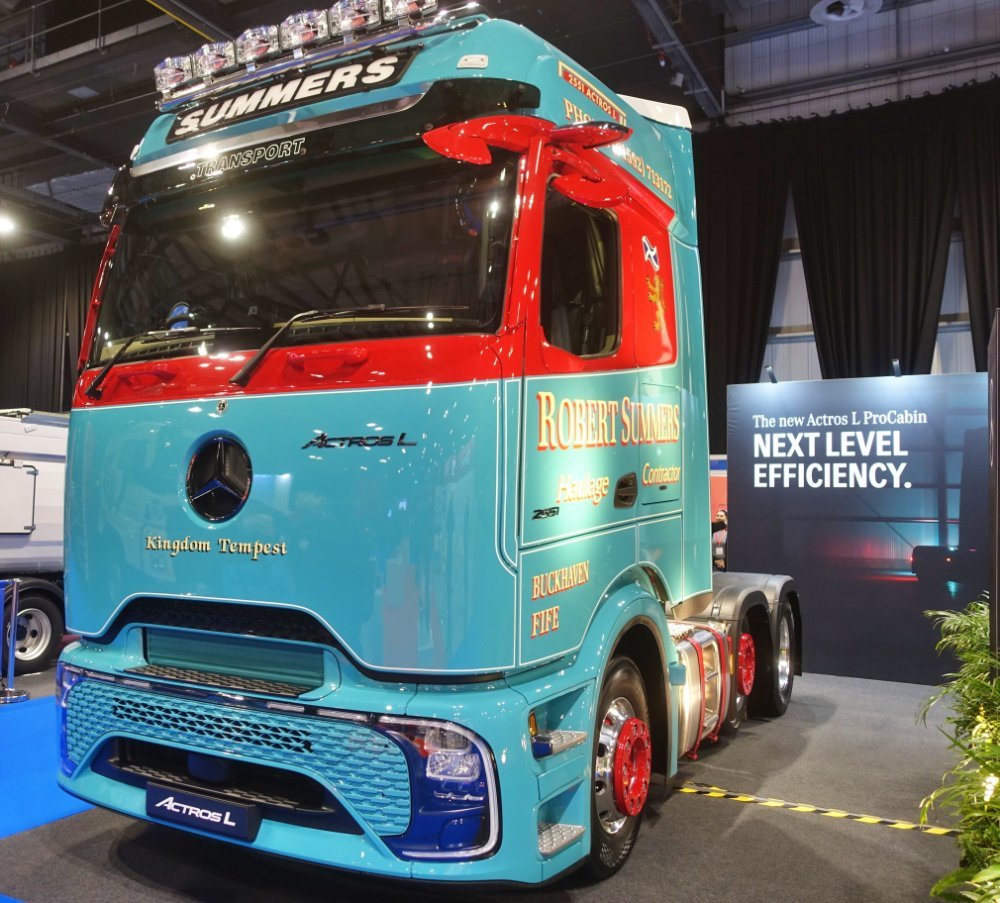
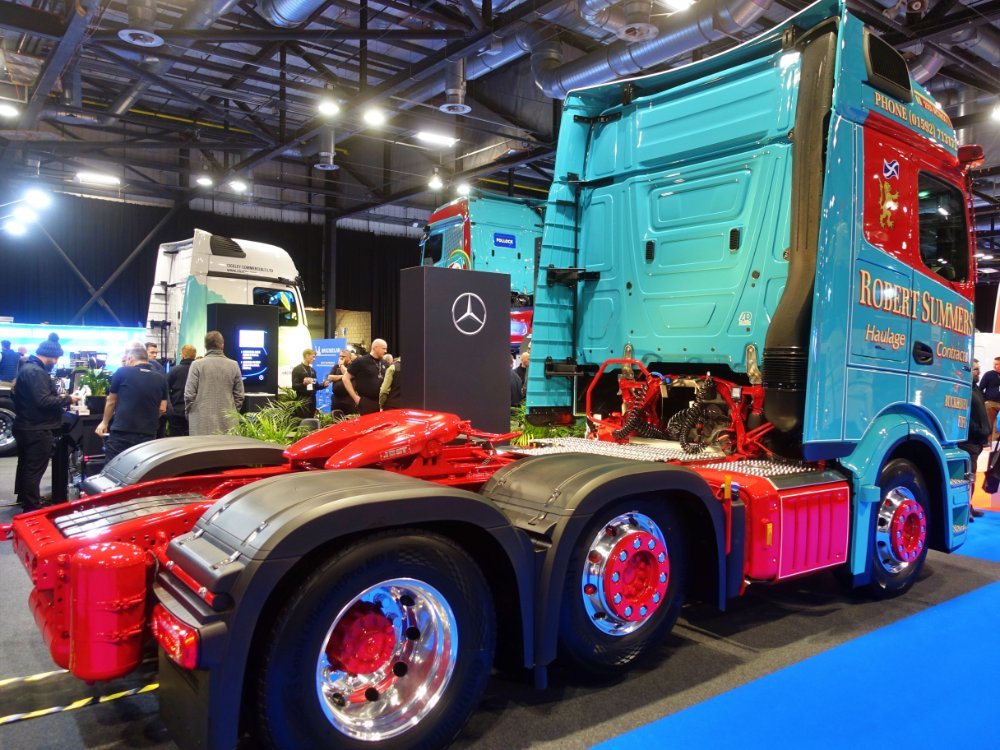
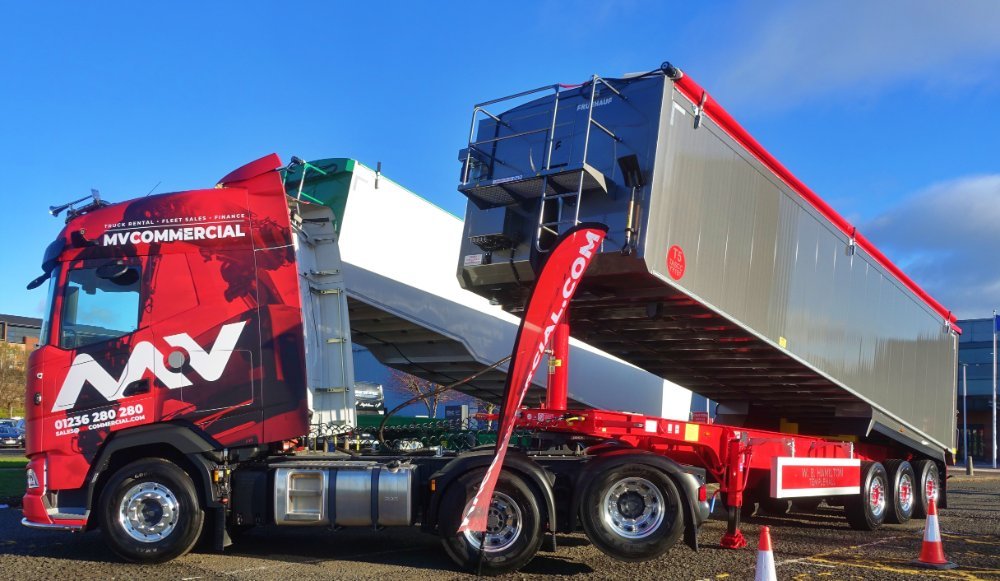
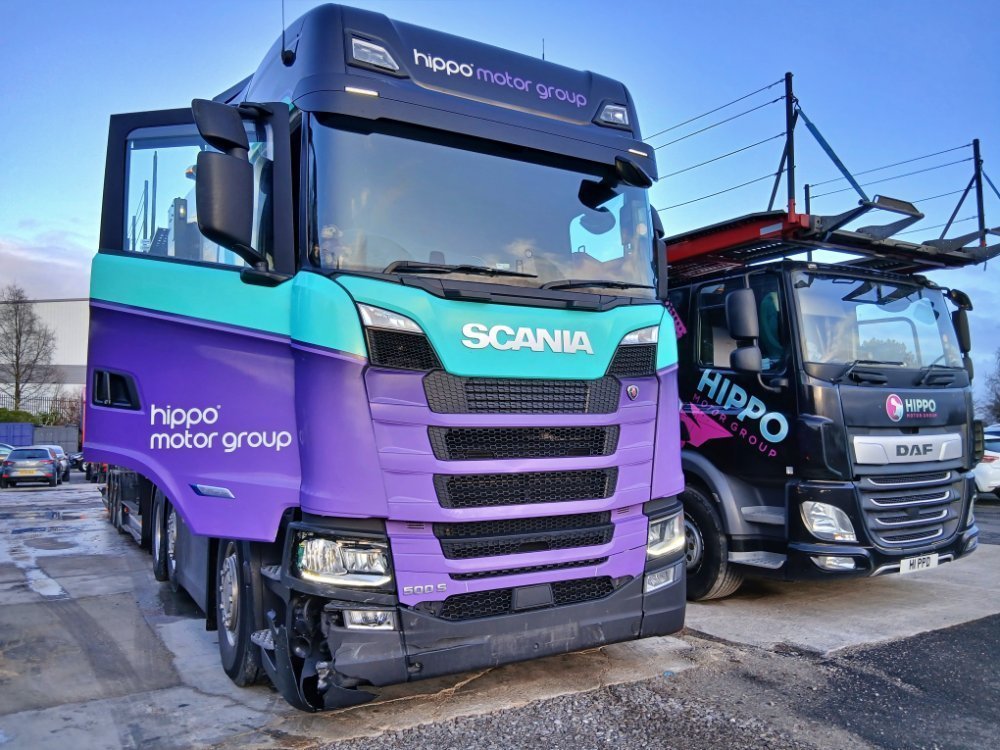
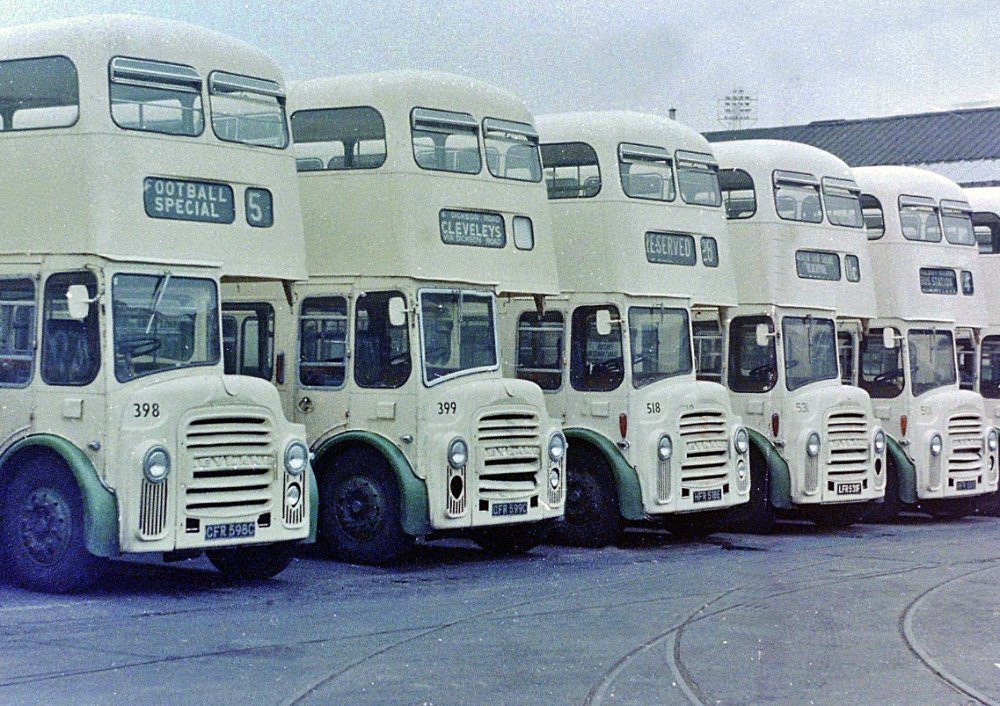
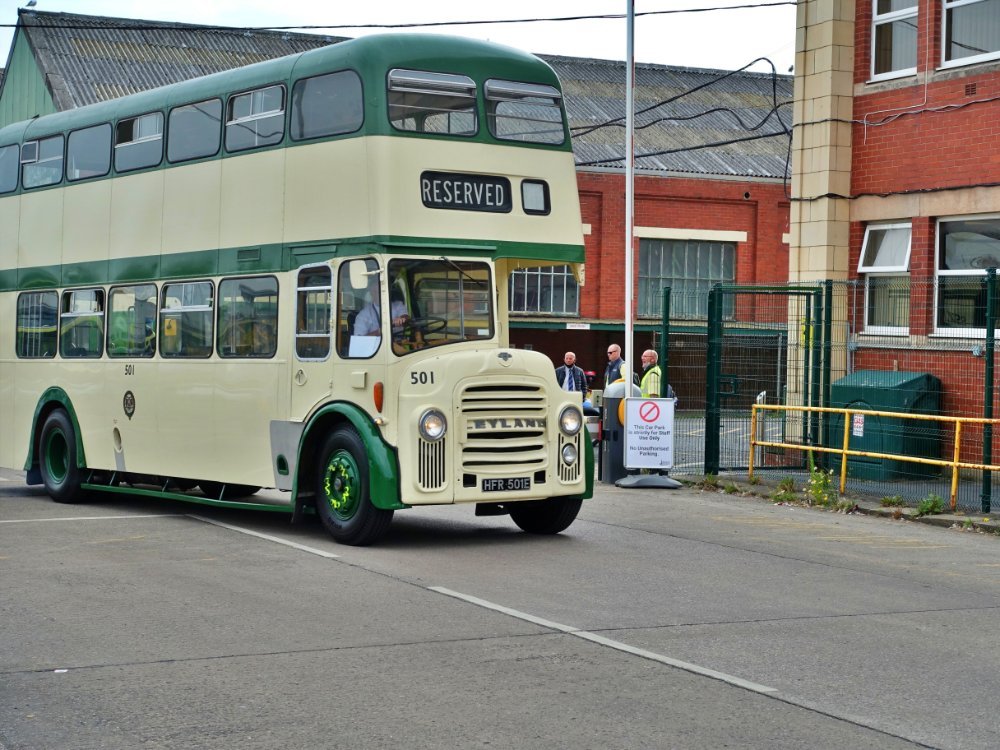
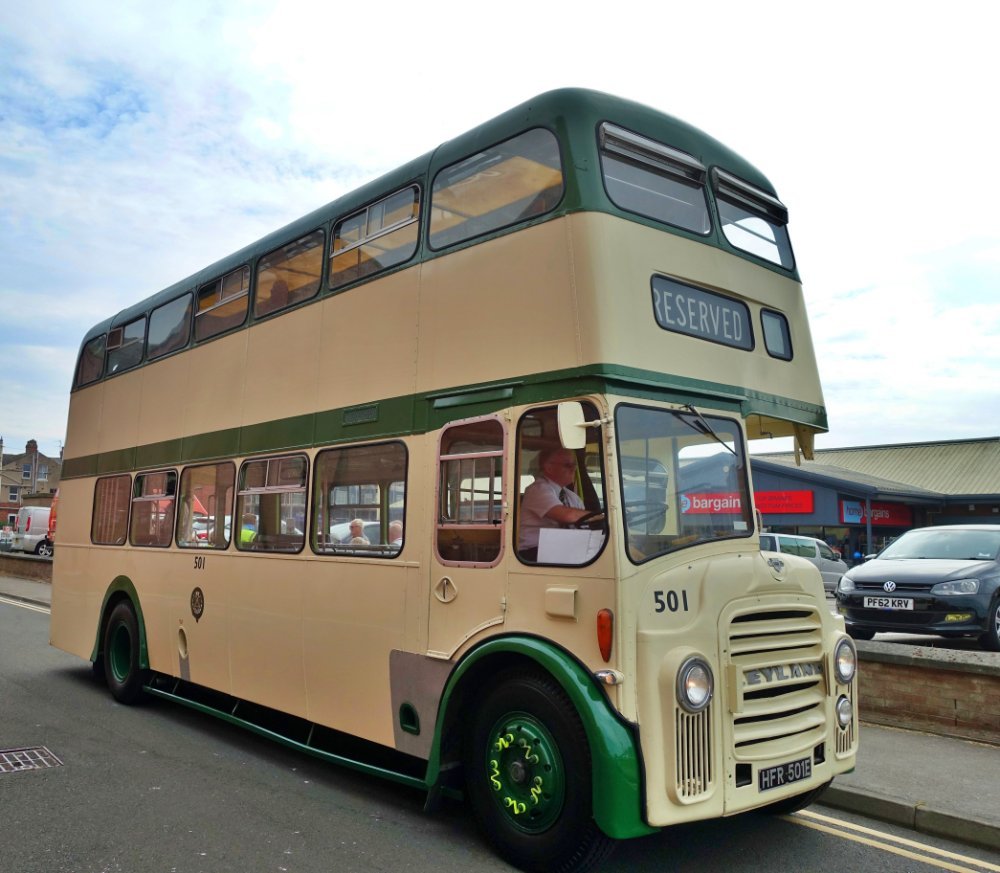
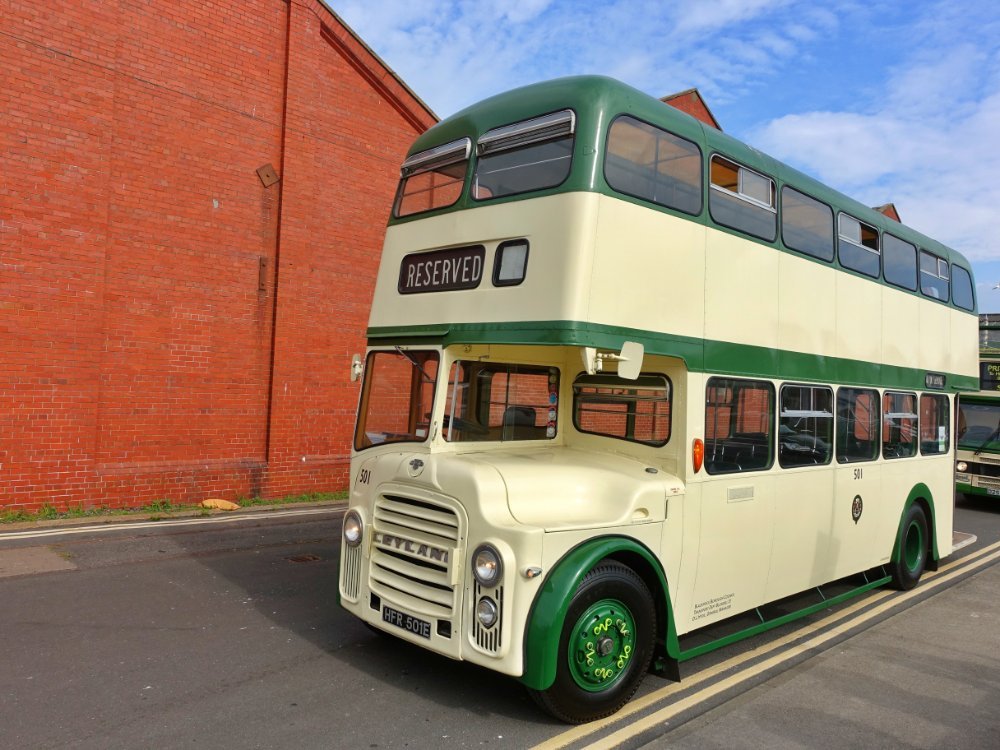
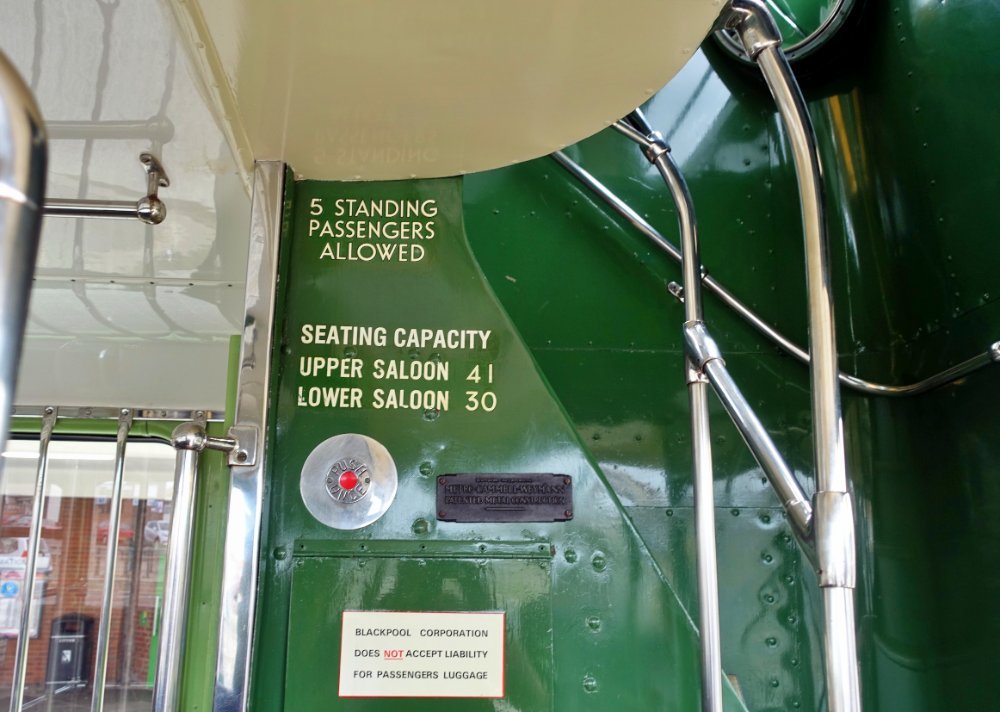
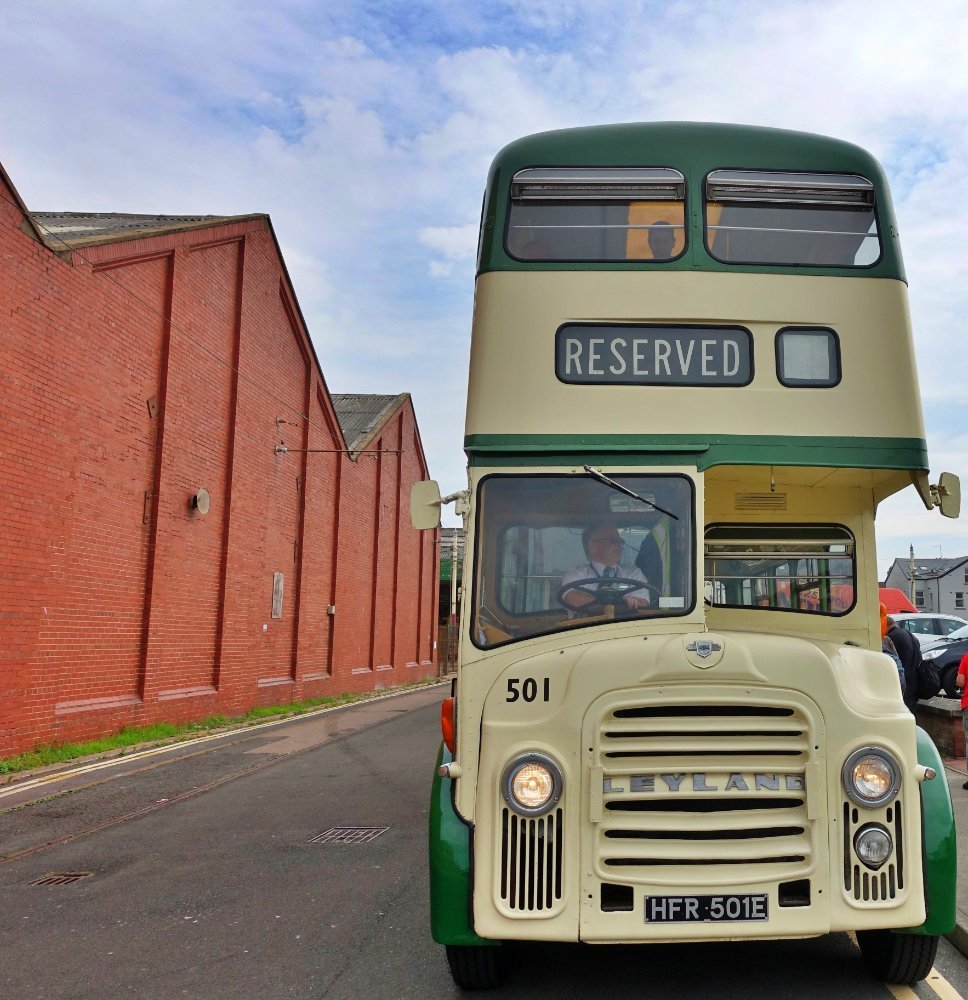
.jpg.63212225898d0a8dd81f2992ac85f53c.jpg)