All Activity
- Past hour
-

Results - King’s Lynn - Saturday 14th March 2026
nic replied to nic's topic in Essential Information
Heat 2 Result 326 1 H661 457 32 96 16 H40 259 532 - 221 8 dnf 47 124 127 463 495 515 525 -
Results - King’s Lynn - Saturday 14th March 2026
nic replied to nic's topic in Essential Information
Heat 2 Winner 326 Mark Sargent -
Results - King’s Lynn - Saturday 14th March 2026
nic replied to nic's topic in Essential Information
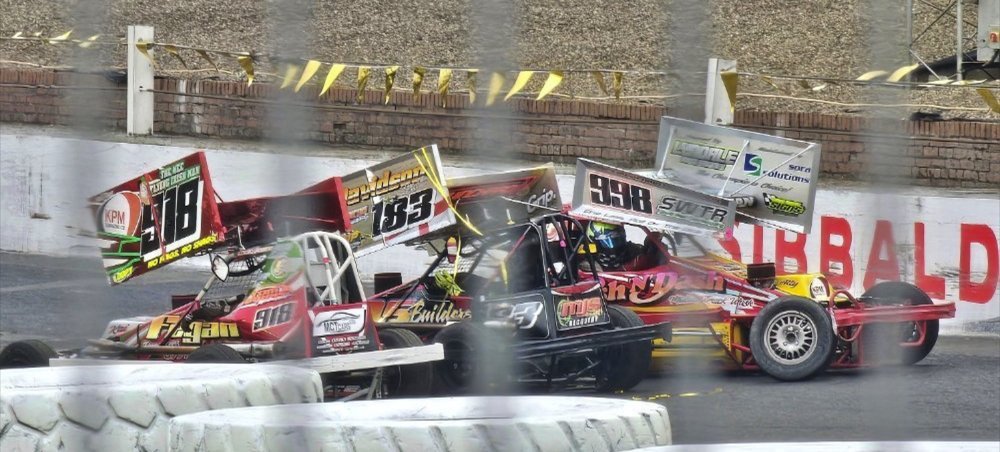
Heat 2 on track Whites 399 Yellows 32 532 326 Blues 96 127 47 525 53 457 Reds 124 463 418 8 259 H661 H40 Superstars 16 515 1 Novice 221y+ 143+ 495+ -
Results - King’s Lynn - Saturday 14th March 2026
nic replied to nic's topic in Essential Information
Frankie and sir John doing some hot laps - awesome!! -
Results - King’s Lynn - Saturday 14th March 2026
nic replied to nic's topic in Essential Information
Heat 1 - 2025 King’s Lynn Whites and Yellows Championship Result 554 352 372 22 567 278 61 171 550 162 - 469 nof -
Results - King’s Lynn - Saturday 14th March 2026
nic replied to nic's topic in Essential Information
554 Sierd de Vries is the King’s Lynn 2025 Whites and Yellows Championship winner - Today
-
Results - King’s Lynn - Saturday 14th March 2026
nic replied to nic's topic in Essential Information
Heat 1 - Whites & Yellows 2025 Championship Sponsored by T.M. Browne Construction and Building Maintenance on Track Whites 567 550 171 162 63 H662 264 61 Yellows 372 349 469 278 82 Blues 352 554 151 345 22 -
 Jon joined the community
 -
Results - King’s Lynn - Saturday 14th March 2026
nic replied to nic's topic in Essential Information
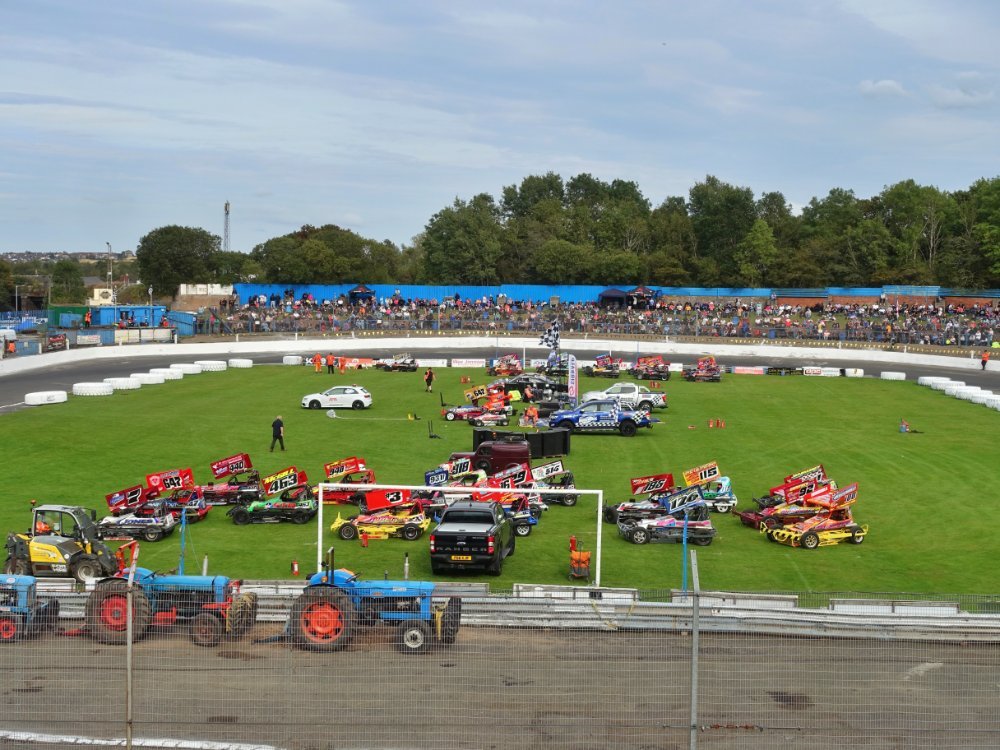
53 Sir John Lund (50 years racing) and 515 Frankie Wainman Junior (40 years racing) doing parade lap of honour -
Results - King’s Lynn - Saturday 14th March 2026
nic replied to nic's topic in Essential Information
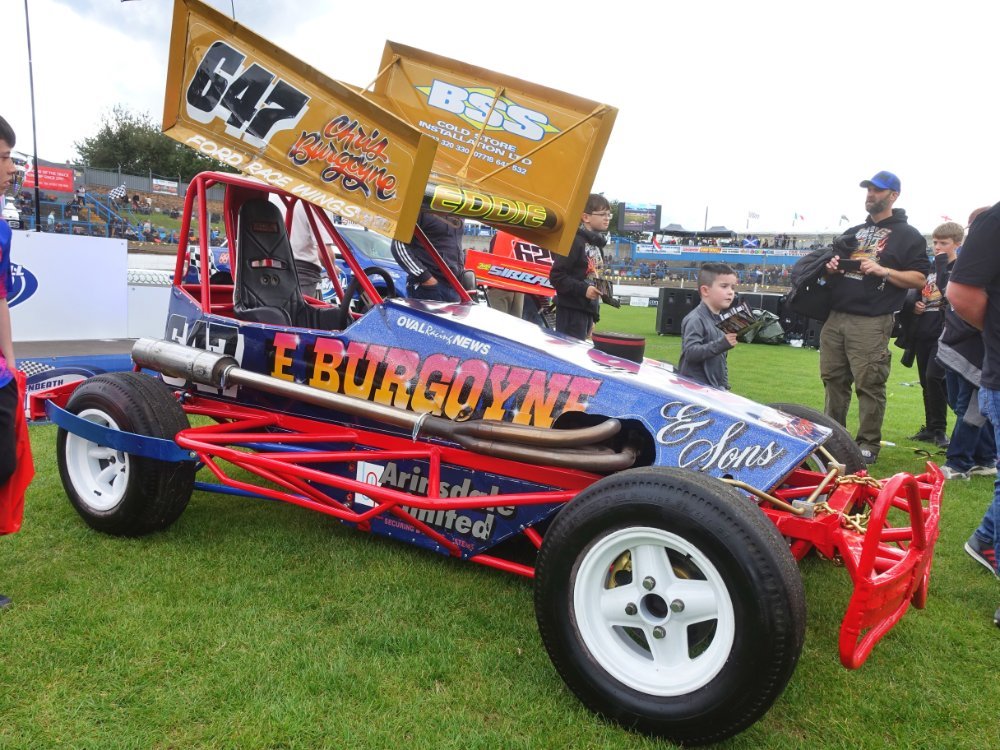
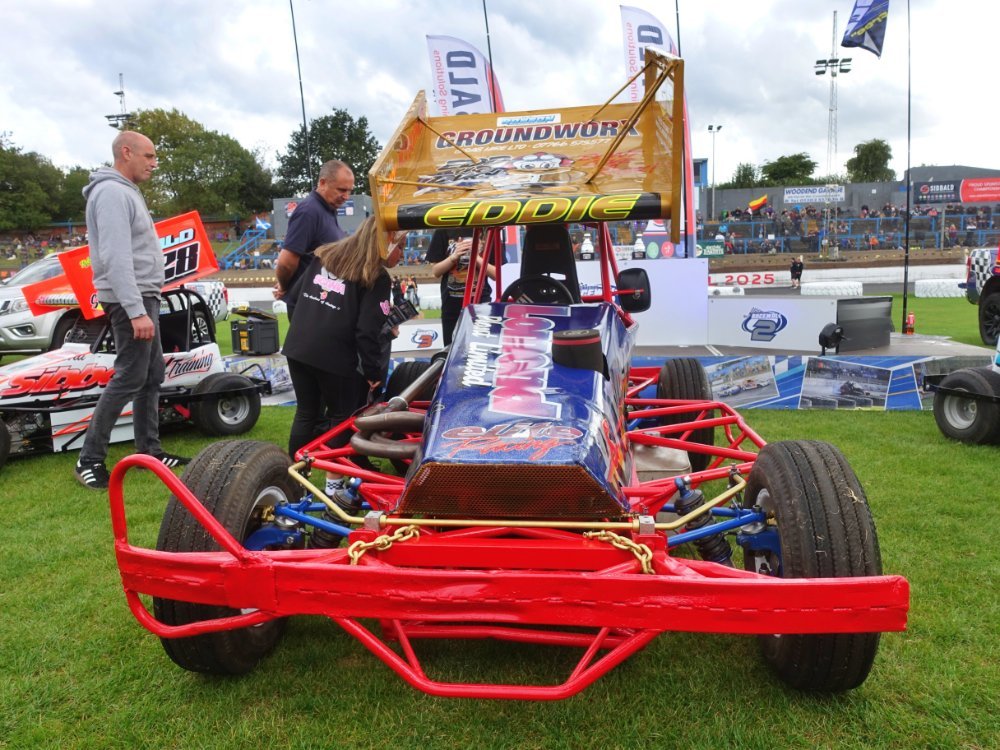
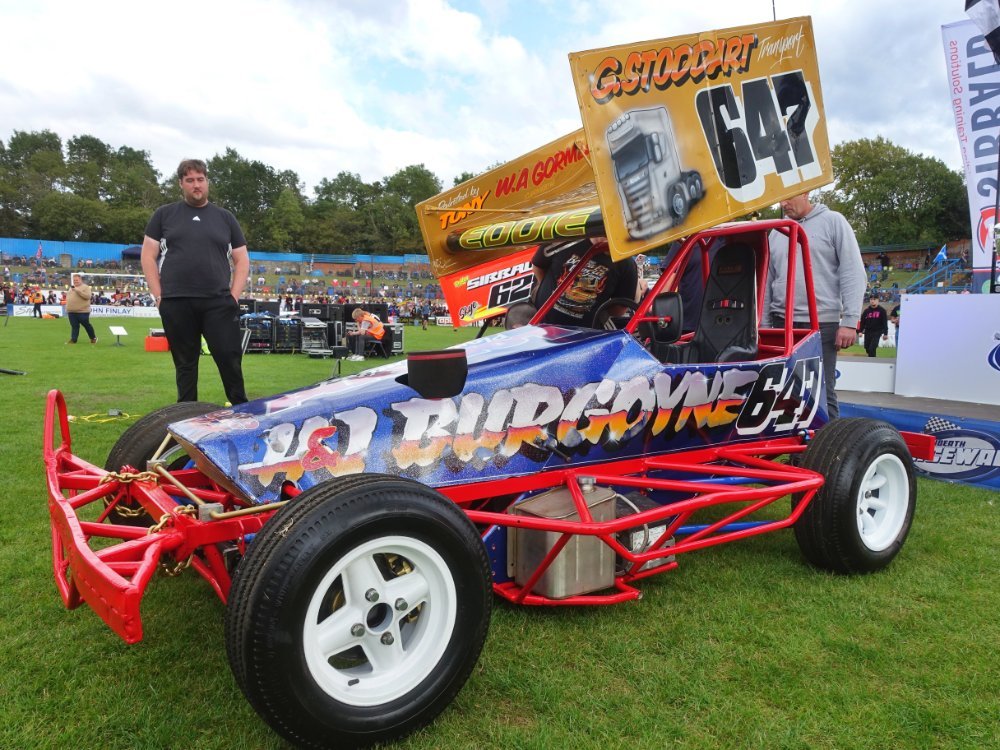
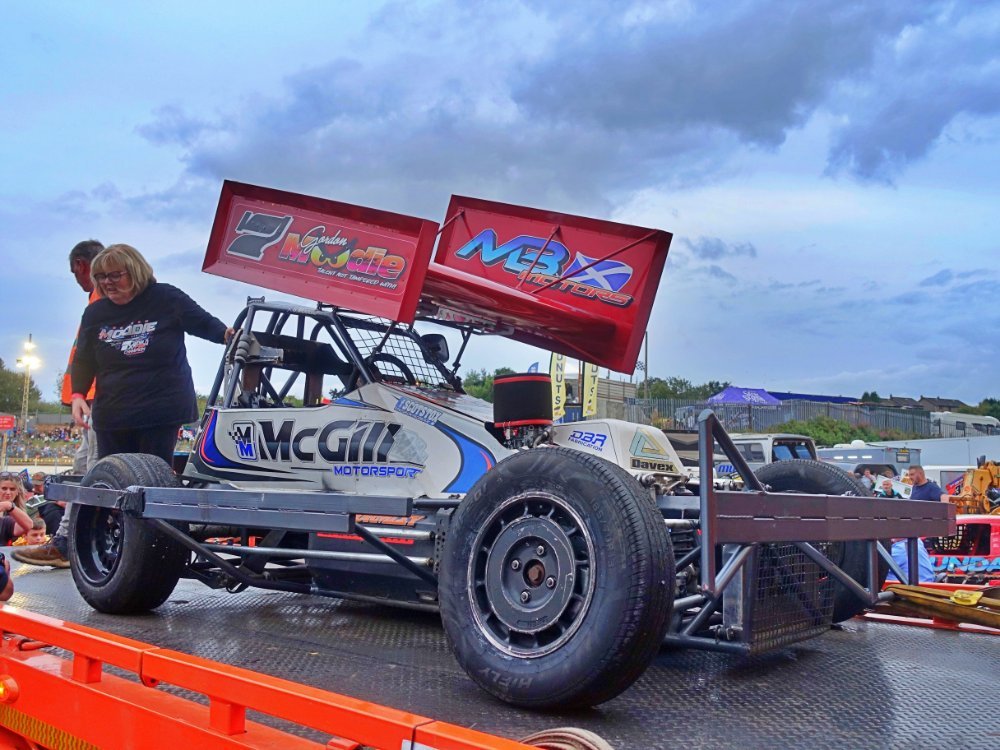
In the King’s Lynn pits X denotes I did not see them. Superstars (3) 1 Tom Harris 16 Matt Newson 515 Frankie Wainman Junior Stars (7) 8 Catherine Harris 124 Kyle Gray 259 Paul Hines 418 Niels Tesselaar 463 James Morris in MN car H40 Marc Tesselaar H661 Jeffrey Pikkert Blues (12) X 22 Lewis Hunter 47 Simon Traves 53 John Lund 96 Tom Holcroft 127 Austin Moore 151 Joelean Maynard 326 Mark Sargent 345 Jake Harrhy 352 Bradley Blyth 457 Callum Gill 525 Nigel de Kock 554 Sierd de Vries Yellows (8) 32 Chris Farnell 82 Karl Mosley 221 Ollie Armstrong in MN car 278 Paul Hopkins 349 Michael Allard 372 Colin Goodswen 469 Jonathan Davison 532 Daz Kitson Whites (10) 61 Tom Taylor X 63 Thomas Balmer 162 Jason Robinson in Mn car 171 Brian Soule 264 Peter Collins 399 Harry Clayton with yellow roof X 506 Stuart Dawson 550 Freya Finnikin 567 Craig Banwell in MN car H662 Jordy Pikkert Novices (2) 143 Paul Eagles in FWJ car 495 Marc Eagles in FWJ car -
Results - King’s Lynn - Saturday 14th March 2026
nic replied to nic's topic in Essential Information
221 Ollie Armstrong 495 Marc Eagles 143 Paul Eagles doing their 5 laps -
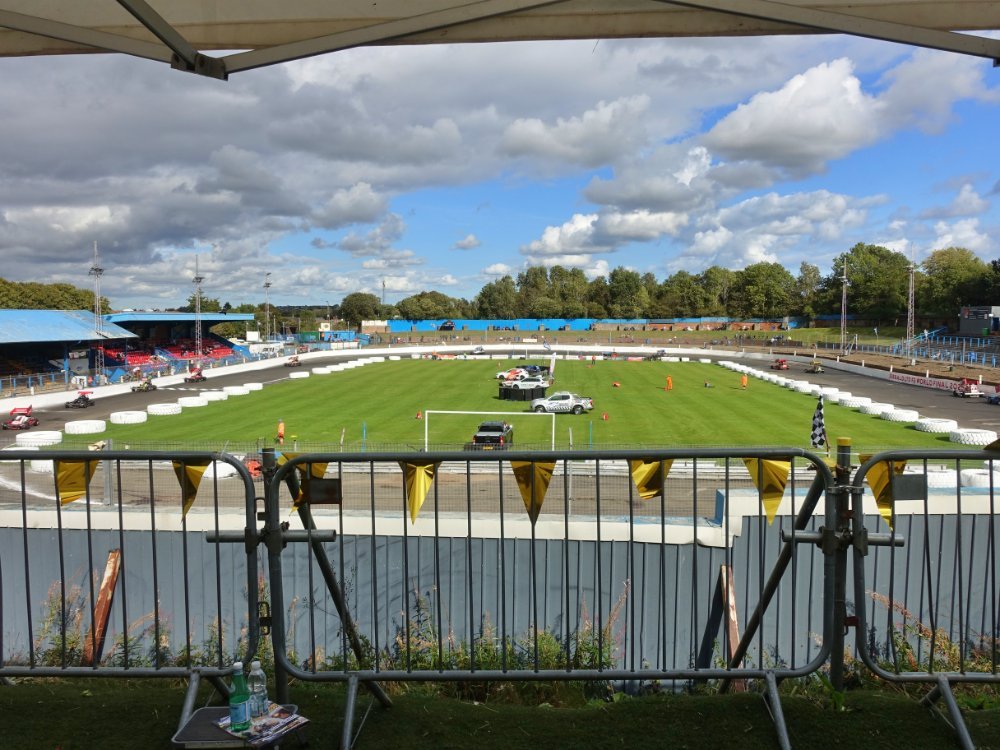
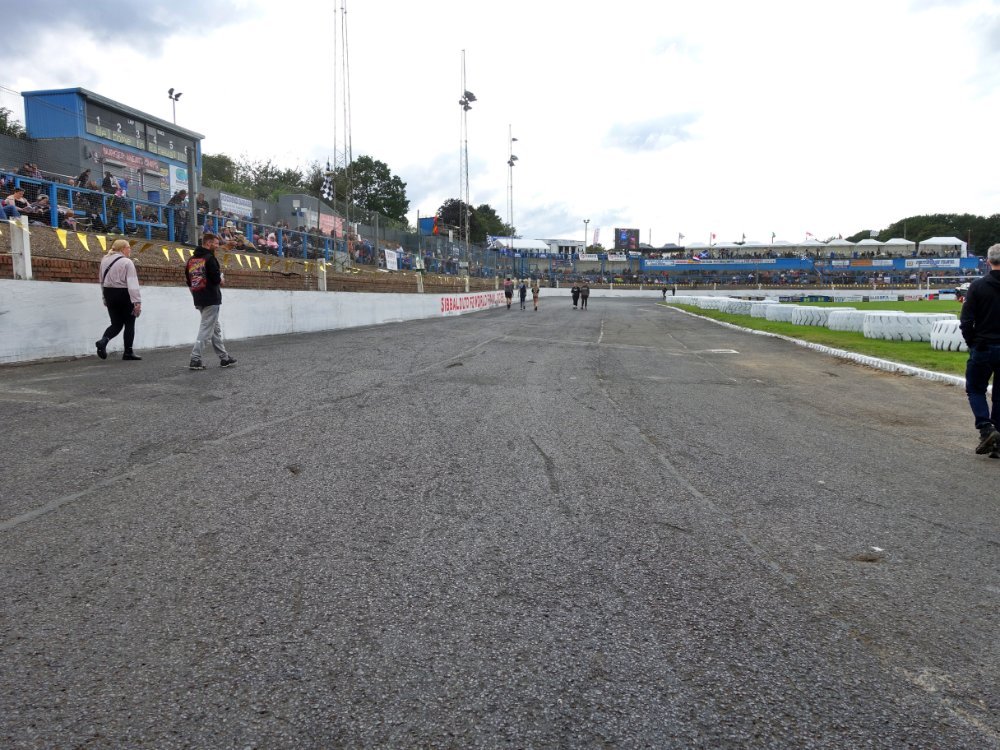
 It's race day - the track is being prepped to give the best possible surface.. it's the new season, new cars, new paint; let's get ready to rumble Saturday 14 March, 5pm - F1 Stock Cars Season Opener, plus F2 Stock Cars Tickets available from the box office after 3.15pm, cash and card accepted. https://www.stockcar-racing.co.uk/ We hope to see you trackside
-
Greetings BriSCA F1 fans Welcome to 2026 Today’s format 3pm - Turnstiles open 5pm - First race Race 1 - F2 Stock Cars - Heat 1 Race 2 - F2 Stock Cars - Heat 2 Race 3 - F2 Stock Cars - Heat 3 Race 4 - F1 Stock Cars - Heat 1 - Whites and Yellows 2025 Finale sponsored by T.M. Browne Construction and Building Maintenance. (First 10 to the Final) Race 5 - F1 Stock Cars - Heat 2 (First 10 to the Final) Race 6 - F2 Stock Cars - Consolation 1 Race 7 - F2 Stock Cars - Consolation 2 Race 8 - F1 Stock Cars - Consolation (First 12 to the Final) Race 9 - F2 Stock Cars - Final Race 10 - F1 Stock Cars - Final Race 11 - F2 Stock Cars - Grand National Race 12 - F1 Stock Cars - Grand National
- Yesterday
-
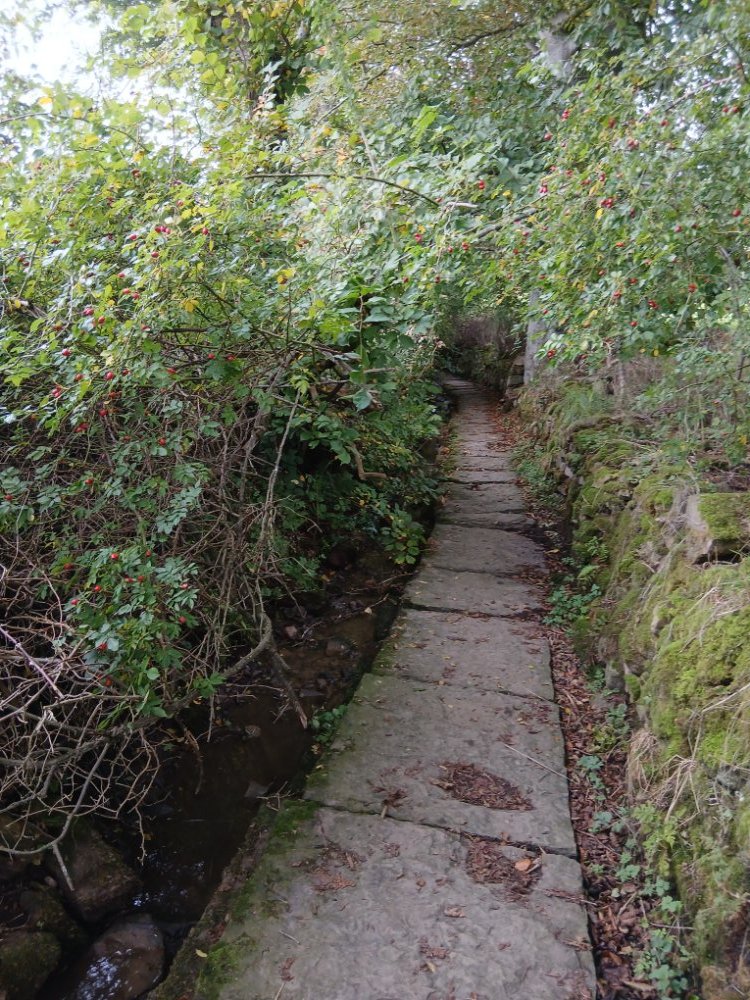
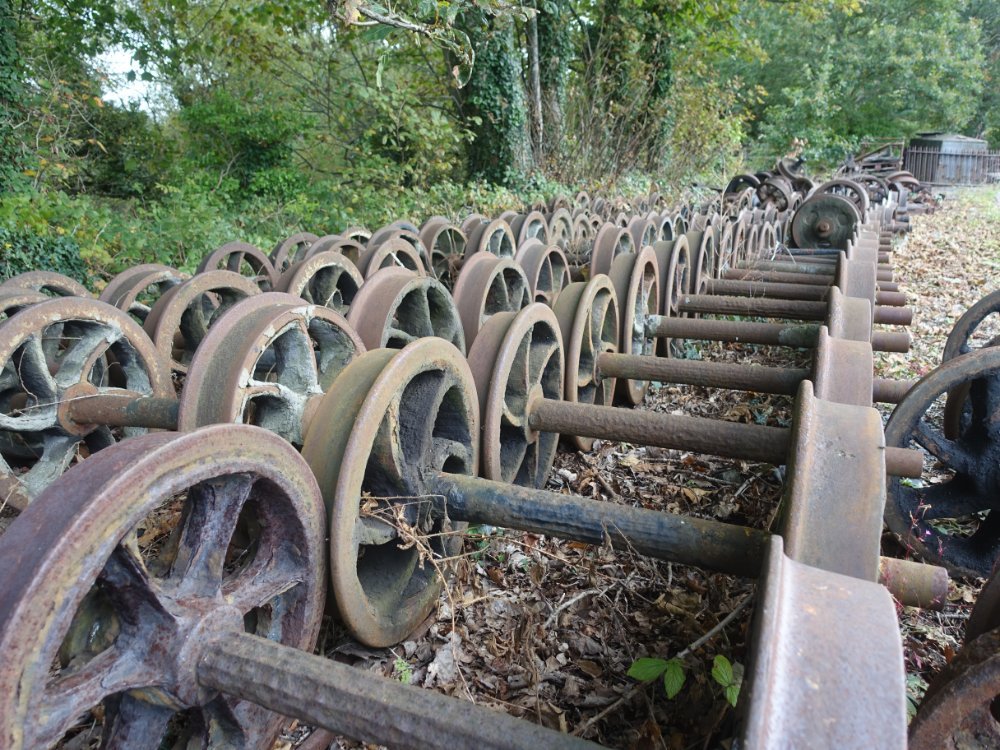
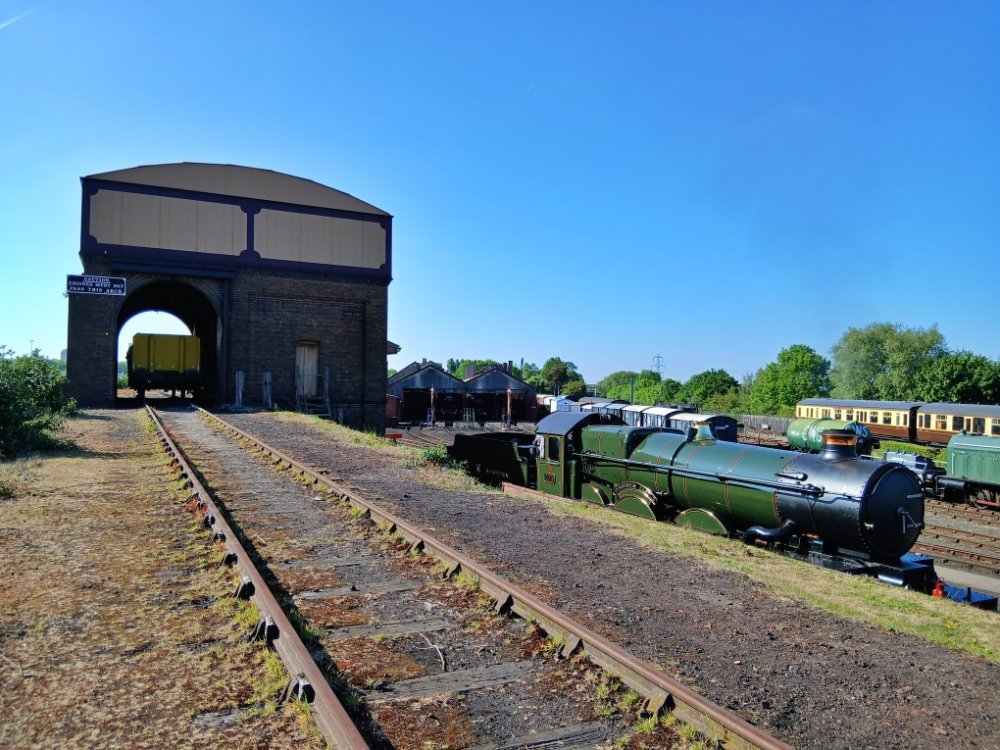
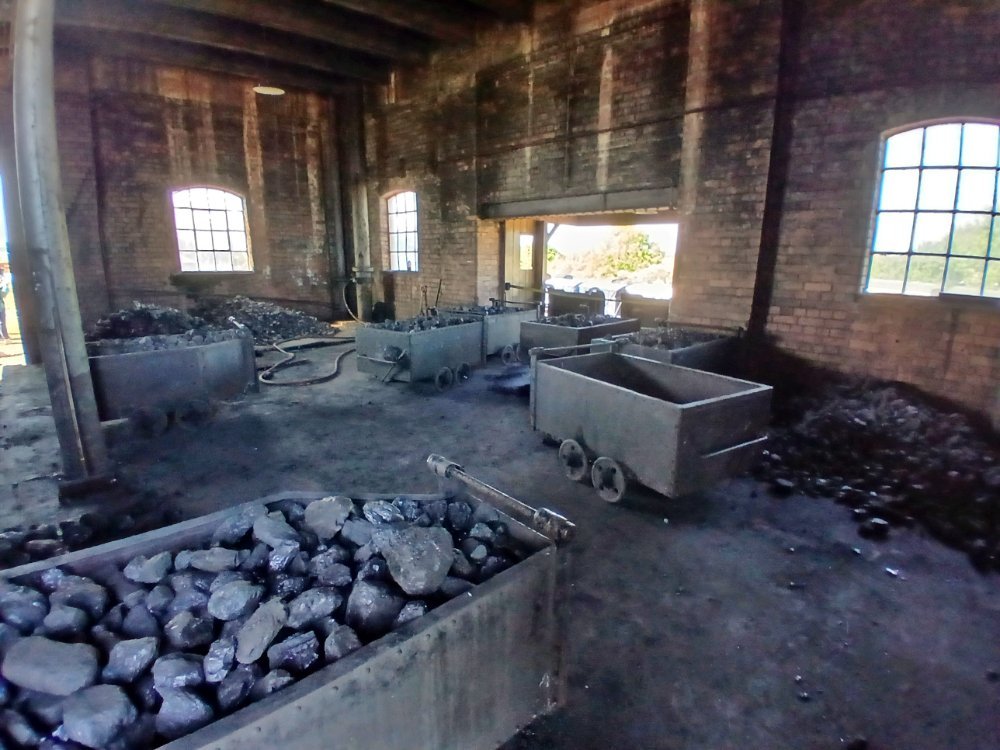
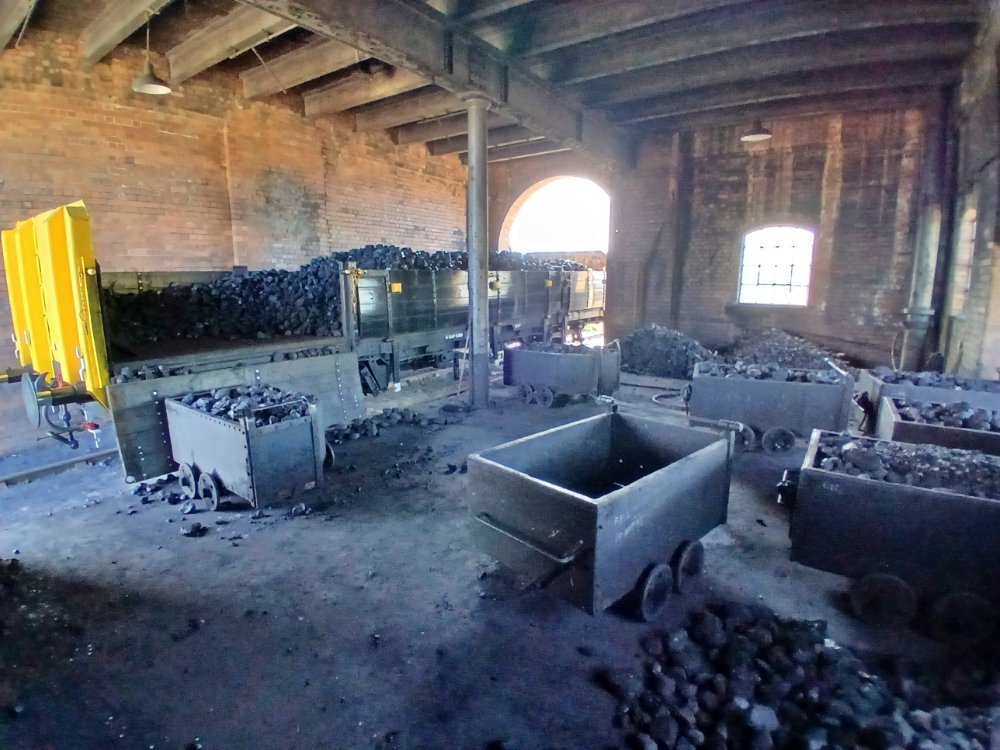
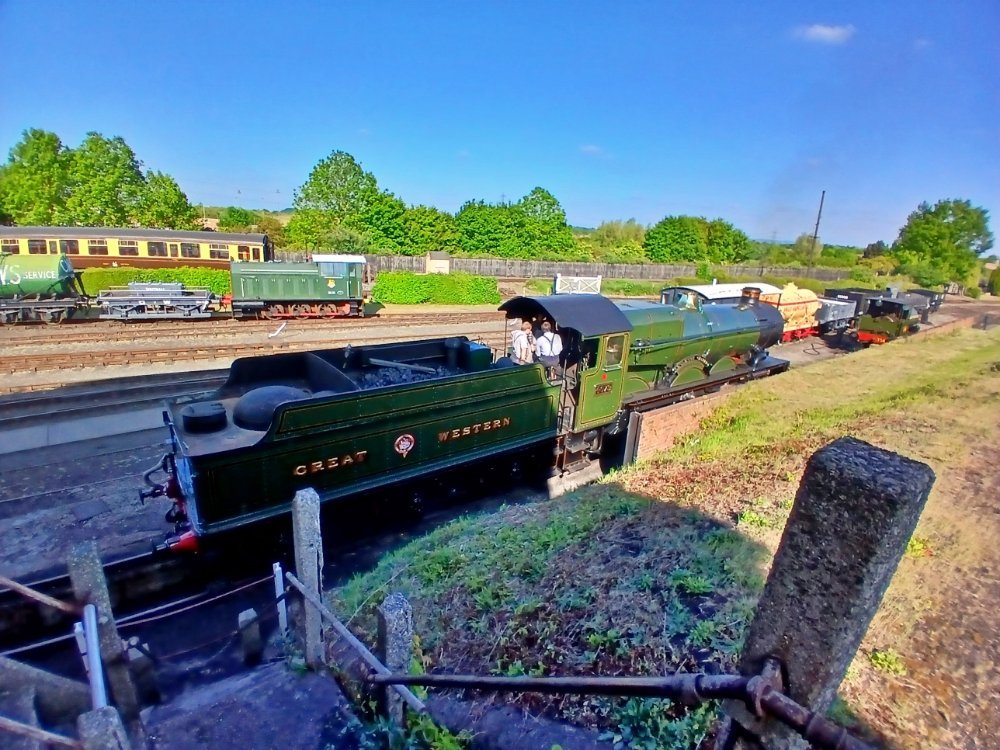
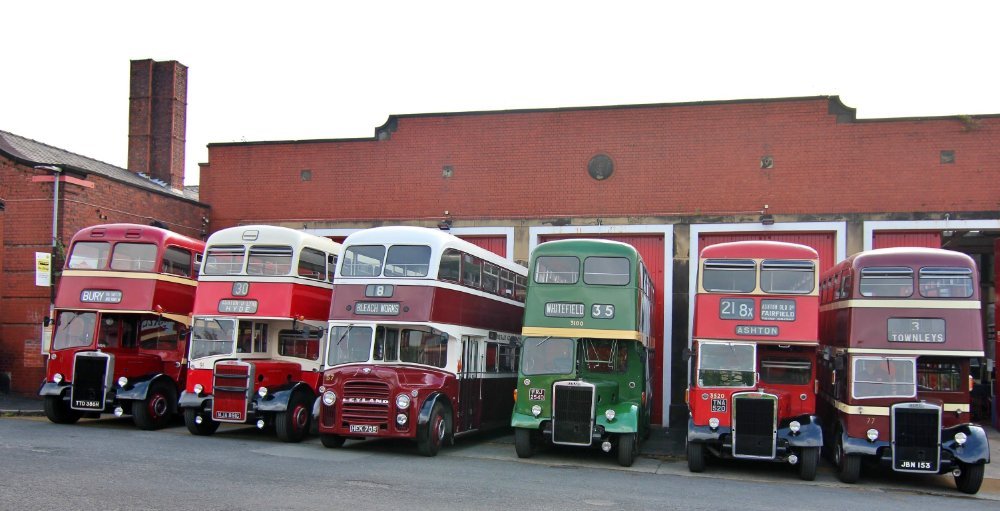
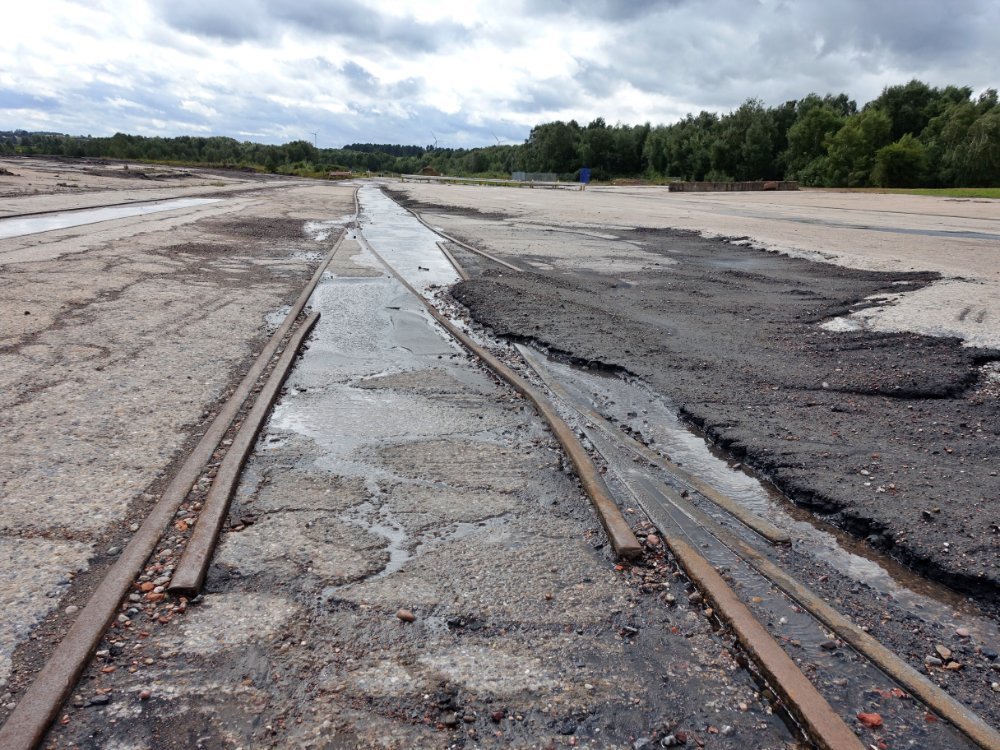
 Hi there folks. Welcome to episode 9. In this one: Section 1: F2 pics from Taunton Section 2: Out and About 1 – A Ticket to Ride Out and About 2 - A walk around the former Rufford Colliery area near Rainworth, Notts. Section 3: Odds and Ends Section 1 Taunton – Sunday 19th October 2025 In stark contrast to the same event twelve months ago, the conditions were befitting of an October afternoon as the national stock car season at Smeatharpe concluded in very wet conditions. The thirty car field included a debut for 737 Paul Weare, as well as a farewell appearance for 222 Adrian Watts. Weare was an early spinner at the outset of the opening heat, with 895 Ben Goddard taking the lead after a great start from the front of the yellow grade. 509 Jordan Butcher and 820 John Ovenden tangled on the home straight but cleared themselves quickly, negating the need for a yellow flag. 890 Paul Rice was the leading star grader but had only just broken into the top three when the lap boards appeared, and despite the gap closing rapidly over the final laps was unable to catch either Goddard, or 464 Matt Linfield at the head of the field. Further back, 126 Jamie Avery retired on the final lap from a qualifying position, handing 235 Alfie Brimble a spot in the meeting Final. 311 Aaron Williamson hit the front at the start of heat two, despite a tangle with 663 Bryan Lindsay which sent the latter into retirement with a puncture. 542 Steven Gilbert was the quickest car on track however and was up to second place as the halfway mark was reached. He then sped past Williamson for the lead a lap later. 315 Charlie Fisher and 461 Tom Davison joined Williamson in the battle for second, with Fisher eventually breaking free with three laps remaining. Gilbert was well clear by now and celebrated his win by punching the air as he crossed the line, with Fisher second and Davison third. Ovenden led the Consolation away, but 605 Richie Andrews was quickly on the back bumper of second-placed Butcher and pushed them both wide in one move to hit the front. Shortly afterwards Andrews relinquished the lead after spinning on the pit bend, which left 770 Bert Farrell in front. 373 Charlie Dunne was a spinner on the home straight as Avery took the lead, while Farrell collected the Honiton bend plating heavily which forced him into retirement. Avery pulled away to win comfortably with Andrews climbing back through the pack to take second with Butcher third. The Ladies Trophy Final was headed initially by 262 Charlie Cocks while Weare was an early spinner. Linfield found himself spun and facing the fence at the end of the home straight just before 771 Alan Morrison hit the front. Fisher and Davison were running well from the blue grade and were past Morrison into the lead positions a lap or so later, with Williamson appearing in third. Davison began to close the gap to Fisher to under one second as Williamson was spun on the pit bend. Morrison spun on the Honiton bend a lap later which promoted Rice to third. Davison was within half a second by the time the lap boards appeared and had a couple of attempts to attack Fisher, but was unsuccessful, and fell away as the last lap began. Fisher successfully navigated the final lap to take the win, and he celebrated in style with repeated slaps of his roof fin after passing under the chequered. This was Fisher’s second career Final win, and it earned a first-time promotion to the star grade. Davison was the runner-up, and Rice completed the top three. After the race, Fisher and Davison embraced after an enthralling battle, while Fisher described the race for the coveted trophy as the 'South West World Final' and one that he has always wanted to win; all after he had received the customary champagne overcoat. The Grand National developed into a fantastic four-way battle between Williamson, Andrews, Davison and Gilbert. Andrews and Williamson ran side-by-side for numerous laps, before Andrews eventually got clear with Gilbert following him into second. Williamson secured third after running very deep into the Honiton bend on the penultimate lap which put him out of Davison's reach for the remainder of the race. Andrews took the win and picked up the Trackscene Trophy. The St John Ambulance White Top shield went to Dean Rogers, who also picked up a £50 bonus and a brand new tyre. Other grade awards went to Linfield and Fisher, the latter finishing the Grand National in eighth spot from the handicap as the BriSCA F2's signed off the south-west season in style. (Words by Crispen Rosevear) Not a good day for the camera so only a few pics: Horsham’s Charlie Dunne Aaron Williamson Josh Weare’s brother Paul made his debut The Sam Weston car is for sale Cannock’s Tom Davison Not many folks braved the back straight! Standing water on the outside of turns 3 & 4 Charlie Fisher won the Final Section 2 Out and About 1 A Ticket To Ride The Museum of Transport in Greater Manchester celebrates buses from the 1960s onwards at this event. HVM 901F was first registered on 19th February 1968 and originally operated by Manchester City Transport as number 1001. Manchester City Transport’s operations were transferred to the Central division of the Selnec Passenger Transport Executive on 1st November 1969, and the Selnec Passenger Transport Executive’s operations were transferred to the Greater Manchester Passenger Transport Executive on 1st April 1974 due to local government reorganisation. HVM 901F was withdrawn from service in late 1981 but retained for preservation with ownership being transferred at some time to the Greater Manchester Transport Society. In 1965, Manchester bought Park Royal-bodied Leyland Panther Cubs like 74 (BND 874C) with air brakes, rear engines and two doors. UNB 629 was originally operated by Manchester Corporation as number 3629 and was one of a batch of ten vehicles delivered in December 1959 but were stored until April 1960. UNB 629 was withdrawn from service in 1973 and exported to Australia where it was operated by Blunts Tweed Valley Coaches (a Murwillumbah, New South Wales based operator) with the registration MO.4670, and by Kirkland Brothers Omnibus Services (a Lismore, New South Wales based operator) as number 62 with the registration MO.7204. It was acquired for preservation by the Greater Manchester Transport Society and returned to England in 1990, being re-registered as UNB 629. Manchester Corporation 3245, JND646, a 1951 Leyland Titan PD2/3 with Metro-Cammell bodywork. A beauty parade Former Stockport Corporation Transport 321 EDB 575, Crossley DD42/7 built 1951 with a Crossley H30/26R body. Withdrawn in 1968. JBN 153 is Metro-Cammell bodied built on a Leyland Titan chassis and supplied new to Bolton Corporation in 1956. Lancashire United Transport 97, 561TD, a 1962 Daimler Fleetline bodied by Northern Counties is the oldest surviving example. DBA 214C is a preserved 1965 Leyland Atlantean PDR1/1 double-deck bus with Metro-Cammell bodywork, operated by Salford Corporation Transport. While often associated with the era of Salford Daimler CVG6 buses, this specific vehicle is a Leyland model. Now, put some coach seats in there, paint it cream with dark red relief, put Standerwick on the side and you'll have pure heaven for the pioneering Motorway 'Gay Hostess' service of the sixties. If you're of a certain tender age 'gay' had a rather different meaning fifty years ago... EDB 575 in the turning loop Likewise for JND 646 PTC 114C is a 1965 AEC Renown double-decker bus with East Lancs low-height bodywork, originally operated by Leigh Corporation as bus number 15. The front of St Helens Corporation Leyland Titan PD2/47 HEK 705 is a Wigan Corporation Leyland PD3A/2 with a Northern Counties body The destination blind winder set up on Salford’s Leyland Titan PD2/40 with Metro-Cammell Highbridge body new in 1966 The museum’s LDV Inside the adjoining Queens Road bus depot This beautiful vehicle is a 1964 Reliance Harrington coach fitted with an AH 505 engine plus AEC 6 speed constant mesh gearbox. The body is a 31ft 10in Harrington Grenadier currently fitted with 36 seats. Able to cruise at 70mph and a very comfortable bus. With Halls Coaches, Rock End, Biddulph Moor, Stoke-on-Trent. They were famous in enthusiast circles for their use of elderly vehicles. At the time of this photo she was sixteen years old. Harrington had long since closed, and the mighty AEC fallen in another round of BL rationalization the same year this photo was taken. It is seen passing through Goldenhill, Stoke-on-Trent working a mill contract on hire to fellow local operator Turner's. Oldham Corporation Transport 246 (DBU246), a Leyland Titan PD1/3 with Roe 56 seat rear entrance bodywork new in 1947. It passed to SELNEC PTE in November 1969 and was renumbered 5246 in the Southern Division series. North Western Road Car 299 (KJA 299G), a Marshall bodied Bristol RESL6G that was new in September 1968. It transferred to SELNEC PTE in 1972, to Greater Manchester PTE in 1974, and after it was withdrawn in 1984 operated for Bullocks, Cheadle. When the first underfloor engined buses appeared it was by no means obvious that the door should go at the front opposite the driver, especially as a conductor was still carried. Manchester bought front, rear and centre entrance Royal Tigers for comparison, and this 1953 Leyland Tiger NNB125, fleet No. 25, was one of two with the centre entrance layout. At first these two also had a large standing area by the door instead of seats but this arrangement was very unpopular and was soon removed. After use at Manchester Airport, this bus was due to be used as a crane but it was bought for £25 as scrap and brought to the Museum of Transport in Greater Manchester in 1981. Note the route number 53X, destination Belle Vue. Ellen Smith of Rochdale, SDK442, Leyland Worldmaster RT3/2 built in 1958 and rebodied with a Plaxton Panorama Elite C41F body in 1970. Alongside is YDK590 an AEC Reliance 2MU3RA with Harrington Cavalier 37 seat bodywork that was new in May 1961. 8860VR - Mayne were for many years the only small independent to run into Manchester on a joint service with Manchester Corporation. In contrast to Manchester's allegiance to Leyland and Daimler products, Mayne was an AEC fan for many years. Typical of their later Regents is 8860VR a 1963 AEC Regent V with East Lancs bodywork. These were the only 30ft rear entrance buses based in Manchester as the corporation never bought rear entrance buses to the maximum dimensions This bus is one of a pair the other is now in Japan. 3706VM - Manchester took delivery of their last Titan in 1964. These were Leyland Titan PD2/37 with Metro-Cammell bodywork with Manchester's very upright front profile. They were also fitted with a form of Cave-Brown-Cave heating hence the grills either side of the indicator. How many fleets with four figure fleet numbers could muster matching four figure registration plate? YLG 717F - 117 was one of six Bristol RESL6Gs with Northern Counties B43F bodies new in 1967. 113-115 were registered WMA 113-115E and the plan was for 116-118 to continue in the same series. However, they weren't registered until August and as a consequence were given registrations YLG 716-718F. The whole batch became 5073-5078 under SELNEC and ran well into GMT days, not being withdrawn until the early 1980s. Stalybridge, Hyde, Mossley & Dukinfield Transport & Electricity Board - XLG477 is a preserved Atkinson PL746H with a Northern Counties B34+27C standee body dating from 1956. It was new as 77 but was renumbered 108 in November 1961 when all the single-deckers were numbered above 100 as group, not just as a means of identification but also as a way of freeing up some numbers as the fleet size was fitting the range 1-99 rather snugly. It was one of a pair of Atkinson Alpha PL745Hs (77 and 78) that were the last vehicles delivered new in the dark green and cream livery. It arrived in the short period when central entrances were very much in vogue at SHMD. This bus survived until SELNEC days and ran finally with the SELNEC number 5068 until withdrawal in 1971. UMA 370 is a historic, unique 1955 Atkinson double-decker bus (Fleet No. 70) operated by the Stalybridge, Hyde, Mossley & Dukinfield (SHMD) Joint Board. It is notable as the only Atkinson double-decker bus ever supplied to the UK, featuring a Northern Counties body and a Gardner 6LW engine. The bus had seating for 60 passengers and served until 1970. Some views of 145 inside the garage Leigh East Lancs bodied low height AEC Renown 15, PTC114C, of 1965. The attractive livery and fleet name exude municipal pride. 299 has come out of the garage to take her place on the turning loop before picking up passengers This year’s event dates are: Out and About 2 The area in and around Rufford Colliery Let us start with some background history to the site: The former Rufford Colliery and surrounding area within the ownership of Harworth Estates has a total area of 550 acres. The site lies approximately 3.25 mls to the east of Mansfield town centre, around 1/2ml to the north of Rainworth village, and 1.2mls south of Clipstone village. Access to the site is difficult. The Rufford Colliery complex was originally developed as part of a former deep mine colliery. The complex incorporates extensive areas of colliery spoil disposal utilised by the former Rufford, Clipstone and Mansfield Collieries. It also incorporates a former sand quarry, a former landfill site and land which was formerly used for coal stocking, together with ancillary roads. Tipping of colliery waste at the Rufford complex ceased following the closure of Clipstone Colliery in 2003. Subsequently the southern part of the colliery tip was restored to a heathland habitat. The northern part of the colliery tip was not restored. The pit head area of the former Rufford Colliery continued to be used for coal stocking until April 2011. Since 2013 a series of planning permissions have been granted for coal fines recovery from two former slurry lagoons and associated activities on four parcels of land within the former complex. Coal recovery operations at Rufford were seriously affected as a result of the loss of a contract for coal sales to supply Rugeley Power Station following its closure. It is estimated that there is between 110,000 to 165,000 tonnes of reserves left within the colliery complex, either stockpiled on the former pit head area or awaiting extraction in the southern lagoon. Planning permission has been sought under four separate planning applications to extend the timescale to complete the mineral recovery operations and subsequent restoration at the colliery. In the past coal processing was often inefficient leading to substantial quantities of coal remaining in the spoil, especially in the slurry ponds. It may not now be economic to recover the coal which would otherwise be lost if it was left in situ. Any plans are subject to caution as coal recovery operations have potential to result in severe environmental impacts in terms of visual intrusion, traffic movements, noise, dust as well as destroying any reclamation works which may have been undertaken on the colliery site. DISASTER AT THE COLLIERY IN THE EARLY 1900s The colliery was owned by the Bolsover Colliery Company, Limited. Fourteen men were killed and four others injured when a water barrel fell down the sinking shaft. There were two shafts at the colliery, No.1, 21 feet in diameter and No.2, 18 feet in diameter which were being sunk at Lord Sevile’s estate of which an area of 5,000 acres of the well-known Top Hard and other seams had been leased to the Company. The No.1 shaft, in which the accident occurred, was sunk by a steam crane to a depth of 80 feet in the New Red Sandstone Measures when the operations encountered a problem with water. Sinking was then stopped. Permanent headgear pillars, winding engines and winding houses were erected. Both the winding engines were of the same size, consisting of a pair of 36 inch diameter cylinders with a 7 foot stroke with a flat winding drum 20 feet in diameter. They worked at a steam pressure of 160 lbs. per square inch and the steam was supplied from four Lancashire boilers, each 30 feet long and 9 feet in diameter. When the work of erecting the plant and machinery was completed, work on sinking the pit was resumed on 5th June, 1912. Considerable trouble was encountered owing to the quantity of water found in the sandstone but it was dealt with by tubbing off with cast iron tubbing. At the end of 1912, the bottom of the New Red Sandstone Measures was reached at 145 yards from the surface. The whole of the water met with was dealt with by means of pumps and a suction barrel, and was tubbed off by eight lengths of tubing, by these means the maximum quantity of water dealt with at any one time did not exceed 1,600 gallons per minute. The total length of tubbing in the pit up to this depth was 116 yards 2 feet 9 inches. The sinking was then continued in the Magnesian Limestone. It was anticipated that water would be encountered in this strata and for the first 12 yards it was found to be perfectly dry. A feeder of water delivering 260 to 300 gallons per minute was then encountered which was dealt with by means of a suction barrel. After sinking a few more yards to 162 yards, a crib was put in the limestone and a length of tubbing of between 20 and 21 yards was being put in. All except the two rings at the top had been placed in position when the accident occurred. A scaffold was suspended about 18 yards from the bottom of the shaft and 3 feet above the water by means of six chains and two ropes, and was raised and lowered by a strong capstan engine. The ropes were used as guides for the water barrel and hoppits. There was an opening about 6 feet 4 inches square in the centre of the scaffold through which the hoppit or suction water barrel passed from the drawing of dirt or water. The scaffold had been raised to where the segments of the tubbing were being placed in position about 18 yards above the bottom of the shaft and water was being raised through the opening in the scaffold. Eighteen men were on the scaffold, some moving segments and some cutting the side of the shaft back to make room for the tubbing. The shift had been at work for five hours, and up to that time nothing unusual had happened and the manager and master sinker had been down the shaft about half an hour before. The ‘winding gear’ of a colliery was operated by an ‘engineman,’ from a chair set in front of control leavers. This was skilled work requiring a degree of concentration. Around a week before the accident, a violent gale and rain storm had loosened the slates of the winding house roof. This had allowed the rain water to seep in under the tiles and run down onto the horizontal beams supporting the roof. Rain was also coming in through the ventilation in the centre of the roof. This produced a constant drip of water directly onto the head of the engineman seated at the controls. Annoyed by this constant distraction, the engineman at the time, John Hollingsworth, had taken it upon himself to erect a temporary shelter over the chair. The canopy was constructed by nailing a piece of wood either side of the chair which projected forward above the head of the occupant. Over the two laths was placed a piece of brattice cloth. The roof was later repaired and the cloth was removed. On the day of the accident another violent storm had caused the roof once again to leak and produce a constant drip of water onto the head of the engine man, Sydney Brown. Brown placed a heavy horse rug (9 lb.) over the laths, but this quickly began to sag under its own weight and that of the pooling water. In an attempt to remedy this, Brown laid a heavy plank of wood across the laths under the blanket. Shortly before the accident, Brown had complained of a problem with the electric lighting in the winding house. Whilst winding the water barrel, he was engaged in a conversation with one of the banksmen, (supervisor) about this matter. As the barrel began to approach the top of the shaft and Brown was about to begin breaking, disaster struck. Under the weight of the blanket and accumulated water, the nails holding the laths loosened causing them to tip forward. The rug dropped down over Brown’s head and the plank under it slid out and dropped down between the leavers controlling steam brake and throttle. Brown managed to extricate himself from the blanket and together with the banksman, managed to free the piece of wood from between the leavers. Although Brown shut off the steam and applied the brake thus preventing an overwind, such was the momentum of the barrel that it continued upwards under its own volition. The barrel struck the beams carrying the bell of the detaching hook and it fell back with such force that the spring hook was pulled open. The barrel now fell back down the shaft striking one of the cross beams of the head gear nearest the winding engine house and was deflected to the other side where it struck the door of the top landing. It then rebounded back across the shaft, to striking the opposite door of the bottom landing. From here it fell 156 yds. to the scaffolding below. Thomas Bradley was seriously injured but told the local paper of his experience from his sickbed: “I was with my mates at the bottom of the scaffold. We had been pumping water and I and Kemp and one or two of the others standing nearer to the wall than the rest. All of a sudden we heard a terrific roaring noise and before we could realise what had happened this awful thing burst among us. Several of my mates were smashed clean through the scaffold and even in that flash of time I realised that they had been terribly smashed up. We were all shot into the water, every one of us, and I tell you it was terrible in the pitch darkness. I managed to seize hold of the communication cord and although I was fearfully shaken, I managed to scramble up on to the wrecked scaffold. It was all in fragments, smashed just like matchwood. The scaffold was not far above the water and I was able to help up one or two others. Poor George Kemp was in terrible agony, but he managed to get up with a broken leg.” At the enquiry into the accident Sir Arthur Markham gave his view: A terrible disaster occurred at the Rufford Colliery on Saturday last, resulting in the loss of fourteen lives, and the bodies of the men were recovered yesterday. It would not be in order, as the Home Secretary has very properly decided to hold a special inquiry into the case of this calamity, to say anything as to what occasioned the accident, but I should be in order, and I think it would be my duty, in view of the wide powers the Home Secretary possesses, to say what, in my opinion, would be a means of preventing accidents of this kind in the future. On this occasion a hoppet broke through the headgear of the colliery, and a barrel containing some tons of water was precipitated down the shaft on to some men who were working at the bottom. The weight of the barrel falling a distance of 180 yards, there was no escape for the men. When the barrel came down it naturally carried in front of it the scaffold, and all the men working on the scaffold were precipitated down into the water, there being at the time 208 gallons a minute running into the shaft. When a diver recovered the bodies, not a single man was found to have been killed by having been struck by the hoppet in its descent. Every life which was lost was due to drowning only. I do not think in the whole history of mining a similar case has occurred in which inspection by mining people has ever led to a suggestion which would have saved the lives of these men. When the hoppet came down, all the lights in the shaft were put out. In the first place, if electric lamps had been used, the men would have had light to enable them to make some struggle in the water to escape the inevitable death waiting for them. In my experience, and having on one occasion had something to do with the sinking of a shaft from which no less than 7,000 gallons a minute were being taken, the thought struck me that, in the event of anything happening to the working gear, if there were rope ladders down to the bottom of the sump the men might escape by these ladders. If, therefore, in a case of this colliery, where the accident happened on Saturday night, and of which I believe the management is second to no colliery in the country—I lay no blame on any person or persons—electric lamps had been provided, I feel certain that a majority, if not all, of the men would have been rescued alive. The colliery began production later in October 1913, after the top-hard coal seam had been reach at a depth of 554 yds. The nearby village of Rainworth expanded rapidly when the Company built new housing to accommodate 400 miners and their families. The colliery continued in production for 80 years finally closing in 1993. The disaster of 1913 was the largest single loss of life in its history. Onto the pics: The colliery in the centre There was a large network of mineral lines at the site The grey areas are devoid of vegetation. Hence the name, ‘The Desert’ above the railway lines. The site from above Rail Info The Rufford Colliery Branchline was once part of the Midland Railway & once formed a through route towards a junction on the long-closed Mansfield to Southwell / Rolleston Railway. That part of Sherwood Forest between the Great Central Railway’s Kirkby - Clipstone and the Midland’s Mansfield - Rolleston lines began to be exploited for its coal resources at the turn of the 20th century but three of the five pits in that general area were not opened until after the railways Grouping. All the collieries originally had separate empty wagon sidings and loaded wagon sidings - each with its own "branch of a branch" - the wagons passing over colliery lines under the loading screens from empty to loaded wagon sidings. Over the years, these layouts changed - some, such as Rufford, more than once - to the latter day minimalist rapid loading facility which was no more than a large concrete pad (for mechanical shovel loading) alongside the running line. Rufford: started 1911; coal produced 1915; closed 26 November 1993 (but preparation plant subsequently retained) On the Rufford Colliery Midland branch, when a signal box was opened at the colliery it took the name Rufford Colliery Sidings so the junction signal box was renamed Rufford Junction; it closed from 16 June 1968. The Colliery Sidings box closed from 29 November 1981, being replaced by a "no signalman key token hut" for the section from Mansfield Colliery Junction. The most recent major layout change (as opposed to closure) was on 11/12 December 1983 when a link was opened from a new north-facing Rufford Colliery Jn on the GC Rufford Colliery branch to the LM&SR Clipstone Colliery branch, thus restoring access to the west ("Midland") side of Rufford Colliery and enabling the closure of Rufford Colliery to Mansfield South Jn by the Midland route, and also the Blidworth Colliery Jn to Rufford Colliery section of the former GC Rufford Colliery branch . The "Midland" side of the Rufford site was then used for outward traffic, the "GC" side for inward traffic, for a feature of operations at Rufford had been the facility for blending coal received from other sources, to produce coal to meet particular specifications or to deal with coal that had been rejected as failing to meet specification - hence the discharge facilities (including those for m.g.r. wagons) provided here. For this purpose, two adjacent sets of coal stocking facilities, with rail reception sidings, had been created in the 1960s immediately to the east of the Blidworth line, bordered to the north by the Bilsthorpe line and to the south by Rainworth Water (a river running west-east). To its south was Rufford No. 1 Coal Stacking Site , served from the Blidworth line by siding (later removed and superseded by a hopper discharge pit actually in the Blidworth line); a concrete loading pad for reloading trains was also provided but went out of use with all outward traffic being dispatched from the loading pad on the "Midland" branch. The smaller element of stocking ground was Rufford No. 2 Coal Stacking Site served from sidings (removed in the 1980s) off the Bilsthorpe line. The terms "stocking" and "stacking" seem to have been used indiscriminately here (although the railway usually favoured the latter). When Rufford colliery ceased production in 1993 its coal preparation plant was retained so rail movements inwards and outwards continued. The last recorded coal movement out of the loading pad on the "Midland" side at Rufford Colliery was in the first quarter of calendar year 2002, while the last recorded coal movement at Rufford No. 1 Stocking Site (on the "GC" side) was on 29 March 2003; the lines were "mothballed" in 2004. By June 2007 the stocking sites were cleared to bare earth while the colliery had been demolished - apart from a weighbridge (for sand lorries), some sheds and the inevitable detritus; the only activity seemed to be a sand pit in the north west segment of the site where Elmsley Lodge, the former manager's house, once stood. At Clipstone Colliery - which sports the only remaining headstock of the five pits - the final rail layout was a rapid loading pad accessed solely via the GC loaded wagon sidings line. The last recorded coal train was on 24 June 2003. In about February 2007, relays at Rufford Junction relay room were stolen, rails cut and stolen and point controls and signalling stolen or vandalised at Rufford Colliery Jn and Bilsthorpe Colliery Jn. At Bilsthorpe Colliery Jn the junction points had been removed and placed to one side. In the same year, a freight operating company declared a wish to resume moving trains to/from the Rufford stocking site so in June/July 2008, Network Rail began work to restore the line (as single line between Clipstone triangle and Rufford Junction, using the former Up Mansfield line, and moving Rufford Junction 105 points nearer to Clipstone). The work was completed (apart from tamping and connecting up the set of points). However, the project was put on hold before traffic could restart and theft and vandalism resumed to the extent that it became physically impossible for any train movement to proceed more than about a mile south from Clipstone triangle. The line between the Clipstone triangle and Rufford No. 1 Coal Stacking Site remained notionally "available for traffic" in the London North-Eastern Route Sectional Appendix. The entries for the branches to Clipstone Colliery and to Rufford Colliery were endorsed as "Lines out of use (temporary)" on 3 March 2007, the former being deleted entirely from 22 January 2011, while the latter became "permanent" (instead of "temporary") from that date. From 22 January 2011, also, the line south of Clipstone triangle was categorised as "out of use" (permanently, although not deleted), while the two southern arcs of the triangle were categorised as "temporarily out of use". However, the east junction of the Clipstone triangle was to have been plain lined over the weekend of 18/19 August 2012 (utilising rail from the eastern curve, which had been lifted in readiness) but the work was postponed and eventually undertaken on 27 August 2013; the down points of the west junction were similarly plain lined on the weekend of 8/9 March 2014. During week ended 16 January 2016, the double track western curve was lifted for use elsewhere and during the following week the remainder of the eastern curve was likewise lifted. Finally, the remainder of the west junction was plain lined on 28 June 2016. Thus, there remained no track south of the east-to-west former LD&EC main line - the final demise of the erstwhile Mansfield Railway and of hopes that the triangle would be retained as a turning facility. Finally, from Friday 3 March 2017, the remaining signalling equipment at Clipstone box controlling the former routes from the main lines towards south junction (the signal arm CJ37 from the Up Main and position light junction indicator at signal CJ29 from the Down Main) were removed (although other redundant signals away from active lines remained in situ, serving no purpose). RAILWAY PICS 8F 48408 at the Rufford Colliery Sidings box At the buffer stops in Waterloo having brought in a local from Basingstoke in June 1965. Having been subject to repair at Eastleigh, 48408 worked the 13:13 Basingstoke to Waterloo passenger service but, even more surprising, the return diagram was the 17:09 Waterloo to Basingstoke Commuter service. The running foreman at Nine Elms stuck to the diagram and 48408 worked the service. The ex-Midland Railway Rufford Colliery Sidings Box from the south. The continuation of the MR branch to Clipstone Colliery is on the left. The points in the right-hand line are set towards Rufford Colliery 'Empty Wagon Sidings' (regarded as a 1010 yards long branch with its own 'Train Staff'), the 'Loaded Wagon Sidings' being to the right of that. The headstocks are right of the signal box. The evening sunlight on the remarkably clean windows makes it possible to see the token instrument and pick out the lever frame colours. This Midland Railway box top on a brick base was opened by the LMS in December 1928 for an extension of the branch to Clipstone Colliery. It seems that many collieries had connections to more than one railway company. The same location at a different angle in 1975 This taken just 6 yrs later in Apr 1981 with loaded wagons in Rufford Loaded Wagon Sidings. The single track to the Empty Wagon Sidings curves round to their left and was worked as a 1,010 yards long branch with its own 'Train Staff' kept here. Line of sight 'Yard Working' would be difficult with the long single line and curve. The MR Clipstone Colliery line is left. The ancient MR signals are a delight. Rufford Colliery was surrounded by Sherwood Forest with no habitation at all. Apr 1975 Class 20 nos. 20164 & 20158 (in green livery) with a loaded train from Clipstone Colliery. The signalman at Rufford Colliery Sidings is exchanging single line authority for the train to proceed to Mansfield Colliery Junction. 17th September 1979. Apr 1975 This is where the front of a rail tour reached at Rufford Colliery, just short of the loading pad This photo from 1978 shows the wonderful array of ex Midland railway lower quadrant signals still in existence. The photo shows 20139 + 20199 of Nottingham Division (D16) shunting a train of loaded coal wagons which will soon depart for Mansfield Colliery Junction and one of the Nottinghamshire Power Stations. The single-track line to the left goes to Clipstone Colliery and is worked by single line token. The former Midland Railway Clipstone to Mansfield/Southwell line via Rufford Colliery. The blue engineers brick has stood the test of time. Magnificent brickwork Equally well at this side. The four ring half arch sets the portal off a treat. A piece of rail in the undergrowth used as a marker post The rail line was repurposed as an access road The former Clipstone to Blidworth line crosses overhead. This was the Great Central line. A refuge from the rail era Department for Transport Rufford Colliery structure identification mark A lonely trackbed Collapsed trackside drain Wooden sleepers What a sylvan setting. So inviting and peaceful. A railway relic from the past Carved into the sidewall of the cutting Another marker post and yet another Out of the cutting now A long drop from this bridge over an access road From below and above The line crossed over an access road here Now the cross-over is blocked An un-made surface Continuing over the road there is a short section where the rails are still in situ Complete with buffer stops. A great bonus! Onto the site itself - the stocking area and loading pads Standard gauge here The road to the weighbridge A heavy piece of kit remains An Avery weighbridge The remains of the access road to the colliery As it was The rail lines are a mixture of narrow and standard gauge Coal waste A set of points A nice cross-over More leftovers here Pictured at the colliery is 58022. A British Rail Class 58 diesel locomotive that was built by British Rail Engineering Limited as well as Doncaster Works for British Rail on December 31, 1984. When British Rail went defunct in 1997, all of the 58s were passed onto the English, Welsh and Scottish Railway (EWS) (now known as DB Cargo UK) and it is unknown if it was used by EWS or not. It was retired from active service on March 11, 2002, and has survived into the preservation era. A total of 36 British Rail Class 58 locomotives were exported to France and Spain, No. 58022 would not be one of them. No. 58022 was purchased by the Ivatt Diesel Re-Creation Society to be dismantled after the Ivatt Diesel Re-Creation Society had formed their project to rebuild LMS No. 10000. As of today, the current status of No. 58022 is that both cabs as well as the prime mover have since been removed. At Ecclesbourne Valley Railway A huge area Heavily overgrown trackbed. Both sides here have been changed beyond recognition since the rails were taken up and the surrounding area piled up with coal waste 58030 in the same location A charter operated by a Class 58 (in part) was 'The Tone Bone' which ran from Crewe to Taunton via Westbury and Exeter using a variety of Type 5 Traction. 58030 operated the Westbury - Yeovil - Exeter - Taunton leg, before 67026 & 59203 took control. 58030 is seen at Taunton on the 27th October 2001 having just arrived. The other direction is now a dead end A pile of bricks remain from a trackside building The Butterley Company were based in Ripley, Derbyshire and began life as Benjamin Outram & Co in 1790. They owned several brickworks and the brickworks side of the business eventually became part of Hanson PLC. The Butterley Co. owned brickworks at Waingroves, Ollerton & Kirkby, but with Kirkby being nationalised in 1947 they acquired the Ambergate Brick Co. and the Blaby Brick & Tile Works. These two works were merged into the group in 1955 & they renamed the group, Butterley & Blaby Brick Co.Ltd. Hence B & B Waingroves and B & B Ambergate. In 1968 the company was taken over by the Wiles Group, later called Hanson Trust Ltd. Then in 1969 the company was renamed as Butterley Building Materials Ltd., when it acquired several more brickworks in the 1970's & 80's including the National Star Group, the Castle Brick Co. and the London Brick Co. 1985 saw the company change its name again to the Butterley Brick Co. Ltd. As Benjamin Outram & Co their product range was extensive: In 1793, William Jessop, with the assistance of Benjamin Outram, constructed the Cromford Canal to connect Pinxton and Cromford with the Erewash Canal. In digging Butterley Tunnel for the Cromford Canal, coal and iron were discovered. Fortuitously, Butterley Hall fell vacant and in 1790 Outram, with the financial assistance of Francis Beresford, bought it and its estate. In 1814 the company produced the iron work for Vauxhall Bridge over the River Thames. The company also owned Hilt's Quarry at Crich, which supplied limestone for the ironworks and for the limekilns at Bullbridge, providing lime for farmers and for the increasing amount of building work. The steep wagonway to the Cromford Canal at Bullbridge was called the Butterley Gangroad and incorporated the world's oldest surviving railway tunnel, at Fritchley (built 1793). In 1812, William Brunton, an engineer for the company, produced his remarkable Steam Horse locomotive. Butterley supplied the iron for St Pancras Station. One of the two drainage engines at Pode Hole and the engine in the Pinchbeck Engine land drainage museum were built by Butterley, as were the Scoop wheel pumps. They produced a vast array of goods, from rails for wagonways to heaters for tea urns. Thomas Telford's Caledonian Canal used lock gates and machinery with castings produced at Butterley, and two steam dredgers designed by Jessop. The company also produced steam locomotives, mostly for its own use, but it provided two for the Midland Counties Railway. It produced all the necessary castings for the new railways and two complete lines, the Croydon, Merstham and Godstone Iron Railway and the Cromford and High Peak Railway. A winding engine for the latter exists in working order at Middleton Top near Wirksworth. Notable patents were taken out by the company's manager, Sir John Alleyne. In December 1859 Alleyne patented a method of producing a load-bearing iron beam known as the Butterley Bulb, used in many early iron steam ships including HMS Warrior. In 1861 Alleyne patented a method that allowed hot ingots to be moved around a roller after they had passed by just one person. During the production of steel sections the bar has to be repeatedly put through rollers. Allowing this to happen using just one person was a substantial increase in productivity. By 1863 the company was rolling the largest masses of iron of any foundry in the country. Among its most famous buildings are the Barlow train shed at St Pancras station in London, which included 240-foot spans. Alleyne's next invention was the two high reversing steel mill patented in 1870, which used two steam engines to allow metal ingots to be repeatedly rolled to get the correct size and section. With this technique the steel did not have to be moved to re-enter the rolling process but merely had to be moved back into the rolling machine once it had passed through. There was also an extensive brickworks for railways, thousands of factories and domestic dwellings. Butterley Engineering Co. manufactured the Glengall Bridge across the Millwall Dock in London, which was designed to open to allow shipping traffic to pass through. The same year, Butterley Engineering Co., known for their expertise with high-tech cranes, were awarded the contract to manufacture a special 'super-safe' crane to work above the reactor at Sizewell B nuclear power station in Suffolk. In the mid 1980s the foundry closed down. When surplus buildings were demolished the original blast furnace of 1790 was exposed. Nature’s colours brighten up the scene Farewell to Rufford Colliery Within a 15min drive are the powerhouse and headstocks of Clipstone Colliery Two miles east of Mansfield in Nottinghamshire lies a twentieth-century village. A mining-village. Established by the Bolsover Colliery Company by the early 1920s, New Clipstone, located just west of the original village of Old Clipstone, served the then new Clipstone Colliery. This was part of a general expansion eastwards into the Dukeries and the deeper coalfield. By the Second World War, the seam being worked was becoming exhausted. Deeper seams had to be developed, so a programme of reconstruction and reorganisation was drawn up just after the war. The National Coal Board (NCB) took on the scheme upon nationalisation in 1947-48. The plan was for both underground and surface reorganisation. On the surface, works had started in earnest by 1953. The old steam winders, boilers, and fan, were scrapped; the winding houses, headframes, boiler house, fan house and heapstead buildings demolished. They were replaced by new heapsteads, headframes, a fan house, and a winder/power house located between the two shafts, with two electrically powered winders. The consultant architects for this scheme were Young and Purves of Manchester. New buildings contained new machinery, and in the case of the winding system, a different form from that of established practice. By the late 1940s, it was common for collieries in the UK to use drum winding to raise and lower miners and materials in the shafts. However, the period after the war saw the coal industry investigating relatively new technology, some of which was already established in other countries. One system already adopted in Europe was that of ‘Koepe’ or Friction winding. This uses a single loop of rope, or two or more ropes in parallel, and a powered pulley or ‘Koepe’ wheel to move things along, rather than the standard drum. The system is under balance, needing less power for operation, and was invented in Germany in 1877 by Frederick Koepe. Interestingly the first British example was installed at Bestwood Colliery, Nottinghamshire, in the 1880s. This did This did not prove successful, and was soon taken out. The system was installed at a few more collieries up to the 1930s, but did not enjoy widespread use. It took the reconstruction programme of the NCB in the 1950s and 1960s to encourage further adoption. Clipstone was one of the first post war examples of this system, but surprisingly, here the NCB went for ground based winders, rather than the by now more usual system of winders installed in towers over the shafts. This of course, required the use of headframes, and the ones at Clipstone use pulley wheels or ‘sheaves’ located one above the other, designed specifically for Koepe winding, rather than the more normal way of sheaves next to each other. These headstocks were built by Head Wrightson Colliery Engineering. The winder house contained the two electrically driven Koepe winders, and two motor generator sets to convert the public AC supply to DC. The colliery was closed and mothballed by British Coal, as the National Coal Board had become, in 1993. It was reopened by RJB Mining (now UK Coal) in April 1994, the licence to dig for coal being limited to the Yard seam which is located at a depth of 957 yards (870 m). The colliery was finally closed in April 2003. As it was The two magnificent headframes, which were the tallest in the UK when built, standing at approximately 213ft high, are the real landmarks. They can be seen for a few miles around, but the best view has to be looking eastwards along the straight of Mansfield Road, running through New Clipstone, and at the end of the vista, the two headframes rising up forming almost a gateway appearance. The powerhouse Inside the powerhouse 1995 2003 2003 – Class 66250 A great shot of 66250 Farewell Clipstone Section 3 Odds and Ends: rb14 sent me these great pics from in his own words, “probably THE best museum I've ever visited - The National Transport And Toys Museum in Wanaka, South Island New Zealand” 1954 Leyland Comet Coach of Midland Super Coach Housing one of the largest private collections in the world, the Museum features four major buildings housing over 600 vehicles, 23 aircraft and 100,000+ toys and miscellaneous items. This world of transport is a classic car museum, a toy museum and an aviation museum all rolled into one - and the result of a lifetime of collecting by one man, the late Gerald Rhodes. His legacy is now carried on and cared for by his children, Debbie and Jason. With over half a century of collecting and striving to preserve pieces from the past, the National Transport and Toy Museum boasts rare and unusual aircraft, cars, trucks, motorcycles, fire appliances, military vehicles, boats and tractors. Scenes from Blackpool: A recent foggy morning here in Blackpool gave local photographer Ray Catlow a chance to take these three fabulous photos of the prom looking south: The Blackpool Tower rises from the fog with the three piers, the Big One & the tower for the Launch Pad at the Pleasure Beach just visible Gynn Square and Dickson Road The fog rolls across the beach From an earlier time we have a Marton Vambac tram and a Ribble bus battling on through a flooded Whitegate Drive, Blackpool in 1956 On the 30th January 2022 we find Balloon 715 on a Branch Line Society Tour, entering the workshop from the northern end. No longer possible due to the track being removed on Rigby Road in the last few days. A section of tram track has been removed in Blundell Street this week, which now prevents any tram from accessing the fitting shop via the northern (rear) entrance. A bit of Blackpool’s history being removed on Princess Street. This was the track that led to the old Blundell Street depot. 12th March 2026. Another part of history gone. I was led to believe many years ago that this section was the oldest original street tram track left in situ in the UK and now its gone forever. One could almost be forgiven for thinking Blackpool council are embarrassed about their trams and its history... The first street tramway in Britain to see the use of electric traction! Blackpool Council has no civic pride. That's it for this off-season folks. Many thanks to you all for reading. Head back here in November where we will start with a double-bill: A path to one of nature's wonders A mooch around a Welsh railway yard
-
❗ Saturday Update ❗ The booking lists have been updated with the addition of F1 Stock Car World Champion joining the line up., meaning both classes will have their respective Gold roof holders on show. . .There are now 42 BriSCA F1 Stock Cars and 79 BriSCA F2 Stock Cars booked to race. Advance discounted tickets are available until 10am Saturday, and remember kids 11 and under go free when booked. https://www.stockcar-racing.co.uk/ We hope to see you trackside
- Last week
-
Booking List Updated The booking lists have been updated in both classes including the addition of 53 John Lund, which will be fantastic to see him on track once more. There are now 41 BriSCA F1 Stock Cars and 79 BriSCA F2 Stock Cars booked to race. Over 110 cars across both classes; 11 races. King's Lynn is the place to be on Saturday...The new F1 Stock Car season is just around the corner - let's get ready to rumble! Saturday 14 March, 5pm - F1 Stock Cars Season Opener, plus F2 Stock Cars Advance discounted tickets are available now, and remember kids 11 and under go free when booked. https://www.stockcar-racing.co.uk/ We hope to see you tracksid
-
 Tyler joined the community
 -
After having a spring clear out I'm hoping to offload some duplicate and unwanted magazines and programmes. They're all free to a good home (although I'll take a pint if you insist!) PM if interested. Can take to Kings Lynn on Saturday. My next F1 meeting after that will be the Northampton qualifier in May. SCM World Final Special 1988 SCM - entire 2013 & 2014 collections. Coventry May 2012 Coventry British July 2012 Northampton European 2013 Coventry May 2014 Coventry World Final 2014 Coventry November 2015
-
14th March Livestream - be there live, or watch it live. BriSCA F1 return for another season filled with epic battles and fierce rivalries! Join us live from King’s Lynn’s Adrian Flux Arena for the F1 Season Opener this Saturday 14th March. Buy now at http://247.tv/live/ovalracing
-
🏁 Bring it on — the F1 Stock Car season is here 🏁 The mighty F1 Stock Cars return to launch their 2026 season right here. After an incredible 2025 campaign, the big, brutal machines will be back — loud, proud and ready to put on another unforgettable show. Joining them on the track are the awesome F2 Stock Cars, where bumper-to-bumper battles and full-contact racing are the name of the game; fresh off a fantastic opening night. There are 36 BriSCA F1 Stock Cars and 81 BriSCA F2 Stock Cars booked to race, first race 5pm. The booking list is add to the first post. https://www.stockcar-racing.co.uk/ Advance discounted tickets are available now, and remember kids 11 and under go free when booked. We hope to see you trackside
- Earlier
-
Over 80 F2 Stock Cars! A fantastic turnout of F2 Stock Cars are scheduled for their next meeting at King's Lynn with over 80 cars booked; incredible support - thank you. Saturday 14 March, 5pm - F1 Stock Cars Season Opener plus F2 Stock Cars. Event details online Monday PM. Regrettably, we will need to lose the 1400’s from the 14th March meeting, which we are really sorry for, but with such massive numbers of F2s and good numbers are indicated for the F1 Stock Cars, sadly pit space is tight and limited. https://www.stockcar-racing.co.uk/ Advance discounted tickets are available now, and remember kids 11 and under go free when booked. We hope to see you trackside.
-
 Stephen joined the community
 -
Photo of Bob Panton. 105 programme covers from Northampton 1979-1993. Photos of Mick Robinson, Don Evett, Rob Lane, Joe Mannion. 11 programme covers from Northampton in the 1970s. Photos of Brian Bedford, Chris Pickup, John Aldridge. 33 programme covers from Skegness 1977-1990. 102 programme covers, including 43 from Coventry 1970-1994 and 28 from Leicester 1974-1983. Photos of Graham Waite. Some results from Cradley Heath 18th December 1954. Details and photos of Margaret Bott. Photos of Mick Wood and Dan Clarke.
-
 NathanDut joined the community
 -
Hi there folks. Welcome to episode 8. In this one: Section 1: F2 pics from Cowdenbeath Section 2: Out and About 1 – Rivals Reunited at Didcot Section 3: Out and About 2 – The Driffield Truck Show Section 1 Cowdenbeath World Final Weekend – Saturday 6th & Sunday 7th September 2025 Macaroni Pie A new car which was finished in March finally debuted for Graeme Shevill Steven Burgoyne’s transporter The NI contingent: Shea Fegan Graeme Fegan Gavin Fegan Dylan Fegan Early weekend problems for Tommy Farrell Dennis Middler made a welcome return The ex- Adam Paling car Gerrit Huussen Bram Leenhouts in the ex-Leah Sealey car Grid walk time Ernie Burgoyne had refurbished the 2002 World Championship winning car of Chris’. It looked fabulous! This is how it was when I called in to the garage two years before! The WF top 3 trophies The defending World Champ interviewed by the grid girls Heart sunglasses B96 Guinchy outside pole Gordon on pole Nascar on the grid The grid was split pre-race for the intros A brief summary of the race: A clean first start with 7 keeping ahead of 647 who had passed 183 into the first lap. Caution flag for debris, and a stranded car in turn 3. Complete restart. No outside assistance. Drivers are allowed to get out to check their cars. A short-lived restart sees 674 up the turn 3 fence and landing on H124, with 127 also involved. 183 had moved ahead of 647. Another stoppage straight after the restart with 629, 618 and NI940 piled up in turn 4. 7 maintained the lead position. 7 maintained the lead until the end with 647 unable to challenge. 183 in third came upon a slow-moving NI998 down the back straight who applies the brakes. Charlie promptly spins him around and continues. Graham stays put. At race end as Gordon celebrates with doughnuts in turn two Guinchy stops next to NI998 on the back straight. NI918 who had retired rejoins the track and parks alongside creating a Fegan sandwich with a Guinchard filling. After many hand gestures the three part. Result: 7 647 183 16 547 1 880 15 H440 776 213 126 Gordon’s mum Evelyn joined the victory lap on the DPC truck Love it! A bit of work to do on H124 ‘The Flying Pig’ - Heritage F2 A good payout on the 50/50 for one lucky person on WF day Sunday morning repairs The 2025 World Champ interview Andy Smith dropped by for a chat Dylan Fegan raced Shea’s car on Sunday as the engine in his own was tightening up Ready for home A few days later Evelyn Moodie posted this: Well, it has taken me a few days to recover but I couldn’t let it pass without posting this World Champion – 5 Times! I am beyond proud to share that my son has just won the World Championship for the 5th time! To say it was special would be an understatement—it was emotional, unforgettable, and a moment our whole family will treasure forever. What made it even more poignant was that he won it at his home track, in front of his fans. As a wee boy, he watched his dad nearly win the championship there in 1990, coming second, and he always dreamed of putting #7 on that trophy. To see him achieve that dream brought tears to so many of us. I managed to watch the first start, but the nerves got the better of me, and I ended up sitting at the back (Kalms are useless, lol). The atmosphere was palpable, and by everyone’s reactions, I knew it was going to be close. When the place erupted, I knew he had done it! I watched it again on 24.7 TV—the coverage was phenomenal, and I highly recommend getting the replay, whether you were there or not. A huge thank you to Racewall, their staff, and everyone involved in putting on such a spectacular event. The organisation and effort that went into it must have been immense—they truly deserve every bit of credit. Oh, and that firework display would have impressed Disney The VIP hospitality tents were amazing. Watching the world finalists come through the tunnel, with fire flashes on either side and waving their country flags, being presented with personalised plaques, was special. And then the drivers parade lap being piped round by the two boys on the pipes, standing majestically high on the photographers’ platform, reminded me of the lone piper on the castle rampart at the Tattoo. Special thanks to Richard Kaleta, professional as ever in his Gold Jacket, and the photographers capturing these precious memories. A personal shoutout to Gareth Borthwick, my knight in shining armour, for helping me get on the back of the truck to celebrate the parade lap—it wasn’t an easy task, but he made it happen. The race itself—well, I wish I had watched it instead of being a nervous wreck! Every driver deserves credit, a few making history, especially our two incredible females from the Smith Dynasty—they have guts those girls but it’s in their DNA. To the fans—you were magnificent. The memory of that parade lap will stay with me forever. And lastly, hearing Gordon, his voice breaking with tears in his eyes, say: “All I ever wanted was to race a stock car, and I haven’t done too bad”… that moment will stay with me forever. "Congratulations, champ—you’ve made us all so proud!" Out and About 1 Rivals Reunited From 14 May to 2 June 2025, two legends of steam; Flying Scotsman and Pendennis Castle, brought over a century of steam-powered history roaring back to life at Didcot Railway Centre as they celebrated the 100th anniversary of their 1925 meeting. The historic reunion marked a special chapter in railway lore, as these two giants of steam have not just their iconic status in common but something of a shared history: both were exhibited at the British Empire Exhibition in 1925; both were once owned by the late Sir William (Bill) McAlpine in the 1970s and both have steamed in Australia in the 1980s. Now, they came together once more for an unforgettable celebration of British engineering and heritage. No 4079 Pendennis Castle In the 1920s, Great Western Railway's Pendennis Castle made waves when it was lent to the LNER for head-to-head trials with Sir Nigel Gresley's groundbreaking Pacific locomotives. Taking on 16-coach trains on the East Coast Main Line from King's Cross, this mighty Castle-class loco proved its mettle—outshining its rivals and earning the admiration of an entire generation. In 1925, Pendennis Castle was proudly displayed alongside Flying Scotsman at the British Empire Exhibition in Wembley. A cheeky sign proclaimed it to be ‘the most powerful passenger express locomotive in Britain’—and its performance certainly backed up the claim! No.4079 left England in 1977 for Australia, where she was looked after by the Pilbara Railways Historical Society. A highlight of the Australian sojourn was a visit to Perth in 1989 to operate alongside her old rival Flying Scotsman as the climax of a tour during the country's bicentennial celebrations. In 2000 Pendennis Castle was offered to Great Western Society and following a 10-week voyage finally regained British soil at Avonmouth. She has s since been fully overhauled and now regularly features at Didcot open days. The Global Star: Flying Scotsman What more can be said about Flying Scotsman, the most famous steam locomotive in the world? Designed by Sir Nigel Gresley and introduced to service in 1923, it quickly became a symbol of speed, innovation, and style. Named after the iconic daily London-to-Edinburgh service that began in 1862, Flying Scotsman achieved fame as the first locomotive to officially hit 100mph. Over the decades, it has captivated millions, becoming a global ambassador for Britain's railway heritage. She is now in the care of the National Railway Museum. Pics from the day: GWR Trolley This was used at Paddington for a very solemn purpose. Especially in and around London there were many Irish or descendants of Ireland who once passed away wanted to be buried in Ireland. The journey from London to Ireland by the GWR was via the ferry at Fishguard. Coffins were carried from London to Fishguard by train for their onward journey to Ireland. Rather than expose those passengers at Paddington to seeing a coffin being walked along the platform, this trolley was built to carry the coffin to the train undercover. 1942 Dennis Fire Tender formerly used at Swindon Works to protect the massive railway engineering complex. Cookham Manor As long ago as 1901 the traffic department of the Great Western asked for this type of locomotive. It was a very long time in coming, although the ‘Halls’ and ‘Granges’ filled the need except that they suffered route restrictions due to their heavier weight. The first twenty ‘Manors’, built before World War 2, incorporated the wheels and motion of withdrawn 43XX class engines. The last ten were built by BR in 1950. The 'Manors' were originally allocated to various English depots, but in 1943 several were transferred to the North Wales area, being the first modern passenger engines seen there. Detail design modifications over the years have greatly improved the performance of the class. Their light weight makes them ideal for use in preservation: no fewer than eight have survived. 7808 ‘Cookham Manor’ was built in 1938 and was withdrawn in 1965. She is the only ‘Manor’ obtained directly on withdrawal by BR. Bought by a Society member in 1965, she ran from Gloucester depot in steam to Ashchurch, where she was based with 6697, until they both came to Didcot in 1970. A very sprightly member of her class and held in high regard by crews, before withdrawal she had, very unusually for her class, been fitted with a larger 4,000 gallon tender. The remains of tank storage structures now used to store all sorts ODA 113026 21-ton, 2-axle 5-plank air-braked open wagon This vehicle was originally built as part of a large batch, constructed mainly at BR Wolverton, between 1949 and 1958, designated SOV and intended primarily for steel traffic. Some of these wagons were adapted for Ministry of Defence (MoD) traffic in 1983, by being fitted with air brakes and revised (UIC double link) suspension arrangements, at BR Shildon. Subsequent reduction in MoD requirements saw many of these wagons scrapped or put into departmental use. 113026 was in use by the Signal and Telegraph department and carried their red and yellow SATLINK livery. Most recently it has been stored out of use at Stafford, being delivered to Didcot in late December 2011. As an air-braked vehicle, it is approved for use on Network Rail and used to transport supplies between the west yard and the Railway Centre. The current Turntable is on the site of the 1932 Great Western one but is a replacement table, as the original had been removed by British Rail before the Great Western Society arrived at Didcot. The Turntable is 70 feet (21m) long and is capable of accommodating the largest tender engines. It is operated by hand either directly by pushing on extension levers or by operating a geared winding mechanism. The Class 31, or Brush Type 2, locomotive was one of the models ordered by British Railways to replace steam traction. 263 locomotives of this class were built by Brush Traction from 1957-62 and numbered in two series: D5500-D5699 and D5800-D5862. The first locomotive was completed at the end of September 1957 and entered service in November of that year. The diesel electric locomotives had a wheel arrangement of A1A-A1A 31270 entered service on 1 June 1961, originally carrying the number D5800 and allocated to March depot. It was withdrawn from mainline service on 30-May-2000. Since then the privately owned locomotive has been based at locations including Peak Rail, Colne Valley Railway, and most recently Nemesis Rail at Burton-on-Trent where it had been undergoing repair. It arrived at Didcot Railway Centre on 26 August 2023. 5227 The 5205 class were 2-8-0T locomotives designed for short workings from coal mines to ports in South Wales. They were a development of the 4200 Class introduced by the Great Western Railway in 1910. They retained the straight frames of the 42xx, but had outside steam pipes, and 19" diameter cylinders giving them slightly more power than their predecessors. 70 of the class were built, between 1923 and 1940 - 5205-5274. Twenty 5205s, 5255-5274 were converted to the 7200 Class in 1934/6 5227 was built at Swindon in 1924 and was withdrawn in 1962. She survived at Barry Scrapyard to become one of the 'Barry Ten', being the last unsold locomotives at Woodham Brothers in 1990 when Dai Woodham retired. The 'ten' were taken on by the Vale of Glamorgan Council and stored for another twenty years in scrapyard condition before being sold. The locomotive arrived at the railway centre in August 2013, to be used as a source of parts, principally the axleboxes for the project to build 47xx 2-8-0 No 4709. More recently it has been agreed that the boiler and pony truck will be removed from the locomotive and will be going to the Churchward County Project to provide a boiler for new build ‘County of Montgomery’, as originally set out in the 'Three Counties' agreement with Vale of Glamorgan Council. The remainder of the locomotive has been sold to an individual who intends to restore the locomotive to working order, including manufacture of parts to replace those removed for use in other projects. The locomotive is expected to remain at Didcot Railway Centre. 18000 is one of a pair of prototype gas turbine power engines ordered by the GWR from private companies but were not delivered until after the big four railway companies, as they were called, had been nationalised. 18000 was constructed by Brown Boveri in Switzerland and spent its working life hauling trains from Paddington before being withdrawn from service as uneconomic in 1960. The locomotives, as one-offs, were both unreliable and prone to failures and spent much of their short working lives in Swindon works either being repaired or modified. After with withdrawal 18000 was offered to the European Office for Research and Development and was moved back to Switzerland, where the gas turbine was removed and the locomotive modified to be an unpowered test bed. Once these experiments were concluded the locomotive was put on display outside the Mechanical Engineering Testing building in Vienna in 1975. The loco was eventually secured for preservation in the UK in the early 1990s and initially put on display at the Crewe Heritage Centre and after a spell at the GWSR was moved to Didcot Railway Centre in 2011. The loco has acquired the nickname 'Kerosene Castle'. In early 2022 it was announced that work would begin on a two-year conservation project to repair corrosion on the bodywork and return the locomotive to the black and silver livery it carried when first in service. The locomotive outside the shed shortly after arrival at Didcot Railway Centre - 30-Jul-2011 Official works photograph An artist's impression based on drawings supplied by Brown Boveri within their original tender No. 1 Cab Desk in original condition No. 2 Cab Desk - 30-Jul-2011 The engine space - 30-Jul-2011 No. 18000 as a Testbed for Research into Wheel-Rail contact At that time BR, and almost all other European railways, participated in the Office for Research and Experiments (ORE) of the UIC, the International Union of Railways. ORE sponsored technical activities of general interest to the railway industry, such as research and standardisation. The activities themselves were carried out by experts in the participating railways and certain other technical institutes. In those days the suppliers of railway equipment were hardly involved, they also had an entirely separate organisation to coordinate activities they considered relevant and useful. In the 1960s ORE had installed an international working party to investigate the parameters which influence the adhesion between wheel and rail. One of the themes to be researched was the effect of vehicle design parameters on adhesion. When 18000 became surplus to BR’s requirements a proposal was developed to convert her to a test vehicle in which a number of traction design parameters could be varied. 18000 was completely rebuilt in the Bellinzona workshops of the Swiss Federal Railways (SBB) for this purpose. Almost all of the original technical equipment was removed from the body and from the bogies. The wheel arrangement was changed from A1A-A1A to 1A1-3. That is, one bogie was fitted with one driving wheelset and two carrying wheelsets, the other was provided with three carrying wheelsets. The new driving wheelset and its associated test equipment required a major reconstruction of that bogie, and local remodelling of the vehicle body, leading to the ‘blisters’ on the underframe. It was possible to fit different types of traction motor, and to vary the axle load, transmission stiffness, sanding parameters, etc. The traction motor was fed by the equipment of another specially adapted locomotive, which ran in tandem. The choice of a suitable tandem locomotive made it possible to investigate the effect of different traction control systems and catenary voltages. Part of the original engine compartment of 18000 was occupied by the traction motor and mechanical transmission, which projected above the floor; the rest of the compartment was fitted out as a room for the measuring equipment, and for meetings of the test team. Trials with various traction configurations took place between 1970 and 1975. The test team was manned by personnel of the Vienna Mechanical Engineering Research Institute (where 18000 was displayed before being repatriated) and, as required, by traction experts of the SNCF, DB and SBB. BR played a major role in the statistical evaluation of the measured data. Interestingly, the test team affectionately bestowed the name Elisabetta on their unique vehicle, as a reference to her British origins. The photos were taken during a test run on the French-German border in late 1972. For these trials 18000 had been fitted with a Monomoteur type DC traction motor of the SNCF, which was fed by the thyristor traction equipment of the tandem locomotive of the SNCF series BB15000. The international character of the trials was underlined by the use of a multi-current DB locomotive (series 181) to haul the composition back to its starting position after each measuring run. 18000 during a test run on the French-German border in late 1972 The Didcot Transfer Shed Brunel originally built the Great Western Railway to his unique broad gauge of 7 feet between the rails as he thought this would give extra speed and comfort. But as the railway network expanded the Great Western had increasing problems with transhipping goods onto the standard gauge, or 'narrow gauge' as they called it, of the other railways and its broad gauge was finally abandoned in 1892. However, at Didcot Railway Centre the Great Western Society has recreated a section of broad gauge railway using materials recovered from a disused railway near Burlescombe in Devon together with the relocated Didcot Transfer Shed built in the 1850s to trans-ship goods between broad and standard gauge trains. Much of the recreated railway is laid as mixed gauge track, capable of carrying both broad and standard gauge trains. The view out of the shed Auto-trailer 190 Auto-trailer 190 was purchased in 1970 along with 92 and 212 (now restored to original condition as Steam Railmotor No.93). Its restoration started as early as 1971 but completion was going to be a long haul. The final result not rolling out of the C & W workshops until 1996. It is typical of the auto-trailers built in the thirties for the mass of branch lines that the GWR owned. Originally being hauled by the '517' class 0-4-2T locomotives, and later by 48xx/14xx 0-4-2T (the so called Auto-tanks), the 64xx 0-6-0PT locos, and lastly BR added Auto gear to the 45xx and 4575 classes. The interior (gutted prior to entering Departmental Service) has been completely re-created, using in part recycled oak, working mainly from photographic evidence. Some of the structural framing was made with timber from Wroughton Church when the structure of the bell tower was replaced with steel. The chair legs were made from off-cuts from the church oak and the rest of the interior furniture from new wood. The upholstery is a replica of the GWR 1937 pattern. 1340 ‘Trojan’ Trojan was built by the Avonside Engine Company of Bristol in 1897 (Works No. 1386) for Messrs Dunn & Shute of Newport Town Dock. She was purchased by the Alexandra Docks Railway in 1903, remaining unnumbered. This company owned around 100 miles of dock sidings in the Newport (South Wales) area, and a 'main' passenger-carrying line of 10 miles or so. On absorption of the Alexandra Docks Railway into the Great Western in 1923, ‘Trojan’ received the number 1340. She moved freely around GWR territory, and although based mainly at Cardiff Cathays and Radyr depots also worked for a time in Oswestry and Greenford, London. Withdrawn from Cardiff by the GWR in July 1932, she was sold to the Netherseal colliery at Burton-on-Trent, who passed her on to Alders (Tamworth) Ltd in 1947. After several years of negotiations she was finally released to one of the Didcot regular workforce arriving at the depot in April 1968. The locomotive has been under restoration for many years at Didcot. The main stumbling block has been the boiler, the original was in a very poor state and was scrapped at Didcot quite a few years ago. A substitute was purchased and sent to Chatham for modification. This job was never completed, and the stripped-down boiler was returned to Didcot and rebuilt on site. The locomotive entered traffic, for the first time in preservation, in 2002. With the expiry of the boiler certificate the locomotive was withdrawn from traffic in October 2011 and was overhauled once more, this time by Loughborough-based engineering company, Locomotive Maintenance Services. She returned to Didcot in March 2021 and is currently part of the operating fleet. No. 9113 'Prince of Wales' Eight ‘Super Saloons’ were built by the GWR to run between Paddington and Plymouth on the ‘Ocean Special’ trains in connection with the transatlantic liner services. Their construction followed on from experimental use of some Pullman coaches on the ‘Ocean Specials’ and a full Pullman Train – The ‘Torquay Pullman’ in 1929 and 1930. Hire of the Pullman coaches, with their attendants, was found to be too costly by the GWR, which consequently set out to design the finest coaches that they would ever build as a replacement. The Super Saloon design obviously owes a great deal to the 1929 Riviera Dining Cars having similar body shapes to the full 9’ 7” width allowed by the loading gauge and with similar recessed doors. Internally the carriages were equipped with fold-down tables and free-moving wing-back chairs. As was fitting for coaches used for such prestigious trains all were named after members of the Royal Family. 9111 ‘King George’ – Built 1931 – Preserved on the South Devon Railway 9112 ‘Queen Mary’ – Built 1932 – Preserved at Didcot Railway Centre 9113 ‘Prince of Wales’ – Built 1932 – Preserved at Didcot Railway Centre 9114 ‘Duke of York’ – Scrapped 9115 ‘Duke of Gloucester’ – Scrapped 9116 ‘Duchess of York’ – Built 1932 – Preserved on the South Devon Railway 9117 ‘Princes Royal’ - Scrapped 9118 ‘Princess Elizabeth’ – Built 1932 – Preserved at Didcot Railway Centre When Southampton became the major transatlantic port, boat trains to Plymouth declined both in number and prestige. As a result the saloons had to be found alternative work befitting their status and were often seen on special trains from Paddington to Newbury Racecourse in connection with race days as well as being used by private parties. The special stock was always kept at the bottom end of the Carriage Shed at Old Oak Common under the watchful eye of the coach inspector and maintained in immaculate condition ready for special journeys at short notice. Three of these coaches were preserved by the Great Western Society in 1966/67 and subsequently moved to Didcot in 1976. No. 9113 'Prince of Wales' is the third of eight built, and the first of the series to be fitted out by Swindon's Saloon Gang. Internally it is finished in French polished dark English walnut, with gold-leaf hairlines outlining the panelling. Structurally quite sound it is currently being substantially rebuilt so that it can be returned to service. To date the timber framework has been repaired and the vehicle has been completely repanelled. Current work is to refit the windows after which work will commence on returning the interior to as new condition. Dreadnought Once GJ Churchward was appointed GWR Chief Mechanical Engineer in 1902 he set about modernising the Great Western’s locomotives and rolling stock. The first major change in coach building came about with the introduction in 1904 of the ‘Dreadnought’ carriage. These, replacing the graceful but antiquated 50’ long clerestory coaches, with their 70’ length, 9’6” width and external doors only at the ends and in the centre of the coach, must have come as quite a shock to the travelling public. The ‘Dreadnought’ carriages could carry up to 72 passengers, compared to the clerestory’s maximum of 48. The nickname for this type of coach comes from ‘HMS Dreadnought’, a 527ft long battleship which entered service in 1906 and subsequently to the class of ships which followed. As the design was so revolutionary similar battleships built after her all became known as dreadnoughts, and earlier battleships as pre-dreadnoughts. The nickname is perhaps also indicative of a similar shift in technology on the railways. Unusually, the side corridor, changes sides half-way along the coach, possibly with the intention of better weight distribution. The Dreadnoughts were not popular with staff and passengers and only saw a few years service on the Cornish Riviera Limited before being replaced and relegated to less glamorous traffic. No. 3299 is a third-class coach built in 1905 as part of the last batch of Dreadnought coaches by the Birmingham Railway Carriage and Wagon company. It was built as a spare coach to fill in for maintenance on the main sets and to bolster summer holiday capacity. After being withdrawn from passenger use in 1951 it was used at Newquay as a dormitory for summer service catering staff. It was purchased by GWS member David Rouse, and gifted by him to the Great Western Society in 1964, becoming one of their first coaches. It was initially preserved at the Society’s base in Totnes, before coming to Didcot in 1967. The vehicle requires a major restoration, to which some thought is now being given. In 2022 the body was temporarily separated from the frames, so that the frames and bogies could be jet-blasted and given a protective coat of paint. A specific fund for the restoration of the Edwardian coaches, starting with the Dreadnought was launched in 2022. Paddington station in 1908 with a train of Dreadnought coaches at platform 8 on the extreme right and clerestory-roofed coaches at platform 5. Most of the other coaches in the photograph are clerestory roofed. Churchward thought big in both locomotives and coaches! This is 4-6-2 No 111 The Great Bear at the head of a train in which the first three vehicles are Dreadnoughts. No 3299 as first preserved in 1964 and parked on the cattle dock siding at Totnes. Between the left-hand door and the centre door is the corridor side with four compartments. Beyond the corridor crossover the five sets of three windows are the compartment side, with a droplight as the centre window in each set. The last window before the right-hand door is the lavatory. Phantom 08604 was shedded at Tyseley near Birmingham where one of the GWS volunteers, Simon Grego, was a fitter. The engine became well known as he repainted the loco in full BR lined-out green. She was withdrawn after shearing a crank pin key and had been purchased by a private individual from BR and the owner was looking for a place to keep it. Enter once again Simon. He made contact with the then Locomotive Manager, Richard Preston, who negotiated with the owner for the loan of the loco to the GWS and its movement to Didcot. Once at Didcot she required an extensive overhaul. One of the wheelsets had to be exchanged and the traction motor repaired, the engine had seized and had to be freed up, and the cab was devoid of some fittings which meant a partial re-wire. On the expiry of the loan agreement the loco was purchased outright by the GWS and now forms a very important part of the site's plant and equipment. The locomotive spent some time in a fictitious black war department livery with the number WD40, and then in the 'Tyseley' BR lined-out green, but in August 2010 she was repainted into an earlier plain green livery. In August 2017 the livery changed yet again, this time to BR Blue. She is now used for shunting the yard and sometimes works demonstration goods trains and very occasionally passenger trains at Open Days and Special Events. 1014 ‘County of Glamorgan’ The ‘County’ class of locomotives were the final development, by the GWR, of the 2-cylinder 4-6-0 locomotive, previous examples of which include the ‘Saints’, ‘Halls’, ‘Manors’, ‘Granges’ and ‘Modified Halls’. The first ‘County’, 1000 ‘County of Middlesex’ was outshopped from Swindon Works in 1945 and was effectively an enlarged Modified Hall, utilising the almost identical frames, cylinders and bogie, with larger driving wheels, and a larger boiler based on the Stanier 8F design but with a much higher pressure. A total of 30 County Class locomotives were built between 1945 and 1947, and re-used most of the names originally used for Churchward’s earlier 4-4-0 County class, the last of which was withdrawn from service in 1933. The last of the class, No 1011 County of Chester was withdrawn in 1964 and all were scrapped. GWR 2-cylinder 4-6-0 development is well represented in preservation with several examples of Halls (such as 5900 ‘Hinderton Hall’), Manors (such as 7808 ‘Cookham Manor’) and Modified Halls (such as 6998 ‘Burton Agnes Hall’). However, missing from the list were the Churchward Saint class, Collett’s Grange class, and Hawksworth’s County, none of which survived into preservation. The Great Western Society has constructed a new Churchward Saint - 2999 ‘Lady of Legend’, and the Betton Grange Society have repeated the process by completing their locomotive No 6880 Betton Grange leaving a ‘County’ as the missing link ... 1014 ‘County of Glamorgan’ - David Bradshaw, a GWS member, instigated a proposal to remedy the missing County. He calculated that amongst the last group of unrestored locomotives, once stored in Woodham's scrapyard at Barry, were sufficient standard parts to form a basis for a County - with minor modifications and some new-build components. After a long gestation period the G.W. County Project was launched in 2005 to recreate a Hawksworth ‘County’ 10XX 4-6-0 at Didcot, utilising the frames of Modified Hall 7927 Willington Hall, and a Stanier 8F boiler from 48518, from which the original County boiler was derived. Marking the contribution of Vale of Glamorgan Council and Barry scrapyard, it was agreed the completed locomotive should bear the identity 1014 ‘County of Glamorgan’. The original locomotive of this name was withdrawn in 1964 and scrapped at Cashmore's in Newport. Shortly before Christmas 2004 agreement was reached with the Vale of Glamorgan Council and the Heritage Lottery Fund for the Great Western Society to acquire the frames of ‘Modified Hall’ 4-6-0 7927 ‘Willington Hall’ and the boiler from Stanier 8F 2-8-0 48518. After the initial frame conversion work had been carried out at Llangollen, the chassis was moved to Didcot where all subsequent construction has been carried out. Since the launch, the frames of 7927 have been altered to the County pattern, a new set of 6’3” driving wheels cast and fitted and a new cab and splashers have been manufactured and fitted. New motion has been produced, and outside coupling and connecting rods, slidebars, and crossheads have been forged and fitted. A new tender has been made to the original Hawksworth design and is close to finishing. The boiler has had the firebox overhauled and a new barrel and smokebox fitted, and it was planned to be returned to Liverpool for HBSS to complete it. Whilst it is away the inside motion, lubrication system, superheater header and a multitude of other components will be made ready for fitting when the boiler returns. A number of items have been saved from dismantled Counties, including the double chimney from 1006 County of Cornwall, the regulator handle from 1014 County of Glamorgan, and the reverser wheel from 1013 County of Dorset. 5322 Introduced to fill an urgent need for a general-purpose type, the 53xx were an immediate success, and the fact that 342 were built (after 1932 with side-window cabs) is a measure of their usefulness. They served throughout the GWR system. From 1936 to 1939 one hundred were withdrawn and the wheels and other parts incorporated in new 'Grange' and 'Manor' engines. Withdrawal of life-expired class members started in 1948, but some remained almost until the end of steam. 5322 was one of twenty GWR 2-6-0s built in Swindon in 1917, during the Great War, and sent when new to France. This was in response to a call from the army in the summer of 1917 for the British railways to supply a further 160 locomotives to help with transporting supplies from the Channel ports to the front line. Frank Potter, General Manager of the GWR, reported at the time to his board of directors that these locomotives, “should as far as practicable be of one type, i.e. 0-8-0, and of high power, and arrangements were therefore made for them to be supplied by as few Companies as possible, these Companies in turn being allocated engines from the stock of other Railway Companies. In the case of the Great Western Railway, we have no engines of the 0-8-0 type, and it was impossible to release any of the 2-8-0 class as they are employed exclusively on the Admiralty coal traffic.” It was therefore decided that the GWR would supply 2-6-0s, which Frank Potter explained: “The Great Western type of 2-6-0 engines is in point of power and efficiency practically equal to other Companies 0-8-0 engines”. Nevertheless, the GWR drove a hard bargain, as Frank Potter continued: “The whole of our stock is, however, badly needed for traffic work in this country, and it was, therefore, stipulated that the materials should be supplied by the Government to enable new engines of the class to be built, an output of five per month being aimed at.” A serving officer with the ROD, C E R Sherrington, recalled an encounter with 5322 in France in 1918. He wrote an article about it for the Great Western Echo in 1973: “That night nearing the level crossing at Pont des Briques, where one turned off for the Mess, an eastbound train was rapidly overtaking me. A glance at my watch led me to hope that it was RCL* 21 running on time from Calais (Rivière Neuve) to St Omer, Hazebrouck and one or more railheads. There was no mistaking the type of locomotive – by the beat of its exhaust – a GWR Mogul, thus confirming that it was, almost certainly, one of the 53s doing such splendid work on those supply trains for the II Army. She overtook me at the Pont des Briques crossing, with its metal rolling gates, and it was easy to see her number in large white letters on the tender – ROD 5322. Behind her were the customary 44 or so wagons, the supplies for two divisions. The gross load was some 770 tons: the wagons were not vacuum fitted, but, of course, had the French screw couplings. The Great Western Moguls were admirable locomotives for this work: their predecessors on it, the Beyer Peacock 4-6-4 tanks, which were built for the Netherlands but never got there, were splendid machines but had inadequate brake power, being designed for suburban passenger trains. The LNWR class 27 0-8-0s, though fine pullers, had small diameter wheels for this work, and were more suited to heavier, slower, trains.” * RCL stood for Ravitaillement Calais Ligne The saying ‘Old Soldiers never die’ was never truer than with this engine. Demobbed in 1919 at Chester, she was withdrawn from Pontypool Road depot in April 1964. Miraculously, as the sole surviving early 53xx sent to Woodham Bros of Barry that avoided the cutter's torch, this gem was spotted there, and by 1969, after considerable persuasion needed to secure its release, she was acquired by a Society member. The first ex-Great Western locomotive to leave the scrapyard for preservation, she was towed to Caerphilly in 1969. There, a small but devoted band of members of the Society's South Wales Group restored her, in the open, to working order. The move to Didcot took place in 1973, she continued to be used on open days until around 1975 when she was stopped for various reasons. The owner at that time believed that items of historical value should not be restored, but maintained in the condition they are in. This meant that the engine stood as she was, static display only. The locomotive then passed into the ownership of the Society, and a fund was started to restore the engine. Thus, since the early 90s various bits have been overhauled, the cab was completely refurbished, the wheels and motion have been tended to, the boiler has been removed, and the tender stripped down. Slowly the engine was returned to its 1919 appearance until she was finally ready to return to traffic in November 2008. In November 2011 the locomotive was disguised as a Russian locomotive and starred in a film version of Anna Karenina. In May 2012 she was turned out in BR black livery. The locomotive was withdrawn in Summer 2014 with boiler problems. Western Fusilier When British Railways was formed, the western region fought to keep the independent spirit of the Great Western alive. Whilst other regions primarily used electric transmission Swindon developed a fleet of diesel locomotives with hydraulic transmission. There were three larger bogie arrangement classes; Warships, Hymeks, and Westerns, and one smaller 0-6-0 class, most of which were built at Swindon works by former Great Western staff. The largest and most powerful of the fleet were the C-C Class 52 ‘Western’ diesels powered by Maybach engines with Voith transmission. Although the class were successful, their lives were always going to be short as they lacked Electric Train Heating (ETH) which was becoming standard with the introduction of more modern coaching stock. The class were moved onto freight traffic before being withdrawn in 1977. D1023 “Western Fusilier” was built at Swindon in September 1963 and was withdrawn in February 1977 having operated various runs including the last ever Western hauled rail tour = the ‘Western Tribute’. In 1973 she was the last ever hydraulic to have a general repair at Swindon. The loco was preserved as part of The National Collection and was placed on display in the National Railway Museum (NRM) at York in 1977 and has been in the museum’s care ever since. The locomotive has been placed on loan to Didcot Railway Centre for a period of five years commencing January 2023. The locomotive is not operational and the NRM has no plans to put it into working order. Burton Agnes Hall A continuation of Collett's numerous and highly successful ‘Hall’ class, the ‘Modified Halls’ incorporate improved features introduced by his successor F W Hawksworth, as a prelude to his own new designs intended for post WW2 service. They ran throughout the Great Western system, and many survived until the end of BR Western Region steam. For some time after nationalisation of the railways in 1948, the newly formed BR continued construction of certain of the established designs of the absorbed companies. The ‘Hall’ class was one of these, building of which was not completed until the end of 1950. 6998 ‘Burton Agnes Hall’ emerged from Swindon Works in January 1949, going initially to Cardiff's Canton depot. She survived until withdrawal by BR from Oxford in January 1966 after being honoured as the engine chosen to work the Western Region's last steam-hauled passenger train. In markedly better condition than the other survivors, she was selected by the Society to represent the typical two-cylinder Great Western tender locomotive, no others at that time being expected to survive. The locomotive was purchased by the Great Western Society in January 1966 for the sum of £2,500, and on 2 April worked light engine under her own steam from Oxford to the Society's Depot at Totnes via Didcot, Reading West, Newbury, Westbury, Taunton, Exeter and Newton Abbot. She remained at Totnes until the end of 1967 when she worked an epic railtour from Totnes to her new home at Didcot on 2 December that year, hauling No. 1466 (also in steam), Dreadnought No. 3299, all third No. 5952, and auto-trailer No. 231. At Didcot the locomotive has been in virtually continuous service, also with plenty of main line and preserved railways use, ever since. She was withdrawn from service in 1996 and is stored complete awaiting its turn in the queue for overhaul. Drysllwyn Castle Designed as a more powerful, updated version of Churchward's renowned ‘Star’ class of 1906, the ‘Castles’ were an immediate success, and achieved an enviable reputation for speed during the interwar years on such trains as the one-time world's fastest, the Cheltenham Flyer. A total of 171 ‘Castles’ were in service by 1950, which included 25 converted from 'Stars' and one from ‘The Great Bear’, Britain's first 4-6-2 (Pacific) wheel arrangement engine. Eventually displaced by dieselization, eight engines of this class survived into preservation. Most were named after castles in the Great Western's territory, 12 after second world war aeroplanes, and 24 carried miscellaneous names. In 1937 it was decided, some say demanded, by certain Earls that new small engines intended to carry their names should not do so, instead 21 ‘Castles’, between 5043 and 5063, were commandeered and re-named. 5051 ‘Drysllwyn Castle’ was built at Swindon in May 1936. She was renamed ‘Earl Bathurst’ in August 1937 and carried that name for the rest of her GWR and BR life. Both names are regularly used on the locomotive at Didcot. Stationed almost exclusively at Landore (Swansea) depot, for working to London and the Midlands, she was rarely seen elsewhere. Withdrawn by BR as surplus to requirements, from Llanelly depot in 1963, she was sent for scrapping to Woodham Bros. of Barry, from where it was rescued by a Society member, and brought to Didcot in February 1970. Out shopped in 1980 she took part in the Rocket 150 celebrations at Rainhill in May of that year. She then ran many main line specials in the early years with Didcot's vintage train until 1986 when the main line ticket ran out. The engine then ran at Didcot until the boiler certificate ran out in 1990. Following a second overhaul she was returned to service, and enjoyed runs out on the mainline once more, and visits to other preserved railways as well as Didcot duties. In 2008 the latest boiler certificate expired and the locomotive is now on static display until such time as a further overhaul can take place. Diesel Railcar 22 The GWR built 38 Railcars between 1933 and 1942. The earliest batch of railcars proved very popular with passengers, and so later batches were fitted with standard buffers and drawgear. This allowed the railcars to tow a coach behind them at peak periods and also allowed them to act as the local pick-up goods train during off-peak periods - these railcars could often be seen with one or more goods vans in tow on the branch lines. The final four GWR railcars were built as single ended versions with a pair operating back-to-back, or as a three car unit with a coach sandwiched in the middle - these were the ancestors of the Diesel Multiple Units. Number 22 was built in 1940. Accommodation is provided for passengers in two open saloons with a total of 48 seats, and there are driving cabs at each end. It is powered by two AEC 9.6 litre, direct injection 6-cylinder engines through a Wilson epicyclic gearbox. The engines are of very similar specification to those used in London Transport buses for over 50 years. Externally it has been almost completely repanelled and last underwent a complete repaint in 1992/93. The Railcar entered service from Newport shed on 18 September 1940. She was allocated to a number of different sheds, including Reading, and during her later days she worked around the Worcester area and frequently ventured onto the Severn Valley line. She was withdrawn from service in 1962 and stored at Swindon, from where she was bought by the Midland Group of the Great Western Society for preservation in 1967. She initially worked on the Severn Valley Railway before coming to Didcot in 1978. Number 22 is one of only three GWR railcars to survive into preservation and is currently the only operational example. Number 4 (one of the earlier streamlined versions known as the ‘flying bananas’) is preserved as a static exhibit at STEAM - the Museum of the Great Western Railway, while Number 20 (one of the same batches as Number 22) is currently undergoing restoration at the Kent and East Sussex Railway. Pendennis Castle was used to push the Flying Scotsman back into the shed: Alongside Drysllwyn Castle Burton Agnes Hall joins in Pendennis Castle heads to the ash siding Trojan is ahead The view halfway up the coal stage ramp The incline to the coaling stage Inside the coaling stage After leaving the event: On the mainline was BR Class 33, D6515 (also known as 33012 and named "Lt Jenny Lewis RN") owned by the 71A Locomotive Group and based on the Swanage Railway. As of July 2025, the locomotive has been utilized by Hanson & Hall for freight services, which included traversing the wider area. A number of Class 66s were at Didcot Parkway Out and About 2 The Driffield Truck Show Truck It brings together vintage trucks, custom art-painted builds, fleet displays, and thousands of passionate enthusiasts. Enjoy the pics of some stunning vehicles: # Next time: In the last one of this off-season we have a Ticket to Ride: and a walk around the area of an abandoned Nottinghamshire colliery:
-
 Kellypeck84 joined the community
 -
 dancooper517 joined the community
 -
Hi Clive thats great. No hurry. let me know costs/postage etc when you are ready
-
I have the 2024 one, remember now 2025 got damaged by the heavy rain . I will check the loft for 2022, know we attended as only missed one since 1977. But I have been giving quite a lot away.
-
I hope mentioning F2s on here isn’t like swearing 🤬 Any complete F2 tarmac cars for sale? Send me a message Cheers
-
Hi Gary thanks for replying. Yup, got that one but appreciate your offer.
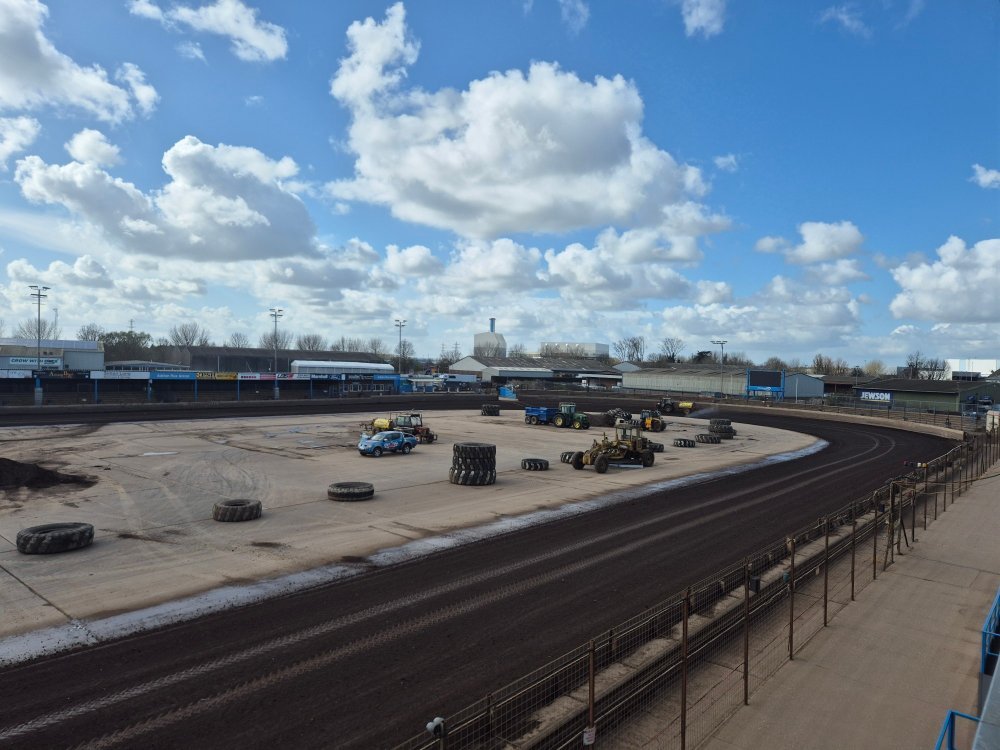
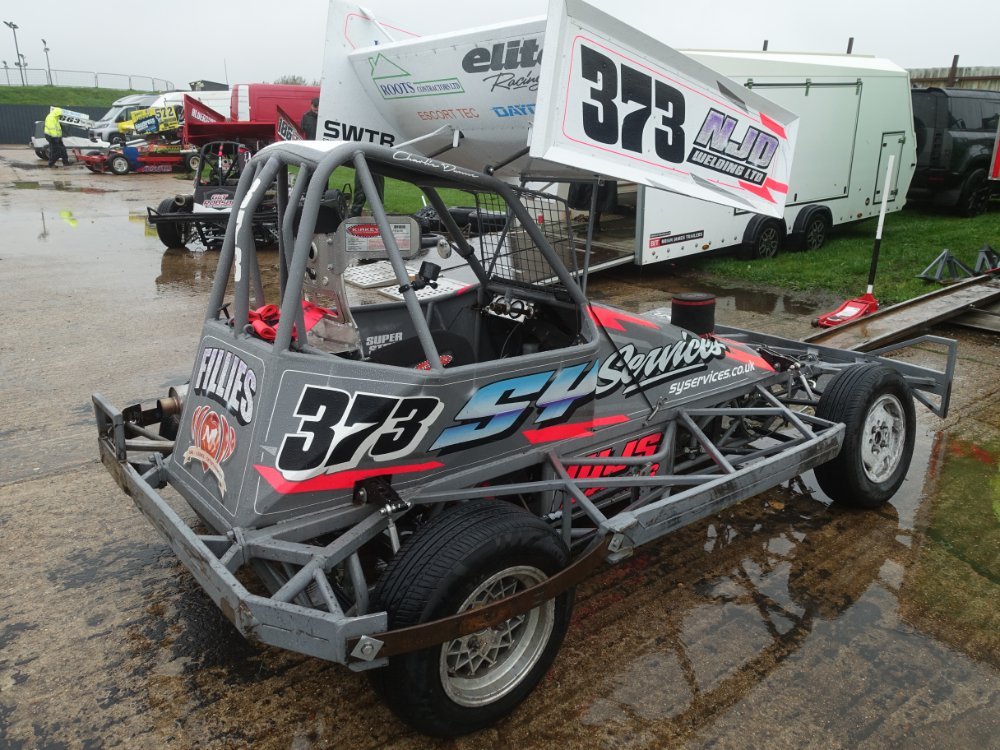
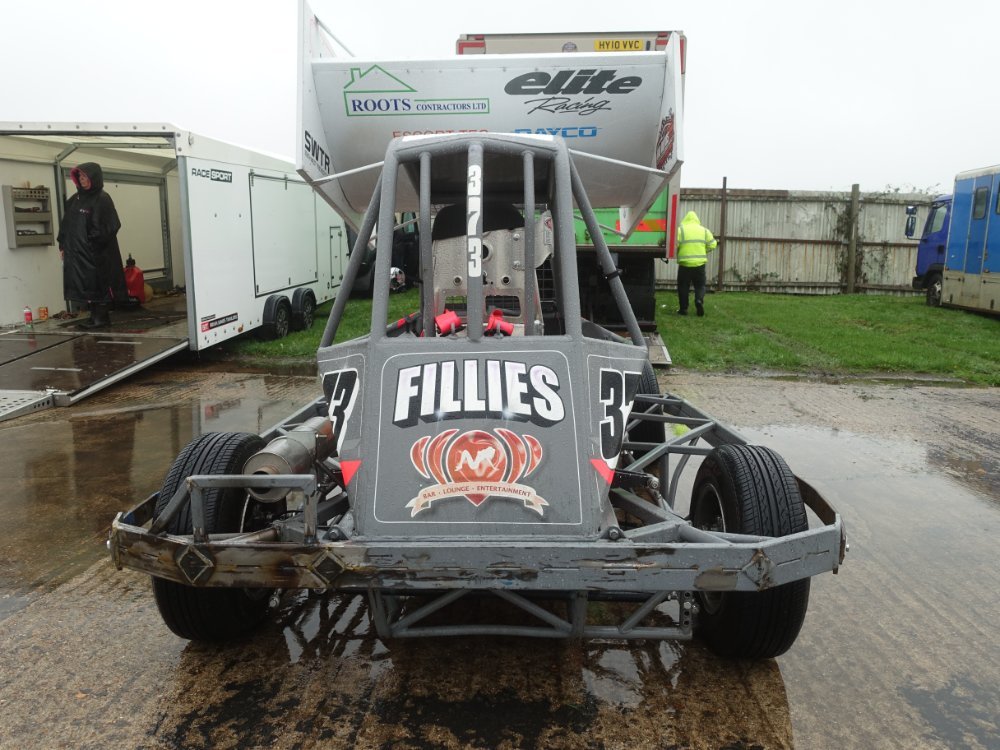
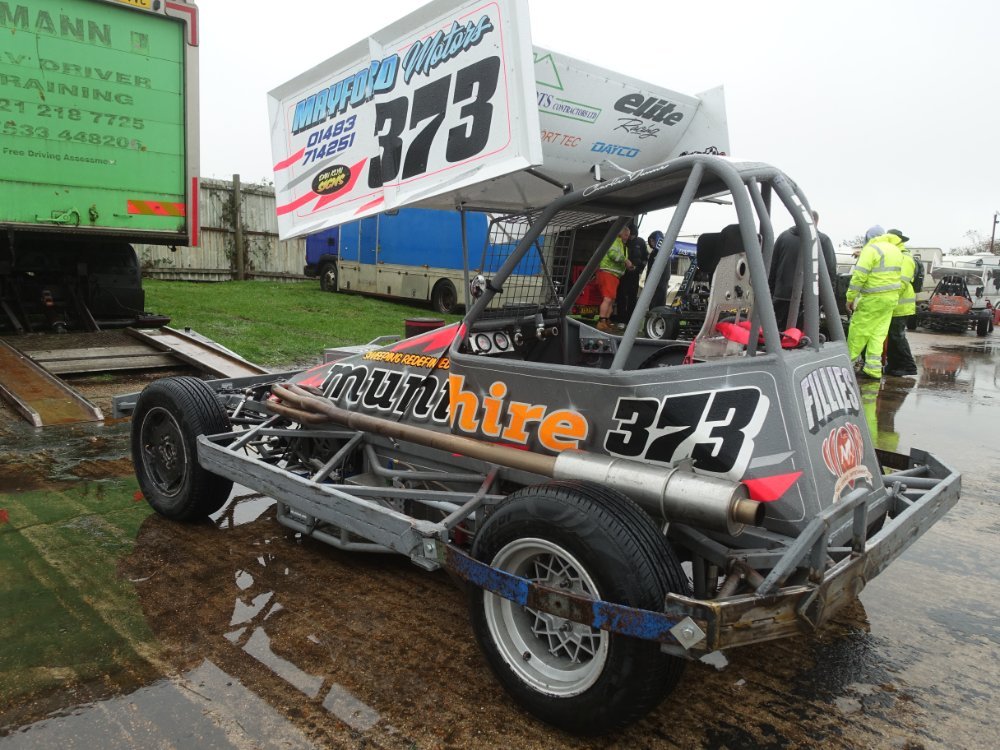
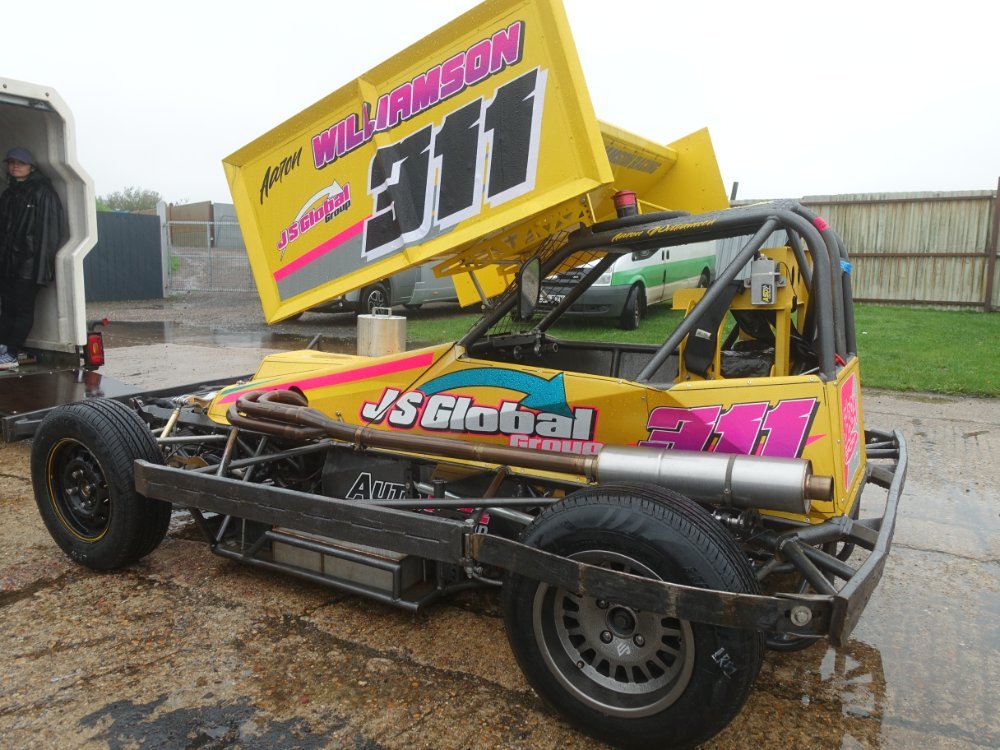
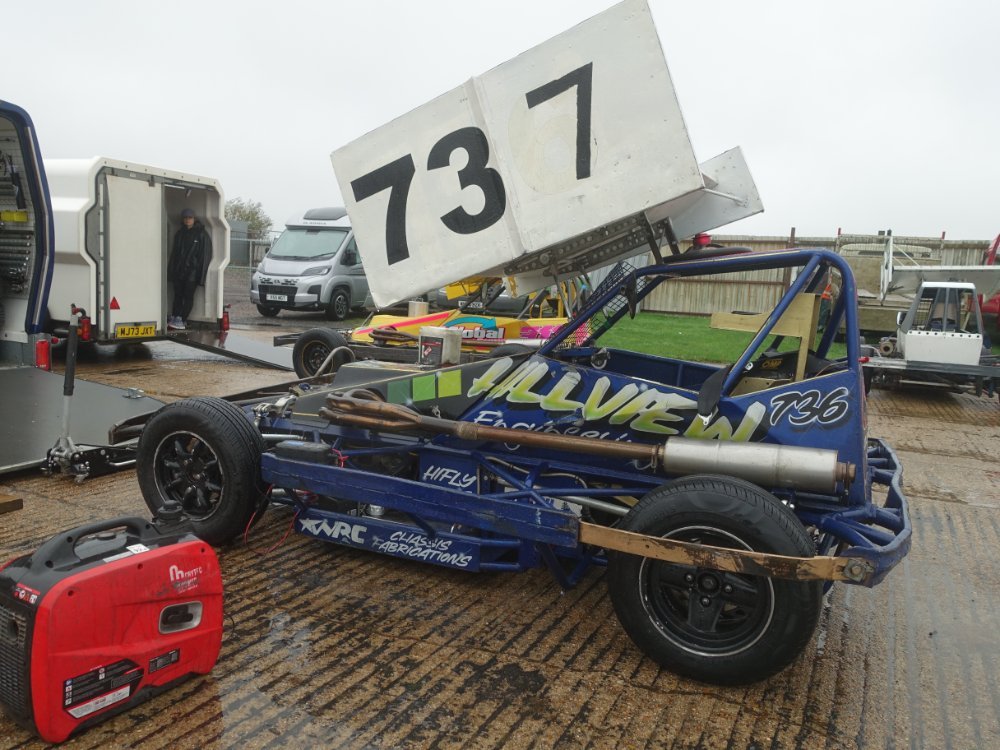
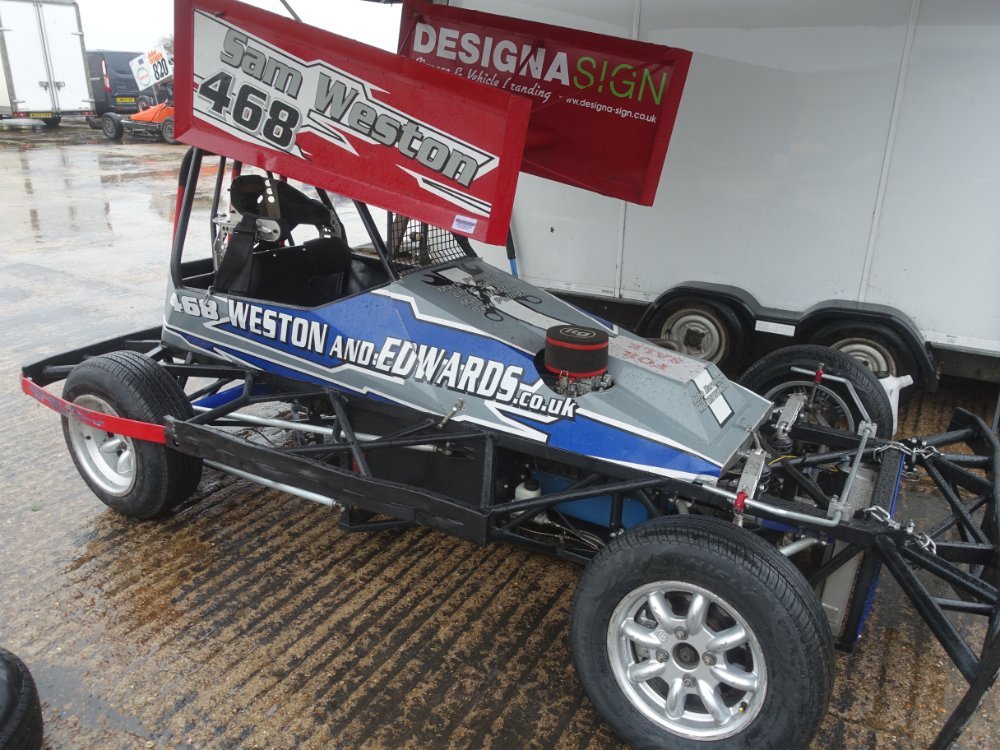
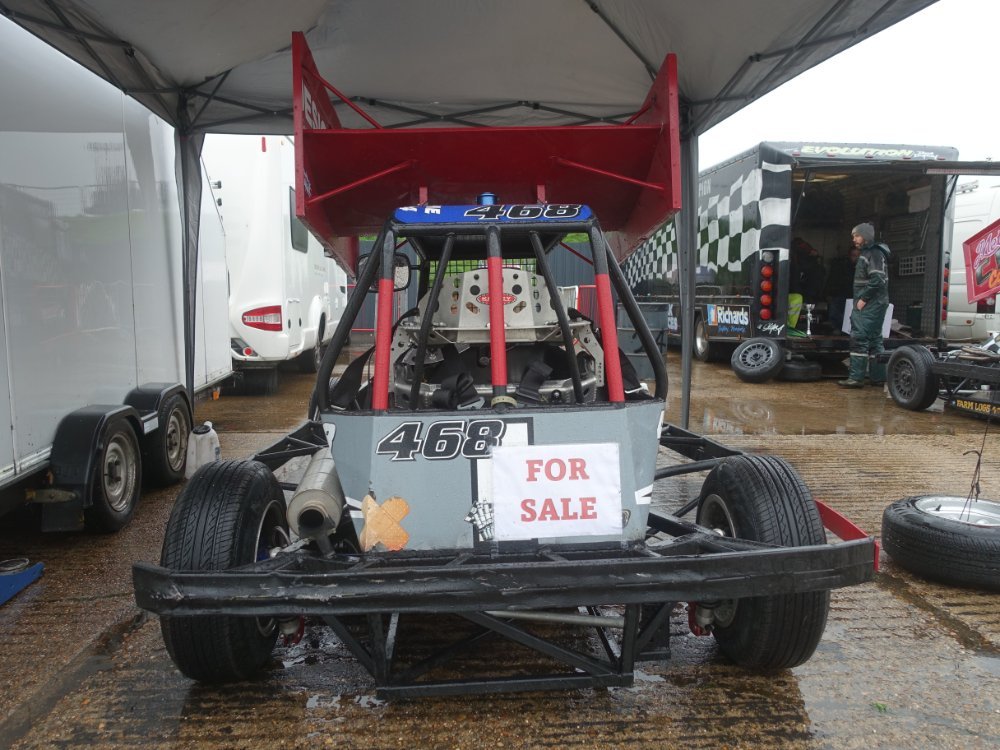
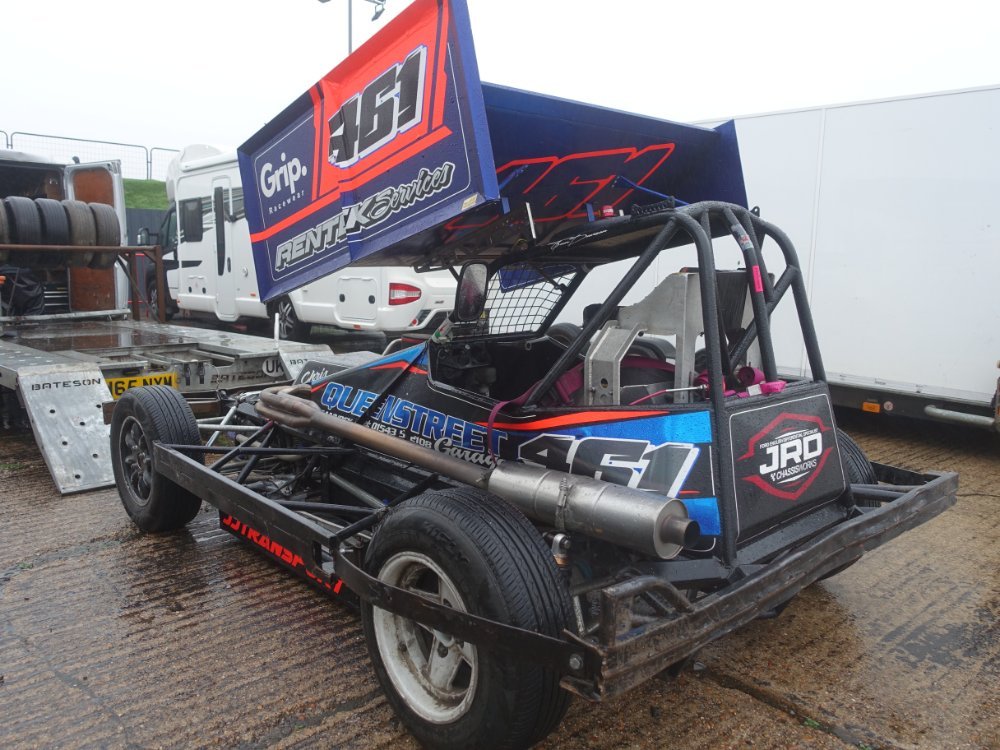
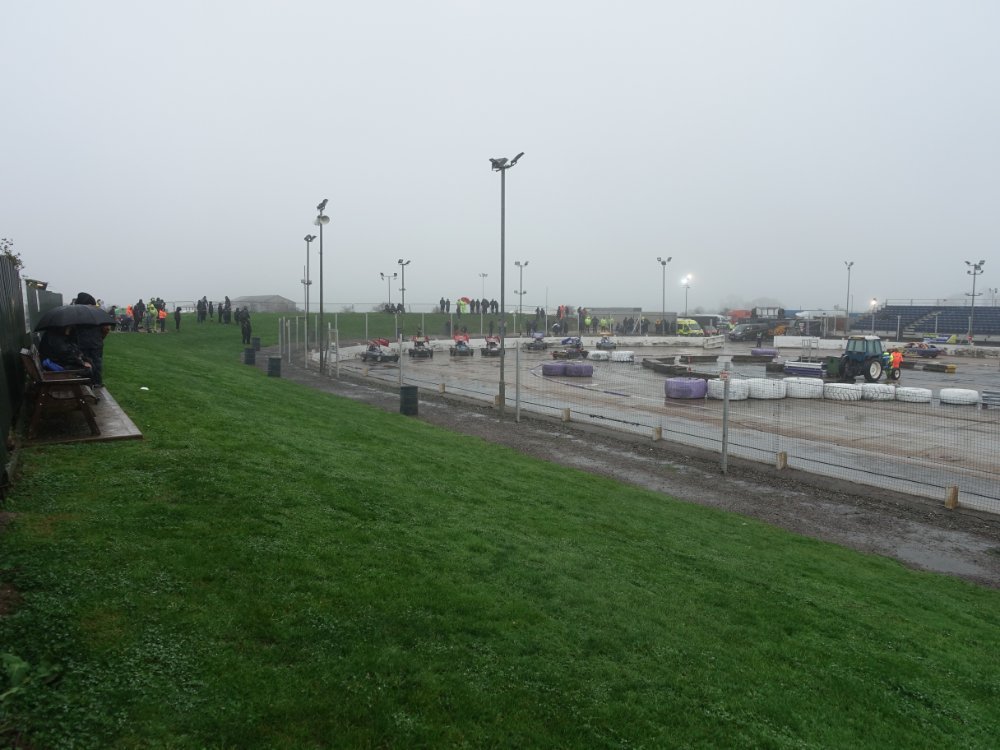
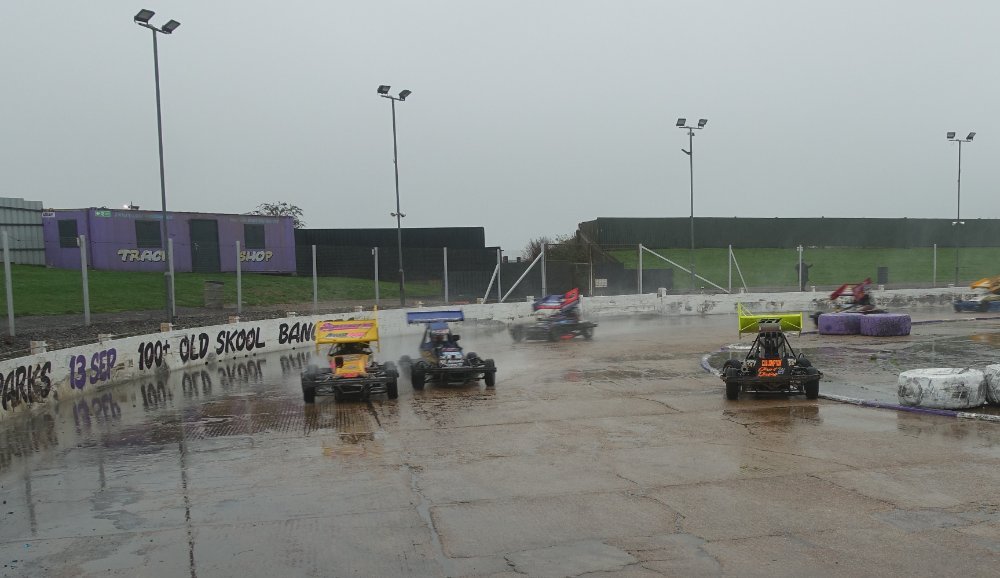
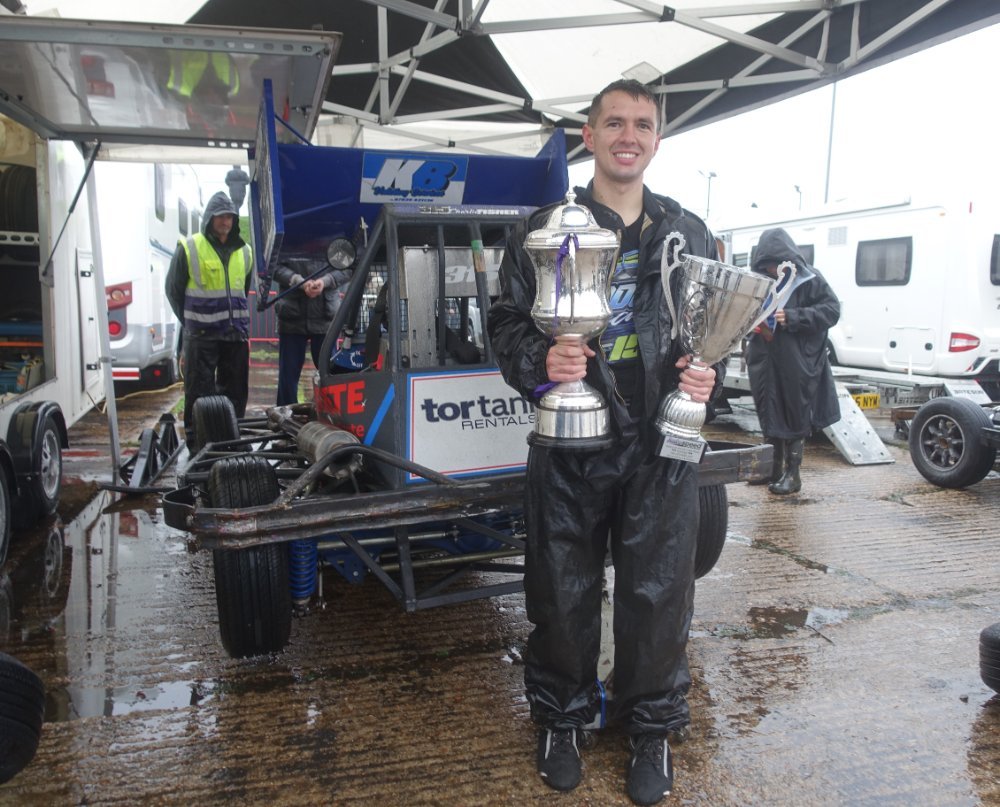
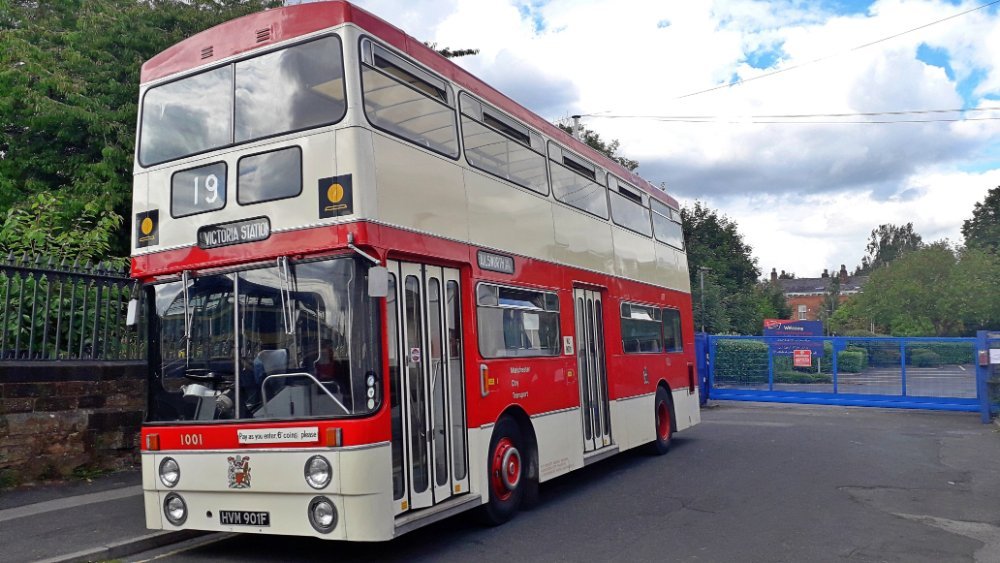
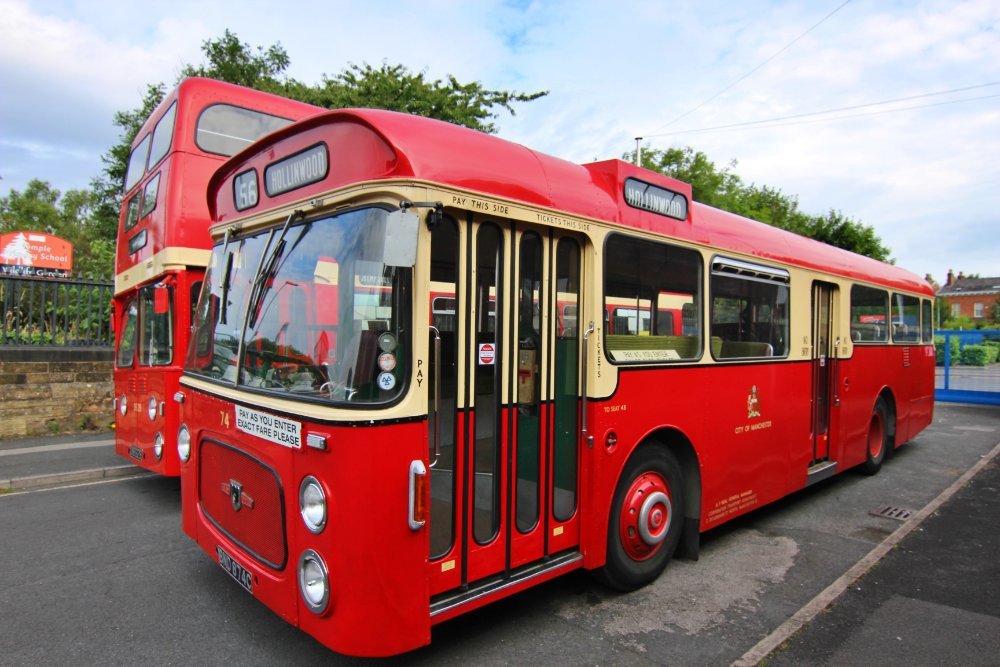
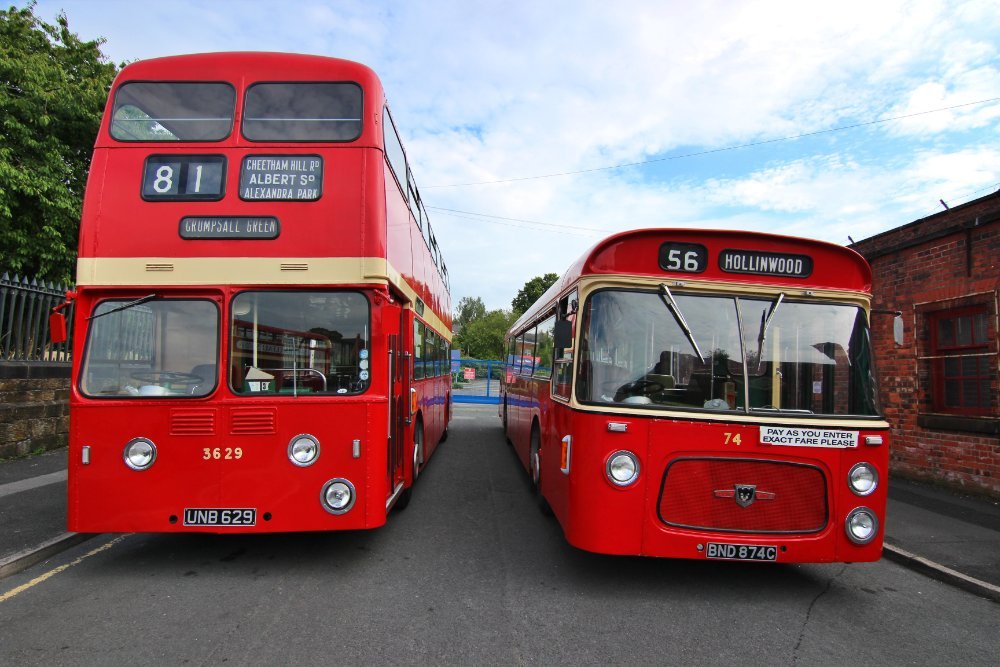
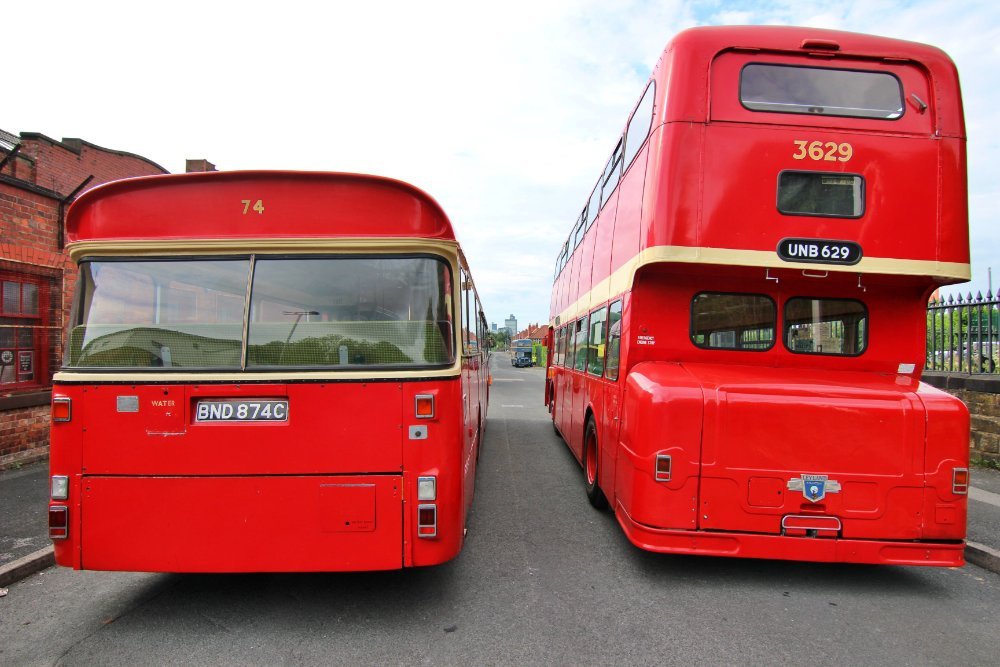
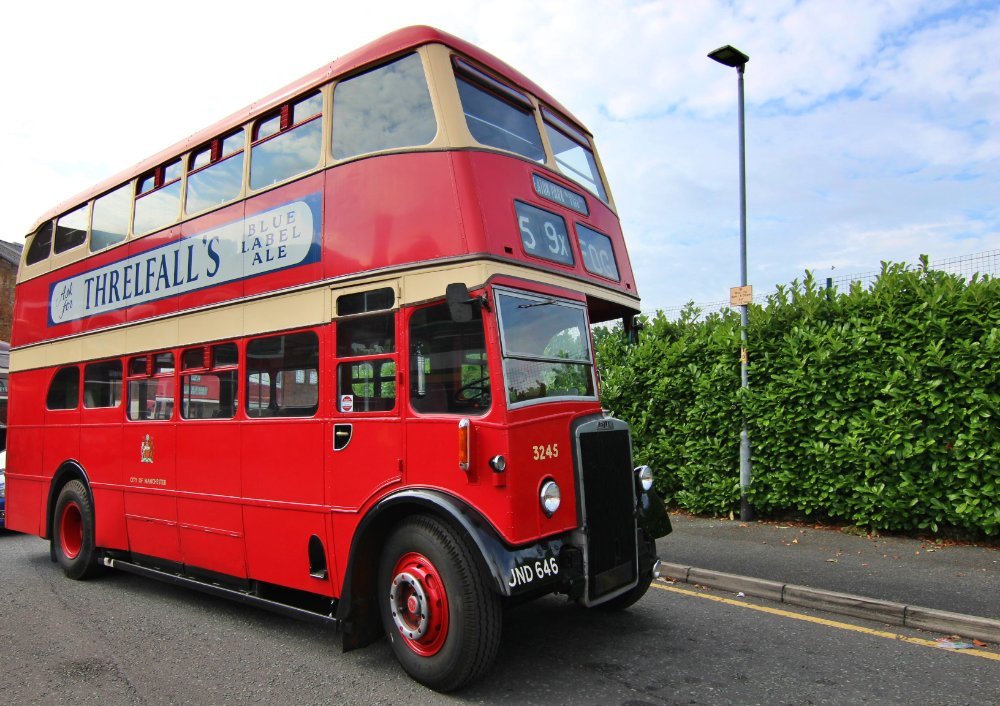
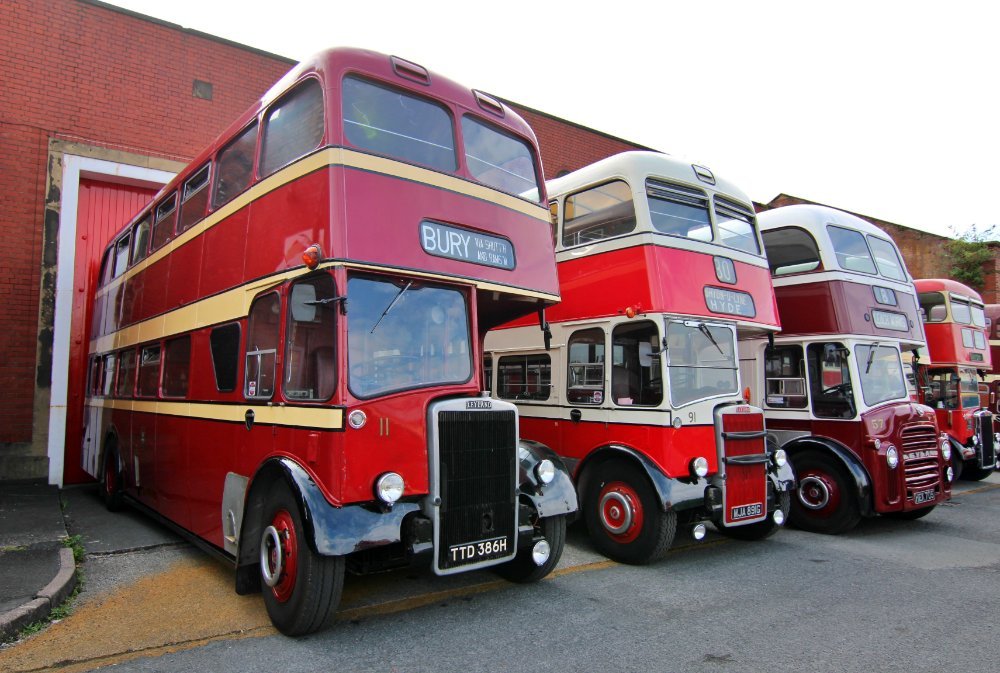
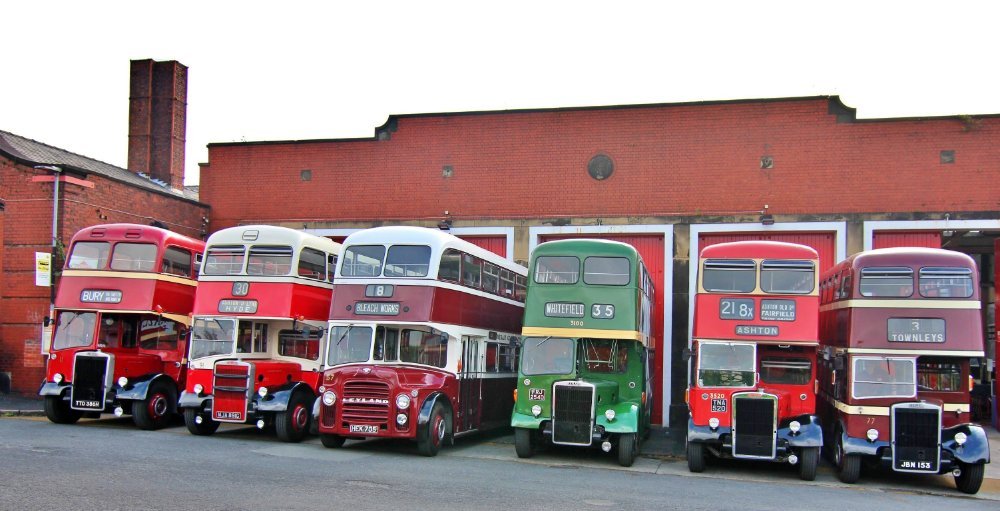
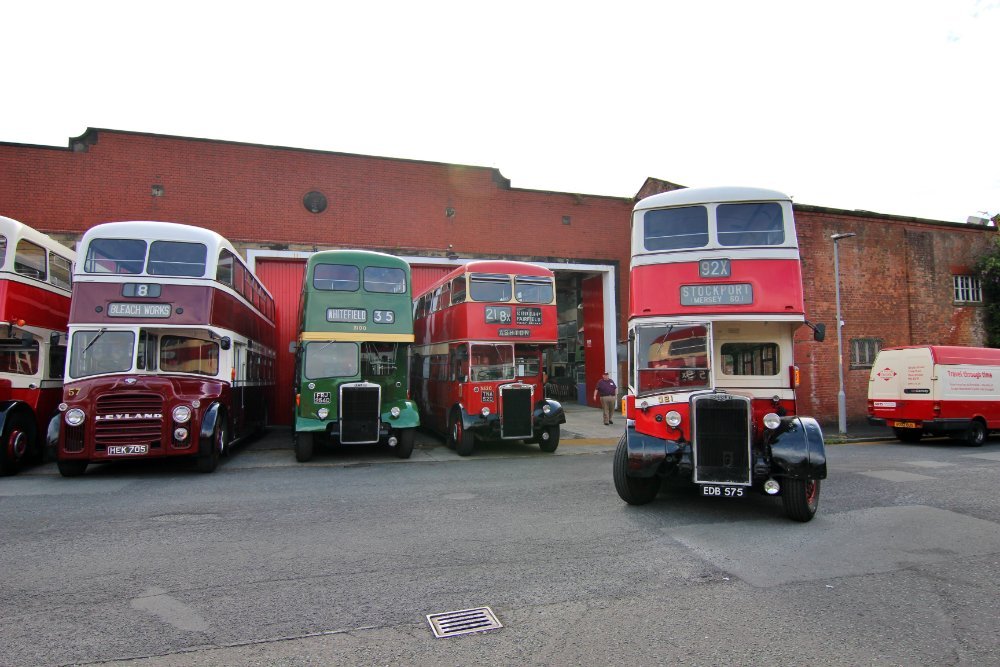
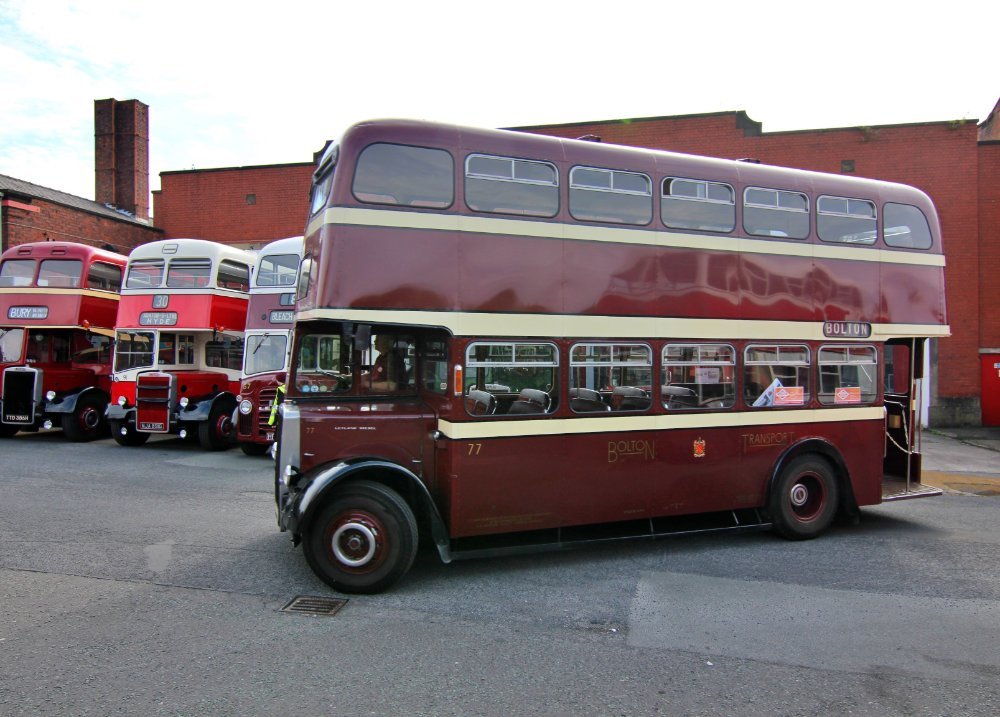
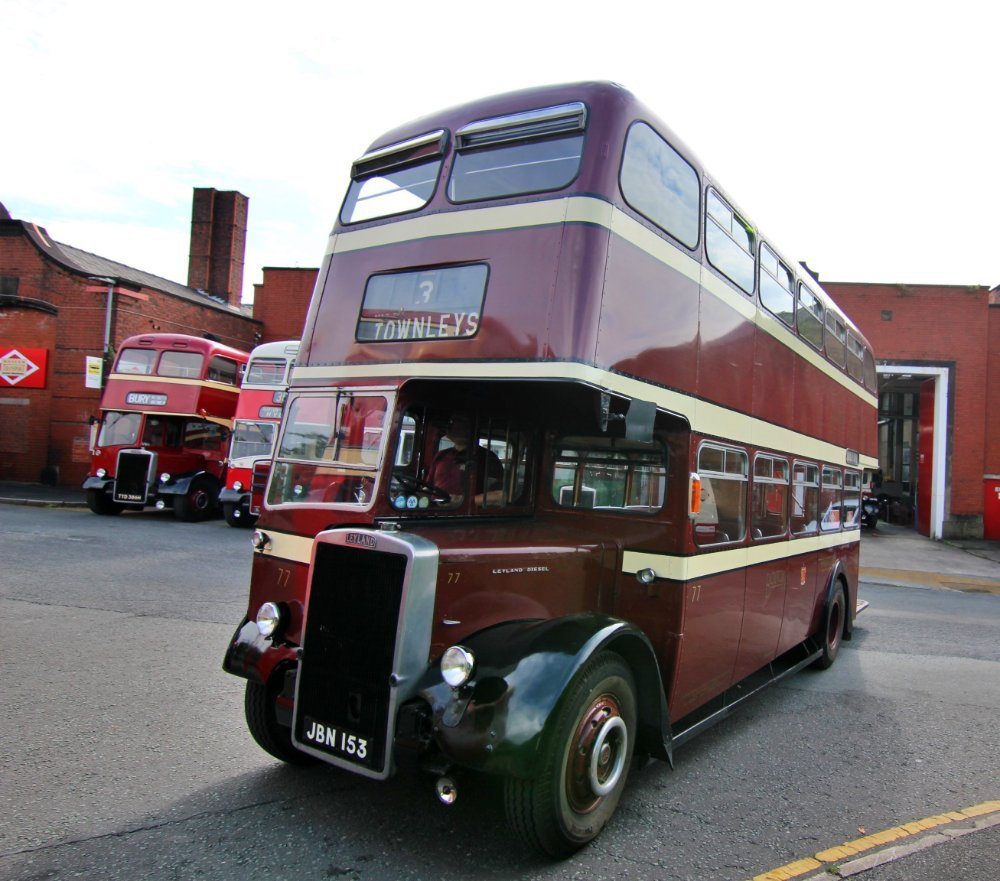
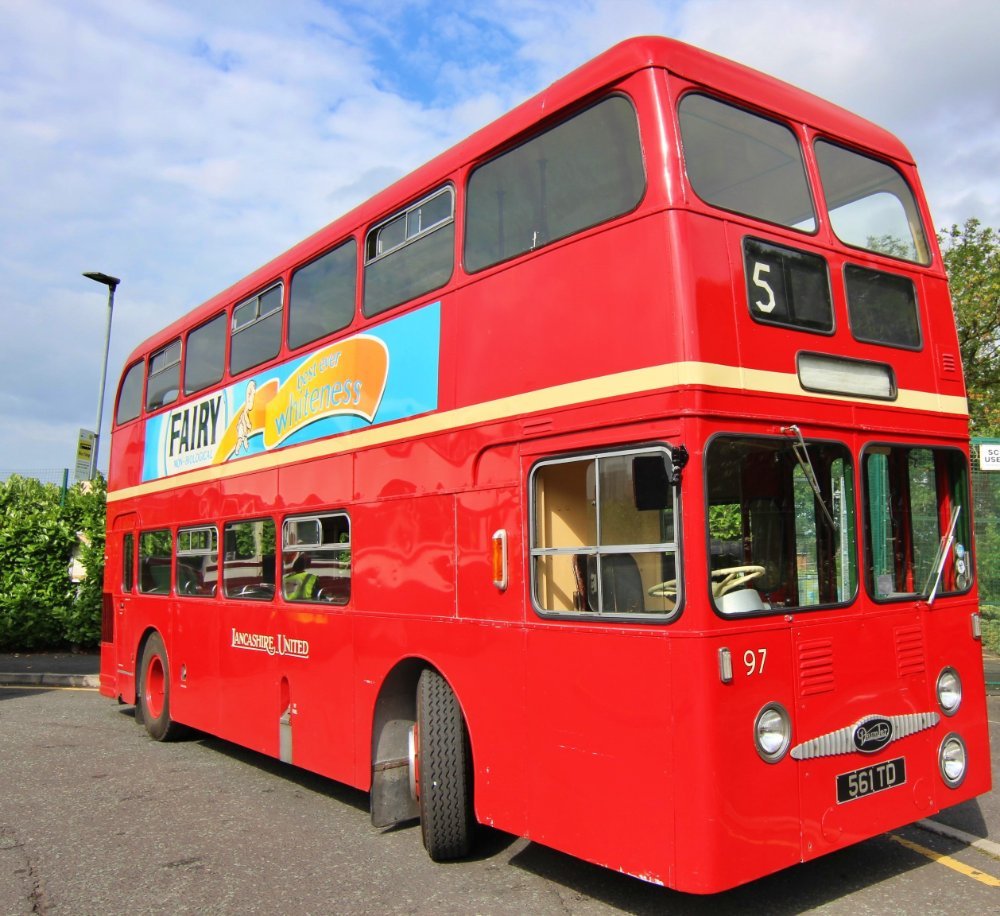
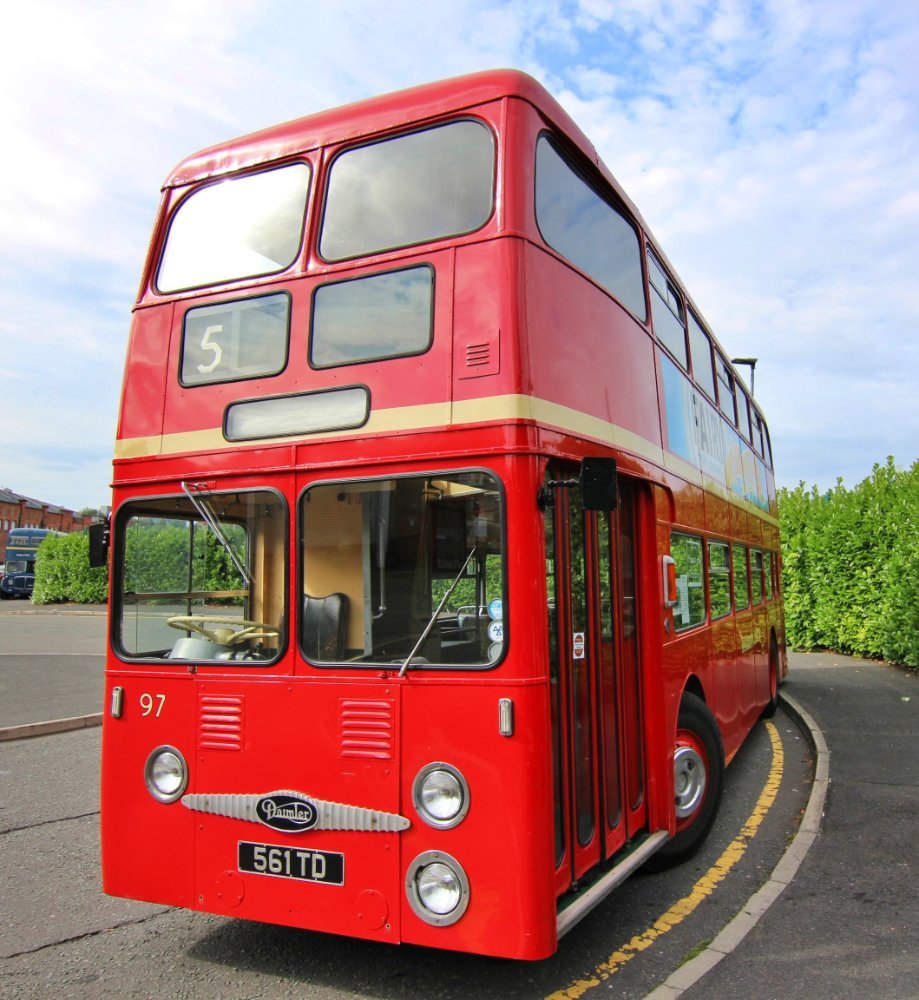
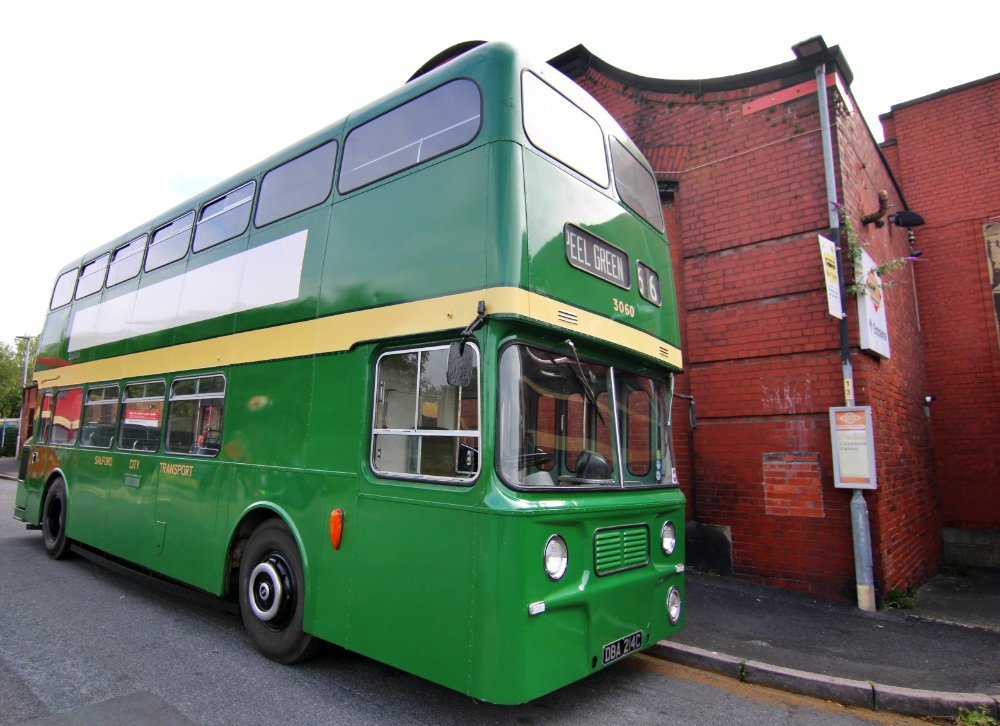
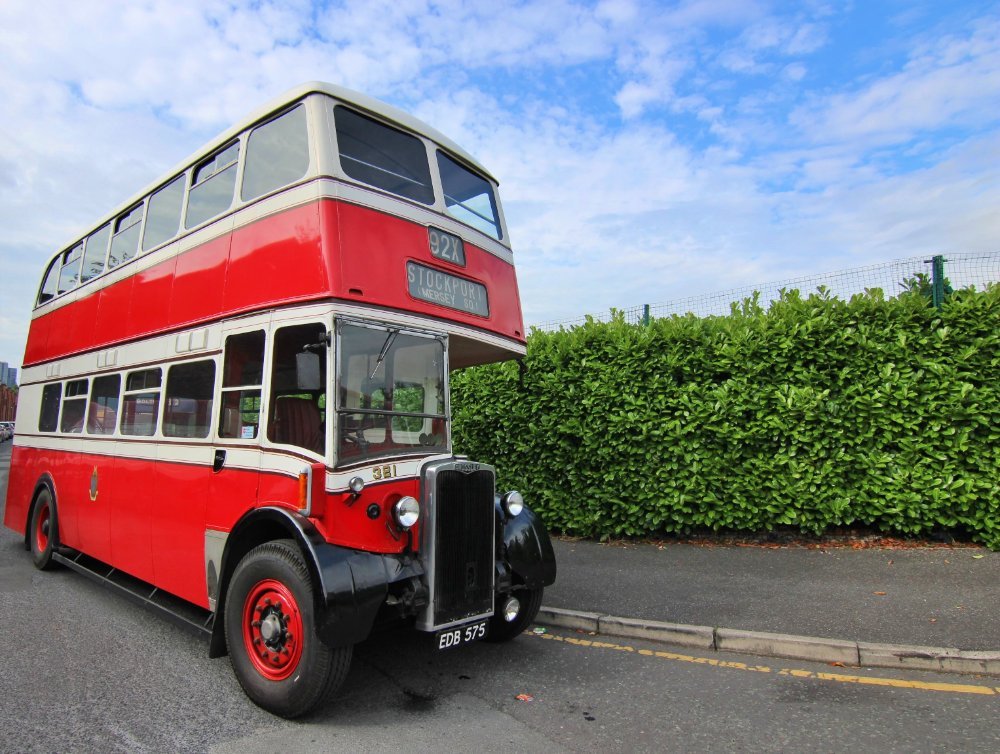
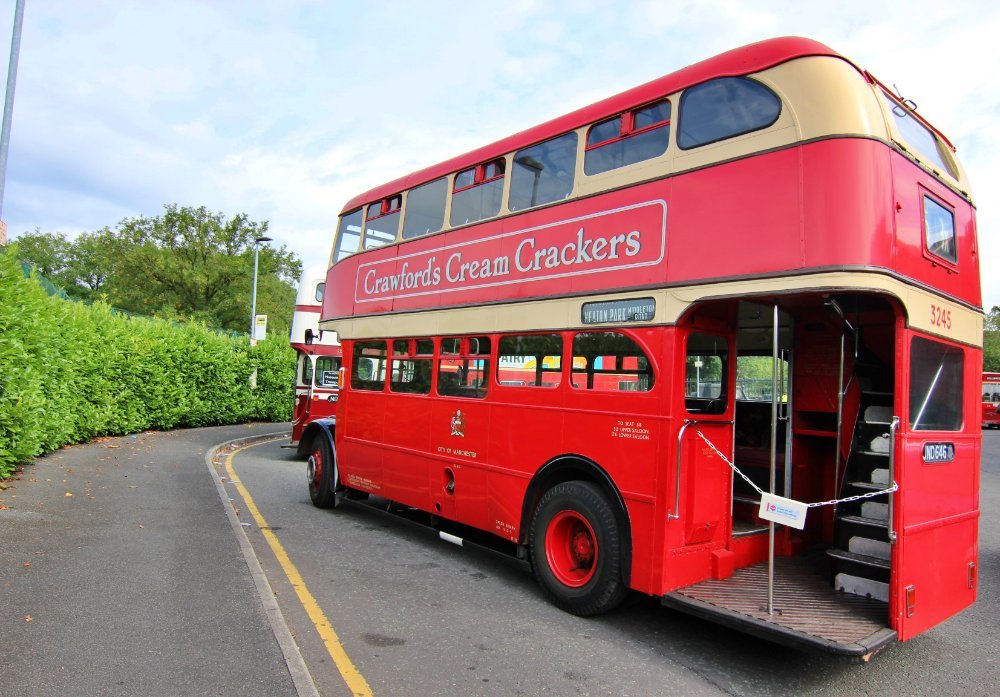
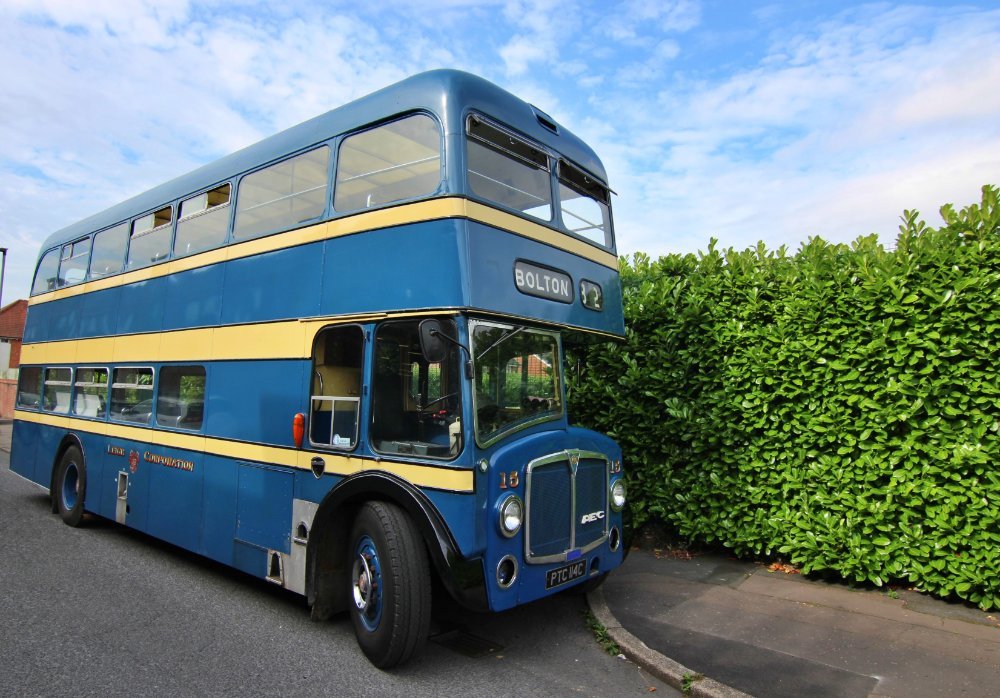
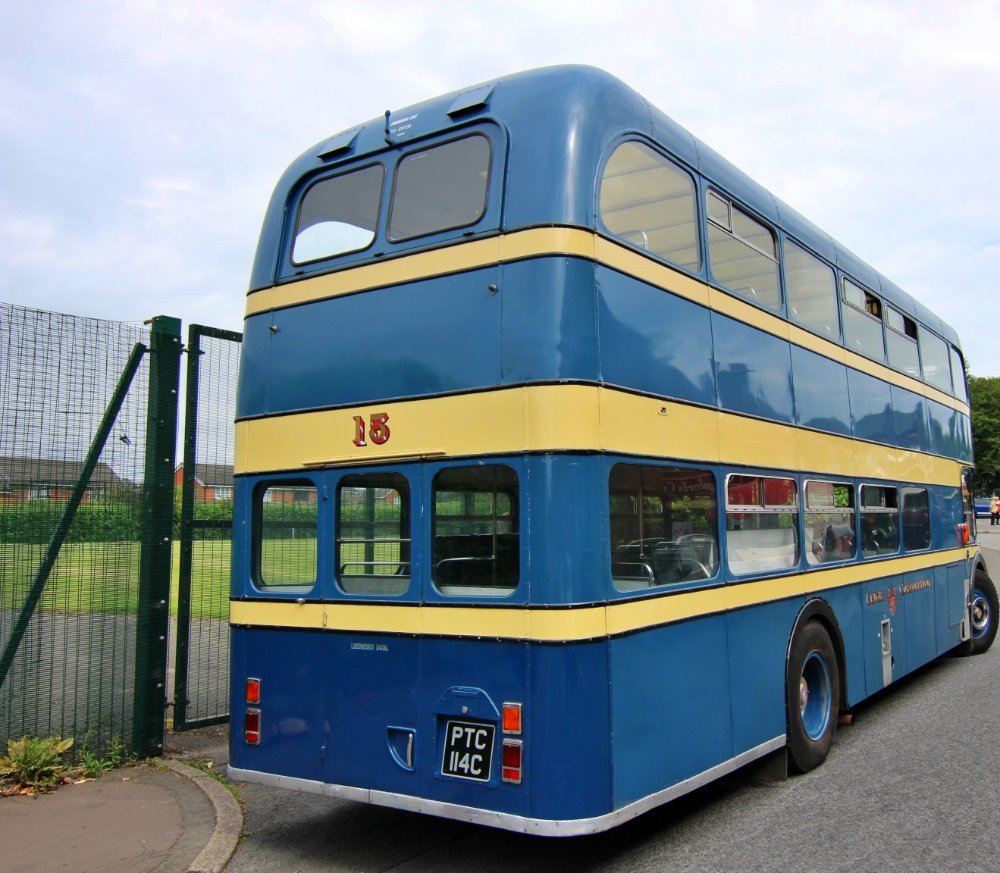
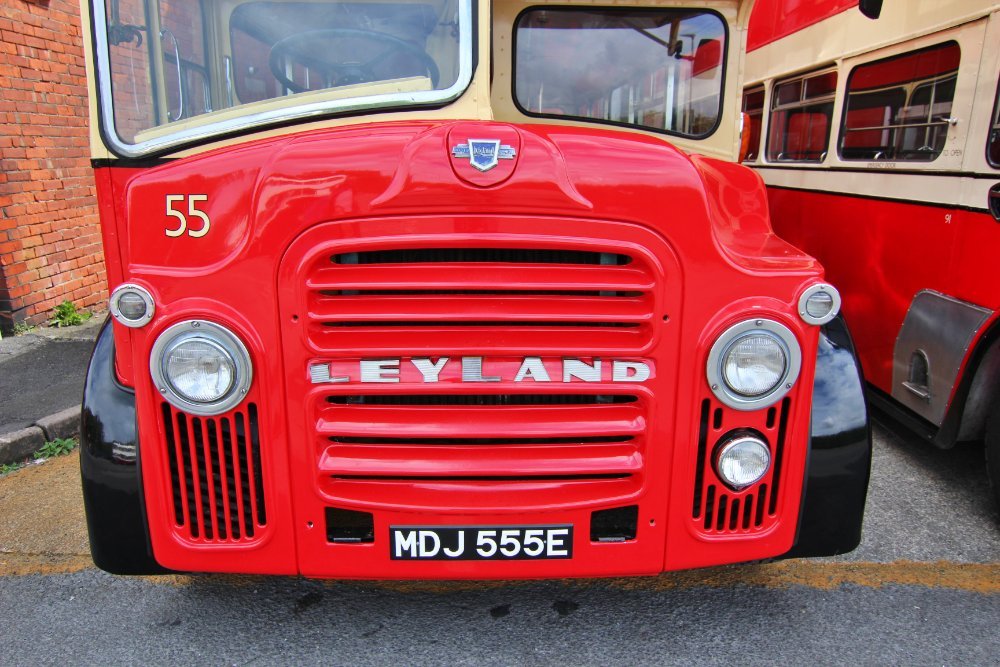
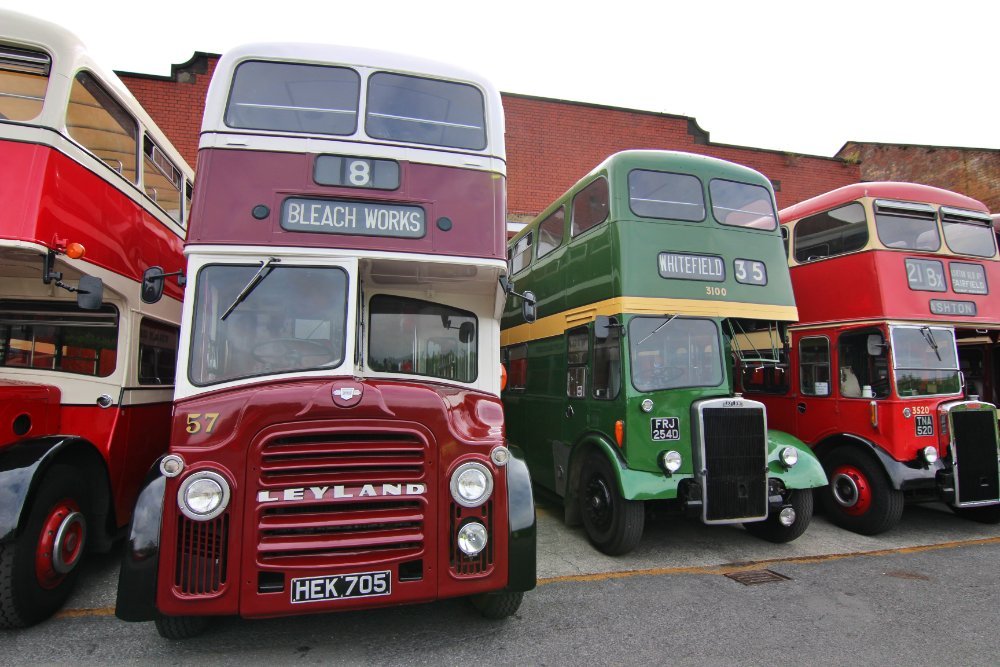
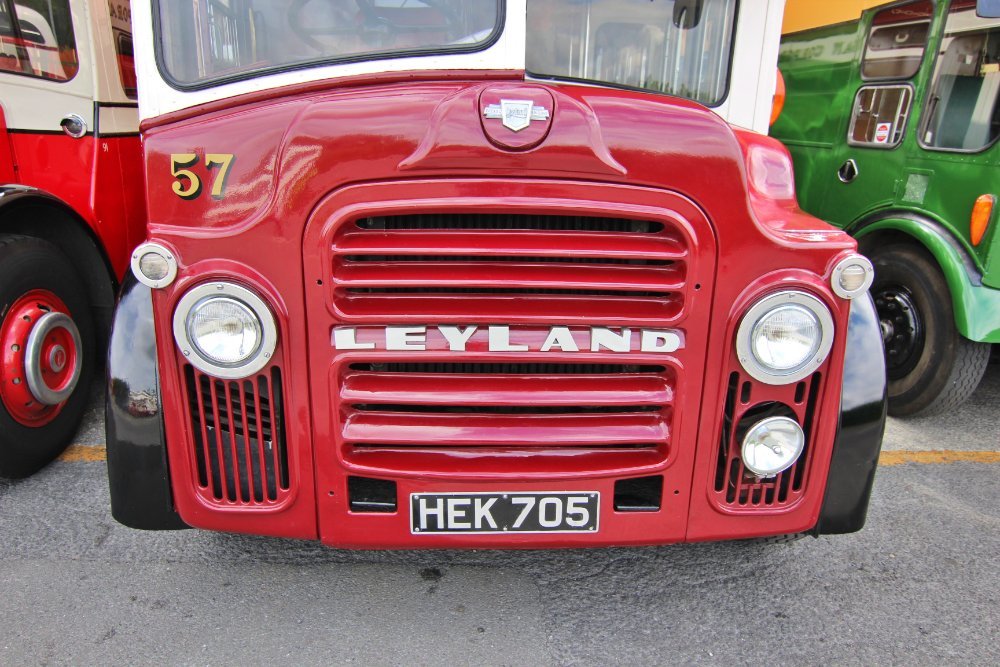
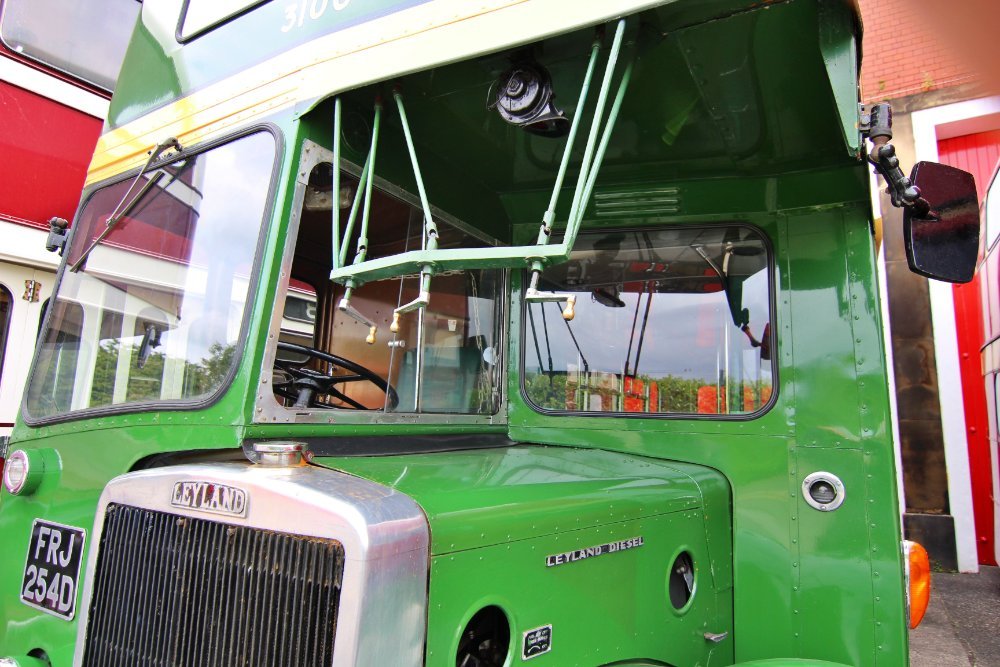
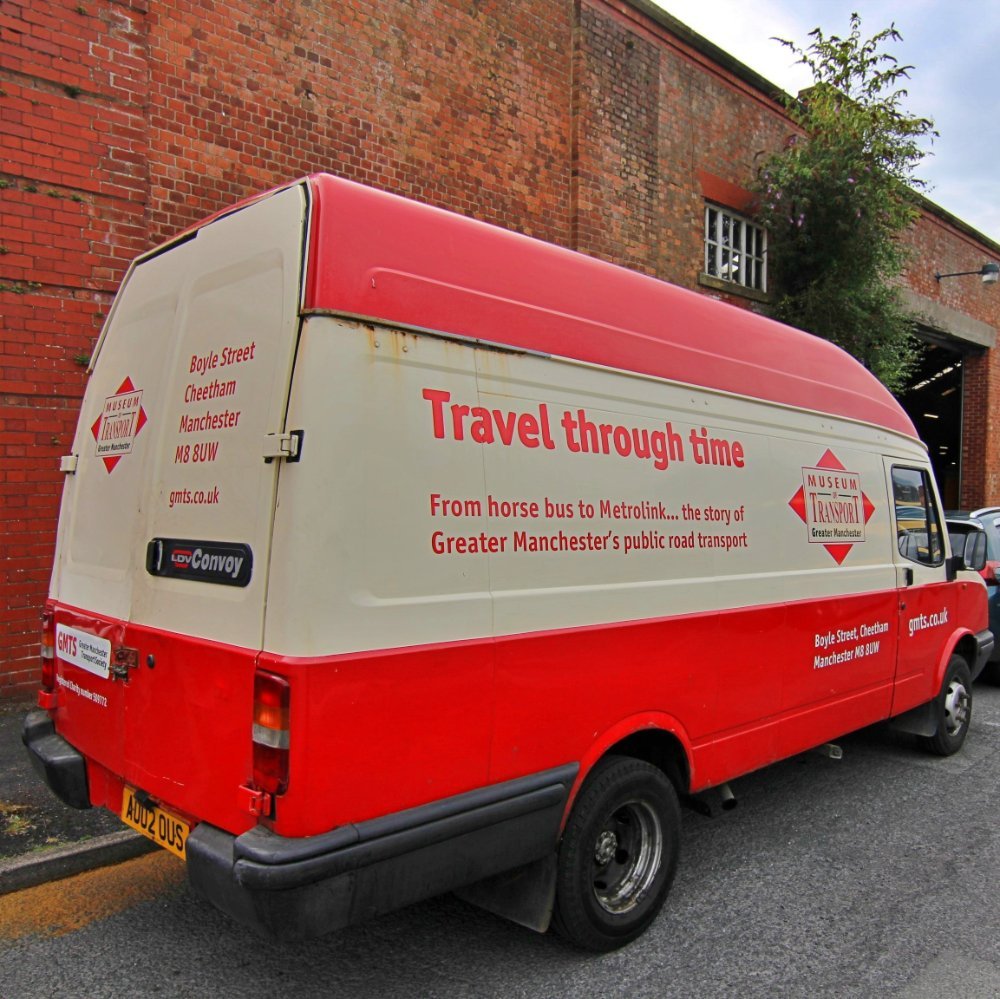
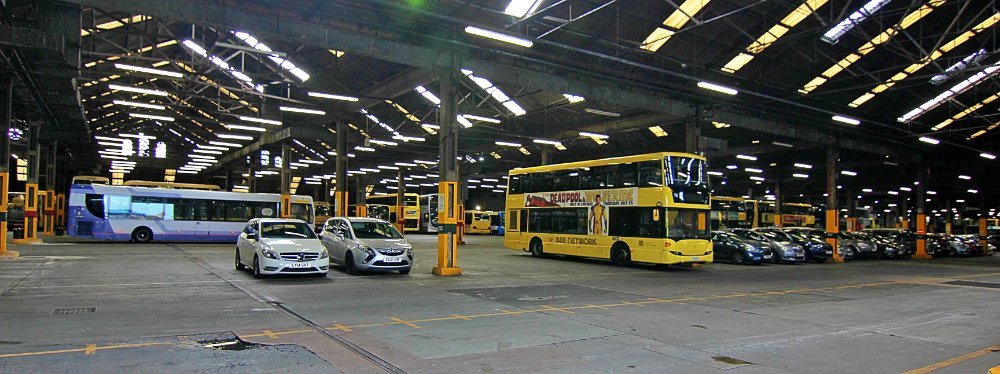
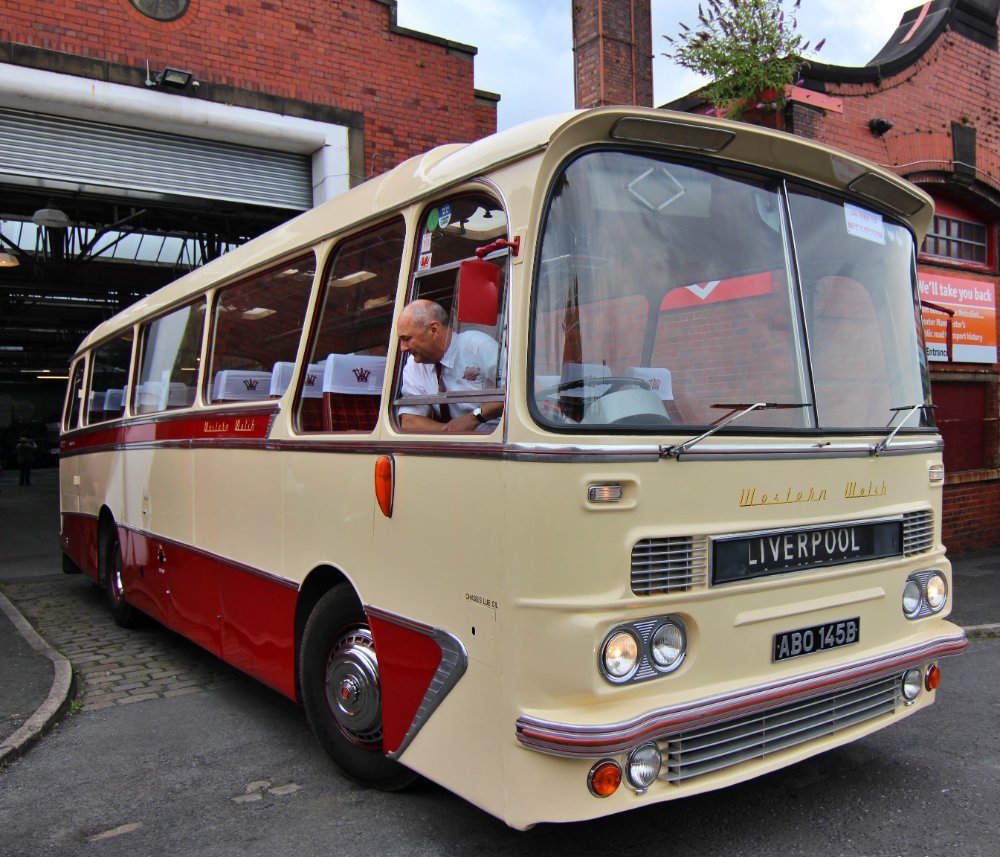
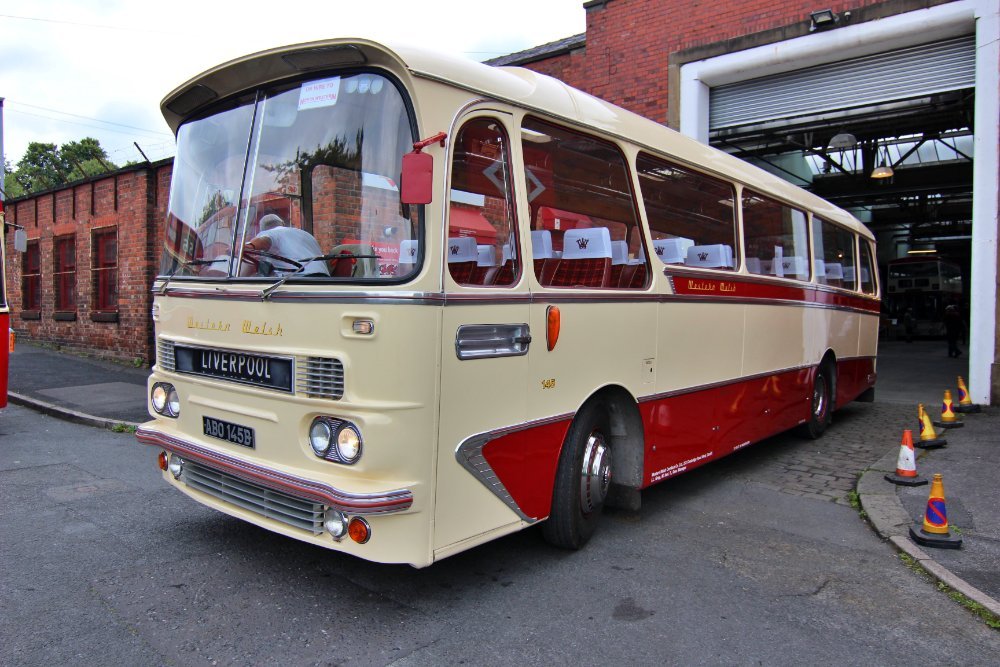
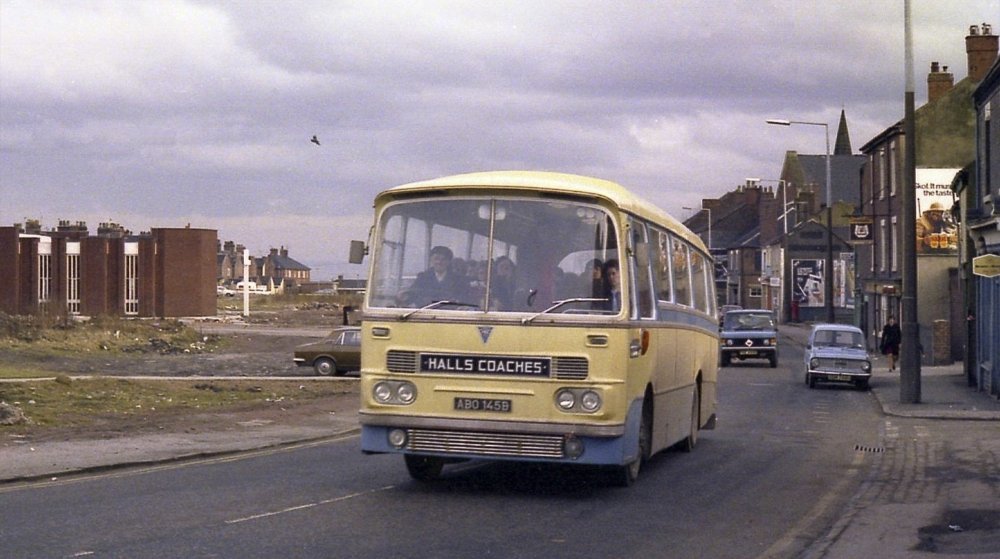
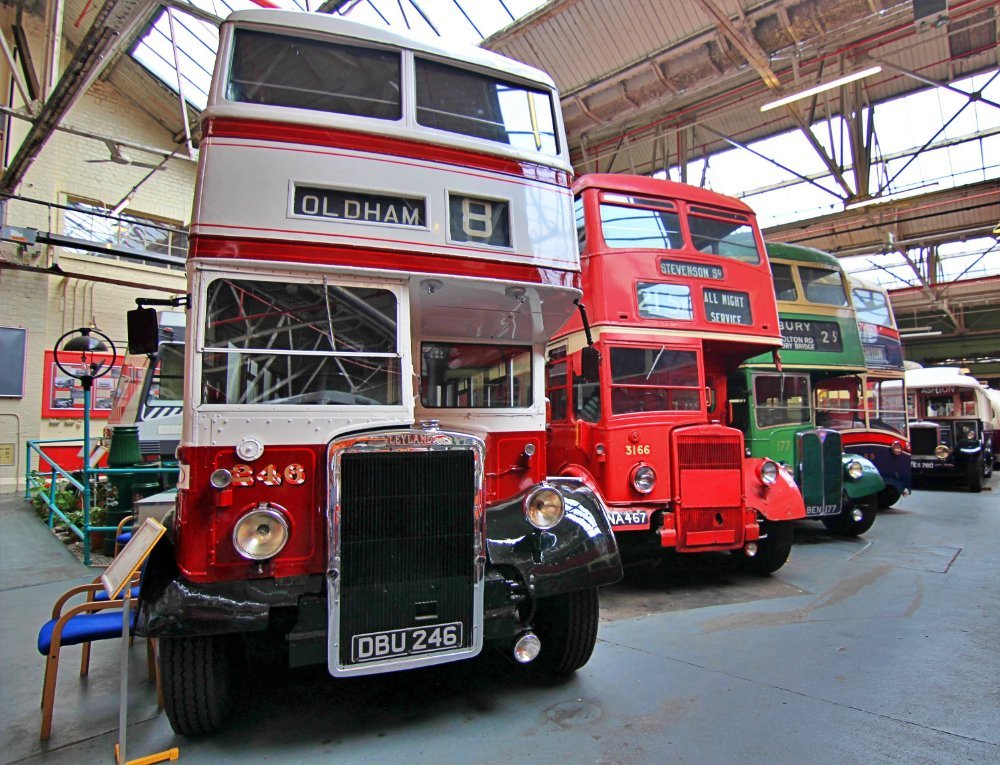
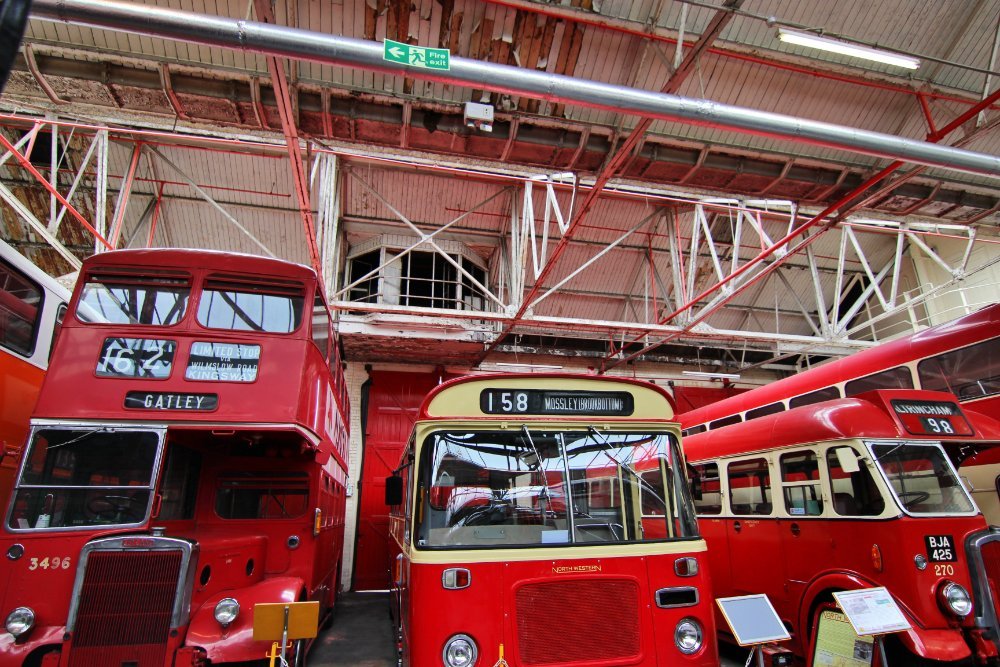
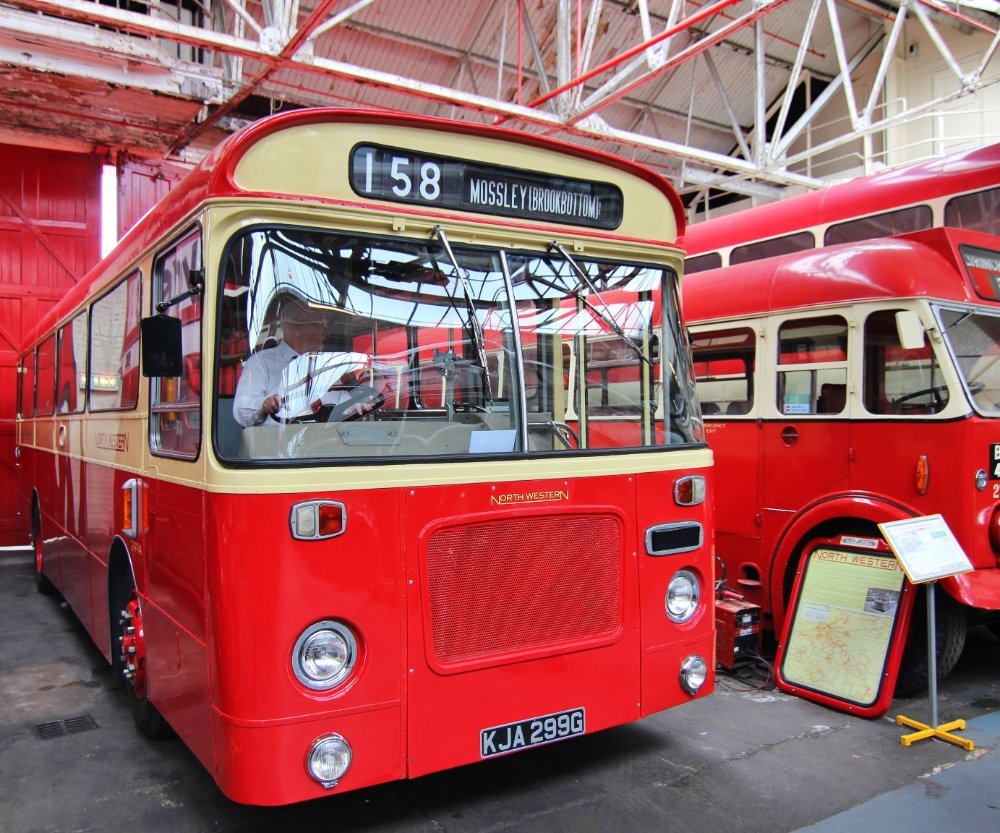
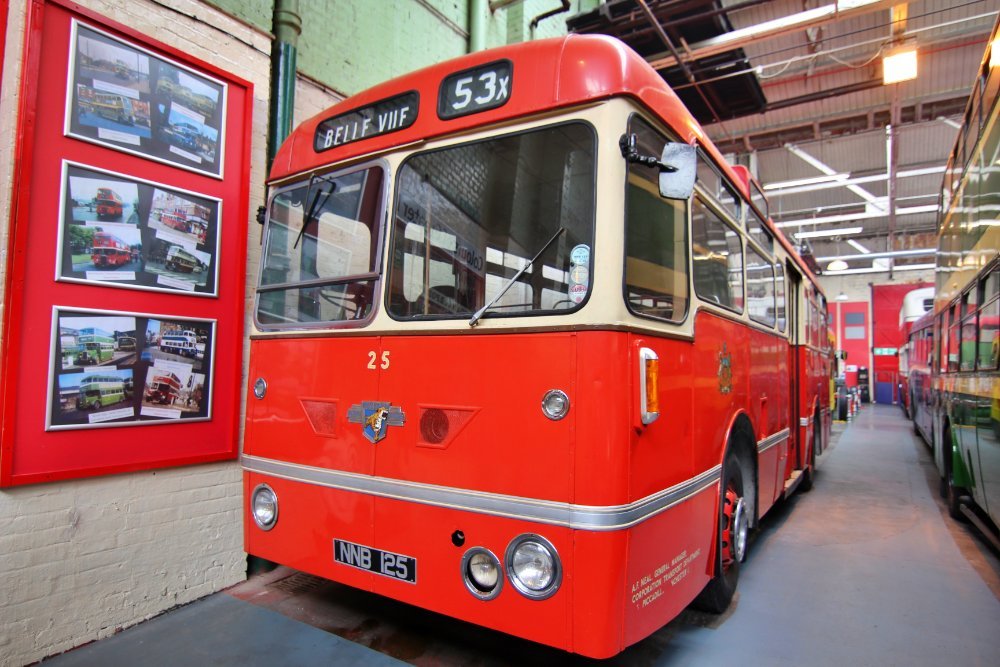
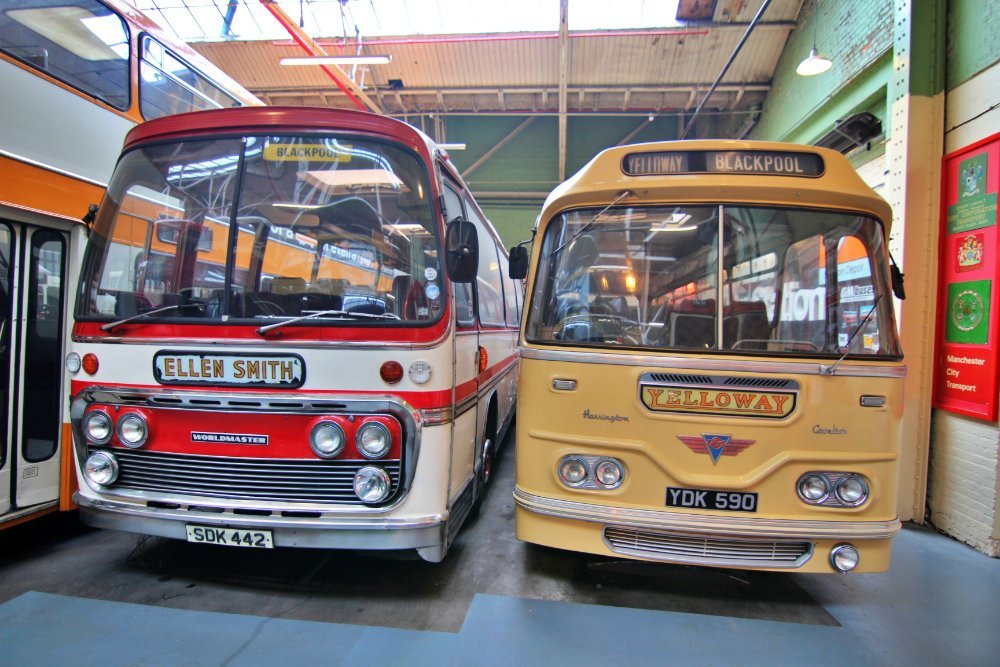
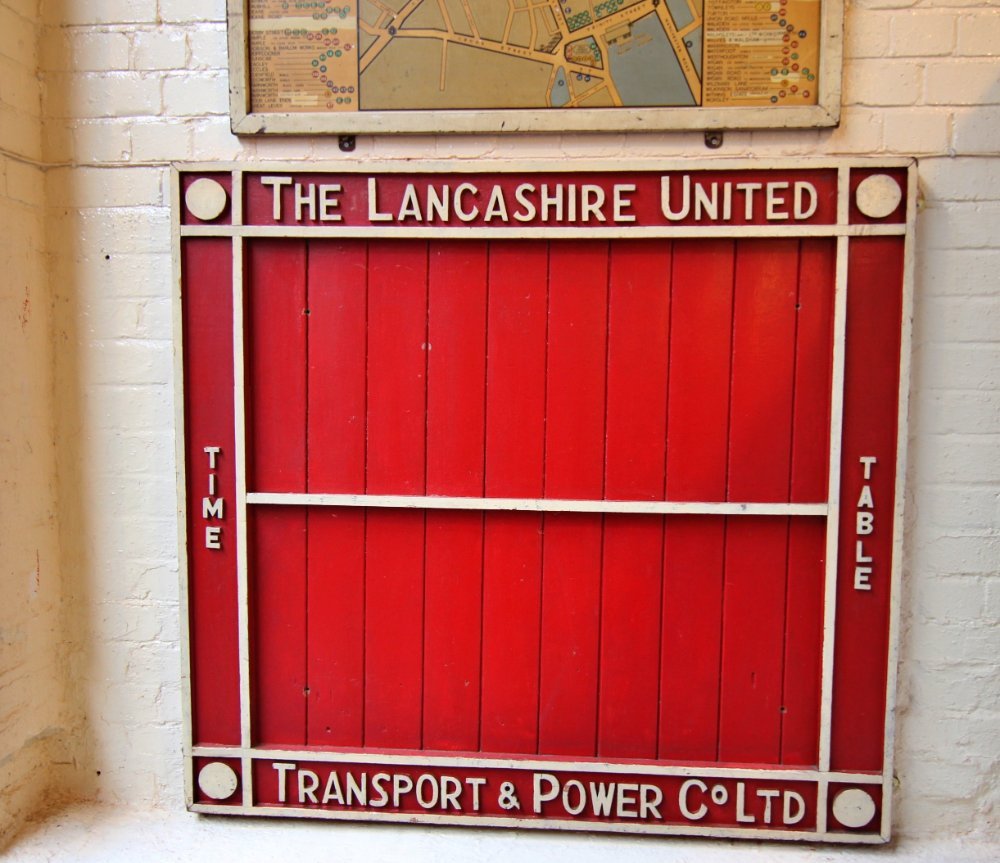
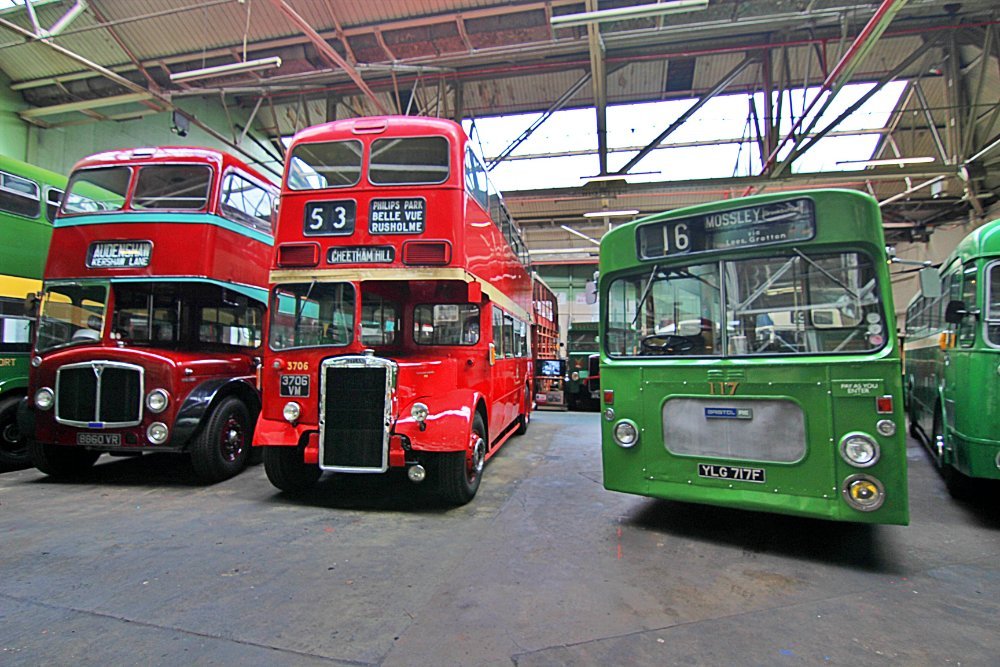
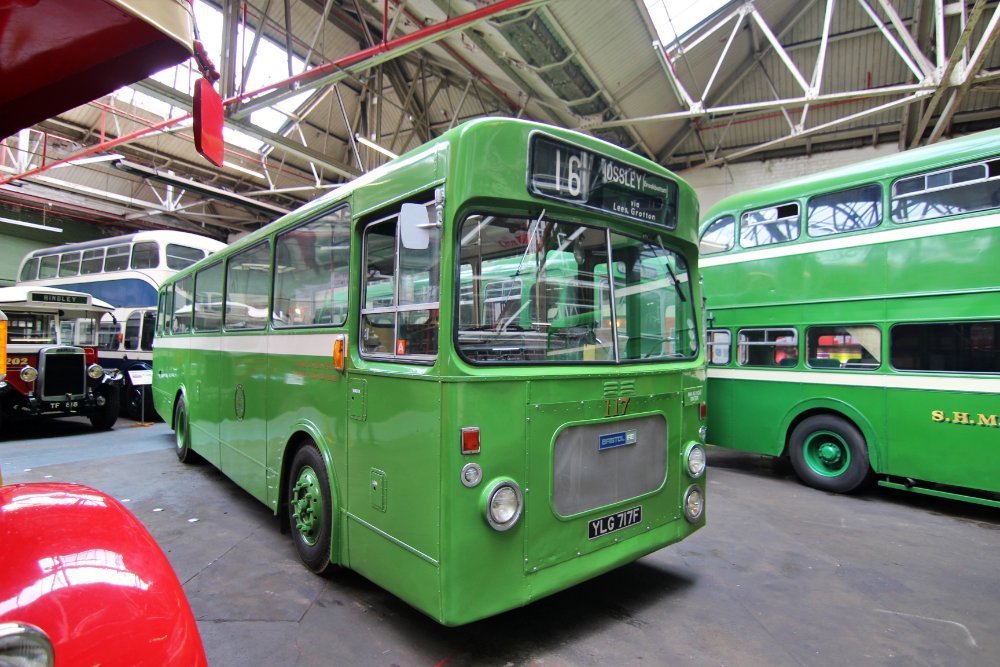
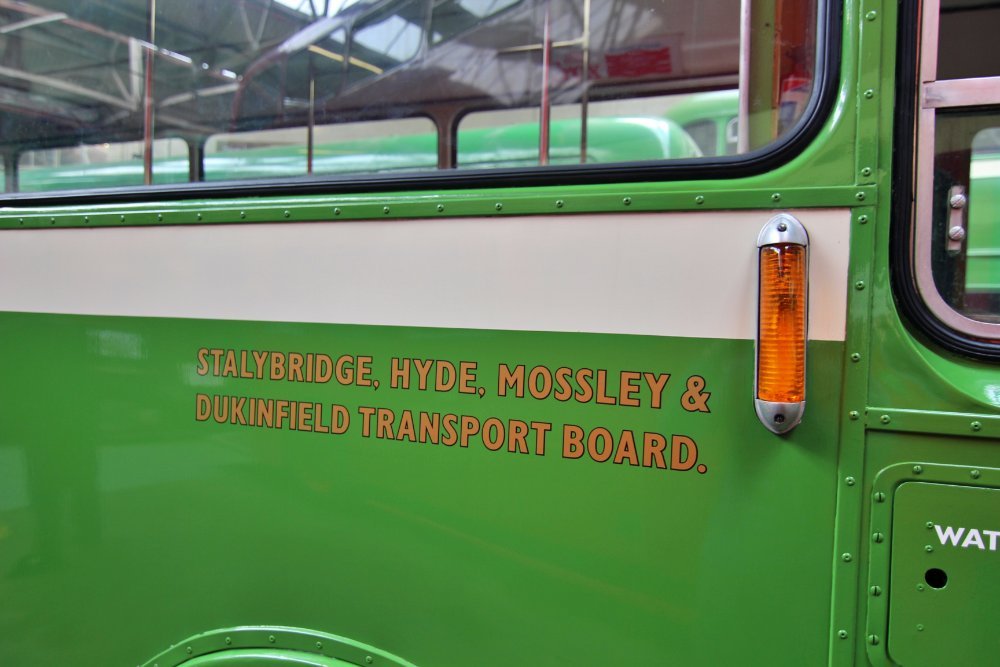
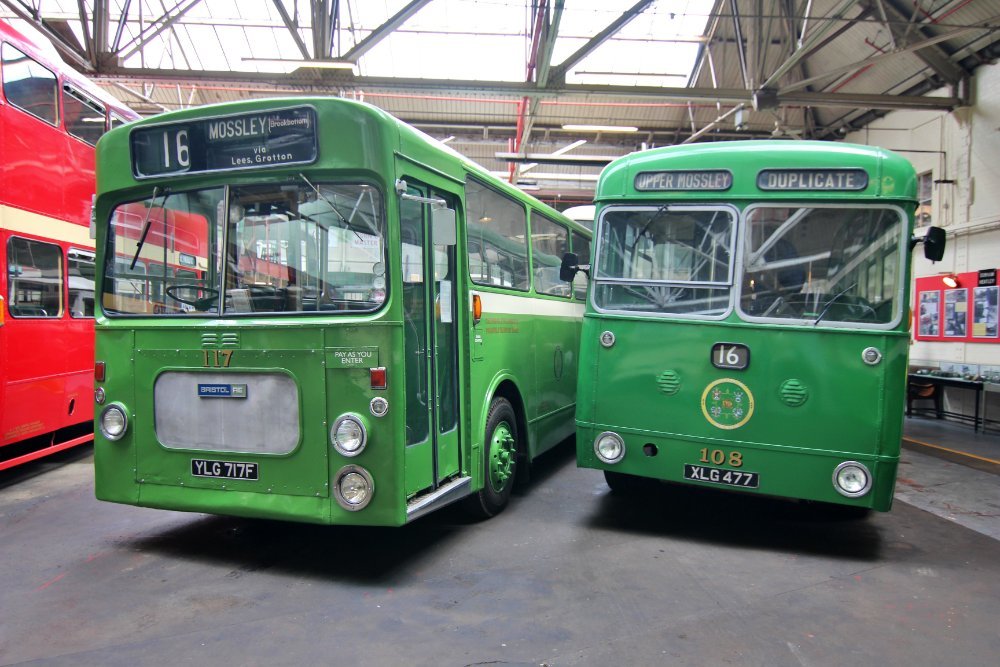
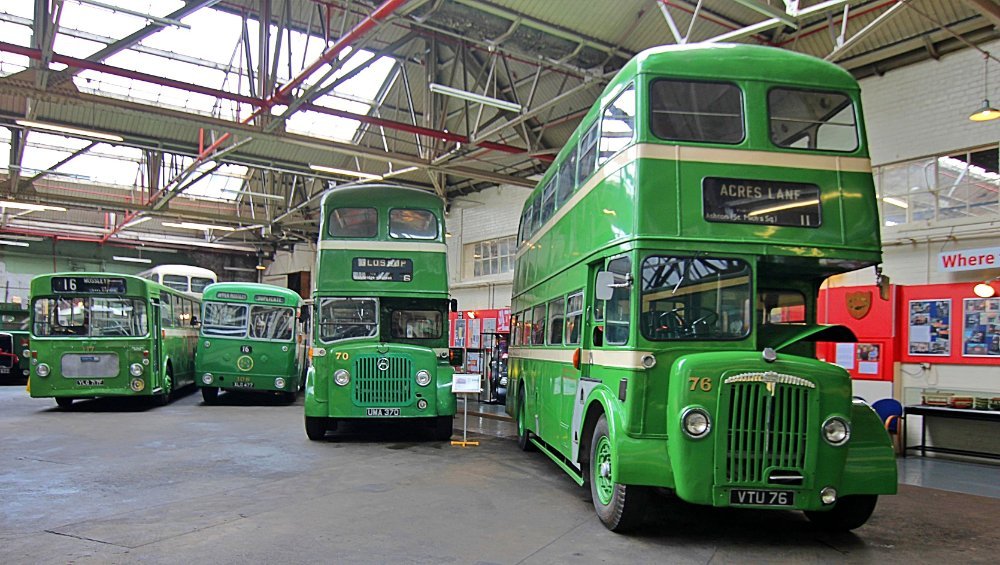
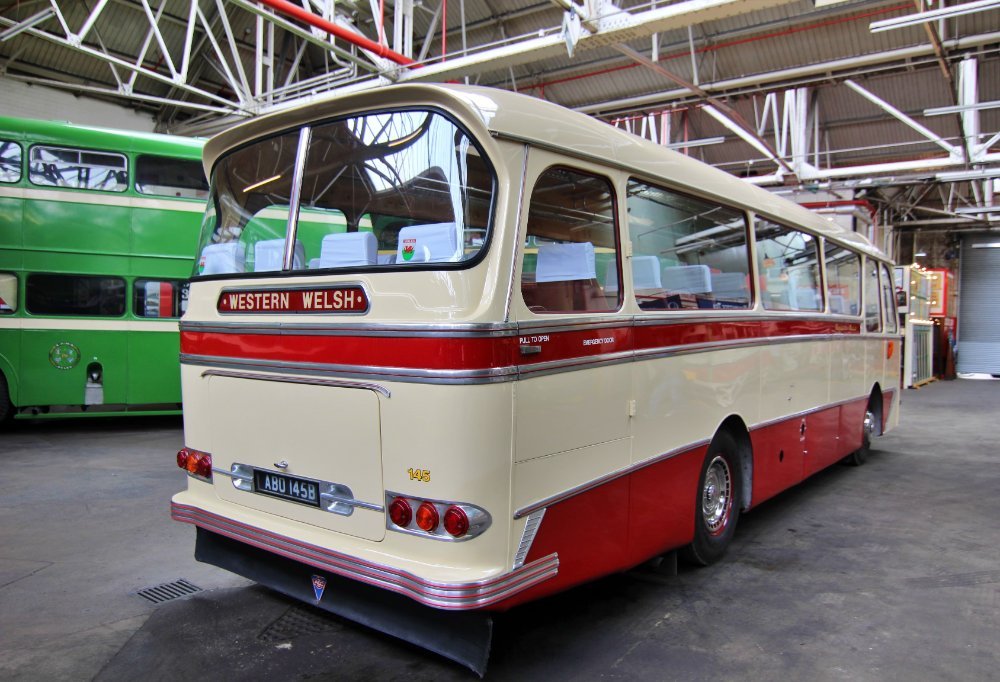
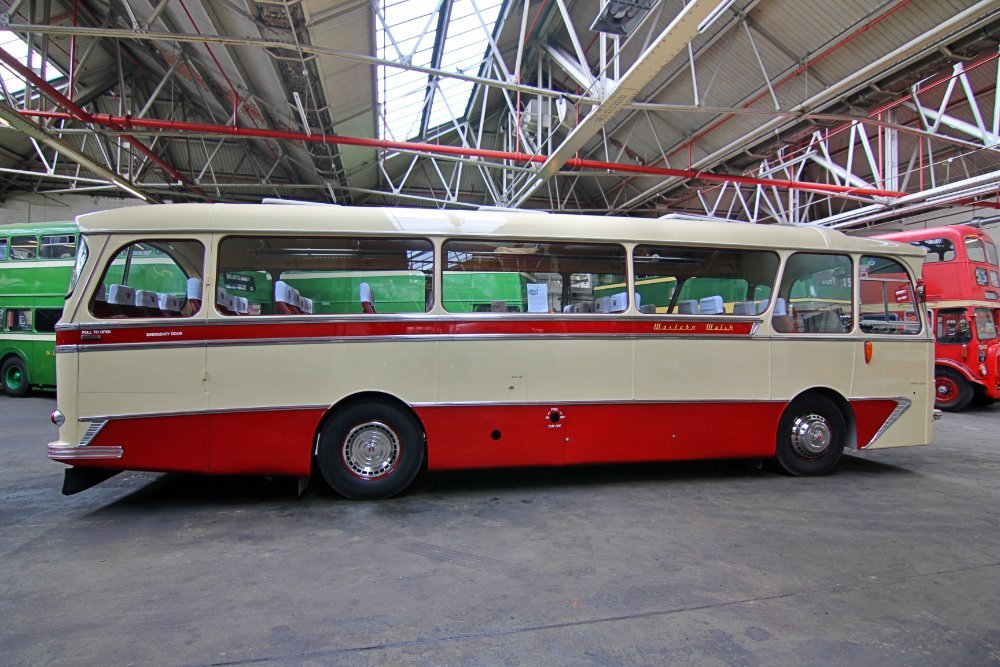
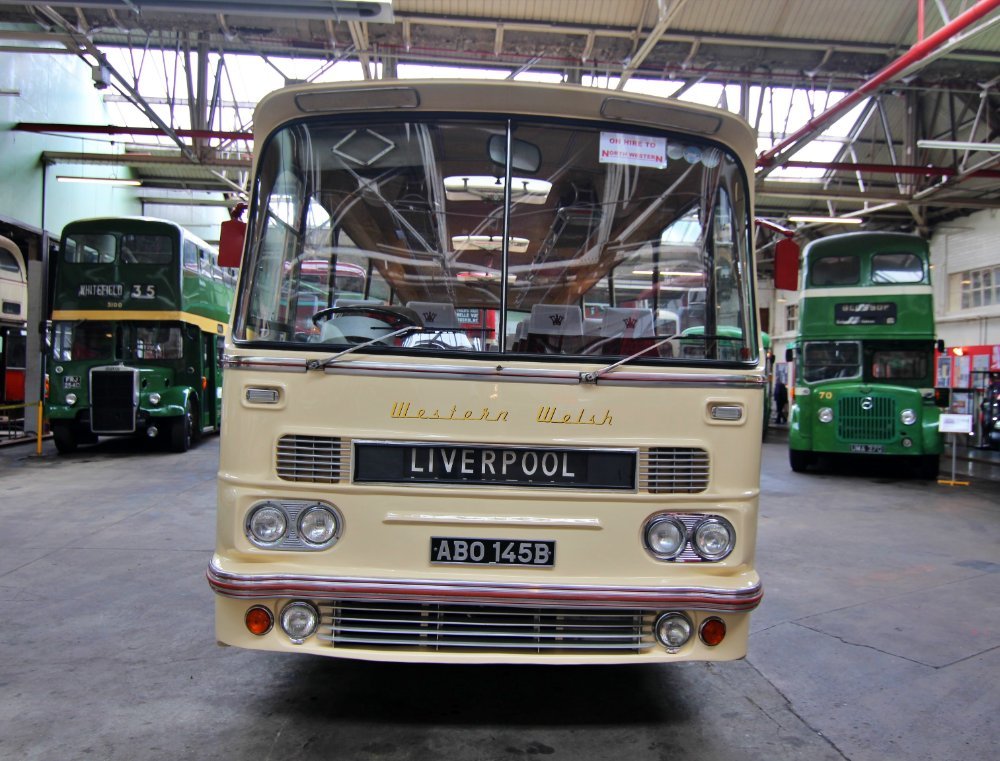
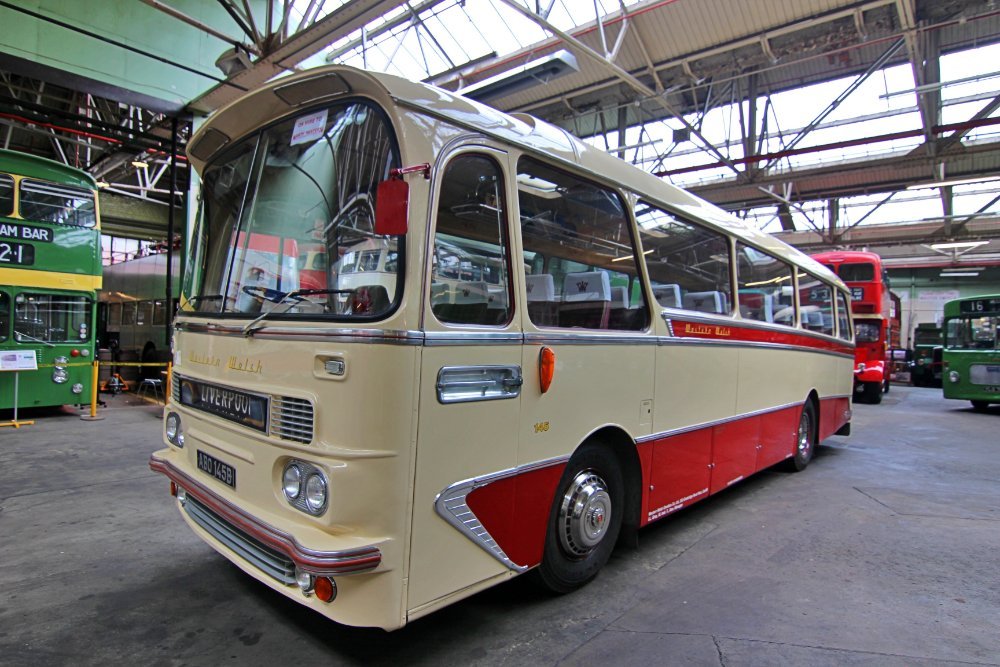
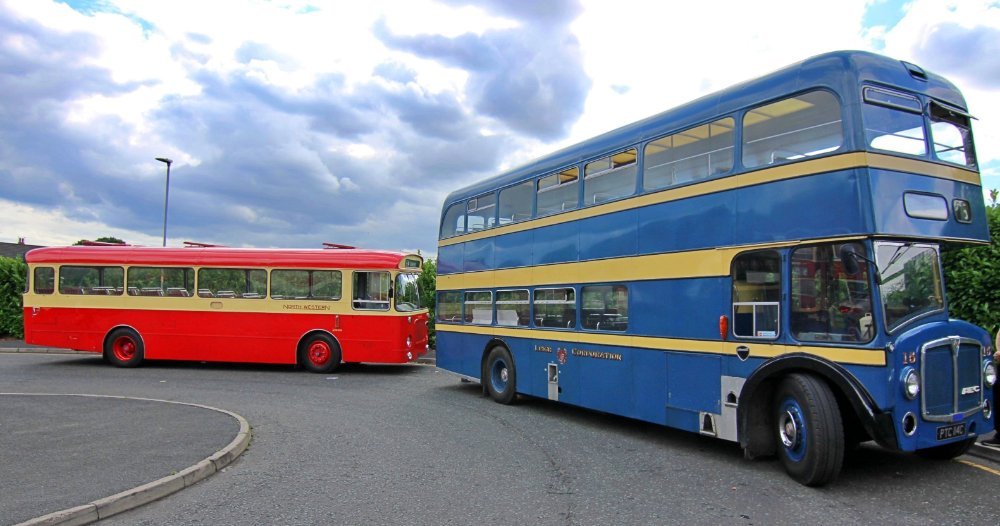
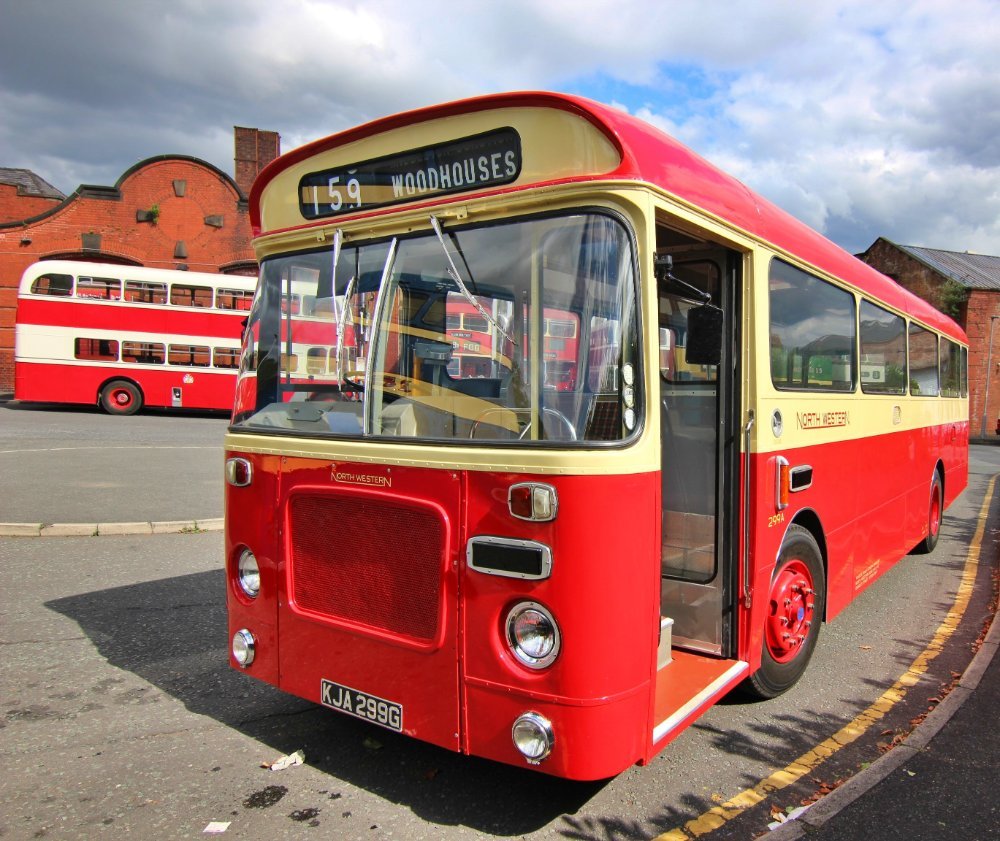
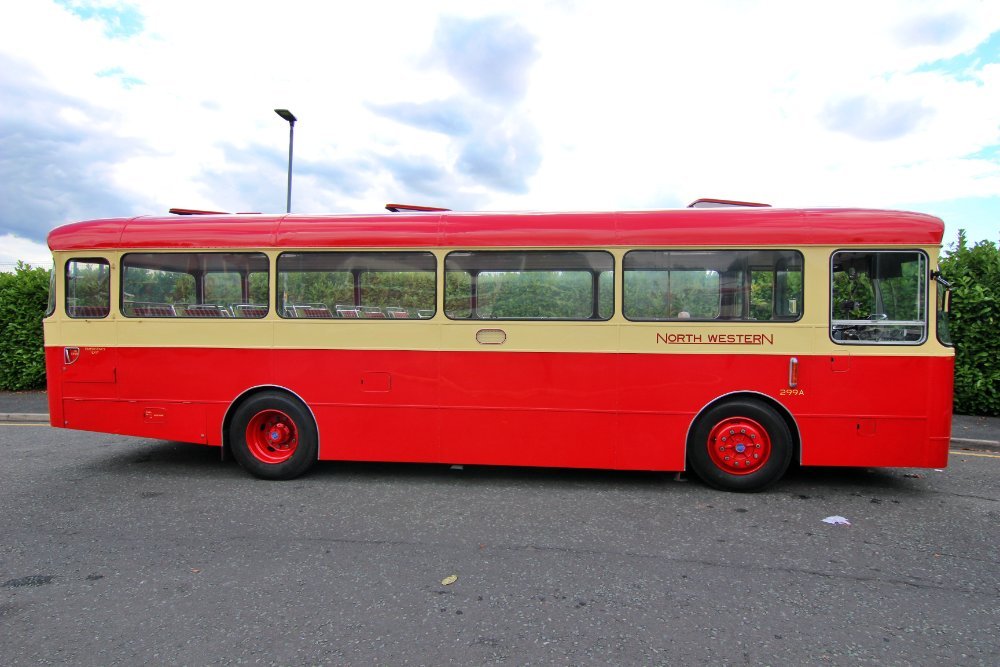
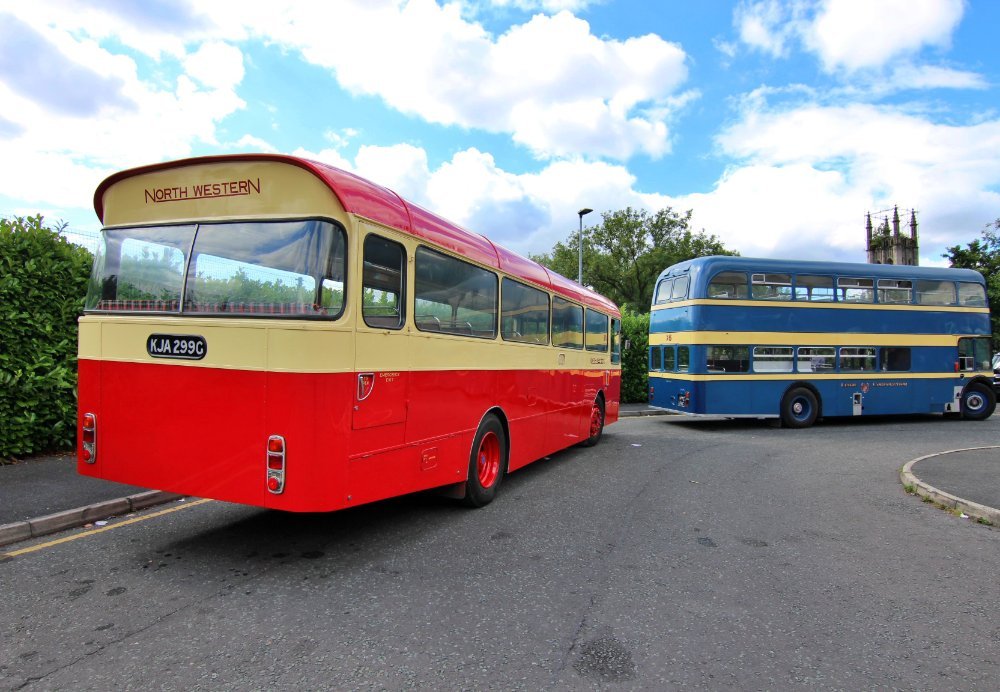
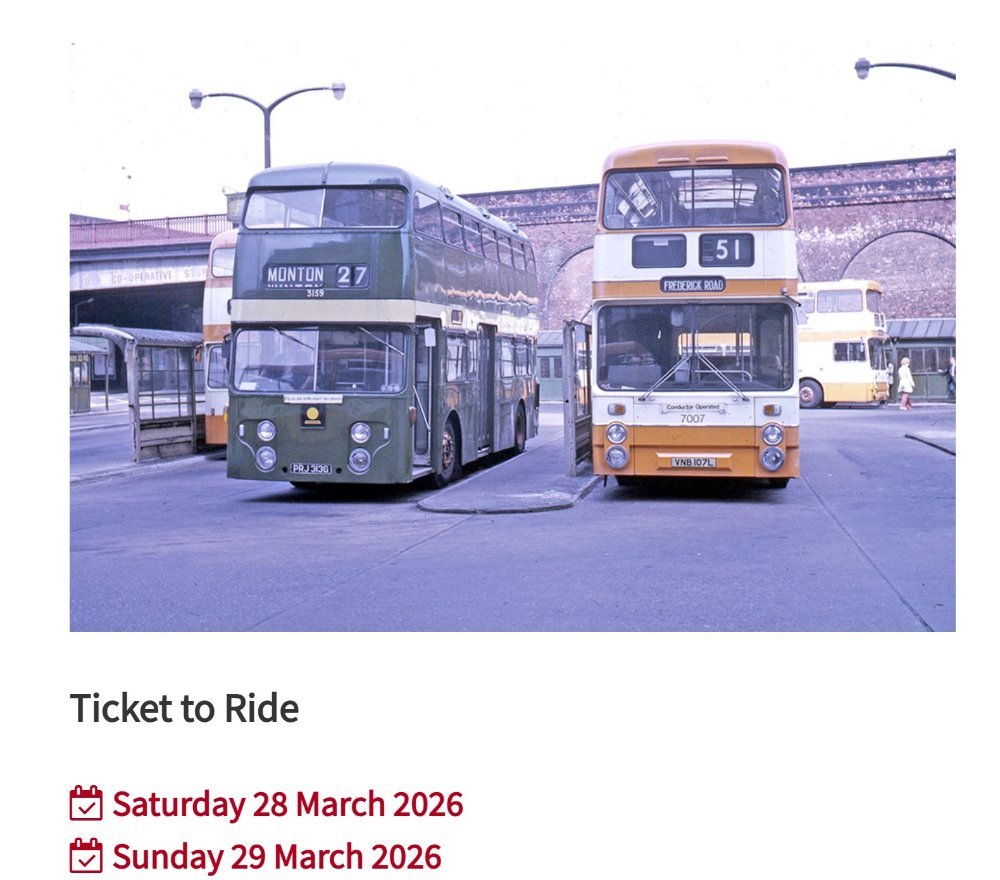
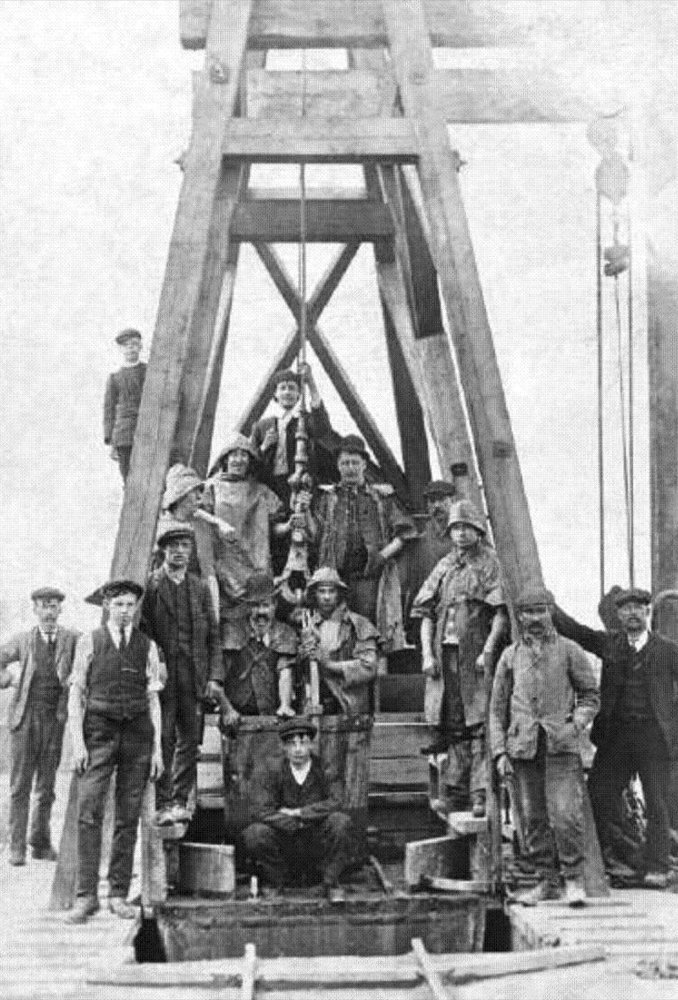
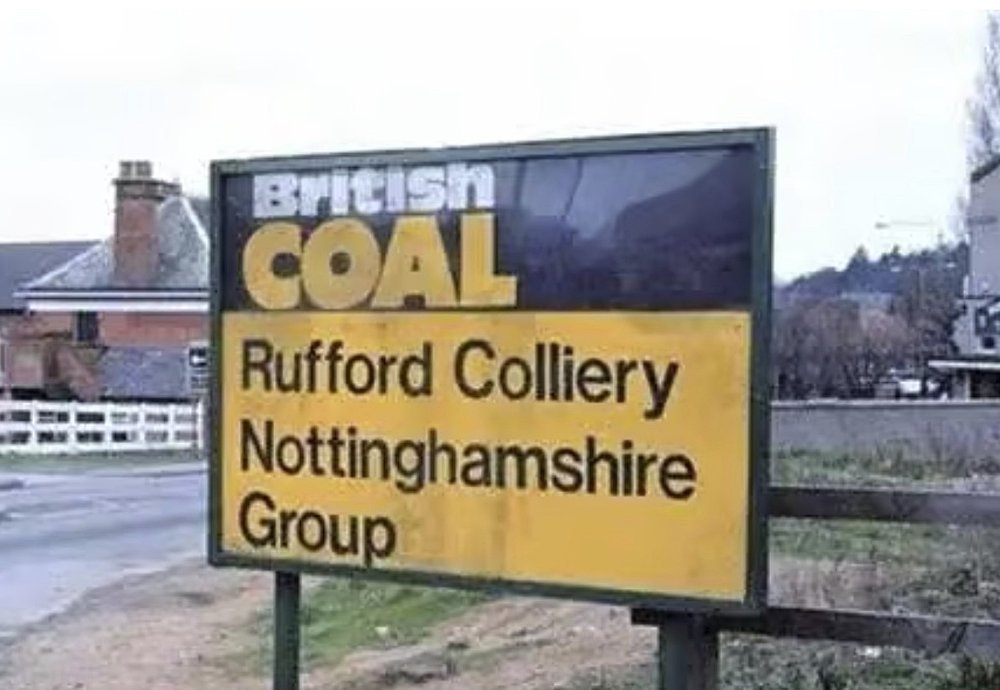
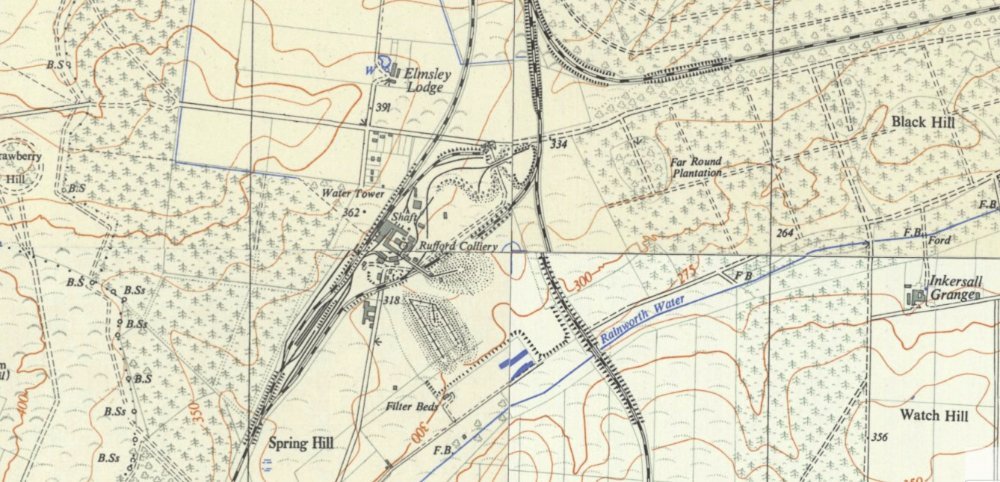
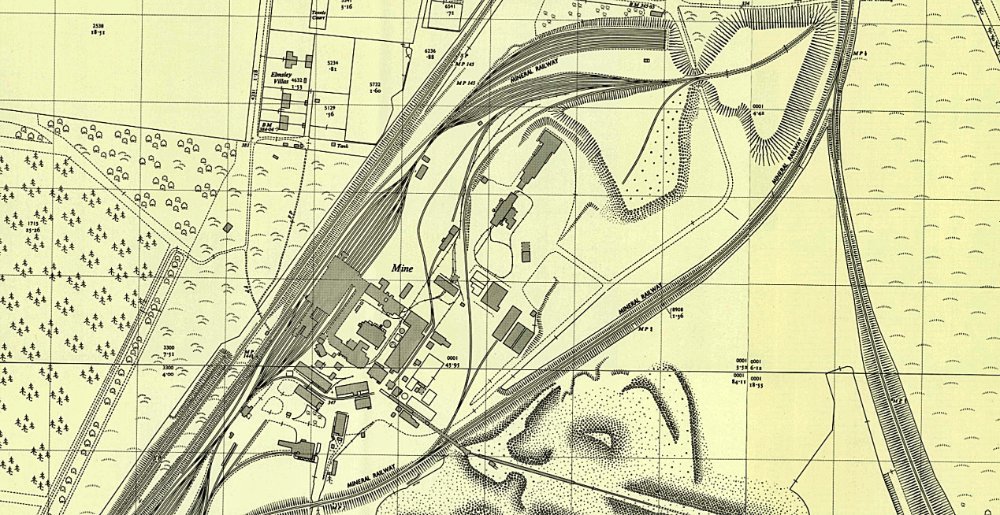
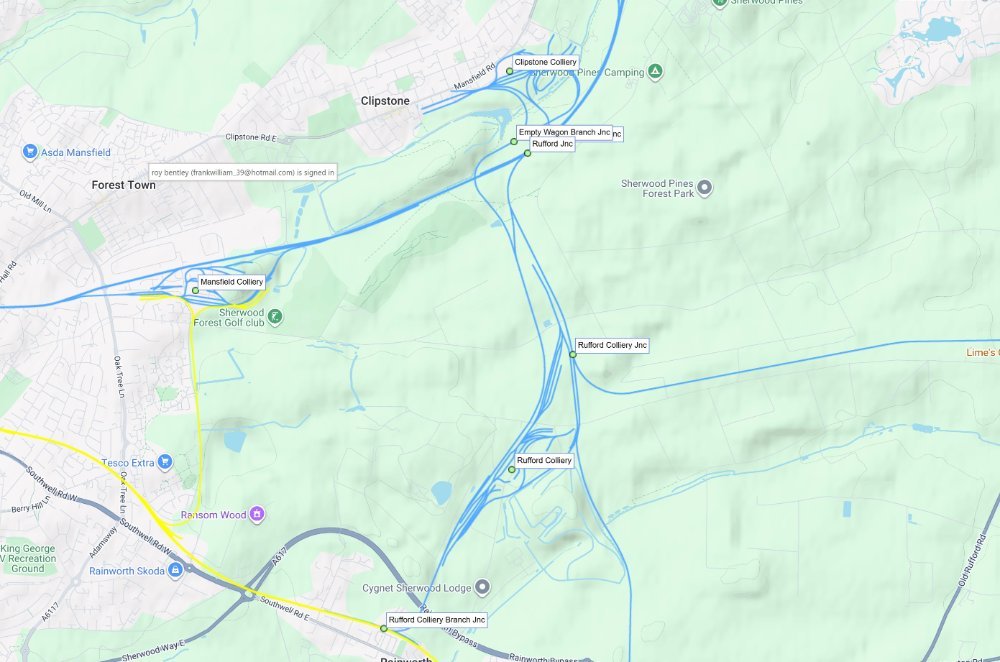
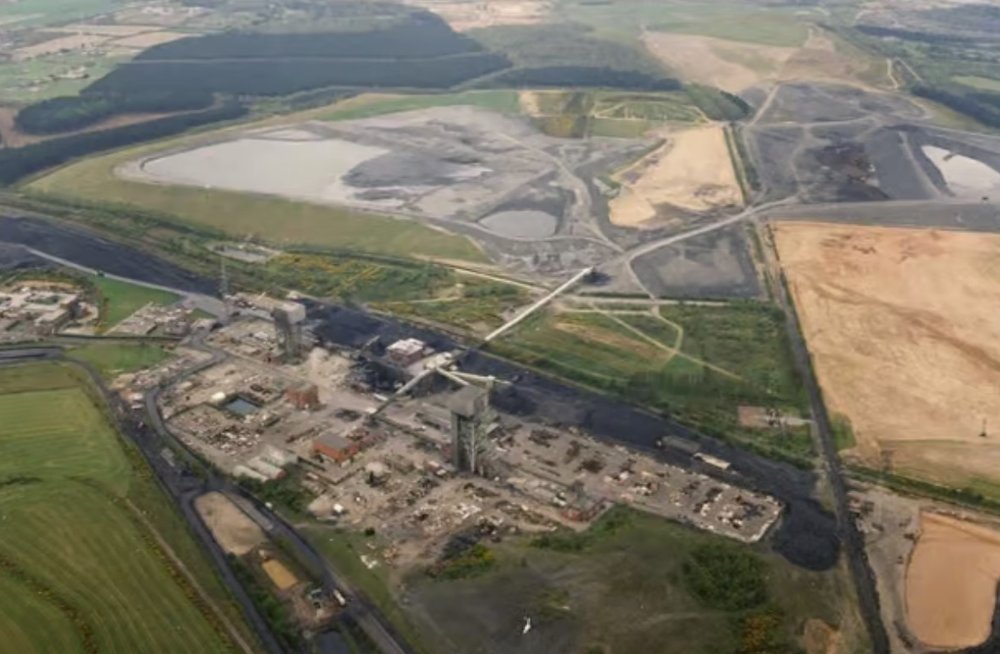
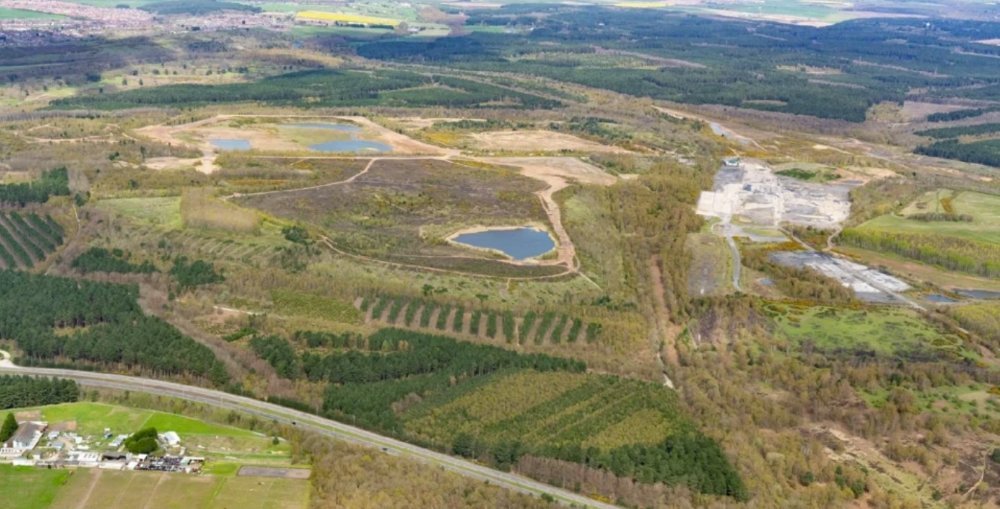
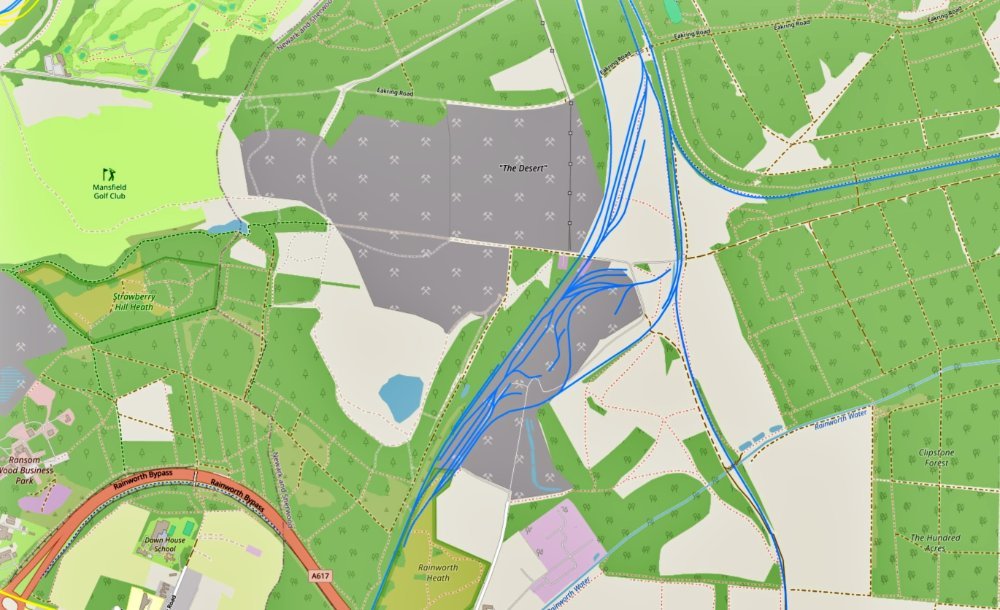
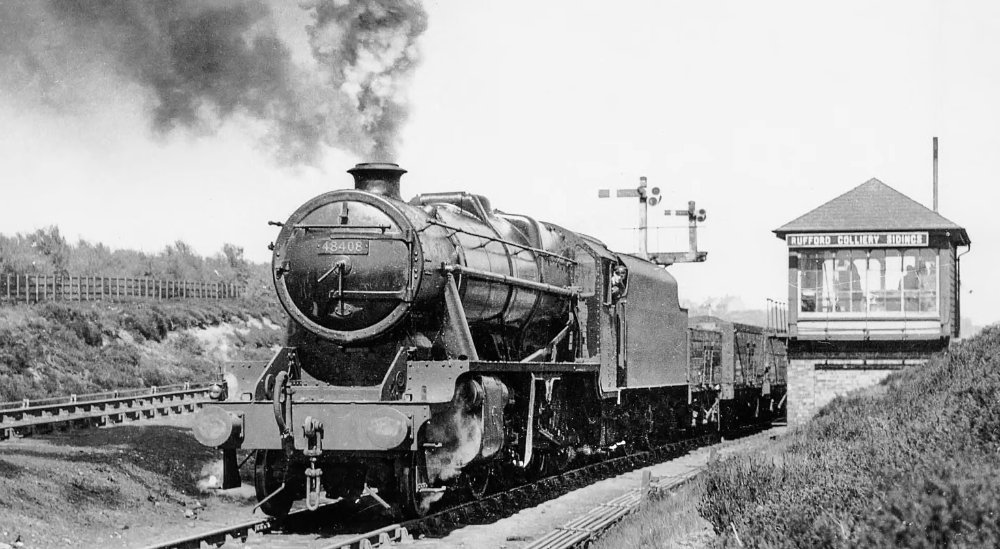
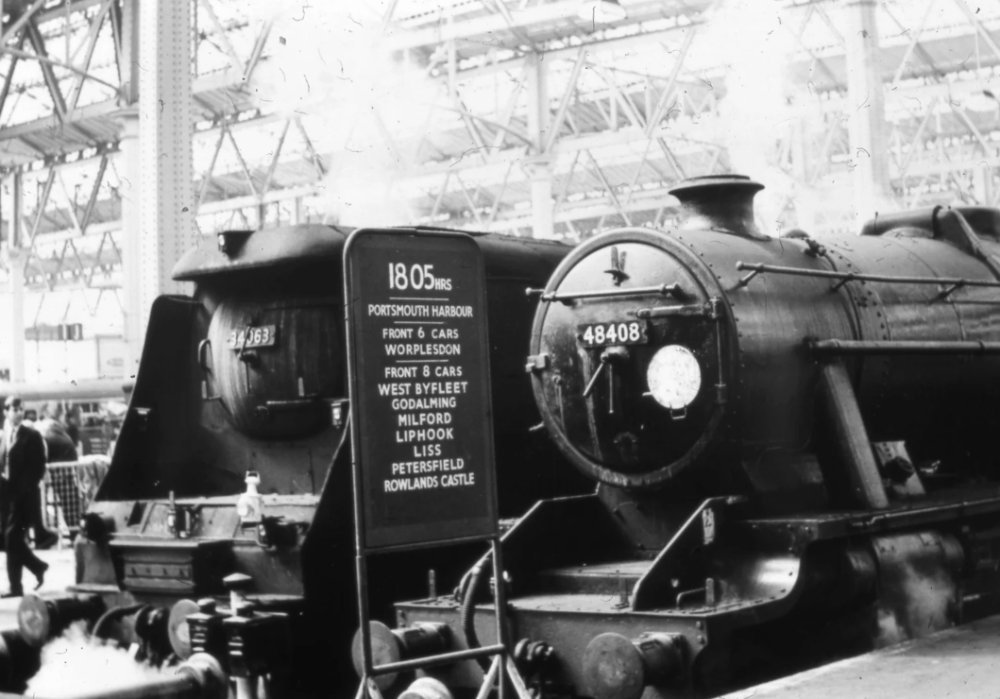
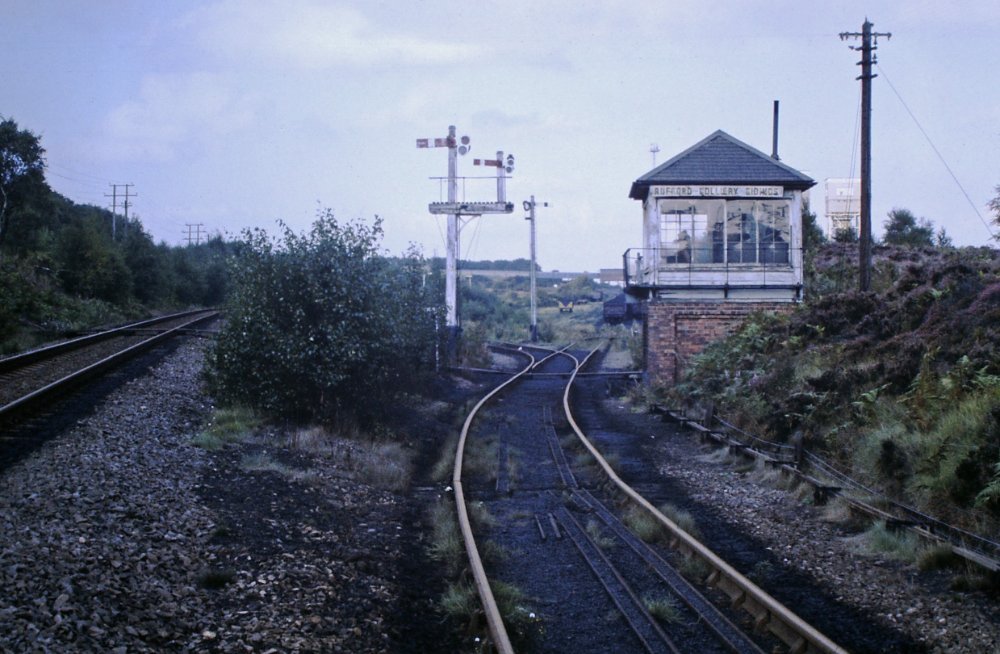
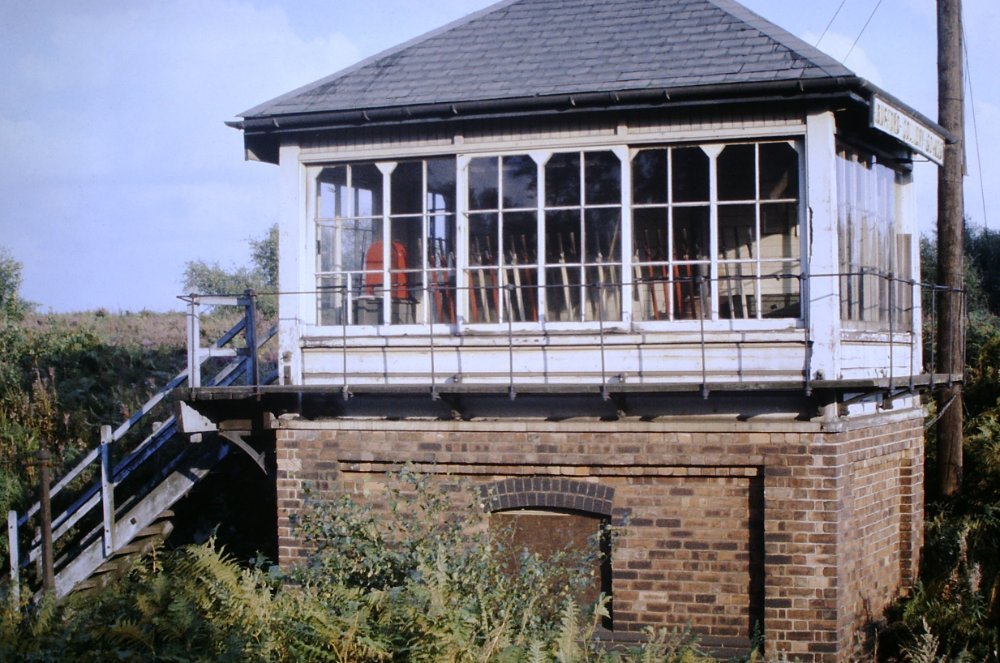
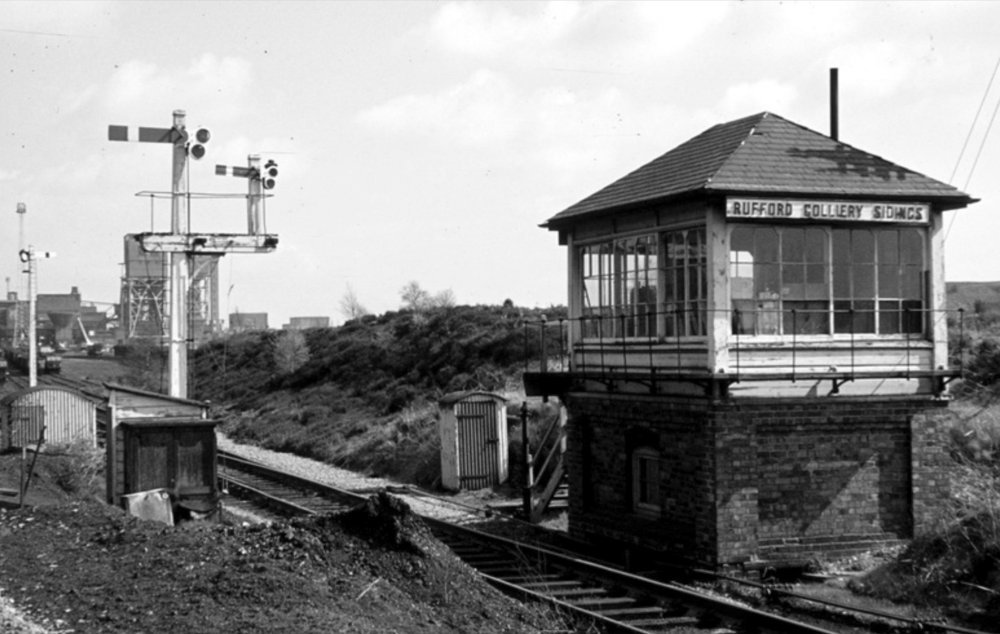
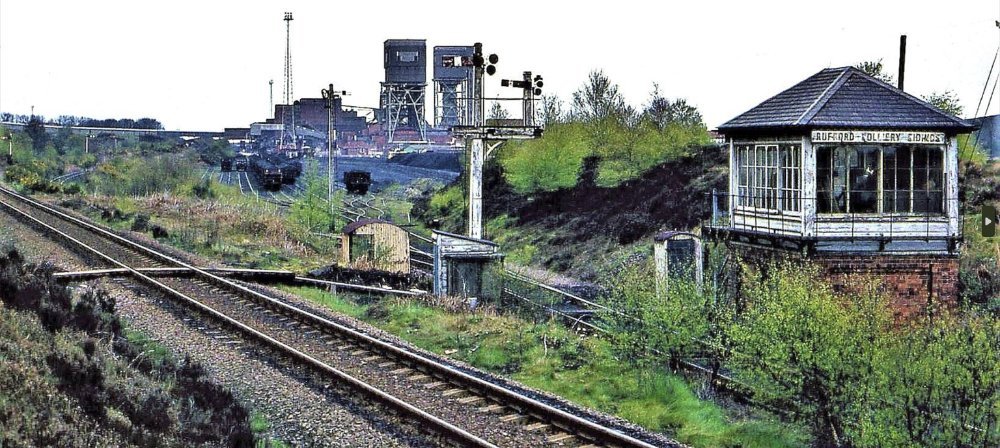
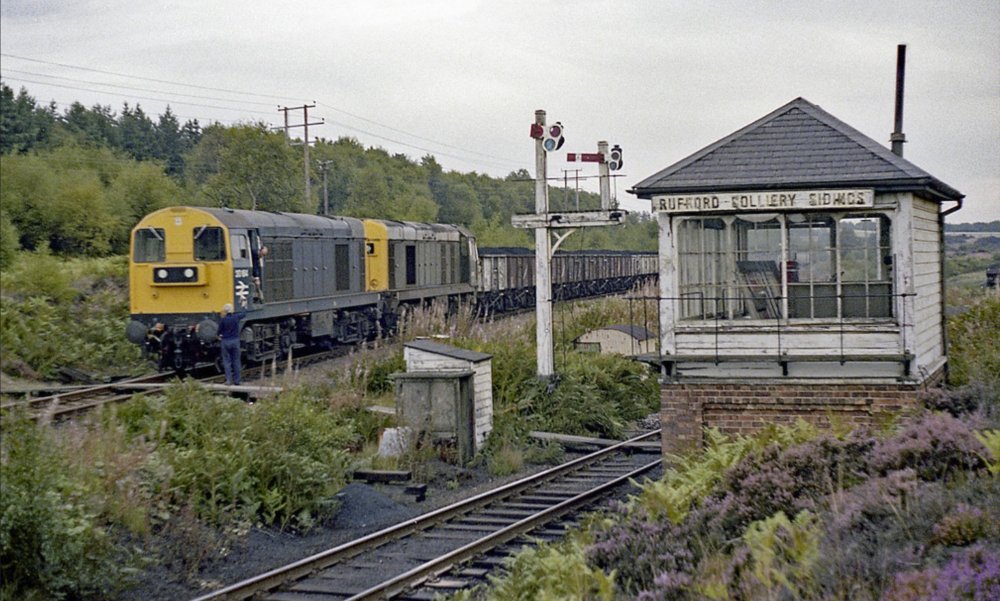
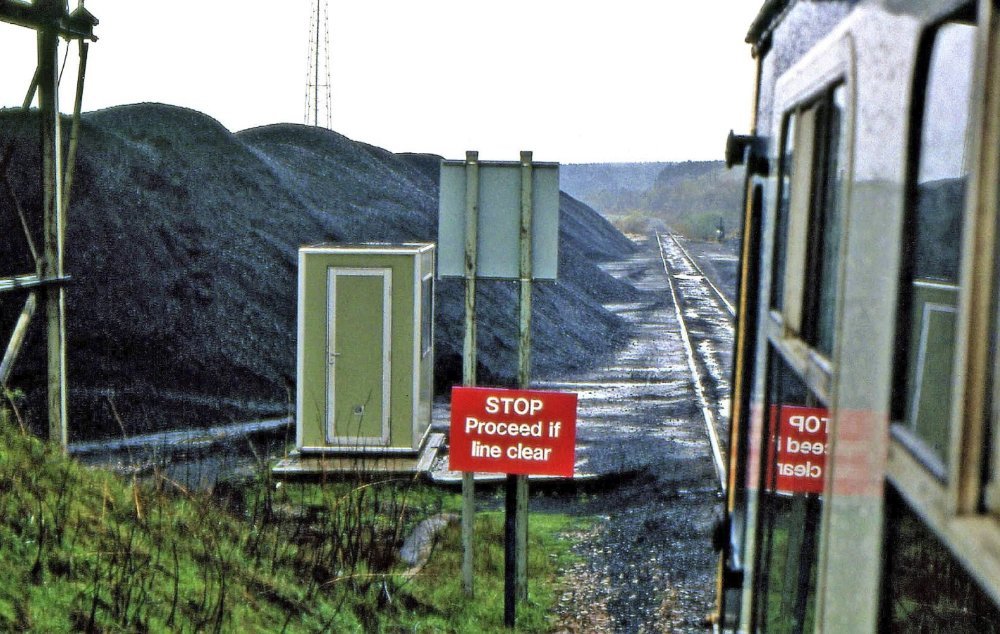
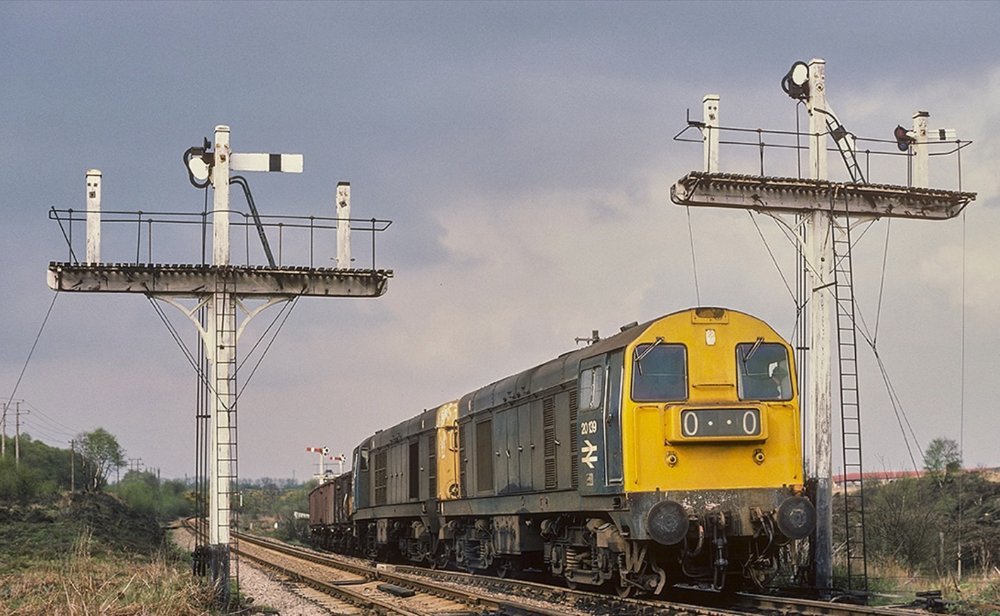
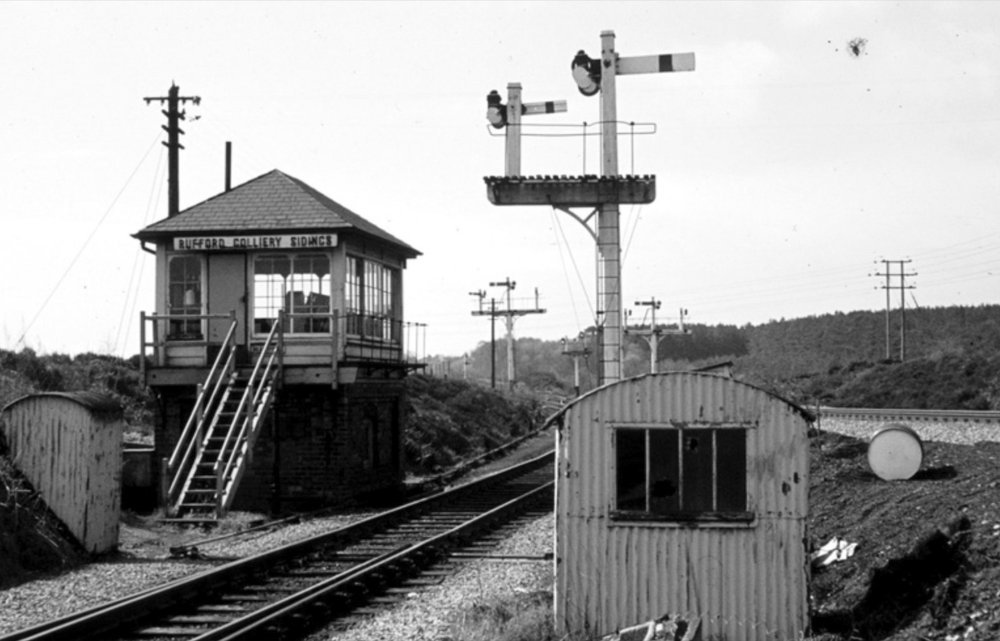
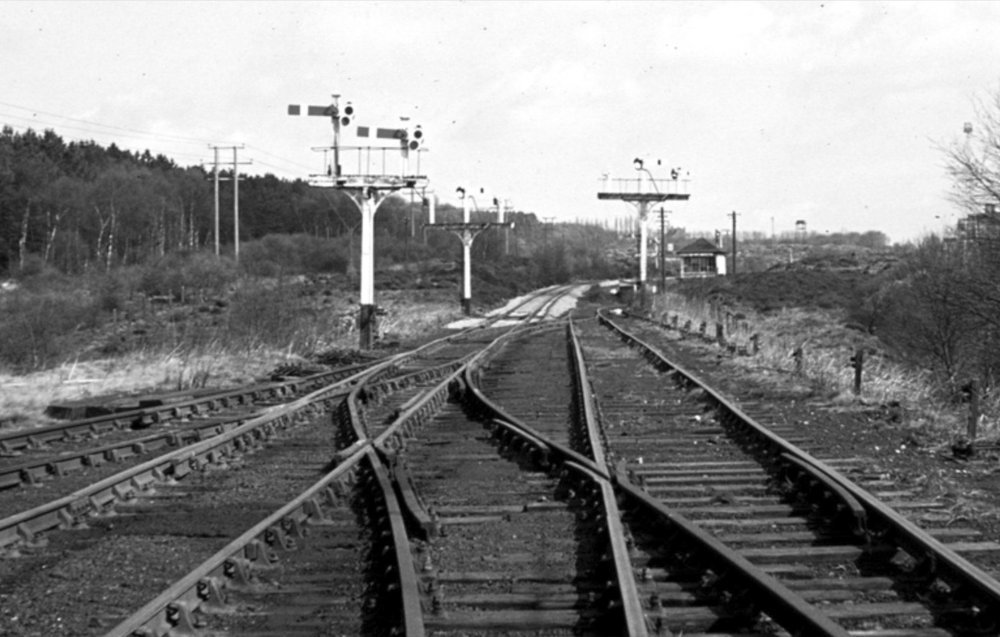
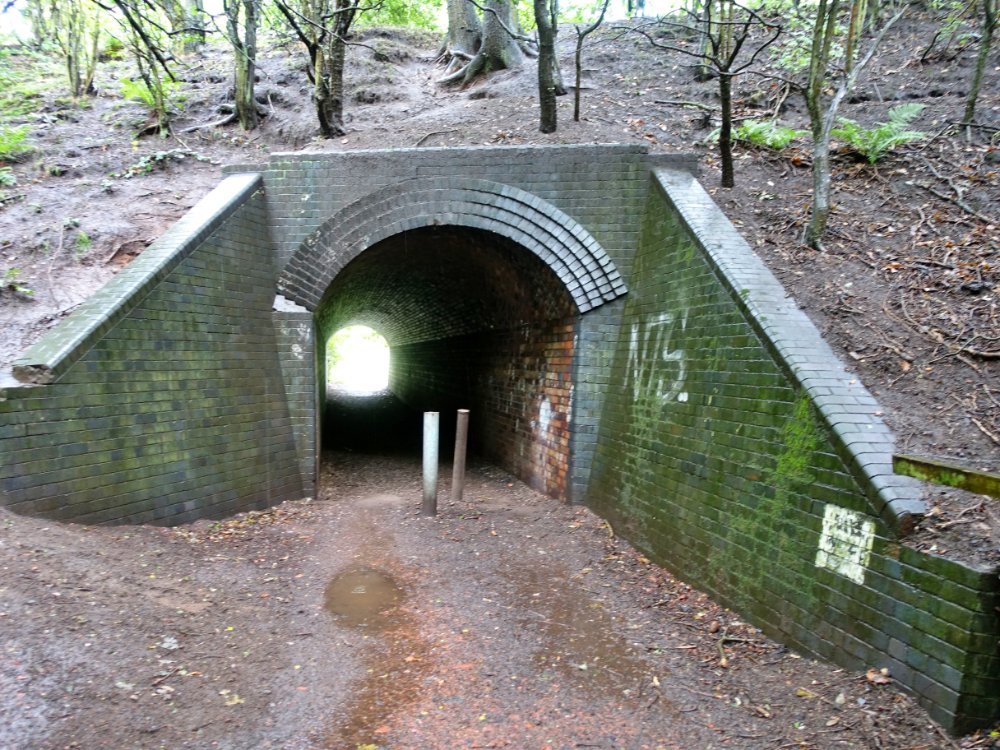
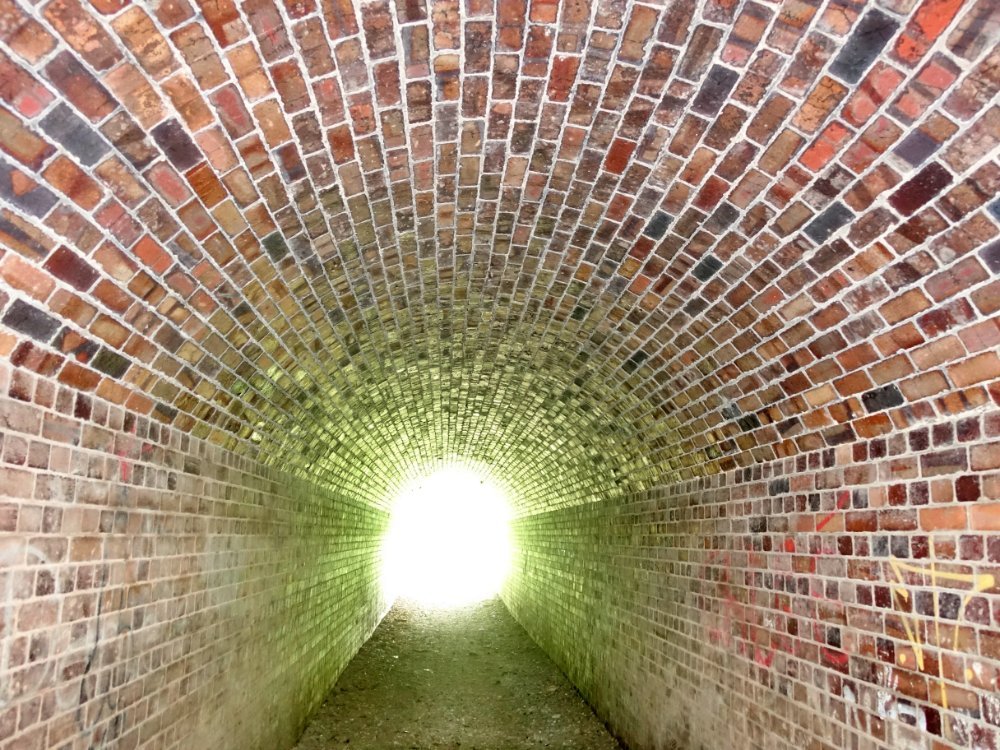
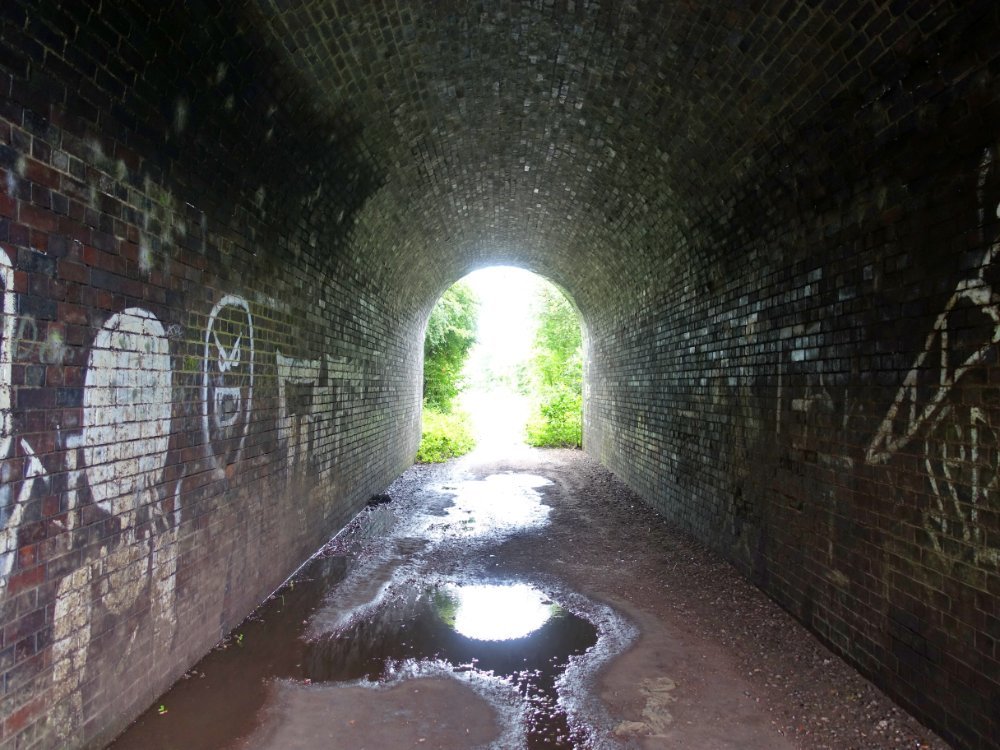
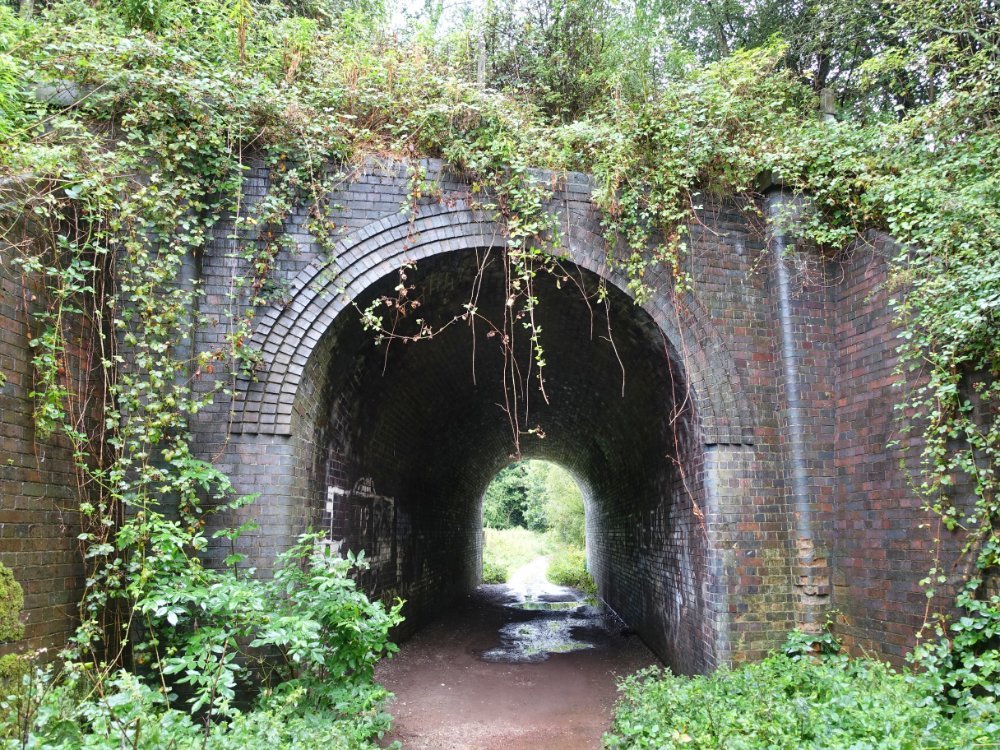
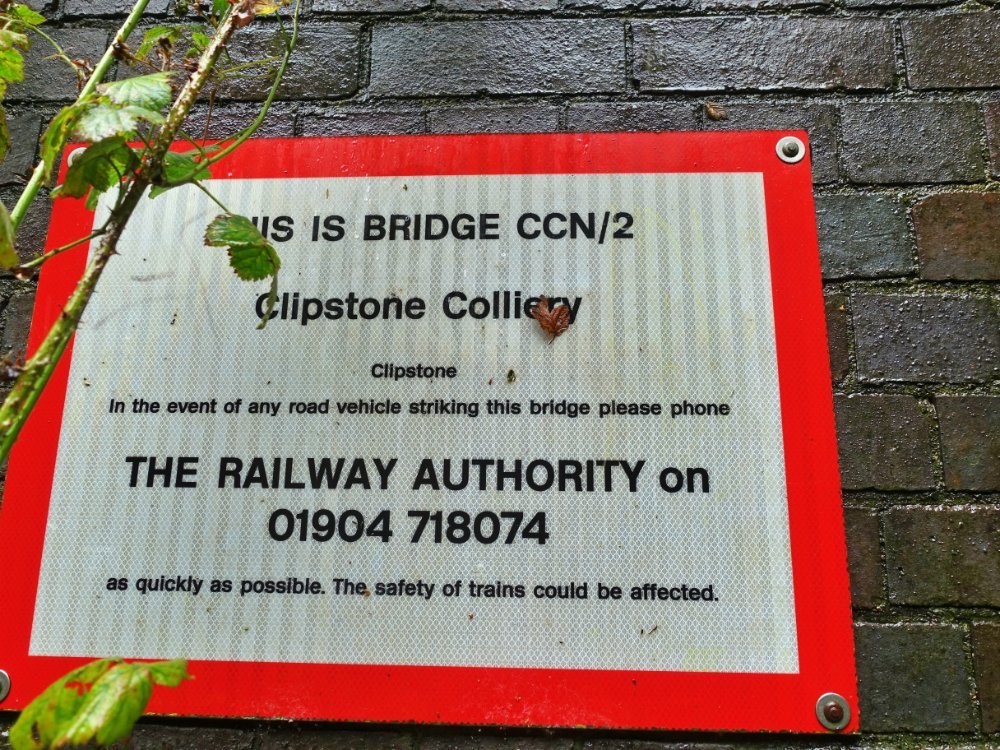
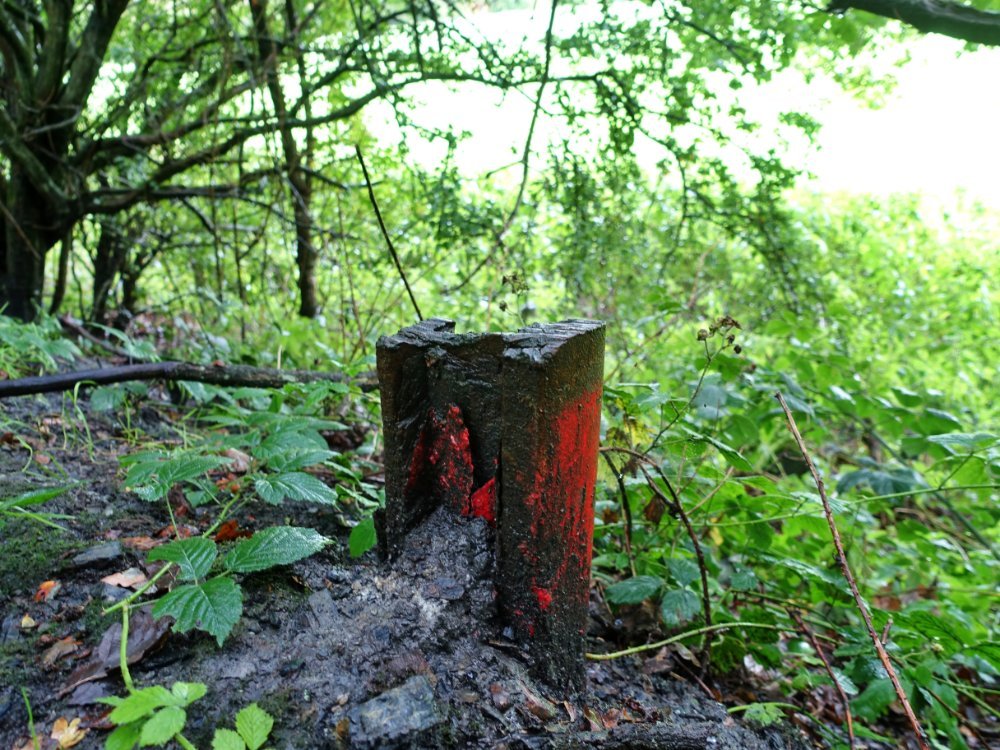
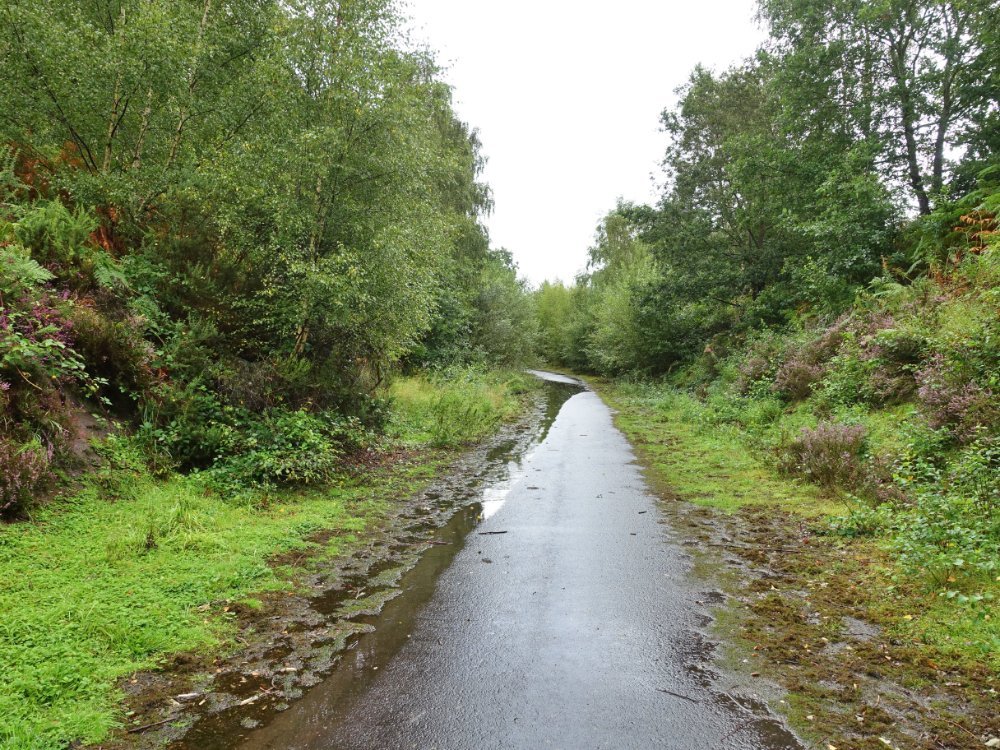
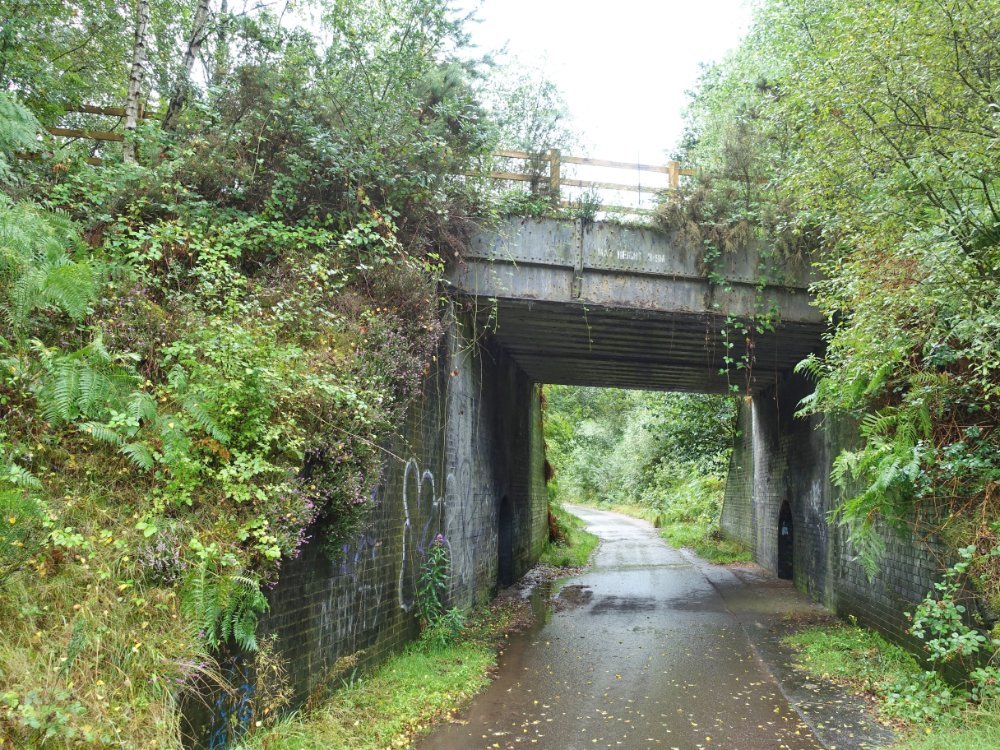
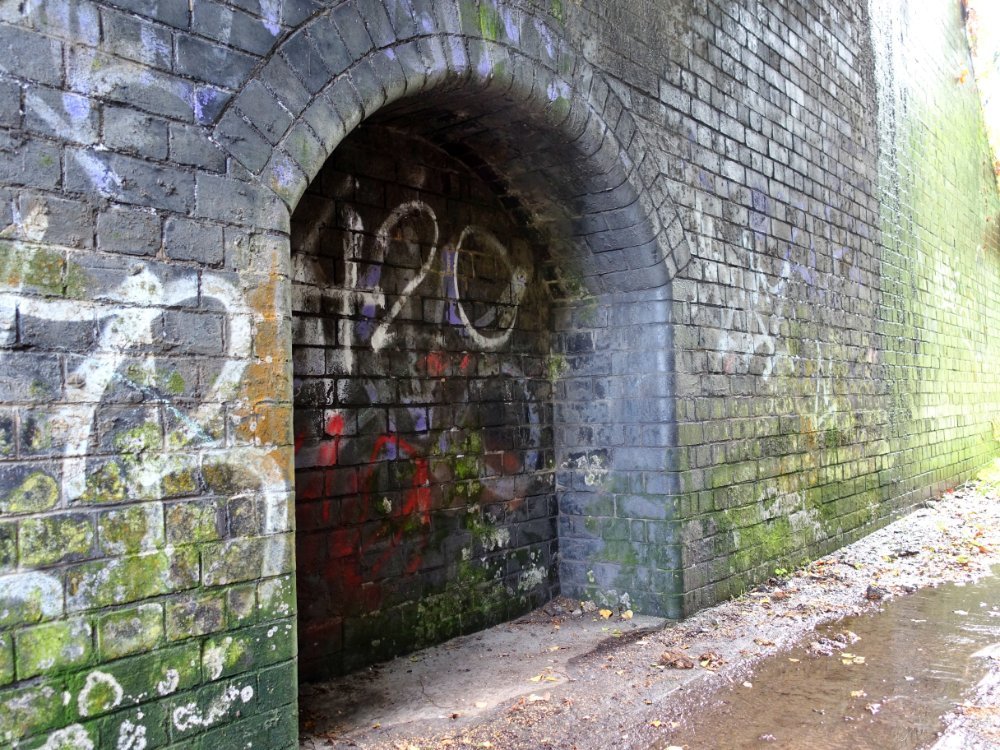
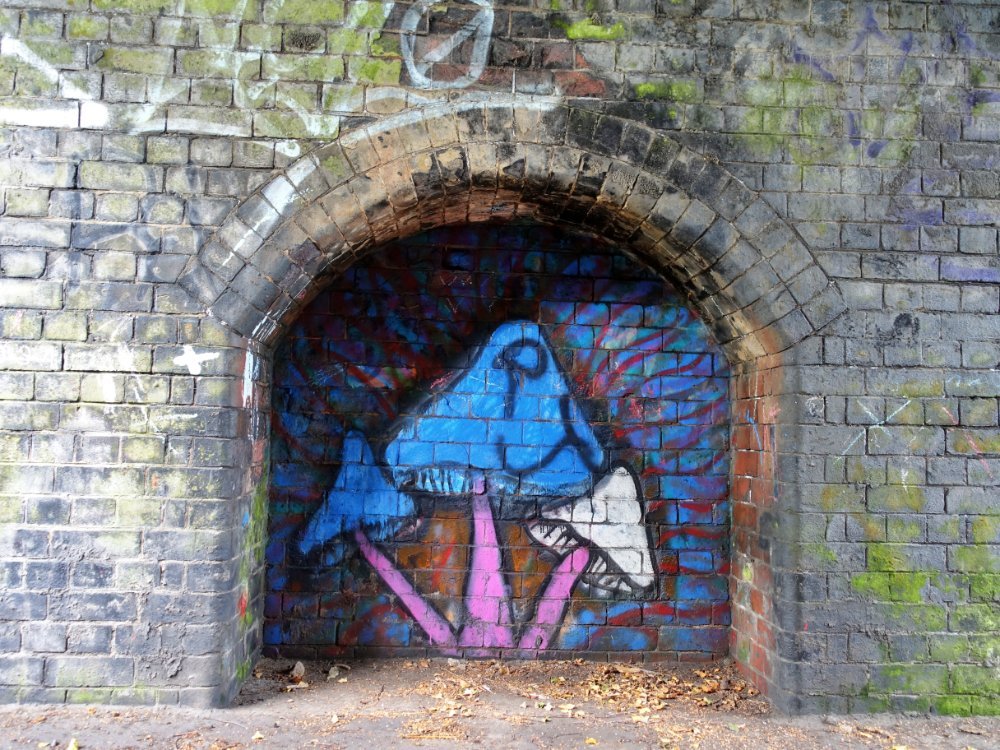
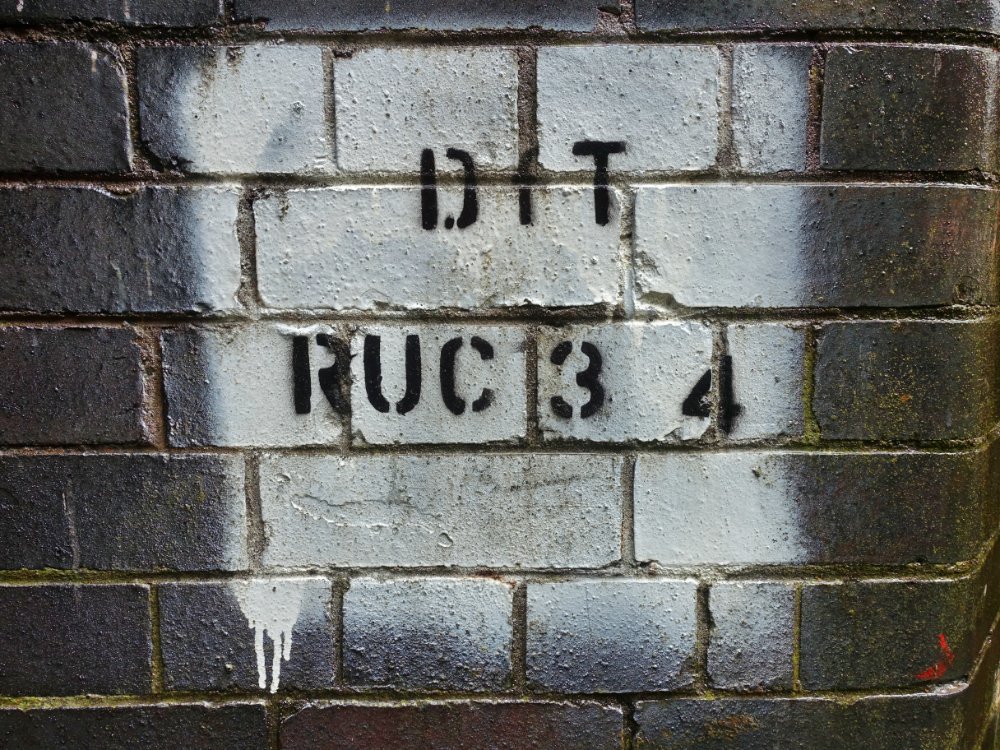
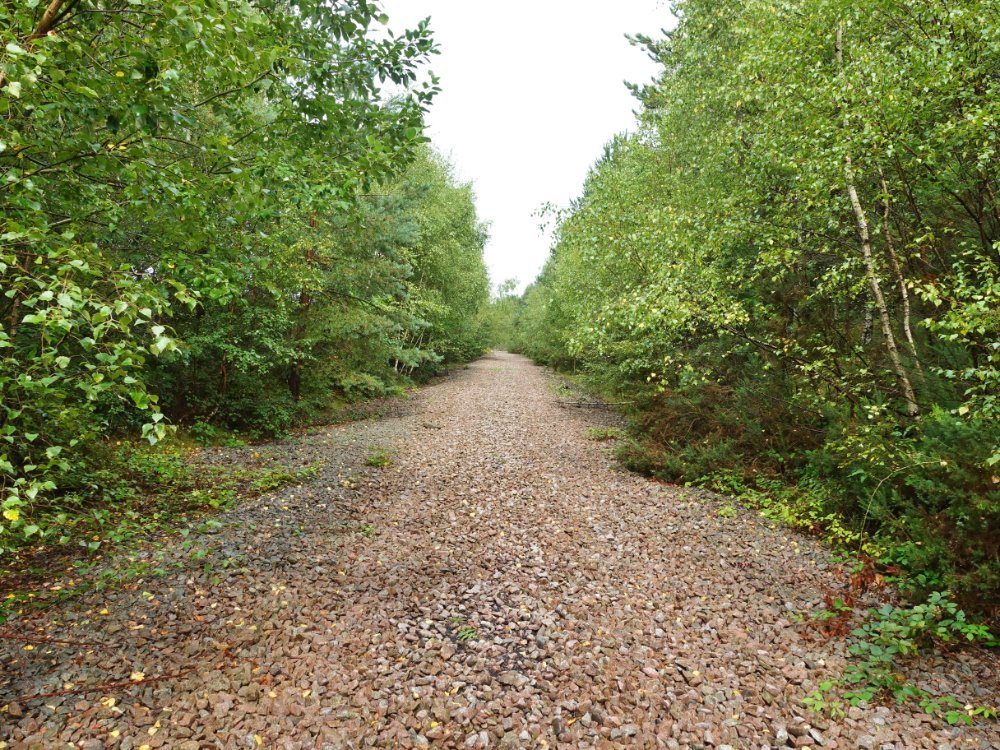
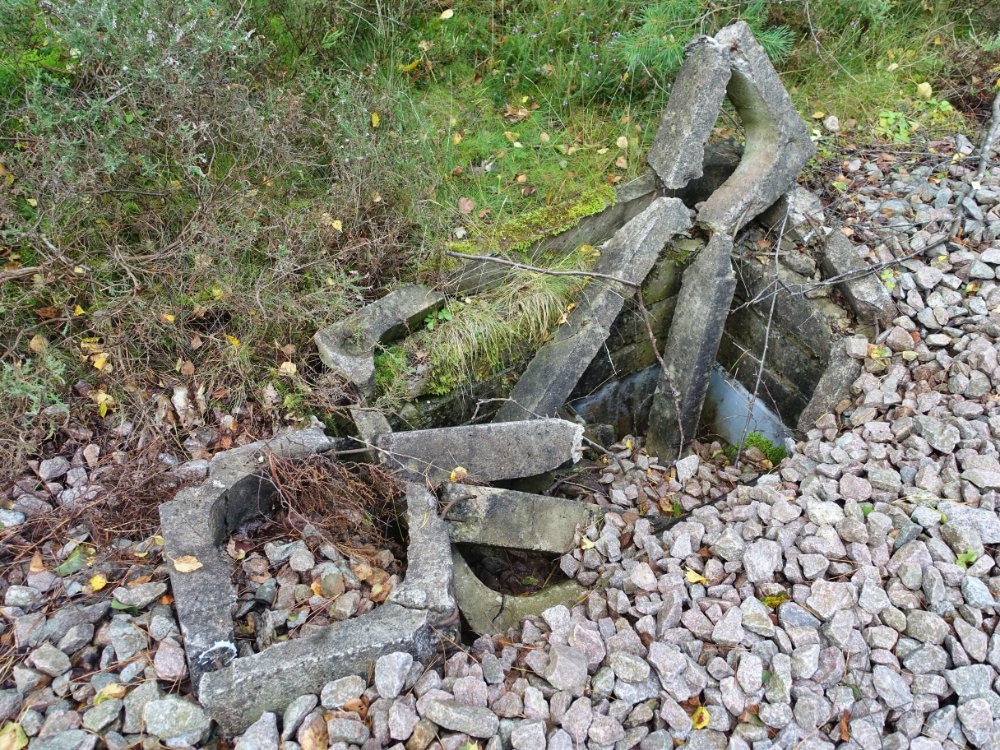
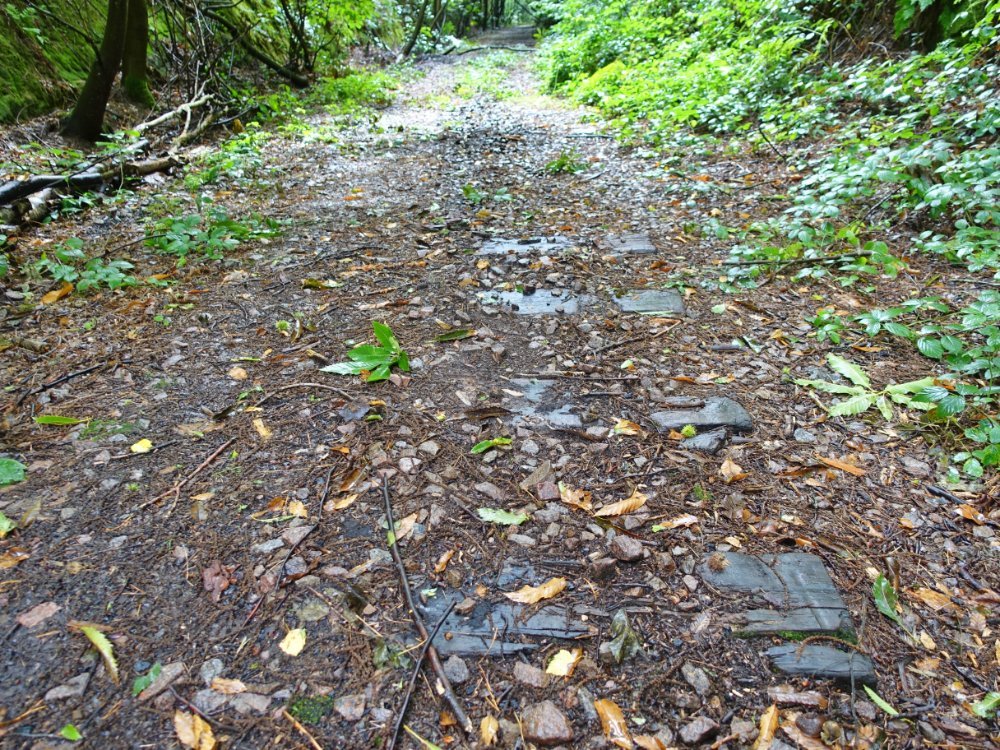
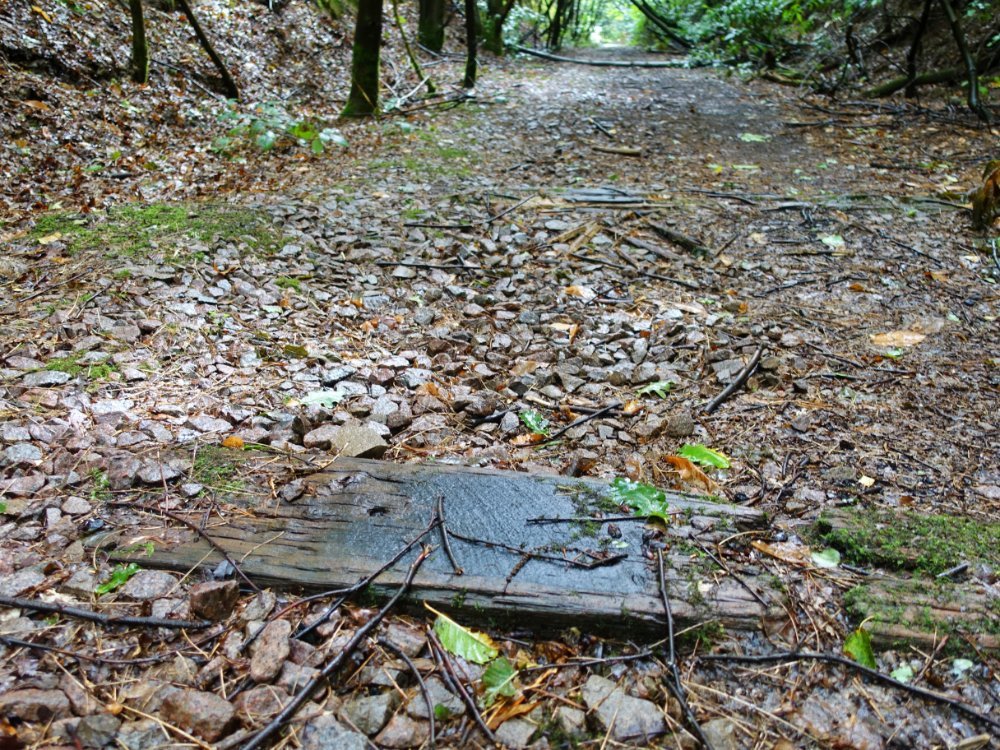
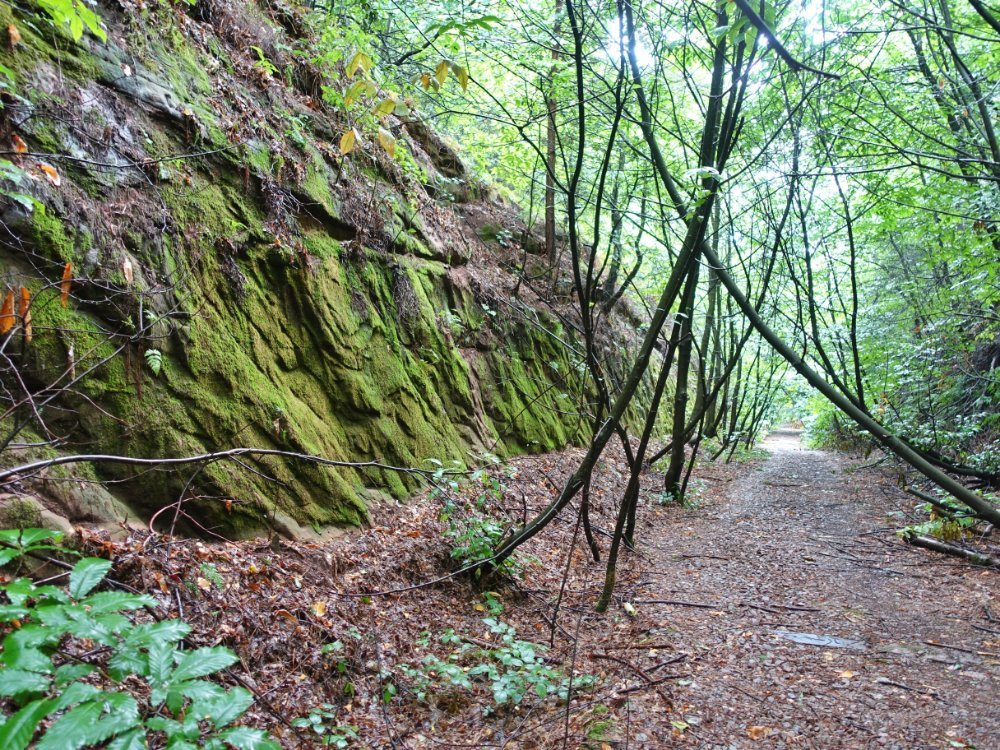
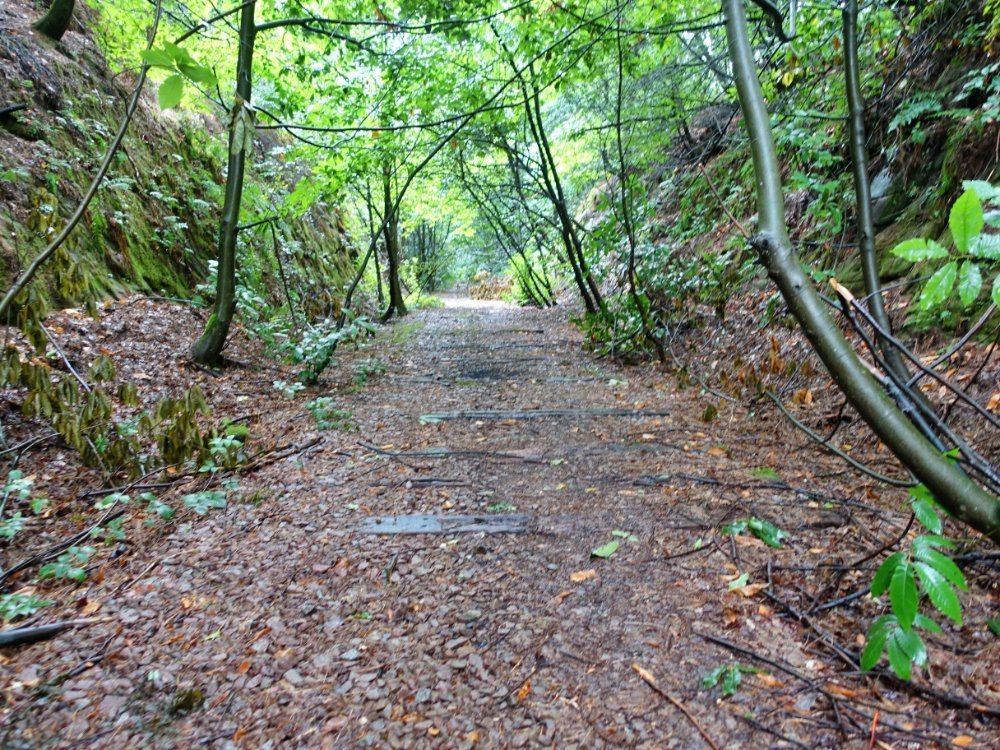
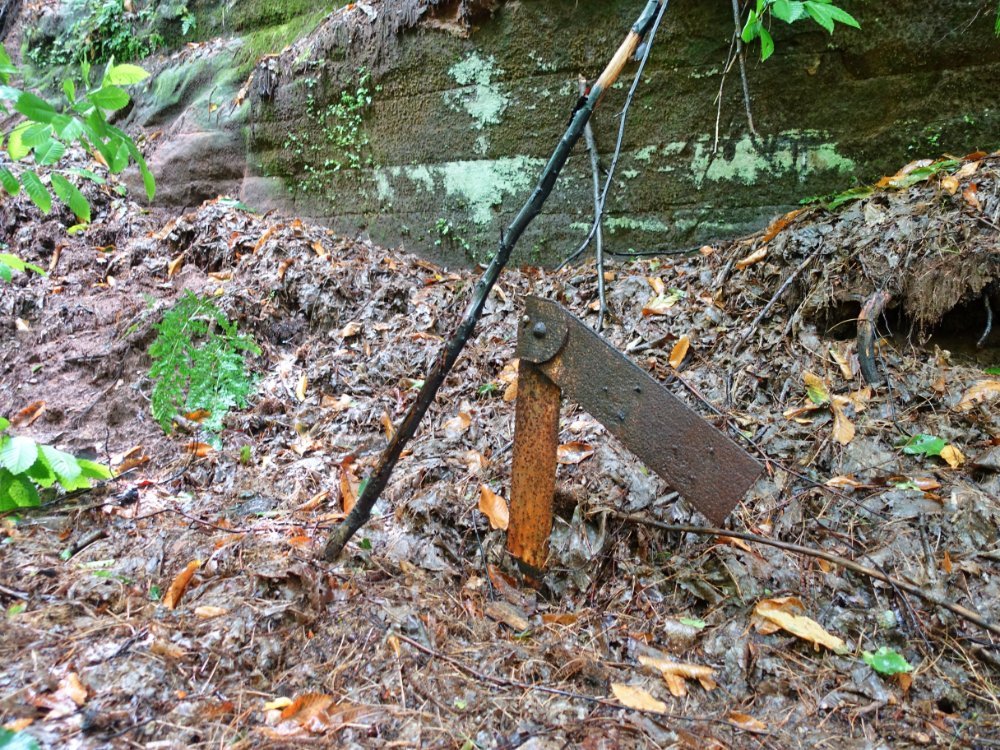
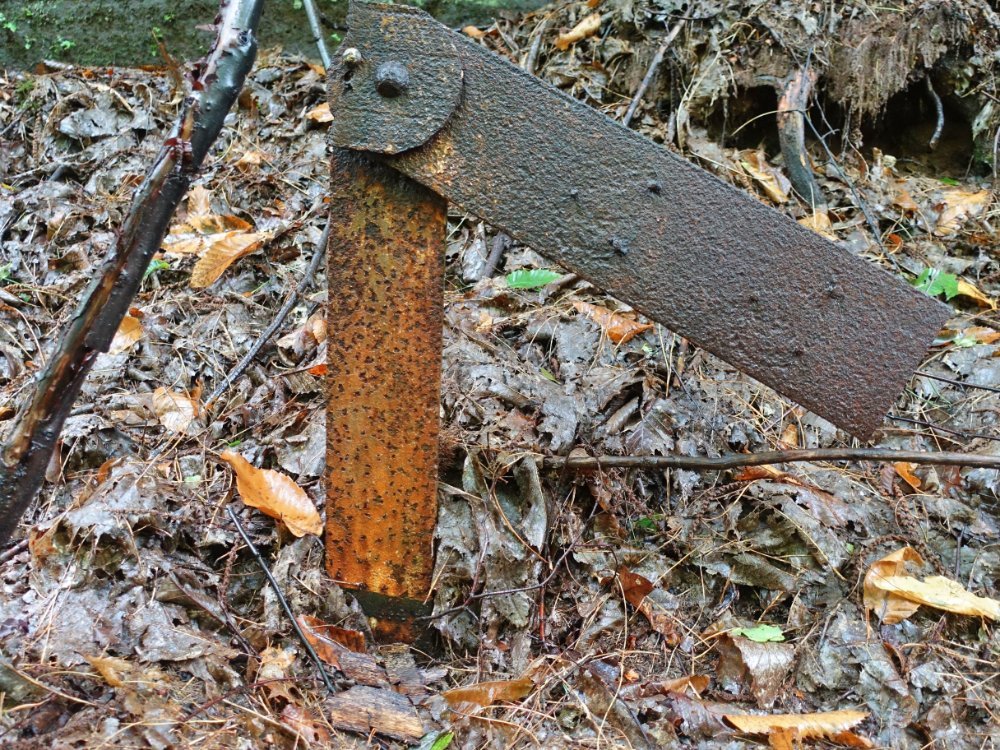
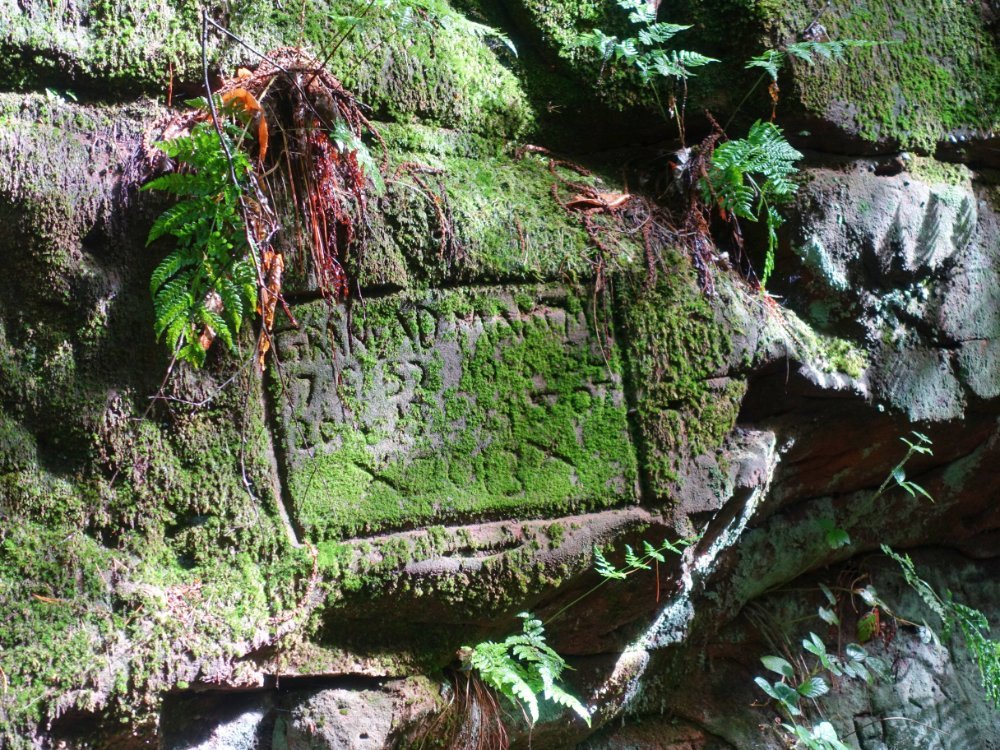
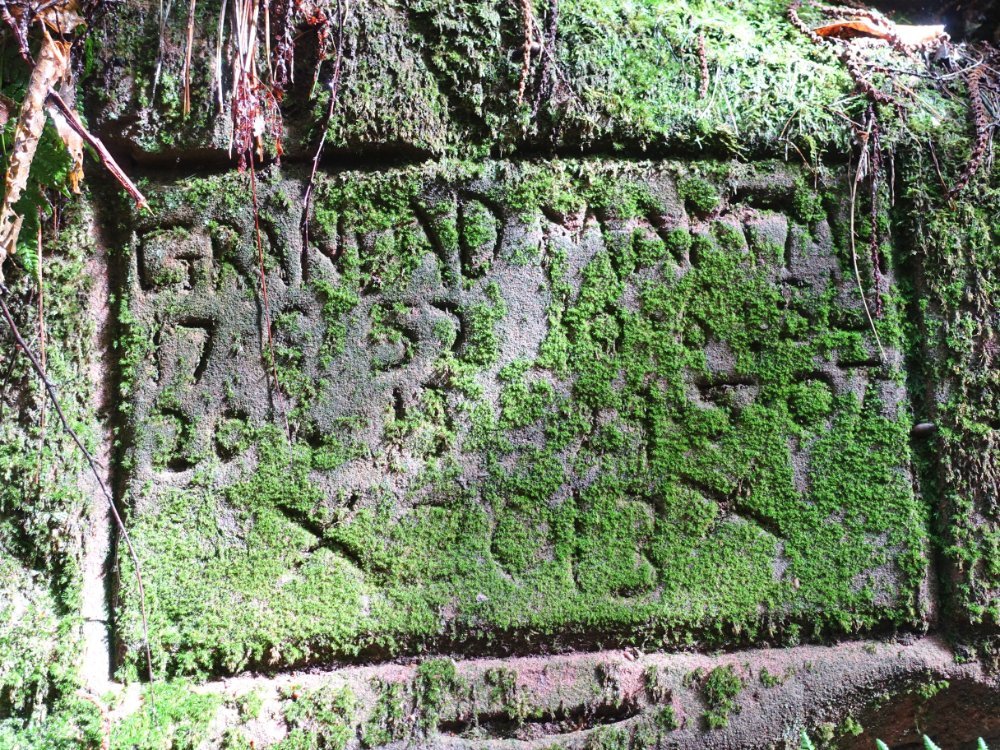
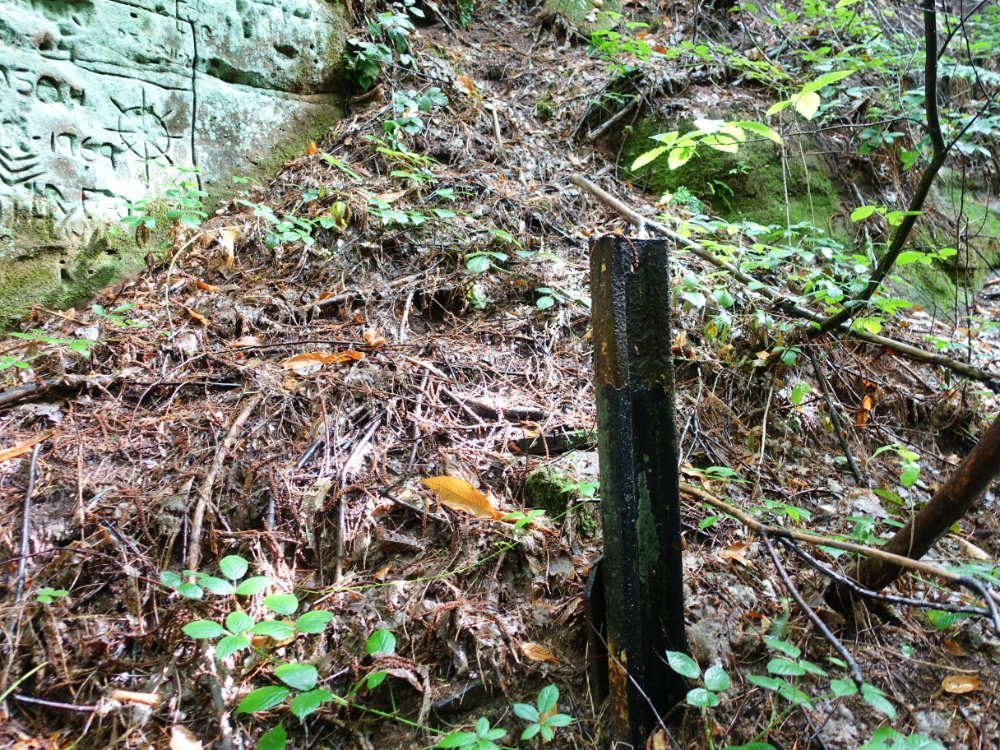
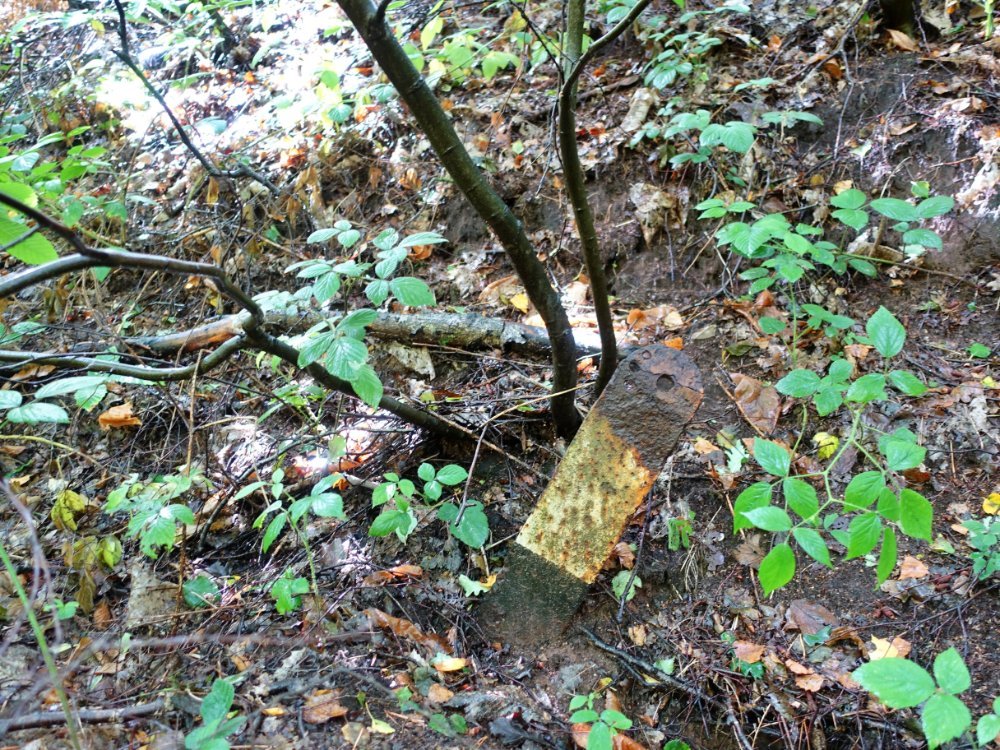
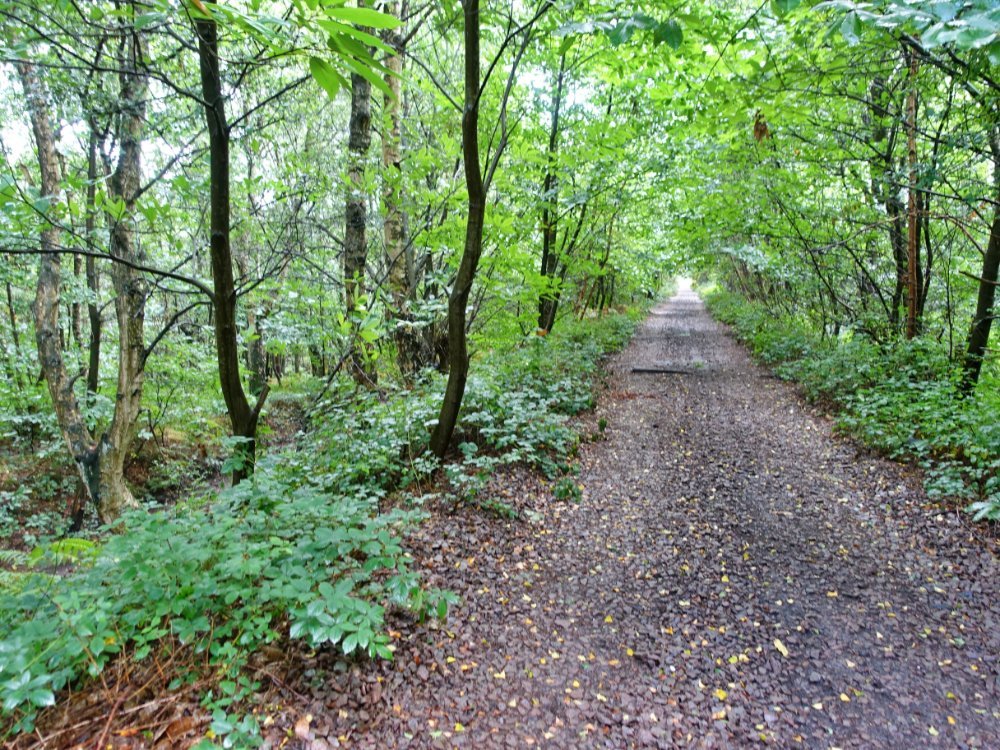
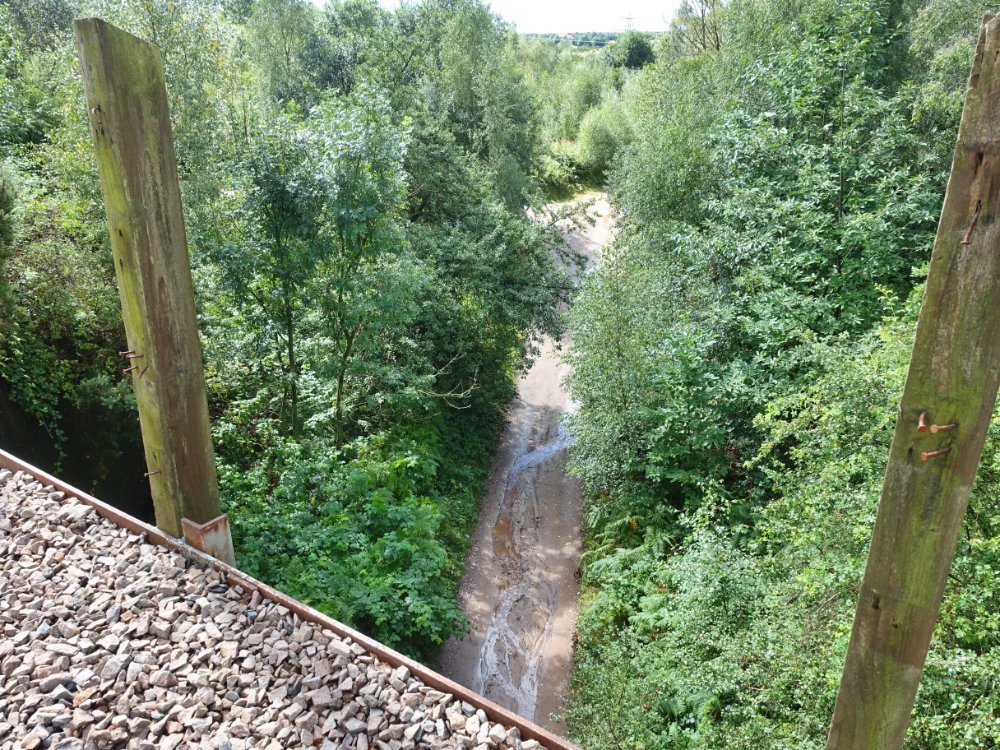
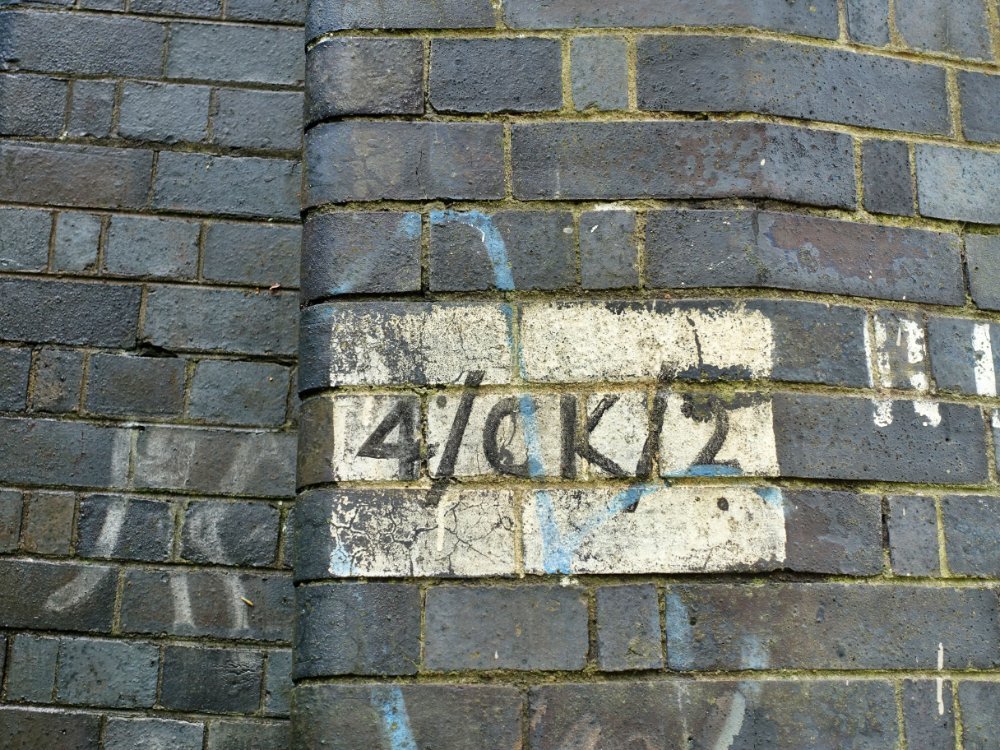
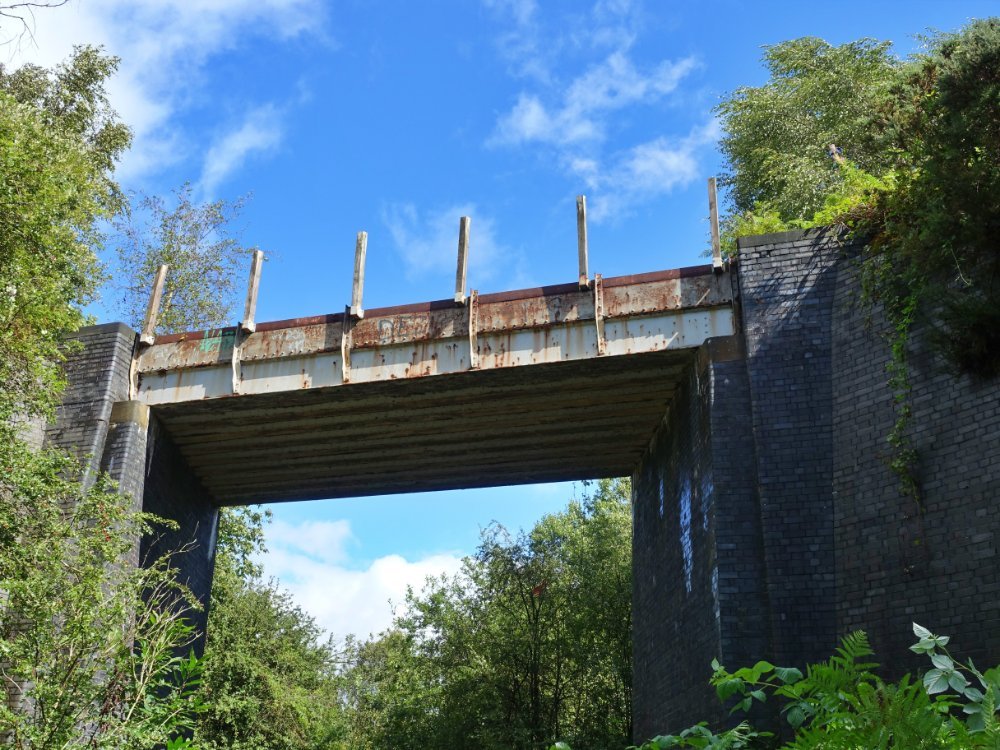
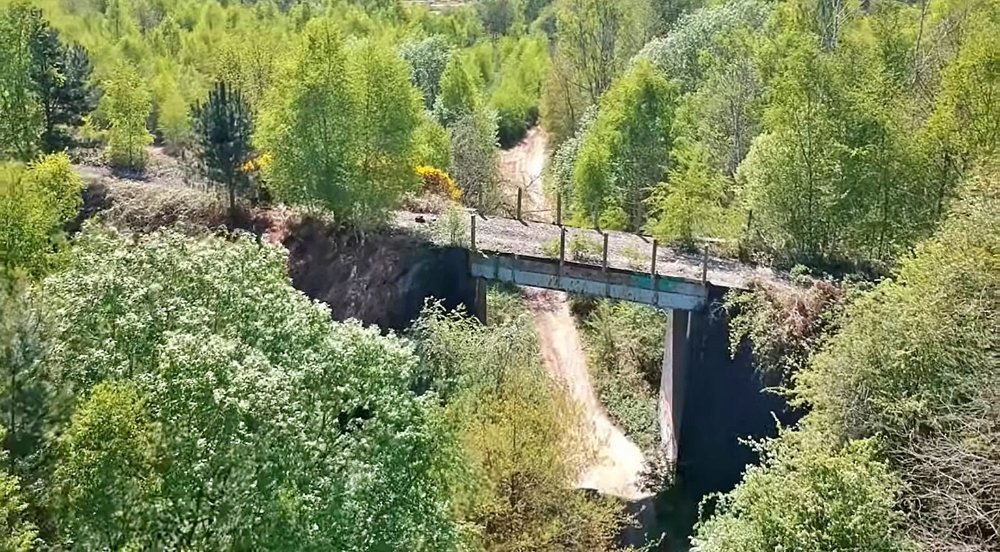
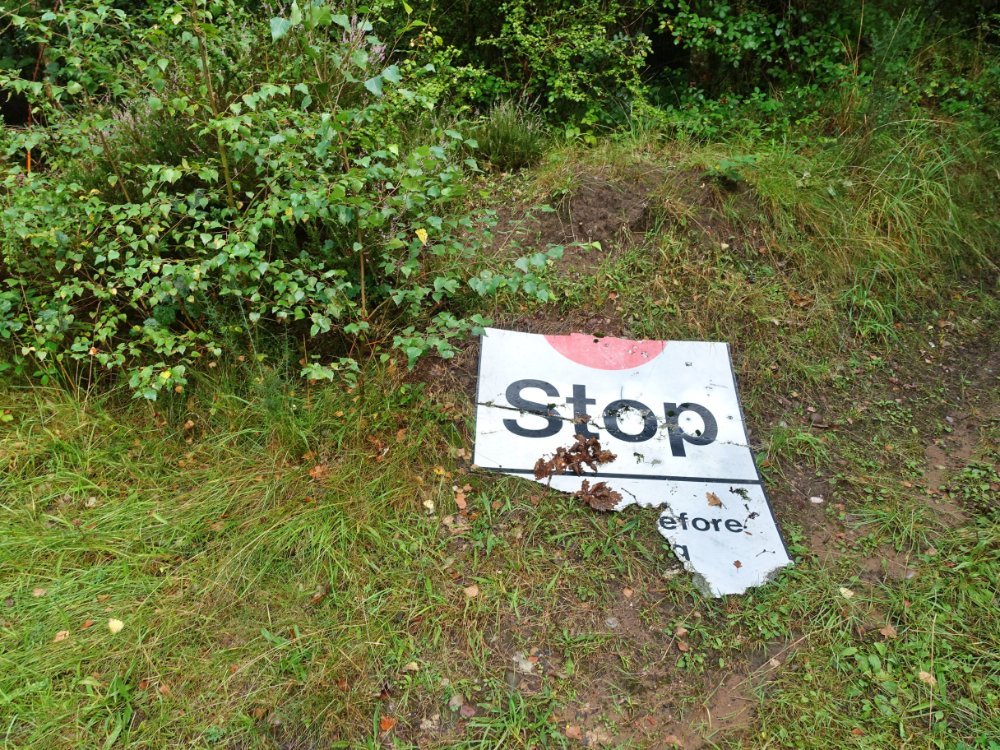
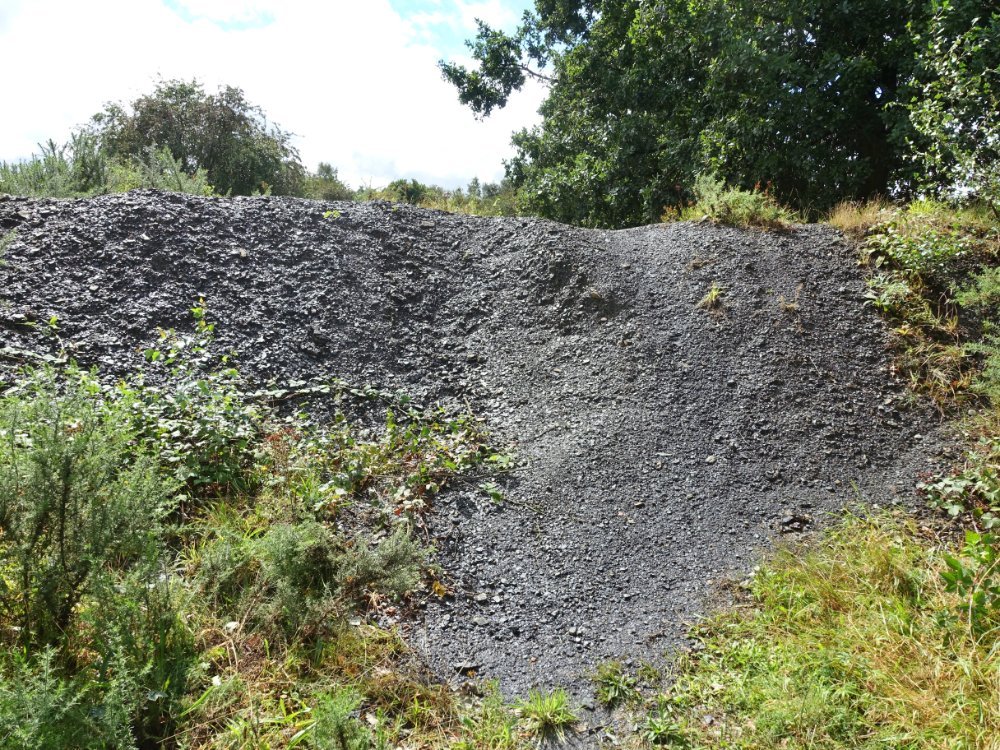
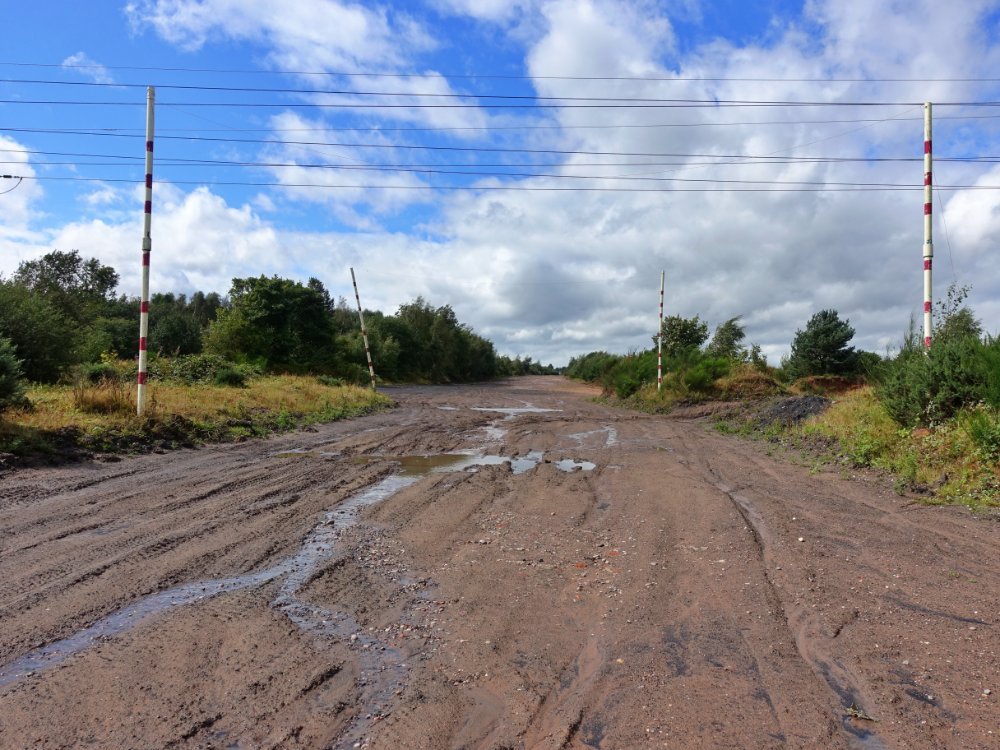
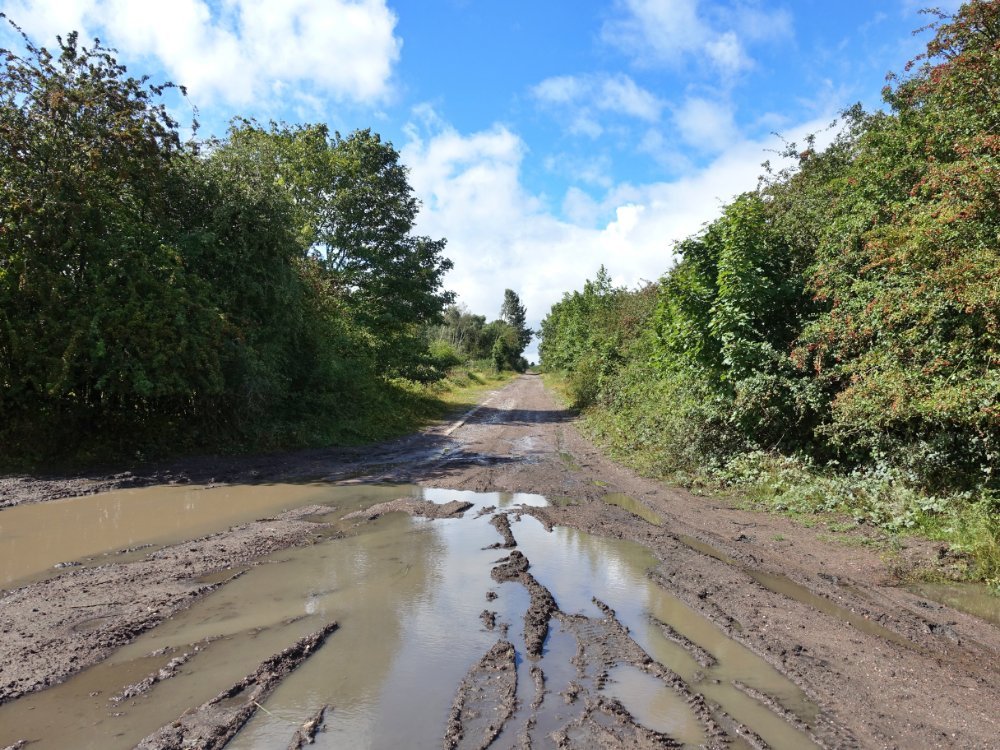
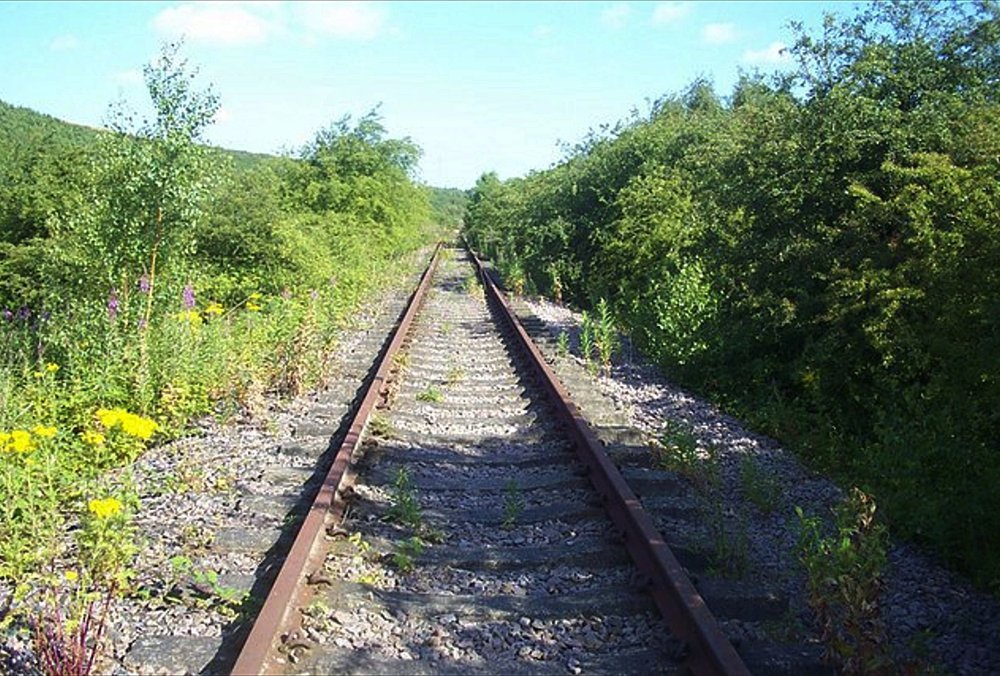
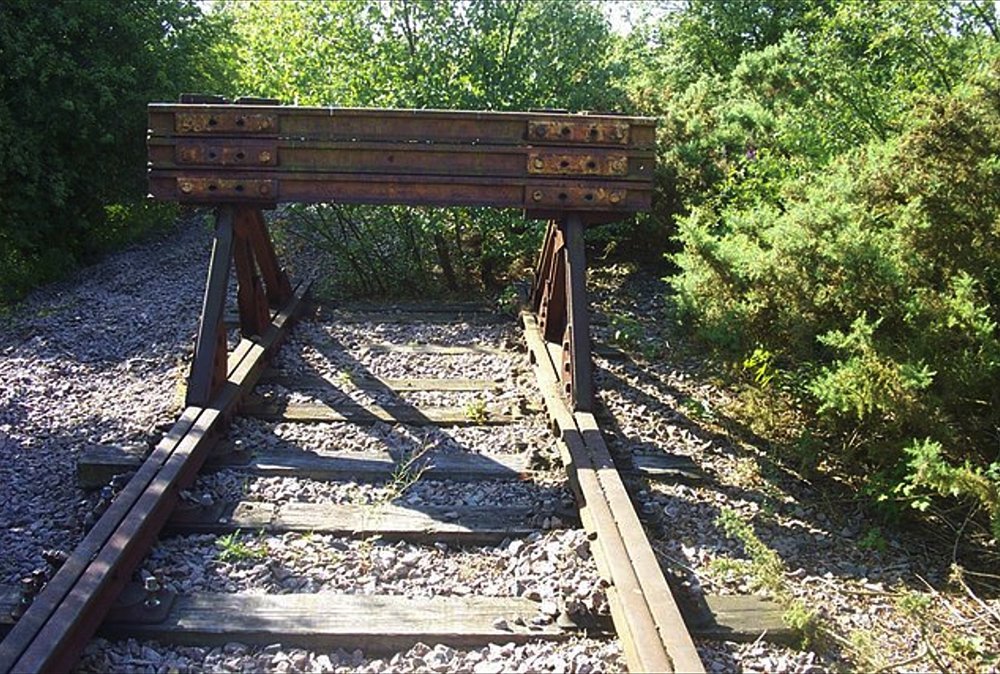
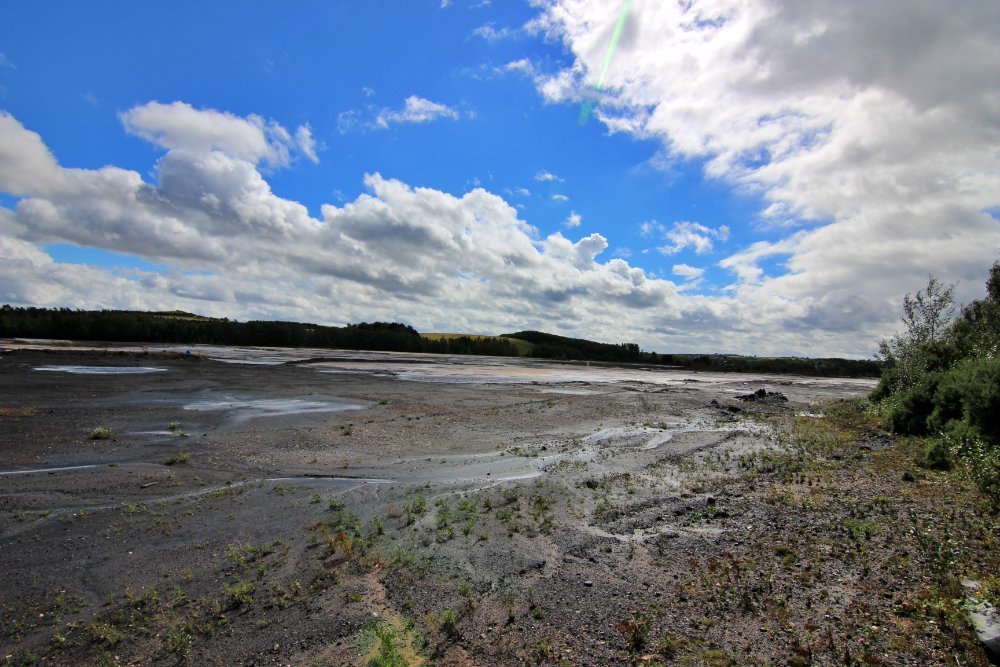
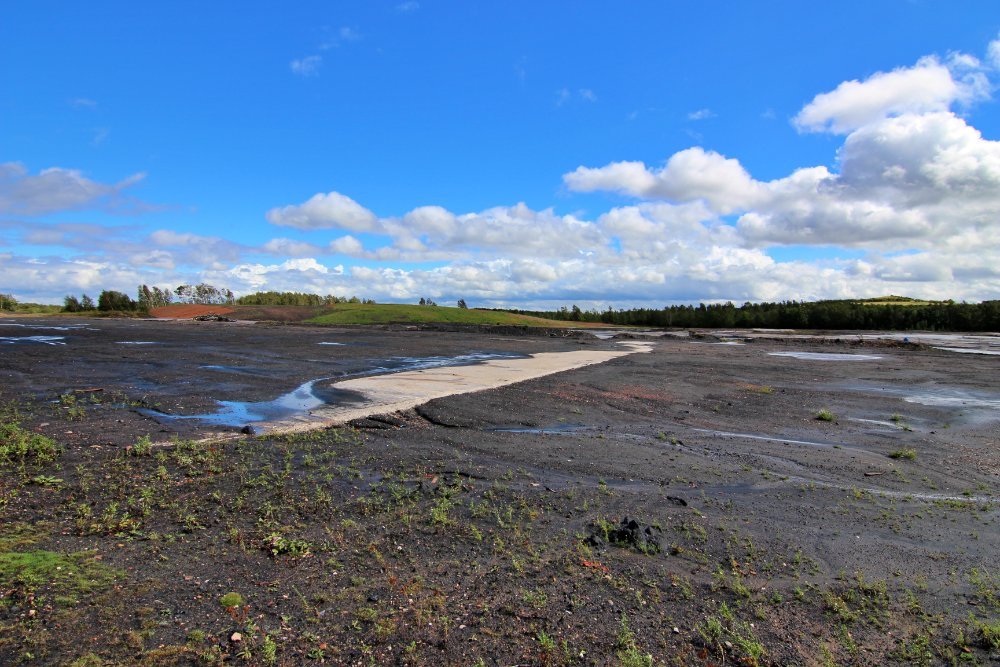
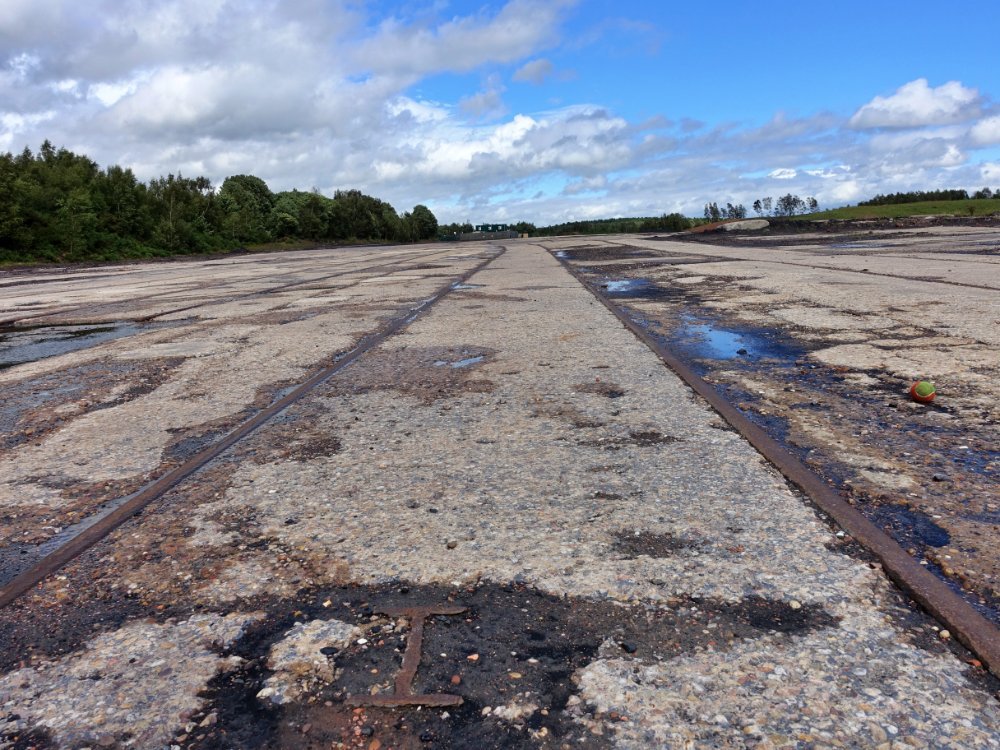
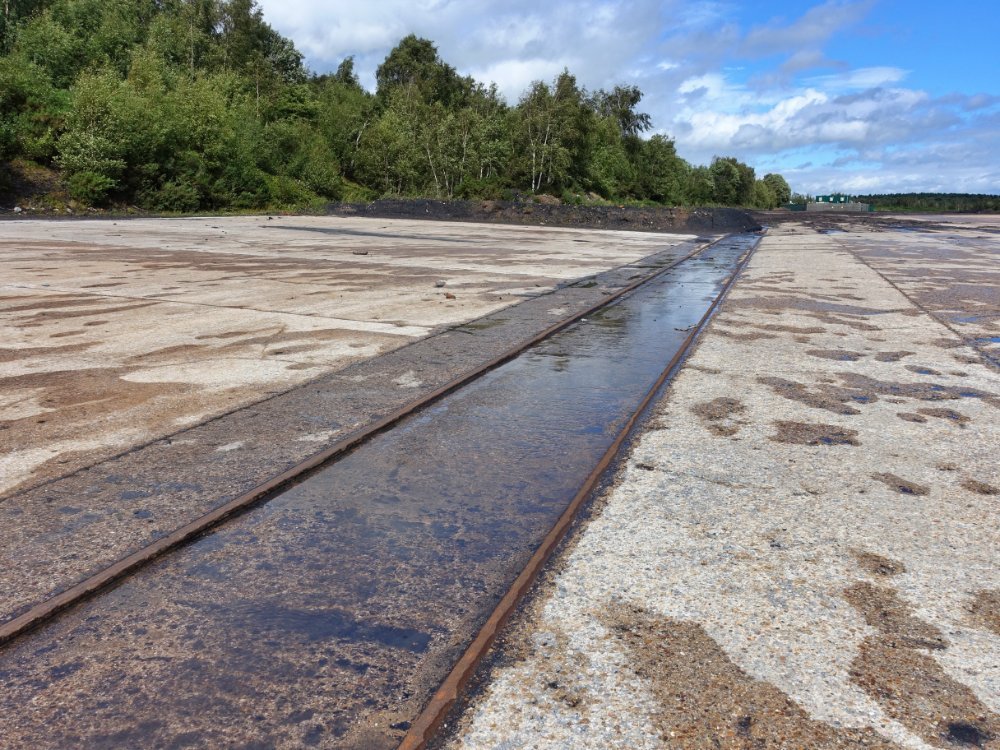
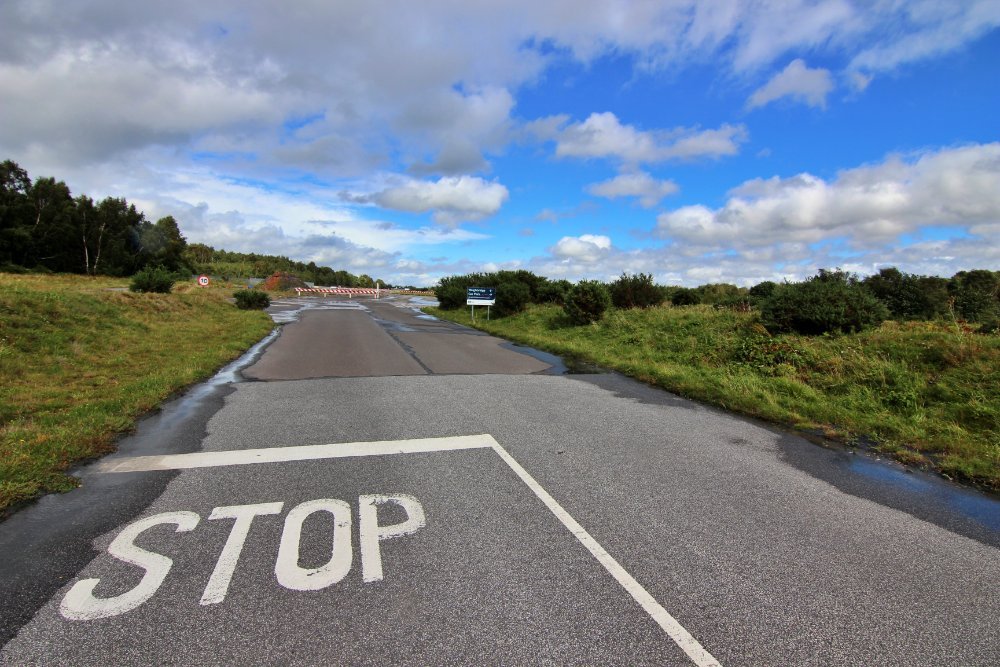
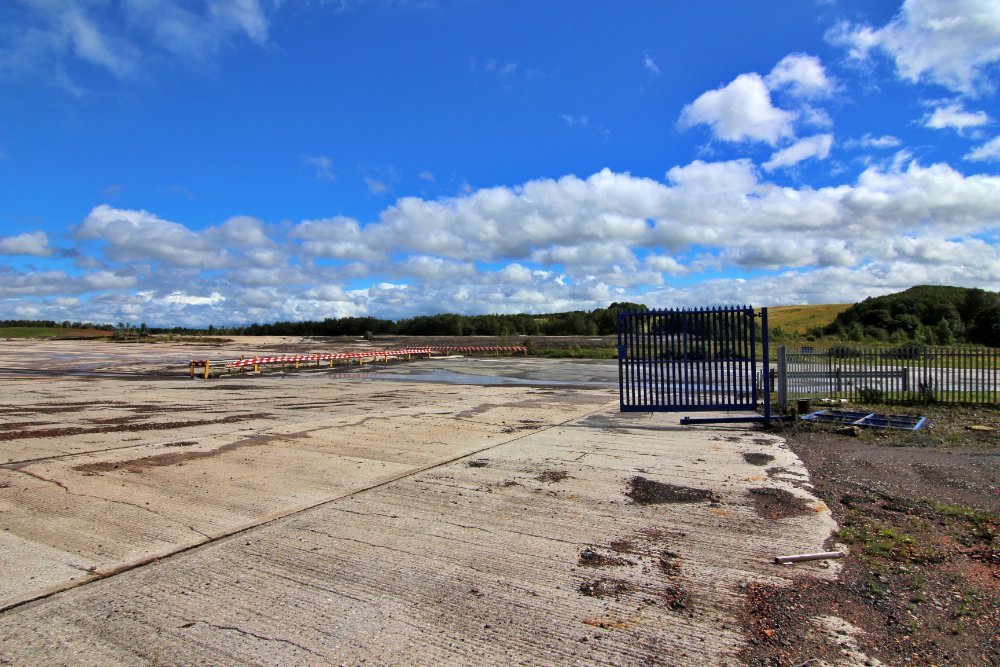
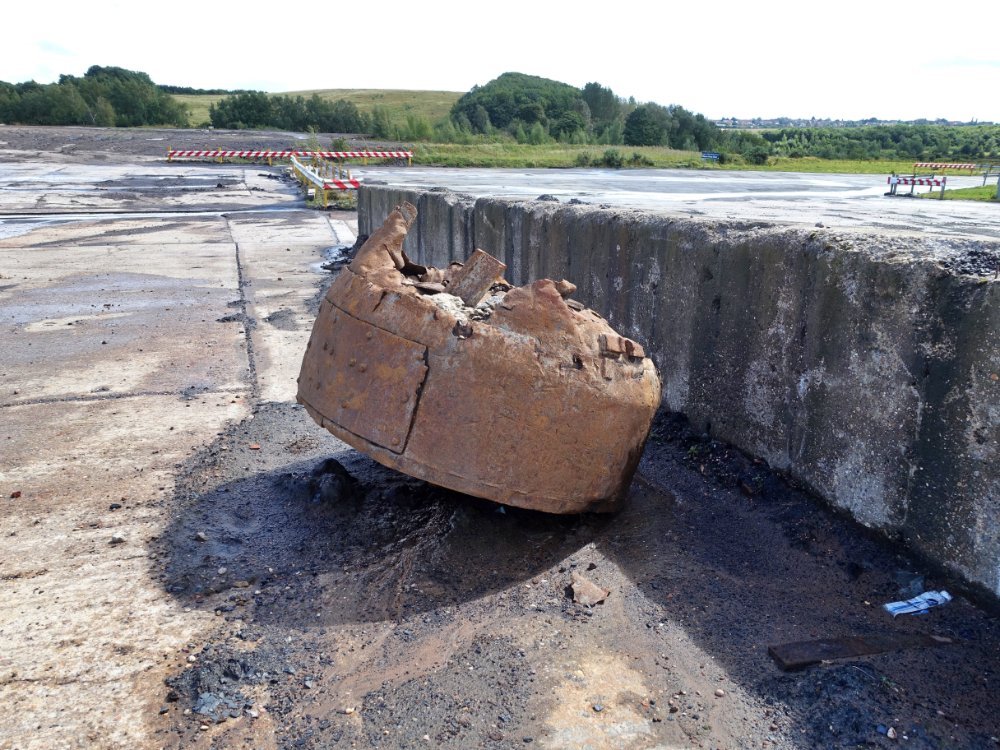
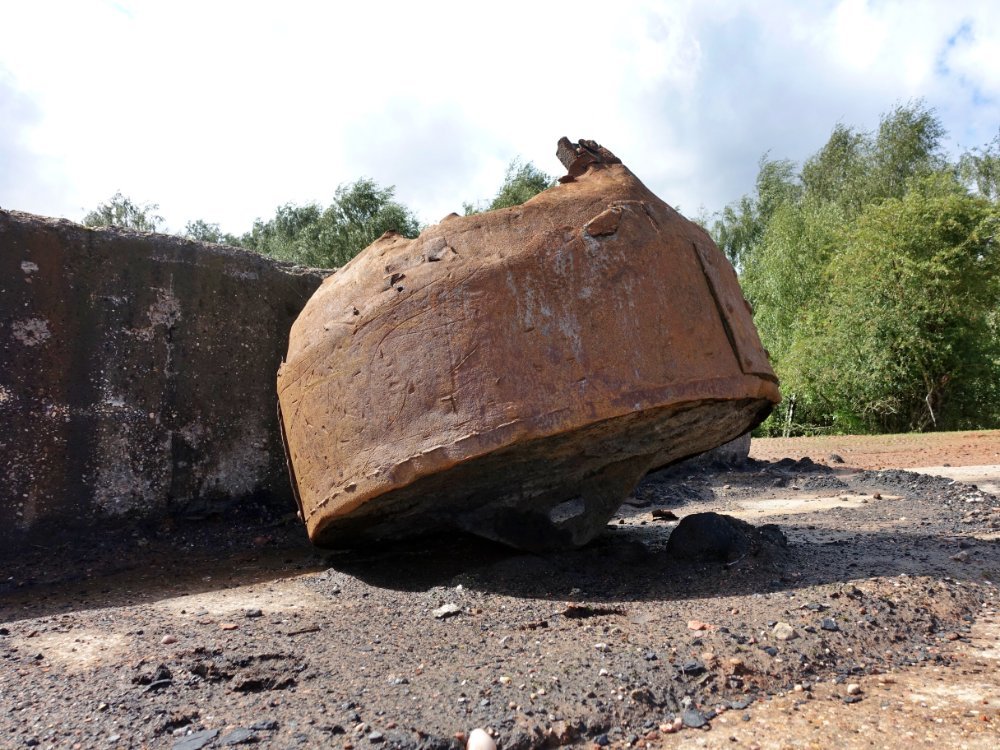
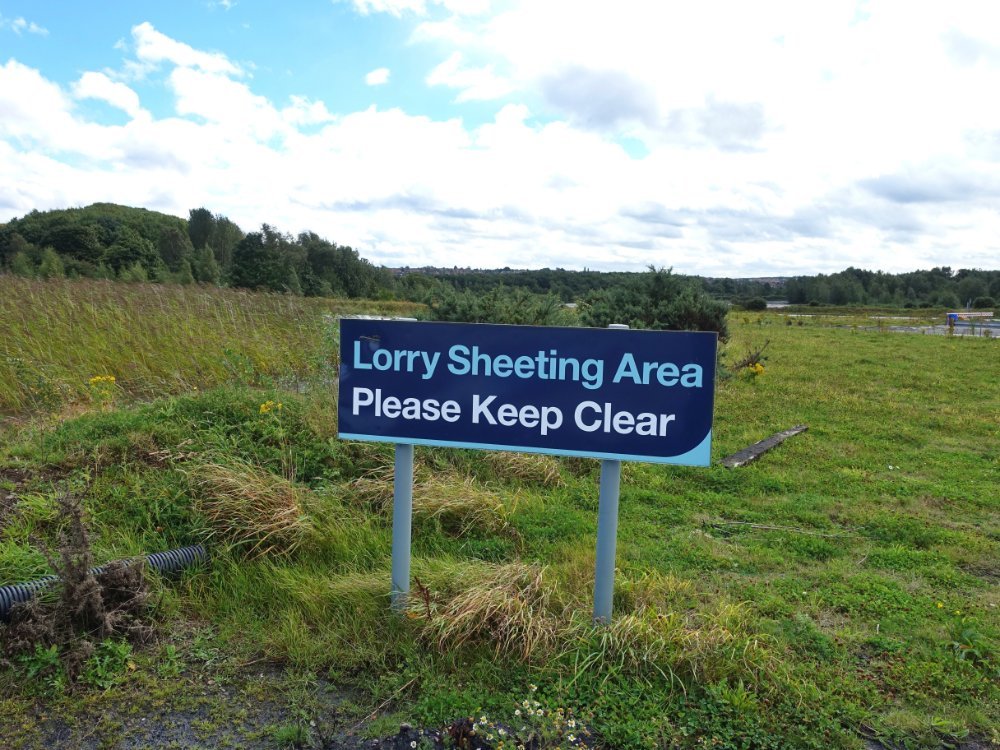
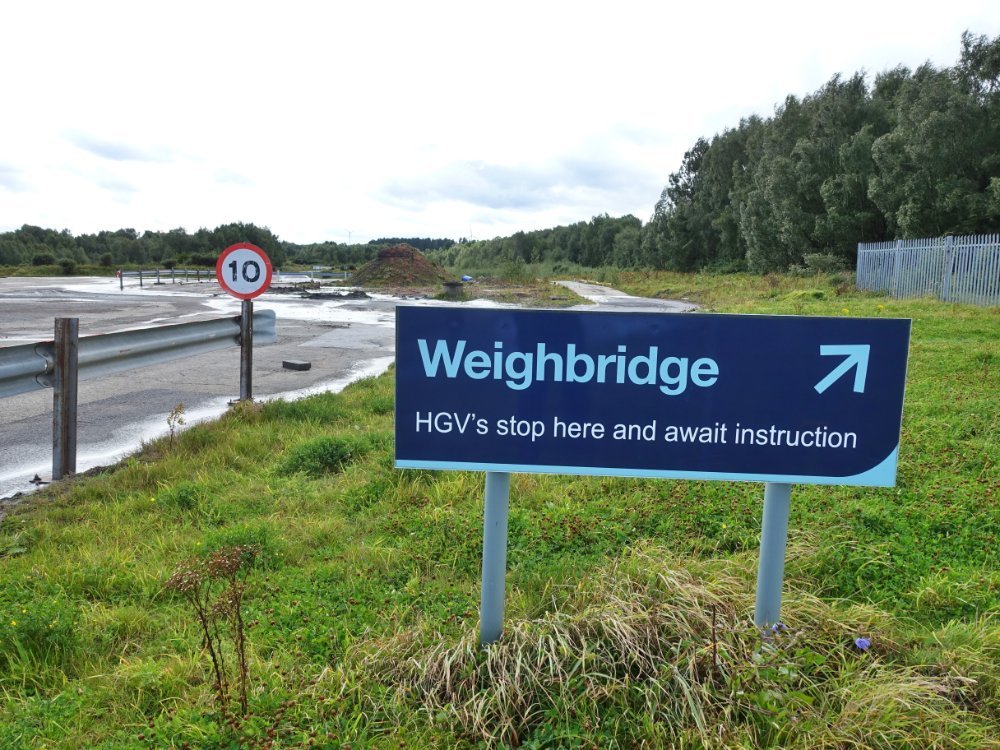
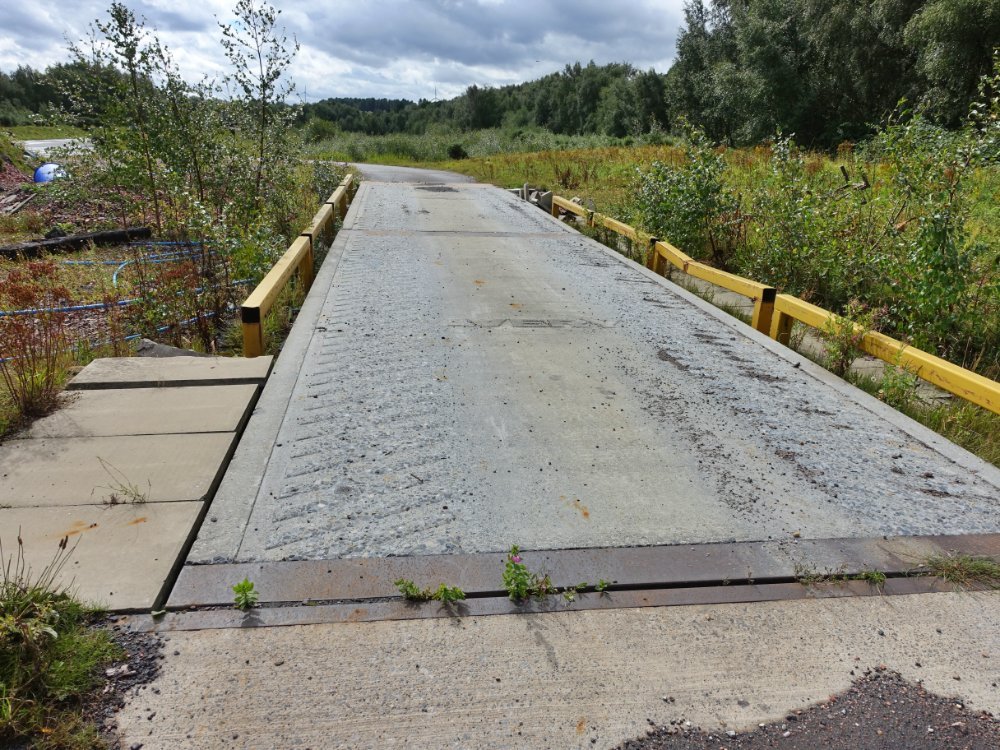
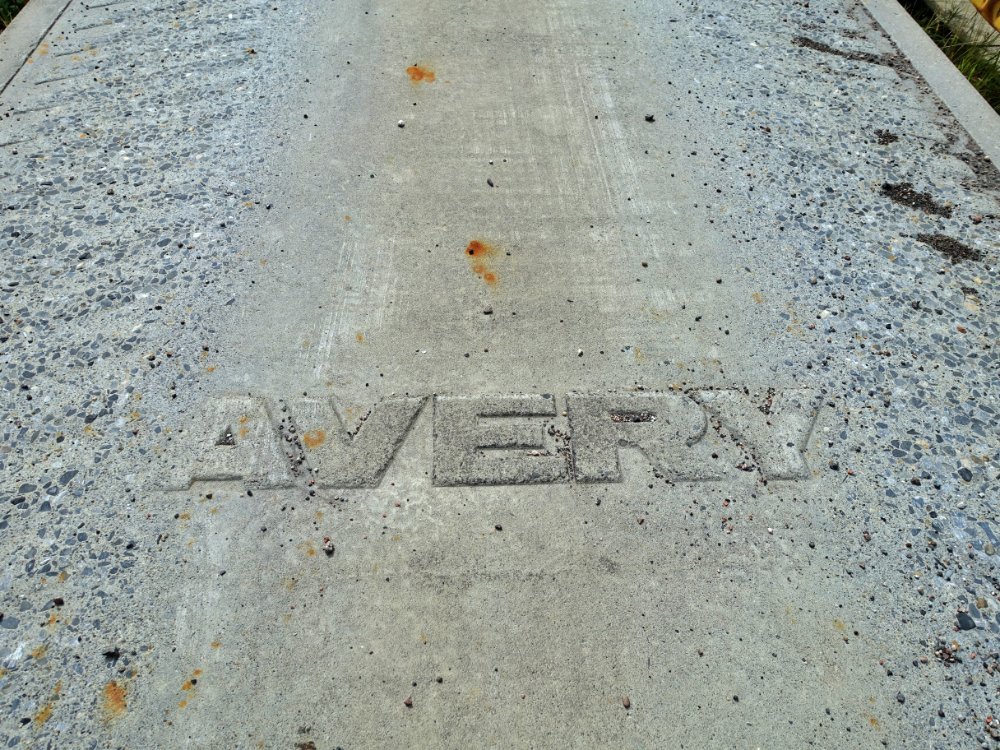
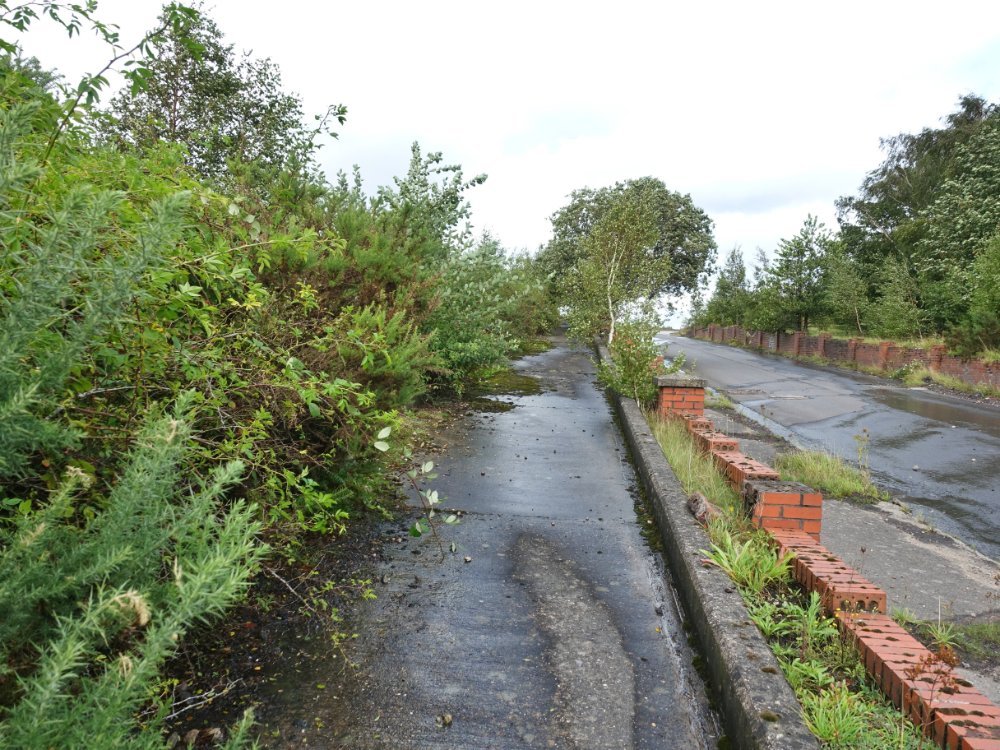
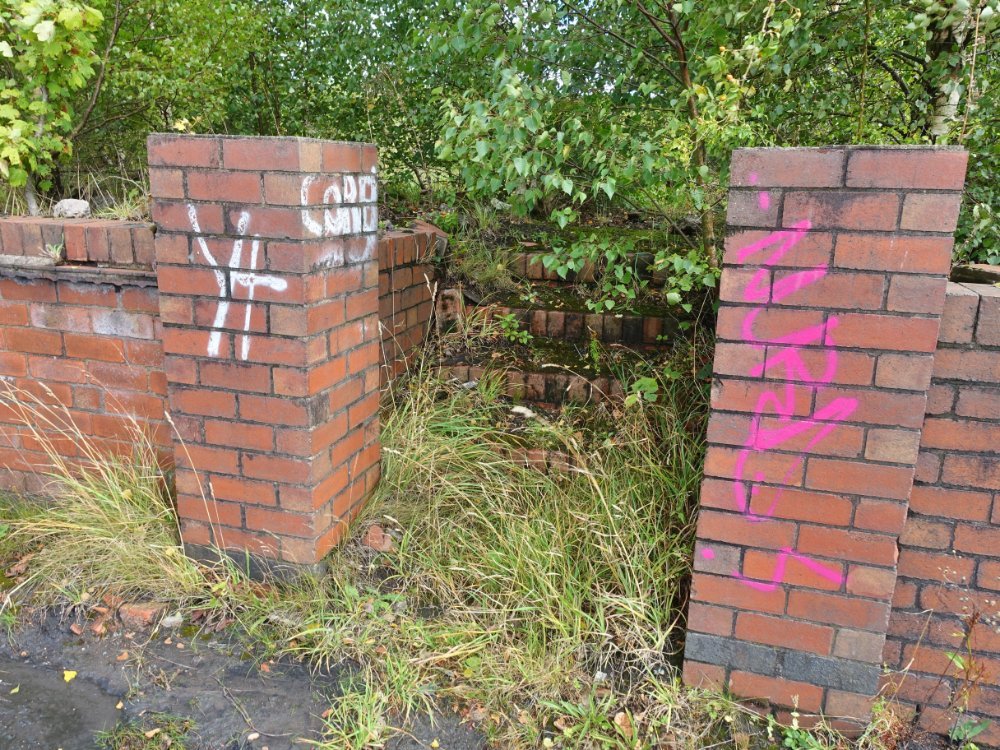
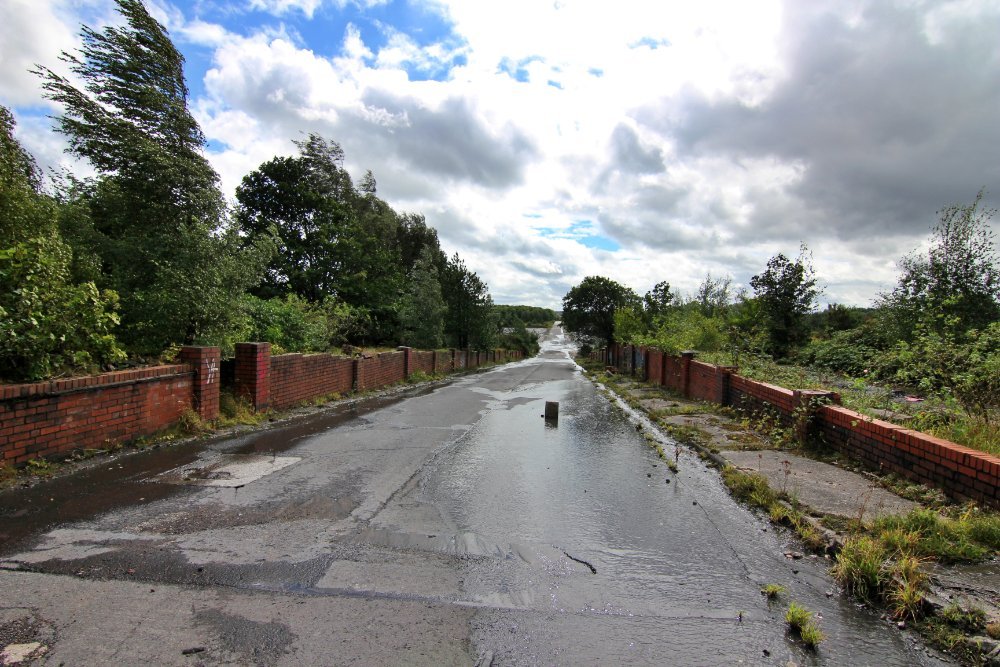
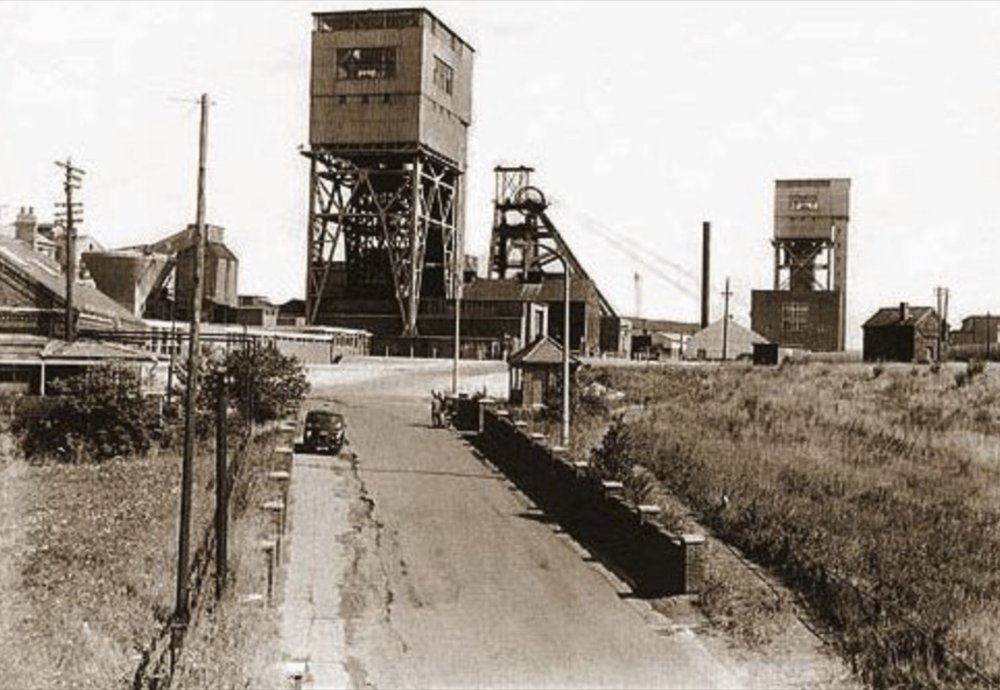
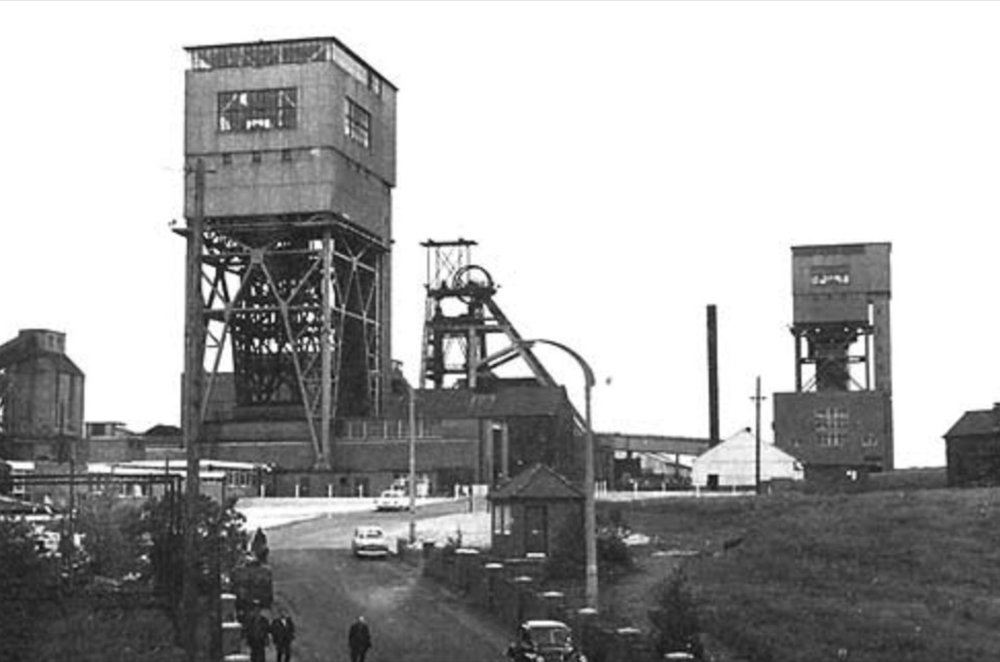
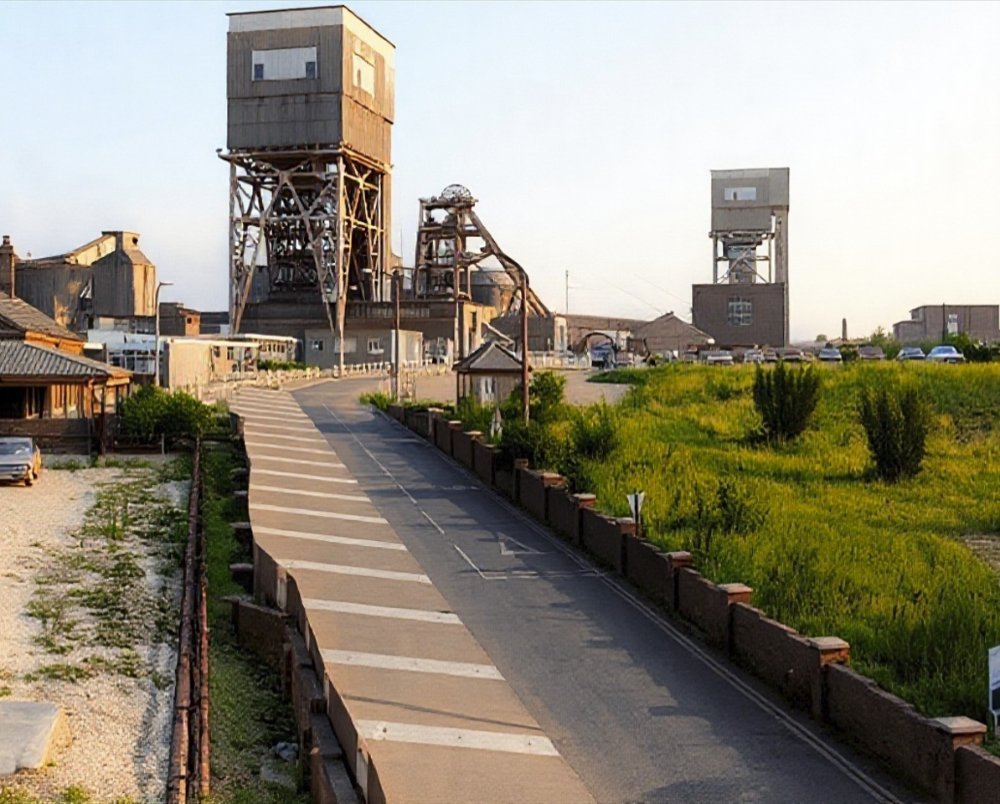
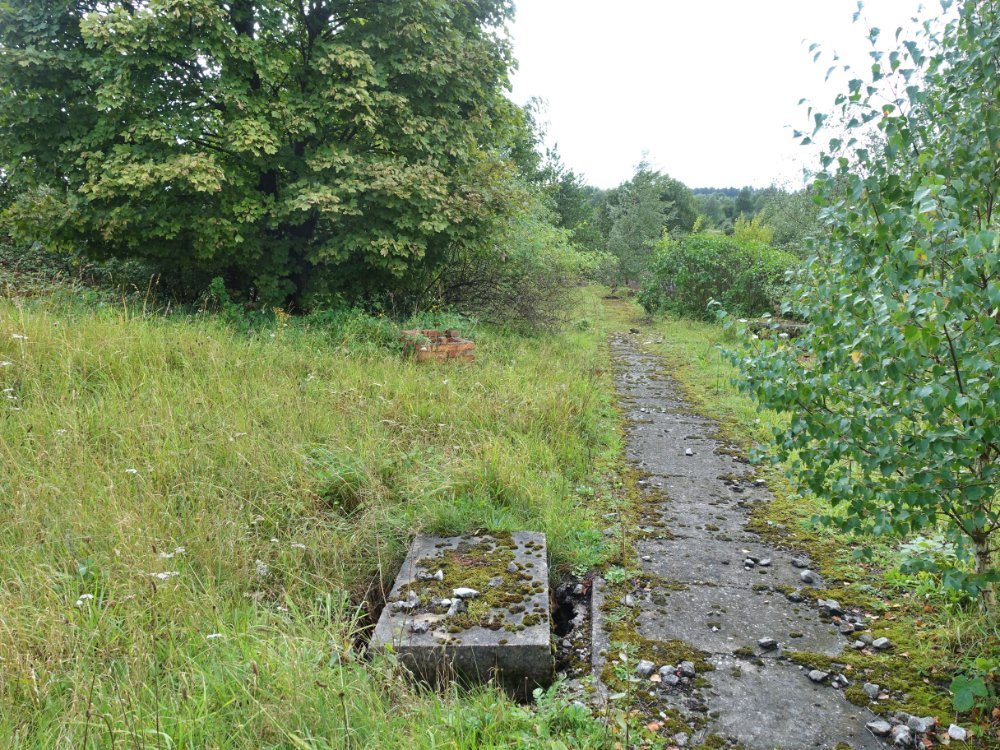
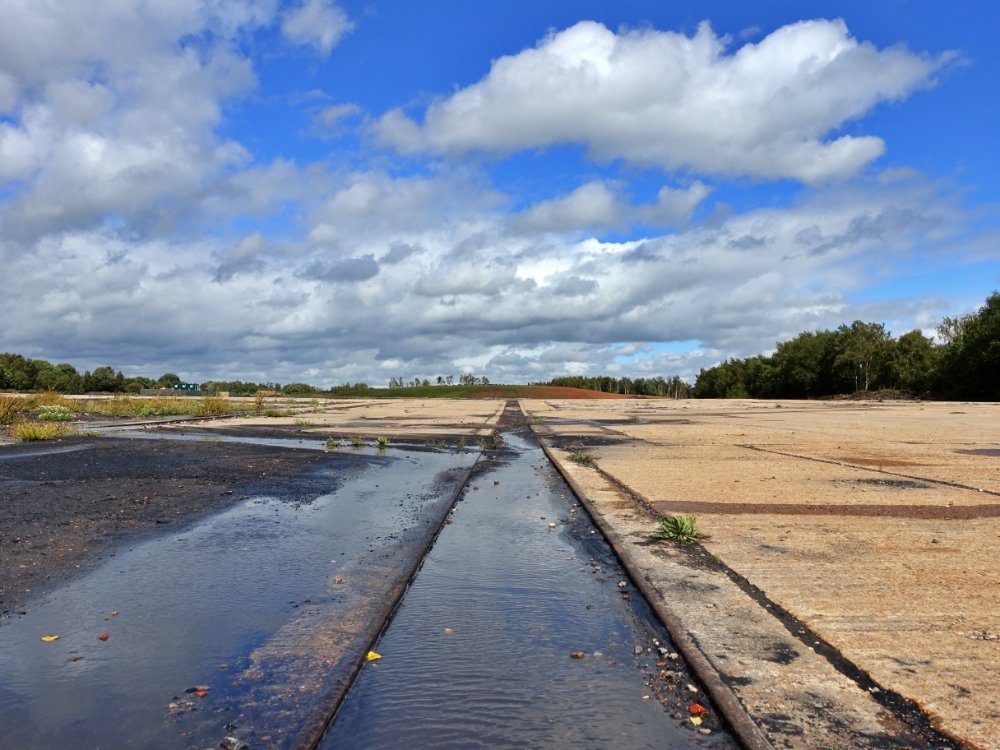
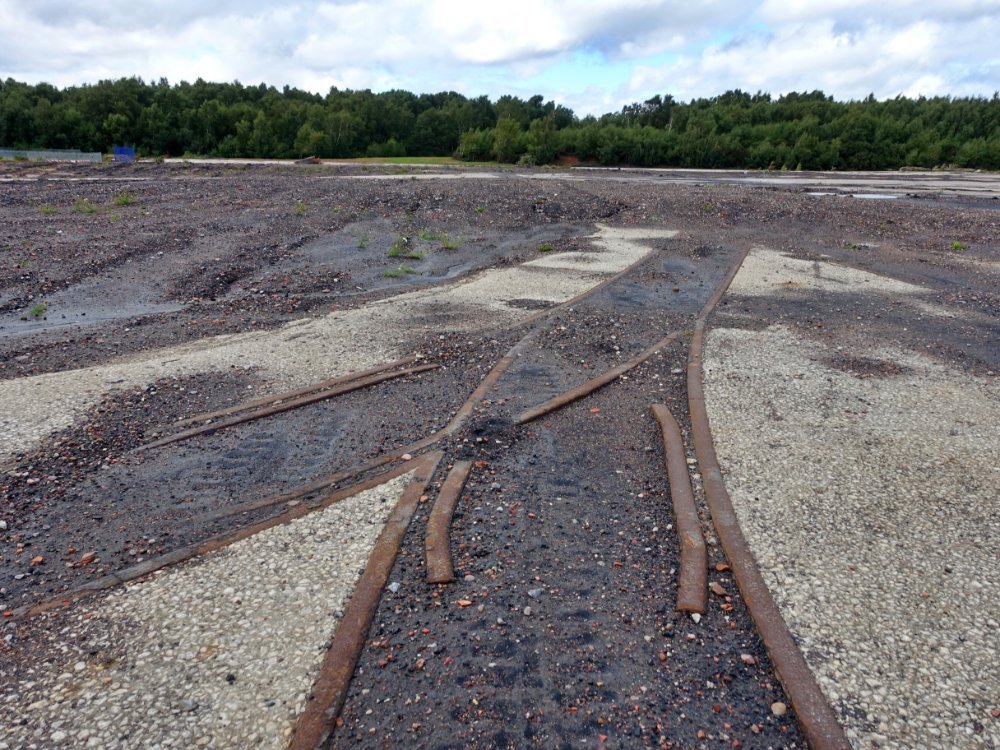
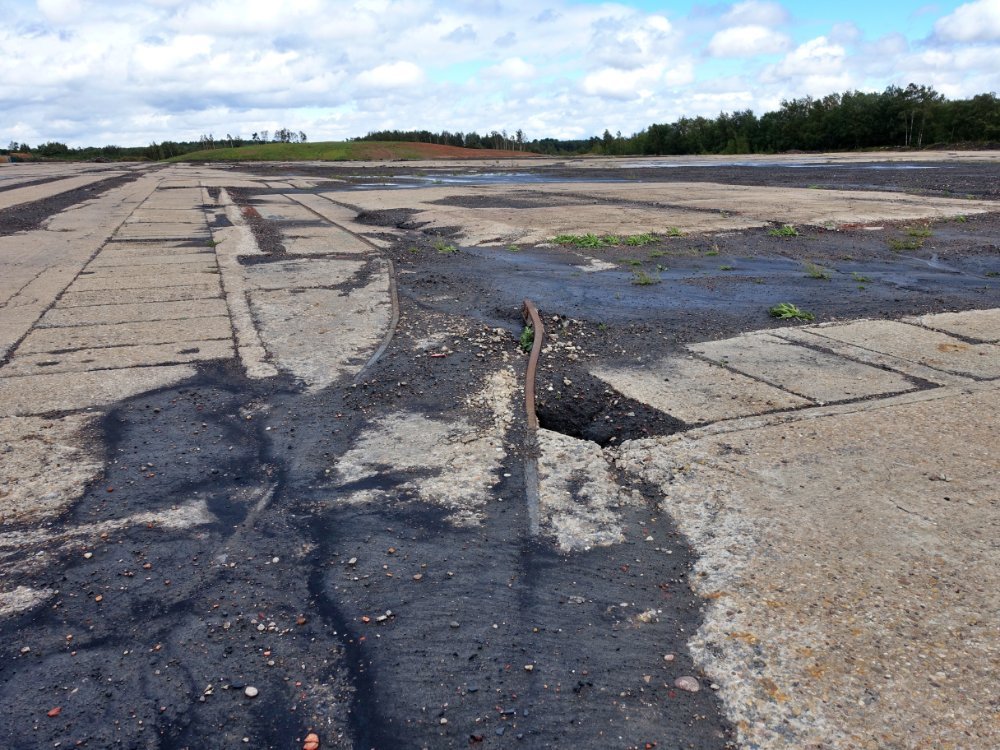
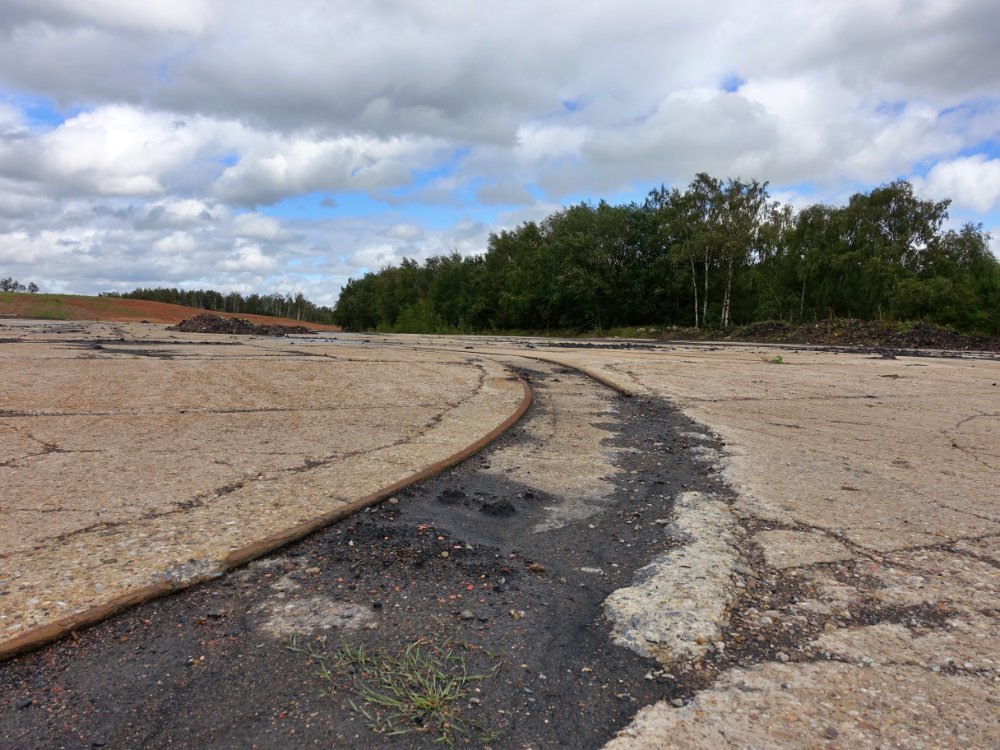
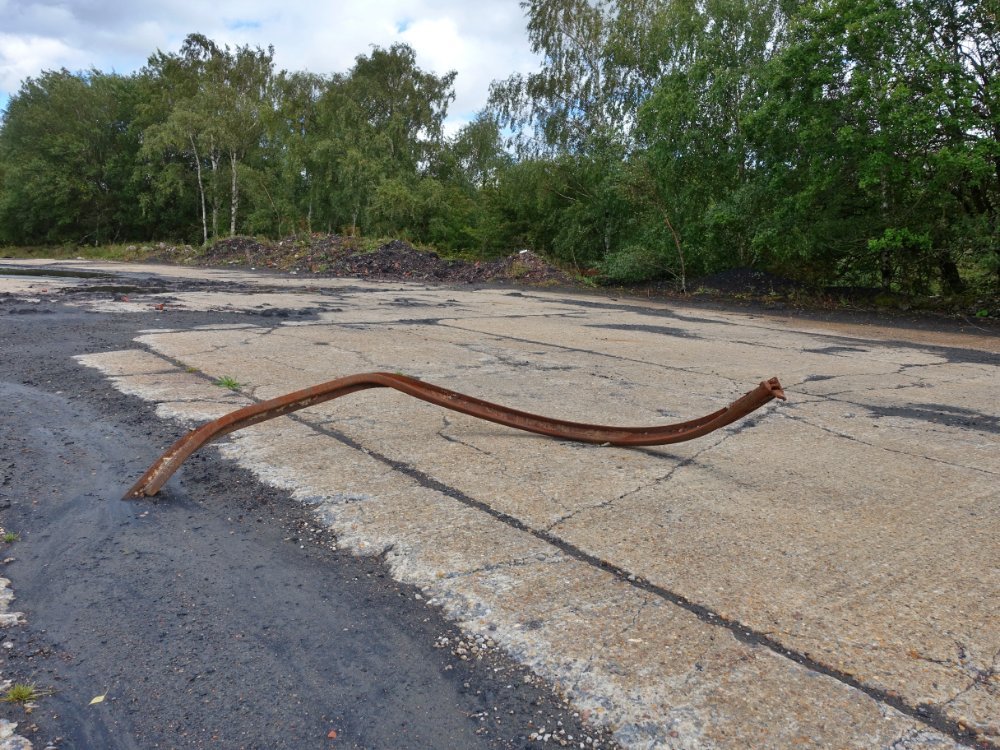
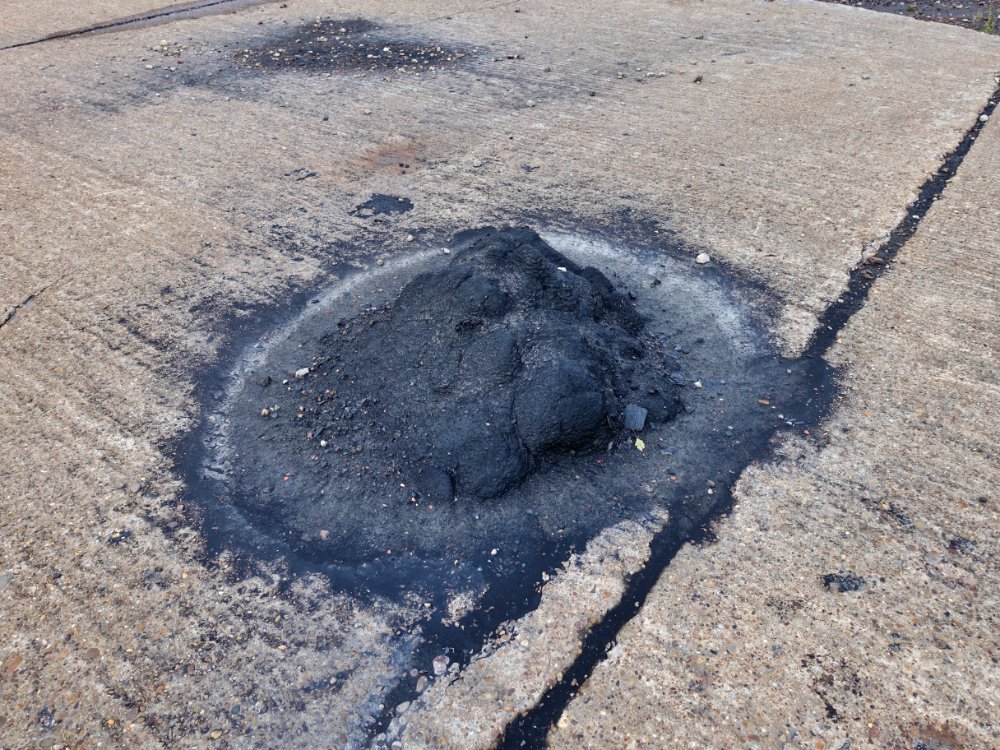
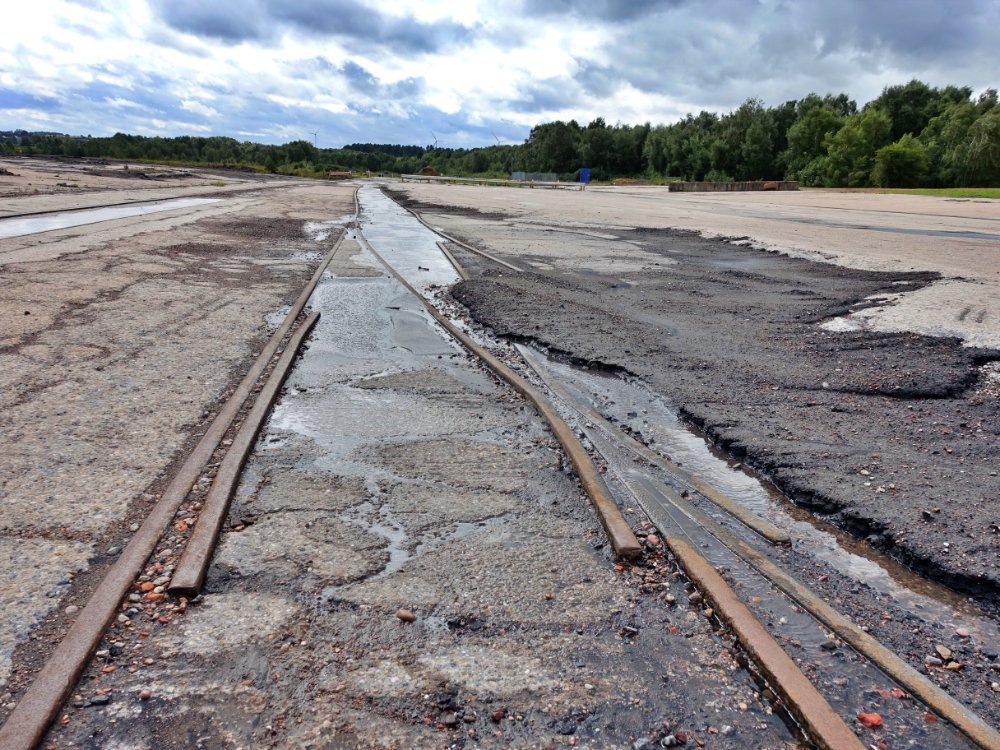
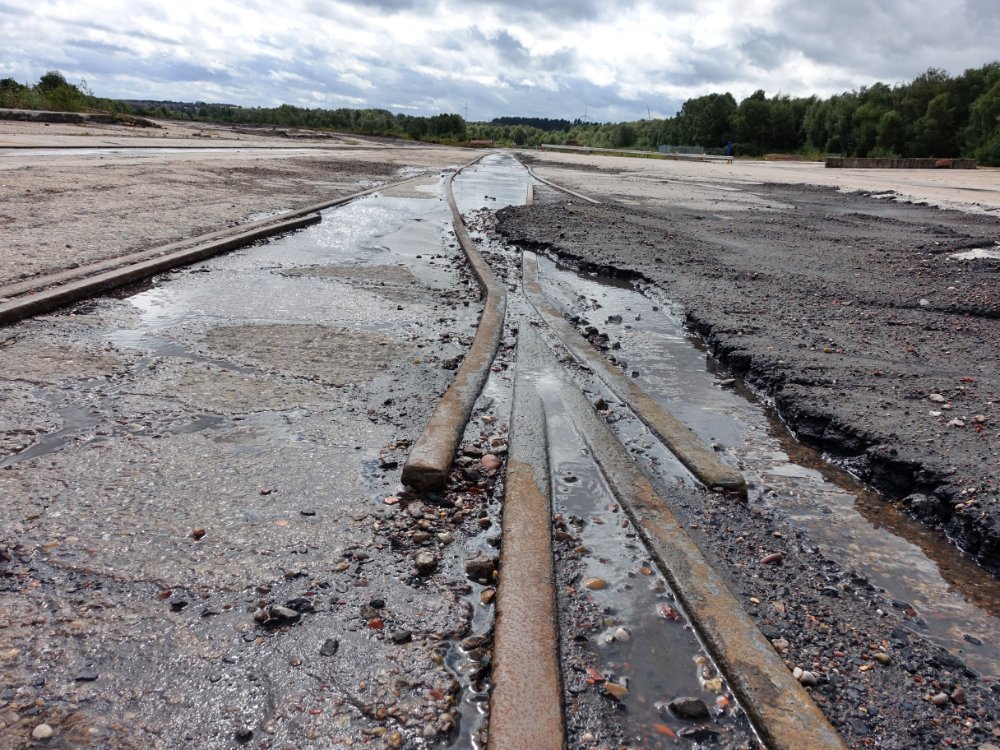
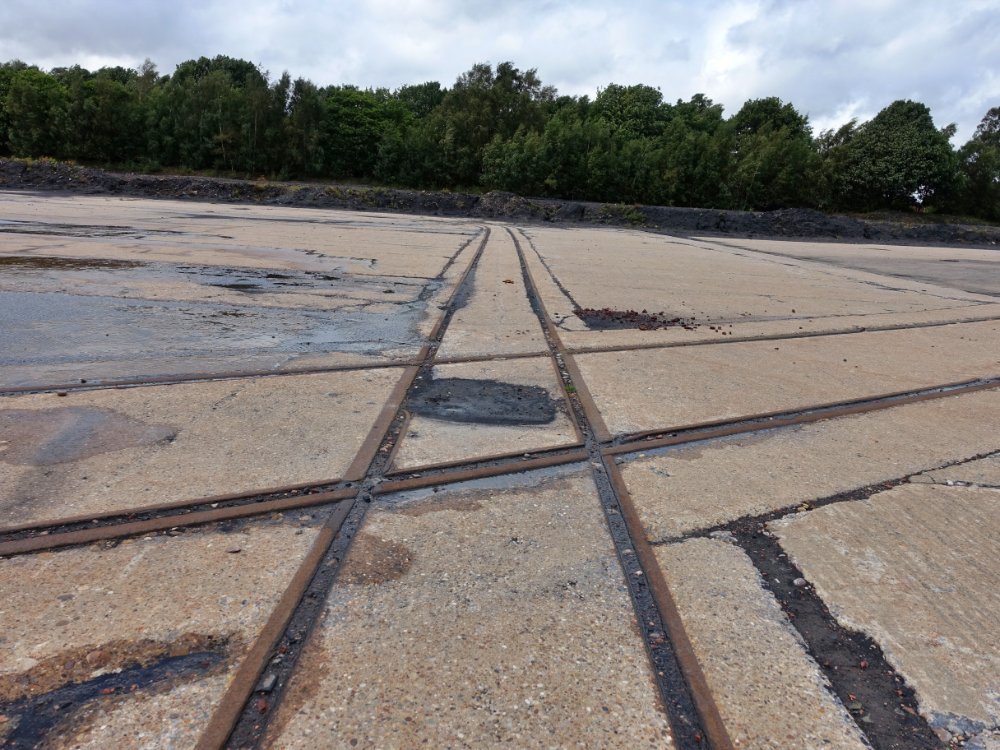
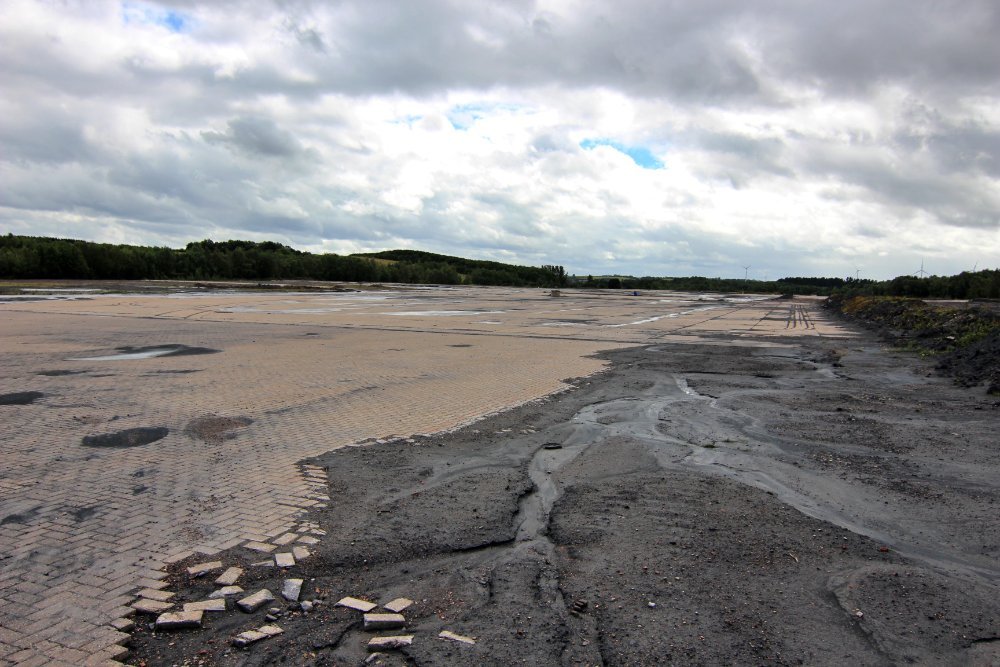
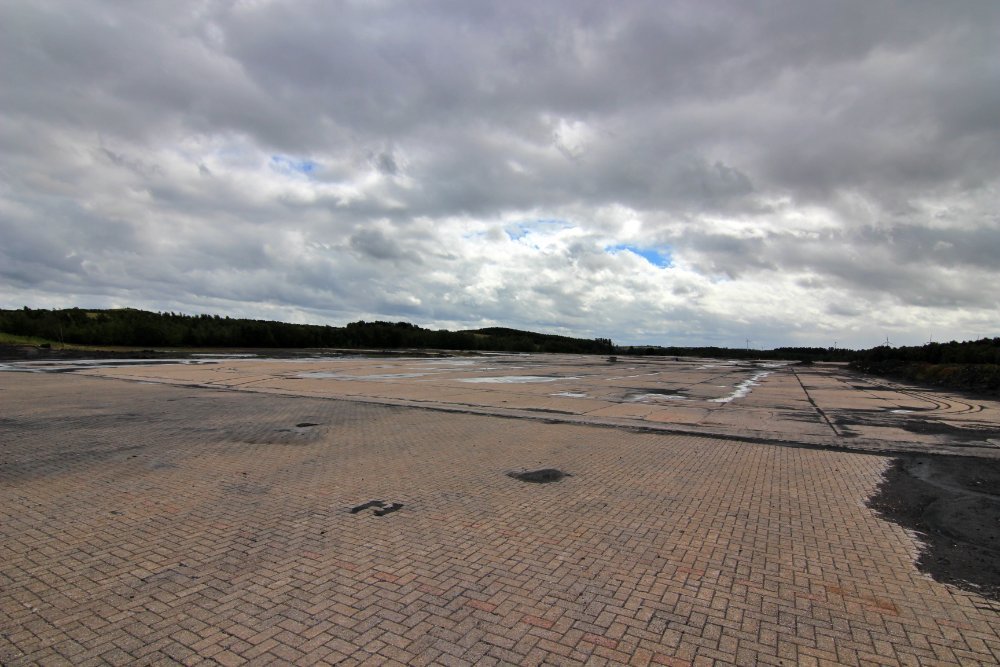
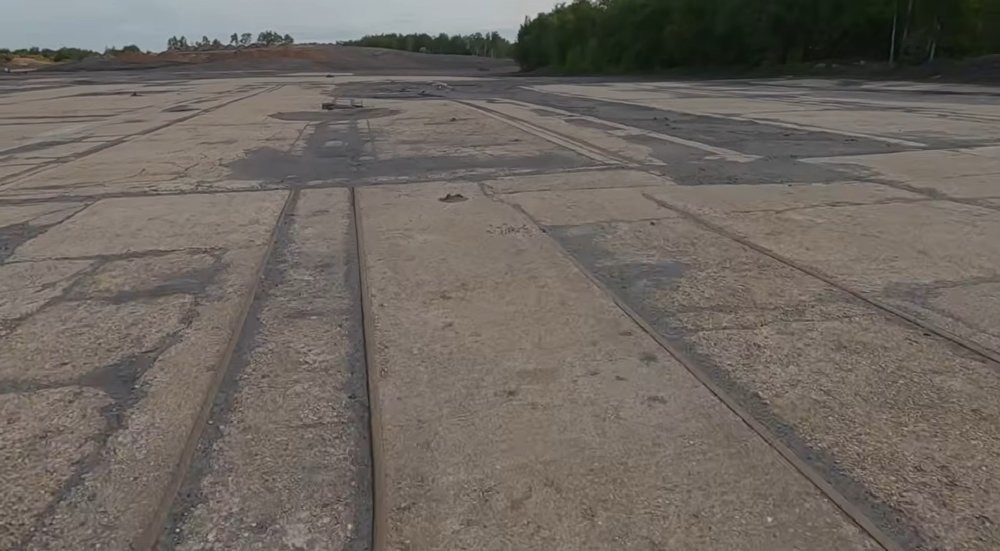
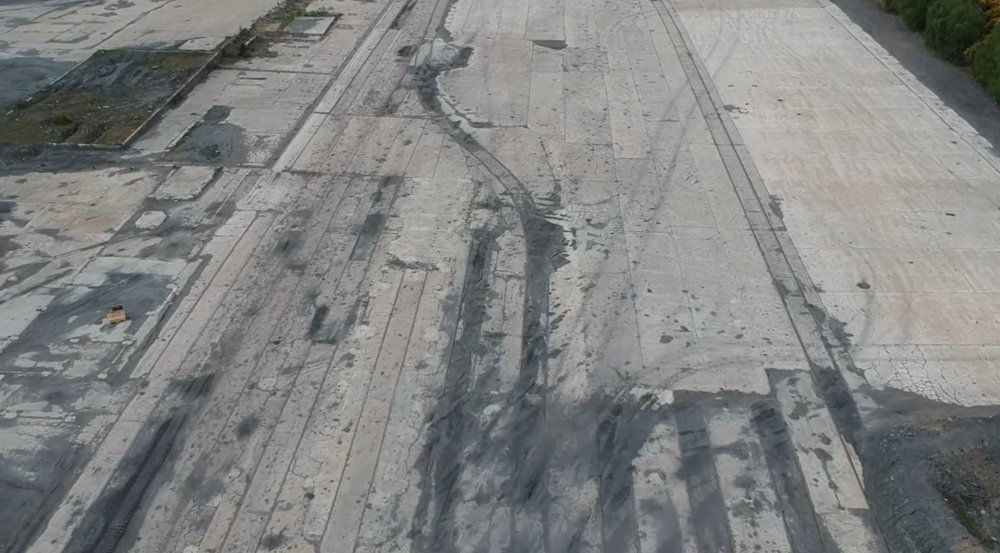
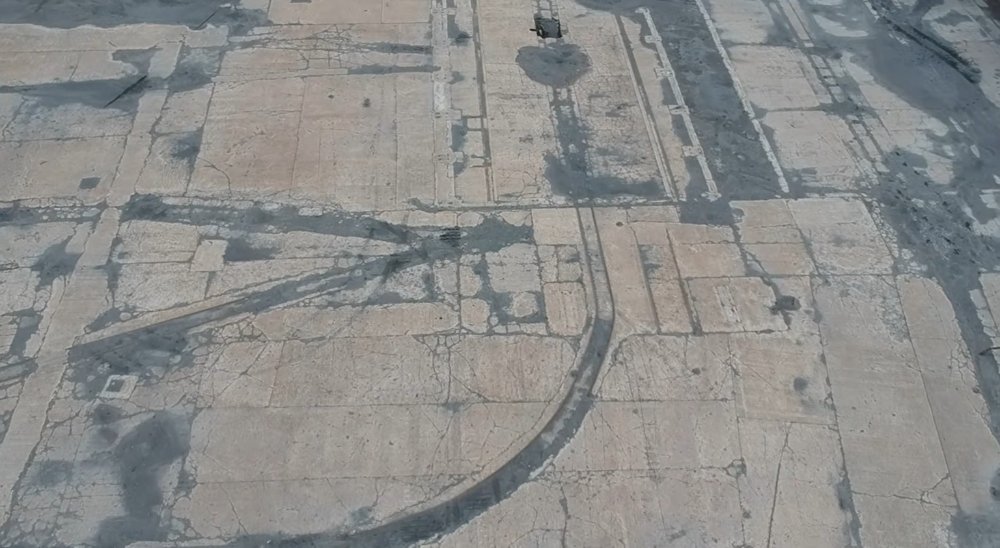
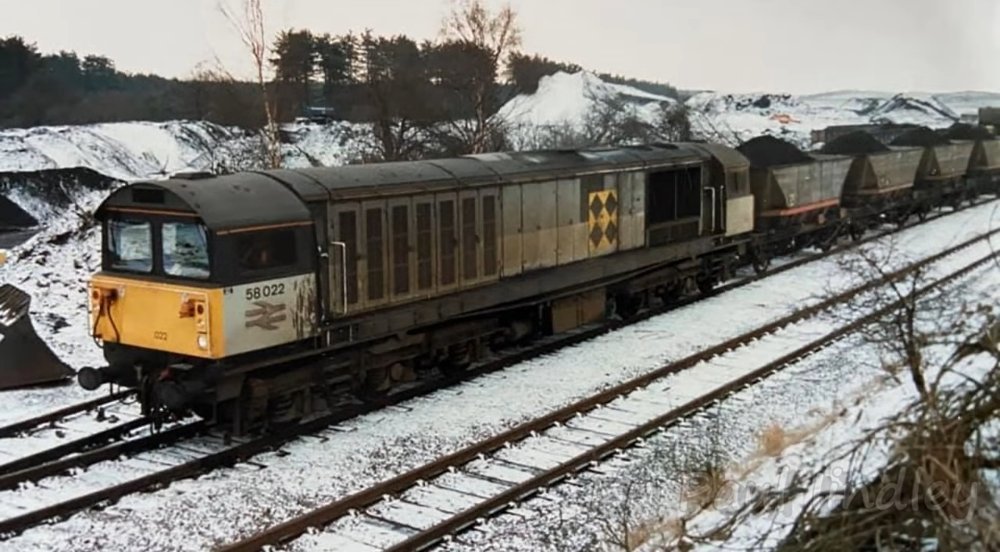
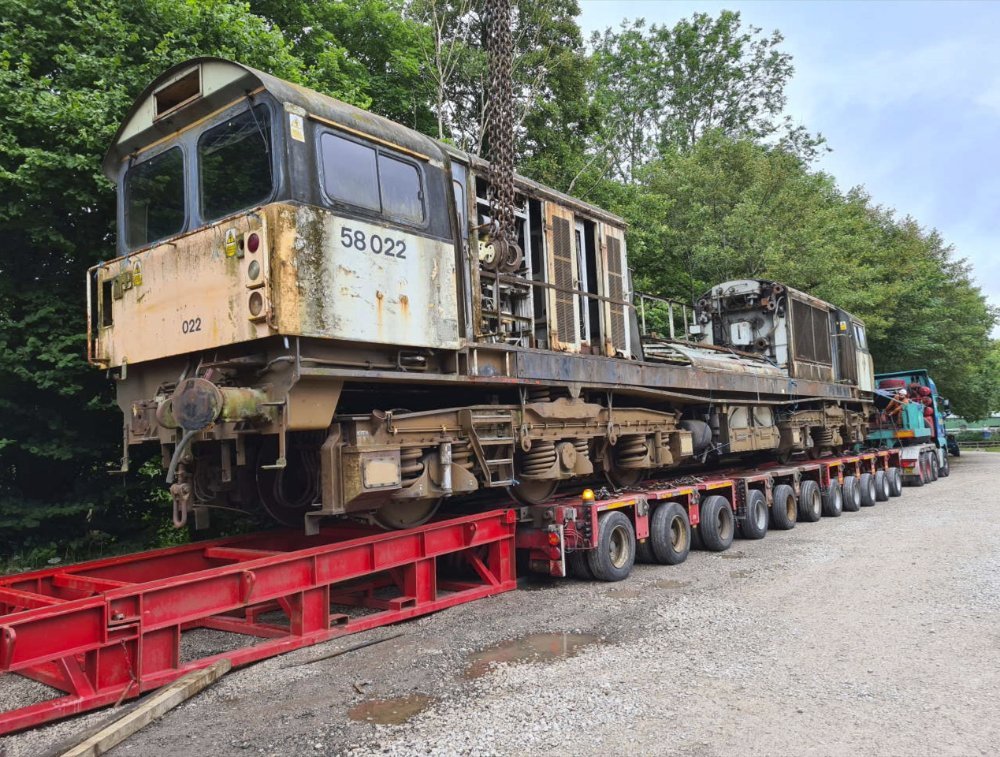
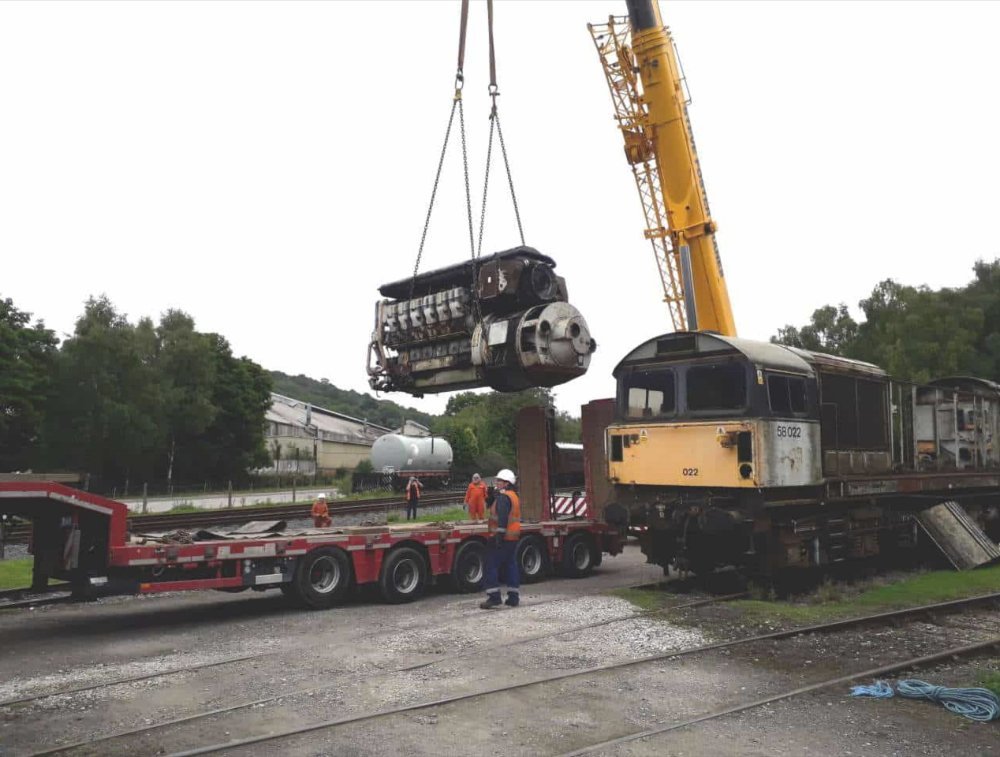
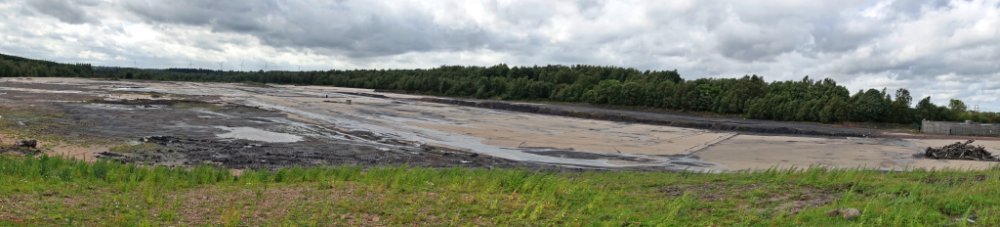
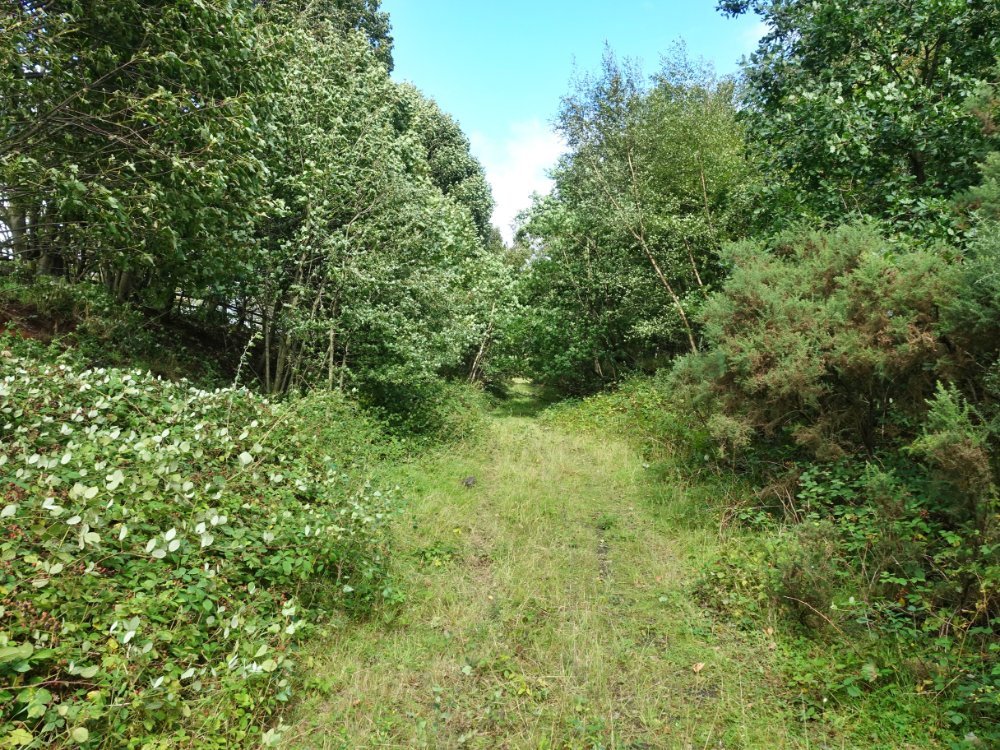
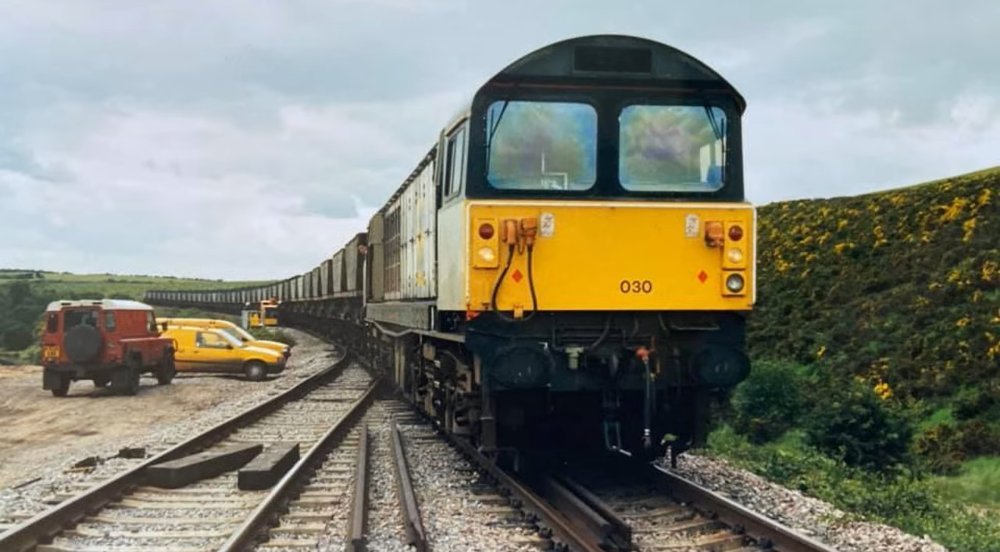
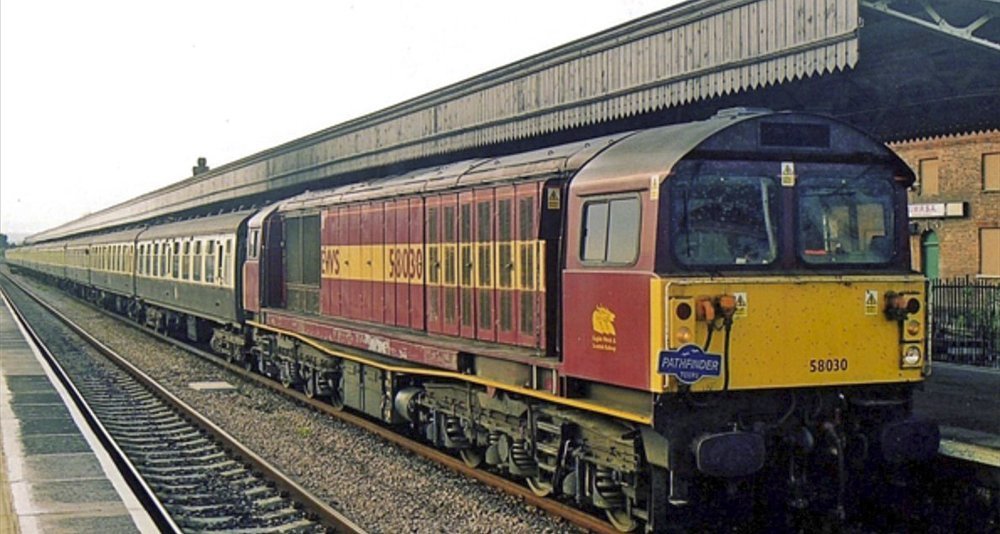
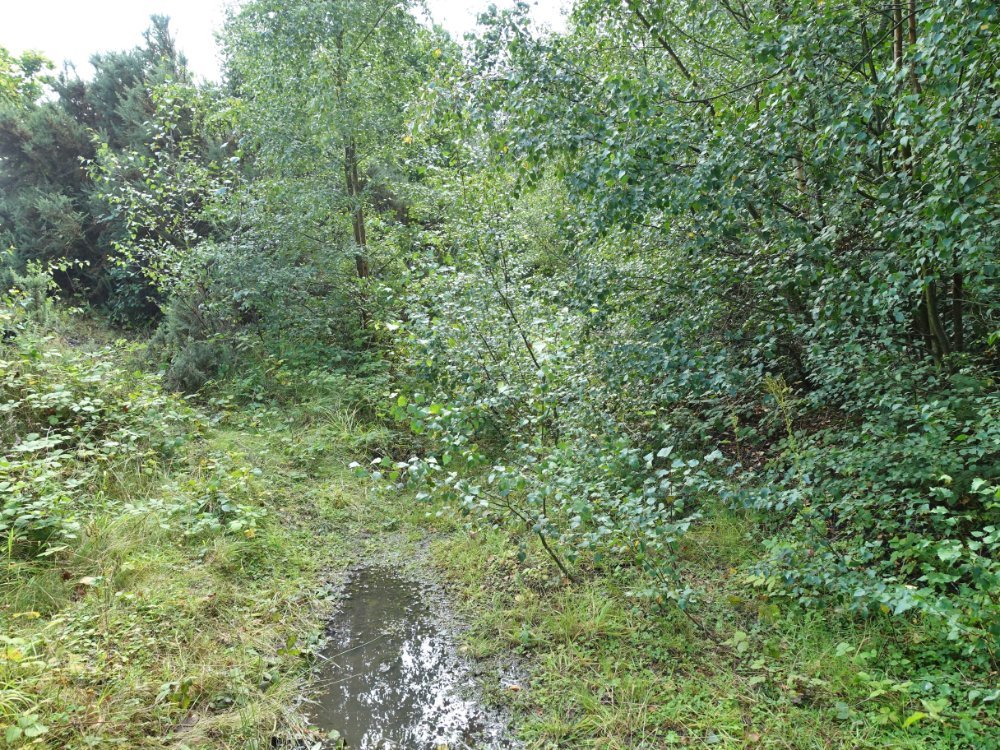
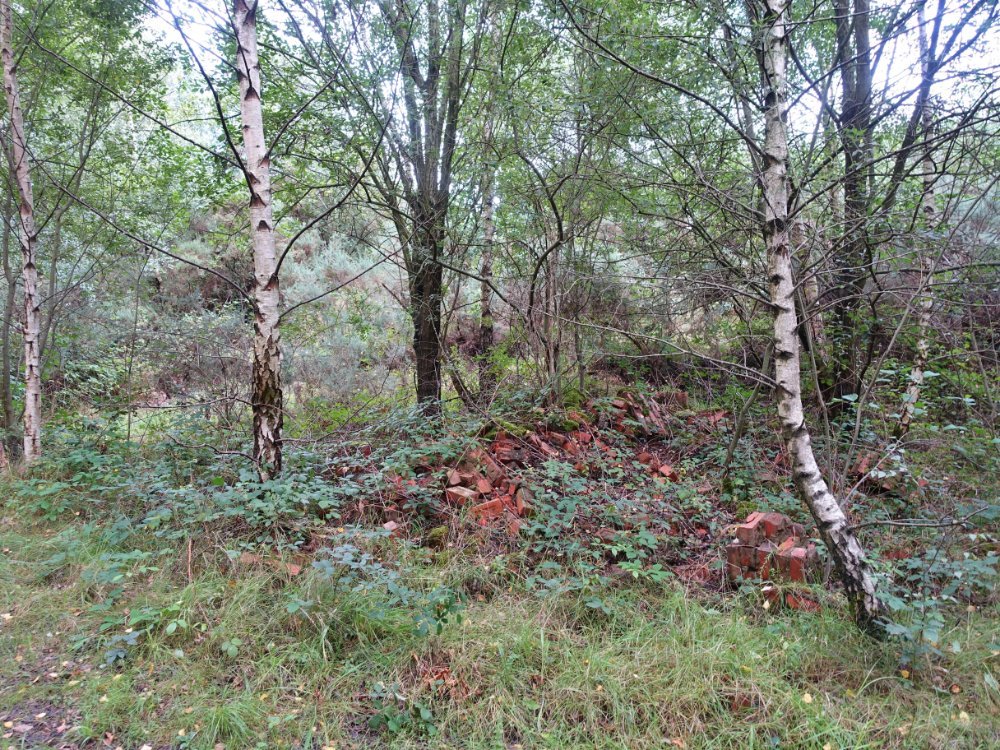
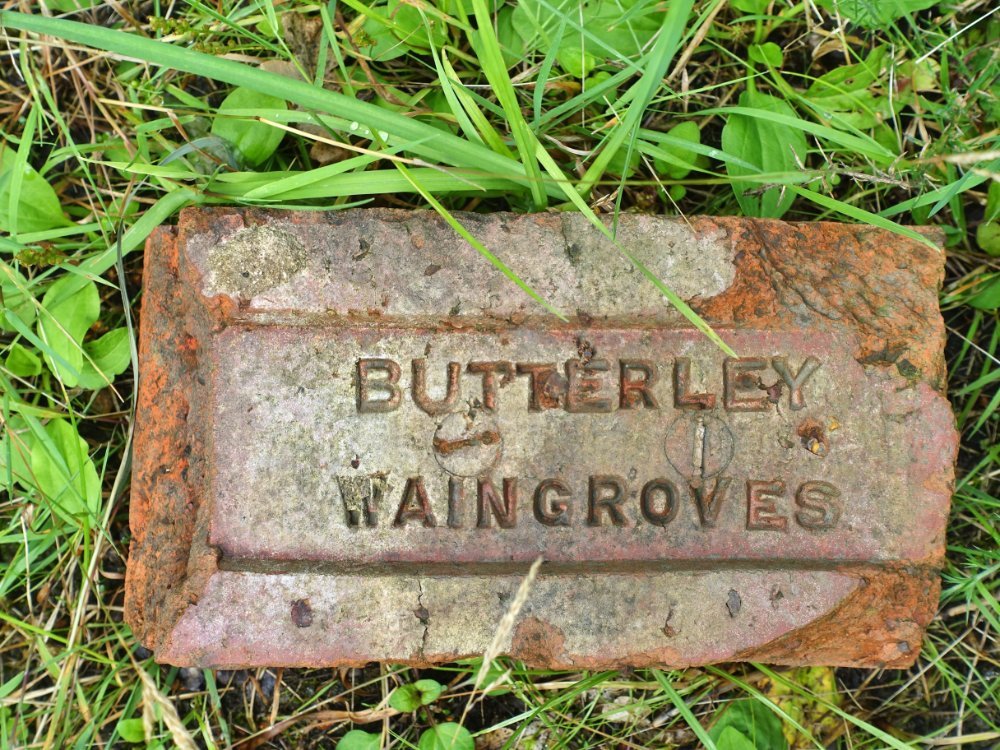

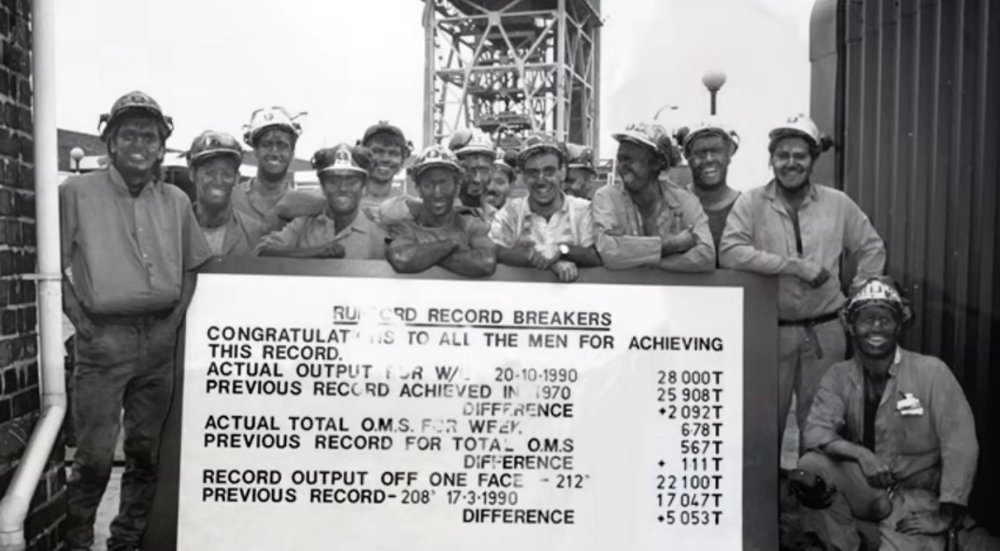
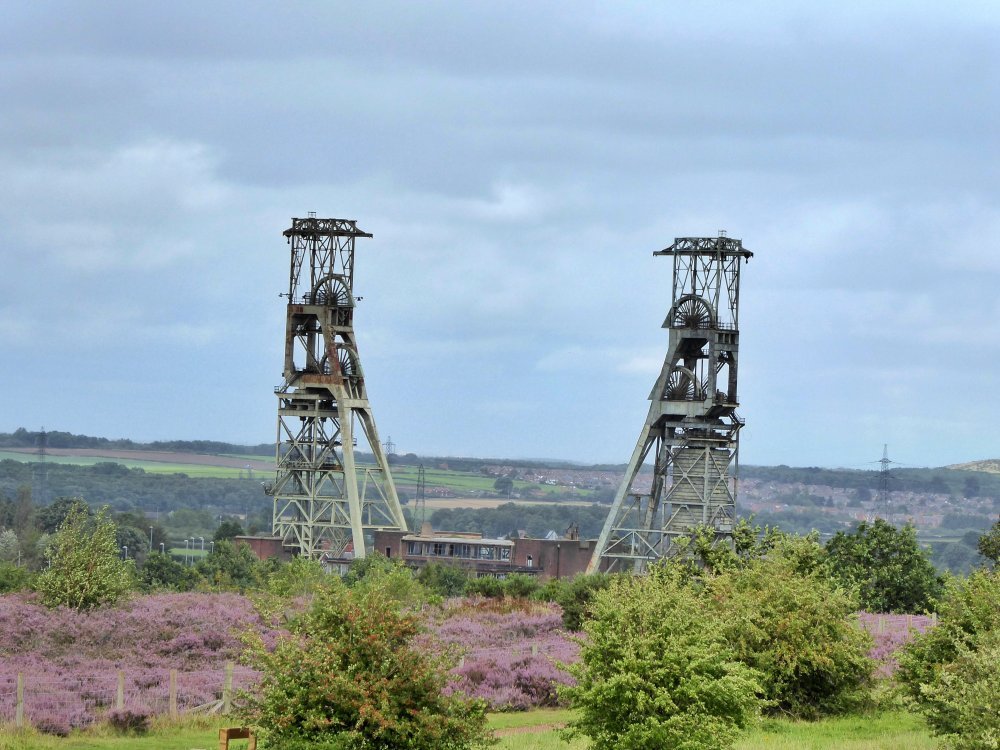
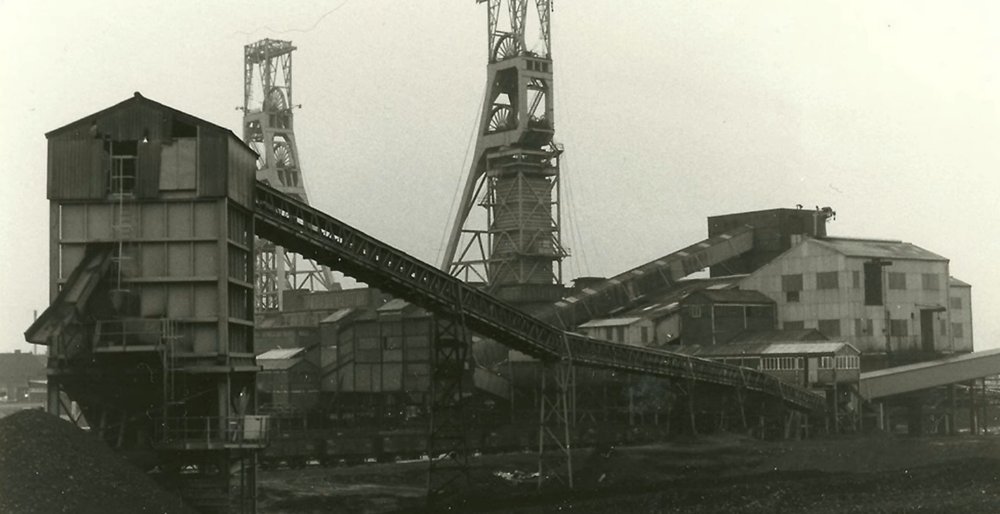
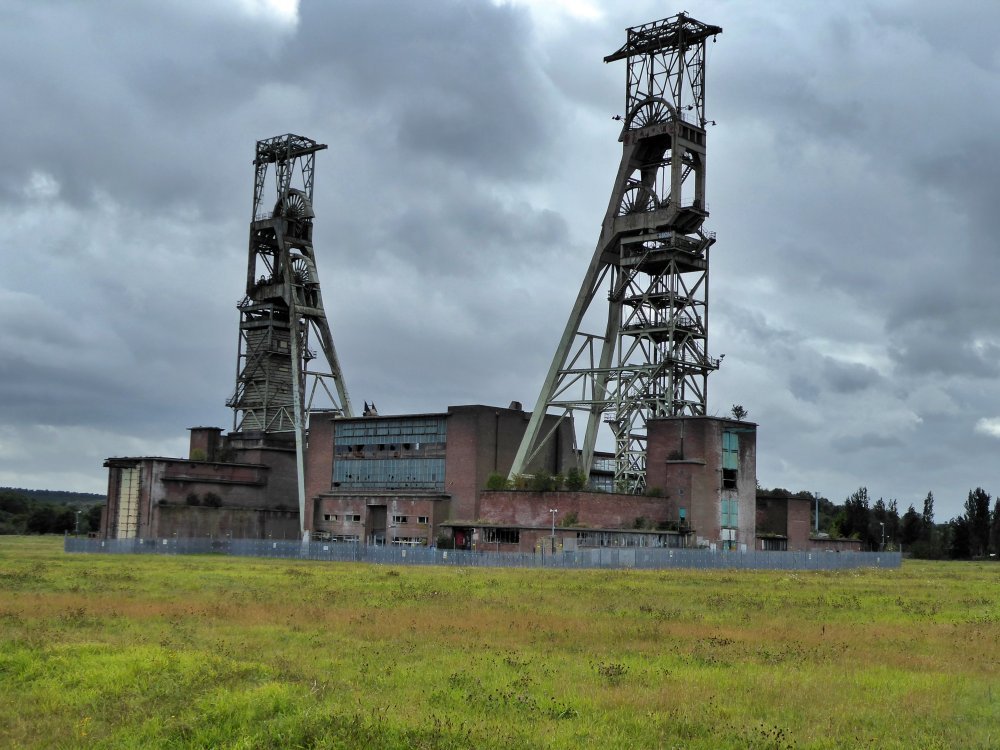
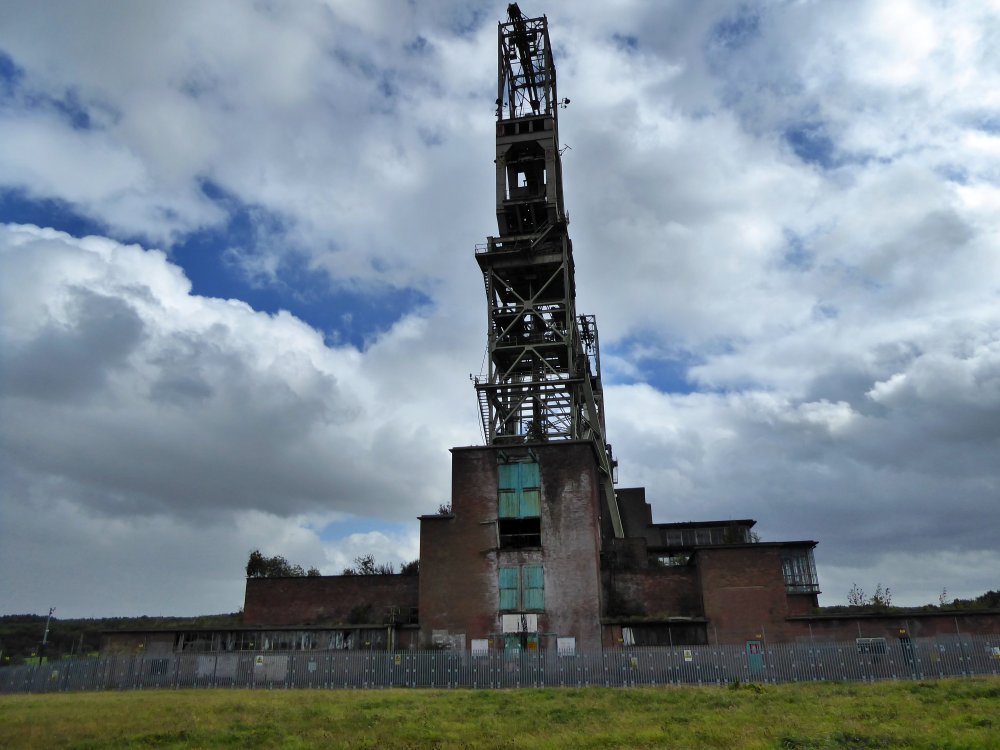
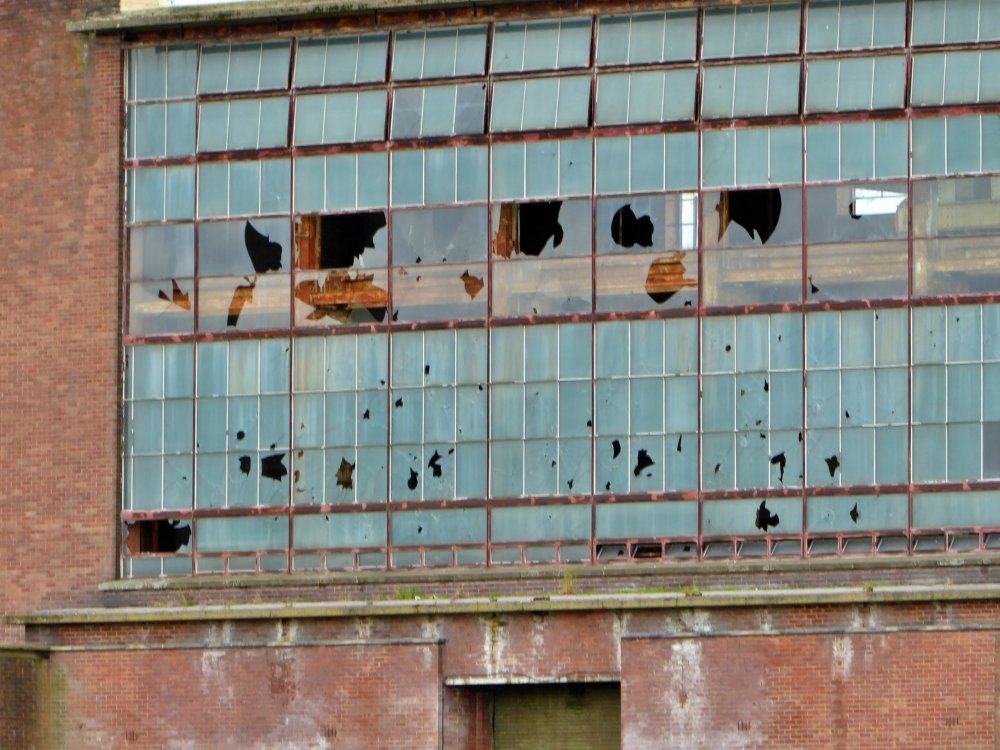
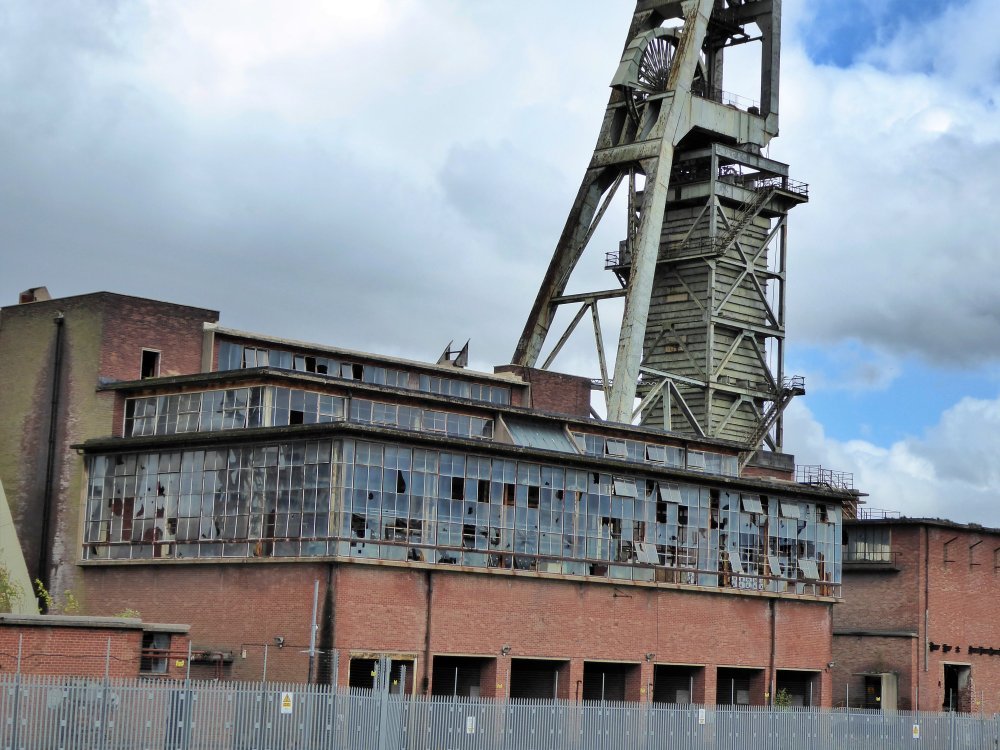
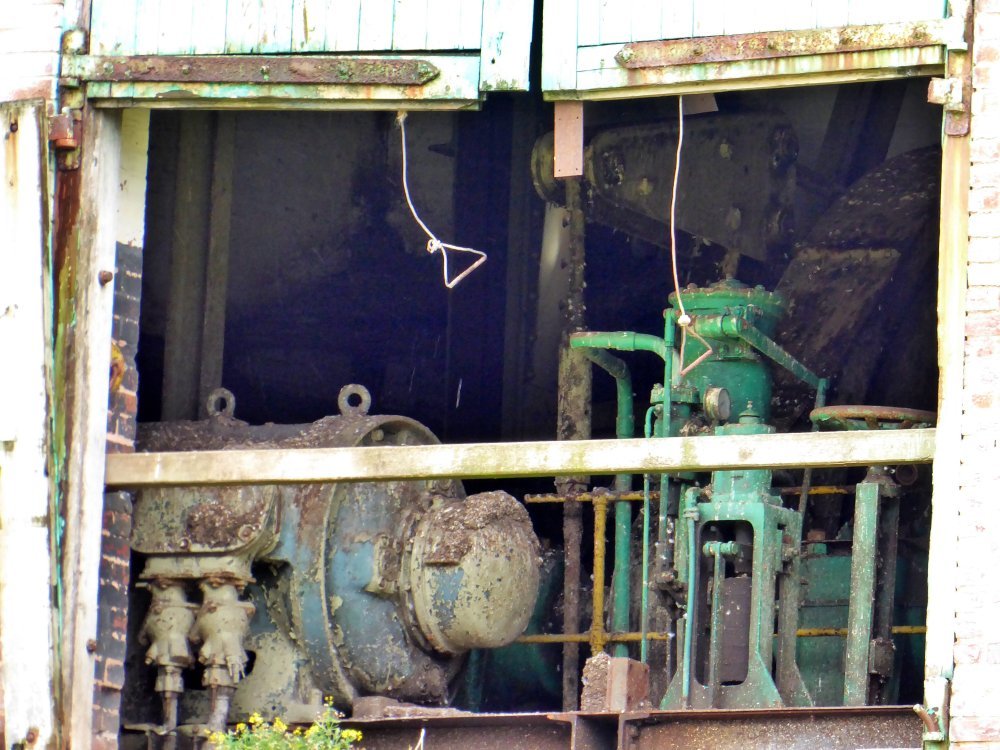
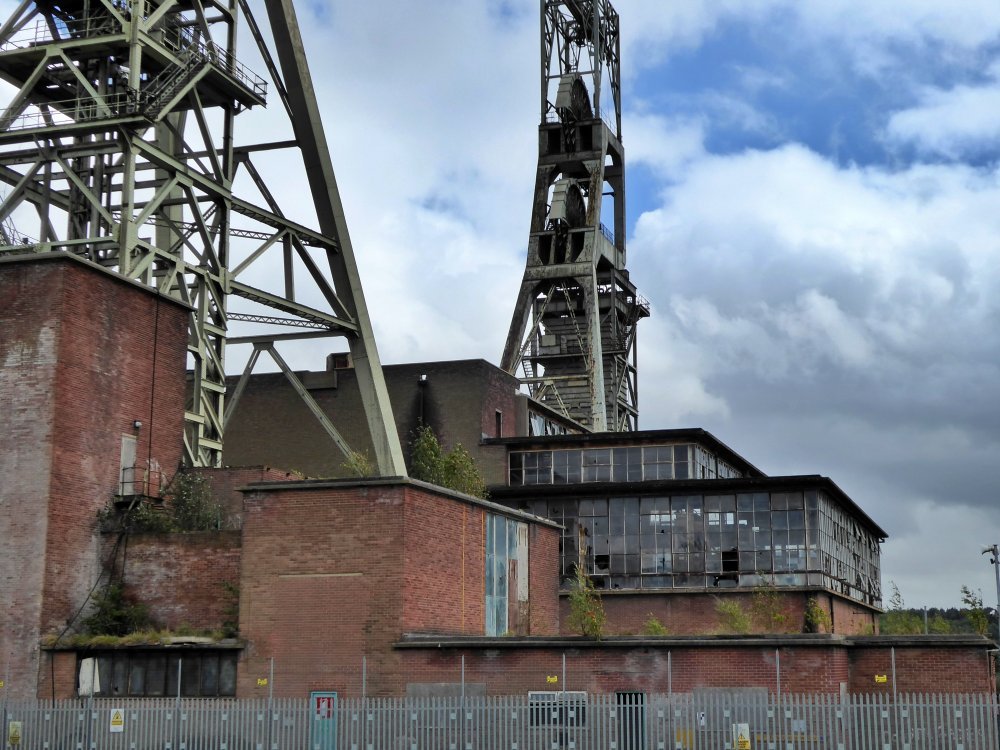
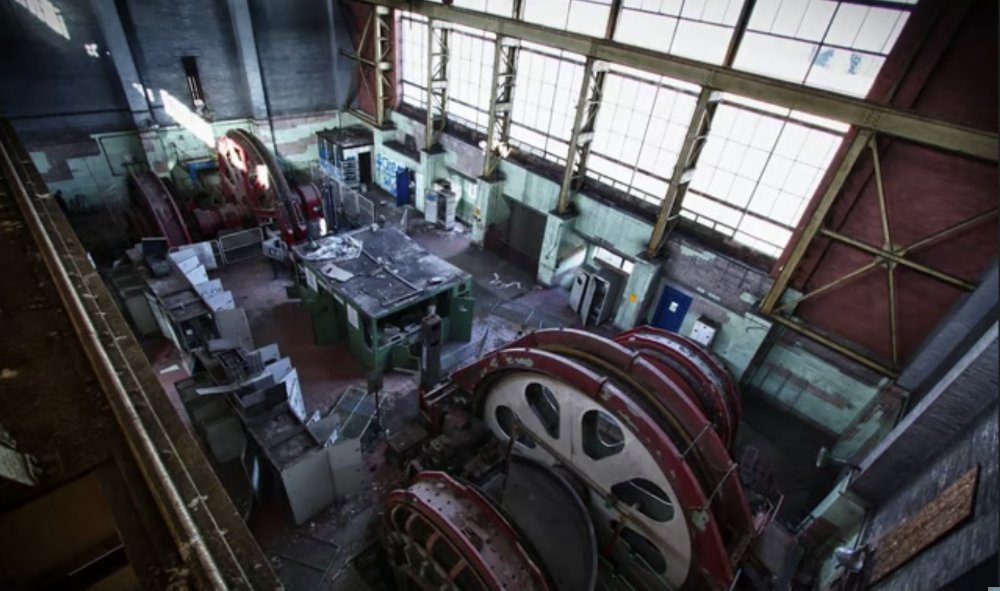
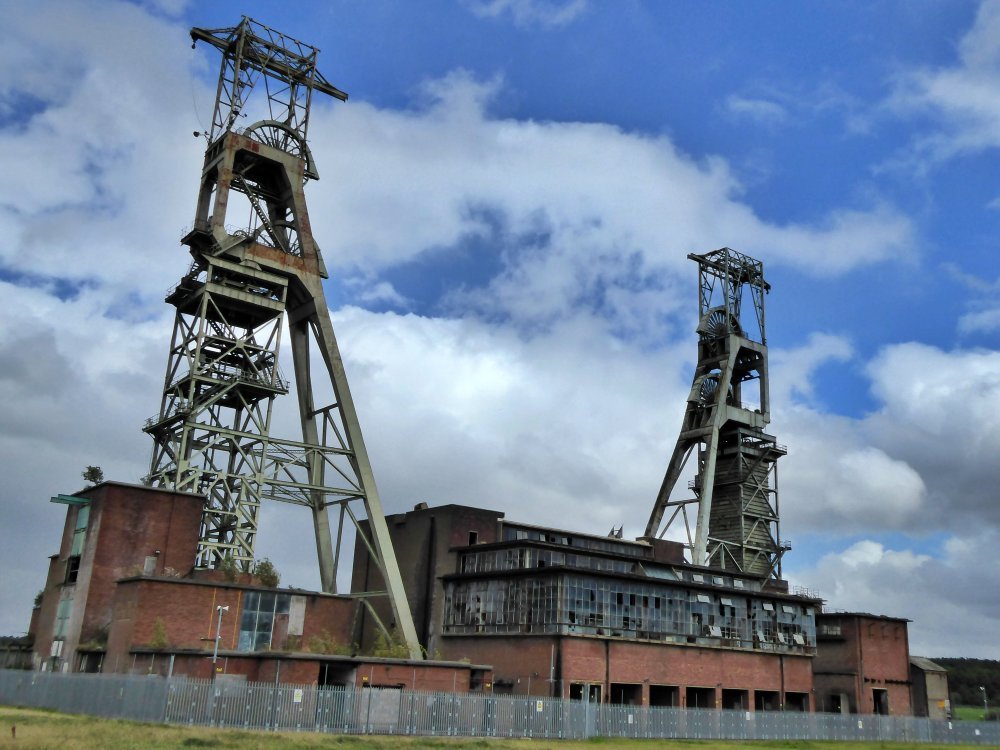
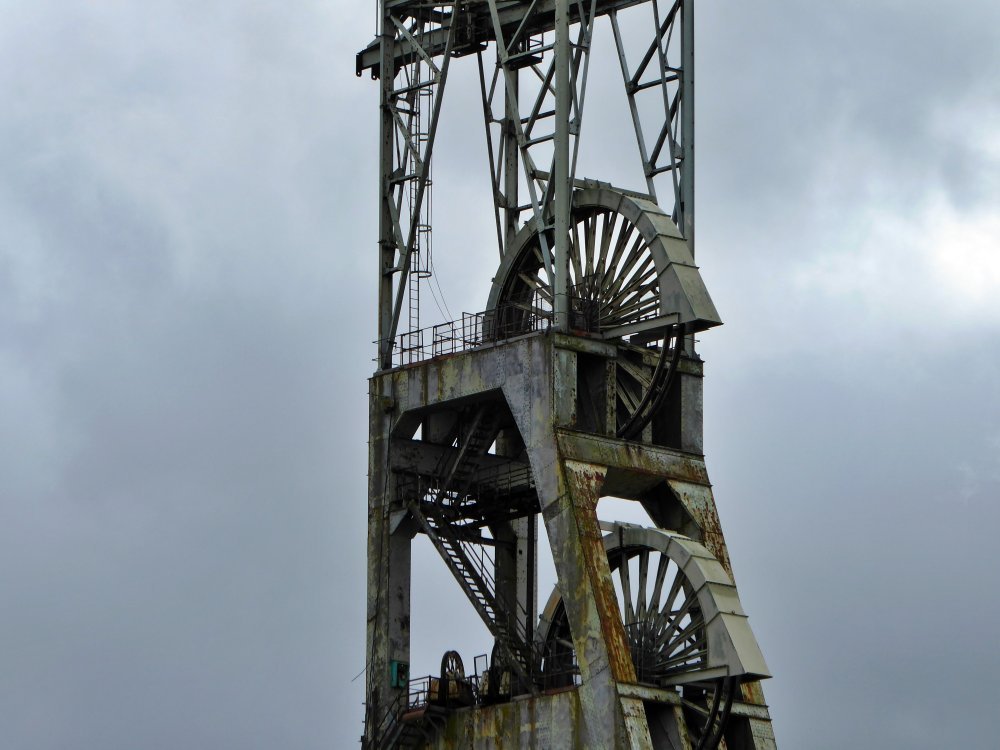
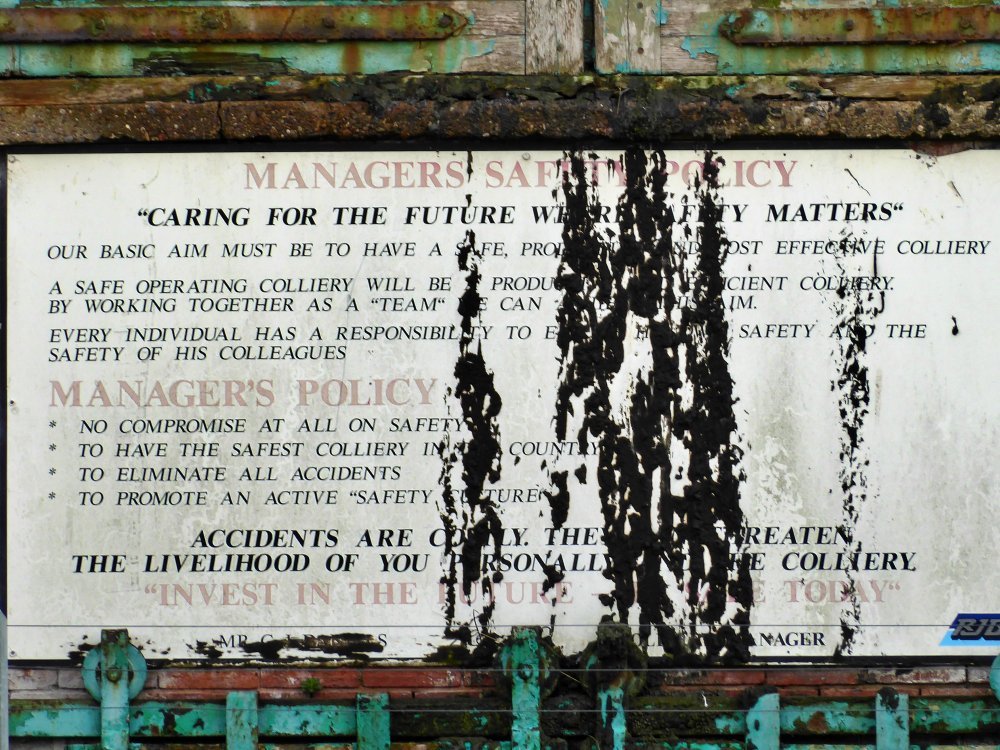
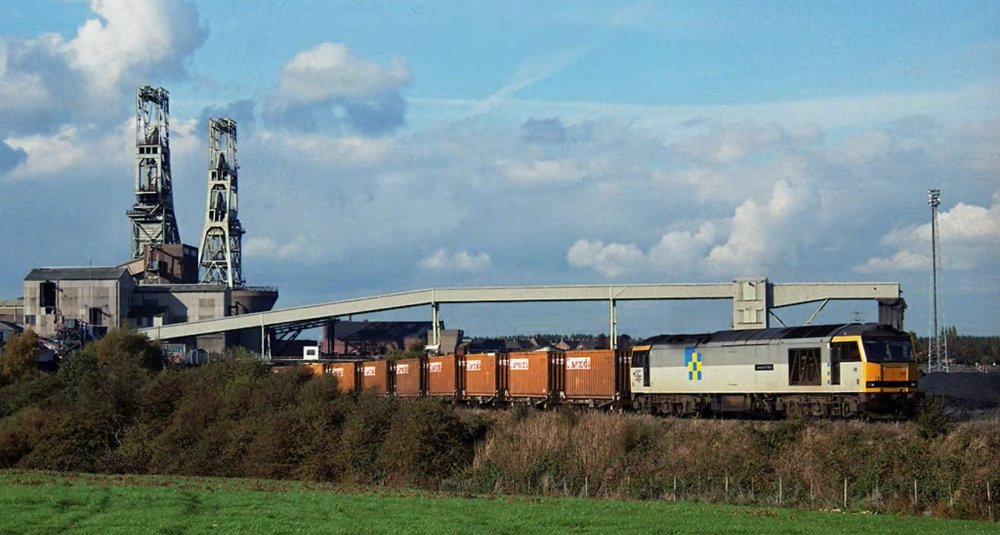
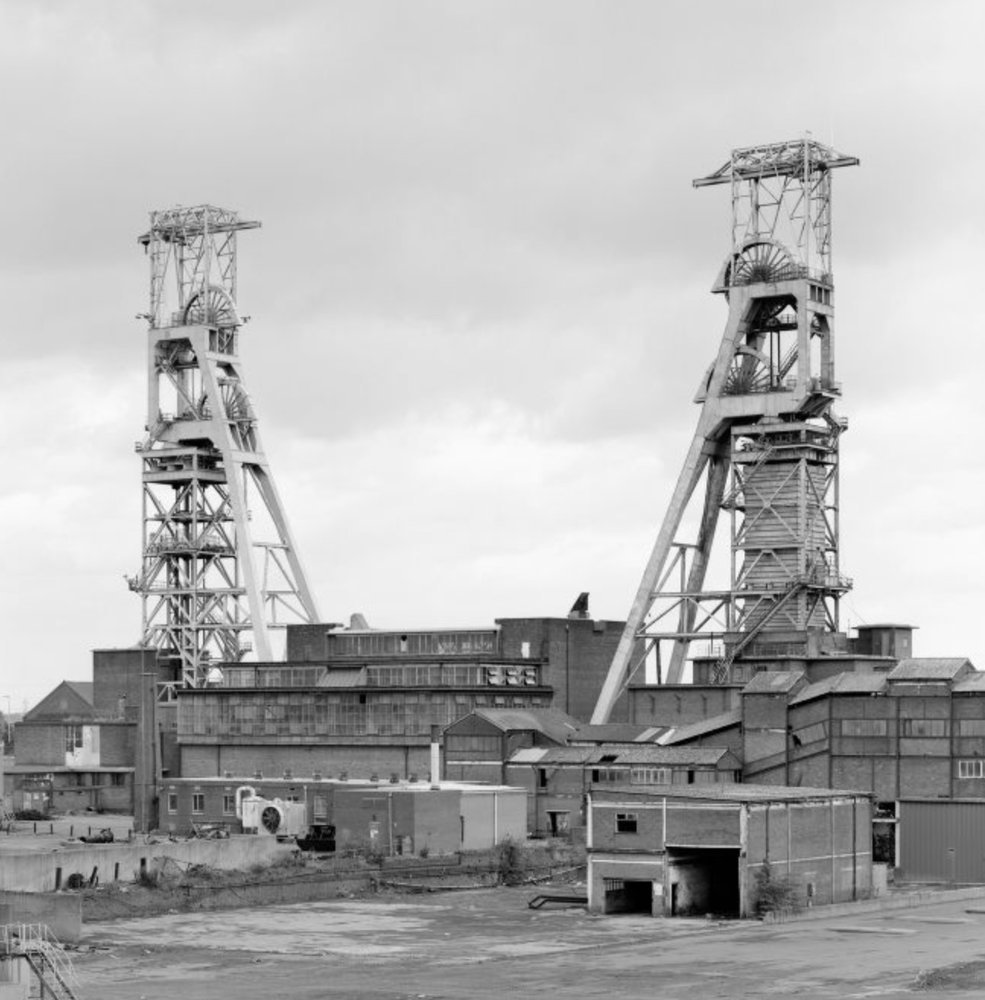
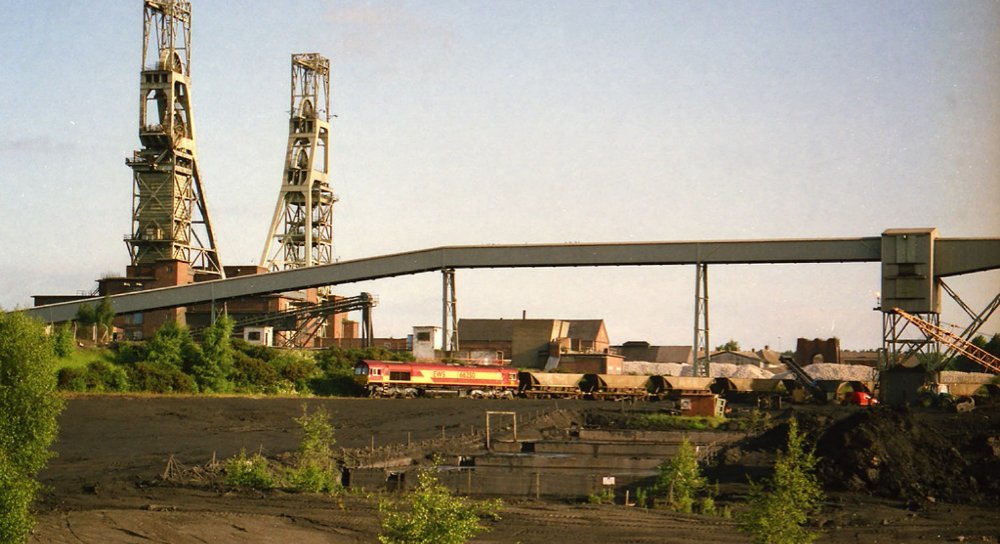
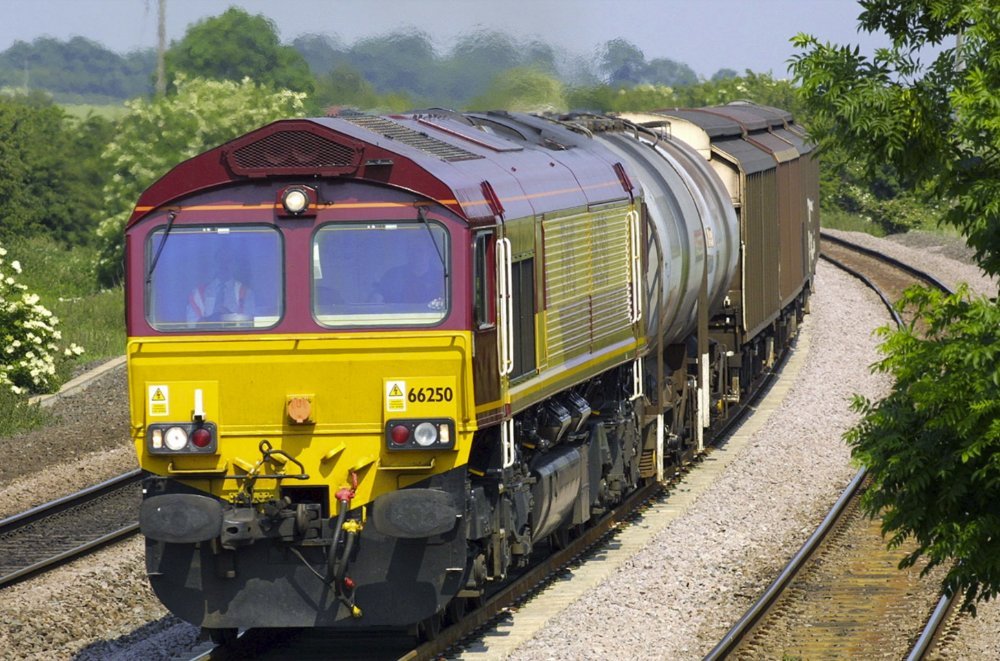
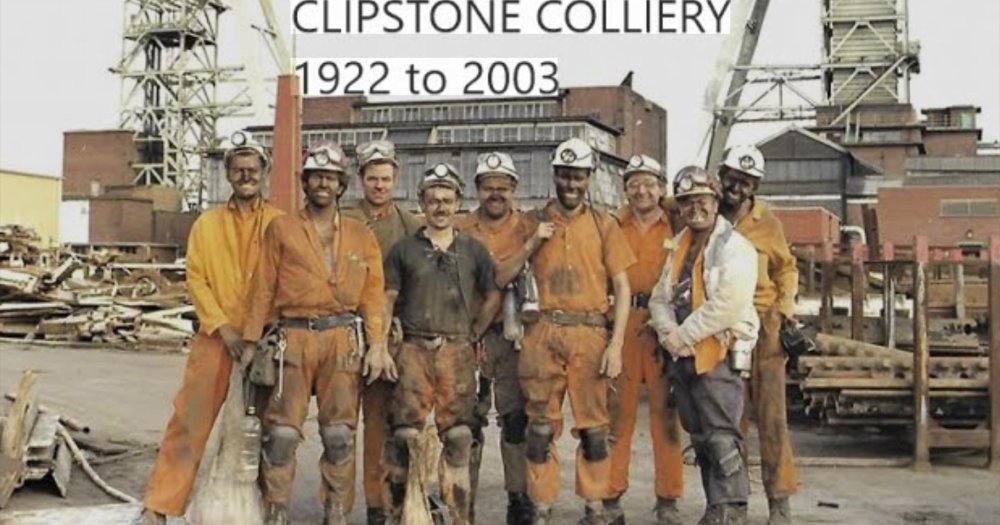
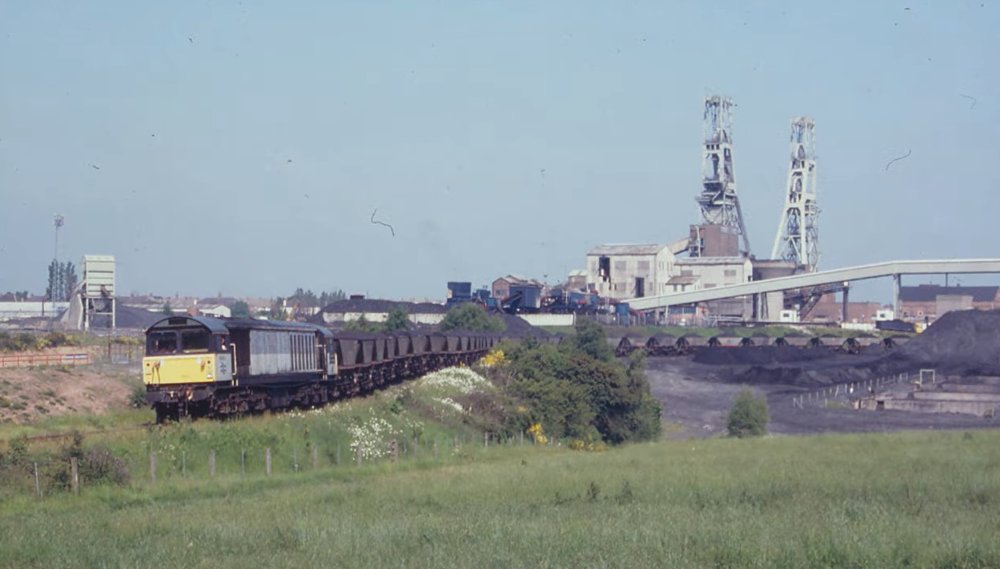
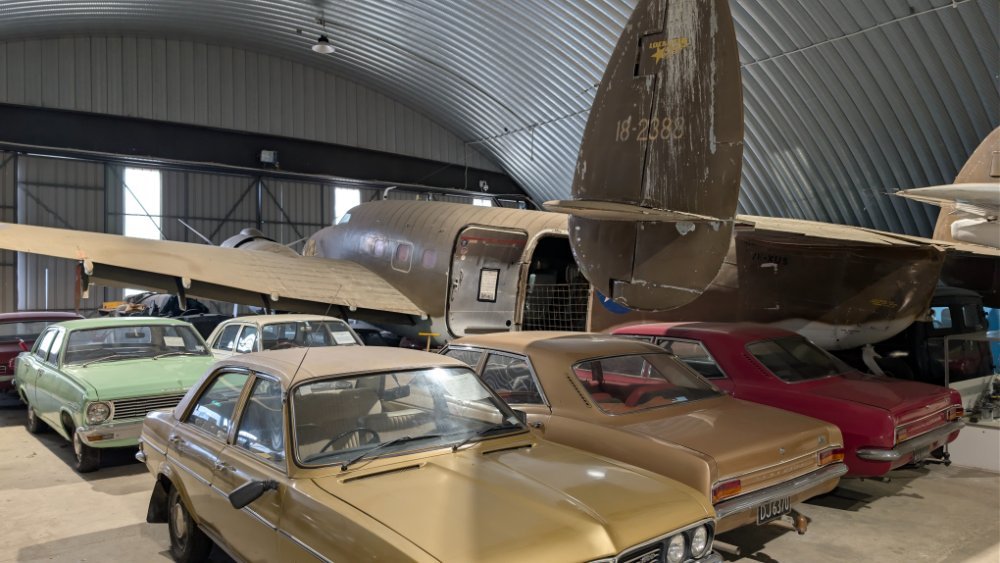
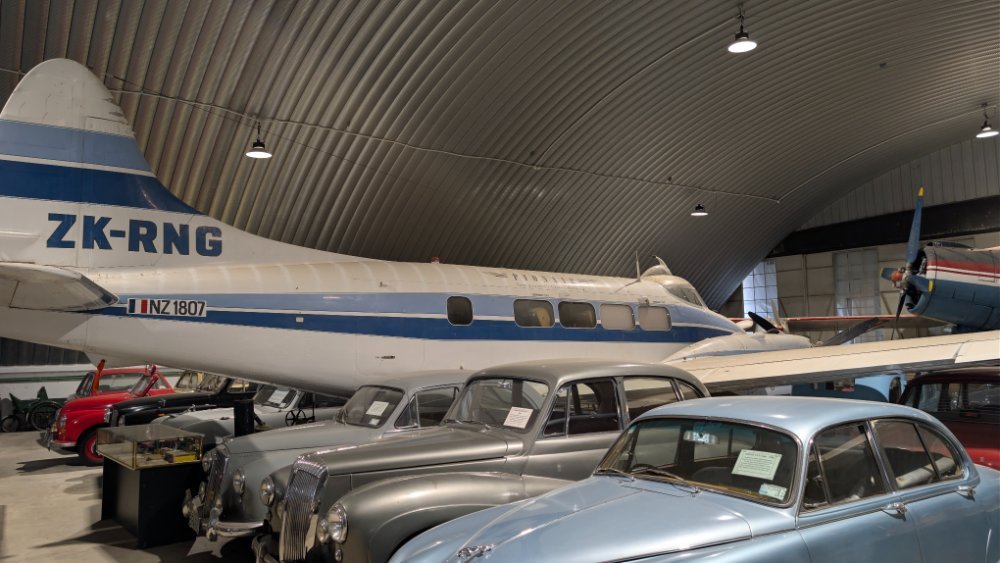
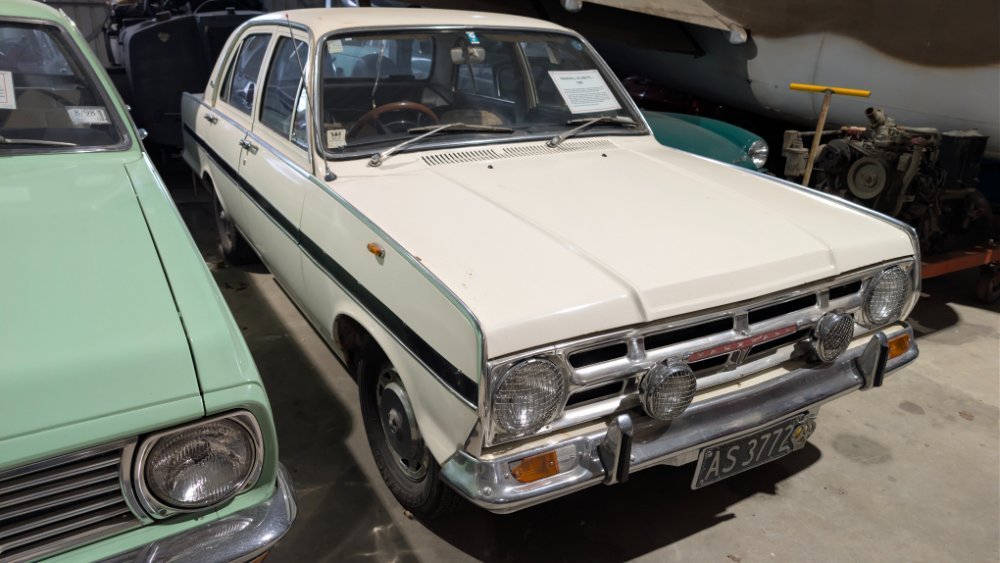
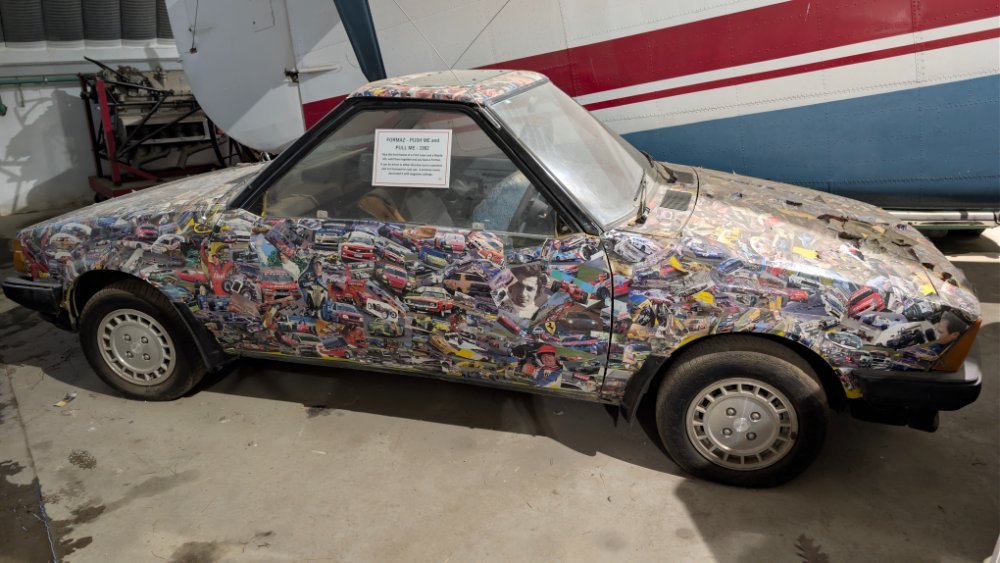
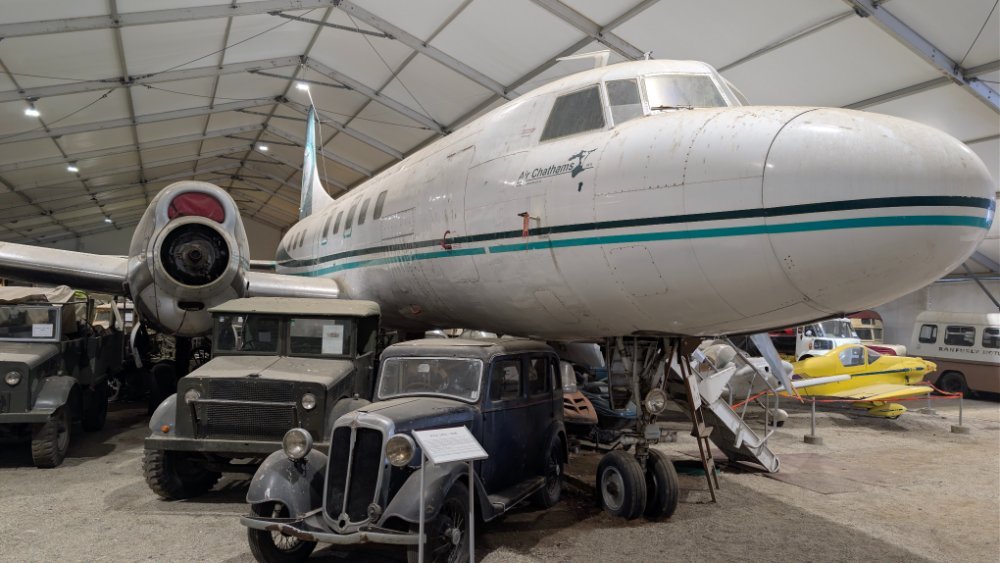
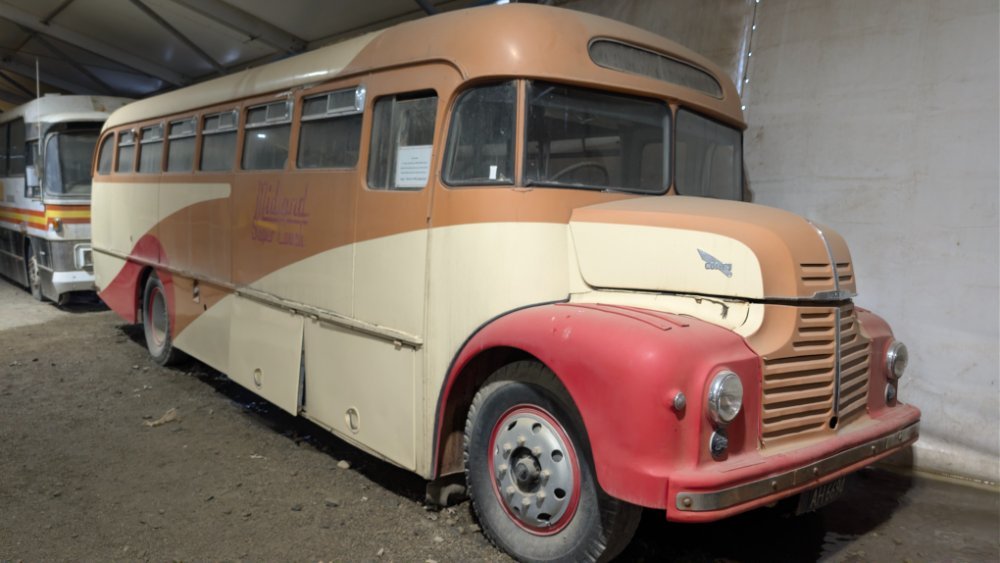
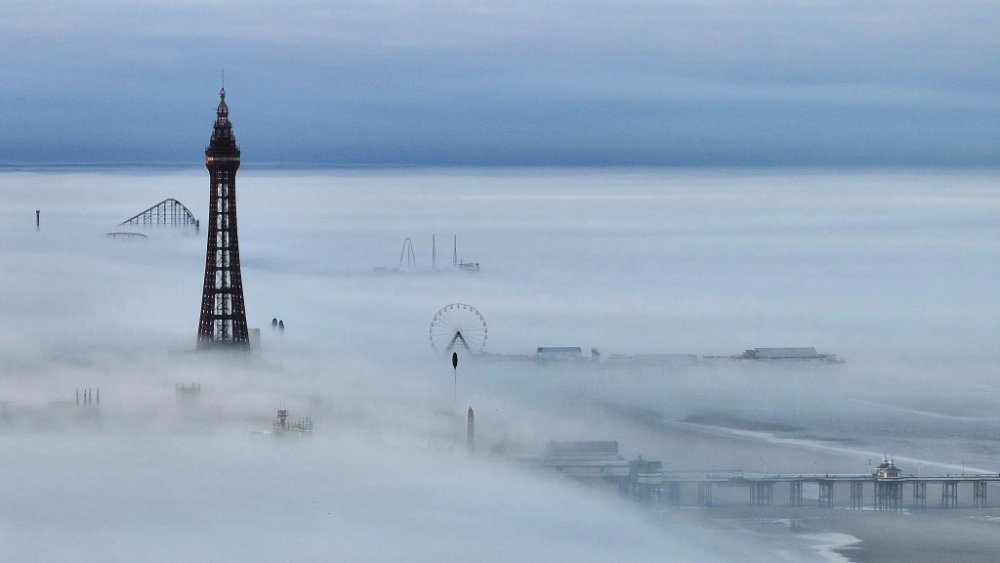
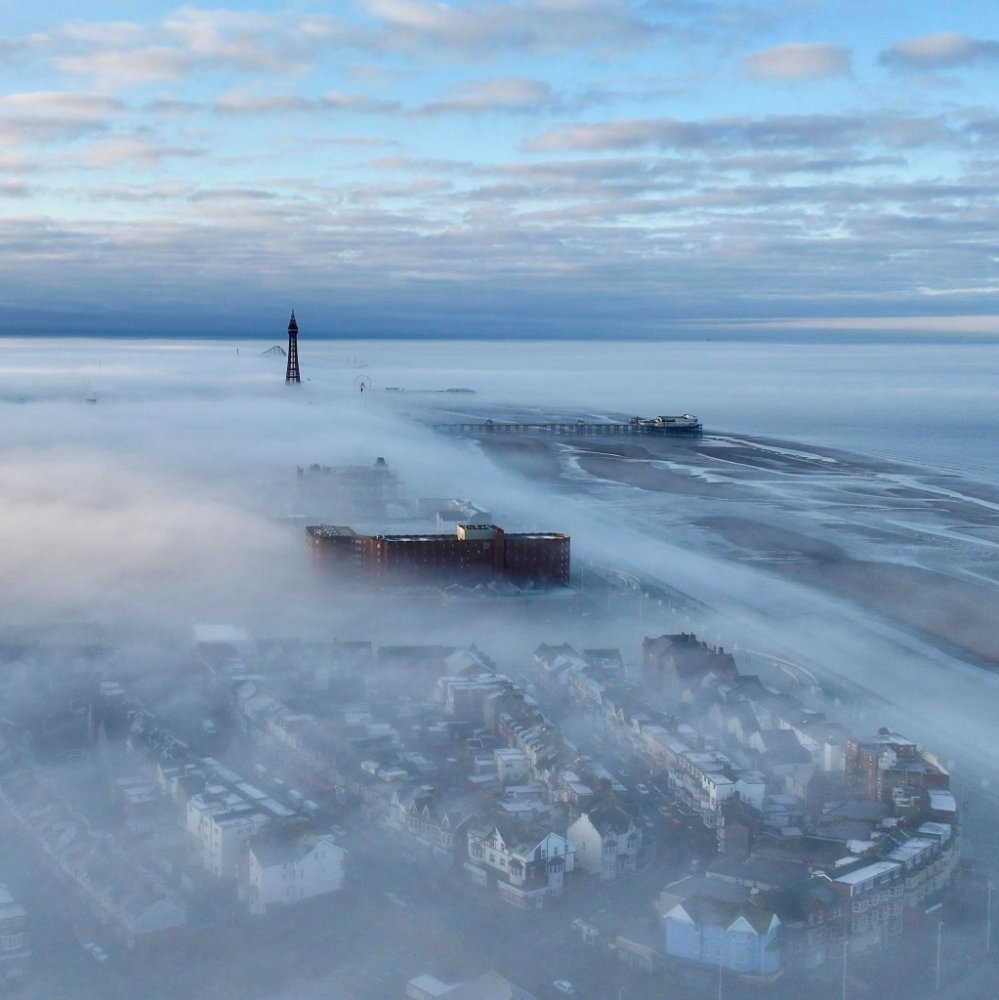
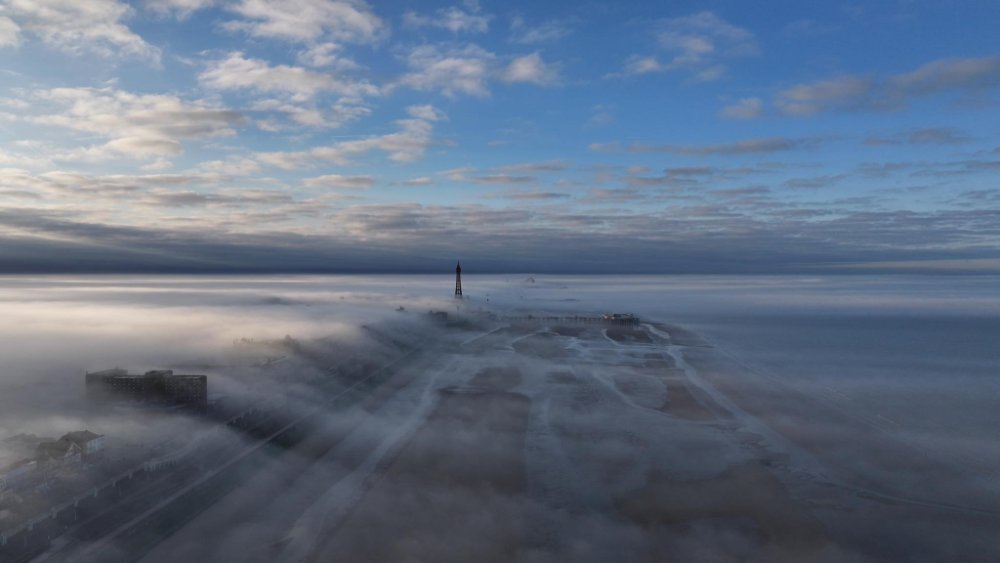
.jpg.68cad81b14bf54b02989dda61f3e366a.jpg)
.jpg.ca63a49e7661b9255cfd266f65f79714.jpg)
a.jpg.20f2de9c7ff7fabd44268f3f56c5a090.jpg)
.jpg.09d6c4f48d650a690efb9374bc0ae969.jpg)
aa.jpg.c4356582da4ca02d2a2c2e4d4a282f18.jpg)
.jpg.068d46ceeac6750704f2f1151bb2eb06.jpg)