

Roy B
-
Joined
-
Last visited
-
Days Won
188
Everything posted by Roy B
-
Heat One Happenings 234 and 339 take an early lead. 191 tangles with 463 in turn 4 as 345 and 216 do likewise. 197 is first red through. 212 and 515 duel throughout the race. 47, 120 and 339 are the lead three. 275 spins in turn 3 holding up 197. 47 takes the victory in a dusty race.
-
Mick Sworder's immaculate Volvo FH16 750 gets a seven page feature in the June issue of Truck & Driver. The care and devotion shown by Mick has it featured as the editor's choice for the second time. It is a great article covering the transport history of the Sworder family. Stock cars also get a mention. (Photo credits to Tom Cunningham)

-
Truly heartbreaking news. My sincere condolences to Chrissy, family and friends. RIP Tim.
-
Continued from above: Our last mill of note downstream of here is Washwheel Mill. This was a much smaller mill and was never water powered. A fine chimney survives standing tall over the valley. The mill floor and chimney. There was not enough gradient here for the brook to power a waterwheel, so a Lancashire boiler was used. The boiler survived in the undergrowth until the early 1950’s but was wrenched from its housing by an enthusiastic scrap dealer and hauled away in the middle of the night. The pipe that supplied the boiler with water from the brook. In its early days the mill was used for bleaching woven quilts for a Bolton spinning mill. In 1880 the works were taken over and used for bleaching cotton waste. Both this and Deeply Vale shared the workforce between them dependant on workload. Amongst the 201 people that were employed fifty were under the age of 13, and sixty were between 13 -18. A child was allowed to begin work in the mill at the age of nine so long as they had been examined by a doctor. A conversation between the mill overseer and a child is reported to have gone like this: “Can I start work on Monday?” “No” replied the overseer “you haven’t seen the doctor”, so the child replied ”But I’ve got all my back teeth” and that was sufficient to clinch the job! A typical day for a 14 year old girl would entail getting up at 05:30 and walking the two miles to the mill. On arrival she would have worked a twelve hour shift before walking home again. Imagine having to do this in winter. Of the mills we’ve visited all eventually succumbed to the requirements of the reservoir. Washwheel bleachworks survived until 1919 when the owner then sold out to the Bradford Dyers Association and the mill closed four months later. The valley was not completely deserted however as the cottages mentioned earlier were occupied until the 1950’s. Several could be rented for as little as two and sixpence a week and, despite their remoteness provided cheap accommodation for many families during then lean years between the wars. Industry, however, never returned to the valley. Gradually the mill timbers decayed and the walls crumbled; the machinery, the engines and the great wheels were hauled away for scrap. The industrial history of the Cheesden valley, rich in the enterprise and the hardship from which had grown the great age of Lancashire textile manufacture finally drew to a close. From the bleak, windswept moorlands above Four Acre to the lush woodlands of the lower valley is some four miles. In this distance what is left will eventually become overgrown and hidden from view completely. Nature has reasserted herself among the silent stones, and the waters of the brook once again flow unhindered by the needs of man. Pics in the gallery That’s it folks. We’ll all meet back for more explores at the next lockdown, or end of season whichever comes first. Cheers, and happy race-going, Roy
-
Continued from above: The hub and axle from the waterwheel have disappeared within the last thirty years. Moving further down the valley the brook disappears beneath an arched tunnel over which the next mill - Croston Close - was built. This had survived a catastrophe in 1834 when flood waters roared through the valley washing away parts of the site. It survived for a further forty years as a woollen mill. There were two waterwheels here which were used for powering three carding engines. The mill had originally begun by spinning wool for the cottage weavers. On the adjacent hillside the line of a flue which went from the boilerhouse leads up to the top where there are the remains of a small chimney. It is said that at one time the flue was used to carry away the fumes of an illicit whisky still which operated there! The line of the flue leads uphill to the ruins of the chimney As the nineteenth century grew, so too did the industries of the nearby towns of Rochdale to the east, and Bury and Bolton over the hills to the west. The humble valley mills were in no position to compete with the vast textile empires now being established in the growing towns. Nor could they afford the new and sophisticated machinery which allowed the mills to produce fine cottons of ever increasing quality. The rapidly rising cotton industry did, however, produce a by-product which the valley mills used as a substitute for their declining wool trade. As part of the spinning process the large textile concerns applied a starch to the spindles before spinning. This dried out and left a core of hardened paste. The recovery and recycling of these cores brought a hard waste trade to the valley mills. At the time Lancashire was operating over forty million spindles and six hundred thousand looms so there was plenty of recycling to do. Our journey from here to our next mill takes us past Wind Hill Pit. The trackbed of a former tramway etches a thin line against the side of the hill leading to the pit. The gradient of the line allowed loaded wagons to enter the valley by their own momentum. At the bottom of the hill a rectangular area is all that remains of the terminal where the wagons were unloaded into carts. The wagons made over twenty two journeys a day up and down the incline with coal to supply the next mill down the valley (which we visit next). They were hauled back by means of a cable which was powered by a stationary engine situated at the top of the pit. There are also traces of staining to the stonework here caused by the use of metallic salts in the cloth dyeing process that were washed downstream. In this location were four rows of workers cottages, one of which was used as a grocers shop. ‘Owd P’s was its name, and it was a shop where ale was sold and little of anything else. It appears that the chief recreation was the playing of cards and the drinking of ale bought at a penny a time. Owd P had a good trade as the nearest inn was Owd Betts up on the turnpike. The brewing of ale was as common as baking 140yrs ago. His grandmother, for instance, brewed twice a week regularly. Between here and our next mill was the site of the Deeply Vale Festivals. These were unique free festivals held between 1976 -79. They were regarded as significant events that united punk music into the festival scene. They brought together hippies and punks; a festival which drew free spirited individuals to a little known part of the north-west from all over the country. Deeply Vale may have only been held for four years but the impact this free festival had on the music scene can still be felt today. Because Deeply Vale didn't survive like, say Glastonbury, it does have more of a magical thing about it. You could compare it to people always remembering Hendrix or Janis Joplin as stars who died young as opposed to some overweight person playing comeback tours. It never had the chance to get old. At the first festival in 1976 around 300 attended. That number rose to an estimated 20,000 for Deeply Vale's final two years. As well as the varied line-up, the festival was noteworthy for the impact on many of the fans who attended and who would go on to become influential musicians in their own right. The Smiths, Stone Roses, the Chameleons, Doves, the Wedding Present and Chumbawamba – members from all these bands were influenced by what they witnessed in the fields between Bury and Rochdale. On stage, a diverse mixture of hippy idealists, anti-establishment punks and protest singers created an unforgettable mix. The festival brought together a lot of different factions of people. They were all from slightly diverse, left-field cultures and they threw their lot in and contributed something. Tony Wilson, who launched Factory Records, helped compere the event in 1978, the Durutti Column played only their fourth ever gig at the event, The Fall were festival regulars. Remarkably, Deeply Vale remained true to its free festival principles until it ended in 1979. When it started there was such a thing as community spirit and people working together. It got to the point where there were two factions. With anything that grows as it had done, you always get them. One school of thought was just to carry on and ignore the authorities and not meet licensing conditions and just do it. Then there were people who thought the only way to carry on with this was within the system but if you do that you inevitably become part of the system. It got to the stage that it needed some sort of organisational body, and people to stand up and be responsible for licensing and health and safety and maybe Deeply Vale was just a bit too spontaneous for that. As we get closer to the mill a brick building houses some abandoned pumps of more recent times which used to control the brook’s flow in times of heavy rainfall. One of the pumps controls was manufactured by Allen West and Co of Brighton, who were founded in 1910. During WW1 the company made the firing head for the Stokes mortar and 100 rounds. Allen West smuggled it to France in his luggage and as a result of trials there it was adopted for service use. In 1929 the company acquired a disused rolling mill at Southampton which they used for heavy engineering construction. In WW2 the company produced radar equipment, switchgear and motor control gear for the war effort. In 1961 they had 3000 employees, manufacturing electrical motor control gear for all applications. In 1973 they were taken over by General Electric of the USA. Also in the building was a gauge manufactured by Evershed and Vignoles of Acton Lane Works in Chiswick. The company was founded in 1885 and made speed indicators for twin-screw ships. During WW1 they manufactured steering and target equipment for the Royal Navy, with aircraft instruments made in WW2. By 1961 they had 1870 employees but were now under the control of British American Tobacco. The company remained involved in the manufacture of defence electronic equipment. After various takeovers the workforce had reduced down to 450 people by 1980. The Acton Lane works were closed in 1986 with the company becoming part of Megger Ltd based in Dover. We now approach the Deeply Vale Mill complex. There would have been people who spent their entire working life here enduring hardship daily. Now 120 years later it is a tranquil place of absolute silence interspersed with birdsong and the buzzing of bees. A stone bridge leads to a cobbled road and descends into the site. The Cheesden Brook flows down a stone lined channel which was built to withstand erosion. It a superb example of the stonemasons work. The pit which housed a thirty feet waterwheel is in amongst the trees, and the circular depression of a gas-holder is visible. A solid stone building in the centre of the site was converted to three furnaces with the arrival of coal for the steam engine. The triple furnace block. This also allowed the production of gas for lighting. A few items remain from the steam engine emplacement such as brackets and drilled stone blocks. During the nineteenth century the concentration of mills and houses here created an industrial village in the valley. From the beginning this mill was concerned with the finishing of cloth, not its manufacture. The premises consisted of a print shop, dyehouse, vats, colour shop, drying stove room and a bleached goods dryhouse. All were run by a complicated set of dash wheels and gears connected in series to the steam engine. Two reservoirs were needed to keep the whole site supplied with enough water. The works had the power to bleach and print upwards of six thousand pieces of cloth per week. The owners got into financial difficulties, and went bankrupt however after a violent storm washed part of the mill away. The works were taken over by a Mr. Earnshaw who during its rebuilding fell into some gearing and was torn in two. It was decided to break the pattern of industry and turn to a product in many ways allied to cotton – the manufacture of paper. A directory from 1888 lists it as Deeply Vale Paper Manufacturing Company, situated at Deeply Vale Paper Mill producing paper blinds. Bankruptcy loomed again however as the difficulty in getting goods out of the valley to the towns was very expensive and closure came at the turn of the twentieth century. Continues below:
-
Continued from above: The mill in the early 1920’s. The same view today. The brook was diverted to flow through the mill. Three decades ago the hub and axle from the thirty feet diameter waterwheel were still there. The wheel was six feet wide with iron vanes to take the falling water, and was fitted with wooden spokes and rim. The axle and shafts were made of cast iron, and pulleys of six feet in diameter operated the drive. A few stones mark the site of a number of cottages built within a few yards of the mill, and a lonely pear tree is all that remains of the gardens. The mill was built in 1786 as a fulling mill. Fulling is a process by which woollen cloth is subject to heat, moisture and pressure so that the fibres are locked together and felting is created. In the very early days the fulling was done by trampling the cloth underfoot. This was a very arduous and slow task so the coming of the waterwheel speeded up the process immeasurably. By a series of heavy beech headed hammers driven from a cam on a rotating shaft the fabric was driven round in a trough containing a solution of fullers earth. Cheesden Lumb was able to extend its services with the addition of the waterwheel. Carding, bleaching and dyeing processes were added to its range. The bleaching process involved hanging the cloth in a room in the centre of which would be placed a pile of sulphur. A piece of hot metal was then placed on the sulphur and the room would soon be filled with the fumes of sulphur dioxide to start the process. It would seem, however, that not only the cloth was subjected to this treatment for it was said that mothers would place their children amongst the fumes to cure them of whooping cough! Despite its close proximity to the Rochdale Turnpike (now the A680) the mill sent its cartloads of yarn down the rough, narrow track through the valley three times a week on the long journey to the warehouses in Manchester, rapidly growing as a world centre of the cotton trade. For the carters of the valley, the journey meant a long day, rising before dawn and leaving the mill at about six in the morning. They regarded themselves as having made good time if they were passing Manchester Cathedral at 10:00a.m., then on to the cotton warehouses. Whilst their carts were emptied and reloaded there was time for some food and a pint of good ale in one of the city’s hostelries. By mid-afternoon they would be setting off back once more for the moors with another load of raw cotton. More than one carter wearied by the journey, or soothed by the good ale has been drawn in gentle slumber by faithful horses towards his destination. As the cart approached the mill, often as late as ten in the evening, four ‘chain horses’ would be sent out to help it up the final gradients. The early 1800’s saw the mill at its peak but it was forced to diversify in the 1860’s to process cotton waste. This was the period of the American Civil War (1861-1865) when the blockade of raw cotton imports caused considerable hardship to the Lancashire cotton workers. The need to conserve and supplement the reduced supplies made the reclaimation of cotton waste a necessity and the survival of the valley mills became a priority. By the end of the 1880’s the mill had come to rely on the manufacture of lampwicks. When plans for the Ashworth Moor Reservoir were laid in the 1890’s the landowner decided to close the mills in the reservoir catchment area. Despite the then owner of the mill challenging the decision the requirements of the reservoir stipulated that the mill’s water rights were to be surrendered. The mill closed in 1898. Continues below:
-
Continued from above: Okay folks, I think it’s time for a brew before we set off down the valley. Sit back and we’ll have a look at some info about this time in our long lost past. Lancashire’s cotton production was so prolific that ‘it made for itself before breakfast and for the rest of the world afterwards’. Handloom weavers were the high-rollers of the textile industry in the final decade of the 1700’s. While spinning was now a mechanised operation, making thread cheaper and more plentiful, no-one had yet come up with a satisfactory power loom - so there was a production bottleneck which the weavers were happy to exploit. A Bolton handloom weaver could earn a princely £1 10s a week in the mid 1790’s. But this very fact - and the invention and development of the power loom - sowed the seeds of the trade's destruction. Good pay and an increasing demand for cloth brought workers, particularly Irish immigrants, flooding in to the relatively easily-learned handloom weaving trade. So even before power looms made any real impact, wages had begun to fall as a result of an imbalance of supply over demand. There were just too many people chasing what was seen as easy money. By 1807, because of Britain's war with France, trade was in deep recession and manufacturers were taking advantage of the situation by putting out work to handloom weavers at breadline prices. They then stockpiled the completed pieces so they could cash in at higher rates when better times returned. For the cottage weaver, it was the first real hint of the troubles ahead. Things were no better for those who had opted for factory employment on the new, steam-powered looms. In May, 1808, the Weavers' Minimum Wage Bill was rejected by the House of Commons. Five days later, 6,000 weavers gathered on St George's Fields in Manchester to protest and call for a 33per cent wage increase - the average pay for an 84-hour week was now down to about 8s (40p). The protestors were dispersed by dragoons, but the following day 15,000 gathered in the same spot and one man was killed when the dragoons opened fire. The soldiers later apologised and took up a collection for the man's family. A strike followed and weavers ruined cloth on the looms by squirting sulphuric acid through factory windows. In Rochdale, prisoners were released and the town jail was torched. In Bolton, troops broke up a meeting. It all ended in compromise in July, when the weavers went back to work with a phased 20per cent increase. There had been approximately 75,000 handloom weavers in Britain in 1795. This had grown to more than 200,000 by 1812, by which time power-loom factories were mushrooming. The power loom, invented by the Rev Edmund Cartwright in 1785, was faster and more economical than the handloom, and could be operated by young, untrained hands who were willing to work for a pittance. Inexorably, as the machinery improved and the number of factories grew, efficiency and competition forced prices ever lower and the handloom weaver, painfully limited in the amount of cloth he could produce, found himself less and less able to earn a living wage. The Luddites now came on the scene, and despite the passing in February of Ryder's Act, making machine-breaking a capital offence instead of a transportable one, the summer was peppered with riots and loom smashing. Eight people were executed at Lancaster, four for mill-burning, three for breaking into a house to steal food, and a woman for stealing potatoes, while at Middleton four were killed during rioting. Luddism faded out of the picture but unrest was never far away. The year 1817 was marked by the Blanketeers March. Hundreds of hungry weavers, carrying blankets to sleep in, set off from Manchester to petition the Prince Regent against Home Secretary Lord Sidmouth's repression. Before they reached Macclesfield, more than 200 had been arrested and the rest were dispersed. The idea of a Government-applied minimum wage which would give handloom weavers some basic security was still being mooted, and not just by the weavers themselves. Some of the more respectable "putting-out" firms were beginning to see the benefits of such a scheme as they battled against competition from cheapskate machine-weaving businesses who undercut them by paying their unskilled workers starvation rates. Long slow decline Despite everything, however, the number of handloom weavers continued to increase, reaching 240,000 by 1820 before the long, slow decline set in. By 1829, the number had dropped to 225,000 who were earning little more than 5s a week, while there were now 60,000 power looms in operation. By 1833 there were just 213,000 handloom weavers left, and as more and more gave up the unequal fight the total two years later was down to 188,000. Handloom weavers' wages in north-east Lancashire that were paid by manufacturers for a piece of calico, was 3s 7d in 1818, 2s 11d in 1824 and a little over 2s 1d a year later. Handloom weavers were ever keen to publicise their plight when the opportunity arose. Actress Fanny Kemble was one of the guests at the opening of the Liverpool-Manchester Railway in 1830, and she describes the arrival of the first train into Manchester, packed with dignitaries including the Prime Minister, the Duke of Wellington: "High above the grim and grimy crowd of scowling faces, a loom had been erected, at which sat a tattered, starved-looking weaver, evidently set there as a representative man, to protest against the triumph of machinery and the gain and glory which the wealthy Liverpool and Manchester men were likely to derive from it." John Phillips Kay, secretary to Manchester's Special Board of Health, described the weavers' plight in 1832: "The handloom weavers ... still continue a very extensive class, and though they labour 14 hours upwards daily, earn only from five to seven shillings a week. They consist chiefly of Irish and are affected by all the causes of moral and physical depression ... ill-fed, ill-clothed, half-sheltered and ignorant - weaving in close, damp cellars or crowded workshops." "On every hand," wrote Thomas Carlyle, "the living artisan is driven from his workshop to make room for the speedier, inanimate one. The shuttle drops from the fingers of the weaver and falls into iron fingers that ply it faster." The biggest drop in the handloom weaving ranks came in the 10 years from 1835 - in this period, they lost more than two thirds of their number and were down to 60,000. By 1844, even those hardy souls who persisted in the trade were trodden down by despair. German author Jakob Venedey, who visited Manchester in that year, visited one family of handloom weavers in Ancoats and reported: "Their hardship had lasted long enough to destroy their old pride, to make them forget their former wealth. "Nearly a dozen people sat crowded in a kind of 'cellar kitchen.' The equipment consisted of smoothed-down benches and tables, and a pot with food for everybody was on the stove. The people themselves looked ragged, tattered, dirty and wild - like the worst kind." By 1861 it was all but over: just 7,000 handloom weavers remained, none able to scrape even the most meagre living despite toiling up to 15 hours a day. The rise of powerlooms was, of course, in direct contrast: 2,400 in 1813, 14,150 in 1820 and 100,000 by 1833. The figure reached a quarter of a million in 1850 and 400,000 11 years later. The area we are looking at is fed by the Cheesden Brook. While undeniably, steam pushed the Industrial Revolution to its limits, it was water power that got things started. Lancashire's uplands provided not just the damp atmosphere necessary for cotton production, but the powerful streams needed to turn the water wheels that ran the machinery long before steam power came on the scene. They were also home to the farmers on whom the industry was built. For a quarter of a century or more, water was the only motive power available to the mill owner. When steam eventually entered the picture, the two systems would run side by side for the best part of a century, and even some of the hill-valley mills converted at least partially to steam, switching to mechanical power in times of drought. But just as the supermarket eventually forced out the corner shop, coal power would inevitably see off water power in the end. With the need for waterwheels removed, mills would move down from the hills and into the towns, where workers were more readily available and communications were far easier. Manchester sits in a natural amphitheatre, circled from the south-east to the north-west by hills and moorland. The prevailing, moisture-laden winds from the Atlantic unload their rain here as they cross over these high places, and dozens of brooks and streams flow down. They converge into the Rivers Irwell and Mersey, which join west of Manchester and reach the sea at Liverpool. Many of these moorland waters were harnessed to power the early mills of the revolution. The hills above Manchester's satellite towns of Stalybridge, Ashton, Oldham, Rochdale, Bury and Bolton are still scarred by the remains of these early industrial enterprises. By looking at just one valley we can see how they all developed and thrived. The Cheesden Valley runs north to south, with the Cheesden Brook an inconsequential little stream, rising in the high moors near the village of Turn and flowing through the valley for a distance of maybe six or seven miles before joining the River Roche, which feeds the Irwell near Bury. Before the coming of industry, the hardy folk who farmed this inhospitable countryside eked out a living by weaving - mostly wool from their own sheep - at the handloom, and the early mills were designed to help them with their supply of yarn and the provision of ancillary services. Significantly, the valley is just a couple of miles from a farmstead and group of cottages at Park. It was in one of these cottages in the early years of the 1700’s that a man was born who by his skill and ingenuity was to lay the foundations of a new era. The man was John Kay, who in 1733 invented the flying shuttle to transform handloom weaving and spark off the Industrial Revolution. The fly-shuttle was a device which enabled cloth to be woven in widths broader than the span of a weaver’s arm with a notable increase in production. Coincidentally, another John Kay built Cheesden Valley's Lumb Mill in 1786, as a fulling mill, turning woollens into felted materials. What sort of life did these early textile workers lead? At a farm known as Shuttleworth Moss lived a farmer by the name of Richard Ramsbottom, sometimes known as "Great Dicky" or "Dicky o'John's"-and his wife Mary, two sons, and seven daughters. Dicky was the fire-tenter at Cheesden Mill, and when his sons and daughters got old enough they worked at the mill. The Ramsbottoms kept three cows, which supplied them with milk and butter and the work of the farm had to be attended to after mill hours. John Haworth's Four-Acre Mill was high on the moors above Cheesden and was powered by a 36-foot waterwheel. Haworth, who diverted the waters of a tributary stream to turn his wheel, later built a huge lodge to provide a consistent head of water for himself and other mill owners - until then, they had been at the whim of the weather, laying off workers during dry spells and calling them in at all hours when the valley flooded. (More on Mr. Haworth later). Soon, the seemingly short stretch of Cheesden Brook provided power for no fewer than 15 mills and employment for 2,000 workers - proof of the old millers' dictum that water power can be used but never spent. Bustling communities grew up in what had once been a desolate region. The way of life changed - as powered weaving was introduced, the putting-out system died and with it, the cottage handloom. The first stage of industrialisation was complete. These moorland mills held their own for more than half a century against their big-town rivals, many finding a niche for them-selves as mainline competition increased, by developing as cotton-waste spinners. This involved recycling the inner core of yarn cops, which had been stiffened in manufacture by the application of starch paste to avoid the need for separate wooden bobbins. During the cotton famine caused by the American Civil War in the 1860s, these waste mills actually experienced a boom. However, by the 1870s the writing was on the wall for the moorland mills as they struggled to compete against the economics of their massive rivals in the towns and, before the turn of the century, they had all but vanished. Today, all that remain to remind us of these once-thriving communities are a few crumbling walls and the odd scrap of rusting ironwork. It’s time to put those biscuits away and get the boots on as we now head out to see what’s left. The triangle formed by Ramsbottom, Bury and Rochdale. The Cheesden valley runs down the centre. We start off next to the Ashworth Moor Reservoir which is opposite the pub known as ‘Owd Betts’ on the A680 which runs between Edenfield and Rochdale. The pub was built in 1796 by Richard and Mary Ashworth and passed to their son John and his wife Betty in the mid 1800’s. At that time it was known as the ‘Hare and Hounds Inn’. After John passed away in 1869 Betty continued to run the inn alone. It was during this time it became known as ‘Owd Betts’. Betty passed away at the age of 93, and in the 1950’s the pub’s name was officially changed as a fitting testimony to the grand old lady. It is believed that Betty may still keep an eye on her pub today as many staff members have reported strange happenings and regularly hearing footsteps! The land use in this area dates back well before the 1500’s when it was first used for the woollen industry. A local farmer who lived at Reddisher would walk to Nangreaves, a journey of five miles to collect his beam of yarn. When in later years he bought a donkey to ease his burden he was accused of ‘over reaching himself’! The principle areas of manufacture at that time were in Gloucestershire, Devonshire, Oxfordshire, Norfolk, Suffolk, North Essex and the West Riding of Yorkshire. Even today there is evidence of this once great industry in, for instance, Saffron Walden where the autumn crocus was grown to produce the orange dye which gave the town its name, also the Madder Market in Norwich, and the wool market in Lavenham. To reach the top of the valley entails a walk across the peat covered moorland to the east of Ashworth Moor reservoir. Between the reservoir and the high ground i had noticed an infectious diseases hospital marked on an old map from the early 1800’s. This needed investigating as the latest map showed a square indicating a ruin in that area. Sure enough the remains are still there. Above ground there is not a lot to see just mainly a couple of gate posts and stone door frames. It must have been very small as it is not much bigger than a farmhouse. In amongst the ruins I noticed an archway disappearing underground. It wasn’t the easiest to get through but inside was well worth it. A low vaulted ceiling sits above a stone slab mortuary table complete with a sheep’s skull! A small furnace/chimney for cremations is alongside. In the opposite corner is a culvert leading into an underground stream. This would have been used as a sluice for washing out the mortuary. The mortuary slabs complete with skull, and the blocked up furnace. Leaving here we head for the source of the Cheesden Brook. It starts as a small stream running down from the top of the moors and is joined by the Grane Brook and then flows as one water down the valley. Here is the location of the most northerly of the mills that at Four Acre. The pit which housed the 36 feet diameter waterwheel can still be seen. The mill is now reduced to rubble and only a sturdy sycamore tree stands guard over the ruins providing shade and shelter for the moorland sheep. In their early years the mills were heavily dependent on regular rainfall to power the waterwheels. The Cheesden Brook was not of sufficient height here to provide a strong enough flow so the mill owner built an embankment across the higher Grane Brook and diverted the water into a reservoir he had created. He fitted sluices to guarantee a steady flow of water to the industries further down the valley. When the work was complete he called a meeting of the valley mill owners and offered the use of the water to each of them. The acceptance was unanimous apart from one objector so he announced that, ”If all don’t want it, then none shall have it!” and kept the sluices closed. The dissenter may possibly have been his brother. History has provided countless examples of the bitterness which can exist between members of a family and these were no exception. In later years one of the brothers became ill. He was convinced his end was near so sent a messenger to request his brother to visit him so that they could make their peace. The brother listened to the messenger and replied “Now thee go back an tell’im as sent thee to get on wi’ ‘is deeing. I want to see him neither dead or alive!” We retrace our way southwards now, cross over the A680, and follow the brook until we come to the dramatic ruins of Cheesden Lumb. One of the earliest built of the valley mills its presence dominates this area of the valley. Cheesden Lumb Mill ruins. Continues below:
-
Hi there folks, In this last one of the off season our main event is a walk through the ‘Forgotten Valley’ which is midway between Bury and Rochdale in the area known as Cheesden. The water that flowed through here provided the power for fifteen mills, and work for over two thousand people. It is completely deserted today, and the wind and rain that buffets the area has played its part in bringing about the ruination and decay of the industrial past. However, it is possible to search out some tantalising remains amongst the desolation so join me later on as we follow the full length of the valley. First though we’ll complete our look at the second half of a Midlands double-header from last October where 29 cars competed in an all-in format at Hednesford. A couple of pit notables were what looked like a new car from Andy Ford (13), and an old Danny Ward (180) car with Daz Kitson (532). Chris Burgoyne (647) made for a very welcome visitor from north of the border making only his second appearance of the season. He showed he still knows the quick way around with a second place finish to Ben Bate (161) in Heat 1. Result: 161, 647, 183, 578, 560, 618, 9, 324, NI747 and 488. Tristan Claydon (210), the long-time leader of Heat 2, was reeled in by NI747 after a superb drive through the pack battling with Luke Wrench (560). Result: NI747, 801, 560, 700, 647, 210, 488, 618, 184 and 183. Guinchy had to replace the front bumper after this one. Jamie Ward-Scott (881) built up a big lead in the Final until 210 & Ben Lockwood (618) came past as they entered the last lap. Lockwood shoved Claydon wide in the final bend with just enough force to dive up the inside for the victory. Result: 618, 210, NI747, 881, 183, 560, 578, 9, 488 and 992. Claydon made amends by winning the 24 car GN. Burgoyne received significant damage in this when at the front of a train consisting of Wrench and McKinstry. As they entered turn one Guinchy with last night’s Birmingham Wheels meeting fresh in his mind saw his opportunity to nail NI747. In went the bumper with maximum force at the same time as 560 and NI747 did likewise. Chris sustained considerable damage after being at the front of a hard hitting train. (Pic courtesy of Isa Burgoyne) A caution flag was waved to sort out the chaos. Jessica Smith (390) led off the restart a tad too quick and after winning the race was docked by the steward for jumping the start. Result: 210, 183, 390, 801, 9, 488, 560, 115, 881 and 618. Pics in the gallery Continues below:
-
Cheers Alan. Thankfully there's still a fair few places out there with a window to the past. I found the site of an infectious diseases hospital dating from the 1700's up on the moors a few days ago. Just a few ruins on the surface but with an underground mortuary that was still solid. They built 'em to last in those days 👍
-
Thank you for the updates Carl 👍
-
Continued from above: We now arrive at the second ventilation shaft and meet a truly bizarre and weird creation the like of which wouldn’t be out of place in a horror film. It is a huge stack of rubbish that has been thrown down the vent for near on 60yrs. It has formed a solid column from floor to roof and looks like a giant vac bag. The lower levels of it contain items no longer manufactured. There’s part of the back lights of a caravan with the old triangular reflectors, a Sunlight washing up liquid bottle, a Sunblest bread tray etc, etc. The top of the vent has been closed off recently as a new housing estate has been built above. Little do the proud owners know that they have a vent buried under their newly laid back lawn. The vent would have had the ring of bricks removed to ground level and been capped off. There is obviously going to be a time when the stack collapses as a gap has started to appear at the top within the last twelve months. There is room to squeeze past it and around the far side is a mass of soil infill resembling a swollen tongue. This has been bulldozed in from the opposite end when the houses were built. It is possible to keep going through the tunnel on top of the infill but the gap to the roof reduces so we’d end up crawling along. With the numerous large fractures in the brickwork, and the possible imminent collapse of the stack it is not worth the risk of becoming entombed within. Heading back out into the brightness and the near tropical sight of the cutting with its vines and ferns draped everywhere is a marked contrast to the cloying heavy darkness of the tunnel. The tunnel and its surroundings are a truly outstanding place to spend a few hours soaking up the atmosphere. Plenty of pics in the gallery. Next time: F2’s from Hednesford last October Bring your walking boots as we take a journey through a deserted valley to see what industrial remains survive today.
-
Continued from above: Around refuge 15 is a particular highlight. The back wall of the refuge looks like an alien or a ghostly face. A rock pool with the appearance of whipped cream covers the floor. Close by also at ground level is the beginning of a treacle and custard formation. The unusual colour is caused by water coming through the roof and picking up soot and iron particles from the support rings. If left undisturbed it would eventually develop into a pillar reaching to the roof. Moving on from these magnificent displays we come to a solitary wooden marker post at 340yds, followed by the first ventilation shaft at 350yds. It is 200ft up to the surface here. Extinguishing all lights we can see a circular disc projected onto the tunnel floor like a searchlight from above. The tunnel swallows up the speck of light from the tunnel mouth, so it is pitch black in all directions apart from the vent disc. Who will be standing there when we re-illuminate the area though? Will there be somebody standing in front of us with an axe or a chainsaw? A web fingered Jethro perhaps – “Look, look mother me got me some fresh meat for the gene pool” Close to here is a buffer and spring which fell off a brake van 70yrs ago and bounced into the back of a refuge. Continues below:
-
Continued from above: The view inside As we move further into the tunnel we come to a section where water has been dripping through the brickwork. Over the last 60-70yrs the minerals in the rock and the cement have produced some wonderful calthermic formations. The side of the tunnel is covered with white, yellow and black calcite that is hard as iron. Continues below:
-
Continued from above: As it used to be The scene today The tunnel portal soon comes into view and we can very carefully walk onto the parapet high above the cutting. A number of coping stones have fallen down below so it’s a case of making sure you don’t do the same! As we make our way down the 70ft high embankment we enter the land that time forgot apart from the remains of an early 1980’s Ford Fiesta engine and suspension. As we get nearer to the portal an exposed part of the tunnel drainage appears. Accessed via catchpits an overworked 12” drain runs beneath the centreline. A side channel has collapsed with the corresponding centre catchment drain uncovered. A jungle and double fence are our next obstacles to overcome. No thorns or brambles this time though. This east portal is an imposing brick structure although it looks rather lost at the end of the vast cutting. It comprises two substantial buttresses either side of the entrance and an unusually high headwall. What remains of the copings are ashlar, as is the projecting keystone. At the arch face are ten brick rings, needed to withstand the ground forces being exerted on the tunnel. Immediately beyond the portal, the lining - which necessitated the manufacture and laying of five million bricks - is in a poor condition, with short sections of sidewall having collapsed. A 12-inch square beam - formerly one of three - still straddles the tunnel between its haunches. These were used to strengthen the portal. There are some big cracks in the tunnel roof in this area. The shape of the tunnel mouth is sagging slightly with subsidence and general age. As we enter the tunnel two of the three support beams are laying at our feet. The ends have rotted through and they’ve come crashing down. The decay to the brickwork of the tunnel sides is unimaginable in this area. Extensive spalling owing to water ingress has affected it to such an extent that a single row of bricks is all that is holding the lining in place. Let’s move further in away from the huge cracks in the roof. The crown of the tunnel has additional support in the way of iron ribs linked with poling boards. However, these are not in the best of condition either with the disintegrating wood and the corroded iron. Blue engineering brick has been used throughout with repairs in red brick. The roof is black with soot in places. There are plenty of refuges some of which reveal the exposed rock behind. 100yr old tool marks can be seen on the rock. Even these have suffered the ravages of time though with a few that are crumbling and collapsing. Continues below:
-
Continued from above: Before we make our way to the tunnel here’s some brief background info to the railway network around the area: In 1846 the Midland Railway (MR) opened a line along the Trent valley, between Nottingham and Lincoln. The stations at Carlton and Burton Joyce are still in use, although the original buildings have gone. MR built its Leen Valley line between Nottingham and Mansfield in 1849. The station at Linby closed in 1964 and was demolished soon afterwards. The station site at Newstead is still in use, but the original buildings have gone. The Leen Valley line closed to passengers in 1964 but was retained for coal traffic. After the mines closed, this route was reopened for passengers in 1993 and is now known as the Robin Hood Line, linking Nottingham to Worksop via Newstead. In 1855, the Great Northern Railway (GNR) adopted a branch line along the Trent valley, from Grantham to Nottingham. The site of the GNR station at Netherfield is still used, although without any of the original buildings. GNR constructed a line westward from Colwick, through the hilly countryside north of Nottingham towards Derby. This line, known as the Derbyshire Extension, opened in 1875. Heading westwards, there were stations at Gedling and Daybrook. In 1878 GNR reached an agreement with the London and North Western Railway (LNWR) allowing LNWR to share Colwick yards and access to Nottingham station. Construction of the Great Northern’s Derbyshire & Staffordshire Extension was driven by a desire to exploit local coal reserves without their competitiveness suffering due to the high transportation charges imposed by the mighty Midland Railway. Thus an Act of 1872 was passed which sanctioned a disruptive new line across the city, such was the eagerness in business circles to ensure speedy progress. The Midland’s leverage diminished when the Extension’s first section opened in 1875. The chosen route might have minimised capital costs but this was still a difficult endeavour involving numerous viaducts and tunnels. Richard Johnson, the GN’s chief engineer, designed the works whilst W H Stubbs patiently fulfilled the role of resident engineer. For construction purposes, the route was split into two contracts, Joseph Firbank fulfilling the western section whilst Benton & Woodiwiss delivered the east end. To give scale to the challenge, the line demanded the excavation of two-and-three-quarter million cubic yards of rock and earth; 30 million bricks were used as well as 1,400 tons of wrought and cast iron. Mapperley at 1,132 yards, the longest of the tunnels by some distance penetrated a ridge to the north-west of Gedling, approached through a cutting 70 feet in depth which was crossed by a brick aqueduct. It was constructed in the 1870’s by sinking six shafts and working in both directions underground. Steam engines were used at each for hoisting up the spoil. This was then taken away to form a nearby embankment. Three of the shafts were subsequently retained as ventilators. Track level was 210 feet below ground at its deepest point. On 23rd January 1925, a collapse triggered by mining subsidence brought down a 12-yard section of roof, blocking the line with around 150 tons of debris. Whilst repairs were carried out, traffic was diverted along the Nottingham Suburban Railway which took a roughly parallel course further to the west. The tunnel was repaired but the continuing effects of subsidence resulted in the imposition of speed restrictions during the 1950s. The Derbyshire Extension line fell into disuse after 1960, due to the poor state of the Mapperley tunnel which was closed at this time. However, Gedling station buildings and the short length of track-bed which served Gedling colliery have all survived. In 1882 GNR opened an additional branch line through the Leen valley, to capture some of the coal traffic. The station building constructed in Bestwood Village has survived, as a private house and, in Linby, the goods weigh-house is used as Linby Heritage Centre. In 1889, the Nottingham Suburban Railway was built to link Daybrook station, via Thorneywood station, where bricks were the main goods to be dispatched, to the GNR terminus on London Road in Nottingham. Although this was a shorter route from Daybrook to Nottingham, it was expensive to maintain with deep cuttings and tunnels. After the early years of the 20th century it competed for passengers with electric tram services and closed to passengers in 1916; it was abandoned altogether in 1951. The final railway construction project in the borough was the goods line linking Bestwood Park junction (Moorbridge) in the Leen valley to the colliery at Calverton. This line opened in 1952 when the first coal was brought to the surface, and the track was lifted in 2016. The substantial volume of coal traffic generated by the railway developments led the GNR to construct a locomotive maintenance depot and marshalling yards at Colwick in 1875. The sidings, sheds, and workshops on the site were continually expanded during the following 50 years. LNWR built its own shed and housing after 1881. Colwick yards and engine sheds closed in 1970 and the site has since been cleared for redevelopment. At Colwick Yard A few facts: The yard held over 1,000 wagons Housed up to 400 locomotives It was one of the largest in the UK Coal was the main freight to pass through the yard from the Nottinghamshire/Derbyshire coalfields, ready to be taken to London Almost straightaway the yard was handling over 900,000 tons of coal each year. Much of Netherfield was constructed to house the railway workers A thick yellow smog (mist mixed with engine smoke) frequently blanketed local houses By 1954, 100,000 wagons were handled each month; this then declined and after the closure of Mapperley tunnel (1960) the number halved. The yard played a major role in supporting the armed forces during WWII Okay, let’s head over to the tunnel now. We’re going to make for the far side of the park away from the main entrance. There is a path that goes right around the outer edge up against the fence. A new road is being constructed here which goes very close to the tunnel. It actually uses part of the old trackbed. On our left we’ll come to some woodland which we have to get through to reach the cutting. In here are various spoil heaps that have not become fully covered by vegetation yet. There are even some abandoned coal tubs lined up and rusting away in the undergrowth. Continues below:
-
Continued from above: Let’s all make our way now to the East Midlands. We’ll meet up at the Gedling Country Park, which is five miles north-east of the city of Nottingham. The park is on the site of the former Gedling Colliery which shut down in 1991. In a while we’ll head for the park’s outer boundary where we’ll find the abandoned Mapperley Tunnel. Inside here is a sight that has to be seen to be believed. Before that delight though we’ll have a look at the history of both the site, and the railway that ran alongside. The story of mining in Gedling starts in the 17th Century more than 250 years before the sinking of the first shaft at Gedling Colliery. In 1630 it is documented that the Common Council of Nottingham undertook to sink a pit in the town’s woods (the two coppices; Near and Far, or Upper and Lower, located near to where Ransom Road (formerly known as Coppice Road) is now). No mention is made of the results of this dig, but it is presumed to be a failure as 19 years later it was decided to sink a second pit. This pit was started on 7th May 1650, but was stopped on the 6th September due to lack of success and was filled in on 7th November 1650. Ironically, had the pit been dug 400 yards deeper, they would have hit the coal seam. The story then moves on to January 1881 when the rector of Gedling had tried to revive the hosiery trade in the parish, but also suggested that due to a great demand for iron, there would be a need for coal. It took until 1899 for work to begin on Gedling Colliery, by the Digby Colliery Company. Sinking of the first and second shafts commenced in 1900. No1 shaft had 110ft of concrete lining and both shafts then had 290ft of cast-iron tubing through the water-bearing rocks then brickwork below to the sumps. There were 27 seams of coal varying from a few inches to 3’ 9” before the 5’ 2” thick Top Hard was reached at 1405ft. In 1902 Gedling Colliery first started to produce coal. Originally two seams were worked, Top Hard and Main Bright (1000ft deep). Top Hard produced coal of a similar quality to neighbouring collieries (different collieries working the same seam often produced coal of differing quality), and was worked until 1961 when the seam was abandoned due to being uneconomical to mine further. The Main Bright seam was unworked during World War I and was abandoned in 1918. It was re-entered in 1933 to the south west of the old workings from the Top Hard. Main Bright was worked until 7th November 1991. The High Hazels (sometimes spelled High Hazles) seam was first developed in 1927 at 1100ft deep. The coal was noted for its clean burning properties and high heat. High Hazels was worked until August 1961 when it was abandoned. At the start coal was “hand got”,each miner was expected to work a seam nine yards long and five feet deep each day, producing 16 tons of coal during an eight hour shift. A ganger was sacked on 1 March 1917 and the rest of the boy gangers went on strike forcing the company to reinstate him on the following day. Around 1,500 tons of coal production was lost through their action and all the strikers had to appear at Nottingham Shire Hall on Saturday 17 April 1917 so that the pit production would not be affected such as on a week day. They were charged with being absent from work without notice. It was stated by Digby Co that this was the sixth such incident since August amounting to a total loss in production of 5,000 tons of coal. The boys were all found guilty and those out for one day were fined 10s (50p) each and 3s (15p) costs and 34 boys who had been out on strike for 2 days were fined £1 and 3s (15p) costs. The fines were deducted out of their wages. There was further unrest when a National strike was called from 18 October to 4 November 1920. During the further 1921 strike hundreds of men were employed on the pit bank cleaning up the huge heap of smudge or coal dust. It was loaded up and sent to various destinations such as public institutions, food manufacturing factories and flour mills. The police were in attendance but there were no problems. Sir Henry Dennis Bayley the Managing Director of the Digby Colliery Co Ltd had food and liquid refreshments supplied to those who were working. The Gedling site From 1927 the seams were undercut with a “Samson Coal Cutter”. Coal was sold from the Top and Bottom Wharves: The Top Wharf was at the top of the colliery site and was the main selling point for domestic sales to local firms. The Bottom Wharf was closer to Gedling Village and was where coal was sold directly from the weighbridge. In 1937, Digby Colliery Company, Bestwood Colliery Company and Babbington Colliery Company merged to become the Bestwood Amalgamated Collieries Ltd. In 1947, the pit was nationalised and become part of the National Coal Board South Nottinghamshire Area from 1967. Some facts and figures: The main period of operation for Gedling Colliery was between 1902 and 1991. Of the coal produced, 20% was steam coal and 80% was household lump coal. Nearly 70 million tons of coal was produced from the three seams during this time, and the pit exceeded 1 million tons in a year 16 times between 1952 and 1969. However, the amount of dirt produced was in the region of 40% per mine-car/skip resulting in one of the largest dirt tips in the country. Unlike many colliery companies no houses were built for the workforce other than a few for management and officials as the Digby Colliery Co thought that the pit being near to Nottingham was adequate and sufficient housing was available. Post Second World War it was realised that housing had to be made available for the workforce and an estate was built opposite the pit on the steep slope using the quick building method with concrete sections leading to its name 'Concrete Canyon'. In January 1953 a bakery was established in an extension to the pit canteen and bread and pies were supplied to around 11,000 customers. There were no underground connections to any other mine. Ponies were used for transport of coal and materials in the past and there were two sets of stables underground. About a dozen ponies were still being used in 1970 on materials and it was one of the last pits in the South Nottinghamshire area along with Bentinck and New Hucknall to dispense with them. The last 3 to be released from underground work were Blackie, Short and Starr around the end of 1970. The modern equivalent of the horses At its deepest the mine was over 1,200 feet with mine tunnels that stretched out five miles in either direction. At its widest, the mine faces were 250 yards wide and there were 35 miles of roadway below ground. In 1924 at its height of productivity, there were more than 3,884 men working there of which 3,257 were underground. After World War II, there were men from over 20 different nations working at the pit earning it the names “UN pit” or “the pit of all nations”. In 1942, a wet canteen or licenced pub opened near the lamp cabin, possibly the only one in the country. This closed in 1960. New offices, canteen and pithead baths opened in 1959 with personal lockers for clean and dirty side replaced the old fashioned one opened in 1942 where clothes were hoisted into the roof space by a rope. The old bath house was used as a store place afterwards. A new self-service lamp room was opened in 1960. During the years the pit was operating 130 miners lost their lives, which was more than in any other colliery in Nottinghamshire. Below are a number of accidents which show how dangerous colliery work could be: Henry Edward Cutler (36) collier, lowering tub into Top Hard stall and pinned his head to a prop 23/11/1907. Walter Brookes (18), a knocker off of tubs on an endless rope. He was caught by a tub and his chest and back were crushed by tubs, 13/2/1908. Died from pulmonary tuberculosis 21/6/1911. Frank Cresswell (49) collier, falling coal knocked out a prop causing a roof fall that crushed his head, in No 10 stall 31/1/1913. Henry Harviston Flood (33), Ostler, there was an outbreak of glanders in High Hazel pit bottom stables, and he contracted the rare contagious disease from a pony 17/7/1919. George Stevenson (60) shunter, crushed between buffers of moving wagons on surface sidings 11/2/1918 died 13/2/1918. Cyril Hardy (16) screen picker, surface screens, touched a faulty switch that was not earthed and was electrocuted 11/11/1919. Henry (Harry) Morris (62) haulage worker, hesitated whilst crossing railway lines going to work and was knocked down and then run over by coal wagons cutting him in two 9/3/1920. Herbert Smith (38) horsekeeper, No1 pit bottom stables, choked on his snap (lunch) 18/9/1924. Thomas Radford (21) Top Hard dayman collier loader, slipped in his stall and hit his head on a tub whilst putting a lock in a wheel on 21/8/1924. The accident only caused a scratch to his face and lip and looked trivial. He continued to work and on 1/9/1924 a piece of coal fell upon his pick shaft and it flew up and hit him on the body. However the cut on his lip from before did not heal and began to swell, cellulitis and toxaemia developed, died on 18/10/1924, death being attributed to the accident on 21/8/1924. Edward Frederick Wheatley (55) chargeman surface worker on the Mapperley dirt tip, hit by the aerial tip haulage steel cable which became dislodged from a dolly 5/10/1929. Rowland Taylor (40), shunter moved the pug loco ‘Queen’ without consent and it ran into a train of stationary wagons on the siding crushing himself. He was also scalded with hot steam which escaped from the loco after the crash 6/5/1936. Edward George Syson (56) Deputy, fell down the 490 yards deep No1 shaft from the low landing. It was calculated that he reached a maximum speed of 360mph. 6/2/1938. Willie Dobbs (46), W12s Loader, electrician, working on gate end loader mending a broken chain when the power was switched on and he was trapped in the moving chain 27/3/1939, died 5/4/1939. Frederick George Strange (54) packer, crushed by the return end of the face conveyor when it jack-knifed and pinned him to the roof 13/8/1943, died 15/8/1943. Albert Charles Griffinshed pony ganger suffered from a fracture of the spine and was paralysed in both legs and arms after hitting his head on the roof whilst unofficially riding on the draw bar of a tub 8/2/1950. James Richard Horwood (49) a greaser, trapped in a scoop bucket on the washery plant whilst attempting to grease the bearings 15/2/1950. George William Dale (25) right stable in the Top Hard seam, threw some timber into the cutter jib which then swung out and caught him. He was found shortly afterwards with his arm caught around the sprocket of the cutting machine jib and his body over the jib, 3/3/1954. Derek Cramp (20) power loader man, crushed by the shearer coal cutting machine when an illegal 9ft long wooden split bar sent along the panzer conveyor made the machine jump up and the deceased died from lacerations of the brain and multiple fractures of the skull 8/9/1955. Alan Cant (23) electrician Low Hazel Head, trapped by the neck between a door frame in battery charging station and a battery loco, breaking his neck 24/1/1956. Roman Gierczak (49) on a power loading at Low Hazel Face was removing a 7” x 20” lip of coal left by the cutting machine when a piece of coal fell, bounced off the machine haulage rope and by a chance in a million pinned him to a prop supporting the roof and he died of shock and multiple abdominal injuries, 18/1/1957. William Ernest Saywell (22) cutter driver High Hazel, operating a conveyor mounted machine which he left in gear when he stopped it. When he re-started the machine it jerked forward and dragged him along the floor trapping him underneath it. He died instantly from a fractured skull and multiple injuries 8/4/1957. Eric Percival Preston (38) road layer Low Hazel, run over by a set of 7 runaway mine cars 20/2/1958. Frank Edwin Smith (19) power loader man, Low Hazel, his head was crushed between 2 roof supports when the revolving turret of the trepanner machine hit the beam of a face chock support and struck him 18/6/1958 Percy Edward Maddison (60) ganger, roadway Low Hazel, re-railing a derailed tub without uncoupling when the pit pony bolted and pulled the tub over him 16/12/1960, died 18/12/1960 Michael Howard Hearson (28) diesel loco driver, Main Road Low Hazel, tried to stop a runaway mine car and careered 500 yards down an incline hanging on to the brake lever before crashing into roadside where he was crushed 31/3/1962 Frank Walton (55) Surface workman, suffocated by slack coal when he slipped and fell into the bunker whilst shovelling 1/10/1964 John Leslie Blackham (37) power loader man High Hazel Face, helping to turn a coal cutter when he got his foot caught in a stage loader and was drawn along it ‘like a piece of coal’ but was trapped by a link bar lying across the stage loader 7/1/1965. Owing to subsidence damage to Mapperley railway tunnel, the Great Northern’s Derbyshire & Staffordshire Extension line which ran alongside the colliery was closed in 1960. This resulted in all coal traffic having to go south to the main line connections at Netherfield. Gedling Colliery, 6th August 1999 at 08:05. Loaded with coal for blending, and about to work the 6Z61 Gedling - Oxcroft. In 1991 the colliery was closed and the mine infrastructure de-constructed. The Winding Wheels and other materials were relocated. An emotional moment for this man witnessing the demolition In 2012 “Gedling Energy Park” – a methane extraction plant on a small part of the site was developed. Methane is a gas formed as part of the process of coal formation and coal mining releases methane from the coal seam and the surrounding disturbed rock. In 2013 Gedling Borough Council acquired a 25 year lease from the site owners to develop Gedling Country Park. This lease excluded the land which has since been developed into a solar farm. In March 2014 Gedling Borough Council began the work on the site which consisted of several stages of development. To date, this has involved removing the remaining mining infrastructure, laying and covering an extensive network of drains on site, fencing, laying footpaths, installation of park benches and bins, and construction of the top car park and access road from Spring Lane. On 28 March 2015, Gedling Country Park officially opened to the community. The current landscape of the park was created from the colliery waste. Once the colliery spoil was deposited, the 'spoil heaps' were then covered with top soil. The current hills within the park are a result of 92 years’ worth of mining extracts. Continues below:
-
Hi there folks, Whilst the long term future of Birmingham Wheels remains uncertain it was good to see Brisca racing back there. It was a very welcome return on October 17th 2020 for the F2’s. One change was in the car park where parts of it now form a drift track. With assistance from the Mendips Raceway entries were capped at 40 cars owing to the large number of domestic formulas scheduled to appear. The meeting was advertised as a 2pm start, then when everyone was assembled ready it was announced it was now going to be a 3pm start! The first race was led for a long way by William Adams (544). He has raced once at Taunton before lockdown and put in some fast laps here. He was only passed by Reece Winch (411). Result: 411, 544, 183, 488, 578, 844, 10, 992, 817 and 538. The star men were up front for the majority of Heat 2 which was won by Brad McKinstry (NI747). Result: NI747, 801, 581, 184, 828, 210, 200, 532, 732 and 920, 19 cars for the Consolation which saw a win for Jordon Thackra (324) Result: 324, 24, 91, 915, 359, 731, 903, 42, 976 and 736. The Final was a near repeat of Ht. 1 with Adams breaking away from a fast moving pack of low graders. He held on from Winch this time for a great victory after passing Jamie Jones (915) at halfway. His win earns him a promotion to the yellow grade. Result: 544, 411, 581, 24, 828, 324, 183, NI747, 184 and 801. There were thirty cars on track for the GN with saw plenty of action. A fall out in the star grade between Charlie Guinchard (183) and McKinstry livened up proceedings no end with some big hits being traded between them. Whilst this was going on Jack Prosser (844) had got a lead he wasn’t to relinquish. A good drive from white top 915 saw him finish 3rd behind 324. Result: 844, 324, 915, 564, 903, 801, 411, 828, 881 and 581. Owing to the multitude of domestic races it did make for a lengthy meeting, but it was good to be back. Pics in the gallery. Next day was the second half of the Midlands double-header at Hednesford. We’ll have a look at that one next time. Continues below:
-
What a great interview! Joff's a top lad, and i'm so pleased to see him back 👍
-
Continued from above: Life in the mill Moscow Mill workers In the early 1800’s, hundreds of workers would stream through the doors of Moscow Mill into the clattering atmosphere of what is now the Weavers Court. Inside the mill The large spinning mill was established in 1824-5 by Benjamin and Robert Walmsley of Rough Hey. The loomshop was added in 1828, and the entire factory was lit by gas. The factory was damaged by fire in 1831 and the upper part of the building, comprising four stories and an attic was entirely destroyed. Damage was estimated at £6,000. A major enlargement of the spinning mill occurred in 1842. Further spinning rooms were erected in 1860 by George Walmsley. Buildings comprised a large two-storey boiler house/spinning room, the lower portion of the original spinning mill (south bay converted to weaving shed), blowing and mixing rooms, weaving shed, twisting in room/office with cloth warehouse above, and mechanics shop and smithy. In 1871-2 a separate weaving mill was constructed to the rear of the original buildings. About 600 people were employed during the 1870’s. Plant in the old mill included 42,208 mule spindles, 1,970 ring spindles (installed 1885) and 470 looms powered by two 16hp beam engines, a 36hp beam engine and a 40hp beam engine. In 1891 the original old mill closed following the death of George Walmsley and the machinery was sold. The buildings were divided into separate units and in 1894 were converted to an iron foundry by W Lancaster & Co of Accrington. Weaving was carried out continuously at Moscow Mills for more than 150 years until the early 1990’s when the globalisation of manufacturing caused the last weaving shed to close and Oswaldtwistle Mills to be born. There is a photo in their archives showing excited mill workers climbing onto ‘charabancs’ to take them on annual trips - the mill and the community were closely linked and the owners keen to offer their workers fun times. History has come full circle; modern day Oswaldtwistle Mills now welcomes thousands of coaches in a non-Covid year. In the last year of normal trading 1,500,000 visitors poured through the doors! The world famous confectionary company of Stockley’s have a Victorian Sweet Shop in the complex. Stockley’s Sweets have been made the traditional way since 1918. It was from humble beginnings in a shed in High Street, Rileys Hill that the name of Stockley’s first became recognised as quality sweet manufacturers. Famous classics such as Coltsfoot Rock, Pear Drops and Barley Sugar made Stockley’s one of the most recognised sweet manufacturers in the industry. The name was first seen in many different places, from market stalls in Lancashire to retail stands at Blackpool Pleasure Beach, and from England to America, where Stockley’s proudly exhibited their goods at the World Exhibition in San Francisco in 1939. The largest pear drop in the world is in the Oswaldtwistle Mills shop. All that’s left of another in Oswaldtwistle. Ryddings Mill was a former cotton weaving mill. Elmfield Hall, Gatty Park Frederick Albert Gatty was born in Alsace, France, in 1819. He became a pioneer of new calico (cotton) dyeing techniques within the region. His work attracted the attention of Frederick Steiner, who invited Gatty to Lancashire in 1842. They formed a partnership and Gatty became well known for his work in improving the dyeing technique of Turkey Red. He used garancin, a pigment made from the madder plant, in his patented method. The colour became known as Gatty Red. Gatty was to have even greater success for his improvements in dyeing army uniforms with the colour khaki. (Khaki means ‘dust colour’ in Hindustani). This enabled him to gain a contract supplying the whole of the British army, which changed its traditional red coloured uniform to the more camouflaged khaki around the time of the Boer War. This made both the company and himself a fortune. In 1855, Gatty and his wife moved into the newly built Elmfield Hall. The building was designed by a Mr Green, the architect who also created the Peel Institute (which is now Accrington Town Hall). Elmfield Hall was later extended and a new wing added with a classical facade to the front. Gatty would stay there for the rest of his life, dying in 1888. In the First World War, the house was equipped for wounded soldiers by the Gatty family and converted to a military hospital. On 26th June 1920, the grounds were opened as a park by Miss M.C.E. Gatty. Eight years later the hall and grounds were donated by the family to Church/Oswaldtwistle Urban District Council with the intention of it becoming a museum and art gallery, along with £500 for maintenance of the park. During the Second World War, the hall was used for storing civil defence equipment. In 1948 part of the building was converted into flats. Visitors to the park today can see that much of the layout of the beds and borders remain from the time when it was the Gattys’ home. The original boundary wall still surrounds the park, which gives a sense of how big the family garden area was. The later addition of the dramatic grade II war memorial stands before the house. It commemorates both world wars and was created by sculpture Walter Marsden, who received a civil pension in recognition for his services to sculpture from the Queen. The café is named Mr Gatty’s Tearoom and is in one of the front rooms of the hall. It is normally open every weekday for meals and drinks. The interior of it is well worth seeing and it has further commemorative plaques from both wars on its walls. Sport is very much in focus here, for this is the home of Church and Oswaldtwistle Cricket Club. The club's history began in 1858 on land behind a pub called the Pickup Arms. It later moved to its present location in West End, Oswaldtwistle. Since then it has managed to acquire the ground from its owners - the Dunkenhalgh Estate, adding to its buildings and facilities, making it one of the foremost grounds in the Lancashire Cricket League. The club has spawned both test and international players, has won the League Championship on five occasions and the Cup competition once. Pics in the gallery of a short walk through the area. Next time: The F2’s were on the bill last October at the first Brisca event since the re-opening of Birmingham Wheels. This was followed by Hednesford the next day. We’ll have a look at both meetings. Who's up for going inside an abandoned railway tunnel with a difference? Join me as we come face to face with the strangest of things. No ghosts this time, but if we’re really unlucky we could end up as one!
-
Continued from above: Church & Oswaldtwistle station Oswaldtwistle was on the 1844-1859 East Lancashire Railway network which became amalgamated into the Lancashire & Yorkshire Railway. The station in the Lancashire & Yorkshire Railway days As it is today. The station buildings having been demolished. Under BR ownership Stanhill / Knuzden WW2 POW Camp Lancashire had its fair share of POW and Internment Camps, some in the most unlikely places. The Internment Camps were a dark part of the war, whose story is rarely told. Thousands of Italian and German POWs and Internees passed through Lancashire during the war and afterwards during repatriation. Some even stayed on afterwards and settled down here. These camps could be anywhere - sometimes in old disused cotton mills requisitioned by the Government. They were often not fit for purpose and many innocent people suffered great hardship in these places. Stanhill Camp, between Stanhill and Knuzden, started as an anti-aircraft gun battery before expanding to become a purpose built POW camp made of wooden huts. Various sources say that this was an Italian POW camp, which after the war housed German POW's waiting for repatriation (1946-47). It could have been an Internment Camp for Italian nationals who lived in the UK at the outbreak of the war. Continues below:
-
Continued from above: Aspen Colliery Aspen Colliery Cabin Surviving here are the remains of the colliery, a group of beehive coking ovens known locally as Fairy Caves, and the associated canal basin from where coal and coke were transported. It is located on the north side of the Leeds and Liverpool Canal at Blackburn Road. Coal mining at Aspen is thought to have commenced in the early 19th century and continued until the colliery closed in 1930. The upstanding remains of the colliery include two stone-built engine beds situated in the northern part of the site, and the buried remains of two capped mineshafts in the eastern part of the site. To the west are 24 well preserved brick and stone-built beehive coking ovens arranged back to back in three rows or banks with central brick flue systems. The central and eastern row are the earliest, with the western row having been added at some time between 1893- 1910. Adjacent to the canal towpath, on the south side of the coking ovens is a stone wall which functioned both as a retaining wall and a boundary wall. Between the coking ovens and the southern of the two capped mine shafts is a stone-lined canal basin, measuring approximately 100ft long by 25ft wide, and to the east of the basin the ground is paved with original stone setts. The canal basin originally had direct access to the adjacent canal. The coking ovens in particular survive well and are recognised as being the most complete and best preserved examples of 19th century banks of beehive coking ovens in north-west England. The coke ovens today Others in the hills to the south include: Broadfield Colliery, which in the 1840s had a surface tramroad connected to the printworks at Foxhill Bank via Moscow Mills; Sough Lane Colliery which had a tramroad connecting it to Knuzden; and Town Bent Colliery. The Leeds and Liverpool Canal played an important role in the development of Oswaldtwistle as an industrial centre. The halfway point of the canal is situated here. The halfway marker Continues below:
-
Continued from above: From Taunton we now head for the Lancashire town of Oswaldtwistle. The town is situated three miles east south east of Blackburn, and adjoins Accrington and Church. It is known for having a rich industrial heritage that has been passed down through the generations. Come along with me as we see what the town has to offer: The name is said to originate from the two words, ‘Oswald’ and ‘Twistle’. The word ‘twistle’ means the place where brooks meet. Saint Oswald , the King of Northumbria from 634 until 642, is said to have given the area its title of Oswald’s Twistle when he passed through. James Hargreaves was born here in 1720. He was the inventor of the spinning jenny, the first practical application of multiple spinning by a machine. At the time he devised the machine, he was a poor, uneducated spinner and weaver living at Stanhill, Lancashire. In 1764 Hargreaves is said to have conceived the idea for his hand-powered multiple spinning machine when he observed a spinning wheel that had been accidentally overturned by his young daughter Jenny. As the spindle continued to revolve in an upright rather than a horizontal position, Hargreaves reasoned that many spindles could be so turned. He constructed a machine with which one individual could spin several threads at one time. After he began to sell the machines to help support his large family, hand spinners, fearing unemployment, broke into his house and destroyed a number of jennies. Hargreaves was given a hammer and made to smash his own machine. Smashing the machines Following this Hargreaves moved to Nottingham in 1768. With a partner, Thomas James, he built a small mill in which they used jennies to spin yarn for hosiers. He received a patent for the jenny on July 12, 1770. Until his death, he worked at the mill, which proved moderately successful. Periodically East Lancashire, the heartland of the textile industry, was subject to serious outbreaks of violence directed primarily at the growth of the factory system. Mobs made up of handloom weavers, who saw their very way of life threatened, attacked and destroyed hundreds of looms - and the mills that housed them - in short but violent outbursts of fury, fed by fear and desperation. The ‘golden age’ of the independent handloom weaver lasted roughly from 1790 to 1812. For most of this period entire families were involved with the trade. Many men who had once worked the land turned to weaving, and immediately prospered. With a four- day week, high status as skilled craftsmen, and a wage that allowed them to live in comfort, the weavers were the elite of the burgeoning working class. However, things were changing. Almost from the start of this period a series of inventions followed one upon the other that at first assisted the weavers, allowing for the production of larger quantities of finished cloth. Ultimately, of course, these innovations would actually lead to the destruction of the weavers way of life. On Friday April 24th 1812 a mob 60-100 strong attacked the mill of Thomas Rowe and James Duncough at West Houghton. Trouble had been expected for some time and the military had maintained a presence at the mill for much of the week. However, by Friday they had gone and the mill, which housed 180 powerlooms, was left undefended except for 12 workers armed with borrowed guns. At about 4 p.m. the mob arrived at the mill. The Superintendent, Joseph Kay, rode to Bolton to fetch help, but by the time he returned the mill had been destroyed. The events had been witnessed by many workers and people who lived nearby, and this was to prove crucial when the cases came to trial. Several arrests were made and a Special Assize was convened at Lancaster Castle on May 23rd to try those accused, not only in this riot, but also in others in and around Manchester. Also up for trial were a number of men accused of ‘Administering Illegal Oaths.’ The evidence presented against the rioters was damning by the standards of the times. The accused had been seen setting the fire that destroyed the mill, and one had even mentioned being “Ludd’s man.” Little more was needed and four men were found guilty and sentenced to death for their part in the West Houghton riot. They were Job Fletcher, Thomas Kerfoot, James Smith and Abraham Charleson , who was officially listed as being 16, but who may have been as young as 13. Also condemned at the same assize were Hannah Smith for the theft of butter and potatoes in Manchester, and three men, John Howarth, John Lee and Thomas Hoyle who were all convicted of stealing food from a house in Deansgate. Those accused of “Administering Illegal Oaths” were sentenced to terms of imprisonment, or else transported to Australia. The effect this must have had on their starving families can only be guessed. After a period of prosperity in the 1810’s the textile industry suffered a serious slump in 1825. Weavers who had been employed to supplement production at local factories were the first to be hit, and by the spring of 1826 there was, once again, real hardship in the county. Pleas to the government for a minimum wage had fallen on deaf ears, and attempts by the workers to better their own lot had been met with repression and even, as witnessed in Manchester in 1819, with appalling violence (the so-called “Peterloo Massacre”) The average earnings for weavers had nearly halved, and unemployment was running, in some areas, at a staggering 60%. On Monday April 24th 1826 a mob some 1,000 strong gathered on Whinney Hill, near Accrington. The mob split into two groups, one marching to Sykes Higher Grange Mill, where they smashed 60 looms, the other making for Oswaldtwistle where Brookside Mill was attacked and a total of 154 looms destroyed. The mob had encountered troops on the way, but the soldiers did nothing to stop them, indeed some gave the rioters their own rations, leading the mob to believe that the army was on their side. The attacks continued all that day and into the next, with mills destroyed in Over Darwen, Helmshore and Blackburn, among other places. At Chatterton the army finally made a stand. They fired into the crowd, killing 4 people - one a woman who was merely waiting for a coach to Manchester. By Thursday 27th April the riots had run their course, and over 1,100 looms had been destroyed at an estimated cost of £16,000. Over the next few weeks a number of suspected rioters were arrested and sent to prison in Preston and Lancaster. There had been government agents in the mobs, and these men were damning witnesses when the cases came to trial in August. In total 53 men and 12 women were tried for their part in the riots in Lancaster Castle. Of those convicted, 35 men and 6 women received the death penalty. In the end all of these people were reprieved, with some receiving short prison sentences or fines. However 8 men and 2 women (Ann Entwistle, and Mary Hindle, the only female rioters to ever receive such a sentence) were transported for life to Australia. Mary Hindle’s case was tragic. She had gone to find her small daughter who had run off to watch the riot at Helmshore. A spy in the crowd had cut a piece of material from her skirt to prove she had been there, and on this evidence she was convicted. Despite pleas from her vicar, and William Turner, the mill-owner, she was sent to Australia. For many years her fate remained unknown until the recent discovery of a letter in a family Bible which suggests that, unable to accept her fate, she may well have taken her own life while in the female factory at Paramatta. Ironically, the mill-owners fared very well as a result of the riots. Compensation (levied on the rates) enabled them to re-stock their mills with new machinery, and most of them became very wealthy indeed. Despite a charity fund set up to aid them, the weavers had a terrible time following the riots. In Haslingden between May and September 1826, 35 children under 4 died. Between December 1826 and March 1827 a total of 107 people were buried in the churchyard. The handloom weavers never recovered. All that remained was the factory, a 78 hour week and the end of everything they had fought so hard to defend. After some deliberation, the government put up funds for public works with the aim of providing employment for those put out of work by the power looms. The construction of Blackburn Road was funded in this way and was completed in 1827. Another family associated with the area are the Peels. The Peels are said to have come to Blackburn from Craven about 1600 and engaged in the cloth trade. In 1731 Robert Peel purchased an estate in Oswaldtwistle, known then as Oldham's Cross, and since as Peel Fold. His grandson Robert “Parsley Peel” (1723-1795), invented the Calico Printing Process. In 1750 he set up business with his brother-in-law as a calico printer, renting a factory and a warehouse, and invented a process of block-printing; he made other improvements and greatly extended the business. Calico came originally from Calcutta and was a plain, unbleached closely woven cotton. It was usually woven in Lancashire and sent to London for printing. Robert Peel's interest lay in the printing of calico - then a comparatively unknown art. He conducted experiments at home to find out how to apply pattern to the cloth. Having sketched a figure or pattern onto a pewter dinner plate, he thought that he would be able to reverse print the design. He shortly perfected his process, and the first pattern he brought out was a single parsley leaf printed in diagonal rows. It was a huge commercial success and Robert became known as "Parsley Peel.” After riots during which his factory was smashed by discontented weavers, Parsley Peel moved to Burton-on-Trent and continued to print calico and weave cotton there. He amassed 23 mills by 1795, and became very wealthy, employing many people and printing cloth which was sent all over the world. His innovation and energy set the Peel dynasty on the path to fortune and fame. In 1794, Parsley Peel obtained the grant of a coat of arms which include a shuttle held by a lion, a bee signifying business, and the family motto Industria, meaning industrious, hard working. Robert Peel (1750 – 1830), Son of Parsley Peel Robert’s son, also called Robert built on his father’s success in the textile industry. He amassed a huge fortune for the time (£1.5m), becoming an MP and a baronet. His achievements paved the way for his son to become Prime Minister. Sir Robert Peel (1788-1850), Grandson of Parsley Peel He became an MP aged just 21 years and went on to be the 29th Prime Minister of Great Britain. He is best known for establishing the modern police force. They were nicknamed “bobbies” or “peelers” after him. This achievement took place during his tenure as Home Secretary (not Prime Minister). As Prime Minister he introduced laws which forbade women and children working underground in mines, and limited their working hours in factories. The descendants of his eldest son William still own Peel Fold. Oswaldtwistle is part of the Burnley Coalfield and had a number of coal mines such as Aspen Colliery situated next to the canal and the East Lancashire railway line. An advantage of this location was having both a canal basin and railway siding alongside. Aspen Colliery far left, in a heavily industrialised area The Leeds & Liverpool Canal alongside the coke ovens, with the colliery and a skyline of chimneys behind Continues below:
-
Hi there folks, We start this week with a review of the last Taunton weekday meeting of season 2020. Following two back to back wet meetings it was thankfully dry for this one. After a break of eleven days the F2’s were back in action at Smeatharpe. It was Monday 28th September when they were last here and essentially that was one meeting too far for them. After a very busy spell the F2 fraternity simply ran out of steam. The plan to pair St.Day on the Sunday with here on the Monday actually proved detrimental to both meetings. If there had just been the one date in Cornwall a larger car turnout would have resulted. Tonight’s meeting was the first in a run of three nationwide fixtures over the weekend. Skegness followed on Saturday, with Buxton on Sunday. Amongst those planning on doing the triple were Northern Ireland’s Graham Fegan (NI998), and Ben Spence (903) from Basingstoke. Joining these two were the north-west based trio of Liam Bentham (488), Aaron Vaight (184) and Tristan Claydon (210) who all had a superb attendance record at the Autospeed tracks last year. John Brereton had a damaging practice session A healthy 31 car turnout allowed for a full-format meeting. As mentioned above former European Champion Graham Fegan was a welcome addition. It was his first visit to the south-west in eight years. Taunton – Friday 9th October 2020 The meeting began with the White and Yellow grade series final. There were nine brand new tyres to be won, and an increase to the prize money. There was around £1000 of cash and bonuses on this one race. From the front of the yellow grade Julian Coombes (828) got into the lead in three laps and claimed the top prize. He had also won the equivalent race at St.Day a fortnight earlier. He must have had a plentiful stock of new tyres from these two race wins. Tristan Claydon ran in second for a long time until having to pull off with a broken rear-wheel guard. Josh Weare (736) who was second-on-the-road also lost out after a rear axle infringement caused him to fail post-race scrutineering. One of the favourites for the race was Dave Sansom (352) who had been battering his way through the pack in customary fashion before hooking on to John Brereton (948). They both ended up whacking the home straight wall as a result. Coupled with his practice crash/repair Brereton took no further part in the meeting. Result: 828, 35, 903, 820, 663, 526, 572 and 222. Heat 1: One-time world champion James Rygor (783) charged through the field to win this one. He was helped by the other blues and reds becoming held up by a crash involving Steve Hartnett (539) and Ben Goddard (895) who had thundered into the Honiton bend wall. Jamie Ward-Scott (881) had initially got the jump from the white grade but gradually fell back as Aaron Vaight and Chevy Mills (538) followed Rygor across the line. Result: 783, 184, 538, 418, 998, 828, 881 and 542. First eight to the Final. Heat 2: Tristan Claydon took the lead before half-distance and held it to win from Matt Stoneman (127) and Dale Moon (302). Result: 210, 127, 302, 24, 352, 522, 890 and 903 Consolation: After winning this race by holding off a determined challenge by the 895 car, Matt Hatch (320) suffered an altercation with James Lindsay (572) who was excluded from the rest of the meeting for deliberate infield contact. Result: 320, 895, 539, 820, 736, 920, 35, 663 and 128. Final: Anybody who expected Rygor to walk this after his dominant heat win were to see him tangle with Ben Borthwick (418) entering the pit bend immediately after the start. Caution flags were brought out for a coming together between Sansom and Chris Hatch (820) on the home straight. Spence led from Coombes and Goddard at this stage but already up to fourth from the red grade came the 302 car. The St.Day track champ easily reeled those in ahead of him with Jon Palmer (24) keeping a watching brief in 2nd. With Palmer not in range for a last-bender Moon took his first main event win for three years, and his first at Smeatharpe for seven years. “Makes a change to finish a Final around here!” he laughed. Vaight ended up the victor in a scrap with Chris Mikulla for 3rd, whilst Coombes claimed 5th from Fegan in a last bend sort-out. Result: 302, 24, 184, 522, 828, 998, 538, 539 and 127. GN: Dayne Pritlove (540) brought out the caution flags in this one after becoming stranded across the back straight. Moon took advantage to erase most of his lap handicap as Coombes set off in front on the restart. Palmer again charged through and soon took the lead to the finish. Borthwick held off Vaight’s last lap attack for second, while Moon got up to fourth (after Coombes was docked) with a last-bend lunge on Hartnett. Result: 24, 418, 24, 302, 539, 828, 522, 538, 210 and 998. Pics in the gallery. Continues below:
-
A golden oldie A superb pic of Tony Neal at Brafield taken by M.C.Kilby. I like Tony's determined stance at the wheel. There's so much to see in the great background crowd shot as well. A number of drivers spectating.Is that Mick Noden stood behind the white triangular sign? A few lads wearing ties! A chap taking a photo with an old school camera. The Brafield tree is looking down on the scene.
-
A couple of stunners! Jon Palmer's new tar car Guinchy's new shale car
.jpg.f006f708bdf7ba63168b690fb230fdfc.jpg)
.jpg.5a5b5026913feb22c8fe62a7e98c980a.jpg)
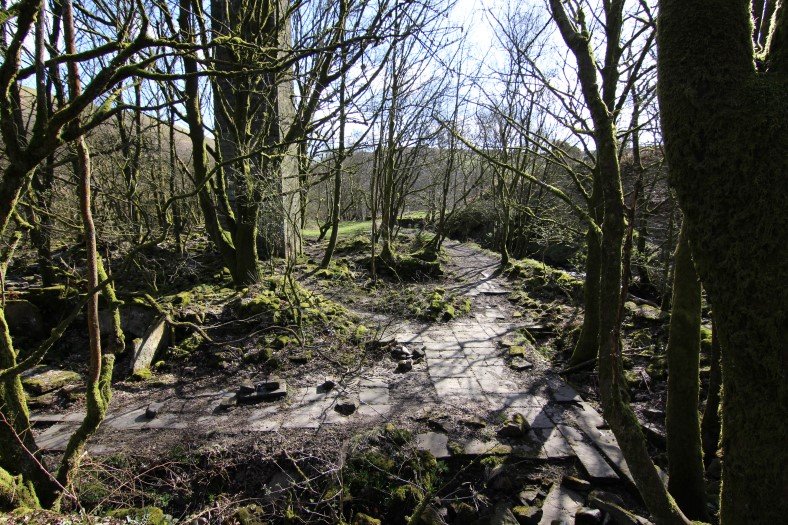
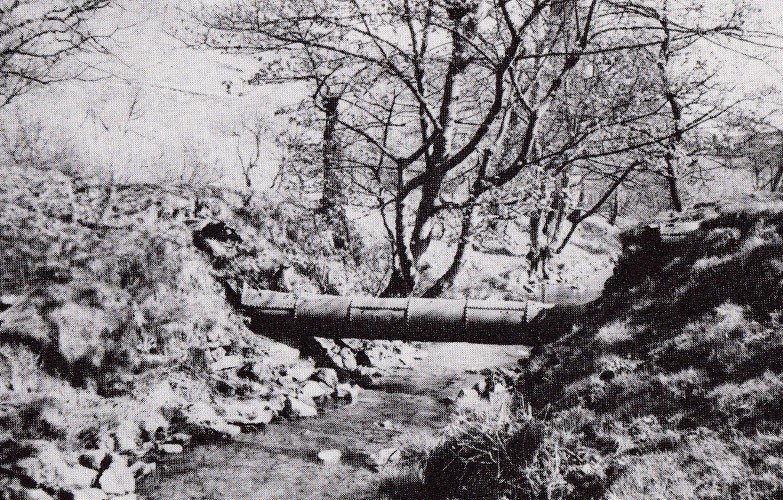
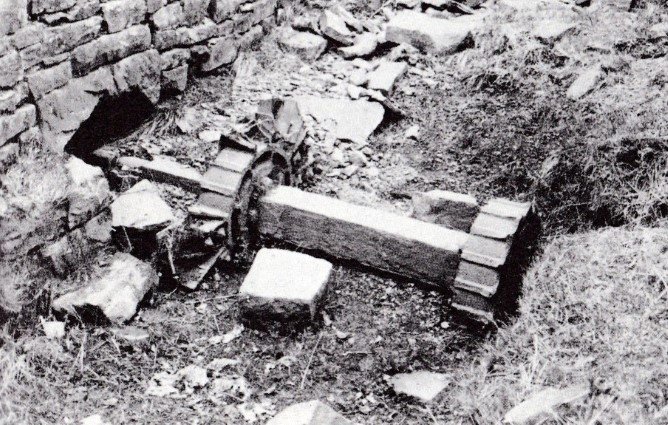
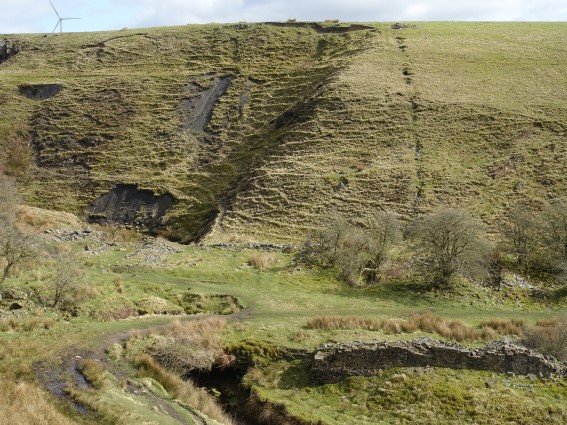
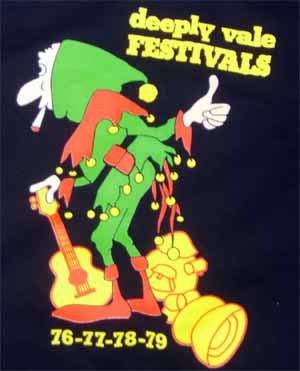
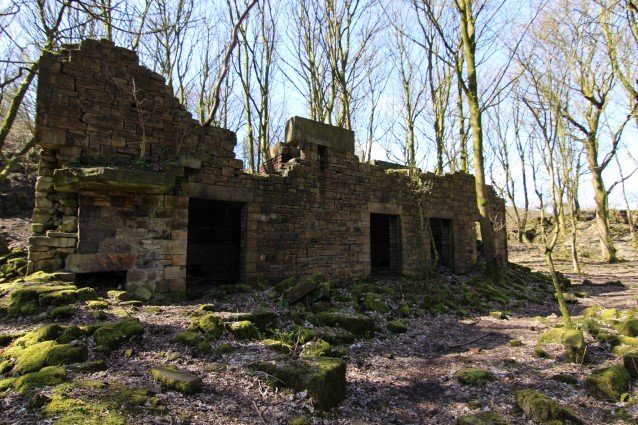
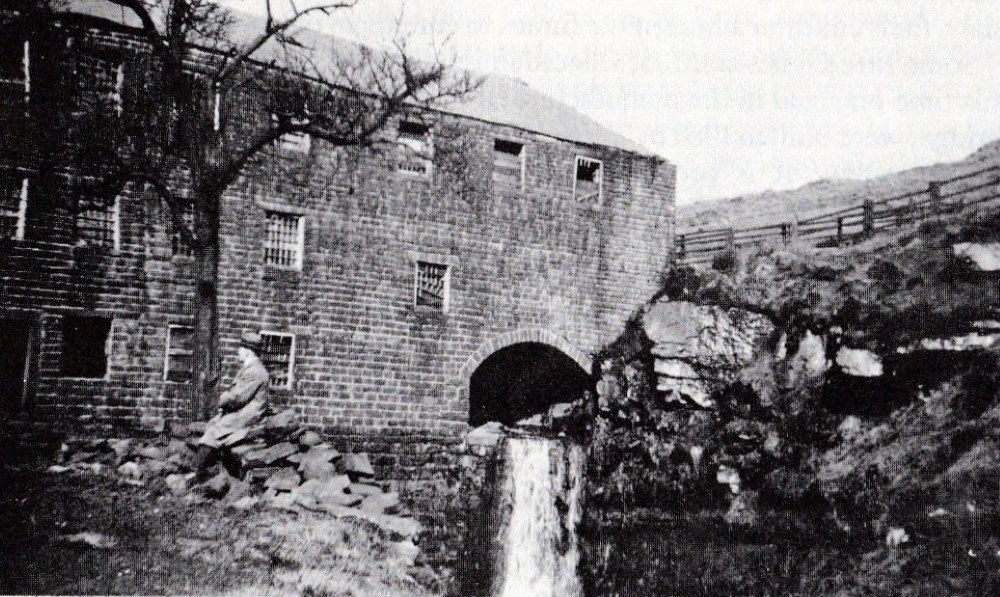
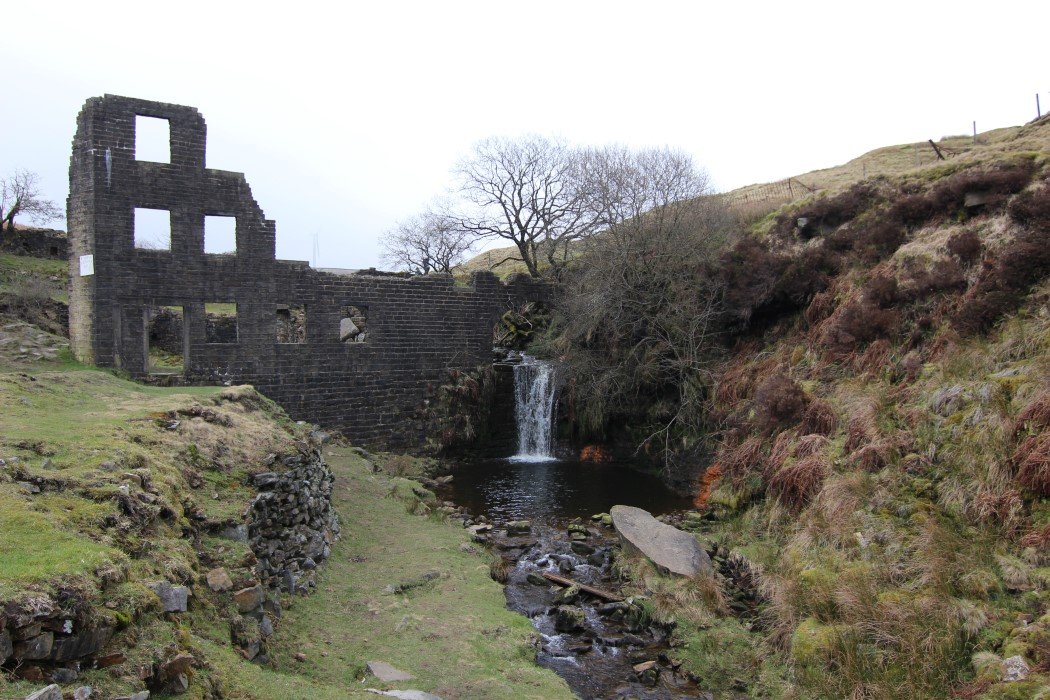
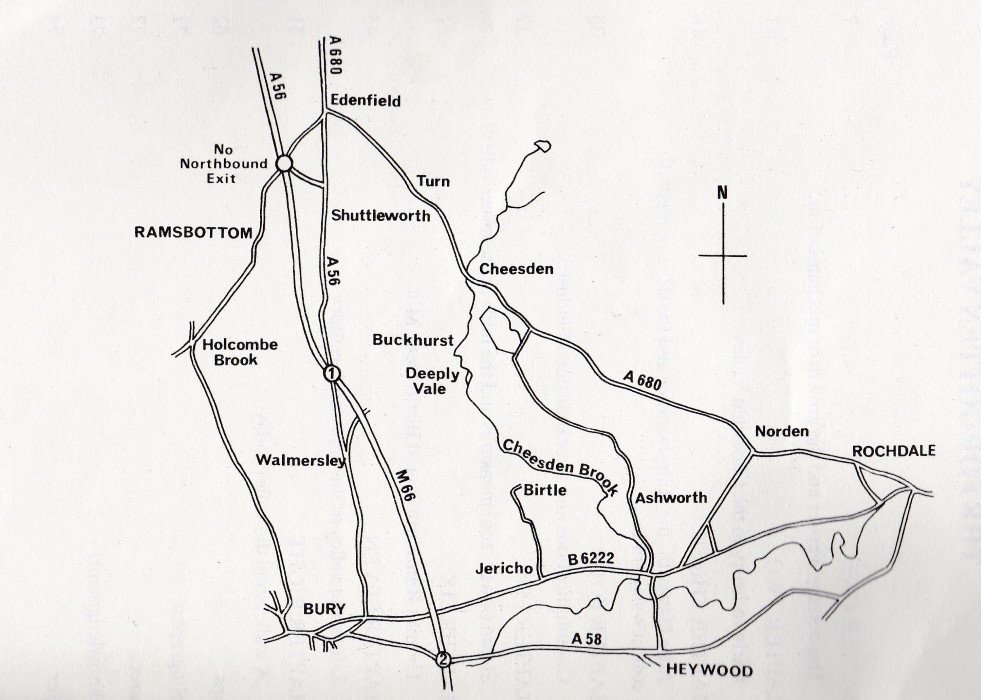
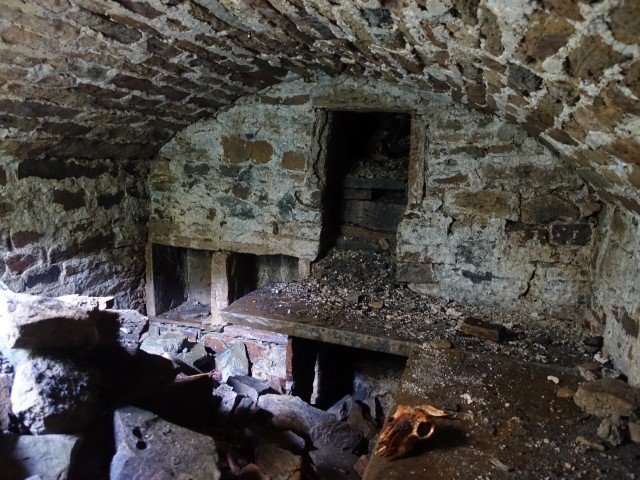
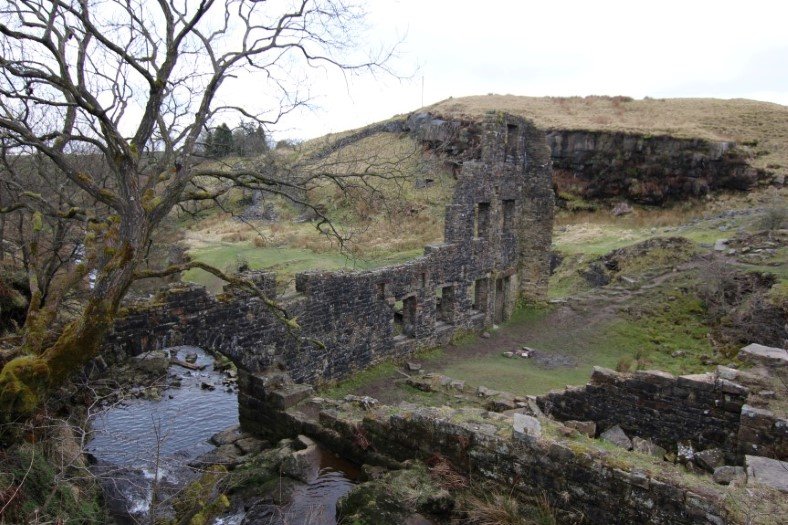
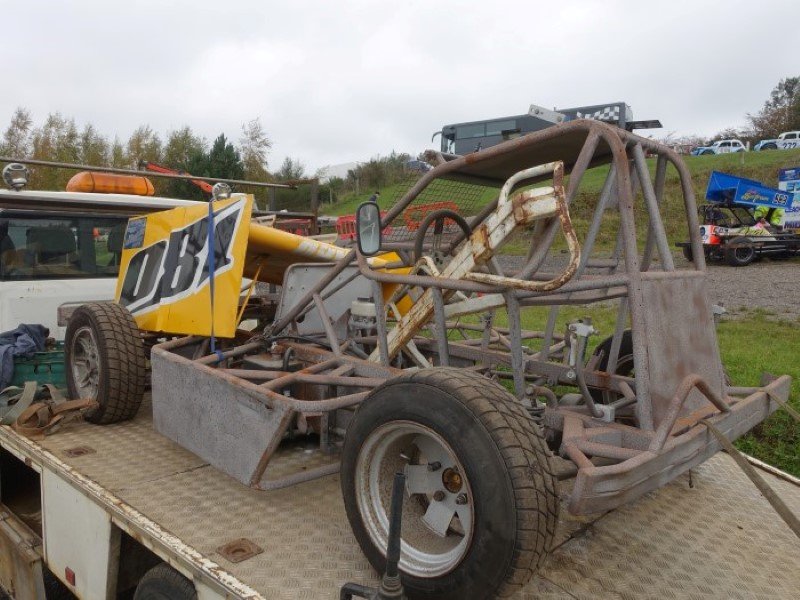
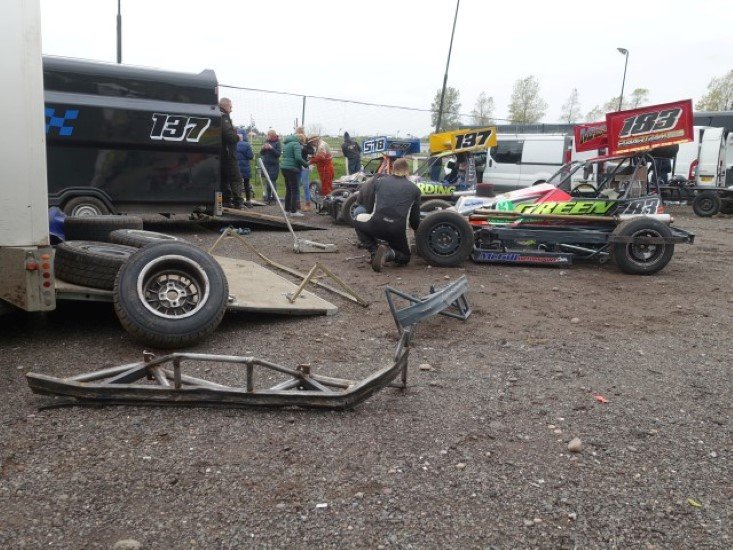
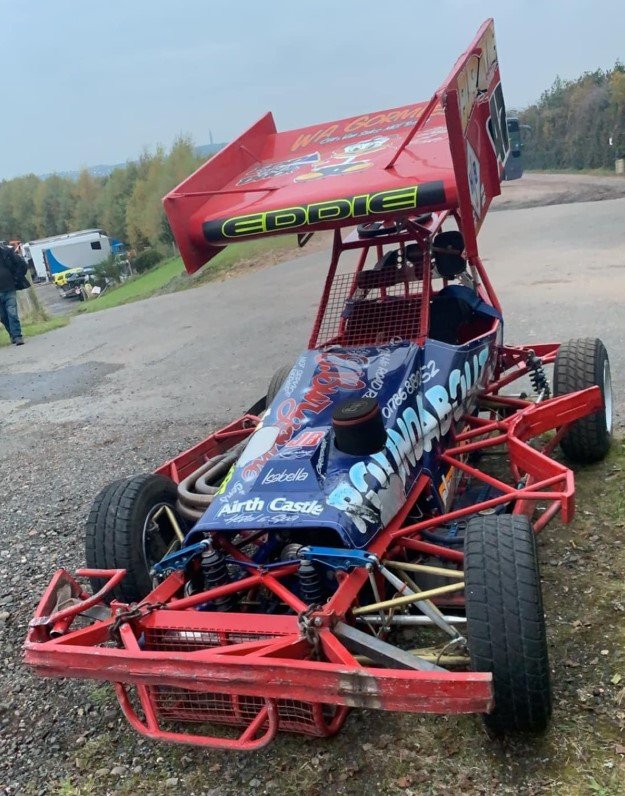
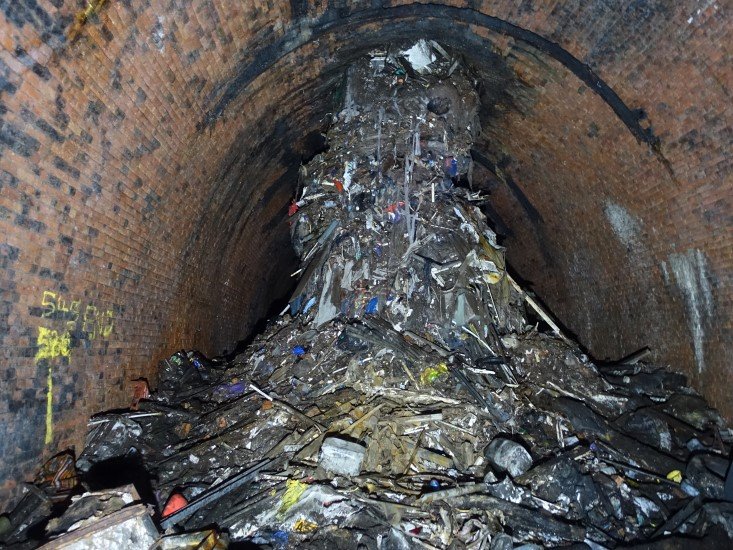
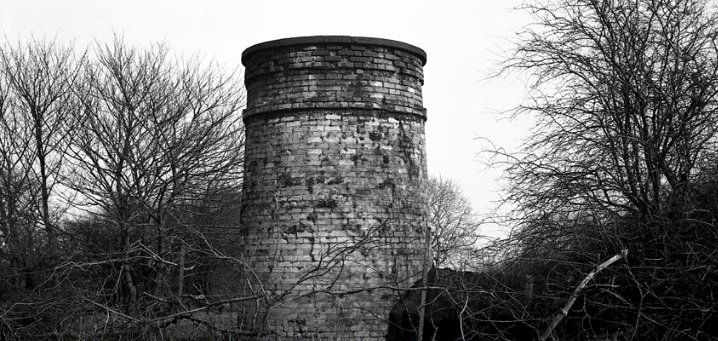
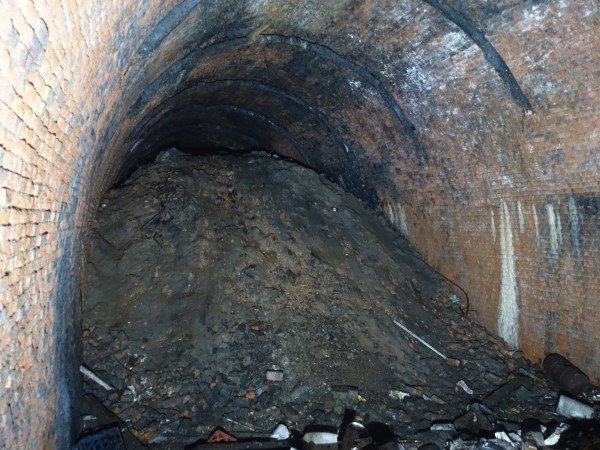
.JPG.5d189542b025db4905ef002f2b404763.JPG)
.JPG.52b8987c26f55c3cb8e0307b38578bc8.JPG)
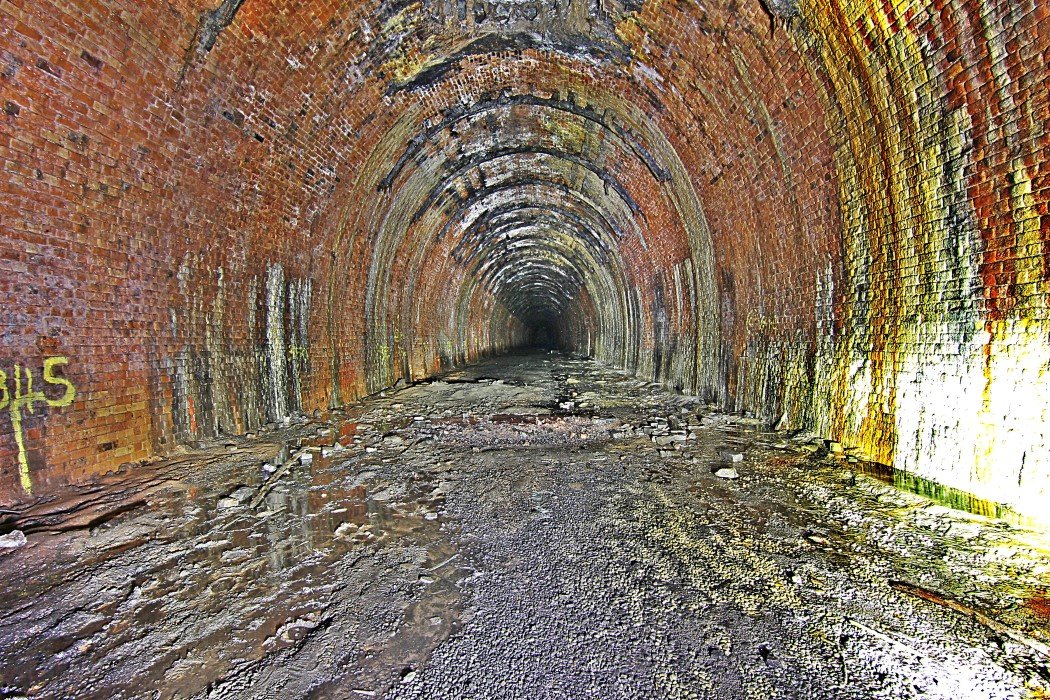
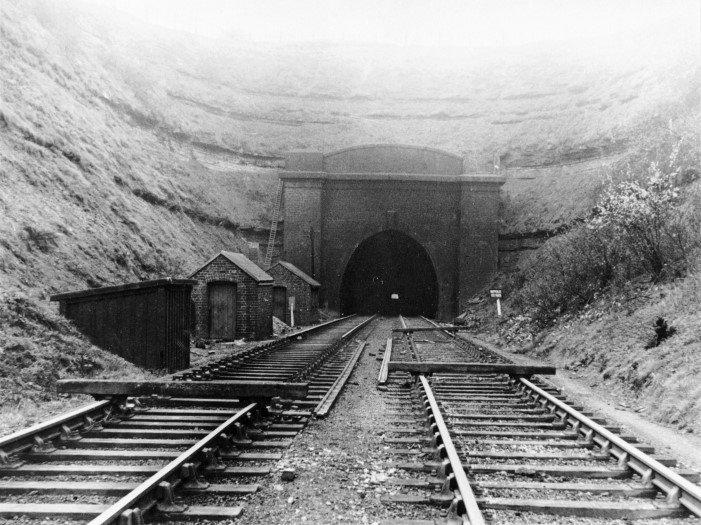
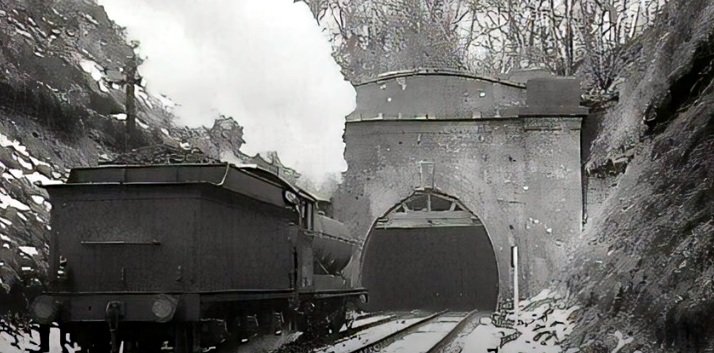
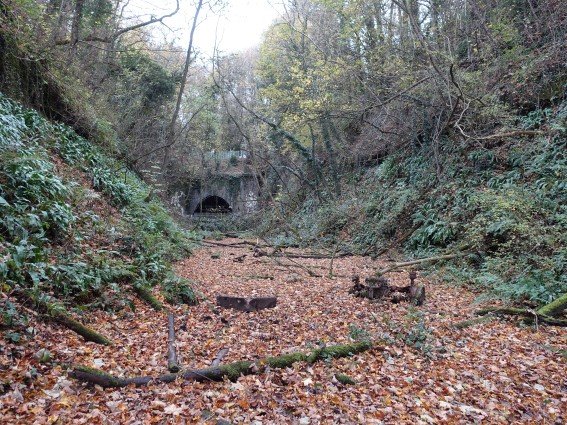
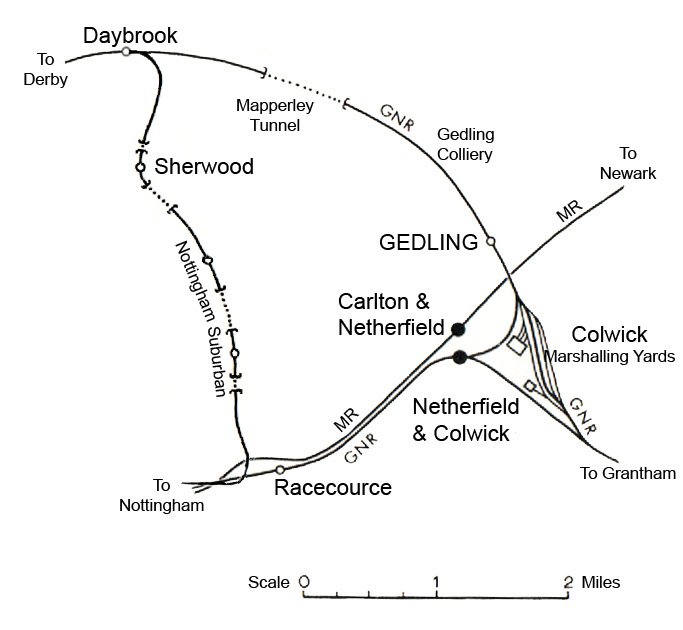
(Custom).jpg.83c605acb82d4f422e2e33079091a0c5.jpg)
.jpg.95daa331062c406a100656640ef6b86a.jpg)
.JPG.6b91c2b4e3635e1b2b7bdfd8c5f018ac.JPG)
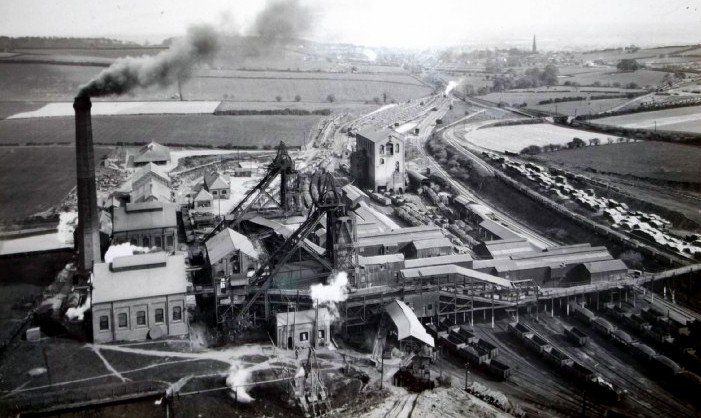
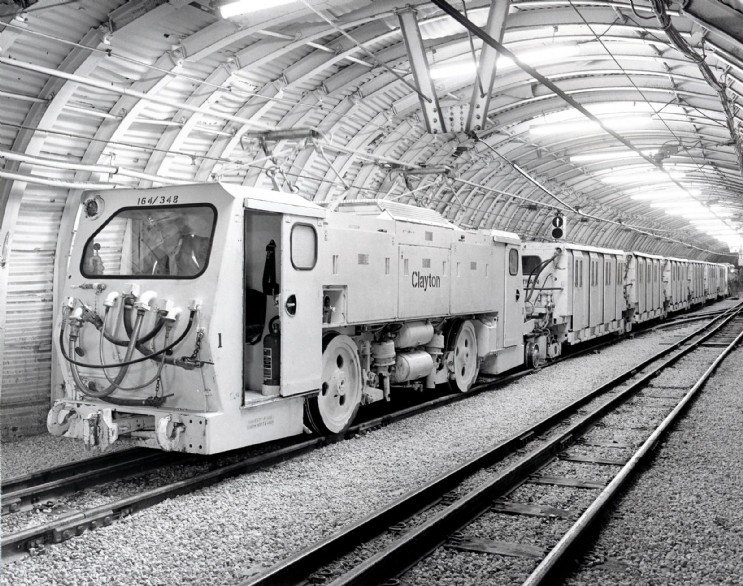
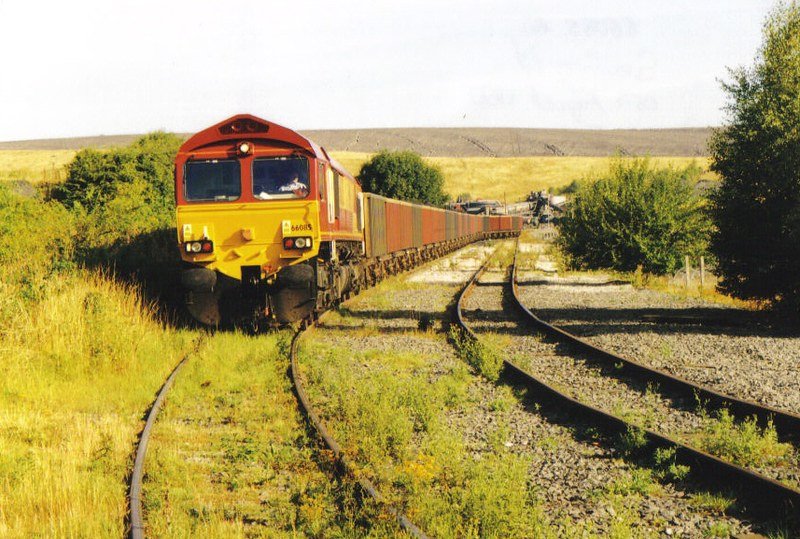
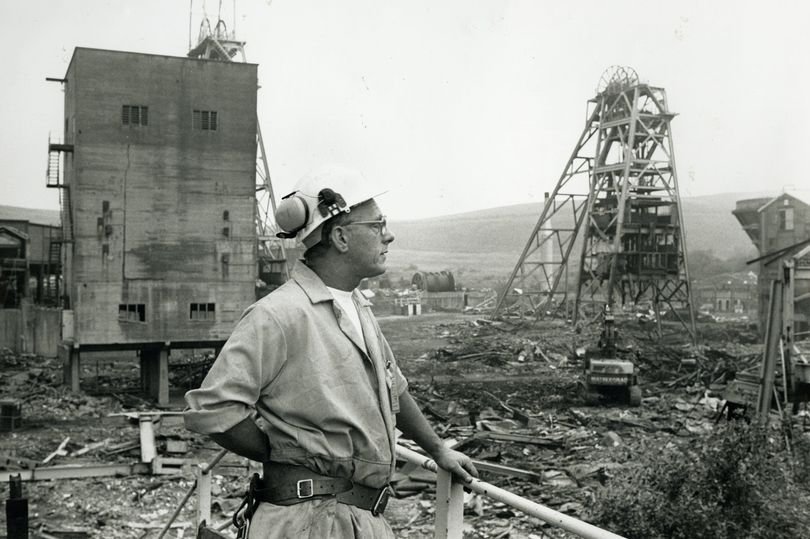
.jpg.f221c2d6e11d179b38c69ca26d4bcd51.jpg)
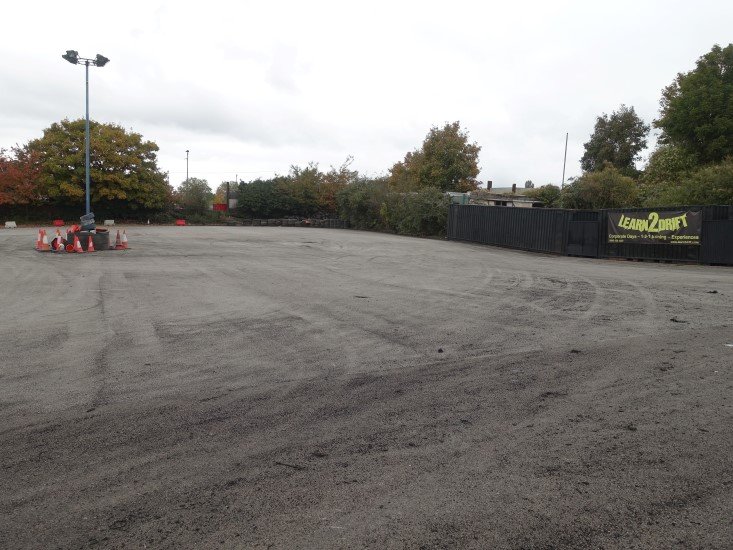
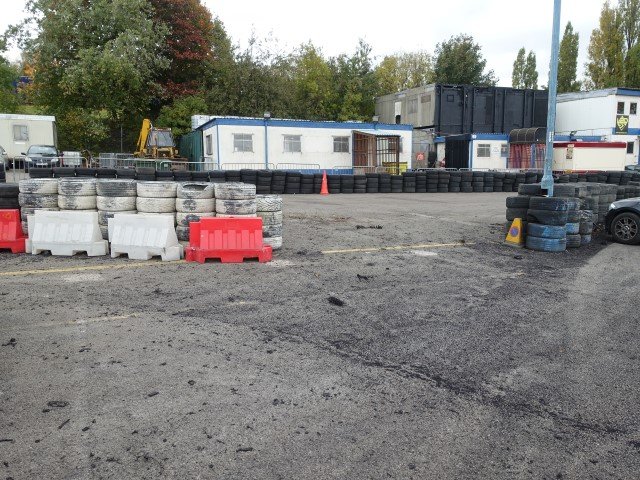
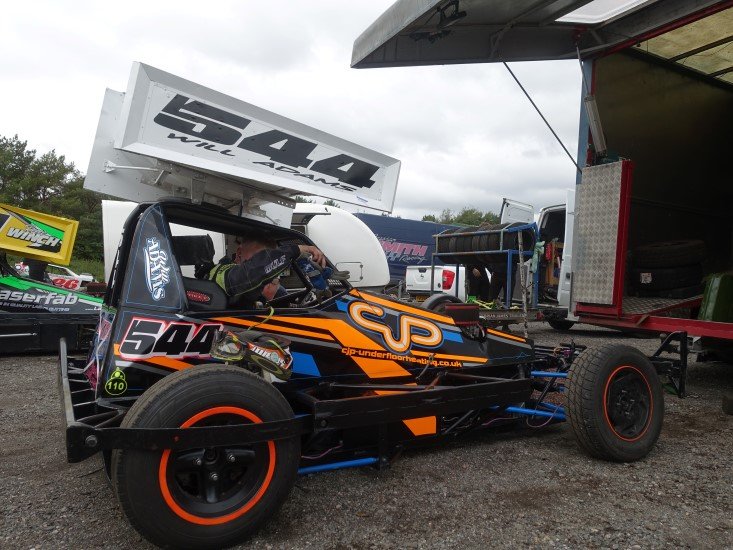
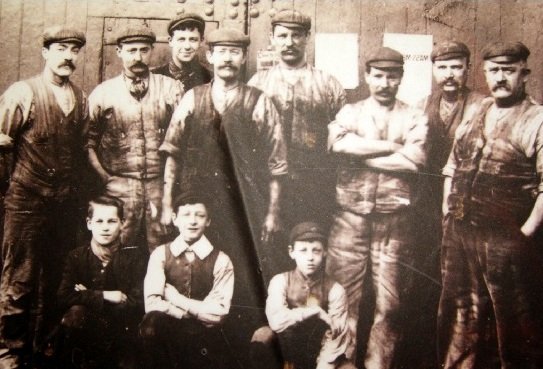
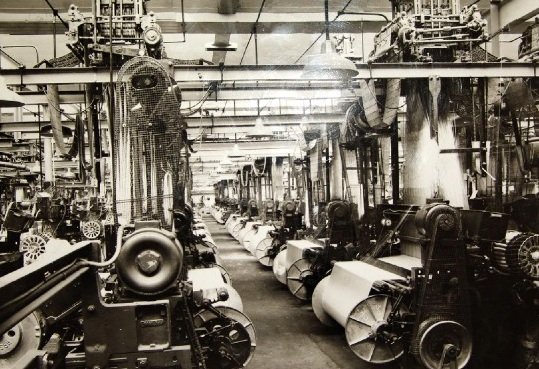
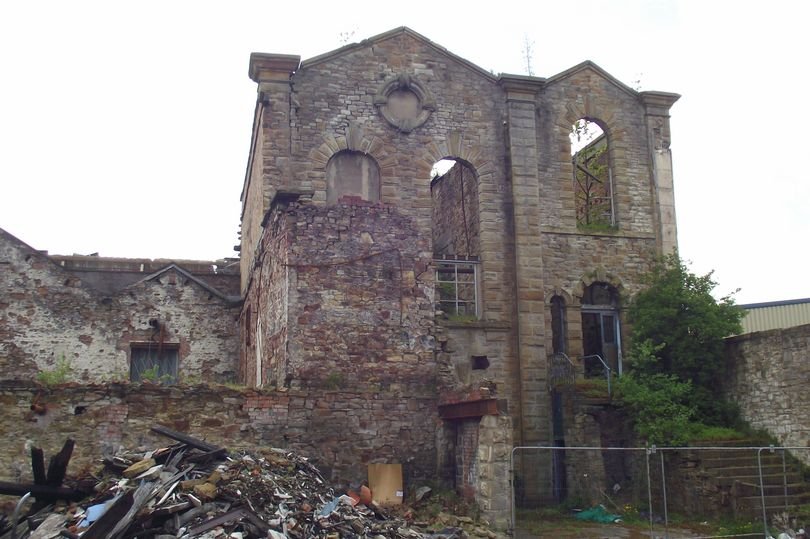
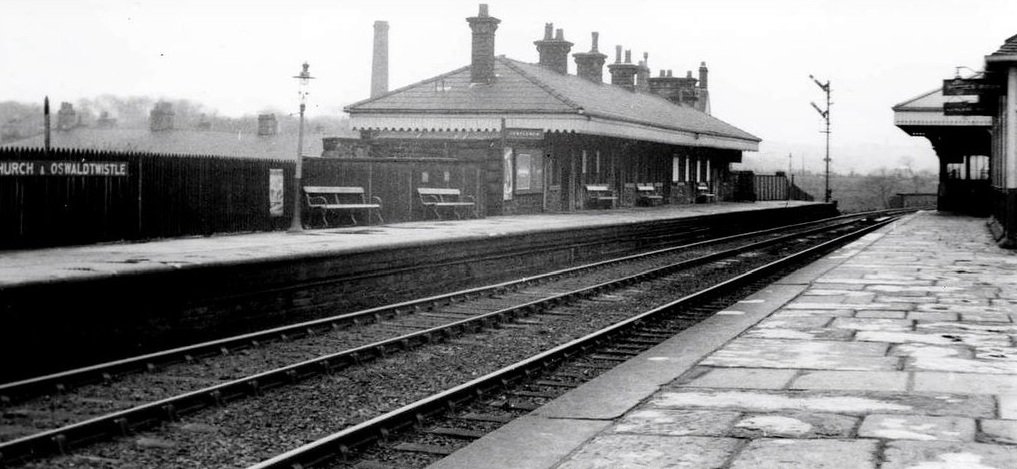
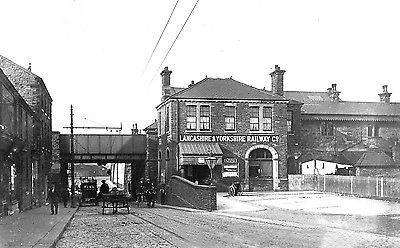
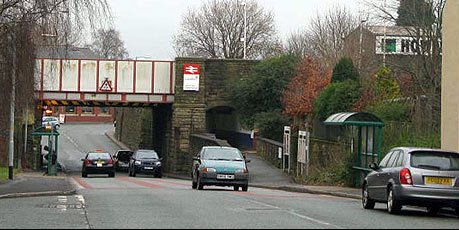
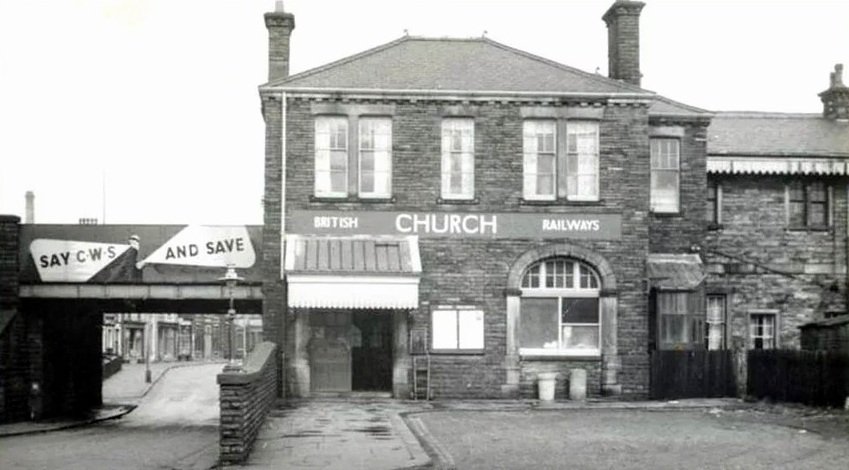
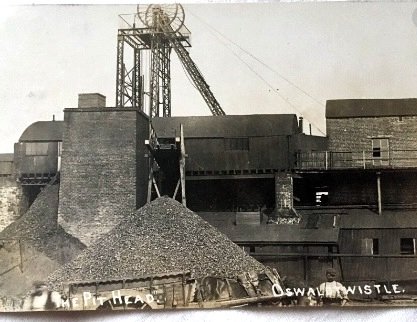
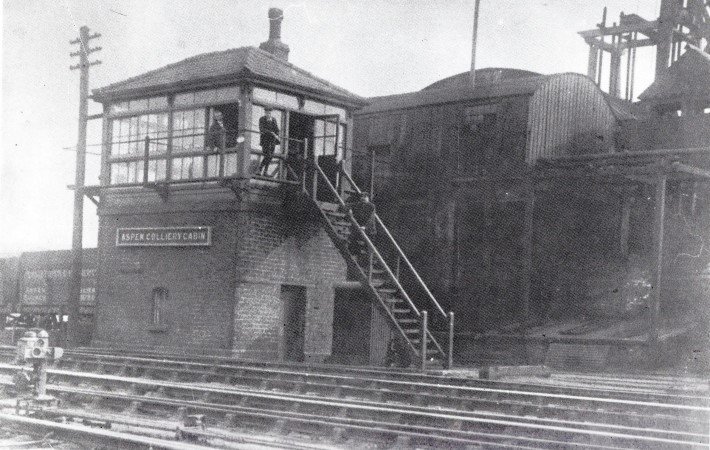
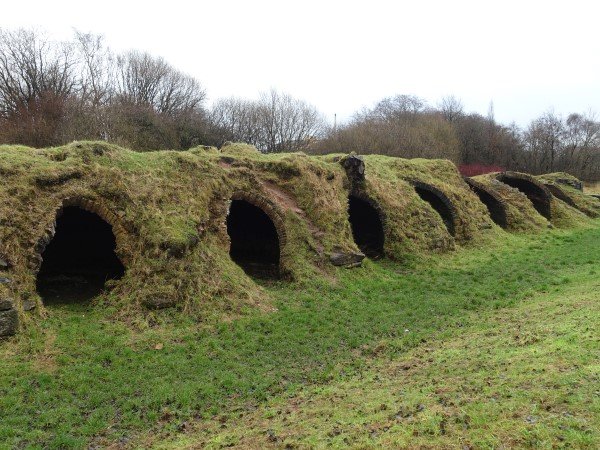
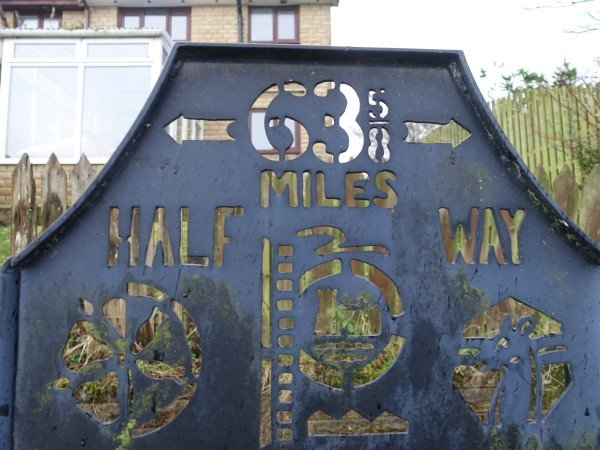
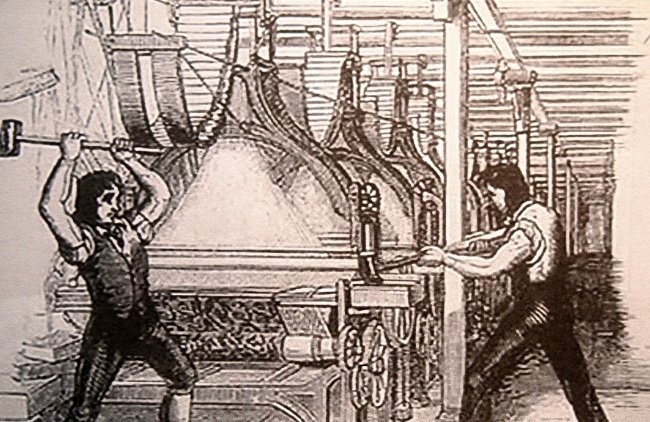
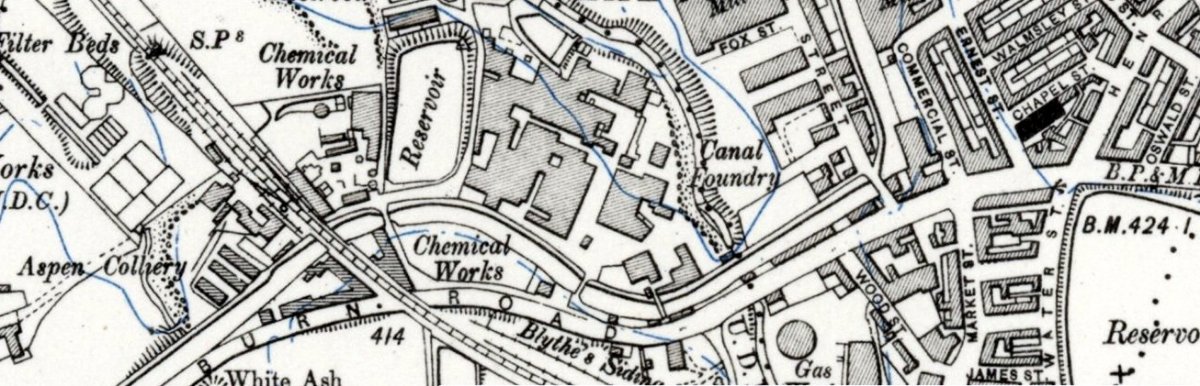
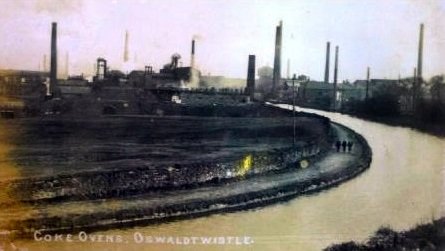
.JPG.72a6d447883385c275db7654225a0702.JPG)
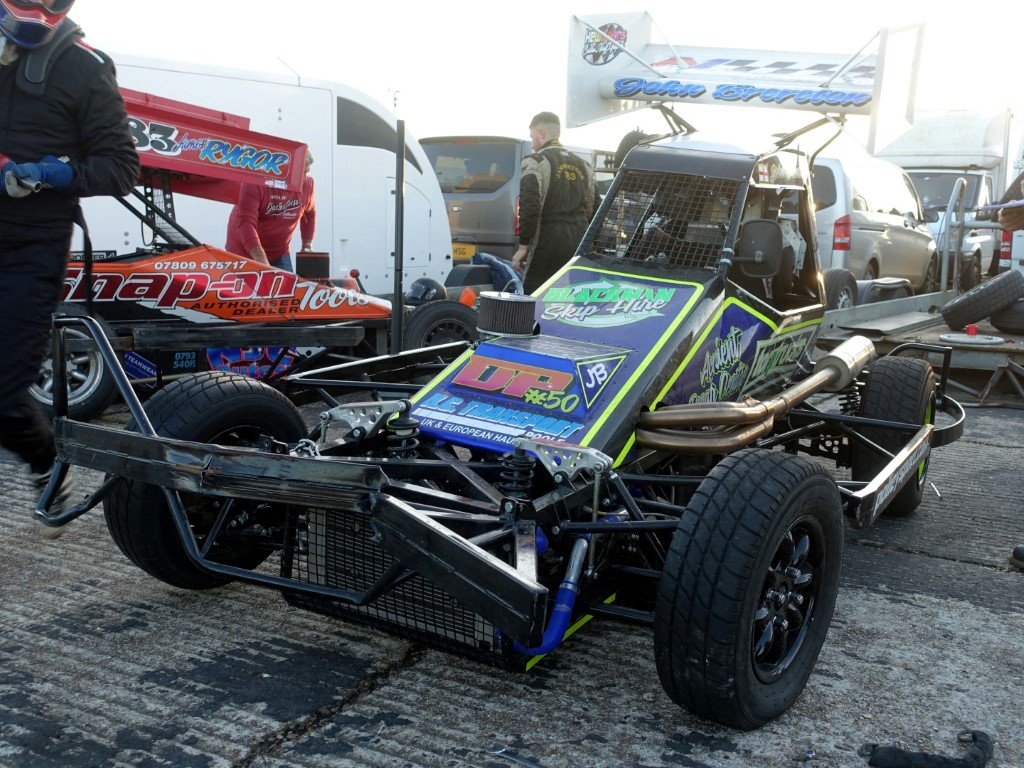
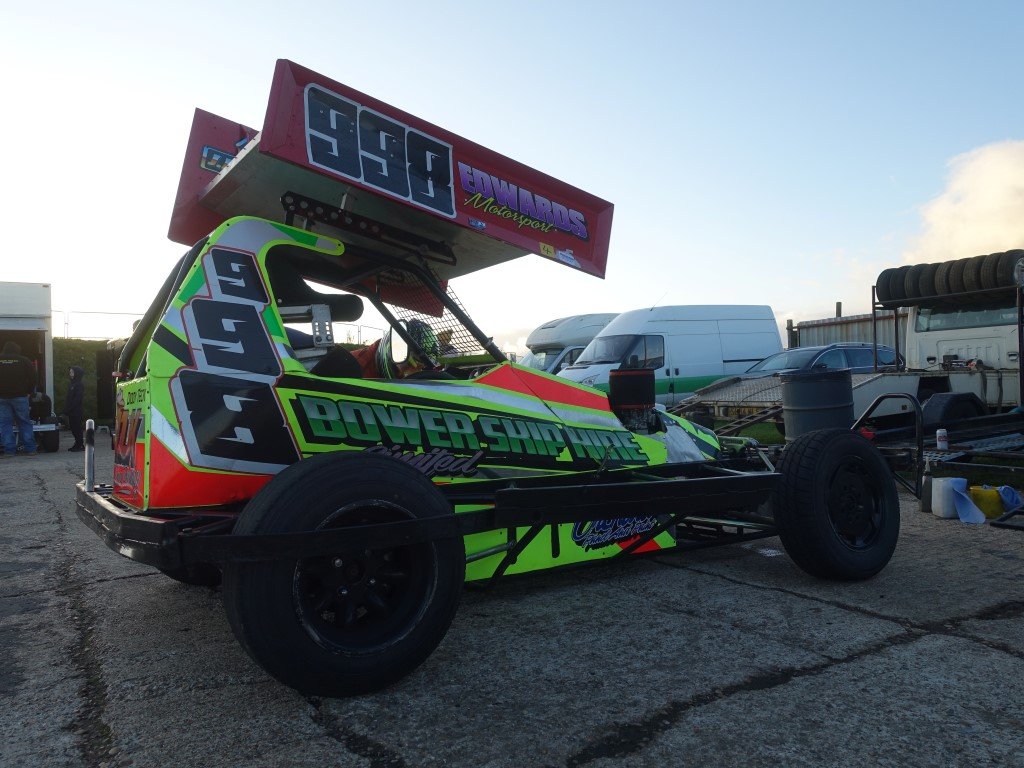
.jpg.ac21e047d05fbc77f3e5aa91f55f17f8.jpg)
.jpg.09942f3641c01f4e87fd60a6f1ea5873.jpg)
(Small).jpg.30071e58bac6b7c0339c789e09ffce9e.jpg)
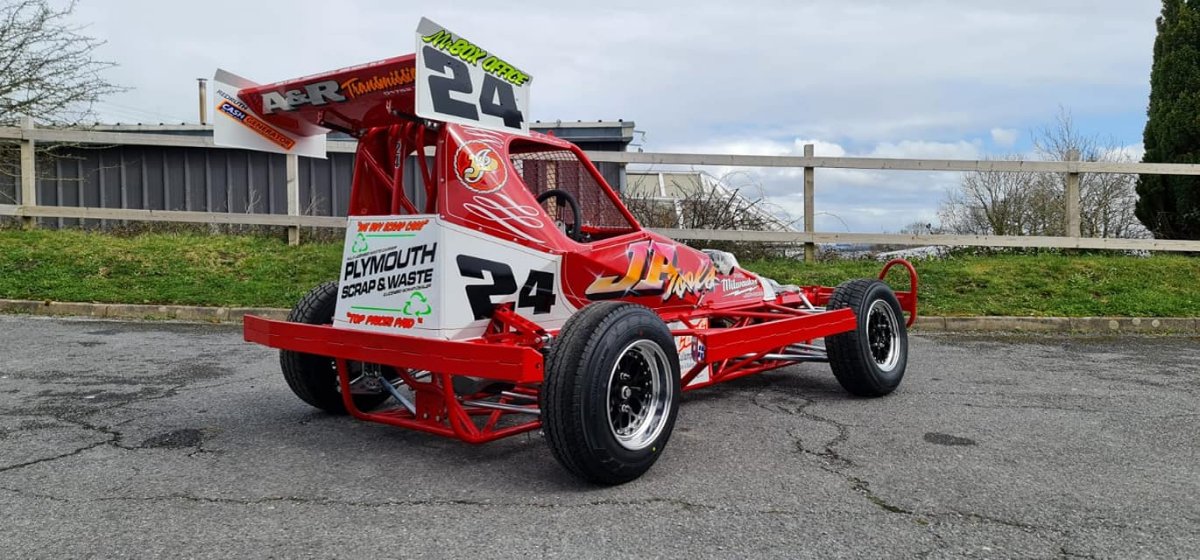

.jpg.79aea65a48769f6451c58ef9303dfc5e.jpg)