
Roy B
-
Joined
-
Last visited
-
Days Won
188
Everything posted by Roy B
-
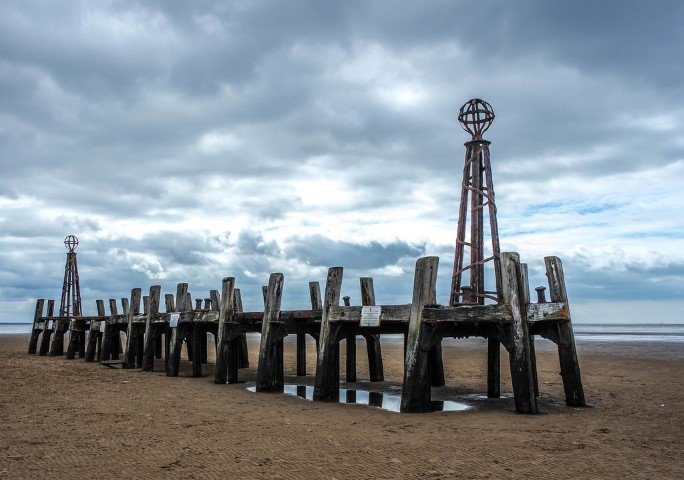
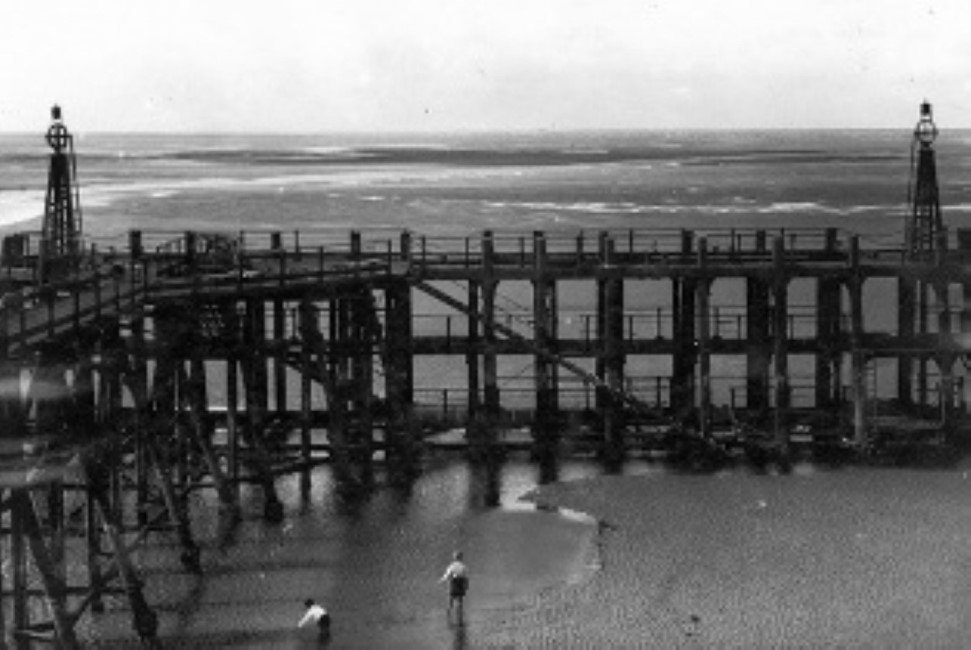
continued from above Let’s now have a walk on the beach to St. Anne’s pier. There’s a relic from times past that is slowly disappearing under the sand. Garlick and Sykes a Preston civil engineering firm constructed the pier in 1880. Lying on the estuary of the River Ribble the support columns are cast iron and sunk to a depth of 50 ft. The opening ceremony featured the launch of a lifeboat named the Laura Janet. The crew of this boat all perished the following year attempting the rescue of a vessel which had run aground in appalling conditions near Southport. The lifeboat was found ashore, bottom up, with three dead bodies hanging on the cross-struts with their heads downwards. In addition the Southport crew also succumbed, resulting in a total loss of 27 lives. The worst in the history of the RNLI. In 1891 the pier’s wooden landing jetty was extended in an L shape. The new iron structure was three storeys high.The remains of this are what we can see. A photo from 2015. Having a look at the remaining structure there is only one storey left above the sand. It has taken approximately 120 years for this change to occur. Possibly by around 2080 the whole thing will have been covered. As it used to be back in the day continues below

-
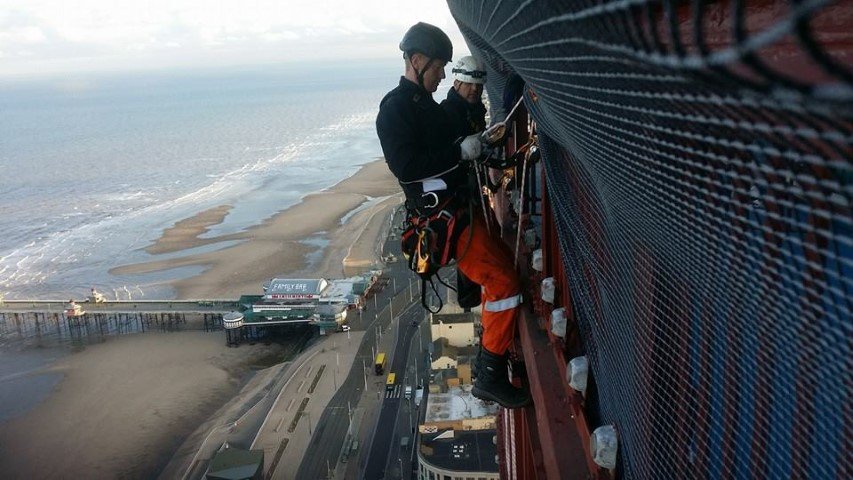
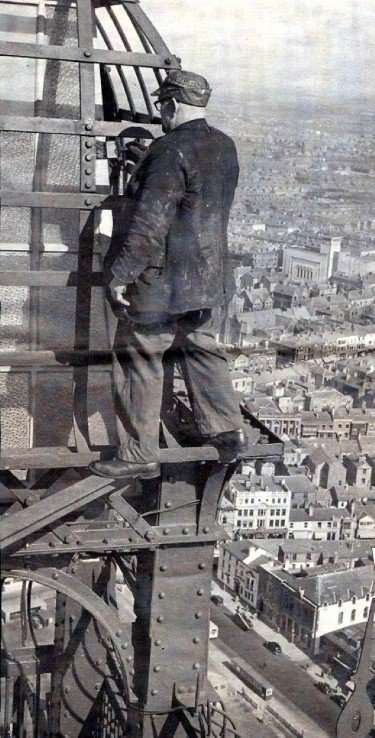
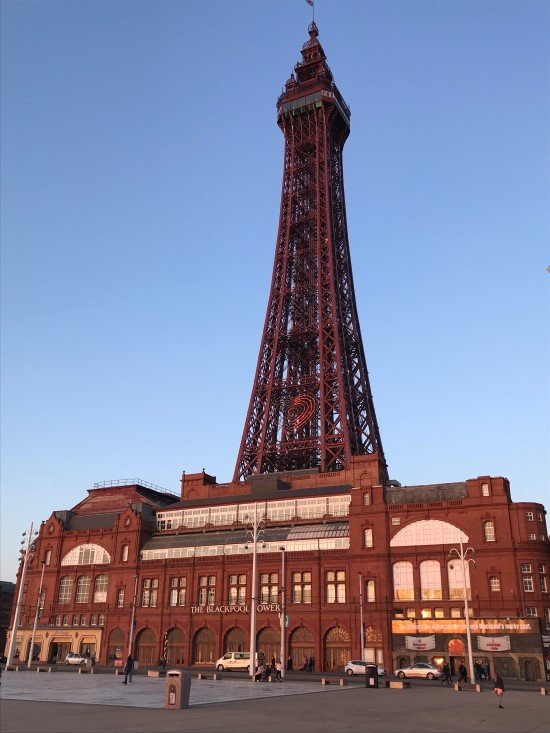
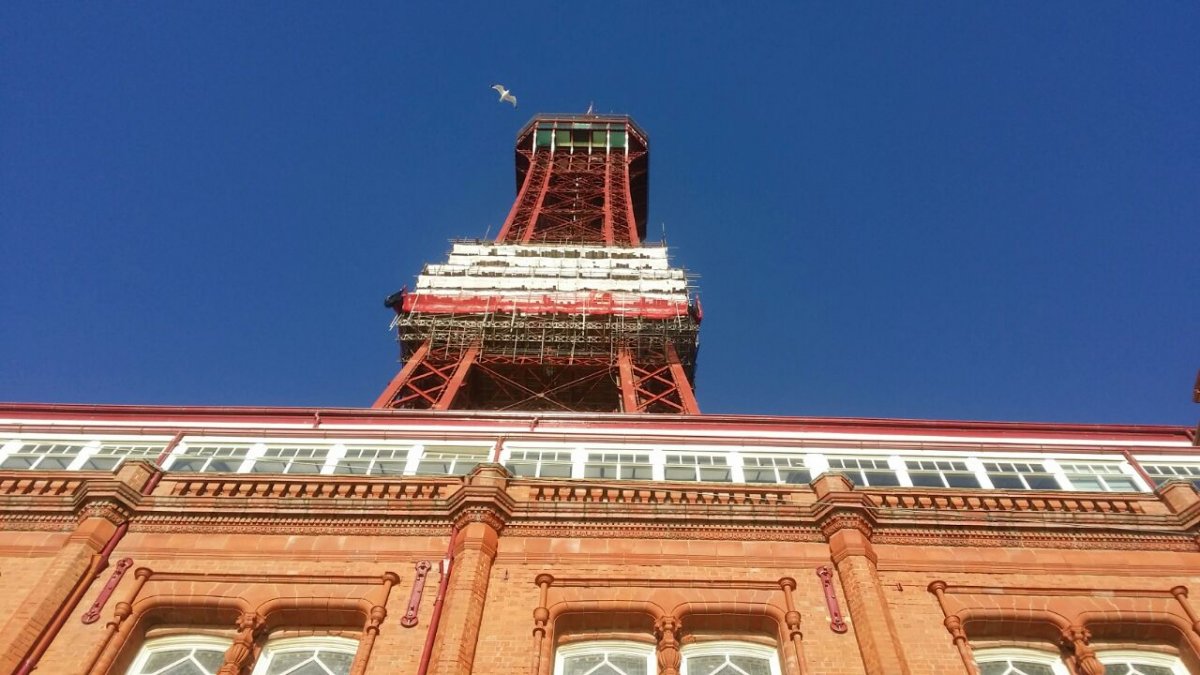
continued from above Originally 10,000 light bulbs were used to illuminate it. These have now been replaced by 25,000 LED lights. Each of the four legs rest on concrete foundations 35 feet square, and 12 feet deep.. There are 15,000 yards of carpet covering the floor of the Tower building. The Tower contains 2,943 tons of steel, and 93 tons of cast iron. The building at the base contains 985 tons of steel, and 259 tons of cast iron. Up until 1924 it generated its own electricity. The ballroom opened in 1899, and the floor contains 30,602 separate blocks of mahogany, oak and walnut. Each of the chandeliers takes over a week to clean. It takes seven years to paint the structure from top to bottom. Maintenance 2020 style A brave chap painting away at the very top in 1953! continues below
-
Hi there folks, Pics from day one of the 2019 F2 WF weekend at Buxton now in the gallery. Meeting report on page 4 of this post. Okay then. Blackpool is well known for its Tower. Did you know? There are more than five million bricks in the Tower buildings. The stylish brickwork of the upper floor of the main building continues below
-
Thanks Ian. I think i saw one of Bab's Cabs outside the station 😂
-
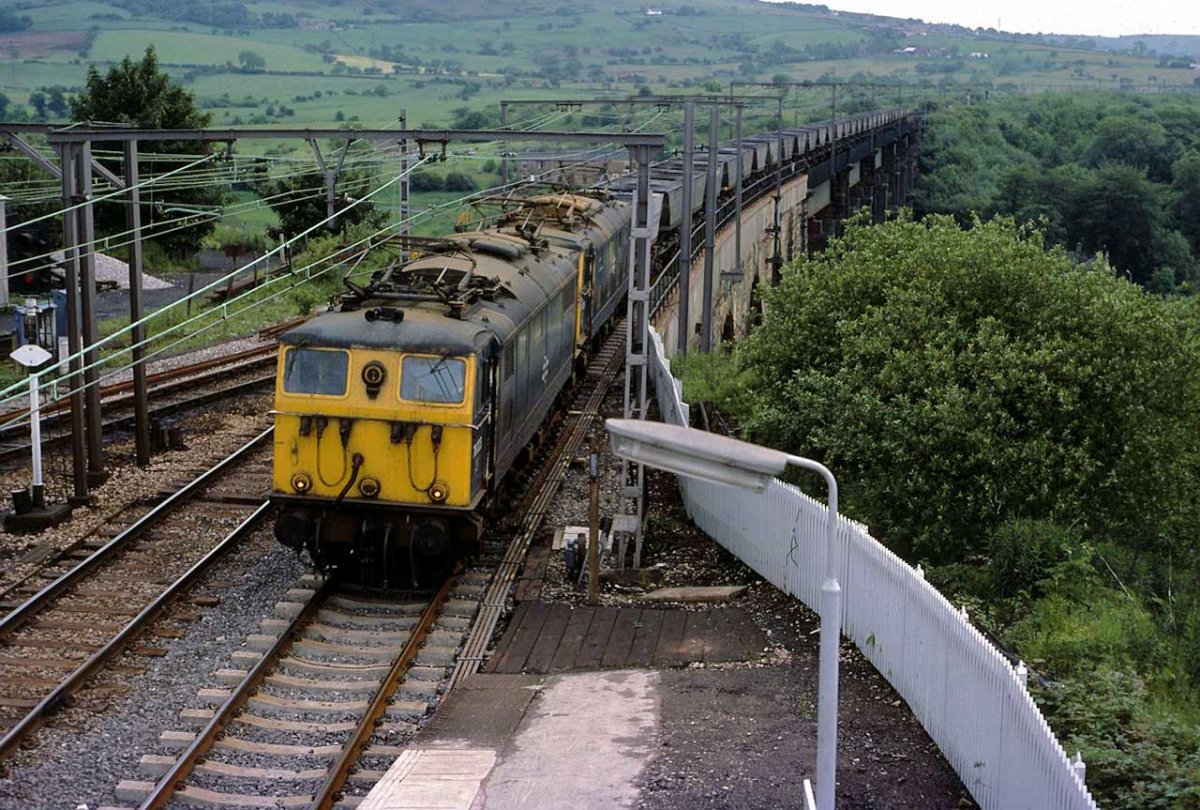
Cheers lads. Here's a great pic of a pair of Class 76's with a train of empty hopper wagons. The photo was taken from Dinting footbridge 43 years ago. They've just crossed the viaduct and are on their way to collect more coal. The Glossop branch line is going off to the left. Picture credit to eastbank.org.uk
-
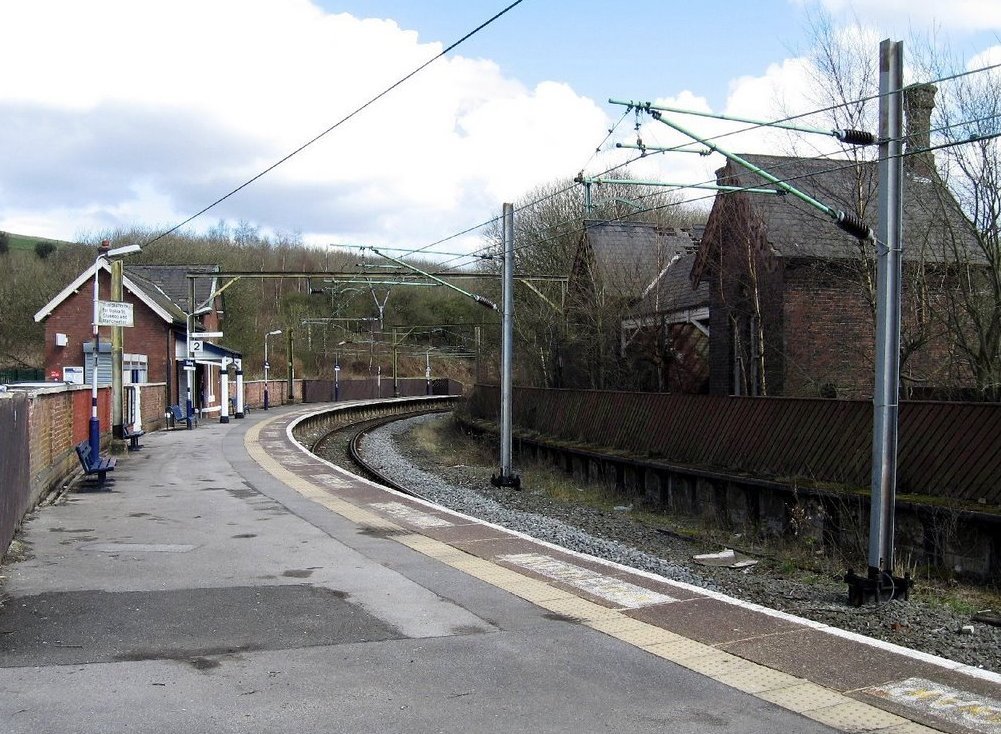
continued from above The disused part of the station arrowed There is also an active line here. We’ll meet on this platform and I’ll tell you the history. This shows the disused station fenced off opposite. It has deteriorated a lot more than shown here. I'll see you at the blue seat. Pic credit to Mapio. The station is on the Manchester – Glossop line 12 miles (19km) east of Piccadilly. During the lifetime of the Woodhead route which closed in 1981 this was a major cross – Pennine artery. The original station opened in 1845 and was named Glossop Junction. The curve did not exist at that time, and Glossop was not served directly. This was added a year later and the name changed to Dinting. During the 1830’s the turnpike roads that existed between Manchester and Sheffield were in a bad condition. Transportation of goods was an expensive and long drawn out procedure. Mill owners at Glossop were losing out to their rivals who were more favourably situated closer to the coalfields with better road access. In 1835 the Sheffield, Ashton-under-Lyne and Manchester Railway Company was formed to build a railway from Manchester to Sheffield. The line from Manchester was not an easy task to construct. Tunnels and viaducts had to be built, and the line opened in sections with a stagecoach service linking them. Just south of the station is Dinting viaduct. The original design was for it to be built completely of stone. However, to cut costs wooden arches were stipulated. Dinting had five timber arches each of 125 feet span. In addition were eleven 50 foot span approach arches of stone. The viaduct was 1,452 feet long, and 125 feet high. The total cost amounted to £35,000 (£4,000,000 today). Part of the contract stated the men were to receive free ale, three of whom were killed during the construction. Even though the station served the needs of Glossop the fact that it by-passed the town by a mile was not a satisfactory situation. Coal, raw cotton, and cotton goods were the main freight. There were toll bars between the station and the mills in Glossop which added to the expense. Lord Howard, the owner of Glossop Hall often travelled to Sheffield by road which was an uncomfortable journey. He did not take much persuading to finance the construction of the branch to Dinting and rent it to the main railway company. He even included a bill to the S.A. & M.R of £16 to cover the cost of the opening day celebratory meal! The total cost of the one mile branch and station at Glossop came to just over £10,000 (£1,000,000 today). The branch was made a double track in 1884. Lord Howard had a special entrance made at the station which was only used by members of his family. He had his own private waiting room, and there was a bell above the entrance which was rung in advance of his arrival at the station. This was to alert his coachman (who could hear the bell at Glossop Hall) to be at the station to take him home. In later years the bell was rung to let people know that the train was due to leave and they had better get a shift on if they were not to miss it! On the 1st Jan 1847 a merger formed the Manchester, Sheffield, and Lincolnshire Railway. Trains were often running late and the railway gained the nickname of the “Mostly Slow and Late Railway” The majority of coal agents and merchants were located around the station. A Mr.Harrison received a percentage on every wagon that passed through Woodhead tunnel. Next door was Jim Tom. He had a deformity of the spine and walked with his back almost bent double. This was believed to have been caused by his habit of standing with his back to a roaring fire for long periods of time. Another merchant named Garlick always gave a short measure of coal because he was known to put his foot on the scales! The local Co-op used Foden steam tractors to deliver the coal. One customer was the Turn Lee Paper Mill. The paper was made from old rags, rope and Esparto grass. The building where the rags were sorted was known as the “Fleahouse”. The use of rags only lasted around ten years and were replaced by wood pulp. Logs from Sweden were transported by sea to West Hartlepool, and then by rail to Sheffield and on to Glossop via the Woodhead route. The logs were stacked in the sidings and conveyed to the mill by a team of Clydesdale horses. These were eventually replaced by Fowler steam tractors nicknamed “Turnlee Tigers”. The Tigers in turn were replaced by Fordson tractors. Sulphur and soda ash were an added ingredient. This was brought in by open wagon. On windy days the whole area had a coating of yellow powder, and when it rained the gutters ran with yellow water. Fascinating stuff! There were a number of accidents on the branch line. The first happened before the station was even completed when an engine ran out of control into the station wall. In May 1860 a porter lost his hand after it was crushed between the buffers of two wagons. At the Dinting end an engine and wagon were stationary waiting for a signal when an empty passenger train approached at speed from behind. The driver and fireman leapt from this train, but one of them fell back and was crushed under the wheels. The crew on the stationary engine were unhurt. There was an accident on Dinting viaduct which was unusual to say the least. The train had stopped on the viaduct to await the shunting of an engine onto the branch line. It was dark with poor lighting in the carriages. Some passengers thought the train was in the station and a young couple stepped off thinking the viaduct parapet was the platform. They fell to their deaths in the valley below. Another passenger becoming concerned as to their whereabouts also left the train and fell to his death. The railway company took virtually no action to prevent a re-occurrence. The last major incident occurred comparatively recently. During May 1941 a train arrived from Dinting and over-ran the platform at Glossop. The front of the train hit the buffers and part of the leading coach was catapulted through the station wall into the street. That would have been a shock if you were strolling by. A delivery van outside bore the full weight of the wreckage and subsequently collapsed. Luckily only two minor injuries this time. The viaduct itself was not immune to problems. The early timber arches were prone to catching fire from the hot coals raining down as the engines passed overhead. The timber also warped so in 1861 they were replaced with iron girders. In 1918 a further seven piers were added at a cost of £41,600. This was £10,000 more than the original cost of building the whole viaduct. At this time the arches were filled in. During the late 1950’s/early 60’s closure of some of the stations on the Woodhead route began. Due to declining traffic and mill closures the Glossop branch was under threat by 1964. An increase in road haulage had taken away much of the freight traffic. In 1966 a fight to save the line was successful but the line was reduced to a single track in 1968 with the closure of half the station buildings at Dinting. With the closure of the passenger service on the Woodhead route the north-south side of Dinting station also became a single track. With many thanks to Mrs.K.Danby for information. Pics in the gallery. As you can see owing to the adjacent live rail line a fence has been erected very close to the abandoned buildings which unfortunately prevents any wide angle view of the front of the station. Next time it’s day one of the 2019 F2 WF weekend at Buxton.
-
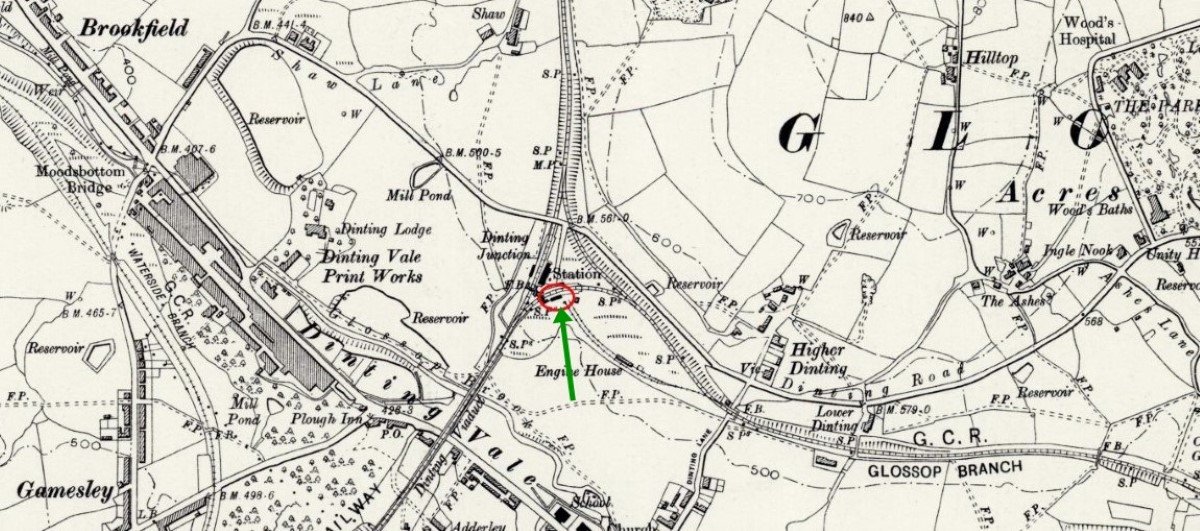
continued from above Last time I mentioned the minimal remains of an old railway station, so join me now as we have another explore off the beaten track to see what we can find. We’re heading for Derbyshire, to Dinting railway station. You can catch a train from Manchester Piccadilly direct. You may be thinking how can we get a train to a disused station? Well, this is a derelict station opposite an active line. It is a bit confusing unless you are actually there to see the layout. It is within a triangle. Hopefully the attached map from the late 1800’s will help. Heading north to the top of the map the line continued to Sheffield via Woodhead. Today it terminates at Hadfield which is just off the map a mile away. The left hand platform on this side had station buildings. Both are no longer in use. The active right hand side is platform 1. The area we’ll be looking at is the curve at the bottom of the triangle going left to right (west to east). This leads to Glossop, again around a mile away. The abandoned site is within the red circle. continues below
-
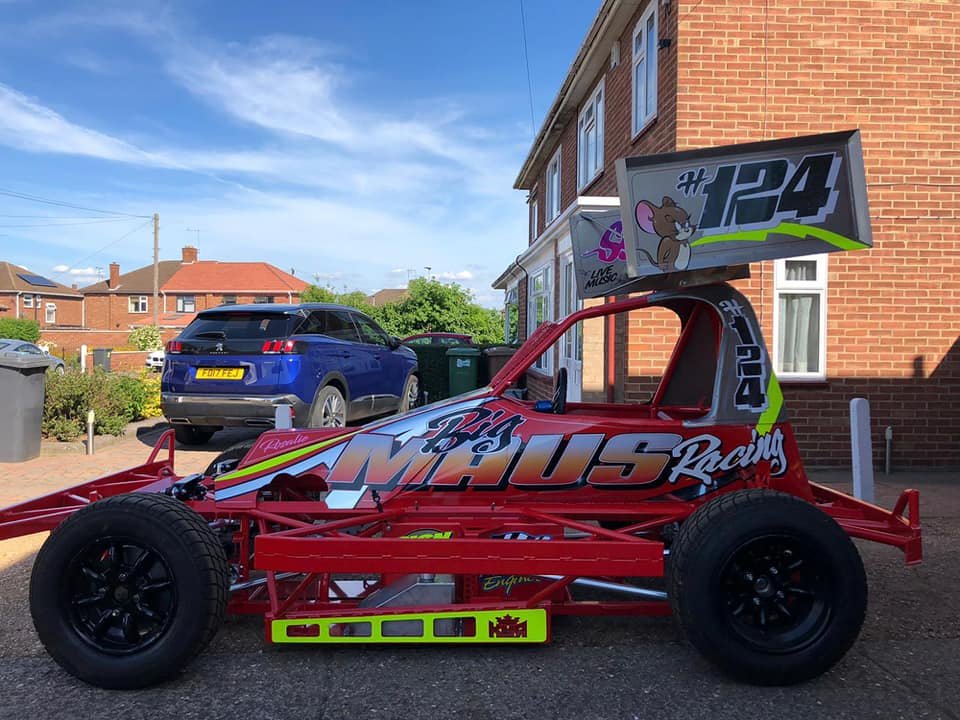
Hi there folks, Day two pics from the Saloons 2019 WF weekend are in the gallery. First off a couple of pics of the very smart new Wim Peeters (H124) car. A few bits still to fit, and then this latest from KMR will be ready and waiting eagerly for the return to racing. continues below
-
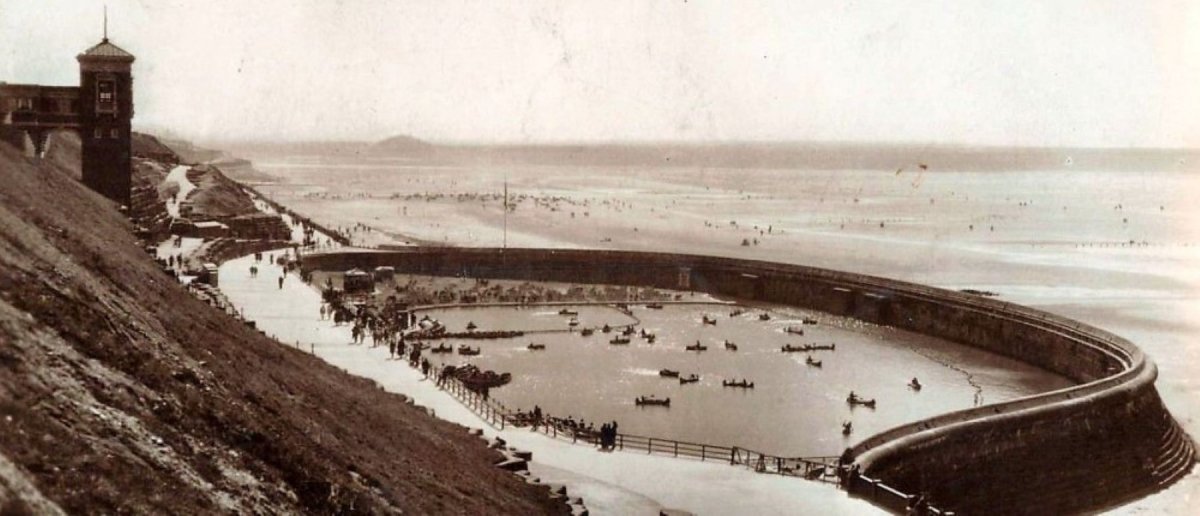
continued from above As it used to be. Constructed in the mid 1920’s it saw regular use until its decline in the late 1970’s. To the left side of the pic is the lift which was added in 1930. It took the visitors from the tram stop at the upper level down to the pool. This has also gone out of use. I remember my dad taking me on the boats and getting shot at by some yobs with an air rifle who were up on the prom. Great days! Next time: Day two of the Saloons WF w/end, and a look at the scant remains of a railway station that’s not seen a train for years.
-
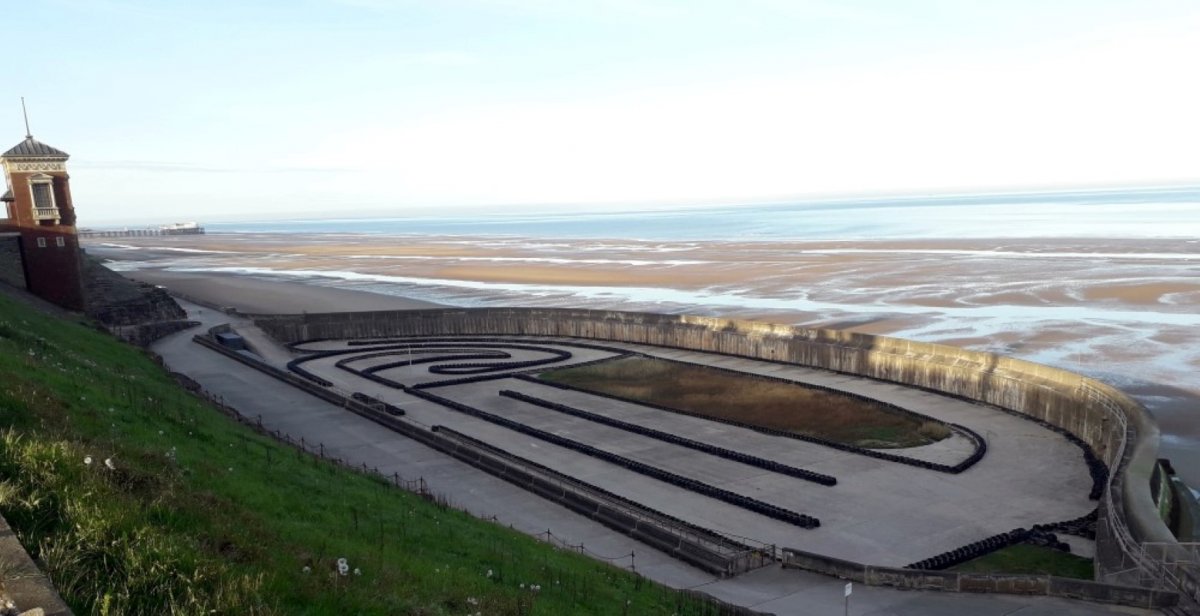
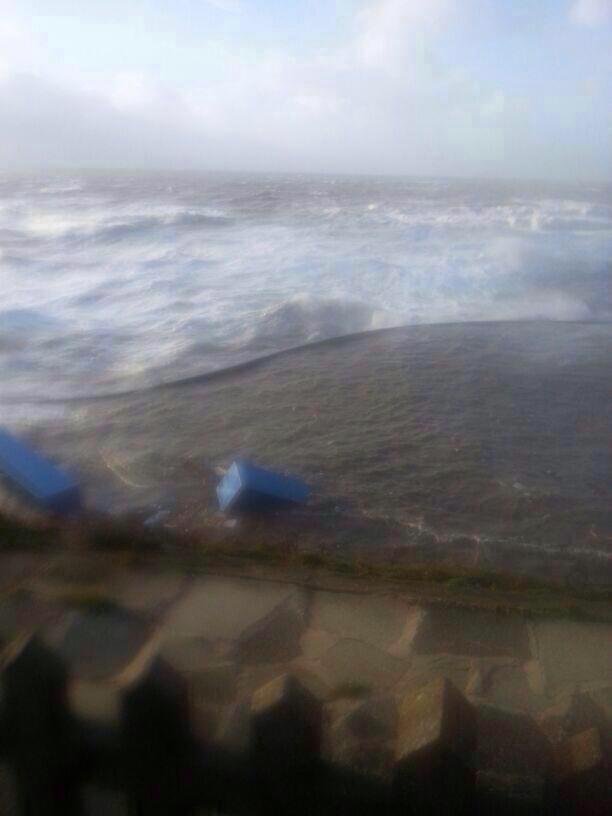
continued from above This karting track is in the old boating pool. On a calm sunny day the height of the promenade here makes for some outstanding views right across to the Lake District. However, in bad weather on a stormy day it can be horrendous. With it being such an exposed spot it is subject to the full force of the Irish Sea with nothing to protect it. There isn’t even a beach to absorb the energy of the waves. Each one strikes the concrete wall at full speed. During the storms of last winter the sea crashed over the retaining wall and all the tyres ended up in a massive pile at one end. It’s taken a fair while to disentangle them all. They have now been strapped and bolted down. Here’s a blurry pic of it full to overflowing in the midst of a fierce storm. Note the two full size shipping containers floating about! continued below
-
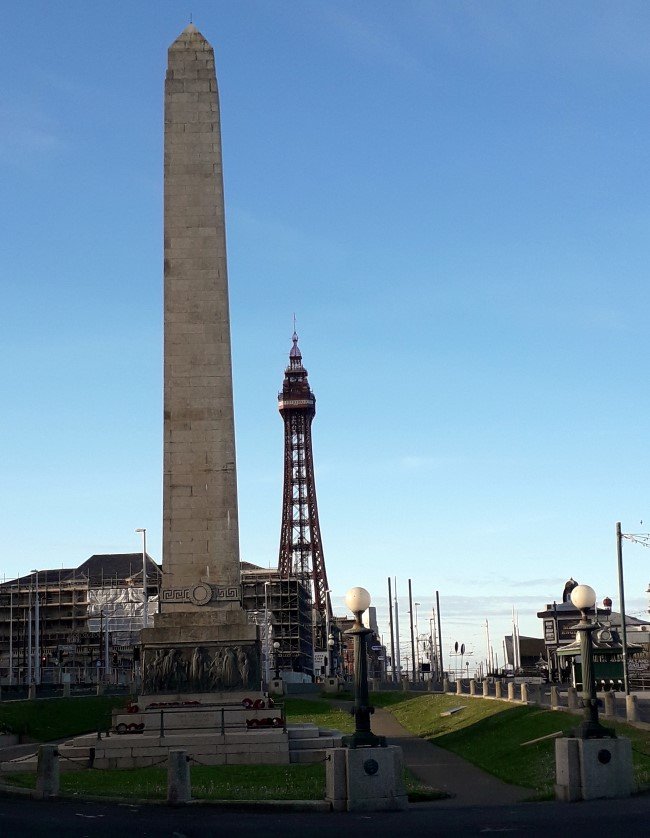
continued from above An unruly queue at KFC’s Blackpool branch! On this 75th anniversary weekend of VE Day the Blackpool War Memorial and Cenotaph stands proud, and echoes the shape of Blackpool Tower behind. Erected in 1923 it has an unusual sculpture of the corpse of a dead German soldier. The depiction of dead combatants are very rare on a war memorial and this may be the only one in England to depict a dead German. continues below
-
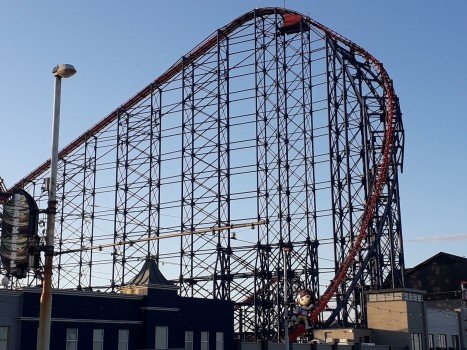
Hi there folks, In the gallery this time are the pics from day one of the 2019 Saloons WF at Cowdenbeath (see page 3 of this topic for info). Before that a few pics of a locked down Blackpool on this Bank Holiday w/end. It is very surreal walking along the prom (allowable exercise) and not seeing a soul around on what would have been a very busy few days. An eerily silent Pleasure Beach. The Big One’s highest point at 213ft (65m). The sound of the ride’s lift chain clanking in the track is noticeable by its absence. Speeds of 85mph (137kph) are attained on this descending curve. It doesn’t look high from ground level but when you’re up there people walking below look like ants. There were plans to extend the ride across the prom and out over the beach, but H & S blocked it. The Central Pier Big Wheel. Not a good thing to go on when there’s a gale force wind howlin’. continued below
-
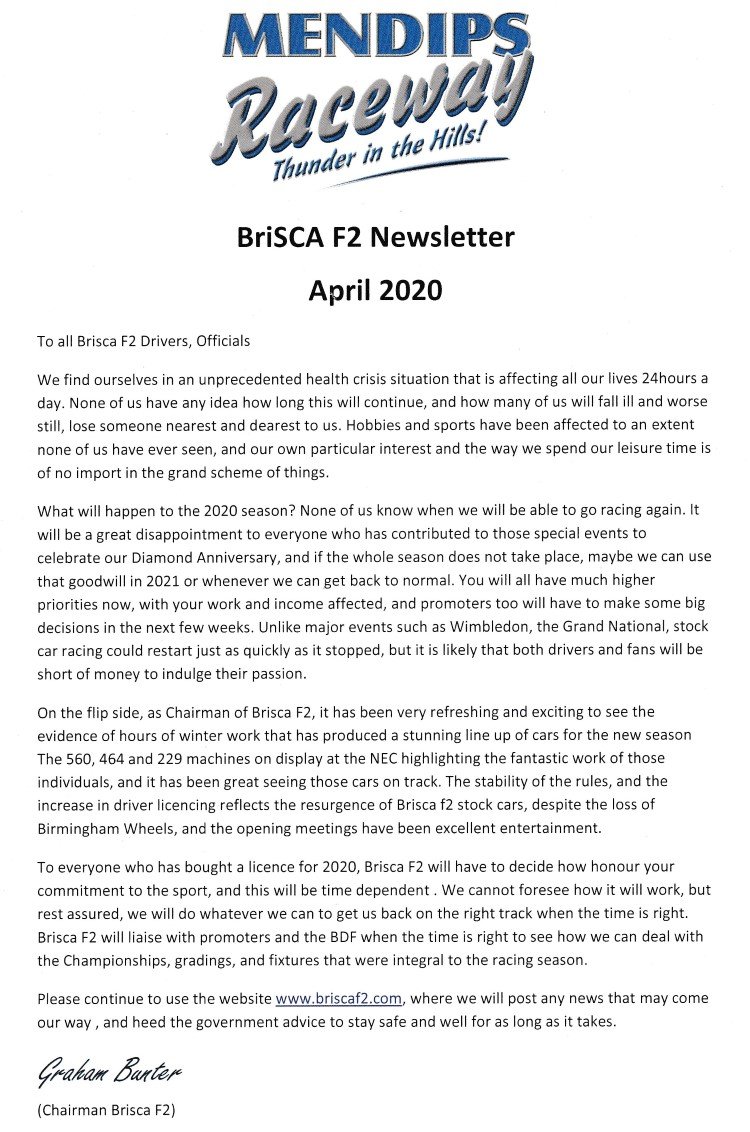
The April F2 newsletter:
-
Apparently the fencing was like that way before 1989 as well! It was during Peter's time there that TVR moved away from the V6 engine and back to the V8's. They got hold of a 5.0 litre Holden V8 and fitted it in the TVR White Elephant which was a prototype car built for Wheeler. This morphed into the Griffith prototype powered by a Rover V8. I know what you mean about the secrecy. The sadly missed Keith Flint (Prodigy) was interested in buying a Cerbera. He paid a visit incognito so as not to attract press attention. He and fellow bandmate Liam Howlett also place orders for the Speed 12. When my mate and i were on the road there were strict instructions not to reveal what was in the trailer.
-
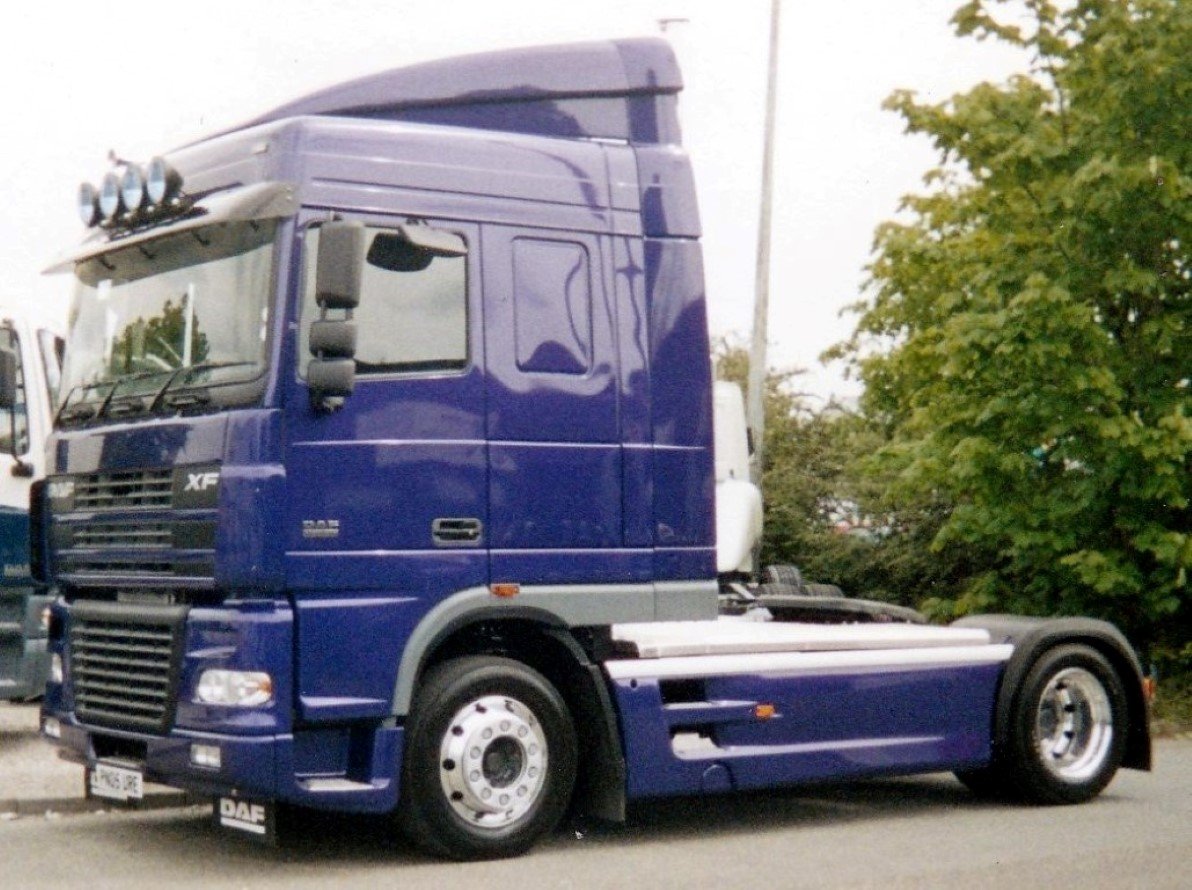
Hi there folks, In the gallery this week are the pics from Armadale (see page 3 of this topic for info), & the TVR DAF’s. The old TVR car works is 10 mins from where I live and I quite often used to see their car transporters heading in and out of the site. I had a mate who drove for them and on the odd occasion I used to join him on a delivery run. We did a few trips in the old DAF 75’s, and then the XF430’s. The XF’s had purpose built fully enclosed transporter trailers and looked the business. There are some pics in the gallery of the first run out in the new ones. These photos date from 2005 and are a bit grainy but they’re still well worth a look. One of the two new DAF XF430's The founder of TVR was Trevor Wilkinson who was born in Blackpool in 1923. After serving an engineering apprenticeship at a local garage he purchased an old wheelwrights workshop to start a business that he named Trevcar Motors. The company did all sorts of engineering work, and also serviced car and vans. In 1947 he renamed it TVR by leaving out a few letters from his first name, and the seeds were sown for the cars to come. Between 1949-53 three one off specials appeared. The build of his first chassis had a rear axle from a Morris Eight, and the engine was a Ford 1172cc from a 1936 van tuned to 35hp. The man hired to do the bodywork crashed the chassis before he even started work on it! After repairs, it was bodied in aluminium, painted British racing green and sold for £325 (£11,500 today). TVR number two was of a similar style and featured a tacho from a Supermarine Spitfire fighter aircraft. Number three was again to a familiar design and used a 1200cc 40hp engine from an Austin A40. 1953-55 saw the sports saloons appear. Running gear was from the Austin A40 with a fibreglass body, and were sold as a kit car. All the chassis were produced to the customers’ req’s so no two left the factory in the same config. Trevor himself raced the cars in rallies and road comps. From the mid-fifties the cars began to attract attention and the orders for bespoke builds increased using different chassis, body and engine combinations. It was time to move from the old wheelwrights workshop which by now had holes in the roof which let the rain and snow in. With a larger premises, and an increase in staff they began building open sports and coupe versions. Mike Hawthorn the first UK F1 World Champ drove one of the demonstrator models. The Blackpool built cars were being exported to the USA, and a team of six TVR’s were racing regularly on the American circuits. During 1958 a dealership was set up in New Hampshire. A joint Anglo-American project saw the creation of the next model named the Grantura. The Hoo Hill Hellcat was an earlier name put forward to recognise the Blackpool industrial estate where the new factory was located. Trouble loomed on the horizon however as only ten cars had been completed, and the orders from the USA had virtually stopped owing to a lack of sales success. The debt to the bank was close to £10,000, and the decision to dissolve the company was taken. After re-forming as Layton Sports Cars Ltd a cash injection of £15,000 to increase the workforce and build a stock of car components followed. Unfortunately the struggle to build enough cars continued. There was a backlog of fifteen on the order books and a rate of build of only one a month. March 1959 saw the company board vote to replace Trevor Wilkinson. He remained involved but felt he was being undermined by the very company he had created. In the early 1960’s the company attempted to re-establish itself in the USA. Various managers and directors came on board and confidence in the leadership was in doubt. The company’s finances were being stretched with too much emphasis on the motor racing side. Three cars were entered in the 12 Hours of Sebring endurance race, but two retired with mechanical failures. Excessive expenditure on luxury transport and hotels was the final straw that led to the departure of Trevor Wilkinson. The history of the company (now renamed TVR Cars Ltd ) from this point forward would see many changes both in ownership and models produced. A move to larger premises occurred within the next ten years,but by 2006 the Blackpool site had closed. Currently the TVR name is owned by a syndicate of British businessmen, with a 3% stake held by the Welsh government. A far cry from the founding of the company seventy-four years ago. In pics next time: The 2019 Saloon’s WF at Cowdie
-
OFF TRACK: LOCKDOWN WITH NIGEL GREEN (445) - WEDNESDAY @ 8PM
Roy B replied to BSCDA PR's topic in Essential Information
A tremendous interview with the Professor. Straightforward, no nonsense answers. Nigel is an individualist innovator and this showed through in his replies. Many thanks yet again to all involved in this excellent series 👍 -
Definitely the best one so far. Loved the 1 v 217 clash. Some quality hits/last benders from 5, 20, and 526. The young guns are showing the way. Paul & Sarge are getting us through this shut down in the best way possible with some great banter and interaction with the viewers. Many thanks once again 👍
-
Off Track: Lockdown with Roger Bromiley - Available Now
Roy B replied to BSCDA PR's topic in Essential Information
Many thanks for a brilliant interview 👍 -
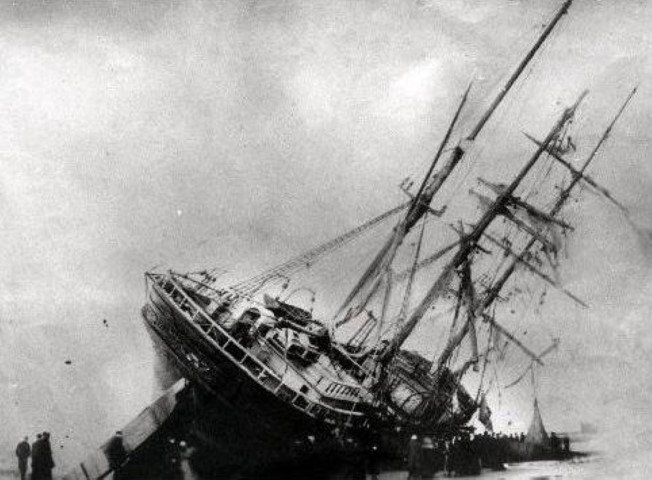
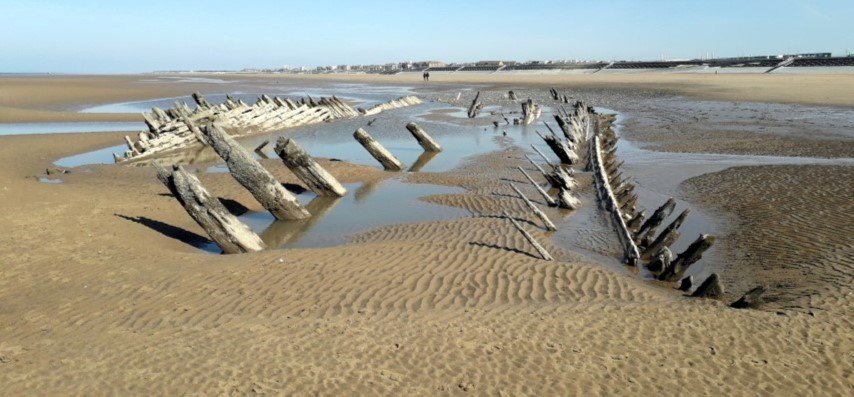
continued from above In thanks, the captain donated the ships bell and dog to the landlord who had raised the alarm. The ship was never refloated. The wreck was bought by a local syndicate who made souvenirs from the wood. The wreck was an attraction for the locals Next time: In pictures - The TVR Daf’s, and a visit to Armadale.
-
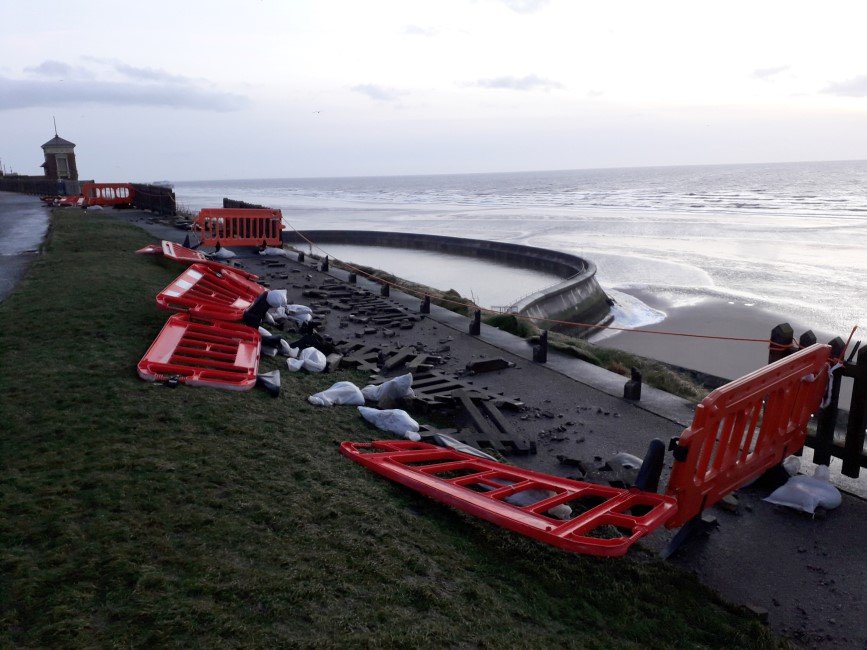
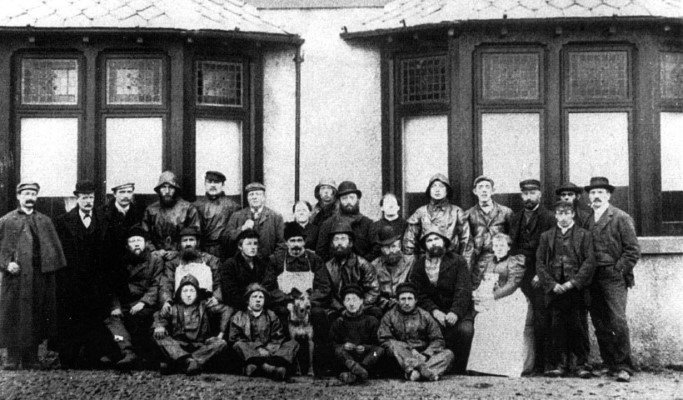
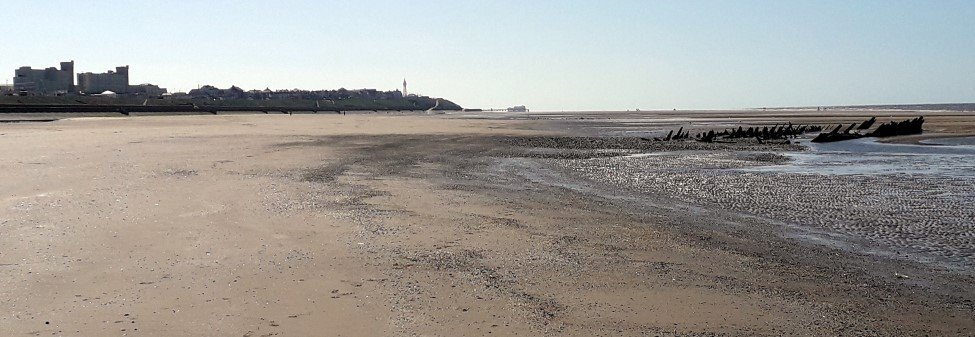
continued from above The northern part of this coast in Lancashire is known for the ferocious westerly gales and storms. These concrete fence panels snapped off like carrots in the recent storm force winds Many shipwrecks along this stretch of coast have been recorded from as early as 1755. Abana was a three-masted barque weighing 1200 tons and was built at St.John’s Newfoundland in 1874. In December 1894 the ship set sail from Liverpool bound for Florida. Her cargo was 500 tons of ballast, and she was to return with timber. On the 22nd December the ship was caught in one of the worst storms recorded along this coastline. The tide rose 10ft higher than normal. Wind-speeds of 105mph, with gusts of 150mph were recorded. She was first sighted close to North Pier at 3pm with all the sails in tatters. The crew had mistaken the newly built Blackpool Tower for a lighthouse and she was now at the mercy of the storm. Within two hours she had been blown along the coast ending up running aground close to Little Bispham. The landlord of the Cleveleys Hotel raised the alarm. Owing to the terrible conditions the lifeboat could not be launched from Blackpool and had to be taken 7 miles overland by six horses. The boat was launched from as close as possible to the Abana. The rescue took place in the pitch black during this high tide. It was extremely difficult with the sea being rocked by huge waves, and the relentless pounding of the crew by the fierce gale. The Abana crew of 17 were all taken on board the lifeboat, along with its own crew of 16, plus the ships dog. On heading back to shore the combined weight of the passengers ran the lifeboat aground on a sandbank. The crew members had to push it afloat, and eventually they reached safety. The Abana crew safe on dry land. A testament to the lifeboat crew that no lives were lost. continues below:
-
Hi there folks, Hope you’re all doing ok. Taunton and Eastbourne pics from August are in the gallery now. Info on page 3. I live 10 mins walk from the prom so usually go along the beach as my daily allowable exercise. Close to Cleveleys there are the remains of a shipwreck that has lain there since 1894. The sands move around depending on the tides. At low tide you can see the wooden ribs sticking out. How much you can see varies with the weather conditions over the preceding weeks. With rough seas and a strong wind the sand gets scoured away. We’ve had some fierce winds the last couple of months so now was a good time to have a look at the site of the Abana. The wreck site looking south. Norbreck Castle Hotel on the left, Blackpool Tower in the distance, and North Pier just visible. All is revealed at low tide. continues below:
-
SATURDAY 11TH APRIL @ 6PM - VIRTUAL SKEGNESS
Roy B replied to BSCDA PR's topic in Essential Information
Carl, i think it should have been H318 Rick Lenssen -
A superb interview. Thanks to all concerned 👍
-
Hi there folks, Great news. The gallery is back! I plan to upload all the pics since early Feb over the next few weeks. The Leeds/Liverpool canal into Wigan photos are on now. Some info for these pics is within this topic. It's Feb 15th on page three.
-
SATURDAY 11TH APRIL @ 6PM - VIRTUAL SKEGNESS
Roy B replied to BSCDA PR's topic in Essential Information
Make it a weekend at Skeggy. Looking like a 60 car rFactor F2 meeting on Sunday as well.
.jpg.0108b645f309ba189cd441f9121c3746.jpg)
.jpg.0117da400f8fc8ce36b332648719608c.jpg)

.jpg.c917ad61f67dadf0a9626f4206abb648.jpg)