
Roy B
-
Joined
-
Last visited
-
Days Won
188
Everything posted by Roy B
-
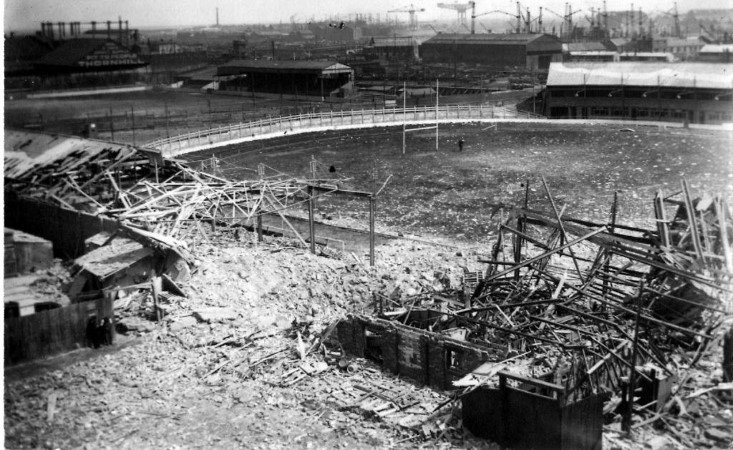
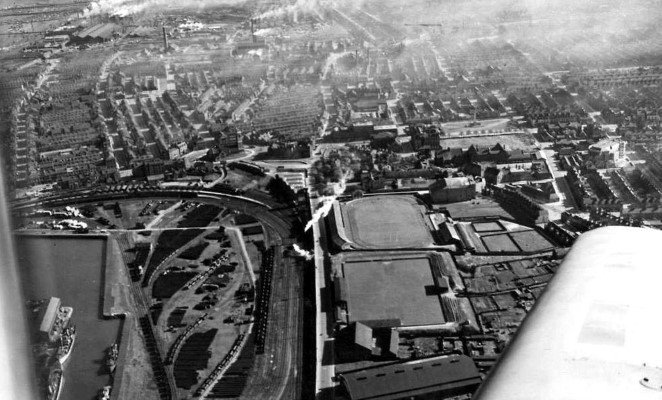
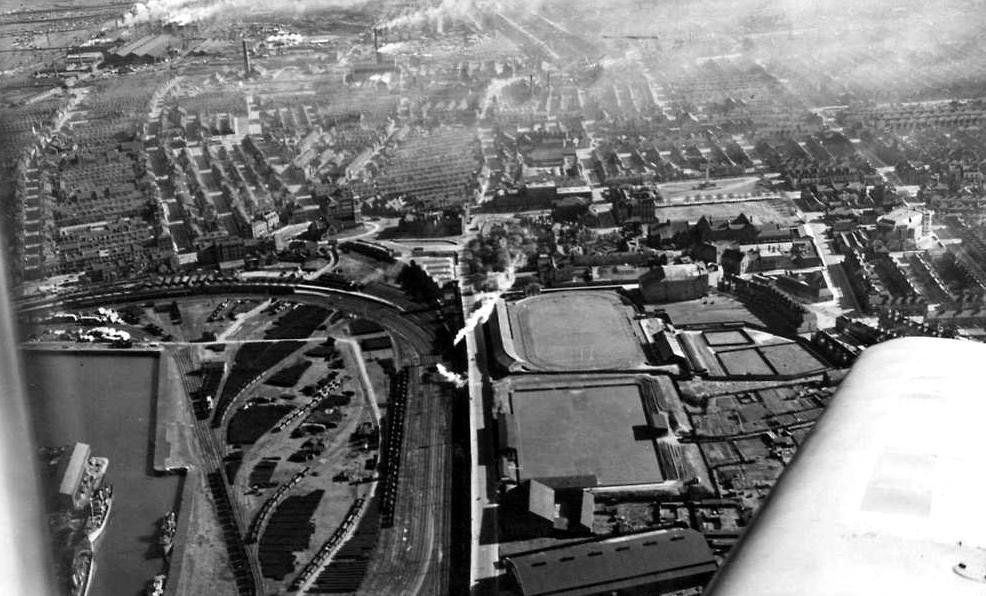
( continued from above) During May 1941 the stadium suffered severe bomb damage during an air raid which demolished the main stand and offices. Sadly the two night watchmen on duty were killed. The blast also extensively damaged the nearby cinema and police station. Pic credit to Hartlepool Museum. A 1945 aerial shot of the town centre. Pic credit to Hartlepool Museum. During the post war years boxing made its first appearance in 1957. The nation’s favourite at the time was Brian London. He was born in West Hartlepool and contested a British Heavyweight eliminator at the stadium. From the age of 16 he has lived in Blackpool, and following his retirement from boxing became a businessman in the town owning several nightclubs. In 1971 his 007 club became part of a national media story. Bobby Moore, and three other West Ham players spent the evening before an important FA cup match against Blackpool at the club. They lost 4-0 and the players were heavily criticised by the press. Moore later said that they knew they were leaving themselves vulnerable meeting up with Brian! Now aged 86 Brian can still be seen out on his daily run. By 1965 the rugby club were in dire financial straits. The stadium owners had no choice other than to evict them. Greyhounds then became the only source of income over the next decade. In 1975 stock cars arrived and became a great success for the next twenty years. (continues below)

-
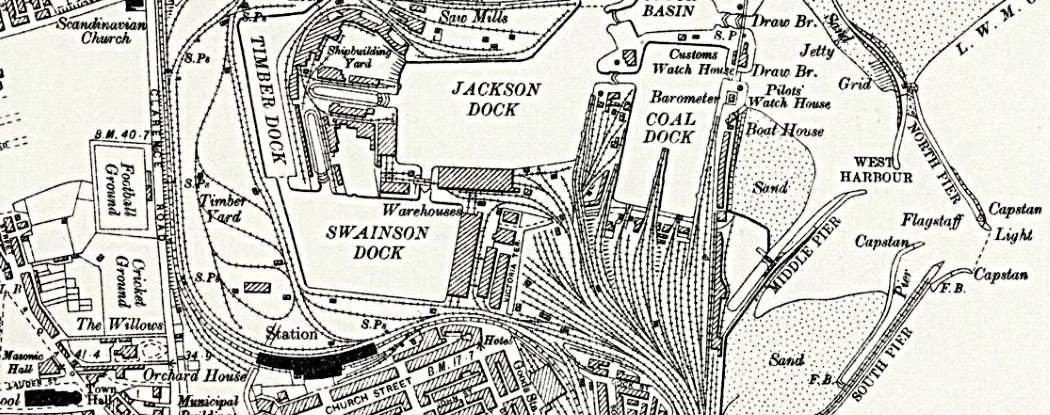
Hi there folks, We start off with another in the “What was there before?” series. Hartlepool is the featured track this time. On this late 1800’s map the stadium site is bottom left and was the cricket ground. The docks and railway sidings to the right of Clarence Road would have been a hive of activity. The six acre site first opened as the Clarence Cricket Ground before the turn of the twentieth century. Amateur football came next, followed by rugby union. It became West Hartlepool’s home ground. Greyhounds arrived in 1938, when the track was laid around the rugby pitch. Four thousand spectators attended the first meeting. The venue was used as a flapping track (unlicensed dog racing). (continues below)
-
A DEVON DELIGHT AS MINI MOSSY TAKES THE FINAL WIN AT SMEATHARPE Taunton – Monday 27TH July 2020. More than four months on from when they last raced there was finally a chance for the Brisca F2’s to race once again. The way the fixtures are looking it could be that the West Country becomes the centre of the F2 universe for a short while at least. An impressive line-up of cars included many of the early season drivers who hit the headlines all those weeks ago. Joe Marquand (689) won the opener at St.Day, and Liam Bentham (488) did likewise at Skegness. Luke Wrench (560) sits at the top of the Autospeed Track Championship table owing to high scores early on. Add to that mix a visit from Dave Polley (UK38) and Charlie Guinchard (183). It was clear that the meeting had the ingredients to be a lively one. After afternoon rain showers the track had virtually dried out for the practice session. Both Guinchy and Paul Moss (979) had engine problems. 183 looking to have an air lock as the pressure kept fluctuating, and 979 pulling off with an expensive and loud rattling sound. Heat 1: 17 cars took to the track, and after a false start white roofed Wayne Wadge (920) broke away to lead until over half way. He was caught with two to go by Chris Mikulla (522) who went on to win. A battle between Jon Palmer (24) and Ben Borthwick (418) ended with the 24 car riding up the right rear and cutting the tyre of 418. Result: 522, 560, 920, 538, 542, 835, 196 and 689. First 8 to the Final. Heat 2: 15 cars for this one. A fast and aggressive drive by Neil Hooper (676) saw him charge through for the victory. 183 pulled off with a suspected cylinder head gasket failure. Result: 676, 783, 127, UK38, 315, 126, 91 and 572. Consolation: 15 on track. An easy win for 24 from 418. After changing the engine following practice 979 completed the top 3. Liam Bentham (488) hit a marker tyre and rolled out of the race in turn one. Result: 24, 418, 979, 184, 251, 320, 663, 210, 736 and 460. Final: 25 cars on the grid. Joe Marquand (689) and Jamie Avery (126) hooked together on the back straight on the first lap as the yellows came out for a false start. On the second start they were both out, along with Steven Gilbert (542) as all three cannoned into the turn 3 plating. At the next restart 979 demoted the early leading 920. 24 unleashed a monster hit on 676 going into turn one which cannoned him into 560. Luke was in the wars again shortly afterwards as he had a clash with UK38 which ended with 560’s front end needing attention. Following a further restart 979 led a queue of blue tops. All the star men were delayed by a backmarker and argued amongst themselves for the remaining laps. A last bend hit from 522 on 979 only made light contact, and Moss held on for his first Final win at the track. “I’ve got to thank Team Gilbert for lending me an engine after mine went in practice,” he said. Result: 979, 522, 315, 184, 24, 783, 127, 418, UK38 and 538. GN: This was the race of the meeting as the 22 cars traded bumpers throughout. It all came down to a classic multi car battle between Vaight, Mikulla, Wrench and Rygor. These four constantly changed the lead between them. Wrench led into the final corner and somehow managed to survive the triple onslaught from behind to claim the win. 522, 783 and 184 crossed the line behind him side by side. It was a terrific finish to round off a wonderful night of hard surface F2 action. Result: 560, 522, 783, 184, 91, UK38, 488, 127, 920 and 251. Saloon Stock Cars The 14 car turnout was a little disappointing but those in attendance didn’t hold back. Junior Buster (902) took the first heat from Deane Mayes (730) with Billy Smith (161) in 3rd. In heat two 730 despatched Scottish visitor Colin Savage (14) into the turn three plating on the last lap for the win with 161 in 2nd. Final time saw 902 claim his second victory of the night. Going down the back straight for the last time Mayes caught and passed Smith up the inside. Entering the final turn Billy left it all on and fired Deane hard into the wall. Both got over the line with 161 ahead of 730. Plenty of pics in the gallery.
-
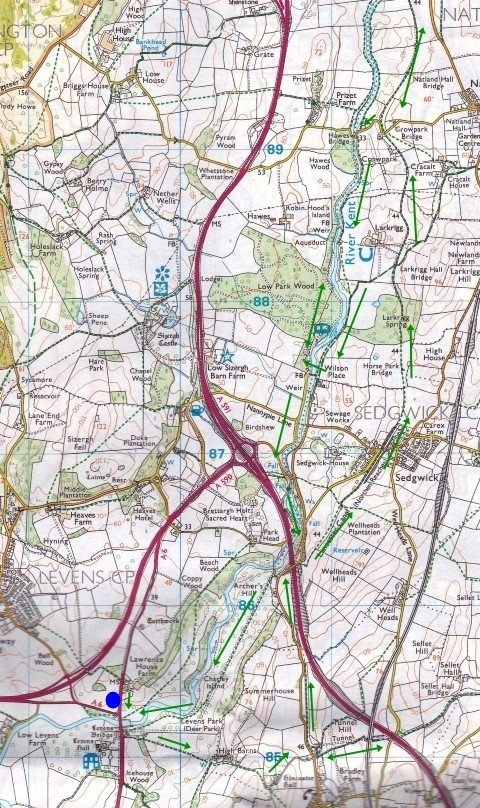
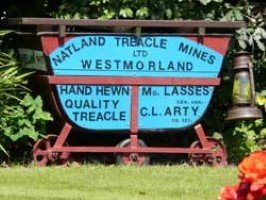
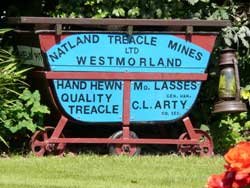
continued from above Let’s head off now then along the old route. The pics in the gallery follow this exactly. The start and finish point is the blue circle bottom left, and the route follows the green arrows anti-clockwise. The canal bed is at a consistent 144 ft elevation along this entire section which is a tremendous achievement considering the era it was constructed. Leaving the layby we walk alongside the A6 and cross over the River Kent. Shortly we turn off to the left and enter the path that heads to Hincaster. Immediately alongside us is an outbuilding linked to Levens Hall. It dates from the late 1500’s and has a fine studded door. In the field to our right is a more recent addition of a wartime pill box. We soon pass Hincaster Hall which also dates from the late 1500’s. Beyond this is the horsepath which leads to Hincaster Tunnel. Owing to the canal not having a towpath through the tunnel the horses had to be taken over the top. Along here are two tunnels built by the canal company in 1817. They were constructed to allow farmers to cross the bridge above to access their fields and were known as accommodation bridges. A third tunnel dates from 1846 and was built by the LNWR when the main London to Glasgow railway line was constructed above. The end of the horsepath leads to the eastern side of the canal tunnel. Built in 1816 it is an impressive sight. The fully laden barges had to be ‘legged’ through, or if they were really carrying some excessive weight pulled through by ropes and chains. Returning over the horsepath we head north and arrive at the western end of the tunnel. Here the fixing rings for attaching the pull through chains are visible in the tunnel wall. Continuing on we pass through a wooded area. Here the trees have had various things attached to them for children to discover. We cross over the A591 and enter a field. You would never know a canal had existed here. The land slopes downhill, and there is absolutely no trace until the first canal bridge appears. This is Wellheads Bridge and is literally in the middle of the field. A surreal sight for sure. Soon we enter Sedgwick. The village has around 350 residents but no shop, no pub, and no church. Its main point of interest is Sedgwick House. This was built in 1868 for the Wakefield family who owned the gunpowder works by the River Kent (we’ll come to that later). There is a fine example of a skew bridge here. Initially bridges were built at a right angle to the canal, creating a Z bend in either road or canal. Skew structures got around this. To avoid weakness across the bridge a winding course of stones were used, whilst creating the smallest span. Leaving the village behind we come to our second bridge at Horse Park. Again, in the middle of a green expanse. From the top of this you can make out a faint darker green strip where the canal would have been. Things to look out for here are the towrope marks. These were caused by the wet ropes which would have had grit etc. embedded in them being pulled around the bridge corners. An attachment hole can be seen for the steel plates which were added to protect the stonework. A fossilised sea anemone is visible on one of the limestone blocks in the bridge wall. A wooded area then follows. The smell of wild garlic here is tremendous. Larkrigg Hall Bridge is next. This one is a gem. The archway still has the painted white outline. The towpath, bridge number plate and a benchmark which was used when surveying the route are all at hand. In addition to this the canal bed has not been filled in here so it is a good place to see the lie of the land. Close by is an old milestone. As these were approached by the barges it shows the distance from the last place behind, not the distance to come. It is confusing until you know the reason why. It was for assistance in showing how far goods had been carried and to ensure the full toll was paid. After this we come to a fence line dividing the canal bed. One side has been filled in, whilst the landowner on the other side has left it as it was. Next on our journey is Natland Hall Bridge. The village dates from the 1100’s. There is a long standing legend that Natland has a treacle mine! The secret is only known to a few village elders. The rumour goes that a man exploring a cave back in 1211 found a spring of treacle. More recently an old farmer said he used the treacle on his farm for his animals due to its healing properties. He said it was not like Tate and Lyle’s but is solid and can be melted by heating. When asked where it could be found he replied with, “Can’t rightly say! It could be near the Kendal Mint Cake Quarry!” A treacle mine cart! This bridge has a large crack down one side and is not quite symmetrical. The canal from here into Kendal tends to lose its appeal as it becomes more urban and surrounded by industrial units. We’ll turn around at this point and head back south a short distance where we’ll leave the canal and head for the River Kent. Alongside the river is Hawes Bridge which dates from the 1700’s. The body of Sir Charles de Leyburne of nearby Cunswick Hall was washed up here after being murdered by his son and thrown in the river. Keeping alongside the river we come to Wilson Place. Here is a suspension bridge dating from the 1870’s. This is a replacement for a wooden bridge that was washed away in a flood. It contains reused suspension rods from a disused bridge in Scotland. The crossing of the river here was to enable workers from Sedgwick and Natland to gain access to the new Sedgwick Gunpowder Mill. Let’s cross the bridge (max capacity 25 persons) and have a look to see what’s left. Gunpowder was the only explosive available for military use, and for blasting in mines and quarries until the mid-19th century. Water powered mills had been in use since the 1500’s gradually being replaced by steam power from the 1900’s. The production process goes through eight stages. Firstly the main ingredients of gunpowder - saltpetre, sulphur and charcoal - are mixed. This mixture is then ground and pressed into a powder cake, followed by breaking up and sizing dependant on the required use. Dusting to remove loose particles, glazing to prevent moisture, and drying in a heated building then follows. A temperature of 126 degrees Fahrenheit had to be maintained for twelve to fifteen hours a day. The last stage is the packing and moulding in barrels or cartridges. These are carried out in separate purpose built structures. You’ll be able to see some remains of these here. In 1857 a company was formed to manufacture gunpowder on the site. They employed around 50 people, and produced 20 tons a week. Water was diverted from the river via a dam and then down a long channel (leat) to a waterwheel pit. Here a 37ft waterwheel drove the incorporating mills. Some machinery here was manufactured by Messrs. Hastie of Greenock, Scotland. They were pioneers in designing the world’s first self-holding steering gear. The powder produced at this mill was of a coarse variety, and was used mainly for blasting in mines and quarries in the area. In the early stage of the works life everything had to be moved by hand in barrows and carts. Later a tramway was set up to transport powder around the site. The canal and railway were used for bringing in the raw materials and shipping out the finished product. The industry was a perilous one. Death and devastation came with terrifying speed to the men who worked the ‘powder’. On the 22nd October 1871 some maintenance work was being carried out on the roof of the press house. A spark from a chisel ignited powder residue which caused a flash explosion. The whole roof was flung into the air killing one man and seriously burning two others. Both the corning house and press house blew up in 1875. A survivor of a previous explosion was killed along with three more workers. The machinery inside the buildings was destroyed, and the whole site had to be shut down for repairs. In 1883 the worst accident in the company’s 78 year history occurred. The cartridge house exploded. Three men were killed. The blast was so fierce it was heard in Kendal, and a bright white light from the explosion could be seen. Rosie the pig makes her appearance here. She was in a nearby field and the shock wave blew her clean over the fence into the adjacent field. She was unharmed and was found rooting around in her new surroundings. It seems the later years were nothing but a list of accidents and explosions. On the 30th March 1903 the glazing house exploded after sparks from a bronze hammer set 8100lbs of powder off. Red hot debris was sent flying onto the roof of the corning house which contained another 1000lbs which promptly blew up. On 23rd June 1906 a lucky escape with no deaths or injuries occurred. Thunder storms were rumbling in the distance when all of a sudden there was a flash and loud clap of thunder. Three lightning strikes hit the press house, number eight mill and number nine mill. It’s ironic that the only building totally destroyed, the press house, was also the only one kitted out with a lightning conductor! Before the First World War at least half the powder made in the UK was produced by five mills located within a twenty mile radius of here. However, falling orders after the war saw the site became part of ICI who closed it down in 1935. Board of Trade regulations dictated that many of the buildings had to be dismantled and burned to ensure that no traces of explosives remained in nooks and crannies. There is still plenty left to see though in this living memorial to those who lived, worked and lost their lives here. Let’s move on now and head back. Tracing our steps back to the suspension bridge (but not crossing it) we continue south and go under the A591 road. There is a balcony style walkway under the road here which gives a good view of the bridge’s construction. Our final stretch takes us through the Levens Hall Deer Park. Landscaped 300 years ago the park is home to a herd of black fallow deer, and a herd of rare-breed Bagot goats. The goats are the oldest British breed with a documented ancestry. As we exit the park you’ll see Levens Hall directly in front. The present building dates from the Elizabethan era. It has royal connections as a previous owner was Keeper of the Privy Purse to King James II. A small collection of steam road vehicles are usually running on Sundays and Bank Holidays. The gardens are largely unchanged and date back to 1690. The world’s oldest topiary gardens are located right here. Ancient box and yew trees have been shaped into surreal and unusual forms. There are a number of ghosts at the hall. The earliest parts of the building date from the 1100’s. These phantoms have no taste for moonlit nights; they usually materialise in broad daylight and have a normal flesh and blood aspect, though they have an uncanny habit of suddenly vanishing. The most notorious is the Grey Lady. Her main activity is to step in front of vehicles as they approach the house. When the driver stops and gets out there is no one there. She was last seen quite recently when a member of the current family cycled “through her”. Now i think we’ve earned a brew. Let’s make for the café. There is a mouthwatering choice of cakes on offer. Chocolate and beetroot is popular, although my favourite is a large slab of liquorice and lemon battenburg. You look like you’ve been down a coal mine after eating this. The black from the liquorice needs a good scrub to get it off your hands. Well folks it’s a couple of minutes walk back to the car from here. Thank you for joining me. If you’re a glutton for punishment head to the gallery where you can relive it all again in pictures. Next time: We’ll have a look at another stadium in "What was there before?" Away from racing King John of Rimington, John (ex95) of Clitheroe, and the Wainman dynasty all have something in common. Join me as we find out what, and where. If I can swap my shifts around at work I plan to go to Taunton on the 27th, and Skeggy the following Saturday. I’ll add a meeting report and how things are at the track to this post as and when. Until then, bye for now.
-
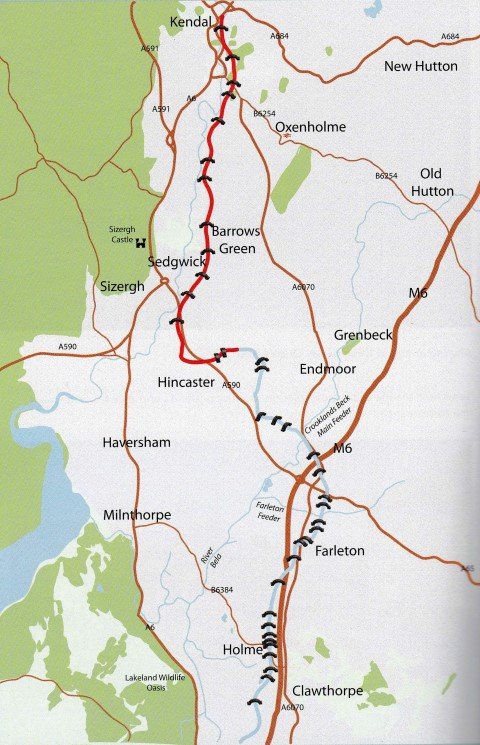
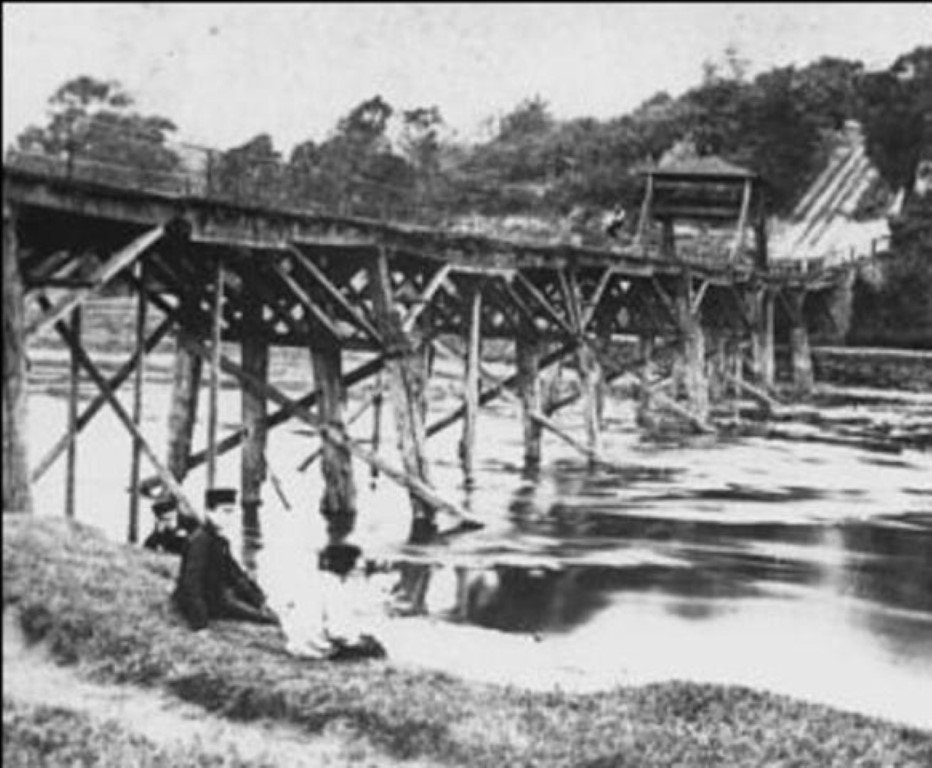
continued from above Okay then, everyone set for a journey of discovery off the beaten track? Now, about this canal that isn’t. We’ll be having a look at the area known as the Northern Reaches of the Lancaster Canal. It runs from Stainton Crossing into Kendal, and actually has a complete lack of water. We’ll be starting from the eastern end of the Hincaster Tunnel. Our route is along the red (dry) line of the canal There’s a stretch of the A6 northbound that has been bypassed near to Levens Hall, and one lane has become used as a layby. How about we meet there and i’ll tell you a brief bit about the canal. With promotion from Lancaster itself it came into being during the canal building fever of the 1700’s. In those days Lancaster was a more important town than Preston, and a competitor as a port to Liverpool. With the lack of good communications it was actually cheaper to import foreign goods to the town than to bring English goods from places such as Wigan and Manchester. Roads were in a terrible condition. In a report from 1768 there were ruts four feet deep filled with mud between Preston and Wigan. As a port Lancaster suffered the problem of the constantly shifting sands of the Lune Estuary. The tides often made entering the port difficult. A number of alternative schemes were considered to combat this including construction of new docks positioned a quarter of a mile further north. However, a decline in trade with the West Indies saw all new ideas abandoned. Coal reached Lancaster by sea from the River Douglas. This supply line also served Kendal through the port of Milnthorpe. At the same time there was a great need for agricultural lime which was required for use in arable country further south. This was the background against which the canal was conceived. These two products led to the Lancaster Canal being known as ‘The Black and White Canal’. Original proposals suggested a route linking Kendal to Manchester but problems crossing the River’s Lune and Ribble, plus the fact the route did not reach the Wigan coalfields saw this idea dropped. After many meetings and discussions the route was determined. It was to start at Westhoughton in the south and head north to Kendal. The two river crossings would be via aqueducts. Construction started in 1792, but by the early 1800’s finances were becoming stretched. To save money it was decided to split the canal into north and south halves at Preston thus doing away with the need for one of the aqueducts. The cargo would be transferred from the barges to horse drawn tramroad wagons. The Ribble would be crossed via a combination of a double track tramroad, with three inclined planes worked by stationary steam engines and endless amounts of chain. A connection to a wooden trestle bridge over the Ribble, and a subsequent reload onto north bound barges completed the crossing. The wooden trestle bridge over the Ribble with the inclined plane visible at the far side. There were several accidents on this bridge over the years. It was positioned at the foot of the steep incline. In October 1826 the chain broke and the wagon on it ran away killing two horses. A team from a colliery had crossed the bridge and arrived at the base of the incline. After attaching a wagon to the chain the slow climb began. Suddenly the chain snapped and fell into the catches of an unhooked wagon at the top dragging it down the hill. As it thundered down it caught in the gears of the loaded wagon which was by now halfway up. This ended up being dragged backwards towards the bridge. When it reached the bottom the empty wagon was catapulted over the top crashing through the bridge handrail and falling into the River Ribble. One of the horses was killed instantly, and the other fell over the bridge onto the rocks in the river and succumbed to its injuries. The colliery company’s claim for compensation was rejected however. It transpired that they had connected a second loaded wagon to the chain before the first had reached the top. This had caused the chain to break as the whole set up was designed to have only one wagon being raised or lowered at a time. In 1976 the wagon from the tramroad was found in the mud on the river bed having lain there for one hundred and fifty years. By 1805 the canal was all but complete apart from the remaining 13 mile stretch into Kendal. Two routes were considered. Both required tunnels. Again to save money the whole of this section was looked at to see if it could be a tramroad instead. Owing to the elevation changes of the land numerous inclined planes would have been required. The cost of this was virtually double the expenditure on building it as a canal. Even with the construction of locks and tunnel the canal was still the cheaper option. The Napoleonic Wars created a lack of funds and it was not until 1813 that work actually started. 86 acres of land on Killington Common were purchased ready for a reservoir for the canal. Not long after completion a leak was discovered in the reservoir dam and it had to be totally drained to make the repair. Forty cart loads of fine red trout were caught and taken to Kendal market for sale. The reservoir can be seen from the back of the Killington Services on the M6 southbound and is one of the largest canal feeders in the country. The tunnel under construction was at Hincaster. Lining of it was proving difficult as stone was the preferred material. Nearby quarries were unable to produce the amount required so brick had to be used in places. The canal company deemed this to be an inferior material but were left with little choice. Four million bricks made on site were used in the construction. It has stood the test of time as we’ll see on our walk around. Opening of the complete canal came in 1819 and proved very profitable for the company over the following years. However, a rival appeared on the scene in the 1830’s. The railways. Over the next fifty years many takeovers, amalgamations and joint ventures ensued but ultimately the canal lost out in the end. By this time the Ribble crossing had been discontinued leaving just the northern section. Trade was still respectable but not to the same level as before. Coal traffic from Preston, and grain, timber, minerals and chemicals were just some of the cargoes carried. To all intents and purposes though the company was wound up in 1886. In 1923 the canal became part of the London, Midland and Scottish Railway. In 1944 the LMS sought powers to close a number of their canals including the Lancaster. At this time between 6,500 and 7,500 tons of coal a year were being taken to Kendal gasworks by canal as there was no railway access. This was not enough to save it though as all traffic was transferred to road. 1947 saw the last goods carried. After nationalisation of the railways in 1948 authorisation was granted to close the canal to all commercial traffic. Owing to leakage in the limestone bed the 7 mile stretch from Stainton Crossing into Kendal was drained and filled in. The remaining canal heading south to Preston is now seeing active use as a recreational waterway. Attempts are ongoing to reopen the closed section by various restoration bodies. The route has seen encroachment by the M6 motorway, a pipeline to ICI, and various road expansion plans. Even with these obstacles to overcome it would still be technically possible to achieve. However, the tremendous cost involved, and difficulty in obtaining those funds all contribute to making it a formidable and decades long task. continues below
-
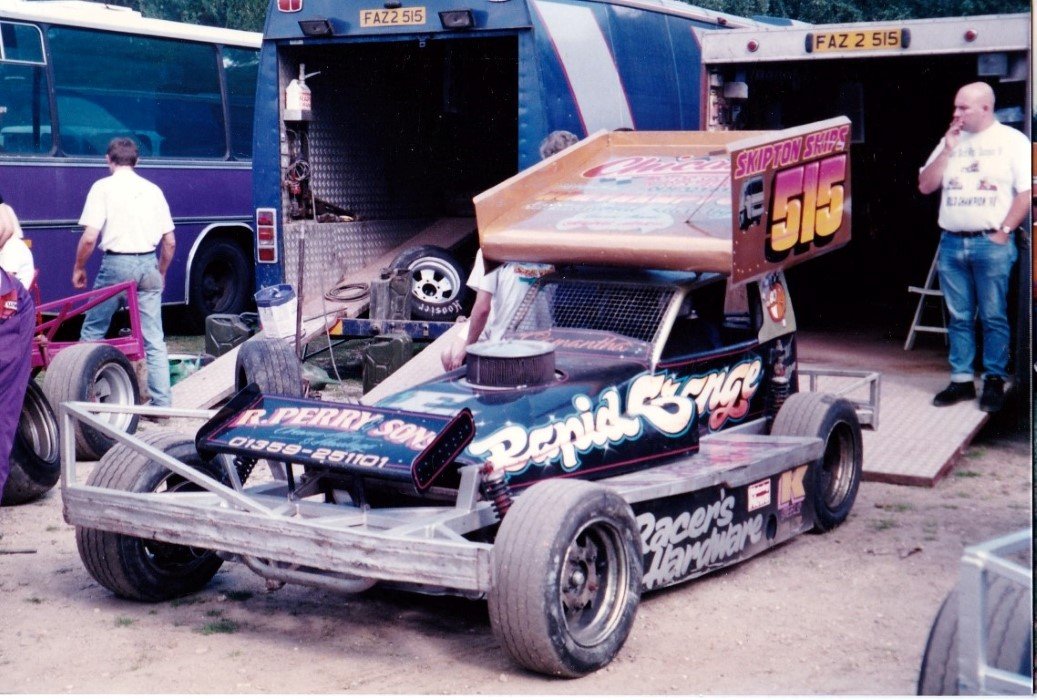
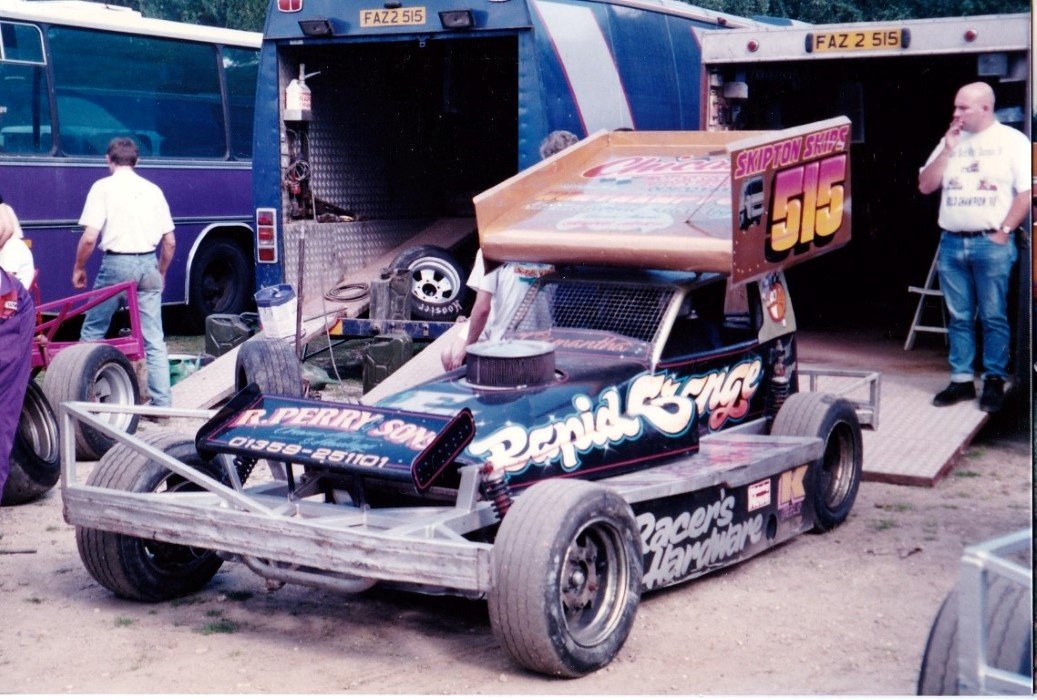
Hi there folks, Well a bit of good news at last with some stadiums allowing spectator attendance. At present Taunton, St.Day, Skegness and Northampton all have dates announced. F.2’s make their return to racing joined by the Saloons at Taunton on Mon 27th July, followed by Skegness on Sat 1st Aug where they are both joined by V8’s and National Ministox. Hopefully more tracks to follow soon. 515 at Baarlo The first set of pics in the gallery this week are of past racing related scenes from the Netherlands. Many thanks to Bas for sending them over. continues below
-
OFF TRACK: LOCKDOWN WITH STUART SMITH JNR (390) - PART 2
Roy B replied to BSCDA PR's topic in Essential Information
Gold standard yet again. The thing i love about these interviews is that the drivers have more time in a relaxed atmosphere to add so much to their answers. Stuart epitomises all that is so good about our sport, and i wish to thank him and Jonathan and the BSCDA team for a very enjoyable couple of hours. -
Cheers Ian and Bas. Have a look at this mint transporter folks. The ever enthusiastic Stavros takes us on a guided tour. He drives a Scania S580 V8 for Rory Lynch Transport of Shannon, County Clare in the Emerald Isle for his day job. Lucky fella!
-
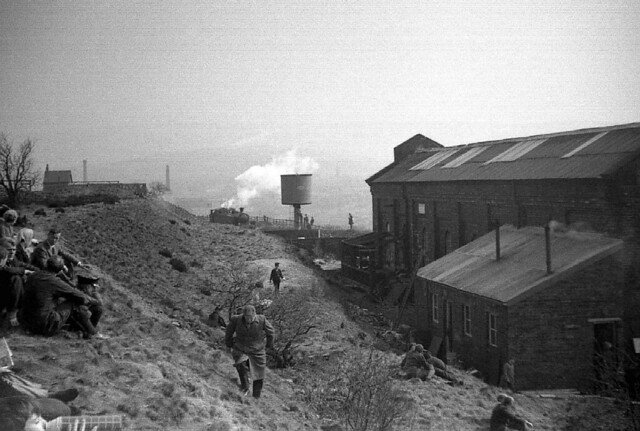
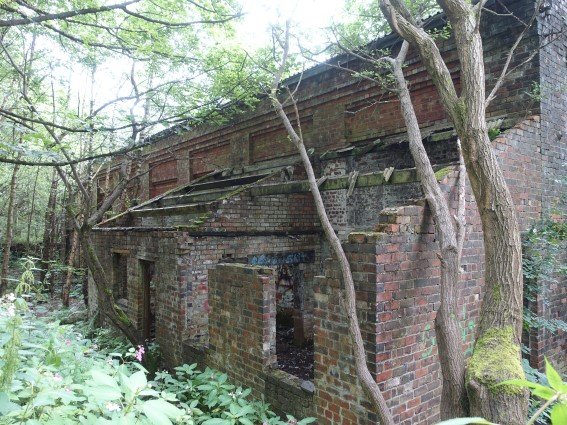
continued from above It was a grand spot to spend a few hours watching all the activities going on. Bring a flask and sandwiches and you were sorted. The building adjoining the shed was the enginemens’ workshop and break room. There was a table and long benches around a roaring log fire. A very welcome retreat on a cold wet day. At the water tank end was an oil store. The embankment had lots of broken/discarded pots, stone bottles etc. If you root around you can find odd pieces even today. The remains of the break room and stores as it is now. The first closure came in 1935, reopened in 1942, and then closed to steam in 1954. In 1967 the Bahamas Locomotive Society leased the site to establish the Dinting Railway Centre. They were a group of preservationists who had rescued the loco “Bahamas”. Built in 1934 by the North British Locomotive Company at its Glasgow works this Jubilee class loco saw service with the London Midland & Scottish Railway. In 1966 British Rail withdrew it from traffic and it was sent to Hull for scrapping. Owing to a difficulty in obtaining the funds in a short timeframe BR were not very enthusiastic to let it go to the group, and they agreed a sale to a scrap merchant. A last minute reprieve with the loan of £3000 from a sympathetic businessman saved the day. The old shed saw new life once more as a workshop for the DRC. The society constructed an exhibition hall close to the old station. A café and length of demonstration track were also added. There were many different locos visiting over the years, plus brake vans, cranes, diesel shunters and oddball/obscure rolling stock on loan from other collections. Railtours were organised, and even a visit from famous engines such as Sir Nigel Gresley, and Blue Peter. A crane tank was resident here. It was built by Robert Stephenson and Hawthorns at Darlington in 1942. Capable of lifting four tons the elevation of the jib was powered by its own boiler pressure with a separate steam engine for the slewing movement. It was one of nine that had been used in the Sunderland shipyards. One member of the society at Dinting used to shoot rabbits along the embankment and make up rabbit sandwiches for the team. More often than not they would be seen spitting out the pellets! Closure came in 1990. BLS failed to acquire the freehold to the site when they had the chance. The freehold was bought by the owner of the resident saddle tank “Warrington” (see pic in gallery). He decided the site could be better used for RC model car racing. Disputes arose over visitor parking. He wasn’t happy with people using his model motor racing circuit as a car park. Arguments ensued and he evicted them off site. A temporary connection to the main line had to be arranged with BR to get the resident locos out. The society are now based at the Ingrow Loco Museum on the Keighley & Worth Valley Railway. The land was sold in 2010 for £150,000 to a group of solicitors who planned to put houses on the site. Planning permission has still not been granted at the present time. No doubt it will be eventually. The new house buyers will have to get used to the squeal of trains rounding the tight curve of the Glossop line which is only a stones throw away. Pics in the gallery. Next time: Some pics from the past of the Netherlands racing scene, plus the tale of the canal that isn’t, the gunpowder works, and a pig called Rosie. All will be revealed if you’ll join me on another walk off the beaten track, and i know just the place for us to sample some unbelievable cakes to round the day off nicely.
-
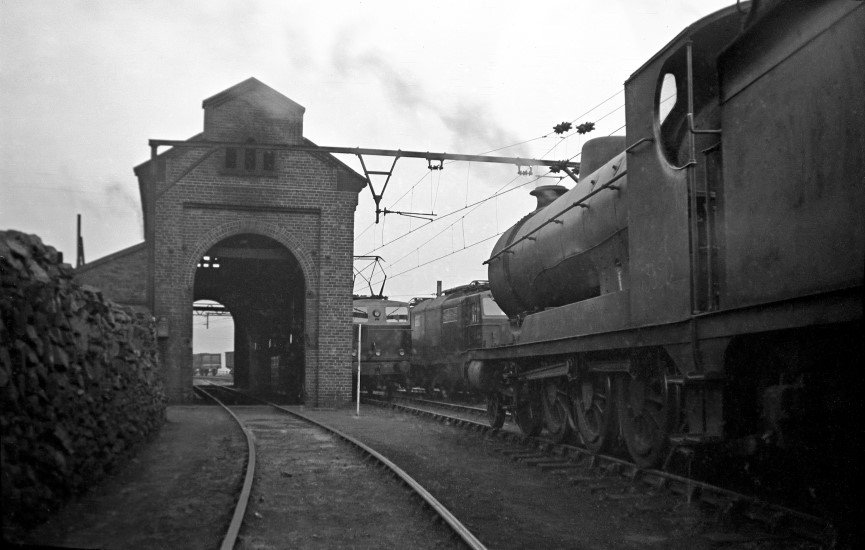
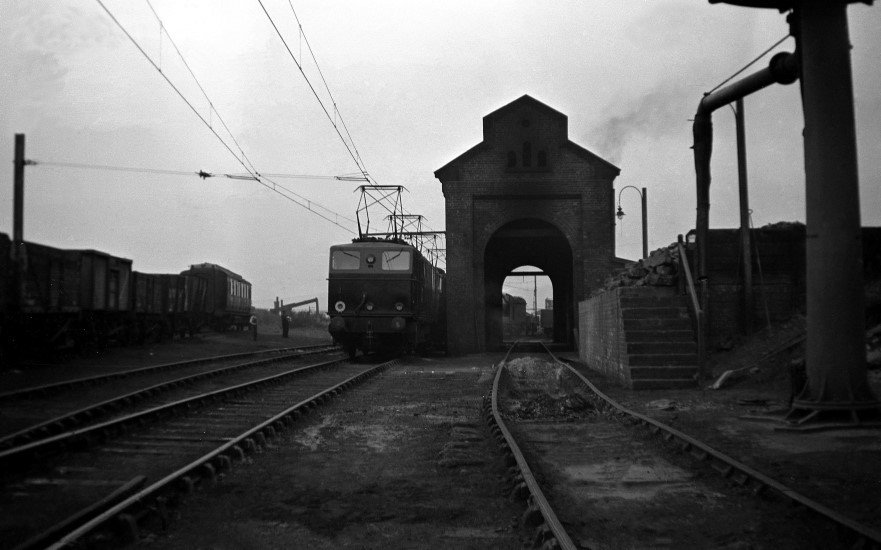
continued from above Its main use was for the Glossop-Manchester line (the Dinting triangle which we looked at previously), the Waterside branch (which left the main Manchester – Sheffield line at the old Dinting station) and as a stabling point for the Glossop shunter. In later years the electric loco’s for Mottram Yard also made use of the shed. Here we have two pics from the fifties: So much to see in this superb picture at a time of transition. A drystone wall, the shed in all its glory, wagons through the arch, the electric Bo-Bo class and a steam survivor. From the opposite end this time. Overhead catenary exists alongside the coal stage and water tank. Hard to imagine this scene ever existed as it is now. continues below
-
continued from above Keeping a link with Gorton we now move on to the main event. The shed in the woods. Going back a few weeks we had a look at the old Dinting station. Well this building is located within a five minute walk. Unless you are aware of its existence it is so easy to pass it by. Woodland has completely hidden it from view and is quite a challenge to locate. Though apocaIyptic, there’s something beautiful about abandoned and derelict places. The clocks have stopped ticking, and there’s not a soul in sight, but the shell of what used to be remains. It is an eerie snapshot of history frozen in time. A stark reminder of what went before, with a haunting beauty seeping through the dust. This engine shed is no exception. It has stunning architecture and shows it was built with pride. A well hidden jewel It was built between 1888-98 for the Manchester, Sheffield and Lincolnshire Railway (later the Great Central Railway). The shed code is 39A pre 1958 (Gorton allocation), and is a one track through layout. Two tracks passed on the south-east side. Brick built with stone coped gable ends. A coal stage and water tank were situated at the south end. The land it stands on is actually the ash tip from Gorton loco works. continues below
-
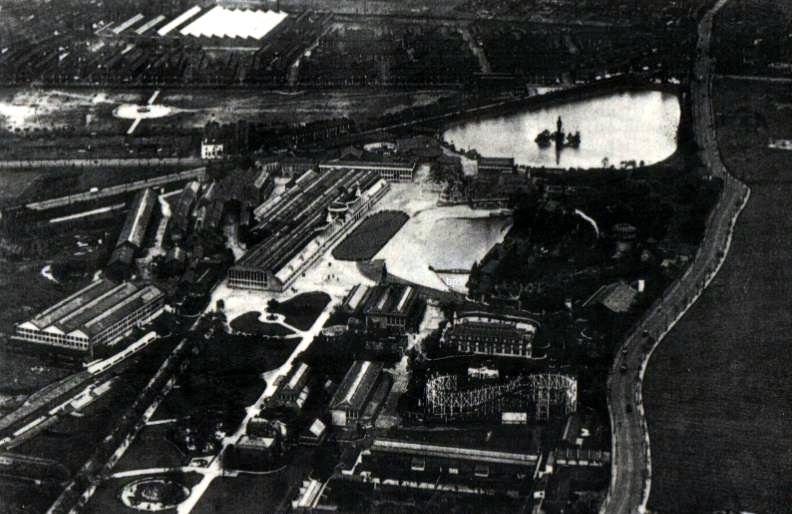
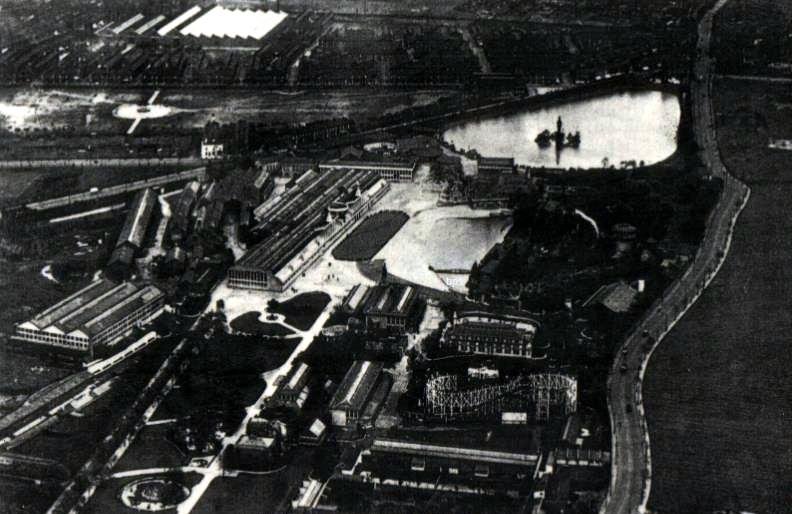
Hi there folks, Sorry to see we’ll have no more trips to Belle Vue. It was expected, but without the Covid situation we would at least have probably had a few more meetings. It’s another great loss. If i’m passing through an area where a track used to be i usually have a drive past its former site to rekindle the memories of the racing there etc. Well how about we have a look at what the tracks were built on, or what they replaced? In the first of a mini-series entitled ”What was there before?” we’ll start with Kirky Lane’s Belle Vue. Permission has been obtained for all photos used throughout which are not my own. The stadium itself was built in Gorton on an area of farmland known as Higher Catsknowl, and Lower Catsknowl. Gorton was known to have rich agricultural lands as far back as the reign of King Edward I in the late 1200’s. Farms and rural estates remained right up until the Industrial Revolution. By 1896 many of the farms had gone with only fields remaining in odd pockets throughout the area. A late 1800's view on the left Looking at the map the Boating Lake and Clock Tower are part of Belle Vue Pleasure Gardens. The Midland Hotel public house to the right was both a station hotel, and a place for the Pleasure Gardens visitors. It was demolished in 2002/3. Within five minutes of here was the magnificent Gorton Locomotive Works. Exporting worldwide they built more than a thousand steam locomotives. The attached picture from the 1920’s shows Kirkmanshulme Lane running alongside the right hand side. As can be seen fields have managed to hang on here. The site of the stadium (top right) does look as though building work is going on. This would fit in as it opened in 1926. The Boating Lake is clearly visible in this excellent photo. The Diamond Lodge now occupies part of that site. continues below
-
OFF TRACK: LOCKDOWN WITH KEV SMITH (EX-64) - PART TWO
Roy B replied to BSCDA PR's topic in Essential Information
If only there was a part three, four, five etc, etc, etc. Please, please do another continuation interview with Kev. You just know he has loads more tales to tell. -
A big thank you to all involved. It has been excellent entertainment and will be greatly missed. More than anything it brought everyone together for a few hours every Saturday and made us all feel part of the Brisca family even though we couldn't be together in person.
-
and another FH460 for you. A beauty from Harry Lawson's of Broughty Ferry. Lawson's specialise in the movement of hazardous products in tankers and containers.
-
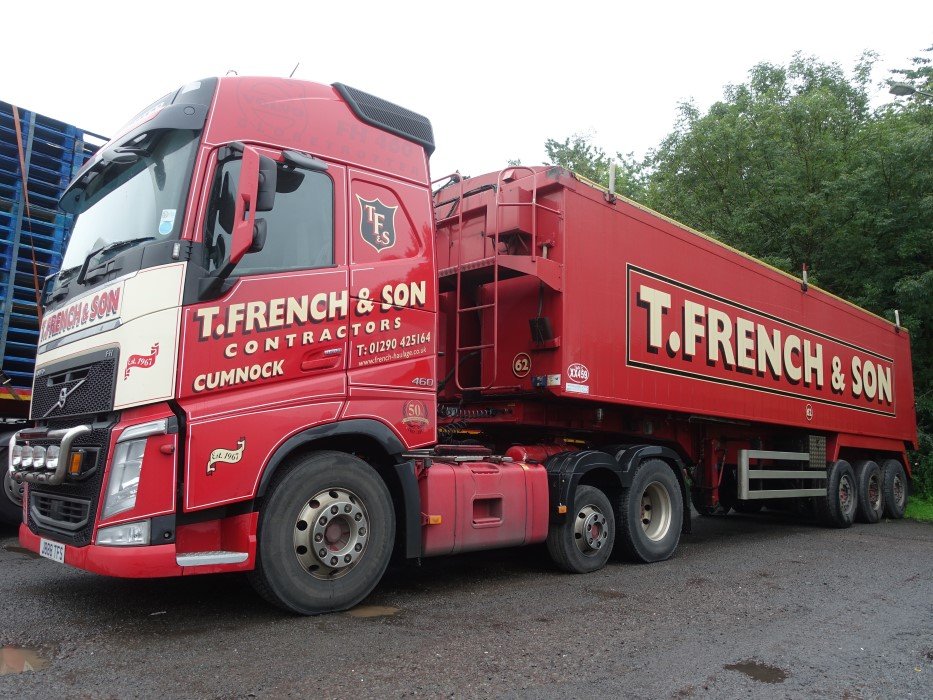
Cheers Bas. I know you like the paint jobs/signwriting on the UK trucks and seeing as it was supposed to be the Scottish weekend coming up here's a pic for you. It's a Volvo FH460 Globetrotter from T French of Cumnock, East Ayrshire. They run a fleet of 70 Volvo's carrying a variety of bulk cargo including coal, grain, and fertilisers.
-
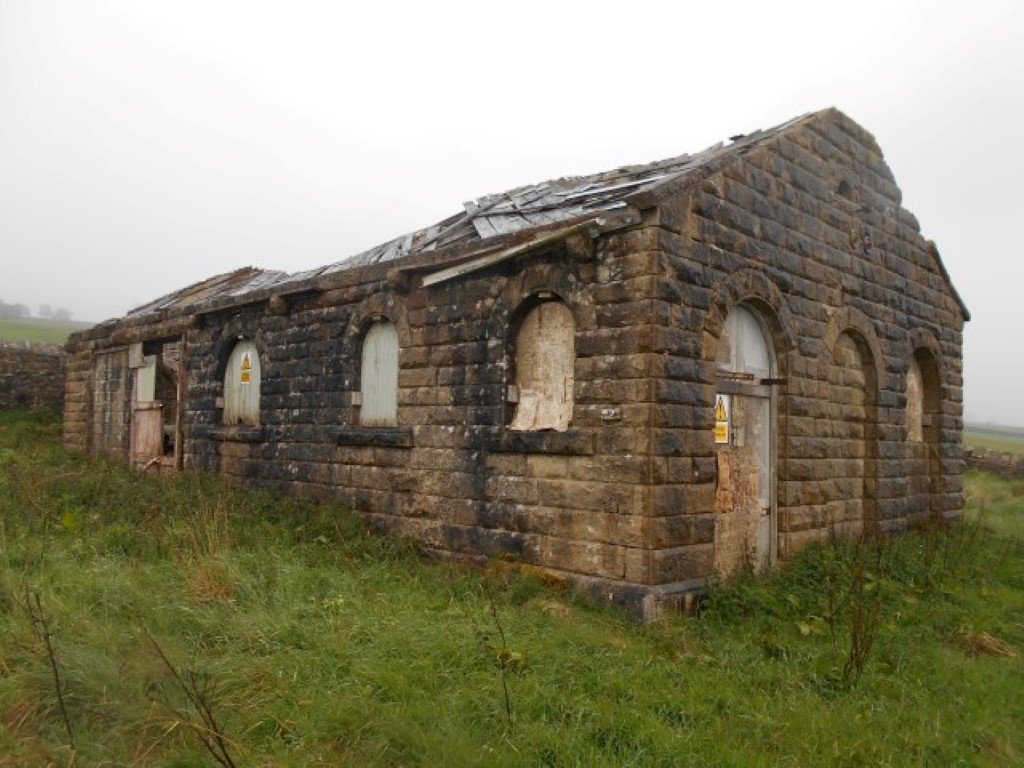
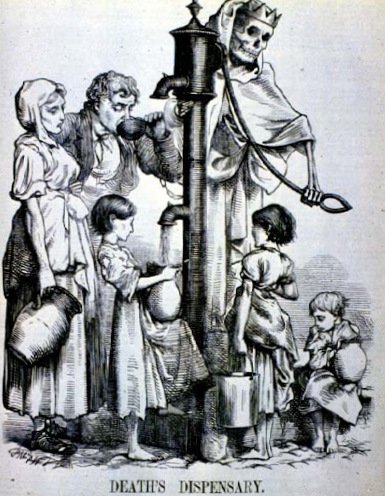
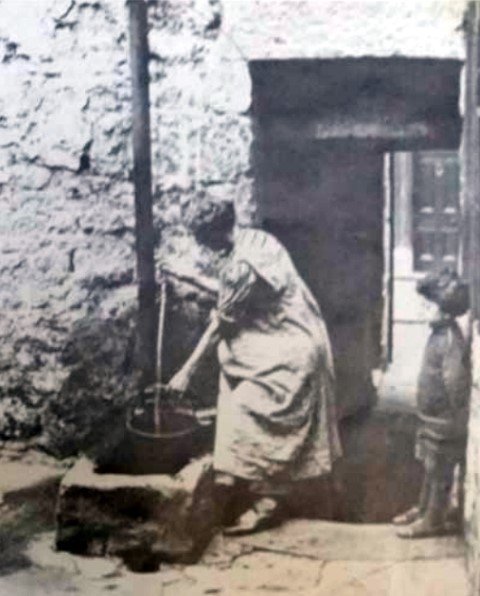
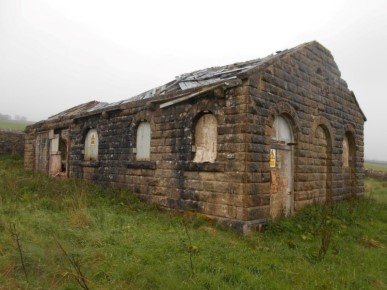
continued from above How about we see first-hand the conditions. Join me now as we go back to the early to mid 1800’s and take a walk through the streets of Lancaster. You’ll need a strong stomach! Notice how the men have sunken cheeks and limbs that are malformed. Legs are bowed. Girls limp around flat-footed. Working an average of 70hrs a week has taken its toll. Toiling in a heated atmosphere, remaining in one position for hours on end results in only one set of muscles being used. Young girls whose bones are still developing find themselves with bent spinal columns, curved leg bones and a loss of height. You’ll no doubt have a group of malnourished children following you around. Any under the age of 13 are limited to a 48hr working week. These poor mites work all day in a poisonous atmosphere with only a 15 min break. They’ll be stunted, crippled, and deformed. Standing or squatting before you in all the shapes of the alphabet. People hurry along carrying water in whatever they have to hand. They’ve had to cover a considerable distance to the wells. The water is polluted and hard. The washing of clothes is difficult and costly as soda has to be added to soften it. There is no waste disposal system so look out for human and animal sewage, plus refuse piled up outside the back to back houses. These properties have no ventilation, little light, no water supply or drainage. If you find yourself needing a privy (toilet) forget it. You’ll be sharing it with up to 380 other people. Middens and cess-pits are everywhere. Watch where you step as the run off from these soaks into the ground and eventually finds its way into the local river. All the water supplies are polluted, becoming major sources of infection. Death awaits at the water pump A lucky few in the posher parts of town have sub-surface drains installed in their street. These are rectangular being made of rough cast stone and for rainwater only. These householders see their chance and connect their cess-pools, water closets and house drains to them, as do the slaughter houses. Solid materials get stuck in them and the flow backs up. The contents seep through the cellars. One particular property is affected by the drainage of three privies, and two pig sties. The stagnating solution soaks into the foundations and through the floor. The smell in Lancaster especially in summertime is appalling. You’ll be impressed with it being one of the nastiest and filthiest places in existence. I guess by now you will have seen enough, but return again a few years later and the improvements in conditions and health will be seen. Here a mother is able to obtain a clean supply of water within feet of her house. Now this is where our mystery building plays its part. With the problems associated with the rectangular drains a better design was called for. A smaller diameter to encourage flow, round or oval in section, and made from glazed earthenware or metal. With a gradual curve rather than right angles a good supply of water would be needed to flush them through. Various suggestions for a source of water had been discussed. The River Lune was considered but would have required pumping, and would have been salty at high tide. A Labour Master at the workhouse who had previously been a gamekeeper contacted the council telling them where a good source of water may be found. He had noticed water issuing from springs high on the fells. After investigation the council agreed that the springs and becks of the high country would be Lancaster’s supply of water. A programme of works commenced in 1852. What makes these fells such a good source? The surface layer is peat over a porous sandstone. Rainwater falls on the peat and passes through becoming acidic. It then drains through the excellent natural filter of the sandstone coming out pure and clean. When this water was tested it was found to be the purest yet discovered for supplying any town in the land. The resulting soft water made washing clothes much easier and used less soap. It is not without its problems though. Acidic water dissolves lead, and resulted in lead poisoning. This brought about the need to build water treatment works. However, there was a problem in taking water from the springs which fed into the River Wyre. Mills had been constructed on its banks and needed a strong flow to power the machinery. A compensation reservoir was constructed at Abbeystead to keep the mills going in times of low rainfall. The volume of storage had to be 95 times greater than Lancaster’s daily consumption of 300,000 gallons. The reservoir was built to therefore hold 28,500,000 gallons. Inevitably in a dry year the output from the springs could not keep up with demand. A much larger storage capacity was needed to catch excess water when it was not immediately required. A new reservoir capable of holding 50,000,000 gallons was constructed. An effect of a high flow of water in a relatively narrow pipe can cause rupturing of the pipework further down the system owing to a buildup of pressure. Step forward our building. It is known as a pressure reduction basin. Inside is a large open tank. Water flows into the tank at high pressure. Equalising to the tank dimensions sees it flow out and continue its journey with a greatly reduced pressure. There would be a number of these pressure reduction tanks strategically positioned throughout the system. In this one at Brow Top there are some great stone arched window and door frames, some valve gear and a secondary tank with some Victorian railings to one side. By the late 1800’s the death rate in Lancaster was falling significantly and many more modifications and improvements to the infrastructure were carried out in the following years. It is interesting that at the end of the 19th century Lancaster was noted to be very short of public conveniences. This led to both men and women relieving themselves in yard entrances. With the policy nowadays of council’s reducing the number of public conveniences have we really made any progress? Photos in the gallery (after the F2 pics) show the area, and how time has stood still in this part of Lancashire. A real land that time forgot, and very peaceful. Next time: A long forgotten shed deep within the woods, but not just any shed.
-
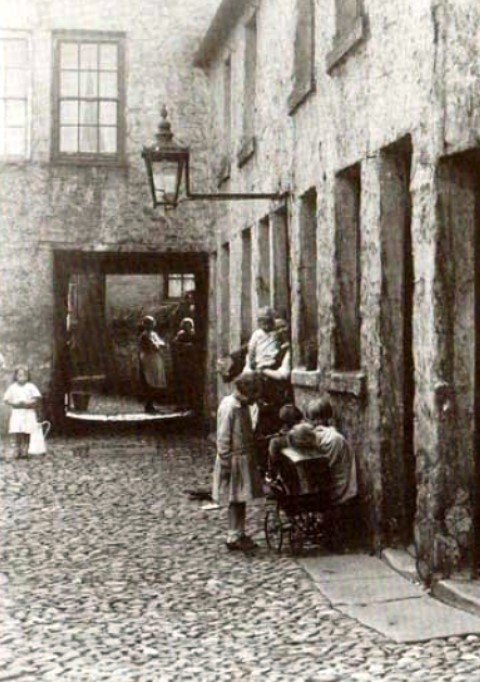
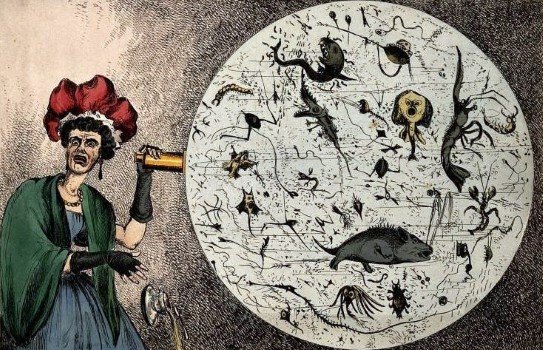
continued from above The general health of the town’s population on the other hand was not looking good. The water supply was heavily contaminated with all types of bacteria and disease. The horrors that lurk within the water The town had high mortality rates. Through the period 1760-1840 the most prevalent diseases were typhus (putrid fever), influenza, typhoid, and whooping cough. In addition to these, many people were treated for abscess due to tonsillitis, “holy fire” (an acute infection of the skin), croup, chronic weakness, hysteria, palsy, colic, gravel (kidney stones), scurvy, worms, tumours and convulsions. During the Victorian era tuberculosis was the most deadly of all. Lancaster was particularly notorious for this disease. One of the main reasons for this was the two major trades at that time which were linoleum and oilcloth. The working environment was very crowded involving lots of contact with other people. The average salary was less than £1 a week which was just enough to feed a family of four. The family size for the majority of Lancastrians was double or triple this, resulting in them being under fed and generally run down. The diet consisted mainly of bread, potatoes, milk and meat on average once a week. Fruit and veg were uncommon until the 1900’s. Cholera hit Lancaster in 1832. The two asylums in the town were particularly badly affected. There were so many coffins in the wards that the doctor had to stride over them. The epidemic was the turning point in cleaning up the town. The average age at death was only about 22 years. Lack of sanitation, and overcrowding being the main factors. The conditions of the time. The little girl at the back is standing next to a jug of water that has been carried a considerable distance and will be heavily polluted. continues below
-
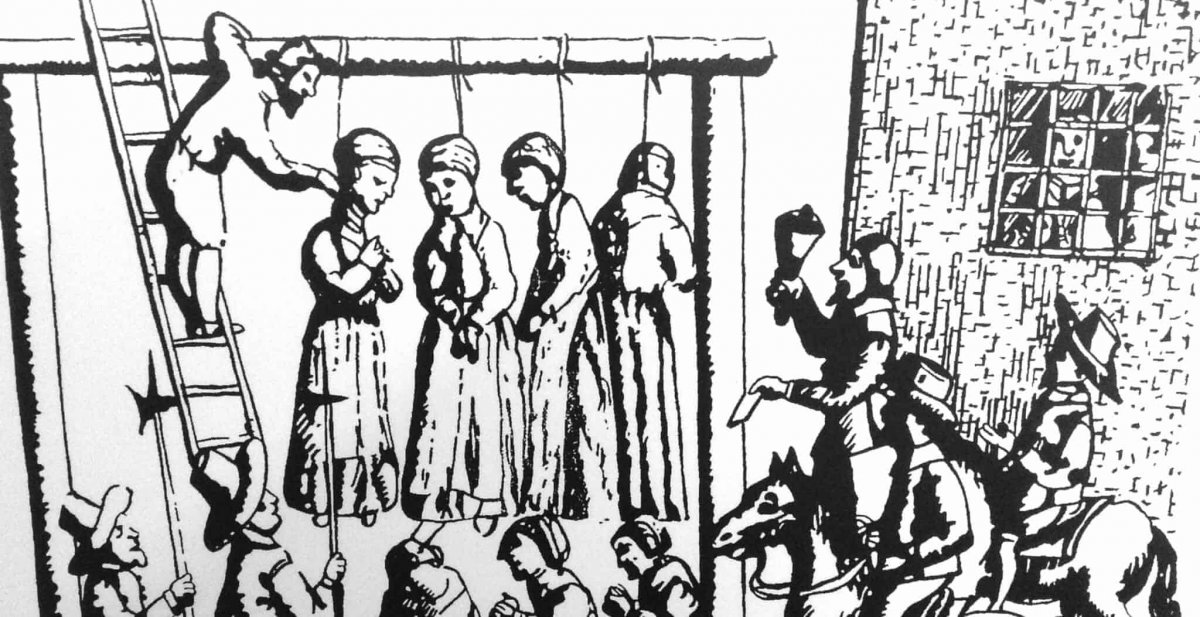
Hi there folks, Hope you’re all well. Pics from day two of the F2 2019 WF weekend from Buxton are in the gallery. Meeting info towards the bottom of page 4 in this topic. This time we’ll have a look at the story behind the reason this was built. It is located at Brow Top in the Trough of Bowland in Lancashire, and played a part in improving the health and wellbeing of the inhabitants of Lancaster. During the 1600’s this county town (city status was not bestowed until 1937) of Lancashire was known as the “Hanging Town”. The court sentenced more people to be hanged here than any other in the country outside of London. Lancaster Castle is well known as the sight of the Pendle witch trials in 1612. Once one of the busiest ports in the UK, and a leading port for trade with the West Indies, but the Napoleonic Wars had a damaging effect on the town. Further decline followed with the silting up of the River Lune, a fall in the price of wheat, and the opening of Liverpool’s port. 1833 saw the last ship dock at St.George’s quay. However, it had an ace up its sleeve owing to its unique geographical position. Lancaster was a route centre for North Lancashire and West Yorkshire. In 1829 the North Western opened the town’s first railway, followed by the Preston Junction Railway in 1840. Additional trade of Baltic timber, Irish grain, and coastal trade through the nearby port of Glasson Dock gave new energy to the town. From this time Lancaster steadily grew into an industrial centre. The canal side mills were the main employers. continues below
-
OFF TRACK: LOCKDOWN WITH KEV SMITH (EX-64) - PART ONE
Roy B replied to BSCDA PR's topic in Essential Information
The enthusiasm that Kev shows, and the way he recalls his racing exploits are pure gold. A tremendous interview and i cannot wait for part two. Many thanks to everybody involved once again. -
Yes it was Buxton on May 17th 2015. Hence the winter clothes! If you've got a bit of spare time folks have a listen to the Truck & Driver podcasts. They're very entertaining. The mag editor Dougie Rankine, and Chris Maddison discuss all things trucking. Chris is a Yorkshire lad and can always be relied upon to say it how it is. He owns possibly the UK's most famous Foden Alpha. Photo by Dominic Pearson
-
OFF TRACK: LOCKDOWN WITH IAN HIGGINS (EX-29)
Roy B replied to BSCDA PR's topic in Essential Information
Yet another first class interview. Many thanks. Ian in the two seater at Hunmanby
-
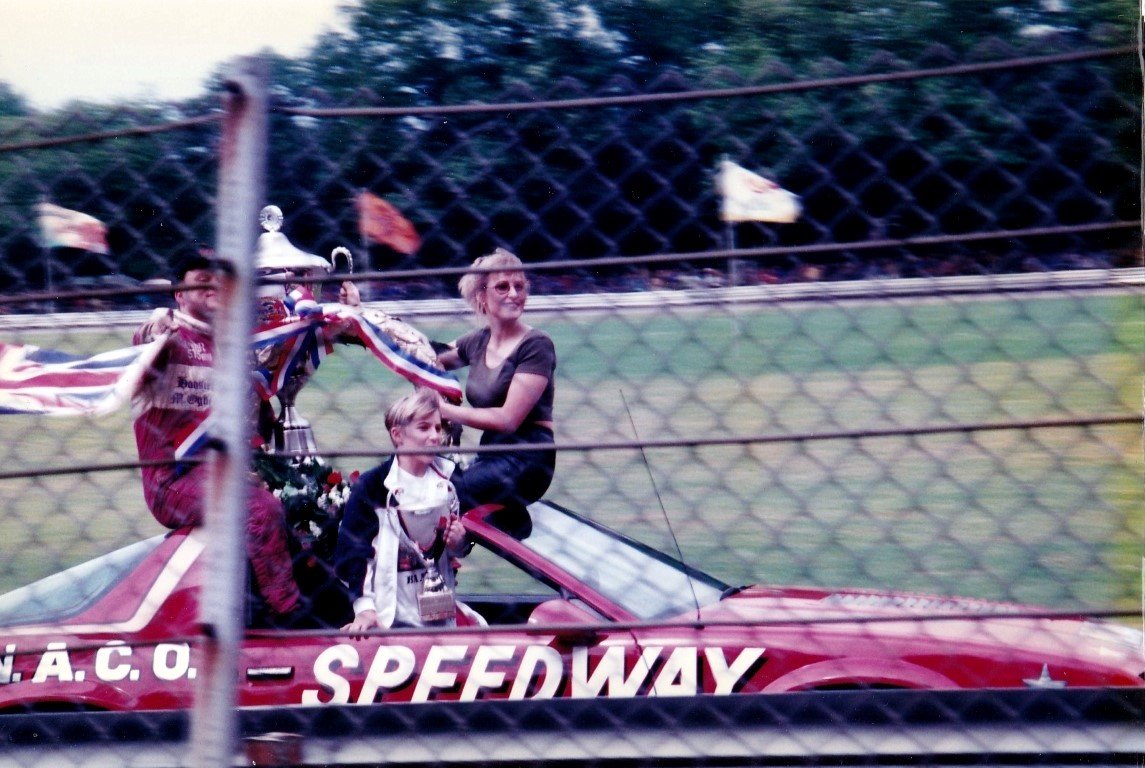
Many thanks for the kind words Brownspeed but you really don't need to do that. As long as folks get some enjoyment out of these posts that's good enough for me. With regard to clapping, my youngest daughter is a newly qualified nurse in Leeds, and she sends her heartfelt thanks to all those in the Brisca family who applauded the NHS. She has been to a few meetings with her boyfriend when time off allows and loves the friendly atmosphere around the tracks. He is in the forces and absolutely loves our sport. He had never heard of it until she suggested going and he was instantly hooked. The young generation of future potential fans are out there, it's just making them aware that's the difficult bit. My daughter has this wonderful pic on her flat wall to cheer her up after a hectic day at Leeds General. Her two fave guys! She's set you all a test. Where, and when (exact date)?
-
continued from above Next time: Pics from day two of the F2 WF weekend, plus we’ll have a look at the story behind this 170 year old building which was abandoned in 1952.
-
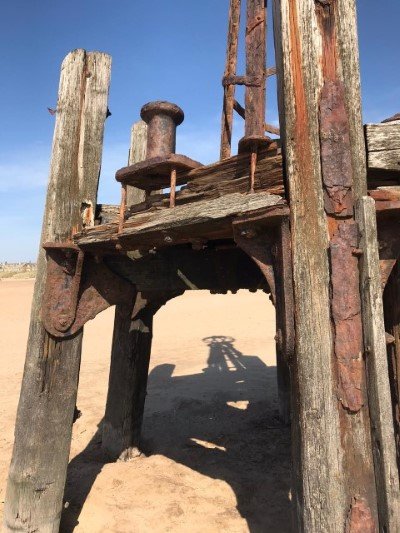
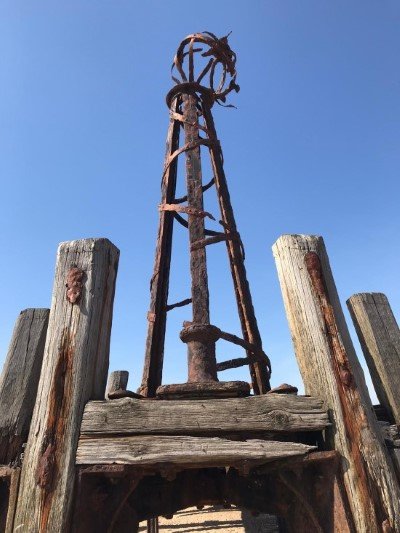
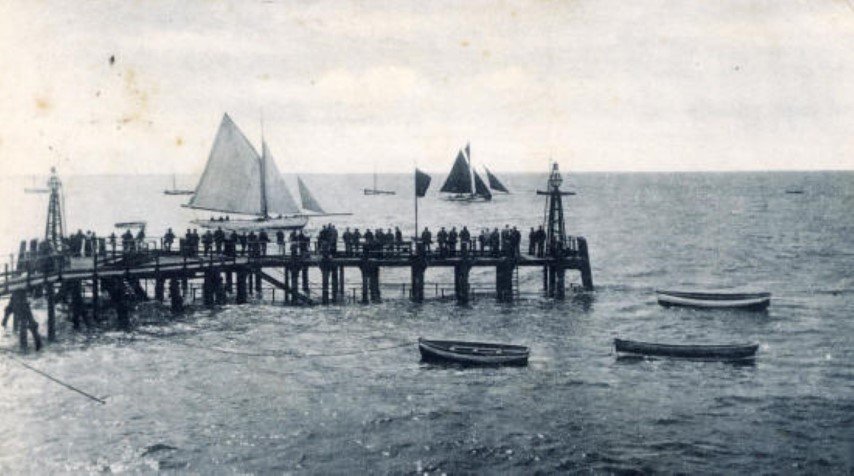
continued from above It was used for steamer services from Liverpool and Blackpool. However, it only had a short life. The passing of the Ribble Navigation and Preston Dock Act of 1883 led to the dredging of the river channels to improve access to Preston Dock. These changes to the estuary meant that the pier was eventually left on dry land. The resort’s steamer trade came to an end. Time has taken its toll Five years after the earlier photo, and the top of one of the beacons is just hanging on A busy Victorian scene continued below
.JPG.eacf69da6e28a4bafd51f2f94d2dfabd.JPG)
.jpg.244b4e0c8c39262d6468ad5237fcd579.jpg)
(2).jpg.a64d398cb2768ec2ffdd2e43d1383273.jpg)
.jpg.aacb6500d2d22241a93f0adbcc4b7c7c.jpg)
.JPG.d9487ee87951705fc34ec4bc609af5a2.JPG)
.jpg.ce229cbffcd514f7e5ff7c3519f24d00.jpg)
.jpg.eca63aa991aee887d93faf07d781fca0.jpg)
.JPG.653d8b6a7225bce09b7adc89a5ca2ddc.JPG)
.jpeg.03fa990dc8bc0189b80430986fe9e8b0.jpeg)
.JPG.7eefc18de29a965ac6e59b561267f119.JPG)
.JPG.4586fea9b47ca6d48cdbfedb9c921439.JPG)